
Compound Monograph
N-Methylcytisine
N-methylcytisine (caulophylline) is the nicotinic quinolizidine alkaloid that serves as the chemical marker of blue cohosh — a close structural cousin of the smoking-cessation alkaloid cytisine, an acetylcholine-receptor agonist, and a contributor to the herb's oxytocic reputation and its documented reproductive and cardiac toxicity.

Sources · 5
Where Does It Come From?
N-Methylcytisine is a naturally occurring quinolizidine alkaloid (nicotinic; n-methyl derivative of cytisine), found in Blue cohosh and 4 other sources. It is flagged as moderately toxic.
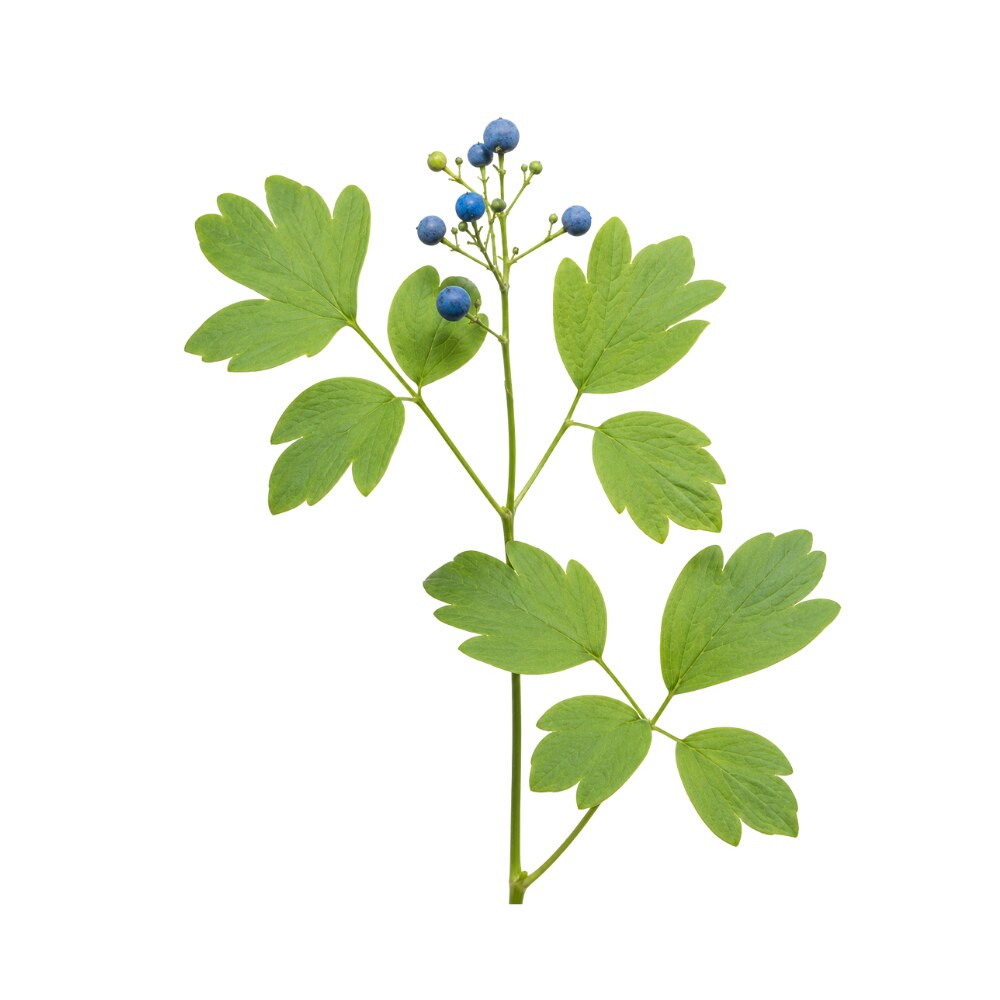 Principal source Blue Cohosh Caulophyllum thalictroides Herb monograph →
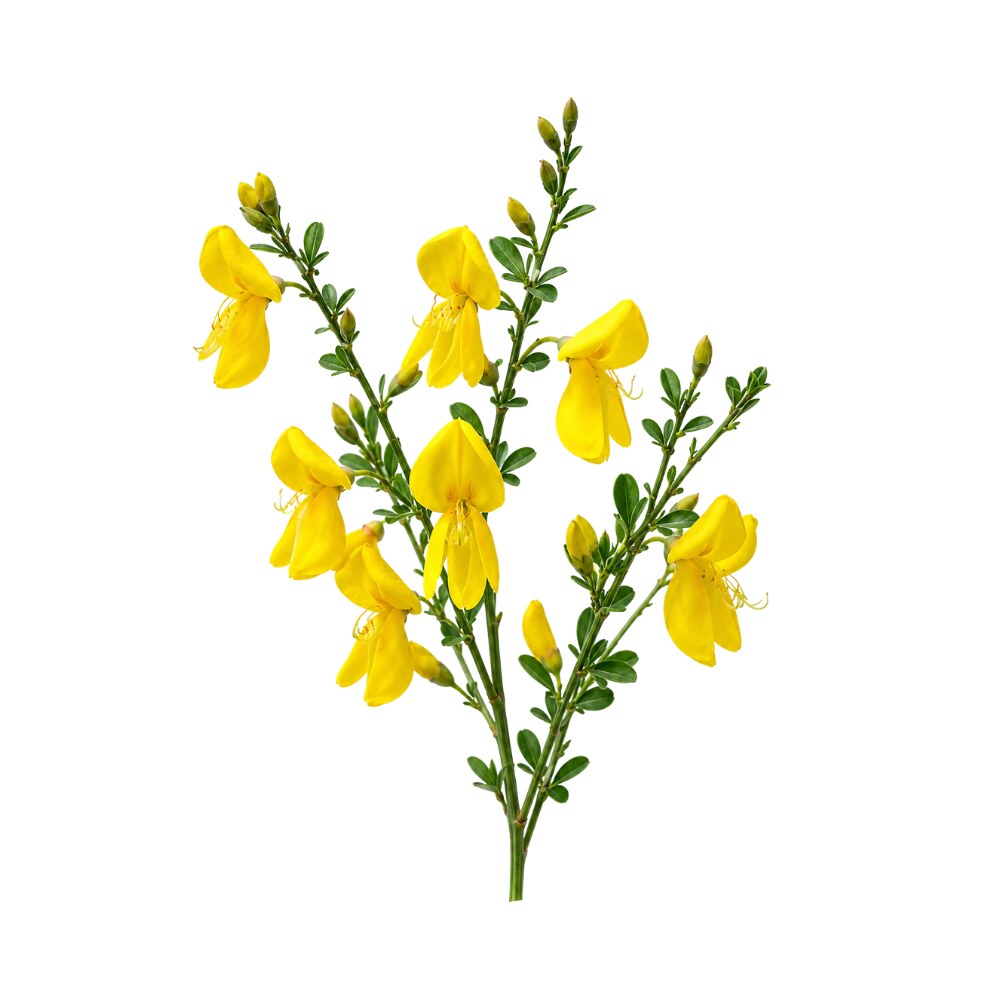 Source Broom Cytisus scoparius Herb monograph →
Concentration
Content by Source
Reported concentrations across the plants that contain N-methylcytisine — the bar marks the typical level, the line shows the reported range.
Literature figures for varying plant parts and preparations. Read them as a comparative guide, not exact assays.
N-Methylcytisine at a Glance
N-methylcytisine — also called caulophylline — is a nicotinic quinolizidine alkaloid and the chemical marker of blue cohosh (Caulophyllum thalictroides). Of all the alkaloids in the plant, it is the one modern analyses find most consistently: it has been detected in every blue-cohosh dietary supplement analysed, which makes it the analytical fingerprint chemists use to confirm the botanical 2,
Structurally it is the N-methyl derivative of cytisine, the same alkaloid that has been developed as a smoking-cessation drug. That kinship is the key to its pharmacology: like cytisine, N-methylcytisine binds and activates nicotinic acetylcholine receptors (nAChRs), and it is one of the highest-affinity nicotinic ligands among the quinolizidine alkaloids 10,
This is not a wellness molecule. N-methylcytisine has no therapeutic use of its own; its significance is as a marker, a nicotinic pharmacological tool, and a toxicological actor. It is implicated in the nicotinic toxidrome seen when blue cohosh is misused as an abortifacient 4Reference 4Nicotinic toxicity from tincture of blue cohosh (Caulophyllum thalictroides) used as an abortifacientView study →, it is teratogenic in an in-vitro rat embryo model 1Reference 1In vitroDetecting potential teratogenic alkaloids from blue cohosh rhizomes using an in vitro rat embryo cultureView study →, and blue cohosh’s most serious documented harm — acute neonatal heart failure after prenatal use — is attributed in part to its alkaloids 8Reference 8Profound neonatal congestive heart failure caused by maternal consumption of blue cohosh herbal medicationView study →.
N-Methylcytisine as Blue Cohosh’s Marker Alkaloid
The single most useful fact about this molecule is that it is the reliable signature of blue cohosh. When the U.S. FDA and university natural-products groups worked out how to authenticate and screen blue-cohosh products, N-methylcytisine was the alkaloid that turned up in all of them — Rader and Pawar describe it as the “nicotinic alkaloid… found in all dietary supplements of blue cohosh analyzed,” and label it a potent toxicant 2Reference 2Primary constituents of blue cohosh: quantification in dietary supplements and potential for toxicityView study →. By contrast the teratogenic alkaloid anagyrine was present in only some products 2Reference 2Primary constituents of blue cohosh: quantification in dietary supplements and potential for toxicityView study →, and the saponins varied more than 100-fold between products 7Reference 7Determination of saponins and alkaloids in Caulophyllum thalictroides (blue cohosh) by high-performance liquid chromatography and evaporative light scattering detectionView study →. That combination — near-universal presence plus a defined nicotinic action — is what makes N-methylcytisine both the marker and a genuine safety concern.
The cytisine connection. N-methylcytisine is cytisine with a methyl group on the ring nitrogen, and the two behave as a family at nicotinic receptors. Across a panel of fourteen quinolizidine alkaloids, the two α-pyridones — cytisine and N-methylcytisine — showed the highest affinities at the nicotinic receptor 13Reference 13Binding of quinolizidine alkaloids to nicotinic and muscarinic acetylcholine receptorsView study →. On recombinant human receptors N-methylcytisine acts as an agonist at α7, α4β2 and α4β4 nAChRs 11Reference 11Halogenated cytisine derivatives as agonists at human neuronal nicotinic acetylcholine receptor subtypesView study →, and computational docking places both cytisine and N-methylcytisine with the same preference for the heteromeric α4β2 subtype that defines cytisine’s smoking-cessation pharmacology 10Reference 10In silico characterization of cytisinoids docked into an acetylcholine binding proteinView study →. Its nicotinic affinity is high enough that radiolabelled N-[¹¹C]methylcytisine has been trialled as a PET tracer for brain nicotinic receptors 12Reference 12An attempt to visualize baboon brain nicotinic receptors with N-[11C]ABT-418 and N-[11C]methyl-cytisineView study →.
The practical reading: N-methylcytisine reproduces the receptor pharmacology of cytisine and nicotine, which is exactly why blue cohosh overdose looks like nicotinic poisoning rather than a vague “herbal” reaction 4Reference 4Nicotinic toxicity from tincture of blue cohosh (Caulophyllum thalictroides) used as an abortifacientView study →. But unlike cytisine, it has never been developed as a therapeutic — its story is toxicological, not clinical.
What It's Used For
N-methylcytisine’s evidence base is unusual for a compound page: it is not built from efficacy trials, because there are none. It is built from analytical chemistry (what/how much is in the plant), receptor pharmacology (how it engages nAChRs), and toxicology (embryo culture, a human poisoning case, a neonatal case report).
Support is an experimental score — weighted by study type (human > animal > in vitro) and volume. A beta, not a validated metric. For this molecule the “applications” are really roles — analytical marker, pharmacological tool, toxicological actor — not therapeutic uses, so read the per-row basis.
The best-evidenced role, and the isolate is exactly the point here. N-methylcytisine is the alkaloid modern analytical work uses to authenticate blue cohosh: Rader and Pawar found it in every blue-cohosh dietary supplement they analysed and singled it out among the “primary constituents” 2Reference 2Primary constituents of blue cohosh: quantification in dietary supplements and potential for toxicityView study →, and HPLC/UPLC and LC-MS methods for the plant were built around resolving it alongside magnoflorine, baptifoline and anagyrine 6,
Usefully for quality control, the alkaloid content is comparatively uniform across products even though total saponins vary more than 100-fold 7Reference 7Determination of saponins and alkaloids in Caulophyllum thalictroides (blue cohosh) by high-performance liquid chromatography and evaporative light scattering detectionView study →.
Gap: this is analytical chemistry of the isolated molecule — it tells you the compound is present and quantifiable, not that it is safe; indeed its near-universal presence is what makes the toxicology below unavoidable 2Reference 2Primary constituents of blue cohosh: quantification in dietary supplements and potential for toxicityView study →.
A well-characterised receptor pharmacology, almost entirely on the isolated molecule in vitro. Among fourteen quinolizidine alkaloids screened for receptor binding, N-methylcytisine and cytisine had the highest affinities at the nicotinic receptor 13Reference 13Binding of quinolizidine alkaloids to nicotinic and muscarinic acetylcholine receptorsView study →.
On cloned human receptors it is an agonist at α7, α4β2 and α4β4 nAChRs 11Reference 11Halogenated cytisine derivatives as agonists at human neuronal nicotinic acetylcholine receptor subtypesView study →, and in-silico docking places it, like cytisine, with a preference for the α4β2 subtype 10Reference 10In silico characterization of cytisinoids docked into an acetylcholine binding proteinView study →.
Its affinity is high enough that N-[¹¹C]methylcytisine has been evaluated as a PET radioligand for nicotinic receptors in primate brain, though brain uptake was modest 12Reference 12An attempt to visualize baboon brain nicotinic receptors with N-[11C]ABT-418 and N-[11C]methyl-cytisineView study →.
Gap: this is receptor-level and imaging work, not a therapeutic programme — unlike cytisine, N-methylcytisine has not been taken forward as a drug, and there are no efficacy trials of the isolate 10,
The traditional “use” — blue cohosh’s long history as a labour-inducing and abortifacient herb — is herbal and largely saponin-driven, with N-methylcytisine contributing the toxicity rather than a clean uterotonic action. The uterine-stimulant reputation is generally attributed to the triterpene (cauloside) saponins 7Reference 7Determination of saponins and alkaloids in Caulophyllum thalictroides (blue cohosh) by high-performance liquid chromatography and evaporative light scattering detectionView study →, while N-methylcytisine’s signature appears when the herb is misused: a 21-year-old who took blue-cohosh tincture as an abortifacient developed tachycardia, sweating, vomiting, weakness and fasciculations — a nicotinic toxidrome — attributed to the methylcytisine content 4Reference 4Nicotinic toxicity from tincture of blue cohosh (Caulophyllum thalictroides) used as an abortifacientView study →.
Systematic review confirms blue cohosh is widely used by midwives as a labour aid but flags the safety signal 9Reference 9Safety and efficacy of blue cohosh (Caulophyllum thalictroides) during pregnancy and lactationView study →.
Gap: there is no controlled evidence that isolated N-methylcytisine is a useful oxytocic; the herb-level effect mixes saponins and alkaloids, and the alkaloid’s documented human contribution is toxicity, not benefit 4,
Mechanisms
| Target / pathway | Effect | Relevant to |
|---|---|---|
| Neuronal nicotinic ACh receptors (α4β2, α4β4, α7) | agonist / high-affinity binding — reproduces nicotine-/cytisine-type receptor activation | nicotinic pharmacology; the human toxidrome |
| Autonomic & neuromuscular nAChRs | nicotinic overstimulation → tachycardia, sweating, vomiting, fasciculations, weakness | acute toxicity (abortifacient misuse) |
| Fetal / developmental signalling | teratogenic in in-vitro rat embryo culture (the isolated alkaloid) | reproductive toxicity |
| Cytochrome P450 3A4 | weak inhibition by the isolate (~32% at 100 µM); the whole alkaloid fraction is a strong multi-CYP inhibitor | herb–drug interaction risk |
| Myocardium (via the alkaloid fraction) | implicated in the neonatal acute-MI / heart-failure case attributed to prenatal blue cohosh | severe reproductive/neonatal harm |
The load-bearing point is that a single receptor action — nicotinic agonism — explains both the pharmacological interest and the acute human toxidrome, while the reproductive and cardiac harms sit on top of it as the reason this molecule is a safety concern rather than a wellness one.
Pharmacokinetics
Dedicated human ADME for isolated N-methylcytisine is not established. What is known is inferential and cross-species: the parent alkaloid cytisine is a small, relatively polar quinolizidine with limited blood–brain-barrier penetration, and the fact that N-[¹¹C]methylcytisine reaches the brain well enough to image nicotinic receptors shows the N-methyl form does cross into the CNS in primates, if modestly 12Reference 12An attempt to visualize baboon brain nicotinic receptors with N-[11C]ABT-418 and N-[11C]methyl-cytisineView study →. As an isolate it is a weak inhibitor of CYP3A4 (about 32% at 100 µM), so on its own it is a minor metabolic actor — but the whole blue-cohosh alkaloid fraction strongly inhibits CYP1A2, 2C19, 2D6 and 3A4 (IC₅₀ ~2–20 µg/mL), which is where the real herb–drug-interaction concern lives 3Reference 3In vitroAlkaloids and saponins as cytochrome P450 inhibitors from blue cohosh (Caulophyllum thalictroides) in an in vitro assayView study →. No reliable oral bioavailability, Cmax or half-life figure exists for the pure compound in humans.
Clinical Trials
There are no clinical trials of N-methylcytisine — it is not a drug candidate. The human record consists of case-level toxicology (the abortifacient-misuse nicotinic toxidrome 4Reference 4Nicotinic toxicity from tincture of blue cohosh (Caulophyllum thalictroides) used as an abortifacientView study →; the neonatal acute-MI/heart-failure case after maternal blue cohosh 8Reference 8Profound neonatal congestive heart failure caused by maternal consumption of blue cohosh herbal medicationView study →) and systematic safety review of the parent herb in pregnancy and lactation 9Reference 9Safety and efficacy of blue cohosh (Caulophyllum thalictroides) during pregnancy and lactationView study →.
| Completed | Planned | Terminated | Preclinical |
|---|---|---|---|
| None(isolate) — human data are case reports + herb safety review 4, | — | — | Receptor pharmacology, PET-tracer, embryo-culture teratogenicity, CYP inhibition 1, |
Last checked: July 2026.
Isolate vs. Plant Studies
The evidence splits cleanly. The receptor pharmacology and the teratogenicity are isolate work — N-methylcytisine tested directly on cloned human nAChRs 11Reference 11Halogenated cytisine derivatives as agonists at human neuronal nicotinic acetylcholine receptor subtypesView study →, in binding panels 13Reference 13Binding of quinolizidine alkaloids to nicotinic and muscarinic acetylcholine receptorsView study →, in silico 10Reference 10In silico characterization of cytisinoids docked into an acetylcholine binding proteinView study →, and in the rat-embryo-culture teratogenicity assay where the purified alkaloid was teratogenic 1Reference 1In vitroDetecting potential teratogenic alkaloids from blue cohosh rhizomes using an in vitro rat embryo cultureView study →. That is a real strength: the nicotinic action and the developmental-toxicity signal are properties of this molecule, not of an undefined extract.
The human harms, by contrast, are plant-level. The nicotinic toxidrome was a whole-tincture exposure, with methylcytisine named as the likely culprit 4Reference 4Nicotinic toxicity from tincture of blue cohosh (Caulophyllum thalictroides) used as an abortifacientView study →; the neonatal heart-failure case followed maternal ingestion of the herb, attributed to its glycosides and an alkaloid rather than a measured dose of the isolate 8Reference 8Profound neonatal congestive heart failure caused by maternal consumption of blue cohosh herbal medicationView study →; and the uterine-stimulant reputation is credited more to the saponins than to N-methylcytisine 7Reference 7Determination of saponins and alkaloids in Caulophyllum thalictroides (blue cohosh) by high-performance liquid chromatography and evaporative light scattering detectionView study →. So the correct framing is: isolate-confirmed nicotinic and teratogenic actions, expressed in humans through whole-herb exposure where the alkaloid rides alongside saponins and other quinolizidines.
Prevalence in Nature
N-methylcytisine is a Fabaceae/legume quinolizidine alkaloid that also occurs in laburnum, broom (Cytisus/Genista) and Baptisia, but its defining occurrence — the one described here — is as the marker alkaloid of blue cohosh (Caulophyllum thalictroides, family Berberidaceae). In the plant it sits in the root and rhizome among a suite of quinolizidine alkaloids that also includes anagyrine, baptifoline, sparteine, lupanine and the novel alkaloid thalictroidine, plus the aporphine alkaloid magnoflorine 1,
Quantitatively it runs at roughly 5–850 ppm (dry weight) in commercial blue-cohosh supplements, and — importantly — it is present in all of them 2Reference 2Primary constituents of blue cohosh: quantification in dietary supplements and potential for toxicityView study →. Alkaloid content across products is comparatively consistent, unlike the triterpene saponins, which vary more than 100-fold between preparations 7Reference 7Determination of saponins and alkaloids in Caulophyllum thalictroides (blue cohosh) by high-performance liquid chromatography and evaporative light scattering detectionView study →. Species discipline matters here: C. thalictroides (North American blue cohosh) is a different plant from the Chinese C. robustum and entirely unrelated to black cohosh (Actaea/Cimicifuga racemosa), whose chemistry and literature should not be attributed to this alkaloid.
Discovery & Synthesis
N-methylcytisine was known to alkaloid chemists as a quinolizidine constituent of legumes (broom, laburnum, Baptisia) before its role in blue cohosh was pinned down. The alkaloid historically isolated from Caulophyllum and named “caulophylline” was later shown to be identical to N-methylcytisine, and modern spectroscopic and LC-MS work — much of it from the U.S. FDA and the University of Mississippi natural-products group — established it as the plant’s marker alkaloid, characterised alongside thalictroidine, taspine, magnoflorine, anagyrine, baptifoline, the isolupanines, lupanine and sparteine 1,
Patents: not yet researched.
Toxicity & Safety
N-methylcytisine carries a moderate flag. It is not a frank, small-dose poison in the way its cousin cytisine is often treated, and it occurs in blue cohosh at parts-per-million levels — but three lines of evidence keep it well above a “low” rating: a documented human nicotinic toxidrome, in-vitro teratogenicity of the isolate, and its place among the alkaloids implicated in blue cohosh’s serious neonatal cardiac harm. The concern is driven by reproductive and developmental toxicity far more than by everyday adult exposure.
- Reproductive / developmental toxicity. The isolated alkaloid was teratogenic in an in-vitro rat embryo culture 1Reference 1In vitroDetecting potential teratogenic alkaloids from blue cohosh rhizomes using an in vitro rat embryo cultureView study →, and blue cohosh — the herb it marks — has caused acute neonatal heart failure / myocardial infarction after prenatal use 8Reference 8Profound neonatal congestive heart failure caused by maternal consumption of blue cohosh herbal medicationView study →. This is the headline risk.
- Nicotinic poisoning. As an nAChR agonist it can produce a nicotinic toxidrome — tachycardia, sweating, vomiting, abdominal pain, muscle weakness and fasciculations — as documented when blue-cohosh tincture was misused as an abortifacient 4Reference 4Nicotinic toxicity from tincture of blue cohosh (Caulophyllum thalictroides) used as an abortifacientView study →.
- Herb–drug interaction potential. The isolate weakly inhibits CYP3A4 (~32% at 100 µM), but the whole blue-cohosh alkaloid fraction strongly inhibits CYP1A2, 2C19, 2D6 and 3A4, so co-ingestion with CYP-metabolised medicines is a real concern at the herb level 3Reference 3In vitroAlkaloids and saponins as cytochrome P450 inhibitors from blue cohosh (Caulophyllum thalictroides) in an in vitro assayView study →.
- No therapeutic upside. There is no established human use to offset these risks; exposure is incidental to a herb that is itself cautioned in pregnancy and lactation 9Reference 9Safety and efficacy of blue cohosh (Caulophyllum thalictroides) during pregnancy and lactationView study →.
Full Safety & Interactions Detail
Reproductive and developmental toxicity. In the FDA rat-embryo-culture screen, N-methylcytisine was the alkaloid that showed teratogenic activity, while thalictroidine, anagyrine and α-isolupanine were not teratogenic at the tested concentrations and taspine was embryotoxic but not teratogenic 1Reference 1In vitroDetecting potential teratogenic alkaloids from blue cohosh rhizomes using an in vitro rat embryo cultureView study →. Separately, the mechanism by which related teratogenic quinolizidine/piperidine alkaloids act at fetal-muscle-type nicotinic receptors has been characterised, tying this alkaloid class to developmental musculoskeletal defects 5Reference 5Actions of piperidine alkaloid teratogens at fetal nicotinic acetylcholine receptorsView study →. In humans, the most serious documented event is a newborn with acute myocardial infarction, profound congestive heart failure and shock after the mother took blue cohosh to promote uterine contractions — attributed to the herb’s vasoactive glycosides and an alkaloid with myocardial toxicity 8Reference 8Profound neonatal congestive heart failure caused by maternal consumption of blue cohosh herbal medicationView study →. Systematic review of blue cohosh in pregnancy and lactation flags these safety signals despite the herb’s popularity as a labour aid 9Reference 9Safety and efficacy of blue cohosh (Caulophyllum thalictroides) during pregnancy and lactationView study →.
Acute nicotinic toxicity. Because N-methylcytisine is a nicotinic agonist 11,
Herb–drug interactions. As an isolate N-methylcytisine is only a weak CYP3A4 inhibitor (~32% at 100 µM), but the alkaloidal fraction of the whole herb strongly inhibits multiple CYP450 enzymes (CYP1A2, 2C19, 2D6, 3A4; IC₅₀ ~2–20 µg/mL), so the interaction risk is a property of blue-cohosh preparations more than of the marker alkaloid alone 3Reference 3In vitroAlkaloids and saponins as cytochrome P450 inhibitors from blue cohosh (Caulophyllum thalictroides) in an in vitro assayView study →.
Reproductive note (prose only). Pregnancy and lactation decisions belong to the blue cohosh herb page and any product page, where intake is actually decided — not to this molecule page. Stated plainly here as findings: the isolated alkaloid is teratogenic in vitro 1Reference 1In vitroDetecting potential teratogenic alkaloids from blue cohosh rhizomes using an in vitro rat embryo cultureView study →, and prenatal use of the herb it marks has caused severe neonatal cardiac injury 8Reference 8Profound neonatal congestive heart failure caused by maternal consumption of blue cohosh herbal medicationView study →.
Dosage
There is no therapeutic or recommended dose of isolated N-methylcytisine. It is not sold or used as a medicine or supplement; it exists as an analytical reference standard and research chemical. The only meaningful “exposure” figure is incidental: blue-cohosh root/rhizome supplements contain roughly 5–850 ppm (dry weight), and the alkaloid is present in all analysed products 2Reference 2Primary constituents of blue cohosh: quantification in dietary supplements and potential for toxicityView study →.
Blue cohosh itself is a historically oxytocic/abortifacient herb with documented reproductive harm 8,
References
- Kennelly EJ, Flynn TJ, Mazzola EP, Roach JA, McCloud TG, Danford DE, Betz JM (1999). Detecting potential teratogenic alkaloids from blue cohosh rhizomes using an in vitro rat embryo culture. Journal of Natural Products. https://pubmed.ncbi.nlm.nih.gov/10543898/
- Rader JI, Pawar RS (2013). Primary constituents of blue cohosh: quantification in dietary supplements and potential for toxicity. Analytical and Bioanalytical Chemistry. https://pubmed.ncbi.nlm.nih.gov/23420136/
- Madgula VL, Ali Z, Smillie T, Khan IA, Walker LA, Khan SI (2009). Alkaloids and saponins as cytochrome P450 inhibitors from blue cohosh (Caulophyllum thalictroides) in an in vitro assay. Planta Medica. https://pubmed.ncbi.nlm.nih.gov/19137500/
- Rao RB, Hoffman RS (2002). Nicotinic toxicity from tincture of blue cohosh (Caulophyllum thalictroides) used as an abortifacient. Veterinary and Human Toxicology. https://pubmed.ncbi.nlm.nih.gov/12136970/
- Green BT, Lee ST, Panter KE, Welch KD, Cook D, Pfister JA, Kem WR (2010). Actions of piperidine alkaloid teratogens at fetal nicotinic acetylcholine receptors. Neurotoxicology and Teratology. https://pubmed.ncbi.nlm.nih.gov/20116429/
- Avula B, Wang YH, Rumalla CS, Ali Z, Smillie TJ, Khan IA (2011). Analytical methods for determination of magnoflorine and saponins from roots of Caulophyllum thalictroides (L.) Michx. using UPLC, HPLC and HPTLC. Journal of Pharmaceutical and Biomedical Analysis. https://pubmed.ncbi.nlm.nih.gov/21872415/
- Ganzera M, Dharmaratne HR, Nanayakkara NP, Khan IA (2003). Determination of saponins and alkaloids in Caulophyllum thalictroides (blue cohosh) by high-performance liquid chromatography and evaporative light scattering detection. Phytochemical Analysis. https://pubmed.ncbi.nlm.nih.gov/12597249/
- Jones TK, Lawson BM (1998). Profound neonatal congestive heart failure caused by maternal consumption of blue cohosh herbal medication. The Journal of Pediatrics. https://pubmed.ncbi.nlm.nih.gov/9544922/
- Dugoua JJ, Perri D, Seely D, Mills E, Koren G (2008). Safety and efficacy of blue cohosh (Caulophyllum thalictroides) during pregnancy and lactation. Canadian Journal of Clinical Pharmacology. https://pubmed.ncbi.nlm.nih.gov/18204101/
- Abin-Carriquiry JA, Zunini MP, Cassels BK, Wonnacott S, Dajas F (2010). In silico characterization of cytisinoids docked into an acetylcholine binding protein. Bioorganic & Medicinal Chemistry Letters. https://pubmed.ncbi.nlm.nih.gov/20493692/
- Slater YE, Houlihan LM, Maskell PD, Exley R, Bermúdez I, Lukas RJ, Valdivia AC, Cassels BK (2003). Halogenated cytisine derivatives as agonists at human neuronal nicotinic acetylcholine receptor subtypes. Neuropharmacology. https://pubmed.ncbi.nlm.nih.gov/12646287/
- Valette H, Bottlaender M, Dollé F, Dolci L, Syrota A, Crouzel C (1997). An attempt to visualize baboon brain nicotinic receptors with N-[11C]ABT-418 and N-[11C]methyl-cytisine. Nuclear Medicine Communications. https://pubmed.ncbi.nlm.nih.gov/9076773/
- Schmeller T, Sauerwein M, Sporer F, Wink M, Müller WE (1994). Binding of quinolizidine alkaloids to nicotinic and muscarinic acetylcholine receptors. Journal of Natural Products. https://pubmed.ncbi.nlm.nih.gov/7798968/



