
Compound Monograph
N-Methyllaurotetanine
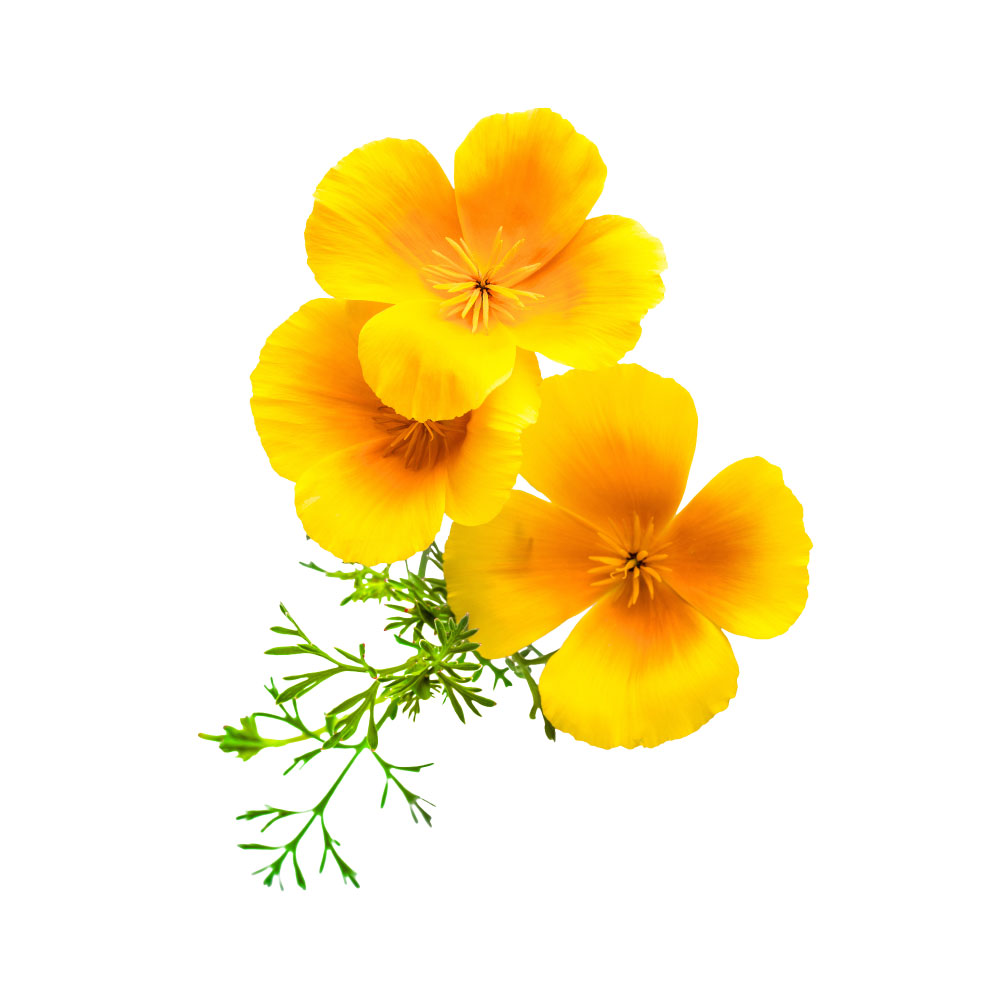
N-Methyllaurotetanine is the aporphine alkaloid of California poppy that carries the herb's serotonin arm — it bound the 5-HT1A receptor more strongly than any other alkaloid isolated from the plant (Ki 85 nM) while doing nothing at the GABA-A receptor below 30 µM, the target its companion alkaloid (S)-reticuline handles. It occurs far more widely than in Eschscholzia, dominating the leaf alkaloids of boldo and recurring across the Lauraceae, and its evidence base is entirely in vitro.

Sources · 11
Where Does It Come From?
N-Methyllaurotetanine is a naturally occurring aporphine alkaloid (isoquinoline), found in California poppy, Boldo, Lindera aggregata and 8 other sources. It is flagged as moderately toxic.
Concentration
Content by Source
Concentrations not reported. No percent-dry-weight or mg/g figures have been published for this compound in its source plants.
N-Methyllaurotetanine at a Glance
N-Methyllaurotetanine is an aporphine alkaloid — a tetracyclic isoquinoline — found in California poppy (Eschscholzia californica) and, far more widely, across the laurel family and its relatives. Structurally it is the N-methyl derivative of laurotetanine and the 2-O-methyl ether of boldine, which is why boldine is the usual starting material when chemists want to make it in the lab 3Reference 3Semisynthetic studies on and biological evaluation of N-methyllaurotetanine analogues as ligands for 5-HT receptorsView study →.
Its one clean, specific finding is a receptor number. When the alkaloids of California poppy were isolated one by one and run against serotonin receptors, N-methyllaurotetanine bound 5-HT1A more strongly than anything else in the plant — an EC50 of 155 nM and a Ki of 85 nM in a [³H]8-OH-DPAT displacement assay 1Reference 1In vitroAlkaloids from Eschscholzia californica and their capacity to inhibit binding of [3H]8-hydroxy-2-(di-N-propylamino)tetralin to 5-HT1A receptors in vitroView study →. In the same herb, electrophysiology on recombinant GABA-A receptors found no effect of N-methyllaurotetanine below 30 µM, while (S)-reticuline behaved as a positive allosteric modulator 2Reference 2Modulatory effects of Eschscholzia californica alkaloids on recombinant GABAA receptorsView study →. That pairing — one alkaloid for serotonin, another for GABA — is the reason this molecule has a page of its own, and it is the subject of the next section.
Everything else about it is thinner. There is a scatter of in-vitro activities (neutrophil oxidative burst, platelet aggregation, dopamine D1 antagonism, poliovirus), one intravenous rat study, and no pharmacokinetics, no toxicology and no human data whatsoever. It carries a moderate flag not because of any documented harm but because a compound with nanomolar CNS-receptor affinity and a hERG signal is not an inert marker 12Reference 12Natural products as potential human ether-a-go-go-related gene channel inhibitors — screening of plant-derived alkaloidsView study →.
The Division of Labour in California Poppy
California poppy is a mild sedative and anxiolytic, and the interesting thing about it pharmacologically is that its two candidate CNS mechanisms sit on two different molecules. This page exists largely to state that split precisely — and to mark where the evidence for it stops.
The serotonin arm belongs to N-methyllaurotetanine. A 70% ethanol extract of the herb bound both 5-HT1A and 5-HT7 receptors at 100 µg/mL, which prompted a bioassay-guided isolation. Six purified alkaloids were tested — californidine, escholtzine, N-methyllaurotetanine, caryachine, O-methylcaryachine, a new pavine alkaloid, plus commercial protopine — and the conclusion was explicit: the extract’s 5-HT1A activity was at least partly due to the aporphine, which showed the highest inhibition of [³H]8-OH-DPAT binding of the set, with EC50 155 nM and Ki 85 nM 1Reference 1In vitroAlkaloids from Eschscholzia californica and their capacity to inhibit binding of [3H]8-hydroxy-2-(di-N-propylamino)tetralin to 5-HT1A receptors in vitroView study →.
The GABA arm belongs to (S)-reticuline. Two-electrode voltage-clamp work on recombinant receptors found no effect of N-methyllaurotetanine on the α1β2γ2 GABA-A receptor at concentrations below 30 µM. In the same study (S)-reticuline was a positive allosteric modulator at the α3, α5 and α6 isoforms, and the authors assigned the depressant properties of the herb’s aerial parts to chloride-current modulation by (S)-reticuline at α3β2γ2 and α5β2γ2 2Reference 2Modulatory effects of Eschscholzia californica alkaloids on recombinant GABAA receptorsView study →. This is also where the flumazenil-reversible, benzodiazepine-site behaviour of the whole extract is anchored.
The rest of the alkaloid fraction does other jobs entirely. The pavine alkaloids californidine and escholtzine dominate the plant by mass but were weaker at 5-HT1A 1Reference 1In vitroAlkaloids from Eschscholzia californica and their capacity to inhibit binding of [3H]8-hydroxy-2-(di-N-propylamino)tetralin to 5-HT1A receptors in vitroView study →; escholtzine, protopine and allocryptopine carry the herb’s cytochrome-P450 and PXR interaction risk, which is why an ethanol tincture behaves differently from an aqueous tea 22Reference 22Modulation of CYPs, P-gp, and PXR by Eschscholzia californica (California poppy) and its alkaloidsView study →; and the benzophenanthridines sanguinarine and chelerythrine are trace-level cytotoxins rather than contributors to the calming effect.
Where the tidy story is only half-proven. Two honest caveats:
- N-methyllaurotetanine was tested at one GABA-A isoform (α1β2γ2), not at the α3/α5/α6 subtypes where (S)-reticuline is active 2Reference 2Modulatory effects of Eschscholzia californica alkaloids on recombinant GABAA receptorsView study →. “Inactive at GABA-A” is therefore shorthand for “inactive at the isoform it was tried on”.
- (S)-reticuline was not among the alkaloids run in the serotonin binding panel 1Reference 1In vitroAlkaloids from Eschscholzia californica and their capacity to inhibit binding of [3H]8-hydroxy-2-(di-N-propylamino)tetralin to 5-HT1A receptors in vitroView study →. Nobody has published a head-to-head of both molecules at both targets, so the reciprocal half of the division of labour is inferred, not measured.
And a scale problem sits underneath both. N-methyllaurotetanine is a minor alkaloid of the aerial parts, and the quantification study of eight commercial California-poppy products measured californidine, escholtzine and protopine — not the aporphine 23Reference 23Alkaloids in commercial preparations of California poppy — quantification, intestinal permeability and microbiota interactionsView study →. A nanomolar receptor affinity says nothing about whether a cup of tea or a dropper of tincture delivers enough of the molecule to matter. That gap is unfilled.
Aporphine Skeleton, Not Apomorphine Pharmacology
Two look-alike confusions surround this molecule, and both are worth heading off.
It is not laurotetanine. Laurotetanine (C19H21NO4) is the N-desmethyl relative, a separate compound with its own literature, and the two frequently co-occur in the same plant — both are among the predominant leaf alkaloids of boldo, for instance 13Reference 13Variation of the alkaloid content of Peumus boldus (boldo)View study →. They do not behave identically: in an aporphinoid screen of platelet and vascular activity, laurotetanine appeared among the compounds with vasorelaxing action in rat aorta while N-methyllaurotetanine did not, and N-methyllaurotetanine appeared among the strong platelet-aggregation inhibitors 7Reference 7Antiplatelet and vasorelaxing actions of some aporphinoidsView study →. Findings for one cannot be read across to the other, and the shared substring makes this the easiest mistake to make with this molecule.
It is not apomorphine. The aporphine skeleton is the parent structure of a large and pharmacologically diverse family whose members bind dopamine and serotonin receptors across nanomolar-to-micromolar affinities 4Reference 4ReviewAn overview on benzylisoquinoline derivatives with dopaminergic and serotonergic activitiesView study →, and its most famous member is apomorphine — a semi-synthetic dopamine agonist used in advanced Parkinson’s disease. That shared scaffold is chemistry, not shared pharmacology. Where N-methyllaurotetanine has actually been measured at a dopamine receptor, it behaved as a competitive D1 antagonist (IC50 1.65 µM) 5Reference 5Discovery of dopamine D1 receptor antagonists from Stephania epigaea using label-free cell phenotypic assaysView study → — the opposite direction of effect, at a different receptor, and an order of magnitude weaker than its serotonin binding. Nothing in apomorphine’s clinical profile transfers.
What the skeleton does buy is a well-mapped structure-affinity story at serotonin receptors. Semisynthetic work built C-9 alkoxy analogues of N-methyllaurotetanine from boldine and found that the C-9 phenolic hydroxyl is not critical for 5-HT1A affinity, with several analogues retaining high 5-HT7 affinity comparable to the parent 3Reference 3Semisynthetic studies on and biological evaluation of N-methyllaurotetanine analogues as ligands for 5-HT receptorsView study →.
What It's Used For
Beyond the serotonin binding, the literature on this molecule is a scatter of single in-vitro assays performed on isolates recovered during phytochemical surveys — the compound is usually a by-product of someone else’s isolation, tested alongside whatever else came off the column. Nothing has been replicated, and nothing has been done in a human.
Support is an experimental score — weighted by study type (human > animal > in vitro) and by volume. It is a beta, not a validated metric. Every row here is preclinical and most rest on a single paper, so scores stay low by design; the serotonin row leads because it is the only finding that is both quantified and mechanistically load-bearing for a herb people use.
The reason it matters. In a bioassay-guided study of Eschscholzia californica, a 70% ethanol extract bound both 5-HT1A and 5-HT7 receptors, and of the purified alkaloids subsequently tested the aporphine N-methyllaurotetanine gave the highest inhibition of [³H]8-OH-DPAT binding at 5-HT1A — EC50 155 nM, Ki 85 nM — leading the authors to attribute the extract’s 5-HT1A activity at least partly to it 1Reference 1In vitroAlkaloids from Eschscholzia californica and their capacity to inhibit binding of [3H]8-hydroxy-2-(di-N-propylamino)tetralin to 5-HT1A receptors in vitroView study →.
That number is an isolate result on a purified compound, not an extract effect. A later medicinal-chemistry programme took it as a starting point, synthesising C-9 alkoxy analogues from boldine and screening them at 5-HT1A, 5-HT2A and 5-HT7. Two things came out of it: the C-9 phenolic hydroxyl is not critical for 5-HT1A affinity (alkylating it modestly improved affinity for most analogues), and the parent alkaloid’s 5-HT7 affinity is high — the best analogues only matched it, with moderate selectivity over 5-HT1A and 5-HT2A 3Reference 3Semisynthetic studies on and biological evaluation of N-methyllaurotetanine analogues as ligands for 5-HT receptorsView study →.
That is consistent with the original extract binding both receptors 1Reference 1In vitroAlkaloids from Eschscholzia californica and their capacity to inhibit binding of [3H]8-hydroxy-2-(di-N-propylamino)tetralin to 5-HT1A receptors in vitroView study →.
The aporphine scaffold generally is a recognised source of dopamine- and serotonin-receptor ligands with nanomolar-to-micromolar affinities 4Reference 4ReviewAn overview on benzylisoquinoline derivatives with dopaminergic and serotonergic activitiesView study →.
Gap: binding affinity is not function — nobody has run a functional assay (cAMP, GTPγS, behaviour) to establish whether N-methyllaurotetanine is an agonist, partial agonist or antagonist at either receptor, and no in-vivo serotonergic effect has been demonstrated for the isolate in any species. The 5-HT7 affinity has never been published as a stand-alone number for this compound outside the analogue series.
The best-quantified non-CNS finding. Screening constituents of Lindera aggregata, (+)-N-methyllaurotetanine inhibited superoxide anion generation in activated human neutrophils with an IC50 of 8.36 ± 0.11 µM, placing it alongside the co-isolated (+)-isoboldine (5.81 µM) and a novel sesquiterpene (7.45 µM) 6Reference 6Anti-inflammatory principles from Lindera aggregataView study →.
This is an isolate result in a primary human cell assay — a genuine anti-inflammatory readout at a concentration that is at least plausible, not a millimolar curiosity.
Gap: a single paper, never replicated, with no follow-up on the pathway (NADPH-oxidase assembly, receptor-level, or downstream) and no animal inflammation model. The concentration is also ~100-fold above its serotonin-receptor affinity, so this activity would require far higher exposure than any CNS effect.
An older aporphinoid structure-activity screen tested a panel of aporphines and oxoaporphines against several platelet-aggregation stimuli. N-methyllaurotetanine showed strong inhibition of platelet aggregation induced by arachidonic acid, collagen and platelet-activating factor — but was not among the compounds listed as strong inhibitors of ADP-induced aggregation, nor among those with vasorelaxing action in rat aorta (a list that did include the related laurotetanine) 7Reference 7Antiplatelet and vasorelaxing actions of some aporphinoidsView study →.
It is a selective pattern rather than a blanket effect.
Gap: the screen reports qualitative “strong inhibition” without IC50 values, and a separate bioactivity-guided study of Annona purpurea leaves that isolated N-methyllaurotetanine alongside six other alkaloids did not list it among the compounds with significant antiplatelet activity 26Reference 26Two new 7-dehydroaporphine alkaloids and antiplatelet action aporphines from the leaves of Annona purpureaView study → — an unresolved inconsistency between two isolate studies. No in-vivo bleeding-time or thrombosis data exist.
Twenty-four alkaloids from Stephania epigaea were screened on an HEK293 cell line expressing the human dopamine D1 receptor using label-free phenotypic assays. N-methyllaurotetanine was identified for the first time as a D1 antagonist, with an IC50 of 1.65 ± 0.20 µM, confirmed as competitive by co-stimulation kinetics and rationalised by docking against the human D1 structure 5Reference 5Discovery of dopamine D1 receptor antagonists from Stephania epigaea using label-free cell phenotypic assaysView study →.
The protoberberine alkaloids capaurimine and (-)-discretine were an order of magnitude more potent in the same screen.
Gap: one isolate cell-based screen, micromolar potency, and — importantly for a molecule sharing the aporphine skeleton with apomorphine — an antagonist, not an agonist. No in-vivo dopaminergic behaviour has been tested, and the finding should not be read as a Parkinson’s-adjacent activity.
The only whole-animal study of this molecule. Aporphines including thaliporphine, glaucine, boldine, N-methyllaurotetanine and predicentrine were given as intravenous bolus injections to normal Wistar rats and to streptozotocin- and nicotinamide/streptozotocin-diabetic rats; all decreased plasma glucose in a dose-dependent manner 8Reference 8AnimalAntihyperglycemic effect of aporphines and their derivatives in normal and diabetic ratsView study →.
Thaliporphine was the most potent of the panel and the only one whose mechanism was pursued (insulin release plus increased skeletal-muscle glycogen synthesis) — N-methyllaurotetanine’s mechanism was not investigated.
Gap: intravenous dosing bypasses absorption entirely, so this says nothing about an oral effect; no dose-response figures are reported for this specific alkaloid, and the mechanism was characterised only for a different member of the panel.
A cluster of weak or contradictory enzyme results, none of them a headline. Prolyl oligopeptidase is the most consistent: two screens of isoquinoline alkaloids — one general, one specifically on Peumus boldus isolates — both put N-methyllaurotetanine’s IC50 at ~135 µM, one of the more active compounds in a panel where most were inactive, but a very high concentration 10,
At the cholinesterases the picture conflicts: in the boldo panel N-methyllaurotetanine was “considered inactive” against acetyl- and butyrylcholinesterase 11Reference 11Alkaloids from Peumus boldus and their acetylcholinesterase, butyrylcholinesterase and prolyl oligopeptidase inhibition activityView study →, while an Illigera grandiflora study reported it as a moderate butyrylcholinesterase inhibitor 21Reference 21Li X, Dong J, Gan D, et al. (2021). (-)-Grandiflorimine, a new dibenzopyrrocoline alkaloid with cholinesterase inhibitory activity from Illigera grandiflora. Natural Product Research. https://pubmed.ncbi.nlm.nih.gov/31079474/View study →, and in a three-species Cryptocarya screen it was one of nine alkaloids with no compound-specific figure reported 15Reference 15Cholinesterase inhibitory activity of isoquinoline alkaloids from three Cryptocarya species (Lauraceae)View study →.
At tyrosinase, it was among purified Chilean-flora alkaloids tested for depigmenting activity but was not one of the potent inhibitors (laurolitsine led that panel) 25Reference 25Molecular docking and experimental evaluation of natural alkaloids from Chilean flora (Cryptocarya alba, Peumus boldus, and Laurelia sempervirens) for tyrosinase inhibition and depigmenting potentialView study →.
Gap: the ~135 µM prolyl-oligopeptidase figure is far above any conceivable tissue concentration, the cholinesterase results directly contradict each other between labs, and no compound-specific IC50 has been published for tyrosinase. None of this supports a claimed enzyme-based effect.
Eighteen aporphinoids were tested in vitro against human poliovirus; (+)-N-methyllaurotetanine was among four found active with a selectivity index above 14, and the SAR pointed to a C-2 methoxyl on the tetrahydroisoquinoline ring as critical for the activity 9Reference 9Antipoliovirus structure-activity relationships of some aporphine alkaloidsView study →. On the cytotoxicity side the compound is mostly unremarkable: mild activity against HeLa cells (IC50 13.69 µM) when isolated from Aconitum barbatum var. puberulum 14Reference 14Chemical components of Aconitum barbatum var. puberulum and their cytotoxic and antibacterial activitiesView study →; inactive against L1210 and K562 leukaemia lines when isolated from Lindera aggregata roots, where only norboldine showed weak activity 16Reference 16Alkaloids from Lindera aggregataView study →; and present but not among the active compounds in a Xylopia laevigata cytotoxicity panel 18Reference 18Cytotoxic alkaloids from the stem of Xylopia laevigataView study →.
Gap: the antipoliovirus work is a 1998 in-vitro SAR study never followed up, and the cytotoxicity data are incidental screening by-products rather than a deliberate investigation. There is no antiviral or anticancer programme behind this molecule.
Mechanisms
| Target / pathway | Effect | Relevant to |
|---|---|---|
| 5-HT1A receptor | displaces [³H]8-OH-DPAT — EC50 155 nM, Ki 85 nM; the highest of the California-poppy alkaloids tested | the serotonin arm of the herb’s anxiolytic/sedative profile |
| 5-HT7 receptor | high binding affinity — synthetic analogues only matched it; functional direction unknown | sleep- and mood-relevant target; unconfirmed |
| GABA-A receptor (α1β2γ2) | no effect below 30 µM | explicitly not this molecule — that role belongs to (S)-reticuline |
| Dopamine D1 receptor | competitive antagonist, IC50 1.65 µM | dopaminergic — antagonistopposite in direction to apomorphine |
| Neutrophil superoxide generation | inhibition, IC50 8.36 µM | anti-inflammatory |
| Platelet aggregation (arachidonic acid, collagen, PAF) | strong inhibition in vitro; not active vs. ADP-induced aggregation | antiplatelet |
| Prolyl oligopeptidase | inhibition, IC50 ~135 µM | weak; far above plausible exposure |
| hERG potassium channel | ≥50% current reduction at 100 µM in an oocyte screen | safety flagshared across plant aporphines |
The load-bearing row is the third one. A negative result — nothing at GABA-A below 30 µM — is what makes the positive 5-HT1A number interpretable, because it separates this molecule’s contribution from its companion alkaloid’s.
Pharmacokinetics
There are none. No absorption, oral bioavailability, Cmax, half-life, metabolism, tissue distribution or excretion data have been published for N-methyllaurotetanine in humans or animals — the single in-vivo study administered it intravenously, bypassing absorption entirely 8Reference 8AnimalAntihyperglycemic effect of aporphines and their derivatives in normal and diabetic ratsView study →. Structurally it is a lipophilic tertiary-amine alkaloid with three methoxy groups and one phenol, which implies reasonable membrane permeability, and N-oxide derivatives of it occur naturally in plants 24Reference 24Characterization of isoquinoline alkaloids from Neolitsea sericea var. aurata by HPLC-SPE-NMRView study → — but that is inference, not measurement.
Two specific holes matter more than the general absence:
- No CYP, P-glycoprotein or PXR profile. The screen that defined California poppy’s herb–drug-interaction risk worked with the pavine and protopine-type alkaloids 22Reference 22Modulation of CYPs, P-gp, and PXR by Eschscholzia californica (California poppy) and its alkaloidsView study →; this aporphine has no reported enzyme-interaction data of its own.
- No content figure in any product. The quantification study of eight commercial California-poppy preparations measured californidine, escholtzine and protopine 23Reference 23Alkaloids in commercial preparations of California poppy — quantification, intestinal permeability and microbiota interactionsView study →. Nobody has reported how much N-methyllaurotetanine is in a tincture, a capsule or a cup of tea.
The consequence is direct: a Ki of 85 nM is only meaningful if plasma concentrations approach it, and nothing in the literature establishes that they ever do. Every claim here should be read through that.
Clinical Trials
There are no clinical trials of N-methyllaurotetanine for any indication, and no trial of any preparation standardised to it. The whole-herb evidence for California poppy is discussed on the herb monograph; none of it can be apportioned to this molecule.
| Completed | Planned | Terminated | Preclinical |
|---|---|---|---|
| — | — | — | 5-HT1A/5-HT7 binding 1, |
Last checked: July 2026.
Isolate vs. Plant Studies
The split here is unusually lopsided, and in an unusual direction: essentially the entire evidence base is the purified isolate, and essentially none of it has ever been connected to a plant outcome.
Every pharmacological result above tests a compound purified to a defined structure — Gafner’s alkaloids were separated from a California-poppy extract precisely so they could be tested individually 1Reference 1In vitroAlkaloids from Eschscholzia californica and their capacity to inhibit binding of [3H]8-hydroxy-2-(di-N-propylamino)tetralin to 5-HT1A receptors in vitroView study →; Fedurco’s electrophysiology used defined material 2Reference 2Modulatory effects of Eschscholzia californica alkaloids on recombinant GABAA receptorsView study →; the neutrophil, platelet, D1, glucose, antiviral and enzyme results are all isolates recovered from Lindera, Stephania, Peumus or Cryptocarya phytochemistry 5,
The weakness is the other direction. No whole-plant or extract study attributes an effect to N-methyllaurotetanine. California poppy’s own human evidence is one randomized trial of a fixed combination with hawthorn and magnesium, which cannot be apportioned to any single alkaloid, and the mouse behavioural work used aqueous extracts in which this compound’s contribution was never isolated. Boldo — where the molecule is far more abundant — is used for digestive complaints, not as a sedative, and its human evidence belongs to the leaf, with the isolate literature centred on boldine rather than on this alkaloid 13Reference 13Variation of the alkaloid content of Peumus boldus (boldo)View study →. So the molecule has a clean laboratory identity and no bridge to a botanical outcome in people at all.
Prevalence in Nature
N-Methyllaurotetanine is a widely distributed aporphine, most at home in the laurel family but reported from at least seven plant families. Concentration data are almost entirely absent — it is normally reported as “isolated from”, not “present at”.
Papaveraceae. In California poppy it is a minor alkaloid of the aerial parts, sitting behind the pavine alkaloids californidine and escholtzine by mass 1Reference 1In vitroAlkaloids from Eschscholzia californica and their capacity to inhibit binding of [3H]8-hydroxy-2-(di-N-propylamino)tetralin to 5-HT1A receptors in vitroView study →, and it has not been quantified in commercial preparations 23Reference 23Alkaloids in commercial preparations of California poppy — quantification, intestinal permeability and microbiota interactionsView study →. Its N-oxides occur in Dactylicapnos scandens roots.
Monimiaceae — boldo, and the one place it is genuinely abundant. A survey of eighteen alkaloids across the bark, leaves, wood and roots of Peumus boldus, covering 130 individually identified trees, found the leaf alkaloid profile highly variable and dominated by N-methyllaurotetanine, laurotetanine, coclaurine and sometimes isocorydine — but not boldine, which dominates the bark while laurolitsine dominates wood and root 13Reference 13Variation of the alkaloid content of Peumus boldus (boldo)View study →. This is the most important occurrence fact on the page: the aporphine most people associate with boldo is boldine, and in the leaf it is often not the main one. It has also been detected in the leaf infusions of commercially sold boldo — meaning it does reach the cup 27Reference 27Chemical profile, chemometric analysis, acetylcholinesterase inhibitory and antioxidant activity of diverse boldo species employed in the Amazon regionView study →.
Lauraceae. The family where it turns up most often: Lindera aggregata roots 16Reference 16Alkaloids from Lindera aggregataView study → (where, unusually, it was the exception to the general pattern of alkaloids accumulating preferentially in roots over leaves 17Reference 17Integrated analysis of the transcriptome, metabolome and analgesic effect provide insight into potential applications of different parts of Lindera aggregataView study →), Cryptocarya infectoria bark 15Reference 15Cholinesterase inhibitory activity of isoquinoline alkaloids from three Cryptocarya species (Lauraceae)View study →, Ocotea puberula leaves 20Reference 20Aporphine alkaloids from Ocotea puberula with anti-Trypanosoma cruzi potentialView study →, and Neolitsea sericea var. aurata leaves, from which a new N-oxide of it was characterised 24Reference 24Characterization of isoquinoline alkaloids from Neolitsea sericea var. aurata by HPLC-SPE-NMRView study →.
Annonaceae. Xylopia laevigata stem, among nineteen alkaloids 18Reference 18Cytotoxic alkaloids from the stem of Xylopia laevigataView study →; Annona purpurea leaves 26Reference 26Two new 7-dehydroaporphine alkaloids and antiplatelet action aporphines from the leaves of Annona purpureaView study →; and Guatteria dumetorum young leaves, where it was one of nine alkaloids tested against Leishmania mexicana without being among the actives 19Reference 19Minor alkaloids from Guatteria dumetorum with antileishmanial activityView study →.
Other families. Illigera grandiflora (Hernandiaceae) 21Reference 21Li X, Dong J, Gan D, et al. (2021). (-)-Grandiflorimine, a new dibenzopyrrocoline alkaloid with cholinesterase inhibitory activity from Illigera grandiflora. Natural Product Research. https://pubmed.ncbi.nlm.nih.gov/31079474/View study →; Stephania epigaea roots (Menispermaceae) 5Reference 5Discovery of dopamine D1 receptor antagonists from Stephania epigaea using label-free cell phenotypic assaysView study →; and Aconitum barbatum var. puberulum (Ranunculaceae), a first report for that plant 14Reference 14Chemical components of Aconitum barbatum var. puberulum and their cytotoxic and antibacterial activitiesView study →. It has also been isolated alongside boldine and reticuline from Chilean Cryptocarya alba, Peumus boldus and Laurelia sempervirens for pharmacological screening 25Reference 25Molecular docking and experimental evaluation of natural alkaloids from Chilean flora (Cryptocarya alba, Peumus boldus, and Laurelia sempervirens) for tyrosinase inhibition and depigmenting potentialView study →.
Quantitative data are the standing gap. With the partial exception of the boldo leaf survey 13Reference 13Variation of the alkaloid content of Peumus boldus (boldo)View study →, no source has a published concentration range for this alkaloid.
Discovery & Synthesis
N-Methyllaurotetanine is C20H23NO4 (MW 341.4, CAS 2169-44-0), an aporphine bearing three methoxy groups (C-1, C-2, C-10), a C-9 phenol and an N-methyl group. Its name is purely relational — it is the N-methyl derivative of laurotetanine — and its several synonyms record the same relational habit: lauroscholtzine, rogersine, and 2-O-methylboldine (equivalently, boldine 2-methyl ether). As with many nineteenth- and twentieth-century Lauraceae alkaloids re-isolated independently under different names, a single first-isolation date and discoverer are not reliably established here.
Semisynthesis is straightforward and is how research material is made. Commercially available boldine is the standard starting point: O-methylation at C-2 converts boldine into N-methyllaurotetanine, and the same chemistry — Mitsunobu alkylation at C-9 — was used to build the C-9 alkoxy analogue series in the serotonin structure-affinity study 3Reference 3Semisynthetic studies on and biological evaluation of N-methyllaurotetanine analogues as ligands for 5-HT receptorsView study →. There is no total synthesis in routine use and no commercial-scale production; supply for research is by isolation from alkaloid-rich plant material (boldo leaf, Lauraceae bark) or semisynthesis from boldine.
Biosynthetically it arises from the standard benzylisoquinoline route — L-tyrosine → dopamine and 4-hydroxyphenylacetaldehyde → (S)-norcoclaurine → (S)-reticuline, the branch point from which oxidative phenol coupling closes the biphenyl bond of the aporphine skeleton. That places it downstream of the very molecule it shares California poppy with.
Patents: not yet researched.
Toxicity & Safety
N-Methyllaurotetanine carries a moderate flag. This is not based on any reported poisoning — there isn’t one — but on three things taken together: it is CNS-receptor-active at nanomolar concentrations, it produces a hERG signal in the one channel screen that included it, and it has no toxicology of any kind. A molecule that potent at a receptor should not be treated as an inert phytochemical marker simply because nobody has studied its safety.
Cardiac channel signal. In an automated Xenopus oocyte screen of 32 plant alkaloids, (+)-N-methyllaurotetanine reduced the hERG current by ≥50% at 100 µM and was carried forward to concentration–response experiments; the authors’ conclusion was that several widely occurring plant alkaloids carry a potential hERG-toxicity risk 12Reference 12Natural products as potential human ether-a-go-go-related gene channel inhibitors — screening of plant-derived alkaloidsView study →. It shared that finding with protopine, bulbocapnine, boldine, chelidonine, corynoline, reserpine and yohimbine — so it is a class-level caution at a high test concentration, not evidence of a clinical arrhythmia risk.
Cytotoxicity is mild to absent. Reported IC50 of 13.69 µM against HeLa cells 14Reference 14Chemical components of Aconitum barbatum var. puberulum and their cytotoxic and antibacterial activitiesView study →; inactive against L1210 and K562 leukaemia lines 16Reference 16Alkaloids from Lindera aggregataView study →; not among the active compounds in a dedicated Annonaceae cytotoxicity panel 18Reference 18Cytotoxic alkaloids from the stem of Xylopia laevigataView study →. Nothing suggests a cytotoxic hazard comparable to the benzophenanthridines it co-occurs with in California poppy.
What has not been assessed at all. There is no acute or repeat-dose toxicity, no genotoxicity, no reproductive or developmental toxicity, and no interaction data for this compound. It has no reported CYP, P-glycoprotein or PXR profile — California poppy’s documented interaction risk is carried by other alkaloids in the fraction 22Reference 22Modulation of CYPs, P-gp, and PXR by Eschscholzia californica (California poppy) and its alkaloidsView study → — and the absence of a finding here reflects the absence of a study, not a clean result.
Context of exposure. In practice this molecule is met as a constituent of whole-plant preparations: a minor one in California poppy tinctures, teas and capsules, and a more substantial one in boldo leaf, where it can be among the predominant leaf alkaloids 13Reference 13Variation of the alkaloid content of Peumus boldus (boldo)View study → and is detectable in leaf infusions 27Reference 27Chemical profile, chemometric analysis, acetylcholinesterase inhibitory and antioxidant activity of diverse boldo species employed in the Amazon regionView study →. Boldo’s own safety concerns (chiefly its ascaridole-rich essential oil) belong to the herb, not to this alkaloid. Pregnancy and lactation decisions belong to the herb or product page where intake is actually decided, not to a molecule page.
- Usually a minor whole-plant constituent. Everyday exposure is small and indirect, within California poppy or boldo preparations; no poisoning has been attributed to it.
- Cytotoxicity is mild or absent across the cell lines it has been screened against 14,
16, .18Reference 14Chemical components of Aconitum barbatum var. puberulum and their cytotoxic and antibacterial activitiesView study →Reference 16Alkaloids from Lindera aggregataView study →Reference 18Cytotoxic alkaloids from the stem of Xylopia laevigataView study → - hERG signal. Reduced hERG current by ≥50% at 100 µM in a plant-alkaloid screen — a high concentration and a class-wide finding, but a real cardiac-channel flag 12Reference 12Natural products as potential human ether-a-go-go-related gene channel inhibitors — screening of plant-derived alkaloidsView study →.
- Genuinely receptor-active. Nanomolar affinity at 5-HT1A/5-HT7 and micromolar D1 antagonism mean this is a pharmacologically live molecule, not an inert marker 1,
3, .5Reference 1In vitroAlkaloids from Eschscholzia californica and their capacity to inhibit binding of [3H]8-hydroxy-2-(di-N-propylamino)tetralin to 5-HT1A receptors in vitroView study →Reference 3Semisynthetic studies on and biological evaluation of N-methyllaurotetanine analogues as ligands for 5-HT receptorsView study →Reference 5Discovery of dopamine D1 receptor antagonists from Stephania epigaea using label-free cell phenotypic assaysView study → - No toxicology and no pharmacokinetics. No acute, repeat-dose, genotoxicity, reproductive or interaction data exist for the isolate, and its exposure from any real preparation is unmeasured 22,
23Reference 22Modulation of CYPs, P-gp, and PXR by Eschscholzia californica (California poppy) and its alkaloidsView study →Reference 23Alkaloids in commercial preparations of California poppy — quantification, intestinal permeability and microbiota interactionsView study → .
Dosage
There is no established or recommended human dose for N-methyllaurotetanine. It has never been formulated, sold or trialled as a stand-alone compound, and no preparation is standardised to it. The figures in the literature are laboratory concentrations and one animal route:
| Context | Form | Figure |
|---|---|---|
| 5-HT1A binding | Purified isolate, radioligand assay | EC50 155 nM; Ki 85 nM 1Reference 1In vitroAlkaloids from Eschscholzia californica and their capacity to inhibit binding of [3H]8-hydroxy-2-(di-N-propylamino)tetralin to 5-HT1A receptors in vitroView study → |
| GABA-A (α1β2γ2) | Purified isolate, voltage clamp | No effect below 30 µM 2Reference 2Modulatory effects of Eschscholzia californica alkaloids on recombinant GABAA receptorsView study → |
| Dopamine D1 antagonism | Purified isolate, HEK293-D1R cells | IC50 1.65 µM 5Reference 5Discovery of dopamine D1 receptor antagonists from Stephania epigaea using label-free cell phenotypic assaysView study → |
| Neutrophil superoxide inhibition | Purified isolate, human neutrophils | IC50 8.36 µM 6Reference 6Anti-inflammatory principles from Lindera aggregataView study → |
| Prolyl-oligopeptidase inhibition | Purified isolate, enzyme assay | IC50 ~135 µM 10, |
| Plasma-glucose lowering | Rat, intravenous bolus | Dose-dependent; no per-compound dose reported 8Reference 8AnimalAntihyperglycemic effect of aporphines and their derivatives in normal and diabetic ratsView study → |
| Human exposure | California poppy tincture / tea; boldo leaf infusion | Not quantified in any product 23, |
Human intake is entirely indirect, through California poppy or boldo preparations, and the amount delivered is unknown. These are doses and concentrations studied in research and are not a personal recommendation.
References
- Gafner S, Dietz BM, McPhail KL, et al. (2006). Alkaloids from Eschscholzia californica and their capacity to inhibit binding of [3H]8-hydroxy-2-(di-N-propylamino)tetralin to 5-HT1A receptors in vitro. Journal of Natural Products. https://pubmed.ncbi.nlm.nih.gov/16562853/
- Fedurco M, Gregorová J, Šebrlová K, et al. (2015). Modulatory effects of Eschscholzia californica alkaloids on recombinant GABAA receptors. Biochemistry Research International. https://pubmed.ncbi.nlm.nih.gov/26509084/
- Madapa S, Harding WW (2015). Semisynthetic studies on and biological evaluation of N-methyllaurotetanine analogues as ligands for 5-HT receptors. Journal of Natural Products. https://pubmed.ncbi.nlm.nih.gov/25695425/
- Cabedo N, Berenguer I, Figadère B, Cortes D (2009). An overview on benzylisoquinoline derivatives with dopaminergic and serotonergic activities. Current Medicinal Chemistry. Review. https://pubmed.ncbi.nlm.nih.gov/19601791/
- Kang H, Tang H, Wang J, et al. (2025). Discovery of dopamine D1 receptor antagonists from Stephania epigaea using label-free cell phenotypic assays. Fitoterapia. https://pubmed.ncbi.nlm.nih.gov/40835051/
- Kuo PC, Wu YH, Hung HY, et al. (2020). Anti-inflammatory principles from Lindera aggregata. Bioorganic & Medicinal Chemistry Letters. https://pubmed.ncbi.nlm.nih.gov/32359855/
- Chen KS, Ko FN, Teng CM, Wu YC (1996). Antiplatelet and vasorelaxing actions of some aporphinoids. Planta Medica. https://pubmed.ncbi.nlm.nih.gov/8657745/
- Chi TC, Lee SS, Su MJ (2006). Antihyperglycemic effect of aporphines and their derivatives in normal and diabetic rats. Planta Medica. https://pubmed.ncbi.nlm.nih.gov/16924583/
- Boustie J, Stigliani JL, Montanha J, et al. (1998). Antipoliovirus structure-activity relationships of some aporphine alkaloids. Journal of Natural Products. https://pubmed.ncbi.nlm.nih.gov/9584402/
- Cahlíková L, Hulová L, Hrabinová M, et al. (2015). Isoquinoline alkaloids as prolyl oligopeptidase inhibitors. Fitoterapia. https://pubmed.ncbi.nlm.nih.gov/25863351/
- Hošťálková A, Opletal L, Kuneš J, et al. (2015). Alkaloids from Peumus boldus and their acetylcholinesterase, butyrylcholinesterase and prolyl oligopeptidase inhibition activity. Natural Product Communications. https://pubmed.ncbi.nlm.nih.gov/25973480/
- Schramm A, Saxena P, Chlebek J, et al. (2014). Natural products as potential human ether-a-go-go-related gene channel inhibitors — screening of plant-derived alkaloids. Planta Medica. https://pubmed.ncbi.nlm.nih.gov/24963621/
- Fuentes-Barros G, Castro-Saavedra S, Liberona L, et al. (2018). Variation of the alkaloid content of Peumus boldus (boldo). Fitoterapia. https://pubmed.ncbi.nlm.nih.gov/29454020/
- Ablajan N, Zhao B, Wenjuan X, et al. (2023). Chemical components of Aconitum barbatum var. puberulum and their cytotoxic and antibacterial activities. Natural Product Research. https://pubmed.ncbi.nlm.nih.gov/34802347/
- Wan Othman WNN, Liew SY, Khaw KY, et al. (2016). Cholinesterase inhibitory activity of isoquinoline alkaloids from three Cryptocarya species (Lauraceae). Bioorganic & Medicinal Chemistry. https://pubmed.ncbi.nlm.nih.gov/27492195/
- Gan LS, Yao W, Mo JX, Zhou CX (2009). Alkaloids from Lindera aggregata. Natural Product Communications. https://pubmed.ncbi.nlm.nih.gov/19370873/
- Peng X, Luo Y, Wang J, et al. (2020). Integrated analysis of the transcriptome, metabolome and analgesic effect provide insight into potential applications of different parts of Lindera aggregata. Food Research International. https://pubmed.ncbi.nlm.nih.gov/33288181/
- Menezes LR, Costa CO, Rodrigues AC, et al. (2016). Cytotoxic alkaloids from the stem of Xylopia laevigata. Molecules. https://pubmed.ncbi.nlm.nih.gov/27399666/
- Correa JE, Ríos CH, del Rosario Castillo A, et al. (2006). Minor alkaloids from Guatteria dumetorum with antileishmanial activity. Planta Medica. https://pubmed.ncbi.nlm.nih.gov/16534735/
- Barbosa H, Costa-Silva TA, Alves Conserva GA, et al. (2021). Aporphine alkaloids from Ocotea puberula with anti-Trypanosoma cruzi potential. Chemistry & Biodiversity. https://pubmed.ncbi.nlm.nih.gov/33635585/
- Li X, Dong J, Gan D, et al. (2021). (-)-Grandiflorimine, a new dibenzopyrrocoline alkaloid with cholinesterase inhibitory activity from Illigera grandiflora. Natural Product Research. https://pubmed.ncbi.nlm.nih.gov/31079474/
- Manda VK, Ibrahim MA, Dale OR, et al. (2016). Modulation of CYPs, P-gp, and PXR by Eschscholzia californica (California poppy) and its alkaloids. Planta Medica. https://pubmed.ncbi.nlm.nih.gov/27054913/
- Chauveau A, Geirnaert A, et al. (2023). Alkaloids in commercial preparations of California poppy — quantification, intestinal permeability and microbiota interactions. Biomedicine & Pharmacotherapy. https://pubmed.ncbi.nlm.nih.gov/37673017/
- Lee SS, Lai YC, Chen CK, et al. (2007). Characterization of isoquinoline alkaloids from Neolitsea sericea var. aurata by HPLC-SPE-NMR. Journal of Natural Products. https://pubmed.ncbi.nlm.nih.gov/17388628/
- Castro-Saavedra S, Fuentes-Barros G, Mellado M, Echeverría J (2026). Molecular docking and experimental evaluation of natural alkaloids from Chilean flora (Cryptocarya alba, Peumus boldus, and Laurelia sempervirens) for tyrosinase inhibition and depigmenting potential. Frontiers in Pharmacology. https://pubmed.ncbi.nlm.nih.gov/42057847/
- Chang FR, Wei JL, Teng CM, Wu YC (1998). Two new 7-dehydroaporphine alkaloids and antiplatelet action aporphines from the leaves of Annona purpurea. Phytochemistry. https://pubmed.ncbi.nlm.nih.gov/9883592/
- Gomes JV, T M Trindade Í, Silva RRD, et al. (2026). Chemical profile, chemometric analysis, acetylcholinesterase inhibitory and antioxidant activity of diverse boldo species employed in the Amazon region. Anais da Academia Brasileira de Ciências. https://pubmed.ncbi.nlm.nih.gov/42417747/



