
Compound Monograph
Protodioscin
Protodioscin is the furostanol steroidal saponin that Tribulus terrestris supplements are standardised to — the marker molecule the entire testosterone-booster category is built on. Its content varies more than four-hundredfold between plant populations, and the human trials of the extracts made from it have almost uniformly failed to raise testosterone.

Sources · 8
Where Does It Come From?
Protodioscin is a naturally occurring furostanol steroidal saponin (diosgenin-type aglycone; 3-o-chacotrioside + 26-o-glucoside), found in Puncture vine, Fenugreek, Wild yam and other Dioscorea species and 5 other sources. It is flagged as moderately toxic.
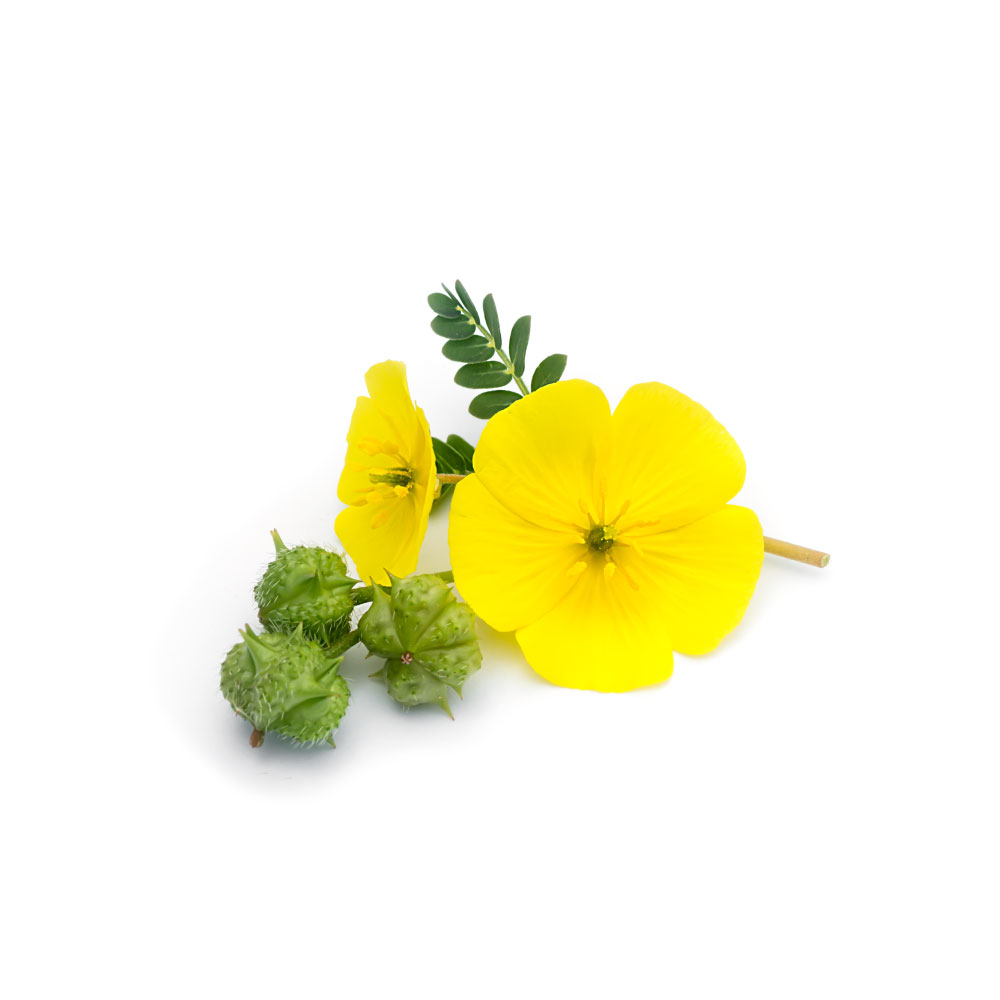 Principal source Tribulus Tribulus terrestris Herb monograph →
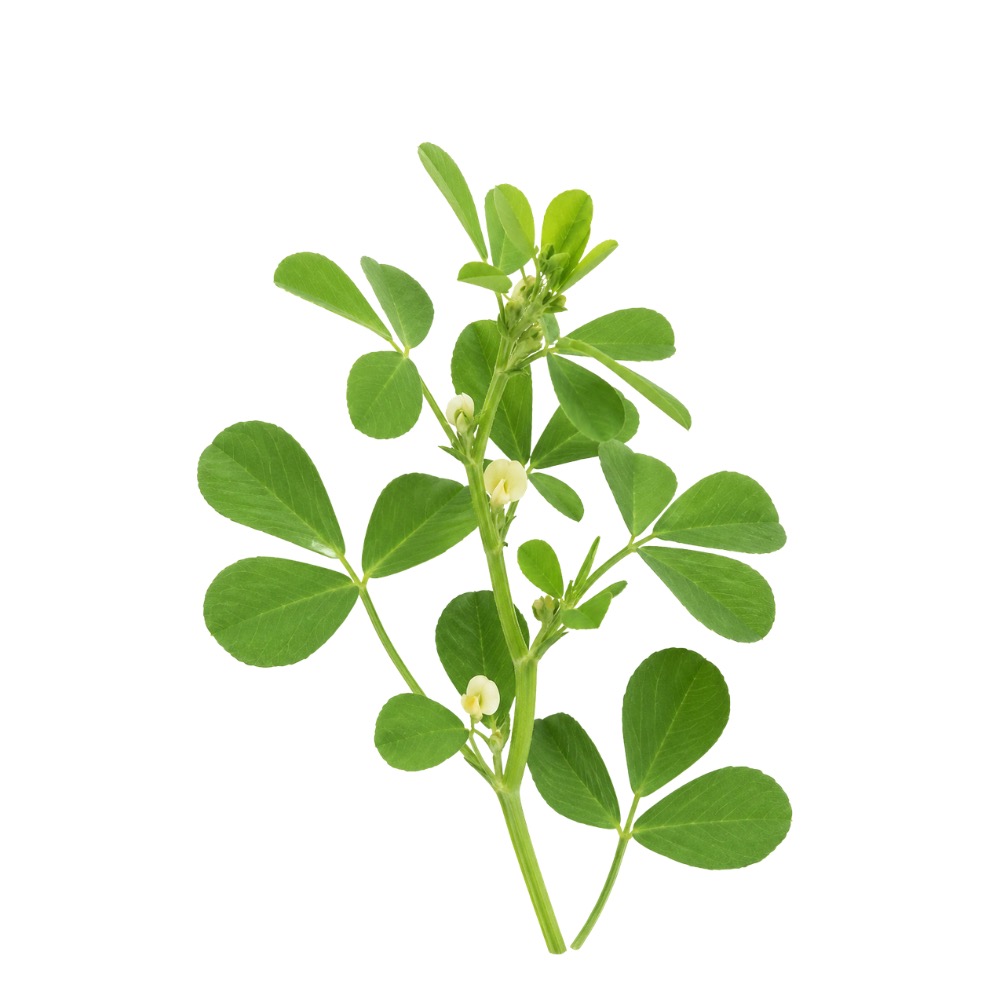 Source Fenugreek Trigonella foenum-graecum Herb monograph →
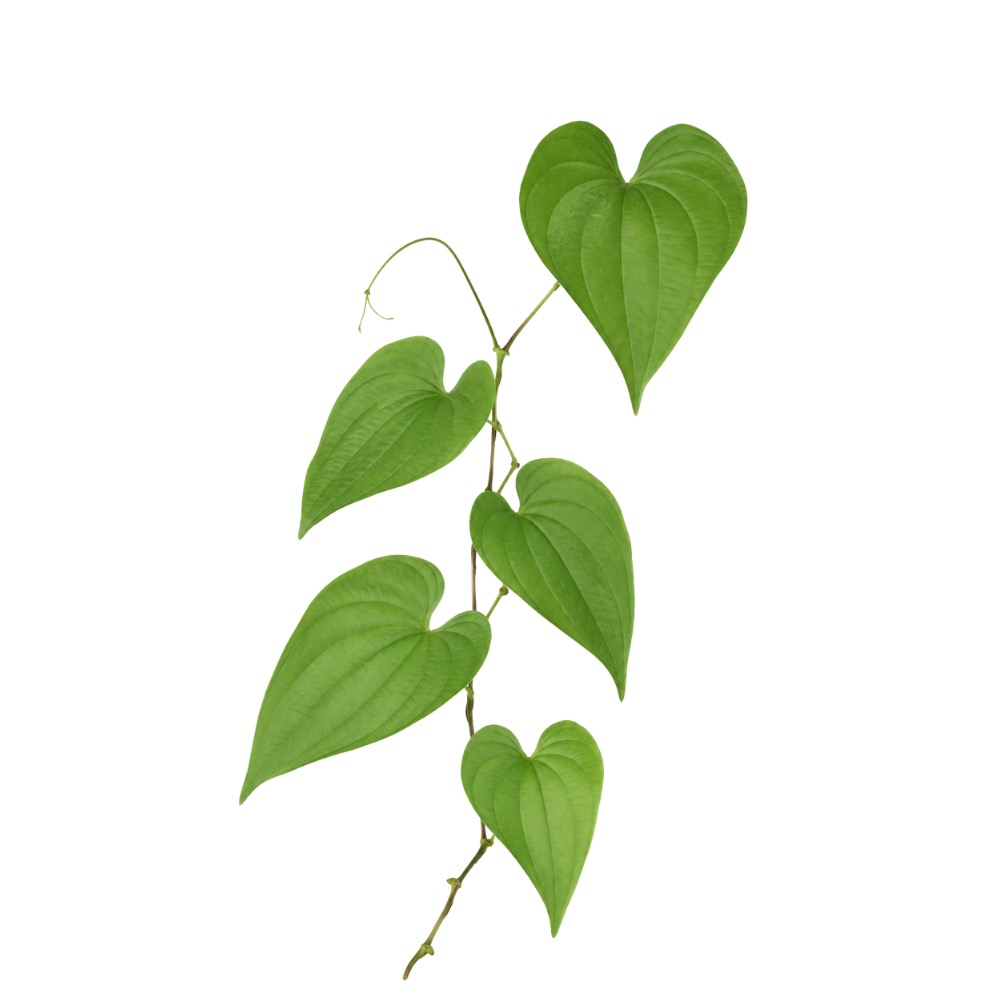 Source Wild Yam Dioscorea villosa Herb monograph →
Concentration
Content by Source
Reported concentrations across the plants that contain protodioscin — the bar marks the typical level, the line shows the reported range.
Literature figures for varying plant parts and preparations. Read them as a comparative guide, not exact assays.
Protodioscin at a Glance
Protodioscin is a furostanol steroidal saponin — a diosgenin skeleton carrying two separate sugar chains: a branched trisaccharide (chacotriose) at C-3 and a single glucose at C-26. At 1,049 Da, with 13 hydrogen-bond donors, 22 acceptors and a polar surface area of 346 Ų, it violates every rule of thumb for oral absorption, and that shapes everything below 49Reference 49PubChem compound summary for CID 441891, protodioscin — [database]View study →.
It matters commercially for one reason: it is the compound Tribulus terrestris supplements are standardised to. Almost the entire “testosterone booster” category, and the older Bulgarian aphrodisiac preparations it descends from, are built on the assumption that protodioscin content is the active variable. That assumption is half right. Protodioscin content genuinely does track the activity of Tribulus extracts in animal work — and the content itself varies by more than four hundredfold between plant populations, which means that the same nominal herb can be two entirely different products 1,
The other half is not right. Human trials of Tribulus have very largely failed to raise testosterone, in athletes, in healthy men and in most hypogonadal men 8,
The Standardisation Problem
This is the single most decision-relevant thing on the page, so it goes first.
Tribulus terrestris is not one chemical plant. Dinchev and colleagues ran LC-ESI-MS/MS on material collected in Bulgaria, Greece, Serbia, Macedonia, Turkey, Georgia, Iran, Vietnam and India, and found two distinct chemotypes. The Balkan and West Asian samples share a profile in which protodioscin and prototribestin are the dominant saponins. The Vietnamese and Indian samples have “totally different” chemistry — they lack prototribestin and tribestin entirely, carry tribulosin instead, and are dominated by compounds outside that set. The authors’ conclusion is blunt: protodioscin “could be a marker for the European variety” of the species 1Reference 1Distribution of steroidal saponins in Tribulus terrestris from different geographical regionsView study →.
Three variables stack on top of each other:
Geography. In the compiled figures, Bulgarian leaf material runs 1,000–1,330 mg protodioscin per 100 g dry weight; Turkish aerial parts 340–1,000; Serbian 200; Vietnamese aerial parts about 3 2Reference 2ReviewA comprehensive review of the phytochemical, pharmacological and toxicological properties of Tribulus terrestris L. — [review]View study →. That is a spread of roughly 400-fold within a single species, and it is the reason a study on Bulgarian material tells you very little about a capsule of Indian-sourced powder.
Plant part. Within Bulgarian material the ordering is leaf (1,000–1,330 mg/100 g) ≫ fruit (240–500) ≫ stem (19–27) 2Reference 2ReviewA comprehensive review of the phytochemical, pharmacological and toxicological properties of Tribulus terrestris L. — [review]View study →. The Chinese Pharmacopoeia recognises only the fruit as the medicinal part, while most Western supplements use aerial parts or whole herb — a difference that is itself a several-fold difference in protodioscin, and one that saponin profiling can now discriminate between with a classifier 48Reference 48Characterization and discrimination of steroidal saponins in Tribulus terrestris L. and its three different aerial parts by chemical profiling with chemometrics analysisView study →. Chinese and Turkish fruit material sits an order of magnitude below Bulgarian leaf 2Reference 2ReviewA comprehensive review of the phytochemical, pharmacological and toxicological properties of Tribulus terrestris L. — [review]View study →.
Season and processing. Saponin content in this family tracks growth stage, harvest timing and drying 1Reference 1Distribution of steroidal saponins in Tribulus terrestris from different geographical regionsView study →. The furostanol form is also the labile form (see below), so how the material was dried changes what survives.
The end product is where it gets worst. When Ganzera’s group at the University of Mississippi analysed commercial Tribulus market products by HPLC-ELSD, protodioscin ranged from 0.17% to 6.49% — a 38-fold spread across products sold interchangeably 3Reference 3Determination of steroidal saponins in Tribulus terrestris by reversed-phase high-performance liquid chromatography and evaporative light scattering detectionView study →. A modern optimised ultrasound extraction of the raw plant yields about 5.9 mg/g (0.59%) in the extract 39Reference 39ANN modeling and RSM optimization of ultrasound-assisted extraction of protodioscin-rich extracts from Tribulus terrestris LView study →, which places much of the commercial range either well below or well above what a plain extraction can deliver.
Two practical consequences follow. First, a product that says “standardised to 45% saponins” is telling you almost nothing, because total saponins and protodioscin are not the same measurement, and the non-protodioscin fraction includes terrestrosin D, the spirostanol flagged as the herb’s likely hepatorenal toxin. Second, the animal work supports the premise that content matters: rats given a Tribulus extract with high protodioscin content showed higher FSH and testosterone than rats given a low-protodioscin extract of the same herb, with the control group in between 22Reference 22AnimalTribulus terrestris efficacy and safety concerns in diabetes and erectile dysfunction, assessed in an experimental model — [animal model]View study →. That is the strongest available argument for standardisation — and it is a rat study.
Furostanol vs. Spirostanol — and the Route to Diosgenin
Protodioscin is a furostanol saponin: its steroid F-ring is open, held that way by a glucose esterified at C-26. Knock that single glucose off and the ring snaps shut, converting protodioscin into the corresponding spirostanol saponin, dioscin — same chacotriose at C-3, closed F-ring. Strip the remaining three sugars and you have the aglycone, diosgenin.
protodioscin  --(-26-O-glucose)-->  dioscin  --(-3-O-chacotriose)-->  diosgenin
  furostanol                        spirostanol                        sapogenin
That first step is easy and happens constantly:
- β-Glucosidases do it. Fungal β-glucosidases from Geotrichum candidum were shown to hydrolyse protodioscin as far back as 1977 46Reference 46In vitroRodionova NA, Rumiantseva GN, Tiunova NA, Martinovich LI, Bakhtadze LN (1977). β-Glucosidases from the fungus Geotrichum candidum — [in vitro]. Biokhimiia. https://pubmed.ncbi.nlm.nih.gov/15651/View study →, and a dedicated enzyme, protodioscin-glycosidase-1 from Aspergillus oryzae, cleaves specifically the terminal 26-O-β-D-glucoside of protodioscin 32Reference 32In vitroProtodioscin-glycosidase-1 hydrolyzing 26-O-β-D-glucoside and 3-O-(1→4)-α-L-rhamnoside of steroidal saponins from Aspergillus oryzae — [in vitro]View study →. Plants carry their own F26G-type glucosidases, which is why harvesting, wilting and drying shift the furostanol/spirostanol balance — the enzyme meets its substrate as soon as cells are damaged.
- It removes the bitterness. Fenugreek’s characteristic bitterness is carried substantially by protodioscin, and the food-industry route to “fenugreek with reduced bitterness” is simply to treat the seed with β-glucosidase 33Reference 33AnimalFenugreek with reduced bitterness prevents diet-induced metabolic disorders in rats — [animal model]View study →. That is the same reaction, run deliberately.
- It changes the properties. Furostanol and spirostanol saponins differ in polarity, solubility, foaming, taste and biological profile. Treating protodioscin and dioscin as interchangeable — which the marketing literature routinely does — is wrong.
The second step is where the prodrug-like framing comes in. Protodioscin is far too large and polar to be absorbed intact in any quantity; what plausibly reaches tissue is the progressively deglycosylated product, and ultimately diosgenin. That chain has been demonstrated directly: mice fed fenugreek seed flour were assayed for protodioscin, dioscin and diosgenin simultaneously in plasma, all three being recoverable analytes 31Reference 31AnimalAn efficient purification method for quantitative determinations of protodioscin, dioscin and diosgenin in plasma of fenugreek-fed mice — [animal model]View study →. Acid hydrolysis of yam furostanol glycosides converts about 68% to diosgenin (versus ~90% for the spirostanol glycosides), confirming the aglycone is the common endpoint 47Reference 47Isolation and identification of steroidal saponins in Taiwanese yam cultivar (Dioscorea pseudojaponica Yamamoto)View study →.
This is where the diosgenin myth must be nailed down. Diosgenin is the industrial feedstock from which progesterone and cortisone were historically semi-synthesised by the Marker degradation. That is a factory process — a chemical oxidation and side-chain cleavage carried out in a reactor. The human body has no enzyme that performs it. There is no route from diosgenin to progesterone, DHEA or testosterone in human metabolism. So the fact that protodioscin degrades toward diosgenin in the gut is not a hormonal mechanism, and cannot be used as one. Where genuine hormone-adjacent effects have been reported for protodioscin-containing preparations, they are indirect (FSH-linked in the rat work 22Reference 22AnimalTribulus terrestris efficacy and safety concerns in diabetes and erectile dysfunction, assessed in an experimental model — [animal model]View study →, endothelial and nitrergic in the erectile work 4,
The Testosterone Claim
The claim that protodioscin raises testosterone has a traceable origin and a poor record.
Where it comes from. The rodent and primate work is real but narrow, and it is all whole extract, not the molecule. Gauthaman and Ganesan gave Tribulus extract to primates as an intravenous bolus and reported testosterone up 52%, DHT up 31% and DHEA-S up 29% at 7.5 mg/kg; in rabbits given the same extract orally for eight weeks only DHT rose significantly, and in castrated rats testosterone rose 25% 6Reference 6AnimalThe hormonal effects of Tribulus terrestris and its role in the management of male erectile dysfunction — an evaluation using primates, rabbit and rat — [animal model]View study →. The authors attributed the effect to protodioscin “in the extract” — an attribution, not a measurement. A parallel claim, that protodioscin is converted to DHEA, traces to a three-page 2000 conference supplement by Adimoelja which asserts it without presenting data, and which in the same paragraph notes that Tribulus “grown on different soils does not consistently produce the active component protodioscin” 20Reference 20ReviewPhytochemicals and the breakthrough of traditional herbs in the management of sexual dysfunctions — [review]View study →. That single unsupported sentence is the ancestor of a great deal of subsequent marketing copy, and it still propagates into peer-reviewed papers’ introductions today 39Reference 39ANN modeling and RSM optimization of ultrasound-assisted extraction of protodioscin-rich extracts from Tribulus terrestris LView study →.
What human trials show. Twenty-one healthy men given Tribulus extract at 10 or 20 mg/kg/day for four weeks showed no change in testosterone, androstenedione or luteinising hormone versus placebo at any of six timepoints 8Reference 8RCTThe aphrodisiac herb Tribulus terrestris does not influence the androgen production in young men — [randomised placebo-controlled trial]View study →. Twenty-two elite rugby league players on 450 mg/day through five weeks of preseason training gained strength and lean mass identically to placebo, and — notably for anti-doping purposes — showed no change in the urinary testosterone/epitestosterone ratio 15Reference 15RCTThe effect of five weeks of Tribulus terrestris supplementation on muscle strength and body composition during preseason training in elite rugby league players — [randomised controlled trial]View study →. A 2024 systematic review of 52 studies covering 27 marketed “testosterone boosters” placed Tribulus terrestris among the many that fail to raise total testosterone 14Reference 14Systematic reviewDo “testosterone boosters” really increase serum total testosterone? — [systematic review]View study →. A 2025 systematic review of ten clinical trials found eight of ten reported no change in androgen profile; the two that did were in hypogonadal men and the increases were of low clinical magnitude, 60–70 ng/dL 13Reference 13Systematic reviewEffects of Tribulus terrestris supplementation on erectile dysfunction and testosterone levels in men — [systematic review]View study →. The 2026 meta-analysis of eight randomised erectile-dysfunction trials found a clear IIEF benefit over placebo and no significant difference in total testosterone 12Reference 12Meta-analysisTribulus terrestris for management of patients with erectile dysfunction — [systematic review and meta-analysis]View study →. A 2026 anti-doping pilot study of fifteen recreational athletes on daily Tribulus extract found no statistically significant change in any urinary steroid marker or ratio over two months 17Reference 17Clinical trialImpact of Tribulus terrestris supplementation on urinary steroid profiles — a short-term pilot study in human volunteersView study →.
The exceptions, stated fairly. Two placebo-controlled studies in aging men with partial androgen deficiency did report testosterone rises alongside IIEF improvement 19Reference 19RCTTribulus terrestris versus placebo in the treatment of erectile dysfunction and lower urinary tract symptoms in patients with late-onset hypogonadism — [placebo-controlled study]View study →, and an earlier single-arm study in the same population reported the same 13Reference 13Systematic reviewEffects of Tribulus terrestris supplementation on erectile dysfunction and testosterone levels in men — [systematic review]View study →. Neychev and Mitev, reviewing the field, concluded that the androgen-enhancement hypothesis is “at best inconclusive” and that a comprehensive review of the evidence “proved this hypothesis wrong” for the general case, while noting the emerging endothelial/nitric-oxide alternative 9Reference 9ReviewPro-sexual and androgen enhancing effects of Tribulus terrestris L.: fact or fiction — [review]View study →. Qureshi’s earlier systematic review reached the same conclusion and made the same suggestion 10Reference 10Systematic reviewA systematic review on the herbal extract Tribulus terrestris and the roots of its putative aphrodisiac and performance enhancing effect — [systematic review]View study →.
And a counter-example from the other plant. Furosap, a fenugreek extract standardised to 20% protodioscin, was given at 500 mg/day to 100 men for twelve weeks and reported improved free and total testosterone — but it is an open-label, single-arm study with no placebo, and in the same study DHEA levels significantly decreased 23Reference 23Clinical trialSafety and efficacy of Furosap, a patented Trigonella foenum-graecum seed extract, in boosting testosterone level, reproductive health and mood alleviation in male volunteers — [clinical trial]View study →, which is the opposite direction to the protodioscin→DHEA claim.
The honest summary: for the general male population, the testosterone claim is not supported. Where extracts help sexual function, they appear to do so without moving androgens — and that is the more interesting finding, not a lesser one.
The Proerectile Mechanism
The worklist entry for this molecule reads “NO/cGMP cavernosal relaxation,” and this is where the literature needs reading carefully, because the key experiment says something more specific than that.
Adaikan’s group treated rabbits orally with Tribulus extract at 2.5–10 mg/kg for eight weeks, then isolated the corpus cavernosum and tested it. Tissue from treated animals relaxed more strongly to acetylcholine (+24%), nitroglycerin and electrical field stimulation (+10%) than control tissue, with no change in contractile responses to noradrenaline or histamine — a clean proerectile signature. But the paper’s first result is the one that gets left out: “PTN on its own had no effect on the isolated corpus cavernosal strips” 4Reference 4AnimalProerectile pharmacological effects of Tribulus terrestris extract on the rabbit corpus cavernosum — [animal model]View study →. Applied directly to the tissue, protodioscin did nothing. The enhancement of nitrergic and endothelium-dependent relaxation was a consequence of eight weeks of oral dosing with whole extract.
That has two implications. It rules out protodioscin as a direct smooth-muscle relaxant or a PDE5-type agent. And it means the mechanism is adaptive — something about chronic exposure raises the nitrergic/endothelial capacity of the tissue, rather than the molecule acting acutely on it. The supporting in-vivo work is consistent: eight weeks of extract raised intracavernous pressure 26–43% in rats alongside improved mating behaviour 7Reference 7AnimalSexual effects of puncturevine (Tribulus terrestris) extract (protodioscin) — an evaluation using a rat model — [animal model]View study →, and rats fed a Dioscorea deltoidea cell-culture preparation of furostanol glycosides (protodioscin plus deltoside, 1 mg/kg) after ovariectomy showed eNOS mRNA up 34.8% and stable nitric-oxide metabolites up 45.6% with reversal of endothelial dysfunction 40Reference 40AnimalStudies to elucidate the effects of furostanol glycosides from Dioscorea deltoidea cell culture in a rat model of endothelial dysfunction — [animal model]View study → — the closest thing to a molecule-level NO result, and still a two-glycoside preparation rather than pure protodioscin.
Reviewers who have looked hardest at this literature converge on the same reading: the nitric-oxide route is the plausible mechanism and it is androgen-independent 9,
What is not established: that protodioscin itself is the molecule responsible. No study has given isolated protodioscin to an animal and measured erectile endpoints. The attribution rests on protodioscin being the dominant saponin in the extracts that work.
What It's Used For
Protodioscin has an unusual evidence shape: a moderate body of isolated-molecule work in oncology and inflammation, essentially none in the indication it is sold for, and a large body of whole-extract clinical work that is routinely credited to it.
Support is an experimental score — weighted by study type (human > animal > in vitro) and volume. A beta, not a validated metric. Every row is capped by the same two ceilings: protodioscin is a 1,049 Da glycoside with negligible oral absorption, and none of the human evidence dosed the molecule.
The application the molecule is famous for, and the one where the isolate performs worst. A phase IV RCT of the Bulgarian standardised extract Tribestan (1,500 mg/day of a 35–45:1 extract standardised to ≥112.5 mg furostanol saponins per tablet) in 180 men improved IIEF by 2.70 points over placebo across twelve weeks, with intercourse satisfaction, orgasmic function, desire and overall satisfaction all significantly better 11Reference 11RCTEvaluation of the efficacy and safety of Tribulus terrestris in male sexual dysfunction — [randomised placebo-controlled trial]View study →.
A 2026 meta-analysis of eight randomised trials found IIEF-5 better by 3.23 points versus placebo, with no difference in total testosterone 12Reference 12Meta-analysisTribulus terrestris for management of patients with erectile dysfunction — [systematic review and meta-analysis]View study →.
A combination product delivering 100 mg protodioscin per tablet with ginsenosides and L-arginine improved IIEF-5 in non-diabetic men but not diabetic ones 43Reference 43RCTThe effect of the combination of ginseng, Tribulus terrestris and L-arginine on the sexual performance of men with erectile dysfunction — [randomised placebo-controlled trial]View study → — the only trial to state a protodioscin dose, and confounded by two other actives. Mechanistically the effect is nitrergic and endothelium-dependent, not androgenic 4,
All of it is whole extract.
Gap: protodioscin applied directly to cavernosal tissue has no effect 4Reference 4AnimalProerectile pharmacological effects of Tribulus terrestris extract on the rabbit corpus cavernosum — [animal model]View study →, no trial has dosed the isolated molecule, and the positive trials are short (4–12 weeks) and heavily weighted to one proprietary Bulgarian product.
Genuinely isolate work, and the most methodologically satisfying part. Protodioscin inhibited proliferation of GBM8401 and M059K glioblastoma cells, induced mitochondrial dysfunction, cleaved PARP and upregulated LC3B; silencing LC3 abolished both the autophagy and the apoptosis, and in a GBM8401 mouse xenograft it suppressed tumour growth and Ki67 without weight loss or organ toxicity 24Reference 24In vitroTargeting LC3B/MCL-1 expression by protodioscin induces autophagy and apoptosis in human glioblastoma cells in vitro and in vivo — [animal model]View study →.
Against breast cancer it was cytotoxic to MCF-7 and MDA-MB-468 at IC50 1.53–6 µM while normal peripheral blood mononuclear cells needed ≥50 µM 25Reference 25In vitroIn vitro evaluation of dioscin and protodioscin against ER-positive and triple-negative breast cancer — [in vitro]View study →.
Protodioscin purified from fenugreek killed HL-60 leukaemia cells (100% hypodiploid nuclei at 10 µM by day three) but was only weakly active against KATO III gastric cells 26Reference 26In vitroProtodioscin isolated from fenugreek (Trigonella foenumgraecum L.) induces cell death and morphological change indicative of apoptosis in leukemic cell line H-60, but not in gastric cancer cell line KATO III — [in vitro]View study → — a cell-type discrimination that a nonspecific surfactant would not show.
Gap: the selectivity data are the exception in this class, not the rule, and a saponin’s in-vitro potency still has to be read against the fact that it cannot reach these concentrations in plasma after an oral dose. Only one in-vivo tumour study exists, in one model, and there is no human oncology work whatsoever.
Isolated protodioscin at 50, 100 and 200 mg/kg reduced paw swelling, ankle inflammation and lymphocyte infiltration in complete-Freund’s-adjuvant arthritis rats, lowering IL-1β, TNF-α, COX-2, IL-6, PGE2, articular elastase, myeloperoxidase and nitrite while restoring glutathione, catalase and superoxide dismutase 27Reference 27AnimalProtodioscin ameliorates oxidative stress, inflammation and histology outcome in complete Freund’s adjuvant induced arthritis rats — [animal model]View study →. That is a broad, coherent anti-inflammatory and antioxidant signature on the molecule itself, in a whole animal.
Gap: one study, one model, no dose-ranging replication, and the doses (50–200 mg/kg in a rat) are far above anything a Tribulus supplement delivers. No mechanism upstream of the cytokine readouts was identified, and there is no human data.
Thin at the molecule level, and instructive about why. Tested as a purified standard against pancreatic lipase, protodioscin managed only ~10% inhibition, and it reduced bioaccessible cholesterol by 23% in a digestion model — while the hydrolysed saponin extracts, in which sapogenins predominate, were the ones that actually shifted cholesterol bioaccessibility 28Reference 28In vitroThe hydrolysis of saponin-rich extracts from fenugreek and quinoa improves their pancreatic lipase inhibitory activity and hypocholesterolemic effect — [in vitro]View study →.
Fenugreek treated with β-glucosidase to convert its protodioscin (removing the bitterness) still produced dose-dependent falls in body weight, plasma and hepatic cholesterol in high-fat-fed rats 33Reference 33AnimalFenugreek with reduced bitterness prevents diet-induced metabolic disorders in rats — [animal model]View study → — i.e. the metabolic benefit survived destruction of the protodioscin. Whole Tribulus extracts do lower blood glucose in diabetic rats, but they do so whether their protodioscin content is high or low 22Reference 22AnimalTribulus terrestris efficacy and safety concerns in diabetes and erectile dysfunction, assessed in an experimental model — [animal model]View study →.
Gap: the pattern points to the aglycone and the extract, not to protodioscin. No human trial has tested it, and the best-designed comparison in this space found the removal of protodioscin did not remove the benefit 33Reference 33AnimalFenugreek with reduced bitterness prevents diet-induced metabolic disorders in rats — [animal model]View study →.
Sixty-five men with abnormal semen parameters took 250 mg/day of a Tribulus dried extract and showed improved sperm concentration, motility and liquefaction time along with reduced body fat and higher DHT 21Reference 21Clinical trialEffect of oral administration of Tribulus terrestris extract on semen quality and body fat index of infertile men — [clinical study]View study →.
The study is uncontrolled and unblinded, and its stated rationale — that protodioscin “converts testosterone into dihydrotestosterone” — is an assertion with no enzymatic basis; no human enzyme is known to be induced by protodioscin to do this, and the paper cites no experiment showing it. In rodents, a Tribulus dry extract measured at 1.48% protodioscin by HPLC protected mouse testes against cyclophosphamide damage, limiting the fall in 17β-HSD activity, serum testosterone and semen quality — attributed by the authors to protodioscin, though the extract was what was dosed 50Reference 50AnimalTribulus terrestris protects against male reproductive damage induced by cyclophosphamide in mice — [animal model]View study →.
Gap: no placebo-controlled human trial, and the mechanistic story attached to this application is the weakest on the page.
Listed because it is the reason most people arrive here, and scored low because the evidence points the other way. The supporting data are: an intravenous primate study of whole extract (T +52%, DHT +31%, DHEA-S +29%) 6Reference 6AnimalThe hormonal effects of Tribulus terrestris and its role in the management of male erectile dysfunction — an evaluation using primates, rabbit and rat — [animal model]View study →; a rat comparison in which a high-protodioscin extract raised FSH and testosterone above a low-protodioscin extract 22Reference 22AnimalTribulus terrestris efficacy and safety concerns in diabetes and erectile dysfunction, assessed in an experimental model — [animal model]View study →; and two studies in men with pre-existing androgen deficiency 13,
Against them: no change in testosterone, androstenedione or LH in healthy young men 8Reference 8RCTThe aphrodisiac herb Tribulus terrestris does not influence the androgen production in young men — [randomised placebo-controlled trial]View study →; no change in the urinary T/E ratio in elite athletes 15Reference 15RCTThe effect of five weeks of Tribulus terrestris supplementation on muscle strength and body composition during preseason training in elite rugby league players — [randomised controlled trial]View study →; no significant change in any urinary steroid marker across two months of supplementation in a 2026 anti-doping pilot 17Reference 17Clinical trialImpact of Tribulus terrestris supplementation on urinary steroid profiles — a short-term pilot study in human volunteersView study →; a systematic review of 27 marketed boosters that classified Tribulus as ineffective 14Reference 14Systematic reviewDo “testosterone boosters” really increase serum total testosterone? — [systematic review]View study →; a systematic review finding eight of ten trials neutral, with the two positives of low clinical magnitude and confined to hypogonadal men 13Reference 13Systematic reviewEffects of Tribulus terrestris supplementation on erectile dysfunction and testosterone levels in men — [systematic review]View study →; and a meta-analysis finding erectile benefit with no testosterone difference 12Reference 12Meta-analysisTribulus terrestris for management of patients with erectile dysfunction — [systematic review and meta-analysis]View study →.
Gap: no study has ever given a human isolated protodioscin and measured testosterone. Everything above is extract, and the extract record is negative in the population that buys it.
Mechanisms
| Target / pathway | Effect | Relevant to |
|---|---|---|
| Endothelial & nitrergic relaxation | chronic oral dosing of protodioscin-rich extract enhances acetylcholine-, nitroglycerin- and EFS-induced cavernosal relaxation — but the molecule applied directly to the tissue does nothing 4Reference 4AnimalProerectile pharmacological effects of Tribulus terrestris extract on the rabbit corpus cavernosum — [animal model]View study → | erectile function (the load-bearingand heavily caveatedmechanism) |
| eNOS expression / NO metabolites | furostanol glycoside preparation raised eNOS mRNA 34.8% and NOx 45.6% in ovariectomised rats 40Reference 40AnimalStudies to elucidate the effects of furostanol glycosides from Dioscorea deltoidea cell culture in a rat model of endothelial dysfunction — [animal model]View study → | vascularerectile |
| LC3B-dependent autophagy → apoptosis | isolated protodioscin cleaves PARP, alters MCL-1, upregulates LC3B; LC3 knockdown abolishes both 24Reference 24In vitroTargeting LC3B/MCL-1 expression by protodioscin induces autophagy and apoptosis in human glioblastoma cells in vitro and in vivo — [animal model]View study → | anticancer |
| Redox / cytokine axis | ↓IL-1β, TNF-α, IL-6, COX-2, PGE2, MPO; ↑GSH, catalase, SOD in adjuvant arthritis 27Reference 27AnimalProtodioscin ameliorates oxidative stress, inflammation and histology outcome in complete Freund’s adjuvant induced arthritis rats — [animal model]View study → | anti-inflammatoryantioxidant |
| Pancreatic lipase | weak direct inhibition (~10%) by the purified molecule; hydrolysed extracts are far stronger 28Reference 28In vitroThe hydrolysis of saponin-rich extracts from fenugreek and quinoa improves their pancreatic lipase inhibitory activity and hypocholesterolemic effect — [in vitro]View study → | metabolic (marginal) |
| β-Glucosidase (F26G-type, plant/fungal/microbial) | cleaves the 26-O-glucose → ring closure to dioscin; the reaction that governs drying, bitterness and gut fate 32, | pharmacokineticsprocessingtaste |
| Steroidogenic enzymes / androgen receptor | no established direct interaction. Rat FSH-linked signal only 22Reference 22AnimalTribulus terrestris efficacy and safety concerns in diabetes and erectile dysfunction, assessed in an experimental model — [animal model]View study →; no receptor-binding or enzyme-modulation data exists | the testosterone claim — unsupported at the molecular level |
| Membrane sterol complexation (saponin class) | surfactant behaviour; the class basis of haemolysis and of the livestock toxicity syndrome | toxicity |
Read this table with the exposure column in mind. The rows that describe things a swallowed dose can plausibly cause are the β-glucosidase row and, indirectly, the endothelial ones. The micromolar oncology and the 50–200 mg/kg anti-inflammatory rows describe what the molecule does when it is placed where it will never arrive on its own.
Pharmacokinetics
Protodioscin is a poster child for poor oral bioavailability. Molecular weight 1,049 Da, four sugar residues, 13 hydrogen-bond donors, 22 acceptors, topological polar surface area 346 Ų, calculated logP −1.3 49Reference 49PubChem compound summary for CID 441891, protodioscin — [database]View study →. Nothing with that profile is absorbed intact across the gut wall in meaningful amounts.
The published pharmacokinetics reflect that. The validated LC-MS/MS assays were developed and applied after intravenous dosing, because that is where measurable plasma concentrations exist 30Reference 30AnimalDetermination of protodioscin in rat plasma by liquid chromatography-tandem mass spectrometry — [animal model]View study →; a later HPLC-ESI-MS/MS method was applied to intragastric administration in rats 29Reference 29AnimalA new quantitation method of protodioscin by HPLC-ESI-MS/MS in rat plasma and its application to the pharmacokinetic study — [animal model]View study →, and the closely related methyl protodioscin, given intravenously at 20–120 mg/kg, was cleared with a half-life of only 25–29 minutes, with 23% recovered in urine and 33% in bile and tissue concentrations at or below the limit of quantification by five hours. No absolute oral bioavailability figure has been published for protodioscin, and this is the largest single hole in its literature.
What almost certainly happens instead is stepwise deglycosylation. Gut and microbial β-glucosidases cleave the 26-O-glucose (the reaction is characterised and even has a dedicated enzyme named after the substrate 32Reference 32In vitroProtodioscin-glycosidase-1 hydrolyzing 26-O-β-D-glucoside and 3-O-(1→4)-α-L-rhamnoside of steroidal saponins from Aspergillus oryzae — [in vitro]View study →), closing the F-ring to dioscin; further glycosidase action liberates diosgenin. All three species are simultaneously measurable in the plasma of fenugreek-fed mice, which is direct evidence that the chain runs in vivo 31Reference 31AnimalAn efficient purification method for quantitative determinations of protodioscin, dioscin and diosgenin in plasma of fenugreek-fed mice — [animal model]View study →. The practical reading: the systemic exposure that follows an oral protodioscin dose is mostly not protodioscin.
One pharmacokinetic finding is a safety signal rather than an efficacy one. In streptozotocin-diabetic rats given a Tribulus hydroalcoholic extract for eight weeks, the unhydrolysed saponin fraction — major component protodioscin — was quantifiable in kidney tissue, and renal histopathology worsened even as plasma glucose improved 34Reference 34AnimalPotential nephrotoxic effects produced by steroidal saponins from hydroalcoholic extract of Tribulus terrestris in STZ-induced diabetic rats — [animal model]View study →. Poor absorption does not mean nothing accumulates.
Clinical Trials
No trial has administered isolated protodioscin to humans for any indication. The clinical programme is entirely on standardised extracts: Tribestan for erectile dysfunction (n = 180, phase IV, positive on IIEF, null on testosterone) 11Reference 11RCTEvaluation of the efficacy and safety of Tribulus terrestris in male sexual dysfunction — [randomised placebo-controlled trial]View study →; the eight trials pooled in the 2026 meta-analysis 12Reference 12Meta-analysisTribulus terrestris for management of patients with erectile dysfunction — [systematic review and meta-analysis]View study →; a 100 mg-protodioscin combination product with ginseng and L-arginine 43Reference 43RCTThe effect of the combination of ginseng, Tribulus terrestris and L-arginine on the sexual performance of men with erectile dysfunction — [randomised placebo-controlled trial]View study →; an open-label fenugreek study of a 20%-protodioscin extract 23Reference 23Clinical trialSafety and efficacy of Furosap, a patented Trigonella foenum-graecum seed extract, in boosting testosterone level, reproductive health and mood alleviation in male volunteers — [clinical trial]View study →; and a two-month anti-doping urinary steroid pilot 17Reference 17Clinical trialImpact of Tribulus terrestris supplementation on urinary steroid profiles — a short-term pilot study in human volunteersView study →.
| Completed | Planned | Terminated | Preclinical |
|---|---|---|---|
| Standardised Tribulus and fenugreek extracts only — none of isolated protodioscin 11, | — | — | Anticancer(glioblastoma xenograft, breast, leukaemia), anti-inflammatory (adjuvant arthritis), endothelial/NO, metabolic |
Last checked: August 2026.
Isolate vs. Plant Studies
Protodioscin splits cleanly and unhelpfully along this axis.
Isolate work exists, and it is preclinical. The glioblastoma study fractionated to the pure molecule and ran it in vitro and in a xenograft 24Reference 24In vitroTargeting LC3B/MCL-1 expression by protodioscin induces autophagy and apoptosis in human glioblastoma cells in vitro and in vivo — [animal model]View study →; the breast-cancer work used purified protodioscin and dioscin side by side with a normal-cell comparator 25Reference 25In vitroIn vitro evaluation of dioscin and protodioscin against ER-positive and triple-negative breast cancer — [in vitro]View study →; Hibasami’s group purified it from fenugreek and characterised it by MS and NMR before testing 26Reference 26In vitroProtodioscin isolated from fenugreek (Trigonella foenumgraecum L.) induces cell death and morphological change indicative of apoptosis in leukemic cell line H-60, but not in gastric cancer cell line KATO III — [in vitro]View study →; the arthritis study dosed the isolate in rats 27Reference 27AnimalProtodioscin ameliorates oxidative stress, inflammation and histology outcome in complete Freund’s adjuvant induced arthritis rats — [animal model]View study →; the lipase and cholesterol-bioaccessibility work used a purified standard 28Reference 28In vitroThe hydrolysis of saponin-rich extracts from fenugreek and quinoa improves their pancreatic lipase inhibitory activity and hypocholesterolemic effect — [in vitro]View study →.
Human work is entirely plant. Every clinical trial doses a whole extract. The most-cited “protodioscin” pharmacology — the aphrodisiac and proerectile literature — is Tribulus extract throughout, and the two papers whose titles carry the molecule’s name in parentheses (“Aphrodisiac properties of Tribulus terrestris extract (protodioscin)…”) tested extract, not compound 5,
This produces a specific failure mode worth naming. The extract literature attributes its findings to protodioscin; the standardisation literature then measures protodioscin as the marker of activity; papers thereafter cite the marker status as evidence of causation. The chain is circular, and it is why a 2024 extraction-optimisation paper can open by stating flatly that “protodioscin functions by enhancing the conversion of testosterone into potent dihydrotestosterone” 39Reference 39ANN modeling and RSM optimization of ultrasound-assisted extraction of protodioscin-rich extracts from Tribulus terrestris LView study → — a claim with no supporting enzymology anywhere in the literature.
The one genuine bridge is the rat comparison of high- versus low-protodioscin extracts of the same herb, which found the endocrine difference tracked the protodioscin content 22Reference 22AnimalTribulus terrestris efficacy and safety concerns in diabetes and erectile dysfunction, assessed in an experimental model — [animal model]View study →. That is the best argument that protodioscin is the active variable, and it is one animal study.
Protodioscin as a Grazing Toxin
Outside the supplement world, protodioscin is best known as a livestock poison marker — a fact worth holding alongside its retail positioning.
Brachiaria (signal grass) pastures across Brazil, Colombia and Australia cause outbreaks of hepatogenous photosensitisation, jaundice and death in grazing sheep and cattle, and protodioscin is the compound used as the toxicity marker, with roughly 1% of dry matter treated as the minimum toxic level 35Reference 35Content of the saponin protodioscin in Brachiaria spp. from the eastern plains of ColombiaView study →. In a 140-day grazing study, B. brizantha leaves carried 0.87–2.58% protodioscin (dry matter); eight of forty-one sheep were poisoned, three died, and one developed cirrhosis, with GGT and AST significantly elevated in the naïve flock 36Reference 36AnimalPoisoning by Brachiaria brizantha in flocks of naïve and experienced sheep — [animal model]View study →.
Two honest caveats keep this from being a straight indictment of the molecule:
- Attribution is contested. A metabolomics comparison of toxic B. decumbens against non-toxic B. brizantha found no significant difference in protodioscin between them, and identified its stereoisomer protoneodioscin as the discriminating biomarker instead. The authors concluded explicitly that the idea of protodioscin as solely responsible “must be discarded” 37Reference 37Ultrahigh-performance liquid chromatography-high-resolution quadrupole time-of-flight mass spectrometry based metabolomics reveals key differences between Brachiaria decumbens and B. brizantha, two similar pastures with different toxicitiesView study →.
- The exposure is not comparable. A ruminant eating grass at 0.9–2.6% protodioscin all day is receiving orders of magnitude more than a person taking a Tribulus capsule.
Even so, it establishes something important: this molecule sits at the centre of a real, lethal, dose-dependent hepatotoxicity syndrome in mammals. The relevant seasonal detail also mirrors the standardisation story — Brachiaria protodioscin peaks in the dry season and in winter, and rises with days since cutting 35,
Prevalence in Nature
Protodioscin occurs across three unrelated plant families that share the ability to make diosgenin-type steroidal saponins: Zygophyllaceae (Tribulus), Fabaceae (Trigonella — fenugreek), Dioscoreaceae (Dioscorea yams) and Asparagaceae (asparagus), plus the Poaceae pasture grasses where it functions as an antifeedant.
The counterintuitive fact, given the marketing, is that asparagus is a competitive dietary source. White asparagus spears and crowns carry 2.59–10.4 mg/g dry weight (259–1,040 mg/100 g) 38Reference 38Development of a rapid HPLC-UV method for simultaneous quantification of protodioscin and rutin in white and green asparagus spearsView study → — squarely inside the Tribulus range and above every non-Balkan Tribulus figure on record. A person eating asparagus regularly is very likely getting more protodioscin than someone taking a low-grade Tribulus capsule.
Major Natural Sources
| Source | Part | Protodioscin | Note |
|---|---|---|---|
| Signal grass (Brachiaria brizantha) | leaf | 870–2,580 mg/100 g | The livestock-toxin benchmark; ≥1% DM is the accepted toxic level 35, |
| Puncture vine (Tribulus terrestris), Bulgaria | leaf | 1,000–1,330 mg/100 g | The richest reported Tribulus tissue; the Tribestan chemotype 2Reference 2ReviewA comprehensive review of the phytochemical, pharmacological and toxicological properties of Tribulus terrestris L. — [review]View study → |
| Puncture vine, Turkey | aerial parts | 340–1,000 mg/100 g | Same Balkan/West-Asian chemotype 2Reference 2ReviewA comprehensive review of the phytochemical, pharmacological and toxicological properties of Tribulus terrestris L. — [review]View study → |
| White asparagus (Asparagus officinalis) | spear & crown | 259–1,040 mg/100 g | A genuine dietary source, comparable to good Tribulus 38Reference 38Development of a rapid HPLC-UV method for simultaneous quantification of protodioscin and rutin in white and green asparagus spearsView study → |
| Puncture vine, Bulgaria | fruit | 240–500 mg/100 g | Fruit runs well below leaf 2Reference 2ReviewA comprehensive review of the phytochemical, pharmacological and toxicological properties of Tribulus terrestris L. — [review]View study → |
| Puncture vine, China | fruit | 63–89 mg/100 g | The pharmacopoeial part, from a low-protodioscin region 2Reference 2ReviewA comprehensive review of the phytochemical, pharmacological and toxicological properties of Tribulus terrestris L. — [review]View study → |
| Puncture vine, India | stem | 24 mg/100 g | The Indian chemotype 1, |
| Puncture vine, Vietnam | aerial parts | ~3 mg/100 g | ~400× below Bulgarian leaf 2Reference 2ReviewA comprehensive review of the phytochemical, pharmacological and toxicological properties of Tribulus terrestris L. — [review]View study → |
| Fenugreek (Trigonella foenum-graecum) | seed | not quantified as raw seed | A principal bitter saponin of the seed 26, |
| Wild yam and other Dioscorea | tuber / rhizome | not quantified here | Present alongside methyl protodioscin, dioscin and gracillin 47Reference 47Isolation and identification of steroidal saponins in Taiwanese yam cultivar (Dioscorea pseudojaponica Yamamoto)View study → |
Two rows deserve a footnote. Dinchev’s own LC-MS/MS survey reports protodioscin as not detected in the Vietnamese and Indian samples, and proposes it as a marker “for the European variety” 1Reference 1Distribution of steroidal saponins in Tribulus terrestris from different geographical regionsView study →; the small residual numbers in the compiled table come from separate analyses of different material 2,
Other Reported Sources
- Blue fenugreek (Trigonella coerulea) — seed, where a 22-methyl ether of protodioscin was characterised in 1977 45Reference 45Bogacheva NG, et al. (1977). 22-Methyl ether of protodioscin from the seeds of Trigonella coerulea. Chemistry of Natural Compounds. https://doi.org/10.1007/BF00573569View study →
- Asparagus cochinchinensis — root; fermentation with Weissella cibaria raises its protodioscin content
- Other Brachiaria pasture grasses — B. decumbens and interspecific hybrids up to 3.37% dry matter; not detected in B. dictyoneura or B. humidicola 35Reference 35Content of the saponin protodioscin in Brachiaria spp. from the eastern plains of ColombiaView study →
- Related Tribulus saponins that travel with it and are sometimes misreported as it: methylprotodioscin, prototribestin, protogracillin, pseudoprotodioscin, neoprotodioscin (5,6-dihydroprotodioscin) and their sulfates 41,
42Reference 41Furostanol saponins from Tribulus terrestrisView study →Reference 42Two new sulfated furostanol saponins from Tribulus terrestrisView study →
Discovery & Synthesis
Protodioscin’s early history is poorly documented, and it is worth saying so plainly rather than inventing a date. The bisdesmosidic 22-hydroxyfurostanol class it belongs to — steroidal saponins carrying more than one sugar chain, with the F-ring held open by a C-26 glucose — was defined by Rolf Tschesche’s group at Bonn in a series of Chemische Berichte papers beginning in 1969 with sarsaparilloside 44Reference 44Steroid saponins with more than 1 sugar chain, IIView study →. Protodioscin was established in the literature by the mid-1970s: by 1977 it was being used as a substrate to characterise fungal β-glucosidases 46Reference 46In vitroRodionova NA, Rumiantseva GN, Tiunova NA, Martinovich LI, Bakhtadze LN (1977). β-Glucosidases from the fungus Geotrichum candidum — [in vitro]. Biokhimiia. https://pubmed.ncbi.nlm.nih.gov/15651/View study →, and a 22-methyl ether of it was described from Trigonella coerulea seed in the same year 45Reference 45Bogacheva NG, et al. (1977). 22-Methyl ether of protodioscin from the seeds of Trigonella coerulea. Chemistry of Natural Compounds. https://doi.org/10.1007/BF00573569View study →.
The name is a back-formation: proto- marks it as the biogenetic precursor form of dioscin, which in turn is named for Dioscorea, the yam genus. The naming records exactly the relationship it is built on — protodioscin is the open-ring, extra-sugar form that closes to dioscin.
No total synthesis of protodioscin has been reported. Nothing about the molecule invites one: a diosgenin core with a branched trisaccharide at C-3 and a separate glucose at C-26 is a substantial glycosylation problem, and the aglycone is a cheap commodity while the natural glycoside is easy to extract. Supply is therefore entirely extractive — analytical standards are purified by preparative HPLC from Tribulus, fenugreek or Dioscorea material, and industrial routes are extraction-and-enrichment processes (ultrasound-assisted extraction with green solvents reaches 5.9 mg/g in the extract at optimised conditions 39Reference 39ANN modeling and RSM optimization of ultrasound-assisted extraction of protodioscin-rich extracts from Tribulus terrestris LView study →). Plant cell culture is an emerging alternative: bioreactor-grown Dioscorea deltoidea biomass produces protodioscin, deltoside and 25(S)-protodioscin under controlled conditions 40Reference 40AnimalStudies to elucidate the effects of furostanol glycosides from Dioscorea deltoidea cell culture in a rat model of endothelial dysfunction — [animal model]View study →.
Patents: not yet researched.
Toxicity & Safety
Protodioscin carries a moderate flag. That is not driven by the human trial record — standardised Tribulus extracts have been well tolerated in controlled trials, with adverse-event rates no different from placebo across the sexual-function studies 11,
The livestock toxicity syndrome. Protodioscin is the compound veterinary toxicology uses as the marker of saponin-driven hepatogenous photosensitisation in grazing ruminants, with ~1% of dry matter treated as the toxic threshold, and sheep have died at those exposures 35,
A renal accumulation signal. In diabetic rats given Tribulus extract for eight weeks, the unhydrolysed saponin fraction (major component protodioscin) was measurable in kidney tissue and renal histopathology deteriorated despite improved glycaemia 34Reference 34AnimalPotential nephrotoxic effects produced by steroidal saponins from hydroalcoholic extract of Tribulus terrestris in STZ-induced diabetic rats — [animal model]View study →. Separately, the herb’s spirostanol saponin terrestrosin D has been identified as a probable hepatorenal toxin in the same plant — a reminder that a “high saponin” extract is not selectively high in the one you want.
No isolate toxicology package. There is no repeat-dose toxicity study, no genotoxicity battery, no reproductive or developmental study, and no CYP or transporter interaction work on pure protodioscin. Its class behaviour — steroidal saponins are surfactants that complex membrane sterols and are haemolytic in vitro — has not been quantified for this molecule specifically. Silence is not safety.
- Standardised extracts are well tolerated in trials. No excess adverse events versus placebo across the erectile-dysfunction RCTs and the 2026 meta-analysis 11,
12Reference 11RCTEvaluation of the efficacy and safety of Tribulus terrestris in male sexual dysfunction — [randomised placebo-controlled trial]View study →Reference 12Meta-analysisTribulus terrestris for management of patients with erectile dysfunction — [systematic review and meta-analysis]View study → , and protodioscin is present in ordinary foods (asparagus, fenugreek). - Protodioscin is a recognised livestock hepatotoxicity marker. ~1% of dry matter is the accepted toxic level in grazing ruminants, with deaths and cirrhosis documented 35,
36Reference 35Content of the saponin protodioscin in Brachiaria spp. from the eastern plains of ColombiaView study →Reference 36AnimalPoisoning by Brachiaria brizantha in flocks of naïve and experienced sheep — [animal model]View study → — a real dose-dependent hepatotoxicity syndrome centred on this compound family. - The product is not the molecule. Commercial Tribulus extracts range 0.17–6.49% protodioscin 3Reference 3Determination of steroidal saponins in Tribulus terrestris by reversed-phase high-performance liquid chromatography and evaporative light scattering detectionView study →, and higher “total saponins” also means more of the herb’s toxicology-relevant spirostanols. Case reports of liver and kidney injury, rhabdomyolysis and priapism attach to Tribulus products — see the tribulus monograph.
- A renal accumulation signal exists. Unhydrolysed saponins with protodioscin as the major component were found in rat kidney with worsened histopathology after eight weeks 34Reference 34AnimalPotential nephrotoxic effects produced by steroidal saponins from hydroalcoholic extract of Tribulus terrestris in STZ-induced diabetic rats — [animal model]View study →.
- No isolate toxicology at all. No repeat-dose, genotoxicity, reproductive or drug-interaction data for pure protodioscin; class haemolytic/surfactant behaviour is unquantified for this molecule.
Full Safety & Interactions Detail
Reproductive and developmental (prose only). No reproductive or developmental toxicity study has been performed on isolated protodioscin. The parent herb is treated as unsuitable in pregnancy and lactation on precautionary grounds — steroidal-saponin content plus uterine-relevant activity in animals, with no human safety data — but that is a herb-level decision made on the tribulus and fenugreek monographs, not a molecule-level finding. Fenugreek, the other major dietary source, has its own lactation literature and its own reported hepatotoxicity signal.
Drug interactions. No CYP isoform or transporter has been shown to be inhibited or induced by protodioscin; no interaction study exists for the isolated molecule. The interactions that are documented belong to the whole herb — most notably a rhabdomyolysis case in a man taking Tribulus with atorvastatin, consistent with CYP3A4-mediated statin exposure. Treat the molecule as uncharacterised on this axis rather than clear.
Doping and adulteration. This is a real-world safety issue for the population that buys protodioscin products. Tribulus supplementation does not shift the urinary testosterone/epitestosterone ratio in elite athletes 15Reference 15RCTThe effect of five weeks of Tribulus terrestris supplementation on muscle strength and body composition during preseason training in elite rugby league players — [randomised controlled trial]View study → and did not alter urinary steroid profiles in a 2026 anti-doping pilot 17Reference 17Clinical trialImpact of Tribulus terrestris supplementation on urinary steroid profiles — a short-term pilot study in human volunteersView study →, so the compound itself is unlikely to trigger a positive test. The risk is the product: at least one anti-doping investigation reported a Tribulus supplement contaminated with a banned steroid, and the Australian Institute of Sport does not recommend its use 16Reference 16ReviewInsights into supplements with Tribulus terrestris used by athletes — [review]View study →. An Italian gym survey found 7.8% current use among recreational athletes, driven almost entirely by performance expectations (adjusted OR ≈ 18.5), with admitted anabolic-steroid use clustering around unregulated online purchasing 18Reference 18ObservationalAwareness and risk behaviors associated with Tribulus terrestris, dietary supplements and anabolic steroids — evidence from an Italian questionnaire-based study — [cross-sectional]View study →. A product bought for a molecule that does not raise testosterone, from a channel that sometimes sells one that does, is the actual hazard.
Class behaviour. Steroidal saponins are surfactants that complex with membrane sterols; in the Dioscorea literature this membranolytic behaviour is the documented basis of their antifungal action, and it is the general reason in-vitro cytotoxicity results for saponins need a normal-cell comparator. Protodioscin is one of the few in this class where such a comparator was actually reported — PBMC IC50 ≥50 µM against 1.53–6 µM in tumour lines 25Reference 25In vitroIn vitro evaluation of dioscin and protodioscin against ER-positive and triple-negative breast cancer — [in vitro]View study → — which is a point in its favour, not a clearance.
Where the risk actually sits. For a person taking a Tribulus or fenugreek product, the dominant variables are not protodioscin’s intrinsic toxicity but the extract’s total saponin load, what else is in it, and whether the product is what the label says. The molecule’s own hazard profile is genuinely unknown.
Dosage
There is no established human dose of protodioscin, and no product supplies the isolated molecule. The figures below are what research has used, for orientation only.
| Setting | Form | Dose |
|---|---|---|
| Erectile dysfunction (human) | Tribestan — 35–45:1 Tribulus extract standardised to ≥112.5 mg furostanol saponins/tablet | 3 × 2 × 250 mg tablets/day (1,500 mg extract/day) × 12 weeks 11Reference 11RCTEvaluation of the efficacy and safety of Tribulus terrestris in male sexual dysfunction — [randomised placebo-controlled trial]View study → |
| Erectile dysfunction (human, combination) | tablet stating 100 mg protodioscin + 35 mg ginsenosides + 250 mg L-arginine | 500 mg tablet/day × 3 months 43Reference 43RCTThe effect of the combination of ginseng, Tribulus terrestris and L-arginine on the sexual performance of men with erectile dysfunction — [randomised placebo-controlled trial]View study → |
| Testosterone / sperm profile (human, open-label) | fenugreek extract standardised to 20% protodioscin (Furosap) | 500 mg/day × 12 weeks — ≈100 mg protodioscin/day 23Reference 23Clinical trialSafety and efficacy of Furosap, a patented Trigonella foenum-graecum seed extract, in boosting testosterone level, reproductive health and mood alleviation in male volunteers — [clinical trial]View study → |
| Androgen study (human, null result) | Tribulus extract | 10 and 20 mg/kg/day × 4 weeks — no androgen change 8Reference 8RCTThe aphrodisiac herb Tribulus terrestris does not influence the androgen production in young men — [randomised placebo-controlled trial]View study → |
| Strength / body composition (human, null result) | Tribulus extract | 450 mg/day × 5 weeks 15Reference 15RCTThe effect of five weeks of Tribulus terrestris supplementation on muscle strength and body composition during preseason training in elite rugby league players — [randomised controlled trial]View study → |
| Adjuvant arthritis (rat) | isolated protodioscin | 50, 100, 200 mg/kg 27Reference 27AnimalProtodioscin ameliorates oxidative stress, inflammation and histology outcome in complete Freund’s adjuvant induced arthritis rats — [animal model]View study → |
| Endothelial function (rat) | furostanol glycoside preparation (protodioscin + deltoside) | 1 mg/kg 40Reference 40AnimalStudies to elucidate the effects of furostanol glycosides from Dioscorea deltoidea cell culture in a rat model of endothelial dysfunction — [animal model]View study → |
| Cytotoxicity (cell culture) | isolated protodioscin | IC50 1.53–6 µM (tumour lines); ≥50 µM (normal PBMCs) 25Reference 25In vitroIn vitro evaluation of dioscin and protodioscin against ER-positive and triple-negative breast cancer — [in vitro]View study → |
| Livestock toxicity threshold | protodioscin as % of pasture dry matter | ~1% DM = minimum toxic level in ruminants 35Reference 35Content of the saponin protodioscin in Brachiaria spp. from the eastern plains of ColombiaView study → |
Two cautions on reading this table. First, the human rows are extract doses, and only two of them state how much protodioscin was actually delivered — which is precisely the standardisation problem set out above. Second, the rat anti-inflammatory doses (50–200 mg/kg) are one to two orders of magnitude above what any Tribulus product delivers to a person, so the anti-inflammatory finding should not be read as a claim about supplements. These are doses studied in research and are not a personal recommendation.
References
- Dinchev D, Janda B, Evstatieva L, Oleszek W, Aslani MR, Kostova I (2008). Distribution of steroidal saponins in Tribulus terrestris from different geographical regions. Phytochemistry. https://pubmed.ncbi.nlm.nih.gov/17719068/
- Ștefănescu R, Tero-Vescan A, Negroiu A, Aurică E, Vari CE (2020). A comprehensive review of the phytochemical, pharmacological and toxicological properties of Tribulus terrestris L. — [review]. Biomolecules. https://pubmed.ncbi.nlm.nih.gov/32408715/
- Ganzera M, Bedir E, Khan IA (2001). Determination of steroidal saponins in Tribulus terrestris by reversed-phase high-performance liquid chromatography and evaporative light scattering detection. Journal of Pharmaceutical Sciences. https://pubmed.ncbi.nlm.nih.gov/11745732/
- Adaikan PG, Gauthaman K, Prasad RN, Ng SC (2000). Proerectile pharmacological effects of Tribulus terrestris extract on the rabbit corpus cavernosum — [animal model]. Annals of the Academy of Medicine, Singapore. https://pubmed.ncbi.nlm.nih.gov/10748960/
- Gauthaman K, Adaikan PG, Prasad RN (2002). Aphrodisiac properties of Tribulus terrestris extract (protodioscin) in normal and castrated rats — [animal model]. Life Sciences. https://pubmed.ncbi.nlm.nih.gov/12127159/
- Gauthaman K, Ganesan AP (2008). The hormonal effects of Tribulus terrestris and its role in the management of male erectile dysfunction — an evaluation using primates, rabbit and rat — [animal model]. Phytomedicine. https://pubmed.ncbi.nlm.nih.gov/18068966/
- Gauthaman K, Ganesan AP, Prasad RN (2003). Sexual effects of puncturevine (Tribulus terrestris) extract (protodioscin) — an evaluation using a rat model — [animal model]. Journal of Alternative and Complementary Medicine. https://pubmed.ncbi.nlm.nih.gov/12804079/
- Neychev VK, Mitev VI (2005). The aphrodisiac herb Tribulus terrestris does not influence the androgen production in young men — [randomised placebo-controlled trial]. Journal of Ethnopharmacology. https://pubmed.ncbi.nlm.nih.gov/15994038/
- Neychev V, Mitev V (2016). Pro-sexual and androgen enhancing effects of Tribulus terrestris L.: fact or fiction — [review]. Journal of Ethnopharmacology. https://pubmed.ncbi.nlm.nih.gov/26727646/
- Qureshi A, Naughton DP, Petroczi A (2014). A systematic review on the herbal extract Tribulus terrestris and the roots of its putative aphrodisiac and performance enhancing effect — [systematic review]. Journal of Dietary Supplements. https://pubmed.ncbi.nlm.nih.gov/24559105/
- Kamenov Z, Fileva S, Kalinov K, Jannini EA (2017). Evaluation of the efficacy and safety of Tribulus terrestris in male sexual dysfunction — [randomised placebo-controlled trial]. Maturitas. https://pubmed.ncbi.nlm.nih.gov/28364864/
- Suharyani S, Amanda B, Angellee J, William W, Hariyanto TI, I’tishom R (2026). Tribulus terrestris for management of patients with erectile dysfunction — [systematic review and meta-analysis]. International Journal of Impotence Research. https://pubmed.ncbi.nlm.nih.gov/40360723/
- Vilar Neto JO, de Moraes WMAM, Pinto DV, et al. (2025). Effects of Tribulus terrestris supplementation on erectile dysfunction and testosterone levels in men — [systematic review]. Nutrients. https://pubmed.ncbi.nlm.nih.gov/40219032/
- Morgado A, Tsampoukas G, Sokolakis I, Schoentgen N, Urkmez A, Sarikaya S (2024). Do “testosterone boosters” really increase serum total testosterone? — [systematic review]. International Journal of Impotence Research. https://pubmed.ncbi.nlm.nih.gov/37697053/
- Rogerson S, Riches CJ, Jennings C, Weatherby RP, Meir RA, Marshall-Gradisnik SM (2007). The effect of five weeks of Tribulus terrestris supplementation on muscle strength and body composition during preseason training in elite rugby league players — [randomised controlled trial]. Journal of Strength and Conditioning Research. https://pubmed.ncbi.nlm.nih.gov/17530942/
- Pokrywka A, Obmiński Z, Malczewska-Lenczowska J, Fijałek Z, Turek-Lepa E, Grucza R (2014). Insights into supplements with Tribulus terrestris used by athletes — [review]. Journal of Human Kinetics. https://pubmed.ncbi.nlm.nih.gov/25114736/
- Minotti L, Marchei E, Biava M, Minutillo A, Busardò FP, Pichini S, Bambagiotti G (2026). Impact of Tribulus terrestris supplementation on urinary steroid profiles — a short-term pilot study in human volunteers. Journal of Pharmaceutical and Biomedical Analysis. https://pubmed.ncbi.nlm.nih.gov/41005195/
- Minutillo A, Taoussi O, Pichini S, Busardò FP, Bambagiotti G (2026). Awareness and risk behaviors associated with Tribulus terrestris, dietary supplements and anabolic steroids — evidence from an Italian questionnaire-based study — [cross-sectional]. Nutrients. https://pubmed.ncbi.nlm.nih.gov/41599865/
- GamalEl Din SF, Abdel Salam MA, Mohamed MS, et al. (2019). Tribulus terrestris versus placebo in the treatment of erectile dysfunction and lower urinary tract symptoms in patients with late-onset hypogonadism — [placebo-controlled study]. Urologia. https://pubmed.ncbi.nlm.nih.gov/30253697/
- Adimoelja A (2000). Phytochemicals and the breakthrough of traditional herbs in the management of sexual dysfunctions — [review]. International Journal of Andrology. https://pubmed.ncbi.nlm.nih.gov/10849504/
- Salgado RM, Marques-Silva MH, Gonçalves E, Mathias AC, Aguiar JG, Wolff P (2017). Effect of oral administration of Tribulus terrestris extract on semen quality and body fat index of infertile men — [clinical study]. Andrologia. https://pubmed.ncbi.nlm.nih.gov/27401787/
- Ștefănescu R, Farczadi L, Huțanu A, Ősz BE, Mărușteri M, Negroiu A, Vari CE (2021). Tribulus terrestris efficacy and safety concerns in diabetes and erectile dysfunction, assessed in an experimental model — [animal model]. Plants. https://pubmed.ncbi.nlm.nih.gov/33920217/
- Sankhwar SN, Kumar P, Bagchi M, Rungta M, Bagchi D (2023). Safety and efficacy of Furosap, a patented Trigonella foenum-graecum seed extract, in boosting testosterone level, reproductive health and mood alleviation in male volunteers — [clinical trial]. Journal of the American Nutrition Association. https://pubmed.ncbi.nlm.nih.gov/34694954/
- Tai CT, Hsieh YH, Lee HL, et al. (2025). Targeting LC3B/MCL-1 expression by protodioscin induces autophagy and apoptosis in human glioblastoma cells in vitro and in vivo — [animal model]. International Journal of Medical Sciences. https://pubmed.ncbi.nlm.nih.gov/41049425/
- Bouchmaa N, Ben Mrid R, Bouargalne Y, Ajouaoi S, Cacciola F, El Fatimy R, Nhiri M, Zyad A (2023). In vitro evaluation of dioscin and protodioscin against ER-positive and triple-negative breast cancer — [in vitro]. PLoS One. https://pubmed.ncbi.nlm.nih.gov/36757991/
- Hibasami H, Moteki H, Ishikawa K, et al. (2003). Protodioscin isolated from fenugreek (Trigonella foenumgraecum L.) induces cell death and morphological change indicative of apoptosis in leukemic cell line H-60, but not in gastric cancer cell line KATO III — [in vitro]. International Journal of Molecular Medicine. https://pubmed.ncbi.nlm.nih.gov/12469212/
- Liu JY, Hou YL, Cao R, et al. (2017). Protodioscin ameliorates oxidative stress, inflammation and histology outcome in complete Freund’s adjuvant induced arthritis rats — [animal model]. Apoptosis. https://pubmed.ncbi.nlm.nih.gov/28916869/
- Navarro Del Hierro J, Casado-Hidalgo G, Reglero G, Martin D (2021). The hydrolysis of saponin-rich extracts from fenugreek and quinoa improves their pancreatic lipase inhibitory activity and hypocholesterolemic effect — [in vitro]. Food Chemistry. https://pubmed.ncbi.nlm.nih.gov/33092009/
- Zhang X, Guo Z, Li J, Ito Y, Sun W (2016). A new quantitation method of protodioscin by HPLC-ESI-MS/MS in rat plasma and its application to the pharmacokinetic study — [animal model]. Steroids. https://pubmed.ncbi.nlm.nih.gov/26703445/
- Wang T, Liu Z, Li J, Zhong M, Li J, Chen X, Bi K (2007). Determination of protodioscin in rat plasma by liquid chromatography-tandem mass spectrometry — [animal model]. Journal of Chromatography B. https://pubmed.ncbi.nlm.nih.gov/17251071/
- Taketani K, Hoshino S, Uemura T, Goto T, Takahashi N, Tsuge N, Kawada T (2015). An efficient purification method for quantitative determinations of protodioscin, dioscin and diosgenin in plasma of fenugreek-fed mice — [animal model]. Journal of Nutritional Science and Vitaminology. https://pubmed.ncbi.nlm.nih.gov/26875488/
- Liu T, Yu H, Liu C, et al. (2013). Protodioscin-glycosidase-1 hydrolyzing 26-O-β-D-glucoside and 3-O-(1→4)-α-L-rhamnoside of steroidal saponins from Aspergillus oryzae — [in vitro]. Applied Microbiology and Biotechnology. https://pubmed.ncbi.nlm.nih.gov/23467827/
- Muraki E, Chiba H, Taketani K, Hoshino S, Tsuge N, Tsunoda N, Kasono K (2012). Fenugreek with reduced bitterness prevents diet-induced metabolic disorders in rats — [animal model]. Lipids in Health and Disease. https://pubmed.ncbi.nlm.nih.gov/22642742/
- Gandhi S, Srinivasan BP, Akarte AS (2013). Potential nephrotoxic effects produced by steroidal saponins from hydroalcoholic extract of Tribulus terrestris in STZ-induced diabetic rats — [animal model]. Toxicology Mechanisms and Methods. https://pubmed.ncbi.nlm.nih.gov/23594260/
- Lozano MC, Martinez NM, Diaz GJ (2017). Content of the saponin protodioscin in Brachiaria spp. from the eastern plains of Colombia. Toxins. https://pubmed.ncbi.nlm.nih.gov/28703748/
- Faccin TC, Riet-Correa F, Rodrigues FS, et al. (2014). Poisoning by Brachiaria brizantha in flocks of naïve and experienced sheep — [animal model]. Toxicon. https://pubmed.ncbi.nlm.nih.gov/24561120/
- Pérez AJ, Hussain SM, Pecio Ł, Kowalczyk M, Herling VR, Stochmal A (2016). Ultrahigh-performance liquid chromatography-high-resolution quadrupole time-of-flight mass spectrometry based metabolomics reveals key differences between Brachiaria decumbens and B. brizantha, two similar pastures with different toxicities. Journal of Agricultural and Food Chemistry. https://pubmed.ncbi.nlm.nih.gov/27192362/
- Lee EJ, Yoo KS, Patil BS (2010). Development of a rapid HPLC-UV method for simultaneous quantification of protodioscin and rutin in white and green asparagus spears. Journal of Food Science. https://pubmed.ncbi.nlm.nih.gov/21535581/
- Kuvendziev S, Dimitrievska I, Stojchevski M, Marinkovski M (2024). ANN modeling and RSM optimization of ultrasound-assisted extraction of protodioscin-rich extracts from Tribulus terrestris L. Ultrasonics Sonochemistry. https://pubmed.ncbi.nlm.nih.gov/39531938/
- Korokin M, Gudyrev O, Gureev V, et al. (2019). Studies to elucidate the effects of furostanol glycosides from Dioscorea deltoidea cell culture in a rat model of endothelial dysfunction — [animal model]. Molecules. https://pubmed.ncbi.nlm.nih.gov/31906178/
- De Combarieu E, Fuzzati N, Lovati M, Mercalli E (2003). Furostanol saponins from Tribulus terrestris. Fitoterapia. https://pubmed.ncbi.nlm.nih.gov/12946722/
- Kostova I, Dinchev D, Rentsch GH, Dimitrov V, Ivanova A (2002). Two new sulfated furostanol saponins from Tribulus terrestris. Zeitschrift für Naturforschung C. https://pubmed.ncbi.nlm.nih.gov/11926540/
- Tahvilian R, Golesorkhi MA, Parhoudeh F, et al. (2024). The effect of the combination of ginseng, Tribulus terrestris and L-arginine on the sexual performance of men with erectile dysfunction — [randomised placebo-controlled trial]. Journal of Pharmacopuncture. https://pubmed.ncbi.nlm.nih.gov/38948316/
- Tschesche R, Lüdke G, Wulff G (1969). Steroid saponins with more than 1 sugar chain, II. Sarsaparilloside, a bisdesmosidic 22-hydroxy-furanostanol saponin. Chemische Berichte. https://pubmed.ncbi.nlm.nih.gov/5816652/
- Bogacheva NG, et al. (1977). 22-Methyl ether of protodioscin from the seeds of Trigonella coerulea. Chemistry of Natural Compounds. https://doi.org/10.1007/BF00573569
- Rodionova NA, Rumiantseva GN, Tiunova NA, Martinovich LI, Bakhtadze LN (1977). β-Glucosidases from the fungus Geotrichum candidum — [in vitro]. Biokhimiia. https://pubmed.ncbi.nlm.nih.gov/15651/
- Yang DJ, Lu TJ, Hwang LS (2003). Isolation and identification of steroidal saponins in Taiwanese yam cultivar (Dioscorea pseudojaponica Yamamoto). Journal of Agricultural and Food Chemistry. https://pubmed.ncbi.nlm.nih.gov/14558759/
- Qi P, Zheng Y, Shen Y, et al. (2018). Characterization and discrimination of steroidal saponins in Tribulus terrestris L. and its three different aerial parts by chemical profiling with chemometrics analysis. Journal of Separation Science. https://pubmed.ncbi.nlm.nih.gov/30168286/
- National Center for Biotechnology Information. PubChem compound summary for CID 441891, protodioscin — [database]. https://pubchem.ncbi.nlm.nih.gov/compound/441891
- Pavin NF, Izaguirry AP, Soares MB, et al. (2018). Tribulus terrestris protects against male reproductive damage induced by cyclophosphamide in mice — [animal model]. Oxidative Medicine and Cellular Longevity. https://pubmed.ncbi.nlm.nih.gov/30228856/



