
Compound Monograph
Psilostachyin
Psilostachyin is a pseudoguaianolide sesquiterpene dilactone named for the ragweed Ambrosia psilostachya. Its real literature is antiparasitic — trypanocidal, leishmanicidal and antiplasmodial in vitro — and its selectivity indices are modest. Its listing as a mugwort constituent does not survive checking.

Sources · 7
Where Does It Come From?
Psilostachyin is a naturally occurring sesquiterpene lactone (pseudoguaianolide; ambrosanolide dilactone), found in Western ragweed, Common ragweed, Ambrosia tenuifolia and 4 other sources. It is flagged as moderately toxic.
Concentration
Content by Source
Concentrations not reported. No percent-dry-weight or mg/g figures have been published for this compound in its source plants.
Psilostachyin at a Glance
Psilostachyin is a sesquiterpene dilactone of the pseudoguaianolide (ambrosanolide) type — two lactone rings on a fifteen-carbon skeleton, one of them a reactive α-methylene-γ-lactone. It was isolated from the western ragweed Ambrosia psilostachya and named for it in 1966 1Reference 1The structure of psilostachyin, a new sesquiterpene dilactone from Ambrosia psilostachyaView study →.
Almost everything published about the isolated molecule is antiparasitic, and almost all of it comes from Argentine pharmacognosy groups working on Ambrosia species native to the Río de la Plata basin. Psilostachyin kills Trypanosoma cruzi (the agent of Chagas disease) and Leishmania promastigotes at sub-microgram-per-millilitre concentrations in vitro 2Reference 2In vitroTrypanocidal and leishmanicidal activities of sesquiterpene lactones from Ambrosia tenuifolia Sprengel (Asteraceae) — in vitro and in miceView study →, inhibits Plasmodium falciparum including a chloroquine-resistant strain 4Reference 4In vitroIn vitro antiplasmodial activity of sesquiterpene lactones from Ambrosia tenuifoliaView study →, and interacts with hemin rather than with the sterol pathway its close relative psilostachyin C attacks 7Reference 7In vitroMode of action of the sesquiterpene lactones psilostachyin and psilostachyin C on Trypanosoma cruzi — in vitroView study →. It is also, in agricultural work, the most potent molluscicide in ragweed 12Reference 12Ambrosia artemisiifolia as a potential resource for management of golden apple snails, Pomacea canaliculata (Lamarck)View study →.
Two honest limits frame the whole page. First, the selectivity indices are modest — 3.8 to 11.6 against P. falciparum, around 5 against a normal fibroblast line — which is what you expect from a thiol-alkylating electrophile, and which is why none of this has gone anywhere clinically 4,
Is Psilostachyin Really a Mugwort Compound?
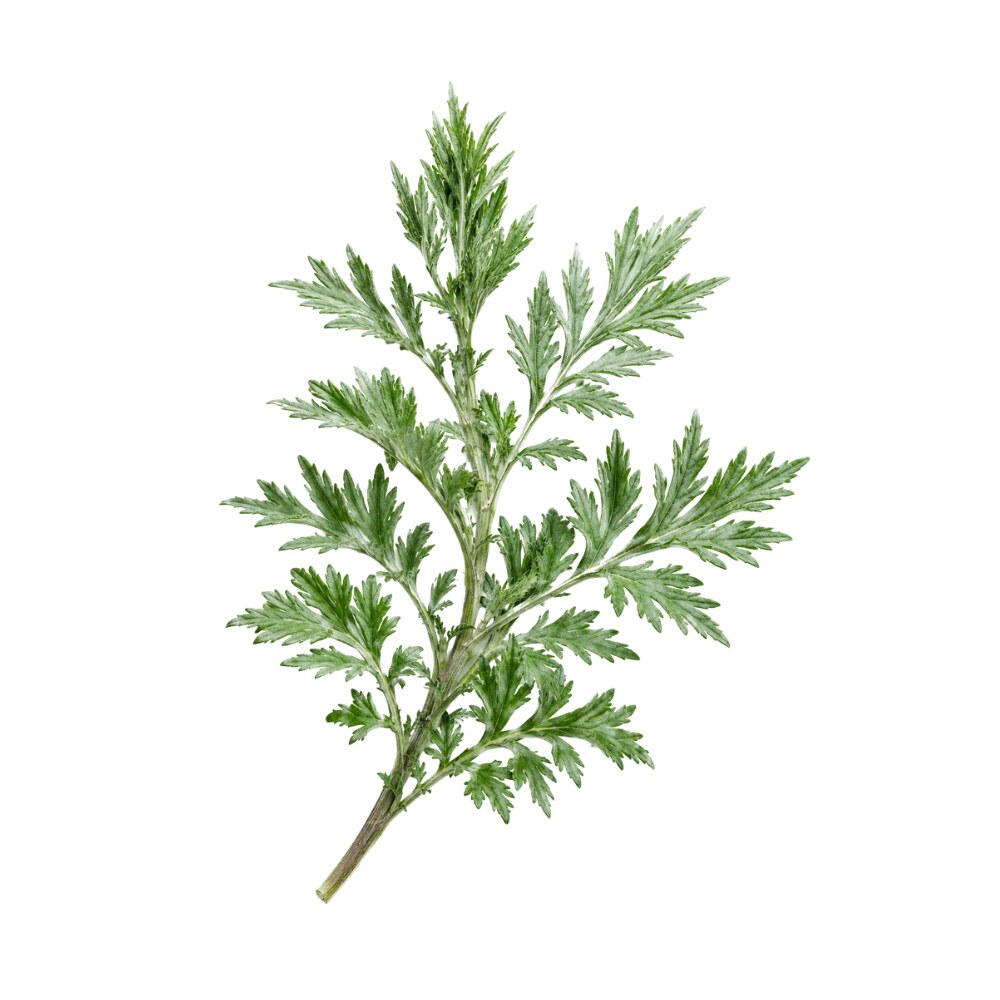
This page was commissioned as a mugwort constituent. It is not one, on the evidence available, and the honest version of that answer is more useful than the page it was meant to be.
What the molecule’s own literature says. Psilostachyin is an Ambrosia compound. It is named for Ambrosia psilostachya 1Reference 1The structure of psilostachyin, a new sesquiterpene dilactone from Ambrosia psilostachyaView study →, and every isolation reported in the indexed literature comes from that genus — A. artemisiifolia 9,
Where the mugwort claim comes from. It traces to a widely-cited 2020 review of Artemisia vulgaris, which states that a characteristic feature of the species is the presence of “psilostachyin, psilostachyin C, and vulgarin,” lists the content of both psilostachyins as not available, and cites two sources for the claim 18Reference 18ReviewSignificance of Artemisia vulgaris L. (common mugwort) in the history of medicine and its possible contemporary applications substantiated by phytochemical and pharmacological studies — reviewView study →. Those two sources are a practitioner handbook of herbal drugs, and a 1991 Phytochemistry paper titled “Two eudesmane acids from Artemisia vulgaris” — a paper about a structurally unrelated class of compound 24Reference 24Two eudesmane acids from Artemisia vulgarisView study →. Neither is a primary report of psilostachyin from mugwort.
What modern work on the plant found instead. The most thorough recent sesquiterpene-lactone study of A. vulgaris isolated twenty-two lactones from the aerial parts — twelve of them new — and every one was a guaianolide. Psilostachyin was not among them 17Reference 17In vitroSesquiterpene lactones from Artemisia vulgaris L. as potential NO inhibitors in LPS-induced RAW264.7 macrophage cells — in vitroView study →.
The chemotaxonomy points the same way. Pseudoguaianolides of the ambrosanolide type are the signature of the subtribe Ambrosiinae — Ambrosia, Xanthium, Parthenium. Artemisia sits in a different subtribe and characteristically produces eudesmanolides (such as vulgarin), guaianolides and germacranolides. A ragweed pseudoguaianolide in mugwort would be chemically surprising, not expected.
The verdict, stated plainly. The occurrence of psilostachyin in mugwort is unconfirmed. It may yet be present as a trace or chemotype-specific constituent — absence of evidence in a chemotype-variable species is not proof — but no primary isolation supports it, and nothing here should be read as pharmacology for mugwort. The related worklist note describing psilostachyin as mugwort’s “digestive-bitter marker” is likewise unsupported: no study has measured the taste, bitter-receptor activity or digestive effect of this molecule (psilostachyin AND bitter → 0 PubMed records, psilostachyin AND taste → 0).
The α-Methylene-γ-Lactone — Present, and It Explains the Selectivity Ceiling
Unlike its mugwort-associated neighbour vulgarin, psilostachyin does carry the class warhead, and this is the single most useful fact for reading its data.
Its formula is C₁₅H₂₀O₅ (MW 280.32), and its structure is a spiro-fused dilactone: a γ-butyrolactone spiro-linked at C-7 to a seven-membered carbocycle bearing a second γ-lactone whose α-carbon carries an exocyclic methylene conjugated to the lactone carbonyl. That exocyclic C=CH₂ is a Michael acceptor — it adds cysteine thiols on essentially any protein it meets.
The experimental confirmation is direct rather than assumed. When Sturgeon and colleagues eliminated the α,β-unsaturated carbonyl from psilostachyins A and C, the cell-cycle-checkpoint activity disappeared, which the authors read as evidence that the compounds bind covalently to their targets by Michael addition 9Reference 9In vitroModulation of the G2 cell cycle checkpoint by sesquiterpene lactones psilostachyins A and C isolated from the common ragweed Ambrosia artemisiifolia — in vitroView study →. The parasite work agrees from a different angle: psilostachyin’s antiproliferative effect on T. cruzi was partially blocked by added glutathione, and fully blocked in Leishmania mexicana at 1.5 mM glutathione — a thiol competing the electrophile away 3,
Three consequences follow, and they should be applied to every number below:
- “Inhibits NF-κB in vitro” would say almost nothing about this molecule specifically. Thiol alkylation is a class property shared by parthenolide, costunolide, helenalin and hundreds of others. (In psilostachyin’s case the question is moot — a PubMed search for
psilostachyin AND NF-kBreturns zero records.) - Selectivity is structurally capped. A reagent that alkylates thiols indiscriminately will hit host cells alongside parasites, and psilostachyin’s measured selectivity indices — 11.6 against chloroquine-sensitive P. falciparum, 3.8 against the resistant W2 strain, roughly 5 against normal human lung fibroblasts — are exactly the modest numbers that predicts 4,
10Reference 4In vitroIn vitro antiplasmodial activity of sesquiterpene lactones from Ambrosia tenuifoliaView study →Reference 10In vitroAntiproliferative and cytotoxic effects of sesquiterpene lactones isolated from Ambrosia artemisiifolia on human adenocarcinoma and normal cell lines — in vitroView study → . A trypanocidal IC50 quoted without a selectivity index is close to meaningless here. - It is a plausible contact allergen. The sesquiterpene-lactone patch-test mix is built from three α-methylene lactones precisely because that group is the sensitising motif 19Reference 19ReviewThe sesquiterpene lactone mix: a review of past, present and future aspectsView study →. Psilostachyin has never been patch-tested, but structurally it belongs to the sensitising set.
The one place selectivity is genuinely good is against Leishmania: an IC50 of 0.12 µg/mL on promastigotes with “high selectivity,” a two-order-of-magnitude gap that the Plasmodium work never reproduced 2Reference 2In vitroTrypanocidal and leishmanicidal activities of sesquiterpene lactones from Ambrosia tenuifolia Sprengel (Asteraceae) — in vitro and in miceView study →.
Not Artemisinin
Because psilostachyin’s headline data are antiparasitic and it has been mis-filed under Artemisia, it invites a specific and serious confusion.
Artemisinin is a different molecule with a different mechanism. Artemisinin is a sesquiterpene lactone endoperoxide from Artemisia annua (sweet wormwood); its antimalarial action depends entirely on iron-mediated cleavage of that endoperoxide bridge, and it is a frontline human antimalarial drug. Psilostachyin has no endoperoxide. Its in-vitro antiplasmodial IC50 of 2.1 µM against the F32 strain sits about seventy-fold weaker than chloroquine tested in the same run (0.03 µM), with a selectivity index of 11.6 4Reference 4In vitroIn vitro antiplasmodial activity of sesquiterpene lactones from Ambrosia tenuifoliaView study →.
Nothing about artemisinin’s clinical antimalarial record transfers to psilostachyin. They are not the same molecule, not from the same genus, and not the same class of mechanism.
Ragweed Pollen Allergy vs. Sesquiterpene-Lactone Dermatitis
Ragweed is best known to most readers as an allergy plant, so it is worth separating two things that are routinely conflated. They are different molecules, different immune mechanisms, different tissues and different clinical pictures.
| Ragweed pollen allergy | Sesquiterpene-lactone contact dermatitis | |
|---|---|---|
| Trigger | Pollen proteins — chiefly the major allergen Amb a 1, plus cross-reactive profilin and calcium-binding allergens 20Reference 20Clinical trialRelationship between IgE levels specific for ragweed pollen extract, Amb a 1 and cross-reactive allergen molecules — in patientsView study → | Small-molecule lactones in leaf/stem resin, acting as haptens 19Reference 19ReviewThe sesquiterpene lactone mix: a review of past, present and future aspectsView study → |
| Immunology | IgE-mediated, immediate (type I) hypersensitivity | T-cell-mediated, delayed (type IV) hypersensitivity |
| Route | Inhaled pollen | Skin contact with plant sap or dust |
| Picture | Seasonal rhinitis, conjunctivitis, asthma | Eczematous, often airborne-pattern dermatitis |
| Test | Specific IgE / skin-prick to pollen extract or Amb a 1 20Reference 20Clinical trialRelationship between IgE levels specific for ragweed pollen extract, Amb a 1 and cross-reactive allergen molecules — in patientsView study → | Patch test to the sesquiterpene-lactone mix 19Reference 19ReviewThe sesquiterpene lactone mix: a review of past, present and future aspectsView study → |
| Where psilostachyin sits | Nowhere — it is not a pollen protein | Structurally in the sensitising class; never itself tested |
The practical point: someone with hay fever from ragweed pollen is reacting to Amb a 1 and its relatives, not to psilostachyin, and a psilostachyin exposure is not a pollen-allergy exposure. Conversely, Compositae contact dermatitis is a hapten phenomenon that has nothing to do with IgE or pollen season. The mean prevalence of positive patch-test reactions to the sesquiterpene-lactone mix is around 1% in Europe and 0.8% in North America 19Reference 19ReviewThe sesquiterpene lactone mix: a review of past, present and future aspectsView study → — a genuinely different population from ragweed hay-fever sufferers.
What It's Used For
The isolate literature is small, coherent and almost entirely preclinical: roughly a dozen primary studies, dominated by antiprotozoal work from Buenos Aires, with a secondary cytotoxicity strand and one agricultural molluscicide paper. There is no human study of psilostachyin.
Support is an experimental score — weighted by study type (human > animal > in vitro) and volume. A beta, not a validated metric. Every score is capped low because no human data exist, and the antitrypanosomal score is capped further by a failed independent in-vivo replication.
The marquee application, and an isolate story throughout. Bioassay-guided fractionation of Ambrosia tenuifolia yielded psilostachyin and peruvin; psilostachyin inhibited T. cruzi epimastigotes at under 2 µg/mL, trypomastigotes at IC50 0.76 µg/mL with a selectivity index of 33.8 against T lymphocytes, and in mice gave 100% survival with lower parasitaemia than controls 2Reference 2In vitroTrypanocidal and leishmanicidal activities of sesquiterpene lactones from Ambrosia tenuifolia Sprengel (Asteraceae) — in vitro and in miceView study →.
Mechanistically it acts irreversibly above 1.0 µg/mL, causes mitochondrial swelling and kinetoplast deformity by electron microscopy at 0.5 µg/mL, and is only partially rescued by glutathione 3Reference 3In vitroAntiproliferative effect and ultrastructural alterations induced by psilostachyin on Trypanosoma cruzi — in vitroView study →.
A later mode-of-action study identified hemin binding as its route — a roughly five-fold rise in parasite ROS after four hours, with no effect on ergosterol synthesis, in direct contrast to psilostachyin C, which does the reverse 7Reference 7In vitroMode of action of the sesquiterpene lactones psilostachyin and psilostachyin C on Trypanosoma cruzi — in vitroView study →.
Against amastigotes, the intracellular form that matters clinically, its IC50 is 21 µM, and it is additive with cumanin 5Reference 5In vitroNatural terpenoids from Ambrosia species are active in vitro and in vivo against human pathogenic trypanosomatidsView study →.
Gap: the in-vivo evidence does not hold up. An independent group dosing 0.5–50 mg/kg/day against the Y strain in an acute mouse model found psilostachyin A not effective, reaching 100% animal mortality 6Reference 6In vitroActivities of psilostachyin A and cynaropicrin against Trypanosoma cruzi in vitro and in infected miceView study → — a flat contradiction of the 2008 result, using a different strain, schedule and laboratory. Until that is resolved, the in-vivo claim should be treated as unreplicated. No pharmacokinetics exist to explain the discrepancy.
The application where selectivity is actually good. Psilostachyin isolated from A. tenuifolia inhibited Leishmania promastigotes with an IC50 of 0.12 µg/mL and, per the authors, high selectivity against the parasite relative to T lymphocytes — a substantially better margin than it achieves against Plasmodium 2Reference 2In vitroTrypanocidal and leishmanicidal activities of sesquiterpene lactones from Ambrosia tenuifolia Sprengel (Asteraceae) — in vitro and in miceView study →.
The mechanism is oxidative: in Leishmania mexicana promastigotes, psilostachyin’s antiproliferative effect was blocked by 1.5 mM reduced glutathione, it significantly depleted endogenous parasite glutathione, and it raised ROS generation between 2.7 and 5.4 fold across the tested lactones 8Reference 8In vitroNatural sesquiterpene lactones induce oxidative stress in Leishmania mexicana — in vitroView study →.
Notably, psilostachyin C did not deplete glutathione in the same experiment, again separating two near-identical molecules 8Reference 8In vitroNatural sesquiterpene lactones induce oxidative stress in Leishmania mexicana — in vitroView study →.
Gap: two in-vitro studies from overlapping author groups, no in-vivo leishmaniasis model, no amastigote data, and no second laboratory. The glutathione-reversibility that explains the mechanism is also the warning: this is thiol chemistry, and host cells have thiols too.
A single well-reported in-vitro study, and it is the clearest illustration of the selectivity problem here. Against Plasmodium falciparum, psilostachyin gave IC50 2.1 µM on the chloroquine-sensitive F32 strain and 6.4 µM on the chloroquine-resistant W2 strain, with a 48-hour CC50 on lymphoid cells of 24.3 µM — yielding selectivity indices of 11.6 and 3.8 respectively 4Reference 4In vitroIn vitro antiplasmodial activity of sesquiterpene lactones from Ambrosia tenuifoliaView study →.
Chloroquine in the same run scored IC50 0.03 µM. The parent A. tenuifolia extract was itself active (IC50 2 µg/mL), and the co-isolated lactone peruvin was more potent on F32 (1.1 µM) but less selective (SI 2.0) 4Reference 4In vitroIn vitro antiplasmodial activity of sesquiterpene lactones from Ambrosia tenuifoliaView study →.
Gap: one study, one laboratory, in vitro only. A selectivity index of 3.8 against a drug-resistant strain is not a lead — antiparasitic screens conventionally look for well above 10, and preferably far more. There is no rodent malaria model and no in-vivo antiplasmodial data for this molecule. This is also the application most at risk of being confused with artemisinin’s; see above.
An in-vitro strand with one mechanistically interesting result. Screening the US National Cancer Institute’s natural-products repository for G2 DNA-damage-checkpoint inhibitors flagged a methanol extract of common ragweed, and assay-guided fractionation identified psilostachyins A and C as the active checkpoint inhibitors; both also blocked cells in mitosis and produced aberrant spindles without inhibiting microtubule polymerisation in vitro. Removing their α,β-unsaturated carbonyl abolished activity, and the related lactones psilostachyin B, paulitin and isopaulitin were inactive 9Reference 9In vitroModulation of the G2 cell cycle checkpoint by sesquiterpene lactones psilostachyins A and C isolated from the common ragweed Ambrosia artemisiifolia — in vitroView study →.
In human colon adenocarcinoma cells, psilostachyin inhibited the multidrug-resistant Colo320 line at IC50 5.29 µM — but with only moderate selectivity (~5-fold) against normal MRC-5 lung fibroblasts, and it did not inhibit the ABCB1 efflux pump 10Reference 10In vitroAntiproliferative and cytotoxic effects of sesquiterpene lactones isolated from Ambrosia artemisiifolia on human adenocarcinoma and normal cell lines — in vitroView study →.
In murine BW5147 lymphoma, psilostachyin was cytotoxic through apoptosis but was outperformed on both potency and tolerability by psilostachyin C, which the authors called “the most active and the less toxic compound” 11Reference 11In vitroSesquiterpene lactones from Ambrosia spp. are active against a murine lymphoma cell line by inducing apoptosis and cell cycle arrest — in vitroView study →.
Gap: all in vitro, all isolate, no animal tumour model, and the selectivity is poor enough that “cytotoxic” is the accurate word rather than “anticancer.” Read the older secondary literature with care: a 2019 paper on psilostachyin-A in 5-fluorouracil-resistant liver carcinoma was retracted in 2021 for non-original and manipulated figures and should not be cited 22Reference 22Retracted: Anticancer action of psilostachyin-A in 5-fluorouracil-resistant human liver carcinoma are mediated through autophagy induction, G2/M phase cell cycle arrest and inhibiting ERK/MAPK signaling pathwayView study →.
Not a human application, but the best-quantified activity psilostachyin has. In work aimed at controlling the invasive golden apple snail (Pomacea canaliculata) in rice fields, psilostachyin was identified as the most active molluscicidal component of common ragweed aerial parts, with a 24-hour LC50 of 15.9 mg/L — ahead of psilostachyin B (27.0 mg/L) and axillaxin (97.0 mg/L) 12Reference 12Ambrosia artemisiifolia as a potential resource for management of golden apple snails, Pomacea canaliculata (Lamarck)View study →.
An earlier Chinese study had already reported that psilostachyin, psilostachyin B and psilostachyin C from ragweed all show molluscicidal activity against Oncomelania hupensis, the snail vector of schistosomiasis 13Reference 13Wang PH, Xu J, Wu MY (1993). [Chemical constituents of ragweed (Ambrosia artemisiifolia L.)]. Zhongguo Zhong Yao Za Zhi. https://pubmed.ncbi.nlm.nih.gov/8352903/View study →.
Gap: this is agricultural and vector-control research, not medicine, and it tells you the molecule is broadly toxic to a soft-bodied invertebrate — which is consistent with the reactive-electrophile picture rather than with any specific target. No mammalian environmental-toxicology work accompanies it.
The thinnest strand, and included mainly so its thinness is on record. A 2011 medicinal-chemistry paper prepared psilostachyin and a series of acetylated pseudoguaianolides and their analogues semi-synthetically — confirming the structure of the semi-synthetic psilostachyin by X-ray crystallography — and evaluated the set for anti-inflammatory potential by measuring TNF-α, IL-1β and IL-6 expression in murine neutrophils 16Reference 16In vitroPsilostachyin, acetylated pseudoguaianolides and their analogues: preparation and evaluation of their anti-inflammatory potential — in vitroView study →.
Gap: the published abstract reports the experiment but no numeric outcome for psilostachyin itself, and no follow-up study exists. Given that thiol-alkylating lactones suppress inflammatory transcription as a class, a positive result here would carry little information about this molecule specifically. There is no in-vivo inflammation model and no NF-κB study for psilostachyin at all.
Mechanisms
| Target / pathway | Effect | Relevant to |
|---|---|---|
| α-Methylene-γ-lactone → cysteine thiol alkylation | Covalent Michael addition; activity lost when the α,β-unsaturated carbonyl is removed 9Reference 9In vitroModulation of the G2 cell cycle checkpoint by sesquiterpene lactones psilostachyins A and C isolated from the common ragweed Ambrosia artemisiifolia — in vitroView study → | The class mechanism underlying everything below |
| Hemin | Direct interaction — the identified route for psilostachyin specifically, not shared with psilostachyin C 7Reference 7In vitroMode of action of the sesquiterpene lactones psilostachyin and psilostachyin C on Trypanosoma cruzi — in vitroView study → | Antitrypanosomal |
| Parasite glutathione pool | Depleted; effect reversed by 1.5 mM exogenous glutathione 8Reference 8In vitroNatural sesquiterpene lactones induce oxidative stress in Leishmania mexicana — in vitroView study → | Leishmanicidalantitrypanosomal |
| Reactive oxygen species | ~5× increase in T. cruzi at 4 h; 2.7–5.4× in L. mexicana 7, | Antiprotozoal |
| Mitochondrion / kinetoplast | Mitochondrial swelling and kinetoplast deformity by TEM at 0.5 µg/mL; loss of membrane potential 3, | Antiprotozoalcytotoxicity |
| Apoptotic death pathway | Phosphatidylserine exposure, reduced mitochondrial membrane potential, TUNEL-positive DNA fragmentation 7, | Antiprotozoalcytotoxicity |
| G2 DNA-damage checkpoint | Inhibited; mitotic block with aberrant spindles, without direct tubulin polymerisation inhibition 9Reference 9In vitroModulation of the G2 cell cycle checkpoint by sesquiterpene lactones psilostachyins A and C isolated from the common ragweed Ambrosia artemisiifolia — in vitroView study → | Cytotoxicity |
| Ergosterol biosynthesis | Not affected — this is psilostachyin C’s mechanism, not psilostachyin’s 7Reference 7In vitroMode of action of the sesquiterpene lactones psilostachyin and psilostachyin C on Trypanosoma cruzi — in vitroView study → | The key contrast between the two molecules |
| ABCB1 / P-glycoprotein efflux pump | Not inhibited 10Reference 10In vitroAntiproliferative and cytotoxic effects of sesquiterpene lactones isolated from Ambrosia artemisiifolia on human adenocarcinoma and normal cell lines — in vitroView study → | Rules out an efflux-modulator role |
The load-bearing point is the top row. Psilostachyin is a reactive electrophile first and a targeted agent second, which is why its potency numbers look good and its selectivity numbers do not.
Pharmacokinetics
Nothing is known. A PubMed search for psilostachyin AND pharmacokinetics returns zero records (checked 31 July 2026). No absorption, distribution, plasma concentration, oral bioavailability, metabolism, active metabolite, half-life or excretion data have been published for this molecule.
What can be said is indirect and cautionary. The in-vivo dosing that exists is parenteral or unstated and spans 0.5–50 mg/kg/day in mice 6Reference 6In vitroActivities of psilostachyin A and cynaropicrin against Trypanosoma cruzi in vitro and in infected miceView study →, and the two mouse studies disagree completely on outcome 2,
That is an inference from chemistry, not a measured finding. A single rodent pharmacokinetic study would change the ceiling of it more than any other experiment.
Clinical Trials
There are no clinical trials of psilostachyin — completed, ongoing, planned or terminated. The molecule has never been administered to a human in a reported study.
| Completed | Planned | Terminated | Preclinical |
|---|---|---|---|
| 0 | 0 | 0 | ~12primary studies (antiprotozoal, cytotoxicity, molluscicidal) |
Last checked: July 2026.
Isolate vs. Plant Studies
This molecule has the opposite profile to most plant constituents: the isolate is nearly all there is, and the whole-plant literature is the thin part.
Every pharmacological finding above used purified psilostachyin, isolated by the studying group from a named Ambrosia species — A. tenuifolia for the trypanocidal, leishmanicidal and antiplasmodial work 2,
The whole-plant comparisons that exist are small and mostly favour the extract’s complexity rather than the isolate. The A. tenuifolia organic extract was itself antiplasmodial at IC50 2 µg/mL, in the same range as its purified lactones 4Reference 4In vitroIn vitro antiplasmodial activity of sesquiterpene lactones from Ambrosia tenuifoliaView study →. In the A. elatior/A. scabra screen, cumanin outperformed psilostachyin in vivo, producing an eight-fold parasitaemia reduction and 66% survival where benznidazole and psilostachyin did less 5Reference 5In vitroNatural terpenoids from Ambrosia species are active in vitro and in vivo against human pathogenic trypanosomatidsView study →. In the murine lymphoma panel, psilostachyin C outperformed psilostachyin on both activity and toxicity 11Reference 11In vitroSesquiterpene lactones from Ambrosia spp. are active against a murine lymphoma cell line by inducing apoptosis and cell cycle arrest — in vitroView study →.
The transferability caveat runs one specific way here: do not read any of this onto a herb here. No monograph plant here is a confirmed source of psilostachyin. Ragweed is not a medicinal herb, and the mugwort attribution does not hold up (see above). The molecule’s pharmacology is currently orphaned from any herbal use.
Prevalence in Nature
Psilostachyin is, on the published record, an Ambrosia compound — a genus of North and South American ragweeds in the Asteraceae, subtribe Ambrosiinae. Confirmed occurrences, each tied to a named plant by isolation rather than by database annotation:
| Species | Note | Evidence |
|---|---|---|
| Ambrosia psilostachya | Western ragweed — the naming species | Structure report, 1966 1Reference 1The structure of psilostachyin, a new sesquiterpene dilactone from Ambrosia psilostachyaView study → |
| Ambrosia artemisiifolia | Common ragweed | Repeated isolation from aerial parts 9, |
| Ambrosia tenuifolia | Argentine ragweed | Bioassay-guided isolation 2, |
| Ambrosia scabra | South American ragweed | Isolated alongside cordilin 5, |
| Ambrosia arborescens | Andean shrub ragweed | Main isolated compound; related derivatives detected by LC-MS 14, |
Quantities are essentially unpublished. No percent-dry-weight figure for psilostachyin in any plant was located. The nearest thing to a number is preparative: a 2024 green-chemistry study isolated psilostachyin from A. arborescens crude extracts in 0.40% yield from a methanol maceration and 0.44% from a microwave-assisted ethyl-lactate extraction, describing it as the main compound of the plant 14Reference 14Microwave-assisted extraction of secondary metabolites using ethyl lactate green solvent from Ambrosia arborescens: LC/ESI-MS/MS and antioxidant activityView study →. That is an isolation yield from extract, not a tissue content, and should not be quoted as an abundance.
Related molecules travel with it, and the names are easy to mix up. A. artemisiifolia yields psilostachyin, psilostachyin B (a distinct dilactone, first characterised in 1977) and psilostachyin C together 13Reference 13Wang PH, Xu J, Wu MY (1993). [Chemical constituents of ragweed (Ambrosia artemisiifolia L.)]. Zhongguo Zhong Yao Za Zhi. https://pubmed.ncbi.nlm.nih.gov/8352903/View study →; A. arborescens additionally shows dehydropsilostachyin and 10α-hydroxy-11,13-dihydro-5-epi-psilostachyin 14,
Outside Ambrosia, the record is for the relatives, not for psilostachyin itself. Psilostachyin C — not psilostachyin — has been isolated from Achillea millefolium (yarrow), in what was the first report of seco-pseudoguaianolides in that genus 21Reference 21In vitroAntiproliferative effect of flavonoids and sesquiterpenoids from Achillea millefolium s.l. on cultured human tumour cell lines — in vitroView study →. A PubMed search for psilostachyin AND Xanthium or AND Parthenium returns zero records for either genus, despite both sitting in the same subtribe.
Discovery & Synthesis
First isolation. Psilostachyin was isolated from Ambrosia psilostachya DC. and named for it; T. J. Mabry, H. E. Miller, H. B. Kagan and W. Renold reported the structure of “a new sesquiterpene dilactone” in Tetrahedron in 1966 1Reference 1The structure of psilostachyin, a new sesquiterpene dilactone from Ambrosia psilostachyaView study →. The same Texas group characterised the rest of the family in the same period — psilostachyin C in the Journal of Organic Chemistry in 1966 and psilostachyin B in Tetrahedron in 1966 — making A. psilostachya the type source for the whole series. Psilostachyin B was later independently isolated and identified from common ragweed by Raszeja and Gill in 1977.
Synthesis. There is no reported total synthesis of psilostachyin itself. A PubMed search for psilostachyin AND total synthesis returns exactly one record, and it is for the sibling molecule: Li and colleagues published a total synthesis of psilostachyin C in the Journal of Organic Chemistry in 2011, framed around its role as a G2/M DNA-damage-checkpoint inhibitor 23Reference 23Total synthesis of the G2/M DNA damage checkpoint inhibitor psilostachyin CView study →. What exists for psilostachyin is semisynthesis: a 2011 study prepared psilostachyin along with acetylated pseudoguaianolides and analogues, confirming the semi-synthetic product’s structure by X-ray crystallography 16Reference 16In vitroPsilostachyin, acetylated pseudoguaianolides and their analogues: preparation and evaluation of their anti-inflammatory potential — in vitroView study →.
Manufacture today. None at scale. Psilostachyin is a research chemical obtained by extraction and chromatography from Ambrosia aerial parts by the groups that study it. The most recent methodological work is about making that extraction greener rather than larger — replacing methanol maceration with microwave-assisted extraction into ethyl lactate, at comparable yield 14Reference 14Microwave-assisted extraction of secondary metabolites using ethyl lactate green solvent from Ambrosia arborescens: LC/ESI-MS/MS and antioxidant activityView study →.
Patents: not yet researched.
Toxicity & Safety
Psilostachyin carries a moderate flag. Not because a toxicology package showed harm — no toxicology package exists — but because of what the molecule is and what the activity data imply: a reactive Michael acceptor that kills protozoa, mammalian cells and molluscs at overlapping concentrations, with selectivity indices in the single digits to low tens.
- Low selectivity is the defining safety fact. Selectivity indices of 3.8–11.6 against P. falciparum and ~5 against normal human fibroblasts mean the concentrations that kill parasites and tumour cells are close to the ones that harm normal cells 4,
10Reference 4In vitroIn vitro antiplasmodial activity of sesquiterpene lactones from Ambrosia tenuifoliaView study →Reference 10In vitroAntiproliferative and cytotoxic effects of sesquiterpene lactones isolated from Ambrosia artemisiifolia on human adenocarcinoma and normal cell lines — in vitroView study → . - A thiol-alkylating electrophile. The α-methylene-γ-lactone adds covalently to cysteine residues on essentially any protein; its effects are partly reversed by glutathione, which is the signature of non-specific reactivity rather than a defined target 3,
8, .9Reference 3In vitroAntiproliferative effect and ultrastructural alterations induced by psilostachyin on Trypanosoma cruzi — in vitroView study →Reference 8In vitroNatural sesquiterpene lactones induce oxidative stress in Leishmania mexicana — in vitroView study →Reference 9In vitroModulation of the G2 cell cycle checkpoint by sesquiterpene lactones psilostachyins A and C isolated from the common ragweed Ambrosia artemisiifolia — in vitroView study → - Compositae/sesquiterpene-lactone contact-allergy class. Never patch-tested itself, but structurally it belongs to the group that defines the sesquiterpene-lactone patch-test mix 19Reference 19ReviewThe sesquiterpene lactone mix: a review of past, present and future aspectsView study →. This is separate from ragweed pollen allergy.
- No toxicology and no pharmacokinetics of any kind. No LD50, no repeat-dose study, no genotoxicity, no carcinogenicity, no reproductive study, no CYP or transporter data, no plasma measurement. Silence, not clearance.
- No human exposure route is established. There is no supplement, no medicine and no confirmed herbal source here, so the practical exposure question does not currently arise.
Full Safety & Interactions Detail
What has actually been observed. The in-vivo safety observations are incidental to efficacy work. In the 2008 mouse study, psilostachyin-treated animals survived at 100% with lower parasitaemia 2Reference 2In vitroTrypanocidal and leishmanicidal activities of sesquiterpene lactones from Ambrosia tenuifolia Sprengel (Asteraceae) — in vitro and in miceView study →. In the 2013 independent study, psilostachyin A at 0.5–50 mg/kg/day reached 100% animal mortality in the acute T. cruzi model — but in an infection model, so mortality cannot be cleanly attributed to compound toxicity rather than to treatment failure 6Reference 6In vitroActivities of psilostachyin A and cynaropicrin against Trypanosoma cruzi in vitro and in infected miceView study →. The paper explicitly notes psilostachyin A “was not effective” at those doses. That ambiguity is itself the finding: the only mammalian dose range published for this molecule comes with an unresolved mortality signal.
Cell-level toxicity is well characterised and unflattering. CC50 on murine T lymphocytes was 24.3 µM at 48 hours 4Reference 4In vitroIn vitro antiplasmodial activity of sesquiterpene lactones from Ambrosia tenuifoliaView study →; on normal human MRC-5 lung fibroblasts, selectivity over the tumour line was only about five-fold 10Reference 10In vitroAntiproliferative and cytotoxic effects of sesquiterpene lactones isolated from Ambrosia artemisiifolia on human adenocarcinoma and normal cell lines — in vitroView study →; and in murine lymphoma the authors ranked psilostachyin as more toxic and less active than psilostachyin C 11Reference 11In vitroSesquiterpene lactones from Ambrosia spp. are active against a murine lymphoma cell line by inducing apoptosis and cell cycle arrest — in vitroView study →. Its molluscicidal LC50 of 15.9 mg/L against a snail 12Reference 12Ambrosia artemisiifolia as a potential resource for management of golden apple snails, Pomacea canaliculata (Lamarck)View study → rounds out a picture of broad, non-specific cytotoxicity.
Mechanistic basis for the caution. Sesquiterpene lactones with an exocyclic methylene conjugated to the lactone carbonyl alkylate nucleophilic groups on enzymes; the checkpoint work showed directly that removing psilostachyin’s α,β-unsaturated carbonyl abolishes its activity 9Reference 9In vitroModulation of the G2 cell cycle checkpoint by sesquiterpene lactones psilostachyins A and C isolated from the common ragweed Ambrosia artemisiifolia — in vitroView study →, and the parasite work showed the effect is competed away by glutathione 3,
Contact allergy. The sesquiterpene-lactone mix — alantolactone, costunolide and dehydrocostus lactone — sits in the European and North American baseline patch-test series precisely because α-methylene lactones are the principal allergens of the Compositae family, with roughly 1% (Europe) and 0.8% (North America) positivity 19Reference 19ReviewThe sesquiterpene lactone mix: a review of past, present and future aspectsView study →. Psilostachyin has never been included in a patch-test series, but nothing about its structure suggests it would behave differently from the mix components. This is a type IV, hapten-driven risk and has no relationship to ragweed pollen allergy, which is an IgE response to the protein Amb a 1 and its cross-reactive relatives 20Reference 20Clinical trialRelationship between IgE levels specific for ragweed pollen extract, Amb a 1 and cross-reactive allergen molecules — in patientsView study →.
Interactions. No CYP450 isoform, P-glycoprotein or other transporter has been tested against psilostachyin. The one transporter datum is negative in a different sense: it does not inhibit the ABCB1 efflux pump in the multidrug-resistance assay where it was screened 10Reference 10In vitroAntiproliferative and cytotoxic effects of sesquiterpene lactones isolated from Ambrosia artemisiifolia on human adenocarcinoma and normal cell lines — in vitroView study →. A glutathione-depleting electrophile would, in principle, be expected to interact with anything dependent on glutathione conjugation, but this has never been examined.
Reproductive note (prose only). No reproductive or developmental toxicity study of isolated psilostachyin exists. Pregnancy and lactation decisions belong to the herb or product page where intake is decided, not to a molecule page; note separately that mugwort the herb carries a well-established emmenagogue and pregnancy caution which belongs to that page and is not a finding about this molecule.
A citation warning. A 2019 Medical Science Monitor paper reporting anticancer action of psilostachyin-A in 5-fluorouracil-resistant human liver carcinoma was retracted in 2021 following the identification of non-original and manipulated figures 22Reference 22Retracted: Anticancer action of psilostachyin-A in 5-fluorouracil-resistant human liver carcinoma are mediated through autophagy induction, G2/M phase cell cycle arrest and inhibiting ERK/MAPK signaling pathwayView study →. It still circulates in secondary literature and should not be used as evidence for anything.
Dosage
There is no human dose for psilostachyin, and no basis on which to construct one. It is not sold as a supplement, is not a medicine anywhere, and has no confirmed source among the herbs here. The figures below are research values, given so the scale of the published work is visible — not as guidance.
| Setting | Model | Concentration or dose |
|---|---|---|
| T. cruzi trypomastigotes | in vitro | IC50 0.76 µg/mL (SI 33.8) 2Reference 2In vitroTrypanocidal and leishmanicidal activities of sesquiterpene lactones from Ambrosia tenuifolia Sprengel (Asteraceae) — in vitro and in miceView study → |
| T. cruzi amastigotes | in vitro | IC50 21 µM 5Reference 5In vitroNatural terpenoids from Ambrosia species are active in vitro and in vivo against human pathogenic trypanosomatidsView study → |
| Leishmania promastigotes | in vitro | IC50 0.12 µg/mL 2Reference 2In vitroTrypanocidal and leishmanicidal activities of sesquiterpene lactones from Ambrosia tenuifolia Sprengel (Asteraceae) — in vitro and in miceView study → |
| P. falciparum F32 / W2 | in vitro | IC50 2.1 / 6.4 µM (SI 11.6 / 3.8) 4Reference 4In vitroIn vitro antiplasmodial activity of sesquiterpene lactones from Ambrosia tenuifoliaView study → |
| Colo320 colon adenocarcinoma | in vitro | IC50 5.29 µM (~5× selectivity) 10Reference 10In vitroAntiproliferative and cytotoxic effects of sesquiterpene lactones isolated from Ambrosia artemisiifolia on human adenocarcinoma and normal cell lines — in vitroView study → |
| T-lymphocyte cytotoxicity | in vitro | CC50 24.3 µM at 48 h 4Reference 4In vitroIn vitro antiplasmodial activity of sesquiterpene lactones from Ambrosia tenuifoliaView study → |
| Acute T. cruzi infection | mouse | 0.5–50 mg/kg/day — not effective, 100% mortality 6Reference 6In vitroActivities of psilostachyin A and cynaropicrin against Trypanosoma cruzi in vitro and in infected miceView study → |
| Golden apple snail | Pomacea canaliculata | 24-h LC50 15.9 mg/L 12Reference 12Ambrosia artemisiifolia as a potential resource for management of golden apple snails, Pomacea canaliculata (Lamarck)View study → |
Two things make even these numbers hard to use. There are no pharmacokinetics, so no in-vitro concentration can be tied to an achievable plasma level; and the two mouse studies disagree on whether it works in vivo at all 2,
References
- Mabry TJ, Miller HE, Kagan HB, Renold W (1966). The structure of psilostachyin, a new sesquiterpene dilactone from Ambrosia psilostachya. Tetrahedron, 22, 1139–1146. https://doi.org/10.1016/0040-4020(66)80090-X
- Sülsen VP, Frank FM, Cazorla SI, Anesini CA, Malchiodi EL, Freixa B, Vila R, Muschietti LV, Martino VS (2008). Trypanocidal and leishmanicidal activities of sesquiterpene lactones from Ambrosia tenuifolia Sprengel (Asteraceae) — in vitro and in mice. Antimicrobial Agents and Chemotherapy. https://pubmed.ncbi.nlm.nih.gov/18443111/
- Sülsen V, Barrera P, Muschietti L, Martino V, Sosa M (2010). Antiproliferative effect and ultrastructural alterations induced by psilostachyin on Trypanosoma cruzi — in vitro. Molecules. https://pubmed.ncbi.nlm.nih.gov/20110908/
- Sülsen V, Gutierrez Yappu D, Laurella L, Anesini C, Gimenez Turba A, Martino V, Muschietti L (2011). In vitro antiplasmodial activity of sesquiterpene lactones from Ambrosia tenuifolia. Evidence-Based Complementary and Alternative Medicine. https://pubmed.ncbi.nlm.nih.gov/21716685/
- Sülsen VP, Cazorla SI, Frank FM, Laurella LC, Muschietti LV, Catalán CA, Martino VS, Malchiodi EL (2013). Natural terpenoids from Ambrosia species are active in vitro and in vivo against human pathogenic trypanosomatids. PLoS Neglected Tropical Diseases. https://pubmed.ncbi.nlm.nih.gov/24130916/
- da Silva CF, Batista DGJ, De Araújo JS, Batista MM, Lionel J, de Souza EM, Hammer ER, da Silva PB, De Mieri M, Adams M, Zimmermann S, Hamburger M, Brun R, Schühly W, Soeiro MNC (2013). Activities of psilostachyin A and cynaropicrin against Trypanosoma cruzi in vitro and in infected mice. Antimicrobial Agents and Chemotherapy. https://pubmed.ncbi.nlm.nih.gov/23939901/
- Sülsen VP, Puente V, Papademetrio D, Batlle A, Martino VS, Frank FM, Lombardo ME (2016). Mode of action of the sesquiterpene lactones psilostachyin and psilostachyin C on Trypanosoma cruzi — in vitro. PLoS ONE. https://pubmed.ncbi.nlm.nih.gov/26939119/
- Barrera P, Sülsen VP, Lozano E, Rivera M, Beer MF, Tonn C, Martino VS, Sosa MA (2013). Natural sesquiterpene lactones induce oxidative stress in Leishmania mexicana — in vitro. Evidence-Based Complementary and Alternative Medicine. https://pubmed.ncbi.nlm.nih.gov/23861697/
- Sturgeon CM, Craig K, Brown C, Rundle NT, Andersen RJ, Roberge M (2005). Modulation of the G2 cell cycle checkpoint by sesquiterpene lactones psilostachyins A and C isolated from the common ragweed Ambrosia artemisiifolia — in vitro. Planta Medica. https://pubmed.ncbi.nlm.nih.gov/16254826/
- Kovács B, Szemerédi N, Kúsz N, Kiss T, Csupor-Löffler B, Tsai YC, Rácz B, Spengler G, Csupor D (2022). Antiproliferative and cytotoxic effects of sesquiterpene lactones isolated from Ambrosia artemisiifolia on human adenocarcinoma and normal cell lines — in vitro. Pharmaceutical Biology. https://pubmed.ncbi.nlm.nih.gov/35952383/
- Martino R, Beer MF, Elso O, Donadel O, Sülsen V, Anesini C (2015). Sesquiterpene lactones from Ambrosia spp. are active against a murine lymphoma cell line by inducing apoptosis and cell cycle arrest — in vitro. Toxicology in Vitro. https://pubmed.ncbi.nlm.nih.gov/26086122/
- Ding W, Huang R, Zhou Z, He H, Li Y (2018). Ambrosia artemisiifolia as a potential resource for management of golden apple snails, Pomacea canaliculata (Lamarck). Pest Management Science. https://pubmed.ncbi.nlm.nih.gov/29148613/
- Wang PH, Xu J, Wu MY (1993). [Chemical constituents of ragweed (Ambrosia artemisiifolia L.)]. Zhongguo Zhong Yao Za Zhi. https://pubmed.ncbi.nlm.nih.gov/8352903/
- Guillen E, Terrones H, de Terrones TC, Simirgiotis MJ, Hájek J, Cheel J, Sepulveda B, Areche C (2024). Microwave-assisted extraction of secondary metabolites using ethyl lactate green solvent from Ambrosia arborescens: LC/ESI-MS/MS and antioxidant activity. Plants (Basel). https://pubmed.ncbi.nlm.nih.gov/38732429/
- De Leo M, Saltos MB, Puente BF, De Tommasi N, Braca A (2010). Sesquiterpenes and diterpenes from Ambrosia arborescens. Phytochemistry. https://pubmed.ncbi.nlm.nih.gov/20181366/
- Chib R, Shah BA, Anand N, Pandey A, Kapoor K, Bani S, Gupta VK, Rajnikant, Sethi VK, Taneja SC (2011). Psilostachyin, acetylated pseudoguaianolides and their analogues: preparation and evaluation of their anti-inflammatory potential — in vitro. Bioorganic & Medicinal Chemistry Letters. https://pubmed.ncbi.nlm.nih.gov/21752638/
- Chen XY, Liu T, Hu YZ, Qiao TT, Wu XJ, Sun PH, Qian CW, Ren Z, Zheng JX, Wang YF (2022). Sesquiterpene lactones from Artemisia vulgaris L. as potential NO inhibitors in LPS-induced RAW264.7 macrophage cells — in vitro. Frontiers in Chemistry. https://pubmed.ncbi.nlm.nih.gov/36118318/
- Ekiert H, Pajor J, Klin P, Rzepiela A, Ślesak H, Szopa A (2020). Significance of Artemisia vulgaris L. (common mugwort) in the history of medicine and its possible contemporary applications substantiated by phytochemical and pharmacological studies — review. Molecules. https://pubmed.ncbi.nlm.nih.gov/32992959/
- Paulsen E (2023). The sesquiterpene lactone mix: a review of past, present and future aspects. Contact Dermatitis. https://pubmed.ncbi.nlm.nih.gov/37820718/
- Zbîrcea LE, Buzan MR, Grijincu M, Babaev E, Stolz F, Valenta R, Păunescu V, Panaitescu C, Chen KW (2023). Relationship between IgE levels specific for ragweed pollen extract, Amb a 1 and cross-reactive allergen molecules — in patients. International Journal of Molecular Sciences. https://pubmed.ncbi.nlm.nih.gov/36835455/
- Csupor-Löffler B, Hajdú Z, Zupkó I, Réthy B, Falkay G, Forgo P, Hohmann J (2009). Antiproliferative effect of flavonoids and sesquiterpenoids from Achillea millefolium s.l. on cultured human tumour cell lines — in vitro. Phytotherapy Research. https://pubmed.ncbi.nlm.nih.gov/19107850/
- Medical Science Monitor editorial office (2021). Retracted: Anticancer action of psilostachyin-A in 5-fluorouracil-resistant human liver carcinoma are mediated through autophagy induction, G2/M phase cell cycle arrest and inhibiting ERK/MAPK signaling pathway. Medical Science Monitor. https://pubmed.ncbi.nlm.nih.gov/33762569/
- Li C, Tu S, Wen S, Li S, Chang J, Shao F, Lei X (2011). Total synthesis of the G2/M DNA damage checkpoint inhibitor psilostachyin C. The Journal of Organic Chemistry. https://pubmed.ncbi.nlm.nih.gov/21417227/
- Marco JA, Sanz JF, del Hierro P (1991). Two eudesmane acids from Artemisia vulgaris. Phytochemistry, 30, 2403–2404. https://doi.org/10.1016/0031-9422(91)83661-4



