
Condition
Cancer
Cancer is a group of diseases in which abnormal cells grow uncontrollably and can invade tissues and spread to other parts of the body.

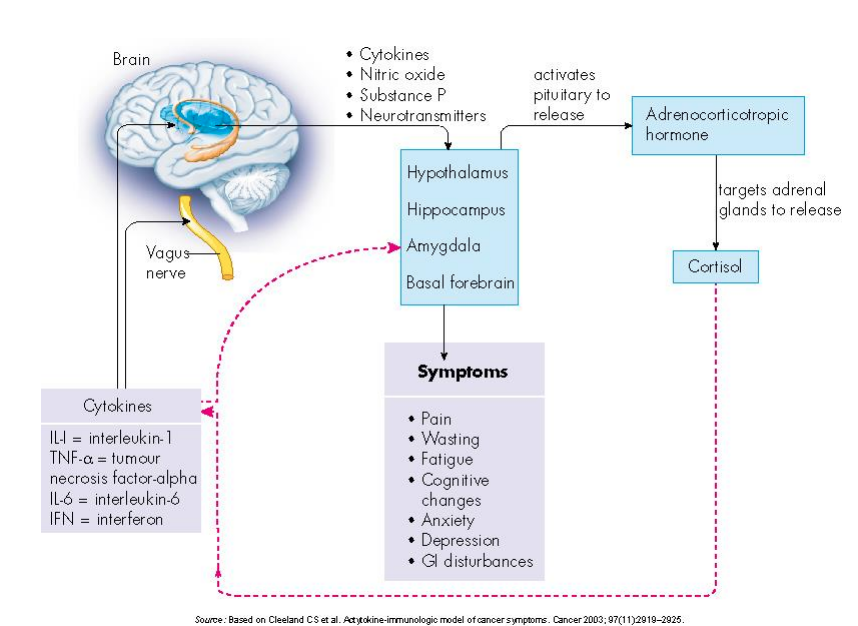
Overview
Aetiology
Different types of cancers may have different causes, however, in general there are a number of factors that come into play, including environmental exposures, diet, lifestyle habits such as smoking or drinking, and genetic predisposition.
The growth of cancer have special growth signals for their own tissue to make them proliferate faster than other tissues. Some cancers instead have an increased number of receptors so that they are more sensitive to naturally produced growth factors instead.
The body naturally has mechanisms to prevent over growth such as apoptosis. Many cancer cells resist apoptosis. They do this through altered P53 gene expression, making them virtually immortal to the bodies self destruct mechanisms. Additionally, cancer cells often have increased telomerase, which is an enzyme that can rebuild the telomeres of the chromosomes, further adding to their immortality. This allows cancer cells to multiply many times more than a normal cell would.
Therefore, a dysfunction in the P53 gene, as well as tumor suppressor genes and the presence of oncogenes are thought to be major causitive factors in the development of cancer.
Bladder Cancer
Major risk factors for bladder cancer includes smoking, and carcinogenic metabolites of chemicals that are excreted and stored in the bladder such as aromatic amines.
Tumor begins in the bladder lining, and spreads through the connective tissue, muscle layer, fat, begins to spread locally and eventually metastisizes to other areas of the body such as the bone or brain.
Breast Cancer
Breast cancer is one of the most common forms of cancer, and is the leading cause of cancer-related deaths in women. It can be either lobular carcinoma or ductal carcinoma, with the large majority of invasive carcinomas being ductal in origin. It has many contributing causes.
Some of the major factors include:
- Mutations in BRCA1, BRCA2, and p53 genes.
- Prolonged hormone replacement therapy
- Alcohol intake
- Nulparity
- Late first pregnancy
Colorectal Cancer
Colorectal cancer is one of the most common cancers, occurring most often in those over 40 years of age. Tumors frequently arise from pre-existing adenomatous polyps, and other risk factors include ulcerative colitis. It tends to be slow growing and insidious in onset, and is generally a highly curable form of cancer when detected early.
Lung Cancer
Lung cancer is divided into small cell and non-small cell types and is the leading cause of cancer-related deaths. The vast majority of cases result from smoking. Onset is insidious and the prognosis is generally poor, with low five-year survival rates.
Lymphoma
Lymphoma is a cancer of the lymphatic system that arises from lymphocytes. It is broadly divided into Hodgkin and non-Hodgkin types and commonly presents with painless lymph node enlargement, fever, night sweats, and weight loss.
Ovarian Cancer
Ovarian cancer tends to present late with vague, non-specific abdominal pain and swelling. A very large cystic ovary can obstruct normal fluid flow in the gastrointestinal tract and result in ascites, and even a benign ovarian cyst, if large, can cause cachexia.
Lab Results:
- Cancer antigen- 125 (CA-125) (Tumor marker for ovarian cancer)
Pancreatic Cancer
Pancreatic cancer is an aggressive malignancy of the pancreas, most often an adenocarcinoma of the ductal cells. It frequently presents late with painless jaundice, abdominal or back pain, and weight loss, and carries a poor prognosis.
Prostate Cancer
Prostate cancer is the third leading cause of cancer-related deaths in men, with the vast majority diagnosed in men over the age of 65. It is usually an adenocarcinoma.
Risk factors include:
- Old age
- Testosterone levels
- High fat diet
- Red meat intake
- Increased levels og IGF-1
Skin Cancer
Skin cancers involve malignancy of the epithelial cells. There are many different types of skin cancer, including:
- basal cell carcnioma
- Squamous cell carcinoma
- Melanoma
- Kaposi’s Sarcoma
- Merkel Cell Carcinoma
- Atypical Fibroxanthoma
- Keratoacanthoma
- Paget’s Disease
Skin cancer is generally very curable if caught early. They are almost entirely related to sun exposure.
Uterine Cancer
Endometrial adenocarcinoma accounts for the great majority of uterine cancers and usually occurs after menopause, arising from malignant changes in endometrial polyps.
Presentation
Symptoms
Symptoms vary widely with the type and location of the cancer. General warning signs include unexplained weight loss, persistent fatigue, fever, night sweats, a new or changing lump, non-healing sores, abnormal bleeding, and persistent pain. Many cancers are asymptomatic in their early stages.
Assessment
Diagnostic Considerations
Diagnosis is made in the early stages through physical examination, screeening procedures, blood testing, and colonoscopy. Symptoms are often the result of tumorsize affecting organ function and causing pain or pressure changes.
Blood, urine, and spinal fluid tests are used to detect substances produced by cancer cells:
- Hormones
- Enzymes
- Genes
- BRCA 1 and 2 genes (Breast cancer)
- Antigens
- PSA antigens (Prostate cancer)
there are of course limitations with these tests, such aa:
- Markers may be produced by non-cancer cells as well
- Some markers are produced in more than one type of cancer
Therefore these tests are not a useful marker for the diagnosis of cancer on their own. Further testing is necessary such as:
- CT/MRI/Xray scans
- Biopsy
- Pap smear
- Fine needle aspiration
- Open biopsy
- Investigation of sentinal nodes
Treatment
Conventional Treatment
- Surgery
- Chemotherapy
- Radiation therapy
- Targeted treatments
Phytotherapy & Chemotherapy Resistance
P- glycoprotein
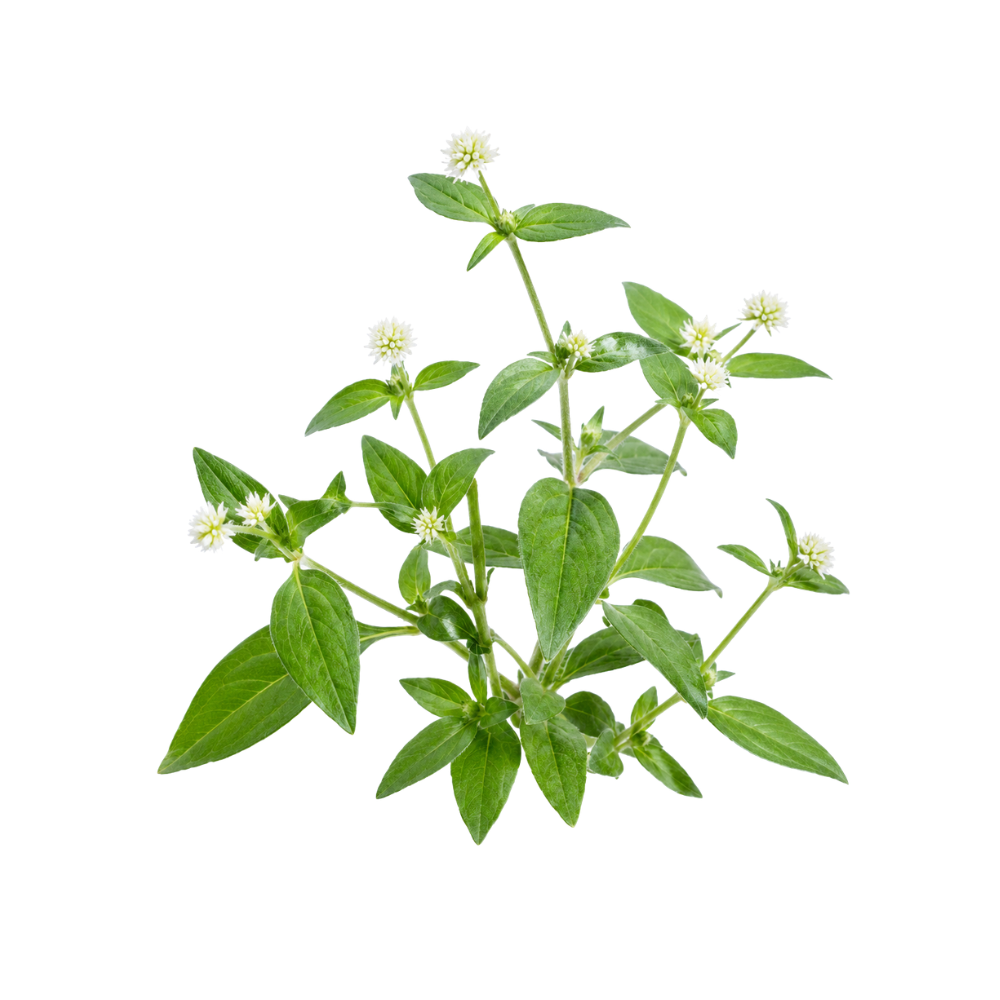
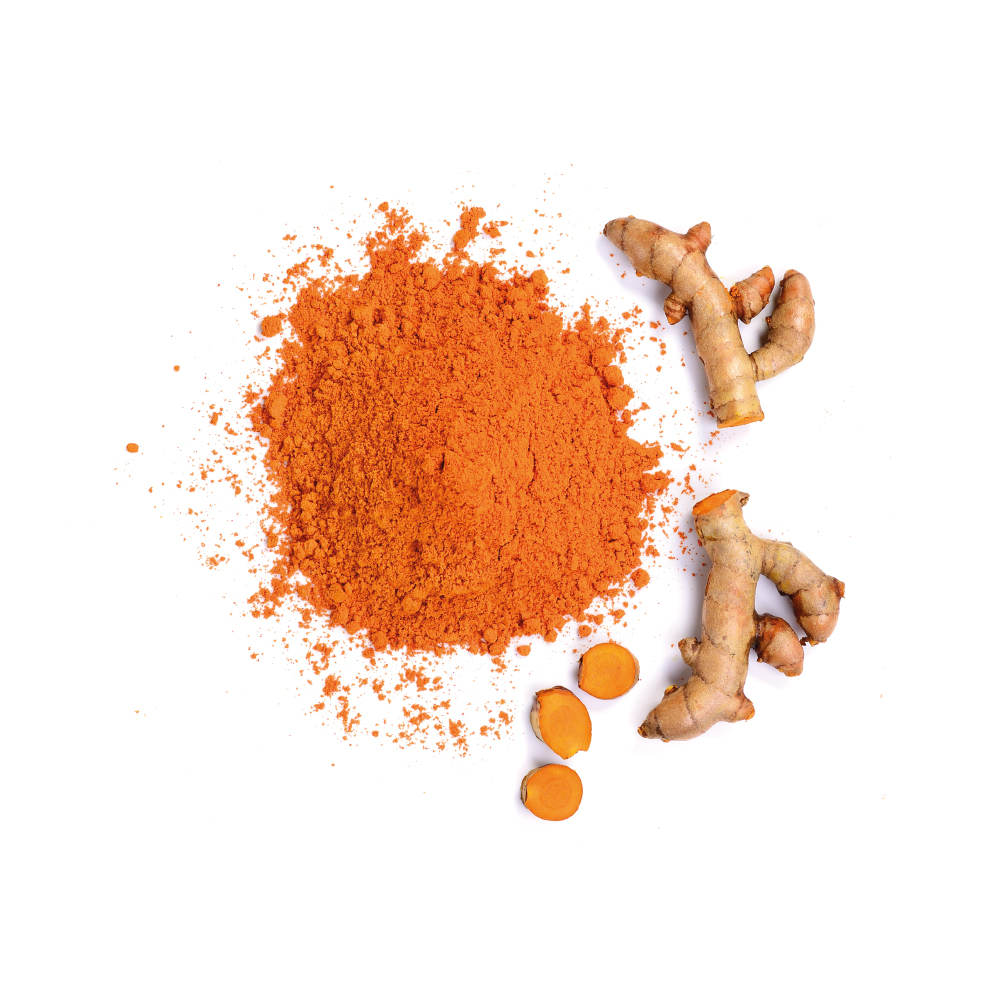
P-glycoprotein (P-gp) is a transport protein involved in drug metabolism and multi-drug resistance, arising from over-expression of the ATP-binding cassette-containing protein family. It actively forces substrates out of the cell via counter-transport, and when over-expressed it can reduce the effectiveness of oral chemotherapy drugs such as daunorubicin, docetaxel, doxorubicin, paclitaxel, taxol, tacrolimus, vinblastine, and vincristine. P-gp inhibitors can be used to increase drug availability, while inducers of P-gp have the opposite effect. Reported P-gp inhibitors include rosemary, bitter melon, St Mary’s thistle, and berberine-containing herbs, and turmeric and gotu kola have also been reported to improve the cytotoxic activity of chemotherapy drugs through various mechanisms.
Chemotherapy Support
Chemotherapy is currently the main treatment for cancer. Despite its common usage in the medical community, recent meta analysis have shown that the prevention of mortality in those over 50 (but under 75) years of age is only between 7%–11% 1Reference 1Effectiveness of adjuvant chemotherapy for node-positive operable breast cancer in older women.
Nausea & Vomiting
There are a number of drugs doctors can use to reduce nausea & vomiting alongside chemotherapy. Most of these drugs use a receptor located in our digestive tract and brain known as 5-HT3 (serotonin). Drugs used to treat chemotherapy related nausea and vomiting involves 5-HT3 receptor antagonists such as dolasetron, granisetron, and ondansetron 2,
Assessment
Differential Diagnosis
The differential diagnosis depends on the site involved and broadly includes benign tumors, inflammatory and infectious conditions, and other causes of organ enlargement or mass effect. Benign cysts, polyps, and reactive lymph node enlargement are common considerations before a malignant diagnosis is confirmed by biopsy.
Context
Comorbidities
Cancer is frequently accompanied by cachexia, anemia, fatigue, and an increased risk of infection and venous thromboembolism. Depression and anxiety are also common, and many patients have coexisting chronic diseases that complicate treatment.
Nutrients for Cancer
- Selenium
- Zinc
- Vitamin C, D
The Herbs
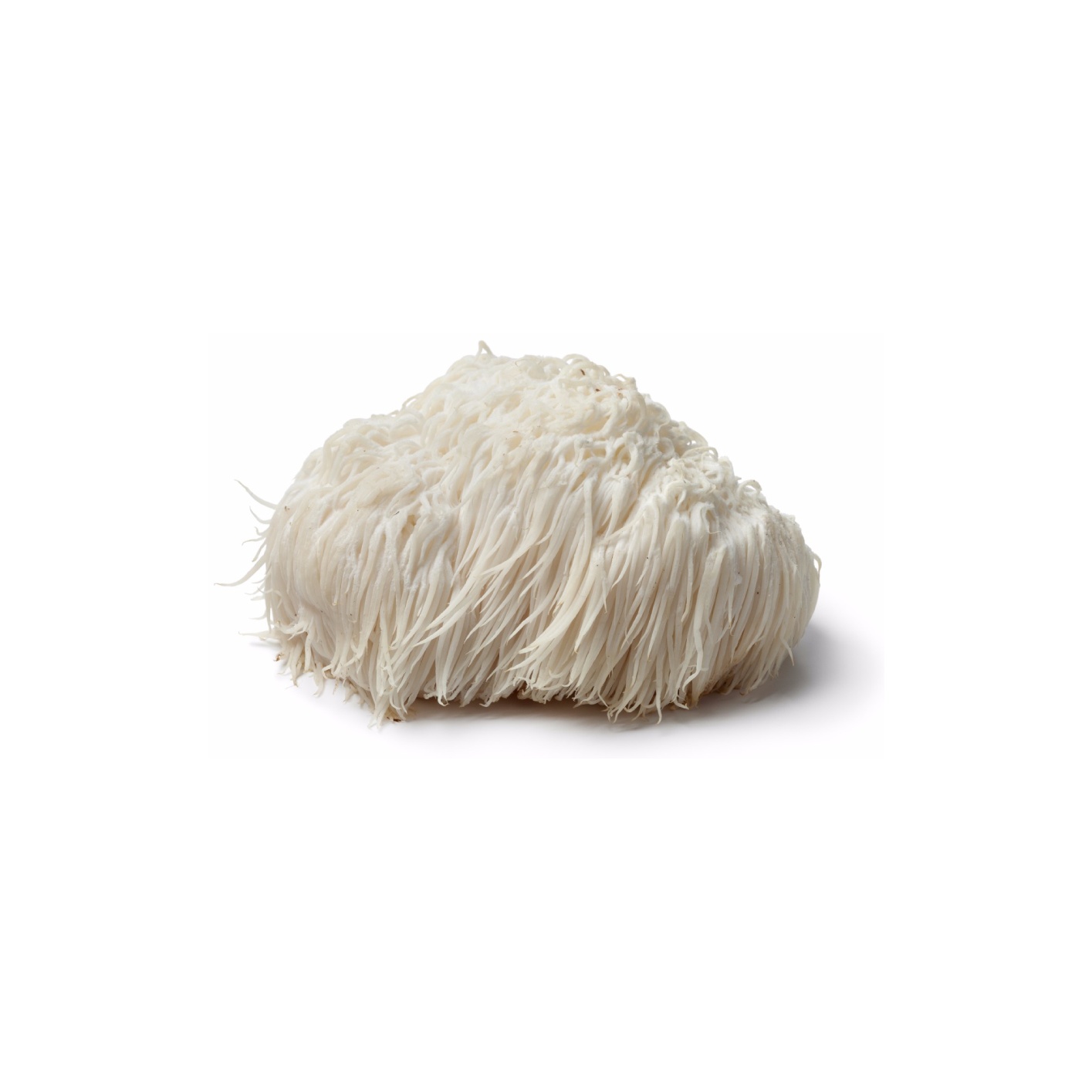
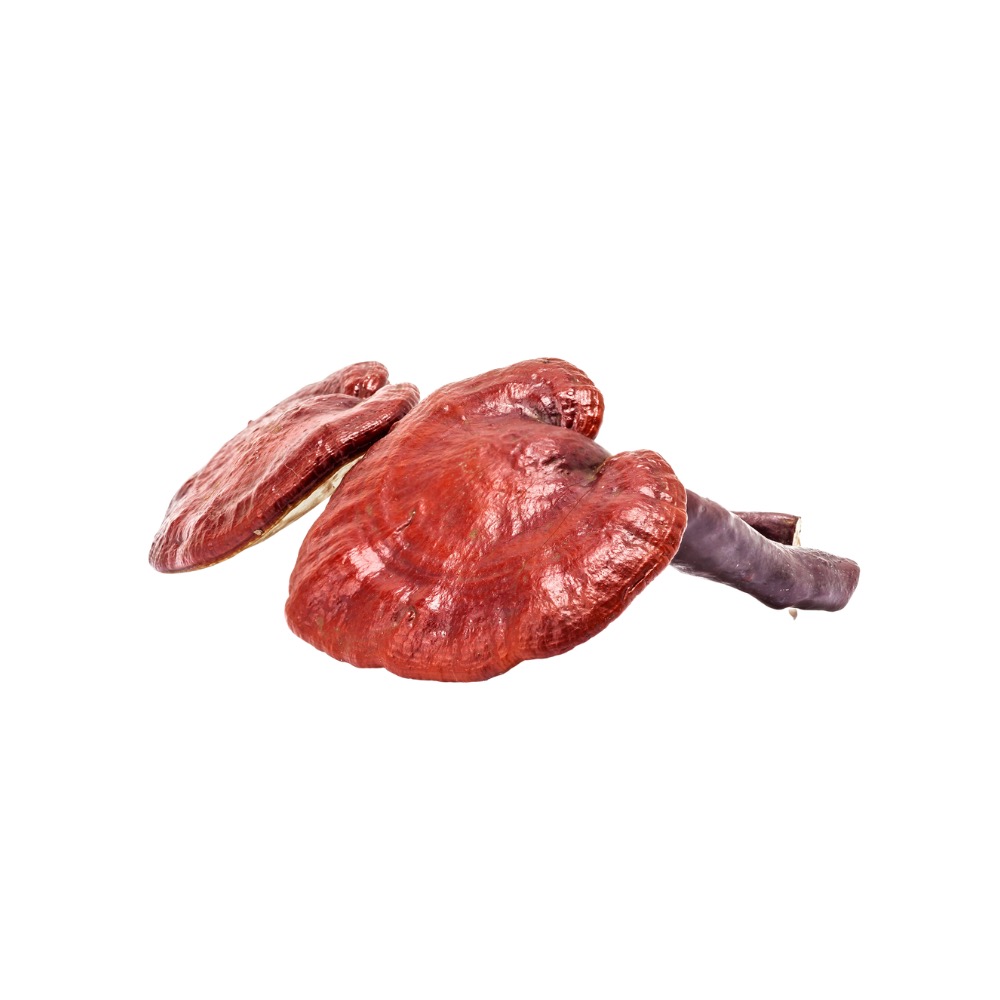
Materia Medica (30)
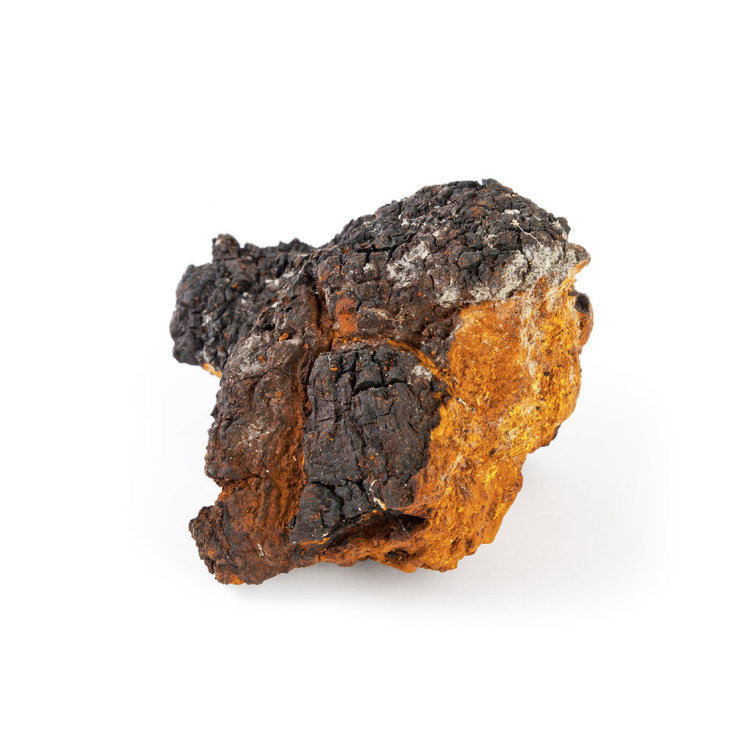
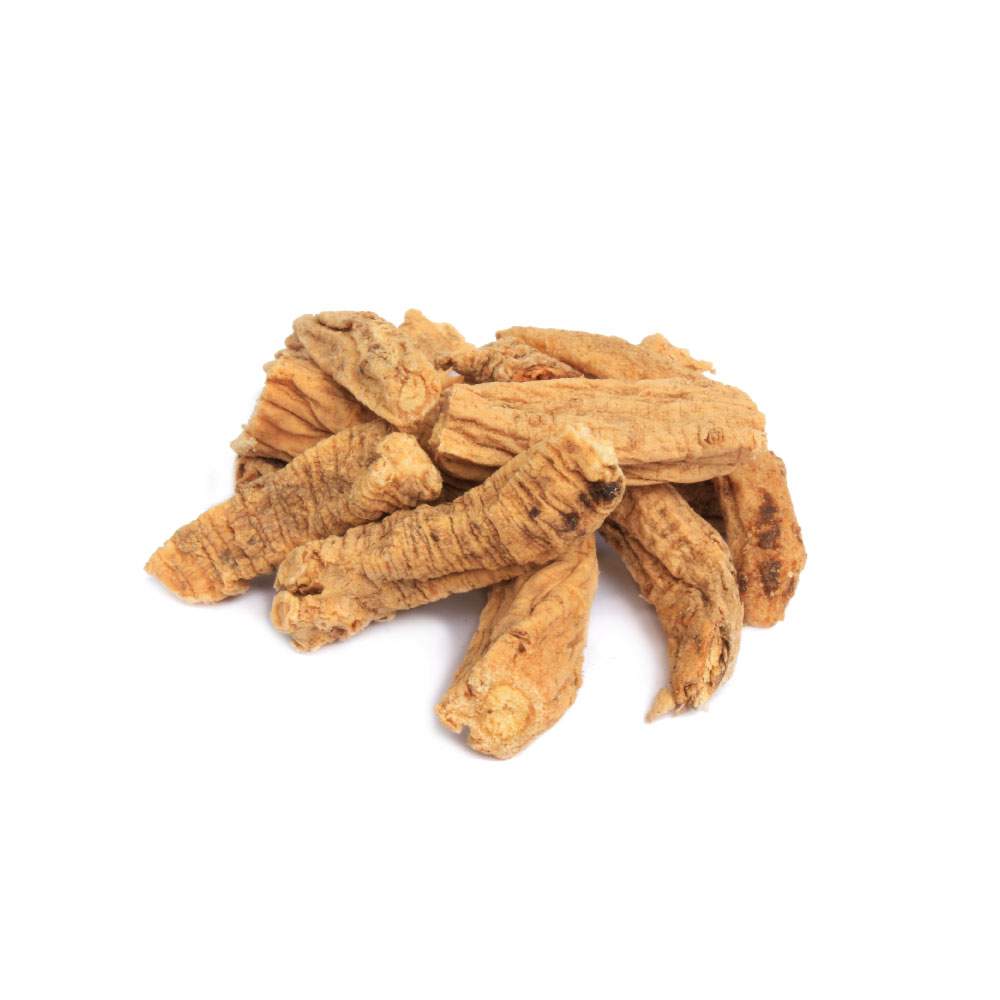
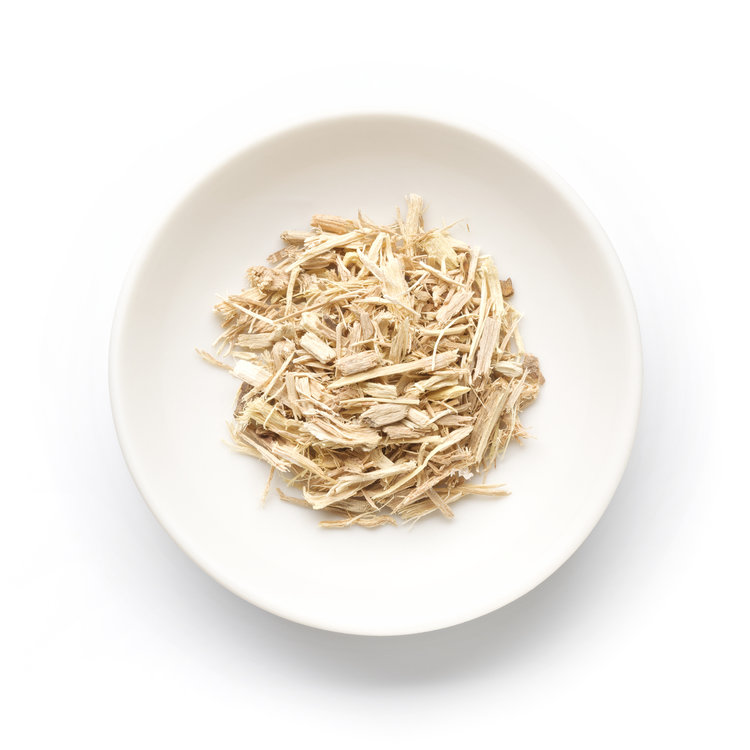
Herbs traditionally or clinically used for cancer.























References:
- Du, X. L., Jones, D. V., & Zhang, D. (2005). Effectiveness of adjuvant chemotherapy for node-positive operable breast cancer in older women. The Journals of Gerontology Series A: Biological Sciences and Medical Sciences, 60(9), 1137-1144.
- Campora, E., Giudici, S., Merlini, L., Rubagotti, A., & Rosso, R. (1994). Ondansetron and dexamethasone versus standard combination antiemetic therapy. A randomized trial for the prevention of acute and delayed emesis induced by cyclophosphamide-doxorubicin chemotherapy and maintenance of antiemetic effect at subsequent courses. American journal of clinical oncology, 17(6), 522-526.
- Hesketh, P. J. (1999). Defining the emetogenicity of cancer chemotherapy regimens: relevance to clinical practice. The Oncologist, 4(3), 191-196.
- Ioannidis, J. P., Hesketh, P. J., & Lau, J. (2000). Contribution of dexamethasone to control of chemotherapy-induced nausea and vomiting: a meta-analysis of randomized evidence. Journal of Clinical Oncology, 18(19), 3409-3422.