
Materia Medica
Usnea
Usnea spp.
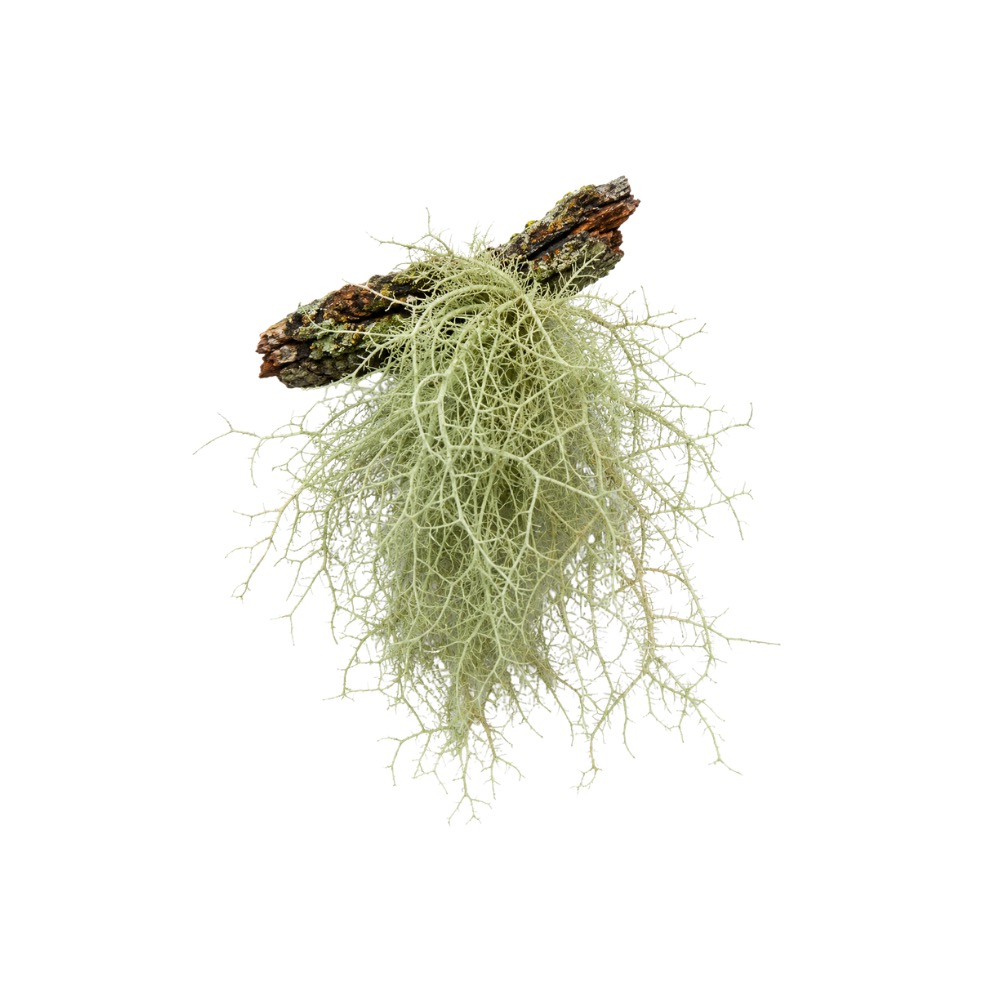
Usnea is a beard lichen, known as old man's beard, that hangs from trees in clean-air forests worldwide. It is used as an antimicrobial for respiratory and urinary infections and on wounds, and its key constituent is usnic acid.
What Is Usnea?
Usnea is a genus of beard lichens, known as old man’s beard, used in herbal medicine as an antimicrobial and wound remedy. The pale grey-green, shrubby or hanging tufts grow on trees, wood and rock around the world 38Reference 38Lichen Flora of the Greater Sonoran Desert Region, VolView study →.
A lichen is not a plant. Each usnea is a fungus and a green alga living together as a single body 38Reference 38Lichen Flora of the Greater Sonoran Desert Region, VolView study →. The genus holds about 360 species, and herbalists use them interchangeably 35Reference 35Secondary metabolite profiling of species of the genus Usnea by UHPLC-ESI-OT-MS-MS — analyticalView study →. A stretchy white cord running through the centre of each strand sets usnea apart from every other lichen 38Reference 38Lichen Flora of the Greater Sonoran Desert Region, VolView study →.
The lichen’s key constituent is usnic acid, which is held in its outer layer 38Reference 38Lichen Flora of the Greater Sonoran Desert Region, VolView study →. Research has looked mostly at its activity against bacteria and fungi, almost entirely in the laboratory 1,
How Is Usnea Used?
Usnea is prepared as a tincture, a decoction, a powder, an infused oil, a salve or a wash.
It is taken mainly for sore throats, sinus and chest infections and urinary irritation, and applied to wounds, fungal infections and inflamed skin. Courses are short, during an acute infection.
Usnic acid dissolves poorly in water and much better in less polar solvents 1Reference 1ReviewUsnea sp.: antimicrobial potential, bioactive compounds, ethnopharmacological uses and other pharmacological properties — reviewView study →, so alcohol tinctures are usually preferred to teas.
Traditional Uses
Western Herbal Medicine
Western herbalism uses the whole thallus, treats the species as one remedy, and classes it as an antimicrobial, a vulnerary and a respiratory remedy.
It is given for sore throat, sinus congestion and bronchial infection, for urinary-tract irritation, for fungal overgrowth and for infected wounds. Practitioners match it to infection that sits alongside inflammation, stagnant mucus or a damp tissue state.
Internally it goes into respiratory and urinary formulas, usually as a tincture. Externally it is applied to wounds directly.
Folk Use
Usnea has been used in traditional medicine around the world 1Reference 1ReviewUsnea sp.: antimicrobial potential, bioactive compounds, ethnopharmacological uses and other pharmacological properties — reviewView study →, and alongside that as a dye, a cosmetic, a preservative and a deodorant 35Reference 35Secondary metabolite profiling of species of the genus Usnea by UHPLC-ESI-OT-MS-MS — analyticalView study →. Folk practice uses it two ways: externally on wounds, and internally for infections and lung complaints.
The dry lichen was also packed straight into wounds as an emergency dressing.
Indications
- Sore throat [thallus tincture or wash; Western herbal use]
- Sinus congestion and sinus infection [thallus tincture; Western herbal use]
- Bronchial infection and chest complaints [thallus tincture; Western herbal and folk use]
- Urinary tract infections [thallus tincture; Western herbal use] Caution: Usnea is most active against Gram-positive bacteria. Gram-negative bacteria such as E. coli, the usual cause of urinary infection, are more often resistant to Usnea extracts 1.
- Fungal infections of the skin and mucous membranes [thallus tincture, topical; Western herbal use] Caution: Across the literature, Usnea extracts were often inactive against Candida yeasts, though isolated usnic acid inhibits Candida biofilms in vitro 1,
8, .9 - Infected wounds and mild skin infections [thallus, topical; Western herbal and folk use]
Mycology
Usnea is a lichen: a fungus and a trebouxioid green alga growing together as one body 38Reference 38Lichen Flora of the Greater Sonoran Desert Region, VolView study →. It belongs to the fungal family Parmeliaceae 38Reference 38Lichen Flora of the Greater Sonoran Desert Region, VolView study →.
Its body, the thallus, is fruticose — shrubby rather than flat. It may stand upright, sprawl, or hang in long strands, and it is usually attached by a single holdfast at the base 38Reference 38Lichen Flora of the Greater Sonoran Desert Region, VolView study →. The base is often jet black to reddish-brown 38Reference 38Lichen Flora of the Greater Sonoran Desert Region, VolView study →.
The branches are round to flattened in cross-section and may be ridged or divided into segments. Depending on the species, they carry small warts (papillae), short side-branches (fibrils) or powdery patches (soralia) 38Reference 38Lichen Flora of the Greater Sonoran Desert Region, VolView study →.
The outer layer, the cortex, is grey to grey-green, and yellow-green when fresh 38Reference 38Lichen Flora of the Greater Sonoran Desert Region, VolView study →. Inside it lies a looser layer, the medulla, and at the centre a tough, white, cartilaginous cord that runs the length of the thallus 38Reference 38Lichen Flora of the Greater Sonoran Desert Region, VolView study →. Stretching a branch shows this elastic cord, and it separates Usnea from all other lichen genera 38Reference 38Lichen Flora of the Greater Sonoran Desert Region, VolView study →.
Some strands bear cup-shaped fruiting bodies (apothecia) with a fringe of fibrils around the rim 38Reference 38Lichen Flora of the Greater Sonoran Desert Region, VolView study →.
The species are hard to tell apart. Each is defined by a combination of shape, internal structure and chemistry, and young, weathered or fallen specimens often need chemical testing to name 38Reference 38Lichen Flora of the Greater Sonoran Desert Region, VolView study →.
Distribution
Usnea grows worldwide, in polar, alpine, boreal, temperate and tropical regions 38Reference 38Lichen Flora of the Greater Sonoran Desert Region, VolView study →. It lives on tree bark and branches, on dead wood and on rock 38Reference 38Lichen Flora of the Greater Sonoran Desert Region, VolView study →.
It needs clean air. Lichens take their nutrients from the air and cannot filter what they absorb, and usnea does not grow where there is sulphur dioxide pollution 39Reference 39Nature and pollution: what lichens tell us about toxic air — articleView study →.
Lichens are among the slowest-growing organisms 35Reference 35Secondary metabolite profiling of species of the genus Usnea by UHPLC-ESI-OT-MS-MS — analyticalView study →. Measured by radiocarbon dating, two Antarctic species grew 0.4–1.1 mm (U. antarctica) and 4.3–5.5 mm (U. aurantiacoatra) a year 40Reference 40Growth rate of Usnea aurantiacoatra (Jacq.) Bory on Fildes Peninsula, Antarctica and its climatic background — field studyView study →.
Sourcing: usnea is not farmed, so the lichen on the market is wild-harvested. The gentlest practice is to gather windfall, the strands already blown to the ground after wind or storms, rather than stripping living lichen from branches. There is no certification for this, so it is worth asking a supplier how the lichen was collected.
Habitat & Cultivation
- Grows epiphytically on the bark and branches of trees — perched on the tree, not feeding from it — and also on wood and rock.
- Cannot be cultivated as a crop; all usnea on the market is wild-harvested.
- The sustainable way to gather it is to collect windfall — strands already blown to the ground — rather than stripping living lichen from living branches.
- It is a sensitive air-quality indicator and disappears where the air is polluted.
- Full detail lives on the companion farm-wiki page for Usnea spp.
Pharmacology & Research
Research on usnea is almost entirely preclinical and centres on one molecule, usnic acid, a dibenzofuran that dominates the lichen’s chemistry 1,
The most consistent finding is activity against Gram-positive bacteria, where usnic acid is active at low microgram concentrations in many independent studies 3,
The liver injury linked to usnic acid came from concentrated usnic acid sold in weight-loss supplements 29,
No registered clinical trial of usnea or usnic acid as a treatment exists.
-
Best-supported: broad, replicated in vitro activity against Gram-positive bacteria including MRSA and multidrug-resistant staphylococci and enterococci 3,
4, ; inhibition of Candida biofilms 8,5Reference 3In vitroIdentification and quantitation of usnic acid from Usnea species of Anatolia and antimicrobial activity — in vitroView study →Reference 4In vitroActivity of the lichen Usnea steineri and its major metabolites against Gram-positive, multidrug-resistant bacteria — in vitroView study →Reference 5In vitroAntibacterial and antibiofilm mechanisms of usnic acid against methicillin-resistant Staphylococcus aureus — in vitroView study → 9Reference 8In vitroEffect of usnic acid on Candida orthopsilosis and C. parapsilosis — in vitroView study →Reference 9In vitroUsnic acid inhibits biofilm formation and virulent morphological traits of Candida albicans — in vitroView study → . -
Emerging, worth watching: anti-inflammatory and neuroinflammatory effects in rodent models 11,
12, ; anti-metastatic activity of a water-soluble usnic acid salt in mice 23Reference 23AnimalPotassium usnate, a water-soluble usnic acid salt, shows enhanced bioavailability and inhibits invasion and metastasis in colorectal cancer — mouse modelView study →.14Reference 11AnimalAnti-inflammatory activity of (+)-usnic acid — rat modelView study →Reference 12AnimalUsnic acid protects against LPS-induced acute lung injury in mice through attenuating inflammatory responses and oxidative stress — mouse modelView study →Reference 14AnimalAnti-inflammatory effects of usnic acid in an MPTP-induced mouse model of Parkinson’s disease — mouse modelView study → -
Mechanistically thin: antiviral and anticancer claims rest on cell lines, synthetic derivatives or computer screening rather than the native lichen 24,
25, .27, 28Reference 24In vitroUsnic acid suppresses cervical cancer cell proliferation by inhibiting PD-L1 expression and enhancing T-lymphocyte tumour-killing activity — in vitroView study →Reference 25In vitroInhibitory activity of (+)-usnic acid against non-small-cell lung cancer cell motility — in vitroView study →Reference 27In vitroFilimonov, A. S., et al. (2022). (+)-Usnic acid and its derivatives as inhibitors of a wide spectrum of SARS-CoV-2 viruses — in vitro. Viruses. https://pubmed.ncbi.nlm.nih.gov/36298709/View study →Reference 28In vitroOh, E., et al. (2022). (+)-Usnic acid and its salts, inhibitors of SARS-CoV-2, identified by using in silico methods and in vitro assay. Scientific Reports. https://pubmed.ncbi.nlm.nih.gov/35908082/View study → -
The caveat: no human trials exist; internal use is limited by usnic acid’s liver toxicity, and effects seen with isolated or modified usnic acid do not transfer to a whole-lichen tea 29,
30Reference 29ReviewReview: usnic acid-induced hepatotoxicity and cell death — reviewView study →Reference 30In vitroUsnic acid-induced necrosis of cultured mouse hepatocytes: inhibition of mitochondrial function and oxidative stress — in vitroView study → .
No preparation of usnea has a predictable strength. Usnic acid content varied about 30-fold, from 0.22% to 6.49% of dry weight, across six species 3Reference 3In vitroIdentification and quantitation of usnic acid from Usnea species of Anatolia and antimicrobial activity — in vitroView study →, and most studies tested isolated usnic acid rather than the whole lichen.
1. Antibacterial (Gram-Positive)
Across many independent in vitro studies, usnic acid inhibits Gram-positive bacteria, including Staphylococcus aureus, S. epidermidis, Enterococcus faecalis and E. faecium 4,
Cansaran and colleagues found that the antimicrobial activity of Usnea acetone extracts rose with their usnic acid content, which ranged from 0.22% to 6.49% of dry weight across six species 3Reference 3In vitroIdentification and quantitation of usnic acid from Usnea species of Anatolia and antimicrobial activity — in vitroView study →.
In methicillin-resistant S. aureus, usnic acid damaged peptidoglycan (cell-wall) synthesis and impaired adhesion and biofilm formation 5Reference 5In vitroAntibacterial and antibiofilm mechanisms of usnic acid against methicillin-resistant Staphylococcus aureus — in vitroView study →. Loaded into polyurethane, it prevented S. aureus biofilm from forming on the surface 6Reference 6In vitroUsnic acid, a natural antimicrobial agent able to inhibit bacterial biofilm formation on polymer surfaces — in vitroView study →.
Gram-negative bacteria are more often resistant to Usnea extracts 1Reference 1ReviewUsnea sp.: antimicrobial potential, bioactive compounds, ethnopharmacological uses and other pharmacological properties — reviewView study →, and Pseudomonas aeruginosa still formed biofilms on usnic acid-loaded polymer 6Reference 6In vitroUsnic acid, a natural antimicrobial agent able to inhibit bacterial biofilm formation on polymer surfaces — in vitroView study →. In one disk-diffusion study, usnic acid from U. longissima did inhibit E. coli as well as S. aureus 7Reference 7In vitroAntibacterial activity of usnic acid from Usnea longissima Ach. — in vitroView study →.
Gap: Every result is in vitro; there are no animal infection models or human trials, and because usnic acid is poorly water-soluble the relevant activity belongs to alcoholic extracts and isolated compound, not a water infusion.
2. Antifungal
Usnic acid acts on yeast biofilms and virulence traits in vitro. It inhibited Candida albicans biofilm formation by 65%, blocked the switch from yeast to hyphal form, thinned mature biofilms and reduced the sugars in the biofilm matrix 9Reference 9In vitroUsnic acid inhibits biofilm formation and virulent morphological traits of Candida albicans — in vitroView study →.
It was also active against C. parapsilosis and C. orthopsilosis, reducing the activity of biofilm cells by 80% 8Reference 8In vitroEffect of usnic acid on Candida orthopsilosis and C. parapsilosis — in vitroView study →. Against azole-resistant C. albicans biofilms it raised oxidative and nitrosative stress inside the biofilm 10Reference 10In vitroUsnic acid activity on oxidative and nitrosative stress of azole-resistant Candida albicans biofilm — in vitroView study →.
Whole Usnea extracts have more often been inactive against Candida 1Reference 1ReviewUsnea sp.: antimicrobial potential, bioactive compounds, ethnopharmacological uses and other pharmacological properties — reviewView study →. There are no in vivo antifungal studies.
3. Anti-Inflammatory
(+)-Usnic acid had dose-dependent anti-inflammatory activity in acute and chronic rat models 11Reference 11AnimalAnti-inflammatory activity of (+)-usnic acid — rat modelView study →. In mice with LPS-induced acute lung injury it improved survival and lung oedema, and lowered inflammatory cells, inflammatory cytokines and oxidative-stress markers in the lungs 12Reference 12AnimalUsnic acid protects against LPS-induced acute lung injury in mice through attenuating inflammatory responses and oxidative stress — mouse modelView study →.
In an MPTP mouse model of Parkinson’s disease, usnic acid at 5 or 25 mg/kg reduced motor problems and nerve-cell loss, and in astrocytes it blocked glial activation by inhibiting NF-κB 14Reference 14AnimalAnti-inflammatory effects of usnic acid in an MPTP-induced mouse model of Parkinson’s disease — mouse modelView study →.
A 2023 review concluded that usnic acid has real anti-inflammatory potential, while noting the limits of the studies and the need to check its safety 13Reference 13ReviewCritical assessment of the anti-inflammatory potential of usnic acid and its derivatives — reviewView study →.
These studies used isolated usnic acid, not the whole lichen.
4. Antimycobacterial
Usnic acid was active against both drug-susceptible and drug-resistant Mycobacterium tuberculosis and against non-tuberculous mycobacteria, and efflux pumps played no part in resistance to it 15Reference 15In vitroAntimycobacterial activity of usnic acid against resistant and susceptible strains of Mycobacterium tuberculosis and non-tuberculous mycobacteria — in vitroView study →.
Among lichen compounds tested against M. tuberculosis, the depside diffractaic acid was the most active (MIC 15.6 µg/mL), followed by norstictic acid and usnic acid (both 62.5 µg/mL) 16Reference 16In vitroAntimycobacterial activity of lichen substances — in vitroView study →.
Usnic acid treatment remodels the mycobacterial cell envelope and disturbs the bacterium’s redox balance 17Reference 17In vitroUsnic acid treatment changes the composition of Mycobacterium tuberculosis cell envelope and alters bacterial redox status — in vitro. mSystems. https://pubmed.ncbi.nlm.nih.gov/33947802/View study →.
Gap: Activity is entirely in vitro at concentrations near or above those that are hepatotoxic in mammalian cells; no animal efficacy or clinical work exists.
5. Wound Healing (Topical)
Sodium usnic acid applied to skin wounds in rats sped wound closure and re-epithelialisation, with fewer inflammatory cells and more fibroblasts, new blood vessels and organised collagen than untreated controls 18Reference 18AnimalThe effects of sodium usnic acid by topical application on skin wound healing in rats — rat modelView study →. A body of formulation work — films, scaffolds, dressings and nanocarriers — builds on usnic acid’s combined antibacterial and healing effects for infected and burn wounds 19Reference 19ReviewUsnic acid: potential role in management of wound infections — reviewView study →.
Topical use keeps systemic exposure low.
The in vivo evidence is a handful of rodent studies, and most recent papers test delivery materials rather than healing. No clinical wound trial exists.
6. Antioxidant
A methanol extract of lab-cultured Usnea ghattensis prevented lipid peroxidation and scavenged superoxide, DPPH, nitric oxide and hydroxyl radicals at levels higher than the synthetic antioxidants BHT and BHA at the same concentration. It also protected mouse liver slices against ethanol damage 20Reference 20In vitroAntioxidant and hepatoprotective activity of a lichen Usnea ghattensis in vitroView study →. An earlier study of U. ghattensis solvent extracts also found antioxidant activity, and the extracts inhibited Bacillus species and S. aureus (MIC 5–10 µg/mL) 21Reference 21In vitroAntioxidant and antibacterial activities of lichen Usnea ghattensis in vitroView study →.
A comparison of lichen species found strong antioxidant activity in Usnea longissima methanol extract, though its activity did not track its phenolic content 22Reference 22In vitroComparison of antioxidant activity and phenolic content of three lichen species — in vitroView study →.
All of it is in vitro and extract-based, with no in vivo confirmation.
7. Anticancer
Usnic acid is toxic to many cancer cell lines, but it dissolves poorly and injures the liver. A water-soluble salt, potassium usnate, reached higher levels in tumour, liver and plasma than usnic acid, and inhibited invasion and liver metastasis in an orthotopic mouse colorectal cancer model 23Reference 23AnimalPotassium usnate, a water-soluble usnic acid salt, shows enhanced bioavailability and inhibits invasion and metastasis in colorectal cancer — mouse modelView study →.
In HeLa cervical cancer cells, usnic acid lowered PD-L1 through the STAT3 and RAS pathways and enhanced T-cell killing 24Reference 24In vitroUsnic acid suppresses cervical cancer cell proliferation by inhibiting PD-L1 expression and enhancing T-lymphocyte tumour-killing activity — in vitroView study →. (+)-Usnic acid inhibited the motility of non-small-cell lung cancer cells as effectively as the crude lichen extract 25Reference 25In vitroInhibitory activity of (+)-usnic acid against non-small-cell lung cancer cell motility — in vitroView study →.
Reviews of lichen metabolites name usnic acid as the lead anticancer candidate 26Reference 26ReviewA review of anti-cancer and related properties of lichen extracts and metabolites — reviewView study →.
Gap: Almost all evidence is cell-line based; the one in vivo study used a chemically modified salt, not the native lichen, and the dose window is constrained by hepatotoxicity.
Mechanisms
(+)-Usnic acid uncouples the proton gradient across membranes, which the US National Toxicology Program describes as the basis of its bactericidal action 34Reference 34AnimalToxicity studies of (+)-usnic acid administered in feed to F344/N rats and B6C3F1 mice — animal studyView study →. The same action in liver mitochondria depletes ATP and glutathione and underlies the liver injury seen with concentrated usnic acid 29,
Against Gram-positive bacteria, usnic acid also disrupts cell-wall synthesis and bacterial adhesion 5Reference 5In vitroAntibacterial and antibiofilm mechanisms of usnic acid against methicillin-resistant Staphylococcus aureus — in vitroView study →. Its anti-inflammatory activity in animals has been linked to suppression of NF-κB 14Reference 14AnimalAnti-inflammatory effects of usnic acid in an MPTP-induced mouse model of Parkinson’s disease — mouse modelView study →.
| Mechanism | Drives | Key compounds |
|---|---|---|
| Membrane proton uncoupling, ATP depletion | antibacterial (bactericidal action); hepatotoxicity | usnic acid |
| Peptidoglycan / cell-wall synthesis disruption; mycobacterial cell-envelope remodelling | antibacterialantimycobacterial | usnic acid |
| Biofilm adhesion & matrix inhibition | antibacterialantifungal | usnic acid |
| NF-κB ↓, oxidative-stress markers ↓ | anti-inflammatoryneuroprotective | usnic acid |
| Free-radical scavenging (phenolic) | antioxidant | extract phenolics |
| STAT3/PD-L1 ↓, EMT markers ↓ | anticancer | usnic acid |
Clinical Trials
Counts are from ClinicalTrials.gov.
| Completed | Planned | Terminated | Preclinical |
|---|---|---|---|
| 0 | 0 | 0 | ~200+studies |
Last checked: July 2026.
Phytochemistry
Usnea holds usnic acid in its cortex, and a range of depsides, depsidones, bisxanthones, terpenoids and aliphatic acids in its medulla 38Reference 38Lichen Flora of the Greater Sonoran Desert Region, VolView study →. Usnic acid content varied from 0.22% to 6.49% of dry weight across six Anatolian species 3Reference 3In vitroIdentification and quantitation of usnic acid from Usnea species of Anatolia and antimicrobial activity — in vitroView study →, and the US National Toxicology Program gives 1–3% for Usnea lichens 31Reference 31AnimalToxicity studies of Usnea lichens containing (±)-usnic acid administered in feed to F344/N rats and B6C3F1 mice — animal studyView study →.
Usnic acid is a dibenzofuran, found only in lichens, and the most studied lichen compound 2Reference 2ReviewUsnic acid — reviewView study →. It is more soluble in low-polarity solvents than in water 1Reference 1ReviewUsnea sp.: antimicrobial potential, bioactive compounds, ethnopharmacological uses and other pharmacological properties — reviewView study →.
The depsides diffractaic acid, barbatic acid and divaricatic acid and the depsidone salazinic acid are esters of phenolic acids. Which ones a lichen carries differs between species, and that chemistry is used to tell species apart 38Reference 38Lichen Flora of the Greater Sonoran Desert Region, VolView study →. The genus also contains polysaccharides.
More than 60 compounds have been reported from the genus, among them depsides, depsidones, depsones, lactones, quinones, phenolics, polysaccharides, fatty acids and dibenzofurans. A 2017 analysis identified 73 metabolites across four species 35Reference 35Secondary metabolite profiling of species of the genus Usnea by UHPLC-ESI-OT-MS-MS — analyticalView study →.
Constituent Summary
Reported from the thallus. Only usnic acid has been measured across species.
Dibenzofuran1 compound1 with data
Phenolic Acid (Depside)3 compoundsno data
Phenolic Acid (Depsidone)1 compoundno data
Polysaccharide1 compoundno data
Dosage
Usnea is taken as a tincture for short courses. Alcohol extracts are preferred to water infusions, because usnic acid dissolves poorly in water 1Reference 1ReviewUsnea sp.: antimicrobial potential, bioactive compounds, ethnopharmacological uses and other pharmacological properties — reviewView study →.
Research Doses
The figures below are laboratory concentrations and animal doses, not human doses.
| Indication | Preparation | Dose | Est. dried-herb equivalent | Source |
|---|---|---|---|---|
| Antibacterial (Gram-positive) | Isolated (+)-usnic acid, in-vitro MIC | 3.12 µg/mL (S. epidermidis); 12.5 µg/mL (S. aureus) | — (in-vitro concentration) | 4Reference 4In vitroActivity of the lichen Usnea steineri and its major metabolites against Gram-positive, multidrug-resistant bacteria — in vitroView study → |
| Antimycobacterial | Isolated diffractaic acid / usnic acid, in-vitro | MIC 15.6 µg/mL (diffractaic acid); 62.5 µg/mL (usnic acid) | — | 16Reference 16In vitroAntimycobacterial activity of lichen substances — in vitroView study → |
| Anti-inflammatory | Usnic acid (mouse) | 5–25 mg/kg | — (animal) | 14Reference 14AnimalAnti-inflammatory effects of usnic acid in an MPTP-induced mouse model of Parkinson’s disease — mouse modelView study → |
| Wound healing | Topical sodium usnic acid (rat) | applied to wound bed | — (topical) | 18Reference 18AnimalThe effects of sodium usnic acid by topical application on skin wound healing in rats — rat modelView study → |
Traditional Dosage
| System | Preparation | Dose |
|---|---|---|
| Western herbal | Tincture (fresh/dried thallus, alcohol) | 1–3 mL up to 3× daily, short-term |
| Western herbal | Decoction | 1–2 cups daily, short-term |
| Western herbal | Topical (wash, salve, infused oil) | applied as needed to wounds/skin |
Safety & Pregnancy
Usnea is used topically and in short internal courses. Its main safety issue is usnic acid, which in concentrated form has caused serious liver injury.
- Liver injury from concentrated usnic acid. Weight-loss supplements containing usnic acid have caused acute liver failure, including cases that needed a transplant. Never take concentrated usnic acid 29,
36, .37Reference 29ReviewReview: usnic acid-induced hepatotoxicity and cell death — reviewView study →Reference 36Case reportFulminant liver failure due to usnic acid for weight loss — case reportView study →Reference 37Case reportSevere hepatotoxicity associated with use of a dietary supplement containing usnic acid — case reportView study → - Short-term internal use only. Ground whole lichen in feed damaged the liver of rats and mice at the higher doses 31Reference 31AnimalToxicity studies of Usnea lichens containing (±)-usnic acid administered in feed to F344/N rats and B6C3F1 mice — animal studyView study →. Avoid prolonged internal use, and avoid it with liver disease.
- Contact dermatitis. Usnic acid and lichen acids can cause allergic skin reactions 41,
42Reference 41Case reportAllergic contact dermatitis from a natural deodorant: a report of 4 cases associated with lichen acid mix allergy — case seriesView study →Reference 42Case reportContact dermatitis from usnic acid in vaginal ovules — case reportView study → . - Wild lichen quality. Lichens absorb what is in the air 39Reference 39Nature and pollution: what lichens tell us about toxic air — articleView study →, so identify it correctly and gather it from a clean place.
Full Safety & Interactions Detail
Liver. Usnic acid uncouples mitochondrial energy production, depletes ATP and glutathione, and causes oxidative injury to liver cells 29,
Whole lichen. In three-month feeding studies, ground Usnea lichen damaged the liver in male rats from 120 ppm usnic acid, in female rats at 720 ppm, and in mice at 360 ppm 31Reference 31AnimalToxicity studies of Usnea lichens containing (±)-usnic acid administered in feed to F344/N rats and B6C3F1 mice — animal studyView study →. Purified (+)-usnic acid was tested the same way 34Reference 34AnimalToxicity studies of (+)-usnic acid administered in feed to F344/N rats and B6C3F1 mice — animal studyView study →. Traditional use is short-term and at far smaller amounts than concentrated supplements.
Skin. Patients using a lichen-based deodorant developed allergic contact dermatitis and reacted to usnic acid on patch testing 41Reference 41Case reportAllergic contact dermatitis from a natural deodorant: a report of 4 cases associated with lichen acid mix allergy — case seriesView study →, and usnic acid in vaginal pessaries has also caused contact dermatitis 42Reference 42Case reportContact dermatitis from usnic acid in vaginal ovules — case reportView study →.
Other medicines. No interaction study exists. Take care alongside alcohol, paracetamol (acetaminophen) or other substances that stress the liver.
Avoid internal use. Usnea has not been studied in pregnancy or breastfeeding, and usnic acid can injure the liver 29Reference 29ReviewReview: usnic acid-induced hepatotoxicity and cell death — reviewView study →.
In mice fed ground Usnea lichen, the two highest doses caused ovarian atrophy 31Reference 31AnimalToxicity studies of Usnea lichens containing (±)-usnic acid administered in feed to F344/N rats and B6C3F1 mice — animal studyView study →. Topical use in pregnancy has not been assessed.
References
- Sepahvand, A., et al. (2021). Usnea sp.: antimicrobial potential, bioactive compounds, ethnopharmacological uses and other pharmacological properties — review. Journal of Ethnopharmacology. https://pubmed.ncbi.nlm.nih.gov/33276059/
- Ingólfsdóttir, K. (2002). Usnic acid — review. Phytochemistry. https://pubmed.ncbi.nlm.nih.gov/12453567/
- Cansaran, D., et al. (2006). Identification and quantitation of usnic acid from Usnea species of Anatolia and antimicrobial activity — in vitro. Zeitschrift für Naturforschung C. https://pubmed.ncbi.nlm.nih.gov/17294685/
- Tozatti, M. G., et al. (2016). Activity of the lichen Usnea steineri and its major metabolites against Gram-positive, multidrug-resistant bacteria — in vitro. Natural Product Communications. https://pubmed.ncbi.nlm.nih.gov/27396202/
- Pompilio, A., et al. (2016). Antibacterial and antibiofilm mechanisms of usnic acid against methicillin-resistant Staphylococcus aureus — in vitro. Future Microbiology. https://pubmed.ncbi.nlm.nih.gov/27633726/
- Francolini, I., et al. (2004). Usnic acid, a natural antimicrobial agent able to inhibit bacterial biofilm formation on polymer surfaces — in vitro. Antimicrobial Agents and Chemotherapy. https://pubmed.ncbi.nlm.nih.gov/15504865/
- Maulidiyah, et al. (2020). Antibacterial activity of usnic acid from Usnea longissima Ach. — in vitro. Pakistan Journal of Pharmaceutical Sciences. https://pubmed.ncbi.nlm.nih.gov/33583797/
- Pires, R. H., et al. (2012). Effect of usnic acid on Candida orthopsilosis and C. parapsilosis — in vitro. Antimicrobial Agents and Chemotherapy. https://pubmed.ncbi.nlm.nih.gov/22006006/
- Nithyanand, P., et al. (2015). Usnic acid inhibits biofilm formation and virulent morphological traits of Candida albicans — in vitro. Microbiological Research. https://pubmed.ncbi.nlm.nih.gov/26411891/
- Peralta, M. A., et al. (2017). Usnic acid activity on oxidative and nitrosative stress of azole-resistant Candida albicans biofilm — in vitro. Planta Medica. https://pubmed.ncbi.nlm.nih.gov/27648556/
- Vijayakumar, C. S., et al. (2000). Anti-inflammatory activity of (+)-usnic acid — rat model. Fitoterapia. https://pubmed.ncbi.nlm.nih.gov/11449509/
- Su, Z. Q., et al. (2014). Usnic acid protects against LPS-induced acute lung injury in mice through attenuating inflammatory responses and oxidative stress — mouse model. International Immunopharmacology. https://pubmed.ncbi.nlm.nih.gov/25068825/
- Paździora, W., et al. (2023). Critical assessment of the anti-inflammatory potential of usnic acid and its derivatives — review. Life (Basel). https://pubmed.ncbi.nlm.nih.gov/37109575/
- Lee, S., et al. (2020). Anti-inflammatory effects of usnic acid in an MPTP-induced mouse model of Parkinson’s disease — mouse model. Brain Research. https://pubmed.ncbi.nlm.nih.gov/31930999/
- Ramos, D. F., et al. (2010). Antimycobacterial activity of usnic acid against resistant and susceptible strains of Mycobacterium tuberculosis and non-tuberculous mycobacteria — in vitro. Pharmaceutical Biology. https://pubmed.ncbi.nlm.nih.gov/20645810/
- Honda, N. K., et al. (2010). Antimycobacterial activity of lichen substances — in vitro. Phytomedicine. https://pubmed.ncbi.nlm.nih.gov/19683421/
- Sieniawska, E., et al. (2021). Usnic acid treatment changes the composition of Mycobacterium tuberculosis cell envelope and alters bacterial redox status — in vitro. mSystems. https://pubmed.ncbi.nlm.nih.gov/33947802/
- Zhang, Z., et al. (2018). The effects of sodium usnic acid by topical application on skin wound healing in rats — rat model. Biomedicine & Pharmacotherapy. https://pubmed.ncbi.nlm.nih.gov/29101801/
- Francolini, I., et al. (2019). Usnic acid: potential role in management of wound infections — review. Advances in Experimental Medicine and Biology. https://pubmed.ncbi.nlm.nih.gov/30151647/
- Verma, N., et al. (2008). Antioxidant and hepatoprotective activity of a lichen Usnea ghattensis in vitro. Applied Biochemistry and Biotechnology. https://pubmed.ncbi.nlm.nih.gov/18975145/
- Behera, B. C., et al. (2005). Antioxidant and antibacterial activities of lichen Usnea ghattensis in vitro. Biotechnology Letters. https://pubmed.ncbi.nlm.nih.gov/16132842/
- Odabasoglu, F., et al. (2004). Comparison of antioxidant activity and phenolic content of three lichen species — in vitro. Phytotherapy Research. https://pubmed.ncbi.nlm.nih.gov/15597312/
- Yang, Y., et al. (2018). Potassium usnate, a water-soluble usnic acid salt, shows enhanced bioavailability and inhibits invasion and metastasis in colorectal cancer — mouse model. Scientific Reports. https://pubmed.ncbi.nlm.nih.gov/30390003/
- Sun, T. X., et al. (2021). Usnic acid suppresses cervical cancer cell proliferation by inhibiting PD-L1 expression and enhancing T-lymphocyte tumour-killing activity — in vitro. Phytotherapy Research. https://pubmed.ncbi.nlm.nih.gov/33970512/
- Yang, Y., et al. (2016). Inhibitory activity of (+)-usnic acid against non-small-cell lung cancer cell motility — in vitro. PLoS One. https://pubmed.ncbi.nlm.nih.gov/26751081/
- Tripathi, A. H., et al. (2022). A review of anti-cancer and related properties of lichen extracts and metabolites — review. Anti-Cancer Agents in Medicinal Chemistry. https://pubmed.ncbi.nlm.nih.gov/34225637/
- Filimonov, A. S., et al. (2022). (+)-Usnic acid and its derivatives as inhibitors of a wide spectrum of SARS-CoV-2 viruses — in vitro. Viruses. https://pubmed.ncbi.nlm.nih.gov/36298709/
- Oh, E., et al. (2022). (+)-Usnic acid and its salts, inhibitors of SARS-CoV-2, identified by using in silico methods and in vitro assay. Scientific Reports. https://pubmed.ncbi.nlm.nih.gov/35908082/
- Kwong, S. P., et al. (2020). Review: usnic acid-induced hepatotoxicity and cell death — review. Environmental Toxicology and Pharmacology. https://pubmed.ncbi.nlm.nih.gov/32961280/
- Han, D., et al. (2004). Usnic acid-induced necrosis of cultured mouse hepatocytes: inhibition of mitochondrial function and oxidative stress — in vitro. Biochemical Pharmacology. https://pubmed.ncbi.nlm.nih.gov/15037196/
- National Toxicology Program. (2022). Toxicity studies of Usnea lichens containing (±)-usnic acid administered in feed to F344/N rats and B6C3F1 mice — animal study. Toxicity Report Series. https://pubmed.ncbi.nlm.nih.gov/36240073/
- Chen, S., et al. (2025). Hepatotoxicity of usnic acid and underlying mechanisms — review. Journal of Environmental Science and Health, Part C. https://pubmed.ncbi.nlm.nih.gov/38904414/
- García-Cortés, M., et al. (2016). Hepatotoxicity by dietary supplements: a tabular listing and clinical characteristics — review. International Journal of Molecular Sciences. https://pubmed.ncbi.nlm.nih.gov/27070596/
- National Toxicology Program. (2022). Toxicity studies of (+)-usnic acid administered in feed to F344/N rats and B6C3F1 mice — animal study. Toxicity Report Series. https://pubmed.ncbi.nlm.nih.gov/36240030/
- Salgado, F., Albornoz, L., Cortéz, C., et al. (2017). Secondary metabolite profiling of species of the genus Usnea by UHPLC-ESI-OT-MS-MS — analytical. Molecules. https://pubmed.ncbi.nlm.nih.gov/29280946/
- Durazo FA, Lassman C, Han SH, et al. (2004). Fulminant liver failure due to usnic acid for weight loss — case report. American Journal of Gastroenterology. https://pubmed.ncbi.nlm.nih.gov/15128366/
- Sanchez W, Maple JT, Burgart LJ, Kamath PS. (2006). Severe hepatotoxicity associated with use of a dietary supplement containing usnic acid — case report. Mayo Clinic Proceedings. https://pubmed.ncbi.nlm.nih.gov/16610575/
- Consortium of Lichen Herbaria. Usnea — genus description (contributed by F. Bungartz), from Nash, T.H., Ryan, B.D., Gries, C., & Bungartz, F. (eds.) (2007). Lichen Flora of the Greater Sonoran Desert Region, Vol. 3 — lichen flora. https://lichenportal.org/portal/taxa/index.php?taxon=Usnea
- Askham, B. Nature and pollution: what lichens tell us about toxic air — article. Natural History Museum, London. https://www.nhm.ac.uk/discover/nature-and-pollution-what-lichens-tell-us-about-toxic-air.html
- Li Y, Kromer B, Schukraft G, et al. (2014). Growth rate of Usnea aurantiacoatra (Jacq.) Bory on Fildes Peninsula, Antarctica and its climatic background — field study. PLoS One. https://pubmed.ncbi.nlm.nih.gov/24968131/
- Sheu M, Simpson EL, Law SV, Storrs FJ. (2006). Allergic contact dermatitis from a natural deodorant: a report of 4 cases associated with lichen acid mix allergy — case series. Journal of the American Academy of Dermatology. https://pubmed.ncbi.nlm.nih.gov/16844524/
- Rafanelli S, Bacchilega R, Stanganelli I, Rafanelli A. (1995). Contact dermatitis from usnic acid in vaginal ovules — case report. Contact Dermatitis. https://pubmed.ncbi.nlm.nih.gov/8654084/



