
Condition
Epilepsy
Epilepsy is a neurological disorder characterized by recurrent seizures caused by abnormal electrical activity in the brain.

Overview
Aetiology
There are many different causes for epilepsy. The most common cause in infancy includes hypoxic-ischemic encephalopathy. This accounts for roughly 40-60% of cases. Ischemia results with injury to the gray and white matter of the brain.
Other causes include head trauma, strokes, vascular dysfunctions, cortical dysplasia, CNS infection, cancer, and Ammon’s horn sclerosis 1Reference 1Aetiology of epilepsy (p. It’s a disorder of the excitatory and inhibitory neurotransmitters in the brain (glutamate/aspartate & GABA).
Jacksonian Seizures
Localized seizure in one part of the brain. this often results in a single limb or muscle group spasming for a few moments.
Petit-Mal Seizures
Also known as an abscence seizure. It involves a sudden loss of attention, causing someone to stare off blankly for a few moments to a few minutes. this type of seizure may remain in one hemisphere of the brain, and the patient may remain conscious.
Grand-Mal Seizures
Involves full-body convulsions and a loss of consciousness. This type of seizure always affects both hemispheres of the brain.
Presentation
Symptoms
Symptoms vary with seizure type and may include temporary confusion, staring spells, loss of awareness, stiffening or jerking movements of the limbs, loss of consciousness, and unusual sensations or auras preceding an episode. Some seizures involve falling, tongue biting, or loss of bladder control.
Assessment
Diagnostic Considerations
-
Electroencephalogram (EEG)
-
High-density EEG
-
Scans
- Computerized tomography (CT) scan
- Magnetic resonance imaging (MRI)
- Functional MRI
- Positron emission tomography (PET)
-
Neuropsychological tests
Other Tests & Protocols
- Statistical parametric mapping (SPM).
- Curry analysis.
- Magnetoencephalography (MEG).
Assessment
Differential Diagnosis
- Stroke
- Brain Tumor
- Brain or CNS infection
- Cardiovascular disorder
- Metabolic disorders
- Drug toxicity
- Drug withdrawal symptoms
- Fever (especially in children)
Context
Comorbidities
- Depression
- Lowered cognitive functioning
- Autism
Nutritional Considerations for Epilepsy
- B12
- B9
- Antioxidants
- Polyunsaturated fatty acids
- Amino Acids
- Tryptophan
- Taurine
- Carnosine
- Vitamins A, C, & E
- Zinc
- GABA
- Potassium
- Calcium
- Linoleic acid
- Selenium
The Herbs
Materia Medica (9)
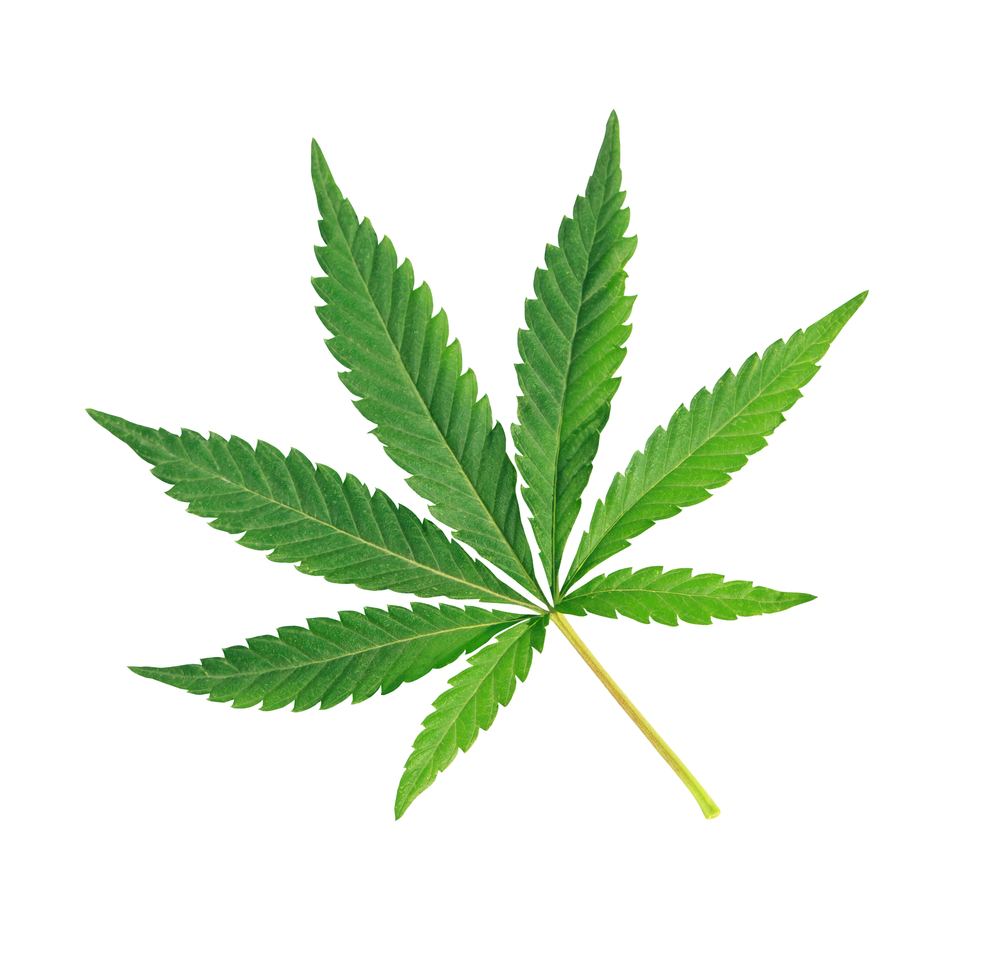
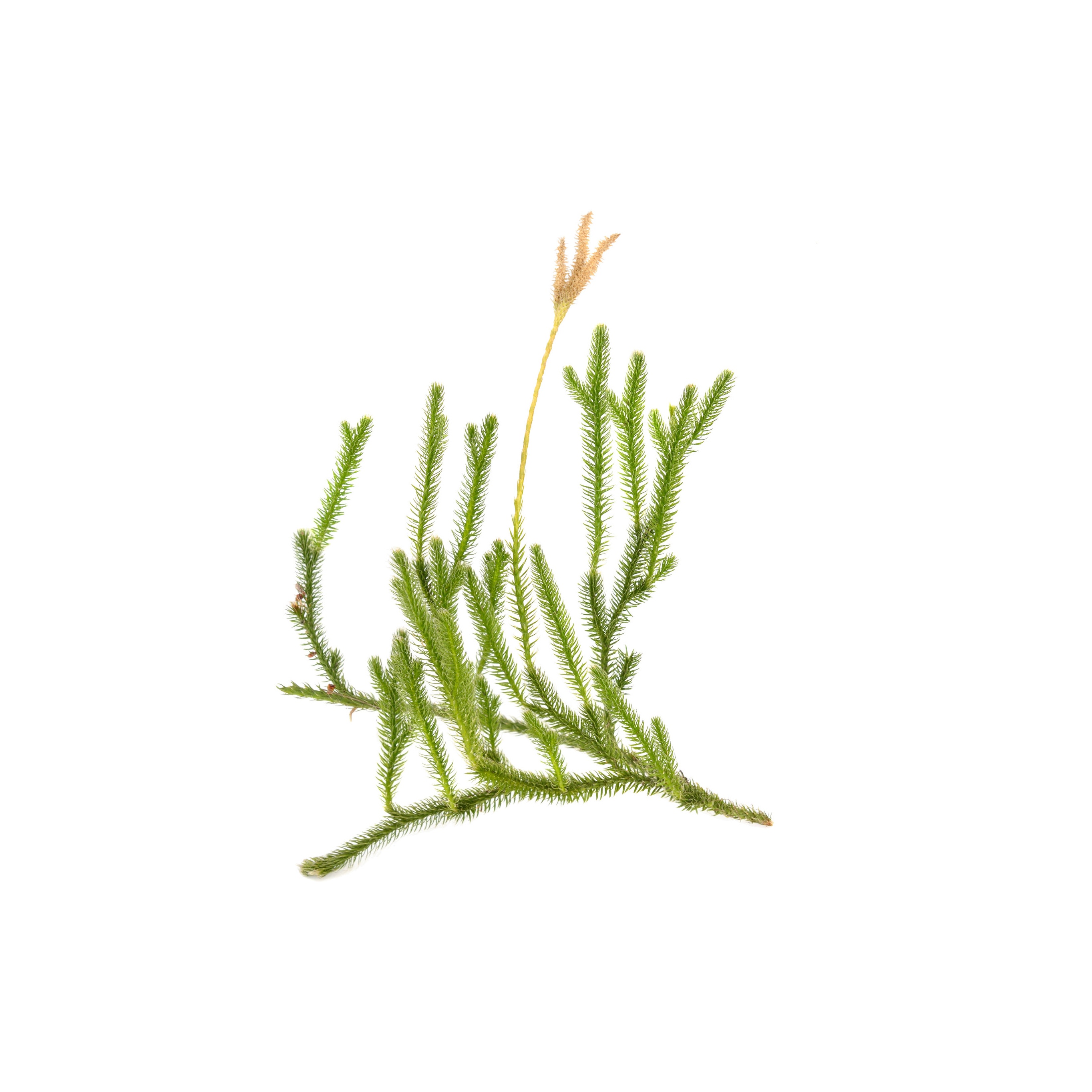
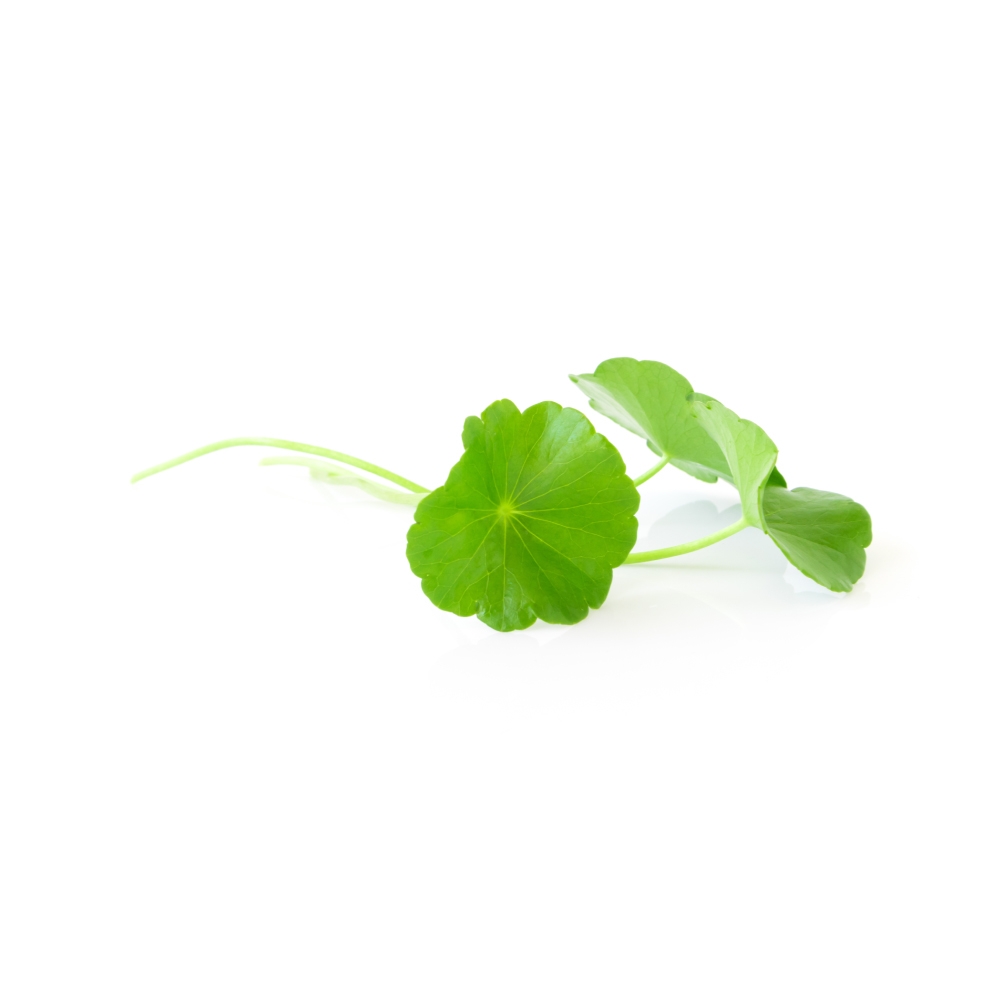
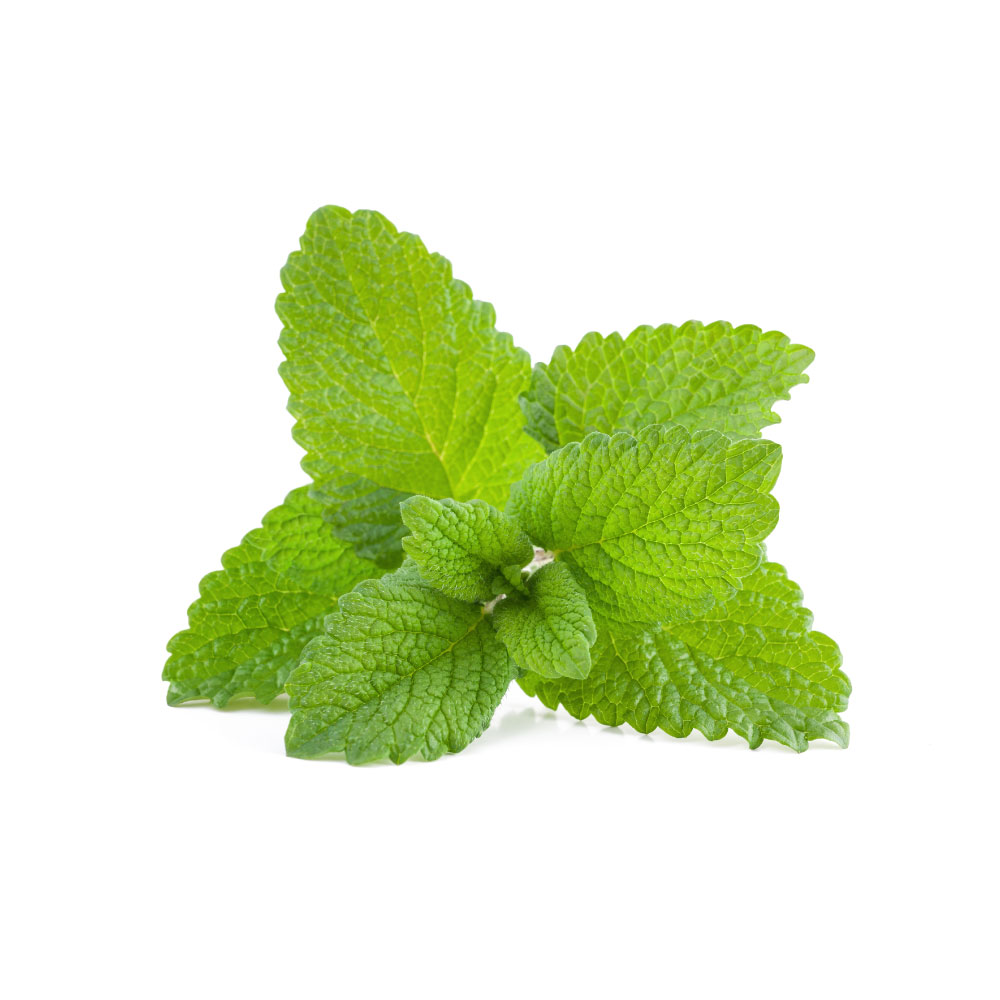
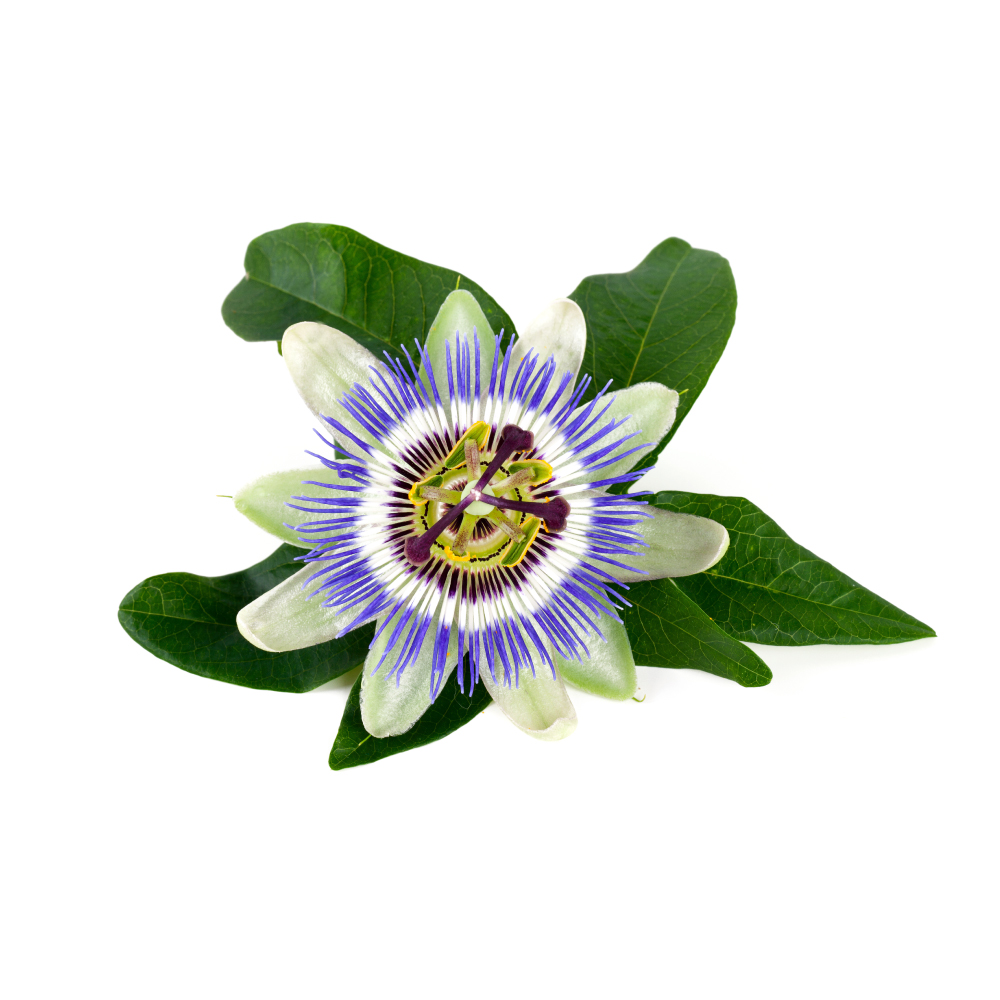
Herbs traditionally or clinically used for epilepsy.




References:
- Beghi, E. (2004). Aetiology of epilepsy (p. 61). Blackwell Science, Oxford.