
Condition
Depression
Depression is a mood disorder characterized by persistent low mood, loss of interest or pleasure, and a range of cognitive and physical symptoms.

Depression is a mood disorder marked by persistent low mood and a loss of interest or pleasure in usual activities, together with a range of cognitive and physical symptoms. It is common — and more frequent in women than men — yet its underlying biochemistry remains only partly understood. Herbal and nutritional support focuses on the pathways most implicated in mood: supporting neurotransmitter balance, easing the stress response, and addressing the nutrient deficiencies that can accompany or deepen low mood. Depression can be serious, and support should complement rather than replace appropriate professional care.
Presentation
Types & Variants
“Depression” covers several distinct clinical pictures:
- Major depressive disorder (MDD) — one or more major depressive episodes lasting two weeks or longer.
- Persistent depressive disorder (dysthymia) — a lower-grade but chronic low mood lasting two years or more, with additional depressive symptoms.
- Perinatal (postnatal) depression — depression around childbirth, driven by hormonal shifts often compounded by nutrient depletion, sleep loss and predisposition. It typically builds over the months after birth and can, in severe cases, interfere with a mother’s ability to care for herself or her baby.
- Substance-induced depressive disorder — low mood arising as a direct consequence of a drug, toxin or other treatment.
- Seasonal pattern — depression that recurs at a particular time of year, classically winter.
A crucial distinction is between unipolar depression and the depressive phase of bipolar disorder, as the two are managed very differently — which is why a careful diagnosis matters before treatment.
Overview
General Pathology
The most established explanation is the biogenic amine hypothesis, which holds that depression stems from a deficiency of the monoamine neurotransmitters — chiefly serotonin and noradrenaline, with dopamine also implicated. It is the model most treatments are built around, but it is not the whole story. Other theories point to the up- and down-regulation of neurotransmitter receptors rather than the neurotransmitters themselves, and to disturbances in the second-messenger systems inside neurons — the most complex and hardest to test of the proposals.
Stress ties into this picture directly: sustained high cortisol can, over time, reduce serotonin, giving a plausible route by which chronic stress feeds depression under the amine model.
Depression typically presents with persistent low mood, loss of interest or pleasure, fatigue, and changes in sleep and appetite. Feelings of worthlessness or guilt, difficulty concentrating, slowed thinking, and recurrent thoughts of death or suicide may also occur. The breadth of these symptoms — cognitive, emotional and physical — is part of what makes the condition both disabling and, at times, difficult to recognize.
Materia Medica
Materia Medica
None of the herbs used for depression is a substitute for professional care.
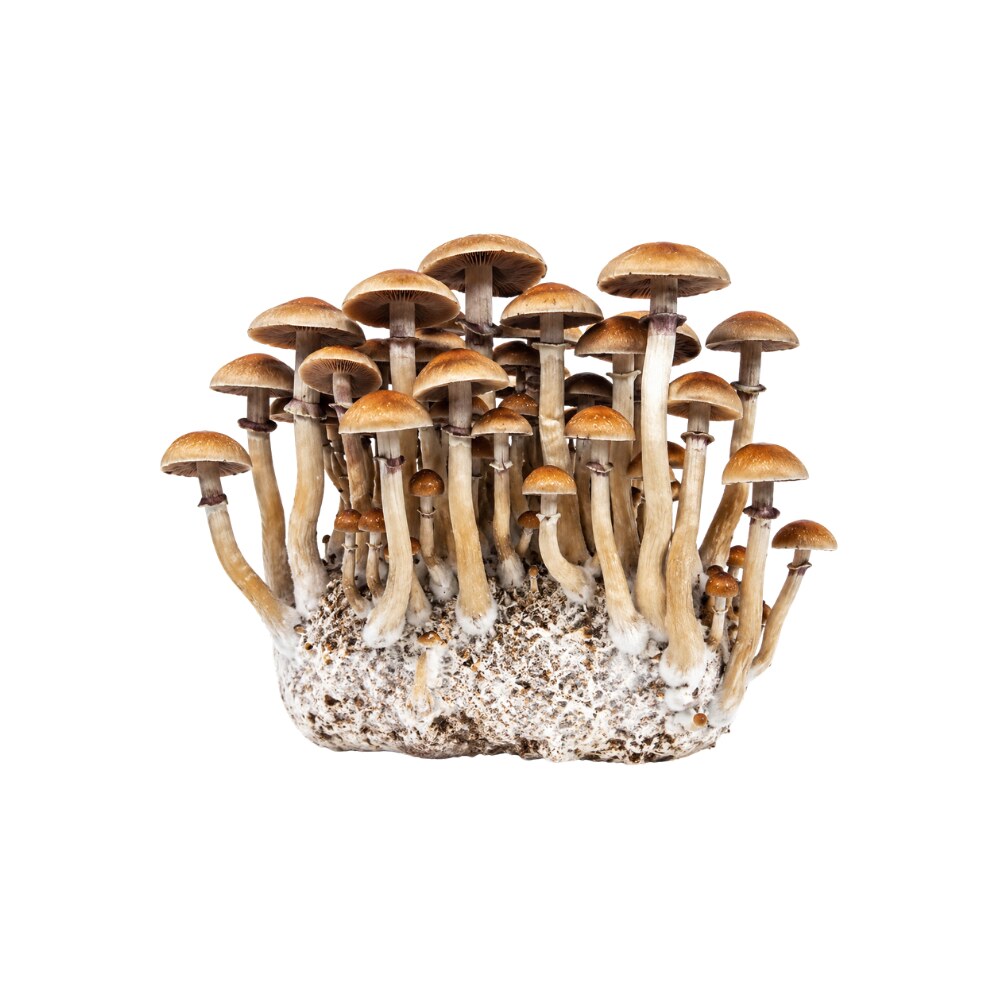 Magic MushroomsPsilocybe cubensisStrong
Psilocybin with psychological support produced rapid, sustained reductions in depression scores in an open-label treatment-resistant depression study 35Reference 35RCTPilot study of psilocybin treatment for anxiety in patients with advanced-stage cancer — randomised controlled trialView study →, with fMRI work suggesting the effect tracks a temporary loosening of default-mode-network activity 36Reference 36RCTSingle-Dose Psilocybin Treatment for Major Depressive Disorder — randomised controlled trialView study → and mediation by acute psychological flexibility 37Reference 37RCTEffects of Psilocybin-Assisted Therapy on Major Depressive Disorder — randomised controlled trialView study →. Mechanism is 5-HT2A agonism via the active metabolite psilocin 38,
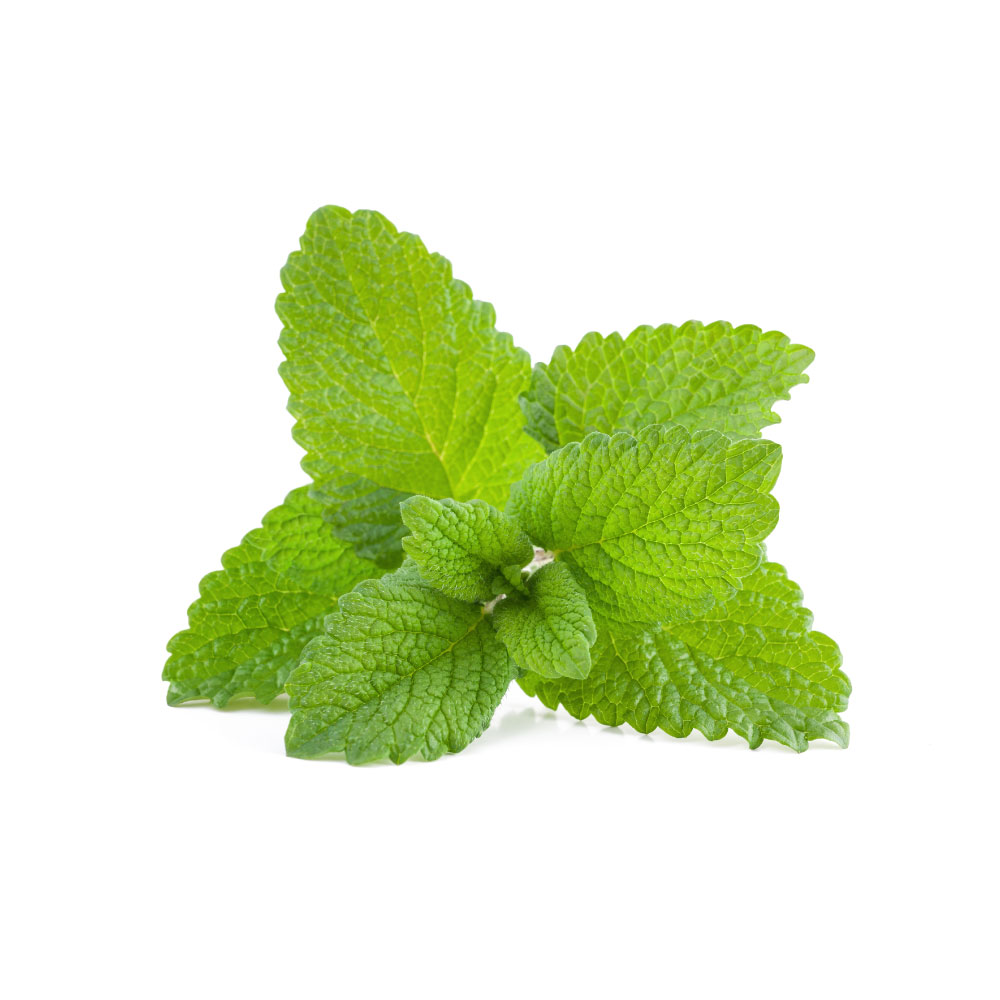 MelissaMelissa officinalisStrong
A 2021 meta-analysis found a small but significant reduction in depression scores versus placebo (SMD −0.47) 40Reference 40Meta-analysisThe effects of lemon balm (Melissa officinalis L.) on depression and anxiety in clinical trials — a systematic review and meta-analysisView study →, supported by two dedicated RCTs — 700 mg/day hydroalcoholic extract cut Beck Depression/Anxiety scores in type 2 diabetics with depressive symptoms 41Reference 41RCTThe effects of Melissa officinalis on depression and anxiety in type 2 diabetes patients with depression — randomised double-blind placebo-controlled trialView study → and 3 g/day powdered leaf lowered DASS-21 depression scores in chronic stable angina patients 42Reference 42RCTThe effects of Melissa officinalis supplementation on depression, anxiety, stress and sleep disorder in patients with chronic stable angina — randomised placebo-controlled trialView study →. Effect sizes are modest, samples small, and both dedicated RCTs studied medically ill populations rather than primary depression.
Full monograph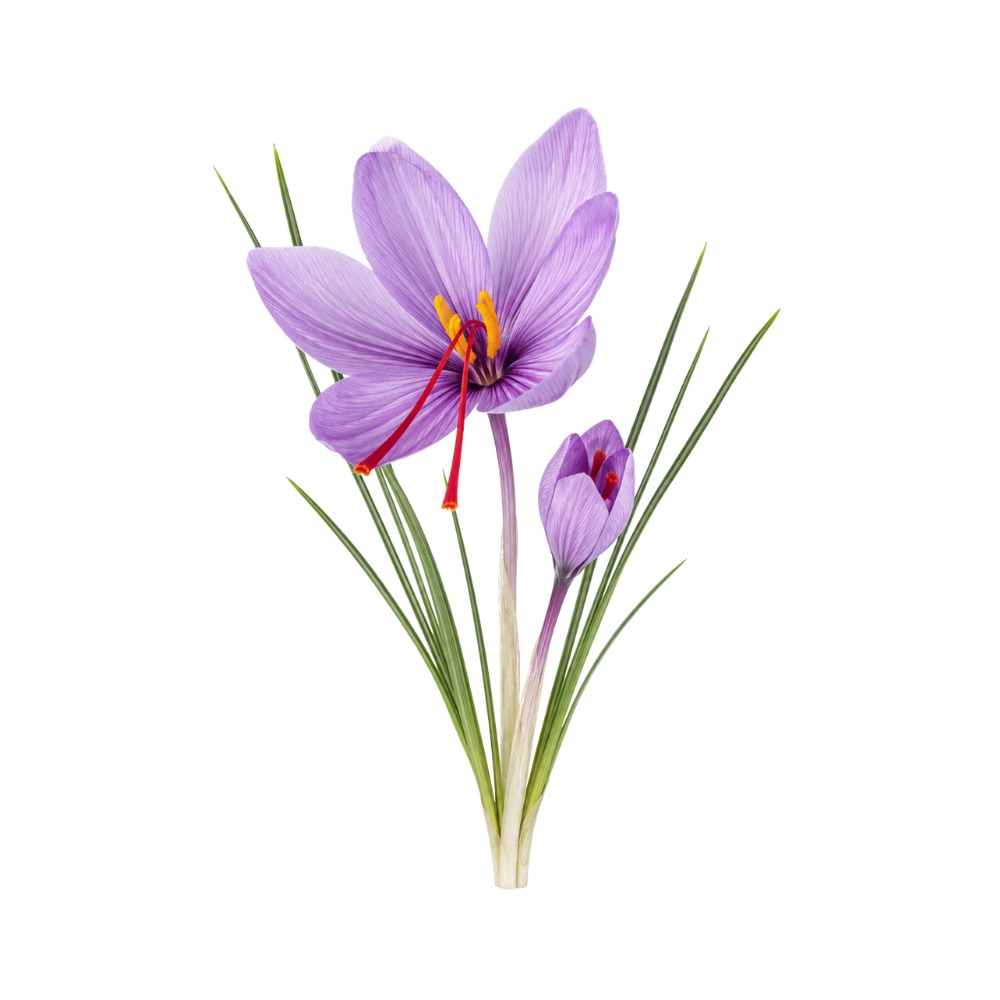 SaffronCrocus sativusStrong
Saffron’s flagship, best-evidenced use. Dozens of RCTs and multiple meta-analyses find dried stigma / standardised extract (~28–30 mg/day) superior to placebo and non-inferior to SSRIs (fluoxetine, imipramine, citalopram) in mild-to-moderate depression 59,
Limiter: trials short (6–8 wk), modest-sized, heavily single-region (Iran); severe depression, relapse and long-term data untested; a 2022 umbrella review warns against standalone use 65Reference 65Meta-analysisSaffron, as an adjunct therapy, contributes to relieve depression symptoms: an umbrella meta-analysisView study →.
Full monograph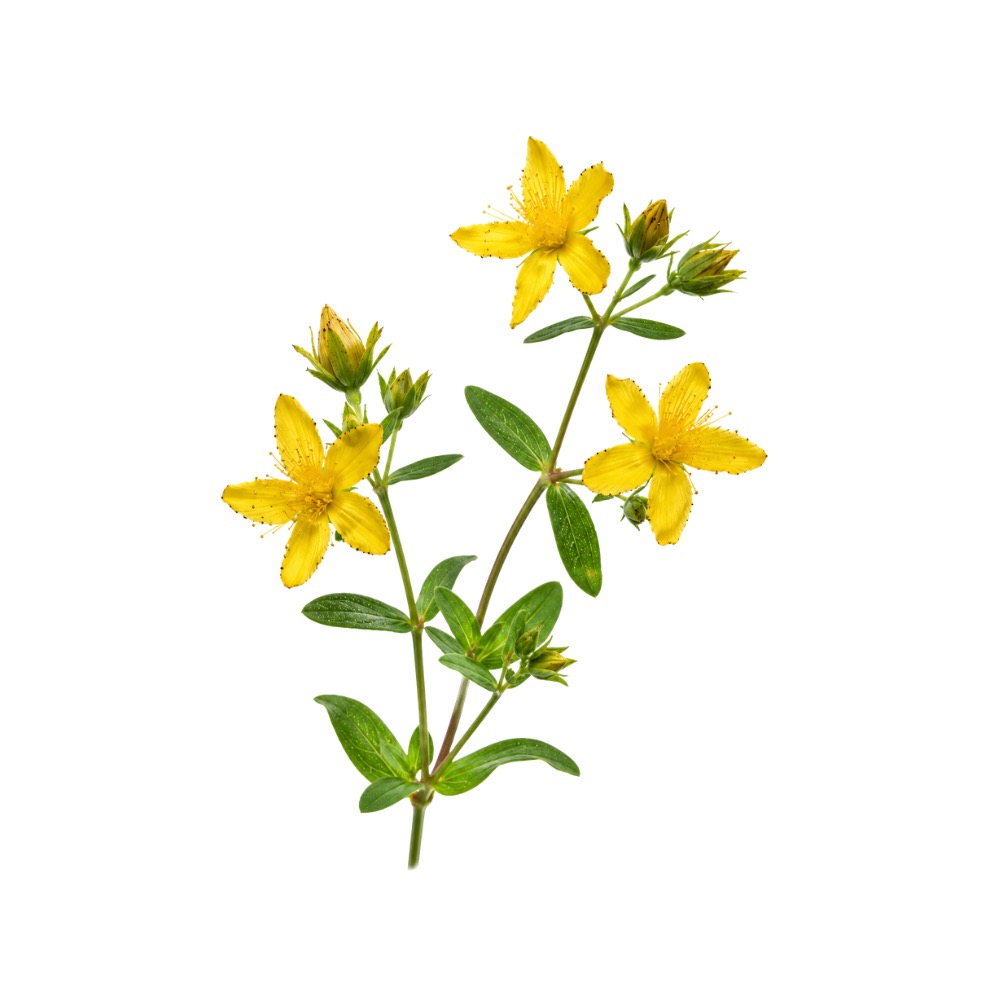 St. John’s WortHypericum perforatumStrong
Depression is St. John’s wort’s anchor indication. A 2008 Cochrane review of 29 double-blind RCTs (n=5,489) found standardised hypericum extracts superior to placebo and comparable to standard antidepressants with fewer dropouts 68Reference 68Meta-analysisSt John’s wort for major depression — systematic review, meta-analysisView study →, replicated by later meta-analyses against SSRIs 69,
Efficacy is tied to specific standardised hydroalcoholic extracts (WS 5570, LI 160, ZE 117) via hyperforin-driven monoamine reuptake inhibition 71,
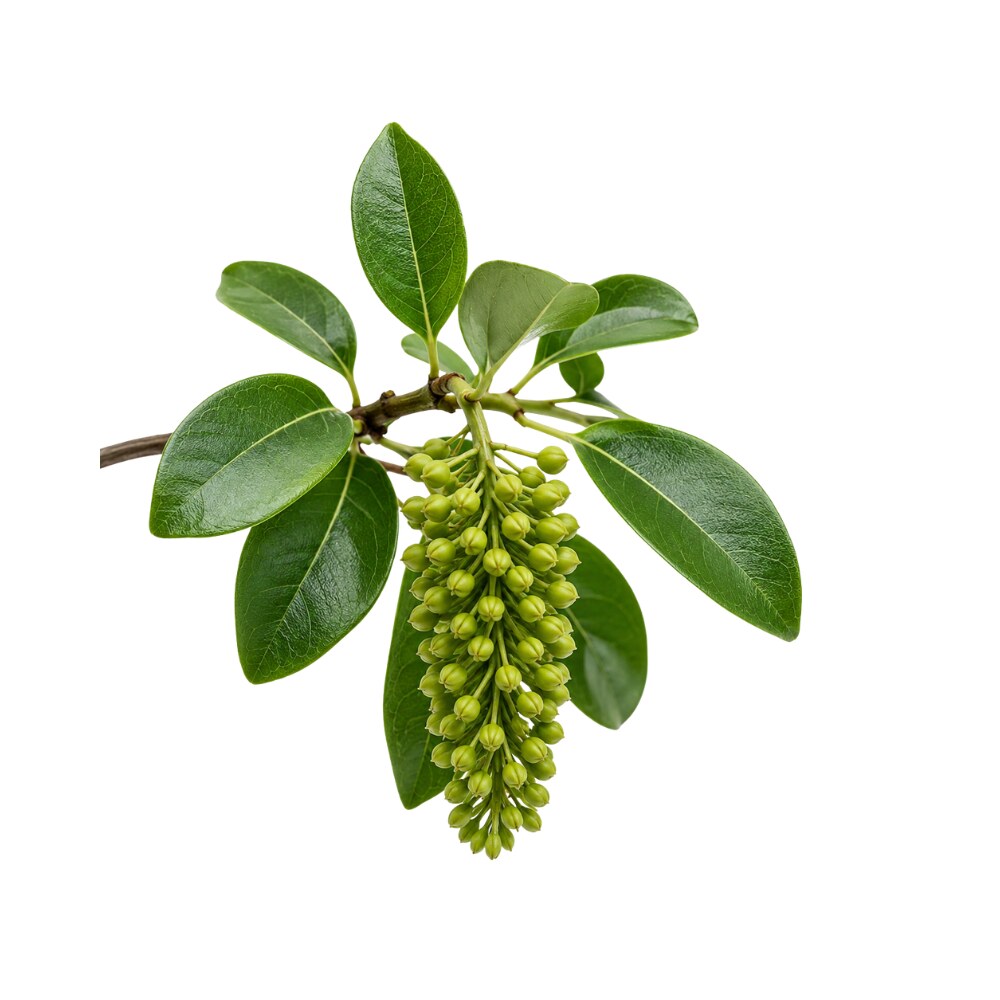 GriffoniaGriffonia simplicifoliaModerate
Griffonia is a botanical delivery vehicle for 5-HTP, which bypasses rate-limiting tryptophan hydroxylase to raise serotonin synthesis; a Cochrane review pooled two adequate trials (n=64) favouring the precursor over placebo (OR ≈ 4.1) but judged the evidence insufficient, while later small RCTs matched fluoxetine and fluvoxamine 17,
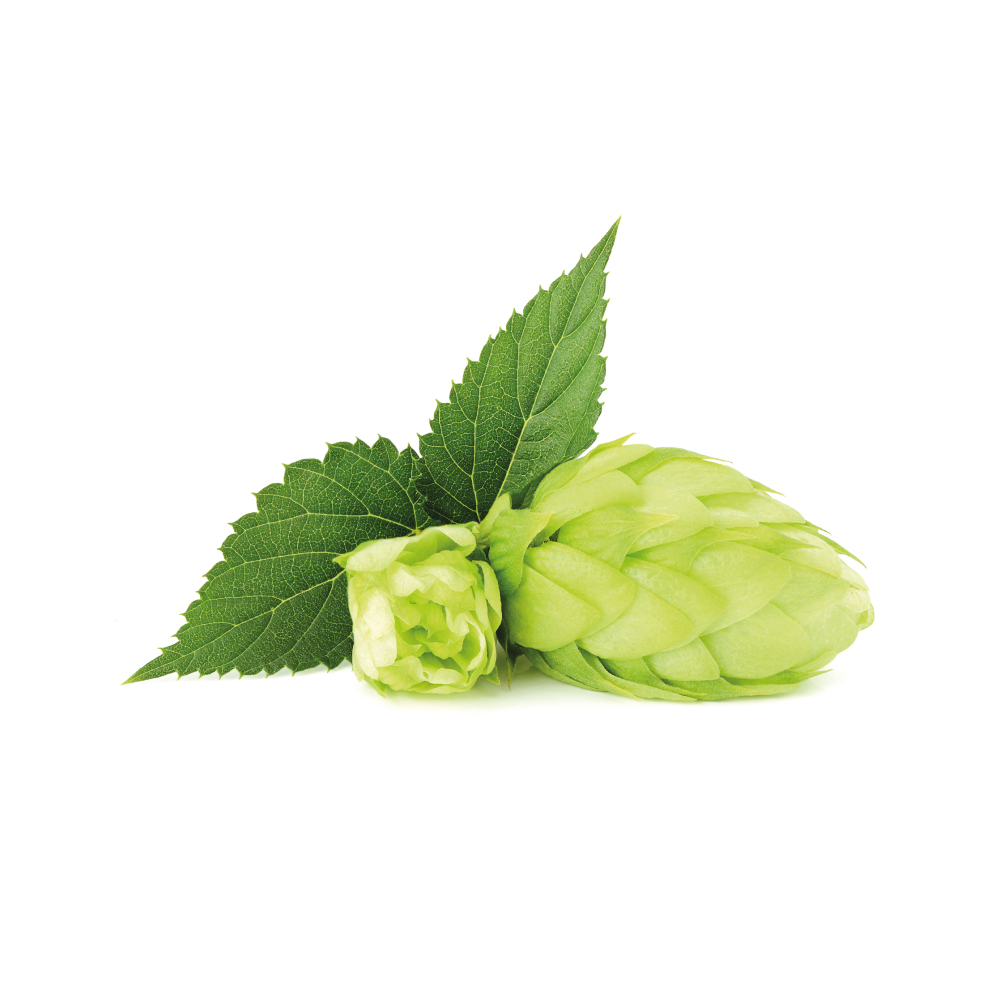 HopsHumulus lupulusModerate
No trial studies hops in diagnosed depression; this use rests on a small DASS-21 crossover pilot, in which self-reported depression subscale scores fell alongside anxiety and stress in healthy young adults 21Reference 21RCTEffects of a hops (Humulus lupulus L.) dry extract supplement on self-reported depression, anxiety and stress levels in apparently healthy young adults: a randomized, placebo-controlled, double-blind, crossover pilot study — [randomized]View study →.
Full monograph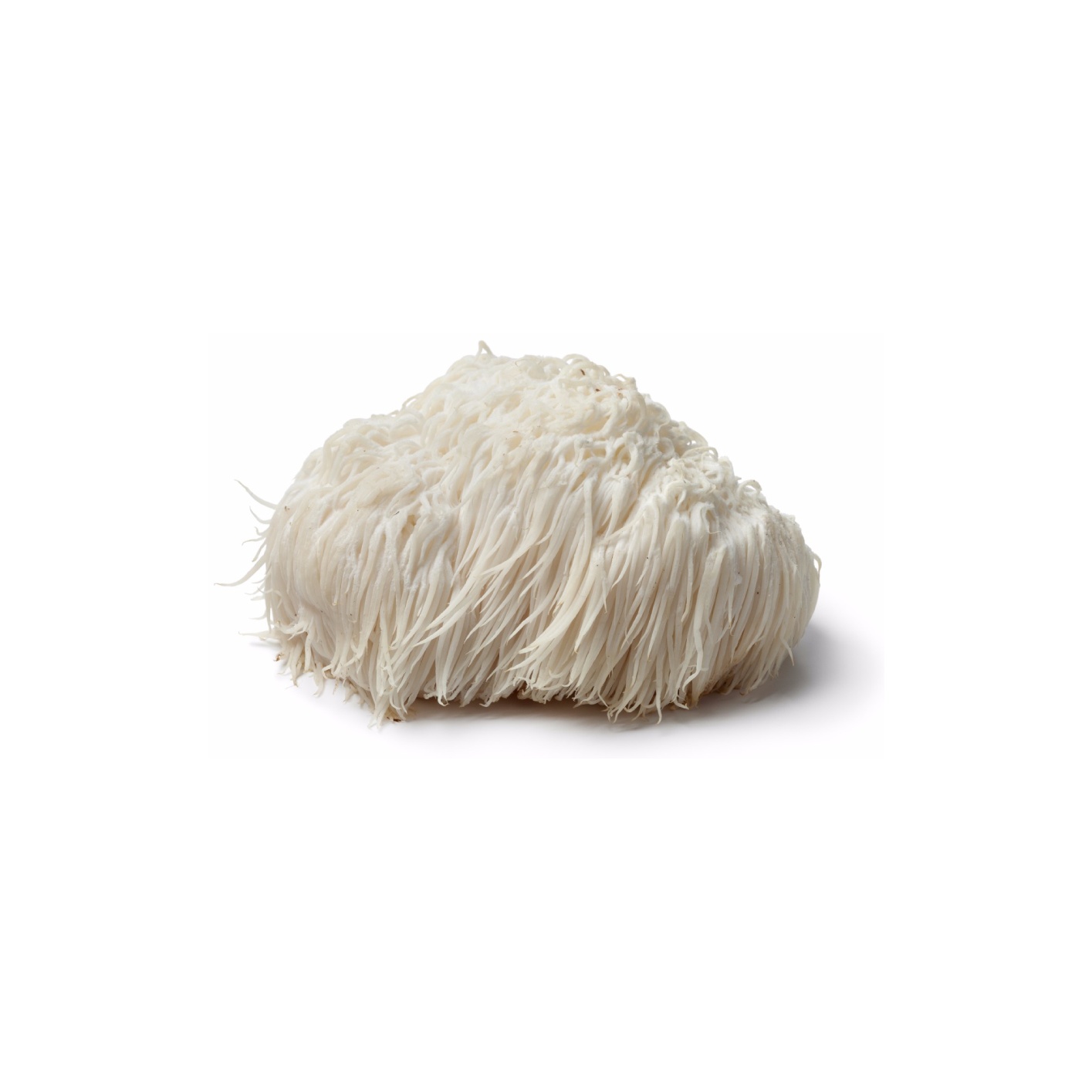 Lion’s ManeHericium erinaceusModerate
Two small human trials: a 2010 placebo-controlled trial in 30 menopausal women (fruiting-body cookies, 4 weeks) lowered CES-D depression scores 29Reference 29RCTReduction of depression and anxiety by 4 weeks Hericium erinaceus intake — randomised, placebo-controlled trialView study →, and a 2019 controlled trial in 77 overweight/obese volunteers reduced depression, anxiety and sleep disturbance over 8 weeks alongside raised pro-BDNF 30Reference 30Clinical trialHericium erinaceus improves mood and sleep disorders in patients affected by overweight or obesity — controlled trialView study →; a 2018 mouse study links this to hippocampal neurogenesis 31Reference 31AnimalHericium erinaceus extract reduces anxiety and depressive behaviors by promoting hippocampal neurogenesis in the adult mouse brain — animal modelView study →. Both trials small, short, single-population, none in diagnosed major depression.
Full monograph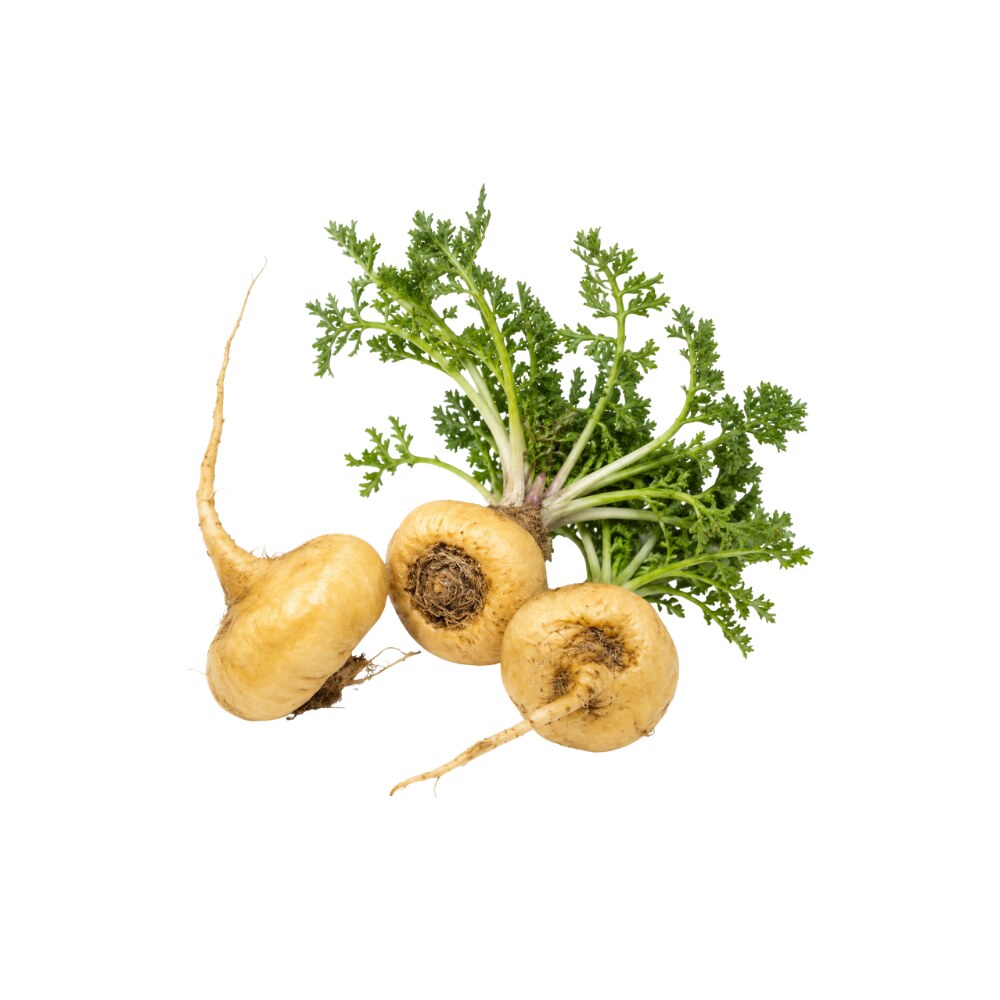 MacaLepidium meyeniiModerate
Human antidepressant signal is confined to postmenopausal women in small samples: a 14-woman crossover RCT reduced Greene-scale anxiety/depression symptoms 32Reference 32RCTBeneficial effects of Lepidium meyenii (Maca) on psychological symptoms and measures of sexual dysfunction in postmenopausal women are not related to oestrogen or androgen content — randomised controlled trialView study →, and a 29-woman pilot RCT (3.3 g/day) lowered depression scores alongside blood pressure 33Reference 33RCTMaca reduces blood pressure and depression in a pilot study in postmenopausal women — randomised controlled trialView study →. Ovariectomised-mice work found all three maca colours produced a similar antidepressant-like effect 34Reference 34AnimalEffect of three different cultivars of Lepidium meyenii (Maca) on learning and depression in ovariectomised mice — animal modelView study →. Caveat: no trials in clinically depressed or general adult populations, and mood endpoints are secondary in the existing RCTs.
Full monograph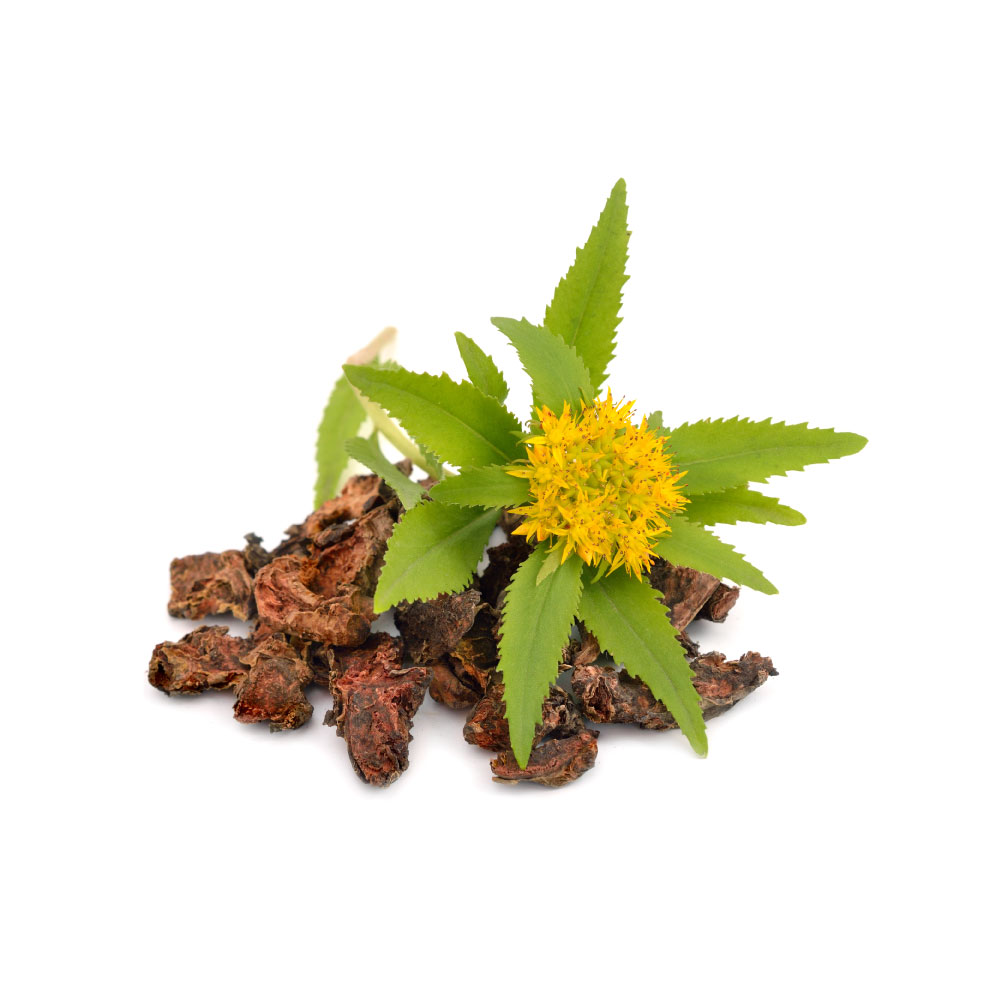 RhodiolaRhodiola roseaModerate
A phase III RCT in 89 adults with mild-to-moderate depression found standardised SHR-5 (340 or 680 mg/day, 6 weeks) significantly improved overall depression, insomnia and emotional instability versus placebo 52Reference 52RCTClinical trial of Rhodiola rosea L. extract SHR-5 in the treatment of mild to moderate depression — randomised controlled trialView study →, and a US head-to-head vs sertraline (n=57) showed a smaller, non-significant antidepressant effect but far fewer adverse events 53Reference 53RCTRhodiola rosea versus sertraline for major depressive disorder — randomised placebo-controlled trialView study →; a 2025 meta-analysis of milder depression found benefit versus placebo 54Reference 54Meta-analysisEfficacy of pharmacological interventions in milder depression — systematic review and meta-analysisView study →, with a proposed MAO-A/B-inhibition mechanism shown ex vivo 55Reference 55In vitroMonoamine oxidase inhibition by Rhodiola rosea L. roots — in vitroView study →.
Only two placebo-controlled RCTs exist — one underpowered and null on its primary comparison — and there is no evidence in moderate-to-severe depression.
Full monograph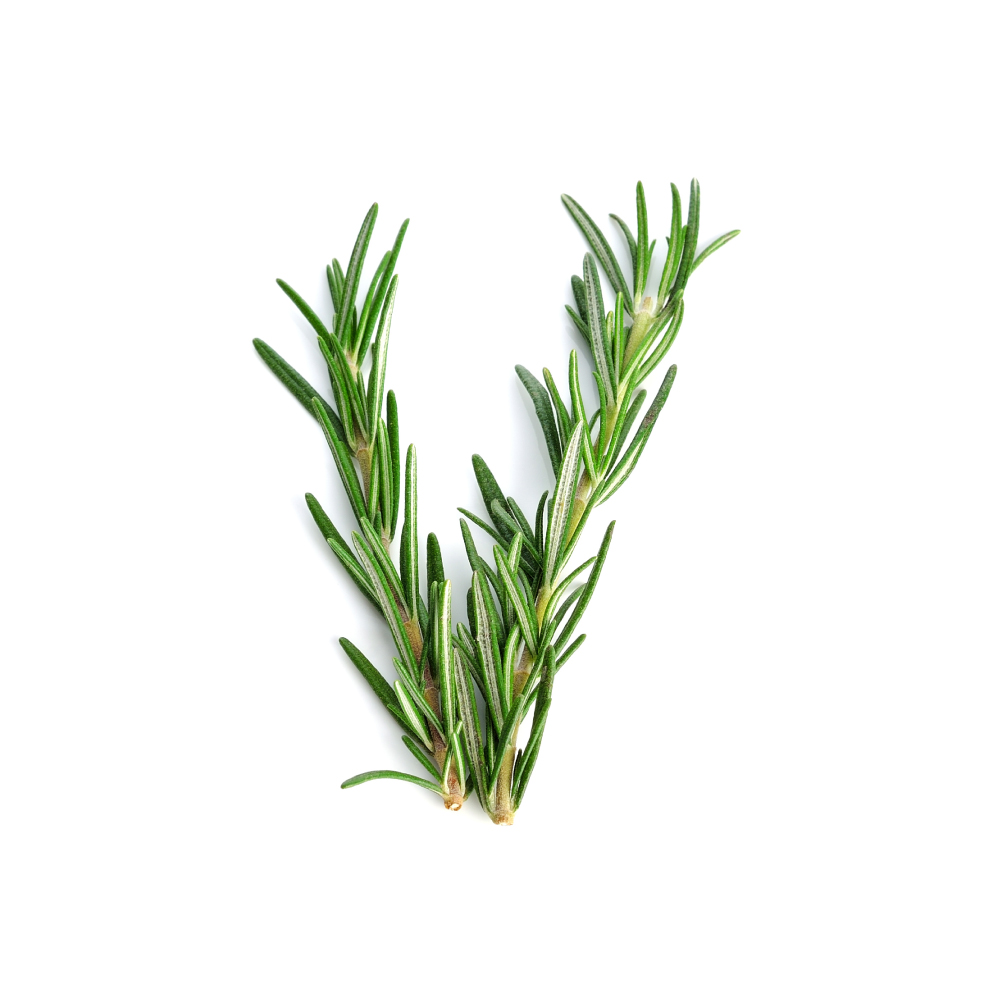 RosemaryRosmarinus officinalisModerate
A randomised trial in university students (500 mg twice daily, 1 month) reported reduced depression and anxiety scores alongside memory gains 56Reference 56RCTEffects of Rosmarinus officinalis L. on memory performance, anxiety, depression, and sleep quality in university students: a randomized clinical trialView study →, and continuous rosemary-extract intake improved mood-disturbance and vigour in working-age Japanese men, most in those with poorer baseline mental health (post-hoc) 57Reference 57RCTEffects of Continuous Intake of Rosemary Extracts on Mental Health in Working Generation Healthy Japanese Men — randomized controlled trial (post-hoc)View study →. Directly conflicting, though: an inhaled-scent study found rosemary aroma raised tension-anxiety and confusion versus lavender/control 58Reference 58Clinical trialScent and mood state following an anxiety-provoking task — clinical trialView study →.
Full monograph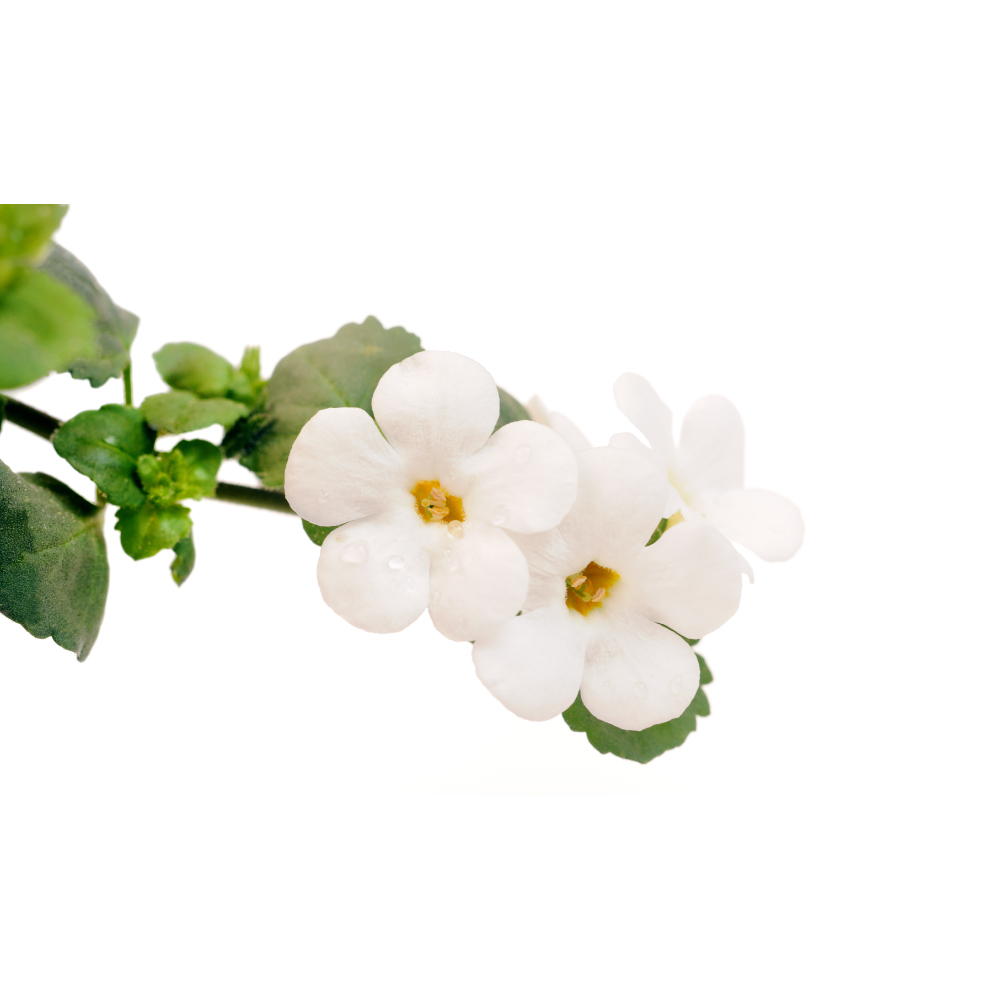 BacopaBacopa monnieriPreclinical
Constituent-level and preclinical only: isolated saponins (bacopaside I/II, bacopasaponin C) reduced immobility in mouse forced-swim and tail-suspension screens 1Reference 1AnimalTriterpene saponins from Bacopa monnieri and their antidepressant effects in two mice models — animal modelView study →, and a reserpine rat model restored monoamines/BDNF with an effect the authors called comparable to citalopram 2Reference 2AnimalNeuroprotective role of Bacopa monnieri extract in modulating depression in an experimental rat model — animal modelView study →. No human antidepressant trial of Bacopa alone exists; the only human depression-scale movement was a secondary outcome in Calabrese’s elderly trial 3Reference 3RCTEffects of a standardized Bacopa monnieri extract on cognitive performance, anxiety, and depression in the elderly — randomised, double-blind, placebo-controlled trialView study →. The “comparable to citalopram” line is a rodent behavioural comparison, not a clinical one.
Full monograph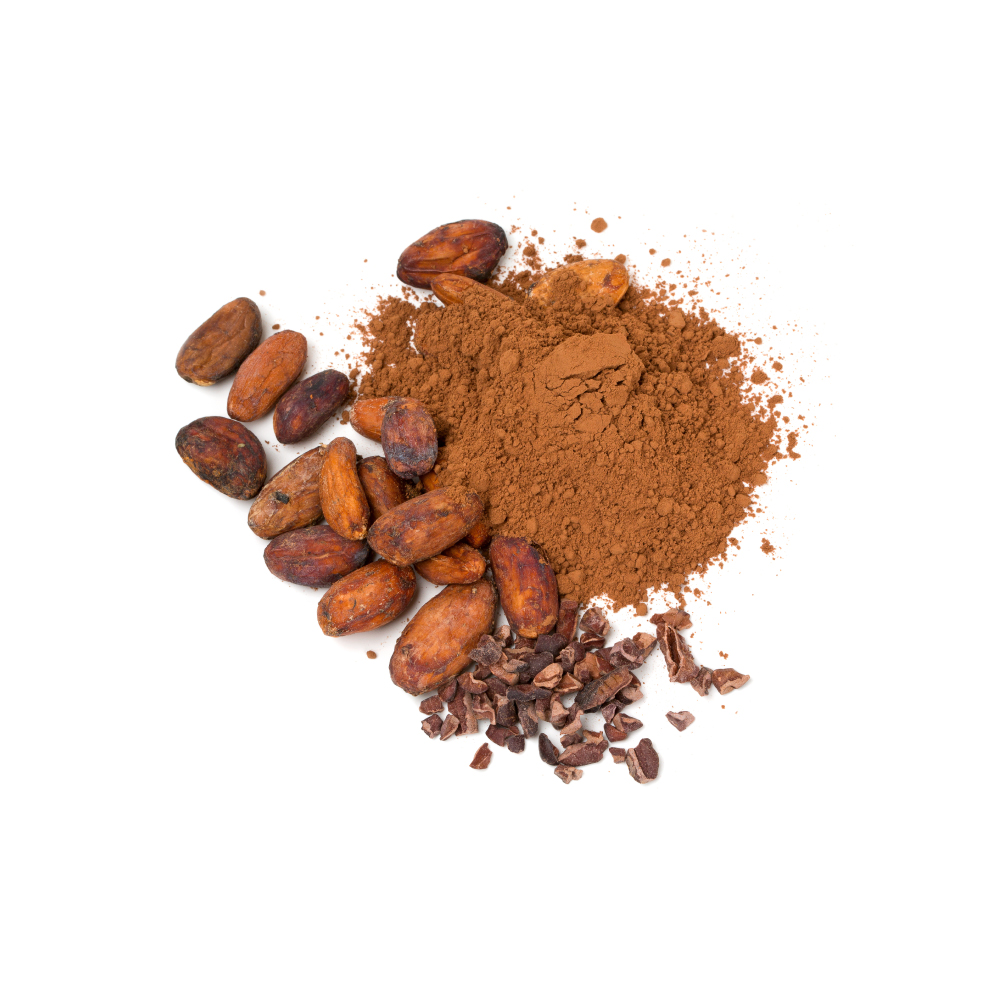 CacaoTheobroma cacaoPreclinical
Small trials of cocoa flavanols on mood are limited and largely acute — one RCT in young adults found acute but little sub-chronic benefit 4Reference 4RCTThe acute and sub-chronic effects of cocoa flavanols on mood, cognitive and cardiovascular health in young healthy adults — randomised controlled trialView study →, and a 2023 RCT in middle-aged Japanese women reported profile-of-mood-state improvement 5Reference 5RCTEffect of flavanol-rich cacao extract on the profile of mood state in healthy middle-aged Japanese women: a randomised controlled trialView study →. The popular trace-phenethylamine mechanism is not pharmacologically supported at dietary doses (extensive MAO degradation after oral intake); this is a mood signal in healthy adults, not a depression trial — very thin support for a clinical depression indication.
Full monograph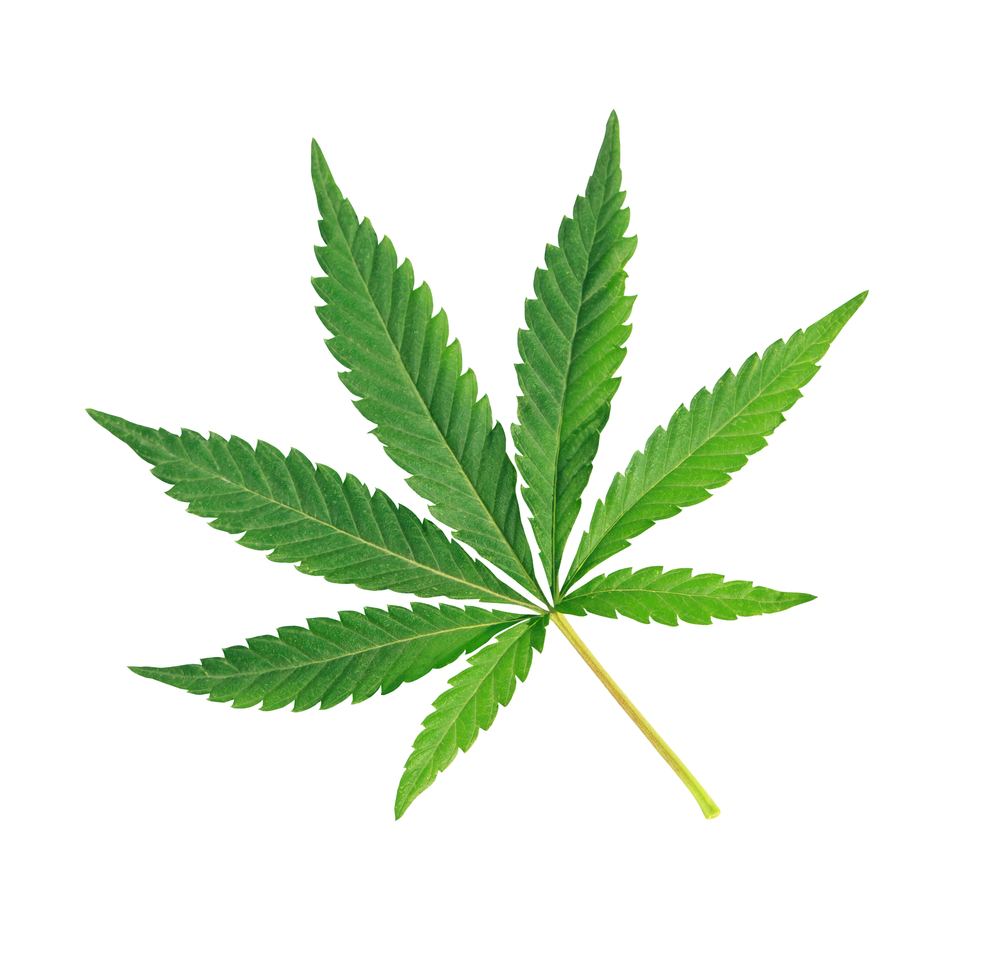 CannabisCannabis sativaPreclinical
Preclinical work on cannabichromene (CBC) points to anti-inflammatory and mild antidepressant effects, with human evidence still thin. There is no dedicated depression research on cannabis, no human trial, and no whole-plant data.
Effects are strongly dose- and chemotype-dependent, and cannabis can worsen mood, particularly at THC-dominant doses and with regular use.
Full monograph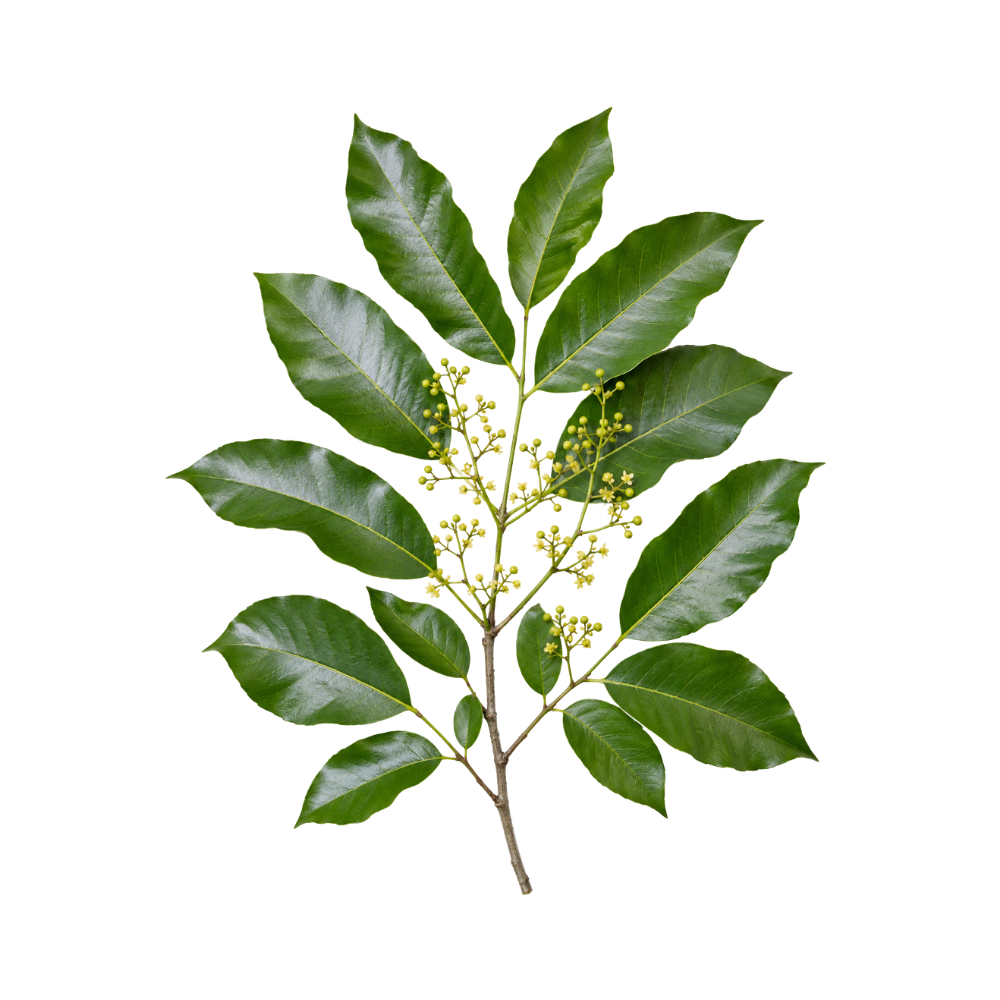 CatuabaTrichilia catiguaPreclinical
Trichilia catigua produces a robust, replicated antidepressant-like phenotype in rodents via an unusually dopaminergic mechanism: a hydroalcoholic extract cut forced-swim immobility in mice and rats and inhibited monoamine (chiefly dopamine) reuptake in synaptosomes 6Reference 6AnimalAntidepressant-like effects of Trichilia catigua (Catuaba) extract: evidence for dopaminergic-mediated mechanisms — animal modelView study →, a subchronic ethyl-acetate fraction sustained the effect and raised hippocampal cell proliferation 7Reference 7AnimalSubchronic administration of Trichilia catigua ethyl-acetate fraction promotes antidepressant-like effects and increases hippocampal cell proliferation in mice — animal modelView study →, and a broader screen confirmed the antidepressant-like action without locomotor stimulation 8Reference 8AnimalPreclinical evaluation of Trichilia catigua extracts on the central nervous system of mice — animal modelView study →.
The one human trial (Phase III vs escitalopram, NCT02532660) was terminated for recruitment reasons without reporting, so there is no completed human efficacy data — the dopaminergic story is compelling but entirely animal, on standardised extracts/fractions rather than the whole bark.
Full monograph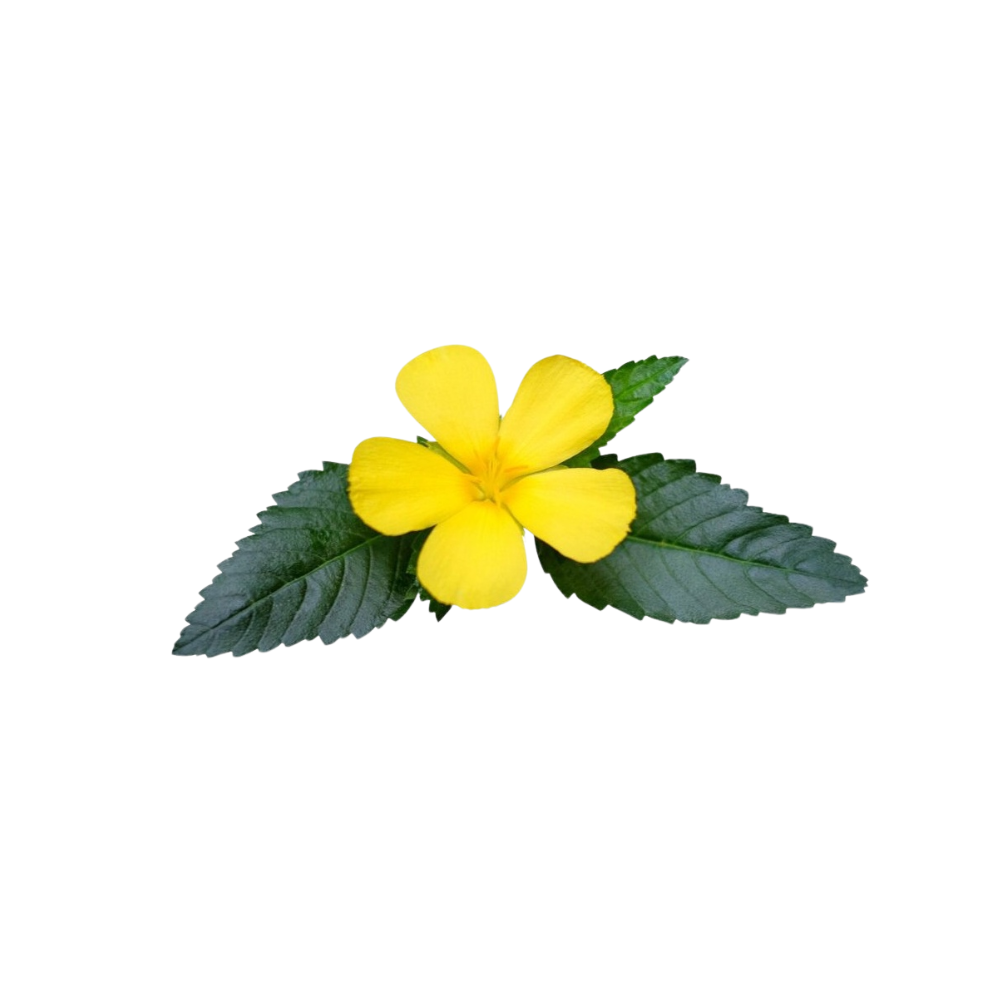 DamianaTurnera diffusaPreclinical
Antidepressant-like signal is a by-product of the anxiolytic work: the same aqueous extract that produced anxiolytic effects in mice also produced antidepressant-like effects without locomotor impairment 9Reference 9AnimalNeurobehavioral and toxicological effects of an aqueous extract of Turnera diffusa in mice — animal studyView study →.
Full monograph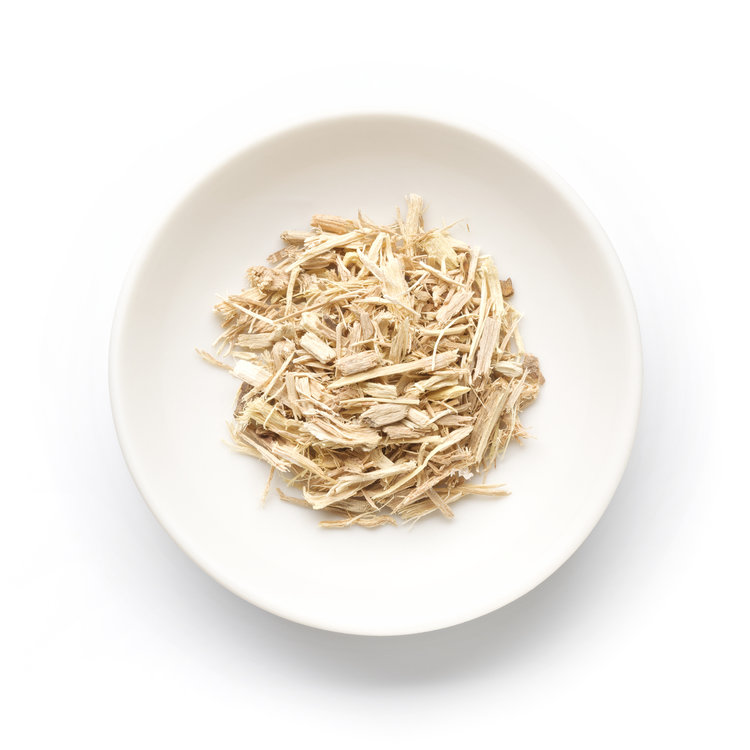 Eleuthero RootEleutherococcus senticosusPreclinical
No depression trial and no dedicated evidence. A pharmacological review collates activity across depression, Parkinson and ischaemia models 11Reference 11ReviewPharmacological effects of Eleutherococcus senticosus on the neurological disorders — reviewView study →, and the broader neuroprotective animal set 12,
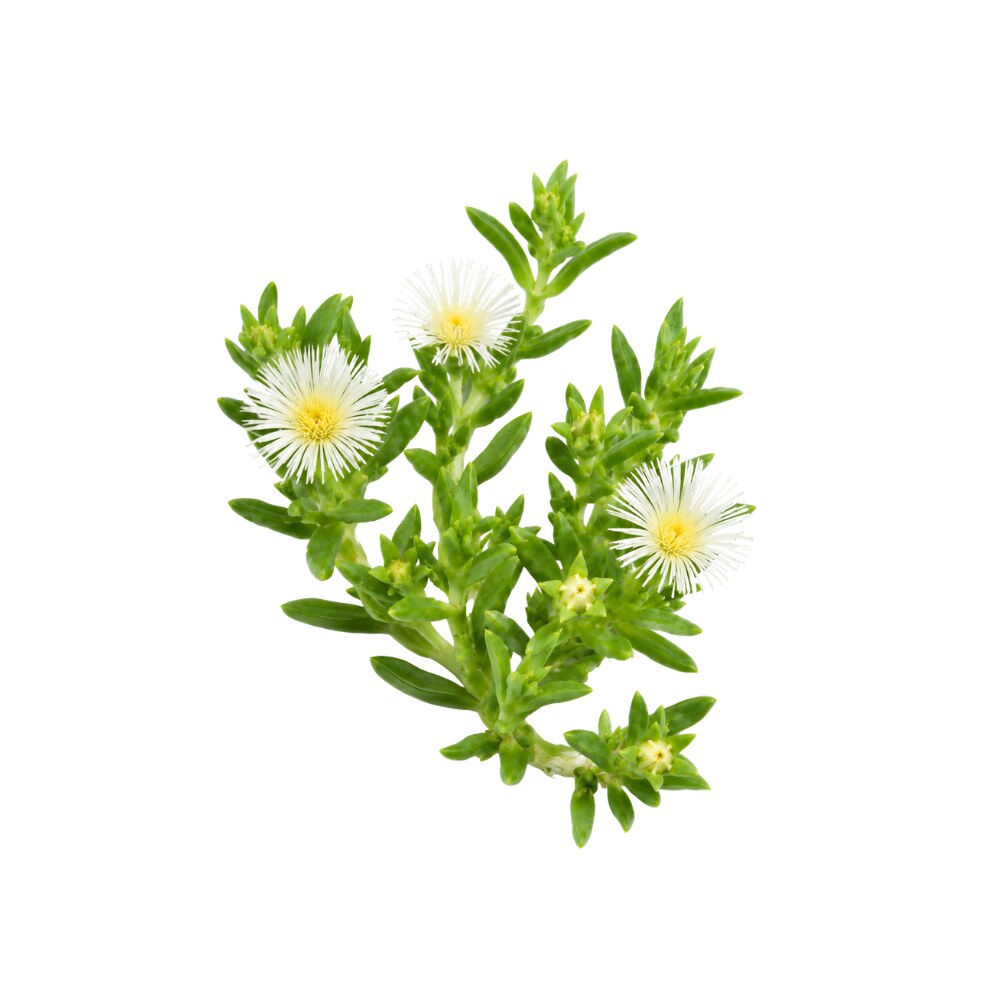 KannaSceletium tortuosumPreclinical
Mesembrine-type alkaloids act as serotonin-reuptake inhibitors, raising synaptic serotonin much as SSRIs do, with the lift reported to bring low mood back toward baseline rather than elevating normal mood 22Reference 22In vitroPharmacological actions of the South African medicinal and functional food plant Sceletium tortuosum and its principal alkaloids — in vitro receptor/enzyme studyView study →. Support is the herb’s SRI pharmacology plus traditional mood-lifting use. There is no depression RCT; the evidence is pharmacological 22Reference 22In vitroPharmacological actions of the South African medicinal and functional food plant Sceletium tortuosum and its principal alkaloids — in vitro receptor/enzyme studyView study →, a strong mechanistic rationale rather than a proven indication.
Full monograph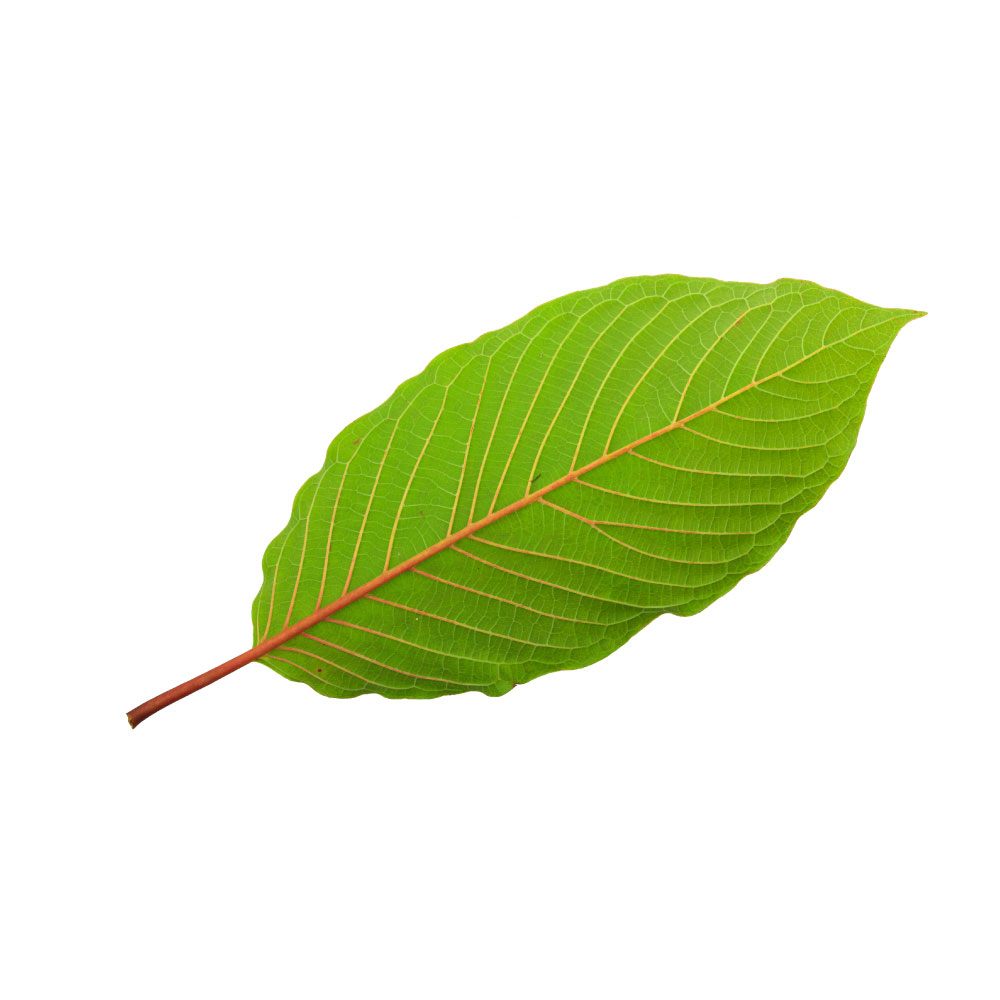 KratomMitragyna speciosaPreclinical
In diabetic rats, a kratom extract reduced depression-like behaviour in the forced-swim test alongside lower pro-inflammatory cytokines 24Reference 24AnimalAnxiolytic and Antidepressant-like Effects of Mitragyna speciosa Extract in Diabetic Rats — rat animal modelView study →, with a plausible serotonergic/opioid/dopaminergic mechanism and self-reported mood lift in surveys 25,
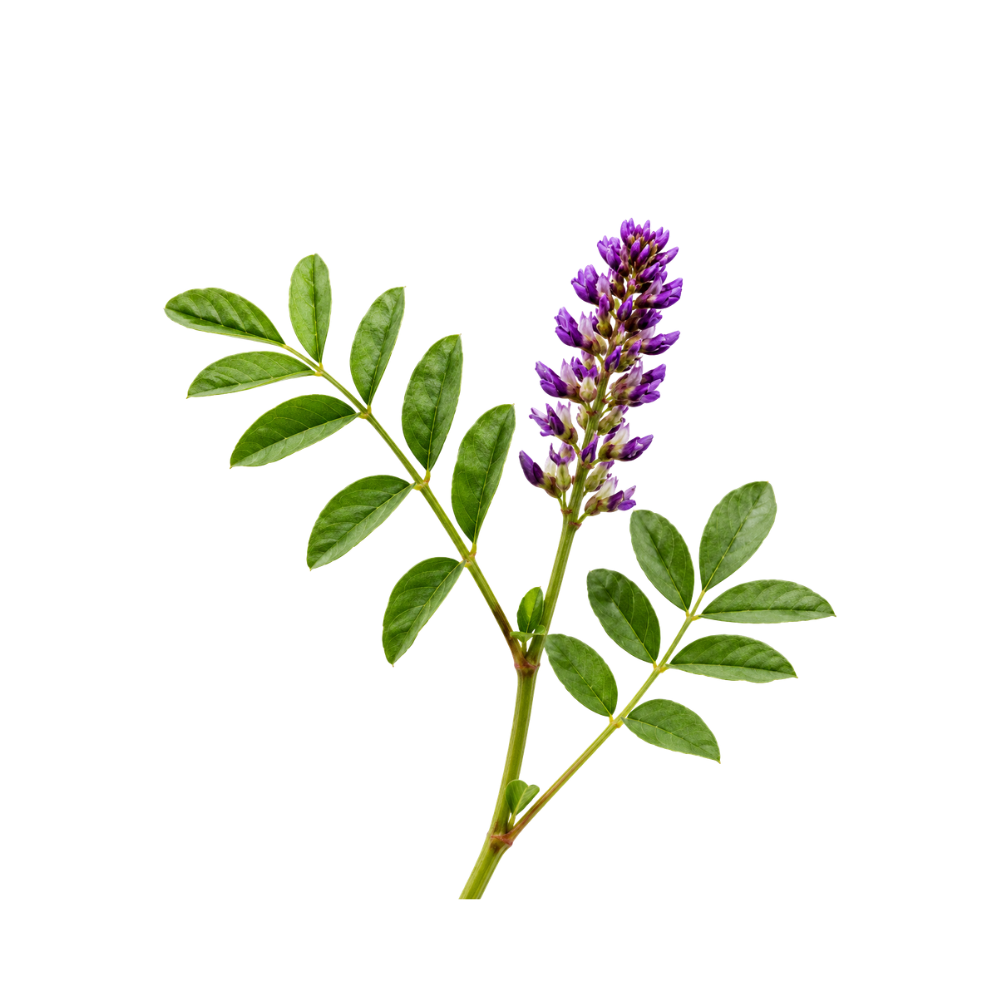 LicoriceGlycyrrhiza glabraPreclinical
Licorice has a traditional place in mood formulas, and a plausible but purely preclinical mechanism behind it: SSRI-like and MAO-B-like activity demonstrated in a dish. There is no clinical antidepressant trial, and the evidence suggests the activity may not be potent enough for licorice to be used on its own. The glycyrrhizin blood-pressure and potassium risk applies to any dose large enough to matter.
Full monograph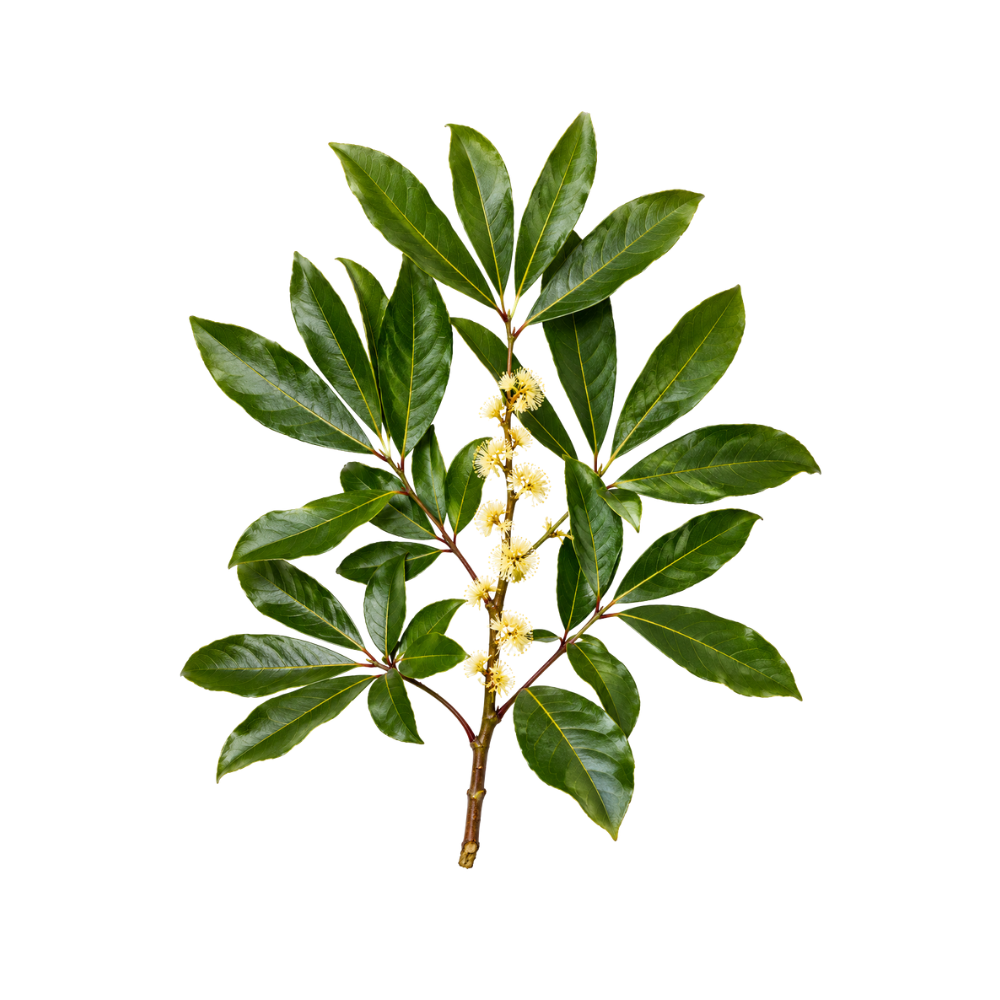 Muira PuamaPtychopetalum olacoidesPreclinical
POEE cut immobility in the tail-suspension and forced-swim tests via D1-dopamine and β-noradrenergic receptors, and in the chronic-mild-stress model it restored coat state and grooming while blocking stress-induced corticosterone rises — an HPA-axis mechanism shared with clinical antidepressants 43,
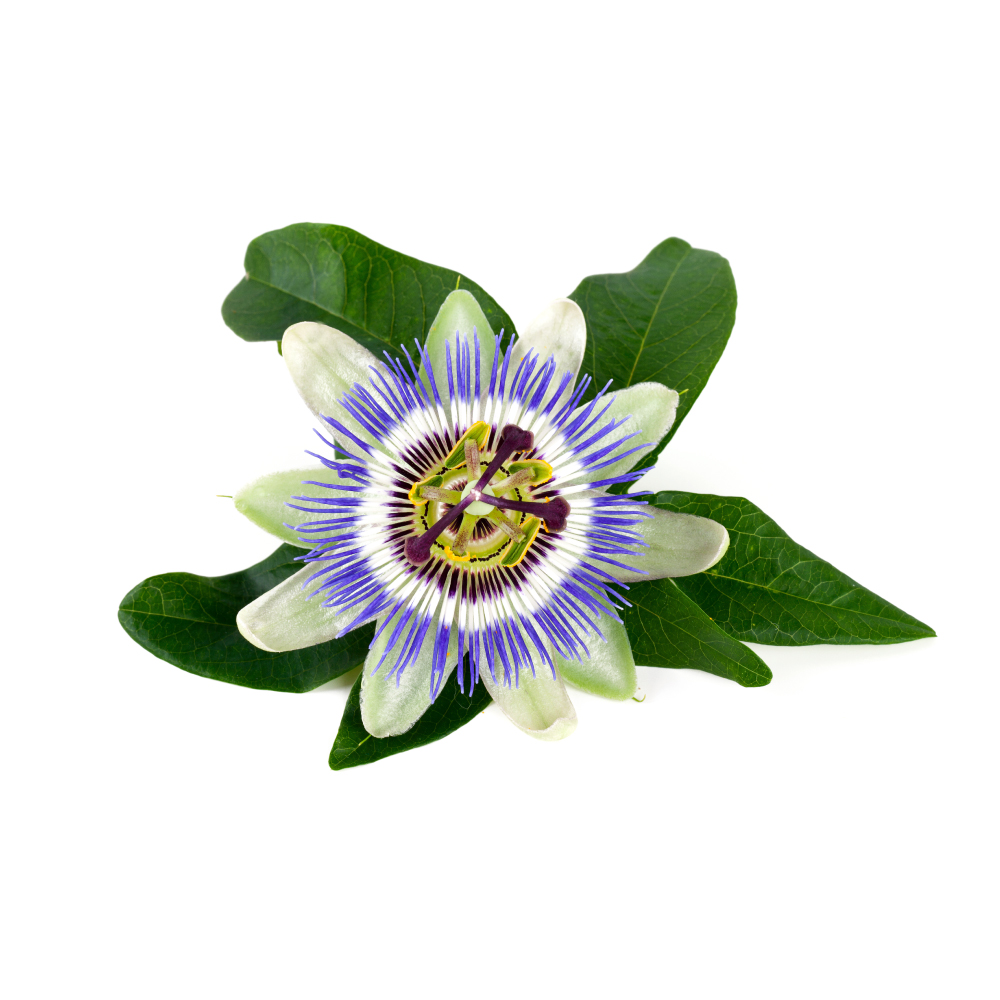 PassionflowerPassiflora incarnataPreclinical
Constituent-level, not whole herb: isolated chrysin reversed behavioural despair, normalised corticosterone, and upregulated BDNF/NGF in a chronic-mild-stress mouse model, comparable to fluoxetine 46Reference 46AnimalChronic unpredictable mild stress decreases BDNF and NGF levels and Na⁺,K⁺-ATPase activity in the hippocampus and prefrontal cortex of mice: antidepressant effect of chrysin — animal modelView study →. No study of P. incarnata itself for depression, and the chrysin doses far exceed what the herb delivers — chrysin is also abundant in propolis and honey.
Full monograph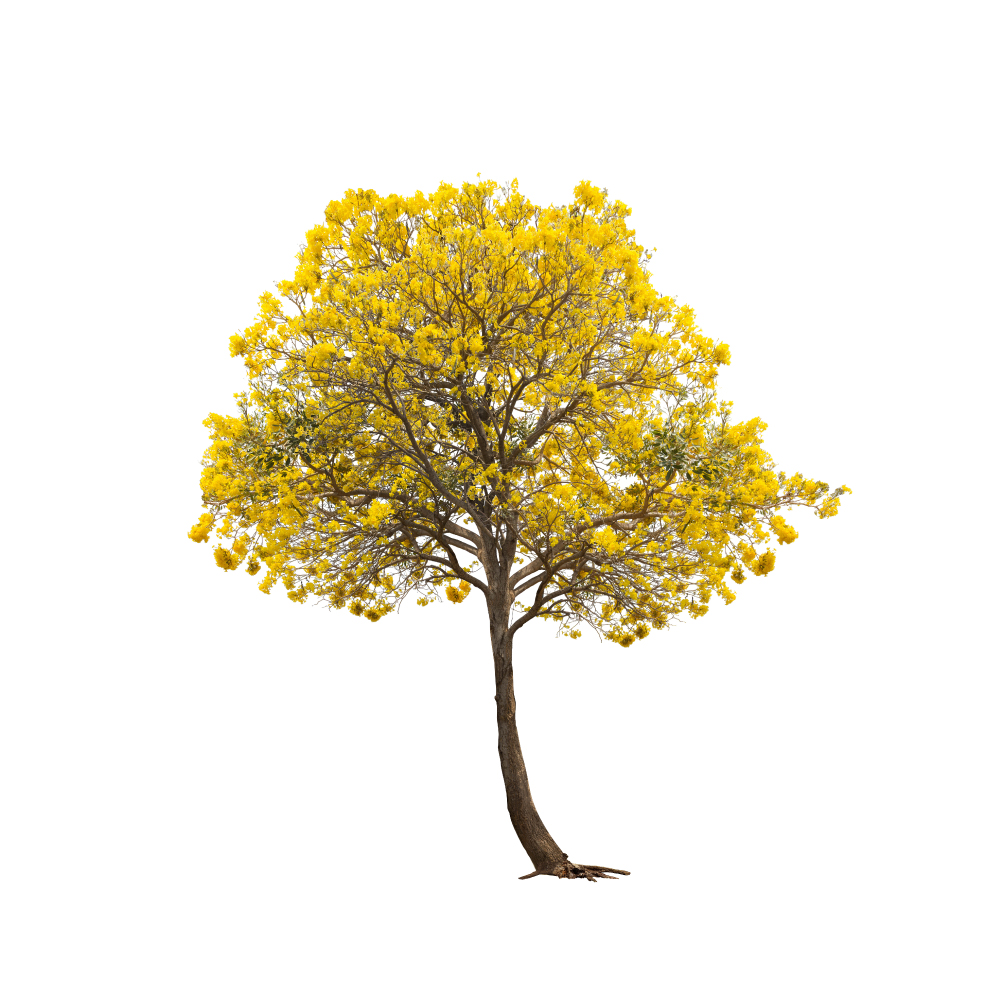 Pau D’ArcoTabebuia impetiginosaPreclinical
An ethanolic bark extract produced antidepressant-like effects in the mouse forced-swim and tail-suspension tests, dependent on the monoaminergic system, with a follow-up implicating the NMDA–NO–cGMP pathway; the bark phenolic caffeic acid is proposed as the active constituent 47,
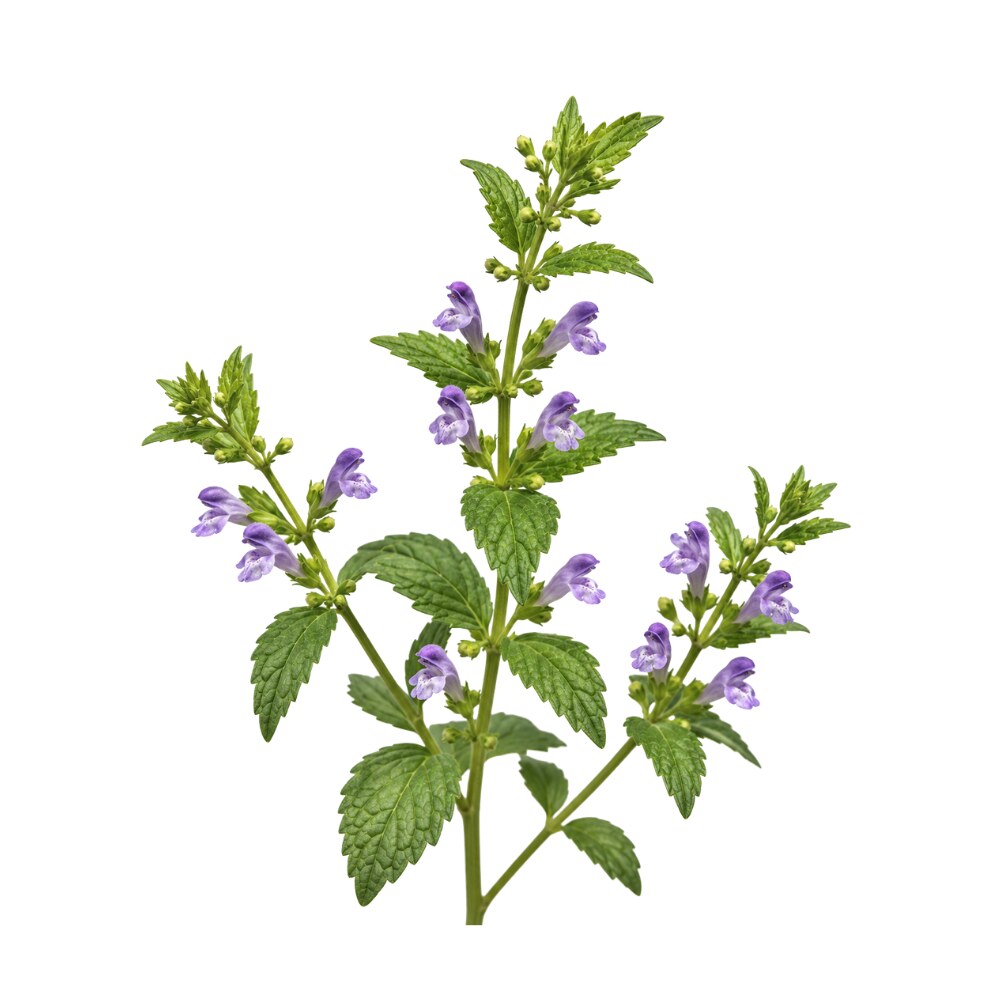 Skullcap (American)Scutellaria laterifloraPreclinical
No trial targets diagnosed depression, but the mood-disturbance reduction in the crossover RCT 66Reference 66RCTAmerican Skullcap (Scutellaria lateriflora): a randomised, double-blind placebo-controlled crossover study of its effects on mood in healthy volunteersView study → and the 5-HT7 receptor binding 67Reference 67In vitroInhibition of [3H]-LSD binding to 5-HT7 receptors by flavonoids from Scutellaria lateriflora — in vitroView study → give the traditional “depression associated with exhaustion” use a partial anchor. The use is mood and nervous-exhaustion support, not an antidepressant one.
Full monograph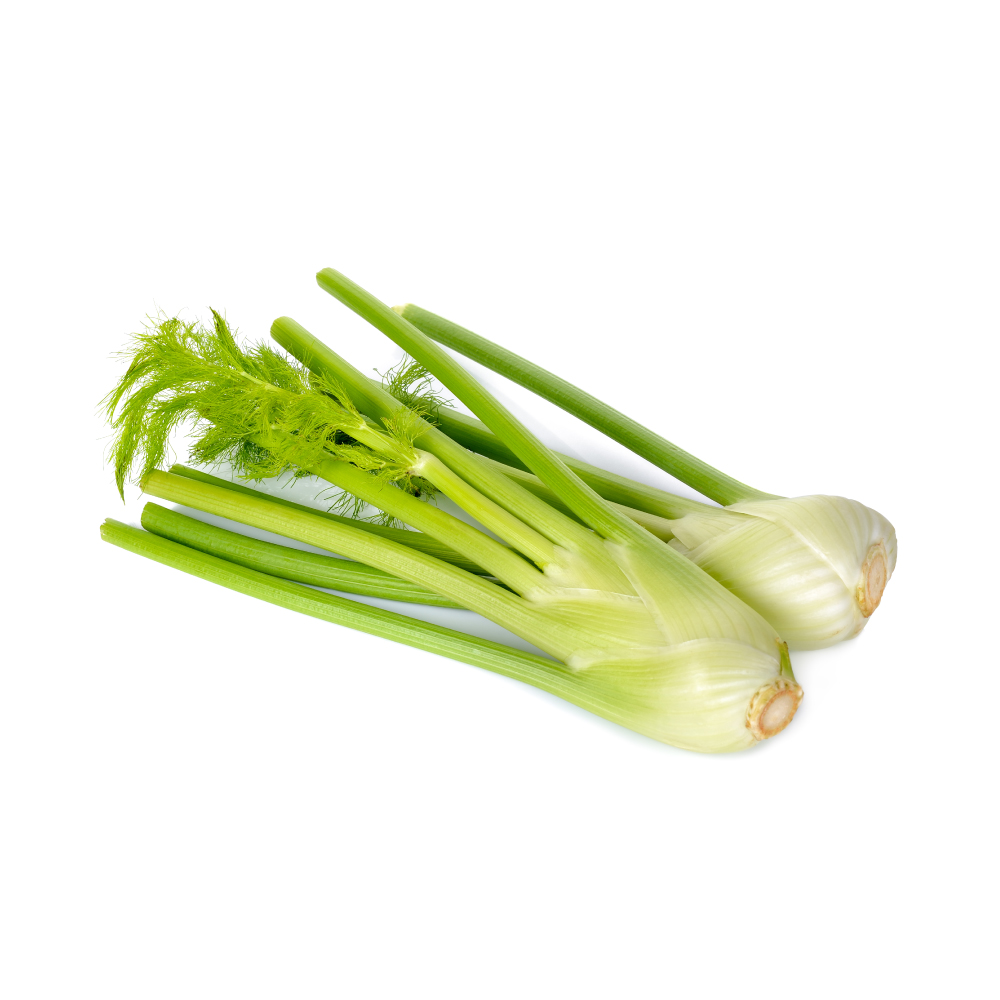 FennelFoeniculum vulgareTraditional only
The only human depression/anxiety data come from a double-blind RCT of fennel in postmenopausal women, which was essentially null for depression and where the anxiety benefit appeared only in the subgroup that actually had a disorder 16Reference 16RCTEffect of fennel on depression and anxiety in postmenopausal women — double-blind RCTView study →.
Full monograph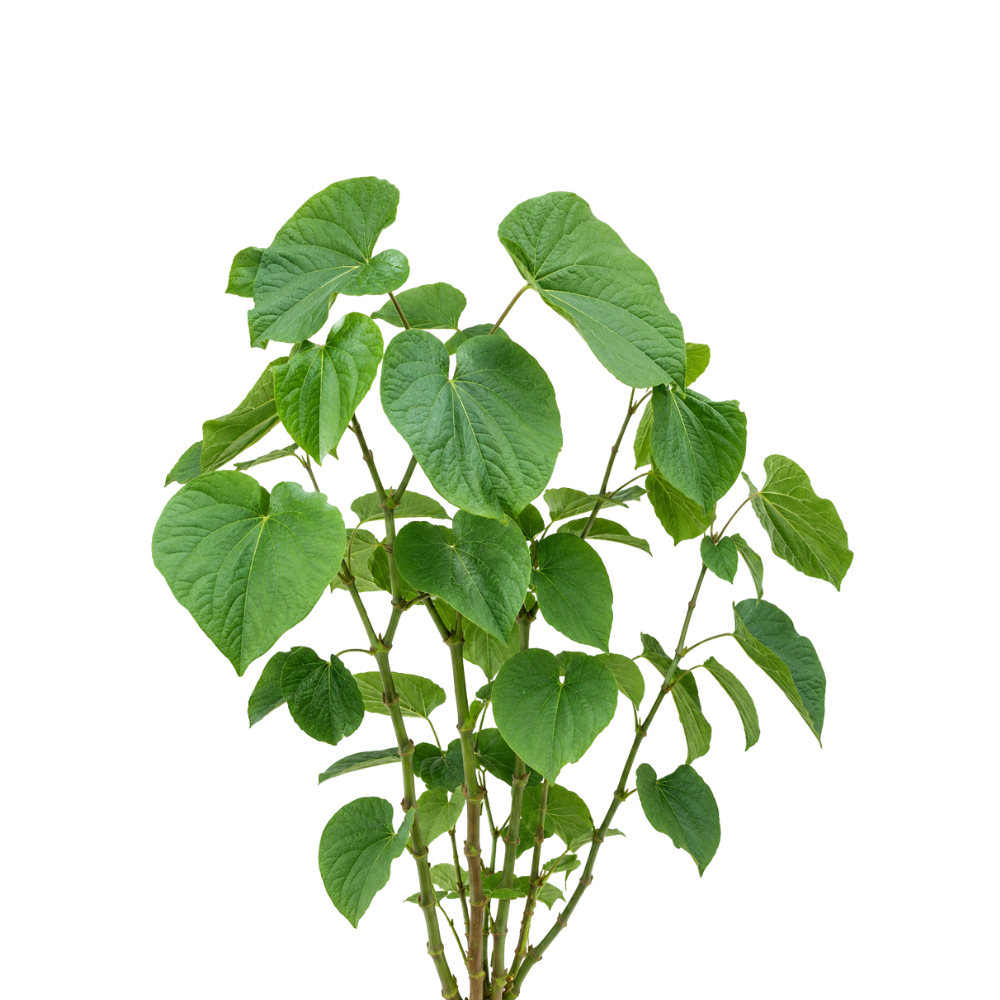 KavaPiper methysticumTraditional only
Kava’s clinical evidence is for anxiety, not depression. Its studied activities are anxiolytic, sleep, analgesic, anticonvulsant, neuroprotective and anticancer, with no depression indication among them. The depression use rests on traditional Pacific use of the beverage to lift mood alongside easing anxiety and stress.
The one trial whose name invokes depression, the Kava Anxiety Depression Spectrum Study, enrolled a mixed anxiety-and-depression population but reported anxiety reduction as its outcome 23Reference 23RCTThe Kava Anxiety Depression Spectrum Study (KADSS) — a randomised, placebo-controlled crossover trialView study →. It is not a depression efficacy trial.
Kava’s defining caveat is rare idiosyncratic hepatotoxicity. Aqueous extracts of peeled noble-cultivar root are favoured, never combined with alcohol.
Full monograph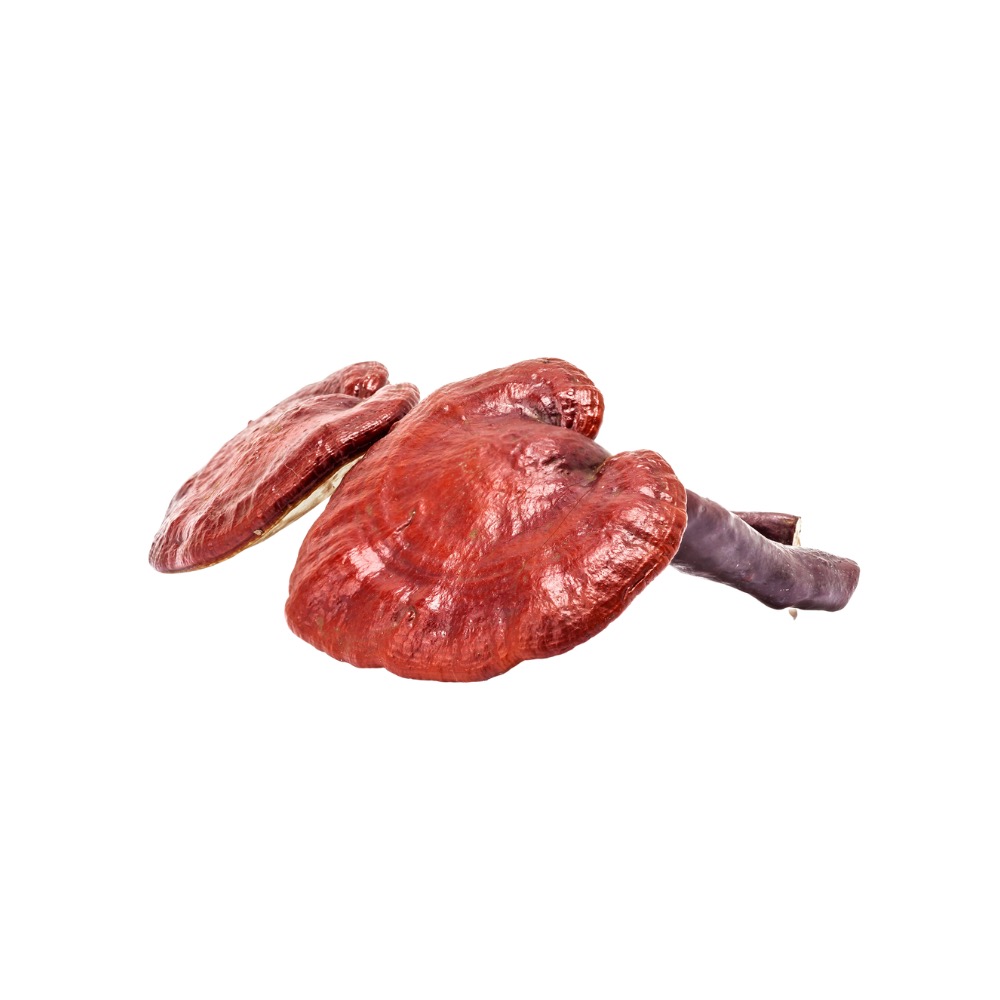 ReishiGanoderma lucidumTraditional only
No depression trial. This use rests on the shen-tonic tradition (calming the nerves, easing the “knotted, tight chest”) and reishi’s general adaptogen/wellbeing framing 49,
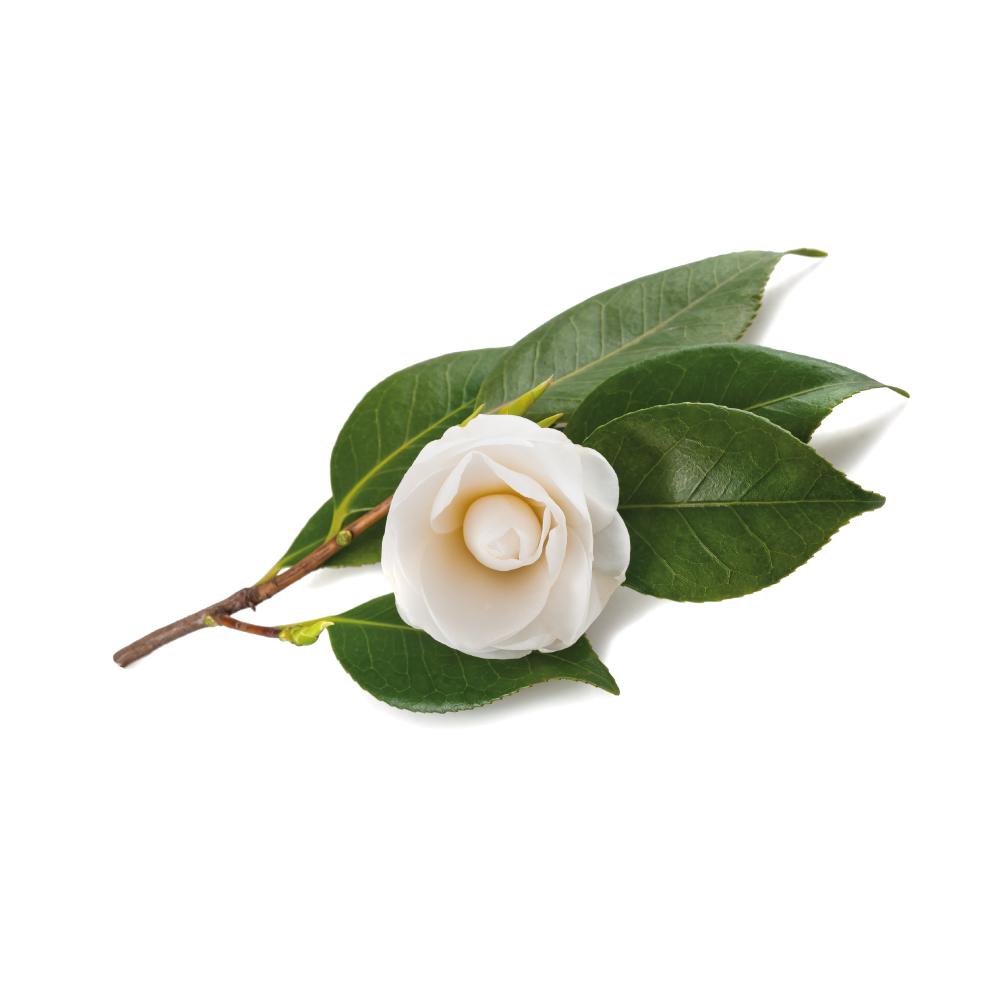 TeaCamellia sinensisTraditional only
No depression-specific trial. This use rests on TCM tradition — green tea “has been used to treat… depression, low energy” 75Reference 75Medical toxicology of drug abuse: synthesized chemicals and psychoactive plants — plus adjacent constituent data: L-theanine (± caffeine) improves mood and reduces self-rated stress/anxiety in healthy adults 76,
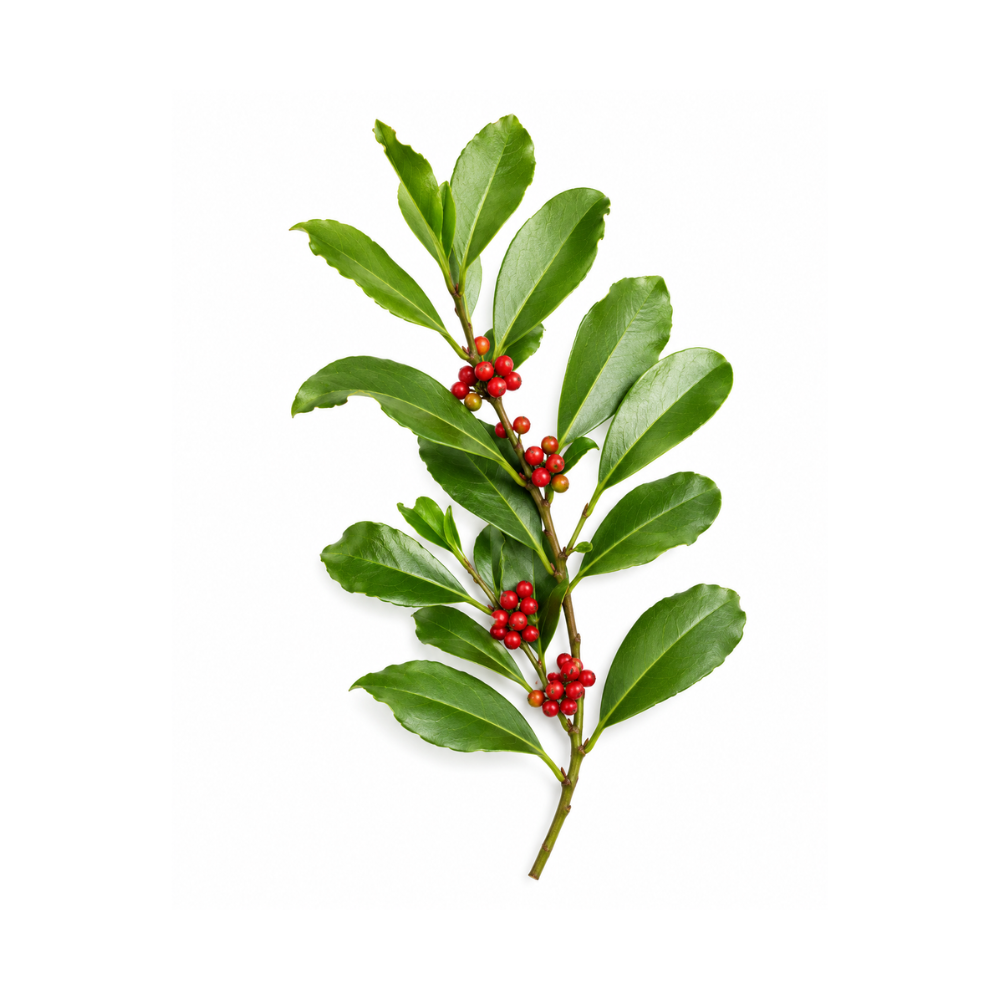 Yerba MatéIlex paraguariensisTraditional only
Traditional South American use — in Brazil the herb is taken for energy, fatigue and depression — resting on its caffeine-bearing stimulant character rather than on any antidepressant trial. The one mood-adjacent human study measured mood state at rest and during prolonged exercise in a metabolic/satiety trial 79Reference 79RCTYerba Maté (Ilex paraguariensis) metabolic, satiety, and mood state effects at rest and during prolonged exercise — randomized trialView study →; that is transient affect in exercising volunteers, not depression, and it does not support a clinical indication.
A caffeine-bearing herb can aggravate the anxiety and disturbed sleep that so often accompany depression.
Full monographSupplementation
Supplementation
Supplements, nutrients and compounds used for depression.
References
- Zhou, Y., Shen, Y. H., Zhang, C., Su, J., Liu, R. H., & Zhang, W. D. (2007). Triterpene saponins from Bacopa monnieri and their antidepressant effects in two mice models — animal model. Journal of Natural Products, 70(4), 652–655. https://pubmed.ncbi.nlm.nih.gov/17343408/
- Zaazaa, A. M., Daoud, N. N., El-Gendy, O. A., & Al-Shafei, A. I. (2022). Neuroprotective role of Bacopa monnieri extract in modulating depression in an experimental rat model — animal model. Journal of Affective Disorders, 308, 229–235. https://pubmed.ncbi.nlm.nih.gov/35413358/
- Calabrese, C., Gregory, W. L., Leo, M., Kraemer, D., Bone, K., & Oken, B. (2008). Effects of a standardized Bacopa monnieri extract on cognitive performance, anxiety, and depression in the elderly — randomised, double-blind, placebo-controlled trial. Journal of Alternative and Complementary Medicine, 14(6), 707–713. https://pubmed.ncbi.nlm.nih.gov/18611150/
- Massee LA, Ried K, et al. (2015). The acute and sub-chronic effects of cocoa flavanols on mood, cognitive and cardiovascular health in young healthy adults — randomised controlled trial. Front Pharmacol. https://pubmed.ncbi.nlm.nih.gov/26042037/
- Murakami R, Natsume M, et al. (2023). Effect of flavanol-rich cacao extract on the profile of mood state in healthy middle-aged Japanese women: a randomised controlled trial. Nutrients. https://pubmed.ncbi.nlm.nih.gov/37686875/
- Campos, M. M., Fernandes, E. S., Ferreira, J., Santos, A. R. S., & Calixto, J. B. (2005). Antidepressant-like effects of Trichilia catigua (Catuaba) extract: evidence for dopaminergic-mediated mechanisms — animal model. Psychopharmacology (Berl). https://pubmed.ncbi.nlm.nih.gov/15991001/
- Bonassoli, V. T., et al. (2012). Subchronic administration of Trichilia catigua ethyl-acetate fraction promotes antidepressant-like effects and increases hippocampal cell proliferation in mice — animal model. Journal of Ethnopharmacology. https://pubmed.ncbi.nlm.nih.gov/22728168/
- Chassot, J. M., et al. (2011). Preclinical evaluation of Trichilia catigua extracts on the central nervous system of mice — animal model. Journal of Ethnopharmacology. https://pubmed.ncbi.nlm.nih.gov/21801825/
- Ana María, D. B., et al. (2019). Neurobehavioral and toxicological effects of an aqueous extract of Turnera diffusa in mice — animal study. J Ethnopharmacol. https://pubmed.ncbi.nlm.nih.gov/30818006/
- Kumar, S., Madaan, R., & Sharma, A. (2008). Pharmacological evaluation of bioactive principle of Turnera aphrodisiaca — animal study. Indian J Pharm Sci. https://pubmed.ncbi.nlm.nih.gov/21369434/
- Li XT, Zhou JC, Zhou Y, et al. (2022). Pharmacological effects of Eleutherococcus senticosus on the neurological disorders — review. Phytotherapy Research. https://pubmed.ncbi.nlm.nih.gov/35844057/
- Bu Y, Jin ZH, Park SY, et al. (2005). Siberian ginseng reduces infarct volume in transient focal cerebral ischaemia in Sprague-Dawley rats — animal model. Phytotherapy Research. https://pubmed.ncbi.nlm.nih.gov/15852490/
- Lu, X., Xiao-Qing, C. (2019). Eleutheroside E attenuates isoflurane-induced cognitive dysfunction by regulating the α7-nAChR-NMDAR pathway — animal study. Neuroreport. https://pubmed.ncbi.nlm.nih.gov/30585907/
- Zhang Z, Wu Y, Shi D, et al. (2024). Acanthopanax senticosus improves cognitive impairment in Alzheimer’s disease by promoting the phosphorylation of the MAPK signaling pathway — animal study. Frontiers in Immunology. https://pubmed.ncbi.nlm.nih.gov/38545117/
- Siwek M, Woroń J, Wrzosek A, et al. (2023). Adverse events of interactions between adaptogens and antidepressant drugs — retrospective chart review. Frontiers in Pharmacology. https://pubmed.ncbi.nlm.nih.gov/37829299/
- Ghazanfarpour, M., et al. (2018). Effect of fennel on depression and anxiety in postmenopausal women — double-blind RCT. Journal of Obstetrics and Gynaecology. https://pubmed.ncbi.nlm.nih.gov/28891367/
- Shaw K, Turner J, Del Mar C. (2001). Tryptophan and 5-hydroxytryptophan for depression — systematic review. Cochrane Database of Systematic Reviews. https://pubmed.ncbi.nlm.nih.gov/11687048/
- Shaw K, Turner J, Del Mar C. (2002). Are tryptophan and 5-hydroxytryptophan effective treatments for depression? A meta-analysis. Australian & New Zealand Journal of Psychiatry. https://pubmed.ncbi.nlm.nih.gov/12169147/
- Jangid P, Malik P, Singh P, et al. (2013). Comparative study of efficacy of l-5-hydroxytryptophan and fluoxetine in first depressive episode — randomised double-blind trial. Asian Journal of Psychiatry. https://pubmed.ncbi.nlm.nih.gov/23380314/
- Pöldinger W, Calanchini B, Schwarz W. (1991). A functional-dimensional approach to depression: 5-hydroxytryptophan versus fluvoxamine — randomised multicentre trial. Psychopathology. https://pubmed.ncbi.nlm.nih.gov/1909444/
- Kyrou I, Christou A, Panagiotakos D, Stefanaki C, Skenderi K, Katsana K, et al. (2017). Effects of a hops (Humulus lupulus L.) dry extract supplement on self-reported depression, anxiety and stress levels in apparently healthy young adults: a randomized, placebo-controlled, double-blind, crossover pilot study — [randomized]. Hormones (Athens), 16(2), 171-180. https://pubmed.ncbi.nlm.nih.gov/28742505/
- Harvey, A. L., Young, L. C., Viljoen, A. M., & Gericke, N. P. (2011). Pharmacological actions of the South African medicinal and functional food plant Sceletium tortuosum and its principal alkaloids — in vitro receptor/enzyme study. Journal of Ethnopharmacology. https://pubmed.ncbi.nlm.nih.gov/21798331/
- Sarris, J., Kavanagh, D. J., Byrne, G., et al. (2009). The Kava Anxiety Depression Spectrum Study (KADSS) — a randomised, placebo-controlled crossover trial. Psychopharmacology (Berl). https://pubmed.ncbi.nlm.nih.gov/19430766/
- Chen, L., et al. (2022). Anxiolytic and Antidepressant-like Effects of Mitragyna speciosa Extract in Diabetic Rats — rat animal model. Molecules. https://pubmed.ncbi.nlm.nih.gov/35408607/
- Grundmann, O. (2017). Patterns of Kratom use and health impact in the US — Results from an online survey — observational. Drug Alcohol Depend. https://pubmed.ncbi.nlm.nih.gov/28521200/
- Hiranita, T., et al. (2022). In vitro and in vivo pharmacology of kratom — review. Adv Pharmacol. https://pubmed.ncbi.nlm.nih.gov/35341571/
- Ofir R, et al. (2003). Inhibition of serotonin re-uptake by licorice constituents — in vitro. Journal of Molecular Neuroscience. https://pubmed.ncbi.nlm.nih.gov/12794307/
- Mazzio E, et al. (2013). High throughput screening to identify natural human monoamine oxidase B inhibitors — in vitro. Phytotherapy Research. https://pubmed.ncbi.nlm.nih.gov/22887993/
- Nagano, M., et al. (2010). Reduction of depression and anxiety by 4 weeks Hericium erinaceus intake — randomised, placebo-controlled trial. Biomed Res. https://pubmed.ncbi.nlm.nih.gov/20834180/
- Vigna, L., et al. (2019). Hericium erinaceus improves mood and sleep disorders in patients affected by overweight or obesity — controlled trial. Evid Based Complement Alternat Med. https://pubmed.ncbi.nlm.nih.gov/31118969/
- Ryu, S., et al. (2018). Hericium erinaceus extract reduces anxiety and depressive behaviors by promoting hippocampal neurogenesis in the adult mouse brain — animal model. J Med Food. https://pubmed.ncbi.nlm.nih.gov/29091526/
- Brooks, N. A., et al. (2008). Beneficial effects of Lepidium meyenii (Maca) on psychological symptoms and measures of sexual dysfunction in postmenopausal women are not related to oestrogen or androgen content — randomised controlled trial. Menopause. https://pubmed.ncbi.nlm.nih.gov/18784609/
- Stojanovska, L., et al. (2015). Maca reduces blood pressure and depression in a pilot study in postmenopausal women — randomised controlled trial. Climacteric. https://pubmed.ncbi.nlm.nih.gov/24931003/
- Rubio, J., et al. (2006). Effect of three different cultivars of Lepidium meyenii (Maca) on learning and depression in ovariectomised mice — animal model. BMC Complement Altern Med. https://pubmed.ncbi.nlm.nih.gov/16796734/
- Grob, C. S., Danforth, A. L., Chopra, G. S., et al. (2011). Pilot study of psilocybin treatment for anxiety in patients with advanced-stage cancer — randomised controlled trial. Archives of General Psychiatry. https://pubmed.ncbi.nlm.nih.gov/20819978/
- Raison, C. L., Sanacora, G., Woolley, J., et al. (2023). Single-Dose Psilocybin Treatment for Major Depressive Disorder — randomised controlled trial. JAMA. https://pubmed.ncbi.nlm.nih.gov/37651119/
- Davis, A. K., Barrett, F. S., May, D. G., et al. (2021). Effects of Psilocybin-Assisted Therapy on Major Depressive Disorder — randomised controlled trial. JAMA Psychiatry. https://pubmed.ncbi.nlm.nih.gov/33146667/
- Ross, S., Bossis, A., Guss, J., et al. (2016). Rapid and sustained symptom reduction following psilocybin treatment for anxiety and depression in patients with life-threatening cancer — randomised controlled trial. Journal of Psychopharmacology. https://pubmed.ncbi.nlm.nih.gov/27909164/
- Griffiths, R. R., Johnson, M. W., Carducci, M. A., et al. (2016). Psilocybin produces substantial and sustained decreases in depression and anxiety in patients with life-threatening cancer — randomised, double-blind trial. Journal of Psychopharmacology. https://pubmed.ncbi.nlm.nih.gov/27909165/
- Ghazizadeh J, Sadigh-Eteghad S, Marx W, et al. (2021). The effects of lemon balm (Melissa officinalis L.) on depression and anxiety in clinical trials — a systematic review and meta-analysis. Phytotherapy Research. https://pubmed.ncbi.nlm.nih.gov/34449930/
- Safari M, Asadi A, Aryaeian N, et al. (2023). The effects of Melissa officinalis on depression and anxiety in type 2 diabetes patients with depression — randomised double-blind placebo-controlled trial. BMC Complementary Medicine and Therapies. https://pubmed.ncbi.nlm.nih.gov/37131158/
- Haybar H, Javid AZ, Haghighizadeh MH, et al. (2018). The effects of Melissa officinalis supplementation on depression, anxiety, stress and sleep disorder in patients with chronic stable angina — randomised placebo-controlled trial. Clinical Nutrition ESPEN. https://pubmed.ncbi.nlm.nih.gov/29908682/
- Piato, Â. L., Rizon, L. P., Martins, B. S., et al. (2009). Antidepressant profile of Ptychopetalum olacoides Bentham (Marapuama) in mice — animal study. Phytotherapy Research. https://pubmed.ncbi.nlm.nih.gov/19067380/
- Piato, A. L., Detanico, B. C., Jesus, J. F., et al. (2008). Effects of Marapuama in the chronic mild stress model: further indication of antidepressant properties — animal study. Journal of Ethnopharmacology. https://pubmed.ncbi.nlm.nih.gov/18513902/
- da Silva, A. L., Bardini, S., Nunes, D. S., & Elisabetsky, E. (2002). Anxiogenic properties of Ptychopetalum olacoides Benth. (Marapuama) — animal study. Phytotherapy Research. https://pubmed.ncbi.nlm.nih.gov/12164265/
- Filho, C. B., Jesse, C. R., Donato, F., et al. (2015). Chronic unpredictable mild stress decreases BDNF and NGF levels and Na⁺,K⁺-ATPase activity in the hippocampus and prefrontal cortex of mice: antidepressant effect of chrysin — animal model. Neuroscience. https://pubmed.ncbi.nlm.nih.gov/25592430/
- Freitas, A. E., Budni, J., Lobato, K. R., et al. (2010). Antidepressant-like action of the ethanolic extract from Tabebuia avellanedae in mice: evidence for involvement of the monoaminergic system — animal model. Progress in Neuro-Psychopharmacology & Biological Psychiatry, 34(2), 335-343. https://pubmed.ncbi.nlm.nih.gov/20026371/
- Freitas, A. E., Moretti, M., Budni, J., et al. (2013). NMDA receptors and the L-arginine-nitric oxide-cyclic GMP pathway are implicated in the antidepressant-like action of the ethanolic extract from Tabebuia avellanedae in mice — animal model. Journal of Medicinal Food, 16(11), 1030-1038. https://pubmed.ncbi.nlm.nih.gov/24236576/
- Rogers, R. D. (2011). The fungal pharmacy: The complete guide to medicinal mushrooms and lichens of North America [Adobe Digital Editions version].
- Hempen, C. H., & Fischer, T. (2009). A Materia Medica for Chinese Medicine: Plants, Minerals, and Animal Products. (Pg. 436-437).
- Tang W, Gao Y, Chen G, et al. (2005). A randomised, double-blind and placebo-controlled study of a Ganoderma lucidum polysaccharide extract in neurasthenia — randomised controlled trial. J Med Food. https://pubmed.ncbi.nlm.nih.gov/15857210/
- Darbinyan, V., Aslanyan, G., Amroyan, E., Gabrielyan, E., Malmström, C., & Panossian, A. (2007). Clinical trial of Rhodiola rosea L. extract SHR-5 in the treatment of mild to moderate depression — randomised controlled trial. Nordic Journal of Psychiatry. https://pubmed.ncbi.nlm.nih.gov/17990195/
- Mao, J. J., Xie, S. X., Zee, J., Soeller, I., Li, Q. S., Rockwell, K., & Amsterdam, J. D. (2015). Rhodiola rosea versus sertraline for major depressive disorder — randomised placebo-controlled trial. Phytomedicine. https://pubmed.ncbi.nlm.nih.gov/25837277/
- Urata, M., et al. (2025). Efficacy of pharmacological interventions in milder depression — systematic review and meta-analysis. Neuropsychopharmacology Reports. https://pubmed.ncbi.nlm.nih.gov/40014460/
- Van Diermen, D., Marston, A., Bravo, J., Reist, M., Carrupt, P. A., & Hostettmann, K. (2009). Monoamine oxidase inhibition by Rhodiola rosea L. roots — in vitro. Journal of Ethnopharmacology. https://pubmed.ncbi.nlm.nih.gov/19168123/
- Nematolahi, P., Mehrabani, M., Karami-Mohajeri, S., Dabaghzadeh, F. (2018). Effects of Rosmarinus officinalis L. on memory performance, anxiety, depression, and sleep quality in university students: a randomized clinical trial. Complementary Therapies in Clinical Practice. https://pubmed.ncbi.nlm.nih.gov/29389474/
- Araki, R., Sasaki, K., Onda, H., et al. (2020). Effects of Continuous Intake of Rosemary Extracts on Mental Health in Working Generation Healthy Japanese Men — randomized controlled trial (post-hoc). Nutrients. https://pubmed.ncbi.nlm.nih.gov/33233510/
- Burnett, K. M., Solterbeck, L. A., Strapp, C. M. (2004). Scent and mood state following an anxiety-provoking task — clinical trial. Psychological Reports. https://pubmed.ncbi.nlm.nih.gov/15587240/
- Hausenblas, H. A., et al. (2013). Saffron (Crocus sativus L.) and major depressive disorder: a meta-analysis of randomized clinical trials. Journal of Integrative Medicine. https://pubmed.ncbi.nlm.nih.gov/24299602/
- Tóth, B., et al. (2019). The efficacy of saffron in the treatment of mild to moderate depression: a meta-analysis. Planta Medica. https://pubmed.ncbi.nlm.nih.gov/30036891/
- Dai, L., Chen, L., Wang, W., et al. (2020). Safety and efficacy of saffron (Crocus sativus L.) for treating mild to moderate depression: a systematic review and meta-analysis. Journal of Nervous and Mental Disease. https://pubmed.ncbi.nlm.nih.gov/32221179/
- Akhondzadeh, S., et al. (2004). Comparison of Crocus sativus L. and imipramine in the treatment of mild to moderate depression: a pilot double-blind randomised trial. BMC Complementary and Alternative Medicine. https://pubmed.ncbi.nlm.nih.gov/15341662/
- Noorbala, A. A., et al. (2005). Hydro-alcoholic extract of Crocus sativus L. versus fluoxetine in the treatment of mild to moderate depression: a double-blind, randomised pilot trial. Journal of Ethnopharmacology. https://pubmed.ncbi.nlm.nih.gov/15707766/
- Mahmoudi R, Mohammadi-Sartang M, Servatyari K, et al. (2026). Effect of saffron on depression, anxiety and mood disorder: a GRADE-assessed systematic review and meta-analysis of 34 randomised controlled trials. Nutritional Neuroscience. https://pubmed.ncbi.nlm.nih.gov/41693488/
- Musazadeh, V., Zarezadeh, M., Faghfouri, A. H., et al. (2022). Saffron, as an adjunct therapy, contributes to relieve depression symptoms: an umbrella meta-analysis. Pharmacological Research. https://pubmed.ncbi.nlm.nih.gov/34757208/
- Brock, C., Whitehouse, J., Tewfik, I., & Towell, T. (2014). American Skullcap (Scutellaria lateriflora): a randomised, double-blind placebo-controlled crossover study of its effects on mood in healthy volunteers. Phytotherapy Research. https://pubmed.ncbi.nlm.nih.gov/23878109/
- Gafner, S., Bergeron, C., Batcha, L. L., et al. (2003). Inhibition of [3H]-LSD binding to 5-HT7 receptors by flavonoids from Scutellaria lateriflora — in vitro. Journal of Natural Products. https://pubmed.ncbi.nlm.nih.gov/12713409/
- Linde, K., Berner, M. M., & Kriston, L. (2008). St John’s wort for major depression — systematic review, meta-analysis. Cochrane Database of Systematic Reviews. https://pubmed.ncbi.nlm.nih.gov/18843608/
- Ng, Q. X., Venkatanarayanan, N., & Ho, C. Y. X. (2017). Clinical use of Hypericum perforatum (St John’s wort) in depression: A meta-analysis. Journal of Affective Disorders. https://pubmed.ncbi.nlm.nih.gov/28064110/
- Zhao, X., Zhang, H., et al. (2023). The efficacy and safety of St. John’s wort extract in depression therapy compared to SSRIs in adults: A meta-analysis of randomised clinical trials. Advances in Clinical and Experimental Medicine. https://pubmed.ncbi.nlm.nih.gov/36226689/
- Lecrubier, Y., Clerc, G., Didi, R., & Kieser, M. (2002). Efficacy of St. John’s wort extract WS 5570 in major depression: a double-blind, randomised, placebo-controlled trial. American Journal of Psychiatry. https://pubmed.ncbi.nlm.nih.gov/12153829/
- Müller, W. E. (2001). Hyperforin — antidepressant activity by a novel mechanism of action. Pharmacopsychiatry. https://pubmed.ncbi.nlm.nih.gov/11518085/
- Hypericum Depression Trial Study Group. (2002). Effect of Hypericum perforatum (St John’s wort) in major depressive disorder: a randomised controlled trial. JAMA. https://pubmed.ncbi.nlm.nih.gov/11939866/
- Shelton, R. C., et al. (2001). Effectiveness of St John’s wort in major depression: a randomised controlled trial. JAMA. https://pubmed.ncbi.nlm.nih.gov/11308434/
- Barceloux, D. G. (2012). Medical toxicology of drug abuse: synthesized chemicals and psychoactive plants. John Wiley & Sons.
- Payne, E. R., Aceves-Martins, M., Dubost, J., et al. (2025). Effects of tea (Camellia sinensis) or its bioactive compounds L-theanine or L-theanine plus caffeine on cognition, sleep, and mood in healthy participants: a systematic review and meta-analysis of randomised controlled trials. Nutr Rev. https://pubmed.ncbi.nlm.nih.gov/40314930/
- Hidese, S., Ogawa, S., Ota, M., et al. (2019). Effects of L-theanine administration on stress-related symptoms and cognitive functions in healthy adults: a randomised controlled trial. Nutrients, 11(10), 2362. https://pubmed.ncbi.nlm.nih.gov/31623400/
- Sarris, J., Byrne, G. J., Cribb, L., et al. (2019). L-theanine in the adjunctive treatment of generalised anxiety disorder: a double-blind, randomised, placebo-controlled trial. J Psychiatr Res, 110, 31-37. https://pubmed.ncbi.nlm.nih.gov/30580081/
- Alkhatib, A., & Atcheson, R. (2017). Yerba Maté (Ilex paraguariensis) metabolic, satiety, and mood state effects at rest and during prolonged exercise — randomized trial. Nutrients. https://pubmed.ncbi.nlm.nih.gov/28809814/