

Overview
Nervous at a Glance
The nervous system is the brain, the spinal cord, and the nerves that run out from them.
The nervous system governs everything from mood, sleep, and cognition to pain, muscle tension, and the body’s response to stress.
It’s also one of the largest areas of herbal medicine.
Some nervous-system herbs act quickly, calming nervous excitability within a single dose. Others work gradually over weeks, supporting stress tolerance, mood, cognition, or recovery from prolonged strain.
This gives us several very different groups of herbs under the same broad system.
Relaxing nervines and sedatives such as passionflower, skullcap, lemon balm, kava, hops, and zizyphus are used when the nervous system is overactive — anxiety, restlessness, muscular tension, racing thoughts, and difficulty settling into sleep.
Nervine tonics and adaptogens such as ashwagandha, rhodiola, eleuthero, holy basil, and lion’s mane are used more slowly, particularly where stress has become chronic and the dominant picture is fatigue, poor recovery, low resilience, or cognitive strain.
Other herbs act more specifically on mood, memory, pain, or neurological function. St John’s wort and saffron are used primarily for mood, bacopa and ginkgo for cognition, and stimulant plants such as coffee, tea, guarana, and yerba maté for alertness and concentration.
There’s also a separate group of psychoactive plants — including cannabis, psilocybin-containing mushrooms, kratom, and the plants used in ayahuasca — whose effects on the nervous system are much more pronounced and don’t fit neatly into the traditional nervine framework.
One important point with this system is that the preparation matters.
Clinical research often uses standardised extracts rather than the herb in every possible form. The evidence for oral lavender oil, for example, doesn’t automatically apply to lavender tea or aromatherapy, just as research on a standardised St John’s wort extract doesn’t necessarily describe every tincture or capsule on the market.
The plant, preparation, dose, and duration all matter.
Caution
Sedating herbs can compound the effects of alcohol, benzodiazepines, opioids, and other sedatives, including impairment while driving. St John’s wort interacts with a large number of prescribed medications. Suicidal thoughts, a first seizure, psychosis, or rapidly changing cognition require medical assessment rather than self-treatment with herbs.
The Traditional View
How Herbalists Read the Nervous System
Traditional Western herbal medicine often reads the nervous system in terms of two broad patterns: excess and deficiency.
Excess is the nervous system that won’t settle.
There may be anxiety, racing thoughts, heightened startle, irritability, muscular tension, palpitations, or a mind that remains active long after the body is tired.
This is where the relaxing nervines are most useful.
Passionflower, skullcap, lemon balm, kava, hops, and zizyphus all belong here, with the stronger members of the group moving into outright sedation.
These herbs are generally used for what’s happening now. Their effects may be noticeable within a dose, and many work in part through GABAergic pathways that reduce neuronal excitability.
Deficiency looks different.
Here the nervous system is less overactive than worn down — fatigue, poor recovery, low stress tolerance, flattened mood, cognitive fatigue, or the feeling that even relatively small demands have become difficult to absorb.
This is the territory of the nervine tonics and adaptogens.
Ashwagandha, holy basil, rhodiola, eleuthero, and lion’s mane are generally taken over weeks rather than hours, with the aim of improving resilience and recovery rather than simply suppressing a symptom.
The distinction matters because the wrong direction can make things worse.
A stimulating adaptogen isn’t necessarily useful just because someone is stressed. If that stress presents as agitation, insomnia, and nervous overactivity, an activating herb such as rhodiola may aggravate the picture rather than correct it.
The practical question is therefore not simply whether someone is anxious, tired, or stressed.
It’s whether the nervous system needs to be settled or restored.
Outside this framework sit herbs aimed more specifically at depression, cognition, pain, seizures, and other neurological conditions, along with the psychoactive plants, which are included in the nervous system because of where they act rather than because they function as traditional nervines.
Key Herbal Actions
What the Herbs Do Here
The actions most often called on in this system:
Anxiolytic
Reduces anxiety and the physical tension that travels with it.
Antidepressant
Lifts low mood, usually through monoamine pathways, and interacts with prescribed antidepressants.
Tonic
Restores and strengthens over time rather than calming within a dose; the nervine tonic sub-action is the nervous-system branch of it.
Neuroprotective
Protects nerve cells from damage; parent of the anti-excitotoxic, anti-neuroinflammatory, and anti-amyloid sub-actions.
Anticonvulsant
Calms the over-excitable nerve activity behind seizures, alongside prescribed medication and never instead of it.
Analgesic & Antispasmodic
For the nerve pain and muscular tension that accompany nervous strain.
Psychoactive
The parent of psychedelic, oneirogenic, dissociative, deliriant, empathogen, and euphoriant.
Mechanisms
How It Works
Almost every nervine acts at one of eight points. Two plants both classed as nervines may have nothing pharmacologically in common: one potentiating chloride flow at a receptor within the hour, the other slowly changing how much cortisol reaches a hippocampus over months.
01
GABA-A modulation — the sedative core
The most common nervous-system mechanism, and the one that produces an effect a person can feel within a dose. These herbs bind at or near the same receptor complex as the benzodiazepines, increasing chloride conductance and damping neuronal excitability.
The evidence is often unusually clean because the effect can be abolished by flumazenil, the benzodiazepine-site antagonist. That is how California poppy’s sedation and Mexican tarragon’s anxiolysis were both traced to this target.
Kavain potentiates GABA-A directly and also blocks voltage-gated sodium channels, which is probably why kava sedates differently from a benzodiazepine. Passionflower extracts elicit GABA currents in hippocampal neurons, and magnolia’s honokiol acts specifically at the benzodiazepine site.
Hops’ active is a degradation product of its bitter acids that forms on storage, so a fresh hop and an aged one are not the same medicine. Lemon balm reaches the same system from the other end, inhibiting GABA transaminase, the enzyme that breaks GABA down.
Herbs: California PoppyHopsKavaMagnoliaMelissaMotherwortPassionflowerWild LettuceZizyphus
Key compounds: KavainApigeninHonokiolJujuboside ARosmarinic acid
02
Serotonergic pathways — mood, sleep onset and the 5-HT2A branch
Serotonin does two very different jobs in this system.
Through 5-HT1A and reuptake, it carries the antidepressant and anxiolytic effects. Kanna’s mesembrine-type alkaloids are serotonin-reuptake inhibitors in the SSRI mould, zizyphus’s spinosin works through postsynaptic 5-HT1A, and griffonia supplies 5-HTP, which bypasses the rate-limiting enzyme in serotonin synthesis altogether.
Because serotonin is also the precursor to melatonin, the same route is invoked for sleep onset. That is a plausible chain, and it has never been demonstrated for a whole herb.
Through 5-HT2A agonism, serotonin does something else entirely. This is the receptor psilocybin’s active metabolite psilocin binds, and it is the basis of the classical psychedelic effect rather than a mood-lifting one.
Two herbs both described as serotonergic can therefore mean opposite things clinically.
Herbs: GriffoniaKannaMagic MushroomsMexican TarragonSaffronZizyphus
Key compounds: 5-HTPMesembrinePsilocinSpinosinCrocin
03
Monoamine reuptake inhibition & MAO inhibition
The pharmacological mechanism of the conventional antidepressants, reached by several plants independently.
St John’s wort’s hyperforin inhibits reuptake of serotonin, noradrenaline, and dopamine at once, a broad-spectrum action and the reason the herb is the best-evidenced antidepressant in the materia medica.
Catuaba’s antidepressant-like effect in rodents is unusually dopaminergic, inhibiting dopamine reuptake in synaptosomes. Rhodiola’s proposed route is MAO-A/B inhibition, shown ex vivo.
MAO inhibition is also where this system’s most serious interactions live. The ayahuasca vine and syrian rue contain harmala alkaloids that are potent, reversible MAO-A inhibitors.
That is what the vine contributes to an ayahuasca brew, and it makes both plants dangerous alongside serotonergic drugs and tyramine-rich food.
Herbs: Ayahuasca VineCatuabaRhodiolaSt. John’s WortSyrian Rue
Key compounds: HyperforinHypericinSalidroside
04
Adenosine antagonism — the stimulant axis
The most reliably active mechanism in the whole materia medica, and the one nobody calls herbal medicine.
Caffeine blocks adenosine receptors, removing the brake that accumulating adenosine puts on arousal. Every stimulant plant in this system works that way, including coffee, tea, guarana, yerba maté, and guayusa, and their differences are matters of dose, delivery, and what else is in the leaf.
Tea’s L-theanine modifies the caffeine effect rather than adding to it, which is why the tea-versus-coffee comparison is not simply a dose comparison.
Coffee’s large epidemiological signal for lower dementia risk belongs to this mechanism. Unlike its liver signal, it does not clearly survive decaffeination, which points back at caffeine itself.
Herbs: CoffeeGuaranaGuayusaTeaYerba Maté
Key compounds: CaffeineL-Theanine
05
Cholinergic support — acetylcholinesterase inhibition
The mechanism of donepezil and galantamine, and the one place where herbal pharmacology and the conventional dementia drugs do the same thing.
Huperzine-A from Chinese clubmoss is a reversible, blood-brain-barrier-penetrant acetylcholinesterase inhibitor and a licensed anti-Alzheimer’s drug in China. Sage’s cognitive trials rest on the same enzyme inhibition, and abuta and bacopa both show it in assay.
Cholinesterase inhibition is a symptomatic mechanism. It raises available acetylcholine and does not touch the disease, and neither the drugs nor the herbs that work this way slow progression.
Herbs: AbutaBacopaChinese ClubmossSage
Key compounds: Huperzine-ABacoside A
06
Neurotrophic signalling — NGF, BDNF and neurogenesis
The most interesting mechanism in this system, and the furthest from proof in people. Rather than altering a neurotransmitter, these herbs increase the growth factors that maintain and rebuild neurons.
Lion’s mane carries it most clearly. Its hericerin derivatives activate a pan-neurotrophic pathway in hippocampal neurons, its mycelial erinacine A drives NGF, and its two small human mood trials reported raised pro-BDNF alongside the symptom change.
Muira puama’s clerodane diterpenoids potentiate NGF in cell culture, and bacopa’s rodent antidepressant work runs through BDNF and monoamine restoration.
This is where the claim that a herb regrows the brain comes from. The mechanism is real and well mapped, and the human evidence is two small trials and a pilot.
Herbs: BacopaLion’s ManeMuira PuamaPassionflower
Key compounds: Erinacine ABacoside A
07
HPA-axis buffering — the adaptogen route
Strictly this is not a nervous-system mechanism at all. These herbs act on the endocrine stress loop, and the nervous system feels the result.
A demand raises ACTH, ACTH drives cortisol, and sustained cortisol wears on the hippocampus, which is dense with glucocorticoid receptors, as well as on sleep, mood, and immunity.
Ashwagandha’s trials measure serum cortisol falling alongside the anxiety score. Kanna’s fMRI study shows dampened amygdala threat-reactivity and weakened amygdala-hypothalamus coupling, and eleuthero’s effect is tied to HPA regulation and heat-shock-protein signalling.
The limit is that adaptogen is a claim about a pattern of response, and few of these herbs have been tested with a physiological stress marker rather than a symptom questionnaire.
Herbs: AshwagandhaEleutheroHoly BasilKannaMuira PuamaRhodiolaShatavari
Key compounds: Withaferin ASalidroside
08
Anti-neuroinflammation & antioxidant neuroprotection
The broadest and least discriminating category, because almost any polyphenol-rich plant scores well on the assays that measure it.
Activated microglia and reactive astrocytes produce a chronic low-grade inflammatory environment that damages neurons, and a long list of herbs dampen it in animal models. Rosemary’s carnosic acid works through Nrf2, magnolia’s neolignans through amyloid and inflammatory signalling, ginkgo through vascular and antioxidant effects, and rehmannia’s catalpol through a non-cholinergic route.
Very little of this has translated. Bacopa is the cautionary case, with extensive preclinical neuroprotection covering amyloid reduction, tau-aggregation inhibition, and cholinergic-neuron protection, and a phase-2b Alzheimer’s trial that was terminated early and found nothing.
Herbs: GinkgoGotu KolaMagnoliaRehmanniaRosemarySaffron
Key compounds: Carnosic acidGinkgolide BMagnolol
The Herbs
Materia Medica
The herbs with a written-up nervous-system indication, grouped by use and ordered by the strength of the evidence rather than the effect.
A herb appears once, under its best-supported use.
None of this substitutes for professional care.
Anxiety & Nervous Tension
10 herbsThe relaxing nervines and, at stronger doses, the sedatives. These are the herbs taken to loosen tension, quiet a racing mind, and take the edge off acute worry, most of them working within a dose through GABAergic pathways. The strongest records usually belong to a specific standardized extract rather than to the whole plant.
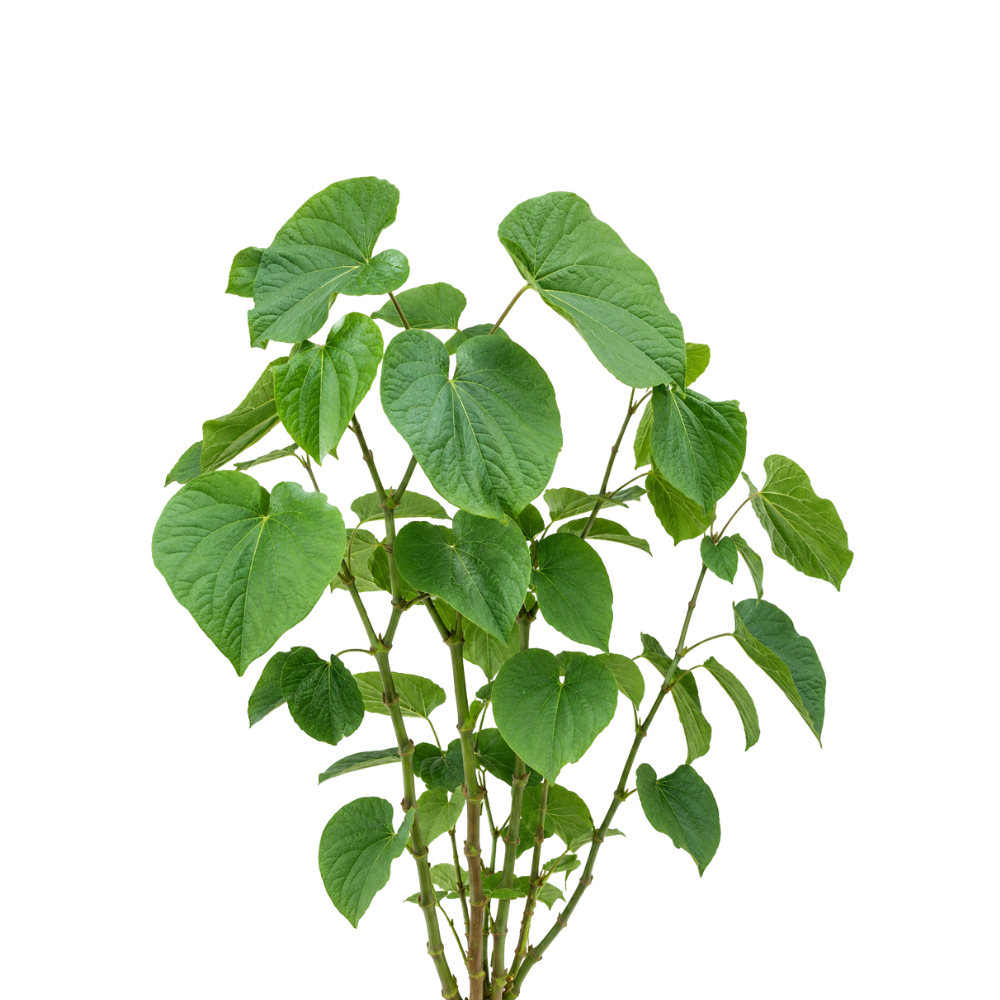 StrongStrongKavaPiper methysticumThe best-evidenced anxiolytic herb, and the one with the most serious safety ceiling.Read the evidenceShow lessMonograph →
An early meta-analysis of seven double-blind RCTs found extract superior to placebo by about 9.7 points on the Hamilton Anxiety scale, and a Cochrane review of 11 trials in 645 participants confirmed a smaller but significant benefit 1,
The signal is strongest for short-term, situational anxiety. The largest, longest, and most rigorous trial, a 16-week phase III RCT in 171 people with diagnosed generalized anxiety disorder, was null 4Reference 4RCTKava for generalised anxiety disorder — a 16-week double-blind, randomised, placebo-controlled study [phase III RCT]View study →.
Kava carries a rare idiosyncratic hepatotoxicity that is not dose-predictable, which favours aqueous extracts of peeled noble-cultivar root and rules out combining it with alcohol 5Reference 5ReviewKava hepatotoxicity — a clinical reviewView study →.
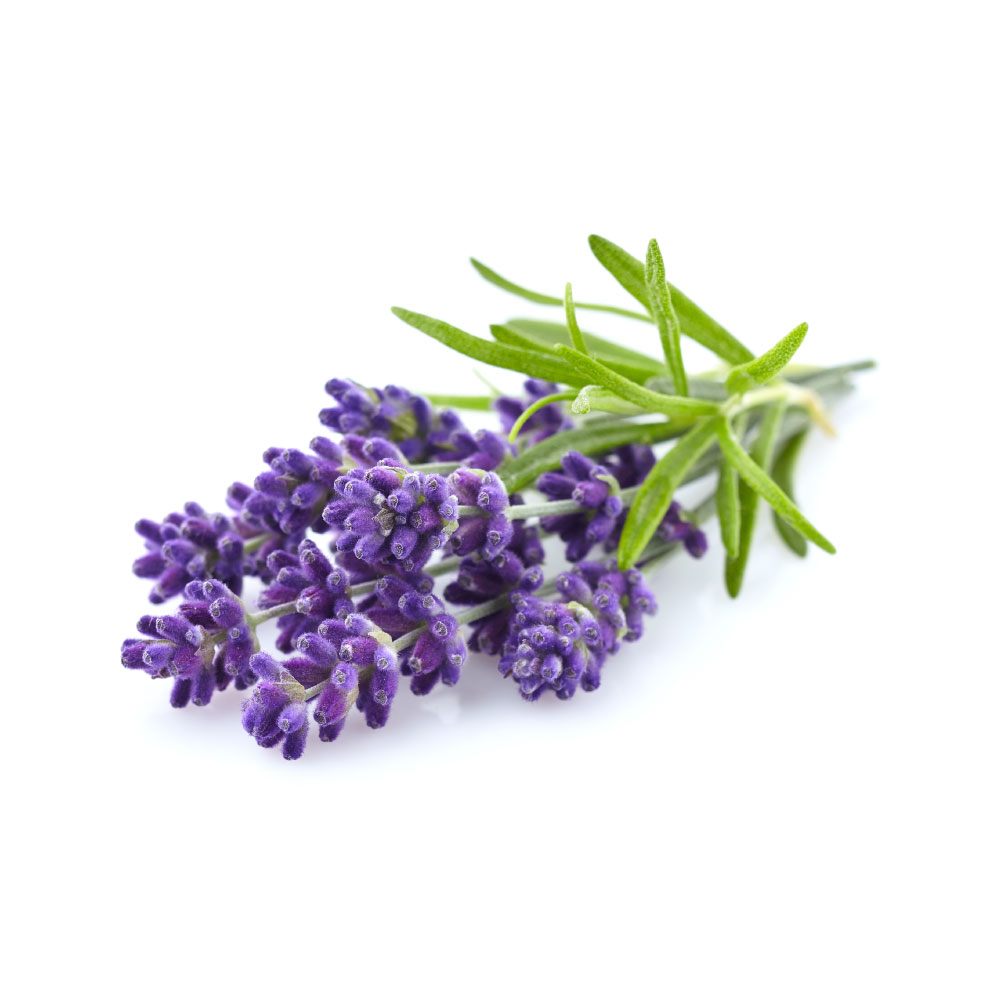 StrongStrongLavenderLavandula angustifoliaThe strongest active-comparator record of any nervine, and evidence that belongs to a preparation rather than to a plant.Read the evidenceShow lessMonograph →
The oral lavender-oil softgel Silexan, at 80 to 160 mg/day, beat placebo in subsyndromal anxiety and in generalized anxiety disorder, was non-inferior to 0.5 mg lorazepam, performed comparably to paroxetine, and produced no withdrawal or rebound on abrupt discontinuation 6,
Every positive result is for one manufacturer’s concentrated oral capsule, not the tincture, the dried-flower tea, or a diffuser.
Sleep improves in these trials as a secondary outcome, apparently downstream of the anxiolysis rather than through direct sedation.
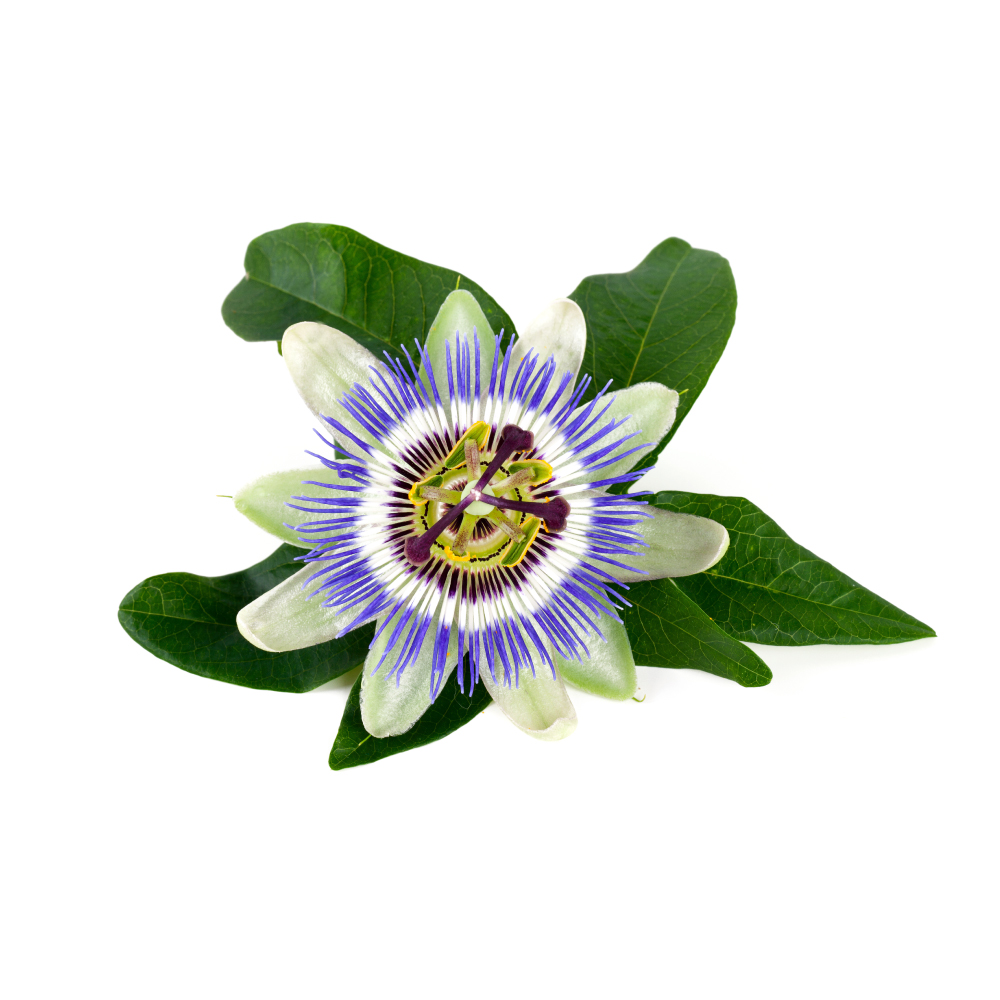 StrongStrongPassionflowerPassiflora incarnataThe most versatile of the relaxing nervines, with small human trials on both sides of its use.Read the evidenceShow lessMonograph →
For anxiety, a pilot double-blind trial matched oxazepam 30 mg/day in generalized anxiety disorder over four weeks with less job-performance impairment, and pre-operative and dental trials find oral extract comparable to midazolam for situational anxiety without added sedation 10,
For sleep, a trial in diagnosed insomnia significantly raised total sleep time on polysomnography, though sleep efficiency did not separate 12Reference 12RCTEffects of Passiflora incarnata Linnaeus on polysomnographic sleep parameters in subjects with insomnia disorder — randomised, placebo-controlledView study →.
A Cochrane review judges the anxiety effect real but low-certainty 13Reference 13Systematic reviewPassiflora for anxiety disorder — Cochrane systematic reviewView study →, because the trials are small, single-centre, and use different proprietary extracts. The mechanism is GABAergic, with the extract eliciting GABA currents in hippocampal neurons 14Reference 14In vitroPassiflora incarnata L. extracts elicit GABA currents in hippocampal neurons in vitro, and show anxiogenic and anticonvulsant effects in vivo — in vitro / animal modelView study →.
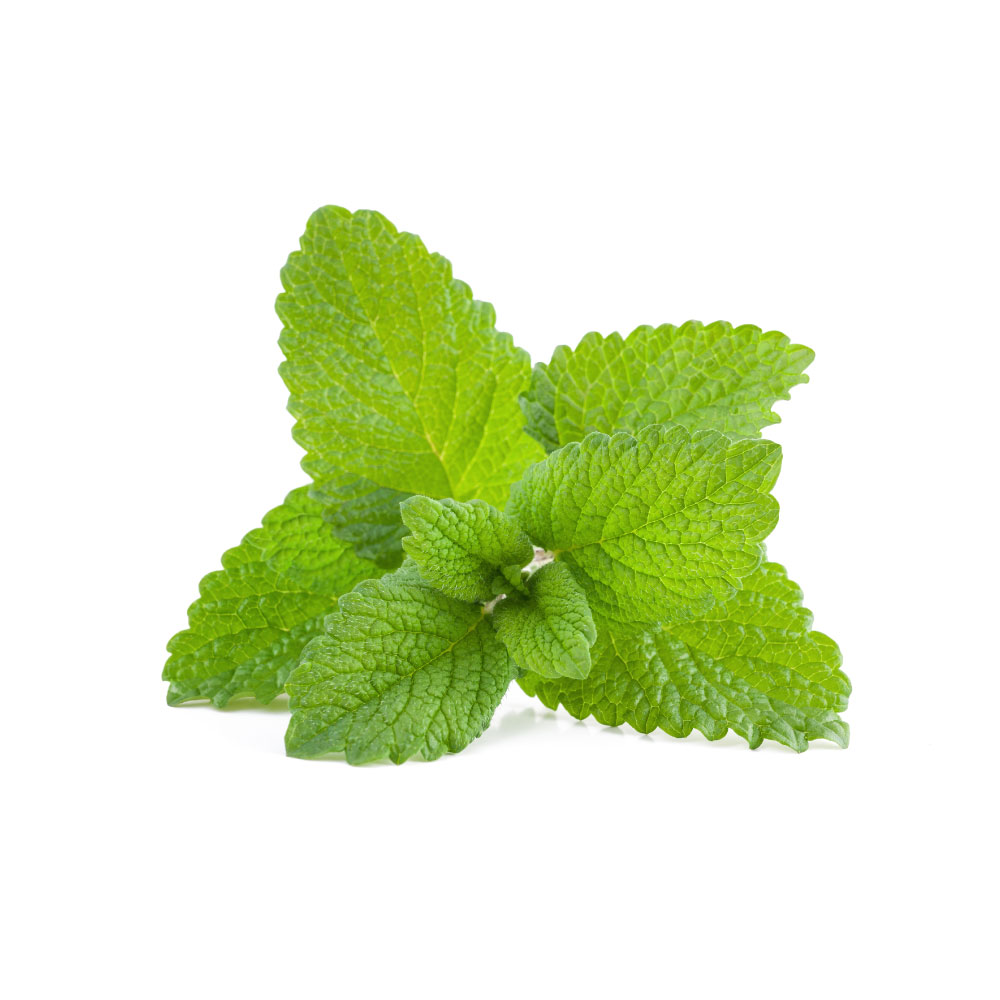 StrongStrongMelissaMelissa officinalisLemon balm is a gentle herb with a meta-analysis behind it. Pooled clinical trials found significant reductions in both anxiety (SMD −0.98) and depression scores (SMD −0.47) versus placebo 15Reference 15Meta-analysisThe effects of lemon balm (Melissa officinalis L.) on depression and anxiety in clinical trials — systematic review and meta-analysisView study →.Read the evidenceShow lessMonograph →
Acute crossover work shows a single standardized dose raises self-rated calmness 16Reference 16RCTModulation of mood and cognitive performance following acute administration of Melissa officinalis — randomised placebo-controlled crossover trialView study →, and a dedicated RCT lowered Beck Depression and Anxiety scores in people with type 2 diabetes 17Reference 17RCTThe effects of Melissa officinalis on depression and anxiety in type 2 diabetes patients with depression — randomised double-blind placebo-controlled trialView study →. The mechanism is GABA-transaminase inhibition by rosmarinic acid and the triterpene acids 18Reference 18In vitroBioassay-guided fractionation of lemon balm using an in vitro measure of GABA transaminase activityView study →.
The dose-response is non-linear, and the highest dose paradoxically increased anxiety in one session.
The sleep claim rests largely on open-label and multi-herb designs rather than on monotherapy.
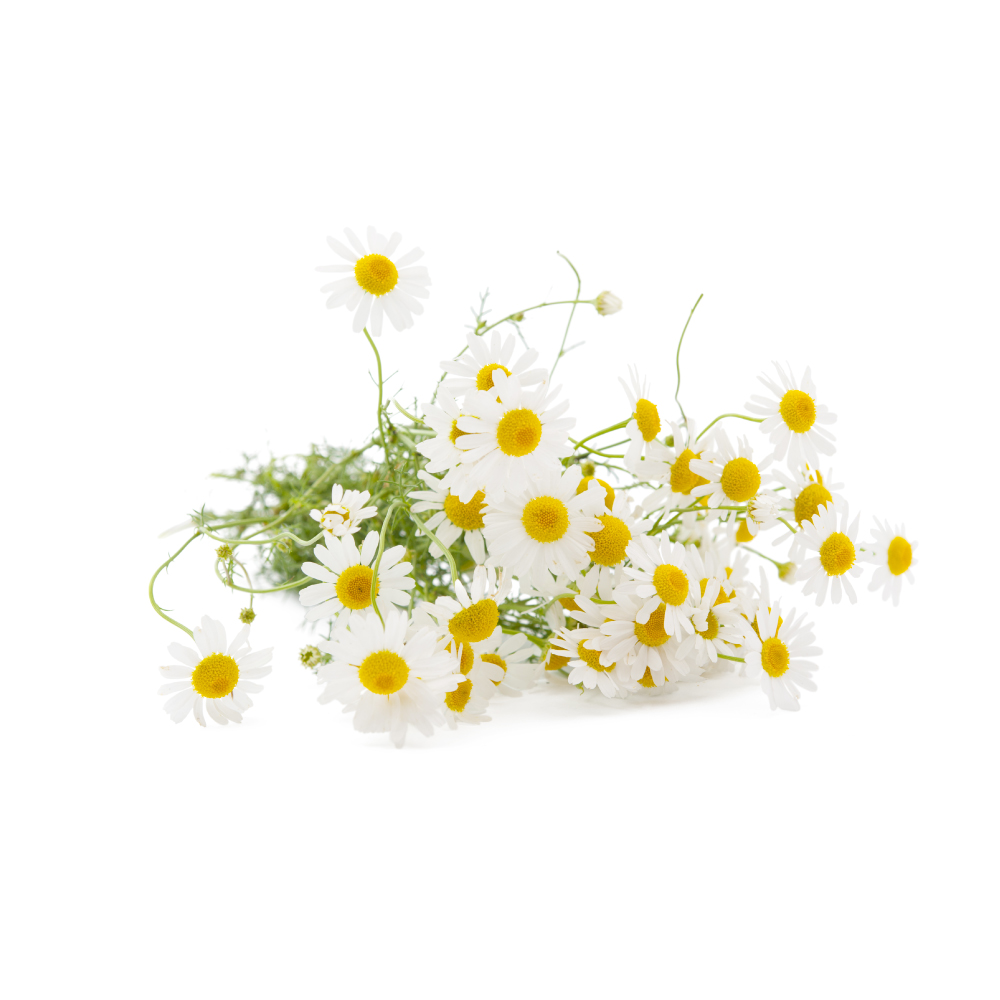 StrongStrongGerman ChamomileMatricaria chamomillaThe everyday tea with a real generalized-anxiety trial behind it. A double-blind placebo-controlled RCT in 57 outpatients found a standardized extract, 1.2% apigenin at roughly 220 to 1,100 mg/day, significantly reduced total Hamilton Anxiety score over eight weeks 19Reference 19RCTA randomised, double-blind, placebo-controlled trial of oral Matricaria recutita (chamomile) extract therapy for generalized anxiety disorderView study →.Read the evidenceShow lessMonograph →
The effect is modest and confined to a specific standardized capsule rather than to the tea, and the larger relapse-prevention trial’s primary endpoint was non-significant 20Reference 20RCTLong-term chamomile (Matricaria chamomilla L.) treatment for generalized anxiety disorder — randomised clinical trialView study →.
Its sleep evidence is weaker still, resting on two small, short, unblinded trials in different preparations.
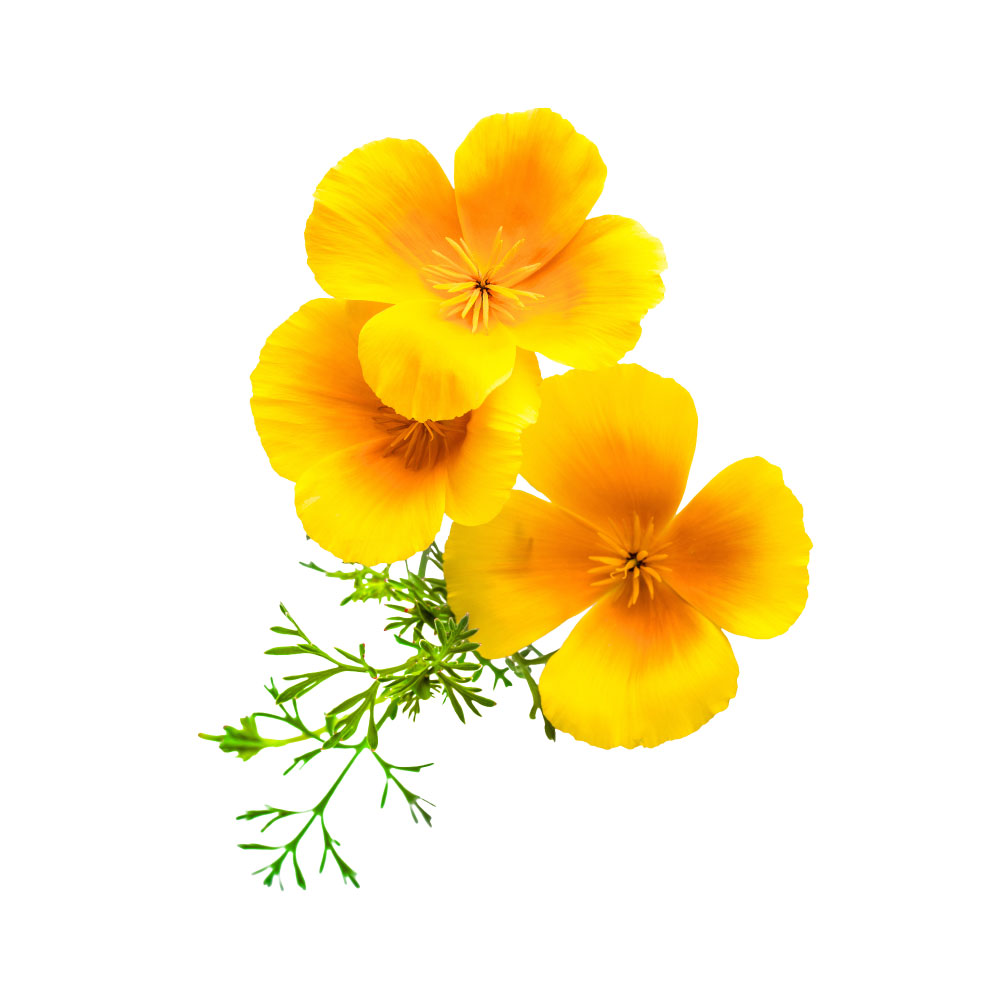 ModerateModerateCalifornia PoppyEschscholzia californicaOne of the cleanest mechanistic stories in the materia medica, and one of the thinnest clinical ones.Read the evidenceShow lessMonograph →
In mice an aqueous extract produced an anticonflict effect at a low dose of 25 mg/kg, separable from sedation, and both the anxiolytic and the sedative effects were abolished by flumazenil, implicating the benzodiazepine site directly 21,
The only RCT tested a fixed combination of California poppy, hawthorn, and magnesium against placebo in mild-to-moderate generalized anxiety disorder 23Reference 23RCTDouble-blind, randomised, placebo-controlled study of a fixed combination of Crataegus oxyacantha and Eschscholtzia californica and magnesium in mild-to-moderate anxietyView study →.
No published trial has tested the herb alone in humans, so its individual contribution and a monotherapy dose are both unknown.
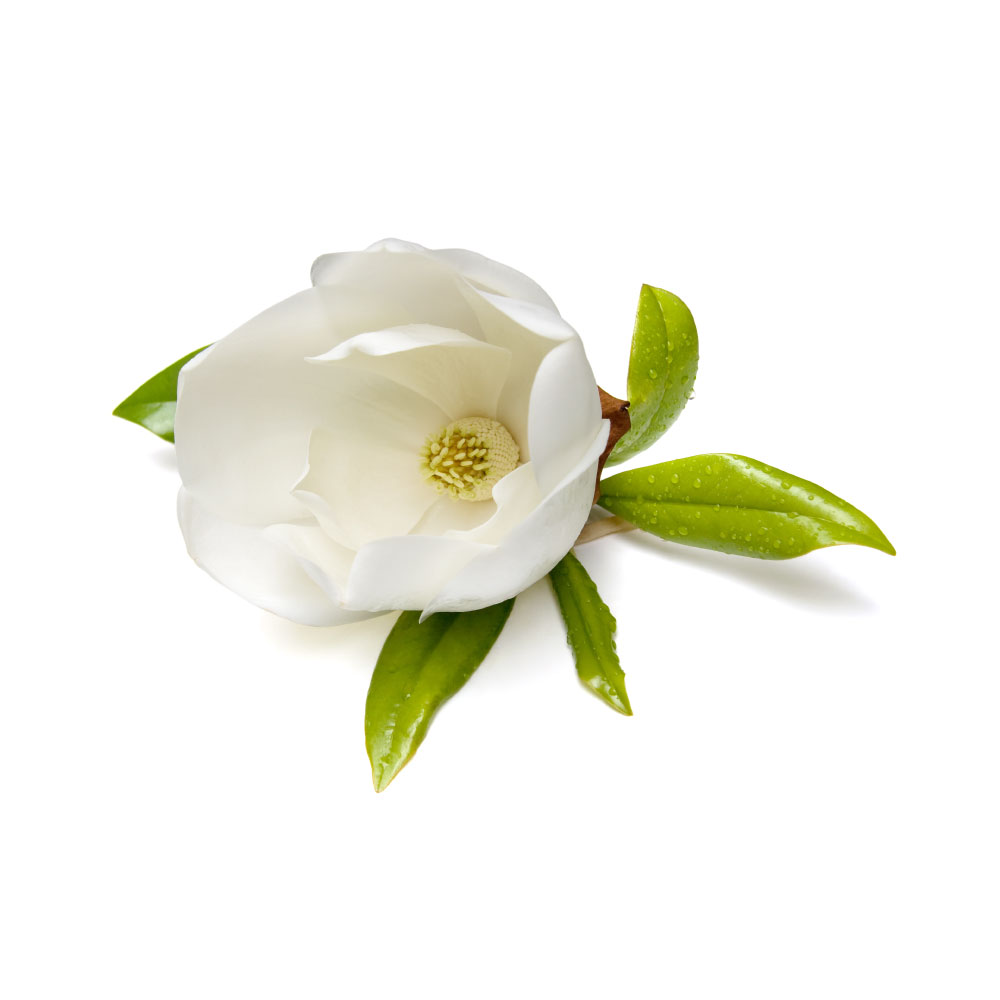 ModerateModerateMagnoliaMagnolia officinalisA standardized Magnolia and Phellodendron blend, Relora at about 750 mg/day for four to six weeks, lowered salivary cortisol by around 18% and reduced state anxiety and stress-related mood in small placebo-controlled RCTs 24Reference 24RCTEffect of Magnolia officinalis and Phellodendron amurense (Relora) on cortisol and psychological mood state in moderately stressed subjects — randomised placebo-controlled trialView study →.Read the evidenceShow lessMonograph →
The mechanism is well defined. Honokiol potentiates the benzodiazepine site of GABA-A and promotes non-REM sleep in mice 25Reference 25AnimalHonokiol promotes non-rapid eye movement sleep via the benzodiazepine site of the GABA-A receptor in mice — animal modelView study →.
Every trial tested a two-herb proprietary blend in small, mostly female cohorts. There is no RCT of magnolia bark alone, and trait anxiety was unaffected.
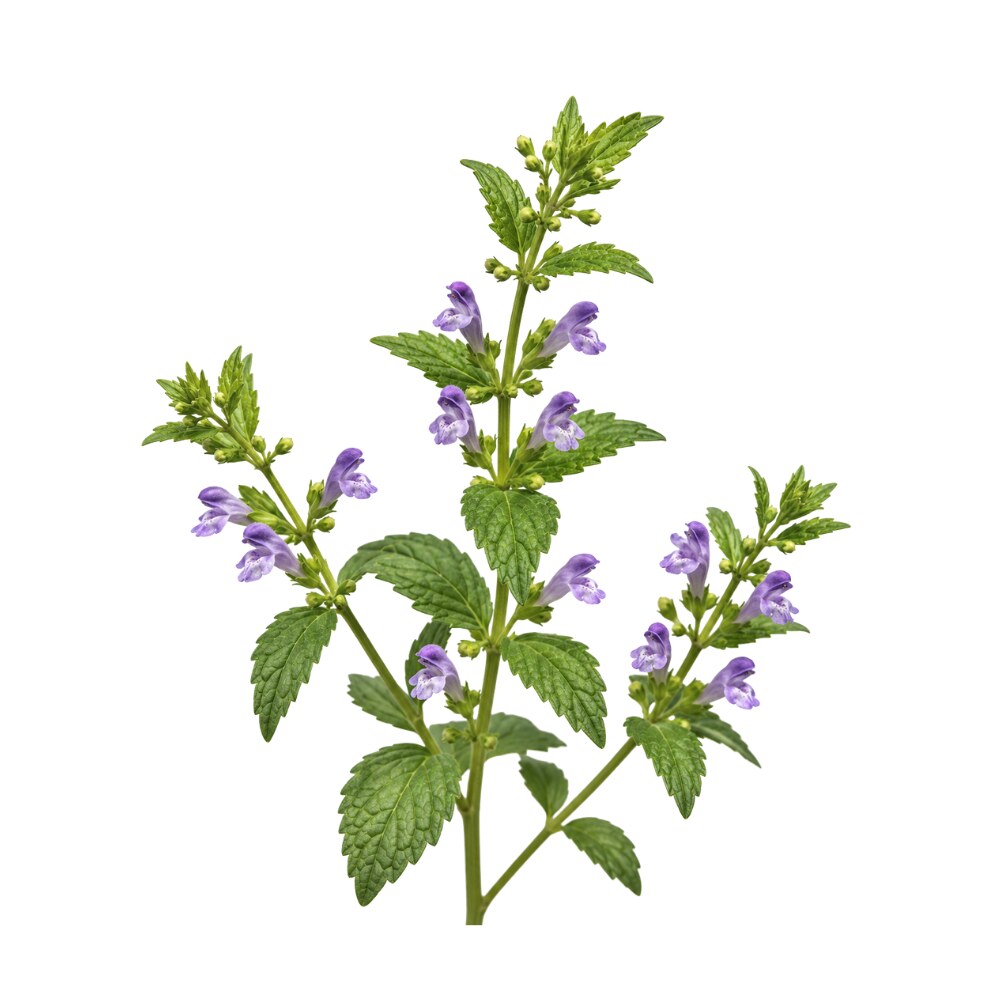 TraditionalTraditionalAmerican SkullcapScutellaria laterifloraOne of the most-used relaxing nervines in Western practice, given for anxiety, nervous exhaustion, and the tension that comes with them.Read the evidenceShow lessMonograph →
It has no modern anxiety trial, and the gap between how often it is prescribed and how much of it has been measured is unusually wide.
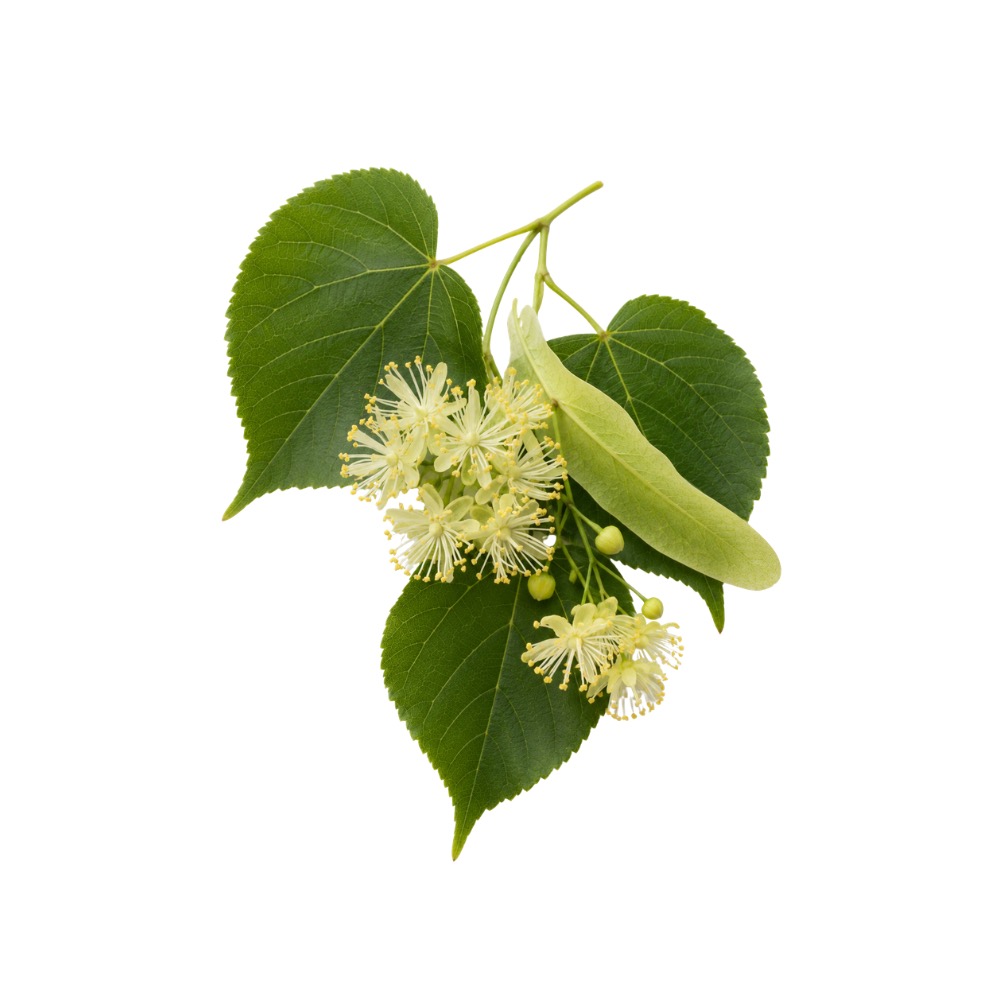 TraditionalTraditionalLinden FlowerTilia spp.The classic European relaxing tea, taken for nervous tension and restlessness, and doubling as an evening drink for children and older people.Read the evidenceShow lessMonograph →
Traditional use, with no dedicated trial. Its diaphoretic and mild hypotensive actions are better characterised than its nervine one.
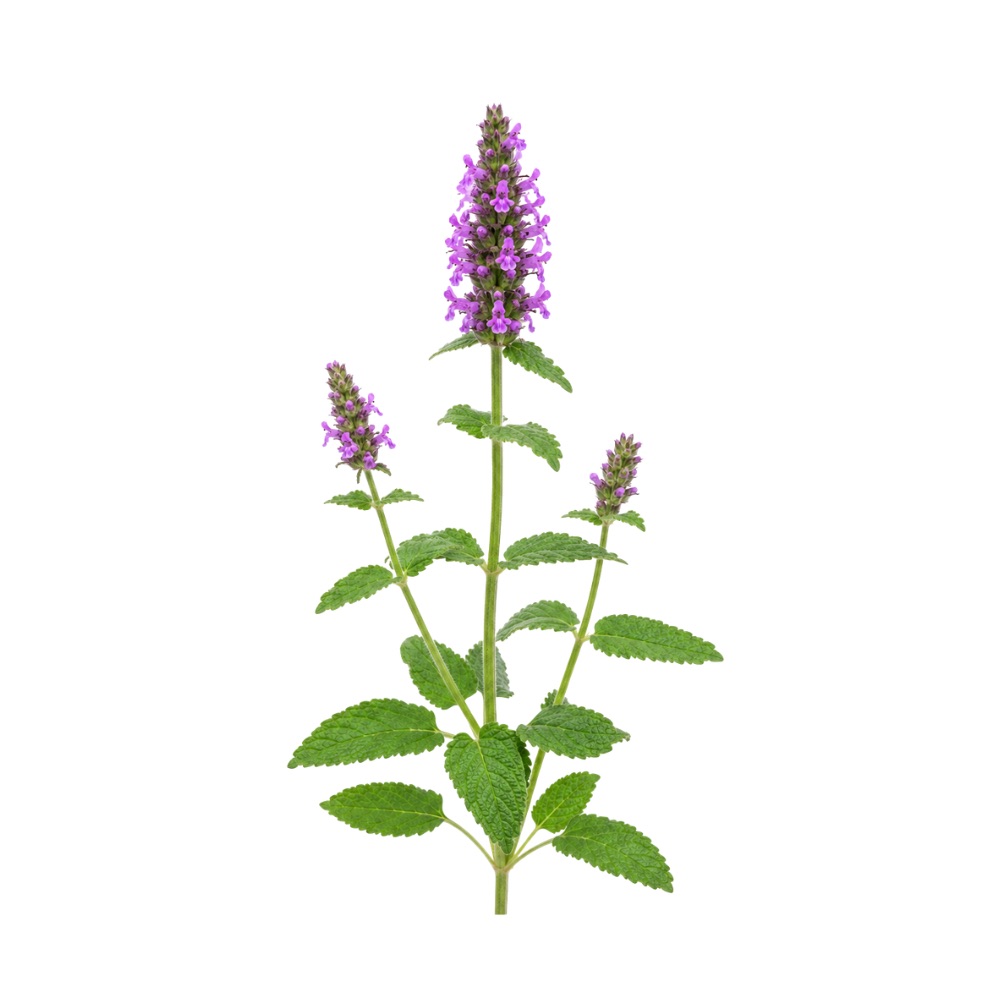 TraditionalTraditionalWood BetonyStachys officinalisThe classic European herb for the head, a traditional relaxing nervine for tension headache, nervous strain, and worry-driven digestive upset.Read the evidenceShow lessMonograph →
Traditional use, with essentially no direct modern pharmacological validation.
Sleep
5 herbsHerbs used to ease the transition into sleep rather than to knock a person out: the mild GABAergic relaxants and the traditional evening sleep teas. Most of their trials pair the herb with valerian or rest on a single small crossover, so the mechanism tends to outrun the clinical proof.
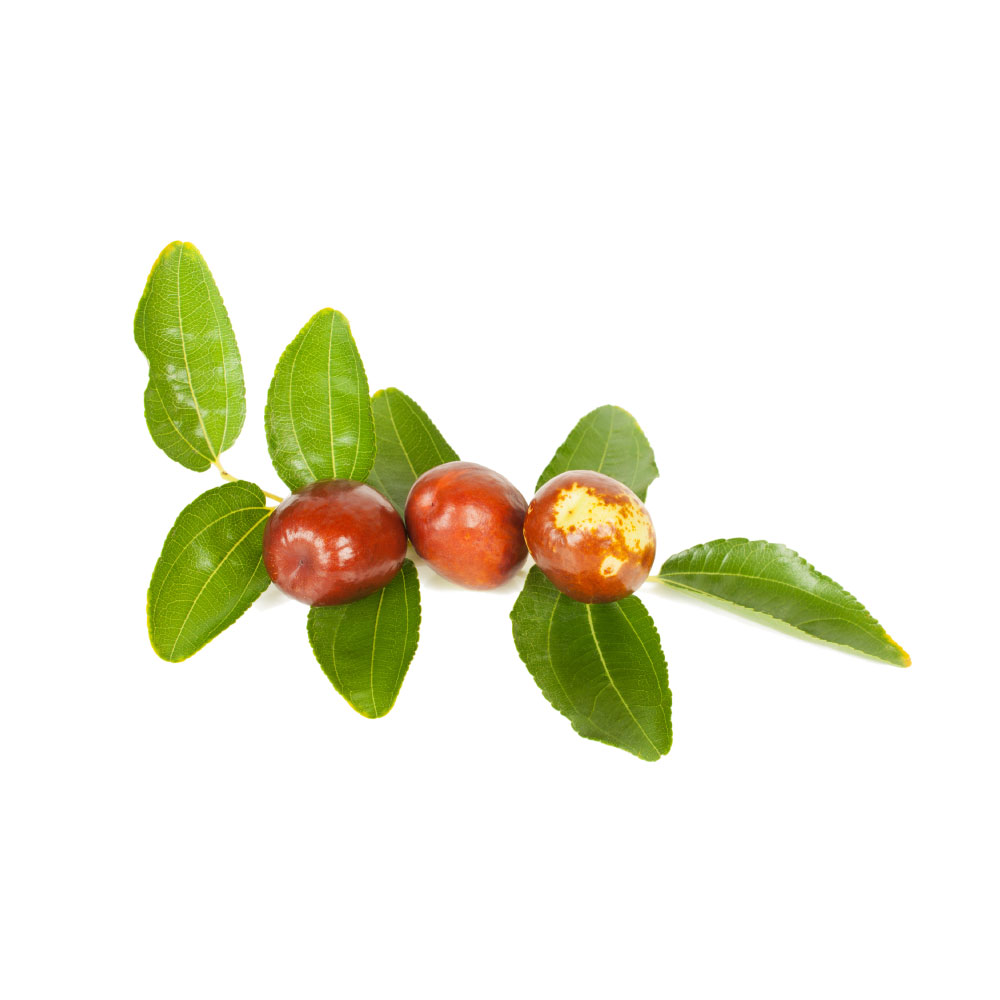 ModerateModerateZizyphusZiziphus spinosaThe sleep seed of Chinese medicine, and its mechanism is far better mapped than its trials.Read the evidenceShow lessMonograph →
The only single-herb human study, a randomized, double-blind, placebo-controlled crossover feasibility RCT in 12 people at 2 g/day for four weeks, significantly improved Pittsburgh Sleep Quality Index score with parallel gains in total sleep time, efficiency, and onset latency 26Reference 26RCTMedicinal seeds Ziziphus spinosa for insomnia — randomised, placebo-controlled, cross-over feasibility clinical trialView study →. Larger positive data all test zizyphus inside multi-herb formulas, where a nine-trial meta-analysis showed subjective improvement (SMD −0.58) 27Reference 27Meta-analysisThe herbal medicine Suanzaoren (Ziziphi Spinosae Semen) for sleep quality improvements — systematic review and meta-analysisView study →.
Three separate constituents converge on sleep, including spinosin via postsynaptic 5-HT1A 28Reference 28AnimalPotentiating effect of spinosin, a C-glycoside flavonoid of Semen Ziziphi spinosae, on pentobarbital-induced sleep may be related to postsynaptic 5-HT1A receptors — rat in vivoView study → and jujuboside A via GABAergic modulation of the paraventricular thalamus 29Reference 29AnimalJujuboside A in ameliorating insomnia in mice via GABAergic modulation of the PVT — mouse in vivoView study →.
Isolated-compound doses do not transfer to the dry-fried whole-seed decoction the tradition actually uses.
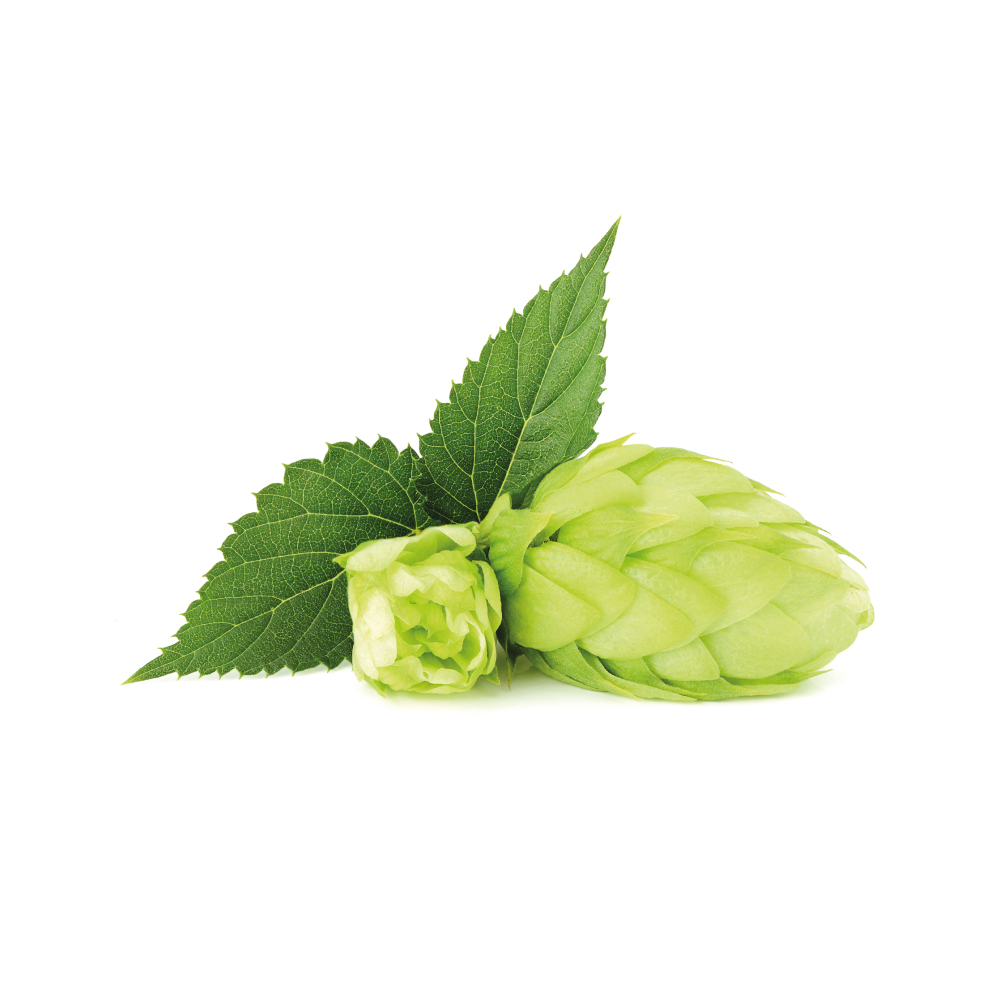 ModerateModerateHopsHumulus lupulusReal human evidence, permanently confounded. In essentially every trial hops is paired with valerian, so its independent hypnotic effect cannot be isolated.Read the evidenceShow lessMonograph →
A valerian and hops combination gave modest benefit against diphenhydramine and placebo, and Ze 91019 increased objectively tracked sleep duration 30,
The mechanism is unusual. The active is a degradation product of the bitter α-acids, 2-methyl-3-buten-2-ol, which forms on storage and enhances GABAergic inhibition 32Reference 32The sedative effects of hops (Humulus lupulus), a component of beer, on the activity/rest rhythm — animalView study →, so a fresh hop is not the same medicine as an aged one.
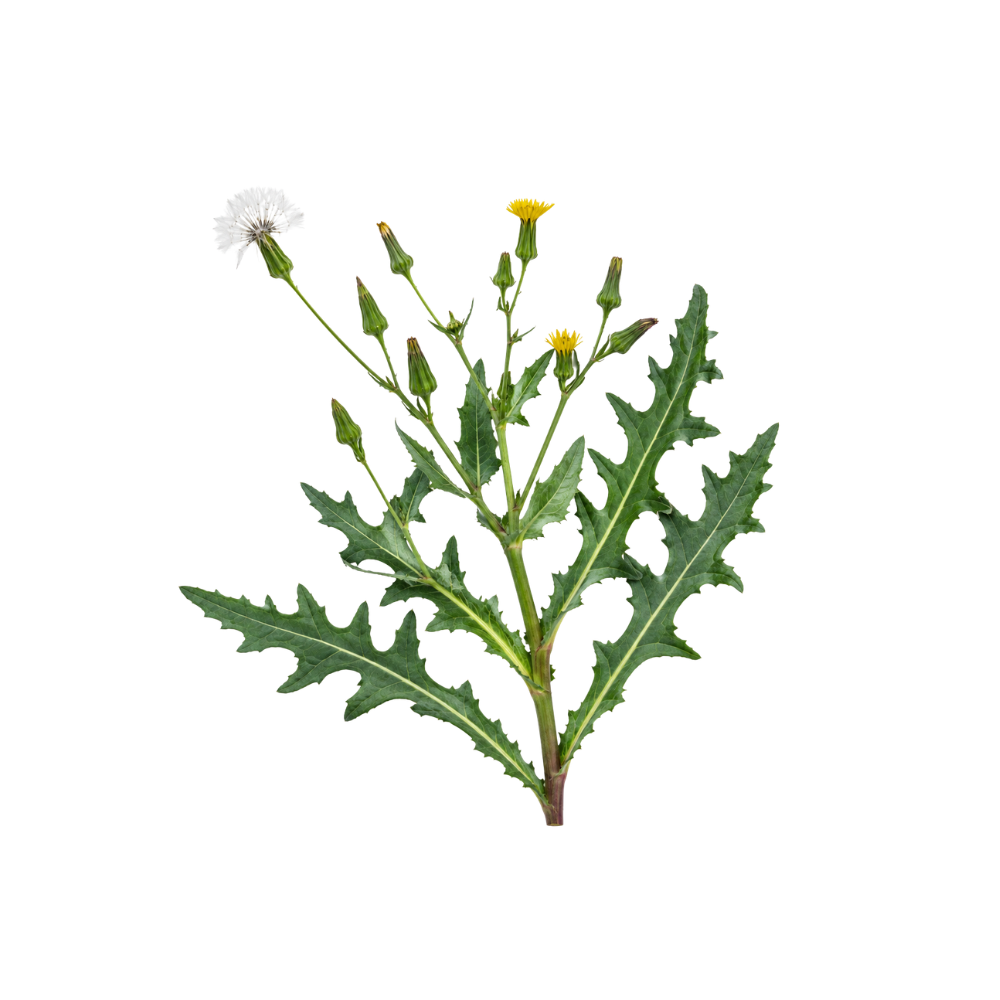 PreclinicalPreclinicalWild LettuceLactuca virosaConsistent rodent work with a specific dual mechanism. Lettuce extracts standardized for lactucin and lactucopicrin increase sleep duration and non-REM sleep, reverse caffeine-induced arousal, and are blocked by flumazenil, pointing to GABA-A/benzodiazepine action plus adenosine A1 up-regulation 33,
34Reference 33AnimalEffectiveness of the sleep enhancement by green romaine lettuce (Lactuca sativa) in a rodent model — animal in vivoView study →Reference 34AnimalHeukharang lettuce (Lactuca sativa) leaf extract displays sleep-promoting effects through GABA-A receptor — animal in vivoView study → .Read the evidenceShow lessMonograph →
The caveat is a species one. No trial has ever tested Lactuca virosa itself.
The only human sleep data come from L. sativa seed oil, garden lettuce, a different species and a different preparation 35Reference 35RCTPilot study of the efficacy and safety of lettuce seed oil in patients with sleep disorders — randomised placebo-controlled trialView study →, and no standardized lactucarium dose exists.
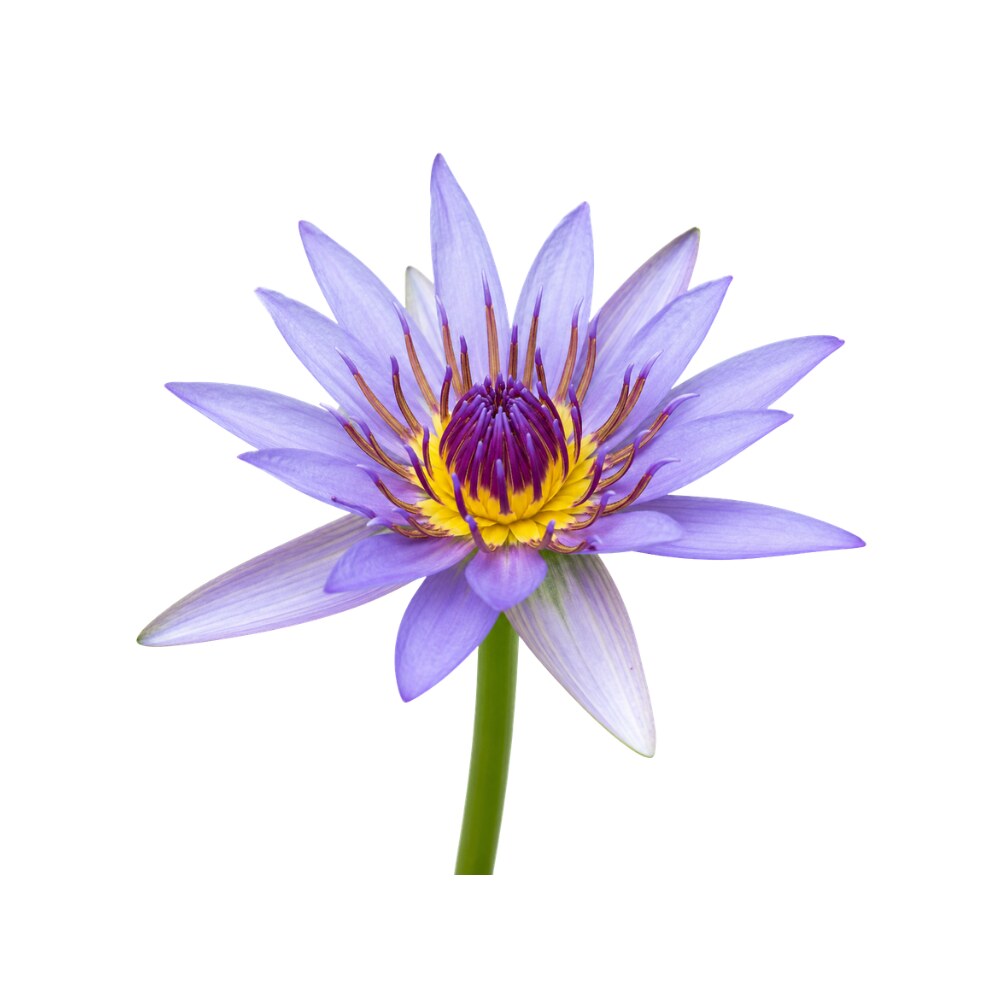 PreclinicalPreclinicalBlue Lotus FlowerNymphaea caeruleaThe modern reputation is as a sleep aid and dream enhancer, and the pharmacology is merely consistent with it.Read the evidenceShow lessMonograph →
Its alkaloid nuciferine behaves in receptor screening like an aripiprazole-type atypical antipsychotic, a 5-HT2A/2B/2C antagonist and D2 partial agonist 36Reference 36In vitroIn vitro and in vivo characterization of the alkaloid nuciferine — in vitro and mouseView study →, and a five-patient case series documents real sedation after use 37Reference 37Case reportToxicity from blue lotus (Nymphaea caerulea) after ingestion or inhalation: a case seriesView study →.
No study has measured sleep architecture, latency, or dream recall, and the responsible alkaloid is highly variable, sometimes near-absent, in authentic flowers.
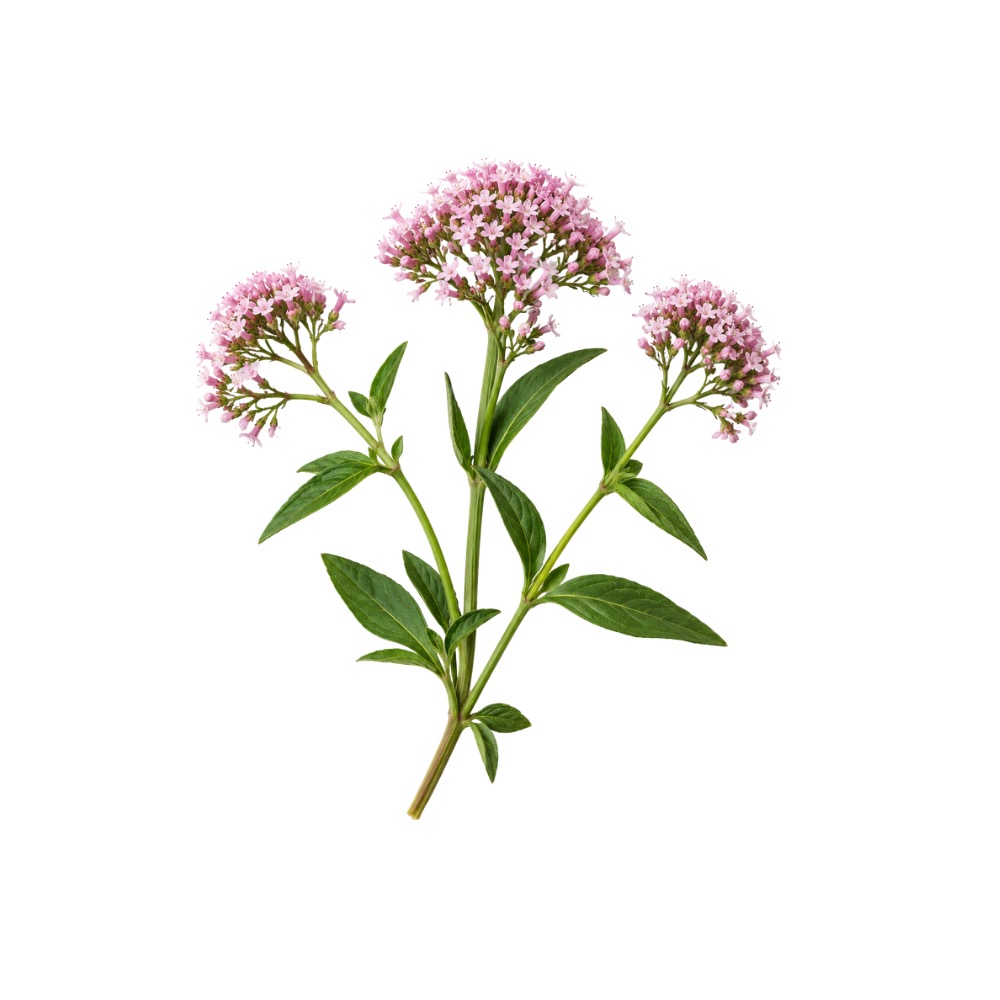 TraditionalTraditionalValerianValeriana officinalisThe best-known sleep herb in Western practice, taken as a tincture or capsule an hour before bed for difficulty falling asleep and for the restlessness that travels with nervous tension.Read the evidenceShow lessMonograph →
The root is also a traditional relaxant for cramping and nervous digestive upset, which is why the tradition treats it as a general nervine rather than as a hypnotic alone.
Valerian is a paradoxical responder herb. A minority find it stimulating rather than sedating, and mild headache is a listed adverse effect.
Low Mood
6 herbsThe plant antidepressants, lifting low mood through monoamine pathways, from St John’s wort’s broad reuptake inhibition to the serotonergic and dopaminergic outliers. Several carry real interaction risk with prescribed antidepressants, and none is a substitute for care in moderate-to-severe depression.
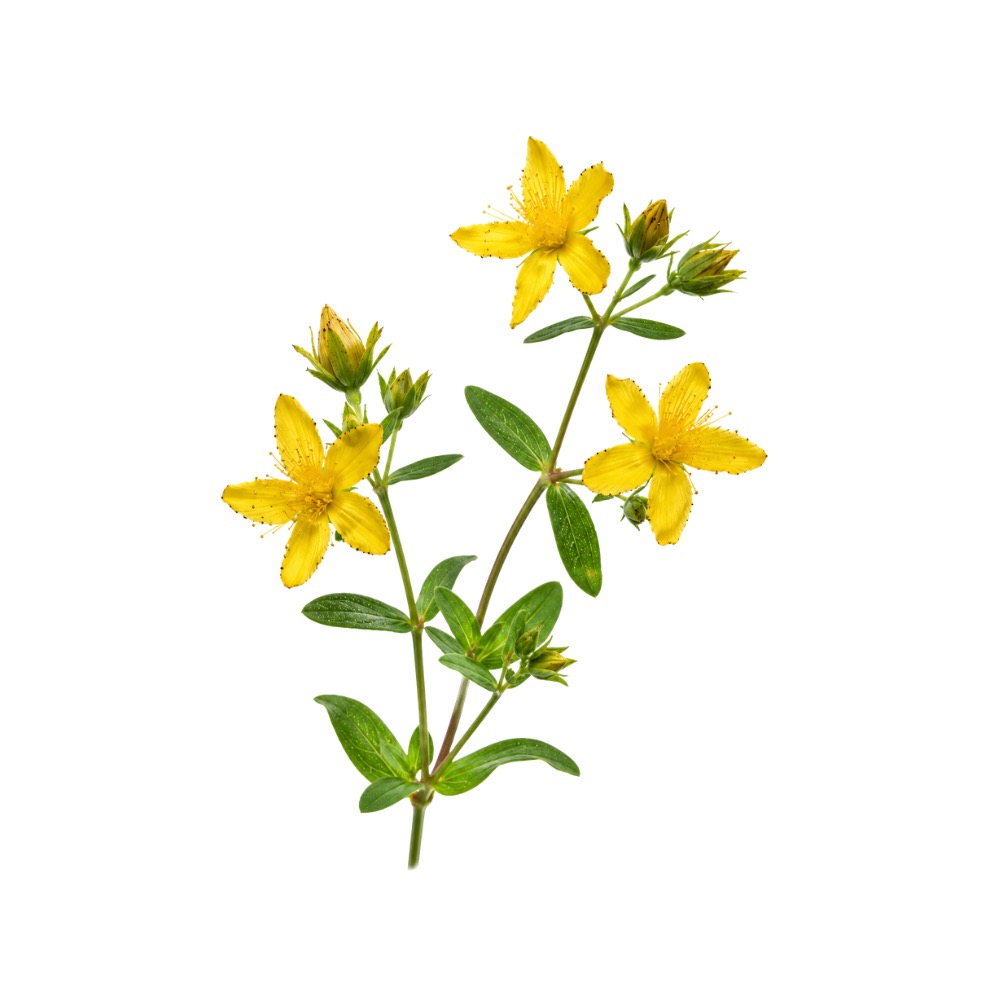 StrongStrongSt. John’s WortHypericum perforatumThe best-evidenced herbal treatment for any condition.Read the evidenceShow lessMonograph →
A Cochrane review of 29 double-blind RCTs in 5,489 people found standardized hypericum extracts superior to placebo and comparable to standard antidepressants with fewer dropouts 38Reference 38Meta-analysisSt John’s wort for major depression — Cochrane systematic review and meta-analysisView study →, replicated by later meta-analyses against SSRIs 39Reference 39Meta-analysisThe efficacy and safety of StView study →.
Efficacy belongs to specific standardized hydroalcoholic extracts, WS 5570, LI 160, and ZE 117, working through hyperforin-driven broad monoamine reuptake inhibition 40,
It is also the most interaction-prone herb in the materia medica, inducing CYP3A4 and P-glycoprotein and lowering the blood level of a long list of prescribed drugs.
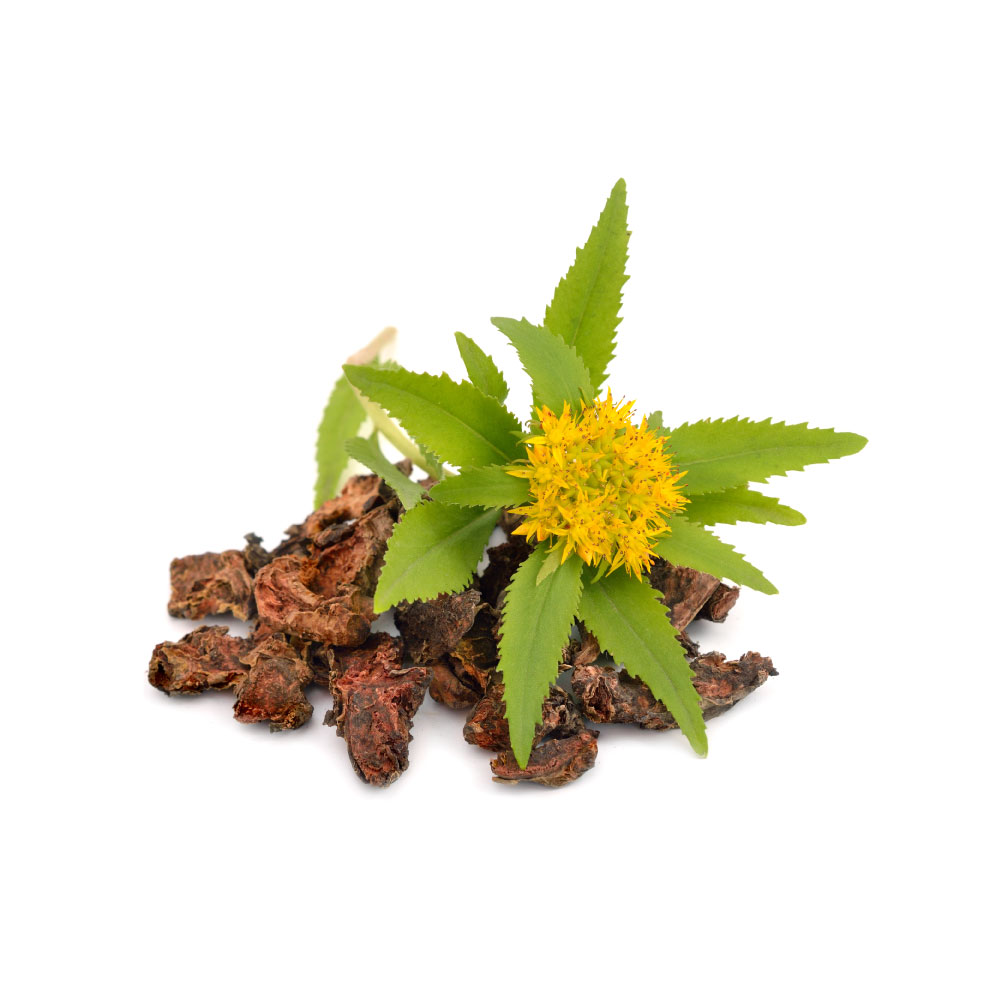 ModerateModerateRhodiolaRhodiola roseaThe adaptogen with the most direct mood evidence.Read the evidenceShow lessMonograph →
A phase III RCT in 89 adults with mild-to-moderate depression found standardized SHR-5, at 340 or 680 mg/day for six weeks, significantly improved depression, insomnia, and emotional instability against placebo 43Reference 43RCTClinical trial of Rhodiola rosea L. extract SHR-5 in the treatment of mild to moderate depression — randomised controlled trialView study →.
A US head-to-head against sertraline in 57 people showed a smaller, non-significant antidepressant effect with far fewer adverse events 44Reference 44RCTRhodiola rosea versus sertraline for major depressive disorder — randomised placebo-controlled trialView study →. Better tolerability at similar efficacy is a real clinical finding.
The proposed mechanism is MAO-A/B inhibition, shown ex vivo 45Reference 45In vitroMonoamine oxidase inhibition by Rhodiola rosea L. roots — in vitroView study →. Only two placebo-controlled RCTs exist, one underpowered, and there is no evidence in moderate-to-severe depression.
Rhodiola is an activator, dosed in the morning, and it can disturb sleep.
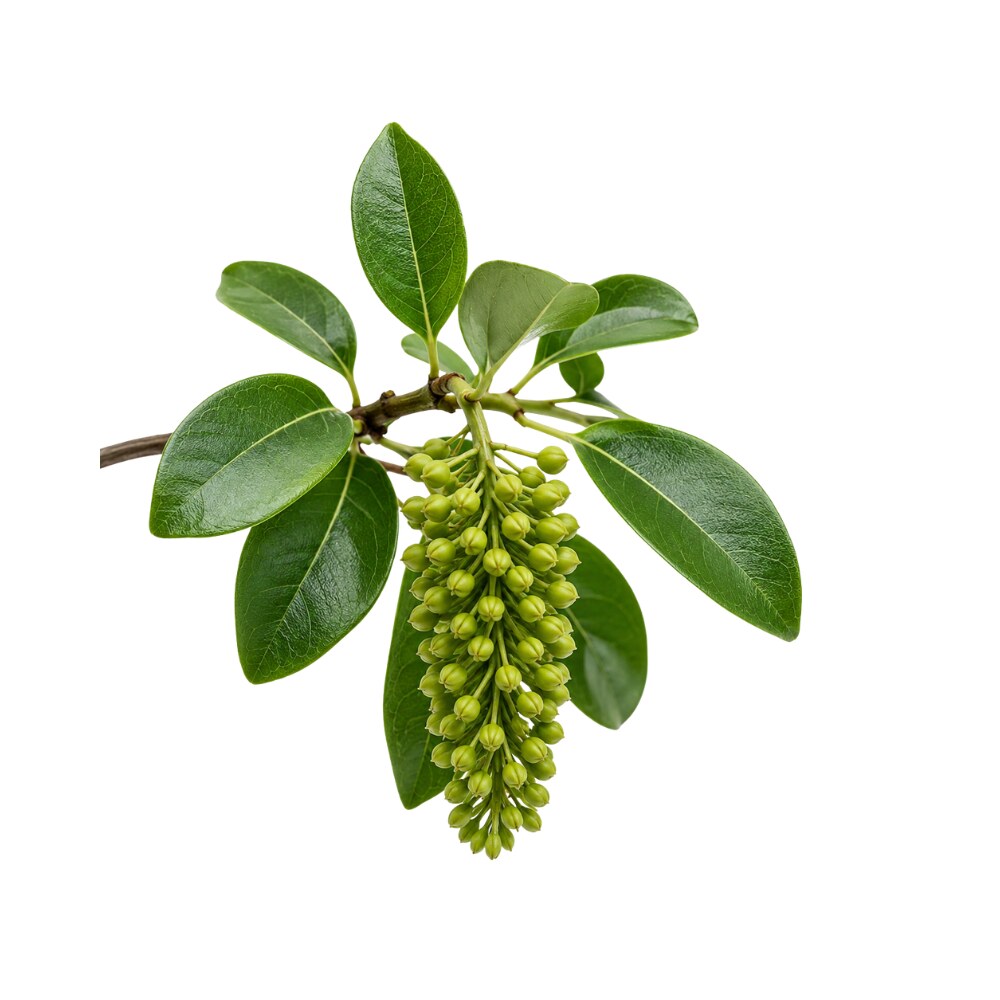 ModerateModerateGriffoniaGriffonia simplicifoliaA botanical delivery vehicle for 5-HTP, which bypasses rate-limiting tryptophan hydroxylase to raise serotonin synthesis.Read the evidenceShow lessMonograph →
A Cochrane review pooled two adequate trials favouring the precursor over placebo but judged the evidence insufficient, while later small RCTs matched fluoxetine and fluvoxamine 46,
Every trial used purified 5-HTP, not whole seed extract. This is a supplement’s evidence borrowed by a herb.
Serotonergic drug interactions apply in full.
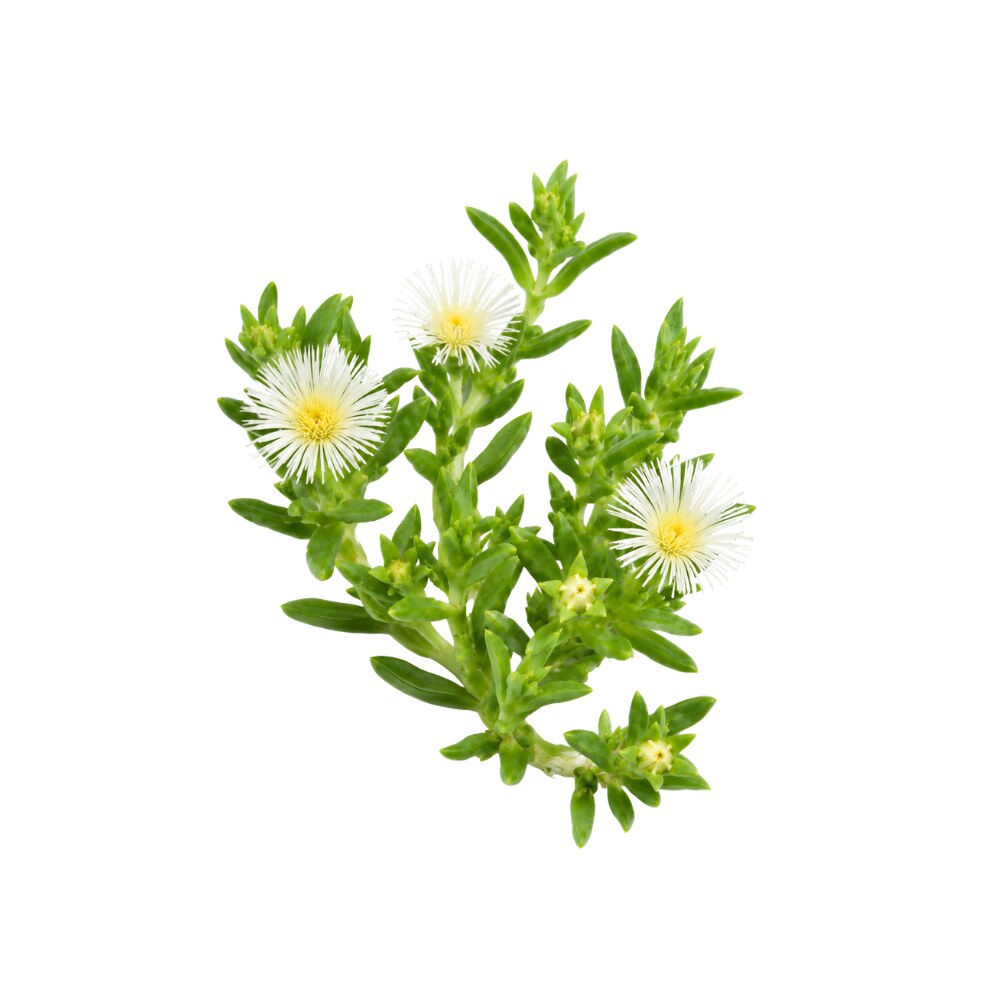 ModerateModerateKannaSceletium tortuosumStrong mechanism and imaging-level human data, with no clinical endpoint.Read the evidenceShow lessMonograph →
A single 25 mg dose of the standardized Zembrin extract reduced amygdala reactivity to threat and weakened amygdala-hypothalamus coupling on fMRI, a plausible neural signature of a calmer stress response 49Reference 49Acute effects of Sceletium tortuosum (Zembrin), a dual 5-HT reuptake and PDE4 inhibitor, in the human amygdala and its connection to the hypothalamus.
Its mesembrine-type alkaloids act as serotonin-reuptake inhibitors, and the reported effect is a lift of low mood back toward baseline rather than an elevation of normal mood 50Reference 50Pharmacological actions of the South African medicinal and functional food plant Sceletium tortuosum and its principal alkaloids.
There is no depression or anxiety RCT, and the mechanistic rationale rests on a proprietary extract.
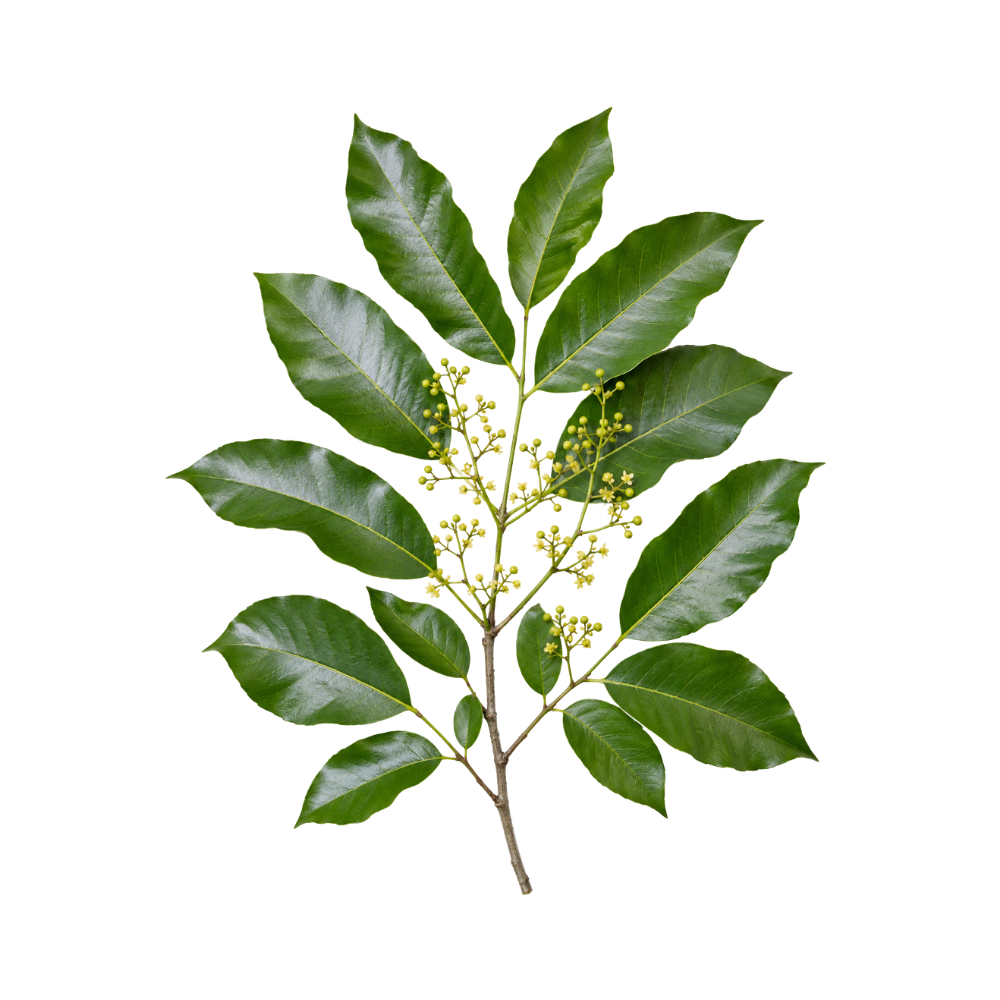 PreclinicalPreclinicalCatuabaTrichilia catiguaA robust, replicated antidepressant-like phenotype in rodents through an unusually dopaminergic mechanism.Read the evidenceShow lessMonograph →
A hydroalcoholic extract cut forced-swim immobility in mice and rats while inhibiting monoamine, chiefly dopamine, reuptake in synaptosomes, and a subchronic ethyl-acetate fraction sustained the effect while raising hippocampal cell proliferation 51,
Dopaminergic antidepressants are an under-populated class.
The one human trial, a phase III comparison against escitalopram, was terminated without reporting, so there is no completed human efficacy data.
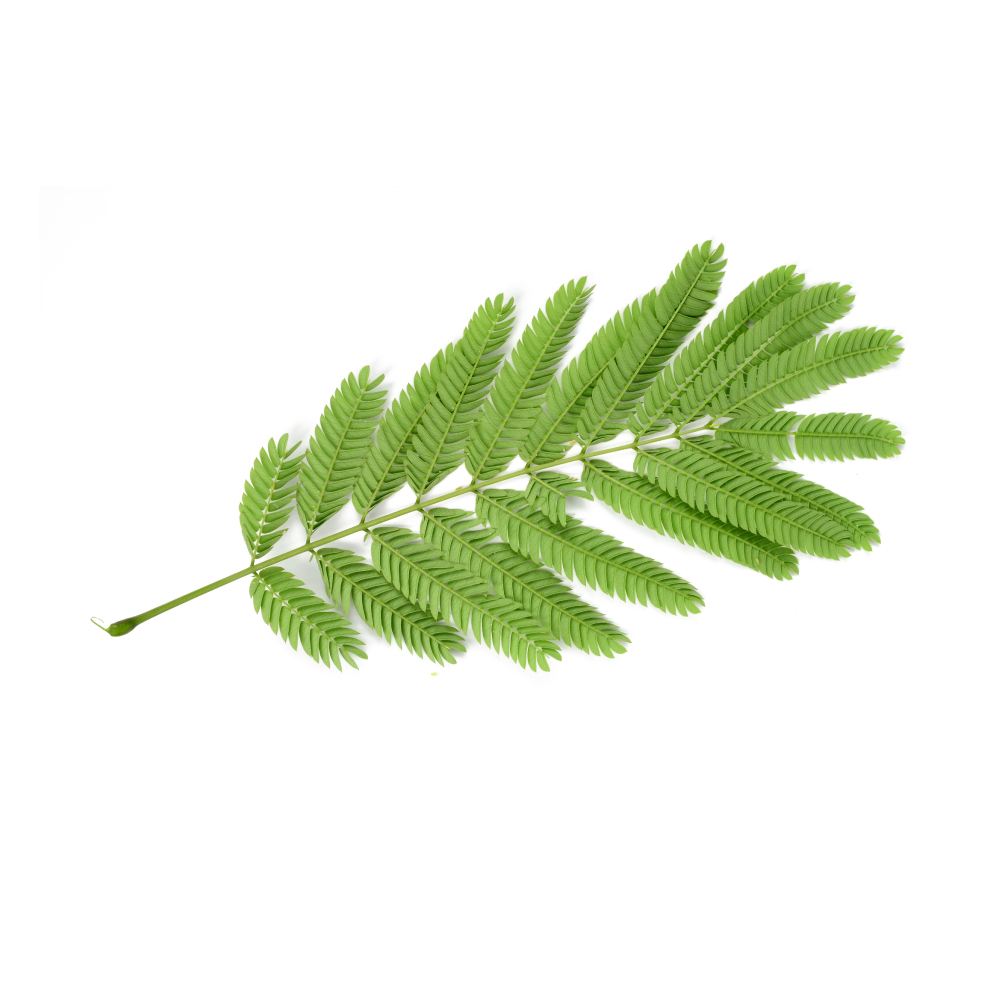 TraditionalTraditionalMimosa (He Huan Pi)Albizia julibrissinHe huan pi, the collective happiness bark, is the bark of Albizia julibrissin, the mimosa or silk tree. It is a related species, not albizzia (Albizia lebbeck) itself. In Chinese medicine it is a classic remedy to relieve constrained emotion, calm the spirit, and settle restless sleep.Read the evidenceShow lessMonograph →
Traditional use, no trial. Its indication is a state, the knotted chest, rather than a diagnosis, which is part of why it has never been trialled.
Cognition & Neurodegeneration
7 herbsHerbs aimed at memory, focus, and the dementias. Some work symptomatically through the same cholinergic route as the licensed drugs, others through neuroprotective or neurotrophic mechanisms that are well mapped but largely unproven in people. Much of the evidence belongs to an isolated compound or a specific extract rather than to the culinary herb.
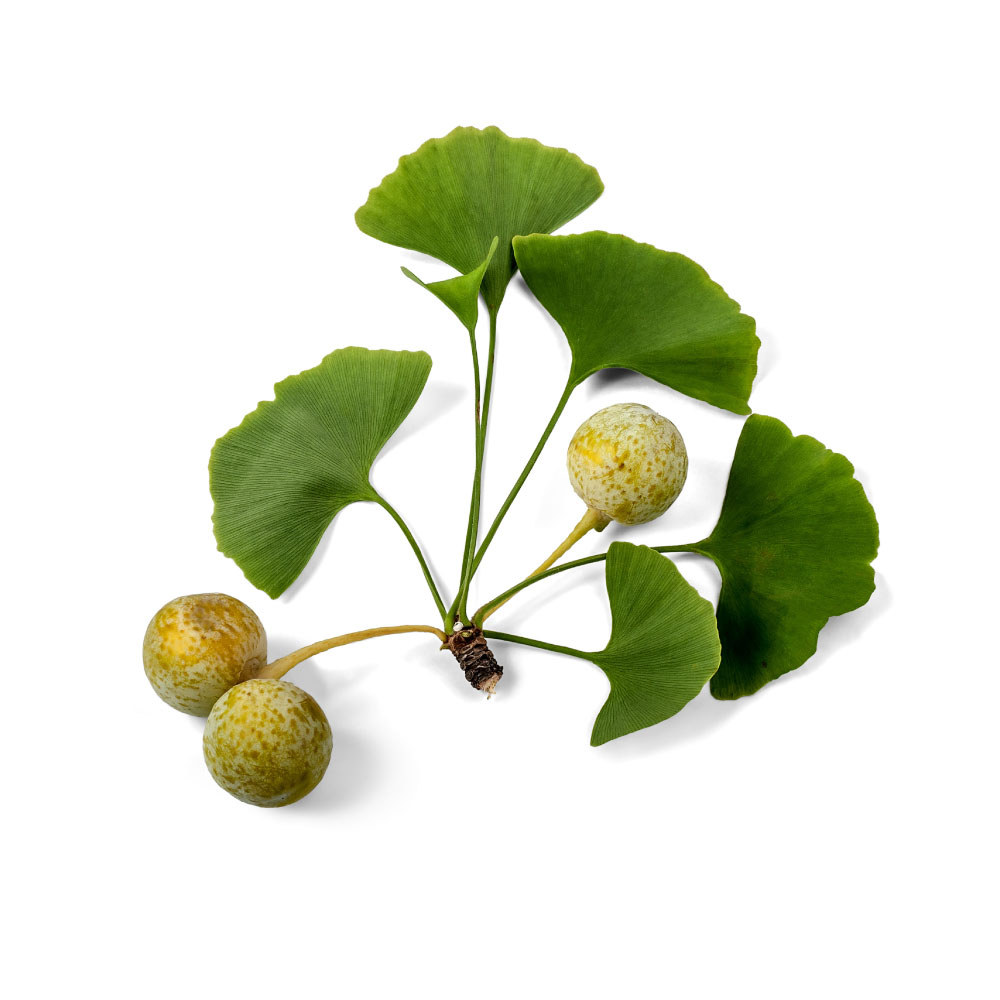 StrongStrongGinkgoGinkgo bilobaThe most-tested herb in dementia, and the results split cleanly by when it is given.Read the evidenceShow lessMonograph →
For Alzheimer’s-type dementia already established, the EGb 761 240 mg/day trial base shows modest cognitive and daily-living improvement where measurable impairment exists 53Reference 53Meta-analysisEfficacy and adverse effects of Ginkgo biloba for cognitive impairment and dementia — systematic review and meta-analysisView study →, against Cochrane’s verdict that the evidence is inconsistent and unreliable 54Reference 54Meta-analysisGinkgo biloba for cognitive impairment and dementia — Cochrane systematic review and meta-analysisView study →.
For prevention, the picture reverses. The roughly 3,000-participant GEM trial found EGb 761 did not reduce the incidence of dementia or Alzheimer’s over about six years 55Reference 55RCTGinkgo biloba for prevention of dementia — randomised controlled trialView study →.
Any benefit is a treatment-in-established-disease effect rather than a preventive one, which is the opposite of how the herb is usually sold.
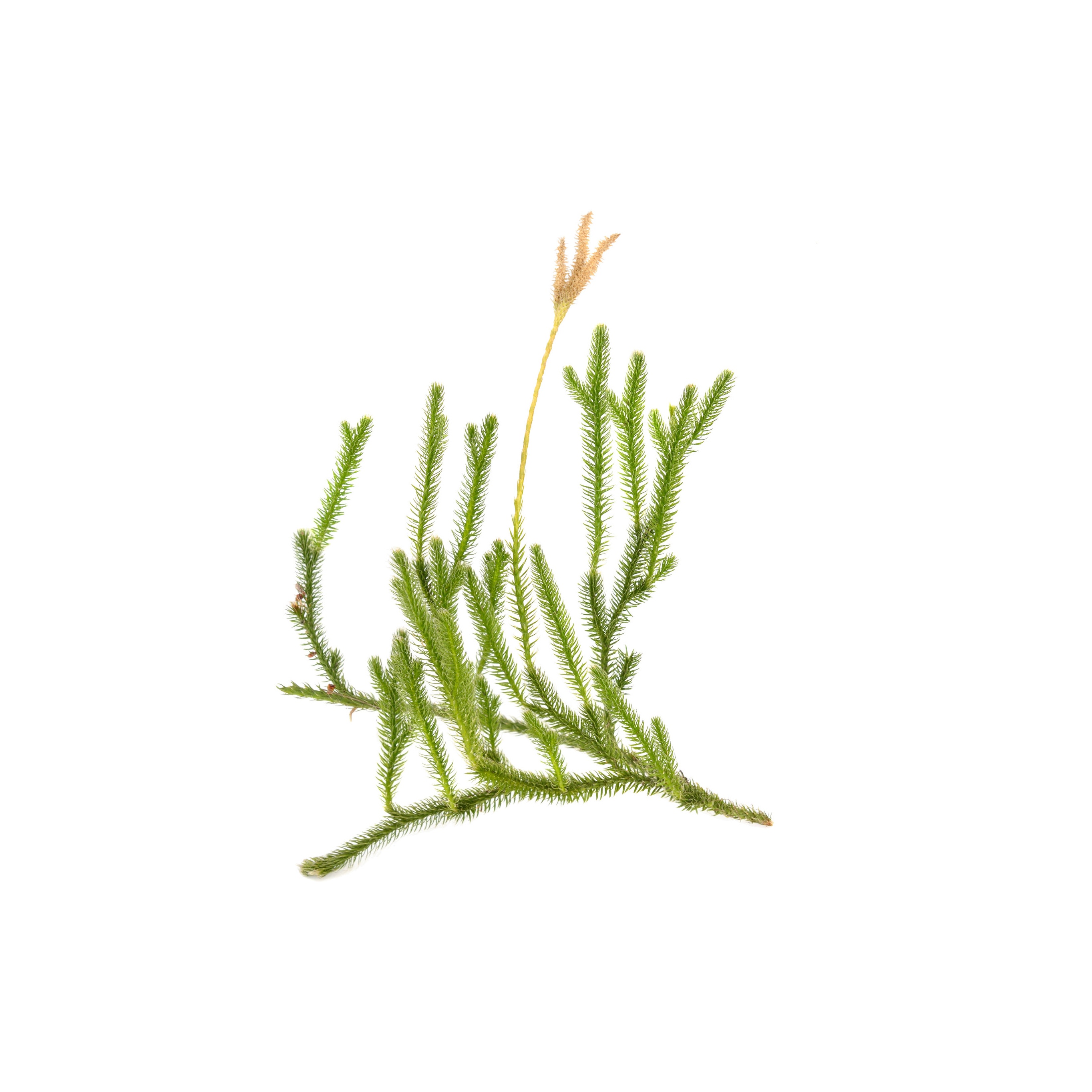 StrongStrongChinese ClubmossHuperzia serrataIsolated huperzine-A is a reversible, blood-brain-barrier-penetrant acetylcholinesterase inhibitor working on the same principle as donepezil, and a licensed anti-Alzheimer’s drug in China. A meta-analysis of 20 RCTs in 1,823 participants found significant cognition and daily-living gains against placebo 56Reference 56Meta-analysisHuperzine A for Alzheimer’s disease — systematic review and meta-analysis of randomised clinical trialsView study →.Read the evidenceShow lessMonograph →
The positive trials cluster in one country and carry a high risk of bias, and the best-designed study, a US ADCS phase II RCT in 210 people, was negative on its primary cognitive endpoint 57Reference 57RCTA phase II trial of huperzine A in mild to moderate Alzheimer disease — randomised controlled trialView study →.
All of the evidence is for a microgram dose of the isolated alkaloid rather than for the crude herb.
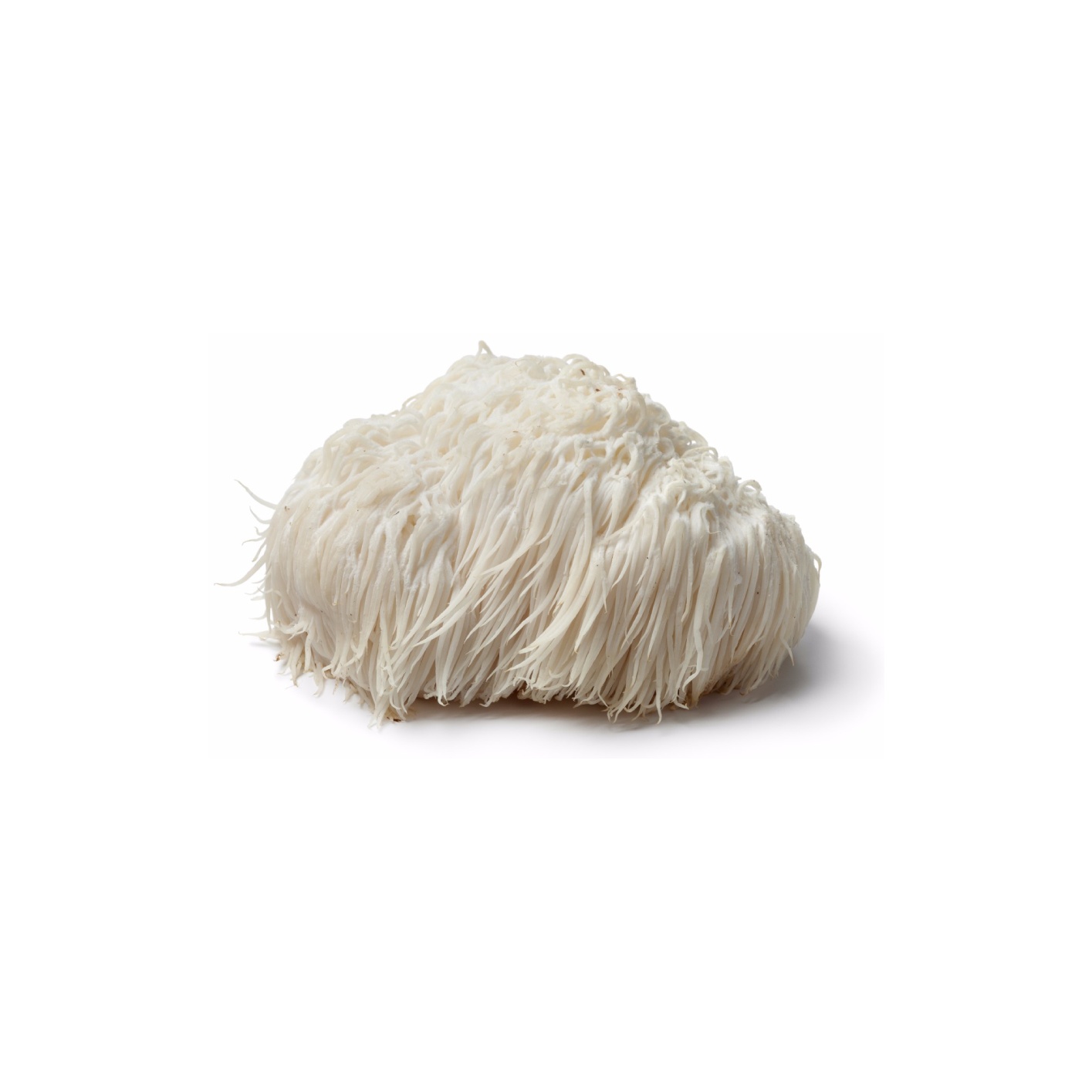 ModerateModerateLion’s ManeHericium erinaceusThe best-mapped mechanism of any cognition herb, on a single pilot trial.Read the evidenceShow lessMonograph →
A double-blind placebo-controlled pilot RCT in mild Alzheimer’s found erinacine-A-enriched mycelial capsules, 1,050 mg/day for 49 weeks, improved MMSE and daily-living scores 58Reference 58RCTPrevention of early Alzheimer’s disease by erinacine A-enriched Hericium erinaceus mycelia — randomised, double-blind, placebo-controlled pilot trialView study →, resting on a neurotrophic mechanism in which hericerin derivatives activate a pan-neurotrophic pathway in hippocampal neurons 59Reference 59In vitroHericerin derivatives activate a pan-neurotrophic pathway in central hippocampal neurons — in vitro and mouse studyView study →.
Its mood evidence is separate and thinner. Two small trials reported reduced depression, anxiety, and sleep disturbance, one with raised pro-BDNF 60Reference 60Clinical trialHericium erinaceus improves mood and sleep disorders in patients affected by overweight or obesity — controlled trialView study →.
The Alzheimer’s trial used a mycelial erinacine-A extract that does not correspond to fruiting-body powders or to culinary use.
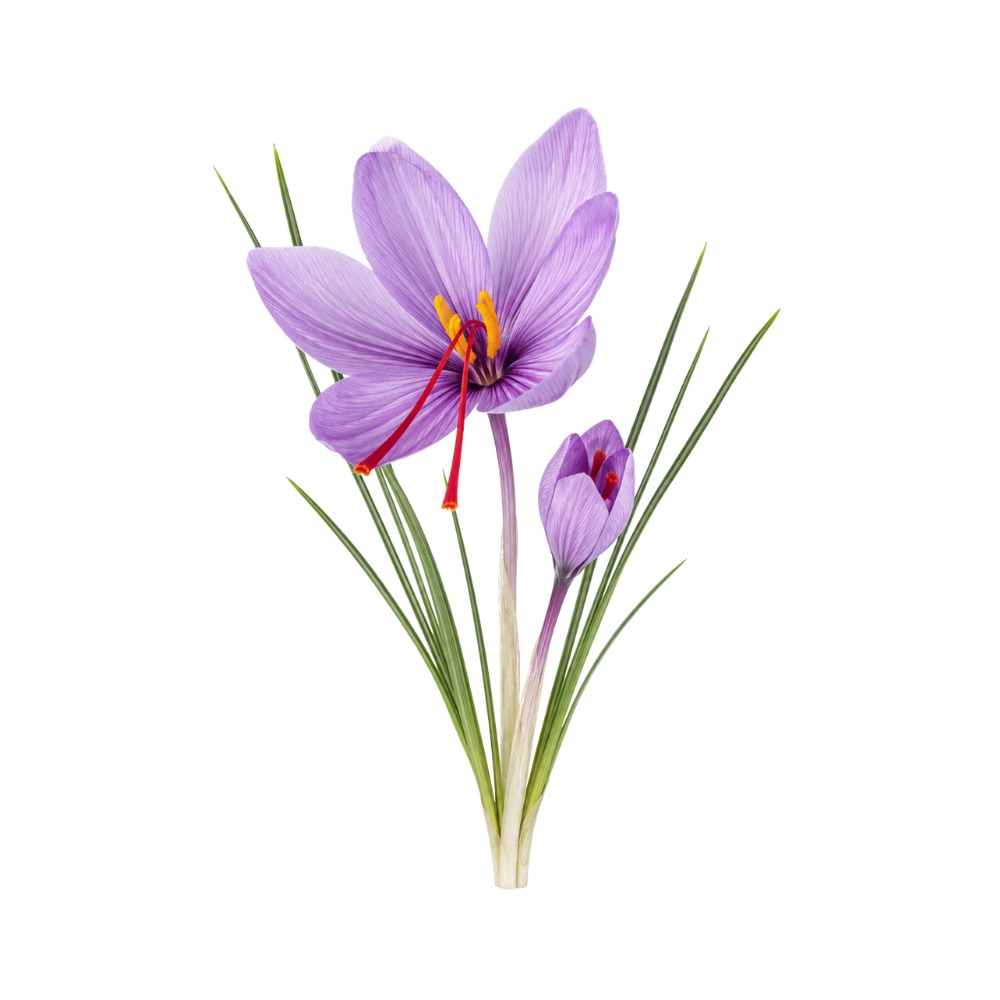 ModerateModerateSaffronCrocus sativusUnusual among the cognition herbs for having been tested against the actual drugs.Read the evidenceShow lessMonograph →
A 16-week RCT found saffron 30 mg/day improved ADAS-cog scores against placebo in mild-to-moderate Alzheimer’s 61Reference 61RCTSaffron in the treatment of patients with mild to moderate Alzheimer’s disease — 16-week randomised, placebo-controlled trialView study →, a 12-month trial found it equivalent to memantine in moderate-to-severe disease 62Reference 62RCTComparing the efficacy and safety of Crocus sativus L. with memantine in patients with moderate to severe Alzheimer’s disease — double-blind randomised clinical trialView study →, and a meta-analysis of four RCTs found it superior to placebo and no different from donepezil or memantine 63Reference 63Meta-analysisSaffron for mild cognitive impairment and dementia — systematic review and meta-analysis of randomised clinical trialsView study →.
The trials are small, short relative to the disease course, and concentrated in one region, and whether anything beyond symptoms is modified is unknown.
Saffron also carries a substantial antidepressant literature, a separate body of evidence from the cognitive work.
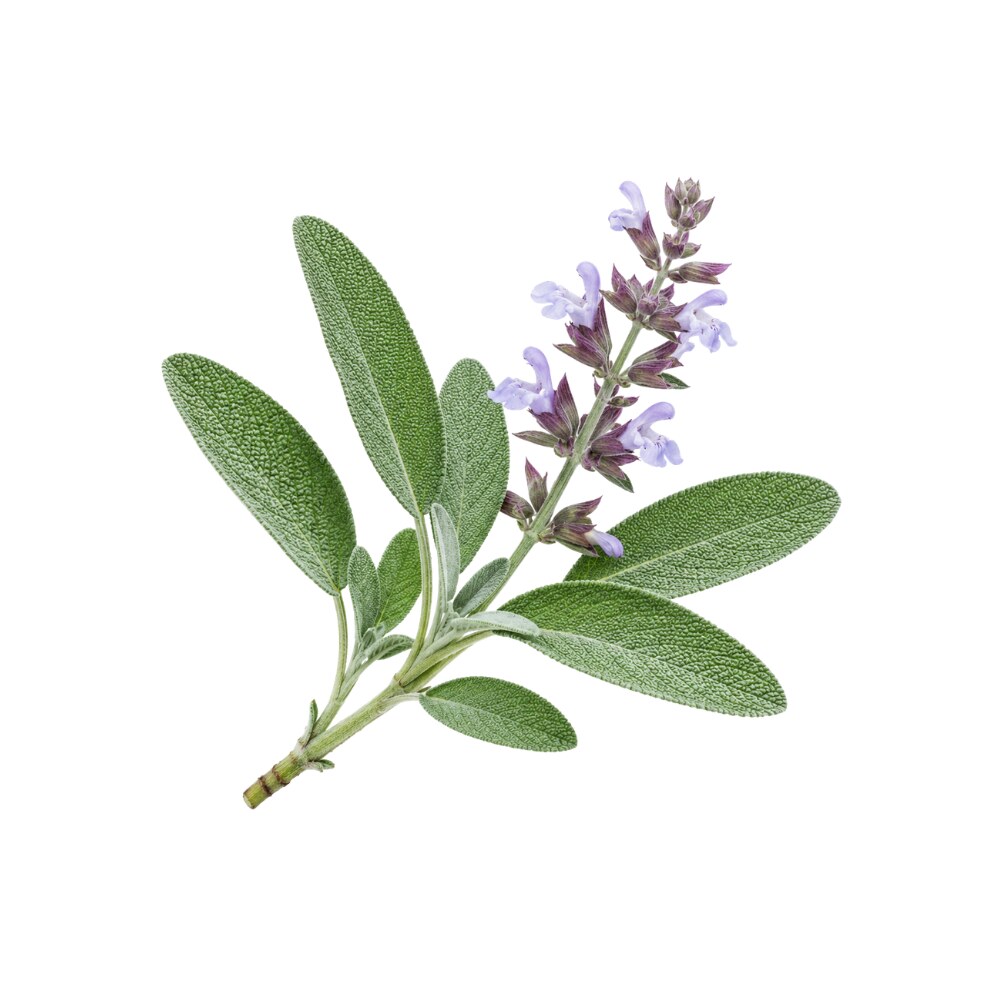 ModerateModerateSageSalvia officinalisThe kitchen herb with a dementia RCT. A four-month placebo-controlled trial in 42 people with mild-to-moderate Alzheimer’s reported better cognitive scores on sage extract than on placebo 64Reference 64RCTSalvia officinalis extract in the treatment of patients with mild to moderate Alzheimer’s disease — double-blind, randomised, placebo-controlled trialView study →.Read the evidenceShow lessMonograph →
Healthy-adult memory and attention trials support an acetylcholinesterase-inhibition mechanism 65Reference 65RCTAn extract of Salvia (sage) with anticholinesterase properties improves memory and attention in healthy older volunteers — randomised controlled trialView study →.
Samples are small and extracts heterogeneous across the literature, and the effect in healthy adults is acute and modest.
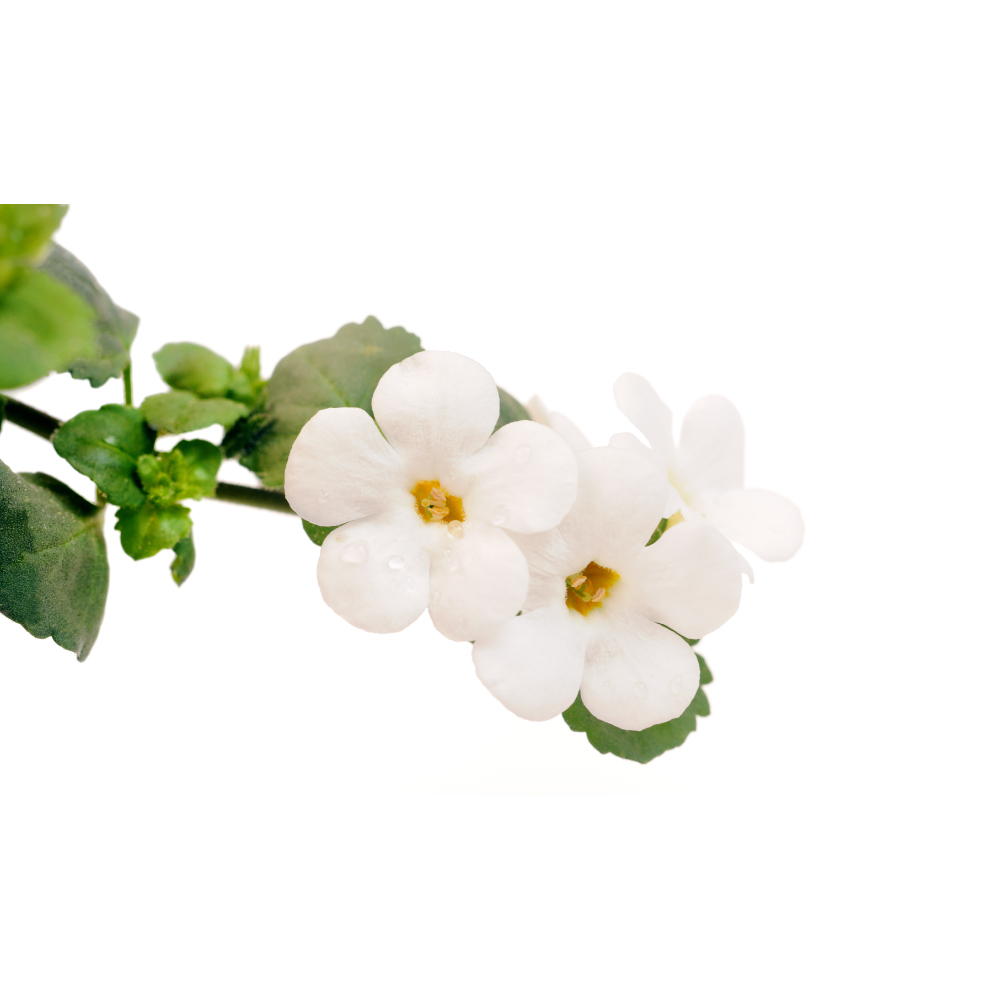 ModerateModerateBacopaBacopa monnieriPreclinical promise that has not translated.Read the evidenceShow lessMonograph →
In healthy older adults, a standardized extract improved cognitive performance with anxiety and heart rate falling alongside 66Reference 66RCTEffects of a standardized Bacopa monnieri extract on cognitive performance, anxiety and depression in the elderly — randomised, double-blind, placebo-controlled trialView study →, a real if modest nootropic signal over 12 weeks.
The pivotal disease test, a phase-2b RCT of Brahmi against donepezil in Alzheimer’s and mild cognitive impairment, was terminated early and found no significant ADAS-Cog difference 67Reference 67RCTEfficacy of Bacopa monnieri (Brahmi) and donepezil in Alzheimer’s disease and mild cognitive impairment — randomised double-blind phase-2b trial (terminated)View study →, despite extensive animal work on amyloid, tau, and cholinergic protection.
Bacopa is a cognition-support herb in healthy ageing rather than a dementia treatment.
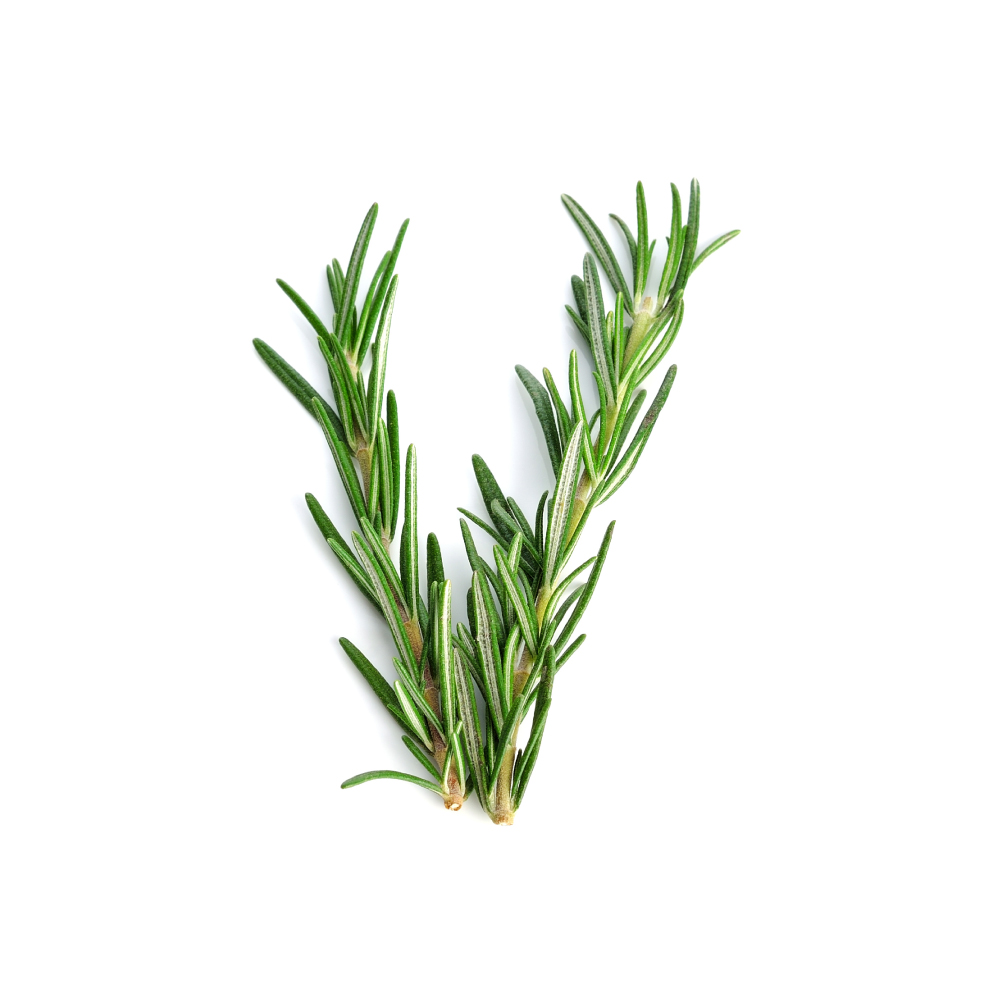 PreclinicalPreclinicalRosemaryRosmarinus officinalisNo Alzheimer’s trial exists.Read the evidenceShow lessMonograph →
Support is a coherent but preclinical carnosic acid neuroprotection story: Nrf2 activation, mitochondrial preservation, dampened neuroinflammation, and blood-brain-barrier penetration 68Reference 68ReviewNeuroprotective effects of carnosic acid — review of its mechanisms of actionView study →.
Small, mostly acute healthy-adult cognition signals sit alongside it, where rosemary water improved memory measures 69Reference 69RCTAcute ingestion of rosemary water: evidence of cognitive and cerebrovascular effects in healthy adults — randomised controlled trialView study → but a higher dose impaired them 70Reference 70RCTShort-term study on the effects of rosemary on cognitive function in an elderly population — randomised controlled trialView study →. The dose response is biphasic, and more is not better.
Claims that rosemary treats Alzheimer’s overstate small acute data.
Stress, Burnout and the HPA Axis
5 herbsThe adaptogens and nervine tonics, working upstream on the stress response over weeks rather than calming within a dose. They suit depletion and burnout more than acute tension, and given to an already over-stimulated person some of them, rhodiola especially, can make things worse before they help.
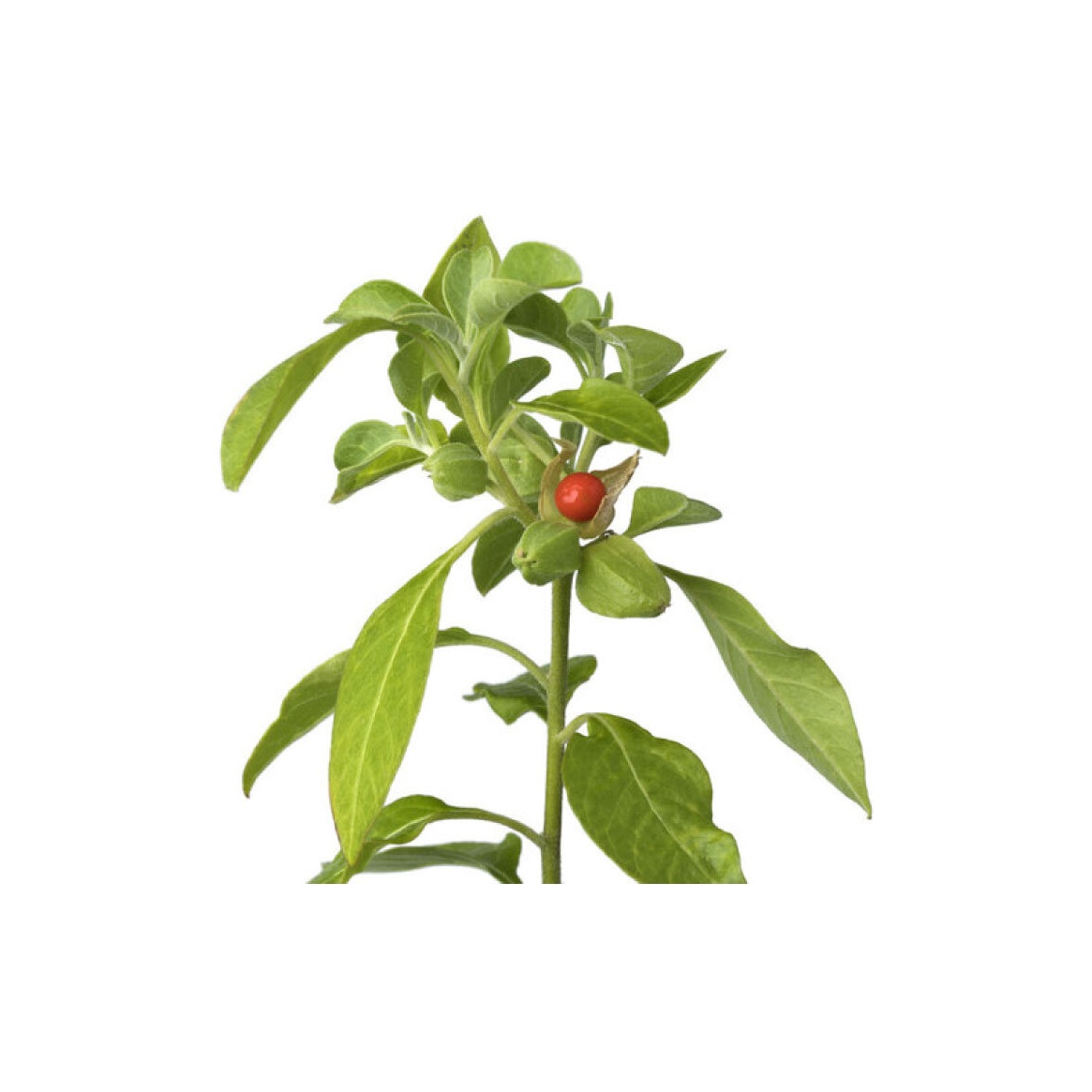 StrongStrongAshwagandhaWithania somniferaThe default modern adaptogen, and the one with the most human data.Read the evidenceShow lessMonograph →
Multiple double-blind placebo-controlled RCTs and several meta-analyses show standardized root extract lowers perceived stress, Hamilton Anxiety scores, and serum cortisol in adults 71,
A separate meta-analysis of five RCTs found a small but significant sleep improvement, clearest in diagnosed insomnia at 600 mg/day or more for eight weeks or longer 73Reference 73Meta-analysisEffect of ashwagandha (Withania somnifera) extract on sleep — systematic review and meta-analysisView study →.
Effect sizes are heterogeneous, trials run six to ten weeks on proprietary extracts such as KSM-66 and Shoden rather than on the whole herb, and there are no dependence or withdrawal data.
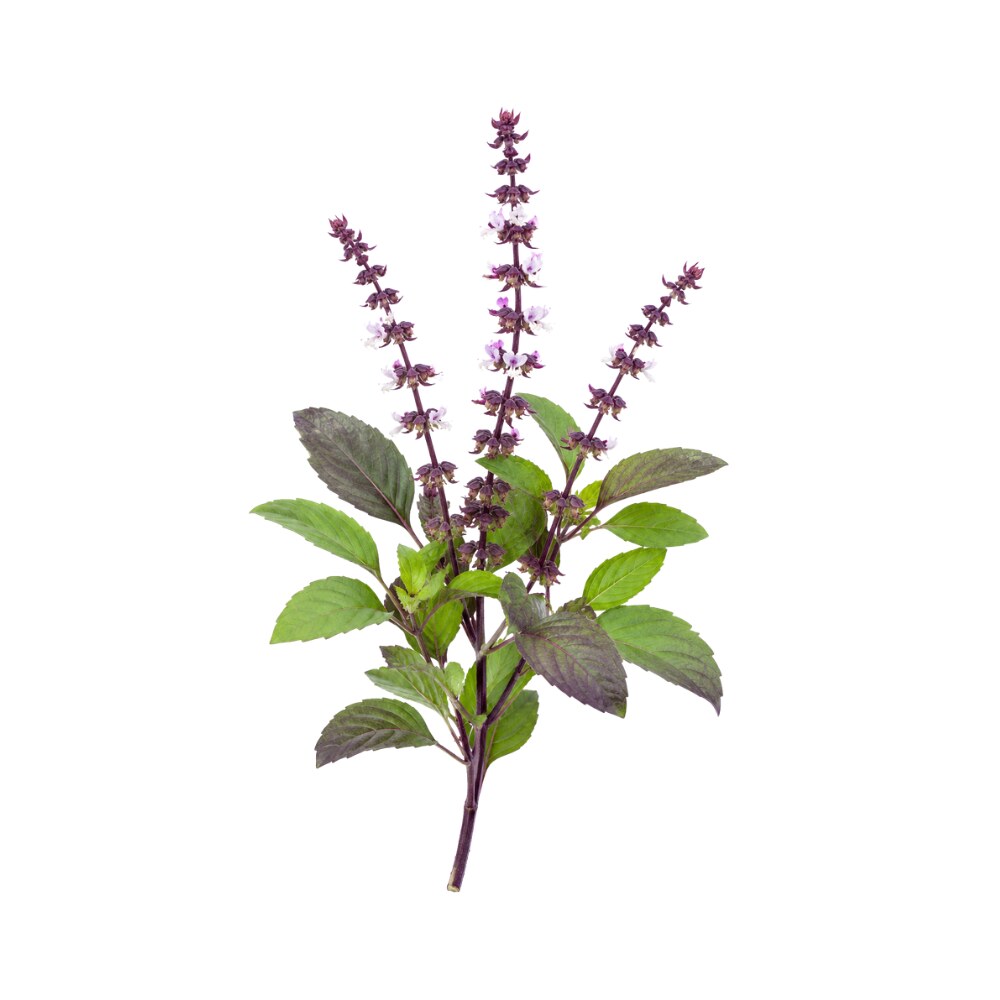 ModerateModerateHoly BasilOcimum tenuiflorumThe one place classical rasayana use and modern trials converge.Read the evidenceShow lessMonograph →
A six-week randomized, double-blind, placebo-controlled trial of the standardized extract OciBest in 150 people significantly reduced self-rated stress symptoms, including forgetfulness, exhaustion, sleep, and sexual problems, against placebo 74Reference 74RCTEfficacy of an extract of Ocimum tenuiflorum (OciBest) in the management of general stress — randomised placebo-controlled trialView study →.
A 2022 eight-week RCT of a different standardized extract in 100 people also improved stress and sleep measures 75Reference 75RCTA randomised, double-blind, placebo-controlled trial investigating the effects of a standardised Ocimum tenuiflorum extractView study →.
The trials are small, use different preparations and doses, and rest on subjective symptom scales rather than on physiological stress markers.
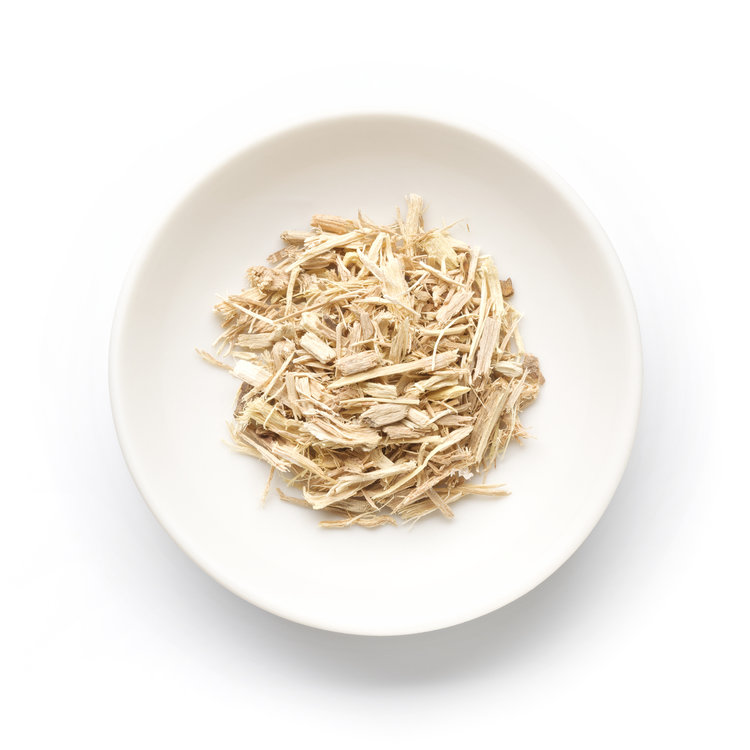 ModerateModerateEleutheroEleutherococcus senticosusReal but modest and preparation-dependent, mechanistically tied to HPA-axis regulation and heat-shock-protein (Hsp70) signalling 76Reference 76ReviewEvidence-based efficacy of adaptogens in fatigue, and molecular mechanisms related to their stress-protective activity — reviewView study →. The EMA accepts the root as a traditional herbal medicine for asthenia 77Reference 77ReviewEuropean Medicines Agency, Committee on Herbal Medicinal Products (HMPC). (2006/2014). Community herbal monograph on Eleutherococcus senticosus (Rupr. et Maxim.) Maxim., radix — traditional use for asthenia. https://www.ema.europa.eu/en/medicines/herbal/eleutherococci-radixView study →.Read the evidenceShow lessMonograph →
The negative result is as informative as the positive ones. Adding 120 mg/day to stress-management training gave negligible extra benefit 78Reference 78RCTNo benefit adding Eleutherococcus senticosus to stress management training in stress-related fatigue — randomised controlled studyView study →.
Effects are clearest only in people already fatigued or elderly, and no trial shows durable benefit in healthy adults.
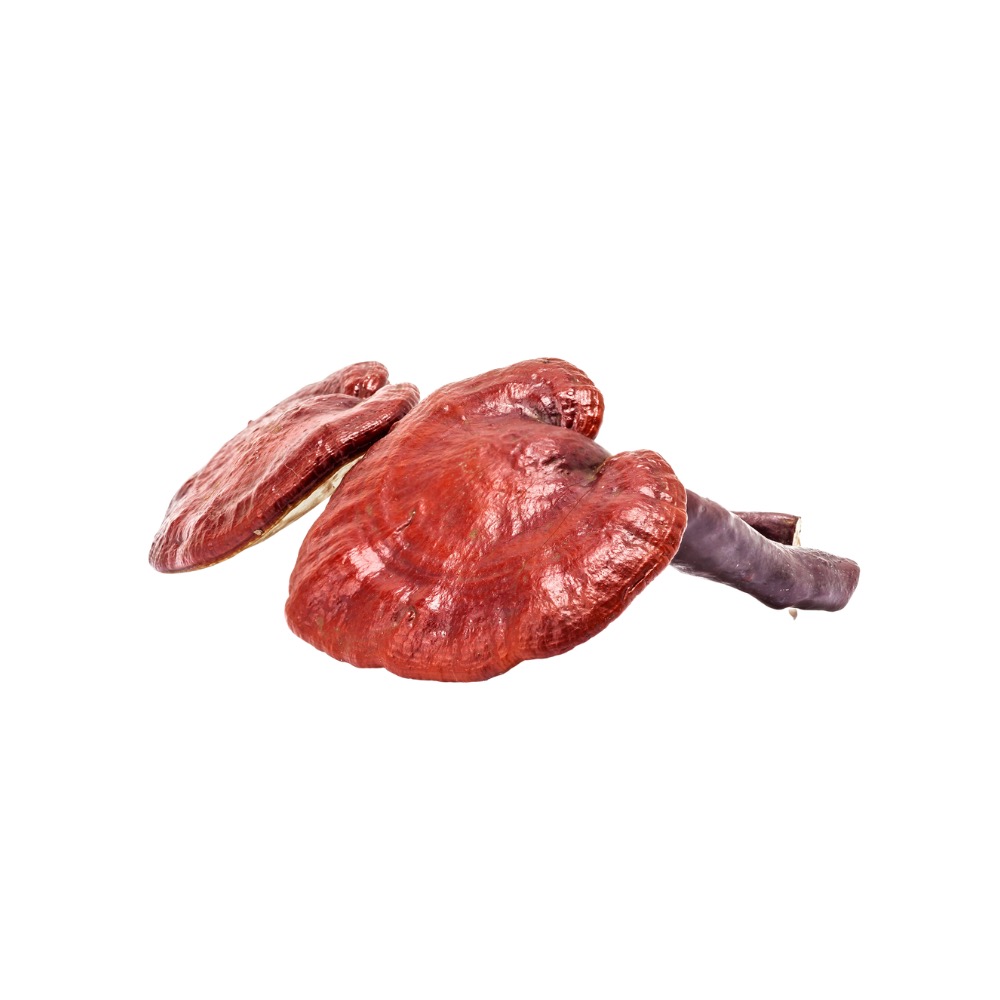 TraditionalTraditionalReishiGanoderma lucidumIn Chinese medicine reishi is a shen tonic. It calms the spirit and eases anxiety without being directly sedating, which is a different clinical claim from the one the relaxing nervines make.Read the evidenceShow lessMonograph →
The nearest research signal is a neurasthenia RCT in 132 patients where a polysaccharide extract reduced fatigue and improved wellbeing 79Reference 79RCTA randomised, double-blind and placebo-controlled study of a Ganoderma lucidum polysaccharide extract in neurastheniaView study →, a fatigue endpoint rather than a mood or anxiety one.
No trial supports the calming use directly.
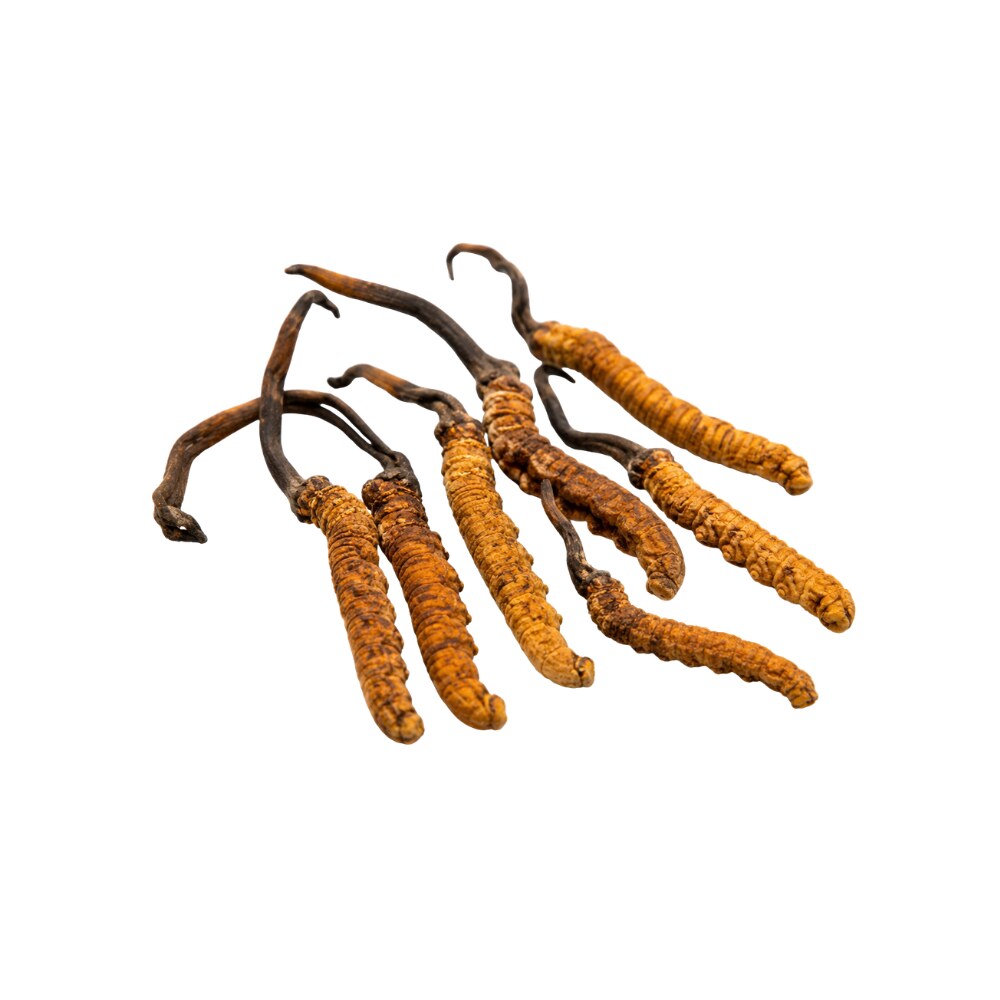 TraditionalTraditionalCordycepsCordyceps sinensisFramed as an adaptogenic tonic for stress resilience and depleted energy in both traditional and Western practice.Read the evidenceShow lessMonograph →
No HPA-axis or cortisol study has ever been done on it. Traditional and adaptogen-category use, no trial.
Headache & Nerve Pain
4 herbsHerbs for the pain that travels with nervous strain: migraine prophylaxis, tension headache, and neuralgia. The approaches barely overlap, covering a preventive taken daily, a topical counter-irritant, and salicylate-based analgesia, each resting on its own narrow slice of evidence.
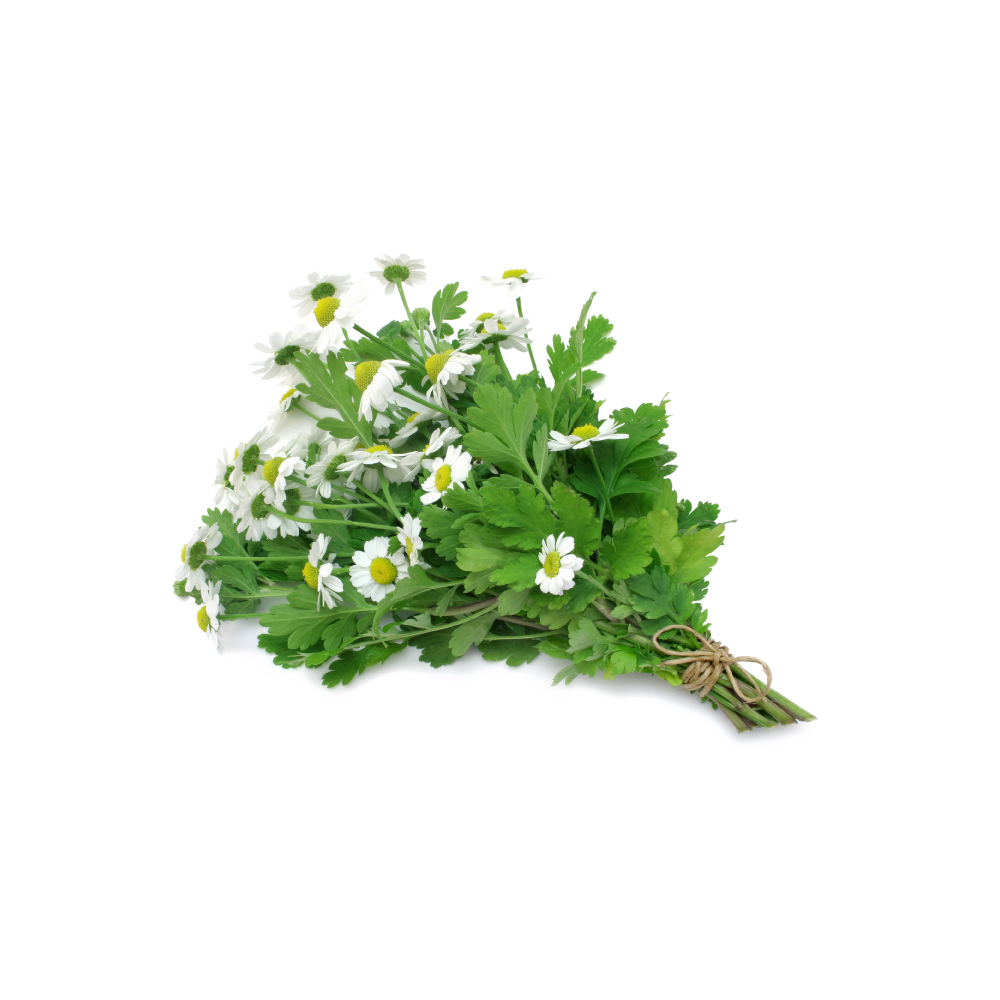 ModerateModerateFeverfewTanacetum partheniumFeverfew has a real body of human headache evidence, and it is mixed.Read the evidenceShow lessMonograph →
Six placebo-controlled RCTs in 561 patients exist. The pivotal one, a stable supercritical-CO₂ extract standardized to parthenolide (MIG-99, 6.25 mg three times daily, n=170), cut migraine frequency by about 0.6 attacks per month against placebo, with no benefit on intensity or duration 80,
A Cochrane review calls this some positive evidence of low quality 82Reference 82Systematic reviewFeverfew for preventing migraine — Cochrane systematic reviewView study →.
The effect is small and extract-specific, and does not transfer to teas or whole-leaf powder.
It is migraine prophylaxis, taken preventively rather than to abort an attack, and null for tension-type headache.
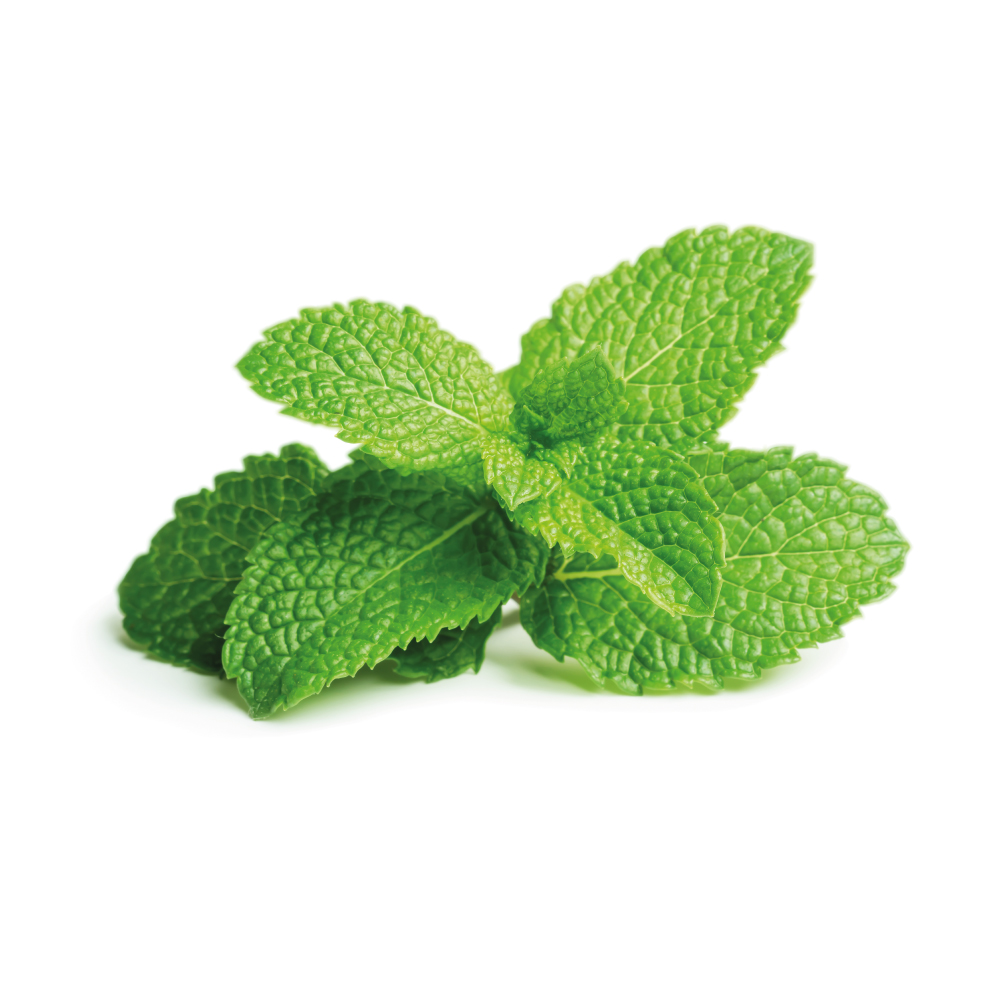 ModerateModeratePeppermintMentha × piperitaPeppermint for headache is a topical remedy rather than an oral one.Read the evidenceShow lessMonograph →
A 10% peppermint-oil-in-ethanol solution dabbed on the forehead and temples eased tension-type headache in small double-blind trials, with relief reported comparable to paracetamol at 15 to 30 minutes 83,
The evidence is a handful of older trials from essentially one research group, and the effect belongs to the topical oil rather than to oral use or tea.
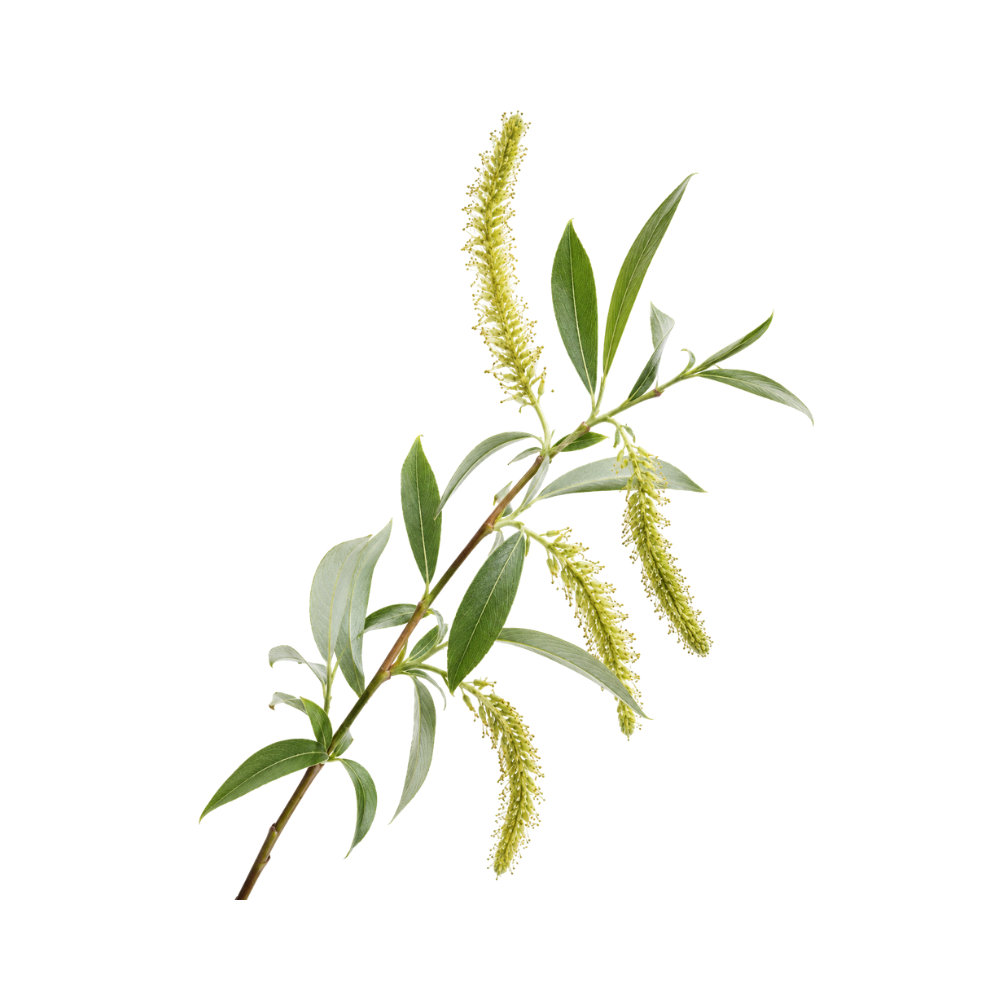 ModerateModerateWillowSalix albaWillow’s salicin is metabolized to salicylic acid, aspirin’s active principle, and standardized extract suppresses COX-2 and inflammatory cytokines about as strongly as aspirin on a weight basis 85Reference 85AnimalMechanisms involved in the anti-inflammatory effect of a standardized willow bark extract — animal model (rat)View study →, with RCT-backed analgesia for low back pain 86Reference 86RCTTreatment of low back pain exacerbations with willow bark extract — randomised double-blind studyView study →.Read the evidenceShow lessMonograph →
No trial has tested willow for headache specifically. The use is a mechanistic extrapolation from proven salicylate analgesia.
Willow acts more slowly and more weakly than aspirin, and it carries the same salicylate cautions.
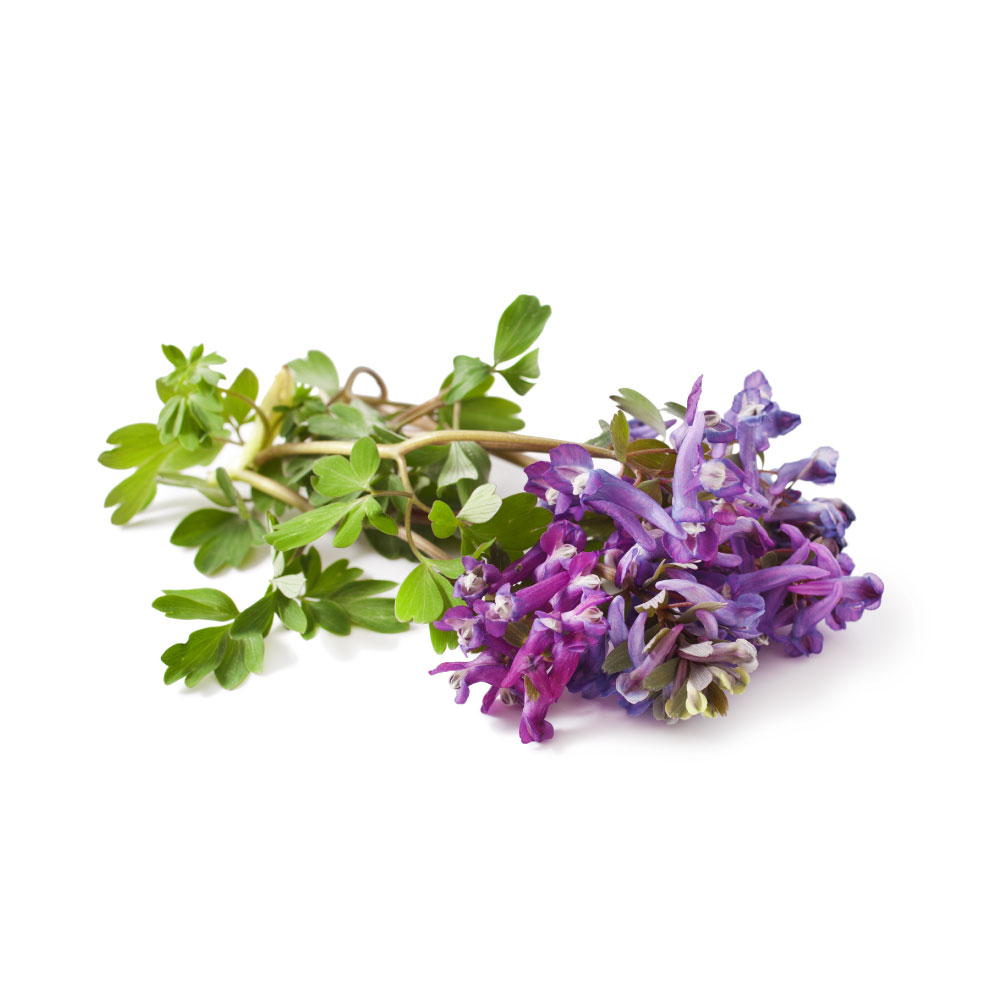 TraditionalTraditionalCorydalisCorydalis yanhusuoThe principal analgesic herb of Chinese medicine, used for pain severe enough to be the presenting complaint, including the neuropathic and visceral pain that responds poorly to anti-inflammatories.Read the evidenceShow lessMonograph →
It is given in decoction alongside other herbs rather than alone, usually vinegar-processed, which the tradition holds to strengthen the pain-relieving action.
Traditional use, no controlled trial.
The Psychoactive Plants
5 herbsPlants tagged to the nervous system because that is where they act, not because they belong to the nervine tradition. Their risk profiles are categorically different from those of the calming and restorative herbs above, and so is the setting in which they are used.
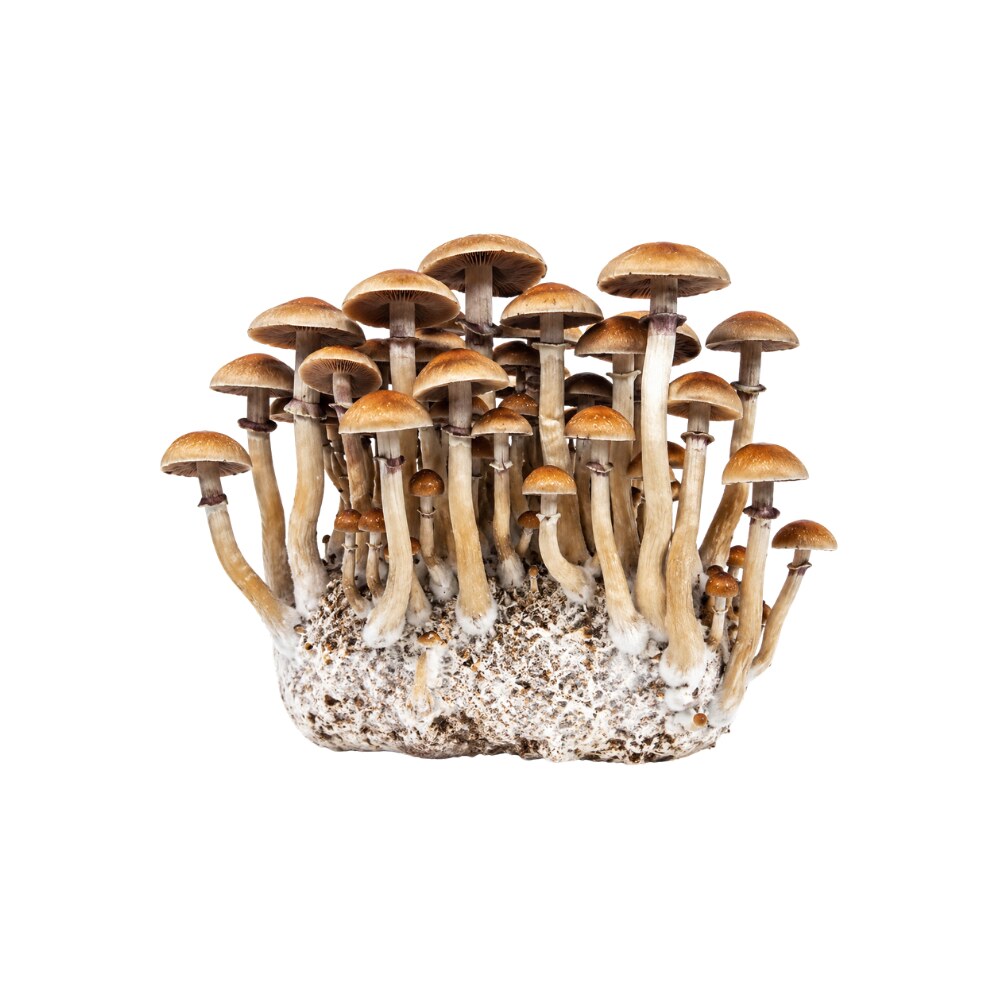 StrongStrongMagic MushroomsPsilocybe cubensisThe strongest psychiatric signal of any plant or fungus, in the narrowest setting.Read the evidenceShow lessMonograph →
Two controlled trials in patients with advanced or life-threatening cancer found single-session psilocybin produced substantial, sustained decreases in anxiety and depression 87,
The setting is part of the intervention. These are screened, prepared, and therapist-supported sessions, and the endpoint in the cancer trials is existential distress in serious illness rather than generalized anxiety.
It is contraindicated where there is a psychosis or bipolar history, and legality varies by jurisdiction.
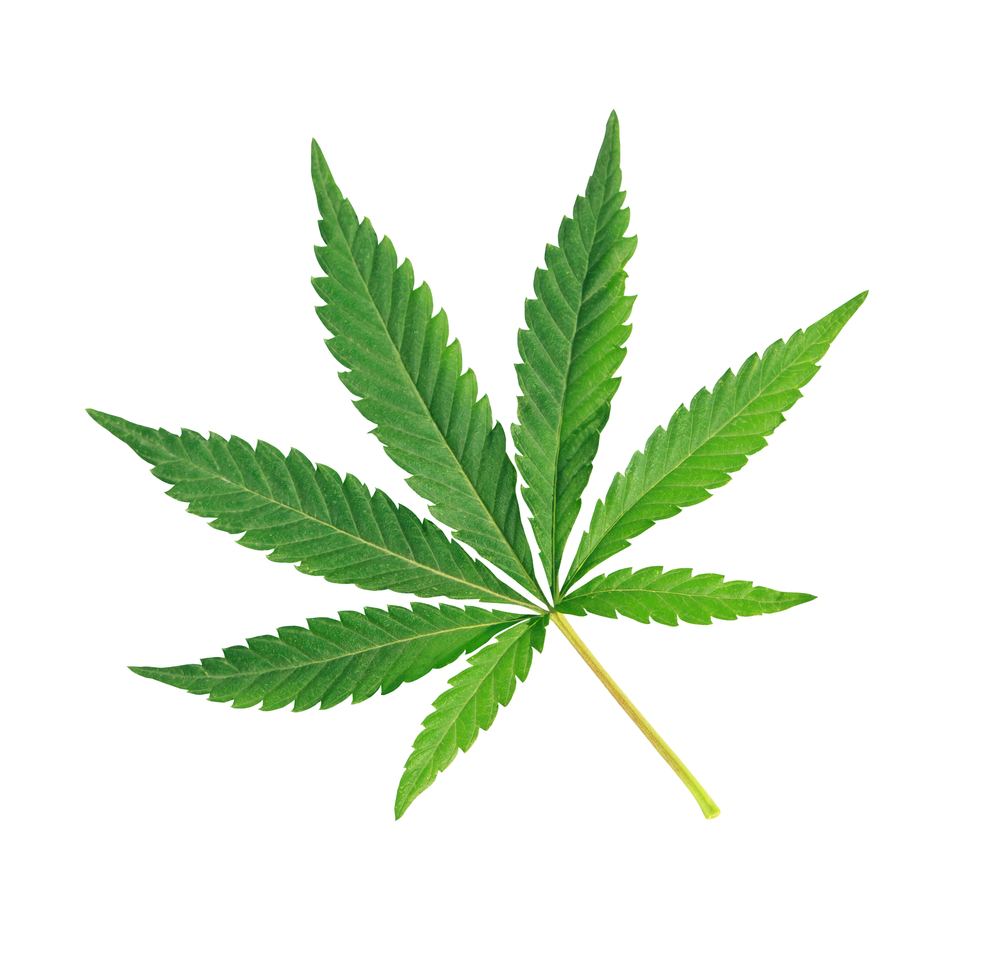 ModerateModerateCannabisCannabis sativa/indicaTwo-edged, and the direction depends on the cannabinoid.Read the evidenceShow lessMonograph →
The calming effect belongs to cannabidiol rather than to the whole plant. In a double-blind RCT a single 600 mg oral CBD dose reduced anxiety during a simulated public-speaking test in people with social anxiety 91Reference 91RCTCannabidiol reduces the anxiety induced by simulated public speaking in treatment-naive social phobia patients — randomised controlled trialView study →.
That dose is far above the 10 to 50 mg in most retail products, there is no chronic-treatment RCT, and high-THC cannabis can provoke anxiety and paranoia.
Its widespread use as a sleep aid is likewise preparation-dependent and self-limiting. Tolerance builds, REM is suppressed, and stopping can trigger rebound insomnia.
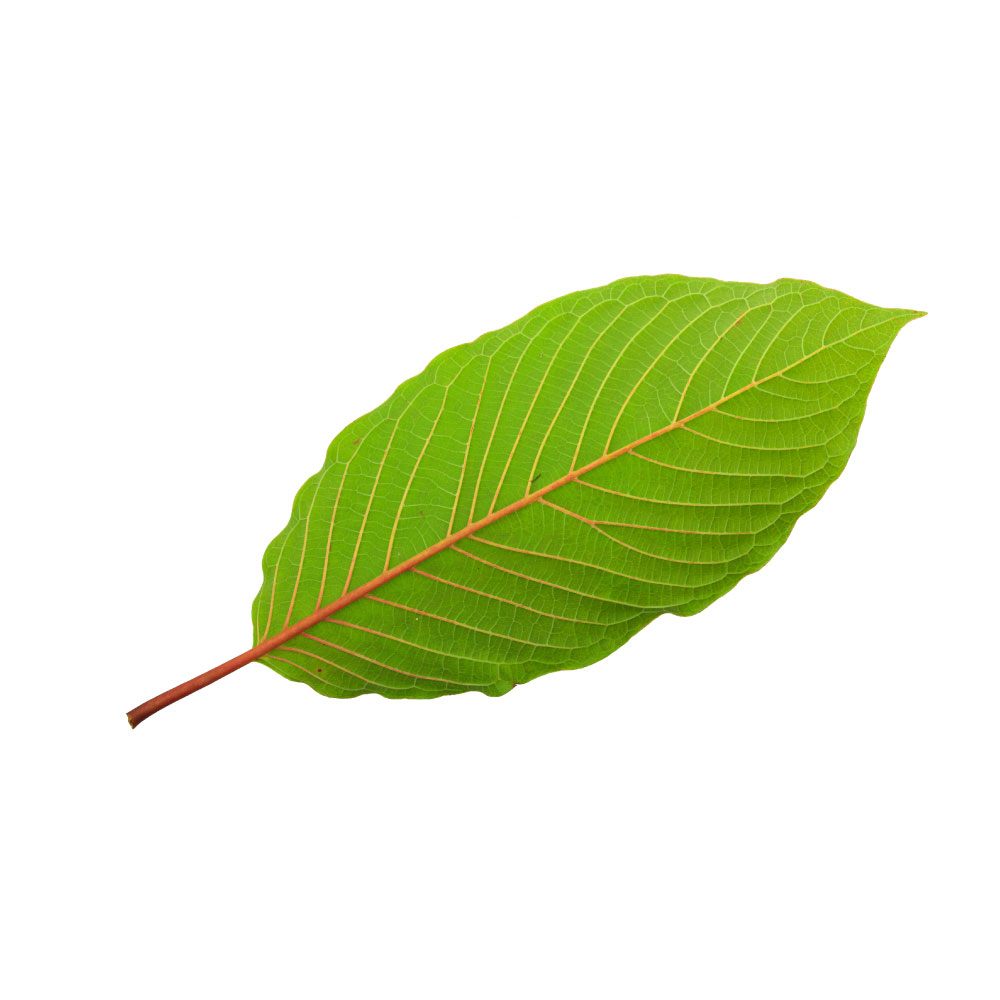 PreclinicalPreclinicalKratomMitragyna speciosaMood and anxiety improvement is among the most frequent self-reported reasons for use 92Reference 92Patterns of kratom use and health impact in the US — results from an online surveyView study →, but controlled support is animal-only.Read the evidenceShow lessMonograph →
A leaf extract reduced anxiety- and depression-like behaviour in rats while lowering brain oxidative stress 93Reference 93AnimalAnxiolytic and antidepressant-like effects of Mitragyna speciosa extract in diabetic rats — rat animal modelView study →, consistent with mitragynine’s serotonergic and opioid-receptor activity 94Reference 94In vitroIn vitro and in vivo pharmacology of kratom — reviewView study →.
Anxiety and irritability are also listed adrenergic side effects, so the direction is dose- and person-dependent.
The dependence and withdrawal profile, rather than the efficacy question, is the limiting factor.
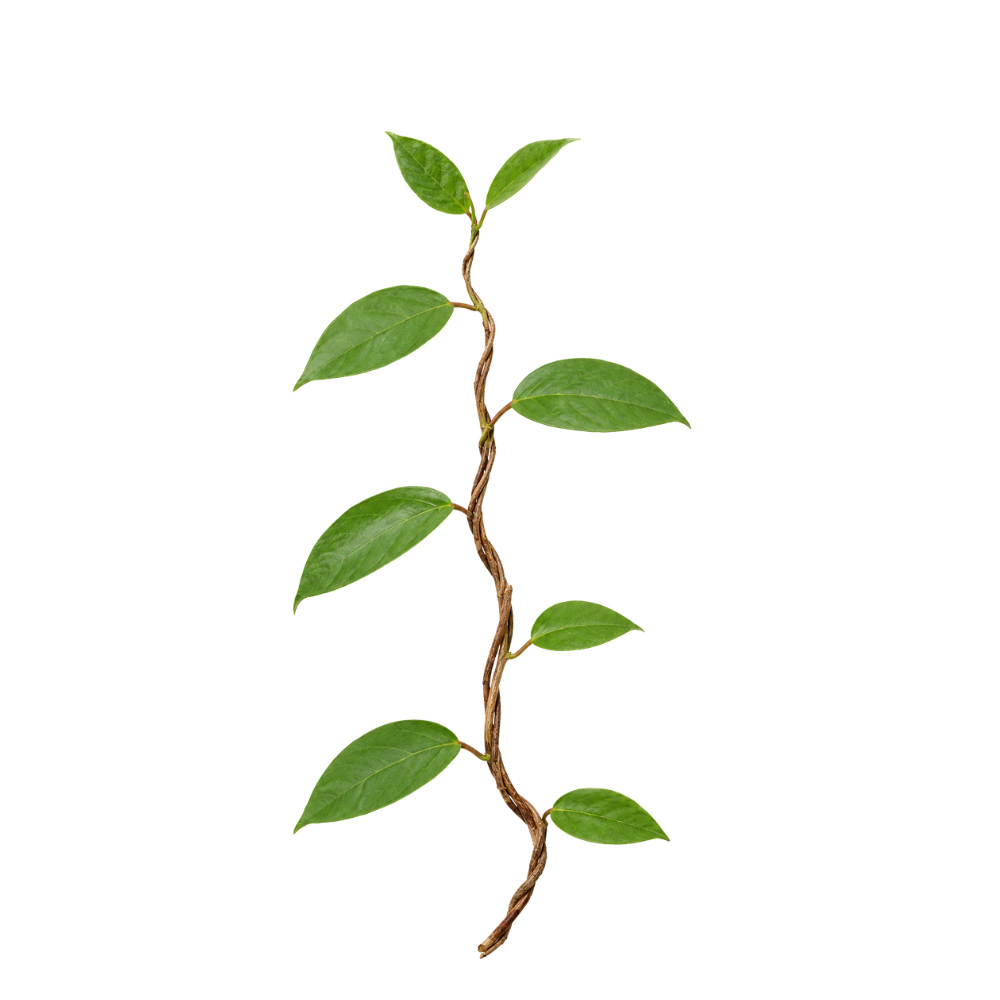 TraditionalTraditionalAyahuasca VineBanisteriopsis caapiThe vine’s harmala alkaloids are potent reversible MAO-A inhibitors, which is what it contributes to an ayahuasca brew, making an orally inactive tryptamine active.Read the evidenceShow lessMonograph →
The same property makes it hazardous alongside SSRIs, SNRIs, triptans, other serotonergic drugs, and tyramine-rich foods.
Traditional ceremonial use, with no controlled trial. The same caution applies to Syrian Rue.
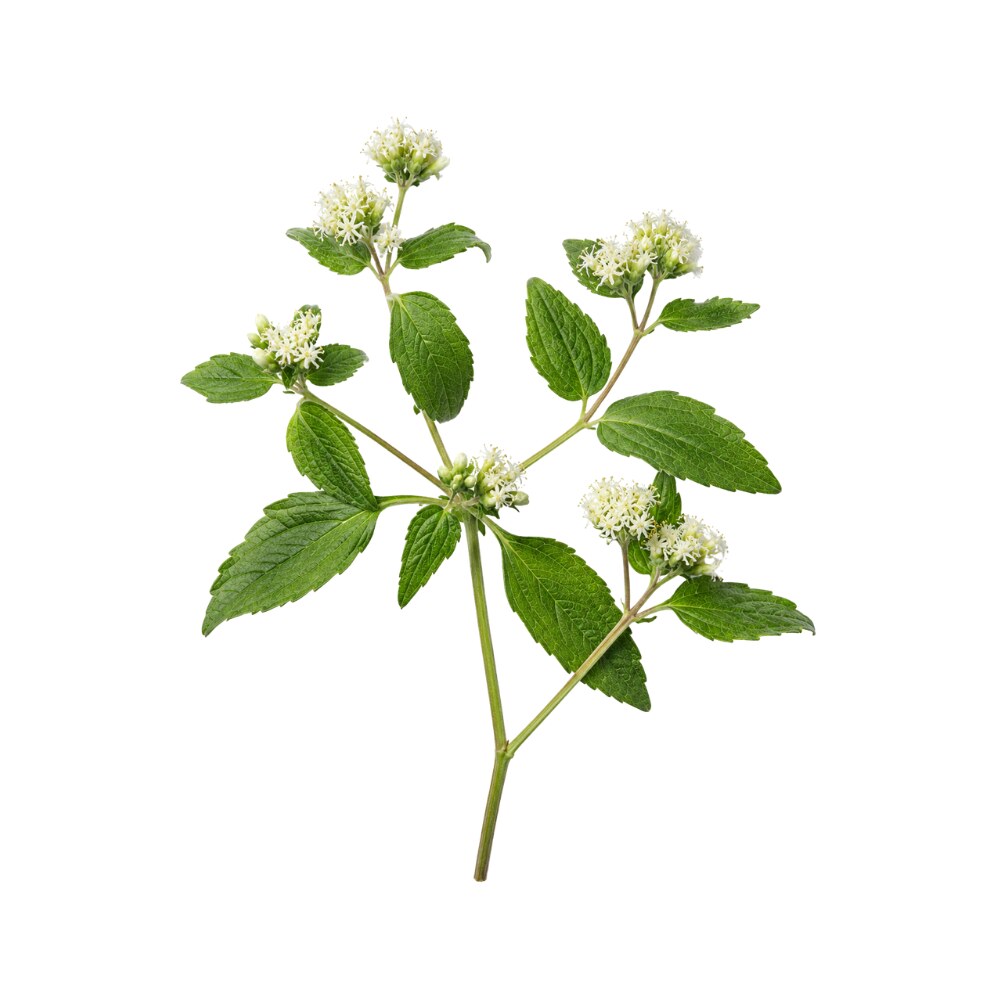 TraditionalTraditionalCalea ZacatechichiCalea zacatechichiThe dream herb of Chontal Oaxacan practice, and the archetype of the oneirogenic action, taken not for sleep quality but for dream vividness and recall.Read the evidenceShow lessMonograph →
Traditional use, with sparse experimental work measuring sleep stages rather than any clinical endpoint.
Mugwort and African Dream Herb carry the same reputation on the same footing.
No herbs match these filters.
Also Tagged
78 more herbs are tagged for this system.
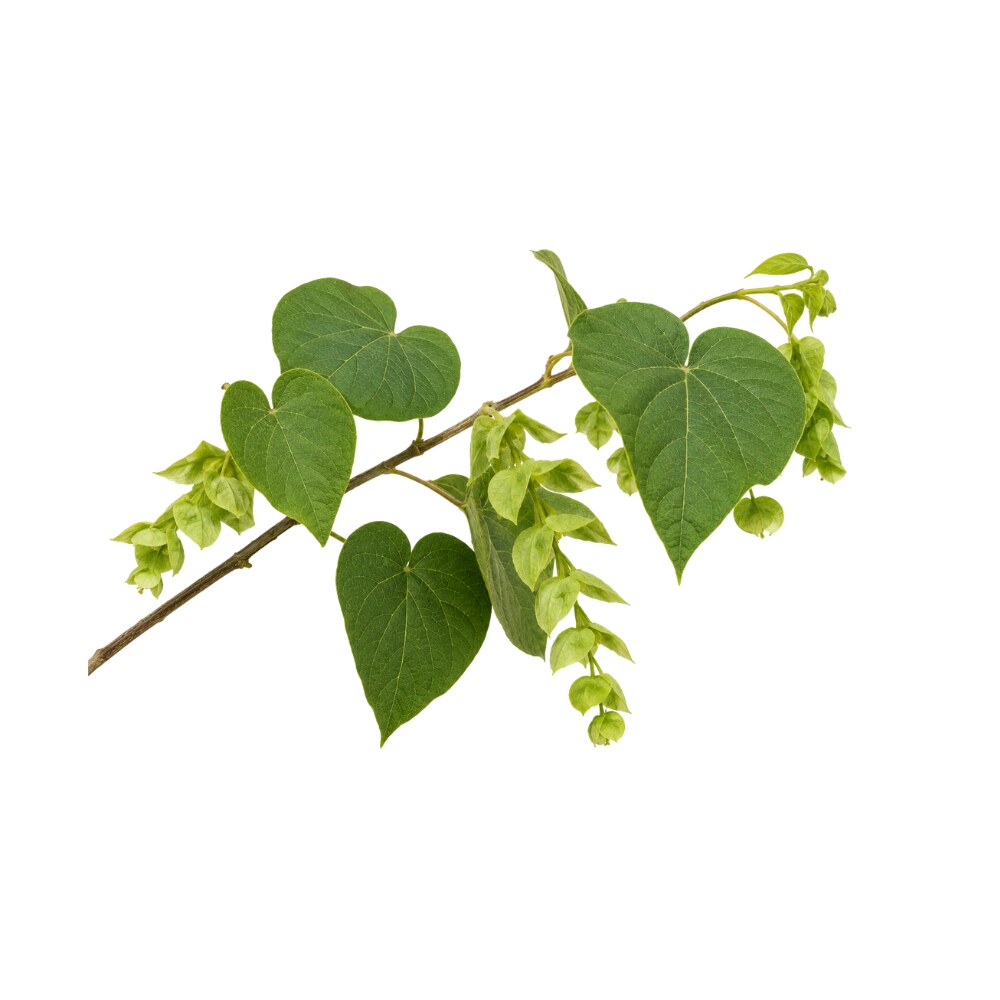
Abuta
Cissampelos pareira
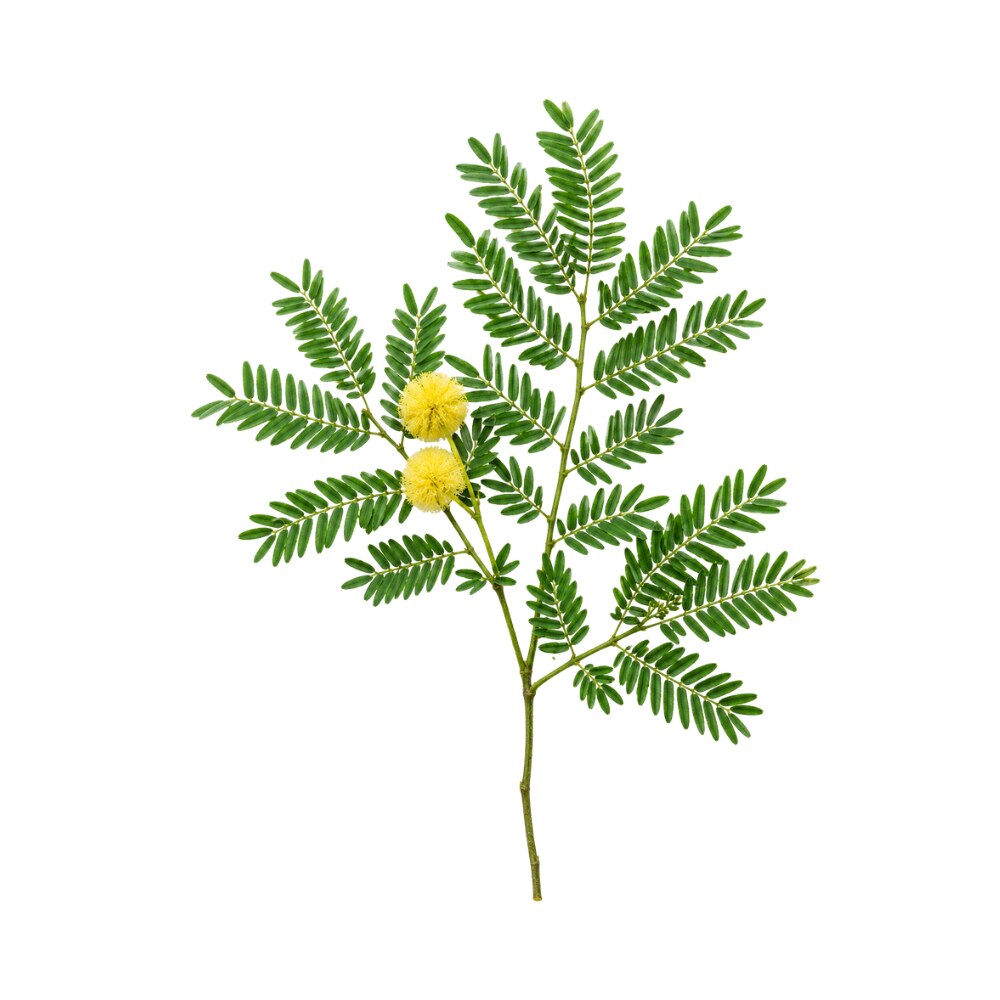
Acacia
Acacia, Vachellia & Senegalia spp.
African Dream Herb
Entada rheedii
American Ginseng
Panax quinquefolius
Angelica
Angelica archangelica
Asian Ginseng
Panax ginseng
Black Ant
Polyrhachis spp.
Black Cohosh
Cimicifuga racemosa
Black Horehound
Ballota nigra
Blue Vervain
Verbena hastata
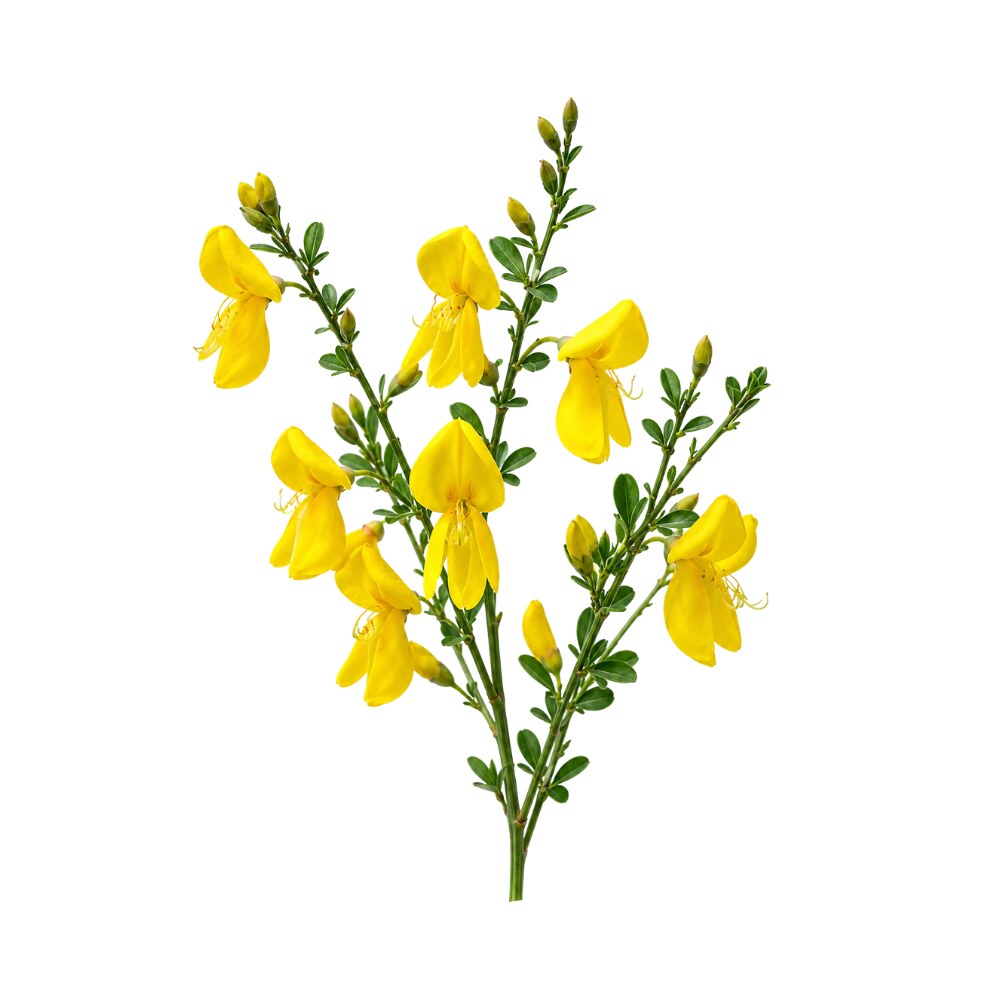
Broom
Cytisus scoparius
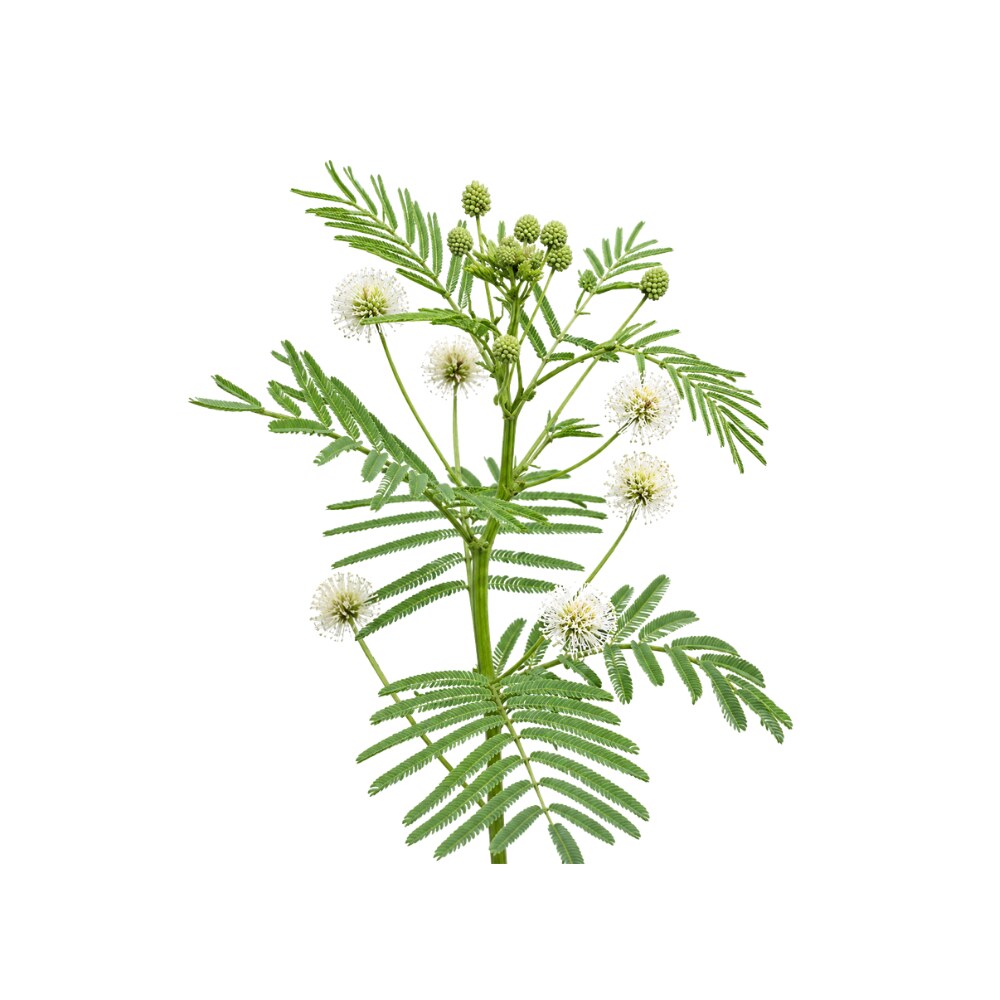
Bundleflower
Desmanthus illinoensis
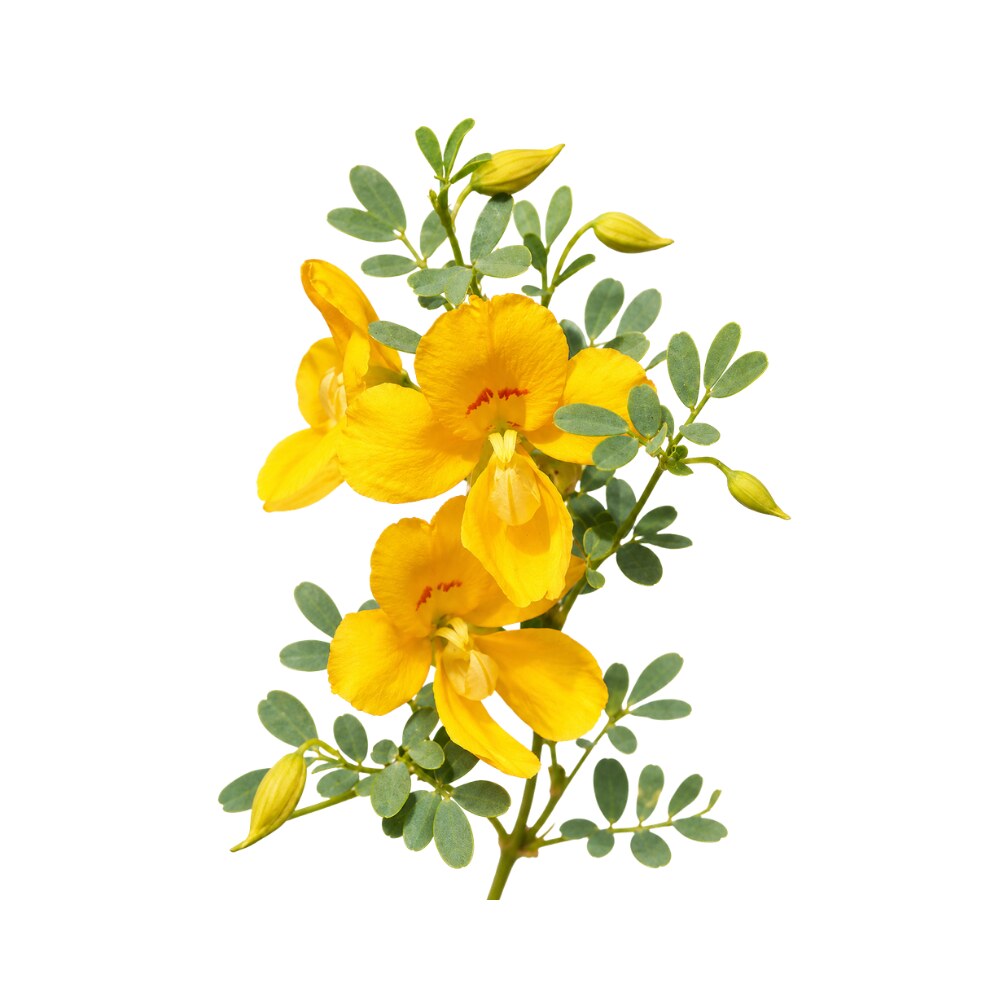
Butterfly Bush (Petalostylis)
Petalostylis cassioides
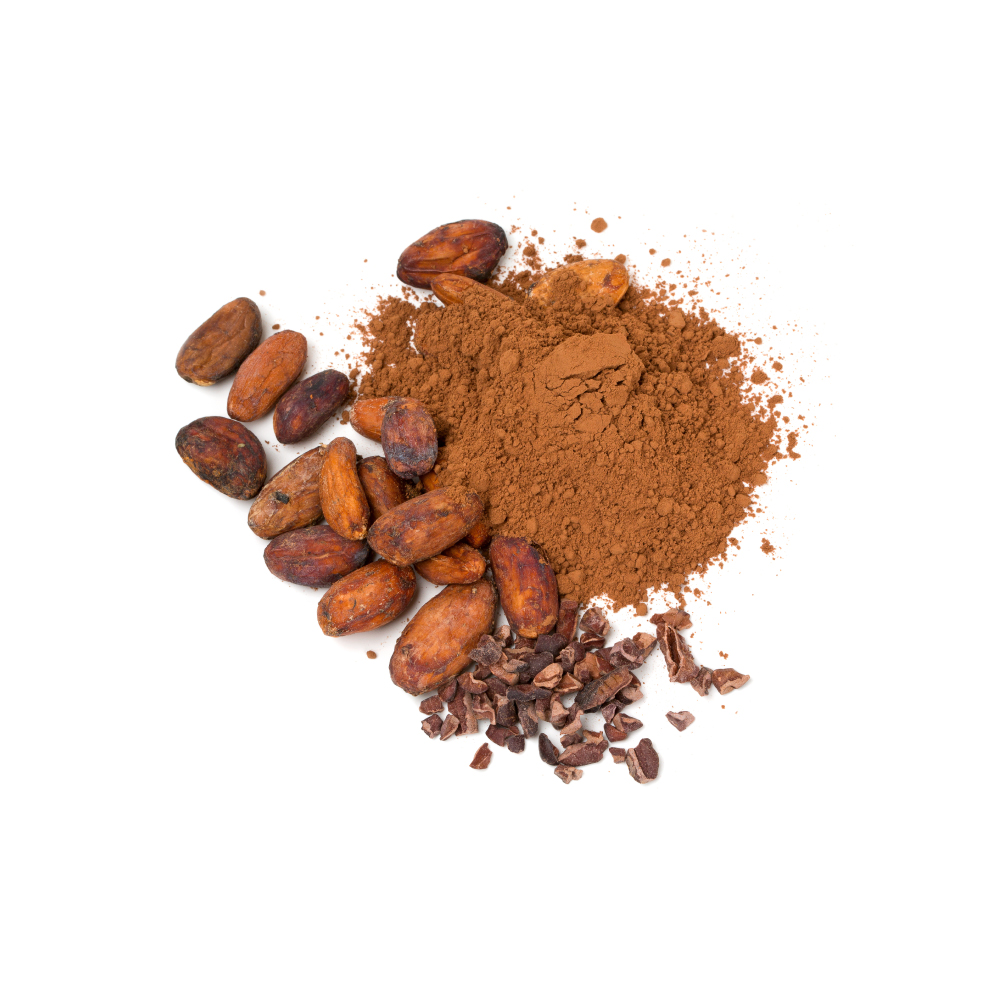
Cacao
Theobroma cacao
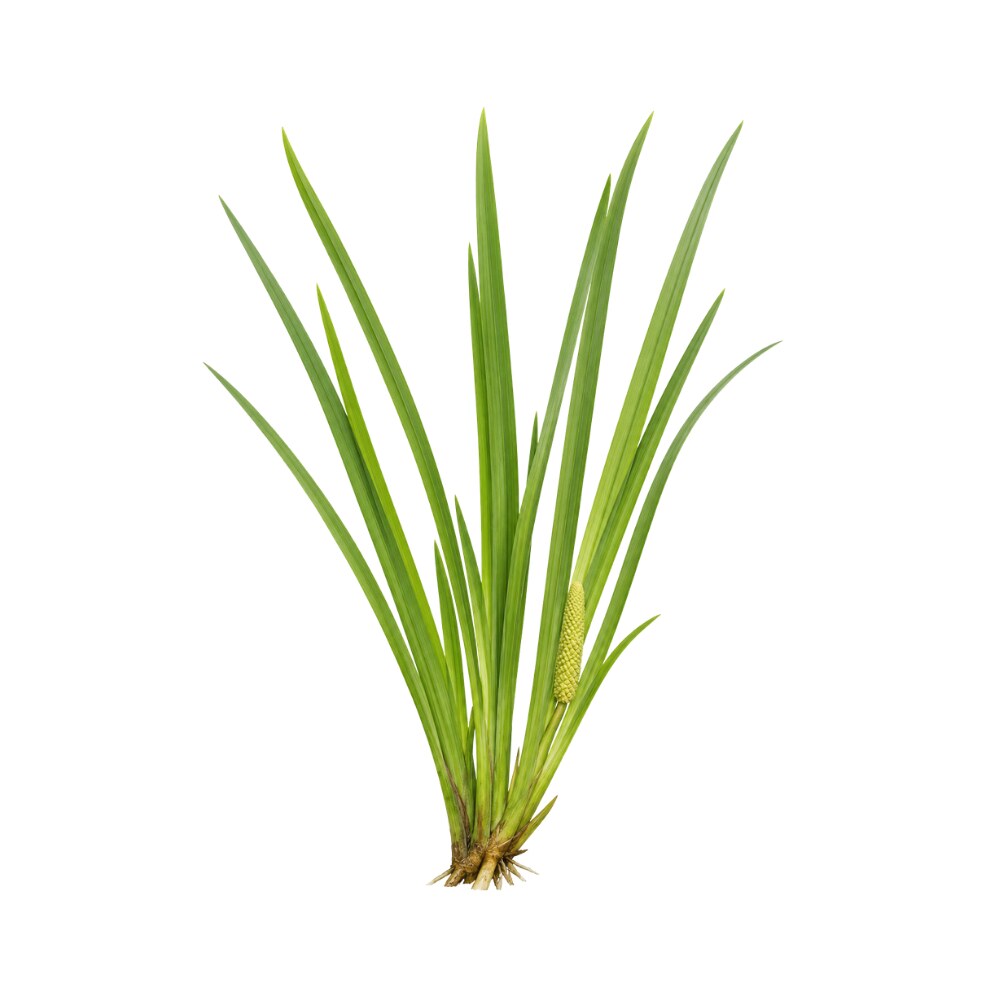
Calamus
Acorus calamus
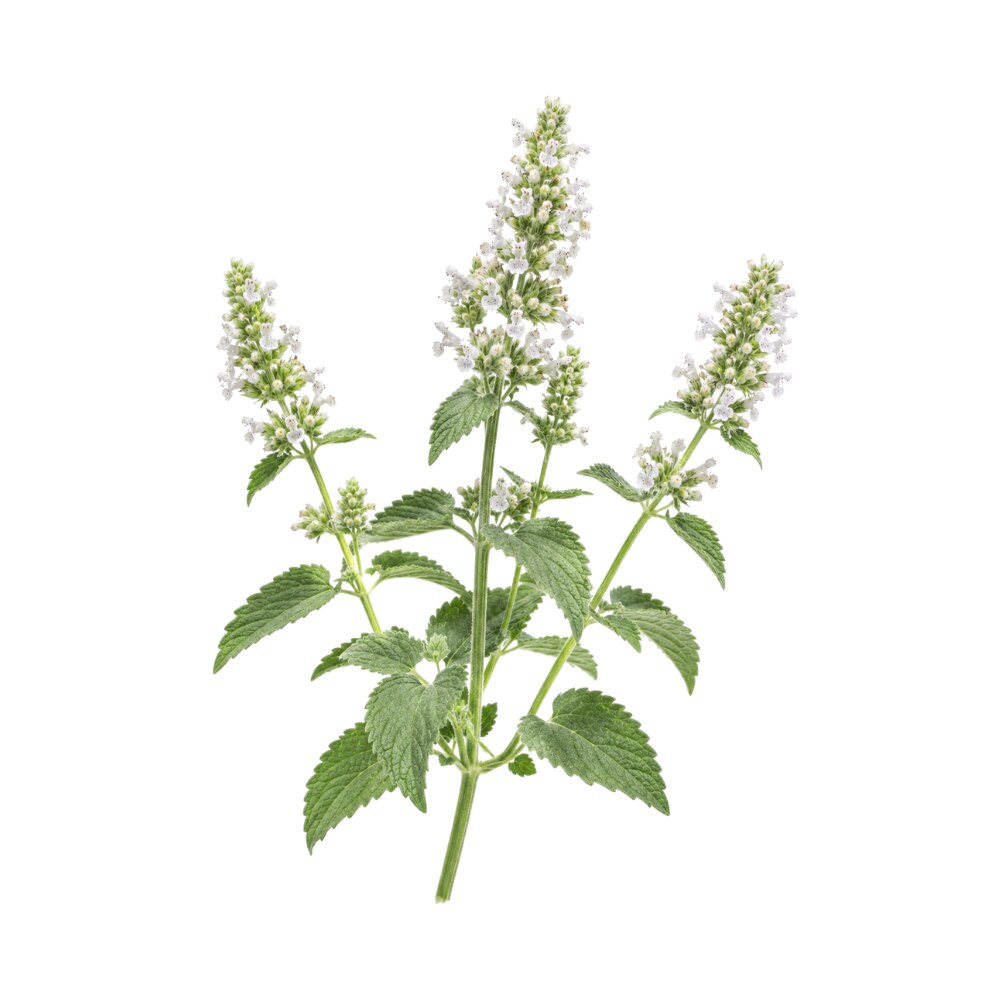
Catnip
Nepeta cataria
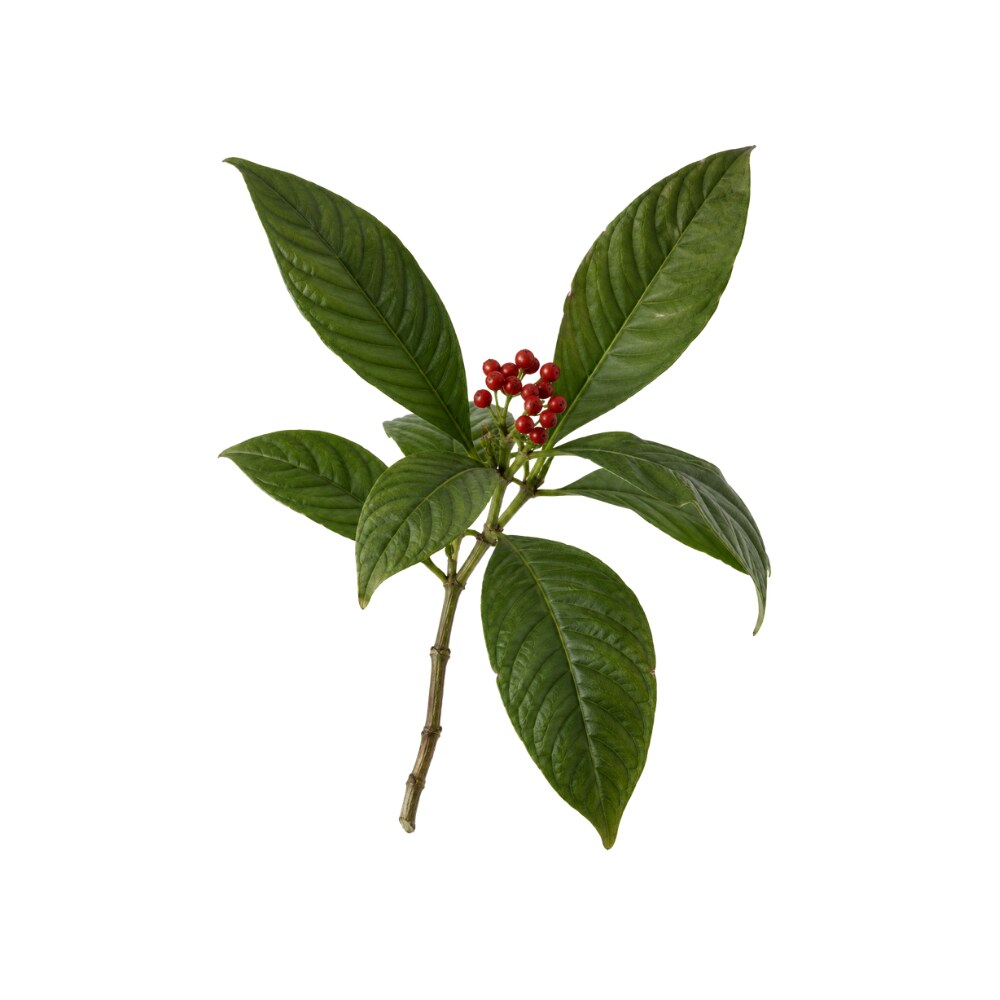
Chacruna
Psychotria viridis
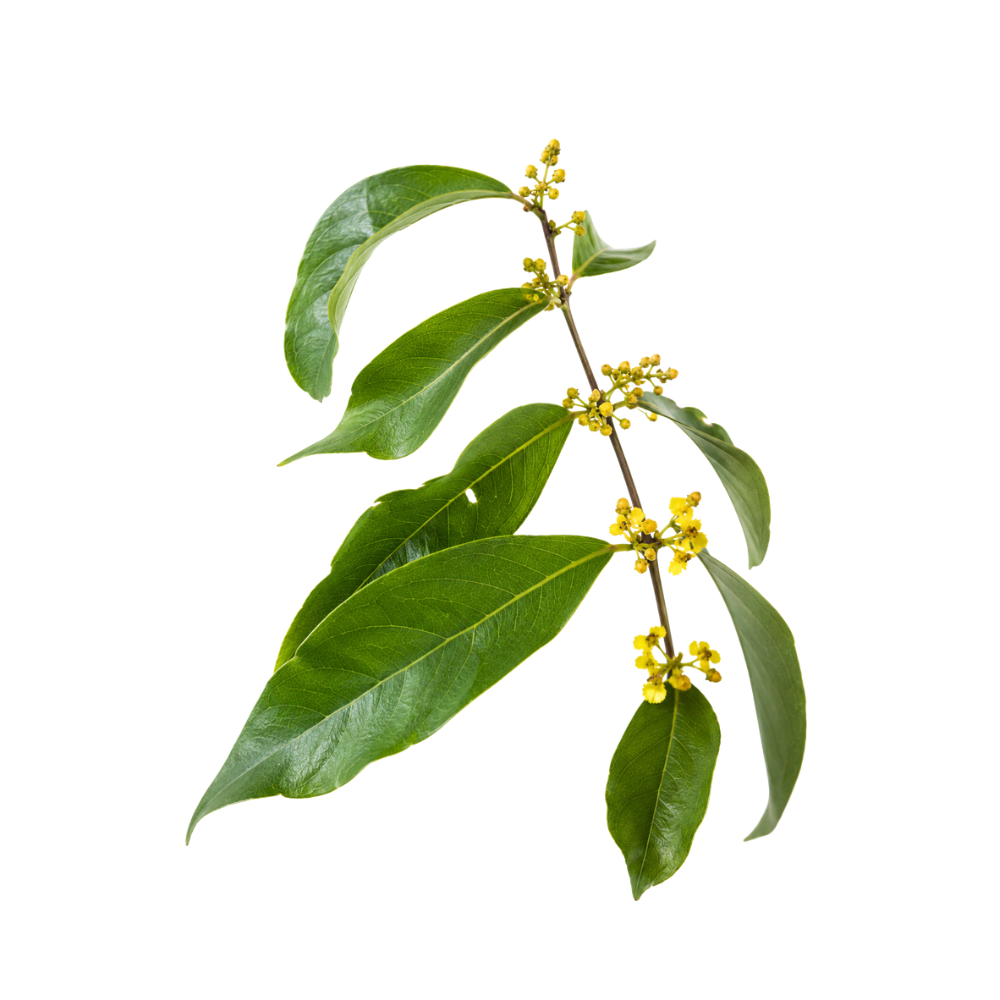
Chagro-Panga
Diplopterys cabrerana
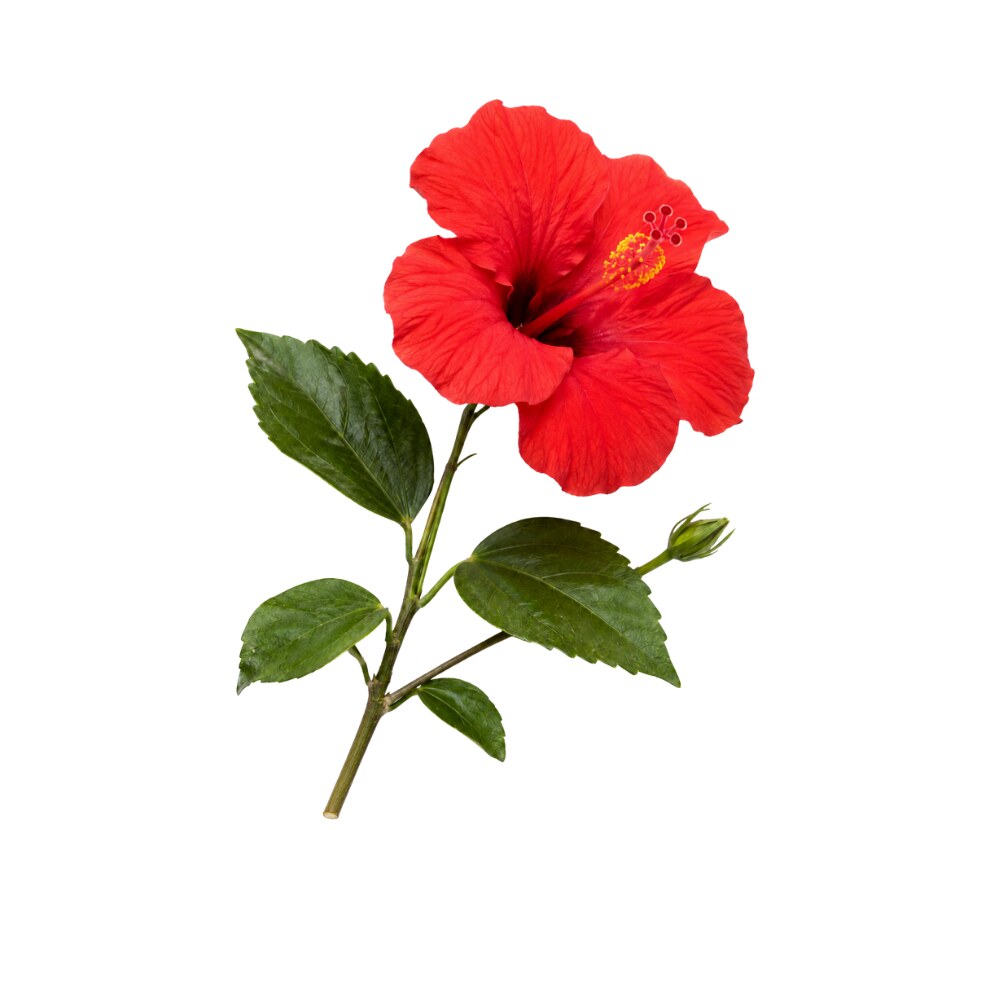
Chinese Hibiscus
Hibiscus rosa-sinensis
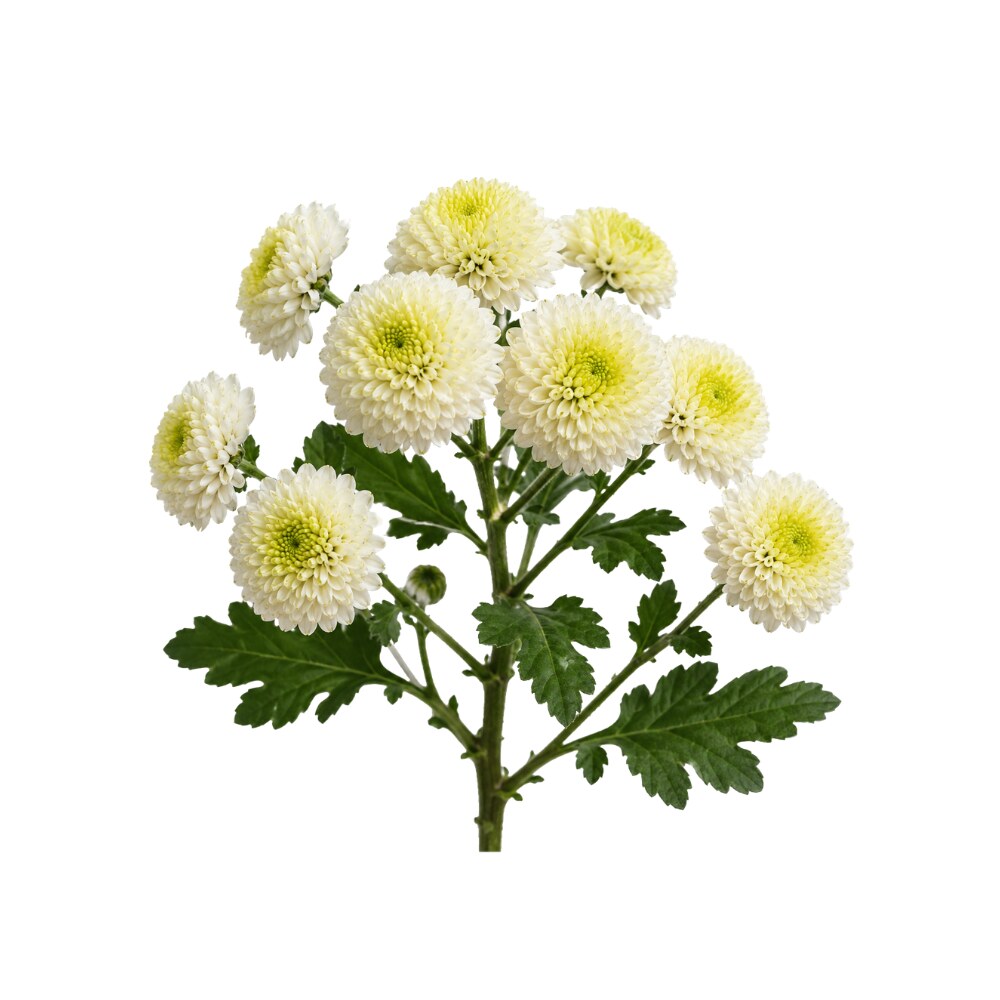
Chrysanthemum
Chrysanthemum morifolium
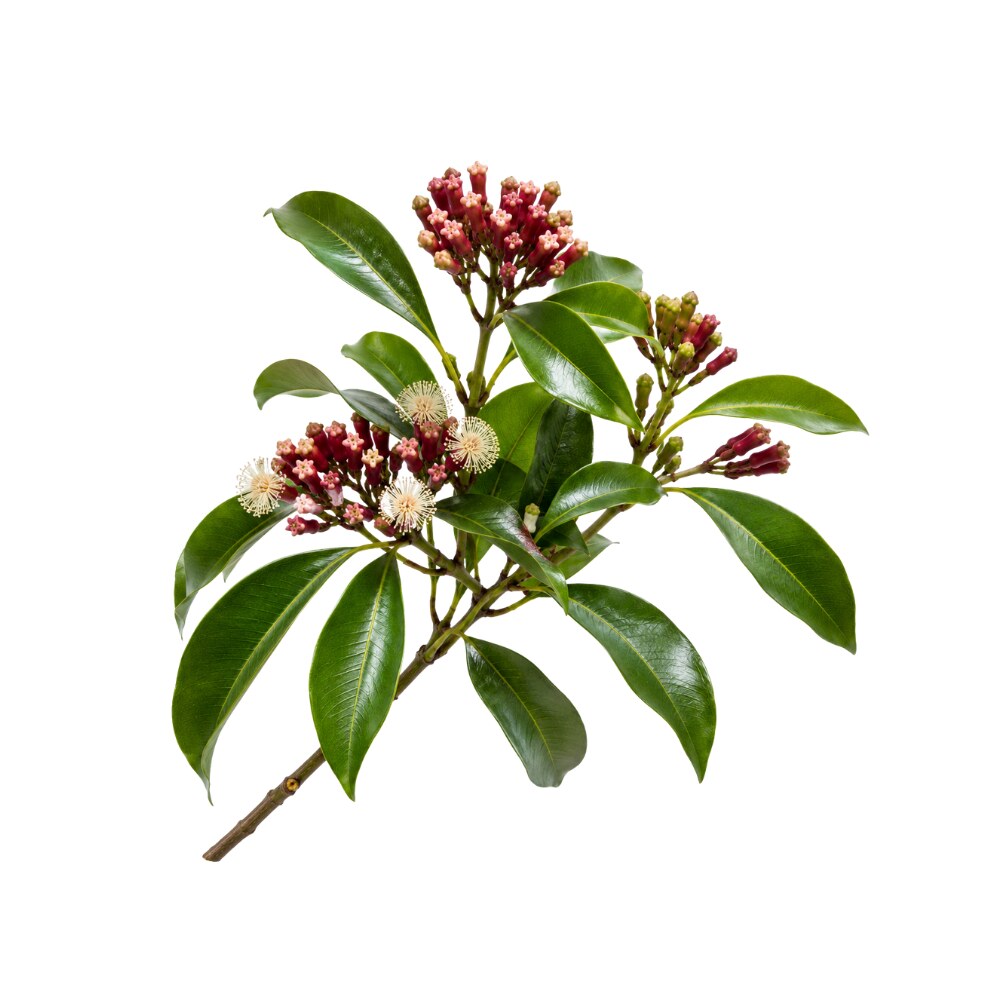
Clove
Syzygium aromaticum
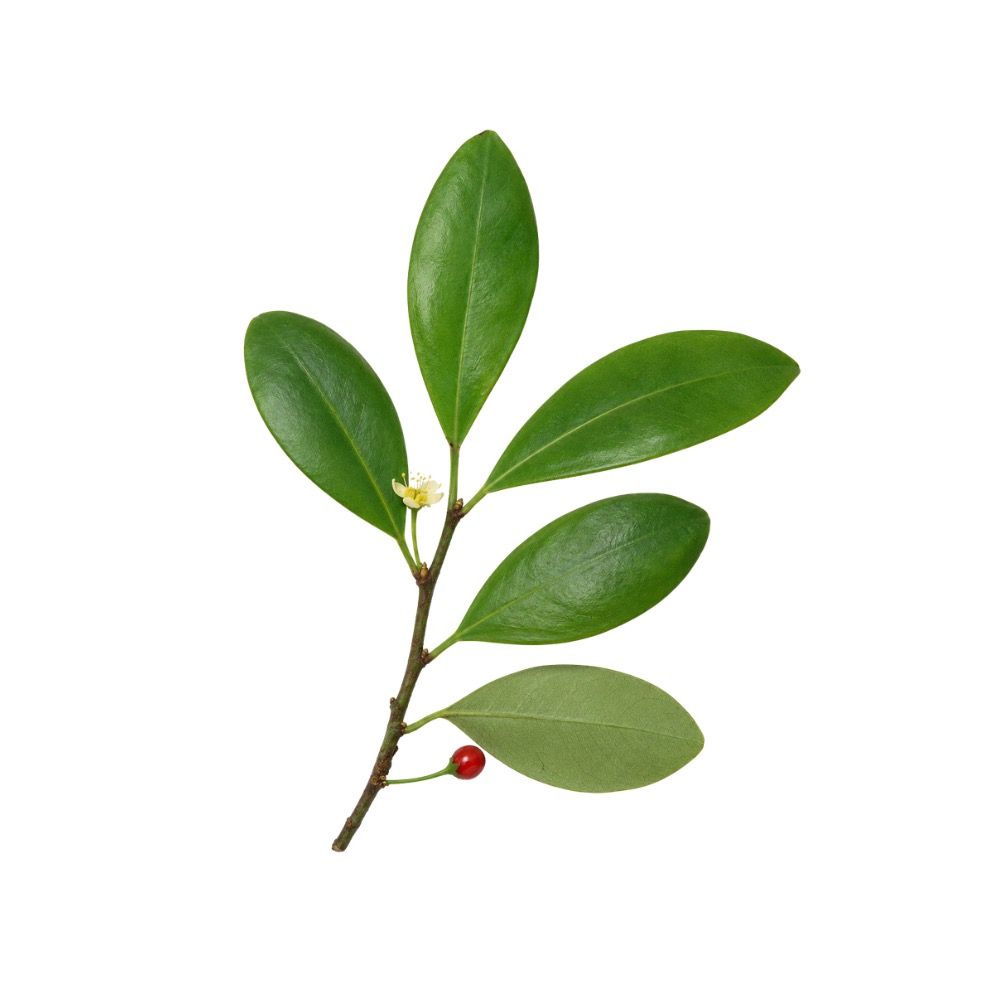
Coca
Erythroxylum coca
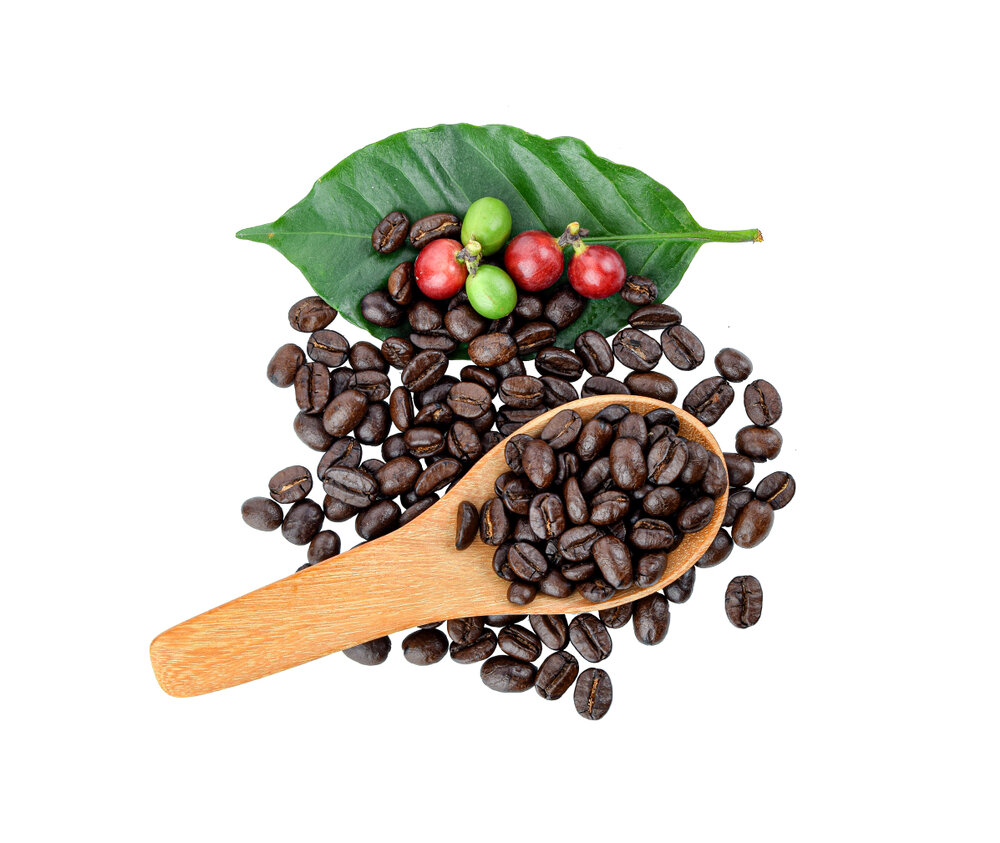
Coffee
Coffea arabica
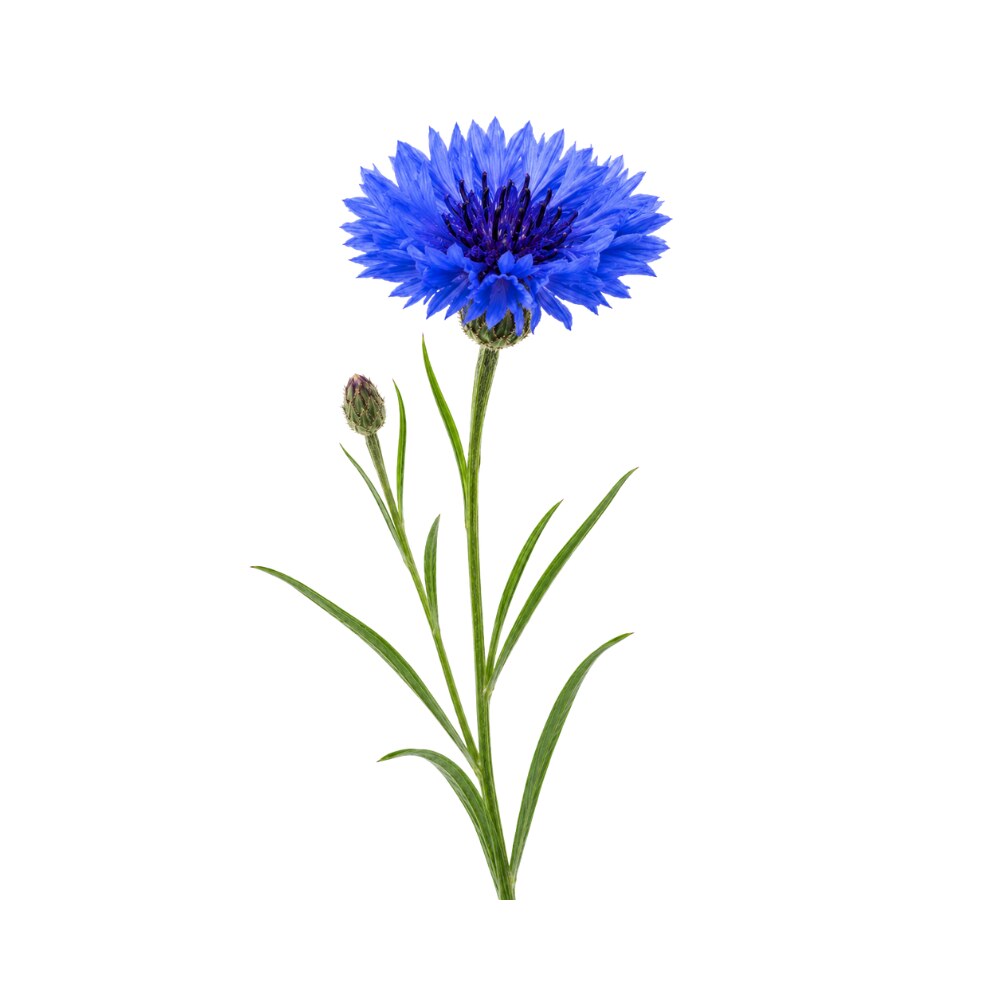
Cornflower
Centaurea cyanus
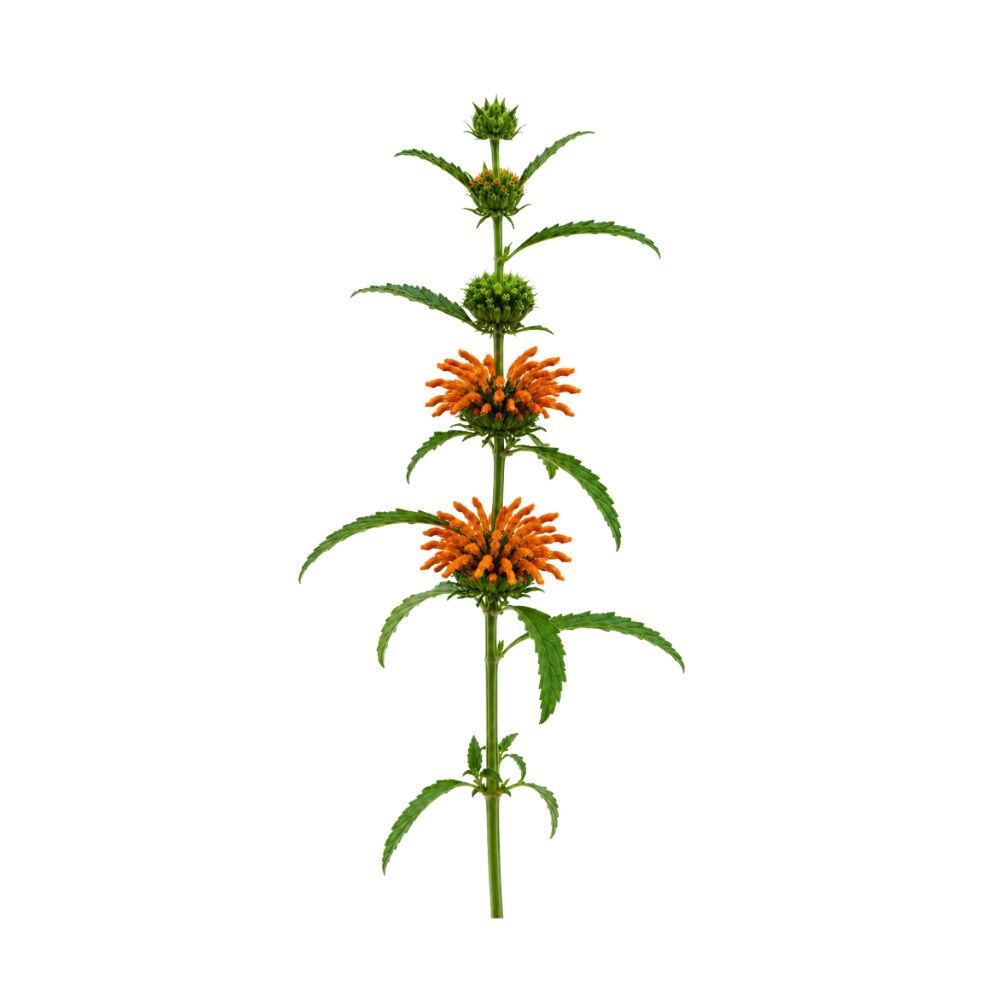
Dagga
Leonotis nepetifolia
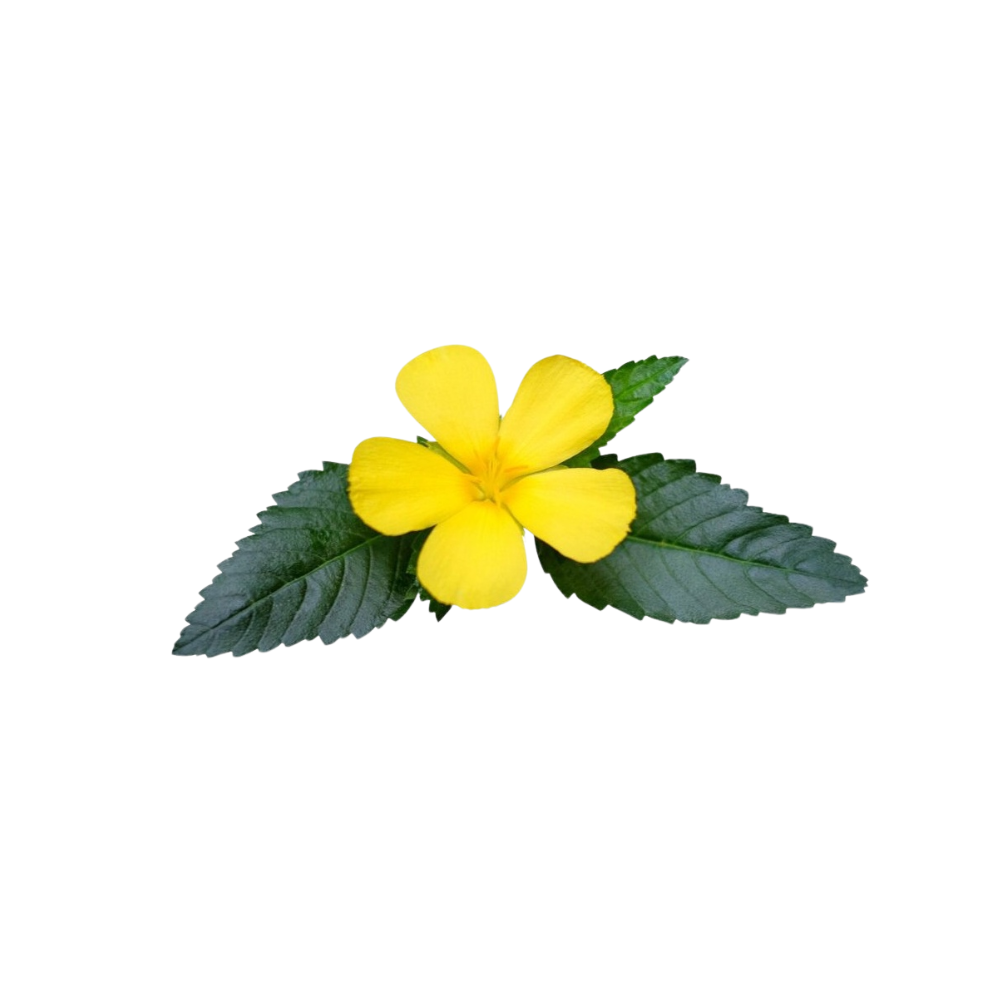
Damiana
Turnera diffusa
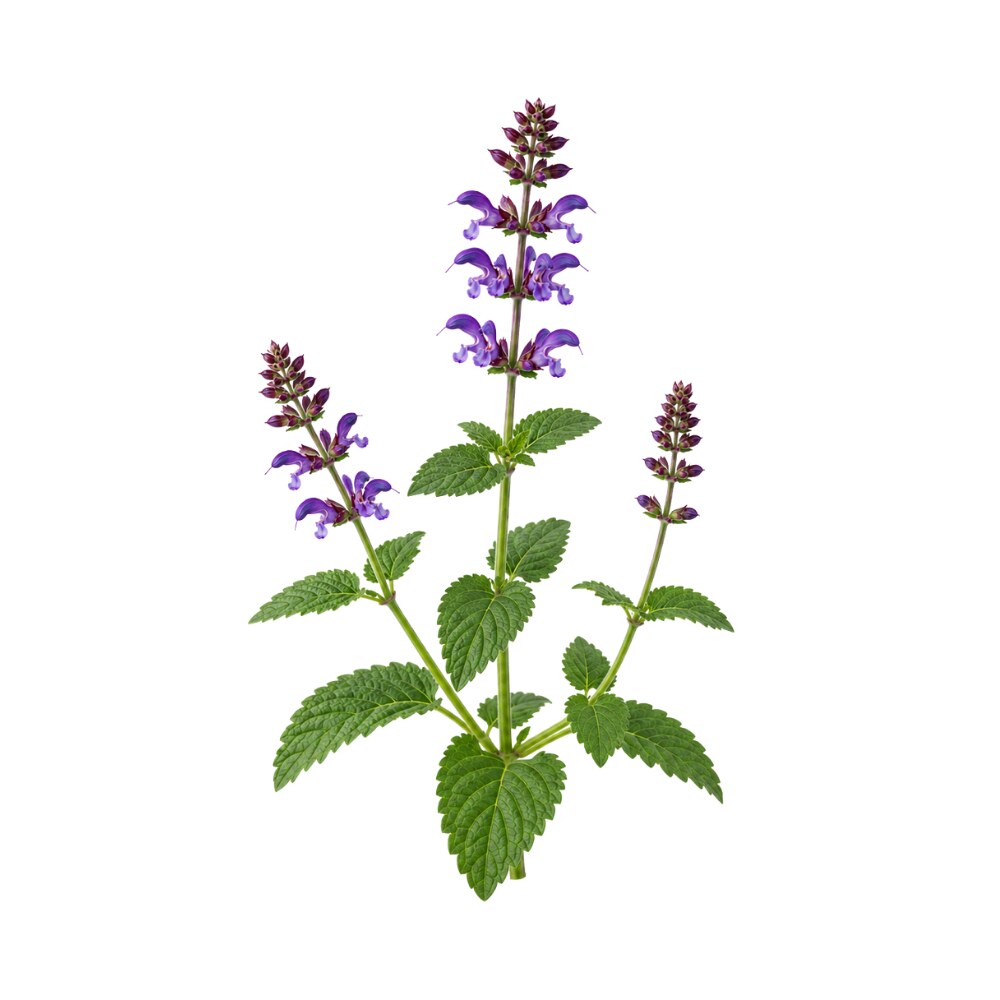
Dan Shen
Salvia miltiorrhiza
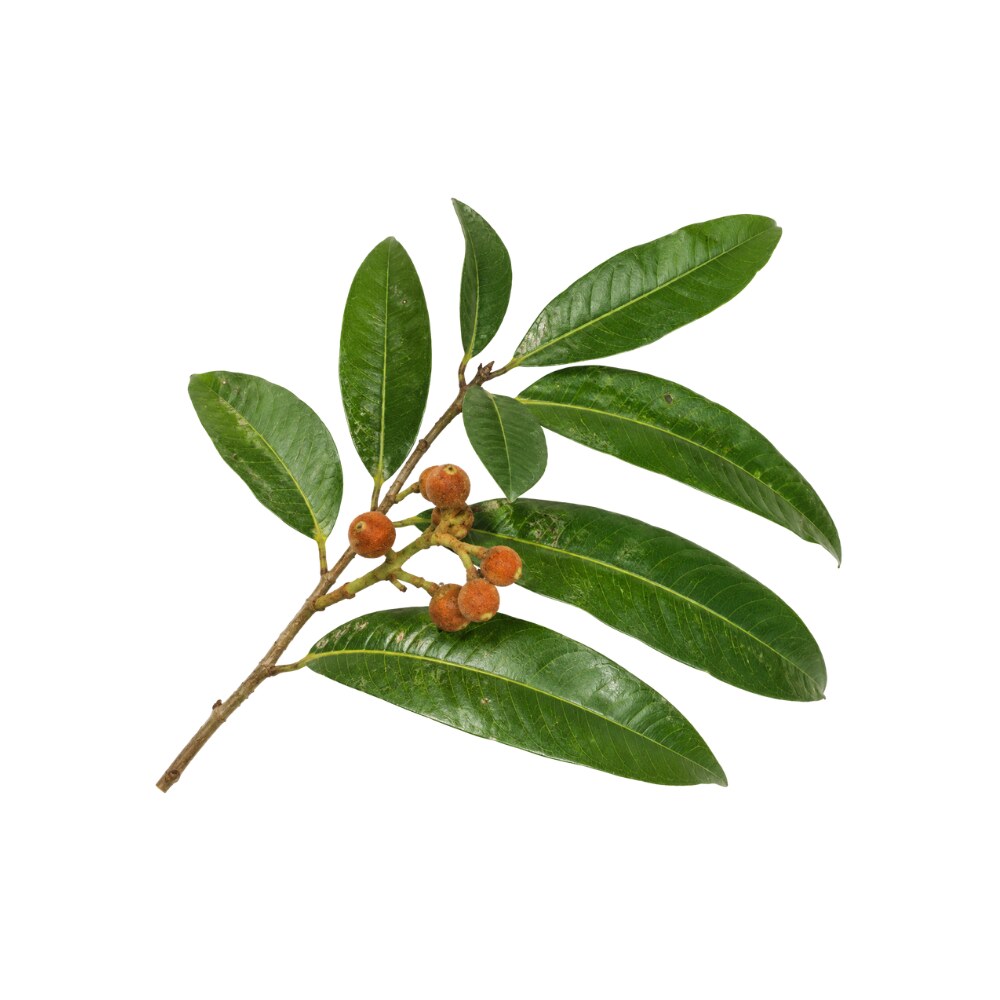
Epeña
Virola spp.
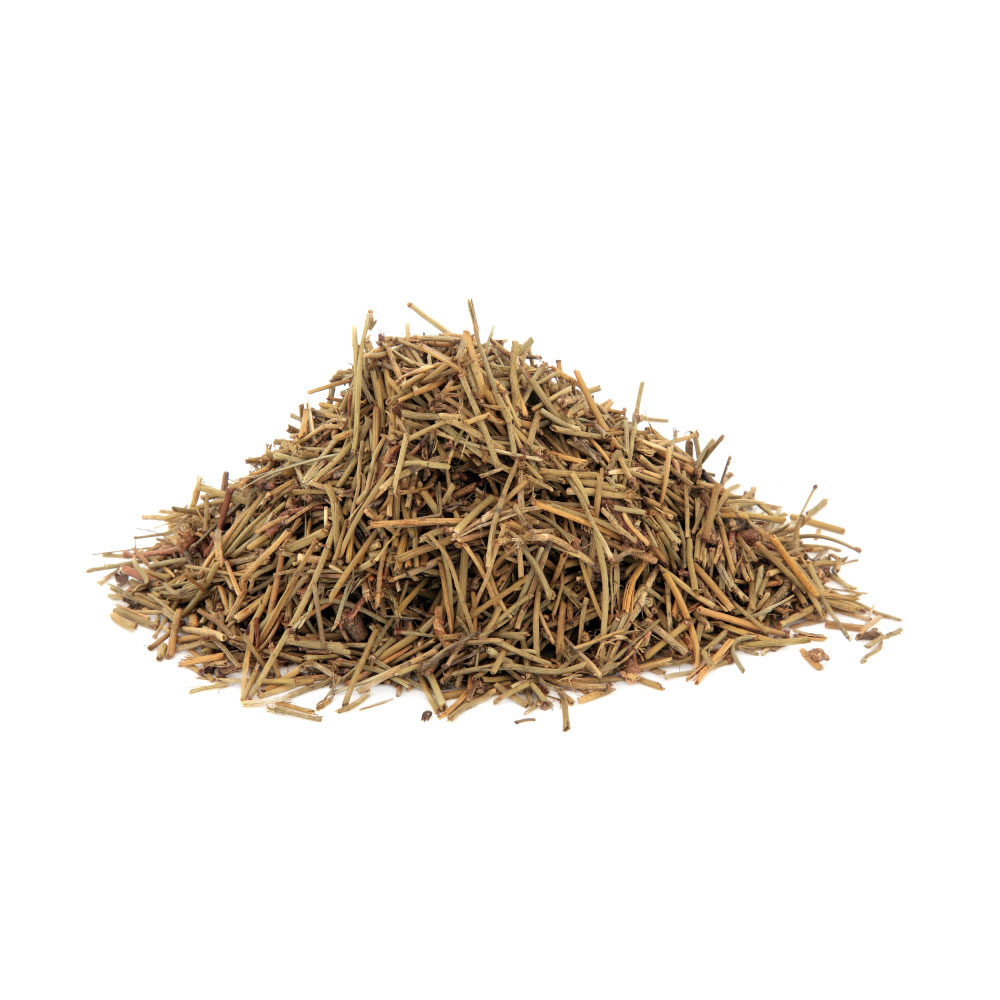
Ephedra
Ephedra sinica
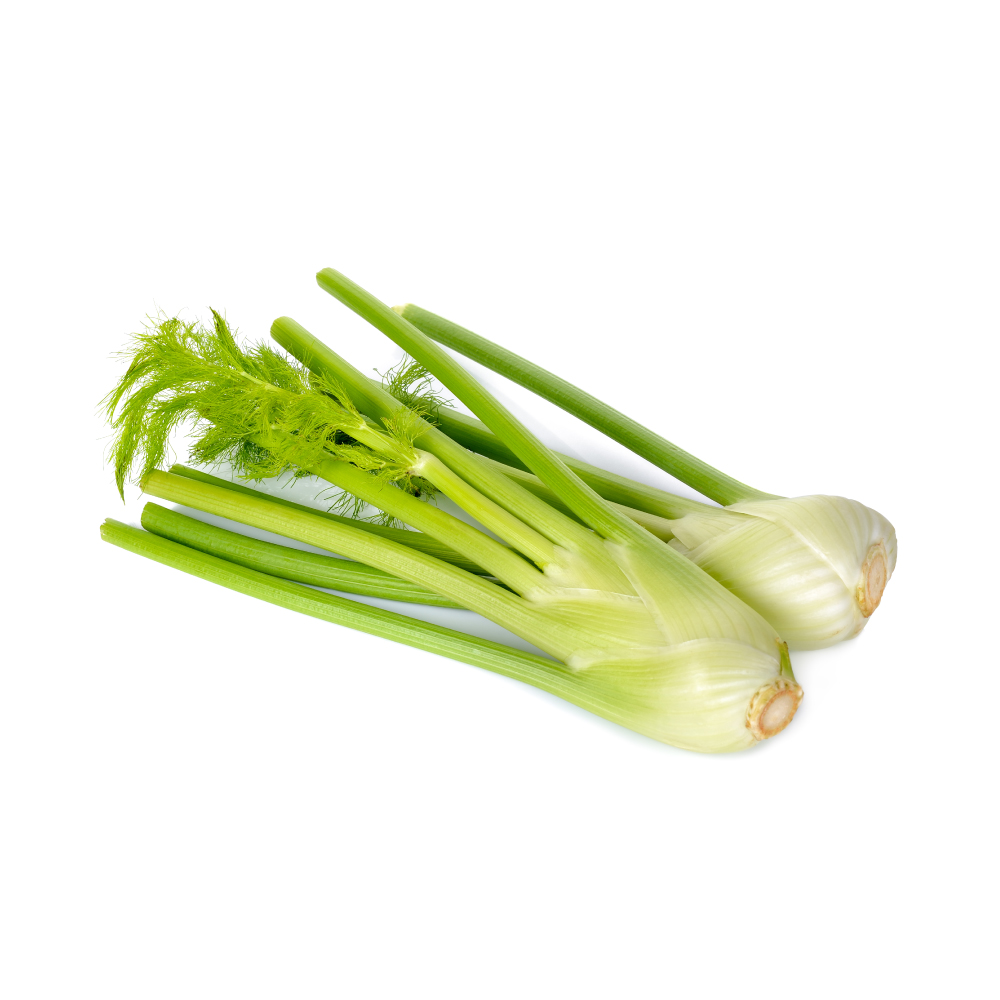
Fennel
Foeniculum vulgare
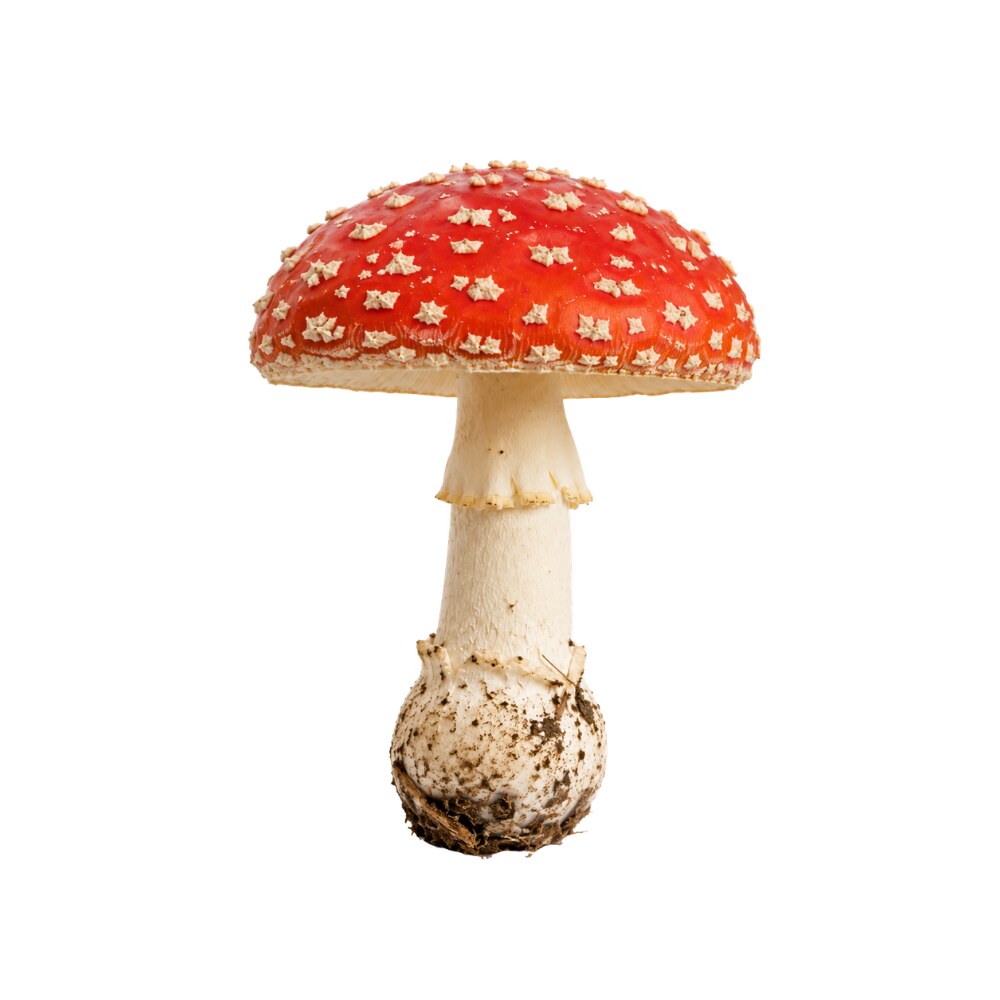
Fly Agaric
Amanita muscaria
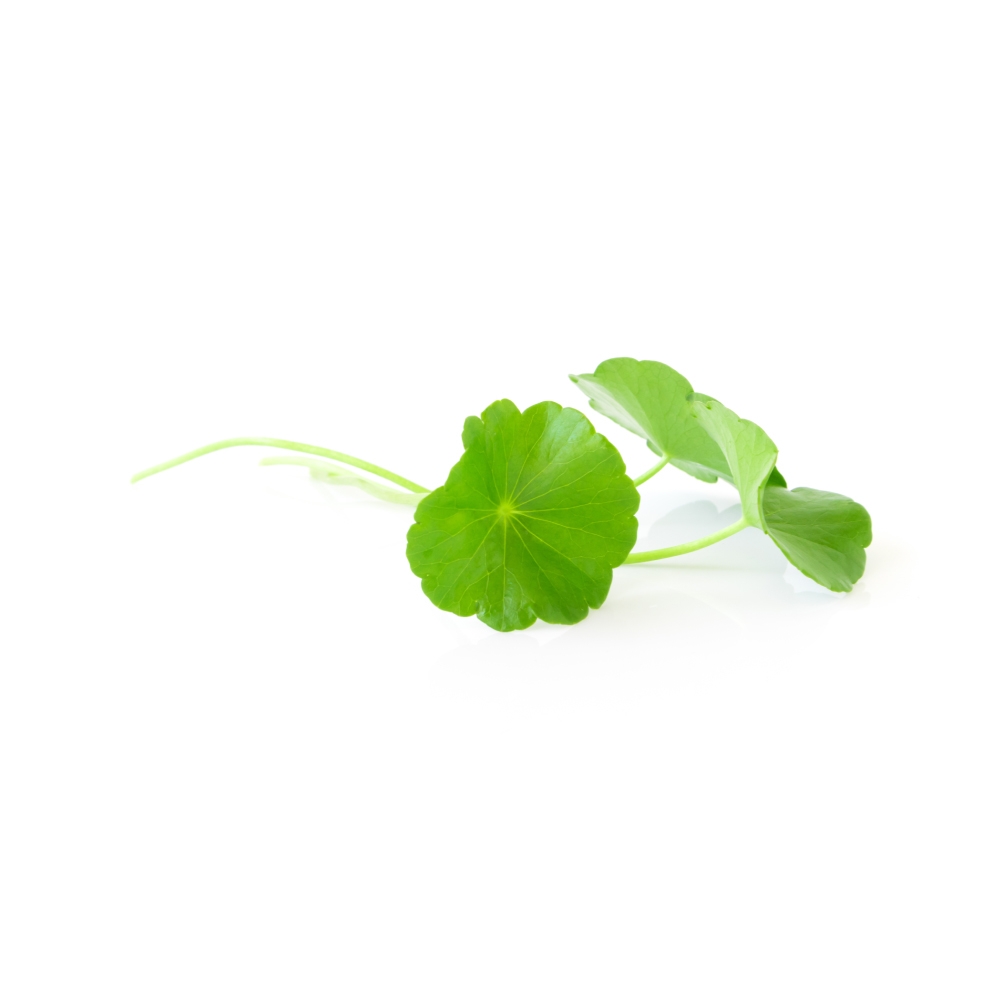
Gotu Kola
Centella asiatica
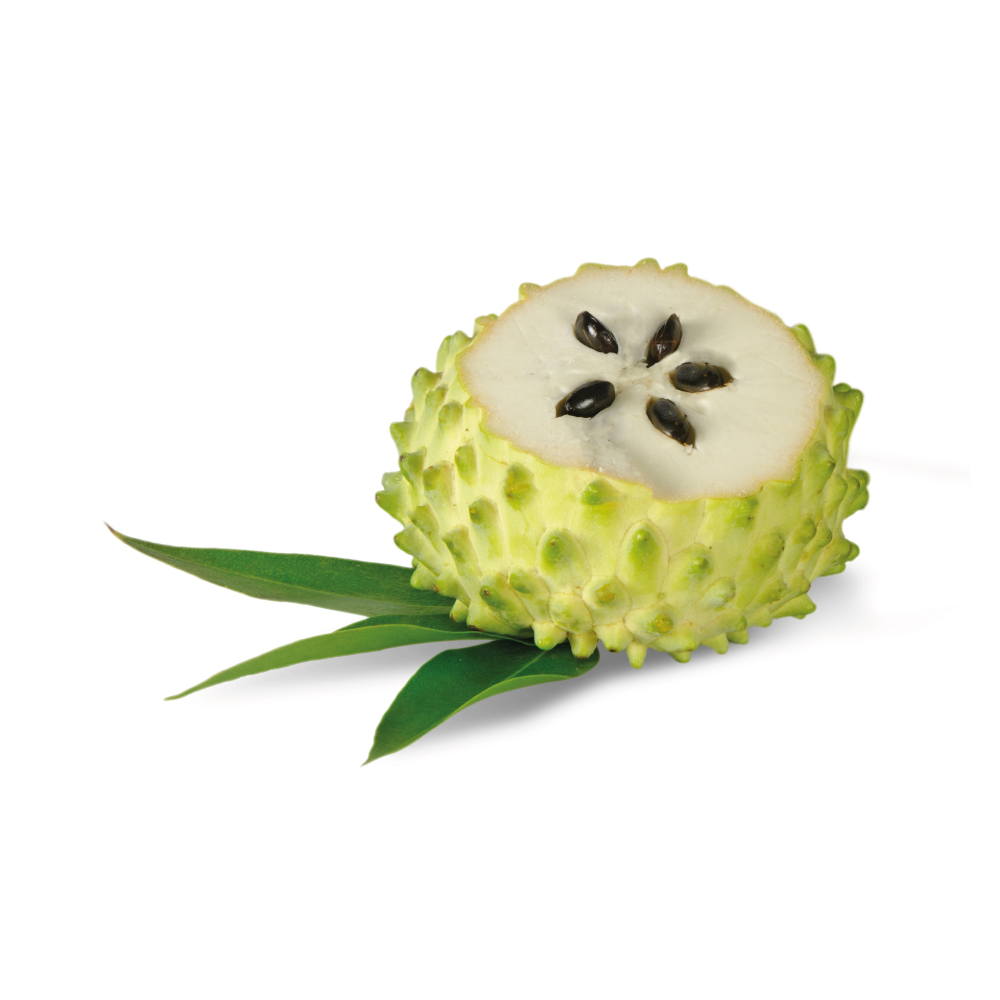
Graviola
Annona muricata
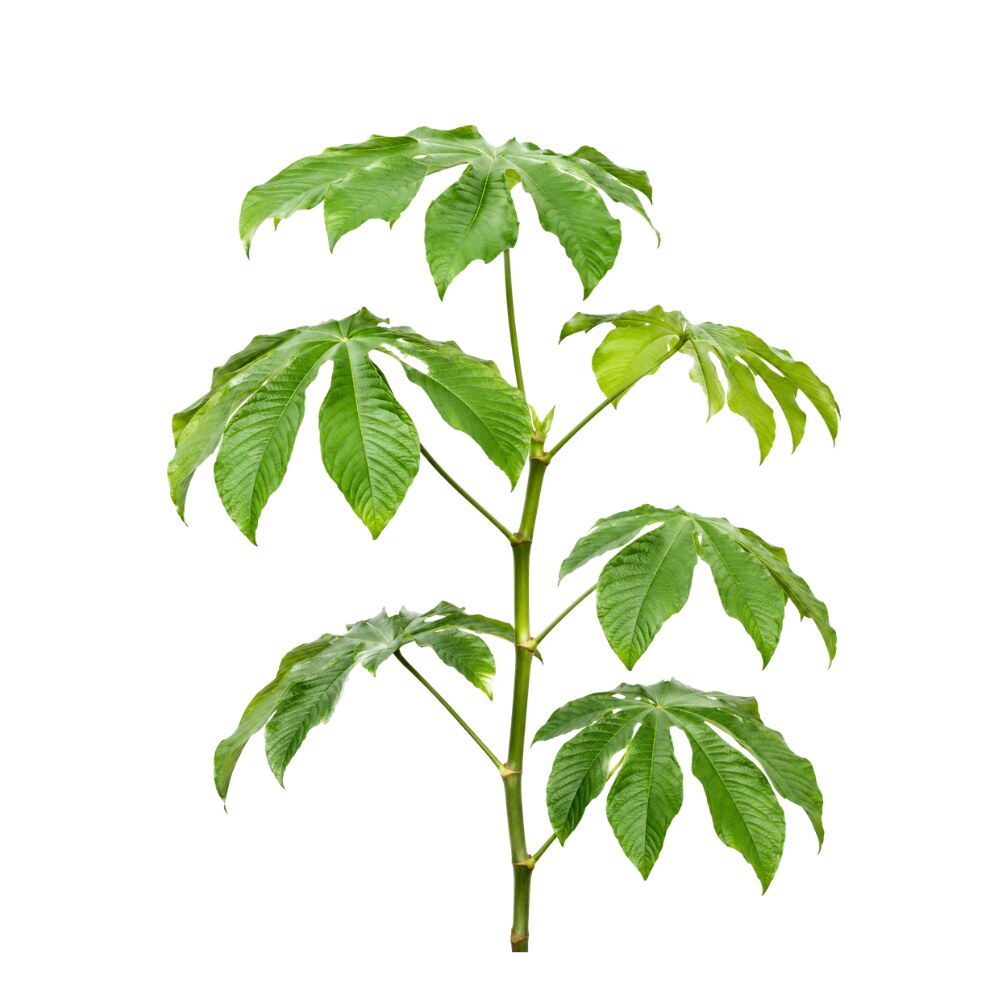
Guamura
Cecropia obtusifolia
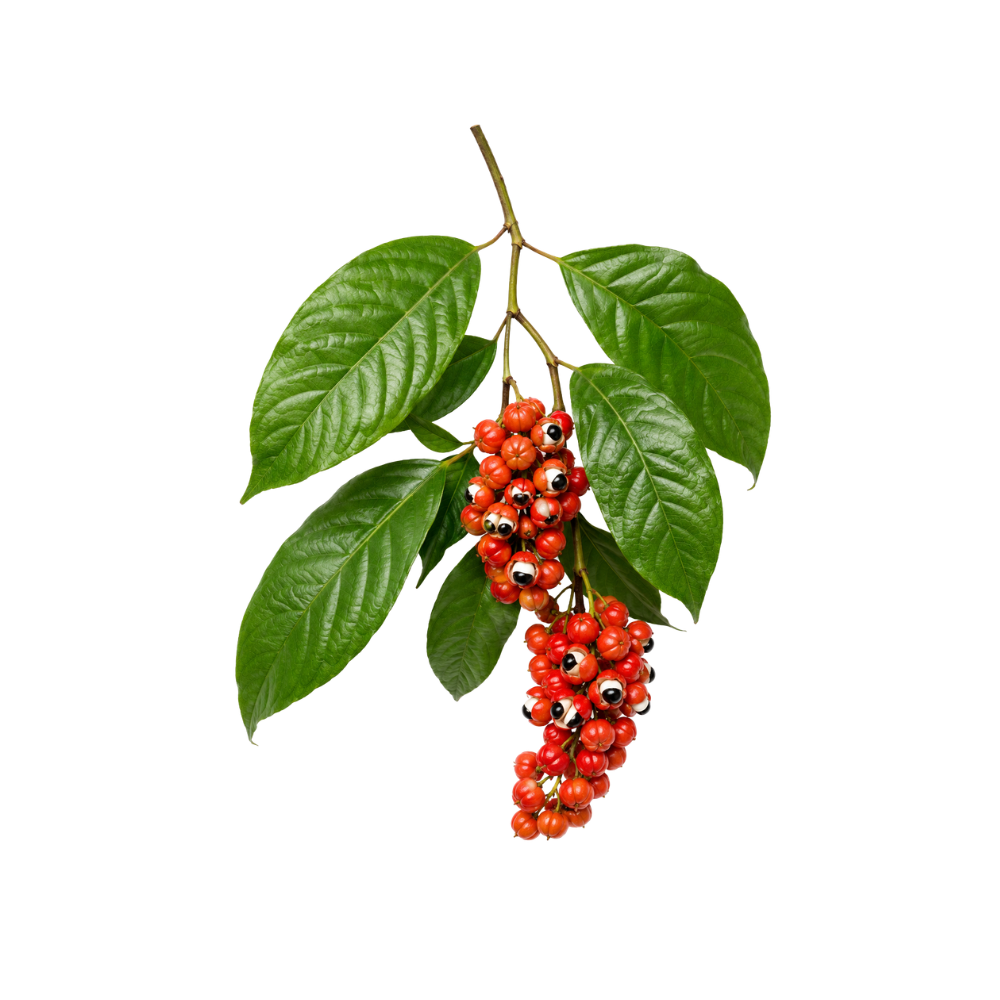
Guarana
Paullinia cupana
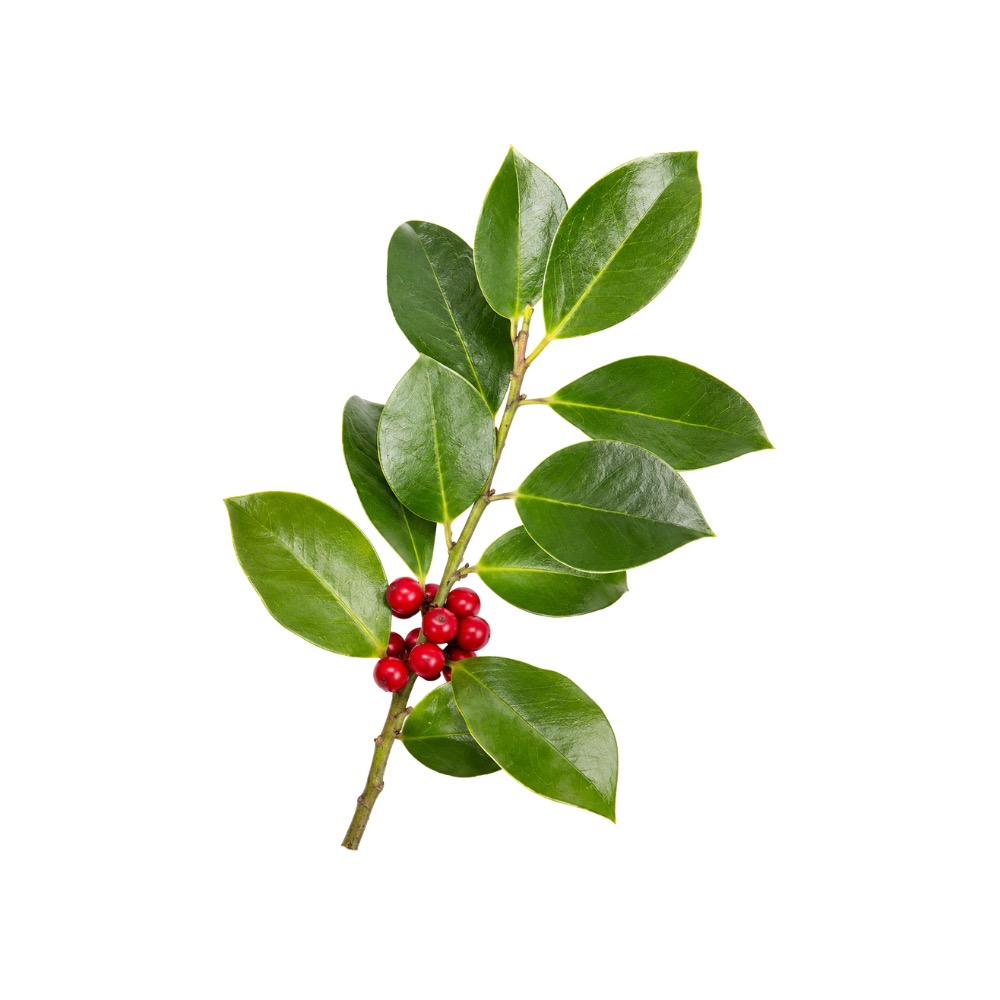
Guayusa
Ilex guayusa
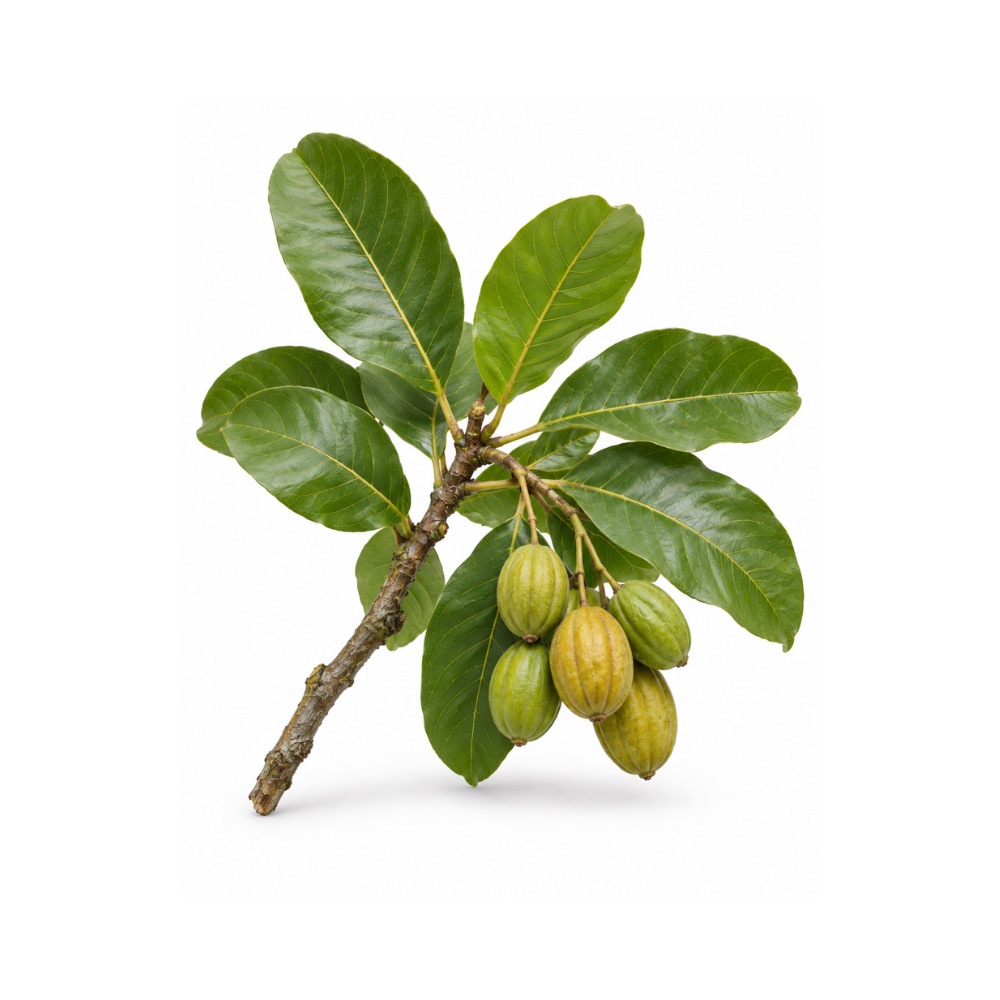
Haritaki
Terminalia chebula
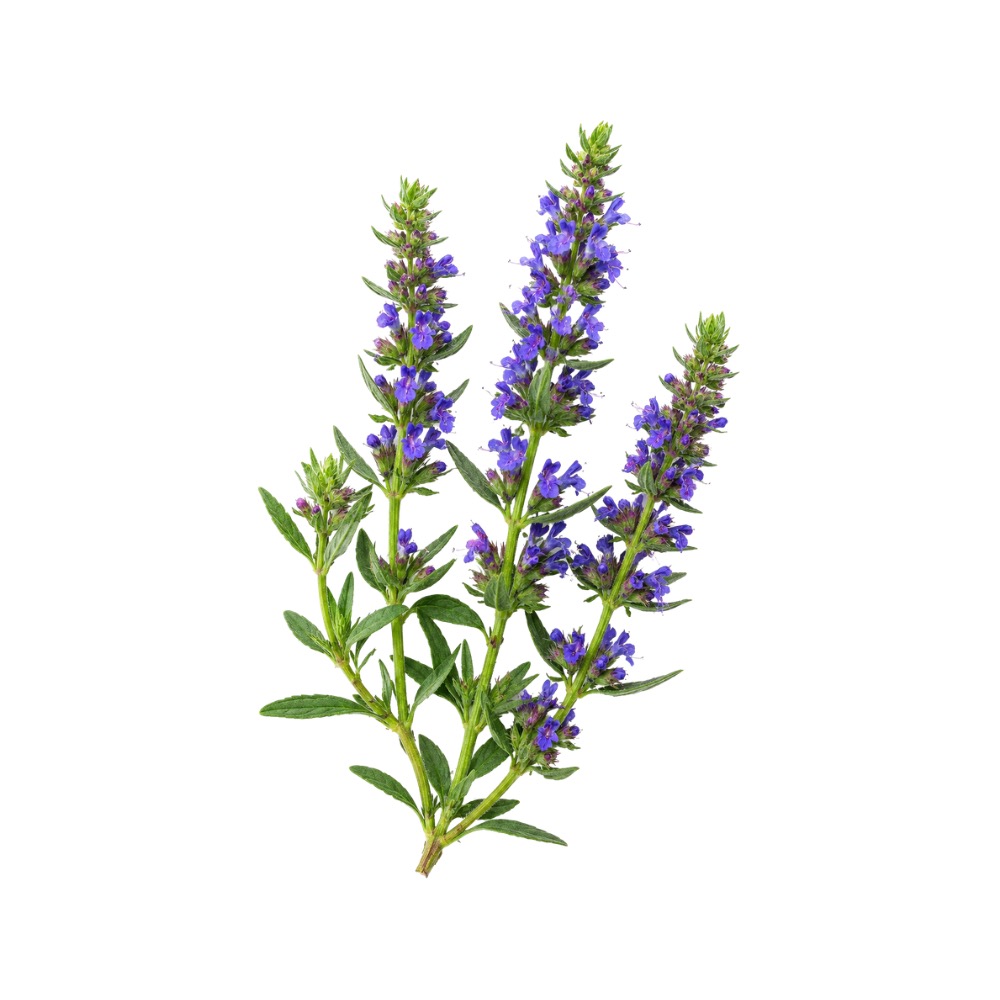
Hyssop
Hyssopus officinalis
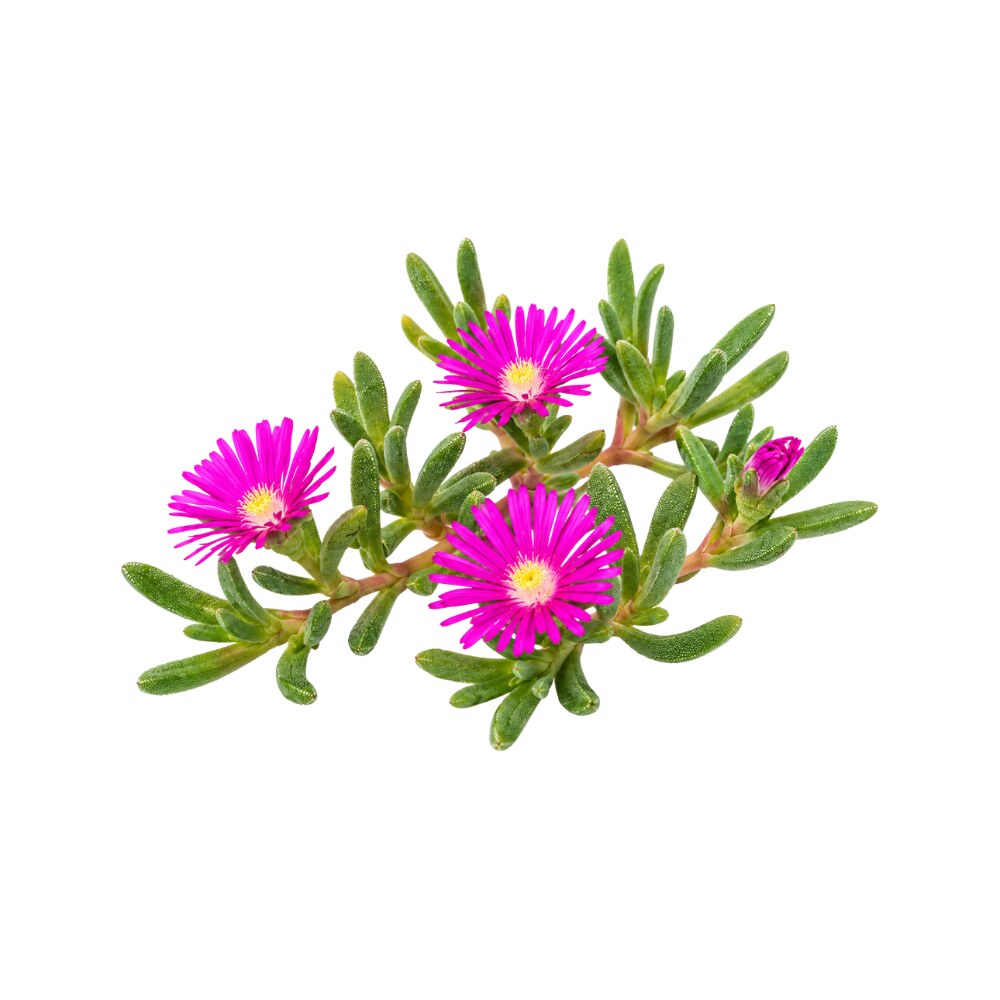
Ice Plant
Delosperma spp.
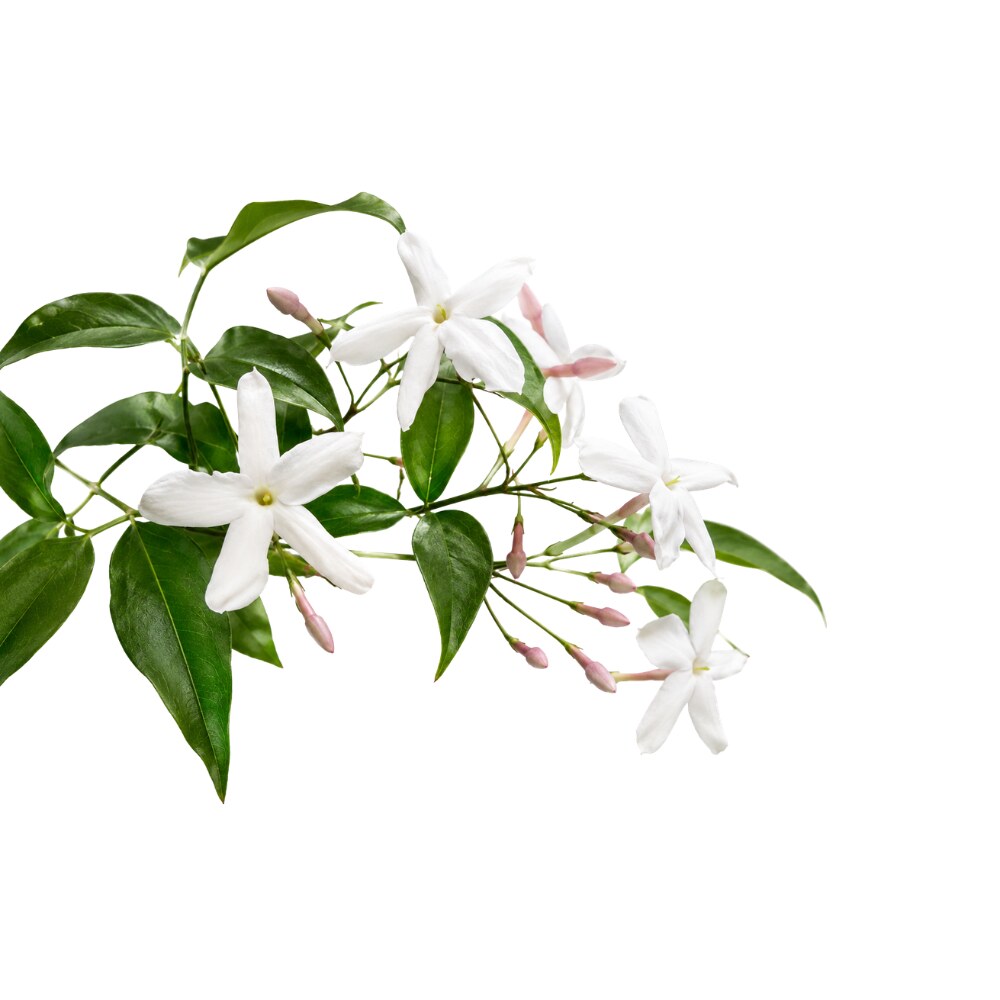
Jasmine
Jasminum officinale
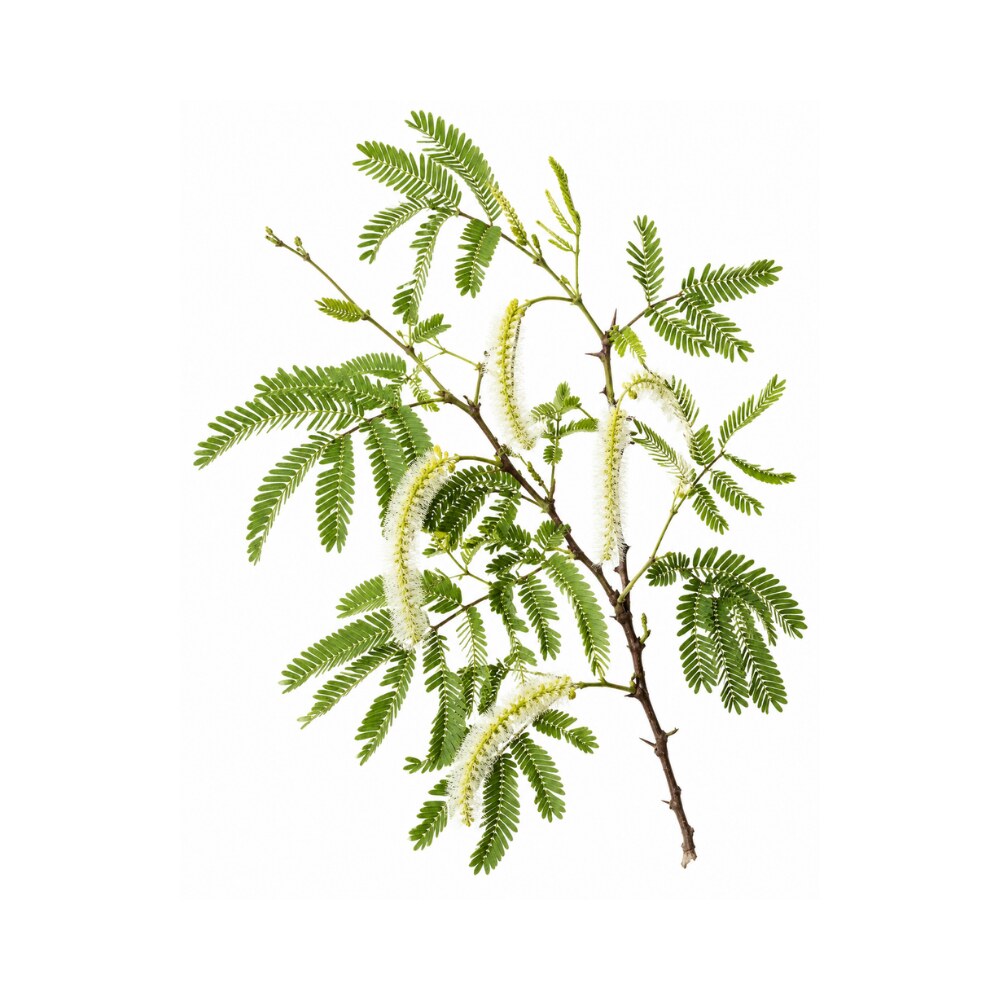
Jurema
Mimosa tenuiflora
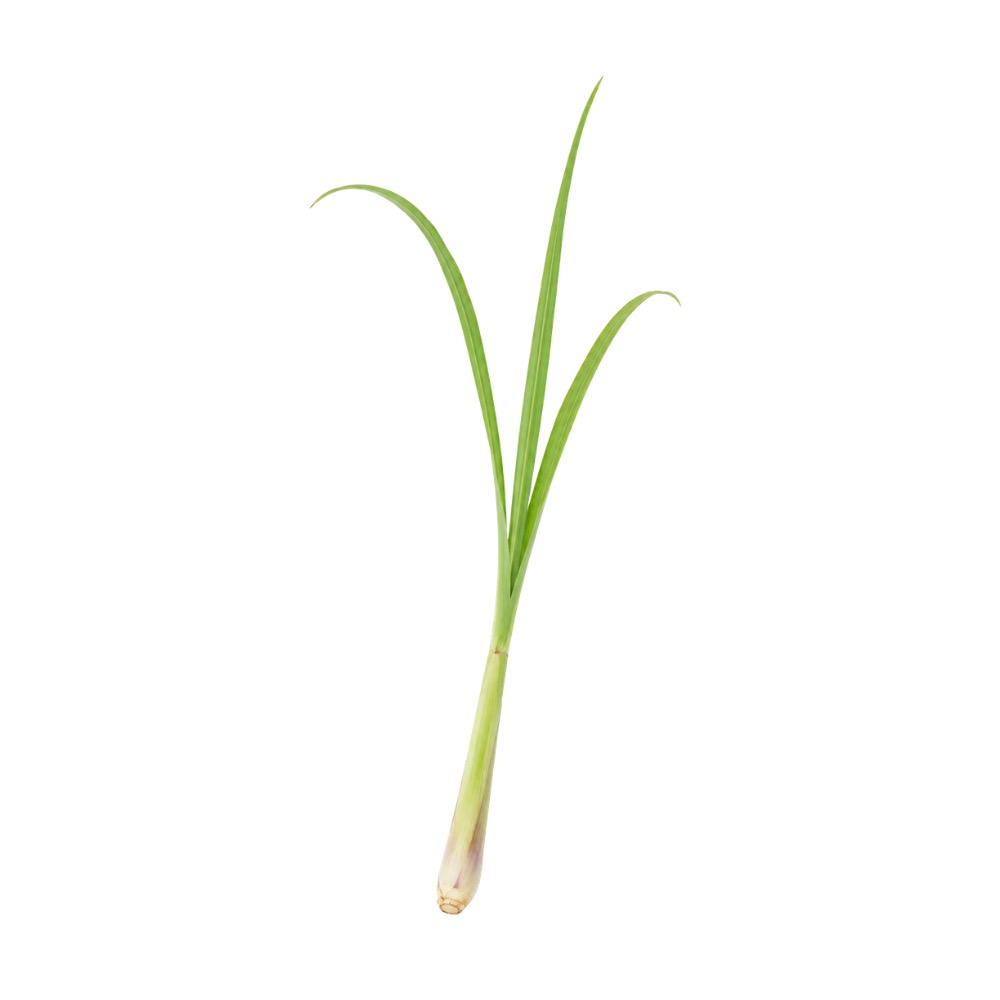
Lemongrass
Cymbopogon citratus
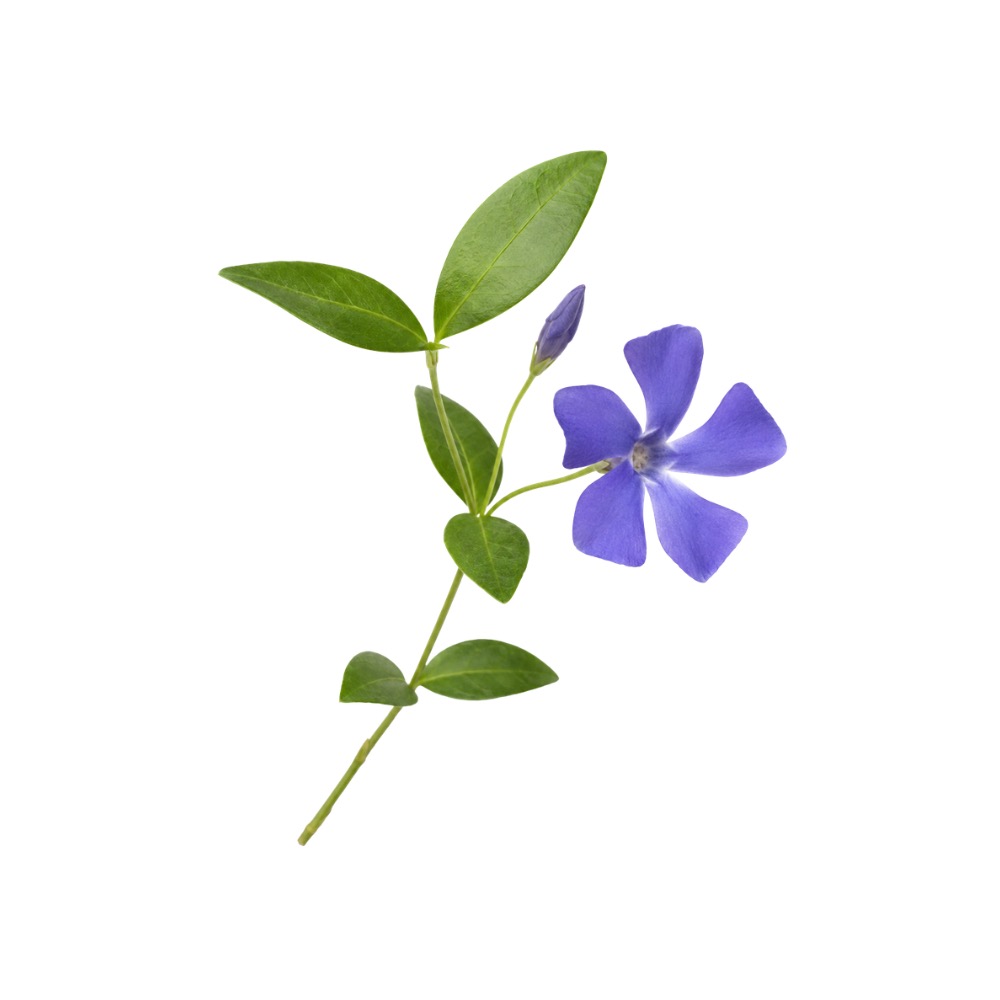
Lesser Periwinkle
Vinca minor
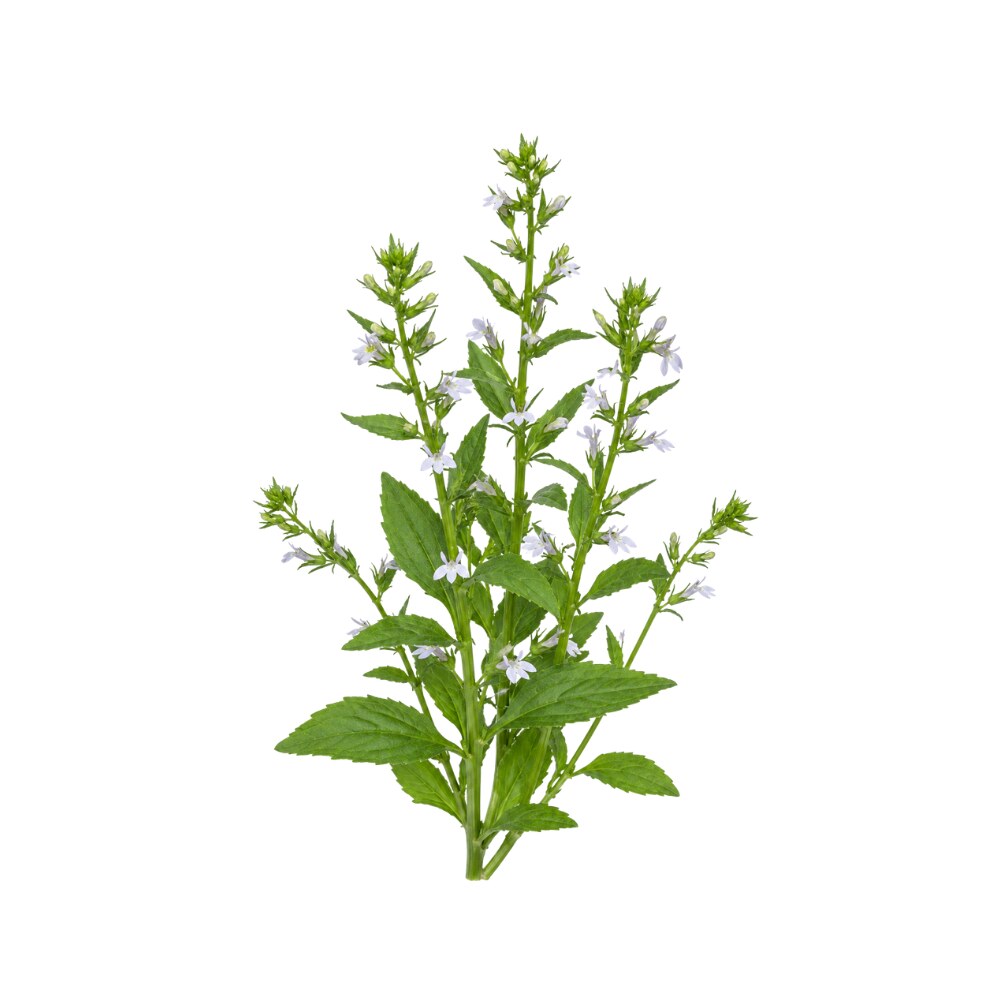
Lobelia
Lobelia inflata
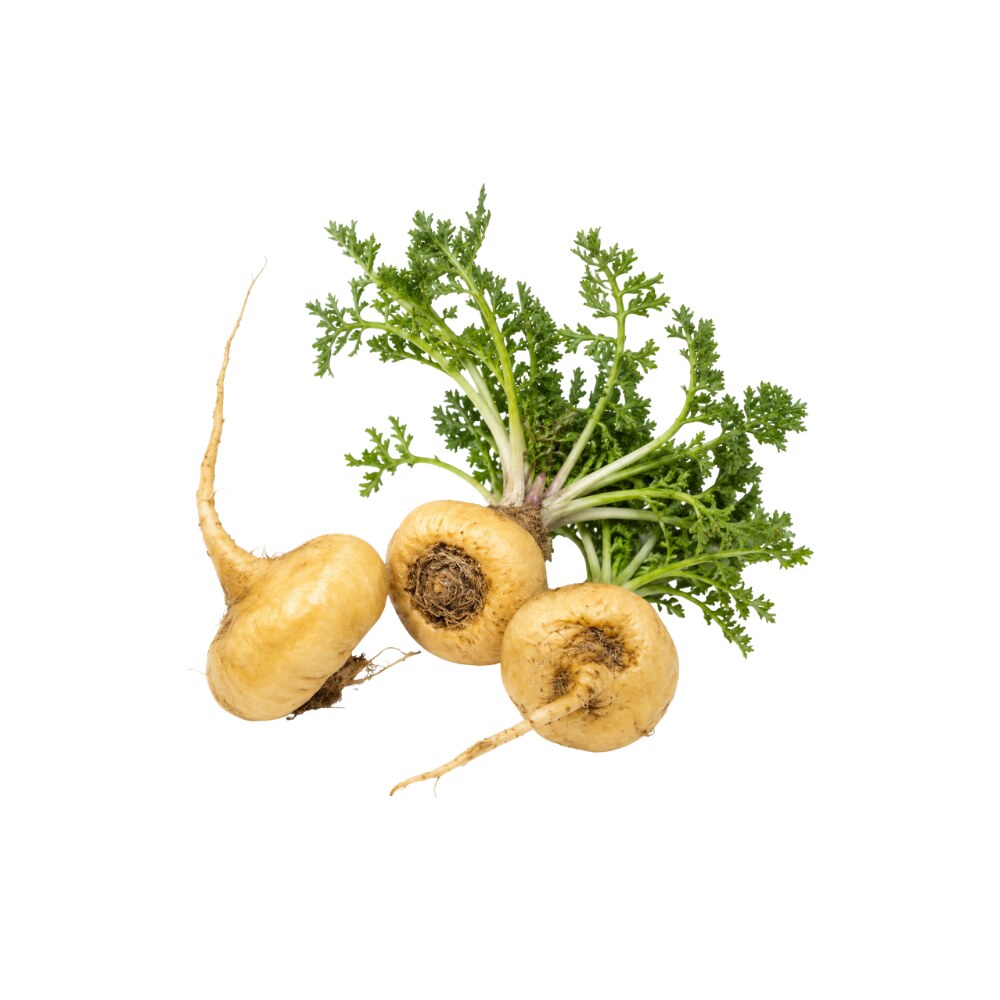
Maca
Lepidium meyenii
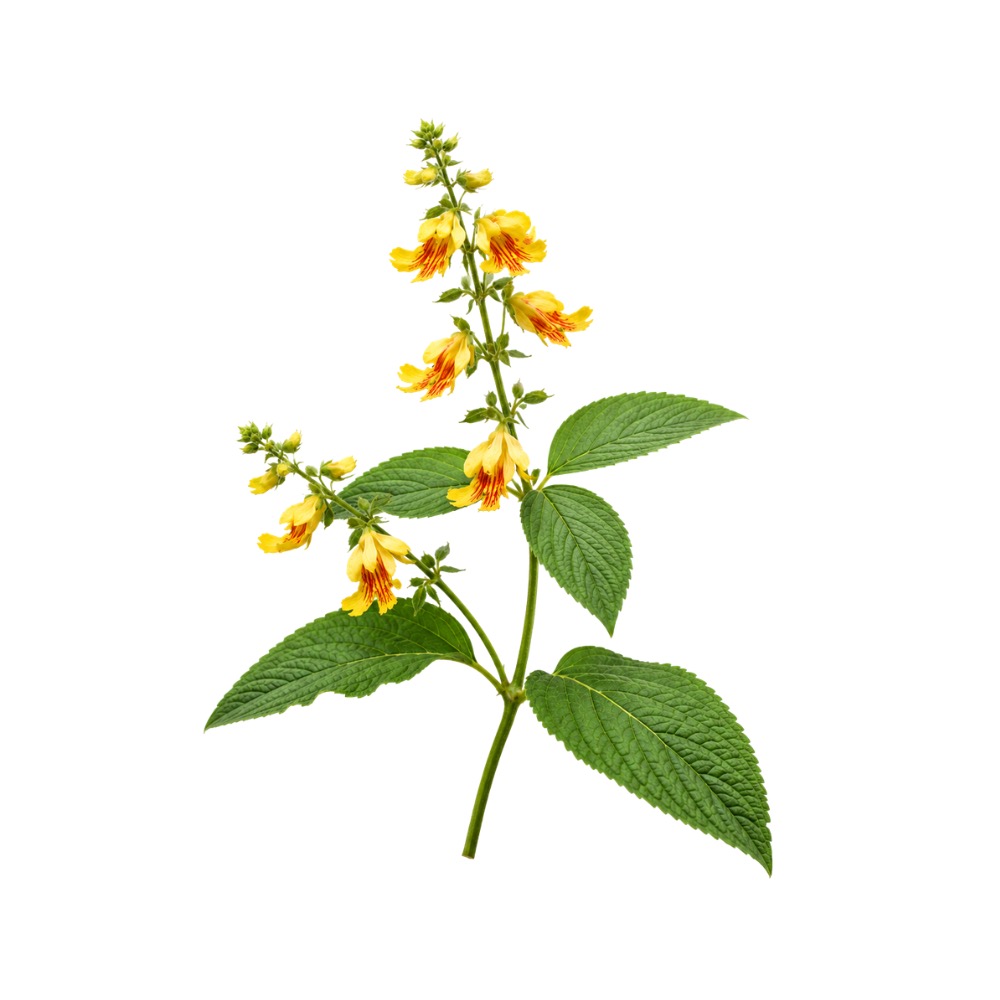
Maconha Brava
Zornia latifolia
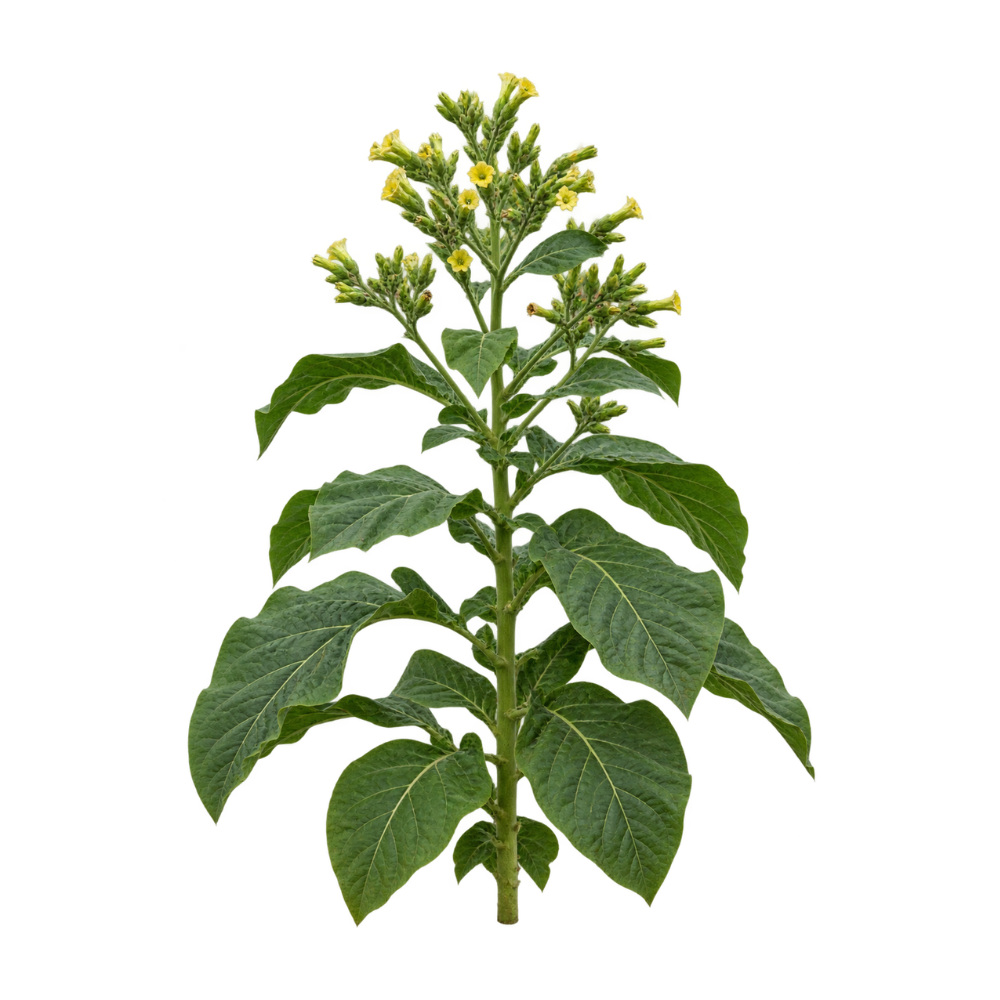
Mapacho
Nicotiana rustica
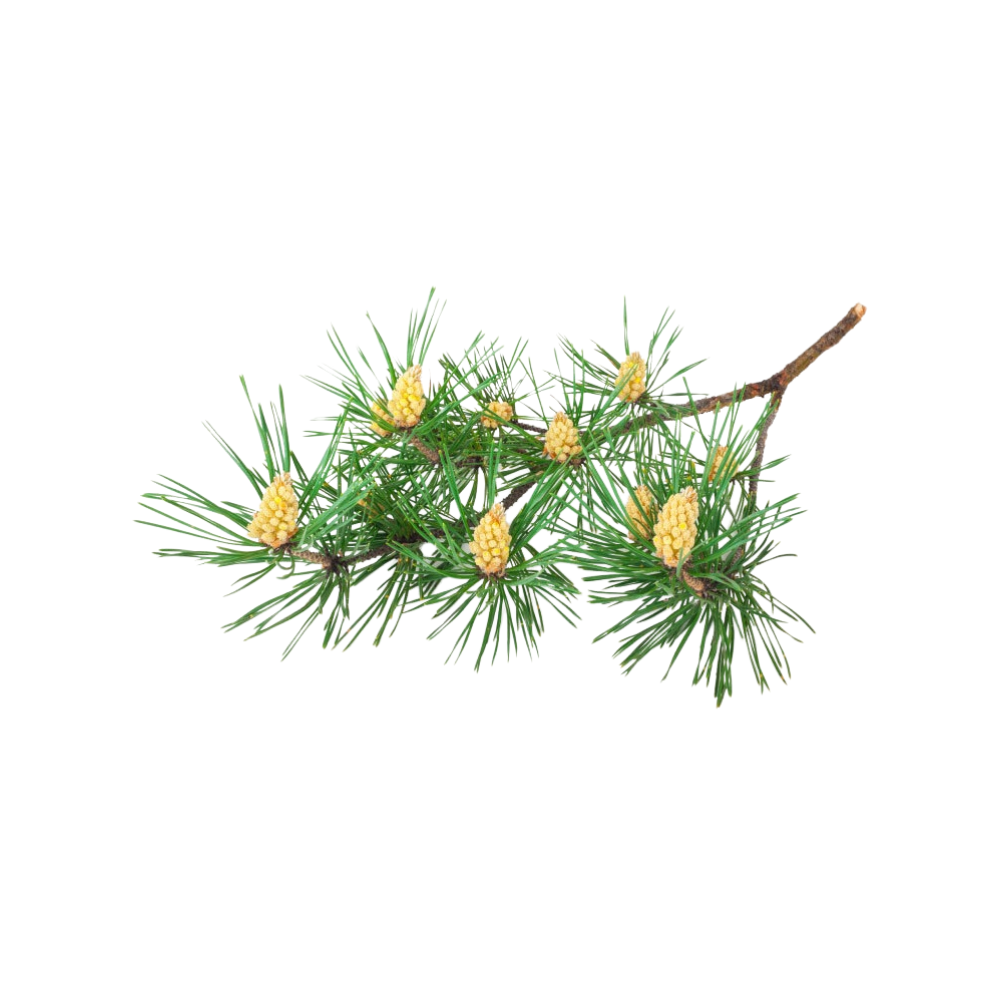
Maritime Pine
Pinus pinaster
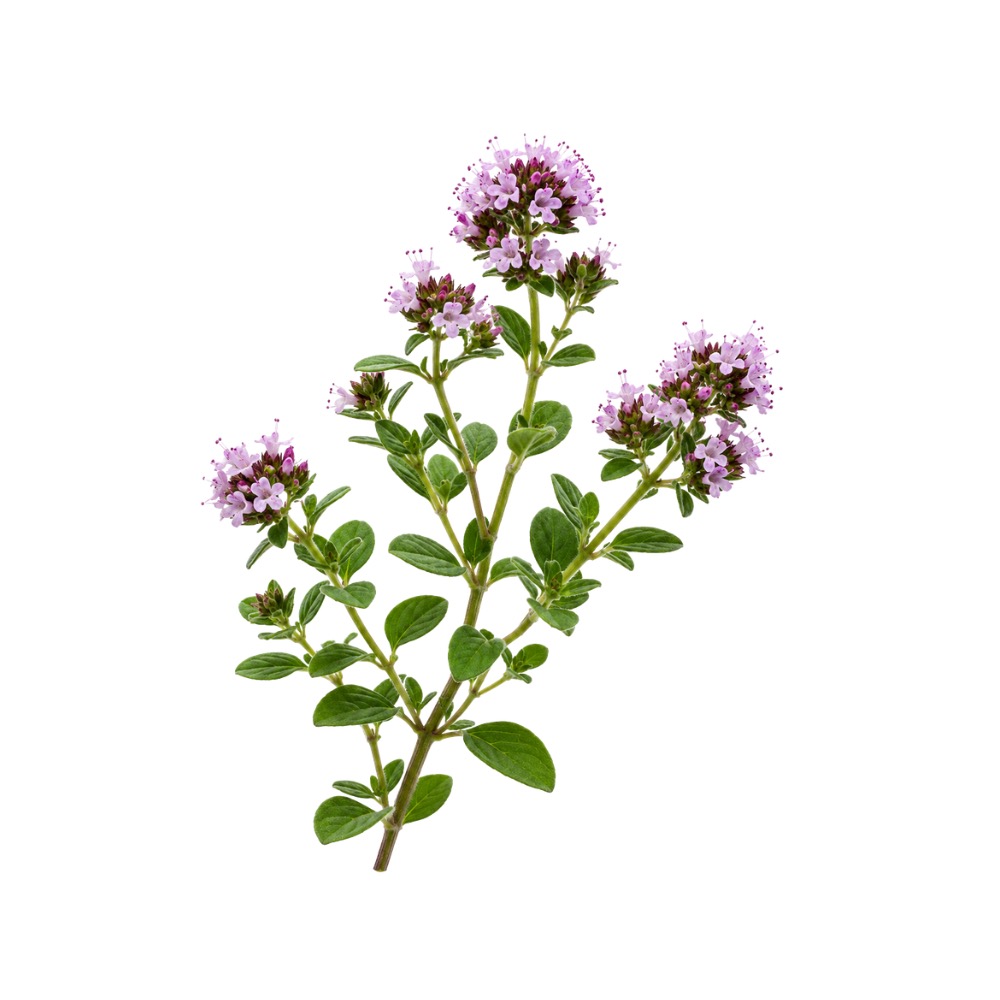
Marjoram
Origanum majorana
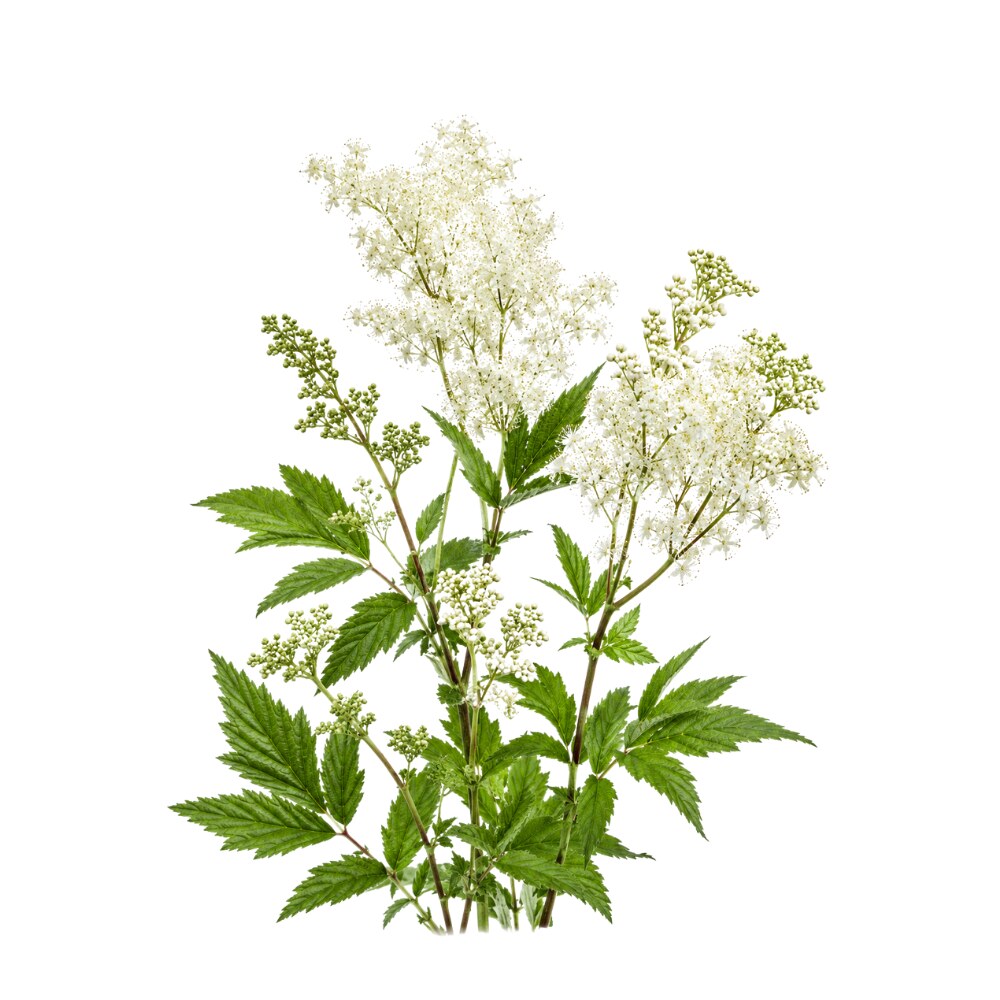
Meadowsweet
Filipendula ulmaria
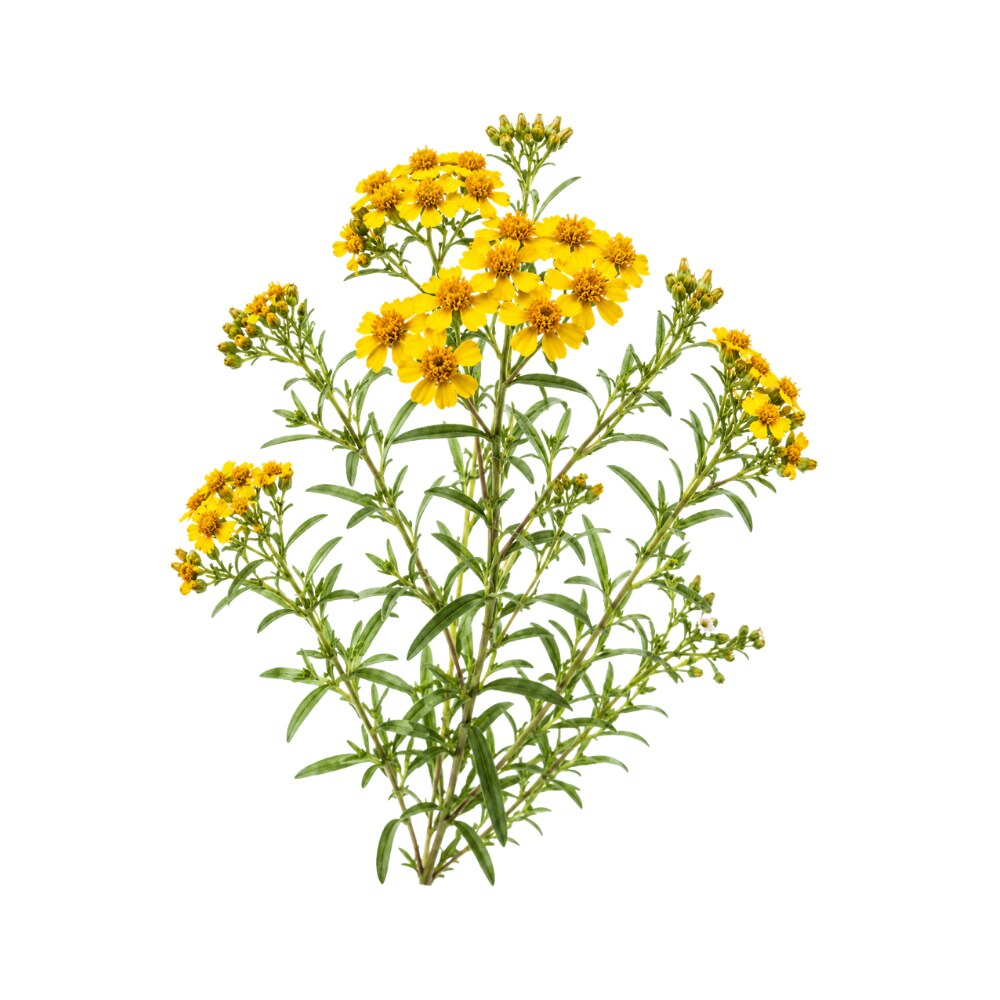
Mexican Tarragon
Tagetes lucida
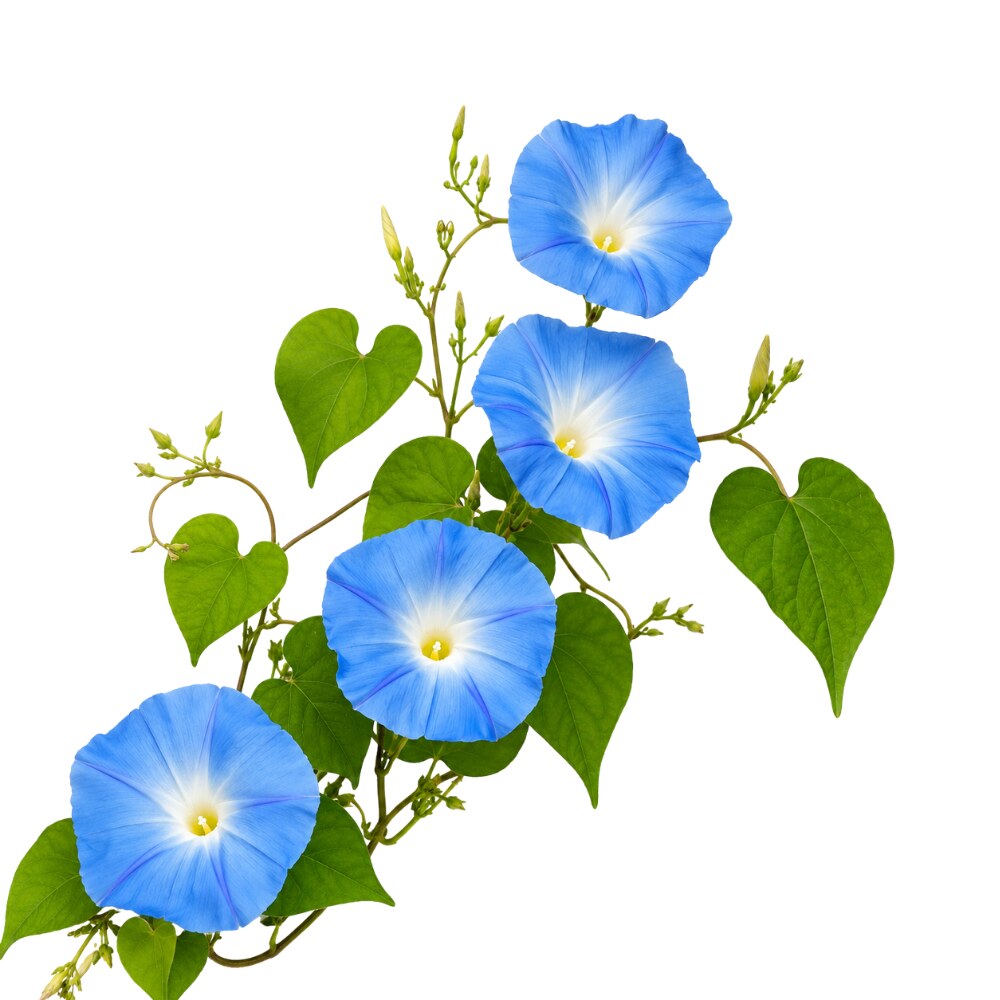
Morning Glory
Ipomoea tricolor
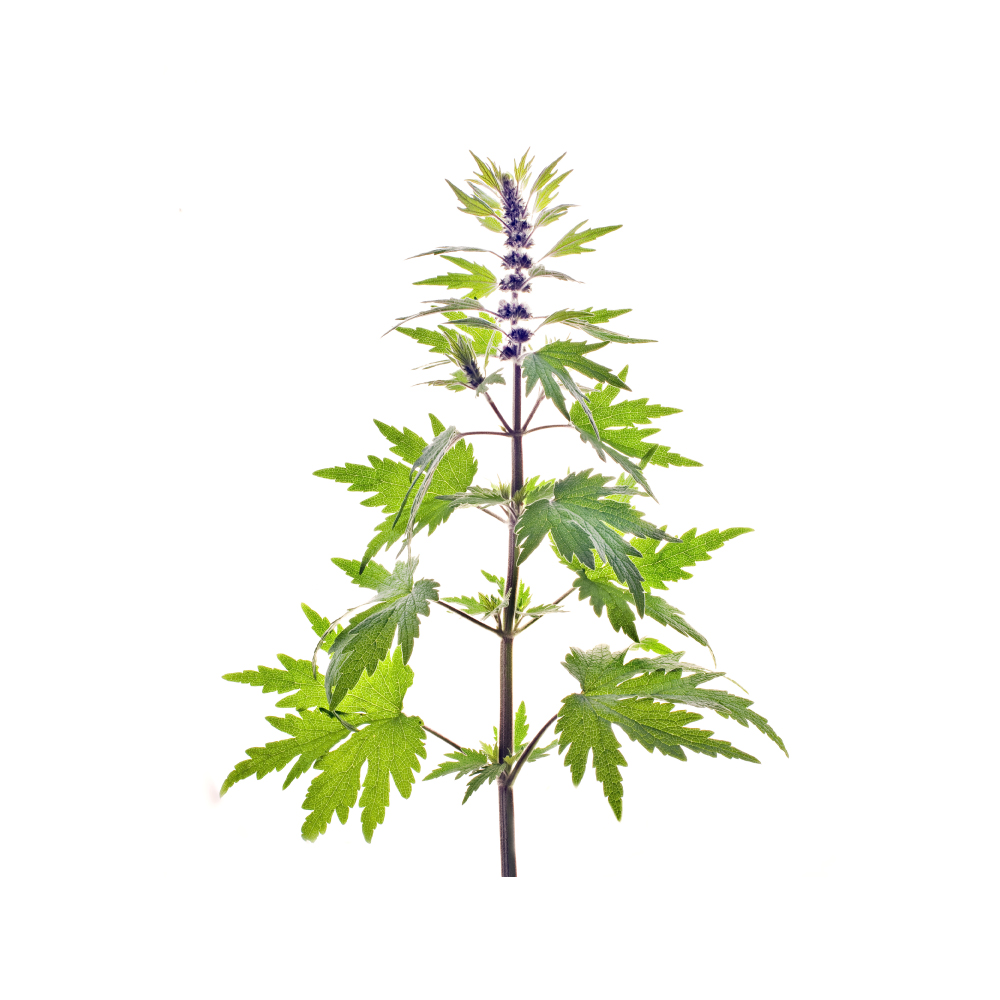
Motherwort
Leonurus cardiaca
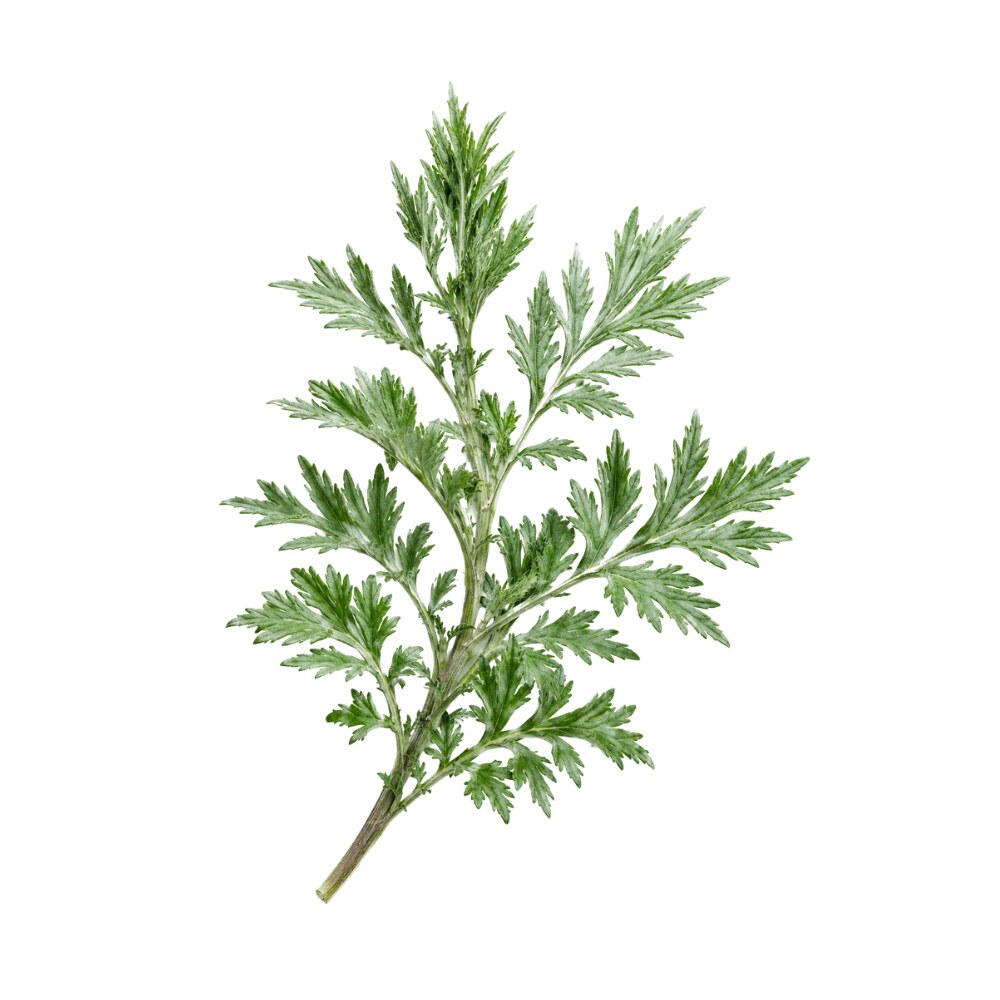
Mugwort
Artemisia vulgaris
Muira Puama
Ptychopetalum olacoides
Notoginseng
Panax notoginseng
Nutmeg
Myristica fragrans
Periwinkle
Vinca major
Rehmannia
Rehmannia glutinosa
Rose
Rosa spp.
Rosewood
Aniba rosaeodora
Samambaia
Polypodium leucotomos
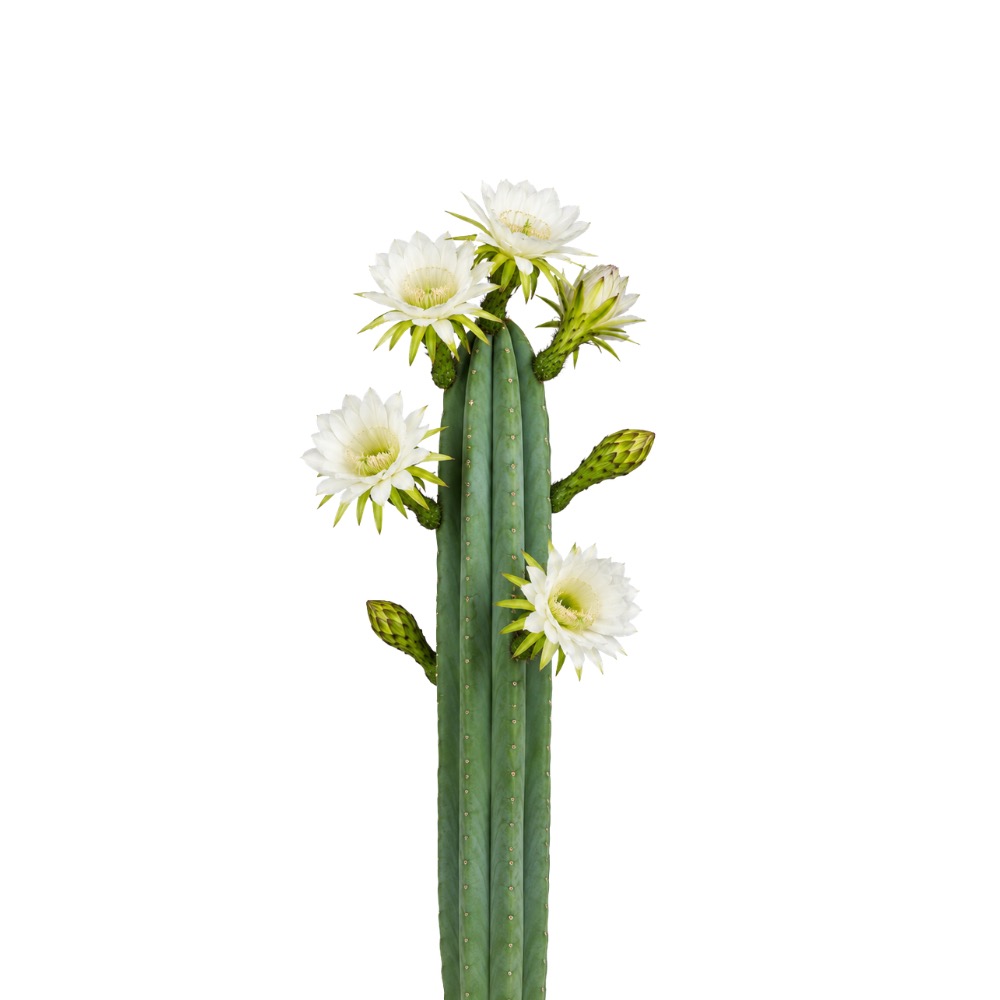
San Pedro
Echinopsis pachanoi
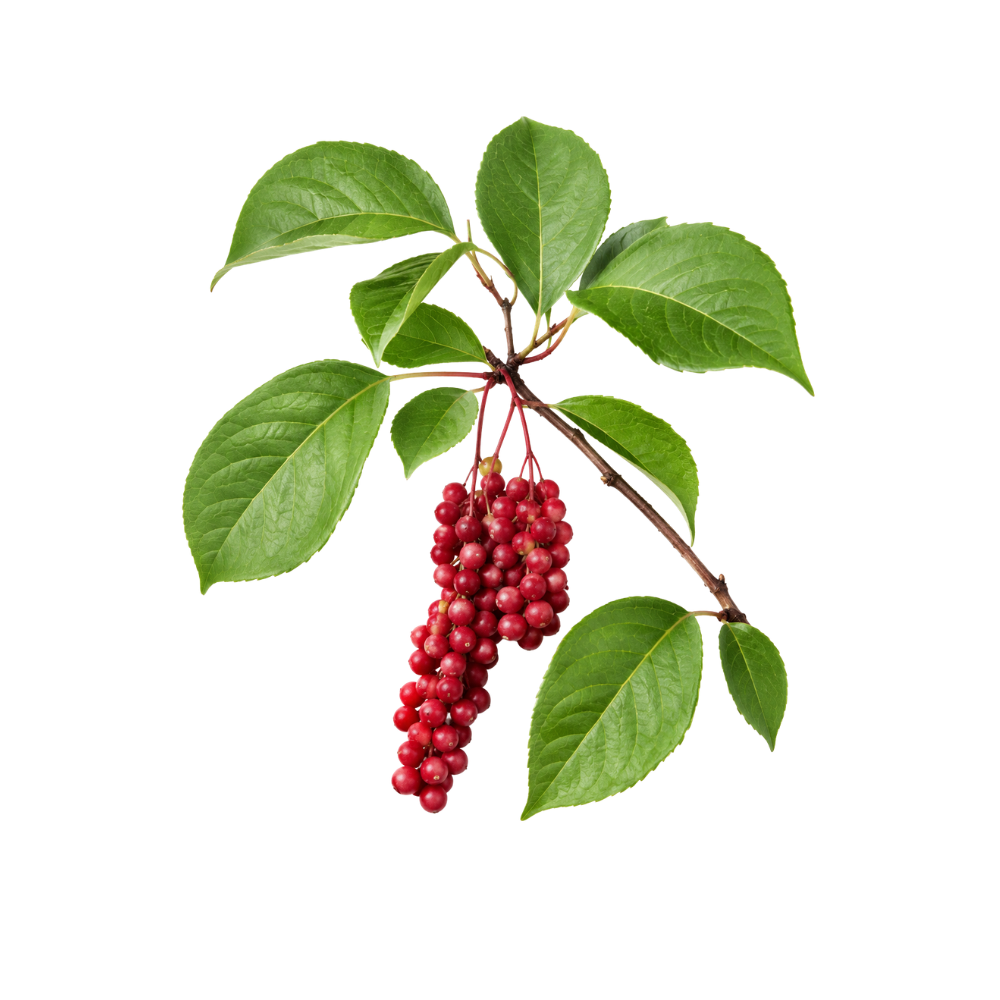
Schisandra
Schisandra chinensis
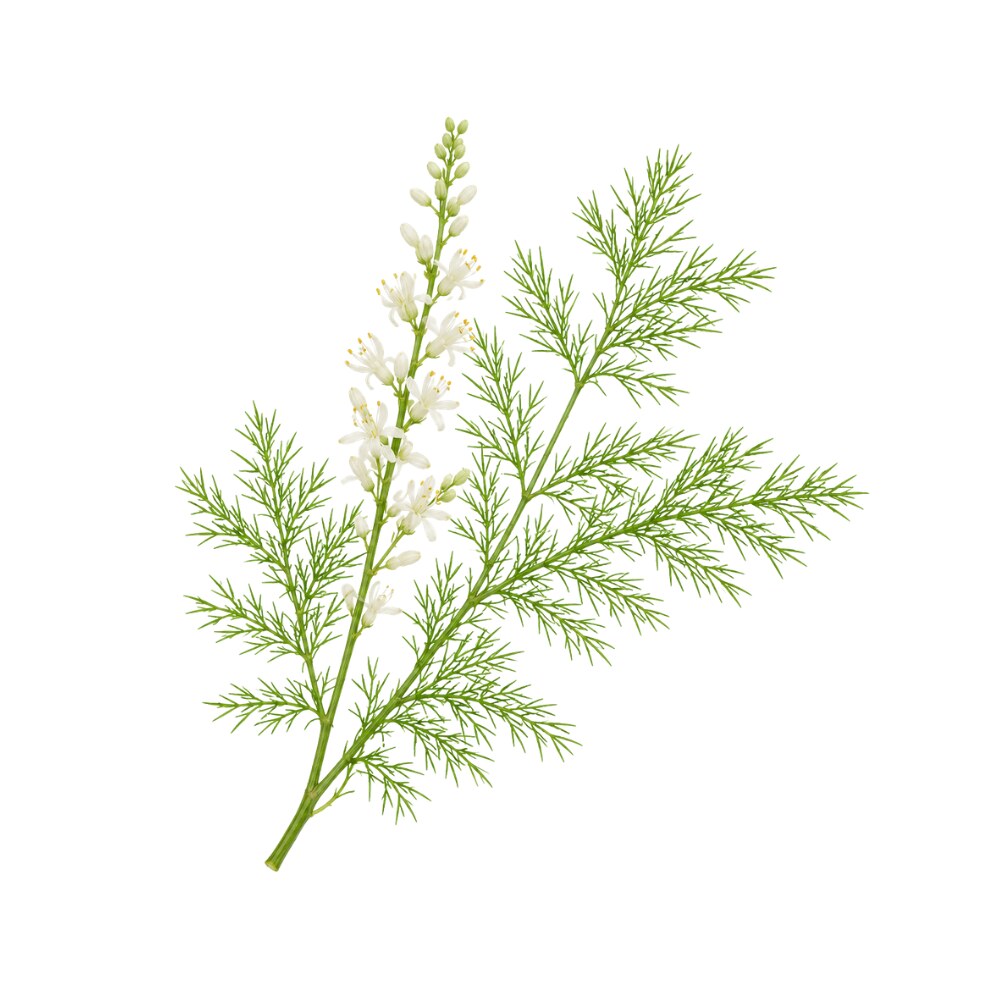
Shatavari
Asparagus racemosus
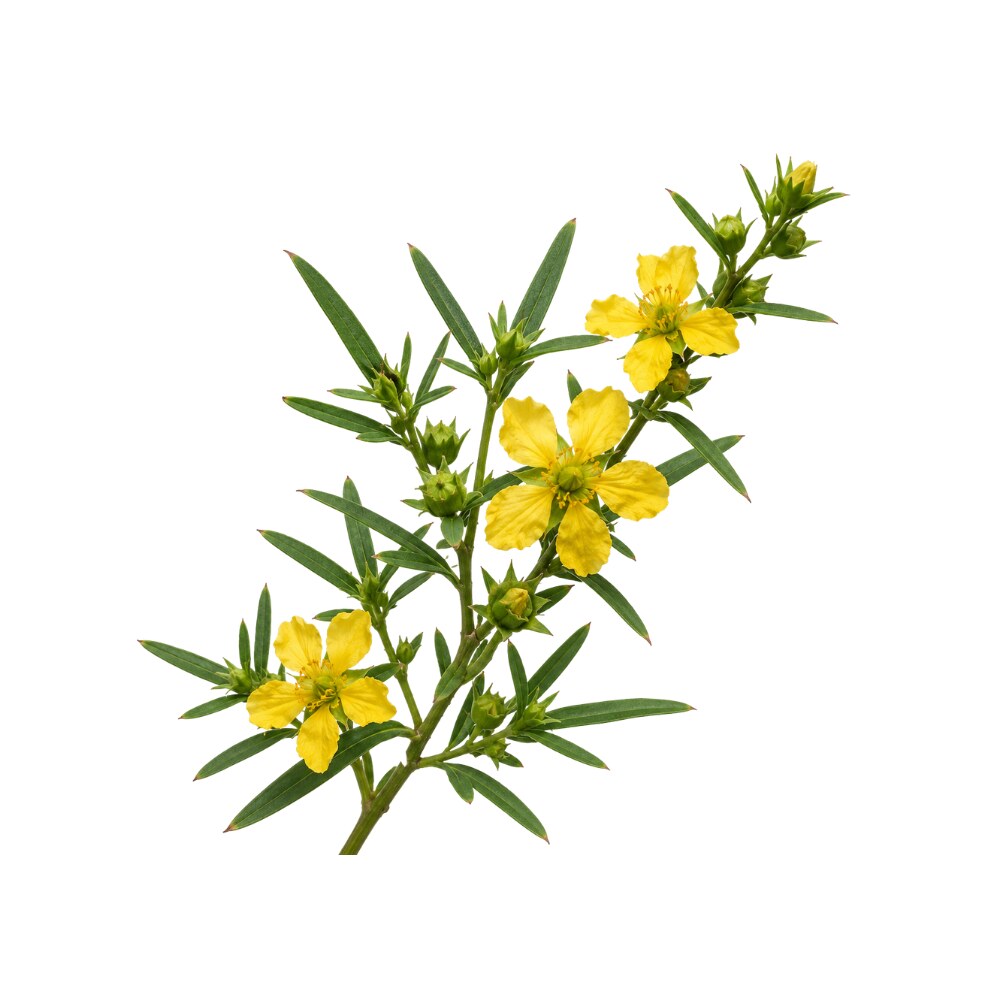
Sinicuichi
Heimia salicifolia
Spearmint
Mentha spicata
Syrian Rue
Peganum harmala
Tarragon
Artemisia dracunculus
Tea
Camellia sinensis
Tobacco
Nicotiana tabacum
Tribulus
Tribulus terrestris
Warrior's Plume
Pedicularis densiflora
Wireweed
Sida acuta
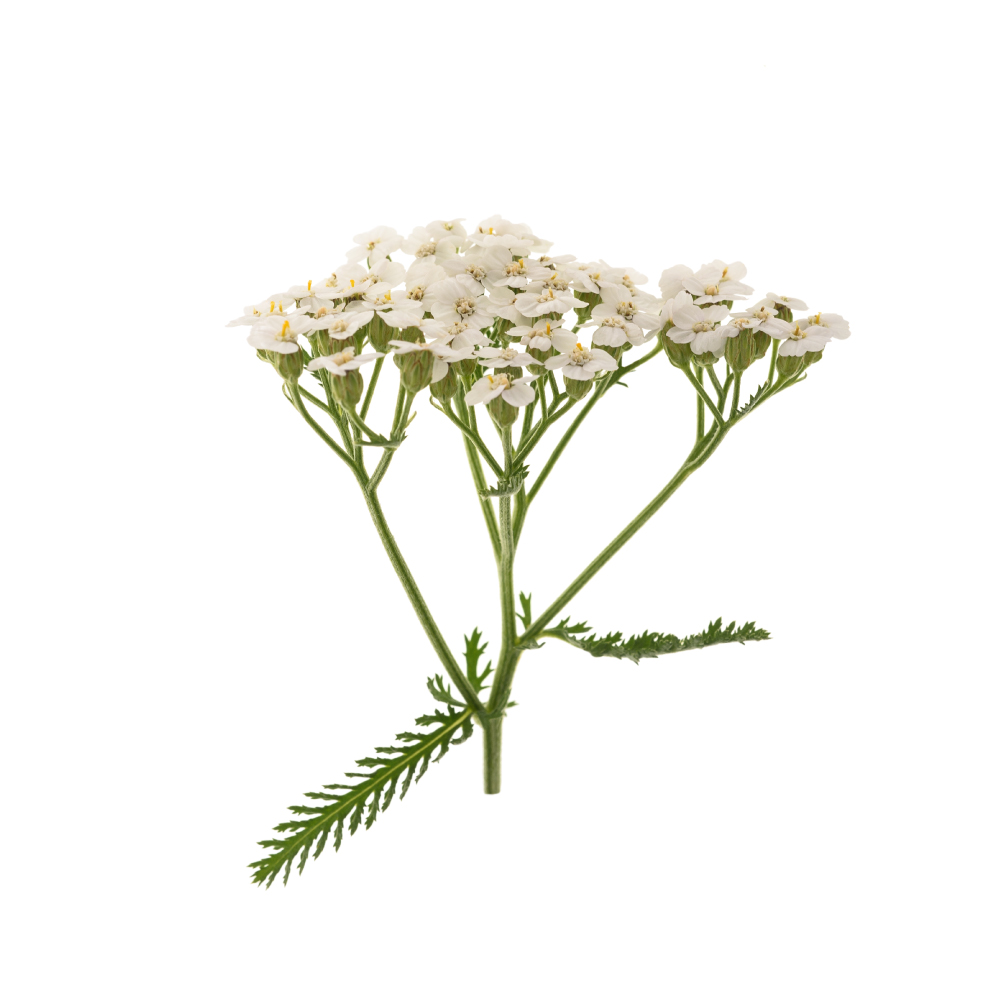
Yarrow
Achillea millefolium
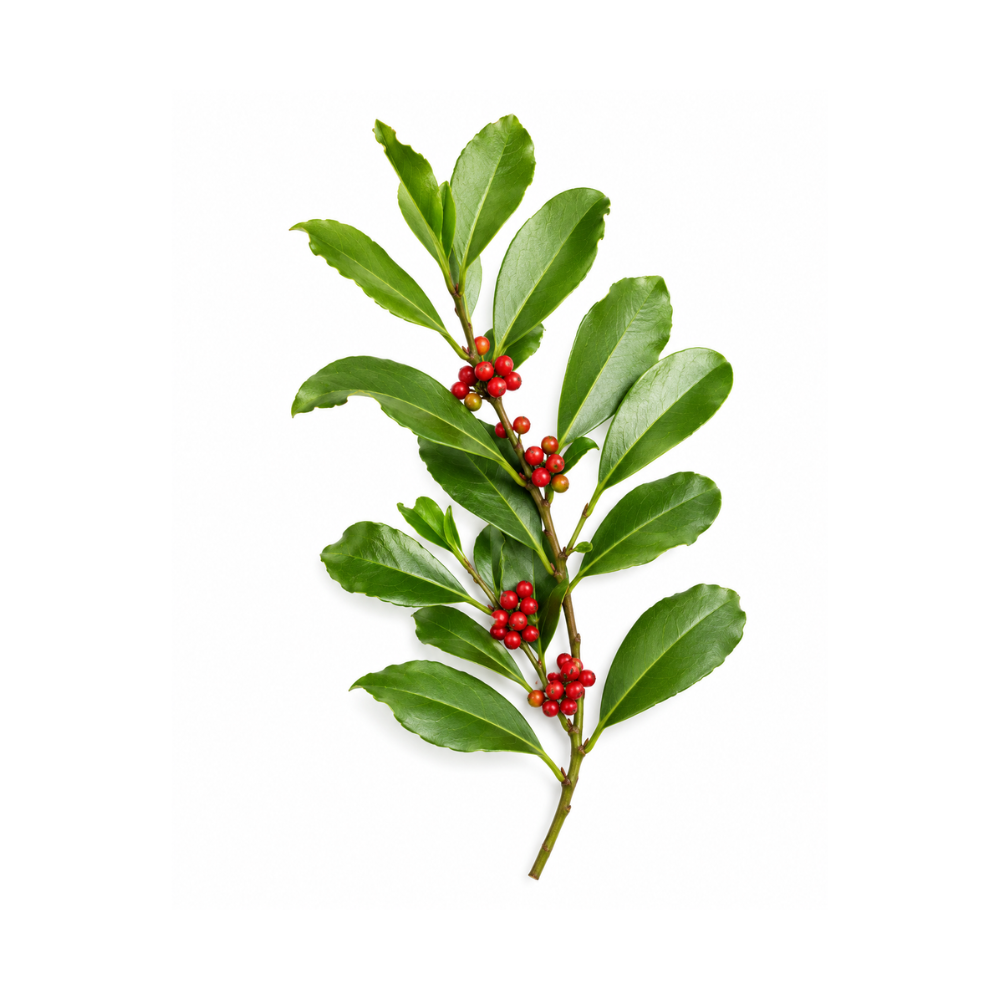
Yerba Maté
Ilex paraguariensis
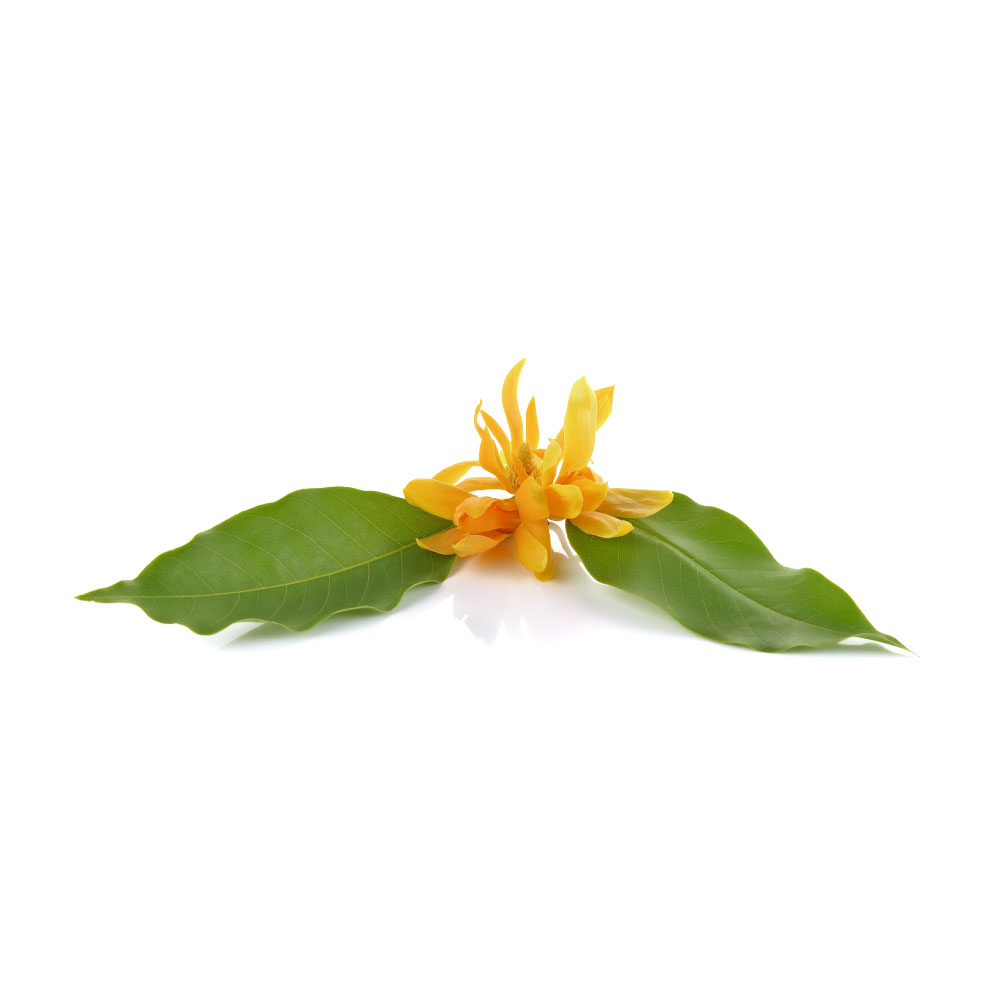
Ylang Ylang
Cananga odorata
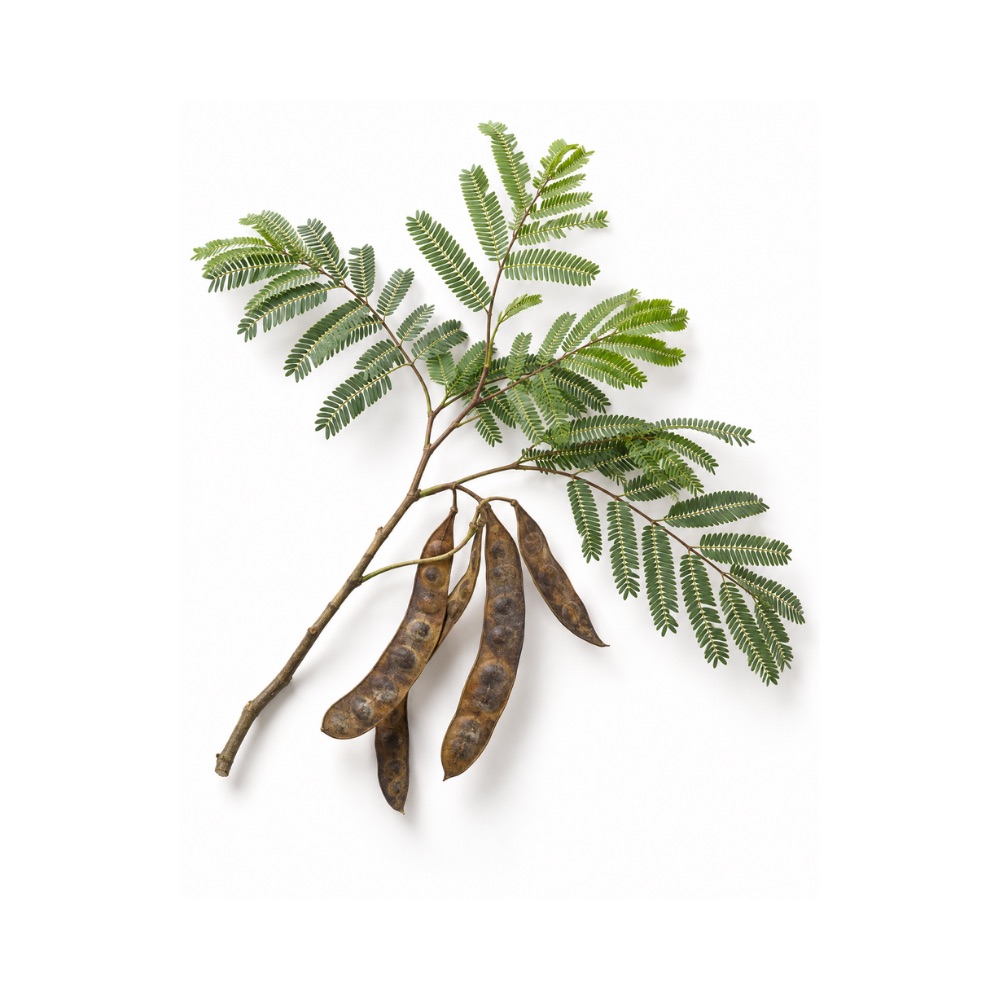
Yopo
Anadenanthera spp.
Safety
- Sedating herbs add to alcohol, benzodiazepines, Z-drugs, opioids and sedating antihistamines, and the resulting impairment reaches driving without always being obvious to the person taking it.
- St John’s wort induces CYP3A4 and P-glycoprotein, lowering blood levels of hormonal contraceptives, immunosuppressants, anticoagulants and antiretrovirals, so every medication needs checking before it is started.
- Serotonergic and MAO-inhibiting herbs do not layer safely with each other, with prescribed antidepressants, or with tyramine-rich food, and that stacking is the mechanism behind serotonin syndrome.
- Adaptogens and caffeine-bearing herbs can worsen the thing they were taken for, because several of them raise cortisol or list sleep disturbance among their adverse effects.
- Not every plant tagged to this system is a medicine. The deliriants and the strongly psychoactive plants have no safe self-administered dose.
- Get medical care for suicidality, a first seizure, mania or psychosis, a sudden severe headache, or rapid cognitive change in an older adult.
Pregnancy & Lactation
Pregnancy · AvoidLactation · Caution
- Assume avoid in pregnancy unless a clinician has advised otherwise, because almost nothing in this system has been tested in pregnant women.
- The concerns are traditional uterine-stimulant cautions, enzyme induction that alters other medicines, and any effect on a developing nervous system.
- Culinary amounts of the mild aromatic teas are a different matter from concentrated therapeutic extracts, and the caution attaches to the therapeutic dose.
- Sedating herbs pass some effect to a breastfed infant, which makes lactation a case-by-case discussion with a clinician.
References
- Pittler, M. H., & Ernst, E. (2000). Efficacy of kava extract for treating anxiety — systematic review and meta-analysis. J Clin Psychopharmacol. https://pubmed.ncbi.nlm.nih.gov/10653213/
- Pittler, M. H., & Ernst, E. (2003). Kava extract for treating anxiety — systematic review. Cochrane Database Syst Rev. https://pubmed.ncbi.nlm.nih.gov/12535473/
- Chua, H. C., Christensen, E. T., Hoestgaard-Jensen, K., et al. (2016). Kavain, the major constituent of the anxiolytic kava extract, potentiates GABA-A receptors — functional characteristics and molecular mechanism [in vitro]. PLoS One. https://pubmed.ncbi.nlm.nih.gov/27332705/
- Sarris, J., Byrne, G. J., Bousman, C. A., et al. (2020). Kava for generalised anxiety disorder — a 16-week double-blind, randomised, placebo-controlled study [phase III RCT]. Aust N Z J Psychiatry. https://pubmed.ncbi.nlm.nih.gov/31813230/
- Teschke, R. (2010). Kava hepatotoxicity — a clinical review. Ann Hepatol. https://pubmed.ncbi.nlm.nih.gov/20720265/
- Kasper, S., et al. (2010). Silexan, an orally administered Lavandula oil preparation, is effective in the treatment of ‘subsyndromal’ anxiety disorder — randomised, double-blind, placebo-controlled trial. International Clinical Psychopharmacology. https://pubmed.ncbi.nlm.nih.gov/20512042/
- Kasper, S., et al. (2014). Lavender oil preparation Silexan is effective in generalized anxiety disorder — a randomised, double-blind comparison to placebo and paroxetine. International Journal of Neuropsychopharmacology. https://pubmed.ncbi.nlm.nih.gov/24456909/
- Woelk, H., & Schläfke, S. (2010). A multi-centre, double-blind, randomised study of the lavender oil preparation Silexan in comparison to lorazepam for generalized anxiety disorder. Phytomedicine. https://pubmed.ncbi.nlm.nih.gov/19962288/
- Dold, M., et al. (2023). Efficacy of Silexan in patients with anxiety disorders — a meta-analysis of randomised, placebo-controlled trials. European Archives of Psychiatry and Clinical Neuroscience. https://pubmed.ncbi.nlm.nih.gov/36717399/
- Akhondzadeh, S., Naghavi, H. R., Vazirian, M., et al. (2001). Passionflower in the treatment of generalized anxiety: a pilot double-blind randomised controlled trial with oxazepam. J Clin Pharm Ther. https://pubmed.ncbi.nlm.nih.gov/11679026/
- Movafegh, A., Alizadeh, R., Hajimohamadi, F., et al. (2008). Preoperative oral Passiflora incarnata reduces anxiety in ambulatory surgery patients — double-blind, placebo-controlled study. Anesth Analg. https://pubmed.ncbi.nlm.nih.gov/18499602/
- Lee, J., Jung, H. Y., Lee, S. I., et al. (2020). Effects of Passiflora incarnata Linnaeus on polysomnographic sleep parameters in subjects with insomnia disorder — randomised, placebo-controlled. Int Clin Psychopharmacol. https://pubmed.ncbi.nlm.nih.gov/31714321/
- Miyasaka, L. S., Atallah, A. N., & Soares, B. G. (2007). Passiflora for anxiety disorder — Cochrane systematic review. Cochrane Database Syst Rev. https://pubmed.ncbi.nlm.nih.gov/17253512/
- Elsas, S. M., Rossi, D. J., Raber, J., et al. (2010). Passiflora incarnata L. extracts elicit GABA currents in hippocampal neurons in vitro, and show anxiogenic and anticonvulsant effects in vivo — in vitro / animal model. Phytomedicine. https://pubmed.ncbi.nlm.nih.gov/20382514/
- Ghazizadeh, J., Sadigh-Eteghad, S., Marx, W., et al. (2021). The effects of lemon balm (Melissa officinalis L.) on depression and anxiety in clinical trials — systematic review and meta-analysis. Phytotherapy Research. https://pubmed.ncbi.nlm.nih.gov/34449930/
- Kennedy, D. O., Scholey, A. B., Tildesley, N. T., Perry, E. K., & Wesnes, K. A. (2002). Modulation of mood and cognitive performance following acute administration of Melissa officinalis — randomised placebo-controlled crossover trial. Pharmacology Biochemistry and Behavior. https://pubmed.ncbi.nlm.nih.gov/12062586/
- Safari, M., Asadi, A., Aryaeian, N., et al. (2023). The effects of Melissa officinalis on depression and anxiety in type 2 diabetes patients with depression — randomised double-blind placebo-controlled trial. BMC Complementary Medicine and Therapies. https://pubmed.ncbi.nlm.nih.gov/37131158/
- Awad, R., Muhammad, A., Durst, T., Trudeau, V. L., & Arnason, J. T. (2009). Bioassay-guided fractionation of lemon balm using an in vitro measure of GABA transaminase activity. Phytotherapy Research. https://pubmed.ncbi.nlm.nih.gov/19165747/
- Amsterdam, J. D., et al. (2009). A randomised, double-blind, placebo-controlled trial of oral Matricaria recutita (chamomile) extract therapy for generalized anxiety disorder. Journal of Clinical Psychopharmacology. https://pubmed.ncbi.nlm.nih.gov/19593179/
- Mao, J. J., et al. (2016). Long-term chamomile (Matricaria chamomilla L.) treatment for generalized anxiety disorder — randomised clinical trial. Phytomedicine. https://pubmed.ncbi.nlm.nih.gov/27912875/
- Rolland, A., Fleurentin, J., Lanhers, M. C., et al. (1991). Behavioural effects of the American traditional plant Eschscholzia californica: sedative and anxiolytic properties. Planta Medica. https://pubmed.ncbi.nlm.nih.gov/1680240/
- Fedurco, M., Gregorová, J., Šebrlová, K., et al. (2015). Modulatory effects of Eschscholzia californica alkaloids on recombinant GABA-A receptors. Biochemistry Research International. https://pubmed.ncbi.nlm.nih.gov/26509084/
- Hanus, M., Lafon, J., & Mathieu, M. (2004). Double-blind, randomised, placebo-controlled study of a fixed combination of Crataegus oxyacantha and Eschscholtzia californica and magnesium in mild-to-moderate anxiety. Current Medical Research and Opinion. https://pubmed.ncbi.nlm.nih.gov/14741074/
- Talbott, S. M., Talbott, J. A., & Pugh, M. (2013). Effect of Magnolia officinalis and Phellodendron amurense (Relora) on cortisol and psychological mood state in moderately stressed subjects — randomised placebo-controlled trial. Journal of the International Society of Sports Nutrition. https://doi.org/10.1186/1550-2783-10-37
- Qu, W. M., Yue, X. F., Sun, Y., et al. (2012). Honokiol promotes non-rapid eye movement sleep via the benzodiazepine site of the GABA-A receptor in mice — animal model. British Journal of Pharmacology. https://doi.org/10.1111/j.1476-5381.2012.02010.x
- Shergis, J. L., et al. (2021). Medicinal seeds Ziziphus spinosa for insomnia — randomised, placebo-controlled, cross-over feasibility clinical trial. Complementary Therapies in Medicine. https://pubmed.ncbi.nlm.nih.gov/33385511/
- Yang, M., et al. (2023). The herbal medicine Suanzaoren (Ziziphi Spinosae Semen) for sleep quality improvements — systematic review and meta-analysis. Integrative Cancer Therapies. https://pubmed.ncbi.nlm.nih.gov/37014010/
- Wang, L. E., et al. (2010). Potentiating effect of spinosin, a C-glycoside flavonoid of Semen Ziziphi spinosae, on pentobarbital-induced sleep may be related to postsynaptic 5-HT1A receptors — rat in vivo. Phytomedicine. https://pubmed.ncbi.nlm.nih.gov/20171860/
- Wang, M., et al. (2025). Jujuboside A in ameliorating insomnia in mice via GABAergic modulation of the PVT — mouse in vivo. Journal of Ethnopharmacology. https://pubmed.ncbi.nlm.nih.gov/40354840/
- Morin, C. M., Koetter, U., Bastien, C., Ware, J. C., & Wooten, V. (2005). Valerian–hops combination and diphenhydramine for treating insomnia — randomised placebo-controlled clinical trial. Sleep. https://pubmed.ncbi.nlm.nih.gov/16335333/
- Schicktanz, N., Gerhards, C., Schlitt, T., et al. (2025). Effects of a valerian–hops extract combination (Ze 91019) on sleep duration and daytime cognitive and psychological parameters in occasional insomnia — randomised controlled feasibility trial. Brain and Behavior. https://pubmed.ncbi.nlm.nih.gov/40462685/
- Franco, L., Sánchez, C., Bravo, R., et al. (2012). The sedative effects of hops (Humulus lupulus), a component of beer, on the activity/rest rhythm — animal. Acta Physiologica Hungarica. https://pubmed.ncbi.nlm.nih.gov/22849837/
- Kim, H. W., et al. (2019). Effectiveness of the sleep enhancement by green romaine lettuce (Lactuca sativa) in a rodent model — animal in vivo. Biological & Pharmaceutical Bulletin. https://pubmed.ncbi.nlm.nih.gov/31582660/
- Ahn, Y., et al. (2023). Heukharang lettuce (Lactuca sativa) leaf extract displays sleep-promoting effects through GABA-A receptor — animal in vivo. Journal of Ethnopharmacology. https://pubmed.ncbi.nlm.nih.gov/37149068/
- Yakoot, M., et al. (2011). Pilot study of the efficacy and safety of lettuce seed oil in patients with sleep disorders — randomised placebo-controlled trial. International Journal of General Medicine. https://pubmed.ncbi.nlm.nih.gov/21731897/
- Farrell, M. S., McCorvy, J. D., Huang, X. P., et al. (2016). In vitro and in vivo characterization of the alkaloid nuciferine — in vitro and mouse. PLoS One. https://pubmed.ncbi.nlm.nih.gov/26963248/
- Schimpf, M., Ulmer, T., Hiller, H., & Barbuto, A. F. (2023). Toxicity from blue lotus (Nymphaea caerulea) after ingestion or inhalation: a case series. Military Medicine. https://pubmed.ncbi.nlm.nih.gov/34345890/
- Linde, K., Berner, M. M., & Kriston, L. (2008). St John’s wort for major depression — Cochrane systematic review and meta-analysis. Cochrane Database of Systematic Reviews. https://pubmed.ncbi.nlm.nih.gov/18843608/
- Zhao, X., Zhang, H., et al. (2023). The efficacy and safety of St. John’s wort extract in depression therapy compared to SSRIs in adults — meta-analysis of randomised clinical trials. Advances in Clinical and Experimental Medicine. https://pubmed.ncbi.nlm.nih.gov/36226689/
- Lecrubier, Y., Clerc, G., Didi, R., & Kieser, M. (2002). Efficacy of St. John’s wort extract WS 5570 in major depression — double-blind, randomised, placebo-controlled trial. American Journal of Psychiatry. https://pubmed.ncbi.nlm.nih.gov/12153829/
- Müller, W. E. (2001). Hyperforin — antidepressant activity by a novel mechanism of action. Pharmacopsychiatry. https://pubmed.ncbi.nlm.nih.gov/11518085/
- Hypericum Depression Trial Study Group. (2002). Effect of Hypericum perforatum (St John’s wort) in major depressive disorder — randomised controlled trial. JAMA. https://pubmed.ncbi.nlm.nih.gov/11939866/
- Darbinyan, V., Aslanyan, G., Amroyan, E., et al. (2007). Clinical trial of Rhodiola rosea L. extract SHR-5 in the treatment of mild to moderate depression — randomised controlled trial. Nordic Journal of Psychiatry. https://pubmed.ncbi.nlm.nih.gov/17990195/
- Mao, J. J., Xie, S. X., Zee, J., et al. (2015). Rhodiola rosea versus sertraline for major depressive disorder — randomised placebo-controlled trial. Phytomedicine. https://pubmed.ncbi.nlm.nih.gov/25837277/
- Van Diermen, D., Marston, A., Bravo, J., et al. (2009). Monoamine oxidase inhibition by Rhodiola rosea L. roots — in vitro. Journal of Ethnopharmacology. https://pubmed.ncbi.nlm.nih.gov/19168123/
- Shaw, K., Turner, J., & Del Mar, C. (2001). Tryptophan and 5-hydroxytryptophan for depression — Cochrane systematic review. Cochrane Database of Systematic Reviews. https://pubmed.ncbi.nlm.nih.gov/11687048/
- Jangid, P., Malik, P., Singh, P., et al. (2013). Comparative study of efficacy of l-5-hydroxytryptophan and fluoxetine in first depressive episode — randomised double-blind trial. Asian Journal of Psychiatry. https://pubmed.ncbi.nlm.nih.gov/23380314/
- Schruers, K., van Diest, R., Overbeek, T., & Griez, E. (2002). Acute L-5-hydroxytryptophan administration inhibits carbon-dioxide-induced panic in panic disorder patients — randomised controlled trial. Psychiatry Research. https://pubmed.ncbi.nlm.nih.gov/12559480/
- Terburg, D., Syal, S., Rosenberger, L. A., et al. (2013). Acute effects of Sceletium tortuosum (Zembrin), a dual 5-HT reuptake and PDE4 inhibitor, in the human amygdala and its connection to the hypothalamus. Neuropsychopharmacology, 38(13), 2708–2716.
- Harvey, A. L., Young, L. C., Viljoen, A. M., & Gericke, N. P. (2011). Pharmacological actions of the South African medicinal and functional food plant Sceletium tortuosum and its principal alkaloids. Journal of Ethnopharmacology, 137(3), 1124–1129.
- Campos, M. M., Fernandes, E. S., Ferreira, J., Santos, A. R. S., & Calixto, J. B. (2005). Antidepressant-like effects of Trichilia catigua (catuaba) extract: evidence for dopaminergic-mediated mechanisms — animal model. Psychopharmacology (Berl). https://pubmed.ncbi.nlm.nih.gov/15991001/
- Bonassoli, V. T., et al. (2012). Subchronic administration of Trichilia catigua ethyl-acetate fraction promotes antidepressant-like effects and increases hippocampal cell proliferation in mice — animal model. Journal of Ethnopharmacology. https://pubmed.ncbi.nlm.nih.gov/22728168/
- Tan, M. S., et al. (2015). Efficacy and adverse effects of Ginkgo biloba for cognitive impairment and dementia — systematic review and meta-analysis. Journal of Alzheimer’s Disease. https://pubmed.ncbi.nlm.nih.gov/25114079/
- Birks, J., & Grimley Evans, J. (2009). Ginkgo biloba for cognitive impairment and dementia — Cochrane systematic review and meta-analysis. Cochrane Database of Systematic Reviews. https://pubmed.ncbi.nlm.nih.gov/19160216/
- DeKosky, S. T., et al. (2008). Ginkgo biloba for prevention of dementia — randomised controlled trial. JAMA. https://pubmed.ncbi.nlm.nih.gov/19017911/
- Yang, G., Wang, Y., Tian, J., & Liu, J. P. (2013). Huperzine A for Alzheimer’s disease — systematic review and meta-analysis of randomised clinical trials. PLoS One. https://pubmed.ncbi.nlm.nih.gov/24086396/
- Rafii, M. S., Walsh, S., Little, J. T., et al. (2011). A phase II trial of huperzine A in mild to moderate Alzheimer disease — randomised controlled trial. Neurology. https://pubmed.ncbi.nlm.nih.gov/21502597/
- Li, I. C., et al. (2020). Prevention of early Alzheimer’s disease by erinacine A-enriched Hericium erinaceus mycelia — randomised, double-blind, placebo-controlled pilot trial. Frontiers in Aging Neuroscience. https://pubmed.ncbi.nlm.nih.gov/32581767/
- Martínez-Mármol, R., et al. (2023). Hericerin derivatives activate a pan-neurotrophic pathway in central hippocampal neurons — in vitro and mouse study. Journal of Neurochemistry. https://pubmed.ncbi.nlm.nih.gov/36660878/
- Vigna, L., et al. (2019). Hericium erinaceus improves mood and sleep disorders in patients affected by overweight or obesity — controlled trial. Evidence-Based Complementary and Alternative Medicine. https://pubmed.ncbi.nlm.nih.gov/31118969/
- Akhondzadeh, S., et al. (2010). Saffron in the treatment of patients with mild to moderate Alzheimer’s disease — 16-week randomised, placebo-controlled trial. Journal of Clinical Pharmacy and Therapeutics. https://pubmed.ncbi.nlm.nih.gov/20831681/
- Farokhnia, M., et al. (2014). Comparing the efficacy and safety of Crocus sativus L. with memantine in patients with moderate to severe Alzheimer’s disease — double-blind randomised clinical trial. Human Psychopharmacology. https://pubmed.ncbi.nlm.nih.gov/25163440/
- Ayati Z, Yang G, Ayati MH, et al. (2020). Saffron for mild cognitive impairment and dementia — systematic review and meta-analysis of randomised clinical trials. BMC Complementary Medicine and Therapies. https://pubmed.ncbi.nlm.nih.gov/33167948/
- Akhondzadeh, S., et al. (2003). Salvia officinalis extract in the treatment of patients with mild to moderate Alzheimer’s disease — double-blind, randomised, placebo-controlled trial. Journal of Clinical Pharmacy and Therapeutics. https://pubmed.ncbi.nlm.nih.gov/12605619/
- Scholey, A. B., et al. (2008). An extract of Salvia (sage) with anticholinesterase properties improves memory and attention in healthy older volunteers — randomised controlled trial. Psychopharmacology (Berl). https://pubmed.ncbi.nlm.nih.gov/18350281/
- Calabrese, C., Gregory, W. L., Leo, M., et al. (2008). Effects of a standardized Bacopa monnieri extract on cognitive performance, anxiety and depression in the elderly — randomised, double-blind, placebo-controlled trial. Journal of Alternative and Complementary Medicine. https://pubmed.ncbi.nlm.nih.gov/18611150/
- Prabhakar, S., Vishnu, V. Y., Modi, M., et al. (2020). Efficacy of Bacopa monnieri (Brahmi) and donepezil in Alzheimer’s disease and mild cognitive impairment — randomised double-blind phase-2b trial (terminated). Annals of Indian Academy of Neurology. https://pubmed.ncbi.nlm.nih.gov/33688125/
- Mirza, F. J., Zahid, S., & Holsinger, R. M. D. (2023). Neuroprotective effects of carnosic acid — review of its mechanisms of action. Molecules. https://pubmed.ncbi.nlm.nih.gov/36903551/
- Moss, M., Smith, E., Milner, M., & McCready, J. (2018). Acute ingestion of rosemary water: evidence of cognitive and cerebrovascular effects in healthy adults — randomised controlled trial. Journal of Psychopharmacology. https://pubmed.ncbi.nlm.nih.gov/30318972/
- Pengelly, A., Snow, J., Mills, S. Y., et al. (2012). Short-term study on the effects of rosemary on cognitive function in an elderly population — randomised controlled trial. Journal of Medicinal Food. https://pubmed.ncbi.nlm.nih.gov/21877951/
- Akhgarjand, C., et al. (2022). Does ashwagandha supplementation have a beneficial effect on the management of anxiety and stress? — systematic review and meta-analysis of randomised controlled trials. Phytotherapy Research. https://pubmed.ncbi.nlm.nih.gov/36017529/
- Chandrasekhar, K., et al. (2012). A prospective, randomised double-blind, placebo-controlled study of a high-concentration full-spectrum ashwagandha root extract in reducing stress and anxiety. Indian Journal of Psychological Medicine. https://pubmed.ncbi.nlm.nih.gov/23439798/
- Cheah, K. L., et al. (2021). Effect of ashwagandha (Withania somnifera) extract on sleep — systematic review and meta-analysis. PLoS One. https://pubmed.ncbi.nlm.nih.gov/34559859/
- Saxena, R. C., et al. (2012). Efficacy of an extract of Ocimum tenuiflorum (OciBest) in the management of general stress — randomised placebo-controlled trial. Evidence-Based Complementary and Alternative Medicine. https://pubmed.ncbi.nlm.nih.gov/21977056/
- Lopresti, A. L., et al. (2022). A randomised, double-blind, placebo-controlled trial investigating the effects of a standardised Ocimum tenuiflorum extract. Frontiers in Nutrition. https://pubmed.ncbi.nlm.nih.gov/36185698/
- Panossian, A., & Wikman, G. (2009). Evidence-based efficacy of adaptogens in fatigue, and molecular mechanisms related to their stress-protective activity — review. Current Clinical Pharmacology. https://pubmed.ncbi.nlm.nih.gov/19500070/
- European Medicines Agency, Committee on Herbal Medicinal Products (HMPC). (2006/2014). Community herbal monograph on Eleutherococcus senticosus (Rupr. et Maxim.) Maxim., radix — traditional use for asthenia. https://www.ema.europa.eu/en/medicines/herbal/eleutherococci-radix
- Schaffler, K., Wolf, O. T., & Burkart, M. (2013). No benefit adding Eleutherococcus senticosus to stress management training in stress-related fatigue — randomised controlled study. Pharmacopsychiatry. https://pubmed.ncbi.nlm.nih.gov/23740477/
- Tang, W., Gao, Y., Chen, G., et al. (2005). A randomised, double-blind and placebo-controlled study of a Ganoderma lucidum polysaccharide extract in neurasthenia. Journal of Medicinal Food. https://pubmed.ncbi.nlm.nih.gov/15857210/
- Diener, H. C., Pfaffenrath, V., Schnitker, J., Friede, M., & Henneicke-von Zepelin, H. H. (2005). Efficacy and safety of 6.25 mg t.i.d. feverfew CO₂-extract (MIG-99) in migraine prevention — randomised, double-blind, placebo-controlled study. Cephalalgia. https://pubmed.ncbi.nlm.nih.gov/16232154/
- Pfaffenrath, V., Diener, H. C., Fischer, M., Friede, M., & Henneicke-von Zepelin, H. H. (2002). The efficacy and safety of Tanacetum parthenium (feverfew) in migraine prophylaxis — double-blind, multicentre, randomised placebo-controlled dose-response study. Cephalalgia. https://pubmed.ncbi.nlm.nih.gov/12230594/
- Wider, B., Pittler, M. H., & Ernst, E. (2015). Feverfew for preventing migraine — Cochrane systematic review. Cochrane Database of Systematic Reviews. https://pubmed.ncbi.nlm.nih.gov/25892430/
- Göbel, H., Fresenius, J., Heinze, A., et al. (1996). Effectiveness of Oleum menthae piperitae and paracetamol in therapy of headache of the tension type — randomised controlled trial. Der Nervenarzt. https://pubmed.ncbi.nlm.nih.gov/8805113/
- Göbel, H., Heinze, A., Heinze-Kuhn, K., et al. (2016). Peppermint oil in the acute treatment of tension-type headache — review. Schmerz. https://pubmed.ncbi.nlm.nih.gov/27106030/
- Khayyal, M. T., et al. (2005). Mechanisms involved in the anti-inflammatory effect of a standardized willow bark extract — animal model (rat). Arzneimittel-Forschung. https://pubmed.ncbi.nlm.nih.gov/16366042/
- Chrubasik, S., et al. (2000). Treatment of low back pain exacerbations with willow bark extract — randomised double-blind study. The American Journal of Medicine. https://pubmed.ncbi.nlm.nih.gov/10936472/
- Grob, C. S., Danforth, A. L., Chopra, G. S., et al. (2011). Pilot study of psilocybin treatment for anxiety in patients with advanced-stage cancer. Archives of General Psychiatry, 68(1), 71–78.
- Griffiths, R. R., Johnson, M. W., Carducci, M. A., et al. (2016). Psilocybin produces substantial and sustained decreases in depression and anxiety in patients with life-threatening cancer — randomised, double-blind trial. Journal of Psychopharmacology, 30(12), 1181–1197.
- Carhart-Harris, R. L., Bolstridge, M., Rucker, J., et al. (2016). Psilocybin with psychological support for treatment-resistant depression — open-label feasibility study. The Lancet Psychiatry, 3(7), 619–627.
- Davis, A. K., Barrett, F. S., & Griffiths, R. R. (2020). Psychological flexibility mediates the relations between acute psychedelic effects and subjective decreases in depression and anxiety. Journal of Contextual Behavioral Science, 15, 39–45.
- Bergamaschi, M. M., Queiroz, R. H., Chagas, M. H., et al. (2011). Cannabidiol reduces the anxiety induced by simulated public speaking in treatment-naive social phobia patients — randomised controlled trial. Neuropsychopharmacology. https://pubmed.ncbi.nlm.nih.gov/21307846/
- Grundmann, O. (2017). Patterns of kratom use and health impact in the US — results from an online survey. Drug and Alcohol Dependence. https://pubmed.ncbi.nlm.nih.gov/28521200/
- Chen, L., et al. (2022). Anxiolytic and antidepressant-like effects of Mitragyna speciosa extract in diabetic rats — rat animal model. Molecules. https://pubmed.ncbi.nlm.nih.gov/35408607/
- Hiranita, T., et al. (2022). In vitro and in vivo pharmacology of kratom — review. Advances in Pharmacology. https://pubmed.ncbi.nlm.nih.gov/35341571/
Keep Exploring