
Condition
Alzheimer's Disease
Alzheimer's disease is a progressive neurodegenerative disorder marked by widespread loss of gray matter and decline in memory and cognition.

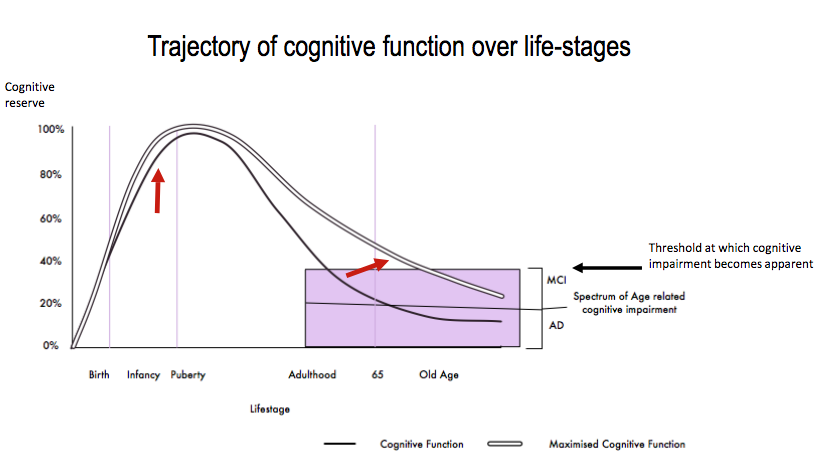
Alzheimer’s disease is a progressive neurodegenerative disorder that steadily erodes the brain’s ability to store and retrieve memories. It involves a widespread loss of gray matter and visible shrinkage of the brain, with most of the early damage concentrated in the hippocampus, limbic system and frontal cortex. The condition typically progresses over 15–25 years toward complete immobility and dependence on care, and it is ultimately fatal. It is the most common cause of dementia, and while there is still no cure, the last few years have brought both the first drugs that modestly slow the disease and a much clearer picture of what actually goes wrong in the brain.
Stages of Alzheimer’s
Alzheimer’s is usefully seen as a slow progression through three broad stages, tracking the spread of damage across the brain.
Early stage. It begins with mild disorientation and difficulty with new memories — where the car keys are, what happened yesterday, the names of people just met. This reflects early damage in the hippocampus, the region that lays down long-term memory. Other early signs include difficulty finding the right words, trouble recalling recently read material, difficulty putting names to faces, and problems with planning.
Middle stage. As damage spreads outward toward the cerebral cortex, symptoms intensify and reach further back in time — even childhood memories begin to fade as neurons are lost. This stage brings forgetting of personal history, moodiness or antisocial reactions to challenge, confusion about time and place, disrupted sleep, becoming lost easily, and shifts in personality or behavior.
Late stage. After extensive neuronal loss the brain shows visible shrinkage, and the person needs assistance with nearly all daily activities — getting out of bed, bathing, using the bathroom. Communication becomes very limited, familiar faces are no longer recognized, and confusion and frustration are constant. Patients in end-stage disease can no longer ambulate, dress, bathe or care for themselves, and in many cases lose the ability to speak intelligible words at all. They become vulnerable to infection, which is a frequent cause of death.
What Causes Alzheimer’s
There is no single cause. The medical community has long debated it, and the picture that has emerged is not one pathological process but a series of pathogenic changes in nervous-system function, spanning both the peripheral autonomic network and the limbic system. Some frame the disease as a metabolic disorder — the so-called “type 3 diabetes” idea, in which brain cells become resistant to insulin — while others emphasize inherited genetic risk. Most researchers now see it as a mix of both, plus age and lifestyle.
Damage first shows up in the hippocampus, the region central to memory storage and to imagining future events. Over time it can be seen spreading throughout the brain, and on a large scale the loss of tissue becomes visible to the naked eye as the brain shrinks — mainly from the cerebral cortex, where the bulk of the gray matter sits.
At the microscopic level, several interlocking mechanisms drive the damage:
Misfolding & Aggregation of Proteins
The accumulation of abnormally folded proteins is the hallmark of the disease, and it comes in two forms. Tau normally stabilizes the tiny internal “tracks” that move cargo around a neuron; in Alzheimer’s it clumps into neurofibrillary tangles that choke the cell from the inside. Amyloid-beta is a sticky fragment produced when a larger protein in the neuron’s membrane — amyloid precursor protein (APP) — is cut up by enzymes called secretases. Normally these fragments are cleared away; in Alzheimer’s they clump into plaques between the neurons instead. Over time, both the tangles inside cells and the plaques outside them are associated with neuronal death.
The Acetylcholine Point of Confusion
Amyloid-beta does not come from the breakdown of acetylcholine. It comes from APP. Many traditional memory remedies — and the older Alzheimer’s drugs — act on acetylcholine instead, by slowing the enzyme acetylcholinesterase that breaks it down. Raising acetylcholine this way can ease symptoms by supporting memory and communication between neurons, but it does not slow the underlying disease or reduce how much amyloid the brain produces. Most of the herbs studied for Alzheimer’s work this way: they act on symptoms, not on the disease.
Metabolic & Mitochondrial Dysfunction
Impaired energy production within neurons — failing mitochondria and disrupted glucose metabolism — leaves brain cells unable to meet their energy demands. This energy deficit is thought to accelerate neuronal injury and death, and is the basis of the “type 3 diabetes” framing.
Calcium-Handling Impairment
Neurons normally regulate calcium tightly. In Alzheimer’s this control is lost, and the resulting sustained rise in intracellular calcium disrupts cell signaling and promotes degeneration.
Glial Cell Dysfunction & Neuroinflammation
Glial cells (astrocytes and microglia) normally support and protect neurons and clear away toxic debris. When their function is disturbed they instead contribute to a damaging, inflammatory environment. Chronic activation of the brain’s immune cells produces ongoing low-grade inflammation that — while initially protective — damages surrounding neurons and is increasingly recognized as a driver of disease progression. One measurable signal of this is the enzyme monoamine oxidase B (MAO-B), which is markedly elevated in the reactive astrocytes that swell up around amyloid plaques; the amount tends to track the local damage, which has made MAO-B a target for PET brain imaging.
Oxidative Damage
An excess of reactive oxygen species overwhelms the brain’s antioxidant defenses, damaging lipids, proteins and DNA. Neurons are especially vulnerable because of their high metabolic activity. MAO-B contributes here too: as it breaks down monoamine neurotransmitters like dopamine, it generates hydrogen peroxide and other reactive by-products that stress neurons.
Excitotoxicity
Excessive stimulation of neurons by the excitatory neurotransmitter glutamate — often through over-activation of NMDA receptors — lets harmful amounts of calcium into the cell. This over-excitation injures and ultimately kills affected neurons, and is the mechanism targeted by the drug memantine.
The Role of Stress
Stress is a well-recognized aggravating factor. The hippocampus, where the disease begins, is dense with glucocorticoid receptors that respond to stress hormones such as cortisol. In the short term this response is adaptive; in the long term, as in chronic stress, it does real damage. While it is not clear that stress alone can cause Alzheimer’s, it does nothing to prevent it and is likely to exponentiate the damage in the hippocampus. Adequate exercise, sleep, hydration, meditation, social connection, and avoiding added sugar are all reasonable stress-reduction measures.
Causative & Risk Factors
A number of factors are associated with Alzheimer’s and with dementia more generally:
- Old age (>65)
- Cardiovascular disease
- Stroke
- Hypertension
- Hypercholesterolemia
- Low folate intake
- Down’s Syndrome
- Diabetes
- ApoE variations
- Obesity
- Depression
- High caloric intake
- Poor exercise
- Social isolation
- Heavy metal exposure
- Medications (such as benzodiazepines)
- Aspartame intake
Conventional Treatment & Drug Development
There is no cure, and the available drugs fall into two groups.
Symptomatic drugs raise or steady neurotransmitter levels without touching the underlying disease. The cholinesterase inhibitors — donepezil, galantamine and rivastigmine — slow the breakdown of acetylcholine and can ease memory and communication for a time. Memantine, an NMDA-receptor antagonist, dampens glutamate excitotoxicity and is used in moderate-to-severe disease. Both help symptoms; neither slows progression.
Disease-modifying drugs aim at the plaques directly. The anti-amyloid antibodies are the newest class: the first, aducanumab (Aduhelm), was approved in 2021 amid heavy controversy and then withdrawn from the market in 2024. Two successors — lecanemab (Leqembi, 2023) and donanemab (Kisunla, 2024) — are now FDA-approved and do modestly slow decline in early Alzheimer’s, though they carry real risks (brain swelling and small bleeds, collectively called ARIA) and are not cures. MAO-B inhibition has also been explored as a neurodegeneration angle — the prescription MAO-B inhibitor selegiline has been trialled in Alzheimer’s — but the evidence for lasting benefit has been underwhelming, so it remains a research direction rather than an established treatment.
Detecting Alzheimer’s Early
Much current research aims to identify Alzheimer’s before it becomes irreversible. Researchers have confirmed that amyloid and tau both play a significant role and interact with one another, and markers such as tau, amyloid-beta and MAO-B are all being explored as early signals — the goal being to measure them without dissecting the brain under a microscope. If reliable blood tests, cerebrospinal-fluid tests or imaging techniques can detect these changes early, the disease could be caught and treated long before symptoms appear.
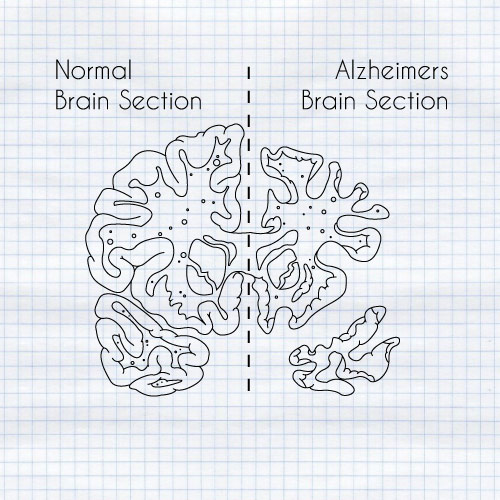
The size difference is due to a massive loss of neurons, mainly from the cerebrum.
Presentation
Symptoms
The earliest and most prominent symptom is progressive memory loss, particularly of recently formed memories. As the disease advances it impairs language, reasoning, judgment and spatial orientation, and patients increasingly struggle with familiar tasks. Mood and personality changes, confusion and disorientation are common, and in the later stages affected individuals lose the ability to care for themselves.
Assessment
Diagnostic Considerations
Diagnosis rests on an acquired impairment in memory, associated with impairment in one or more cognitive domains:
- Executive function (e.g., abstract thinking, reasoning, judgment)
- Language (expressive or receptive)
- Praxis (learned motor sequences)
- Gnosis (ability to recognize objects, faces or other sensory information)
Impairments must be severe enough to interfere with work, usual social activities or relationships. Several standardized tests support the diagnosis, including the Mini Mental Status Exam (MMSE).
Other Tests Include:
-
Scans: CT or MRI to assess neuronal loss
-
Blood tests
- Full blood count
- ESR
- Urea
- Electrolytes
- Blood glucose
- Calcium
-
Liver function tests
-
Thyroid function tests
-
Vitamin B12
-
Syphilis culture
-
ANA
-
HIV serology
-
EEG
Assessment
Differential Diagnosis
- Stroke
- Cardiovascular disease
- Diabetic dementia
Context
Comorbidities
- Type II Diabetes
- Stroke
- Cardiovascular disease
- Depression
Materia Medica
Materia Medica
No herb has been shown to prevent or reverse Alzheimer’s disease.
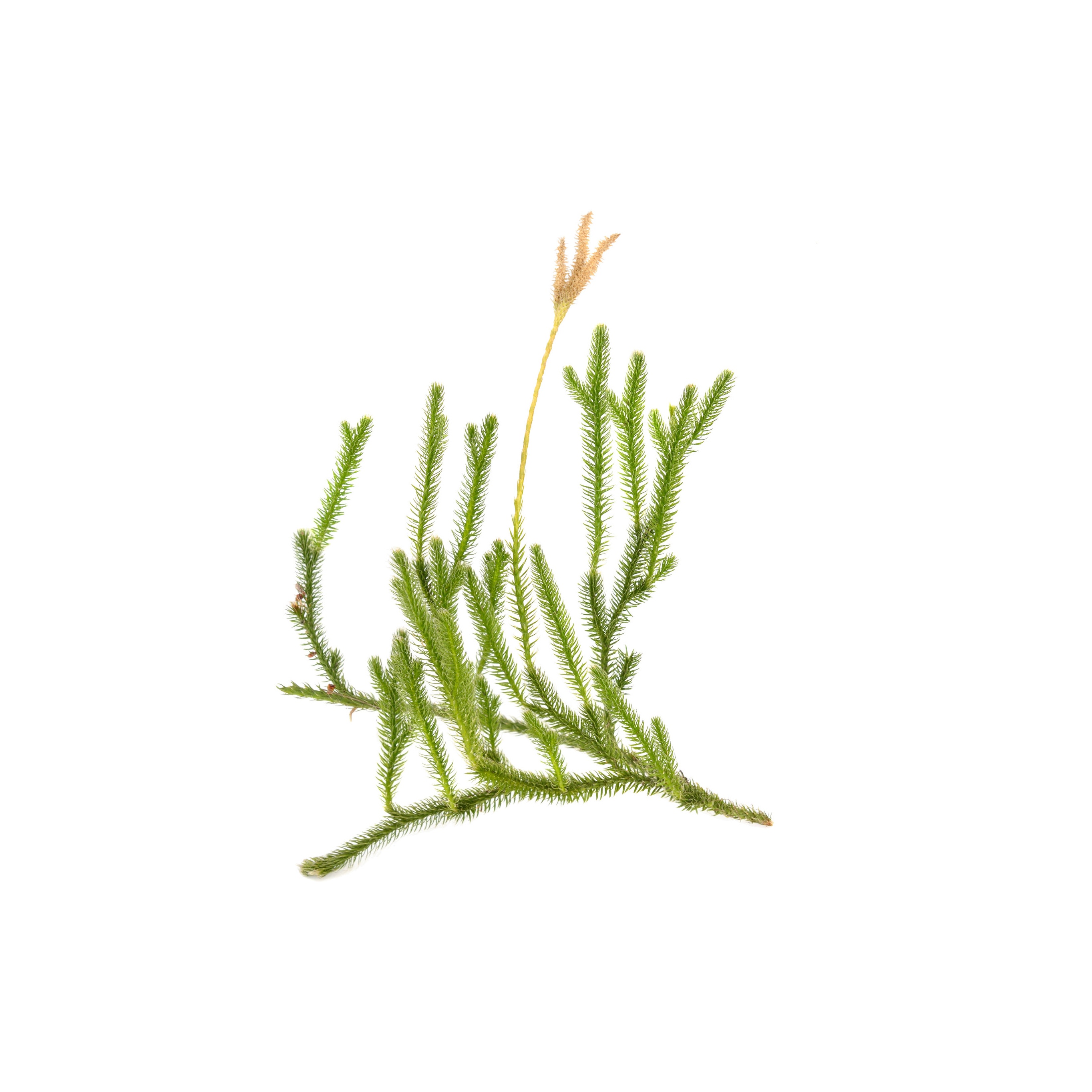 Chinese ClubmossHuperzia serrataStrong
Isolated huperzine-A is a reversible, BBB-penetrant acetylcholinesterase inhibitor working on the same cholinergic principle as donepezil; a 2013 meta-analysis of 20 RCTs (1,823 participants) found significant cognition and daily-living gains versus placebo 11Reference 11Meta-analysisHuperzine A for Alzheimer’s disease: a systematic review and meta-analysis of randomised clinical trials — meta-analysisView study →, and it is a licensed anti-Alzheimer’s drug in China.
The positive trials cluster in China with high bias risk, and the best-designed trial — a US ADCS Phase II RCT (n=210) — was negative on its primary cognitive endpoint at 200 µg twice daily 12Reference 12RCTA phase II trial of huperzine A in mild to moderate Alzheimer disease — randomised controlled trialView study →. All the evidence is for the microgram-dose isolated alkaloid, not the crude herb.
Full monograph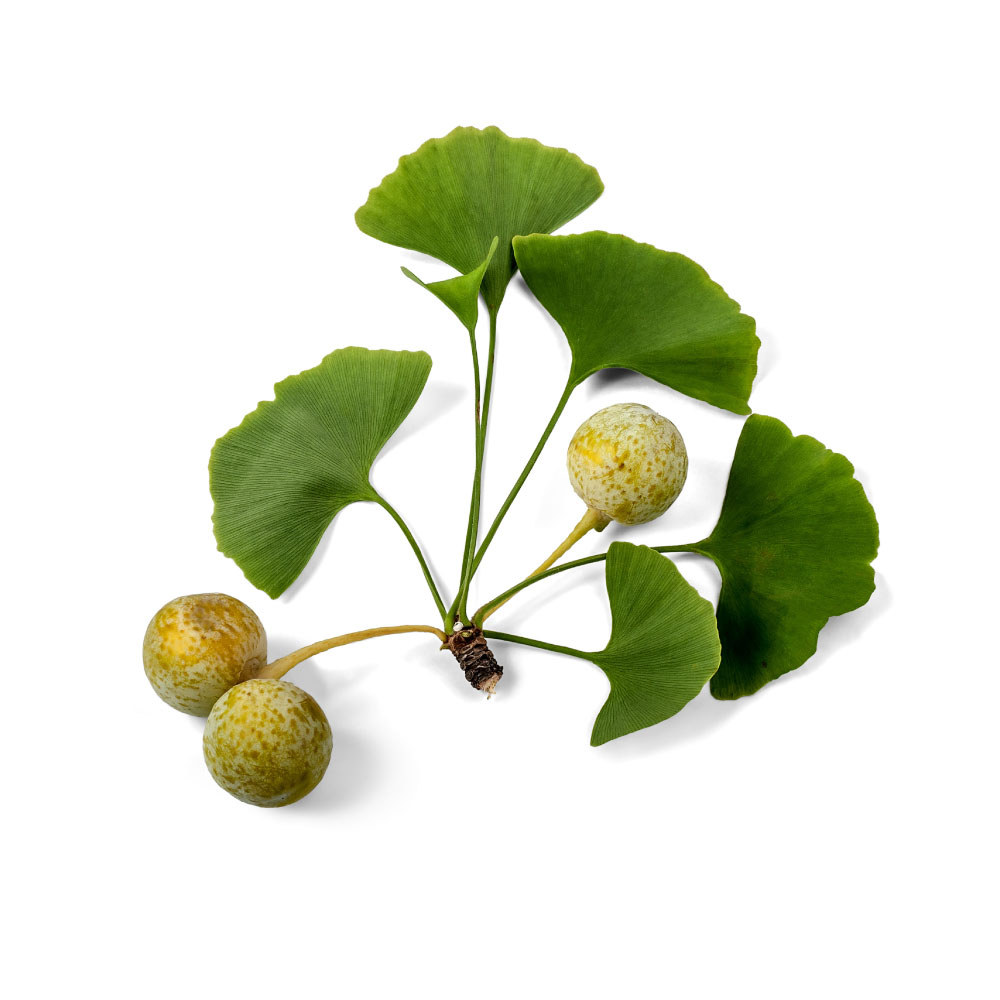 GinkgoGinkgo bilobaStrong
For Alzheimer’s-type dementia, the EGb 761 240 mg/day trial base shows modest cognitive and daily-living improvement where measurable impairment already exists 13,
The picture flips for prevention: the ~3,000-participant GEM trial found EGb 761 did not reduce the incidence of dementia or Alzheimer’s over roughly six years 20,
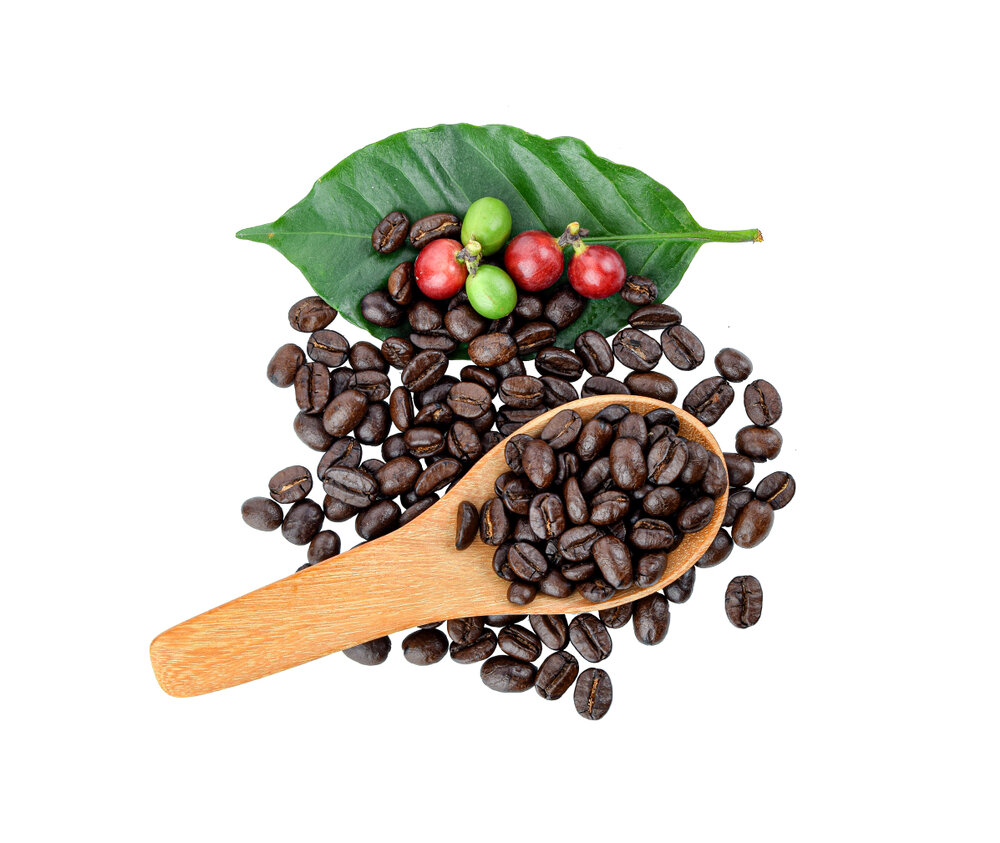 CoffeeCoffea arabicaModerate
An updated dose-response meta-analysis (33 studies, 389,505 participants) linked coffee to lower risk of cognitive disorders (RR 0.73), with a non-linear curve peaking near 2.5 cups/day for Alzheimer’s disease (RR 0.74) and stronger protection in men 7Reference 7Meta-analysisModerate coffee or tea consumption decreased the risk of cognitive disorders: an updated dose-response meta-analysisView study →; a separate tea/coffee/caffeine cohort meta-analysis reached the same direction for dementia and AD 8,
Some Mendelian-randomization analyses, however, tie genetically higher coffee intake to smaller brain volume and possibly increased AD risk, so the field is unsettled and reverse causation is a live concern 10Reference 10Meta-analysisCoffee and the risk of hepatocellular carcinoma: a systematic review and meta-analysis of Mendelian randomization studiesView study →.
Full monograph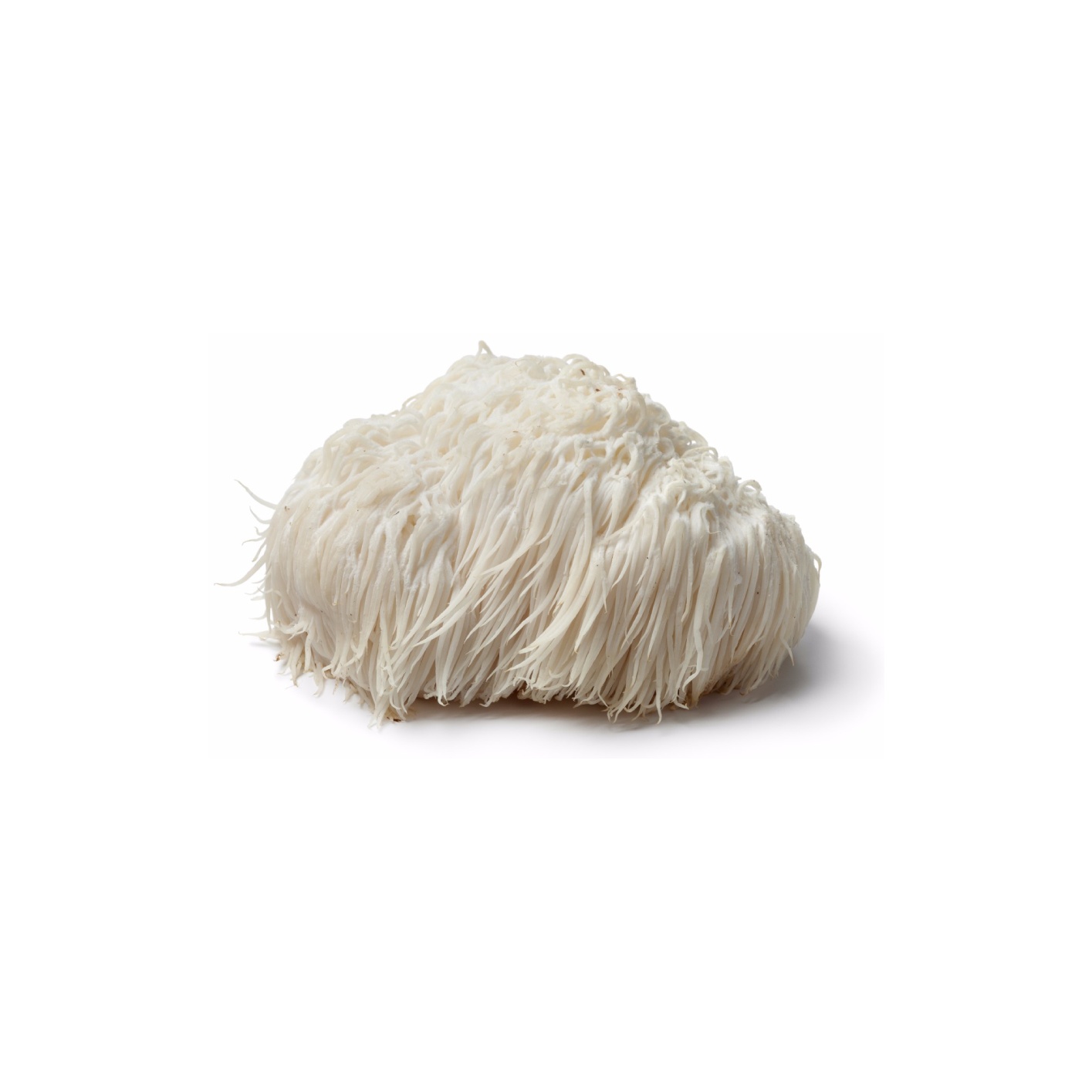 Lion’s ManeHericium erinaceusModerate
A 2020 double-blind placebo-controlled pilot RCT in mild Alzheimer’s disease found erinacine-A-enriched mycelial capsules (1050 mg/day, 49 weeks) improved MMSE, daily-living scores and contrast sensitivity, well tolerated 25Reference 25RCTPrevention of early Alzheimer’s disease by erinacine A-enriched Hericium erinaceus mycelia — randomised, double-blind, placebo-controlled pilot trialView study →, resting on a well-mapped NGF/neurotrophic mechanism 26,
It was a single small pilot, and it used a mycelial erinacine-A extract that does not correspond to fruiting-body powders or culinary use, so the result does not carry across to other products.
Full monograph NigellaNigella sativaModerate
In healthy elderly volunteers, nine weeks of nigella seed improved memory, attention and cognition versus placebo 35Reference 35RCTThe effect of Nigella sativa Linn. seed on memory, attention and cognition in healthy human volunteers — a randomized controlled trialView study →, supported by animal hippocampal-protection data. This is a healthy-ageing cognition signal, not a dementia trial; there are no studies in Alzheimer’s disease or any cognitive impairment.
Full monograph SaffronCrocus sativusModerate
A 16-week RCT found saffron 30 mg/day improved ADAS-cog scores vs placebo in mild-to-moderate AD 44Reference 44RCTSaffron in the treatment of patients with mild to moderate Alzheimer’s disease: a 16-week, randomised and placebo-controlled trialView study →, and a 12-month trial found it equivalent to memantine in moderate-to-severe AD 45Reference 45RCTComparing the efficacy and safety of Crocus sativus L. with memantine in patients with moderate to severe Alzheimer’s disease: a double-blind randomised clinical trialView study →; a 2020 meta-analysis of four RCTs found it superior to placebo and not different from donepezil/memantine 46Reference 46Meta-analysisSaffron for mild cognitive impairment and dementia: a systematic review and meta-analysis of randomised clinical trialsView study →. The trials are small, short relative to the disease course and from a single region, and whether saffron modifies the disease is unknown.
Full monograph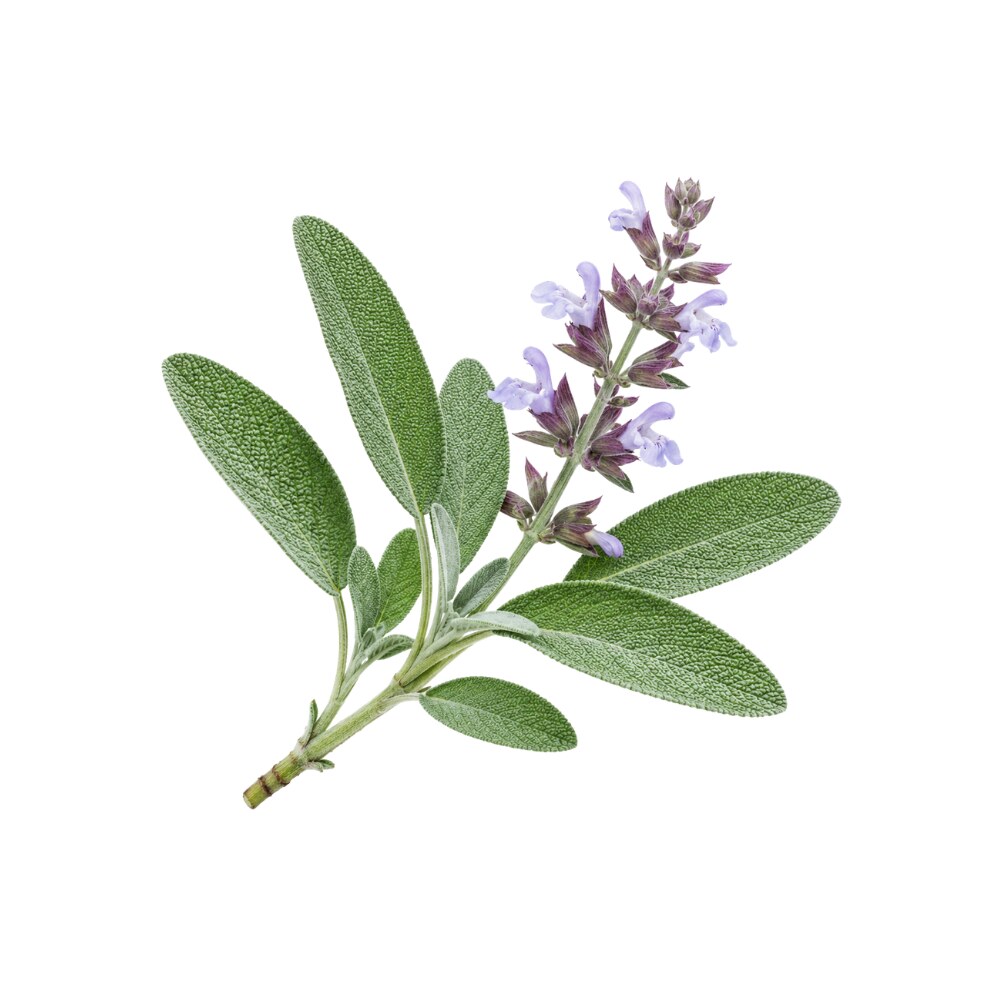 SageSalvia officinalisModerate
A 4-month placebo-controlled RCT (n=42) in mild-to-moderate Alzheimer’s reported better cognitive scores on sage extract than placebo 47Reference 47RCTSalvia officinalis extract in the treatment of patients with mild to moderate Alzheimer’s disease: a double-blind, randomised and placebo-controlled trialView study →; the broader cognition literature (healthy-adult memory/attention RCTs plus two systematic reviews) supports an AChE-inhibition mechanism 48,
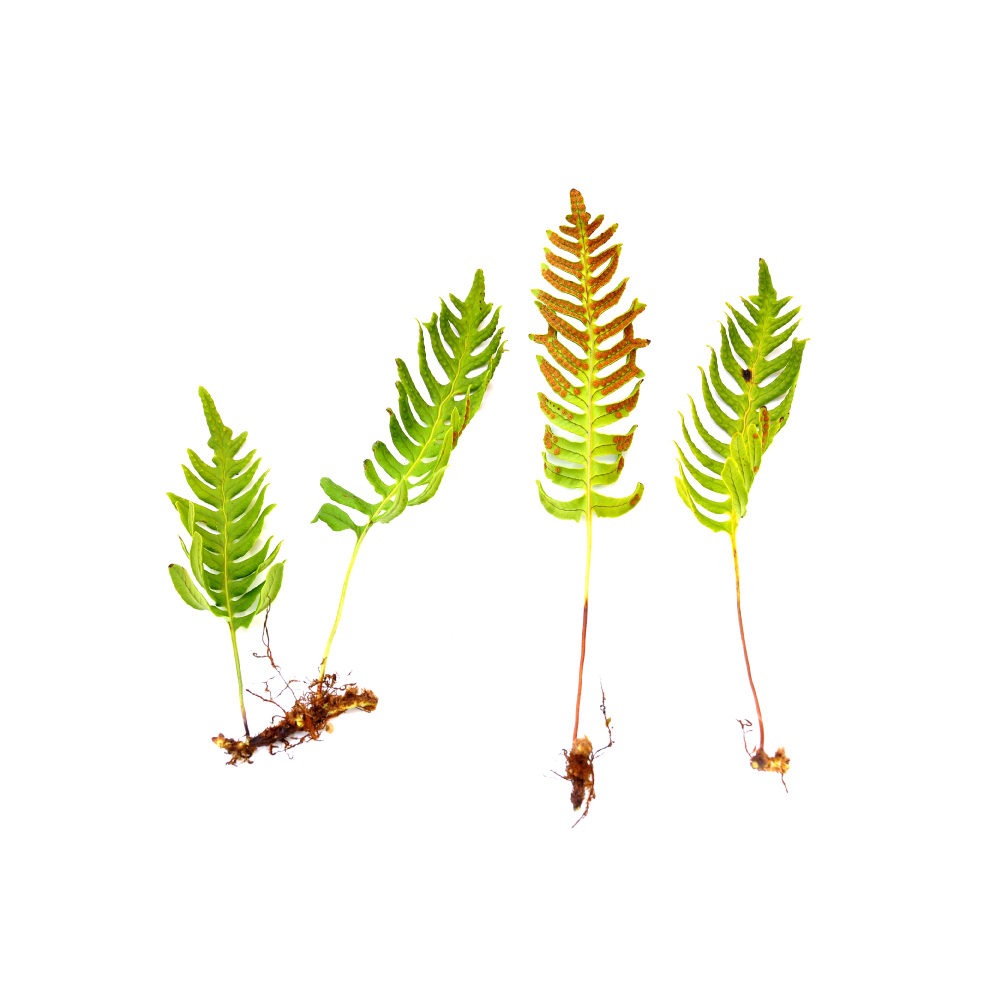 SamambaiaPolypodium leucotomosModerate
The evidence is a senile-dementia pilot whose cohort included Alzheimer-type as well as vascular dementia 51Reference 51RCTDouble-blind, randomised, placebo-controlled pilot study with anapsos in senile dementia — randomisedView study →, plus the rat beta-amyloid superoxide-dismutase study 52Reference 52AnimalEffects of anapsos on Cu-Zn-superoxide dismutase activity in an animal model of neuronal degeneration — animalView study →. There is no Alzheimer-specific trial, and that pilot was small, mixed-diagnosis and used the Anapsos preparation, not modern Fernblock.
Full monograph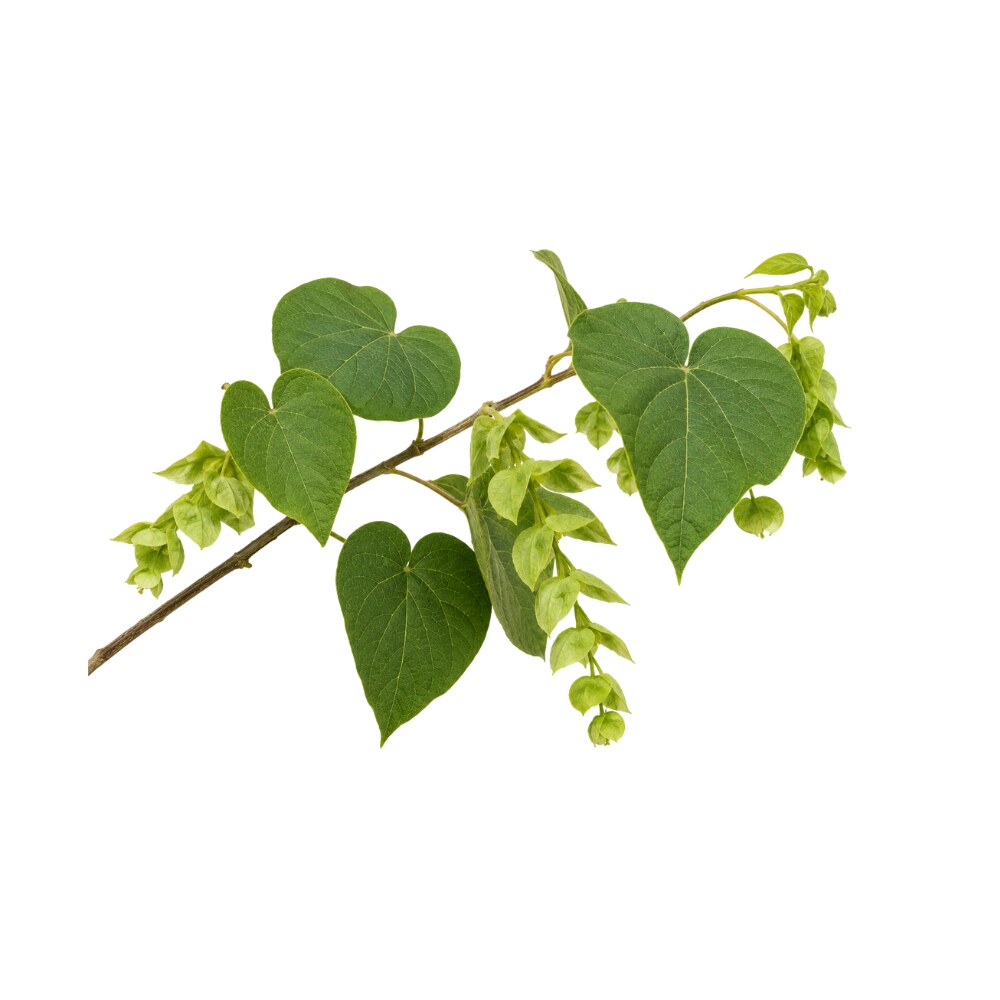 AbutaCissampelos pareiraPreclinical
The headline memory result used PM52, a C. pareira + Anethum graveolens combination — not abuta alone — attenuating AF64A-induced memory loss and hippocampal neurodegeneration in rats via AChE suppression 1Reference 1AnimalEvaluation of safety and protective effect of combined extract of Cissampelos pareira and Anethum graveolens (PM52) against age-related cognitive impairment — animal model (rat)View study →; standalone support is a single potent AChE-inhibitor alkaloid, N-methylneolitsine 2Reference 2In vitroN-Methylneolitsine as a new and potent acetylcholinesterase inhibitor of Cissampelos pareira Linn. aerial parts — in vitro (bioassay-guided isolation)View study →. The in-vivo benefit cannot be attributed to abuta (two-herb formula) and the solo data is one enzyme-inhibition assay.
Full monograph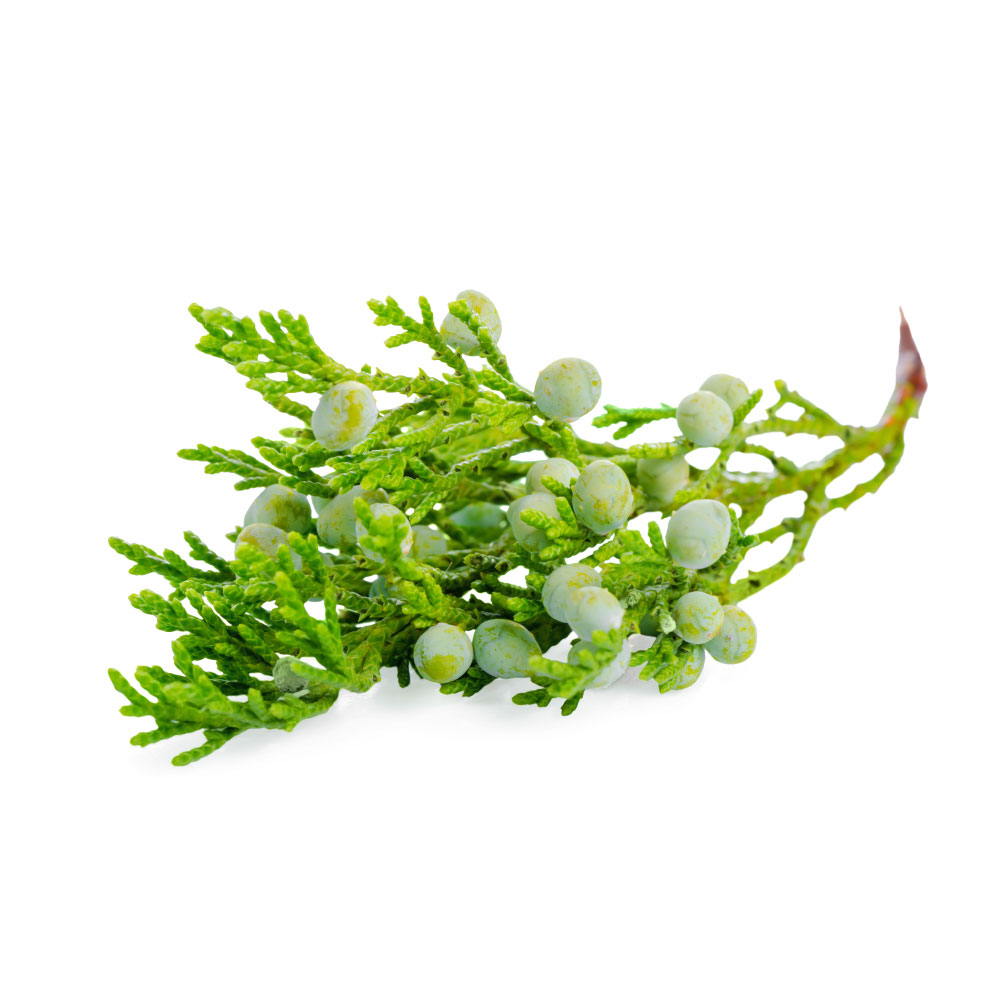 JuniperJuniperus communisPreclinical
Inhaled J. communis volatile oil (1–3%, 60 min/day for 21 days) lowered hippocampal acetylcholinesterase activity and oxidative damage in rats given intracerebroventricular amyloid-beta (1–42), improving memory dose-dependently 23Reference 23AnimalAnti-acetylcholinesterase and antioxidant activities of inhaled juniper oil on amyloid beta (1-42)-induced oxidative stress in the rat hippocampus — animal modelView study →, with in vitro anticholinesterase activity in fruit extracts as supporting mechanism 24Reference 24In vitroEvaluation of fruit extracts of six Turkish Juniperus species for their antioxidant, anticholinesterase and antimicrobial activities — in vitroView study →. The amyloid model is Alzheimer’s-relevant, but the evidence is a single research group, the active preparation is inhaled essential oil (aromatherapy), not the ingested berry, and there are no human cognitive data.
Full monograph MagnoliaMagnolia officinalisPreclinical
Systematic reviews of preclinical anti-Alzheimer’s work report honokiol, magnolol and 4-O-methylhonokiol improving learning/memory in animal models by inhibiting amyloid-β generation, curbing neuroinflammation, inhibiting acetylcholinesterase and reducing oxidative stress 29,
 Muira PuamaPtychopetalum olacoidesPreclinical
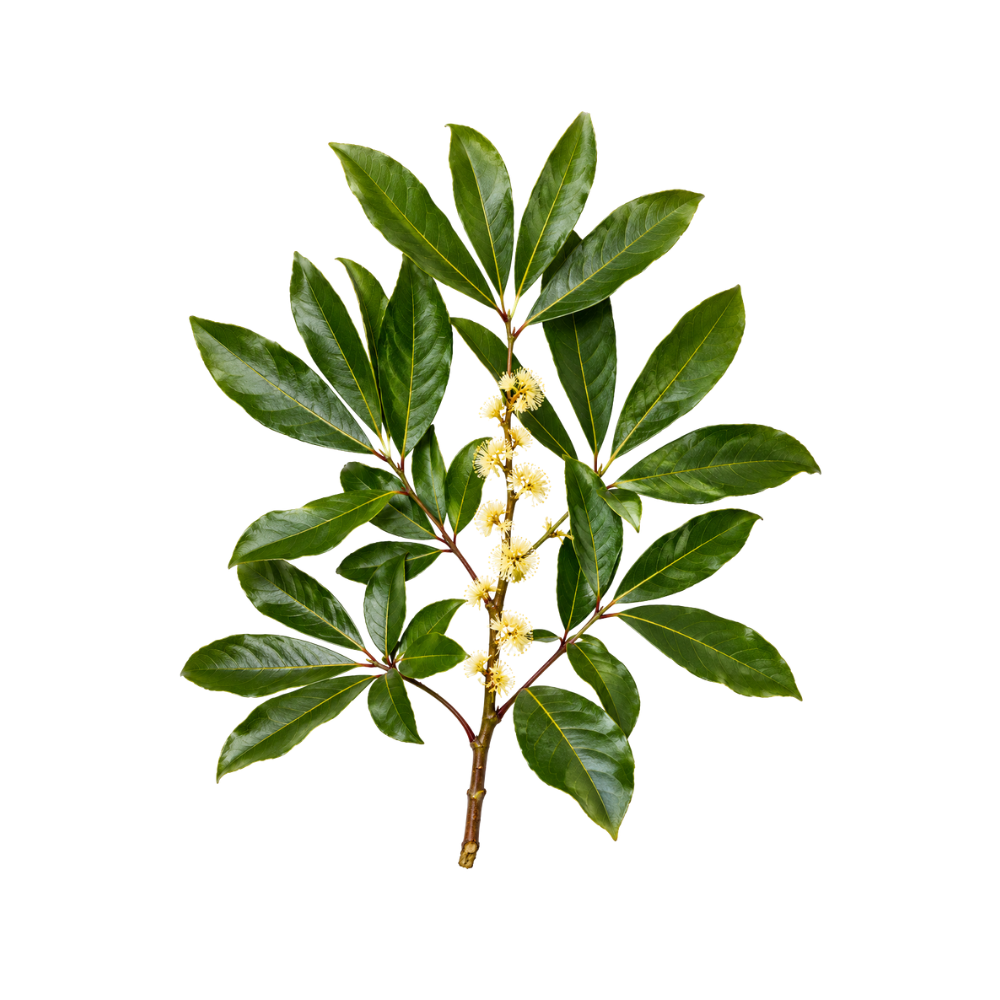
In a β-amyloid (Aβ1-42) mouse Alzheimer model, 14 days of oral standardised ethanol extract (POEE) prevented cognitive impairment while reducing amyloid deposits, astrogliosis and CA1 hippocampal neuron loss 32Reference 32AnimalThe Amazonian herbal Marapuama attenuates cognitive impairment and neuroglial degeneration in a mouse Alzheimer model — animal studyView study →, and clerodane diterpenoids from the bark potentiate nerve growth factor and drive neurite outgrowth in PC12 cells 33,
 RehmanniaRehmannia glutinosaPreclinical
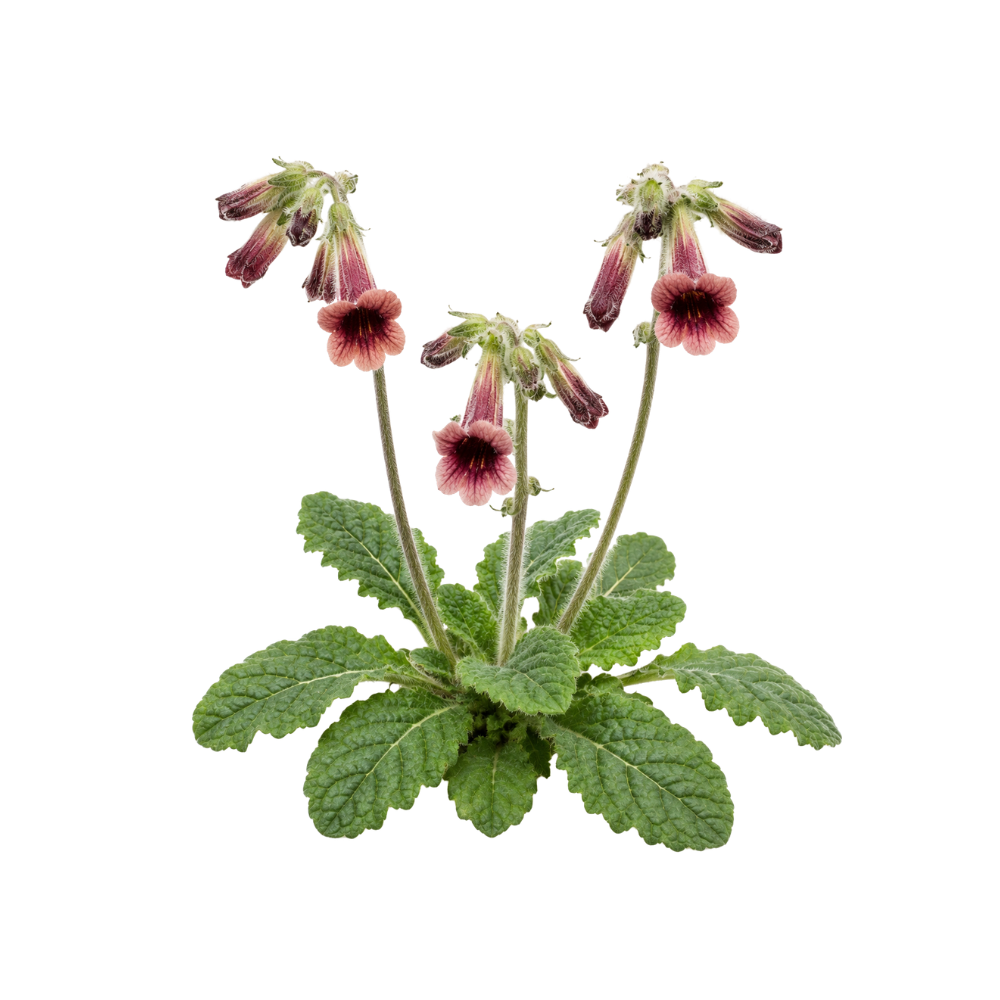
In a β-amyloid-plus-glutamate memory-defect model, catalpol was comparable to donepezil at reducing Alzheimer markers through a non-cholinergic mechanism 36Reference 36AnimalMemory defect from β-amyloid plus glutamate agonist alleviated by catalpol and donepezil through different mechanisms — animal modelView study →, and two reviews summarise catalpol’s activity across Alzheimer’s and Parkinson’s models 37,
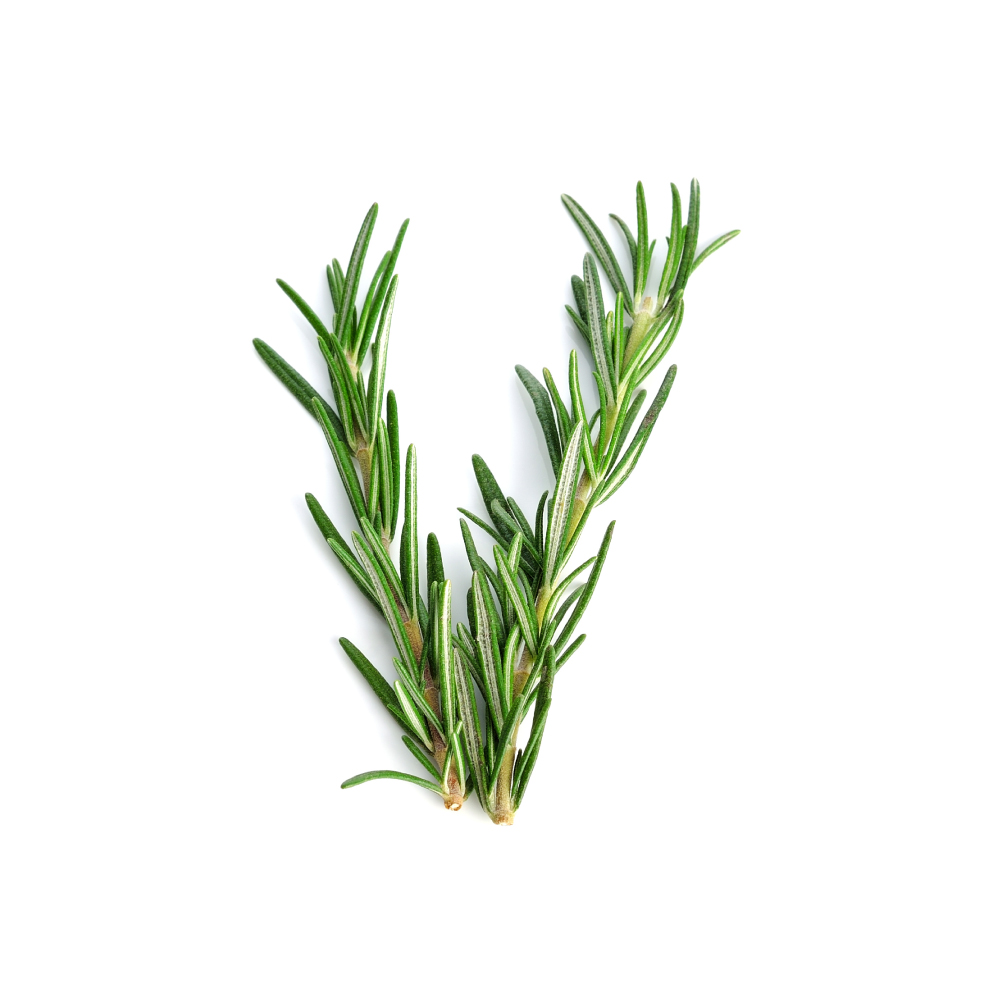 RosemaryRosmarinus officinalisPreclinical
No Alzheimer’s trial exists. The support is a coherent but preclinical carnosic acid neuroprotection story — Nrf2 activation, mitochondrial preservation and dampened neuroinflammation in ischaemia/neurodegeneration models, with BBB penetration driving Alzheimer’s/Parkinson’s interest 39,
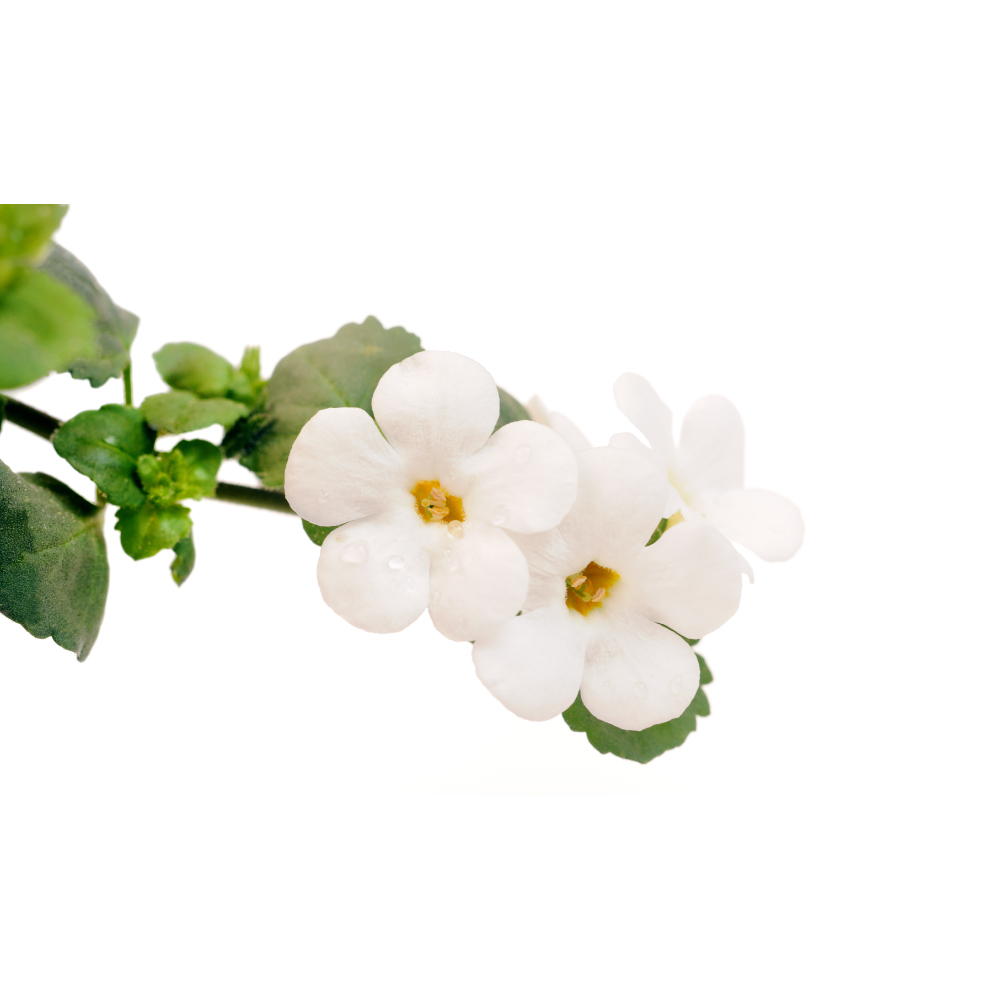 BacopaBacopa monnieriNo benefit shown
Extensive preclinical neuroprotection — cholinergic-neuron protection, β-amyloid and BACE-1 reduction, acetylcholinesterase inhibition comparable to donepezil in assays, and tau-aggregation inhibition 3,
Disease-modifying benefit in dementia is unproven; the animal-to-human translation did not hold.
Full monographSupplementation
Supplementation
Supplements, nutrients and compounds used for Alzheimer’s disease. Broader nutritional support often discussed for cognitive aging — B-complex vitamins (B6, B12, folate), antioxidants (vitamins A, C and E), phosphatidylcholine, zinc, DHA (omega-3) and coenzyme Q10 — is general support rather than an established treatment.
References
- Thukham-mee, W., & Wattanathorn, J. (2012). Evaluation of safety and protective effect of combined extract of Cissampelos pareira and Anethum graveolens (PM52) against age-related cognitive impairment — animal model (rat). Evidence-Based Complementary and Alternative Medicine. https://pubmed.ncbi.nlm.nih.gov/23028394/
- Haldar S, Mohapatra S, Ganguly P, et al. (2024). N-Methylneolitsine as a new and potent acetylcholinesterase inhibitor of Cissampelos pareira Linn. aerial parts — in vitro (bioassay-guided isolation). Natural Product Research. https://pubmed.ncbi.nlm.nih.gov/37154600/
- Valotto Neto, L. J., Reverete de Araujo, M., Moretti Junior, R. C., et al. (2024). Investigating the neuroprotective and cognitive-enhancing effects of Bacopa monnieri — systematic review. Antioxidants, 13(4), 393. https://pubmed.ncbi.nlm.nih.gov/38671841/
- Dubey, T., Kushwaha, P., Thulasiram, H. V., Chandrashekar, M., & Chinnathambi, S. (2023). Bacopa monnieri reduces Tau aggregation and Tau-mediated toxicity in cells — in vitro. International Journal of Biological Macromolecules, 234, 123171. https://pubmed.ncbi.nlm.nih.gov/36716837/
- Chaudhari, K. S., Tiwari, N. R., Tiwari, R. R., & Sharma, R. S. (2017). Neurocognitive effect of nootropic drug Brahmi (Bacopa monnieri) in Alzheimer’s disease — review. Annals of Neurosciences, 24(2), 111–122. https://pubmed.ncbi.nlm.nih.gov/28588366/
- Prabhakar, S., Vishnu, V. Y., Modi, M., et al. (2020). Efficacy of Bacopa monnieri (Brahmi) and donepezil in Alzheimer’s disease and mild cognitive impairment — randomised double-blind phase-2b trial (terminated). Annals of Indian Academy of Neurology, 23(6), 767–773. https://pubmed.ncbi.nlm.nih.gov/33688125/
- Zhu, Y., et al. (2024). Moderate coffee or tea consumption decreased the risk of cognitive disorders: an updated dose-response meta-analysis. Nutr Rev. https://pubmed.ncbi.nlm.nih.gov/37523229/
- Li, F., et al. (2024). Tea, coffee, and caffeine intake and risk of dementia and Alzheimer’s disease: a systematic review and meta-analysis of cohort studies. Food Funct. https://pubmed.ncbi.nlm.nih.gov/39054894/
- Santos, C., Costa, J., Santos, J., et al. (2010). Caffeine intake and dementia: systematic review and meta-analysis. J Alzheimers Dis. https://pubmed.ncbi.nlm.nih.gov/20182026/
- Choi, H. B., et al. (2026). Coffee and the risk of hepatocellular carcinoma: a systematic review and meta-analysis of Mendelian randomization studies. Gut Liver. https://pubmed.ncbi.nlm.nih.gov/40852740/
- Yang G, Wang Y, Tian J, Liu JP. (2013). Huperzine A for Alzheimer’s disease: a systematic review and meta-analysis of randomised clinical trials — meta-analysis. PLoS One. https://pubmed.ncbi.nlm.nih.gov/24086396/
- Rafii MS, Walsh S, Little JT, et al. (2011). A phase II trial of huperzine A in mild to moderate Alzheimer disease — randomised controlled trial. Neurology. https://pubmed.ncbi.nlm.nih.gov/21502597/
- Tan MS, et al. (2015). Efficacy and adverse effects of ginkgo biloba for cognitive impairment and dementia: a systematic review and meta-analysis — systematic review and meta-analysis. Journal of Alzheimer’s disease : JAD. https://pubmed.ncbi.nlm.nih.gov/25114079/
- Yang G, et al. (2016). Ginkgo Biloba for Mild Cognitive Impairment and Alzheimer’s Disease: A Systematic Review and Meta-Analysis of Randomized Controlled Trials — systematic review and meta-analysis. Current topics in medicinal chemistry. https://pubmed.ncbi.nlm.nih.gov/26268332/
- Ihl R, et al. (2011). Efficacy and safety of a once-daily formulation of Ginkgo biloba extract EGb 761 in dementia with neuropsychiatric features: a randomized controlled trial — randomised controlled trial. International journal of geriatric psychiatry. https://pubmed.ncbi.nlm.nih.gov/21140383/
- Napryeyenko O, & Borzenko I (2007). Ginkgo biloba special extract in dementia with neuropsychiatric features. A randomised, placebo-controlled, double-blind clinical trial — randomised controlled trial. Arzneimittel-Forschung. https://pubmed.ncbi.nlm.nih.gov/17341003/
- Napryeyenko O, Sonnik G, & Tartakovsky I (2009). Efficacy and tolerability of Ginkgo biloba extract EGb 761 by type of dementia: analyses of a randomised controlled trial — randomised controlled trial. Journal of the neurological sciences. https://pubmed.ncbi.nlm.nih.gov/19286192/
- Birks J, & Grimley Evans J (2009). Ginkgo biloba for cognitive impairment and dementia — systematic review and meta-analysis. The Cochrane database of systematic reviews. https://pubmed.ncbi.nlm.nih.gov/19160216/
- Schneider LS, et al. (2005). A randomized, double-blind, placebo-controlled trial of two doses of Ginkgo biloba extract in dementia of the Alzheimer’s type — randomised controlled trial. Current Alzheimer research. https://pubmed.ncbi.nlm.nih.gov/16375657/
- DeKosky ST, et al. (2008). Ginkgo biloba for prevention of dementia: a randomized controlled trial — randomised controlled trial. JAMA. https://pubmed.ncbi.nlm.nih.gov/19017911/
- Snitz BE, et al. (2009). Ginkgo biloba for preventing cognitive decline in older adults: a randomized trial — randomised controlled trial. JAMA. https://pubmed.ncbi.nlm.nih.gov/20040554/
- DeKosky ST, et al. (2006). The Ginkgo Evaluation of Memory (GEM) study: design and baseline data of a randomized trial of Ginkgo biloba extract in prevention of dementia — randomised controlled trial. Contemporary clinical trials. https://pubmed.ncbi.nlm.nih.gov/16627007/
- Cioancă, O., Hancianu, M., Mihasan, M., Hritcu, L. (2016). Anti-acetylcholinesterase and antioxidant activities of inhaled juniper oil on amyloid beta (1-42)-induced oxidative stress in the rat hippocampus — animal model. Neurochem Res. https://pubmed.ncbi.nlm.nih.gov/25743585/
- Öztürk, M., Tümen, İ., Uğur, A., et al. (2011). Evaluation of fruit extracts of six Turkish Juniperus species for their antioxidant, anticholinesterase and antimicrobial activities — in vitro. J Sci Food Agric. https://pubmed.ncbi.nlm.nih.gov/21384354/
- Li, I. C., et al. (2020). Prevention of early Alzheimer’s disease by erinacine A-enriched Hericium erinaceus mycelia — randomised, double-blind, placebo-controlled pilot trial. Front Aging Neurosci. https://pubmed.ncbi.nlm.nih.gov/32581767/
- Martínez-Mármol, R., et al. (2023). Hericerin derivatives activate a pan-neurotrophic pathway in central hippocampal neurons — in vitro and mouse study. J Neurochem. https://pubmed.ncbi.nlm.nih.gov/36660878/
- Spangenberg, E. T., et al. (2025). Unveiling the role of erinacines in the neuroprotective effects of Hericium erinaceus — systematic review. Front Pharmacol. https://pubmed.ncbi.nlm.nih.gov/40626304/
- Friedman, M. (2015). Chemistry, nutrition, and health-promoting properties of Hericium erinaceus mushroom — review. J Agric Food Chem. https://pubmed.ncbi.nlm.nih.gov/26244378/
- Li, N., et al. (2024). Neolignans in Magnolia officinalis as natural anti-Alzheimer’s disease agents — systematic review. Ageing Research Reviews, 99, 102398. https://doi.org/10.1016/j.arr.2024.102398
- Zhu, S., Liu, F., Zhang, R., et al. (2022). Neuroprotective potency of neolignans in Magnolia officinalis cortex against brain disorders — systematic review. Frontiers in Pharmacology, 13, 857449. https://doi.org/10.3389/fphar.2022.857449
- Dai, X., et al. (2023). The neuropharmacological effects of magnolol and honokiol — review of signal pathways and molecular mechanisms. Current Molecular Pharmacology, 16(2), 161–177. https://doi.org/10.2174/1874467215666220223141101
- Figueiró, M., Ilha, J., Linck, V. M., et al. (2011). The Amazonian herbal Marapuama attenuates cognitive impairment and neuroglial degeneration in a mouse Alzheimer model — animal study. Phytomedicine. https://pubmed.ncbi.nlm.nih.gov/20739160/
- Tang, W., Kubo, M., Harada, K., et al. (2009). Novel NGF-potentiating diterpenoids from a Brazilian medicinal plant, Ptychopetalum olacoides — in vitro study. Bioorganic & Medicinal Chemistry Letters. https://pubmed.ncbi.nlm.nih.gov/19095451/
- Tang, W., Hioki, H., Harada, K., et al. (2008). Clerodane diterpenoids with NGF-potentiating activity from Ptychopetalum olacoides — in vitro study. Journal of Natural Products. https://pubmed.ncbi.nlm.nih.gov/18821798/
- Bin Sayeed MS, Asaduzzaman M, et al. (2013). The effect of Nigella sativa Linn. seed on memory, attention and cognition in healthy human volunteers — a randomized controlled trial. J Ethnopharmacol. https://pubmed.ncbi.nlm.nih.gov/23707331/
- Xia Z, et al. (2012). Memory defect from β-amyloid plus glutamate agonist alleviated by catalpol and donepezil through different mechanisms — animal model. Brain Res. https://pubmed.ncbi.nlm.nih.gov/22305339/
- Zhang X, et al. (2021). Therapeutic potential of catalpol and geniposide in Alzheimer’s and Parkinson’s diseases — review. Brain Res Bull. https://pubmed.ncbi.nlm.nih.gov/34216649/
- Dinda B, et al. (2019). Therapeutic potentials of plant iridoids in Alzheimer’s and Parkinson’s diseases — review. Eur J Med Chem. https://pubmed.ncbi.nlm.nih.gov/30877973/
- Mirza, F. J., Zahid, S., & Holsinger, R. M. D. (2023). Neuroprotective Effects of Carnosic Acid: Insight into Its Mechanisms of Action — review. Molecules. https://pubmed.ncbi.nlm.nih.gov/36903551/
- Ghasemzadeh Rahbardar, M., Hosseinzadeh, H. (2020). Therapeutic effects of rosemary (Rosmarinus officinalis L.) and its active constituents on nervous system disorders — review. Iranian Journal of Basic Medical Sciences. https://pubmed.ncbi.nlm.nih.gov/32963731/
- Moss, M., Cook, J., Wesnes, K., Duckett, P. (2003). Aromas of rosemary and lavender essential oils differentially affect cognition and mood in healthy adults — randomised. International Journal of Neuroscience. https://pubmed.ncbi.nlm.nih.gov/12690999/
- Moss, M., Smith, E., Milner, M., McCready, J. (2018). Acute ingestion of rosemary water: Evidence of cognitive and cerebrovascular effects in healthy adults — randomised controlled trial. Journal of Psychopharmacology. https://pubmed.ncbi.nlm.nih.gov/30318972/
- Pengelly, A., Snow, J., Mills, S. Y., et al. (2012). Short-term study on the effects of rosemary on cognitive function in an elderly population — randomised controlled trial. Journal of Medicinal Food. https://pubmed.ncbi.nlm.nih.gov/21877951/
- Akhondzadeh, S., et al. (2010). Saffron in the treatment of patients with mild to moderate Alzheimer’s disease: a 16-week, randomised and placebo-controlled trial. Journal of Clinical Pharmacy and Therapeutics. https://pubmed.ncbi.nlm.nih.gov/20831681/
- Farokhnia, M., et al. (2014). Comparing the efficacy and safety of Crocus sativus L. with memantine in patients with moderate to severe Alzheimer’s disease: a double-blind randomised clinical trial. Human Psychopharmacology. https://pubmed.ncbi.nlm.nih.gov/25163440/
- Ayati Z, Yang G, Ayati MH, et al. (2020). Saffron for mild cognitive impairment and dementia: a systematic review and meta-analysis of randomised clinical trials. BMC Complementary Medicine and Therapies. https://pubmed.ncbi.nlm.nih.gov/33167948/
- Akhondzadeh, S., et al. (2003). Salvia officinalis extract in the treatment of patients with mild to moderate Alzheimer’s disease: a double-blind, randomised and placebo-controlled trial. J Clin Pharm Ther, 28(1), 53–59. https://pubmed.ncbi.nlm.nih.gov/12605619/
- Scholey, A. B., et al. (2008). An extract of Salvia (sage) with anticholinesterase properties improves memory and attention in healthy older volunteers — randomised controlled trial. Psychopharmacology (Berl), 198(1), 127–139. https://pubmed.ncbi.nlm.nih.gov/18350281/
- Kennedy, D. O., et al. (2006). Effects of cholinesterase-inhibiting sage (Salvia officinalis) on mood, anxiety and performance on a psychological stressor battery — randomised controlled trial. Neuropsychopharmacology, 31(4), 845–852. https://pubmed.ncbi.nlm.nih.gov/16205785/
- Miroddi, M., et al. (2014). Systematic review of clinical trials assessing pharmacological properties of Salvia species on memory, cognitive impairment and Alzheimer’s disease. CNS Neurosci Ther, 20(6), 485–495. https://pubmed.ncbi.nlm.nih.gov/24836739/
- Álvarez, X. A., et al. (2000). Double-blind, randomised, placebo-controlled pilot study with anapsos in senile dementia — randomised. Methods Find Exp Clin Pharmacol. https://pubmed.ncbi.nlm.nih.gov/11196347/
- Fernández-Novoa, L., et al. (1997). Effects of anapsos on Cu-Zn-superoxide dismutase activity in an animal model of neuronal degeneration — animal. Methods Find Exp Clin Pharmacol. https://pubmed.ncbi.nlm.nih.gov/9151285/