
Condition
Attention Deficit Hyperactivity Disorder (ADHD)
ADHD is a disorder of attention and self-regulation — how it's diagnosed, what standard treatment achieves, and what the herbal and nutritional evidence really supports.

Attention deficit hyperactivity disorder (ADHD) is a neurodevelopmental condition marked by a persistent pattern of inattention, hyperactivity and impulsivity that interferes with daily functioning. It begins in childhood and, contrary to the older textbook picture, usually continues into adulthood in some form. Herbal and nutritional support is adjunctive and modest: it works around the edges of attention, sleep, restlessness and nutrient status, alongside — never in place of — proper clinical assessment and the treatments that have actually been shown to work.
Presentation
Types & Variants
ADHD is recognized in three presentations, based on which features predominate:
- Predominantly inattentive — distractibility, difficulty sustaining focus, forgetfulness and disorganization, without prominent hyperactivity (this is what was once called ADD, and it is the presentation most often missed, particularly in girls and in adults).
- Predominantly hyperactive-impulsive — restlessness, fidgeting, excessive talking and acting without thinking, with less prominent inattention. Most common in younger children.
- Combined presentation — significant features of both, and the most frequently diagnosed pattern.
Presentation is not fixed for life. It commonly shifts with age: overt hyperactivity tends to recede after childhood while inattention, disorganization and internal restlessness persist, which is why an adult who was hyperactive at seven may meet criteria for the inattentive presentation at thirty.
Overview
General Pathology
ADHD is a disorder of the brain’s attention and self-regulation systems — of executive function, working memory, delay tolerance and response inhibition — rather than of knowledge, intelligence or motivation. Neuroimaging shows small average differences in the volume and maturation trajectory of frontostriatal and frontoparietal circuits, and the dopaminergic and noradrenergic signalling within them, but these are group-level differences that overlap heavily with the general population. There is no lesion, no scan and no blood test that identifies ADHD in an individual.
What is well established is that it is substantially genetic. Twin and family studies put heritability at around 74%, with roughly a third of that attributable to a polygenic component made up of many common variants of individually tiny effect 12Reference 12ReviewGenetics of attention deficit hyperactivity disorder — reviewView study →. Environmental contributions — prematurity and low birth weight, prenatal exposures, early lead exposure — are real but small by comparison, and much of what is popularly blamed (sugar, screens, parenting) does not survive controlled study.
The inattentive features include distractibility, difficulty sustaining focus, forgetfulness and disorganization; the hyperactive-impulsive features include restlessness, fidgeting, excessive talking and acting without thinking. Sleep problems are extremely common and bidirectional — poor sleep worsens inattention, and ADHD itself delays sleep onset — which is one of the few places where a mild botanical intervention has an obvious rationale.
ADHD rarely travels alone. It commonly co-occurs with anxiety, depression, learning disorders, autism spectrum disorder and disrupted sleep, and it is distinguished from conditions that can mimic it — notably bipolar disorder, untreated sleep disorders, absence seizures, hearing impairment, hypothyroidism and iron-deficiency anemia. Adults with ADHD carry elevated rates of substance abuse and, over the long run, of obesity and type 2 diabetes.
Assessment
Diagnosis
Diagnosis is clinical and structured, not a matter of impression. Under DSM-5 criteria it requires a persistent pattern of inattentive and/or hyperactive-impulsive symptoms — six or more in either domain for children, five for those aged 17 and over — that were present before age 12, are evident in two or more settings (typically home and school or work), and demonstrably interfere with functioning. Symptoms must not be better explained by another condition.
Two features of that definition carry most of its weight. The cross-setting requirement is what separates ADHD from situational difficulty: a child who cannot concentrate only in one classroom has a problem with that classroom. The impairment requirement is what separates it from ordinary variation in temperament — distractibility is a trait everyone has to some degree, and it becomes a disorder when it demonstrably costs someone their education, work or relationships.
Assessment normally draws on developmental history, standardized rating scales completed by more than one observer, and screening for the mimics and coexisting conditions — including, where indicated, checking iron status and thyroid function, both of which are treatable causes of ADHD-like presentation. Rating scales support a diagnosis; they do not make one, and no online questionnaire does.
Treatment
Conventional Treatment
Several of the botanical trials in ADHD use a stimulant as their comparator.
Stimulants are the most effective treatments available. A network meta-analysis of 133 randomized trials found methylphenidate the preferred first choice in children and adolescents and amphetamines the preferred first choice in adults, on the balance of efficacy and tolerability 13Reference 13Meta-analysisComparative efficacy and tolerability of medications for attention-deficit hyperactivity disorder in children, adolescents, and adults — systematic review and network meta-analysis of 133 RCTsView study →. Their effect sizes are large by psychiatric standards and they work quickly — often within days. In the same analysis, when teachers rather than clinicians rated the symptoms, only methylphenidate and modafinil clearly separated from placebo, and amphetamines caused more dropout from side effects. Non-stimulant options — atomoxetine, guanfacine, clonidine — are slower and generally less potent but useful where stimulants are poorly tolerated, where there is a substance-misuse concern, or where tics or marked anxiety complicate the picture.
Non-drug care is part of standard treatment. Behavioural parent training, classroom accommodations, and organizational and skills coaching address the functional impairment that medication alone does not, and are first-line in their own right for preschool-age children. Regular exercise and a stable sleep routine have consistent, if modest, symptomatic support.
No botanical comes close to the stimulants in effect, and none substitutes for them.
What the Evidence Actually Supports
The nutritional and botanical literature in ADHD is unusually large and unusually weak. Trials are small, short, heavily reliant on parent-rated outcomes (the most placebo-sensitive measure in the field), and frequently run by groups with a product interest. A handful of findings nevertheless survive scrutiny.
Omega-3 fatty acids — small but real. A meta-analysis of ten trials in 699 children found fish oil supplementation produced a small but statistically significant improvement in ADHD symptoms, with efficacy correlating with the EPA dose in the supplement 14Reference 14Meta-analysisOmega-3 fatty acid supplementation for the treatment of children with attention-deficit/hyperactivity disorder symptomatology — systematic review and meta-analysisView study →. The effect is a fraction of a stimulant’s — a marginal adjunct, most plausibly in children with genuinely poor dietary intake.
Elimination diets — a modest effect in a minority. Pooled across trials, restriction diets improved ADHD symptoms with an effect size of g = 0.29, and removing synthetic food colours produced a smaller effect that shrank further once publication bias was accounted for — g = 0.18 on parent report, falling to 0.12, and non-significant on teacher and observer report 15Reference 15Meta-analysisMeta-analysis of attention-deficit/hyperactivity disorder or attention-deficit/hyperactivity disorder symptoms, restriction diet, and synthetic food color additives — meta-analysisView study →. The authors estimated that roughly 8% of children with ADHD may have symptoms genuinely related to synthetic food colours. That is a real minority effect, not a general dietary explanation for the condition, and the discrepancy between parent and teacher ratings is exactly what you would expect when the person rating the outcome knows what the child has been eating.
Broad-spectrum micronutrients — one blinded trial. An eight-week placebo-controlled randomized trial of a 36-ingredient micronutrient formula in 126 children aged 6–12 with ADHD and emotional dysregulation found roughly three times as many responders on micronutrients as on placebo (54% versus 18%) on blinded clinician-rated global improvement 16Reference 16RCTMicronutrients for attention-deficit/hyperactivity disorder in youths: a placebo-controlled randomized clinical trial — RCTView study →. Blinded clinician rating is a stronger endpoint than parent report. It remains one trial, of a proprietary multi-ingredient formula, over two months.
Correcting deficiency is not the same as treating ADHD. Iron and zinc deficiency can produce or worsen inattention, and correcting a documented deficiency is straightforward good medicine. Supplementing a child who is not deficient is a different proposition, supported by much weaker evidence, and — for zinc and iron in particular — carries real toxicity at the doses sometimes recommended online. Test before treating.
The herbal evidence is thin. Only bacopa and saffron have been tested in children with diagnosed ADHD at all, both in small pilot trials; pine bark extract reaches the topic only through indirect comparison; and passionflower’s support is a single small trial reached via a systematic review. None has a placebo-controlled efficacy trial of any size.
Nootropics. Fasoracetam and phosphatidylserine appear in ADHD discussions on the strength of cognitive-enhancement claims rather than ADHD trials. L-theanine’s best ADHD-adjacent evidence is for sleep, not attention: a six-week trial in boys with ADHD improved actigraphy-measured sleep efficiency.
Materia Medica
Materia Medica
None of the herbs used for ADHD is a substitute for professional care.
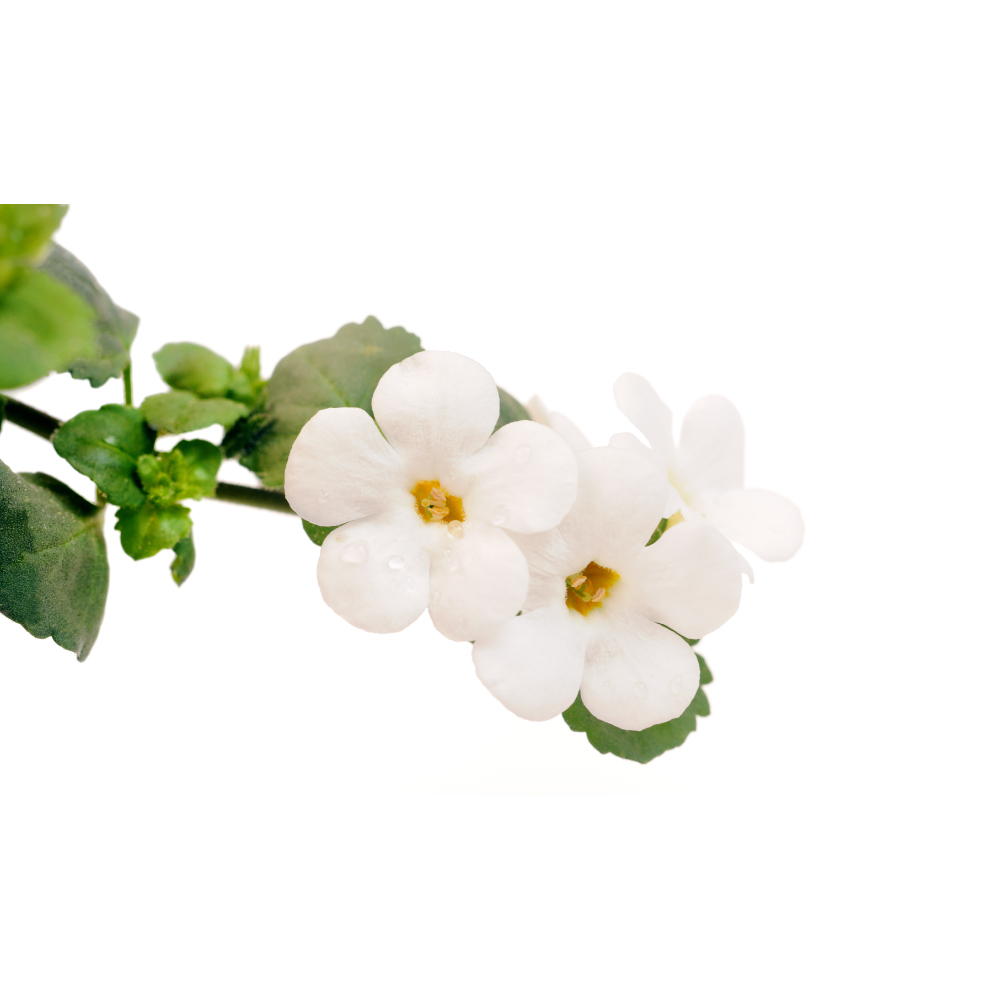 BacopaBacopa monnieriModerate
Bacopa is one of few herbs tested in children. A 14-week double-blind RCT of CDRI 08 in boys 6–14 with inattention/hyperactivity (93 analysed) was null on its primary behavioural endpoint but showed gains in cognitive flexibility, executive function and sleep 1Reference 1RCTEffects of Bacopa monnieri (CDRI 08) in a population of males exhibiting inattention and hyperactivity aged 6 to 14 years — randomised, double-blind, placebo-controlled trialView study →; a 2016 systematic review of five paediatric studies found small-to-medium effects (mean d=0.42) with good tolerability 2Reference 2Systematic reviewA systematic review of the Ayurvedic medicinal herb Bacopa monnieri in child and adolescent populations — systematic reviewView study →; an open-label BacoMind study reported reduced restlessness 3Reference 3An open-label study to elucidate the effects of standardized Bacopa monnieri extract in the management of symptoms of attention-deficit hyperactivity disorder in childrenView study →.
Benefit sits on secondary outcomes and needs replication before ADHD is a supported indication.
Full monograph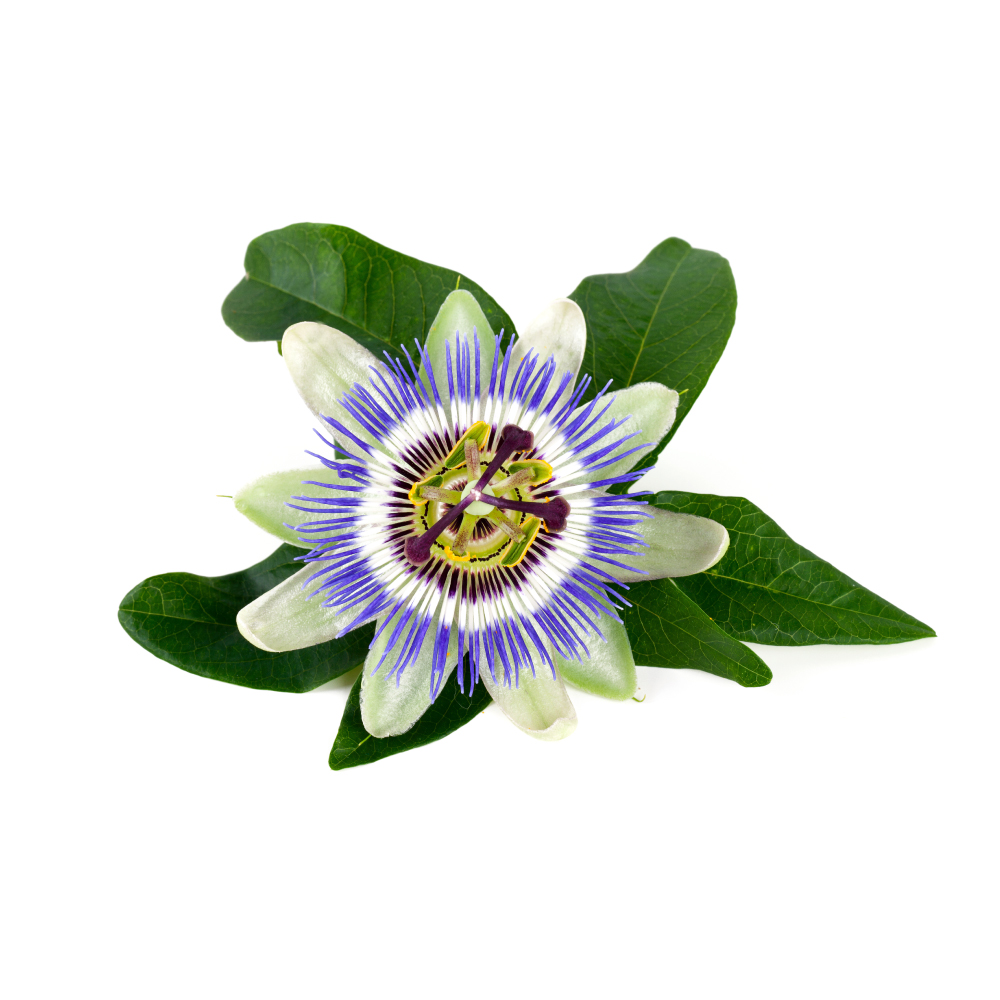 PassionflowerPassiflora incarnataModerate
A systematic review of herbal medicines in children with ADHD 4Reference 4Systematic reviewHerbal medicines in children with attention deficit hyperactivity disorder (ADHD): a systematic reviewView study → includes P. incarnata through a single small trial rather than a replicated body of work. There is no dedicated ADHD evidence.
The plausible mechanism is the herb’s established GABAA-modulating nervine action 5,
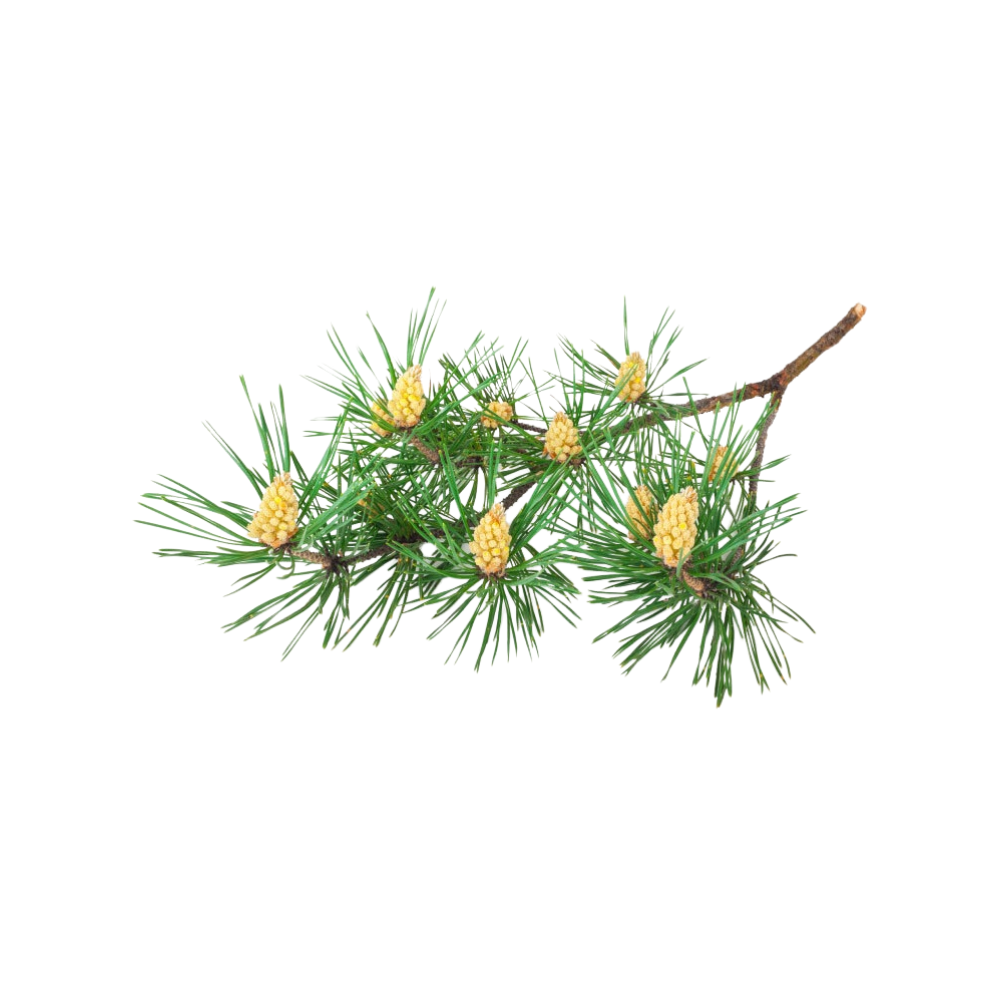 PinePinus spp.Moderate
The ADHD signal is for standardised maritime-pine bark extract (Pycnogenol) only — not needle tea, resin or pollen. A 2024 systematic review and network meta-analysis of antioxidant therapies in children and adolescents with ADHD ranked pycnogenol among the more effective agents on parent- and teacher-rated attention and hyperactivity scales, within a very heterogeneous evidence base 7Reference 7Meta-analysisSafety and efficacy of antioxidant therapy in children and adolescents with attention deficit hyperactivity disorder: A systematic review and network meta-analysis — systematic reviewView study →; the adjacent cognition work in students and professionals reported gains in attention and executive performance on the same extract 8,
The ADHD result comes from indirect network comparison rather than a head-to-head trial, and the supporting cognition studies are registry and product-evaluation designs rather than blinded placebo-controlled RCTs — an expectation- and selection-bias-prone base. The proposed mechanism is vascular and antioxidant (improved cerebral microperfusion, lower oxidative stress), not catecholaminergic.
Full monograph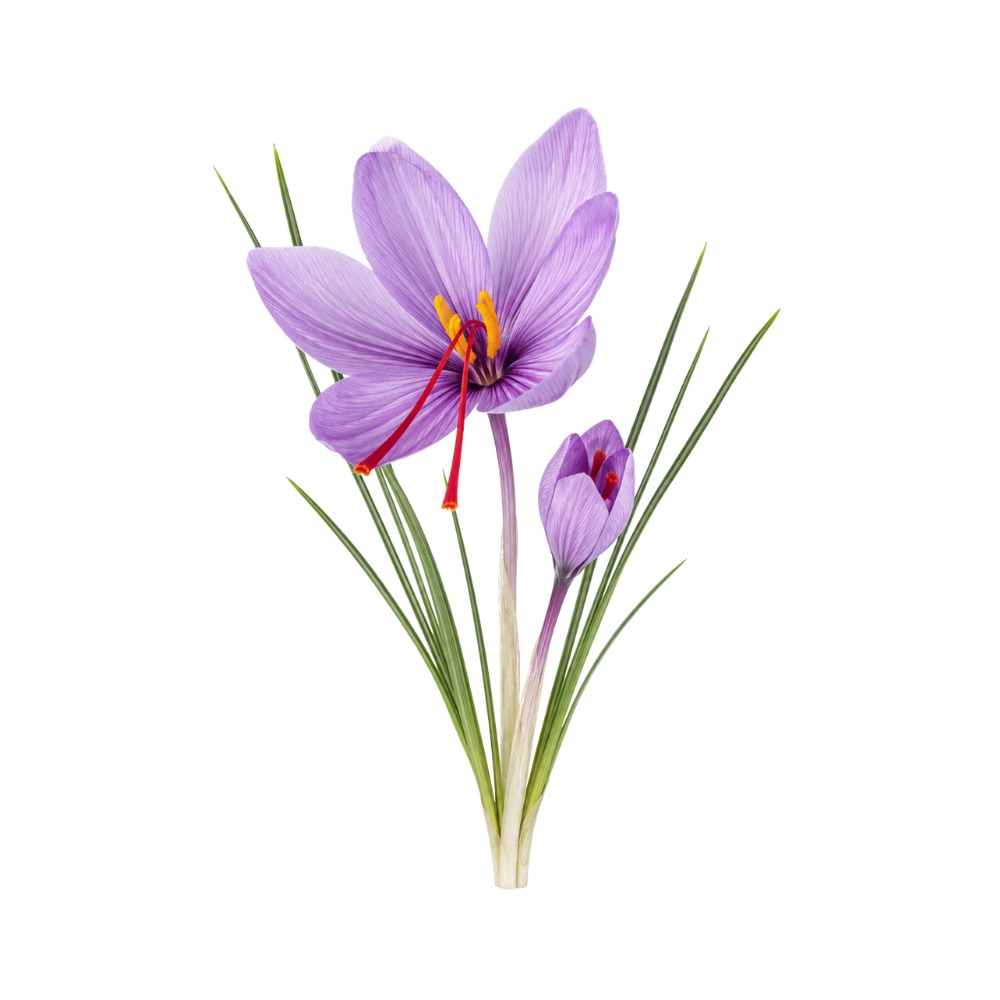 SaffronCrocus sativusModerate
Two pilot RCTs in children and adolescents compared saffron 20–30 mg/day head-to-head with methylphenidate and found no significant difference on parent- and teacher-rated ADHD scales over six weeks — non-inferiority in small samples, not a demonstrated effect 10Reference 10RCTCrocus sativus L. versus methylphenidate in treatment of children with attention-deficit/hyperactivity disorder: a randomised, double-blind pilot studyView study →; a 2024 systematic review of four studies (118 patients in total) concluded saffron shows promise as an adjunct or single therapy with an acceptable safety profile 11Reference 11Systematic reviewThe effects of Crocus sativus (saffron) on ADHD: a systematic reviewView study →.
The entire base is ~118 patients across short pilot trials, there is no placebo-controlled efficacy trial, and non-inferiority to methylphenidate in an underpowered sample is weak evidence of activity rather than proof of it. Preparation is dried stigma or a defined extract, not a culinary pinch.
Full monographSupplementation
Supplementation
Supplements, nutrients and compounds used for ADHD.
References
- Kean, J. D., Downey, L. A., Sarris, J., Kaufman, J., Zangara, A., & Stough, C. (2022). Effects of Bacopa monnieri (CDRI 08) in a population of males exhibiting inattention and hyperactivity aged 6 to 14 years — randomised, double-blind, placebo-controlled trial. Phytotherapy Research, 36(2), 996–1012. https://pubmed.ncbi.nlm.nih.gov/35041248/
- Kean, J. D., Downey, L. A., & Stough, C. (2016). A systematic review of the Ayurvedic medicinal herb Bacopa monnieri in child and adolescent populations — systematic review. Complementary Therapies in Medicine, 29, 56–62. https://pubmed.ncbi.nlm.nih.gov/27912958/
- Dave, U. P., Dingankar, S. R., Saxena, V. S., et al. (2014). An open-label study to elucidate the effects of standardized Bacopa monnieri extract in the management of symptoms of attention-deficit hyperactivity disorder in children. Advances in Mind-Body Medicine, 28(2), 10–15. https://pubmed.ncbi.nlm.nih.gov/24682000/
- Anheyer, D., Lauche, R., Schumann, D., et al. (2017). Herbal medicines in children with attention deficit hyperactivity disorder (ADHD): a systematic review. Complement Ther Med. https://pubmed.ncbi.nlm.nih.gov/28137522/
- Elsas, S. M., Rossi, D. J., Raber, J., et al. (2010). Passiflora incarnata L. (Passionflower) extracts elicit GABA currents in hippocampal neurons in vitro, and show anxiogenic and anticonvulsant effects in vivo — in vitro / animal model. Phytomedicine. https://pubmed.ncbi.nlm.nih.gov/20382514/
- Appel, K., Rose, T., Fiebich, B., et al. (2011). Modulation of the γ-aminobutyric acid (GABA) system by Passiflora incarnata L. — in vitro. Phytother Res. https://pubmed.ncbi.nlm.nih.gov/21089181/
- Zhou P, Yu X, Song T, Hou X, et al. (2024). Safety and efficacy of antioxidant therapy in children and adolescents with attention deficit hyperactivity disorder: A systematic review and network meta-analysis — systematic review. PLoS One, 19, e0296926. https://pubmed.ncbi.nlm.nih.gov/38547138/
- Luzzi R, Belcaro G, Zulli C, Cesarone MR, et al. (2011). Pycnogenol® supplementation improves cognitive function, attention and mental performance in students — clinical trial. Panminerva Med, 53, 75-82. https://pubmed.ncbi.nlm.nih.gov/22108481/
- Belcaro G, Luzzi R, Dugall M, Ippolito E, et al. (2014). Pycnogenol® improves cognitive function, attention, mental performance and specific professional skills in healthy professionals aged 35-55 — clinical trial. J Neurosurg Sci, 58, 239-48. https://pubmed.ncbi.nlm.nih.gov/24675223/
- Baziar, S., et al. (2019). Crocus sativus L. versus methylphenidate in treatment of children with attention-deficit/hyperactivity disorder: a randomised, double-blind pilot study. Journal of Child and Adolescent Psychopharmacology. https://pubmed.ncbi.nlm.nih.gov/30741567/
- Seyedi-Sahebari S, Farhang S, Araj-Khodaei M, et al. (2024). The effects of Crocus sativus (saffron) on ADHD: a systematic review. Journal of Attention Disorders. https://pubmed.ncbi.nlm.nih.gov/37864351/
- Faraone, S. V., & Larsson, H. (2019). Genetics of attention deficit hyperactivity disorder — review. Molecular Psychiatry, 24(4), 562–575. https://pubmed.ncbi.nlm.nih.gov/29892054/
- Cortese, S., Adamo, N., Del Giovane, C., et al. (2018). Comparative efficacy and tolerability of medications for attention-deficit hyperactivity disorder in children, adolescents, and adults — systematic review and network meta-analysis of 133 RCTs. The Lancet Psychiatry, 5(9), 727–738. https://pubmed.ncbi.nlm.nih.gov/30097390/
- Bloch, M. H., & Qawasmi, A. (2011). Omega-3 fatty acid supplementation for the treatment of children with attention-deficit/hyperactivity disorder symptomatology — systematic review and meta-analysis. Journal of the American Academy of Child and Adolescent Psychiatry, 50(10), 991–1000. https://pubmed.ncbi.nlm.nih.gov/21961774/
- Nigg, J. T., Lewis, K., Edinger, T., & Falk, M. (2012). Meta-analysis of attention-deficit/hyperactivity disorder or attention-deficit/hyperactivity disorder symptoms, restriction diet, and synthetic food color additives — meta-analysis. Journal of the American Academy of Child and Adolescent Psychiatry, 51(1), 86–97. https://pubmed.ncbi.nlm.nih.gov/22176942/
- Johnstone, J. M., Hatsu, I., Tost, G., et al. (2022). Micronutrients for attention-deficit/hyperactivity disorder in youths: a placebo-controlled randomized clinical trial — RCT. Journal of the American Academy of Child and Adolescent Psychiatry, 61(5), 647–661. https://pubmed.ncbi.nlm.nih.gov/34303786/