
Condition
Human Immunodeficiency Virus (HIV)
HIV is a virus that progressively attacks the immune system and, untreated, leads to acquired immune deficiency syndrome (AIDS).

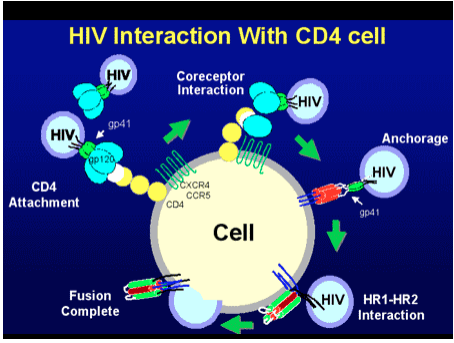
Overview
Aetiology
HIV is characterized by 2 forms; HIV-1 and HIV-2. Both eventually lead to the development of acquired immune deficiency syndrome (AIDS).
Infection begins with a brief bout of flu-like symptoms, followed by between 3 and 20 years of latency before returning as symptomatic HIV.
HIV works by attacking cells with CD4+ markers on their surface (especially T4 lymphocytes). This hides the virus from detection, and hijacks the T cells to produce more viruses.
Due to a loss of CD4+ cells, other opportunistic infections have a better chance of taking hold in the system.
AIDS is diagnosed once CD4+ count drops below 200 copies/mm3.
Disease drivers include:
- Lifestyle factors (unprotected sex, IV drug use)
- Blood transfusions
- Gender (females more susceptible)
- Exposure in utero
HIV-1
HIV-1 is considered more virulent and more infective. It is the cause of most HIV infections around the globe.
HIV-2
HIV-2 is less infective, and is mainly confined to West Africa.
Presentation
Symptoms
Early infection may cause a flu-like illness with fever, sore throat, swollen lymph nodes, and rash, followed by a long asymptomatic period. As immune function declines, symptoms include persistent fatigue, weight loss, night sweats, chronic diarrhea, and recurrent infections. Advanced disease (AIDS) is marked by opportunistic infections and malignancies.
Assessment
Diagnostic Considerations
Primary Testing
- HIV antibodies
- Elisa Test
- Western Blot Method
- HIV-RNA or p24 antigen
- CD4+ T Cell Count
- Viral Load
Secondary Testing
- Viral culture
- Lymph node biopsy
- Proviral DNA PCR (newborns)
- Genotyping of viral DNA/RNA
Baseline Testing To Track Antiretroviral Effects
- LFT
- TFT
- B12
- folate
- BUN
- Creatine
Assessment
Differential Diagnosis
- Cytomegalovirus
- Hepatitis
Context
Comorbidities
- Cancer
- Various cytopenias
- Diarrhea
- Depression
- Anxiety
- Suicidal ideation
- PTSD
- Sexual dysfunction
- Substance abuse
- Peripheral neuropathy
- Thrush
- Herpes
- Tuberculosis
- CMV
Herb & Nutrient Drug Interactions with Pharmaceutical Interventions
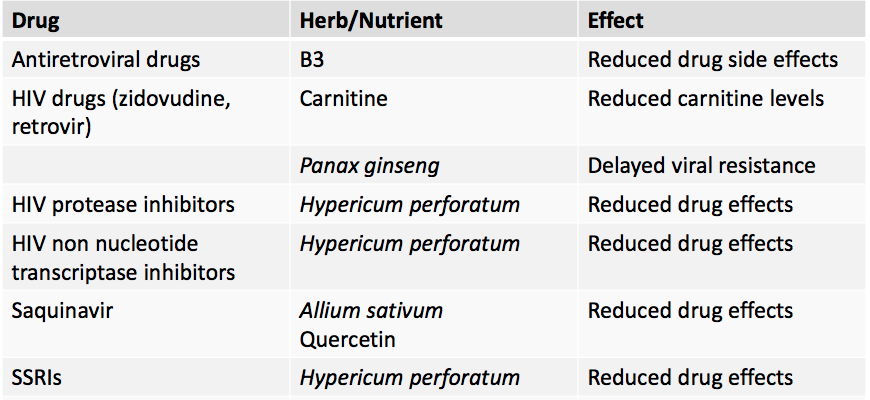
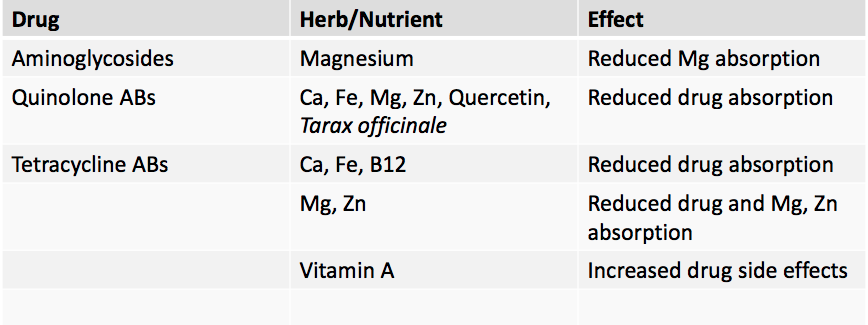
- Withania somnifera
- Eleutherococcus senticosus
- Panax ginseng
- Glycyrrhiza glabra
- Astragalus membranaceus,
- Echinacea spp.
- Rhodiola rosea
- Andrographis paniculata
Nutrients for HIV
- CoQ10
- B vitamins
- NAC
- Glutamine
- L-carnitine
- ALA
- Aox
- N3
- Probiotics
- Fe – contraindicated in acute state
The Herbs
Materia Medica (5)
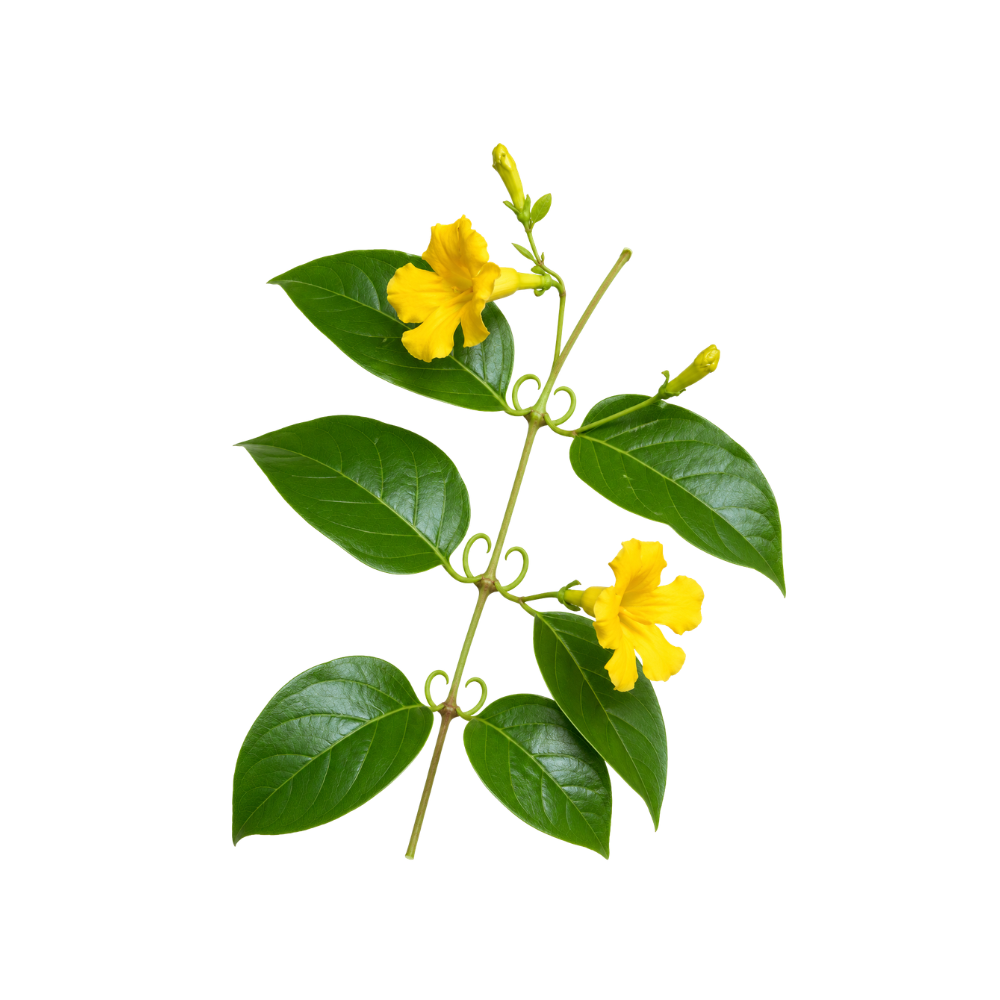
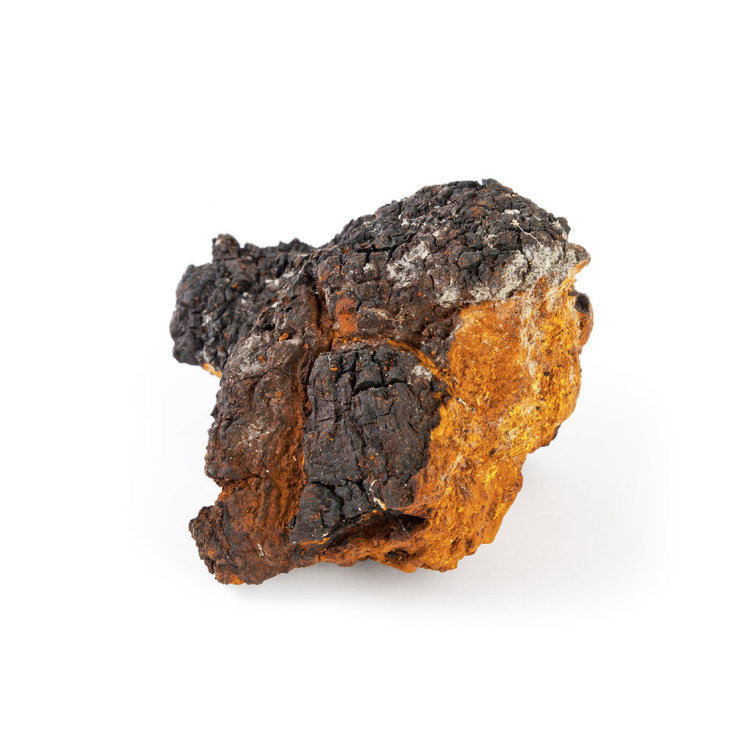
Herbs traditionally or clinically used for human immunodeficiency virus (hiv).


Supplementation
Supplementation (1)
Supplements, nutrients and compounds used for human immunodeficiency virus (hiv).
Tesamorelin
GHRH(1-44) analogue (GH secretagogue)
An FDA-approved GHRH analogue (Egrifta) that reduces excess visceral fat in HIV-associated lipodystrophy — a prescription drug, not a supplement.