
Condition
Chronic Inflammation
Chronic inflammation is a prolonged inflammatory response that persists for months or years and contributes to tissue damage and disease.

Overview
Aetiology
Chronic inflammation arises when an inflammatory response fails to resolve and instead persists over a prolonged period. It may follow a persistent infection or exposure to an irritant that the body cannot eliminate, an autoimmune process in which the immune system targets healthy tissue, or ongoing low-grade triggers such as obesity, poor diet, chronic stress, and oxidative stress. Over time the sustained activity of immune cells and inflammatory mediators leads to progressive tissue damage.
Inflammatory Mediators
Nuclear Factor Kappa B (NF-kB)
NF-kB is a transcription factor found in most cell types that drives cellular responses to a wide range of stimuli, including stress, free radicals, UV damage, oxidized LDL, and bacterial, viral, and cytokine signals. It acts as a rapid first responder to infection and tissue damage.
Herbs:
- NF-kB Inhibitors (Pinus pinasta, Vitis vinefera)
Prostaglandins
Prostaglandins are produced from arachidonic acid via the cyclo-oxygenase (COX) pathway and are a dominant mediator in conditions such as osteoarthritis.
Herbs
- COX inhibitors (Curcuma longa, Salix alba, Filipendula ulmaria, Populus spp.)
Leukotrienes
Leukotrienes are lipid mediators that play a more dominant role than prostaglandins in conditions such as asthma and rheumatoid arthritis.
Herbs:
- 5-LOX inhibitors (Boswellia serrata, Curcuma longa, Glycyrrhiza glabra, Harpagophytum procumbens)
Presentation
Symptoms
Chronic inflammation is often subtle and may present with persistent fatigue, body aches, joint or muscle pain, low-grade fever, and gastrointestinal disturbance. Because it is frequently systemic, it can contribute to or worsen a range of chronic diseases over time.
Assessment
Diagnostic Considerations
- CRP/ESR
Assessment
Differential Diagnosis
Chronic inflammation should be distinguished from acute inflammation, which is short-lived and self-limiting, as well as from specific underlying disorders that may drive it, such as autoimmune disease, chronic infection, and malignancy.
Context
Comorbidities
Persistent inflammation is associated with a number of chronic conditions, including cardiovascular disease, type 2 diabetes, metabolic syndrome, autoimmune disorders, and certain cancers.
The Herbs
Materia Medica (5)
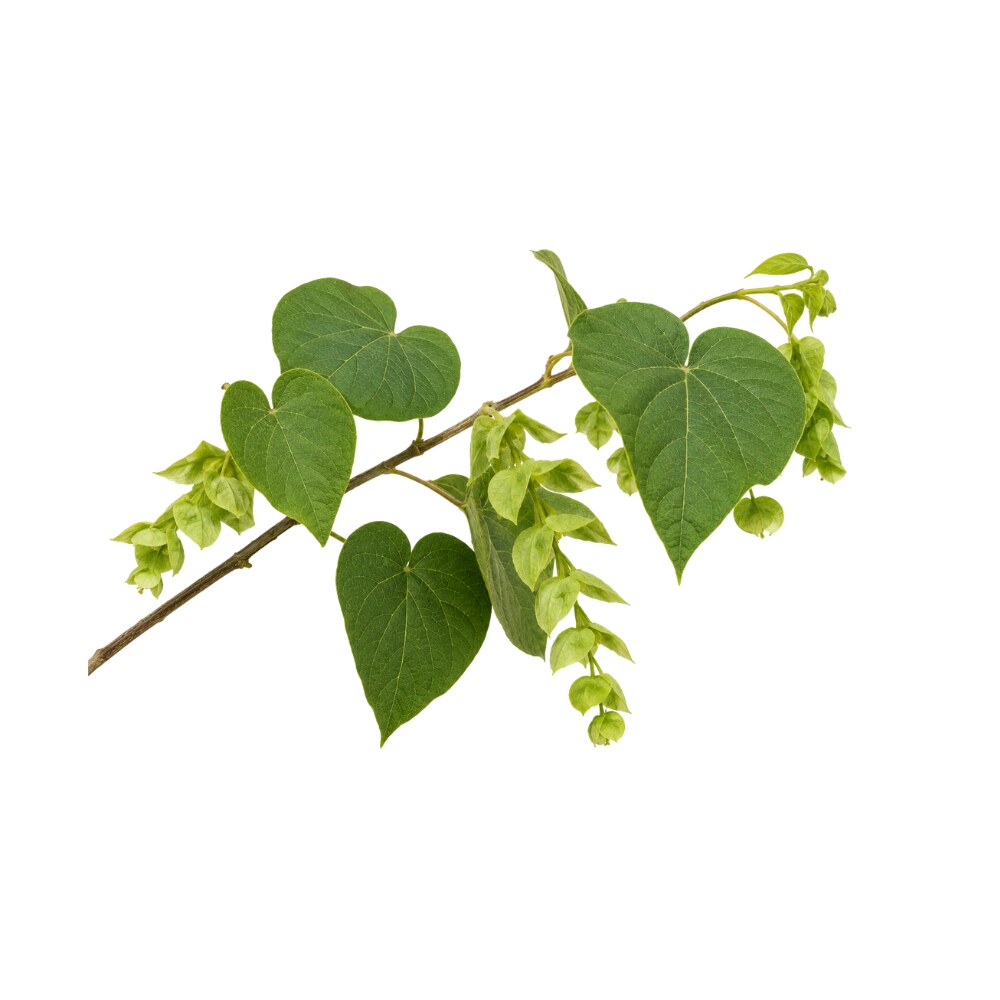
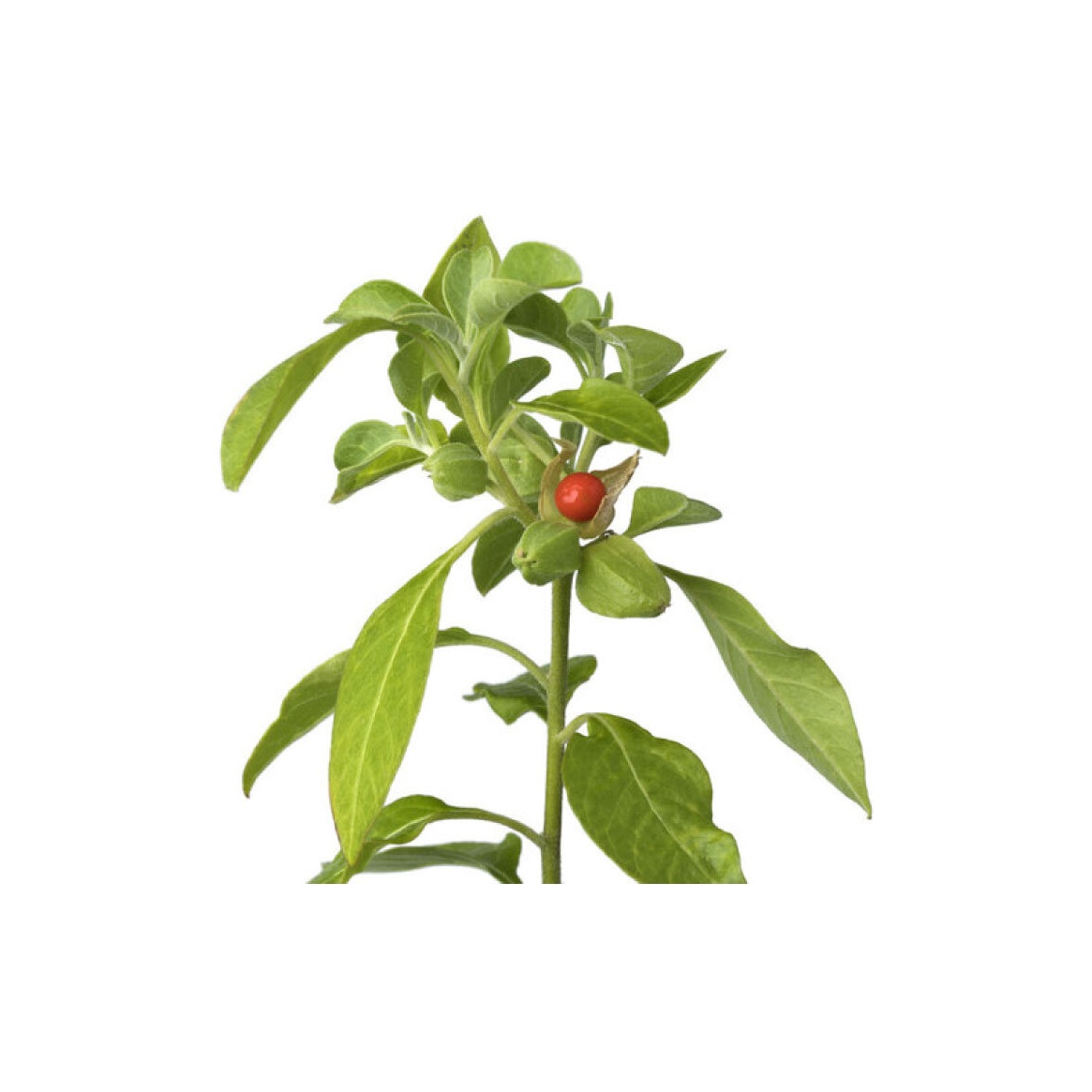
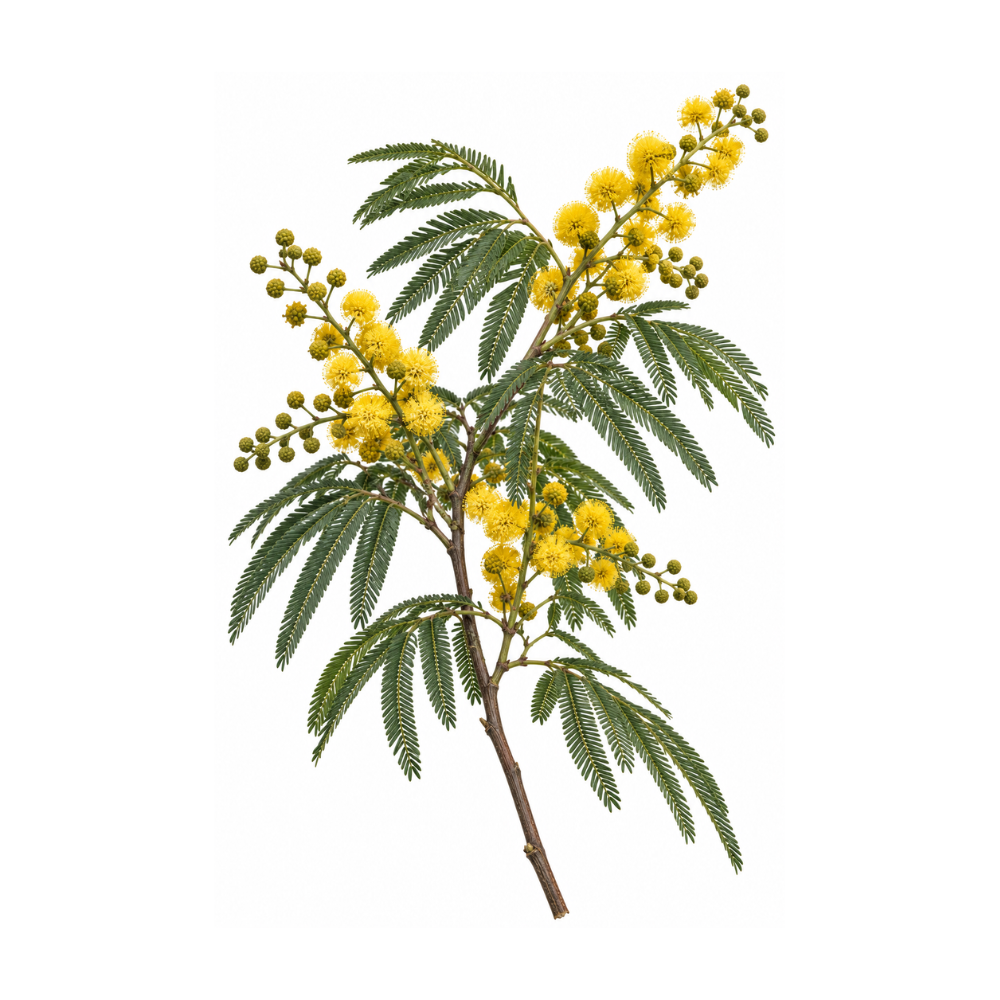
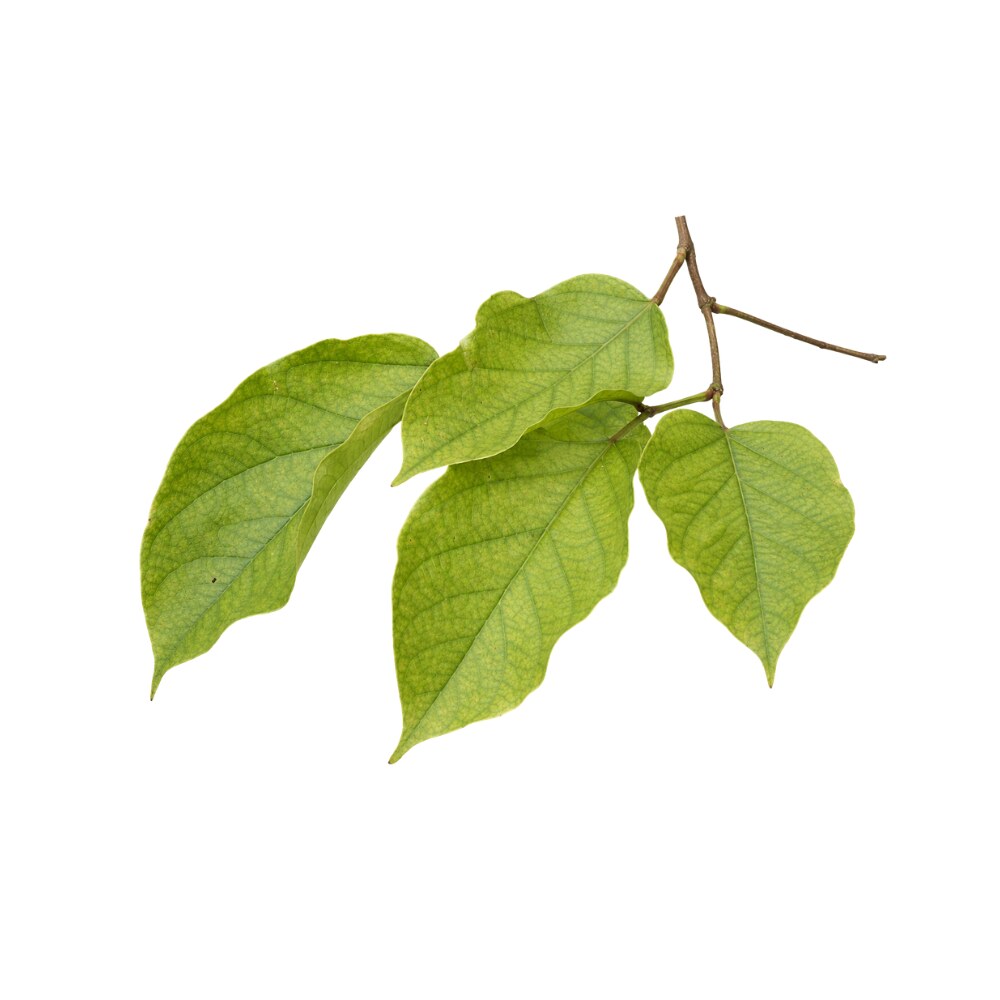
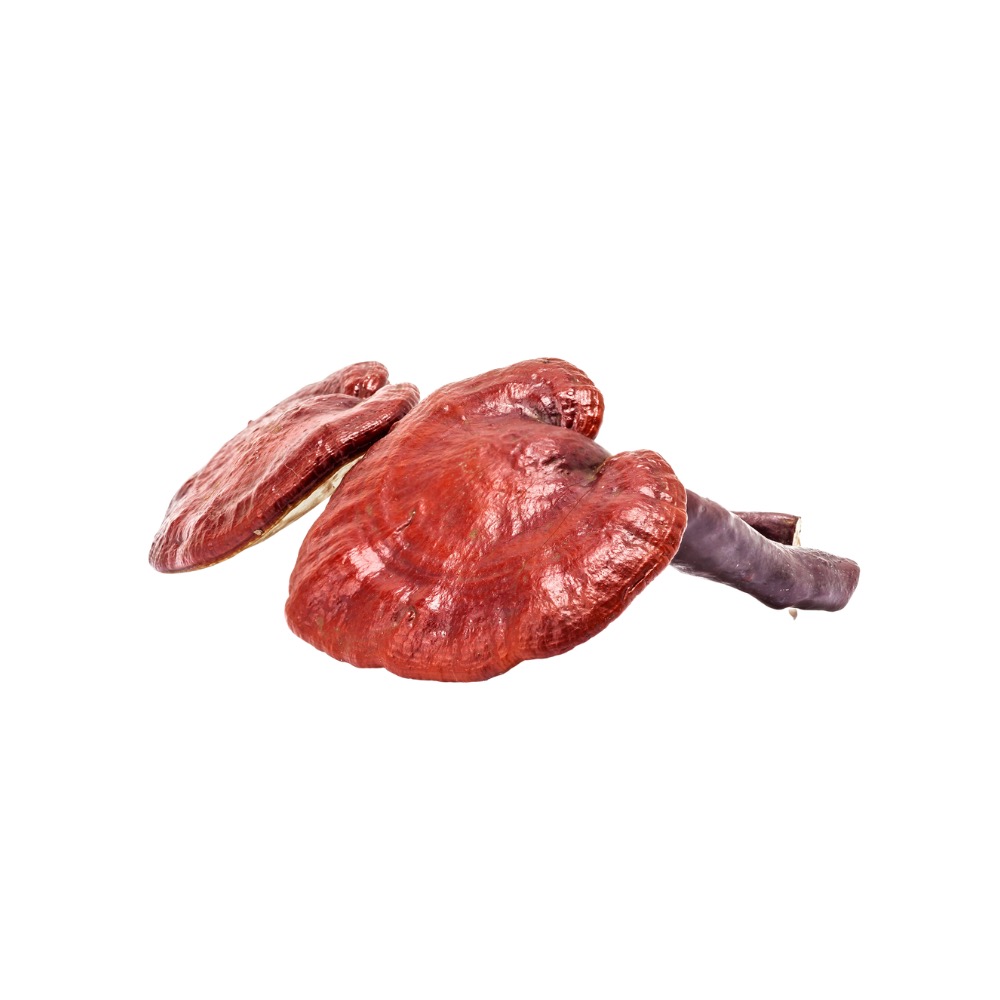
Herbs traditionally or clinically used for chronic inflammation.
Supplementation
Supplementation (2)
Supplements, nutrients and compounds used for chronic inflammation.
Curcumin (turmeric extract)
Polyphenol (curcuminoid)
Curcumin is the bright-orange principal curcuminoid of turmeric — a genuine but notoriously poorly-absorbed anti-inflammatory with real randomized-trial signals in osteoarthritis and ulcerative colitis, and an equally real reputation as a chemically unstable pan-assay-interference compound whose in-vitro hits often do not translate.
Gum Arabic
Soluble fiber (plant exudate gum)
Gum arabic is the dried sap of two African thorn trees — Senegalia senegal and Vachellia seyal — sold as a soluble prebiotic fiber. It is barely fermented in the small intestine, reaches the distal colon largely intact, and feeds butyrate-producing bacteria there; small randomized trials consistently show a drop in C-reactive protein, with weaker signals on body fat, blood pressure and dental plaque.