
Condition
Lyme Disease
Lyme disease — tick-bite prevention and prophylaxis, why serology misleads, what the retreatment trials showed, and where the herbal protocols actually stand.

Lyme disease is a tick-borne bacterial infection caused by Borrelia spirochetes. Its standard, evidence-based treatment is a defined course of antibiotics, and when started early the great majority of people recover completely. The herbal record is confined almost entirely to in-vitro anti-Borrelia screening — chiefly the Johns Hopkins laboratory work — with no controlled human trials, so these herbs are unproven adjuncts rather than replacements for antibiotic therapy.
Lyme disease sits at the centre of one of the most contested areas in medicine, and the harm from getting it wrong runs in both directions: real infections dismissed, and non-Lyme illnesses treated for years with antibiotics and expensive protocols that the evidence does not support.
Presentation
Types & Variants
Lyme disease progresses through recognised stages. Early localized disease appears days to a month after a bite, typically as the expanding “bull’s-eye” rash erythema migrans with flu-like symptoms. Early disseminated disease follows weeks to months later as the spirochete spreads via blood and lymph, producing multiple secondary rashes, cranial-nerve palsy (notably facial palsy), meningitis, carditis, or migratory joint pain. Late (persistent) Lyme develops months to years after untreated infection, most often as intermittent or chronic arthritis (especially of the knees) and, less commonly, neurological involvement; presentation varies with the infecting Borrelia genospecies, which differ between North America (B. burgdorferi sensu stricto) and Europe/Asia (B. afzelii, B. garinii).
Distinct from these is post-treatment Lyme disease syndrome (PTLDS) — persistent fatigue, pain and cognitive symptoms lasting months after a completed, guideline-recommended antibiotic course. Its existence as a post-infectious syndrome is accepted; its mechanism is disputed, and there is no reliable evidence of ongoing active infection. The popular label “chronic Lyme” is broader still, is often applied without objective confirmation of prior Borrelia infection, and is not a recognised clinical diagnosis.
Co-infections are real and change treatment. The same Ixodes ticks transmit Anaplasma, Babesia and Borrelia miyamotoi, among others. Babesiosis in particular is a parasite, not a bacterium, and does not respond to doxycycline — which is one legitimate reason a properly diagnosed patient may fail to improve on standard therapy, and a reason to reassess rather than simply extend the course.
Overview
General Pathology
Lyme disease is transmitted by Ixodes ticks, in which Borrelia spirochetes inoculated at the bite site migrate through skin and connective tissue and disseminate systemically. Much of the tissue damage is immune-mediated: the organism’s low bacterial load and its ability to evade and modulate host immunity drive an inflammatory response that accounts for the arthritis, carditis and neurological features. In a minority of patients a dysregulated or autoimmune-like response is proposed to underlie persistent post-treatment symptoms.
In laboratory culture, Borrelia can shift into slow-growing, antibiotic-tolerant “persister” or stationary-phase forms and biofilm-like aggregates. These forms are the targets of the in-vitro botanical screens. That an organism survives antibiotics in a dish does not establish that it survives them in a treated human. The antibiotic retreatment trials were the direct test of that hypothesis, and it failed.
Prevention & Tick Removal
Prevention has the strongest practical evidence of anything in Lyme disease.
Transmission usually requires prolonged attachment. Borrelia generally needs roughly 36–48 hours of tick feeding to transmit, so daily tick checks after exposure and prompt removal prevent most infections. Remove a tick with fine-tipped tweezers grasping as close to the skin as possible, pulling steadily upward — no petroleum jelly, no burning, no twisting.
Single-dose prophylaxis works in the right circumstances. A randomized trial found a single 200 mg dose of doxycycline given within 72 hours of an Ixodes scapularis bite was 87% effective at preventing Lyme disease, with erythema migrans in 0.4% of treated versus 3.2% of placebo participants 3Reference 3RCTProphylaxis with single-dose doxycycline for the prevention of Lyme disease after an Ixodes scapularis tick bite — randomised placebo-controlled trial (87% efficacy)View study →. It applies to identified high-risk bites in endemic areas, not to every tick.
Permethrin-treated clothing, DEET or picaridin on skin, and checking the whole body — including scalp, groin and behind the knees — after time in tick habitat are the rest of it.
Assessment
Diagnosis
Erythema migrans is a clinical diagnosis and does not require testing. A characteristic expanding rash in an endemic area should be treated on sight; serology is frequently negative this early, because antibodies take weeks to develop, and waiting for a test delays the treatment that works best when given promptly.
Beyond the rash, diagnosis uses standard two-tier serology — an initial EIA followed by a confirmatory immunoblot, or a modified two-EIA algorithm. Two limitations matter. Early in infection, serology is insensitive. And antibodies persist for years after successful treatment, so a positive test does not mean active infection and cannot be used to judge whether treatment worked.
Unvalidated testing is the engine of most misdiagnosis. Laboratories offering lymphocyte transformation tests, urine antigen assays, “CD57” counts or in-house criteria loosened beyond the standard interpretation produce frequent false positives. Among 1,261 patients referred to an academic infectious diseases clinic with suspected Lyme disease, 72% did not have it — only 14.6% had active or recent infection — and of those without it, 84% had already been given antimicrobials for Lyme or its supposed co-infections 6Reference 6ObservationalMisdiagnosis of Lyme disease with unnecessary antimicrobial treatment characterizes patients referred to an academic infectious diseases clinic — cohort study (n=1,261)View study →. If a Lyme diagnosis rests solely on a non-standard test in someone with no rash, no objective findings and no plausible exposure, that is the first thing to question.
Treatment
Conventional Treatment
Doxycycline, amoxicillin or cefuroxime for 10–21 days treats early Lyme disease, with the great majority recovering fully. Doxycycline is preferred where co-infection with Anaplasma is possible. Neurological and cardiac involvement, and Lyme arthritis, have their own regimens and durations, sometimes intravenous. A Jarisch-Herxheimer reaction — transient worsening in the first day or two of treatment as organisms are killed — is expected and is not an allergy or a sign of worsening infection.
The evidence on prolonged antibiotics is clear, and it is negative. Two controlled trials of 90 days of intravenous then oral antibiotics in patients with persistent symptoms after treated Lyme found no improvement over placebo: among seropositive patients 37% improved on antibiotics and 34% worsened, against 40% and 34% on placebo 4Reference 4RCTTwo controlled trials of antibiotic treatment in patients with persistent symptoms and a history of Lyme disease — randomised placebo-controlled trialsView study →. The larger European PLEASE trial randomized patients with persistent symptoms attributed to Lyme to longer-term doxycycline, clarithromycin-hydroxychloroquine or placebo after initial ceftriaxone, and found no difference in physical quality-of-life scores between the three groups — all improved similarly 5Reference 5RCTRandomized trial of longer-term therapy for symptoms attributed to Lyme disease — PLEASE trialView study →.
Mainstream guidelines therefore do not recommend extended antibiotic courses for persistent symptoms. The symptoms are real and disabling, but the treatment has been tested properly, more than once, and does not work. It also carries harm: C. difficile colitis, line infections and sepsis from long-term intravenous access, and antimicrobial resistance.
What This Means for the Herbal Protocols
Herbal Lyme protocols — the Buhner-style regimens in particular — became popular largely in the space created by that negative evidence. People with persistent symptoms, told that more antibiotics will not help, look for something else. That is an understandable response to a real problem.
What it shows: in a controlled screen, several botanicals killed Borrelia in culture, including stationary-phase forms that doxycycline and cefuroxime did not eradicate. Cryptolepis and Japanese knotweed were the standouts 1Reference 1In vitroEvaluation of natural and botanical medicines for activity against growing and non-growing forms of B. burgdorferi — in vitroView study →. That is a legitimate laboratory finding from a serious laboratory.
What it does not show: that any of this happens in a person. There is no animal study, no controlled human trial, and no evidence that the extract concentrations that work in a dish are reachable in human tissue at tolerable doses. The persister-form rationale that motivates the protocols is itself the hypothesis the retreatment trials tested and failed to confirm.
Cryptolepis’s principal alkaloid, cryptolepine, is a genotoxic DNA-intercalating cytotoxin. The long, high-dose regimens that this in-vitro data has popularised are entirely unvalidated for safety at that duration.
For persistent symptoms after treated Lyme disease, symptom-directed care — for sleep, pain, fatigue, mood and function — has more to offer than either extended antibiotics or unvalidated antimicrobial herbs, and a firm answer does not yet exist. A suspected new Borrelia infection needs prompt antibiotic treatment, not herbs.
Materia Medica
Materia Medica
The herbs used for Lyme disease rest on in-vitro screening and tradition, with no animal or human trial against Borrelia. None is a substitute for professional care.
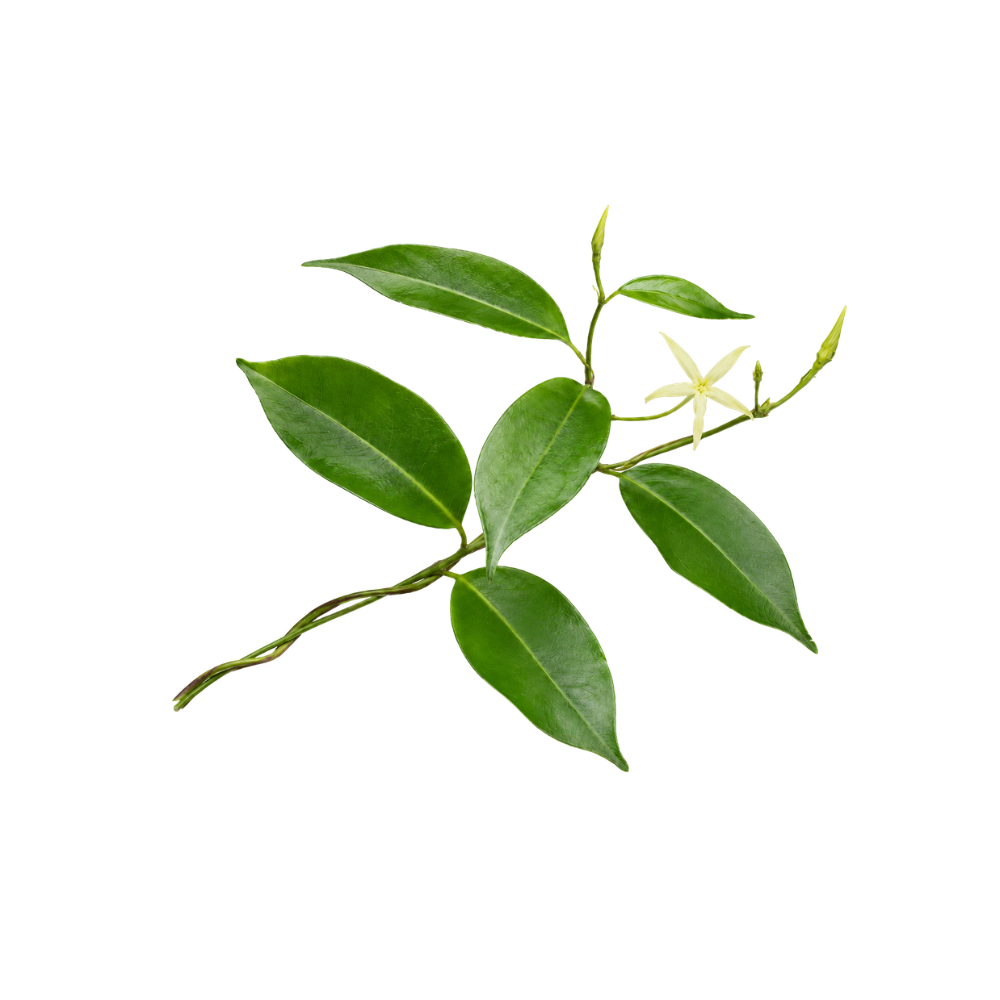 CryptolepisCryptolepis sanguinolentaPreclinical
In a controlled Johns Hopkins botanical screen, cryptolepis was one of the two most active herbs against Borrelia burgdorferi, hitting both growing (MIC 0.03–0.06%) and non-growing stationary-phase spirochetes, and a 1% ethanol extract achieved complete eradication in subculture where the standard antibiotics doxycycline and cefuroxime did not 1Reference 1In vitroEvaluation of natural and botanical medicines for activity against growing and non-growing forms of B. burgdorferi — in vitroView study →. The data are in-vitro only, from a single research group, and killing cultured spirochetes does not establish clinical efficacy against Lyme.
The herb’s principal alkaloid, cryptolepine, is a genotoxic DNA-intercalating cytotoxin, so the long high-dose protocols this data has popularised are unvalidated.
Full monograph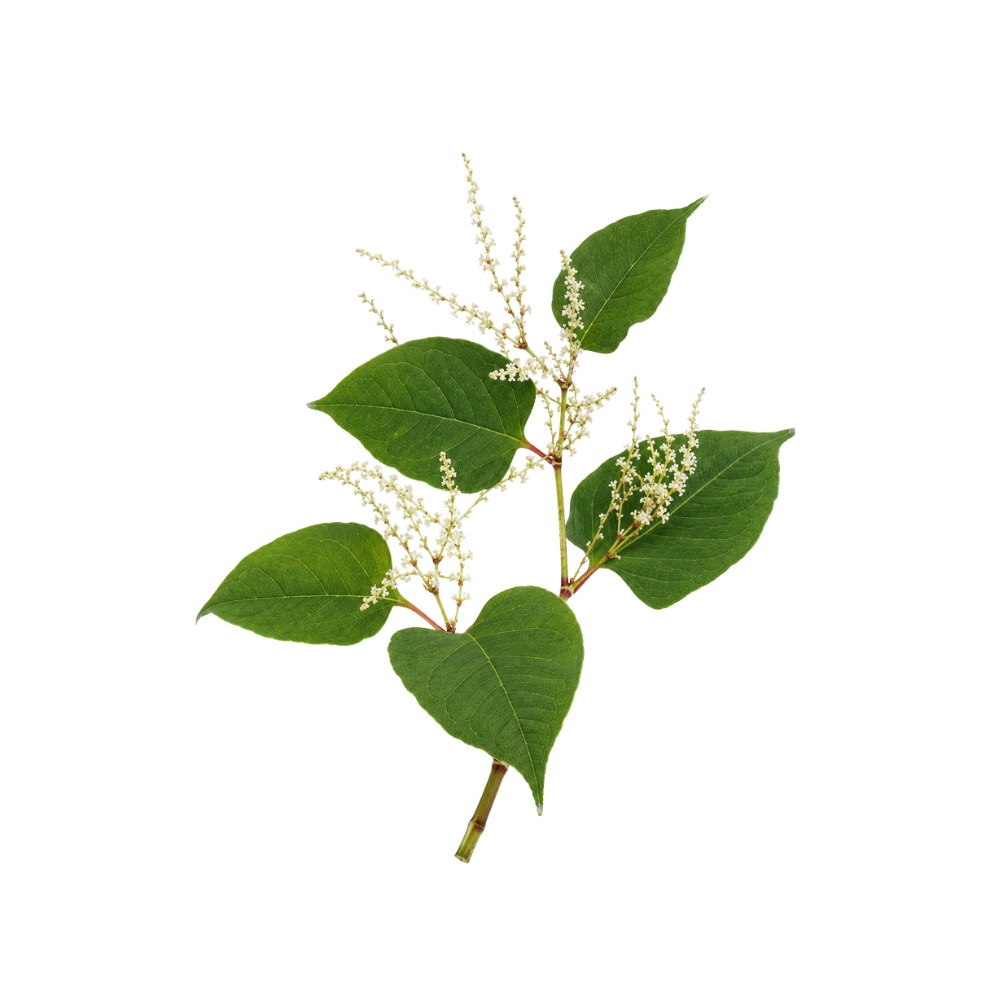 Japanese KnotweedReynoutria japonicaPreclinical
Knotweed’s reputation in Lyme protocols rests on a single in-vitro screen: among 12 botanicals tested against Borrelia burgdorferi, Polygonum cuspidatum was among the two most active, inhibiting both growing (MIC 0.25–0.5%) and dormant, antibiotic-tolerant stationary-phase forms 1Reference 1In vitroEvaluation of natural and botanical medicines for activity against growing and non-growing forms of B. burgdorferi — in vitroView study →. The anti-Borrelia data are entirely in-vitro at extract concentrations that may not be reachable in tissue, and there is no animal or human evidence that oral knotweed treats Lyme disease.
Full monograph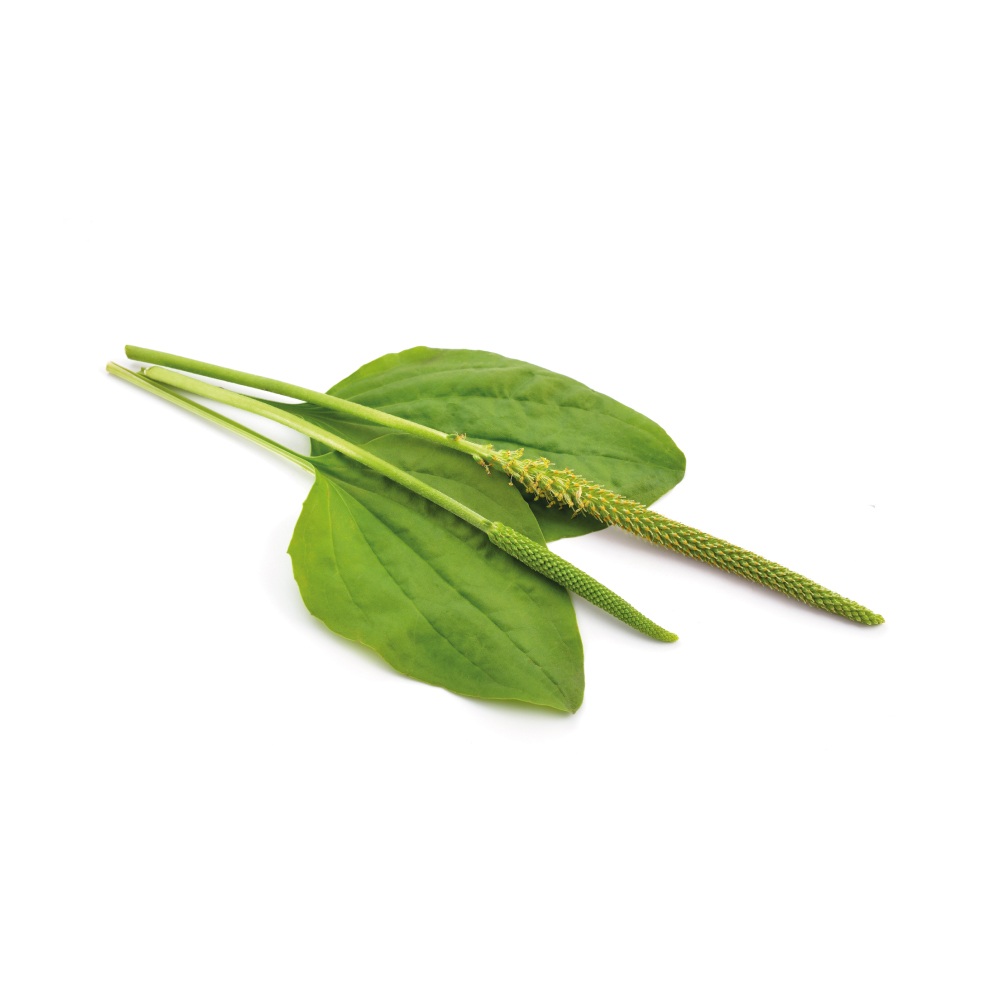 PlantainPlantago majorPreclinical
Plantago major and P. lanceolata leaf extracts suppressed Borrelia burgdorferi viability and biofilm formation in stationary-phase cultures in vitro 2Reference 2In vitroPlantago major and Plantago lanceolata exhibit antioxidant and Borrelia burgdorferi-inhibiting activities — in vitroView study →. This is a single in-vitro study of broad, moderate antimicrobial activity with no in-vivo or clinical follow-up — a supportive laboratory signal only, not a demonstrated Lyme treatment.
Full monograph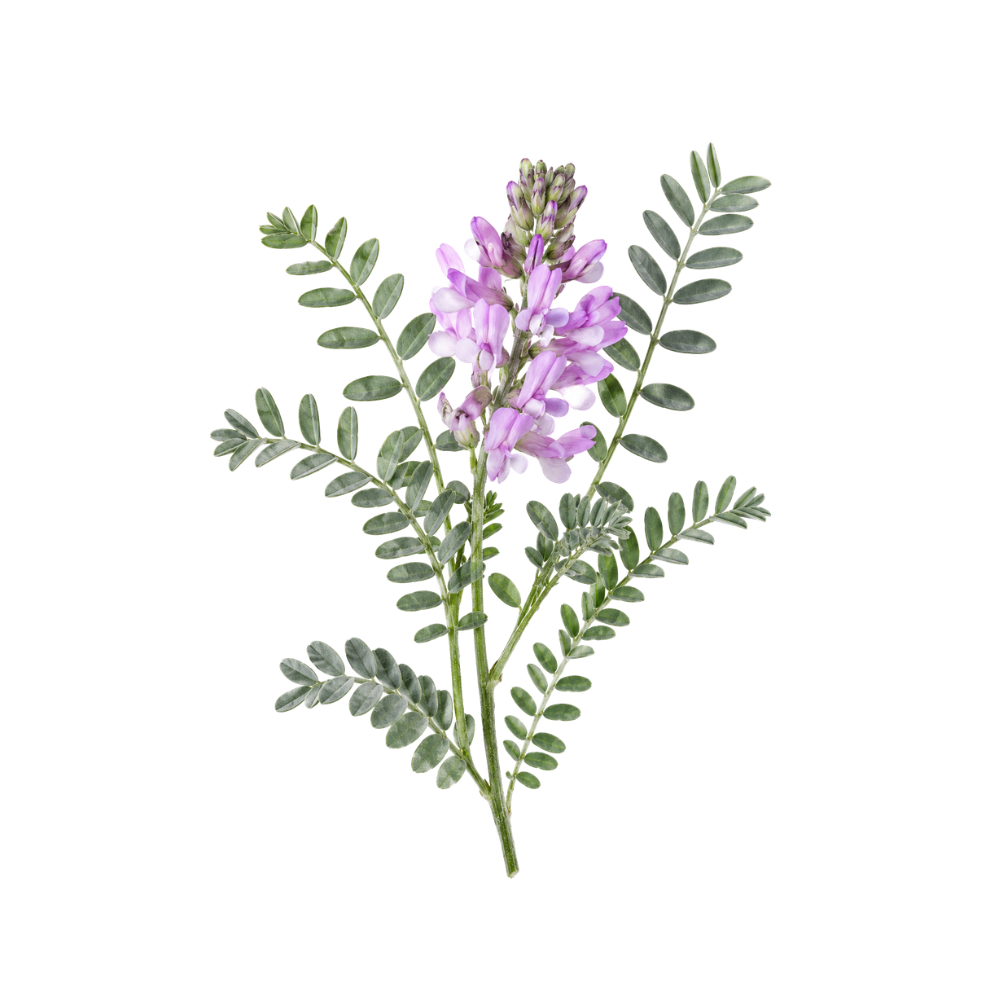 AstragalusAstragalus membranaceusTraditional only
Astragalus appears in Lyme protocols as an immune-tonic adjunct, and “Lyme disease (not late stage)” appears among its traditional uses. There is no anti-Borrelia research on astragalus. The recurrent “not late stage” caution is repeated in clinical and traditional sources, with no primary study behind it.
Full monographReferences
- Feng, J., Leone, J., Schweig, S., & Zhang, Y. (2020). Evaluation of natural and botanical medicines for activity against growing and non-growing forms of B. burgdorferi — in vitro. Frontiers in Medicine. https://pubmed.ncbi.nlm.nih.gov/32154254/
- Laanet PR, et al. (2024). Plantago major and Plantago lanceolata exhibit antioxidant and Borrelia burgdorferi-inhibiting activities — in vitro. International Journal of Molecular Sciences. https://pubmed.ncbi.nlm.nih.gov/39000214/
- Nadelman, R. B., Nowakowski, J., Fish, D., et al. (2001). Prophylaxis with single-dose doxycycline for the prevention of Lyme disease after an Ixodes scapularis tick bite — randomised placebo-controlled trial (87% efficacy). New England Journal of Medicine, 345(2), 79–84. https://pubmed.ncbi.nlm.nih.gov/11450675/
- Klempner, M. S., Hu, L. T., Evans, J., et al. (2001). Two controlled trials of antibiotic treatment in patients with persistent symptoms and a history of Lyme disease — randomised placebo-controlled trials. New England Journal of Medicine, 345(2), 85–92. https://pubmed.ncbi.nlm.nih.gov/11450676/
- Berende, A., ter Hofstede, H. J. M., Vos, F. J., et al. (2016). Randomized trial of longer-term therapy for symptoms attributed to Lyme disease — PLEASE trial. New England Journal of Medicine, 374(13), 1209–1220. https://pubmed.ncbi.nlm.nih.gov/27028911/
- Kobayashi, T., Higgins, Y., Melia, M. T., & Auwaerter, P. G. (2019). Misdiagnosis of Lyme disease with unnecessary antimicrobial treatment characterizes patients referred to an academic infectious diseases clinic — cohort study (n=1,261). Open Forum Infectious Diseases, 6(7), ofz299. https://pubmed.ncbi.nlm.nih.gov/31363774/