
Condition
Sjogren’s Syndrome
A chronic autoimmune disorder in which the body attacks moisture-producing glands causing dryness of the eyes and mouth.

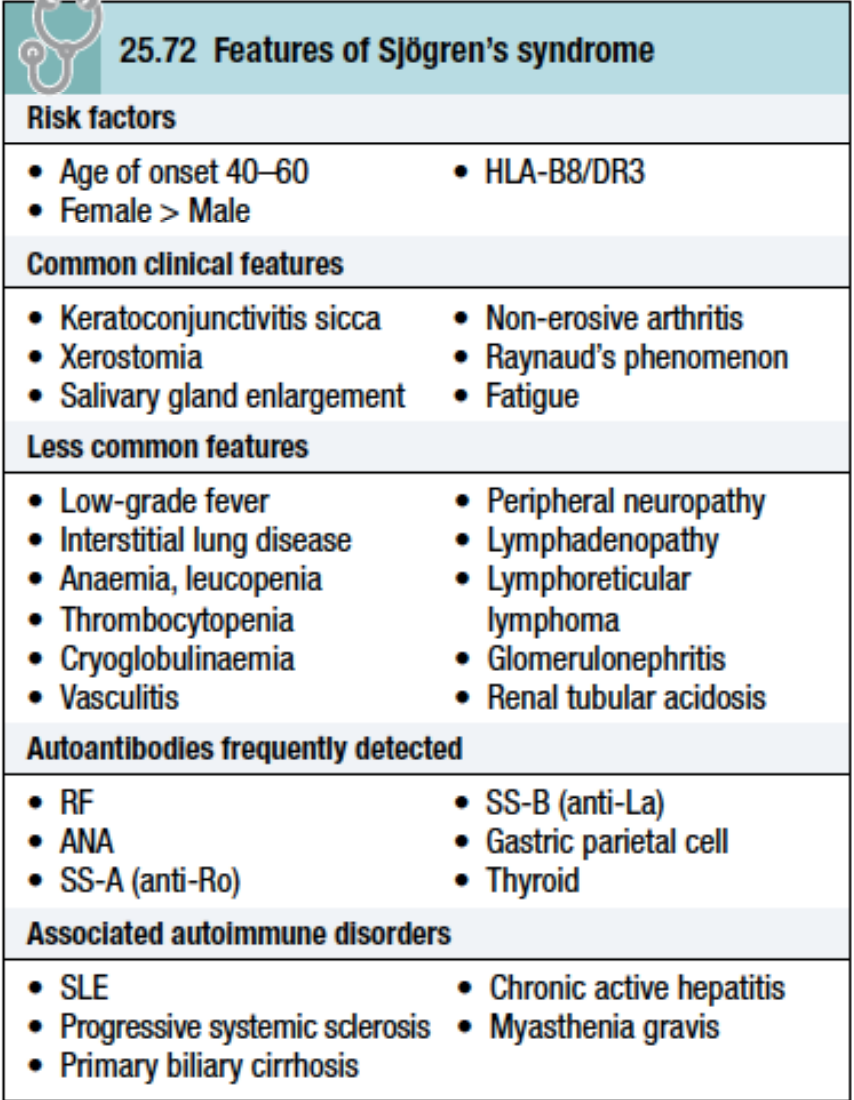
Sjogren’s syndrome is a chronic autoimmune disorder in which immune cells infiltrate and damage the exocrine glands, particularly the lacrimal and salivary glands. The result is reduced tear and saliva production, leading to dryness of the eyes and mouth. It may occur on its own (primary) or alongside another autoimmune disease such as rheumatoid arthritis or lupus (secondary).
Overview
Aetiology
Sjogren’s syndrome is most common in middle-aged women. A significant proportion of patients have a prior or coexisting autoimmune disease affecting other organs or tissues, reflecting a shared autoimmune predisposition. The underlying cause is a lymphocyte-mediated attack on the moisture-producing glands, with both genetic susceptibility and environmental triggers thought to contribute.
Presentation
Symptoms
The hallmark features are dry eyes (keratoconjunctivitis sicca), producing a gritty or burning sensation, and dry mouth (xerostomia), causing difficulty swallowing dry food, altered taste, and increased dental decay. Other features include fatigue, joint pain, dryness of the skin and vagina, and swelling of the salivary glands.
Assessment
Diagnostic Considerations
Autoantibody Detection:
- RF
- ANA
- SS-A (Anti-Ro)
- SS-B (Anti-La)
- Gastric Parietal Cell
- Thyroid
Assessment
Differential Diagnosis
Mucosal dryness can extend beyond the eyes and mouth, leading to gastrointestinal mucosal atrophy and inflammation that produces symptoms such as dysphagia and dyspepsia. Arthralgia is common in patients with Sjogren’s syndrome, and vasculitis or peripheral polyneuropathy may also occur, broadening the range of conditions that must be distinguished.
The Herbs
Materia Medica (1)
Herbs traditionally or clinically used for sjogren’s syndrome.
The Compounds
Research Compounds (1)
Individual molecules studied for sjogren’s syndrome. These are research findings, not supplements to take — each page states how far the evidence goes.
Paeoniflorin
Monoterpene glucoside (caged pinane-type monoterpenoid; C23H28O11)
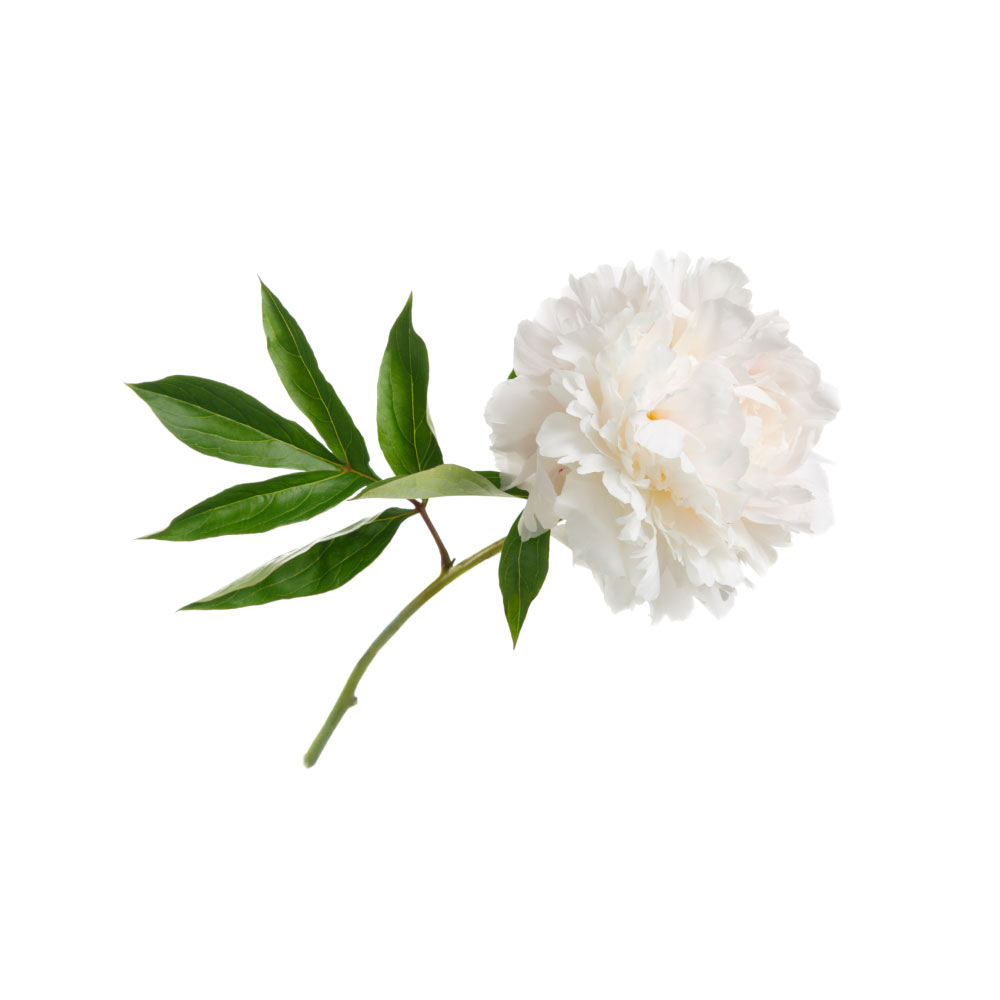
Paeoniflorin is the flagship pinane-type monoterpene glucoside of peony root (Paeonia lactiflora) — the pharmacopoeial marker of white and red peony and the principal active of Total Glucosides of Paeony (TGP), an approved anti-rheumatoid, immune-modulating drug in China. Its human evidence is genuine but almost all belongs to the TGP extract; the isolate's own record is preclinical, and its oral bioavailability is very low.