
Condition
Urinary Tract Infections
A urinary tract infection is a bacterial infection of any part of the urinary system, most often the bladder or urethra.

A urinary tract infection (UTI) is a bacterial infection of any part of the urinary system, most often the bladder or urethra. It is far more common in women than in men, and usually straightforward — but infection reaching the kidneys is a serious matter needing prompt medical care. Herbal support draws on urinary antiseptic, demulcent and diuretic herbs to help clear lower-tract infection and soothe the irritated lining, while recurrent or upper-tract infection warrants proper assessment rather than herbal treatment alone.
Presentation
Types & Variants
UTIs are classified chiefly by where in the tract the infection sits:
- Lower urinary tract infection — the common form, involving the urethra (urethritis), bladder (cystitis) or, in men, the prostate (prostatitis). It typically causes frequency, urgency, burning and lower abdominal discomfort.
- Upper urinary tract infection — infection that has reached the kidneys (pyelonephritis). This is always serious: untreated, it can lead to sepsis, renal abscess, chronic kidney failure and death, and it needs immediate medical attention.
Infections are also described as uncomplicated or complicated (the latter where an obstruction, stone, catheter, pregnancy or other factor is involved), and as isolated or recurrent.
Overview
General Pathology
Most UTIs are bacterial, with E. coli the usual culprit. They are far more common in women, and symptomatic infection in men under 50 is uncommon. Lower-tract infection is characterized by frequent, urgent urination, burning on passing urine, suprapubic discomfort and cloudy or blood-tinged urine. Upper-tract infection most often results from bacteria spreading up from the bladder or urethra into the kidneys, adding fever, chills, flank or back pain, and nausea — features that signal the need for urgent assessment.
A number of factors predispose to infection or complicate it, including urinary stones or other obstruction, diabetes, pregnancy, catheterization and sexual activity. Recurrent infection after apparently successful treatment may point to an unresolved renal or prostatic focus, or to repeated re-infection, and warrants closer investigation. Diagnosis is supported by urinalysis (leukocytes, nitrites, blood) with culture used to identify the organism and guide treatment.
Materia Medica
Materia Medica
None of the herbs used for urinary tract infection is a substitute for professional care.
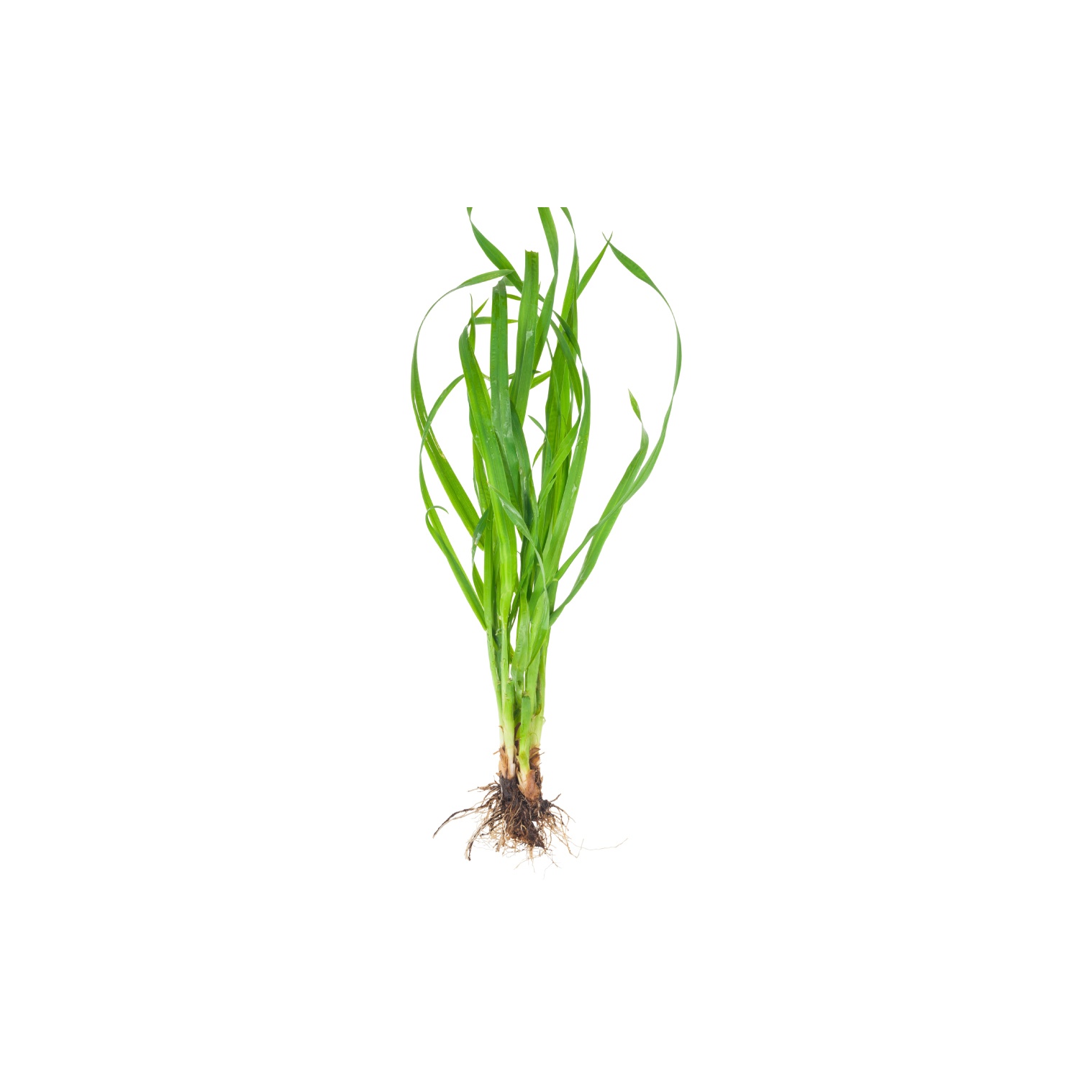 CouchgrassElytrigia repensPreclinical
Rather than killing bacteria, acetone/hydroalcoholic rhizome extracts reduced adhesion of uropathogenic E. coli to human T24 bladder cells in vitro (no cytotoxicity); the active molecule is a hexadecyl coumaric-acid ester 8,
The active ester is a minor lipophilic constituent poorly extracted into tea, and no controlled human UTI trial exists.
Full monograph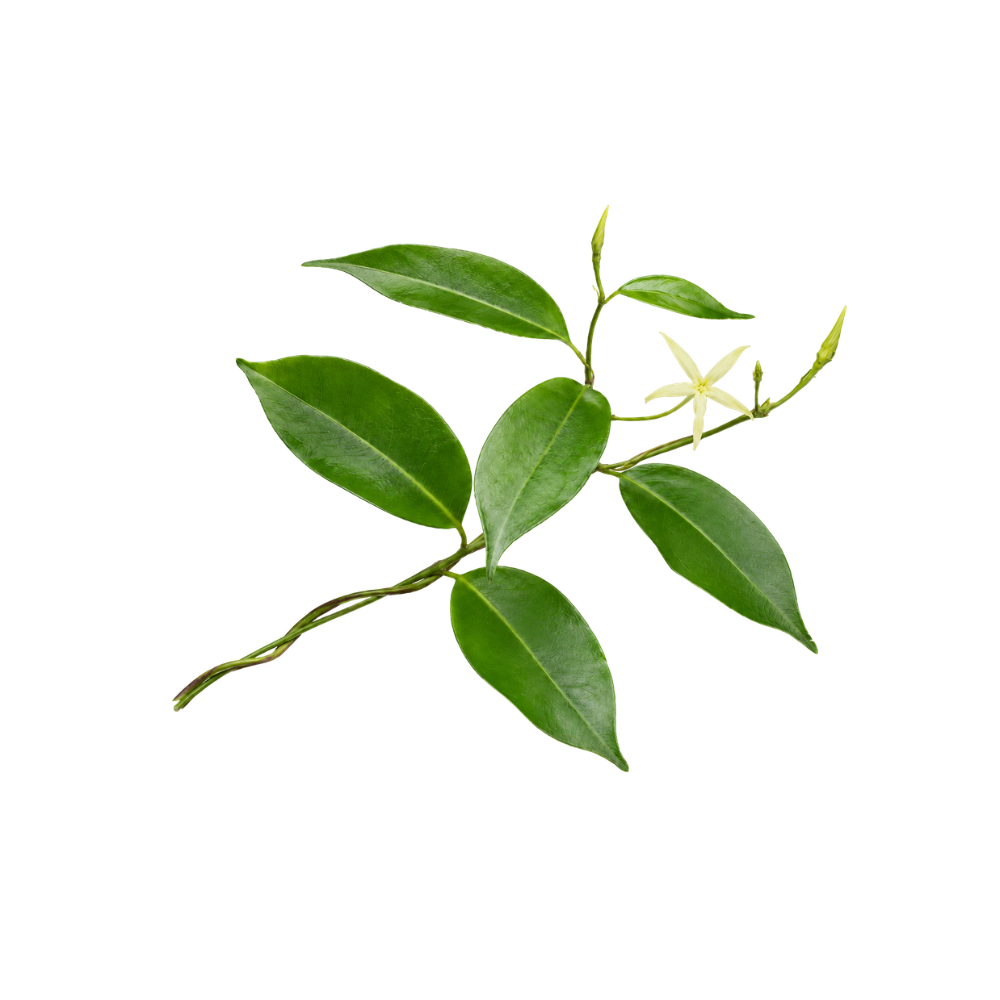 CryptolepisCryptolepis sanguinolentaPreclinical
Cryptolepis is the herb West African practitioners reach for as a systemic antibacterial and was traditionally used for urinary infection, but the entire evidence base is in vitro: ethanolic and solvent root fractions inhibit a broad Gram-positive/Gram-negative panel, and isolated cryptolepine is directly bactericidal against organisms including Staphylococcus aureus via membrane disruption and DNA intercalation 11,
No clinical trial has tested cryptolepis for UTI or any bacterial infection, and the most bactericidal fraction (chloroform) is not the traditional water decoction.
Full monograph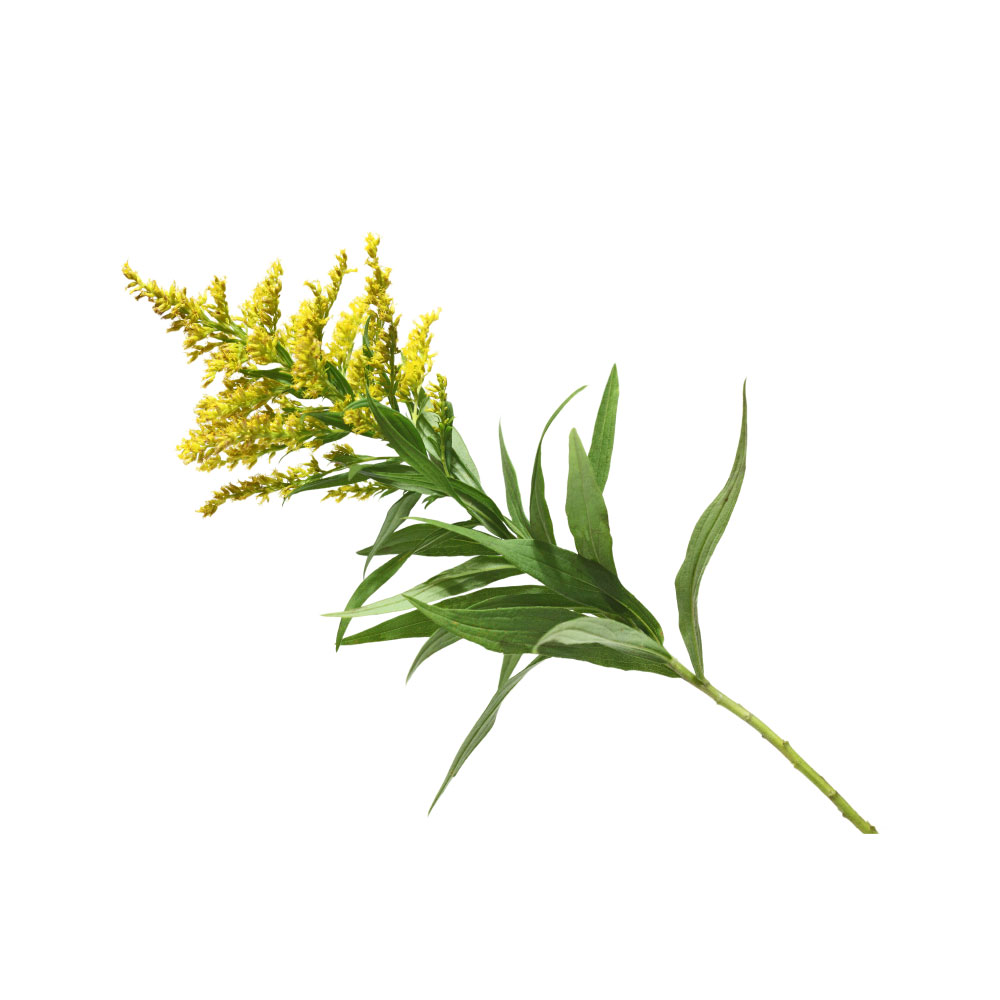 GoldenrodSolidago virgaureaPreclinical
Goldenrod is a pharmacopoeial urinary herb: the German Commission E and the EMA/HMPC approve the aerial parts for irrigation (“flush”) therapy of the lower urinary tract 14,
There is no single-herb human trial: every clinical study uses a fixed multi-herb product, and a 2026 open-label RCT (n=60) of a five-herb complex containing goldenrod was inferior to tamsulosin on urinary-symptom scores in ureteral-stent patients 20Reference 20RCTA randomized controlled trial comparing alpha-blocker (tamsulosin) and a phyto-complex (Solidago virga-aurea, Phyllantus niruri, Epilobium angustifolium, Peumus boldus and Ononis spinosa) in the treatment of ureteral stent-related symptoms — randomised controlled trial (combination product)View study →. Effects depend on preparation and subspecies; use is short-term and not a substitute for antibiotics in a systemic infection.
Full monograph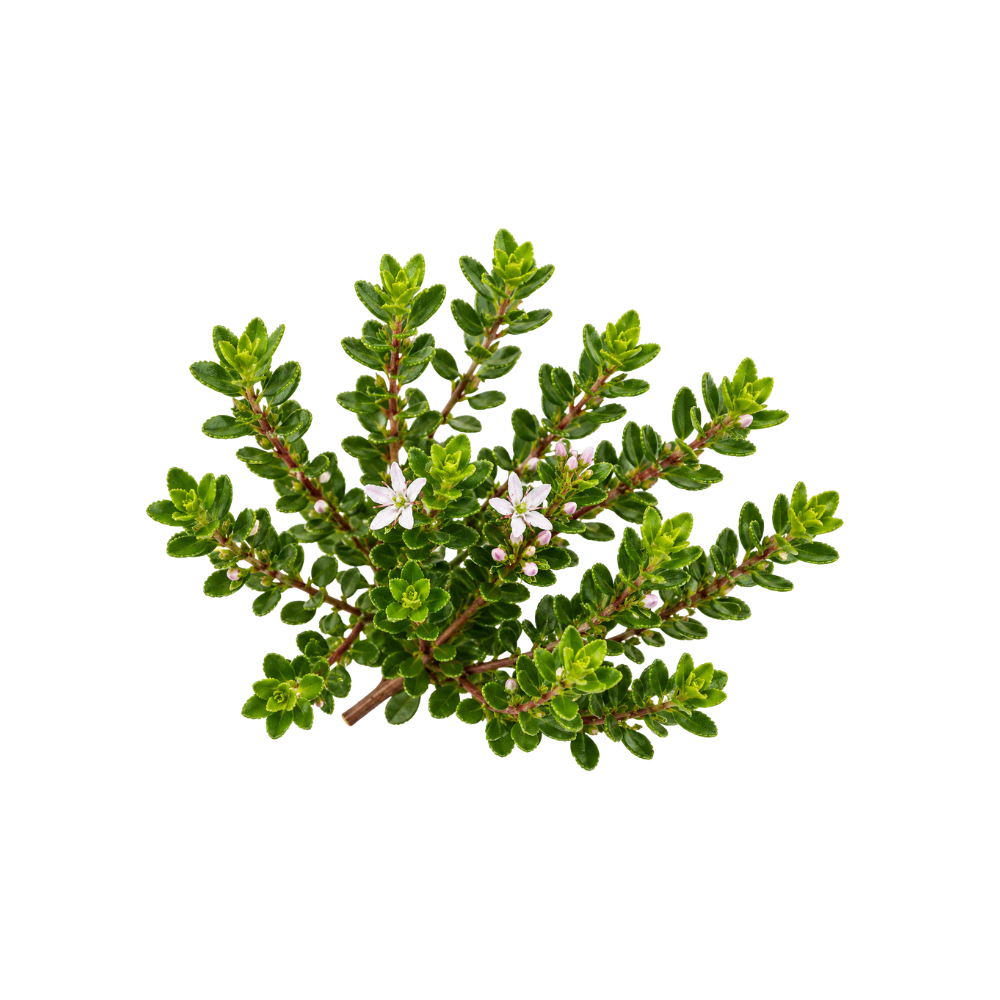 BuchuAgathosma betulinaTraditional only
A pharmacopoeial ‘urinary antiseptic + diuretic’ of long standing (British Pharmacopoeia, eclectic and South African use). Buchu’s one direct antimicrobial test was essentially negative, so the use rests on tradition rather than demonstrated antibacterial action.
Full monograph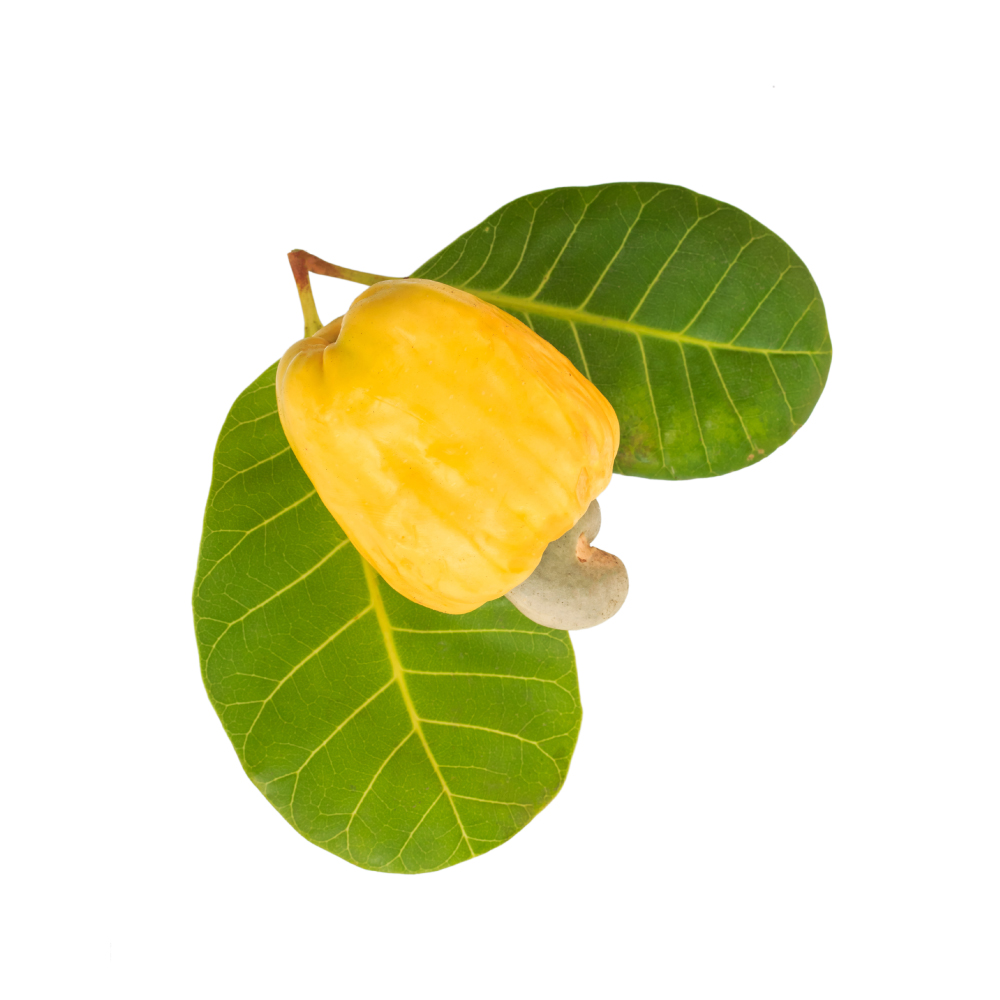 CashewAnacardium occidentaleTraditional only
Cashew is used traditionally for urinary disorders. Its antimicrobial data are general rather than specific to urinary infection.
Full monograph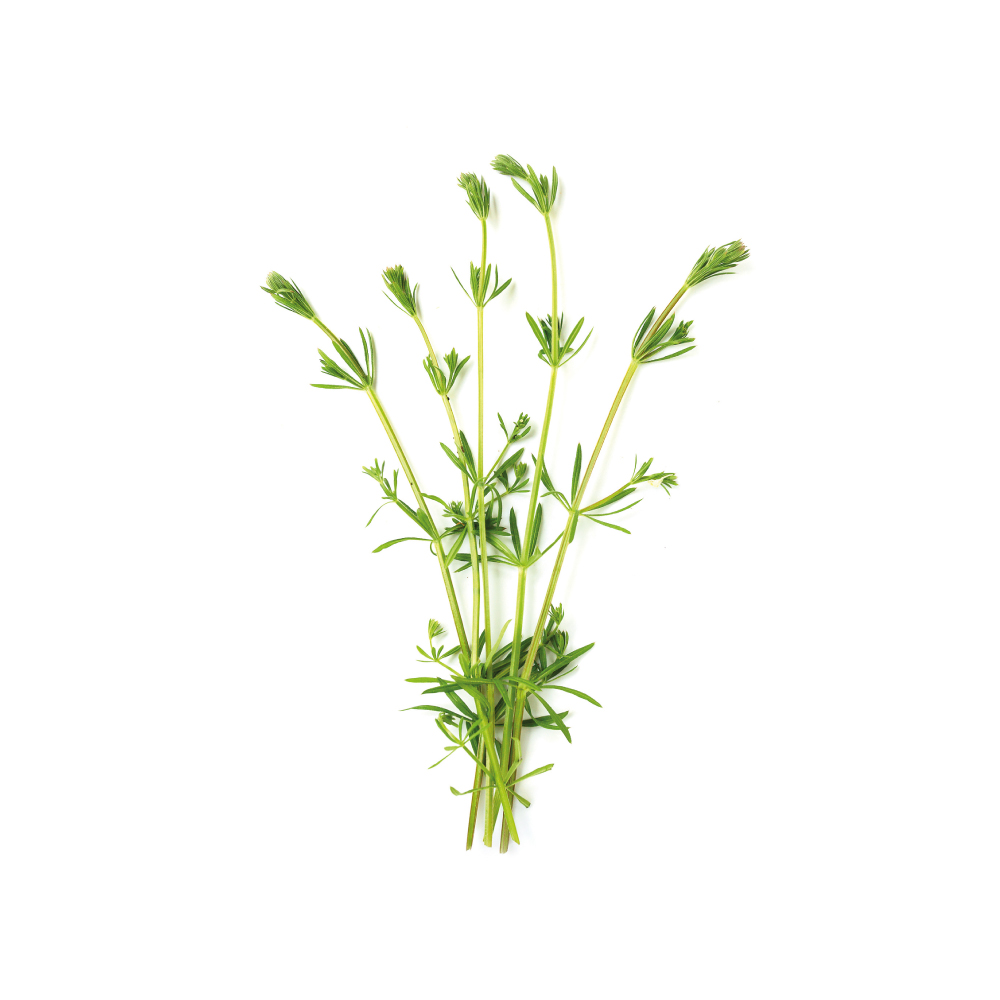 CleaversGalium aparineTraditional only
A classic pharmacopoeial urinary and diuretic herb. No study has measured urine output or any renal endpoint.
Full monograph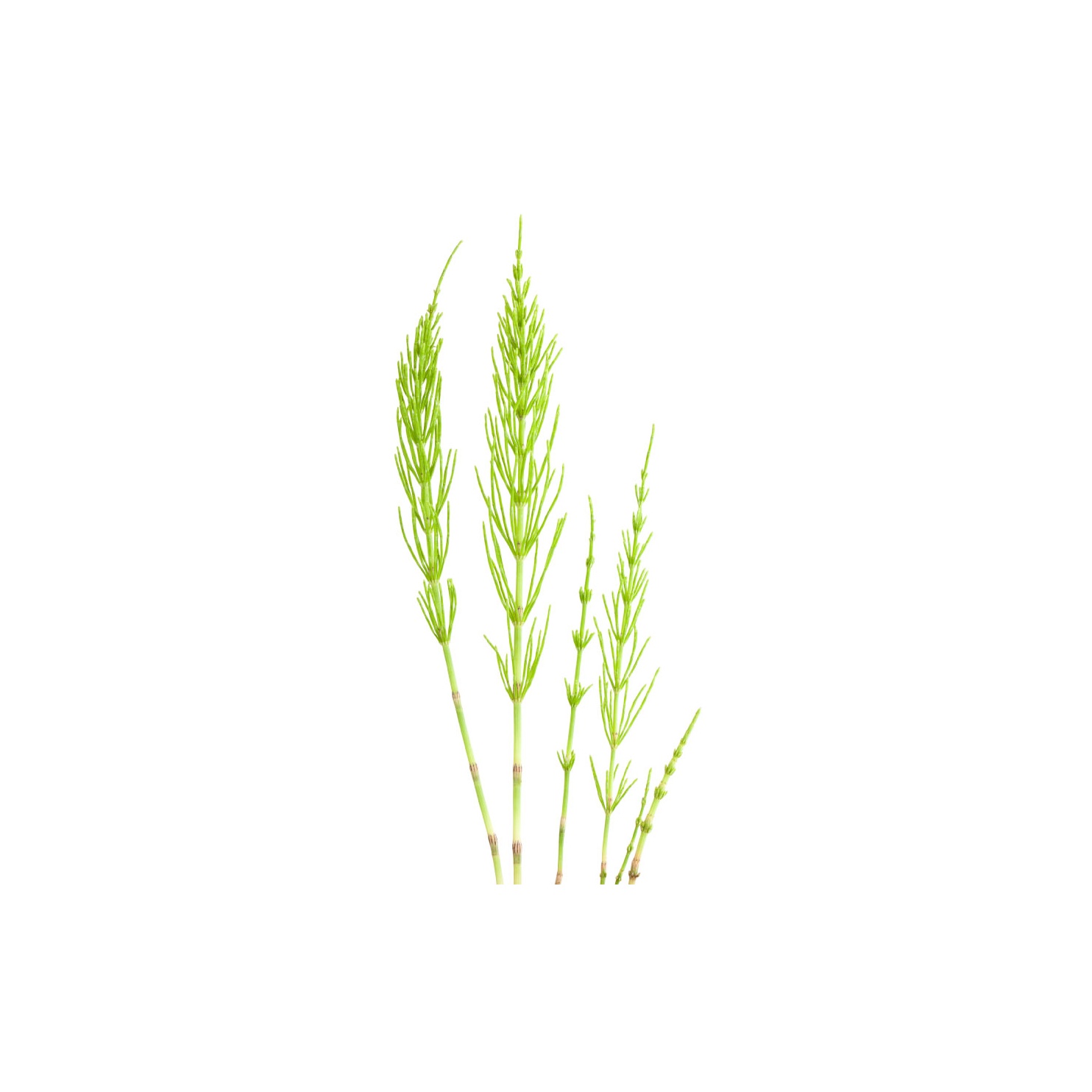 HorsetailEquisetum arvenseTraditional only
The urinary-antiseptic reputation is traditional and has only in-vitro backing: various Equisetum species show moderate-to-strong activity against gram-positive bacteria, with a 2018 study reporting antibacterial activity alongside oxidative-stress and inflammation modulation 21Reference 21In vitroEquisetum arvense L. extract induces antibacterial activity and modulates oxidative stress, inflammation — in vitroView study →, and a five-species Serbian screen finding most tested organisms sensitive to some degree 22Reference 22In vitroAntioxidant, antimicrobial and genotoxicity screening of hydro-alcoholic extracts of five Serbian Equisetum species — in vitroView study →.
Activity is inconsistent across species, solvents and strains; there is no clinical confirmation that oral horsetail reaches antibacterial concentrations in the urinary tract, and gram-negative uropathogens (the main UTI cause) are poorly covered. The diuretic “flushing” rationale is human-supported 23Reference 23RCTRandomized, double-blind clinical trial to assess the acute diuretic effect of Equisetum arvense (field horsetail) in healthy volunteers — randomised controlled trialView study → but is not itself an anti-infective mechanism.
Full monograph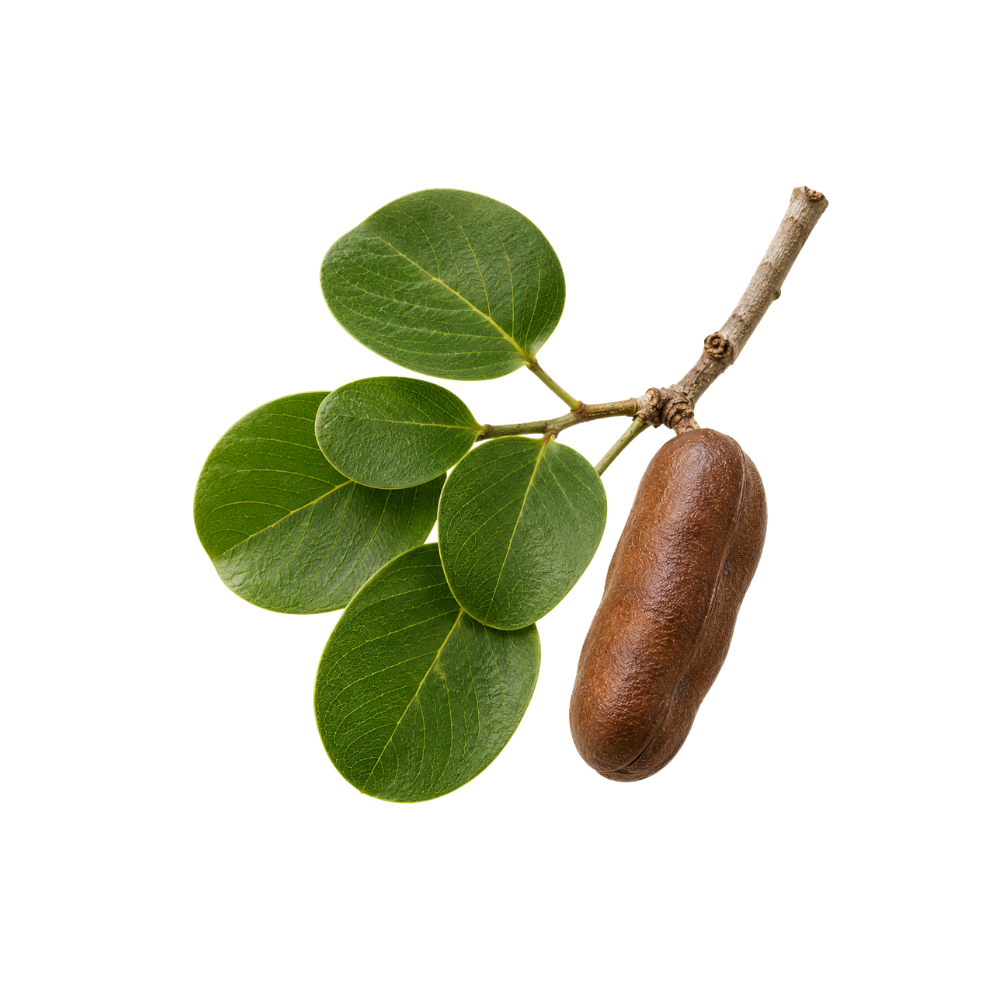 JatobáHymenaea courbarilTraditional only
Urinary complaints are a core traditional use of jatobá. It has no experimental test against uropathogens; its antimicrobial data are against unrelated organisms.
Full monograph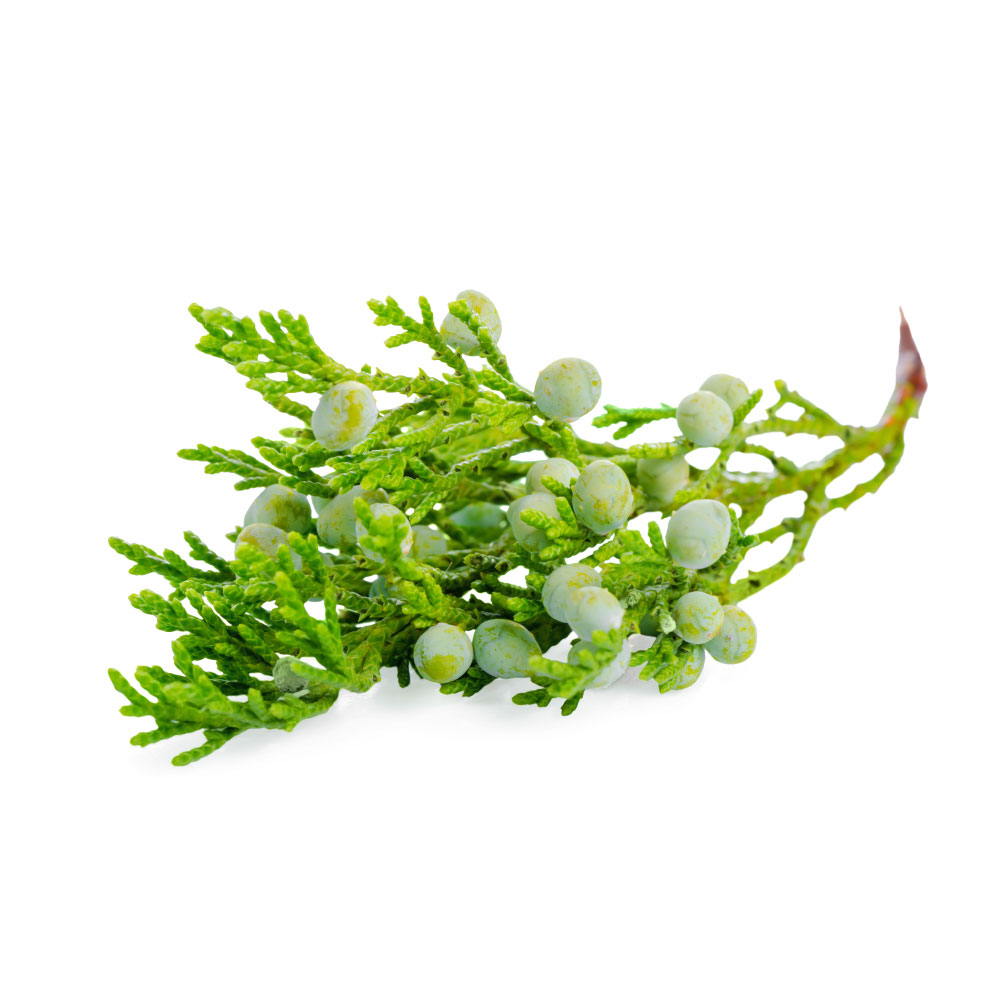 JuniperJuniperus communisTraditional only
A signature traditional urinary antiseptic and diuretic. Its antimicrobial data are in vitro, at concentrations far above achievable doses. Juniper is taken short-term, with caution where the kidneys are involved.
Full monograph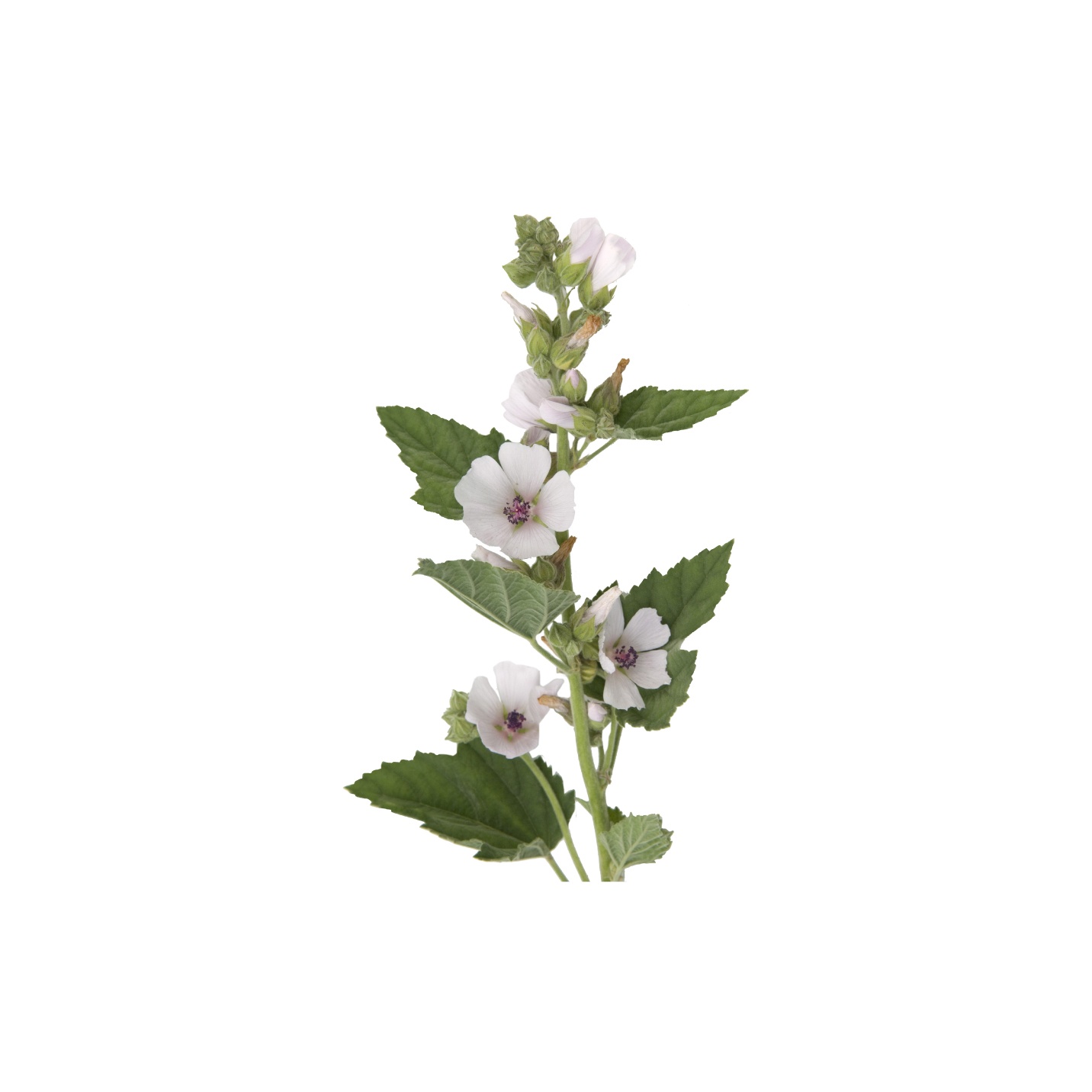 MarshmallowAlthaea officinalisTraditional only
A traditional demulcent for cystitis and urethritis that soothes irritated urinary mucosa; its antibacterial data are gram-positive only and don’t cover the gram-negative organisms of a typical UTI, so its role is soothing rather than antimicrobial.
Full monograph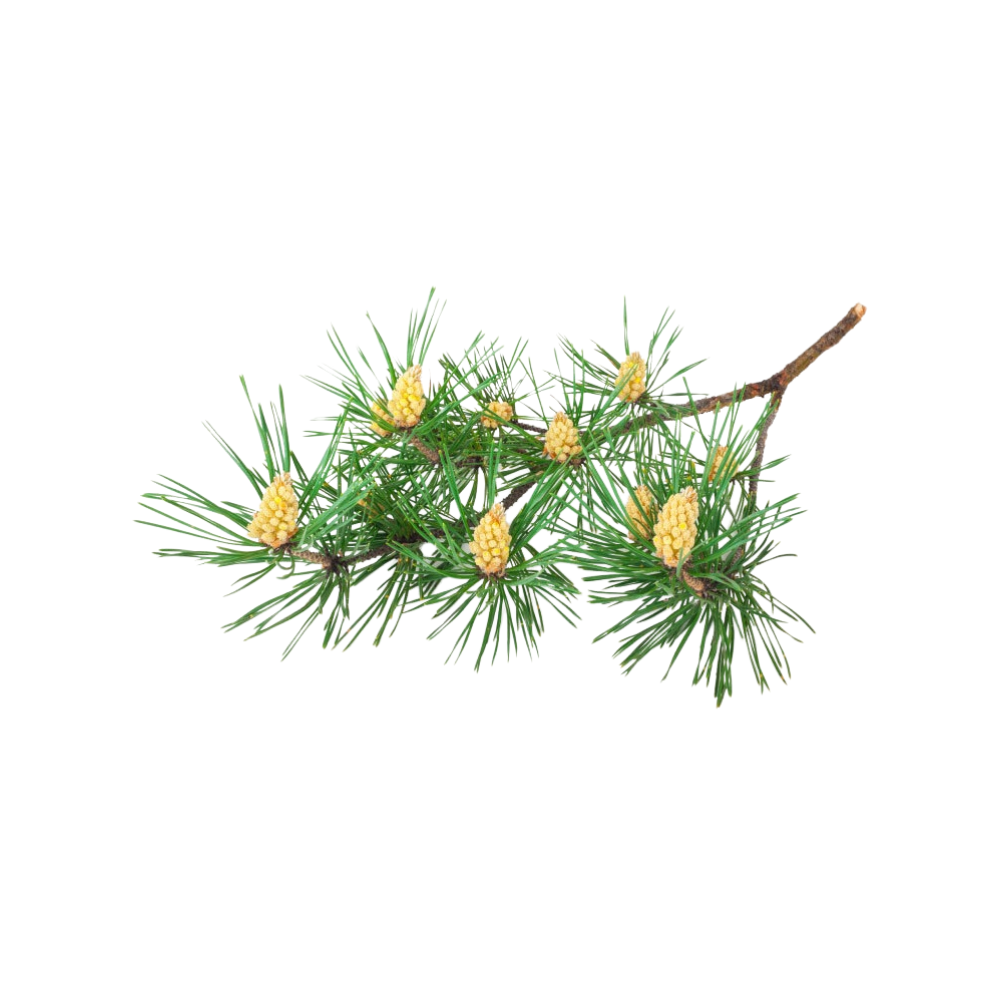 PinePinus spp.Traditional only
Historical Western and folk use lists urinary-tract infections among pine’s applications. There is no urinary trial; the genus’s in-vitro antimicrobial activity is the only mechanistic hint.
Full monograph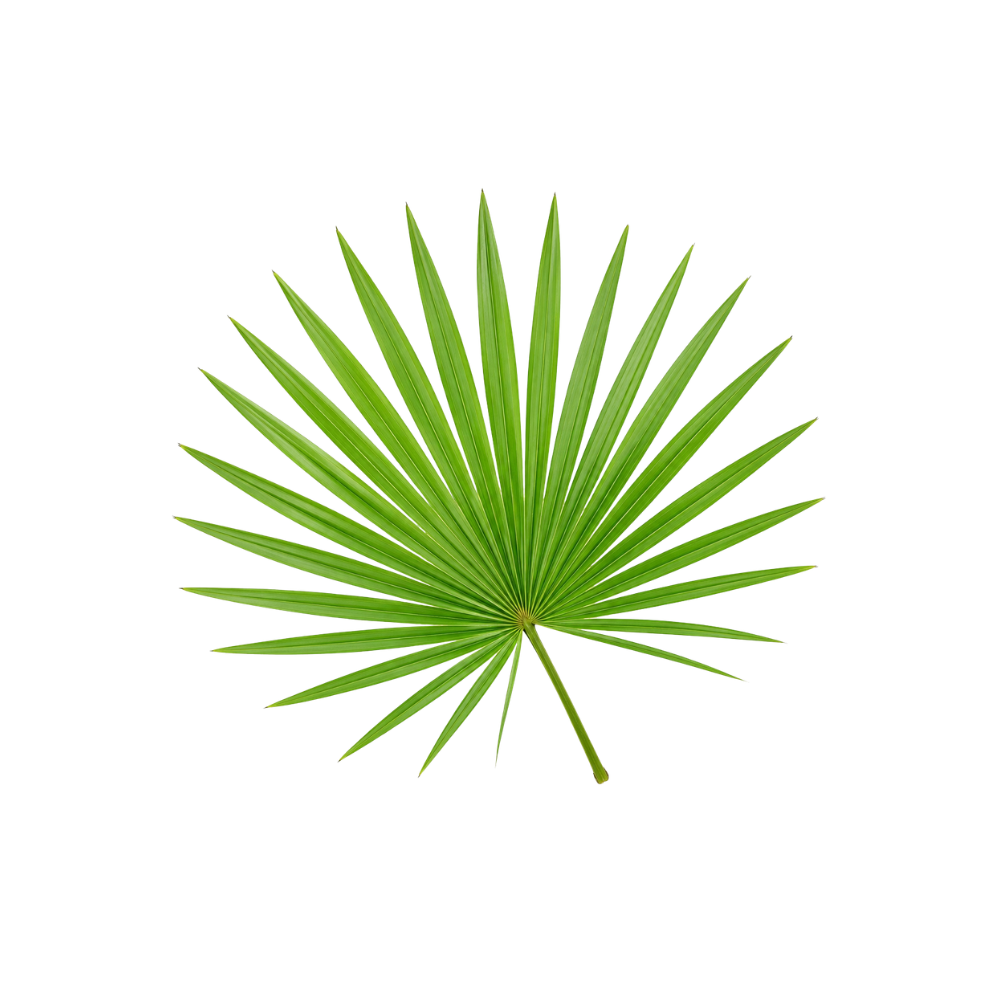 Saw PalmettoSerenoa repensTraditional only
Eclectic and BHP practice used saw palmetto for genito-urinary catarrh, cystitis and urinary antisepsis. There is no antimicrobial or UTI research; its evidence base is in BPH.
Full monograph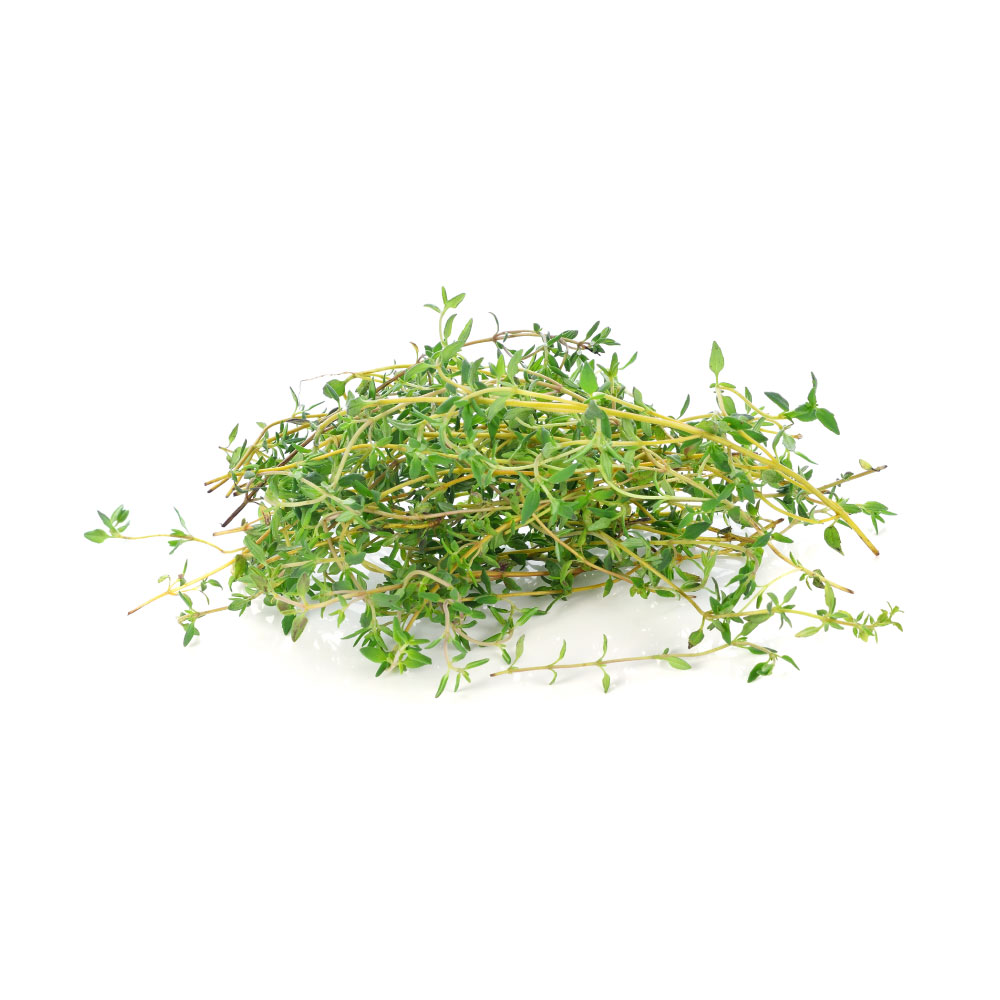 ThymeThymus vulgarisTraditional only
A traditional aromatic antimicrobial. The antibacterial data are all in vitro at essential-oil concentrations, not drinkable doses, and there is no UTI trial.
Full monograph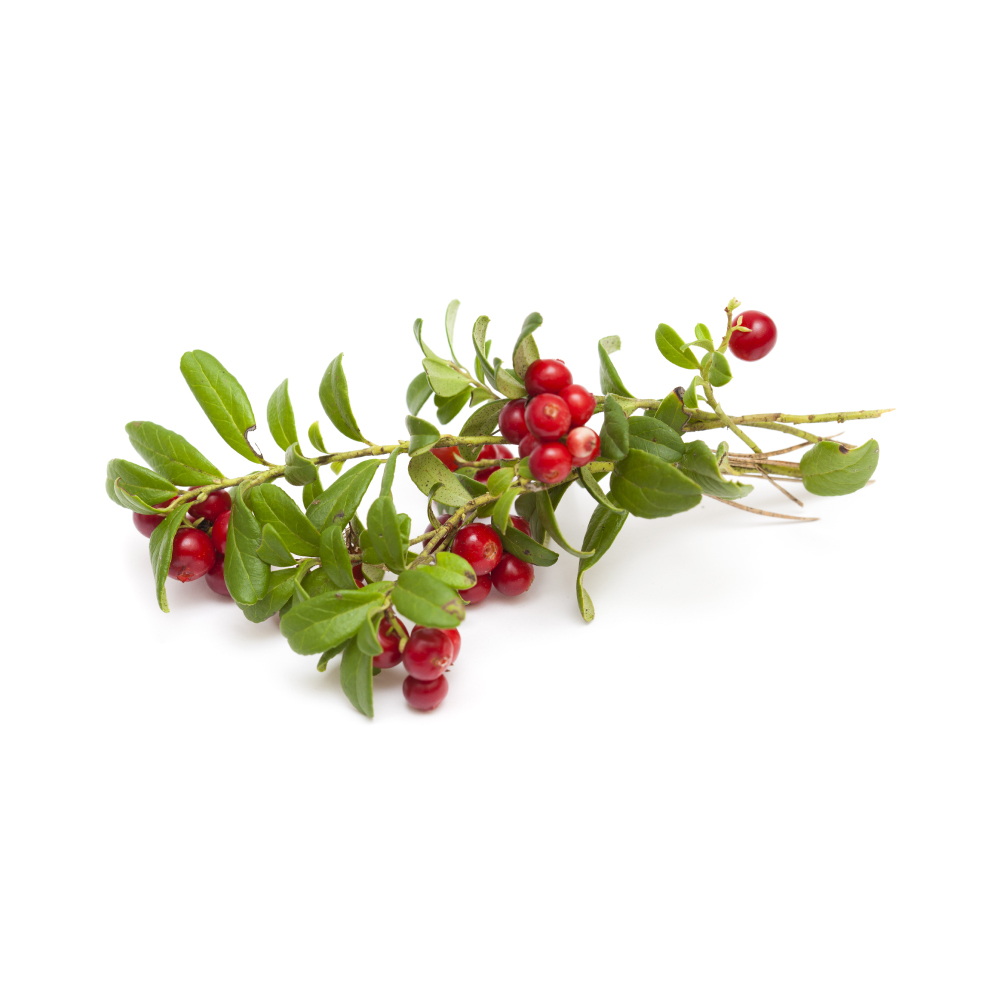 BearberryArctostaphylos uva-ursiNo benefit shown
The mechanism is well mapped — arbutin is hydrolysed to hydroquinone and >60% of an oral dose is recovered in urine as hydroquinone conjugates within 24 h 1,
The clinical trials are negative: the ATAFUTI factorial RCT (n=382) found no symptom benefit versus placebo 6Reference 6RCTUva-ursi extract and ibuprofen as alternative treatments for uncomplicated urinary tract infection in women (ATAFUTI) — a factorial randomised trial (RCT)View study →, and the German REGATTA/Gágyor trial (n=398) failed non-inferiority against fosfomycin and produced more pyelonephritis (8 vs 2) 7Reference 7RCTHerbal treatment with uva ursi extract versus fosfomycin in women with uncomplicated urinary tract infection in primary care — a double-blind randomised controlled trial (RCT)View study →. Bearberry is a traditional urinary antiseptic, not a proven cure, and it does not replace antibiotics where an infection is established.
Full monographSupplementation
Supplementation
Supplements, nutrients and compounds used for urinary tract infection.
References
- Schindler, G., et al. (2002). Urinary excretion and metabolism of arbutin after oral administration of Arctostaphylos uvae ursi extract in healthy humans — a randomised crossover pharmacokinetic study. Journal of Clinical Pharmacology. https://pubmed.ncbi.nlm.nih.gov/12162475/
- Quintus, J., et al. (2005). Urinary excretion of arbutin metabolites after oral administration of bearberry leaf extracts — pharmacokinetic study. Planta Medica. https://pubmed.ncbi.nlm.nih.gov/15729623/
- Cybulska, P., et al. (2011). Extracts of Canadian First Nations medicinal plants inhibit Neisseria gonorrhoeae isolates with different antibiotic-resistance profiles — in vitro study. Sexually Transmitted Diseases. https://pubmed.ncbi.nlm.nih.gov/21301385/
- Deutch, C. E. (2017). Limited effectiveness of over-the-counter plant preparations against the urease of Staphylococcus saprophyticus — in vitro study. Journal of Applied Microbiology. https://pubmed.ncbi.nlm.nih.gov/28245081/
- Dell’Annunziata, F., et al. (2022). In vitro antibacterial and anti-inflammatory activity of Arctostaphylos uva-ursi leaf extract against Cutibacterium acnes — in vitro study. Pharmaceutics. https://pubmed.ncbi.nlm.nih.gov/36145700/
- Moore, M., et al. (2019). Uva-ursi extract and ibuprofen as alternative treatments for uncomplicated urinary tract infection in women (ATAFUTI) — a factorial randomised trial (RCT). Clinical Microbiology and Infection. https://pubmed.ncbi.nlm.nih.gov/30685500/
- Gágyor, I., et al. (2021). Herbal treatment with uva ursi extract versus fosfomycin in women with uncomplicated urinary tract infection in primary care — a double-blind randomised controlled trial (RCT). Clinical Microbiology and Infection. https://pubmed.ncbi.nlm.nih.gov/34111592/
- Beydokhti, S. S., Sendker, J., Brandt, S., & Hensel, A. (2017). Hexadecyl coumaric acid ester from the rhizomes of Agropyron repens with antiadhesive activity against uropathogenic E. coli — in vitro. Fitoterapia. https://pubmed.ncbi.nlm.nih.gov/28040531/
- Rafsanjany, N., Lechtenberg, M., Petereit, F., & Hensel, A. (2013). Antiadhesion as a functional concept for protection against uropathogenic E. coli: in vitro studies with traditionally used plants. Journal of Ethnopharmacology. https://pubmed.ncbi.nlm.nih.gov/23211661/
- Hautmann, C., & Scheithe, K. (2000). Fluid extract of Agropyron repens for urinary tract infections or irritable bladder: multicentric post-marketing surveillance — observational. Zeitschrift für Phytotherapie.
- Mills-Robertson, F. C., Tay, S. C., Duker-Eshun, G., Walana, W., & Badu, K. (2012). In vitro antimicrobial activity of ethanolic fractions of Cryptolepis sanguinolenta — in vitro. Annals of Clinical Microbiology and Antimicrobials. https://pubmed.ncbi.nlm.nih.gov/22709723/
- Paulo, A., Duarte, A., & Gomes, E. T. (1994). In vitro antibacterial screening of Cryptolepis sanguinolenta alkaloids — in vitro. Journal of Ethnopharmacology. https://pubmed.ncbi.nlm.nih.gov/7853864/
- Sawer, I. K., Berry, M. I., & Ford, J. L. (2005). The killing effect of cryptolepine on Staphylococcus aureus — in vitro. Letters in Applied Microbiology. https://pubmed.ncbi.nlm.nih.gov/15612998/
- EMA/HMPC (2008). Community herbal monograph on Solidago virgaurea L., herba — traditional-use regulatory monograph. European Medicines Agency, Committee on Herbal Medicinal Products (EMEA/HMPC/285759/2007).
- Blumenthal, M. (ed.) (1998). Solidaginis virgaureae herba (European goldenrod herb) — German Commission E approved monograph (irrigation therapy, lower urinary tract) — review. The Complete German Commission E Monographs, American Botanical Council.
- Chodera A, et al. (1991). Effect of flavonoid fractions of Solidago virgaurea L. on diuresis and levels of electrolytes — in vivo rat study. Acta Poloniae Pharmaceutica, 48(5-6):35–7. https://pubmed.ncbi.nlm.nih.gov/1669338/
- Chodera A, et al. (1985). Diuretic effect of the glycoside from a plant of the Solidago L. genus — in vivo animal study. Acta Poloniae Pharmaceutica, 42(2):199–204. https://pubmed.ncbi.nlm.nih.gov/4083055/
- Fursenco C, et al. (2020). Solidago virgaurea L.: A Review of Its Ethnomedicinal Uses, Phytochemistry, and Pharmacological Activities — systematic review. Biomolecules, 10(12). https://pubmed.ncbi.nlm.nih.gov/33266185/
- Borchert VE, et al. (2004). Extracts from Rhois aromatica and Solidaginis virgaurea inhibit rat and human bladder contraction — in vitro tissue-bath and muscarinic receptor study. Naunyn-Schmiedeberg’s Archives of Pharmacology, 369(3):281–6. https://pubmed.ncbi.nlm.nih.gov/14963639/
- Gallo G, et al. (2026). A randomized controlled trial comparing alpha-blocker (tamsulosin) and a phyto-complex (Solidago virga-aurea, Phyllantus niruri, Epilobium angustifolium, Peumus boldus and Ononis spinosa) in the treatment of ureteral stent-related symptoms — randomised controlled trial (combination product). Urologia. https://pubmed.ncbi.nlm.nih.gov/42244389/
- Pallag, A., et al. (2018). Equisetum arvense L. extract induces antibacterial activity and modulates oxidative stress, inflammation — in vitro. Oxidative Medicine and Cellular Longevity. https://pubmed.ncbi.nlm.nih.gov/29636839/
- Milovanović, V., et al. (2007). Antioxidant, antimicrobial and genotoxicity screening of hydro-alcoholic extracts of five Serbian Equisetum species — in vitro. Plant Foods for Human Nutrition. https://pubmed.ncbi.nlm.nih.gov/17676400/
- Carneiro, D. M., et al. (2014). Randomized, double-blind clinical trial to assess the acute diuretic effect of Equisetum arvense (field horsetail) in healthy volunteers — randomised controlled trial. Evidence-Based Complementary and Alternative Medicine. https://pubmed.ncbi.nlm.nih.gov/24723963/