
Compound Monograph
Bornyl Acetate
Bornyl acetate is the acetate ester of borneol — a bicyclic monoterpene ester and the characteristic pine-needle/conifer aroma compound, also a minor constituent of valerian root. It carries a genuine but entirely preclinical anti-inflammatory and analgesic signal, best characterised in respiratory (lung) and joint models; there are no human trials of the isolate.

Sources · 13
Where Does It Come From?
Bornyl Acetate is a naturally occurring monoterpene ester (acetate ester of borneol; bicyclic/bornane skeleton), found in Black spruce, Pine, Fir and 10 other sources. It is well tolerated orally (low toxicity).
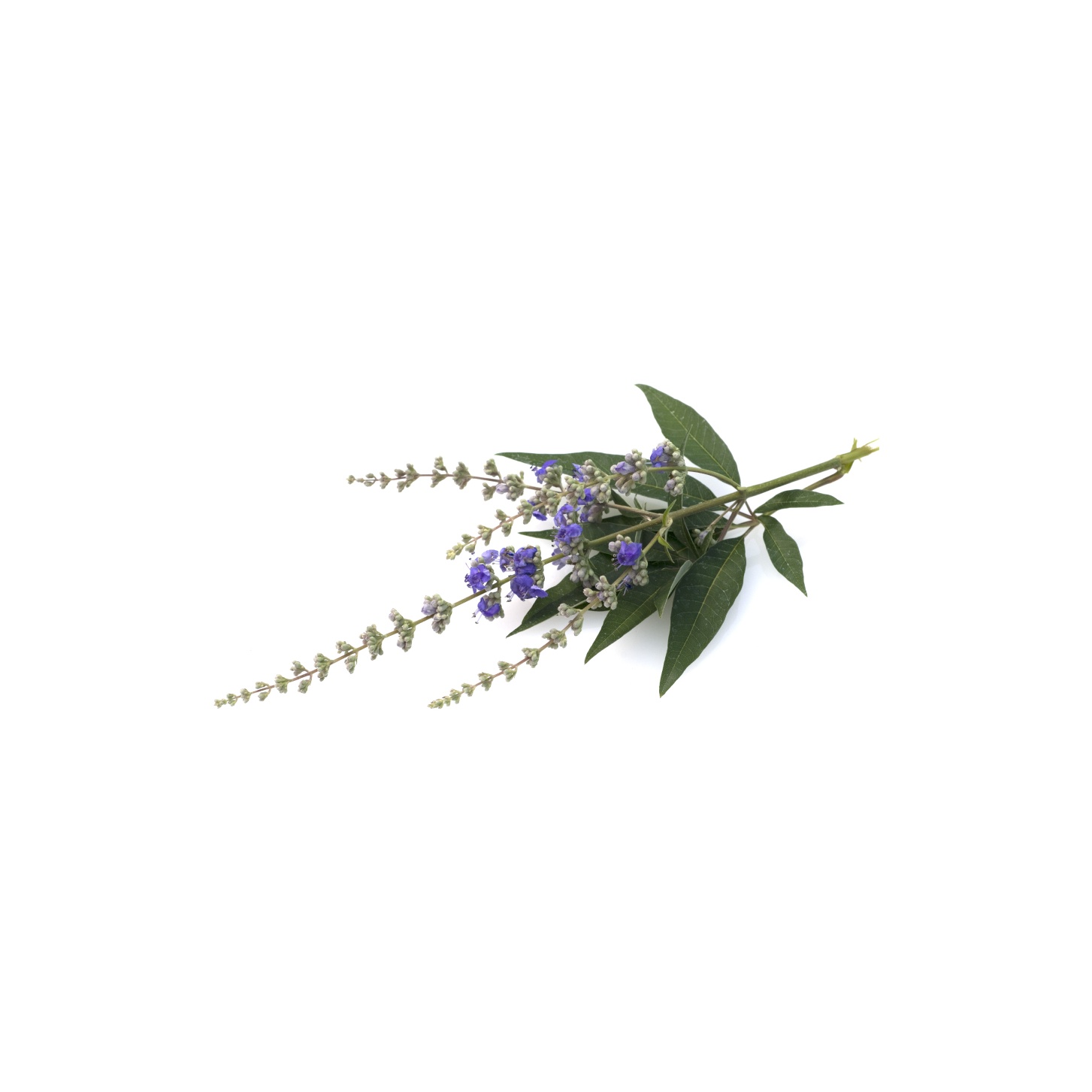 Source Chaste Tree Vitex agnus-castus Herb monograph →
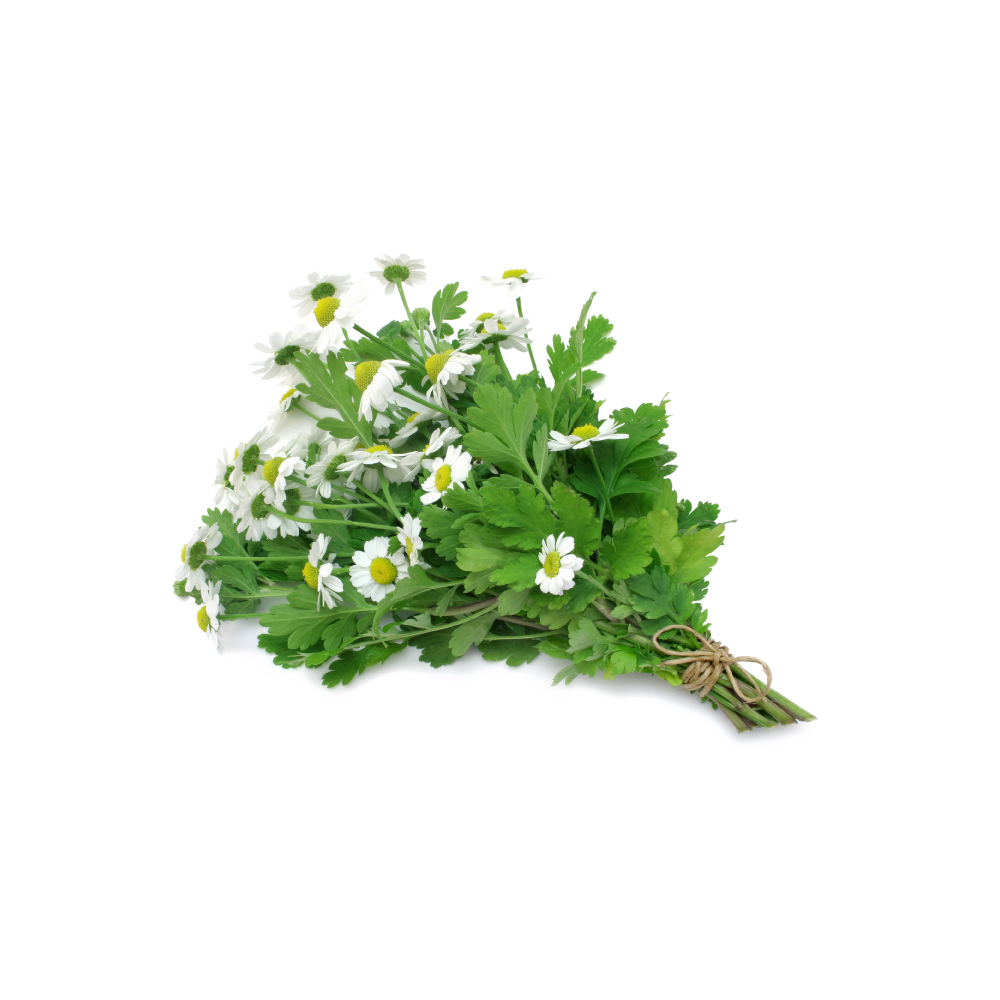 Source Feverfew Tanacetum parthenium Herb monograph →
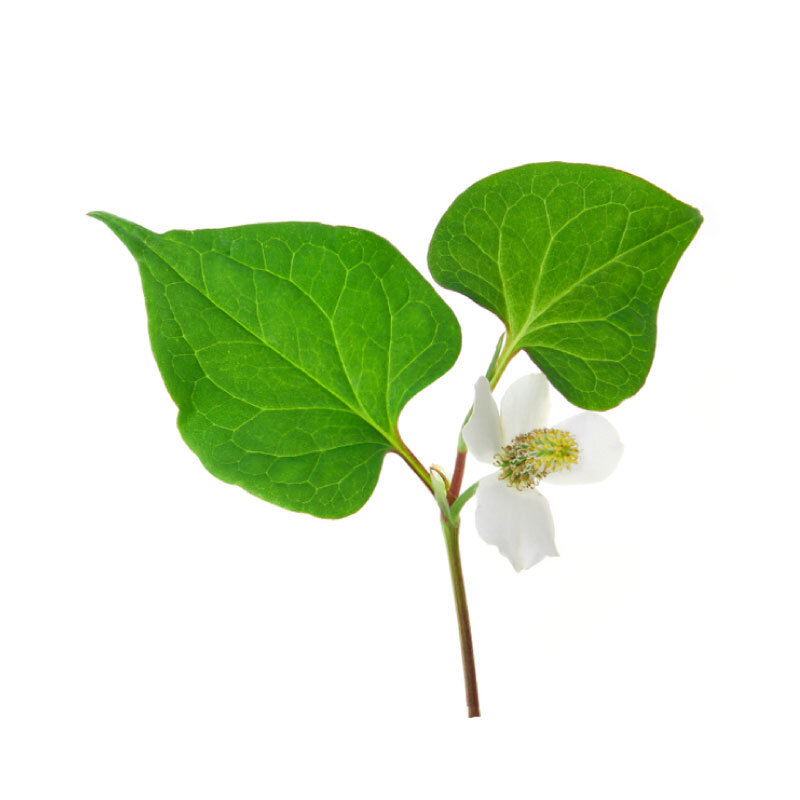 Source Fish Mint Houttuynia cordata Herb monograph →
Photo coming soon
Source Korean Red Pine Pinus densiflora Herb monograph →
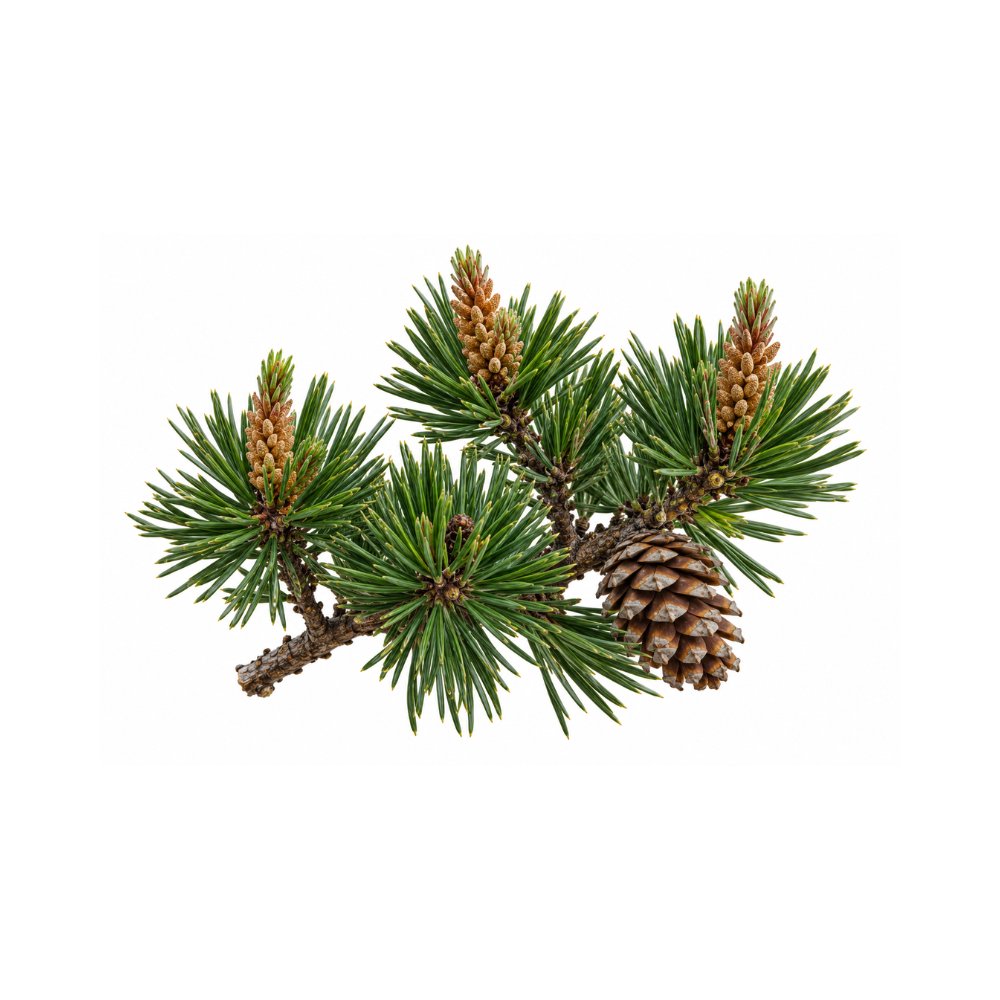 Source Mugo Pine Pinus mugo Herb monograph →
 Source Pine Pinus sylvestris Herb monograph →
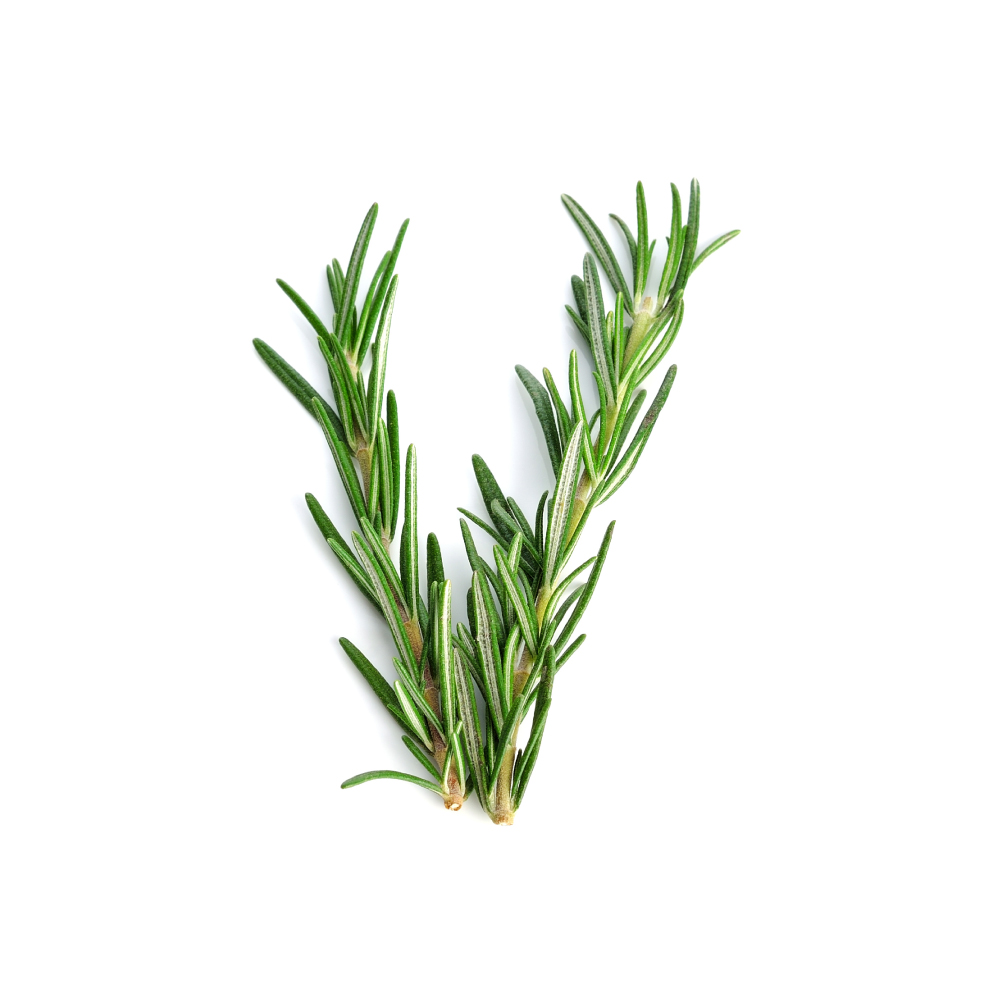 Source Rosemary Rosmarinus officinalis Herb monograph →
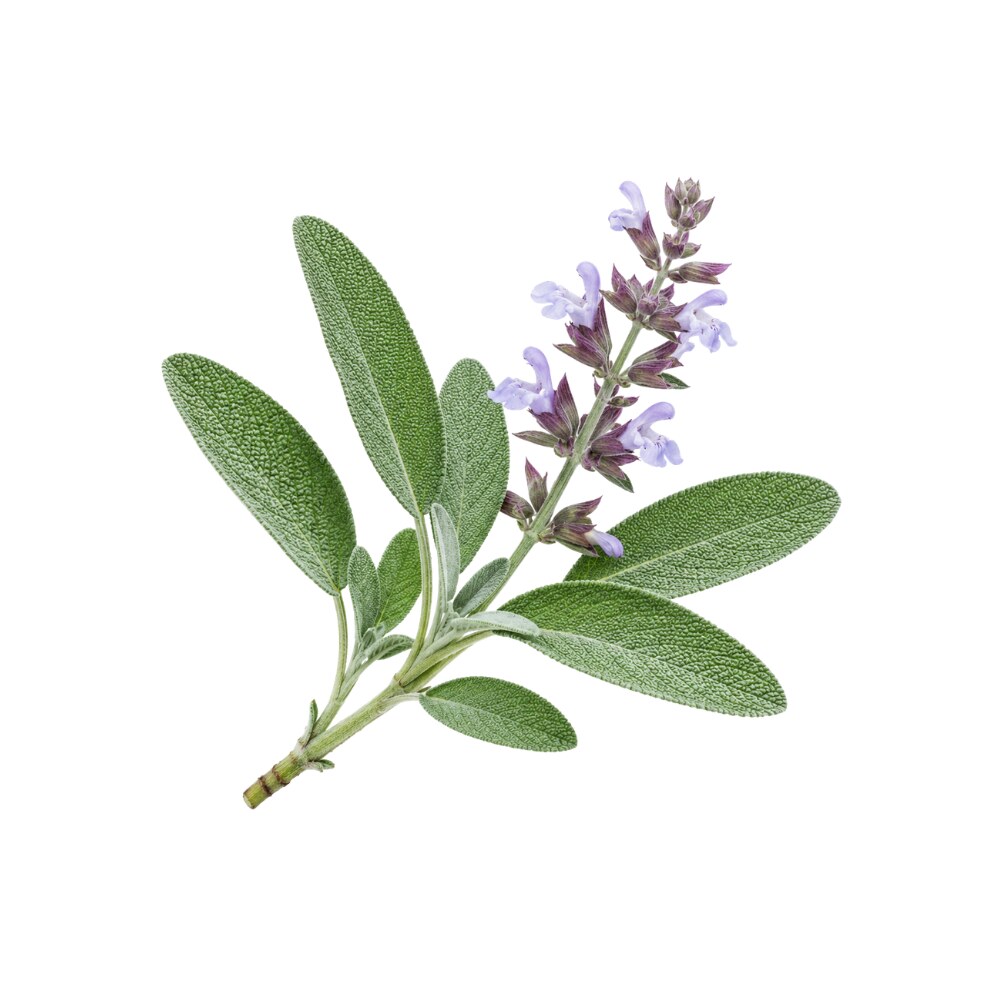 Source Sage Salvia officinalis Herb monograph →
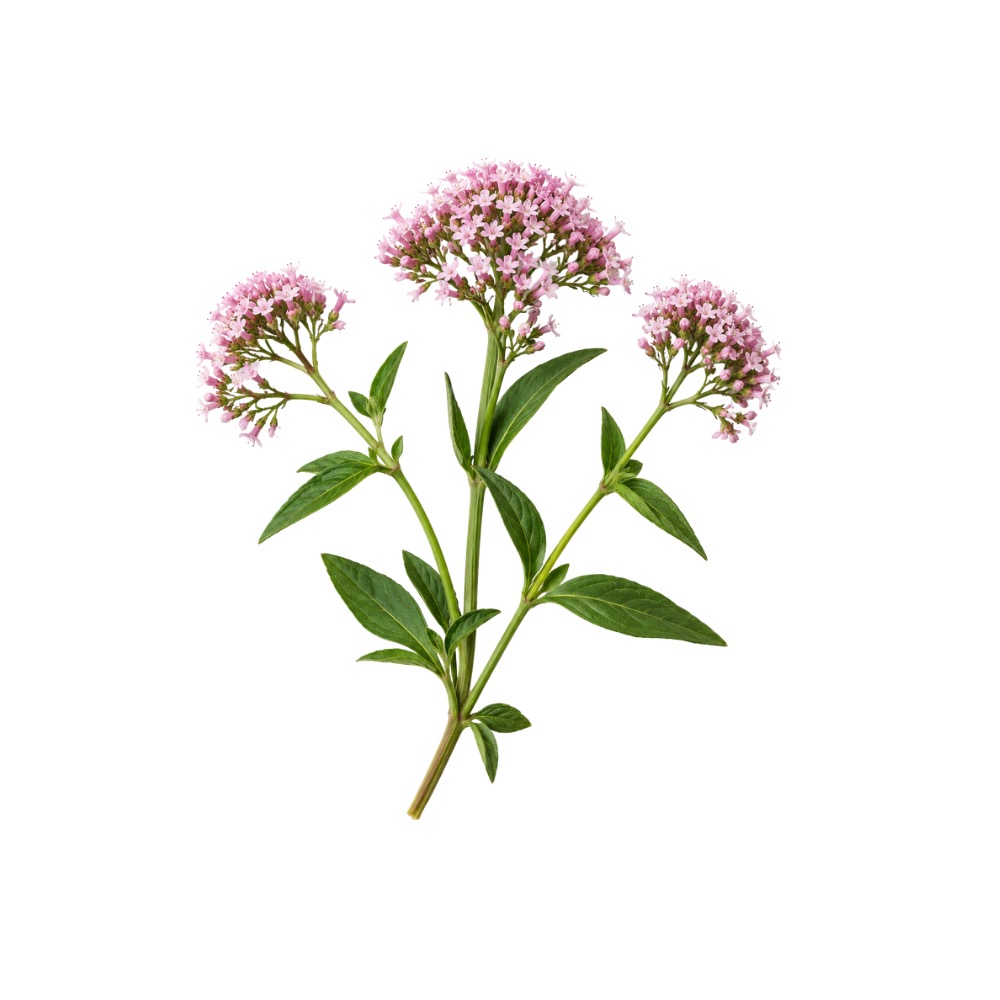 Source Valerian Valeriana officinalis Herb monograph →
Concentration
Content by Source
Reported concentrations across the plants that contain bornyl acetate — the bar marks the typical level, the line shows the reported range.
Literature figures for varying plant parts and preparations. Read them as a comparative guide, not exact assays.
Bornyl Acetate at a Glance
Bornyl acetate is a bicyclic monoterpene ester — the acetate ester of the alcohol borneol. It is the compound most responsible for the fresh, balsamic, pine-needle “conifer” aroma, and it is a recognised flavour-and-fragrance chemical (FEMA 2159). In nature it is a major constituent of spruce, fir and pine needle oils and a minor-to-moderate component of valerian root oil, rosemary and sage 1Reference 1Bornyl acetate: A promising agent in phytomedicine for inflammation and immune modulationView study →.
Its most-studied pharmacology is anti-inflammatory and analgesic. Isolated bornyl acetate suppresses inflammatory signalling (NF-κB and MAPK pathways) and reduces pro-inflammatory cytokines across several rodent and cell models, with the clearest signals in airway/lung inflammation and joint (cartilage) inflammation 1,
As a volatile, GRAS-status fragrance ester, the parent molecule has low acute toxicity; the relevant caution, as for related camphoraceous monoterpenes, is that concentrated essential oils are a very different exposure from the whole plant.
Bornyl Acetate, Borneol’s Ester
The single most useful fact about this molecule is structural: bornyl acetate is borneol with an acetyl group on the hydroxyl. Borneol is a bicyclic (bornane-skeleton) monoterpene alcohol; esterify that alcohol with acetic acid and you get bornyl acetate, the corresponding ester. The two are a redox/esterification pair and travel together in aromatic plants — yarrow oil, for instance, carries borneol (~2.5%) alongside its acetate (~2.1%), and in the cardamom-family fruit Amomum/Wurfbainia villosa the pair are made by adjacent enzymatic steps 8Reference 8Genome-wide identification of BAHD superfamily and functional characterization of bornyl acetyltransferases involved in the bornyl acetate biosynthesis in Wurfbainia villosaView study →.
The aroma. Free borneol smells cool, woody and camphoraceous; acetylation shifts the odour toward the fresh, sweet-balsamic pine-needle note that defines conifer oils, which is why bornyl acetate is prized for “forest,” fir and spruce fragrance accords. It co-occurs with α-pinene, β-pinene, camphene and limonene in these oils 9,
The ester as a carrier for borneol. In traditional Chinese medicine, borneol is an “orifice-opening” agent valued because it transiently and reversibly increases blood–brain-barrier permeability, enhancing delivery of co-administered drugs into the brain 7Reference 7Borneol, a novel agent that improves central nervous system drug delivery by enhancing blood-brain barrier permeabilityView study →. Bornyl acetate is more lipophilic and volatile than borneol, and once absorbed a carboxylesterase can hydrolyse the ester back to borneol + acetate — so much of the ester’s in vivo activity is plausibly borneol’s, with bornyl acetate acting as a more oil-soluble delivery form of the same pharmacophore. This ester↔alcohol relationship is a recurring theme on the page: several of bornyl acetate’s reported CNS/anti-inflammatory effects overlap borneol’s, and the isolate literature rarely separates the two cleanly. (See camphor for the oxidised ketone on the same bornane skeleton.)
Anti-Inflammatory & Analgesic Research
This is the compound’s distinctive research signal, and it is unusually coherent across models — but read the tier: rodent and cell studies on the isolate (or on a bornyl-acetate-dominant whole oil), with no human data.
Support is an experimental score — weighted by study type (human > animal > in vitro) and volume. A beta, not a validated metric. All rows are preclinical isolate/whole-oil work with no human efficacy data, so scores stay modest by design.
The best-evidenced application, and where the mechanism is clearest. In a mouse LPS-induced acute-lung-injury model, isolated bornyl acetate (dosed before LPS) reduced bronchoalveolar-lavage inflammatory-cell counts, lung wet-to-dry ratio and myeloperoxidase activity, and lowered cytokine production in LPS-stimulated RAW 264.7 macrophages — the authors proposed it as a preventive agent for lung inflammatory disease 2Reference 2Inhibition of lung inflammatory responses by bornyl acetate is correlated with regulation of myeloperoxidase activityView study →.
In human chondrocytes, bornyl acetate raised IL-11 at mRNA and protein level and thereby suppressed IL-1β-driven inflammatory markers, an osteoarthritis-relevant effect 3Reference 3Bornyl acetate has an anti-inflammatory effect in human chondrocytes via induction of IL-11View study →; a 2023 review pulls these together, attributing the anti-inflammatory action to NF-κB inhibition (↓ IκB/IKK phosphorylation) and MAPK inhibition (↓ ERK, JNK, p38) with down-regulation of TNF-α, IL-1β and IL-6 1Reference 1Bornyl acetate: A promising agent in phytomedicine for inflammation and immune modulationView study →.
Gap: all animal/cell work on the isolate; no human trials, no defined systemic exposure, and the lung result is a pre-treatment prophylactic model rather than treatment of established disease 1,
Bornyl acetate is the main component of Amomum villosum (sha ren) volatile oil, and isolate/oil studies report analgesia. It restrained acetic-acid-induced writhing and raised the hot-plate pain threshold in mice and suppressed xylene-induced ear swelling 4Reference 4Wu XS, Li XR, Xiao FY, et al. (2004). [Studies on the analgesic and anti-inflammatory effect of bornyl acetate in volatile oil from Amomum villosum]. Zhong Yao Cai. https://pubmed.ncbi.nlm.nih.gov/15524301/View study →.
A follow-up found the analgesia operated through both central and peripheral mechanisms and was not significantly reversed by naloxone, arguing for a non-opioid pathway 5Reference 5Wu XS, Xiao FY, Zhang Z, et al. (2005). [Research on the analgesic effect and mechanism of bornyl acetate in volatile oil from Amomum villosum]. Zhong Yao Cai. https://pubmed.ncbi.nlm.nih.gov/16209271/View study →.
This dovetails with the anti-inflammatory findings — much of the “analgesia” is plausibly anti-inflammatory/anti-nociceptive rather than a direct opioid-type effect.
Gap: rodent models only; the Amomum work tests a bornyl-acetate-rich whole oil as much as the isolate, and the mechanism beyond “non-opioid” is not resolved 4,
A single but mechanistically rich study. In myelin-oligodendrocyte-glycoprotein-induced experimental autoimmune encephalomyelitis (an animal model of multiple sclerosis), oral bornyl acetate reduced motor disability and spinal-cord demyelination, dampened neuroinflammation, and helped maintain blood–brain-barrier integrity 6Reference 6Neuroprotective effects of bornyl acetate on experimental autoimmune encephalomyelitis via anti-inflammatory effects and maintaining blood-brain-barrier integrityView study →.
This connects to borneol’s documented BBB-modulating behaviour 7Reference 7Borneol, a novel agent that improves central nervous system drug delivery by enhancing blood-brain barrier permeabilityView study → and to the shared NF-κB/MAPK anti-inflammatory mechanism above.
Gap: one isolate study in one disease model; no replication and no human data. The BBB story is inferred partly from borneol, the hydrolysis product, rather than proven for the ester 6,
Mechanisms
| Target / pathway | Effect | Relevant to |
|---|---|---|
| NF-κB (IκB / IKK phosphorylation) | inhibited → ↓ inflammatory transcription | anti-inflammatory (lungjointCNS) |
| MAPK (ERK, JNK, p38) | phosphorylation reduced → ↓ inflammatory signalling | anti-inflammatory |
| Pro-inflammatory cytokines (TNF-α, IL-1β, IL-6) | down-regulated | anti-inflammatory |
| IL-11 | up-regulated (anti-inflammatory cytokine) | chondrocyte / osteoarthritis |
| Myeloperoxidase (neutrophil) activity | reduced in LPS lung injury | respiratory anti-inflammatory |
| Opioid receptors | not the route — analgesia naloxone-insensitive | analgesia |
| Blood–brain barrier integrity | preserved in EAE (borneol modulates BBB permeability) | CNS / neuroinflammation |
The throughline is a single upstream anti-inflammatory action — NF-κB + MAPK suppression with a cytokine shift — that plausibly explains the lung, joint, CNS and analgesic read-outs together 1Reference 1Bornyl acetate: A promising agent in phytomedicine for inflammation and immune modulationView study →. How much of this is bornyl acetate itself versus the borneol it hydrolyses to is not resolved.
Pharmacokinetics
Human ADME for bornyl acetate is essentially uncharacterised — no Cmax, half-life or oral-bioavailability figures for the isolate are established. What can be said mechanistically: it is a small, lipophilic, volatile monoterpene ester, so it is readily taken up from inhaled essential oils and expected to distribute into lipid-rich tissue. As an acetate ester it is a substrate for carboxylesterases, which would hydrolyse it to borneol + acetic acid; borneol is the better-studied moiety and is itself a documented blood–brain-barrier-permeability enhancer 7Reference 7Borneol, a novel agent that improves central nervous system drug delivery by enhancing blood-brain barrier permeabilityView study →. Two practical consequences: (1) a share of the ester’s in vivo pharmacology is probably borneol’s, so isolate results should be read with the parent alcohol in mind; and (2) because a large part of real exposure is inhaled (conifer/valerian aromatherapy), plasma levels are not the whole story. Robust isolate PK — the hydrolysis rate, the borneol/acetate split, metabolite fate — remains a genuine hole.
Clinical Trials
There are no controlled human efficacy trials of isolated bornyl acetate. The entire evidence base is preclinical; human exposure to the molecule is indirect, via conifer and valerian essential oils and diet, and cannot be assigned to bornyl acetate alone.
| Completed | Planned | Terminated | Preclinical |
|---|---|---|---|
| — | — | — | Anti-inflammatory (lung, joint), analgesic, EAE/neuroinflammation — all isolate/whole-oil |
Last checked: July 2026.
Isolate vs. Plant Studies
The evidence here splits in an unusually clean way, and it matters for how much weight the page can carry.
The mechanistic anti-inflammatory work is the isolate. The LPS lung-injury study 2Reference 2Inhibition of lung inflammatory responses by bornyl acetate is correlated with regulation of myeloperoxidase activityView study →, the chondrocyte IL-11 study 3Reference 3Bornyl acetate has an anti-inflammatory effect in human chondrocytes via induction of IL-11View study → and the EAE study 6Reference 6Neuroprotective effects of bornyl acetate on experimental autoimmune encephalomyelitis via anti-inflammatory effects and maintaining blood-brain-barrier integrityView study → all test bornyl acetate itself (or a defined dose of it), and the 2023 review synthesises them as isolate pharmacology 1Reference 1Bornyl acetate: A promising agent in phytomedicine for inflammation and immune modulationView study →. As a preclinical isolate signal, that is a genuine strength — it is not merely “present in an oil that does something.”
The analgesic and any whole-oil human/aroma use is the plant. The Amomum villosum analgesia studies test a bornyl-acetate-dominant volatile oil as much as the pure compound 4,
Its Role in Plants
Bornyl acetate is made by acetylating borneol: a BAHD-family bornyl acetyltransferase transfers an acetyl group from acetyl-CoA onto borneol, the final step of a short monoterpene branch that runs from geranyl diphosphate through a bornyl-diphosphate synthase to borneol and then to the ester. This pathway was resolved in the cardamom-relative Wurfbainia (Amomum) villosa, where the responsible acetyltransferases were identified and functionally characterised — and where bornyl acetate content is used as a marker of fruit quality 8Reference 8Genome-wide identification of BAHD superfamily and functional characterization of bornyl acetyltransferases involved in the bornyl acetate biosynthesis in Wurfbainia villosaView study →.
Ecologically it behaves as a typical conifer/aromatic-plant volatile: a component of the resinous, camphoraceous terpene blend that deters herbivores and pathogens and contributes to the plant’s needle/foliage scent. In conifers it is stored and emitted with the pinenes and camphene as part of the oleoresin defence chemistry 9,
Prevalence in Nature
Bornyl acetate is, above all, a Pinaceae (conifer) needle-oil compound. It reaches its highest reported fractions in spruce and fir: black spruce (Picea mariana) needle/branch oil is roughly 25–45% bornyl acetate, making it the dominant constituent of that oil. One oil held 45% 10Reference 10AnimalAntidepressant effect and mechanism of Picea mariana essential oil on reserpine-induced depression model miceView study →, and two other analyses found 25–29% 12,
Beyond conifers it is a well-known minor-to-moderate constituent of valerian root oil, where it can range widely — about 3–34% of the volatile oil across cultivars and origins (e.g. ~11.6% in one Iranian hydrodistilled sample) — and is a source of valerian’s pungent root odour 11Reference 11Essential oil composition of Valeriana officinalis L. roots cultivated in Iran: comparative analysis between supercritical CO2 extraction and hydrodistillationView study →. It also appears in rosemary and sage, in the fruit of cardamom-family Amomum/Wurfbainia villosa (where it is a marquee constituent) 4,
Major Natural Sources
| Source | Plant part | Reported bornyl acetate content |
|---|---|---|
| Black spruce (Picea mariana) | needle / branch oil | ~25–45% |
| Limber pine (Pinus flexilis) | needle oil | ~12.8% |
| Valerian (Valeriana officinalis) | root oil | ~3–34% (≈11.6% typical) |
| Sha ren / Amomum villosum | fruit oil | up to ~50%+ (marker constituent) |
| Ponderosa pine (Pinus ponderosa) | needle oil | ~0.1–0.2% |
These figures are the percentage of the essential oil, not of the whole plant, and shift with chemotype and method 9,
Discovery & Synthesis
Bornyl acetate has been known for over a century as the pine-needle ester of borneol and a staple fragrance aroma chemical (FEMA 2159, CAS 76-49-3 for the racemate; CAS 5655-61-8 for the natural (−)-form); a precise first-isolation date and discoverer are not well documented, as the compound entered chemistry through conifer-oil analysis and perfumery rather than a single landmark isolation. It occurs naturally as the (−)-(l-)enantiomer in conifers 9Reference 9Essential oil compositions of Pinus species (P. contorta subsp. contorta, P. ponderosa var. ponderosa, and P. flexilis); enantiomeric distribution of terpenoids in Pinus speciesView study →.
Manufacture today is by esterification of borneol (or the cheaper isoborneol) with acetic acid/acetic anhydride, and it is also obtained by fractionation of conifer (pine, fir, spruce) needle oils; both natural-source and semi-synthetic material are sold for flavour, fragrance and technical use. The plant biosynthetic route — a BAHD bornyl acetyltransferase acetylating borneol — was characterised in Wurfbainia villosa 8Reference 8Genome-wide identification of BAHD superfamily and functional characterization of bornyl acetyltransferases involved in the bornyl acetate biosynthesis in Wurfbainia villosaView study →.
Patents: not yet researched.
Toxicity & Safety
Bornyl acetate carries a low toxicity flag. It is a GRAS-status flavour-and-fragrance ester (FEMA 2159) with a long history of dietary and cosmetic exposure and low acute toxicity, and it is one of the ordinary volatile constituents of foods and spices. As with related camphoraceous monoterpenes such as camphor and borneol, the caution is dose- and concentration-dependent: concentrated essential oils are a different exposure from the whole plant.
- Low-toxicity, GRAS fragrance ester. A common food/fragrance volatile with a long history of use and low acute toxicity.
- Concentrated essential oils ≫ whole plants. Meaningful exposure comes from conifer/valerian oils, where bornyl acetate is present at high fractions — dilute for topical use and do not take undiluted oils internally.
- Camphoraceous-monoterpene class. Treat with the same care as other bornane-skeleton terpenes (borneol, camphor); large internal doses of concentrated camphoraceous oils can be irritant or neuroactive.
- No isolate human safety data. There is no dedicated human toxicology, interaction or repeat-dose dataset for purified bornyl acetate; absence of reported harm is not evidence of safety.
No dedicated reproductive-toxicity dataset exists for isolated bornyl acetate. Pregnancy and lactation decisions belong to the herb or product page where intake is decided (for instance the valerian monograph), not to this molecule page; no isolate-specific verdict is issued here, and concentrated essential oils warrant the usual caution in pregnancy.
Dosage
There is no established or recommended human dose for isolated bornyl acetate. The figures in the research literature are preclinical rodent doses — for example the oral doses used in the EAE study 6Reference 6Neuroprotective effects of bornyl acetate on experimental autoimmune encephalomyelitis via anti-inflammatory effects and maintaining blood-brain-barrier integrityView study → and the anti-inflammatory/analgesic mouse work 2,
Real-world human exposure is indirect:
- Inhaled conifer, fir, spruce and pine essential oils (aromatherapy)
- Valerian root preparations and their volatile oil
- Diet and spices (a natural food-flavour volatile)
- Fragranced cosmetics, soaps and household products
These are research figures and typical exposure routes, not a personal recommendation.
References
- Zhao ZJ, Sun YL, Ruan XF (2023). Bornyl acetate: A promising agent in phytomedicine for inflammation and immune modulation. Phytomedicine. https://pubmed.ncbi.nlm.nih.gov/37028250/
- Chen N, Sun G, Yuan X, et al. (2014). Inhibition of lung inflammatory responses by bornyl acetate is correlated with regulation of myeloperoxidase activity. Journal of Surgical Research. https://pubmed.ncbi.nlm.nih.gov/24120240/
- Yang H, Zhao R, Chen H, et al. (2014). Bornyl acetate has an anti-inflammatory effect in human chondrocytes via induction of IL-11. IUBMB Life. https://pubmed.ncbi.nlm.nih.gov/25545915/
- Wu XS, Li XR, Xiao FY, et al. (2004). [Studies on the analgesic and anti-inflammatory effect of bornyl acetate in volatile oil from Amomum villosum]. Zhong Yao Cai. https://pubmed.ncbi.nlm.nih.gov/15524301/
- Wu XS, Xiao FY, Zhang Z, et al. (2005). [Research on the analgesic effect and mechanism of bornyl acetate in volatile oil from Amomum villosum]. Zhong Yao Cai. https://pubmed.ncbi.nlm.nih.gov/16209271/
- Lee JI, Choi JH, Kwon TW, et al. (2023). Neuroprotective effects of bornyl acetate on experimental autoimmune encephalomyelitis via anti-inflammatory effects and maintaining blood-brain-barrier integrity. Phytomedicine. https://pubmed.ncbi.nlm.nih.gov/36842217/
- Zhang QL, Fu BM, Zhang ZJ (2017). Borneol, a novel agent that improves central nervous system drug delivery by enhancing blood-brain barrier permeability. Drug Delivery. https://pubmed.ncbi.nlm.nih.gov/28687052/
- Liang H, Lin X, Yang P, et al. (2022). Genome-wide identification of BAHD superfamily and functional characterization of bornyl acetyltransferases involved in the bornyl acetate biosynthesis in Wurfbainia villosa. Frontiers in Plant Science. https://pubmed.ncbi.nlm.nih.gov/35432416/
- Ankney E, Swor K, Satyal P, Setzer WN (2022). Essential oil compositions of Pinus species (P. contorta subsp. contorta, P. ponderosa var. ponderosa, and P. flexilis); enantiomeric distribution of terpenoids in Pinus species. Molecules. https://pubmed.ncbi.nlm.nih.gov/36080426/
- Wang Y, et al. (2024). Antidepressant effect and mechanism of Picea mariana essential oil on reserpine-induced depression model mice. Journal of Microbiology and Biotechnology. https://pubmed.ncbi.nlm.nih.gov/39113199/
- Safaralie A, Fatemi S, Sefidkon F (2008). Essential oil composition of Valeriana officinalis L. roots cultivated in Iran: comparative analysis between supercritical CO2 extraction and hydrodistillation. Journal of Chromatography A. https://pubmed.ncbi.nlm.nih.gov/18164718/
- Ancuceanu R, Anghel AI, Hovaneț MV, et al. (2024). Antioxidant Activity of Essential Oils from Pinaceae Species — review. Antioxidants (Basel). https://pubmed.ncbi.nlm.nih.gov/38539820/
- Pachura-Hanusek N, Lewandowska K, Burek A, et al. (2026). Chemical Characterization and Rumen-Modulating Effects of Pinus sylvestris Essential Oil: In Vitro and In Vivo Study. Molecules. https://pubmed.ncbi.nlm.nih.gov/42197322/



