
Compound Monograph
Camphene
Camphene is the bicyclic monoterpene behind the camphor note in conifer and Artemisia oils. It is almost always a minor component whose share is set by chemotype rather than by species, and its one distinctive pharmacological finding is a non-statin lipid-lowering effect in rats that has never been tested in people.

Sources · 24
Where Does It Come From?
Camphene is a naturally occurring bicyclic monoterpene (bornane/camphane type), found in Subalpine fir, Grand fir, Douglas fir and 21 other sources. It is well tolerated orally (low toxicity).
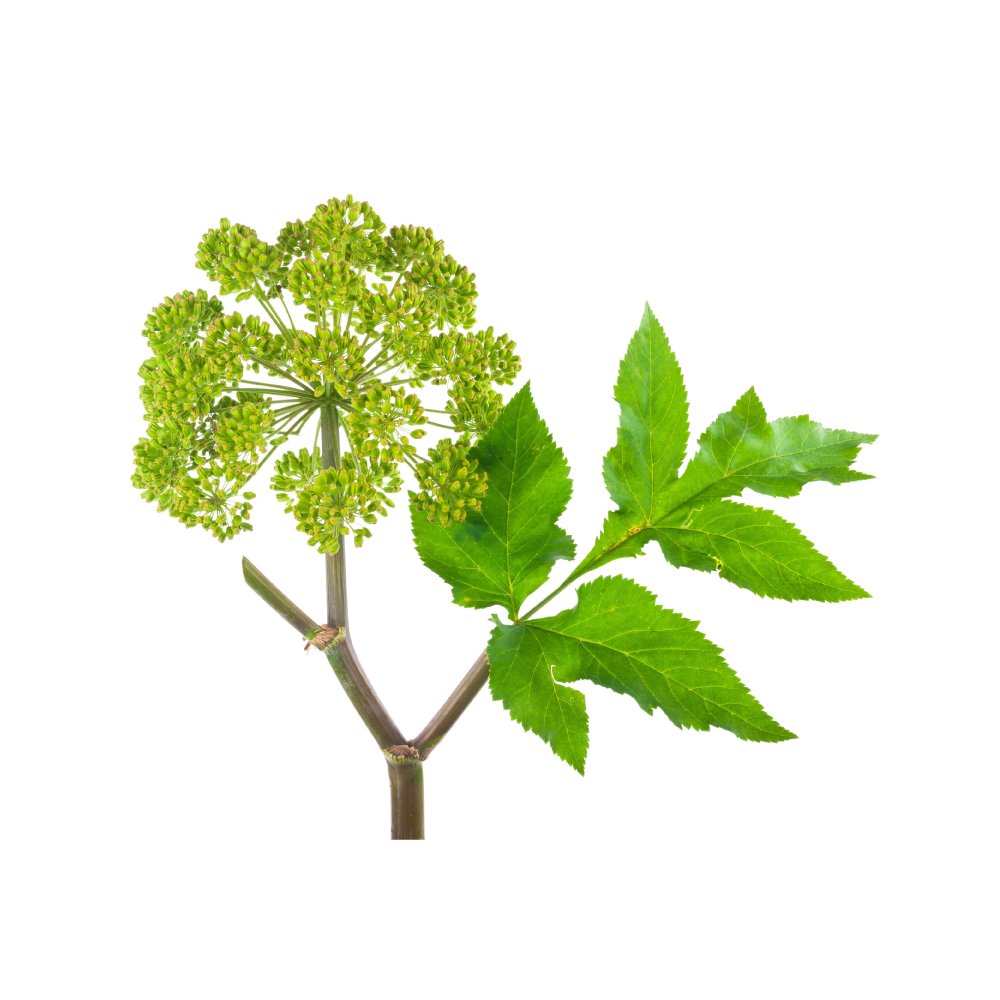 Source Angelica Angelica archangelica Herb monograph →
 Source Cannabis Cannabis sativa Herb monograph →
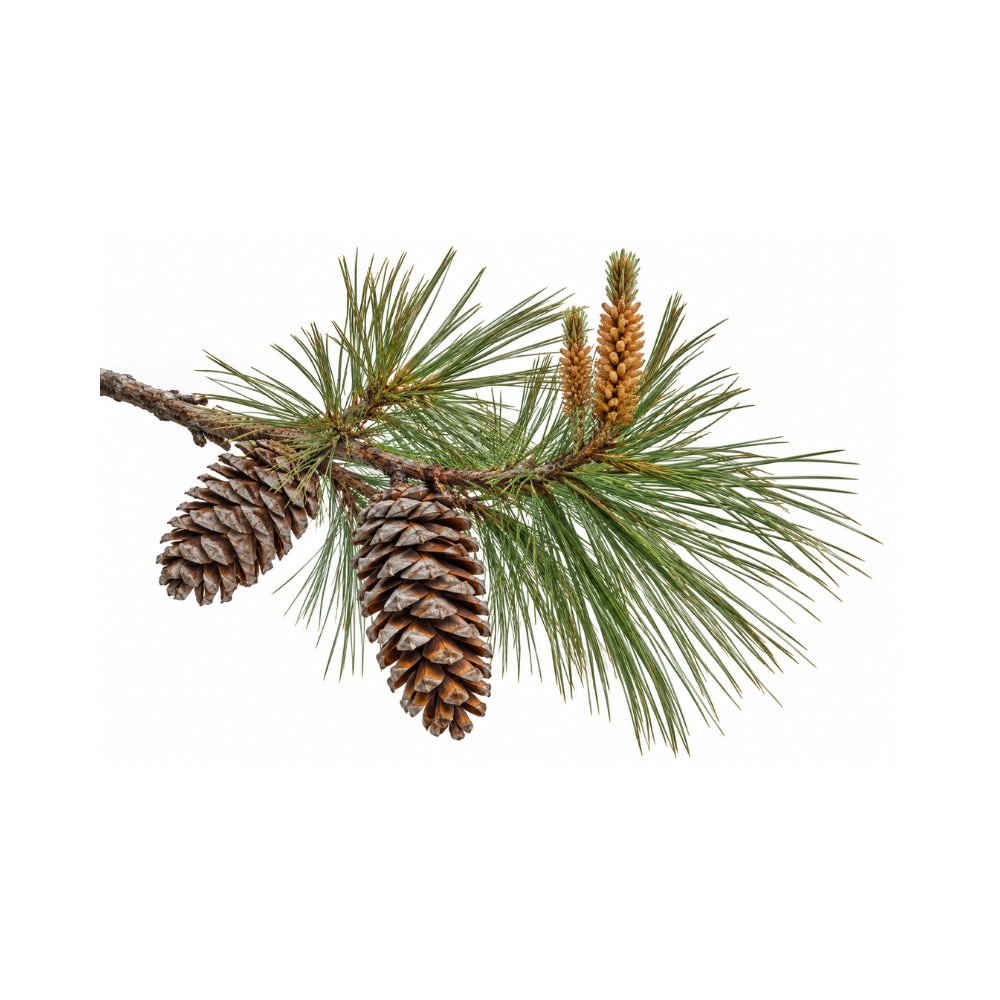 Source Chir Pine Pinus roxburghii Herb monograph →
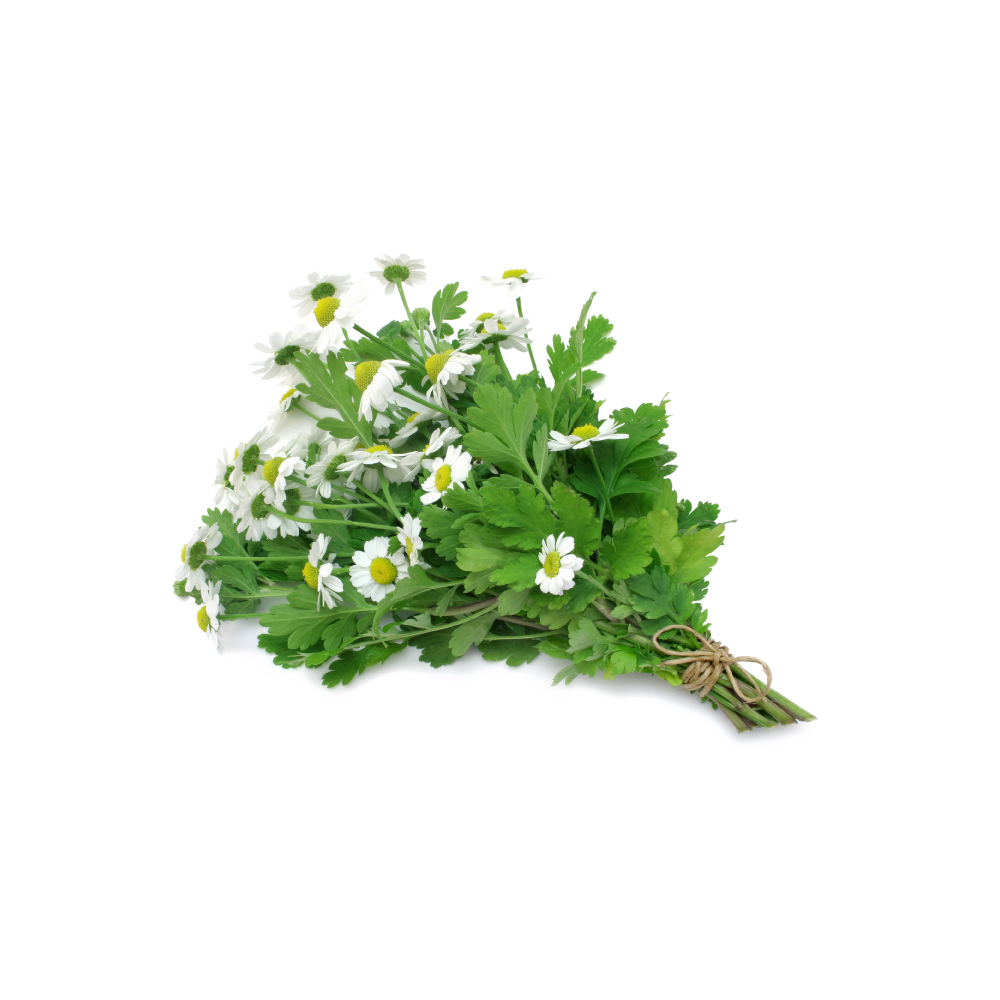 Source Feverfew Tanacetum parthenium Herb monograph →
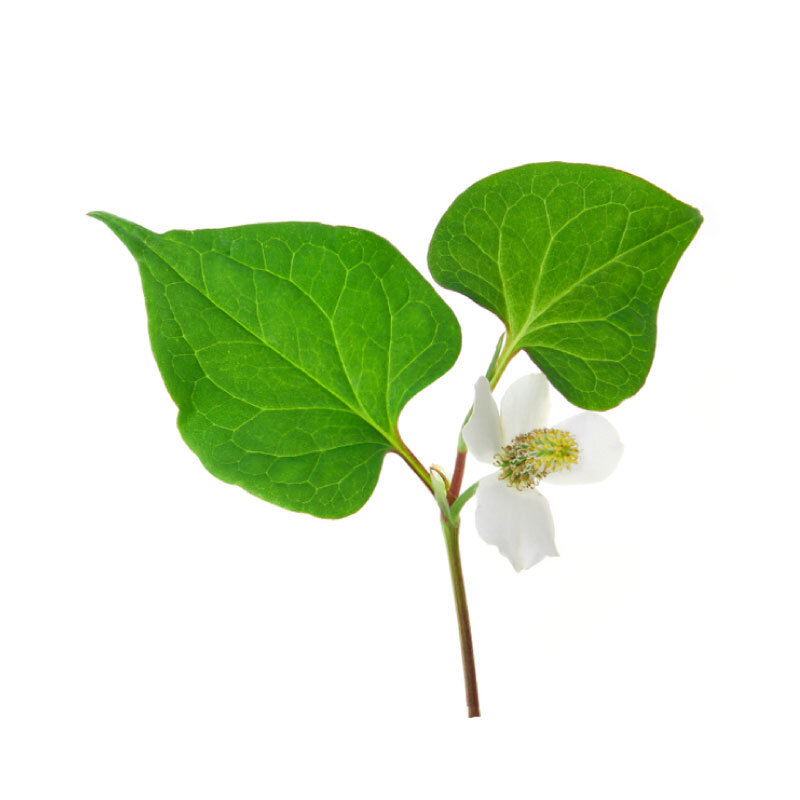 Source Fish Mint Houttuynia cordata Herb monograph →
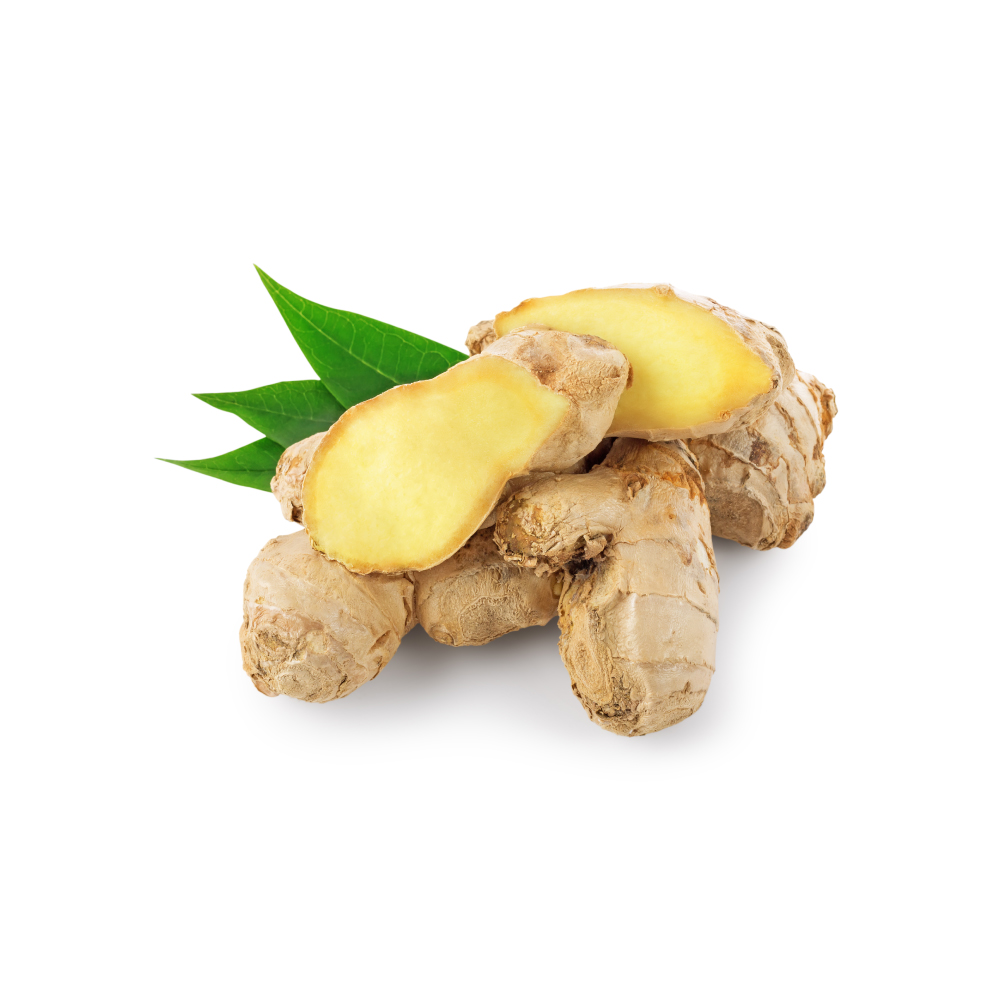 Source Ginger Zingiber officinale Herb monograph →
Photo coming soon
Source Korean Red Pine Pinus densiflora Herb monograph →
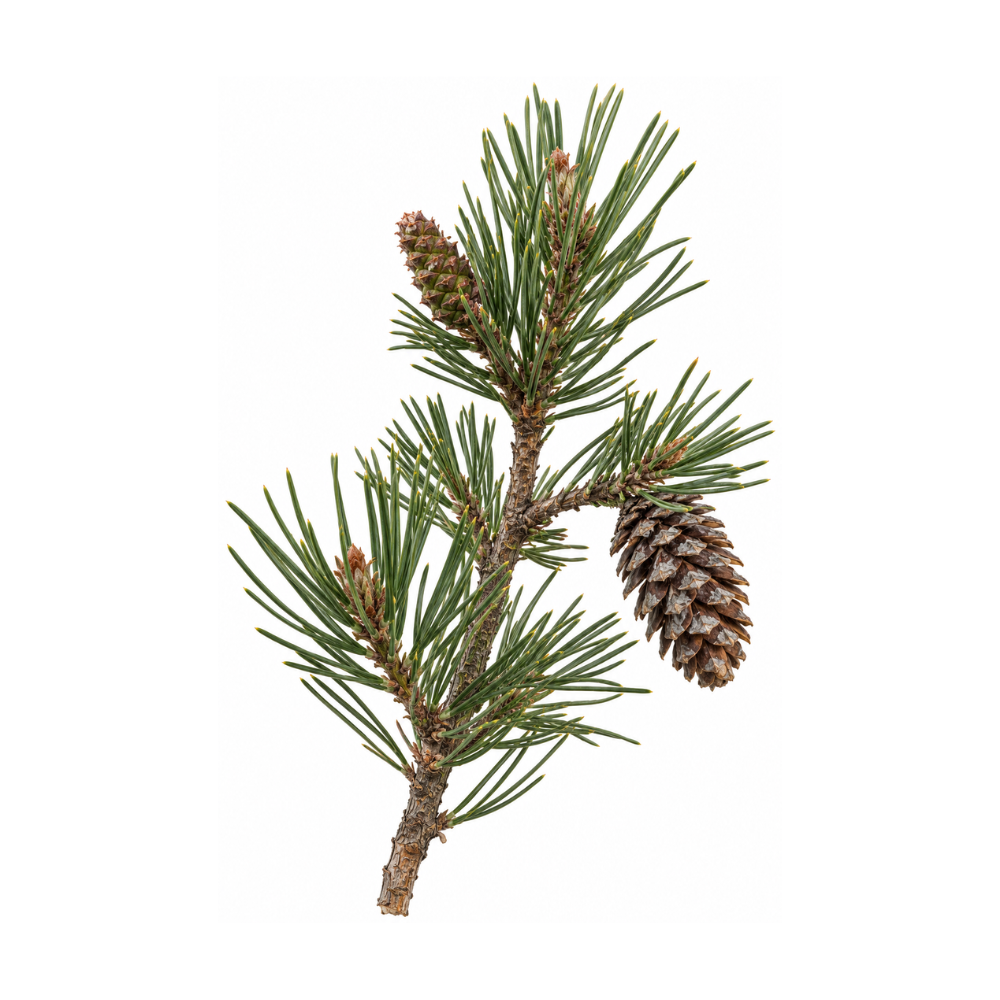 Source Lodgepole Pine Pinus contorta Herb monograph →
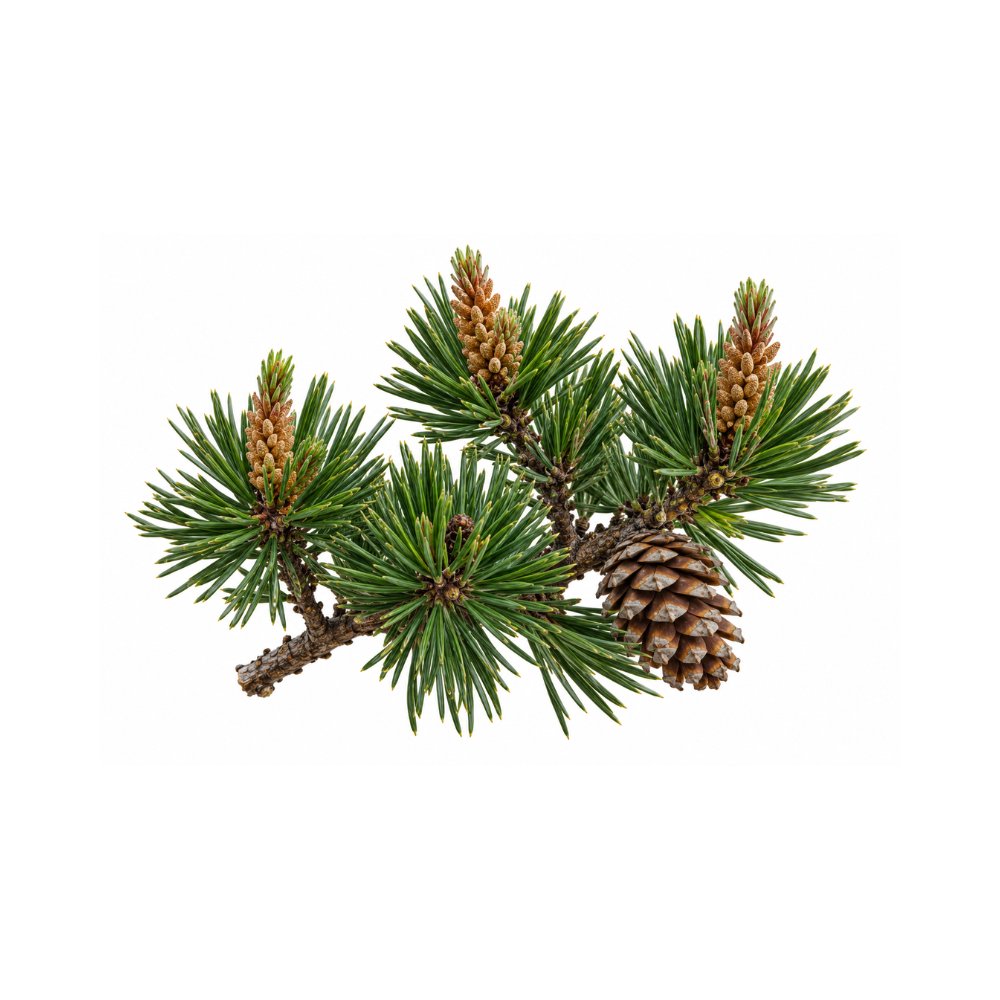 Source Mugo Pine Pinus mugo Herb monograph →
 Source Muira Puama Ptychopetalum olacoides Herb monograph →
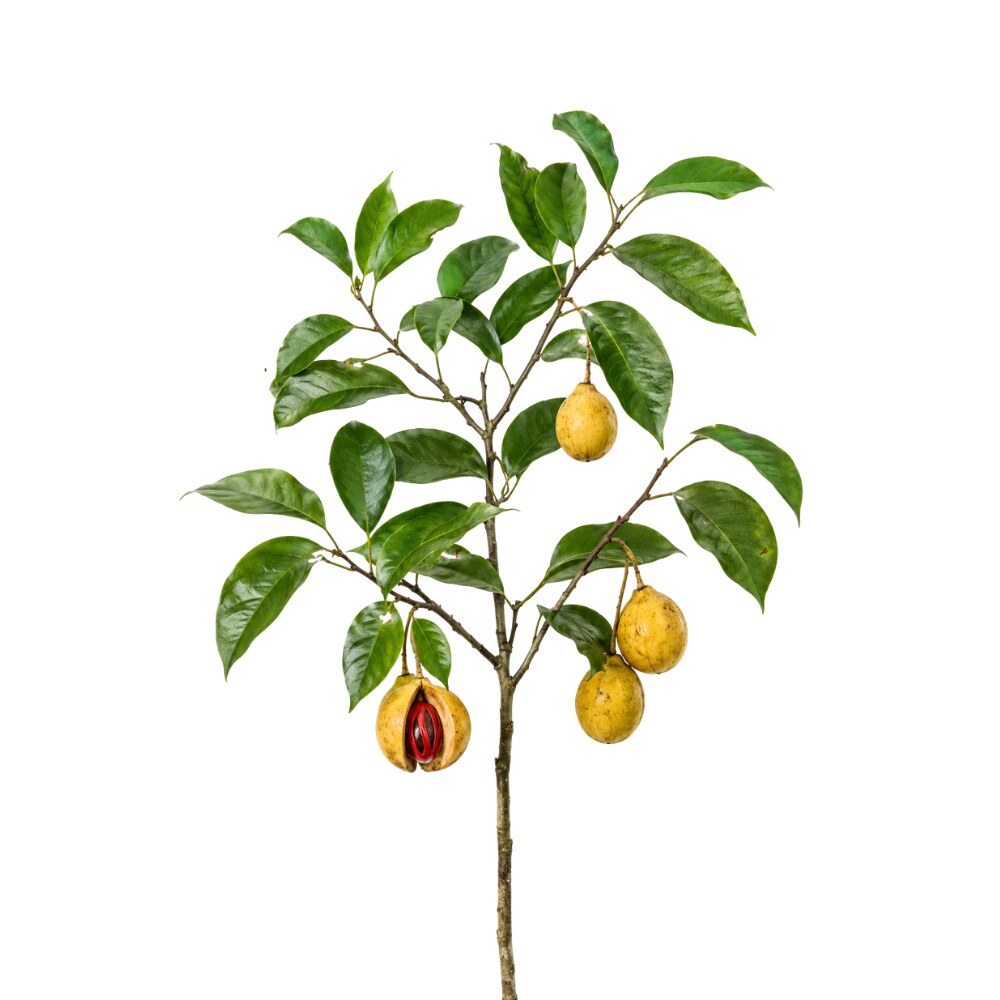 Source Nutmeg Myristica fragrans Herb monograph →
 Source Pine Pinus sylvestris Herb monograph →
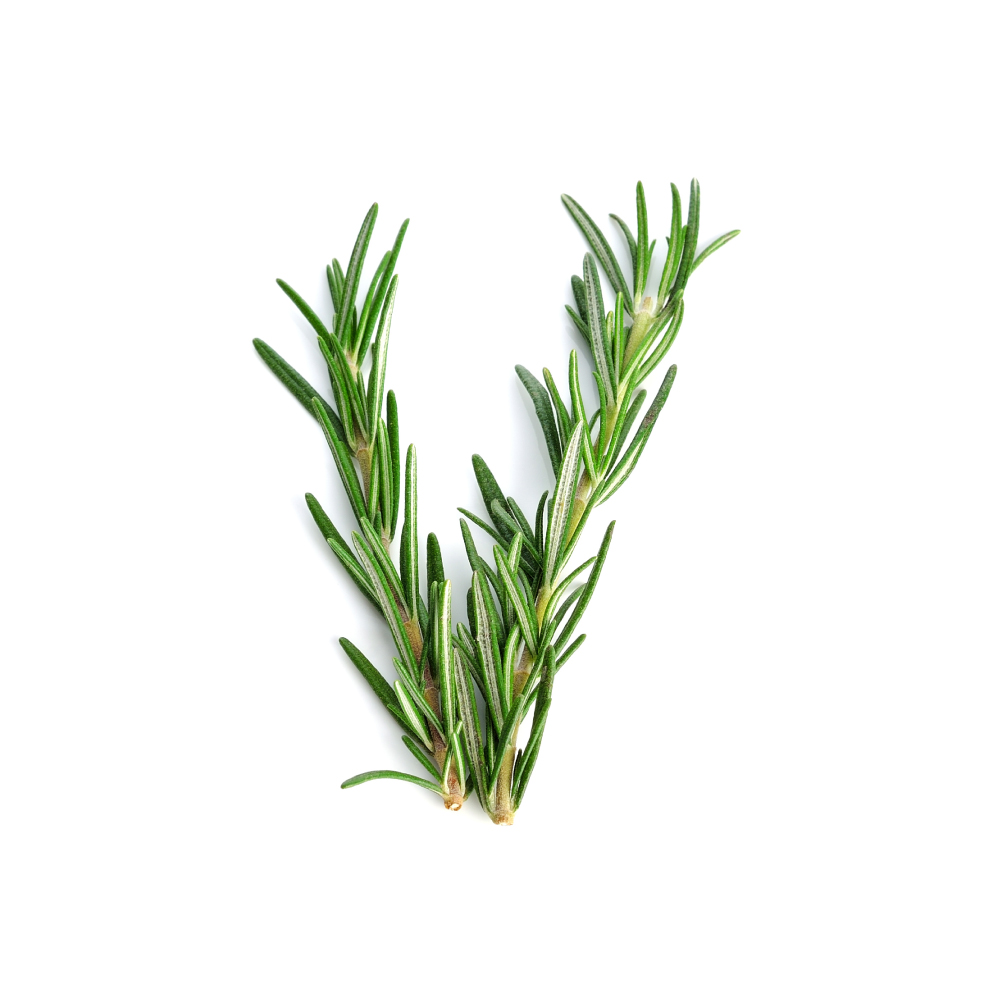 Source Rosemary Rosmarinus officinalis Herb monograph →
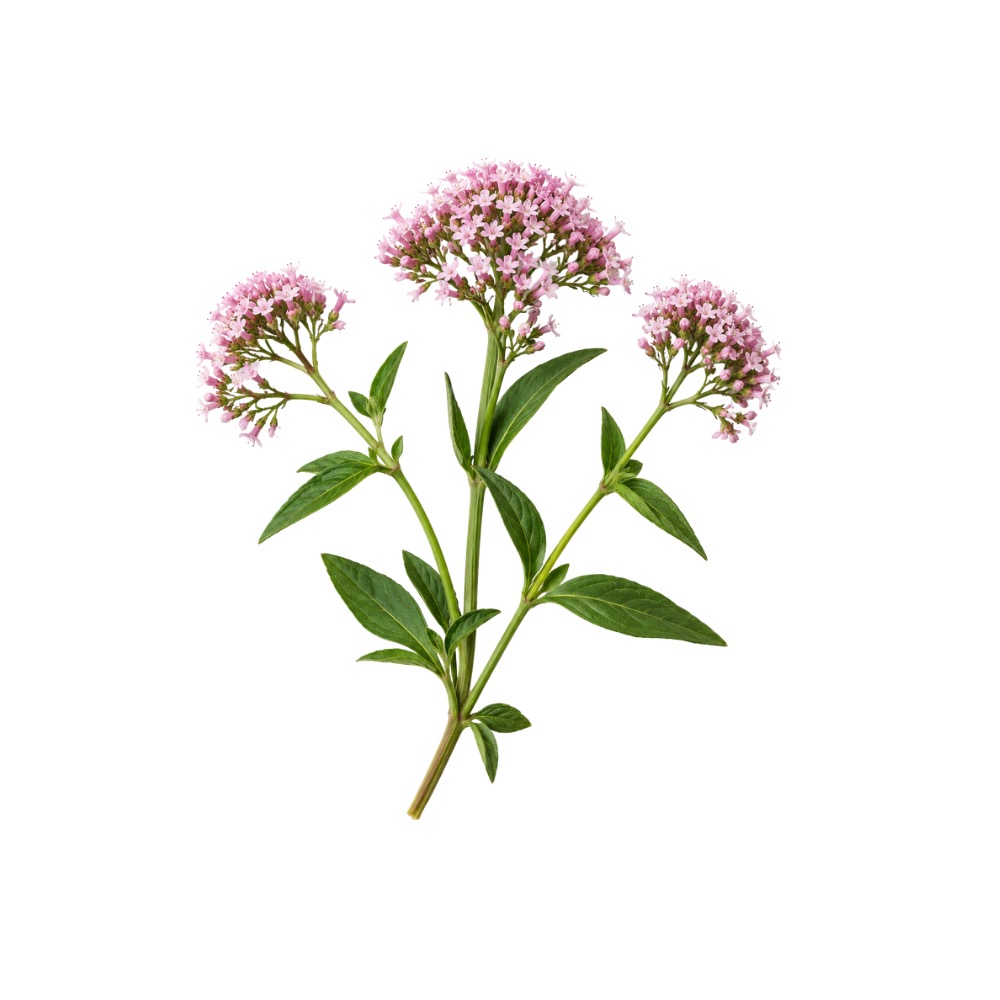 Source Valerian Valeriana officinalis Herb monograph →
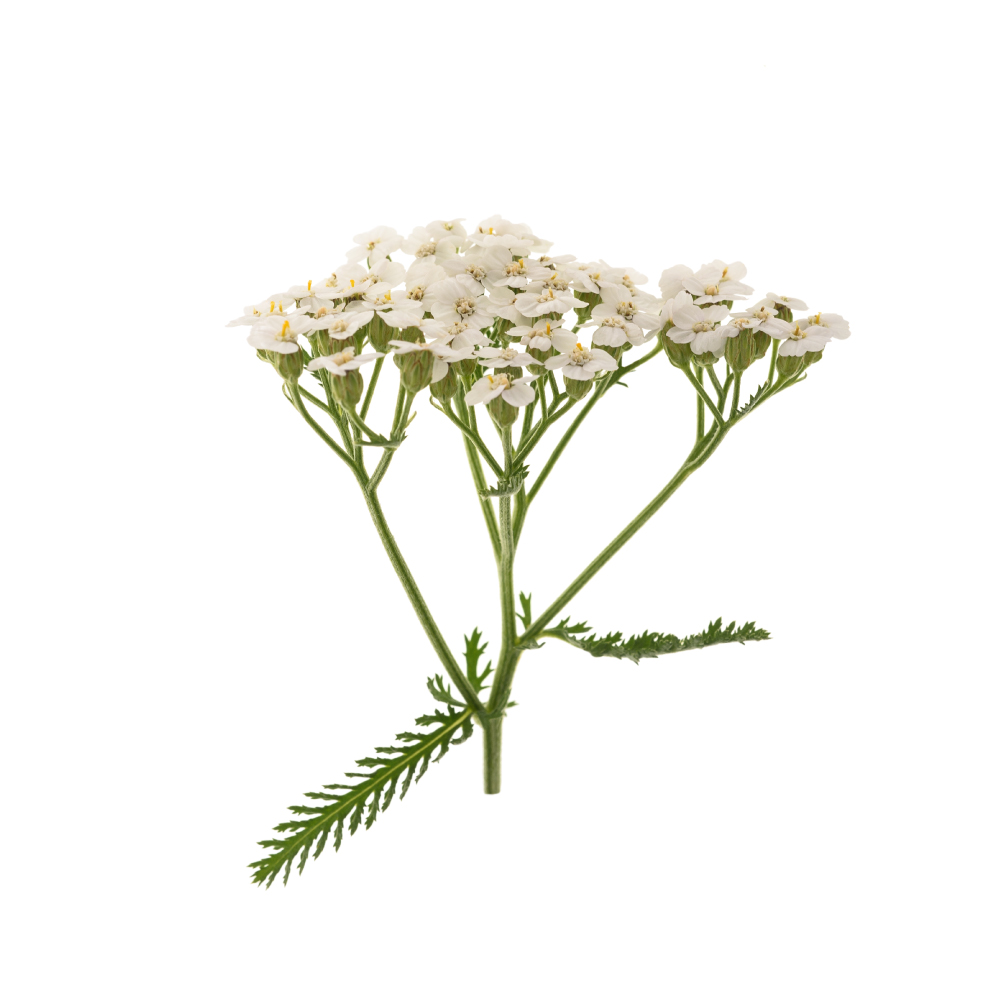 Source Yarrow Achillea millefolium Herb monograph →
Concentration
Content by Source
Reported concentrations across the plants that contain camphene — the bar marks the typical level, the line shows the reported range.
Literature figures for varying plant parts and preparations. Read them as a comparative guide, not exact assays.
Camphene at a Glance
Camphene is a bicyclic monoterpene — the hydrocarbon skeleton that camphor and borneol are built on, without the oxygen. It smells camphoraceous and piney, is a solid at room temperature rather than a liquid like most monoterpenes, and turns up in the volatile oil of most camphor-scented plants: firs and pines, the sagebrushes and other Artemisia, rosemary, nutmeg, ginger and valerian.
It is almost always a minor component, and how minor is a question about chemotype rather than about species. In Idaho subalpine fir the foliar oil runs 7.4–10.9% camphene; the same species in corkbark and Rocky Mountain material has historically been reported at 15–34% 4Reference 4Gymnosperms of Idaho: chemical compositions and enantiomeric distributions of essential oils of Abies lasiocarpa, Picea engelmannii, Pinus contorta, Pseudotsuga menziesii, and Thuja plicataView study →. A camphene percentage attached to a plant name without a provenance is not a fact about that plant.
Its pharmacology is thin and one-sided. A single research group has reported that camphene lowers plasma cholesterol and triglycerides in hyperlipidemic rats without inhibiting HMG-CoA reductase — the enzyme statins block — and traced the effect to SREBP-1 and microsomal triglyceride transfer protein instead 1,
A Chemotype Number, Not a Species Constant
The Idaho gymnosperm survey is a good illustration of why camphene figures need provenance. It analysed the essential oils of subalpine fir, Engelmann spruce, lodgepole pine, Douglas fir and western redcedar by GC-MS, GC-FID and chiral GC-MS, with oil yields ranging from 0.66% to 4.70% 4Reference 4Gymnosperms of Idaho: chemical compositions and enantiomeric distributions of essential oils of Abies lasiocarpa, Picea engelmannii, Pinus contorta, Pseudotsuga menziesii, and Thuja plicataView study →. Within one species, Abies lasiocarpa, the picture splits geographically: the Idaho material sampled ran 7.4–10.9% camphene, against historical reports of 15–34% from corkbark and Rocky Mountain chemotypes — and coastal subalpine fir is a different oil again, dominated by β-phellandrene at over a third of the oil.
The same pattern holds in the herbs. Rosemary oil separates into chemotypes on 1,8-cineole, camphor and verbenone content, with every other constituent moving accordingly 5Reference 5Chemotypic characterization and biological activity of Rosmarinus officinalisView study →; Artemisia oils split so sharply by species that camphene-and-camphor oils and ocimene-and-farnesene oils sit in the same genus 6Reference 6In vitroScreening of chemical composition, antimicrobial and antioxidant activities of Artemisia essential oils — in vitroView study →.
The practical reading: camphene is a marker of the camphoraceous chemotype rather than of any plant. Where you find it in quantity you will usually also find camphor, borneol, bornyl acetate and 1,8-cineole, because they share a biosynthetic neighbourhood — and where the chemotype shifts, all of them move together.
What It's Used For
One line of work, from one group, is responsible for essentially all of camphene’s pharmacological interest.
The finding came out of work on Chios mastic gum oil, not on conifers. Mastic gum oil lowered serum cholesterol and triglycerides dose-dependently in both naïve and detergent-induced hyperlipidemic rats, and when its components were tested individually the activity tracked camphene. Camphene at 30 µg per gram of body weight produced a 54.5% reduction in total cholesterol in hyperlipidemic rats, with a significant fall in triglycerides. In HepG2 cells it reduced cellular cholesterol as much as mevinolin did — but HMG-CoA reductase activity was unaffected, ruling out the statin mechanism 1Reference 1AnimalCamphene, a plant-derived monoterpene, reduces plasma cholesterol and triglycerides in hyperlipidemic rats independently of HMG-CoA reductase activity — animalView study →.
The follow-up study located the difference. Camphene inhibited de novo cholesterol synthesis from labelled acetate by up to 39% at 100 µM (mevinolin nearly abolished it), reduced triglycerides by 34% and increased apolipoprotein AI expression — where mevinolin raised triglycerides by 26%. Camphene increased nuclear translocation of mature SREBP-1, while the statin acted on SREBP-2, and the authors proposed inhibition of microsomal triglyceride transfer protein downstream of SREBP-1 as the mechanism 2Reference 2In vitroCamphene, a plant derived monoterpene, exerts its hypolipidemic action by affecting SREBP-1 and MTP expression — in vitroView study →.
Gap: two papers, one laboratory, no independent replication, and no step into humans in the fifteen years since. The rat dose is large relative to any dietary or aromatic exposure, and the plant that produced the finding — mastic — is not among the conifers and Artemisia species where camphene is usually encountered. The work also underpins a patent application, which is disclosed in the first paper.
Mechanisms
| Target / pathway | Effect | Relevant to |
|---|---|---|
| HMG-CoA reductase | no inhibition — the explicit negative that separates camphene from statins | lipid lowering |
| SREBP-1 | increased nuclear translocation of the mature form (statins act on SREBP-2) | lipid lowering |
| Microsomal triglyceride transfer protein (MTP) | proposed inhibition downstream of SREBP-1 | triglyceride lowering |
| Apolipoprotein AI | increased expression in HepG2 cells | lipid profile |
| De novo cholesterol synthesis | up to 39% inhibition at 100 µM, partial rather than near-complete | lipid lowering |
The informative row is the first. A monoterpene that lowers cholesterol without touching the statin target is worth investigating precisely because it would not be redundant — which makes the absence of any follow-up in fifteen years the most notable thing about the molecule.
Pharmacokinetics
Nothing is established. There is no human absorption, distribution or half-life data for camphene, and the rat work reports dose and outcome without pharmacokinetic characterisation 1,
Clinical Trials
| Completed | Planned | Terminated | Preclinical |
|---|---|---|---|
| None | — | — | Hyperlipidemic rat model; HepG2 mechanism study |
Last checked: September 2026.
Isolate vs. Plant Studies
Camphene’s evidence is isolate work that started from a plant extract and never went back. The lipid-lowering studies isolated camphene precisely because they were trying to find which mastic gum oil component was responsible, and having found it, tested the pure compound 1,
The counterweight is that camphene appears in a very large number of oil analyses where nothing at all is attributed to it 4,
Prevalence in Nature
Camphene is widespread and consistently minor. It travels with camphor, borneol, bornyl acetate and 1,8-cineole, and its share moves with theirs.
Conifers are where it recurs most often. Subalpine fir foliar oil ran 7.4–10.9% in Idaho material, with historical reports of 15–34% from corkbark and Rocky Mountain chemotypes; grand fir, Douglas fir and lodgepole pine all carry it in their needle oils alongside the pinenes, myrcene and bornyl acetate, and the Idaho survey found essential-oil yields across these gymnosperms ranging from 0.66% to 4.70% 4Reference 4Gymnosperms of Idaho: chemical compositions and enantiomeric distributions of essential oils of Abies lasiocarpa, Picea engelmannii, Pinus contorta, Pseudotsuga menziesii, and Thuja plicataView study →.
Asteraceae carry it through the camphor-type oils: fringed sage and big sagebrush, where camphene sits alongside camphor and 1,8-cineole 6Reference 6In vitroScreening of chemical composition, antimicrobial and antioxidant activities of Artemisia essential oils — in vitroView study →, and Canadian goldenrod.
Lamiaceae and culinary spices — rosemary, where camphene moves with the chemotype 5Reference 5Chemotypic characterization and biological activity of Rosmarinus officinalisView study →; nutmeg, ginger and valerian, each carrying it as a small part of a complex oil.
Chios mastic gum (Pistacia lentiscus, Anacardiaceae) is the outlier that matters, because it is the oil the lipid-lowering work came from 1Reference 1AnimalCamphene, a plant-derived monoterpene, reduces plasma cholesterol and triglycerides in hyperlipidemic rats independently of HMG-CoA reductase activity — animalView study →.
Discovery & Synthesis
Camphene belongs to the founding chemistry of the terpene field, where it was defined by its relationships: dehydrate borneol and you get camphene; hydrate camphene and you get isoborneol; oxidise that and you get camphor. Those interconversions were how nineteenth-century chemists mapped the bicyclic terpenes, and they are still how camphene is made.
Industrially, camphene is an intermediate rather than a product. It is manufactured by acid-catalysed isomerisation of α-pinene from turpentine, and consumed mainly in the synthesis of camphor and of isobornyl acetate — a large-volume fragrance material. Enzymatic and biocatalytic routes to camphor from renewable feedstocks are an active alternative to the classical camphene route 9Reference 9Simple plug-in synthetic step for the synthesis of (-)-camphor from renewable starting materialsView study →.
Patents: not yet researched.
Toxaphene: Camphene’s Industrial Afterlife
Camphene’s least-known role is as the feedstock for one of the twentieth century’s worst pesticides, and the distinction between the two is worth making explicitly because the names are nearly the same.
Toxaphene is chlorinated camphene — camphene reacted with chlorine to about 67–69% by weight, giving a mixture of hundreds of chlorinated bornanes and camphenes. It was among the most heavily used insecticides in the United States before being banned in 1982. It proved to be a persistent organochlorine of the DDT class: residues have been documented across the biosphere, in fish, wildlife, soil, water, rain and human milk, and it has been found in lakes at toxic concentrations five years after fish kills 7Reference 7ReviewToxaphene: chemistry, biochemistry, toxicity and environmental fate — reviewView study →. It is listed as reasonably anticipated to be a human carcinogen 8Reference 8ReviewToxaphene — monographView study →.
None of that is camphene’s toxicology. Chlorination changes the molecule into something with different persistence, different metabolism and a different hazard entirely — the same relationship that holds between any hydrocarbon and its organochlorine derivative. Camphene itself is a food and fragrance constituent with a formal safety assessment 3Reference 3ReviewRIFM fragrance ingredient safety assessment, camphene, CAS Registry Number 79-92-5 — reviewView study →. The connection is worth knowing because it explains why the word “camphene” appears in environmental-toxicology literature, and it is worth stating clearly so that it is not read as a finding about the plant compound.
Toxicity & Safety
Camphene carries a low flag. It is a widespread food and fragrance constituent with a published fragrance-ingredient safety assessment 3Reference 3ReviewRIFM fragrance ingredient safety assessment, camphene, CAS Registry Number 79-92-5 — reviewView study →, encountered daily in spices, aromatic herbs and perfumery.
- A long-established food and fragrance constituent with a formal safety assessment at the exposure levels people actually meet.
- Concentrated conifer and sagebrush oils are irritant and flammable. Camphene is a volatile hydrocarbon and behaves like one; dilute for topical use.
- Do not read toxaphene’s hazard onto camphene. Toxaphene is the heavily chlorinated derivative — a banned, persistent, probable human carcinogen — and it is a different substance.
- The lipid-lowering result is a rat finding. A 54.5% cholesterol reduction is a striking number and it has no human counterpart; camphene is not a lipid treatment.
Full Safety & Interactions Detail
What is established. Camphene has a published RIFM fragrance-ingredient safety assessment 3Reference 3ReviewRIFM fragrance ingredient safety assessment, camphene, CAS Registry Number 79-92-5 — reviewView study → and a long history of dietary exposure through spices and aromatic herbs. No pattern of harm is documented at those exposures.
What is not. There is no human toxicology, no repeat-dose or genotoxicity package characterised here for the isolate, and no pharmacokinetic study. The absence is the ordinary one for a minor essential-oil constituent, not a specific warning.
Toxaphene, again. The chlorinated derivative’s persistence, bioaccumulation and carcinogenicity classification 7,
A theoretical interaction worth flagging. If the SREBP-1/MTP mechanism reported in rats and hepatocytes were to operate in people, camphene would be acting on the same lipid-handling machinery that several drugs target, by a different route from statins 1,
Reproductive note. No reproductive-toxicity dataset for isolated camphene is characterised here. Pregnancy and lactation decisions belong to the herb or product page.
Dosage
No human dose has been established for camphene. The figures below are research and composition reference points.
| Context | Figure |
|---|---|
| Hyperlipidemic rat model | 30 µg per gram of body weight 1Reference 1AnimalCamphene, a plant-derived monoterpene, reduces plasma cholesterol and triglycerides in hyperlipidemic rats independently of HMG-CoA reductase activity — animalView study → |
| HepG2 cell mechanism study | up to 100 µM 2Reference 2In vitroCamphene, a plant derived monoterpene, exerts its hypolipidemic action by affecting SREBP-1 and MTP expression — in vitroView study → |
| Subalpine fir foliar oil, Idaho material | 7.4–10.9% of the oil 4Reference 4Gymnosperms of Idaho: chemical compositions and enantiomeric distributions of essential oils of Abies lasiocarpa, Picea engelmannii, Pinus contorta, Pseudotsuga menziesii, and Thuja plicataView study → |
| Subalpine fir, corkbark / Rocky Mountain chemotypes | historically 15–34% of the oil 4Reference 4Gymnosperms of Idaho: chemical compositions and enantiomeric distributions of essential oils of Abies lasiocarpa, Picea engelmannii, Pinus contorta, Pseudotsuga menziesii, and Thuja plicataView study → |
These are research figures and are not a personal recommendation.
References
- Vallianou I, Peroulis N, Pantazis P, et al. (2011). Camphene, a plant-derived monoterpene, reduces plasma cholesterol and triglycerides in hyperlipidemic rats independently of HMG-CoA reductase activity — animal. PLoS One. https://pubmed.ncbi.nlm.nih.gov/22073134/
- Vallianou I, Hadzopoulou-Cladaras M (2016). Camphene, a plant derived monoterpene, exerts its hypolipidemic action by affecting SREBP-1 and MTP expression — in vitro. PLoS One. https://pubmed.ncbi.nlm.nih.gov/26784701/
- Api AM, Belsito D, Botelho D, et al. (2023). RIFM fragrance ingredient safety assessment, camphene, CAS Registry Number 79-92-5 — review. Food Chem Toxicol. https://pubmed.ncbi.nlm.nih.gov/38029877/
- Swor K, Satyal P, Poudel A, et al. (2023). Gymnosperms of Idaho: chemical compositions and enantiomeric distributions of essential oils of Abies lasiocarpa, Picea engelmannii, Pinus contorta, Pseudotsuga menziesii, and Thuja plicata. Molecules. https://pubmed.ncbi.nlm.nih.gov/36985451/
- Satyal P, Jones TH, Lopez EM, et al. (2017). Chemotypic characterization and biological activity of Rosmarinus officinalis. Foods. https://pubmed.ncbi.nlm.nih.gov/28273883/
- Lopes-Lutz D, Alviano DS, Alviano CS, et al. (2008). Screening of chemical composition, antimicrobial and antioxidant activities of Artemisia essential oils — in vitro. Phytochemistry. https://pubmed.ncbi.nlm.nih.gov/18417176/
- Saleh MA (1991). Toxaphene: chemistry, biochemistry, toxicity and environmental fate — review. Rev Environ Contam Toxicol. https://pubmed.ncbi.nlm.nih.gov/1992492/
- National Toxicology Program (2011). Toxaphene — monograph. Rep Carcinog. https://pubmed.ncbi.nlm.nih.gov/21863113/
- Calderini E, Drienovská I, Myrtollari K, et al. (2021). Simple plug-in synthetic step for the synthesis of (-)-camphor from renewable starting materials. Chembiochem. https://pubmed.ncbi.nlm.nih.gov/34033201/



