
Compound Monograph
Caryophyllene Oxide
Caryophyllene oxide is the epoxide oxidation product of β-caryophyllene — a widespread oxygenated essential-oil sesquiterpene, the odour marker cannabis-detection dogs are trained on, with preclinical anti-inflammatory, analgesic, anti-platelet and pro-apoptotic (anticancer) isolate activity. Unlike β-caryophyllene, it does not activate the CB2 cannabinoid receptor.

Sources · 14
Where Does It Come From?
Caryophyllene Oxide is a naturally occurring sesquiterpenoid (bicyclic sesquiterpene epoxide), found in Epazote, Jatoba, Cannabis and 11 other sources. It is well tolerated orally (low toxicity).
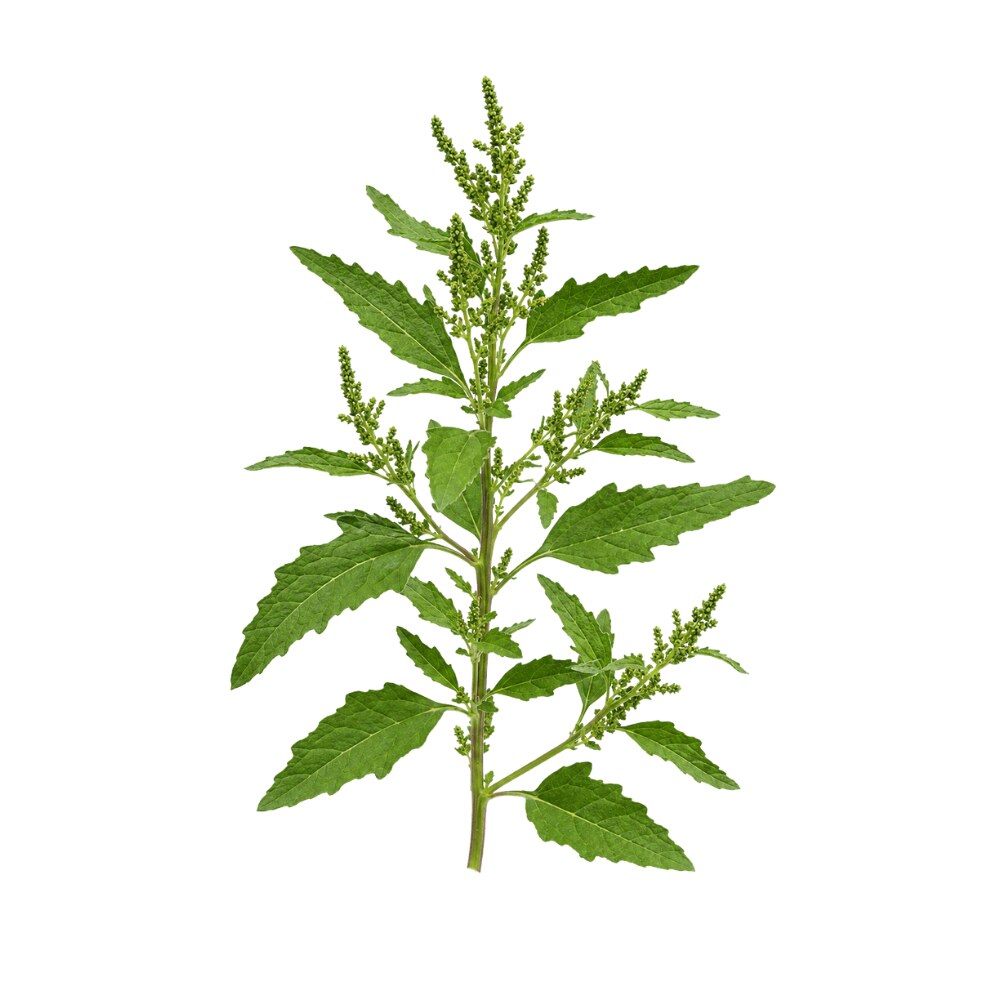 Principal source Epazote Dysphania ambrosioides Herb monograph →
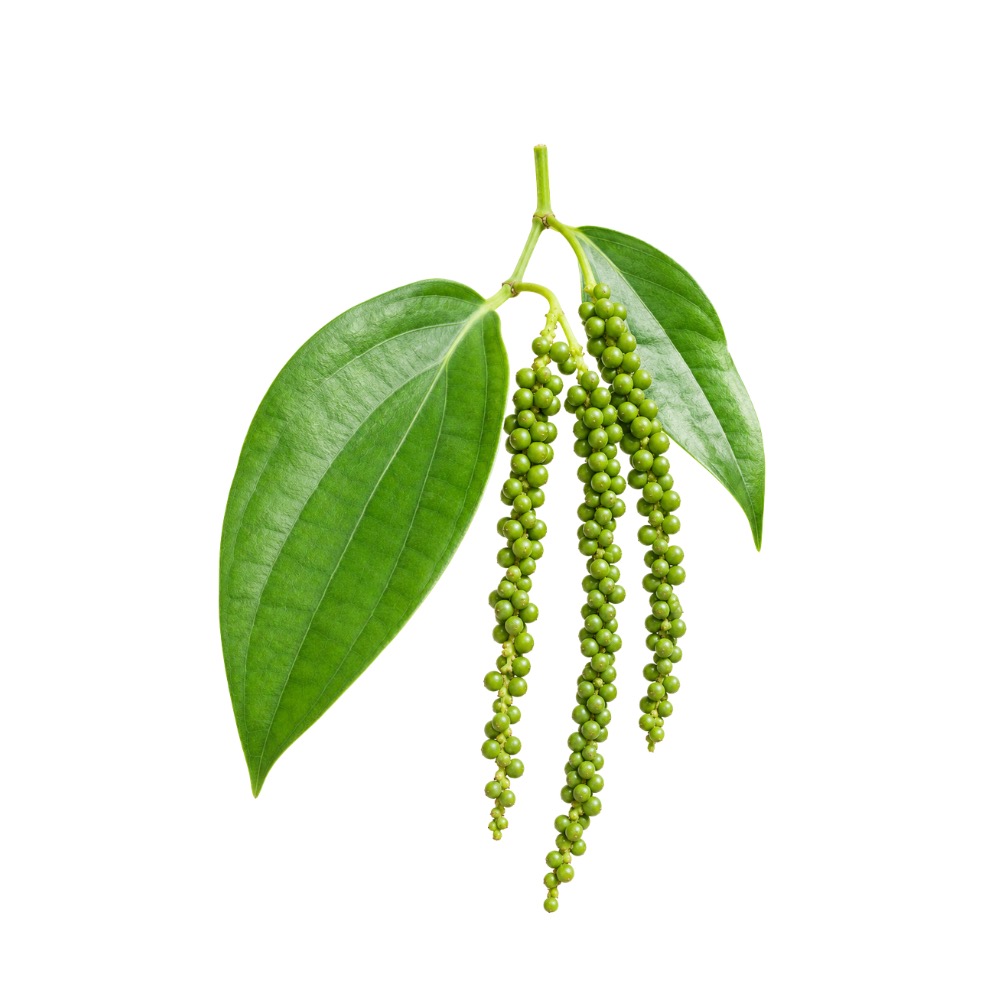 Source Black Pepper Piper nigrum Herb monograph →
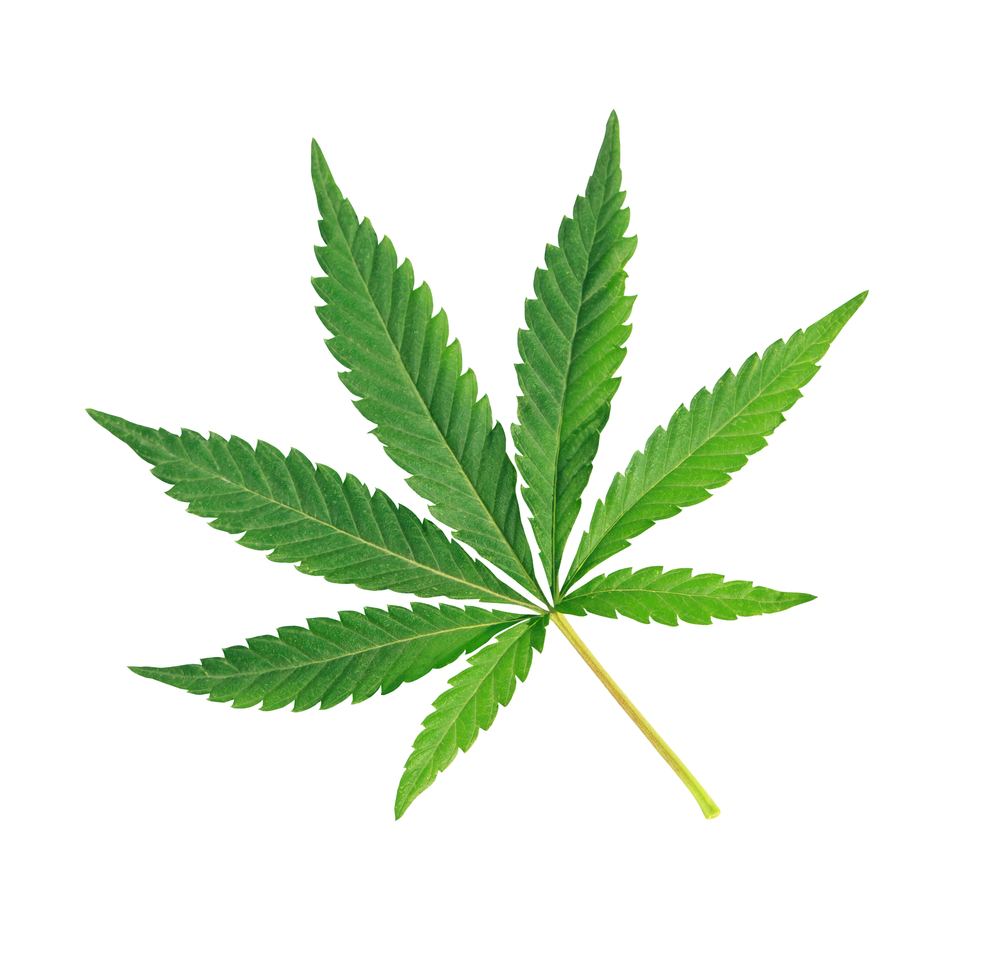 Source Cannabis Cannabis sativa Herb monograph →
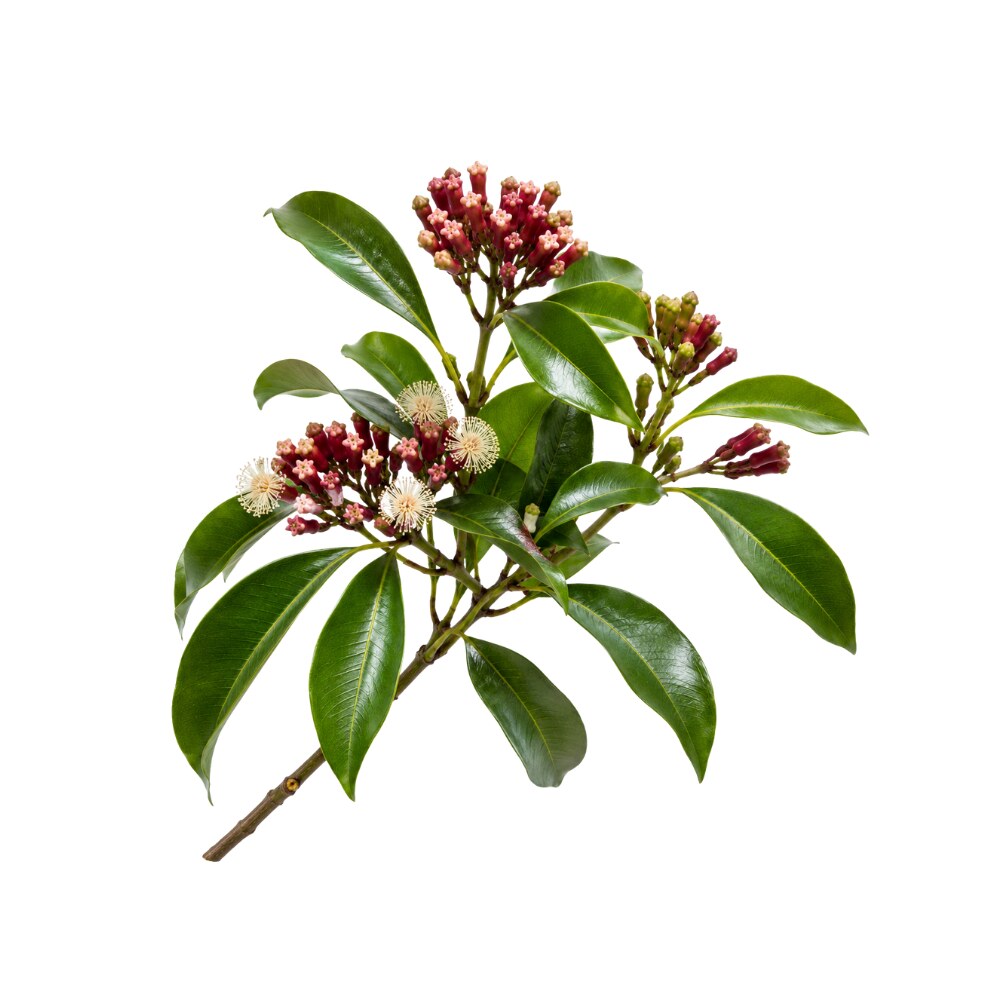 Source Clove Syzygium aromaticum Herb monograph →
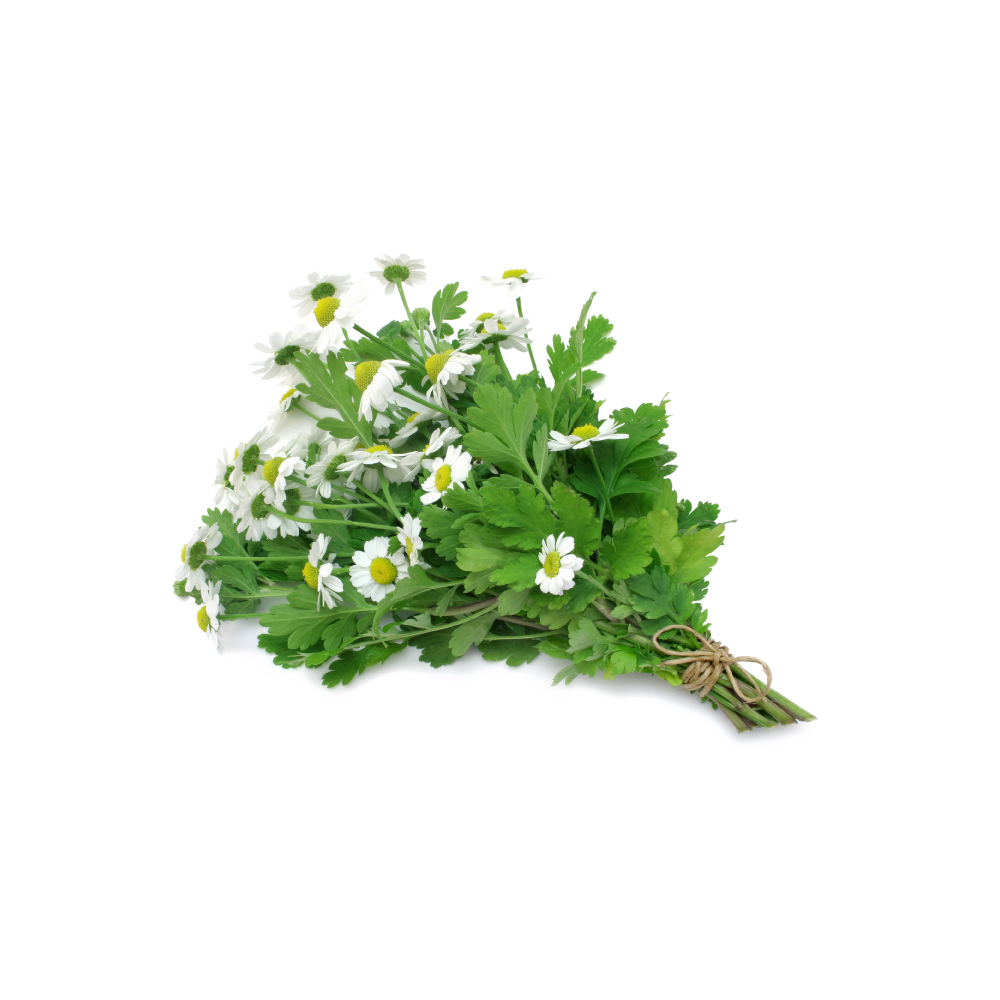 Source Feverfew Tanacetum parthenium Herb monograph →
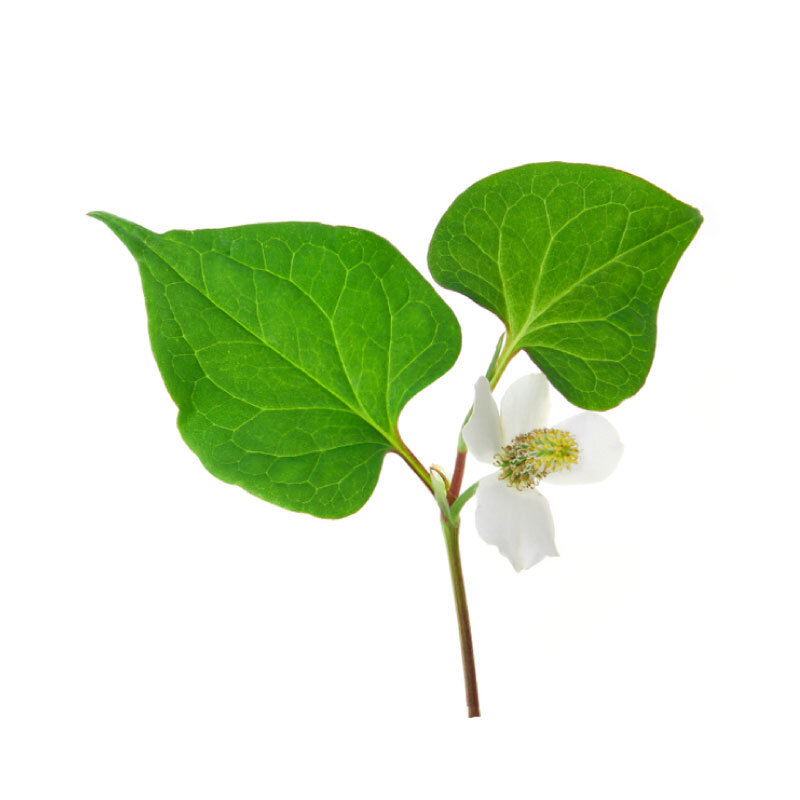 Source Fish Mint Houttuynia cordata Herb monograph →
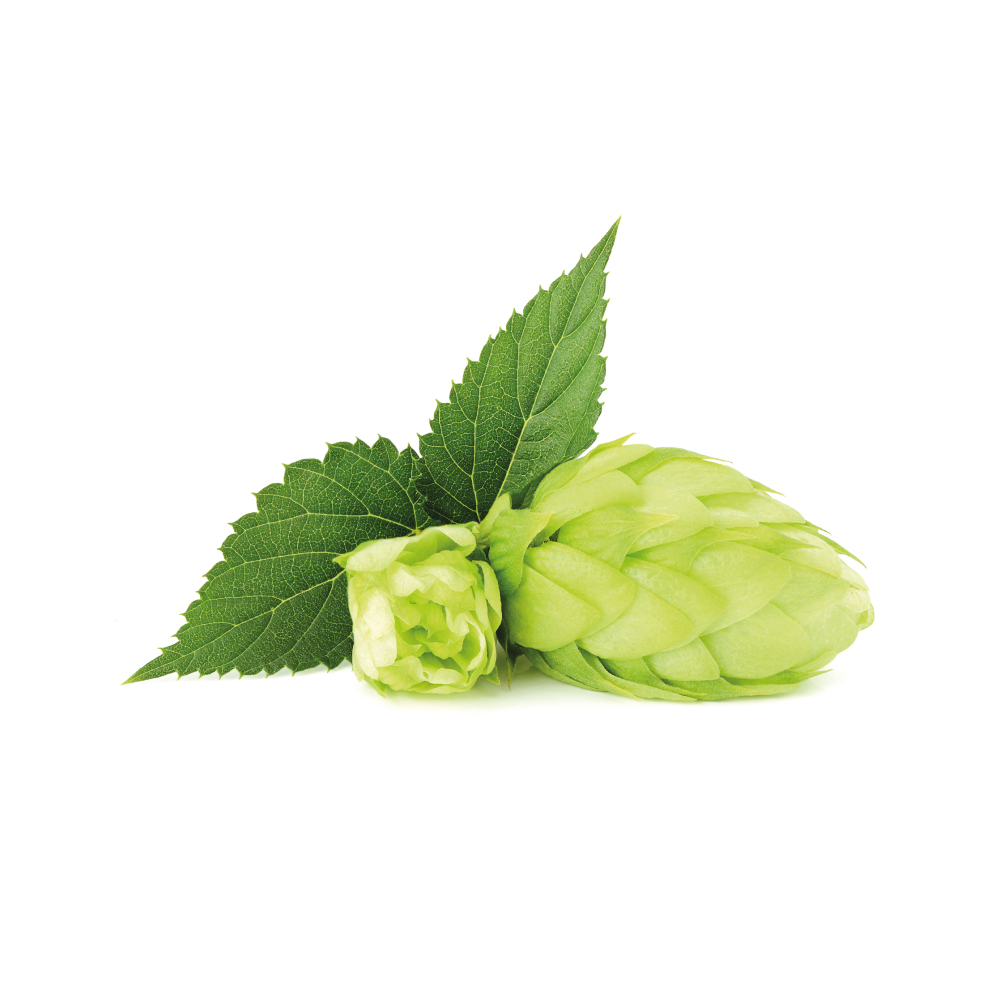 Source Hops Humulus lupulus Herb monograph →
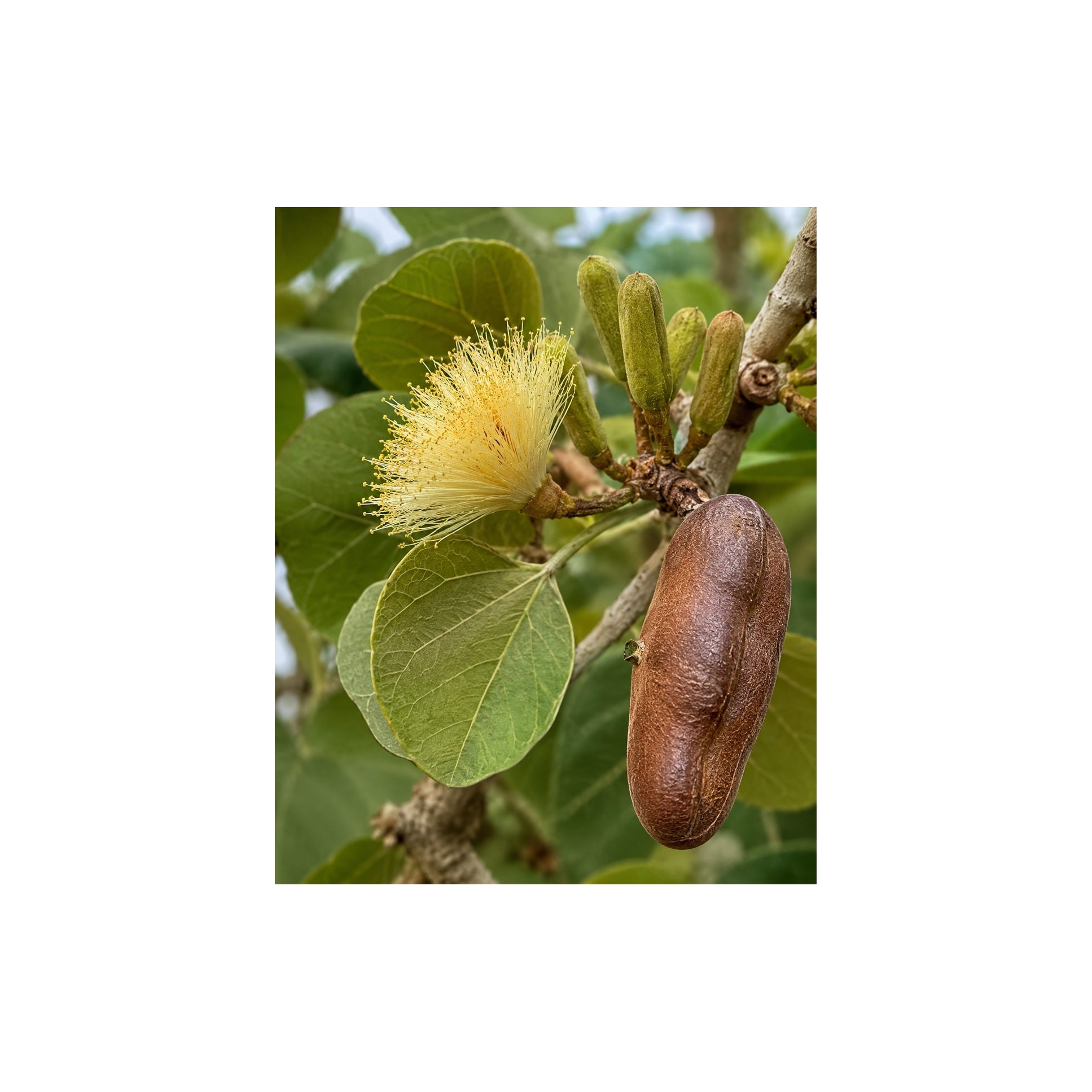 Source Jatobá Hymenaea courbaril Herb monograph →
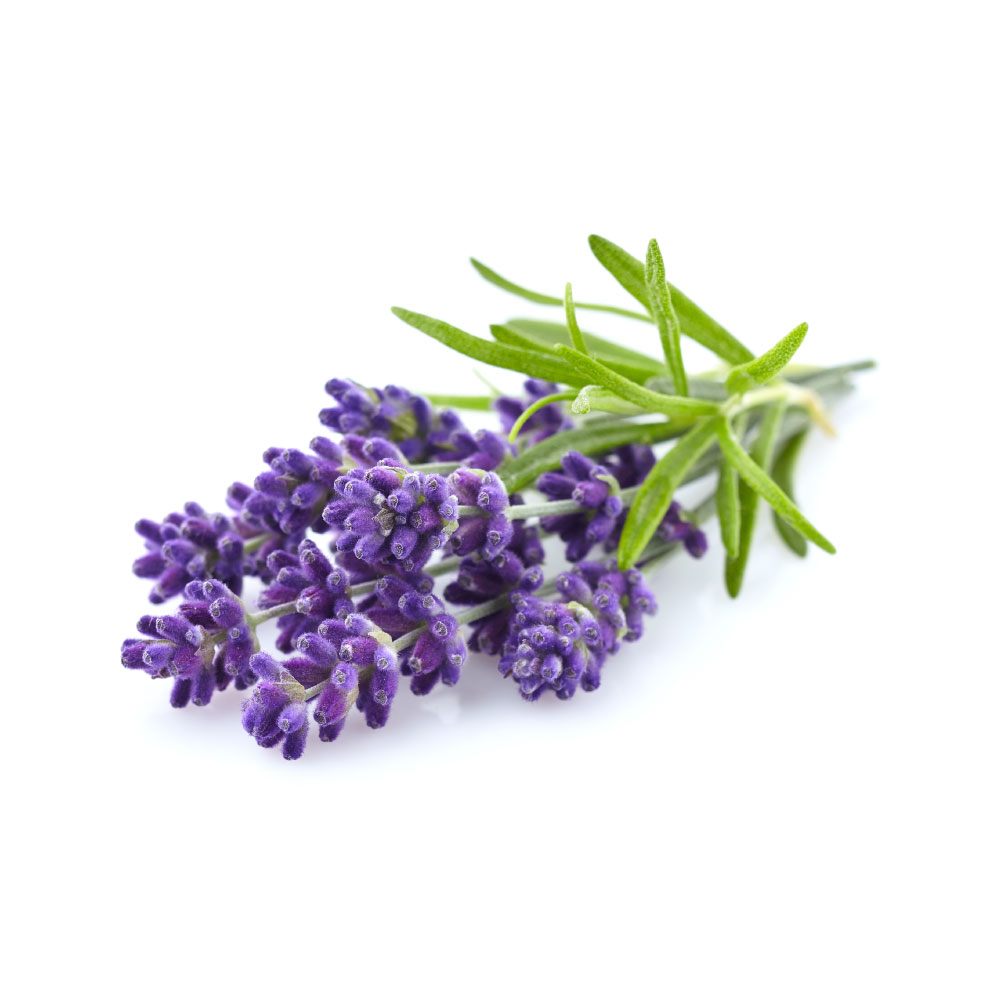 Source Lavender Lavandula angustifolia Herb monograph →
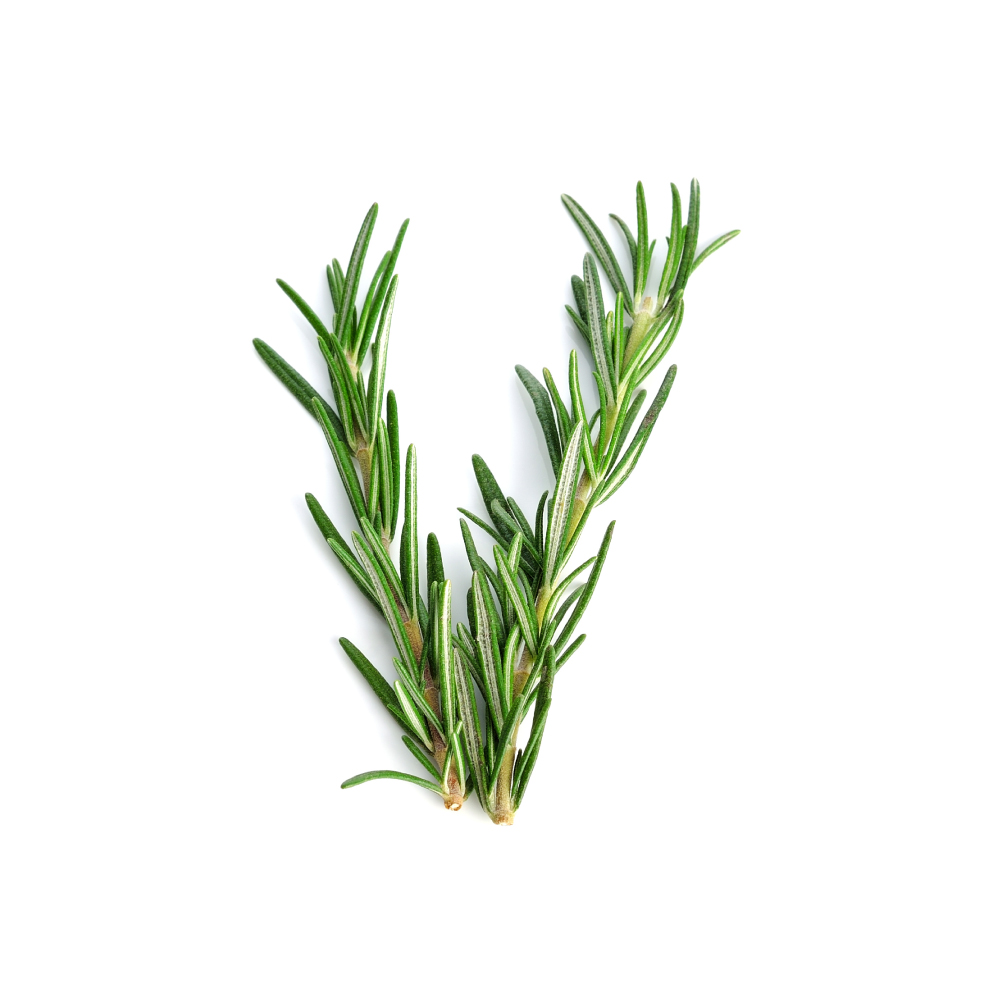 Source Rosemary Rosmarinus officinalis Herb monograph →
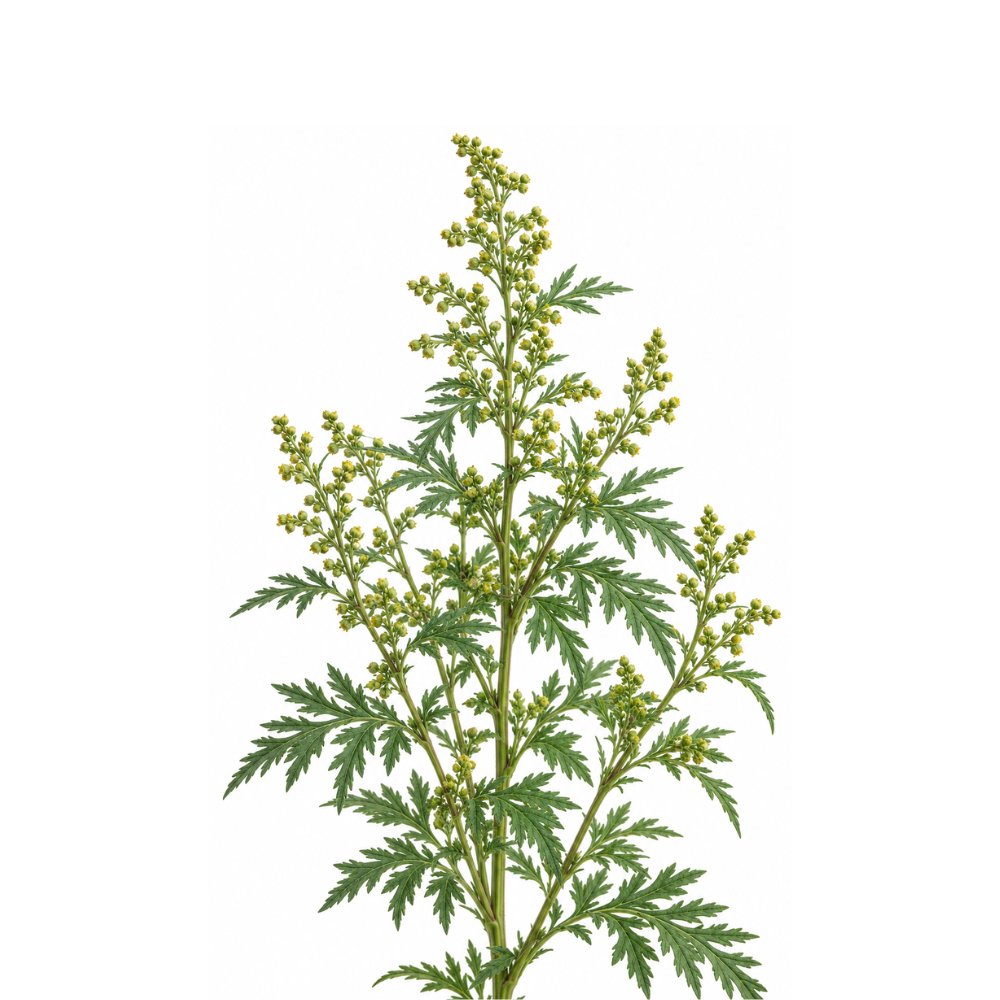 Source Sweet Wormwood Artemisia annua Herb monograph →
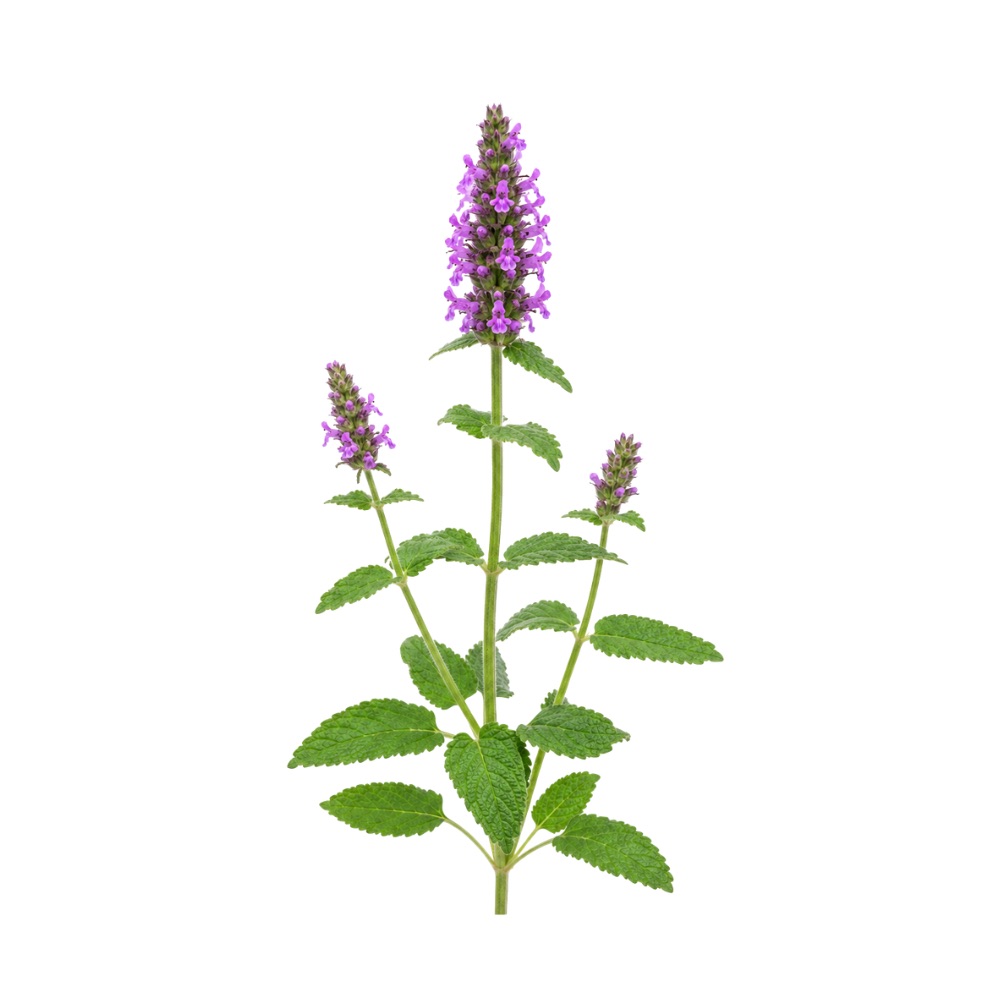 Source Wood Betony Stachys officinalis Herb monograph →
Concentration
Content by Source
Concentrations not reported. No percent-dry-weight or mg/g figures have been published for this compound in its source plants.
Caryophyllene Oxide at a Glance
Caryophyllene oxide is a naturally occurring bicyclic sesquiterpene epoxide — the oxidation (epoxidation) product of the peppery dietary sesquiterpene β-caryophyllene. It turns up across the plant kingdom as a minor oxygenated component of essential oils, and accumulates as those oils age, so it is often a marker of oxidised or cured plant material rather than a compound the plant makes in bulk. It is a defining volatile of epazote and jatoba leaves, and a well-known secondary terpene of cannabis, black pepper and clove.
Two facts make it distinctive. First, it is widely cited as the compound cannabis-detection dogs are trained to identify 1Reference 1Taming THC: potential cannabis synergy and phytocannabinoid-terpenoid entourage effectsView study →. Second — and easy to get wrong — it does not carry over β-caryophyllene’s cannabinoid pharmacology: the parent is a selective CB2-receptor agonist, whereas the oxide is not, and its own activity runs through non-cannabinoid routes 8Reference 8Fidyt K, et al. (2016). β-Caryophyllene and β-caryophyllene oxide — natural compounds of anticancer and analgesic properties. Cancer Medicine. https://pubmed.ncbi.nlm.nih.gov/27696789/View study →.
As an isolate it has a modest but genuine preclinical research base — anti-inflammatory and analgesic effects in rodents, in-vitro anti-platelet activity, and repeated in-vitro pro-apoptotic (anticancer) signals through NF-κB and PI3K/AKT suppression 2,
Caryophyllene Oxide vs. β-Caryophyllene
Caryophyllene oxide and β-caryophyllene are closely related but pharmacologically distinct, and conflating them is the most common error about this molecule.
They differ by one oxygen. β-Caryophyllene is a bicyclic sesquiterpene with a reactive exocyclic double bond; caryophyllene oxide is its epoxide — the product of that double bond being oxidised, whether enzymatically in the plant or simply by exposure to air, light and time. This is why the oxide builds up in stored, cured or aged material (dried cannabis, matured essential oils) as the parent slowly oxidises.
The load-bearing distinction is the cannabinoid receptor. β-Caryophyllene is notable as the one common dietary terpene that is a selective functional agonist at the CB2 cannabinoid receptor, giving it a defined endocannabinoid-linked anti-inflammatory mechanism. Caryophyllene oxide does not reproduce that action — it is not a CB2 agonist, and its own anti-inflammatory and anticancer effects are attributed to non-cannabinoid pathways (NF-κB downmodulation, PI3K/AKT/mTOR suppression, ROS-mediated MAPK activation) 4,
The detection-dog marker. Caryophyllene oxide is repeatedly identified as the volatile that drug-detection dogs are trained to associate with cannabis — it is stable, persists in dried and cured material as more volatile terpenes fade, and is used as an odour standard 1Reference 1Taming THC: potential cannabis synergy and phytocannabinoid-terpenoid entourage effectsView study →. This claim should be read with a caveat: a chemical-and-sensory analysis of the marijuana headspace found that the compounds with the highest odour impact were not the most abundant terpenes, and did not single out caryophyllene oxide, so its status as the canine marker is more established in forensic practice and reviews than in odour-impact chemistry 1,
Anti-Inflammatory & Anticancer Research
Caryophyllene oxide’s own evidence base is preclinical but real, and unusually isolate-heavy — most of the marquee studies test the purified molecule rather than a whole plant. The strongest and most-repeated signal is pro-apoptotic/anticancer activity in cell models; anti-inflammatory/analgesic activity is the best in-vivo signal; anti-platelet activity rests on a single isolate study.
Support is an experimental score — weighted by study type (human > animal > in vitro) and volume. A beta, not a validated metric. Every entry here is isolate/preclinical, so scores stay modest by design. Each application links to its write-up.
The most-replicated signal, and the reason this molecule attracts oncology interest — though every result is cell-level, isolate work. In human prostate (PC-3) and breast cancer lines the isolated oxide inhibits growth and induces apoptosis by suppressing the constitutive PI3K/AKT/mTOR/S6K1 cascade and driving ROS-mediated activation of ERK/JNK/p38 MAPK; it also potentiates the effect of pharmacological PI3K/AKT inhibitors 4Reference 4Park KR, et al. (2011). β-Caryophyllene oxide inhibits growth and induces apoptosis through the suppression of PI3K/AKT/mTOR/S6K1 pathways and ROS-mediated MAPKs activation. Cancer Letters. https://pubmed.ncbi.nlm.nih.gov/21924548/View study →.
In a parallel line of work it potentiates TNFα-induced apoptosis and blocks tumour-cell invasion by down-modulating NF-κB-regulated gene products (cyclin D1, bcl-2, bcl-xL, survivin, IAP-1/2, COX-2, VEGF) 5Reference 5Kim C, et al. (2014). β-Caryophyllene oxide potentiates TNFα-induced apoptosis and inhibits invasion through down-modulation of NF-κB-regulated gene products. Apoptosis. https://pubmed.ncbi.nlm.nih.gov/24370994/View study →.
Notably, a bioassay-guided study isolated caryophyllene oxide as the active antiproliferative/apoptotic principle of jatoba (Hymenaea courbaril) leaves against androgen-independent PC-3 cells (IC₅₀ ≈ 22.9 µg/mL), acting through mitochondrial depolarisation and caspase activation 7Reference 7Caryophyllene oxide, the active compound isolated from leaves of Hymenaea courbaril L. (Fabaceae) with antiproliferative and apoptotic effects on the PC-3 androgen-independent prostate cancer cell lineView study →; reviews collate this into a broader chemopreventive case for the caryophyllane sesquiterpenes 8,
Gap: all in-vitro on cancer cell lines (with the jatoba study bridging plant → isolate), at micromolar-to-µg/mL concentrations; there are no animal-tumour efficacy or human trials, and no established achievable systemic exposure to match the assay concentrations 4,
The best in-vivo signal. Caryophyllene oxide isolated from the bark of custard apple (Annona squamosa) produced significant central and peripheral analgesia plus anti-inflammatory activity in rodents at 12.5 and 25 mg/kg, with the effect attributed to interference with central pain pathways and COX/LOX rather than an opioid mechanism 2Reference 2Analgesic and anti-inflammatory activity of caryophyllene oxide from Annona squamosa L. barkView study →.
More recent work reports that the oxide synergistically enhances the antinociceptive effect of paracetamol while remaining gastroprotective, pointing to a genuine (if preclinical) analgesic adjunct role 3Reference 3Synergistic antinociceptive effect of β-caryophyllene oxide in combination with paracetamol, and the corresponding gastroprotective activityView study →.
Reviews group this analgesic activity with the parent sesquiterpene’s 8Reference 8Fidyt K, et al. (2016). β-Caryophyllene and β-caryophyllene oxide — natural compounds of anticancer and analgesic properties. Cancer Medicine. https://pubmed.ncbi.nlm.nih.gov/27696789/View study →.
Gap: rodent isolate models of acute pain and inflammation only; no human analgesic data, and the mechanism is inferred rather than resolved to a defined target 2,
A single, narrow isolate signal. In a phytochemical study of Gynura japonica rhizome, caryophyllene oxide was among the constituents showing significant anti-platelet-aggregation activity in vitro 6Reference 6Anti-platelet aggregation and chemical constituents from the rhizome of Gynura japonicaView study →, consistent with the broader anti-inflammatory/eicosanoid framing above. It is the least-developed of the three applications here.
Gap: one in-vitro isolate assay within a multi-compound isolation paper; no dose-response, animal or human confirmation, and no defined anti-platelet mechanism for the molecule specifically 6Reference 6Anti-platelet aggregation and chemical constituents from the rhizome of Gynura japonicaView study →.
Mechanisms
| Target / pathway | Effect | Relevant to |
|---|---|---|
| PI3K / AKT / mTOR / S6K1 | suppression of constitutive survival signalling → growth arrest, apoptosis | anticancer / pro-apoptotic |
| ROS / MAPK (ERK, JNK, p38) | increased mitochondrial ROS drives MAPK activation and apoptosis (blocked by N-acetylcysteine) | anticancer / pro-apoptotic |
| NF-κB & NF-κB-regulated genes | down-modulation of cyclin D1, bcl-2, survivin, IAP-1/2, COX-2, VEGF; potentiates TNFα-induced apoptosis; blocks invasion | anticancer / anti-inflammatory |
| Mitochondrial membrane potential / caspases | depolarisation, cytochrome-c release, caspase-3 activation, PARP cleavage | anticancer / pro-apoptotic |
| COX / LOX & central pain pathways (inferred) | analgesia and reduced inflammation in rodent models | anti-inflammatory / analgesic |
| Platelet aggregation | in-vitro inhibition (mechanism undefined) | anti-platelet |
| CB2 cannabinoid receptor | not an agonist — the key contrast with β-caryophyllene | pharmacology (distinction) |
| Fungal / insect membranes | potent antifungal + ant-repellent action (ecological defence) | prevalence / plant biology |
The load-bearing contrast is the last-but-one row: the loss of β-caryophyllene’s CB2 agonism means caryophyllene oxide’s effects are non-cannabinoid, running instead through the NF-κB / PI3K-AKT / ROS-MAPK network 4,
Pharmacokinetics
Dedicated human ADME for isolated caryophyllene oxide is not well characterised — a recurring limit for essential-oil sesquiterpenes. It is a lipophilic, volatile molecule, so it is expected to be well absorbed but rapidly distributed and metabolised, with no established oral bioavailability figure, Cmax or half-life for the isolate in humans 8Reference 8Fidyt K, et al. (2016). β-Caryophyllene and β-caryophyllene oxide — natural compounds of anticancer and analgesic properties. Cancer Medicine. https://pubmed.ncbi.nlm.nih.gov/27696789/View study →. Two practical consequences follow: (1) the micromolar-to-µg/mL concentrations used in the in-vitro anticancer studies have no demonstrated in-vivo counterpart, so those results should not be read as achievable systemic effects 4,
Clinical Trials
There are no controlled human efficacy trials of isolated caryophyllene oxide. The entire evidence base is preclinical — rodent analgesia/anti-inflammation and in-vitro anticancer/anti-platelet mechanism work — plus its non-therapeutic, established real-world use as a forensic odour standard for cannabis-detection canines 1Reference 1Taming THC: potential cannabis synergy and phytocannabinoid-terpenoid entourage effectsView study →.
| Completed | Planned | Terminated | Preclinical |
|---|---|---|---|
| —(forensic detection-standard use only) | — | — | Anticancer(PI3K/AKT, NF-κB, ROS/MAPK) + analgesic/anti-inflammatory + anti-platelet |
Last checked: July 2026.
Isolate vs. Plant Studies
This molecule sits unusually far toward the isolate end of the spectrum. The core anticancer mechanism studies test purified caryophyllene oxide directly 4,
Its Role in Plants
Caryophyllene oxide arises from oxidation of β-caryophyllene — enzymatically in planta and abiotically on exposure to air and light — so it is best understood as an oxygenated derivative of the parent sesquiterpene rather than a separately biosynthesised terpene. Its accumulation in stored and senescing tissue is part of why it reads as a marker of aged or cured material.
Its clearest ecological role is chemical defence. In a landmark study of the neotropical tree Hymenaea courbaril (jatoba), caryophyllene oxide (as “caryophyllene epoxide”) was identified as the leaf terpenoid responsible for repelling leaf-cutting (Atta) ants and for potent, broad antifungal activity against the ants’ cultivated fungus and fungi generally — and it was reported to be roughly an order of magnitude more active in this role than its β-caryophyllene precursor 11Reference 11An antifungal terpenoid defends a neotropical tree (Hymenaea) against attack by fungus-growing ants (Atta)View study →. The authors argued the anti-ant effect is an incidental consequence of selection for fungal resistance. The same oxygenated-sesquiterpene defence chemistry recurs elsewhere: in wood betony (Stachys officinalis), caryophyllene oxide and nerolidol dominate the flower volatiles while the parent caryophyllene dominates the leaf oil 12Reference 12Secretory structures and essential oil composition in Stachys officinalis (L.) Trevisan subsp. officinalis (Lamiaceae) from ItalyView study →.
Prevalence in Nature
Caryophyllene oxide is widely but thinly distributed — it appears across many aromatic families wherever β-caryophyllene occurs, because it is that molecule’s oxidation product. It is a characteristic constituent of the oxygenated-oil fraction of epazote (Dysphania ambrosioides), a defining defensive terpenoid of jatoba leaves 11Reference 11An antifungal terpenoid defends a neotropical tree (Hymenaea) against attack by fungus-growing ants (Atta)View study →, and a flower-oil component of wood betony 12Reference 12Secretory structures and essential oil composition in Stachys officinalis (L.) Trevisan subsp. officinalis (Lamiaceae) from ItalyView study →. In cannabis it is a consistently detected secondary sesquiterpene, generated as flower material dries and cures, and it is likewise reported from black pepper, clove, hops, rosemary, lavender and lemon balm oils.
Because it is usually a minor component and its level rises with oxidation, quantified concentrations are inconsistent and method-dependent; it is rarely a dominant essential-oil constituent, and reliable comparative percentage figures across named sources are not well established (a tracked gap for a later pass).
Discovery & Synthesis
Caryophyllene oxide entered the literature as a derivative of caryophyllene rather than as an independently discovered natural product: it is the epoxide of β-caryophyllene, and much early interest was structural, since the caryophyllene skeleton and its oxide were classic problems in mid-twentieth-century sesquiterpene stereochemistry. A precise first-isolation date and discoverer are not well documented. Its first clearly defined biological role came in 1983, when Hubbell, Wiemer and Adejare characterised it as the antifungal, ant-repelling defence terpenoid of Hymenaea courbaril 11Reference 11An antifungal terpenoid defends a neotropical tree (Hymenaea) against attack by fungus-growing ants (Atta)View study →.
Manufacture today is straightforward: it is obtained either by isolation from essential oils (or from oxidised caryophyllene fractions) or, more reliably, by direct epoxidation of β-caryophyllene with a peracid, which selectively oxidises the more reactive endocyclic-adjacent double bond. It is recognised as a flavour/fragrance material (woody odour) and is generally handled as a low-hazard aroma chemical, consistent with its parent’s GRAS flavouring status, though the two should not be treated as identical for regulatory purposes.
Patents: not yet researched.
Toxicity & Safety
Caryophyllene oxide carries a low flag. It is a widespread dietary and fragrance sesquiterpene with no signal of acute toxicity at ordinary exposures, and its parent β-caryophyllene is an FDA-recognised GRAS flavouring; the honest caveats are the general ones for concentrated essential-oil constituents plus the specific fact that a dedicated human safety dataset for the isolate does not exist.
- Low-toxicity dietary/fragrance sesquiterpene. A common minor food and essential-oil volatile with no acute-toxicity signal at normal exposure; closely tied to the GRAS flavouring β-caryophyllene.
- Not a validated medicine. The anticancer and analgesic results are preclinical (cells and rodents) at concentrations with no established human counterpart — this is research signal, not demonstrated benefit or a dosing basis 4,
7Reference 4Park KR, et al. (2011). β-Caryophyllene oxide inhibits growth and induces apoptosis through the suppression of PI3K/AKT/mTOR/S6K1 pathways and ROS-mediated MAPKs activation. Cancer Letters. https://pubmed.ncbi.nlm.nih.gov/21924548/View study →Reference 7Caryophyllene oxide, the active compound isolated from leaves of Hymenaea courbaril L. (Fabaceae) with antiproliferative and apoptotic effects on the PC-3 androgen-independent prostate cancer cell lineView study → . - Concentrated oils ≠ whole plants. Meaningful exposure comes from essential oils and extracts, where sesquiterpenes are far more concentrated than in the herb; “natural” does not mean risk-free at oil-level doses.
- Possible additive anti-platelet effect. In-vitro anti-platelet activity means a theoretical, unquantified caution alongside anticoagulant/antiplatelet drugs at high concentrated-oil intakes 6Reference 6Anti-platelet aggregation and chemical constituents from the rhizome of Gynura japonicaView study →.
Reproductive and developmental safety data for isolated caryophyllene oxide are limited, and no isolate-specific verdict is issued here. Pregnancy and lactation are per-herb / per-supplement decisions made where intake is decided (the herb or product page), not on this molecule page.
Dosage
There is no established or recommended human dose for isolated caryophyllene oxide. The only quantified figures in the literature are preclinical rodent research doses — for example the 12.5–25 mg/kg used in the analgesic/anti-inflammatory study 2Reference 2Analgesic and anti-inflammatory activity of caryophyllene oxide from Annona squamosa L. barkView study → — which are not convertible to human self-dosing. Real-world human exposure is dietary (a minor natural flavour volatile) and via essential oils and cured plant material, where its level rises with oxidation of the parent β-caryophyllene. These are research figures, not a personal recommendation.
References
- Russo EB (2011). Taming THC: potential cannabis synergy and phytocannabinoid-terpenoid entourage effects. British Journal of Pharmacology. https://pubmed.ncbi.nlm.nih.gov/21749363/
- Chavan MJ, Wakte PS, Shinde DB (2010). Analgesic and anti-inflammatory activity of caryophyllene oxide from Annona squamosa L. bark. Phytomedicine. https://pubmed.ncbi.nlm.nih.gov/19576741/
- Espinosa-Juárez JV, et al. (2024). Synergistic antinociceptive effect of β-caryophyllene oxide in combination with paracetamol, and the corresponding gastroprotective activity. Biomedicines. https://pubmed.ncbi.nlm.nih.gov/38790999/
- Park KR, et al. (2011). β-Caryophyllene oxide inhibits growth and induces apoptosis through the suppression of PI3K/AKT/mTOR/S6K1 pathways and ROS-mediated MAPKs activation. Cancer Letters. https://pubmed.ncbi.nlm.nih.gov/21924548/
- Kim C, et al. (2014). β-Caryophyllene oxide potentiates TNFα-induced apoptosis and inhibits invasion through down-modulation of NF-κB-regulated gene products. Apoptosis. https://pubmed.ncbi.nlm.nih.gov/24370994/
- Lin WY, et al. (2003). Anti-platelet aggregation and chemical constituents from the rhizome of Gynura japonica. Planta Medica. https://pubmed.ncbi.nlm.nih.gov/14531028/
- Delgado C, Mendez-Callejas G, Celis C (2021). Caryophyllene oxide, the active compound isolated from leaves of Hymenaea courbaril L. (Fabaceae) with antiproliferative and apoptotic effects on the PC-3 androgen-independent prostate cancer cell line. Molecules. https://pubmed.ncbi.nlm.nih.gov/34684723/
- Fidyt K, et al. (2016). β-Caryophyllene and β-caryophyllene oxide — natural compounds of anticancer and analgesic properties. Cancer Medicine. https://pubmed.ncbi.nlm.nih.gov/27696789/
- Di Sotto A, et al. (2020). Chemopreventive potential of caryophyllane sesquiterpenes: an overview of preliminary evidence. Cancers. https://pubmed.ncbi.nlm.nih.gov/33081075/
- Rice S, Koziel JA (2015). Characterizing the smell of marijuana by odor impact of volatile compounds: an application of simultaneous chemical and sensory analysis. PLoS One. https://pubmed.ncbi.nlm.nih.gov/26657499/
- Hubbell SP, Wiemer DF, Adejare A (1983). An antifungal terpenoid defends a neotropical tree (Hymenaea) against attack by fungus-growing ants (Atta). Oecologia. https://pubmed.ncbi.nlm.nih.gov/28310690/
- Giuliani C, et al. (2017). Secretory structures and essential oil composition in Stachys officinalis (L.) Trevisan subsp. officinalis (Lamiaceae) from Italy. Natural Product Research. https://pubmed.ncbi.nlm.nih.gov/27931115/



