
Compound Monograph
Coreximine
Coreximine is a tetrahydroprotoberberine (THPB) alkaloid of graviola and several unrelated alkaloid families — a structural sibling of tetrahydropalmatine and canadine whose own measured pharmacology is almost entirely one finding: it kills cultured dopaminergic neurons at low-micromolar concentrations.

Sources · 9
Where Does It Come From?
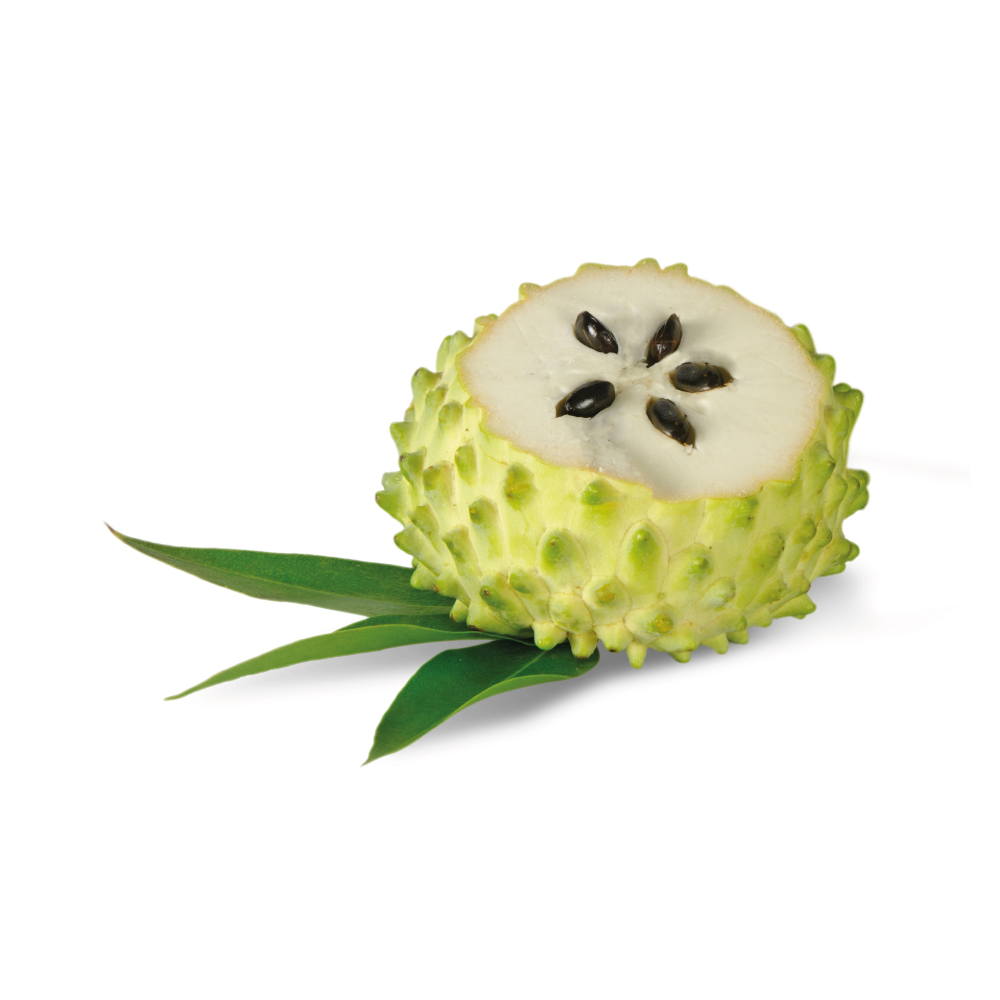
Coreximine is a naturally occurring isoquinoline alkaloid (tetrahydroprotoberberine group), found in Graviola and 8 other sources. It is flagged as moderately toxic.
Concentration
Content by Source
Concentrations not reported. No percent-dry-weight or mg/g figures have been published for this compound in its source plants.
Coreximine at a Glance
Coreximine is an isoquinoline alkaloid of the tetrahydroprotoberberine (THPB) class — the fully-reduced, tertiary-amine benzylisoquinoline skeleton shared by tetrahydropalmatine, canadine and corydaline, and the saturated counterpart of berberine and palmatine 19Reference 19National Center for Biotechnology Information (accessed July 2026)View study →. On this site it arrives via graviola (Annona muricata), where it was identified alongside reticuline and coclaurine in the classic 1981 survey of the plant’s alkaloids 5Reference 5Alkaloids of Annonaceae XXIX: alkaloids of Annona muricata — phytochemical isolation of seven isoquinoline alkaloids including coreximineView study →, but it is not a graviola specialty: the same molecule turns up in Corydalis, Croton, Erythrina, two Menispermaceae genera and — in trace — the opium poppy 3,
The honest evidence posture is unusually stark. Coreximine has 19 PubMed records in total, and most of them are phytochemistry — isolation papers reporting that it was found in a plant. Its pharmacology consists of three single in-vitro reports (antiplasmodial, GABA-receptor displacement, radical scavenging), none of which publishes a potency figure in its abstract. There are no animal studies, no pharmacokinetics, no human data of any kind.
The one exception — and the only well-quantified measurement anyone has made on this molecule — is a toxicology result: coreximine isolated from A. muricata root bark killed half of a cultured mesencephalic dopaminergic neuron population at 13 µM 1Reference 1In vitroToxicity of Annonaceae for dopaminergic neurons: potential role in atypical parkinsonism in Guadeloupe — in vitro study of isolated coreximine and reticuline on rat mesencephalic culturesView study →. That, rather than any therapeutic effect, is what coreximine is actually known for.
What Is Measured for Coreximine vs. What Is Inferred from Its Family
The tetrahydroprotoberberine skeleton comes with a reputation. Its best-studied members — l-tetrahydropalmatine (l-THP), l-stepholidine, canadine — are dopamine-receptor (D1/D2) antagonists with sedative, antipsychotic-like and analgesic effects in animals. It is tempting to read that pharmacology onto any THPB, and it will not be do it. Here is the ledger.
Measured for coreximine itself:
| Finding | Assay | Source |
|---|---|---|
| Death of cultured dopaminergic neurons, EC50 4.3 µg/mL (13 µM) | Rat mesencephalic culture, 24 h | 1Reference 1In vitroToxicity of Annonaceae for dopaminergic neurons: potential role in atypical parkinsonism in Guadeloupe — in vitro study of isolated coreximine and reticuline on rat mesencephalic culturesView study → |
| Reversible inhibition of dopamine uptake (transporter-level, distinct from the killing mechanism) | Same culture system | 1Reference 1In vitroToxicity of Annonaceae for dopaminergic neurons: potential role in atypical parkinsonism in Guadeloupe — in vitro study of isolated coreximine and reticuline on rat mesencephalic culturesView study → |
| Highest ³H-GABA displacement of seven Croton flavens alkaloids at GABAA | Radioligand binding screen | 2Reference 2In vitroAlkaloids from Croton flavens L. and their affinities to GABA-receptors — in vitro ³H-GABA displacement screen; coreximine highest affinityView study → |
| Antiplasmodial activity vs. P. falciparum TM4/8.2 and multidrug-resistant K1CB1 | Parasite culture | 3Reference 3In vitroPhytochemical and biological activity studies of the Bhutanese medicinal plant Corydalis crispa — in vitro antiplasmodial activity of coreximine reported for the first timeView study → |
| Significant ORAC radical-scavenging capacity | ORAC-FL assay | 4Reference 4In vitroAlkaloids from the bark of Guatteria hispida and their evaluation as antioxidant and antimicrobial agents — in vitro ORAC-FL and MIC assaysView study → |
Never measured for coreximine (as of 31 July 2026): affinity at any dopamine receptor — D1, D2, D3 or otherwise; affinity at any serotonin receptor; any behavioural endpoint in any animal; sedation, analgesia or anticonvulsant activity; absorption, distribution, metabolism or half-life; any human exposure.
PubMed returns one record for coreximine AND dopamine (the neurotoxicity paper 1Reference 1In vitroToxicity of Annonaceae for dopaminergic neurons: potential role in atypical parkinsonism in Guadeloupe — in vitro study of isolated coreximine and reticuline on rat mesencephalic culturesView study →, which measured the transporter, not a receptor) and zero for coreximine AND serotonin, coreximine AND 5-HT1A, coreximine AND sedative, coreximine AND pharmacokinetics, and coreximine AND clinical trial.
So: coreximine’s skeleton predicts dopaminergic engagement, and the one dopamine-related experiment ever run on it did find dopamine-system involvement — but the involvement was uptake inhibition and neuronal death, not receptor antagonism, and nobody has run a receptor-binding assay. Treat every statement about coreximine “acting like tetrahydropalmatine” as a structural inference with no supporting data. Where l-THP’s own pharmacology is relevant, it belongs on its page, not this one.
Coreximine & the Annonaceae Dopaminergic-Neurotoxicity Question
Graviola’s atypical-parkinsonism signal is normally, and correctly, attributed to the annonaceous acetogenins — annonacin above all — which inhibit mitochondrial complex I and deplete neuronal ATP. That story does not belong to the alkaloids, and it is not claimed.
But there is a genuine, specific exception, and coreximine is at the centre of it. In the study that opened the Guadeloupe investigation, Lannuzel and colleagues exposed cultured rat mesencephalic dopaminergic neurons not to acetogenins but to the total alkaloid extract of A. muricata root bark and to its two most abundant subfractions, coreximine and reticuline 1Reference 1In vitroToxicity of Annonaceae for dopaminergic neurons: potential role in atypical parkinsonism in Guadeloupe — in vitro study of isolated coreximine and reticuline on rat mesencephalic culturesView study →. The results:
- 50% of dopaminergic neurons degenerated within 24 hours at 18 µg/mL total alkaloid extract, 4.3 µg/mL (13 µM) coreximine, or 100 µg/mL (304 µM) reticuline — making coreximine roughly 23× more potent than reticuline on a molar basis, and the most toxic isolated alkaloid in that experiment 1Reference 1In vitroToxicity of Annonaceae for dopaminergic neurons: potential role in atypical parkinsonism in Guadeloupe — in vitro study of isolated coreximine and reticuline on rat mesencephalic culturesView study →.
- Dying neurons showed DNA condensation and fragmentation, i.e. apoptosis 1Reference 1In vitroToxicity of Annonaceae for dopaminergic neurons: potential role in atypical parkinsonism in Guadeloupe — in vitro study of isolated coreximine and reticuline on rat mesencephalic culturesView study →.
- Cell death was not excitotoxic and did not require uptake through the dopamine transporter 1Reference 1In vitroToxicity of Annonaceae for dopaminergic neurons: potential role in atypical parkinsonism in Guadeloupe — in vitro study of isolated coreximine and reticuline on rat mesencephalic culturesView study →.
- Degeneration was attenuated by raising medium glucose — the same manoeuvre that reduced the toxicity of MPP⁺, a mitochondrial respiratory-chain inhibitor — pointing at an energy-metabolism mechanism 1Reference 1In vitroToxicity of Annonaceae for dopaminergic neurons: potential role in atypical parkinsonism in Guadeloupe — in vitro study of isolated coreximine and reticuline on rat mesencephalic culturesView study →.
- Separately and reversibly, acute exposure to coreximine inhibited dopamine uptake by a mechanism distinct from the one causing death; GABA uptake was not reduced under the same conditions 1Reference 1In vitroToxicity of Annonaceae for dopaminergic neurons: potential role in atypical parkinsonism in Guadeloupe — in vitro study of isolated coreximine and reticuline on rat mesencephalic culturesView study →.
- The alkaloid totum was not dopamine-selective — GABAergic neurons were affected too — although the isolated-compound EC50s above were determined on the dopaminergic population 1Reference 1In vitroToxicity of Annonaceae for dopaminergic neurons: potential role in atypical parkinsonism in Guadeloupe — in vitro study of isolated coreximine and reticuline on rat mesencephalic culturesView study →.
The precise reading: this is in-vitro, isolated-compound work on cells in a dish, at concentrations nobody has shown are reached in a brain, and it says nothing about how much coreximine a cup of soursop-leaf infusion delivers. It does not make coreximine “a cause” of West Indian parkinsonism. What it does establish is that the acetogenins are not the only A. muricata constituent with measured dopaminergic-neuron toxicity, and that on a molar basis coreximine is a more potent one than reticuline. Any page that frames graviola’s alkaloid fraction as the benign half of the plant is overstating the case.
Where Graviola’s Sedative Attribution Actually Comes From
Coreximine reached this site’s queue flagged as a “5-HT1A-adjacent candidate for graviola’s sedative signal.” That attribution does not survive contact with the primary literature, and the correction is worth stating plainly.
The 5-HT1A finding in Annona muricata is real, but it belongs to different molecules. Hasrat and colleagues isolated alkaloids from the fruit, showed they displaced [³H]rauwolscine from 5-HT1A receptors in calf hippocampus, and then demonstrated full agonist behaviour in cells expressing the human 5-HT1A receptor. The three compounds were annonaine (IC50 3 µM), nornuciferine (9 µM) and asimilobine (5 µM) — all aporphine-type alkaloids 6Reference 6In vitroIsoquinoline derivatives isolated from the fruit of Annona muricata as 5-HTergic 5-HT1A receptor agonists in rats — in vitro binding and functional assays on annonaine, nornuciferine and asimilobineView study →. Coreximine was not among them, and no serotonin-receptor experiment on coreximine exists in the indexed literature.
What coreximine does have is a receptor result at a different target: in a screen of seven Croton flavens alkaloids, coreximine showed the highest affinity for the GABAA receptor in a ³H-GABA displacement assay 2Reference 2In vitroAlkaloids from Croton flavens L. and their affinities to GABA-receptors — in vitro ³H-GABA displacement screen; coreximine highest affinityView study →. On paper that is a more plausible sedative mechanism than 5-HT1A — but it is a single displacement screen, in a plant unrelated to graviola, with no affinity constant in the published abstract and no functional or behavioural follow-up in the twenty-plus years since.
The correct summary, then: graviola’s traditional sedative use has a candidate receptor mechanism, and that mechanism is aporphine-mediated 5-HT1A agonism, not coreximine. Coreximine’s own GABAA result is a loose thread, not a finding to build on.
What It's Used For
Everything below is in vitro, from single reports, on the isolated compound. No study has dosed coreximine into an animal.
Support is an experimental score I’m building — a composite weighted by study type (human > animal > in vitro > review) and study volume, tempered for isolate-vs-plant match. It’s a beta: a fast way to rank strength of evidence at a glance, not a validated metric. Coreximine scores at the floor across the board — every row is one in-vitro paper, and not one of them publishes a potency value in its abstract. The scores are deliberately low enough to say “candidate signal, nothing more.”
In the first phytochemical study of the Bhutanese medicinal plant Corydalis crispa, nine isoquinoline alkaloids were isolated and screened; coreximine’s antiplasmodial activity against Plasmodium falciparum strains TM4/8.2 and K1CB1 (a multidrug-resistant strain) was reported for the first time, and the authors identified it as a potential new antimalarial lead 3Reference 3In vitroPhytochemical and biological activity studies of the Bhutanese medicinal plant Corydalis crispa — in vitro antiplasmodial activity of coreximine reported for the first timeView study →.
Activity against the resistant strain is the more interesting half — resistance to existing antimalarials does not confer cross-resistance to it. This is the isolated molecule tested against cultured parasites, not a plant extract and not an infected host.
Gap: the IC50 values are behind a paywall and could not be retrieved for this pass, so the potency is unknown; there is no follow-up study, no selectivity index against mammalian cells (relevant given 1Reference 1In vitroToxicity of Annonaceae for dopaminergic neurons: potential role in atypical parkinsonism in Guadeloupe — in vitro study of isolated coreximine and reticuline on rat mesencephalic culturesView study →), and no in-vivo antimalarial work in the fourteen years since 3Reference 3In vitroPhytochemical and biological activity studies of the Bhutanese medicinal plant Corydalis crispa — in vitro antiplasmodial activity of coreximine reported for the first timeView study →.
Phytochemical work on Croton flavens from Barbados yielded two tetrahydroprotoberberines (coreximine and scoulerine) plus five morphinandienones. In a screen for ³H-GABA displacing activity, coreximine showed the highest affinity to the GABAA receptor of the set 2Reference 2In vitroAlkaloids from Croton flavens L. and their affinities to GABA-receptors — in vitro ³H-GABA displacement screen; coreximine highest affinityView study →.
This is coreximine’s only receptor-level result of any kind, and it points at an inhibitory-neurotransmission target rather than the dopamine receptors its chemical family is known for. Isolated compound, radioligand binding, no cells or tissue beyond the membrane preparation.
Gap: the abstract reports a rank, not a number — no Ki or IC50 is available, so “highest affinity” among seven compounds could still mean weak in absolute terms. No functional assay (is it an agonist, an antagonist, a modulator?), no electrophysiology, no behavioural correlate, and no replication in over two decades 2Reference 2In vitroAlkaloids from Croton flavens L. and their affinities to GABA-receptors — in vitro ³H-GABA displacement screen; coreximine highest affinityView study →.
Coreximine and its isomer isocoreximine were isolated from the bark of Guatteria hispida along with eleven other alkaloids; the four major compounds — including both coreximine isomers — showed significant antioxidant capacity in the ORAC-FL assay 4Reference 4In vitroAlkaloids from the bark of Guatteria hispida and their evaluation as antioxidant and antimicrobial agents — in vitro ORAC-FL and MIC assaysView study →.
Notably, coreximine was not among the compounds active against Staphylococcus epidermidis or Candida dubliniensis in the same study; the antimicrobial hits were the oxoaporphines 4Reference 4In vitroAlkaloids from the bark of Guatteria hispida and their evaluation as antioxidant and antimicrobial agents — in vitro ORAC-FL and MIC assaysView study →.
Isolated compounds, chemical assay.
Gap: ORAC is a cell-free chemical assay that almost any phenolic scores well on — coreximine has two free phenolic hydroxyls, so a good result is close to structurally guaranteed and says nothing about activity in a cell, let alone an organism. No cellular antioxidant assay, no in-vivo oxidative-stress endpoint 4Reference 4In vitroAlkaloids from the bark of Guatteria hispida and their evaluation as antioxidant and antimicrobial agents — in vitro ORAC-FL and MIC assaysView study →.
Mechanisms
| Target / pathway | Effect | Relevant to |
|---|---|---|
| Neuronal energy metabolism (glucose-rescuable, MPP⁺-like) | apoptotic death of dopaminergic neurons, EC50 13 µM 1Reference 1In vitroToxicity of Annonaceae for dopaminergic neurons: potential role in atypical parkinsonism in Guadeloupe — in vitro study of isolated coreximine and reticuline on rat mesencephalic culturesView study → | neurotoxicity |
| Dopamine transporter / uptake | reversible inhibition of dopamine uptake; GABA uptake unaffected 1Reference 1In vitroToxicity of Annonaceae for dopaminergic neurons: potential role in atypical parkinsonism in Guadeloupe — in vitro study of isolated coreximine and reticuline on rat mesencephalic culturesView study → | dopaminergic dysfunction |
| GABAA receptor | ³H-GABA displacement, highest of seven alkaloids screened 2Reference 2In vitroAlkaloids from Croton flavens L. and their affinities to GABA-receptors — in vitro ³H-GABA displacement screen; coreximine highest affinityView study → | possible CNS activity (unconfirmed) |
| Plasmodium falciparum (target unidentified) | growth inhibition of sensitive and multidrug-resistant strains 3Reference 3In vitroPhytochemical and biological activity studies of the Bhutanese medicinal plant Corydalis crispa — in vitro antiplasmodial activity of coreximine reported for the first timeView study → | antiplasmodial |
| Free-radical chemistry (two phenolic OH groups) | ORAC radical scavenging 4Reference 4In vitroAlkaloids from the bark of Guatteria hispida and their evaluation as antioxidant and antimicrobial agents — in vitro ORAC-FL and MIC assaysView study → | antioxidant (non-specific) |
The load-bearing absence: no dopamine-receptor binding data exist for coreximine. The dopamine-system findings above are transporter- and viability-level, not receptor-level — which is the opposite of what its tetrahydroprotoberberine relatives are known for.
Pharmacokinetics
Entirely unstudied. coreximine AND pharmacokinetics returns zero PubMed records (checked 31 July 2026). There is no absorption figure, no oral bioavailability, no distribution or brain-penetration measurement, no metabolite map, no half-life and no excretion data for any species. Two structural observations are worth stating and no more: coreximine is a tertiary amine (C₁₉H₂₁NO₄, MW 327.4) rather than a quaternary cation like berberine, and it carries two free phenolic hydroxyls 19Reference 19National Center for Biotechnology Information (accessed July 2026)View study → — the first is consistent with membrane crossing, the second with rapid phase-II conjugation. Both are inferences from structure, not measurements. The absence matters most for the neurotoxicity result: the 13 µM figure 1Reference 1In vitroToxicity of Annonaceae for dopaminergic neurons: potential role in atypical parkinsonism in Guadeloupe — in vitro study of isolated coreximine and reticuline on rat mesencephalic culturesView study → is a dish concentration, and without any exposure data there is no way to say whether dietary graviola use approaches it.
Clinical Trials
None. No registered or published human trial has dosed coreximine, as an isolate or otherwise. coreximine AND clinical trial returns zero PubMed records; only four of coreximine’s nineteen records carry the Humans MeSH tag, and all four are cell-line or review work 9,
| Completed | Planned | Terminated | Preclinical |
|---|---|---|---|
| — | — | — | Minimal(isolate, in vitro only) |
Last checked: July 2026.
Isolate vs. Plant Studies
Unusually for a thin molecule, every biological result here is on the isolated compound — the neurotoxicity 1Reference 1In vitroToxicity of Annonaceae for dopaminergic neurons: potential role in atypical parkinsonism in Guadeloupe — in vitro study of isolated coreximine and reticuline on rat mesencephalic culturesView study →, the GABA binding 2Reference 2In vitroAlkaloids from Croton flavens L. and their affinities to GABA-receptors — in vitro ³H-GABA displacement screen; coreximine highest affinityView study →, the antiplasmodial screen 3Reference 3In vitroPhytochemical and biological activity studies of the Bhutanese medicinal plant Corydalis crispa — in vitro antiplasmodial activity of coreximine reported for the first timeView study → and the ORAC assay 4Reference 4In vitroAlkaloids from the bark of Guatteria hispida and their evaluation as antioxidant and antimicrobial agents — in vitro ORAC-FL and MIC assaysView study → all purified coreximine and tested it alone. That is the right design and it is a genuine strength; none of these findings is an extract effect being credited to a constituent.
The weakness is on the other side. Because there is no whole-plant or animal study of coreximine, nothing connects those dish concentrations to anything a person consumes. Graviola’s clinical-ish reputation (anticancer, antiparasitic, sedative, hypotensive) rests on leaf and bark extracts in which coreximine is one alkaloid among many, and the reviews that name coreximine as a likely active for those effects 18Reference 18ReviewPharmacological activities of soursop (Annona muricata Lin.) — review of 49 studies naming coreximine and reticuline as predicted activesView study → are doing so by association, not from data. The traffic runs in both directions and both are unsupported: do not credit graviola’s benefits to coreximine, and do not assume graviola preparations deliver a coreximine dose relevant to 1Reference 1In vitroToxicity of Annonaceae for dopaminergic neurons: potential role in atypical parkinsonism in Guadeloupe — in vitro study of isolated coreximine and reticuline on rat mesencephalic culturesView study →. Two further points of precision — when coreximine was tested for cytotoxicity against cancer and non-cancer cell lines alongside other Diclinanona calycina isolates, the cytotoxic hits were the benzylated dihydroflavones, not the alkaloids 9Reference 9In vitroBenzylated dihydroflavones and isoquinoline-derived alkaloids from the bark of Diclinanona calycina (Annonaceae) and their cytotoxicities — in vitro; coreximine isolated as the tetrahydroprotoberberine, not a cytotoxic hitView study →; and when A. muricata seedlings were challenged with phytopathogenic fungi, the alkaloids that increased were anonaine, reticuline and nornuciferine — coreximine was identified in the plant but was not among the induced defensive alkaloids 8Reference 8In vitroDo Colletotrichum gloeosporioides and Rhizopus stolonifer induce alkaloidal and antifungal responses in Annona muricata seedlings? — in vitro antifungal assay; coreximine identified but not among the induced alkaloidsView study →.
Prevalence in Nature
Coreximine’s distribution is its most striking feature: it is not a marker of any one taxon but a recurrent tetrahydroprotoberberine that appears independently across five plant families.
In graviola (Annona muricata) it was one of seven isoquinoline alkaloids isolated from leaves, root bark and stem bark in the classic Annonaceae survey, where reticuline is the main alkaloid 5Reference 5Alkaloids of Annonaceae XXIX: alkaloids of Annona muricata — phytochemical isolation of seven isoquinoline alkaloids including coreximineView study →; the presence of a tetrahydroprotoberberine was itself noteworthy, not having been reported from other Annona species. It is present from the earliest developmental stages — detected across three phases of root emergence and three of seedling formation, with an organ-specific distribution 7Reference 7Acetogenins and alkaloids during the initial development of Annona muricata L. (Annonaceae) — organ-specific distribution of coreximine and four other alkaloidsView study → — and persists in six-leaf seedlings 8Reference 8In vitroDo Colletotrichum gloeosporioides and Rhizopus stolonifer induce alkaloidal and antifungal responses in Annona muricata seedlings? — in vitro antifungal assay; coreximine identified but not among the induced alkaloidsView study →. In the alkaloid fraction of A. muricata root bark specifically, coreximine and reticuline are described as the two most abundant subfractions 1Reference 1In vitroToxicity of Annonaceae for dopaminergic neurons: potential role in atypical parkinsonism in Guadeloupe — in vitro study of isolated coreximine and reticuline on rat mesencephalic culturesView study →. Elsewhere in the Annonaceae it occurs in the bark of Guatteria hispida (with its isomer isocoreximine) 4Reference 4In vitroAlkaloids from the bark of Guatteria hispida and their evaluation as antioxidant and antimicrobial agents — in vitro ORAC-FL and MIC assaysView study →, the stem of Guatteriopsis friesiana 10Reference 10Costa EV, Marques FA, Pinheiro ML, Vaz NP, Duarte MC, Delarmelina C, Braga RM, Maia BH. (2009). 7,7-Dimethylaporphine alkaloids from the stem of Guatteriopsis friesiana — phytochemical isolation including coreximine. Journal of Natural Products, 72(8), 1516–1519. https://pubmed.ncbi.nlm.nih.gov/19639965/View study → and the bark of Diclinanona calycina 9Reference 9In vitroBenzylated dihydroflavones and isoquinoline-derived alkaloids from the bark of Diclinanona calycina (Annonaceae) and their cytotoxicities — in vitro; coreximine isolated as the tetrahydroprotoberberine, not a cytotoxic hitView study →.
Outside the Annonaceae it turns up in the Fumariaceae/Papaveraceae (Corydalis crispa 3Reference 3In vitroPhytochemical and biological activity studies of the Bhutanese medicinal plant Corydalis crispa — in vitro antiplasmodial activity of coreximine reported for the first timeView study →; and in opium poppy, Papaver somniferum, where it was detected specifically by tracing its biosynthesis from reticuline 14Reference 14Opium alkaloids IX: detection of coreximine in Papaver somniferum L. based on its biosynthesis from reticulineView study →), the Euphorbiaceae (Croton flavens, Barbados 2Reference 2In vitroAlkaloids from Croton flavens L. and their affinities to GABA-receptors — in vitro ³H-GABA displacement screen; coreximine highest affinityView study →), the Leguminosae (Erythrina orientalis, alongside scoulerine 11Reference 11ReviewStudies on the alkaloids of Erythrina plants — review of eight species; scoulerine and coreximine isolated from E. orientalisView study →) and the Menispermaceae (roots of Pachygone ovata 12Reference 12Additional alkaloids of Pachygone ovata — phytochemical isolation of coreximine, stepholidine and others from the rootsView study →; stems of Chasmanthera dependens 13Reference 13Tertiary phenolic alkaloids from Chasmanthera dependens — phytochemical isolation of coreximine and govanine from the stemsView study →).
No concentration figure exists for coreximine in any species — no percentage of dry weight, no mg/g, no share of the alkaloid fraction. The only abundance statement in the literature is the qualitative “one of the two most abundant subfractions” of A. muricata root-bark alkaloids 1Reference 1In vitroToxicity of Annonaceae for dopaminergic neurons: potential role in atypical parkinsonism in Guadeloupe — in vitro study of isolated coreximine and reticuline on rat mesencephalic culturesView study →. There is consequently no Content-by-Source chart here; the graviola monograph’s phytochemistry table correctly reads “No Data” for it.
Major Natural Sources
| Source | Botanical | Family | Part | Notes |
|---|---|---|---|---|
| Graviola / soursop | Annona muricata | Annonaceae | Leaf, root bark, stem bark | Among 7 isoquinoline alkaloids; one of two most abundant root-bark subfractions 1, |
| — | Corydalis crispa | Fumariaceae | Whole plant | 1 of 9 isoquinoline alkaloids; the antiplasmodial source material 3Reference 3In vitroPhytochemical and biological activity studies of the Bhutanese medicinal plant Corydalis crispa — in vitro antiplasmodial activity of coreximine reported for the first timeView study → |
| — | Croton flavens | Euphorbiaceae | Aerial parts | With scoulerine; the GABA-binding source material 2Reference 2In vitroAlkaloids from Croton flavens L. and their affinities to GABA-receptors — in vitro ³H-GABA displacement screen; coreximine highest affinityView study → |
| — | Guatteria hispida | Annonaceae | Bark | With isocoreximine; ORAC-active 4Reference 4In vitroAlkaloids from the bark of Guatteria hispida and their evaluation as antioxidant and antimicrobial agents — in vitro ORAC-FL and MIC assaysView study → |
| — | Erythrina orientalis | Leguminosae | — | With scoulerine 11Reference 11ReviewStudies on the alkaloids of Erythrina plants — review of eight species; scoulerine and coreximine isolated from E. orientalisView study → |
| — | Pachygone ovata | Menispermaceae | Root | With stepholidine, coclaurine, isoboldine 12Reference 12Additional alkaloids of Pachygone ovata — phytochemical isolation of coreximine, stepholidine and others from the rootsView study → |
| — | Chasmanthera dependens | Menispermaceae | Stem | Tertiary phenolic alkaloid fraction 13Reference 13Tertiary phenolic alkaloids from Chasmanthera dependens — phytochemical isolation of coreximine and govanine from the stemsView study → |
| Opium poppy | Papaver somniferum | Papaveraceae | — | Trace; detected via biosynthesis from reticuline 14Reference 14Opium alkaloids IX: detection of coreximine in Papaver somniferum L. based on its biosynthesis from reticulineView study → |
Its Role in Plants
Coreximine is a benzylisoquinoline alkaloid formed from the branch-point intermediate (S)-reticuline — a relationship demonstrated directly rather than assumed, since coreximine’s presence in the opium poppy was established precisely by tracing its biosynthesis from reticuline 14Reference 14Opium alkaloids IX: detection of coreximine in Papaver somniferum L. based on its biosynthesis from reticulineView study →. Structurally it is the berbine (dibenzo[a,g]quinolizine) skeleton bearing two methoxyls and two free phenolic hydroxyls 19Reference 19National Center for Biotechnology Information (accessed July 2026)View study →, the phenolic pattern that distinguishes it from the fully-methylated tetrahydropalmatine and from canadine’s methylenedioxy bridge.
Its ecological function is unresolved and has been directly tested. A. muricata seedlings inoculated with Colletotrichum gloeosporioides or Rhizopus stolonifer mounted a clear alkaloidal defence response — but the alkaloids that rose (by 10–1200%) were anonaine, reticuline and nornuciferine, not coreximine, even though coreximine was among the five alkaloids identified in the same extracts 8Reference 8In vitroDo Colletotrichum gloeosporioides and Rhizopus stolonifer induce alkaloidal and antifungal responses in Annona muricata seedlings? — in vitro antifungal assay; coreximine identified but not among the induced alkaloidsView study →. Its steady presence from root emergence onward through seedling development 7Reference 7Acetogenins and alkaloids during the initial development of Annona muricata L. (Annonaceae) — organ-specific distribution of coreximine and four other alkaloidsView study → reads more like constitutive accumulation than inducible defence.
Discovery & Synthesis
Coreximine’s first isolation is not established here — it predates PubMed’s abstract-level indexing, and no consulted source states who first obtained it or from which plant, though the name’s obvious debt is to Corydalis. What is documented is that by the mid-1960s it was interesting enough to Japanese synthetic chemists to warrant a dedicated series: Kametani and co-workers published a five-part series, “Coreximine and related compounds,” in Yakugaku Zasshi in 1967. Part II reported the first total synthesis of (±)-coreximine, closing the ring under Eschweiler–Clarke conditions 16Reference 16Coreximine and related compounds II: a synthesis of (±)-coreximine under Eschweiler–Clarke conditionsView study →; part III characterised the coreximine isomers those same conditions generate 17Reference 17Coreximine and related compounds III: the formation of coreximine isomers under Eschweiler–Clarke conditionsView study →; and part V carried the chemistry across to the total synthesis of (±)-tetrahydropalmatine 15Reference 15Coreximine and related compounds V: total synthesis of (±)-tetrahydropalmatine and abnormal reaction of halogen substitutionView study →. In 1971 Brochmann-Hanssen and Fu detected coreximine in Papaver somniferum by way of its biosynthesis from reticuline 14Reference 14Opium alkaloids IX: detection of coreximine in Papaver somniferum L. based on its biosynthesis from reticulineView study →.
There is no commercial manufacture of coreximine. It is obtained by extraction from alkaloid-rich plants in milligram quantities for phytochemical study and as an analytical reference standard; no scaled synthesis or industrial demand exists.
Patents: not yet researched (future patent-loop pass).
Toxicity & Safety
Coreximine carries a moderate flag, and unusually the reason is not an absence of data but a positive finding. The single best-quantified measurement ever made on this molecule is a toxicity: 50% of cultured rat mesencephalic dopaminergic neurons degenerated within 24 hours at 13 µM (4.3 µg/mL) coreximine, by apoptosis, via an energy-metabolism mechanism rescuable with glucose — roughly 23-fold more potent per mole than reticuline in the same assay 1Reference 1In vitroToxicity of Annonaceae for dopaminergic neurons: potential role in atypical parkinsonism in Guadeloupe — in vitro study of isolated coreximine and reticuline on rat mesencephalic culturesView study →. It also reversibly inhibited dopamine uptake at acute exposures 1Reference 1In vitroToxicity of Annonaceae for dopaminergic neurons: potential role in atypical parkinsonism in Guadeloupe — in vitro study of isolated coreximine and reticuline on rat mesencephalic culturesView study →. A molecule whose only robust result is neuronal death should not be described as low-toxicity, whatever the gaps elsewhere.
Those gaps are total. No acute or repeat-dose toxicity study, no LD50, no genotoxicity assay, no carcinogenicity data, no reproductive or developmental study, and no CYP or transporter interaction work exists for coreximine in any species; coreximine AND toxicity returns two PubMed records, one of which is the neuron study 1Reference 1In vitroToxicity of Annonaceae for dopaminergic neurons: potential role in atypical parkinsonism in Guadeloupe — in vitro study of isolated coreximine and reticuline on rat mesencephalic culturesView study → and the other a phytochemistry paper on a plant used as a fish poison 12Reference 12Additional alkaloids of Pachygone ovata — phytochemical isolation of coreximine, stepholidine and others from the rootsView study →. There is no human exposure data at all. Set against that, real-world exposure is small and indirect — coreximine is one alkaloid among many in graviola leaf or bark preparations, and nobody sells it — and it was not cytotoxic to the cancer or non-cancer cell lines tested alongside other Annonaceae isolates in one study 9Reference 9In vitroBenzylated dihydroflavones and isoquinoline-derived alkaloids from the bark of Diclinanona calycina (Annonaceae) and their cytotoxicities — in vitro; coreximine isolated as the tetrahydroprotoberberine, not a cytotoxic hitView study →.
The proportionality point worth keeping straight: graviola’s established neurotoxicity concern is the acetogenins, annonacin foremost, whose complex-I inhibition is the mechanism epidemiologically linked to Guadeloupean atypical parkinsonism. Coreximine’s contribution to that picture is a single in-vitro result in the paper that opened the field 1Reference 1In vitroToxicity of Annonaceae for dopaminergic neurons: potential role in atypical parkinsonism in Guadeloupe — in vitro study of isolated coreximine and reticuline on rat mesencephalic culturesView study → — real, precisely measured, and not to be inflated into a causal claim about a human syndrome.
- Exposure is small and indirect. Coreximine is consumed only as one alkaloid within graviola preparations; it is not sold or dosed as a compound.
- Directly toxic to dopaminergic neurons in vitro. 50% neuronal loss at 13 µM, by apoptosis, more potent per mole than reticuline 1Reference 1In vitroToxicity of Annonaceae for dopaminergic neurons: potential role in atypical parkinsonism in Guadeloupe — in vitro study of isolated coreximine and reticuline on rat mesencephalic culturesView study →. A dish concentration, but a measured one.
- Inhibits dopamine uptake. Reversible, distinct from the killing mechanism, and selective (GABA uptake unaffected) 1Reference 1In vitroToxicity of Annonaceae for dopaminergic neurons: potential role in atypical parkinsonism in Guadeloupe — in vitro study of isolated coreximine and reticuline on rat mesencephalic culturesView study →.
- Everything else is unstudied. No animal toxicology, no LD50, no genotoxicity, no reproductive data, no interaction work, no pharmacokinetics — treat silence as unknown, not safe.
- No sedative or dopamine-receptor activity has been demonstrated. The family resemblance to tetrahydropalmatine is structural only; no receptor assay has ever been run on coreximine.
Note on scope: drug-interaction and pregnancy/lactation risk were not assessed for coreximine here. Those decisions belong on the whole-herb graviola monograph, where intake is actually decided and where the acetogenin neurotoxicity — a far better-characterised hazard than anything here — drives the verdict.
Dosage
There is no established or studied human dose for coreximine, and no animal dose either. It has never been administered to a living organism in any published study located — the entire literature is cell-free assays, cultured cells and cultured parasites. The numbers that appear above (13 µM for dopaminergic-neuron death 1Reference 1In vitroToxicity of Annonaceae for dopaminergic neurons: potential role in atypical parkinsonism in Guadeloupe — in vitro study of isolated coreximine and reticuline on rat mesencephalic culturesView study →; the un-retrieved antiplasmodial IC50s 3Reference 3In vitroPhytochemical and biological activity studies of the Bhutanese medicinal plant Corydalis crispa — in vitro antiplasmodial activity of coreximine reported for the first timeView study →) are in-vitro concentrations, not doses, and no pharmacokinetic data exist to relate them to any oral intake.
Human exposure occurs only as one alkaloid within graviola leaf, root-bark or stem-bark preparations, where the amount of coreximine delivered is unquantified — no source has ever published a concentration figure for it in any plant. These are research concentrations and are not a personal recommendation.
References
- Lannuzel A, Michel PP, Caparros-Lefebvre D, Abaul J, Hocquemiller R, Ruberg M. (2002). Toxicity of Annonaceae for dopaminergic neurons: potential role in atypical parkinsonism in Guadeloupe — in vitro study of isolated coreximine and reticuline on rat mesencephalic cultures. Movement Disorders, 17(1), 84–90. https://pubmed.ncbi.nlm.nih.gov/11835443/
- Eisenreich WJ, Höfner G, Bracher F. (2003). Alkaloids from Croton flavens L. and their affinities to GABA-receptors — in vitro ³H-GABA displacement screen; coreximine highest affinity. Natural Product Research, 17(6), 437–440. https://pubmed.ncbi.nlm.nih.gov/14577695/
- Wangchuk P, Keller PA, Pyne SG, Sastraruji T, Taweechotipatr M, Rattanajak R, Tonsomboon A, Kamchonwongpaisan S. (2012). Phytochemical and biological activity studies of the Bhutanese medicinal plant Corydalis crispa — in vitro antiplasmodial activity of coreximine reported for the first time. Natural Product Communications, 7(5), 575–580. https://pubmed.ncbi.nlm.nih.gov/22799079/
- Costa EV, Pinheiro ML, Barison A, Campos FR, Salvador MJ, Maia BH, Cabral EC, Eberlin MN. (2010). Alkaloids from the bark of Guatteria hispida and their evaluation as antioxidant and antimicrobial agents — in vitro ORAC-FL and MIC assays. Journal of Natural Products, 73(6), 1180–1183. https://pubmed.ncbi.nlm.nih.gov/20476748/
- Leboeuf M, Legueut C, Cavé A, Desconclois JF, Forgacs P, Jacquemin H. (1981). Alkaloids of Annonaceae XXIX: alkaloids of Annona muricata — phytochemical isolation of seven isoquinoline alkaloids including coreximine. Planta Medica, 42(1), 37–44. https://pubmed.ncbi.nlm.nih.gov/17401878/
- Hasrat JA, De Bruyne T, De Backer JP, Vauquelin G, Vlietinck AJ. (1997). Isoquinoline derivatives isolated from the fruit of Annona muricata as 5-HTergic 5-HT1A receptor agonists in rats — in vitro binding and functional assays on annonaine, nornuciferine and asimilobine. Journal of Pharmacy and Pharmacology, 49(11), 1145–1149. https://pubmed.ncbi.nlm.nih.gov/9401954/
- Riley-Saldaña CA, Cruz-Ortega MDR, Martínez Vázquez M, De-la-Cruz-Chacón I, Castro-Moreno M, González-Esquinca AR. (2017). Acetogenins and alkaloids during the initial development of Annona muricata L. (Annonaceae) — organ-specific distribution of coreximine and four other alkaloids. Zeitschrift für Naturforschung C, 72(11–12), 497–506. https://pubmed.ncbi.nlm.nih.gov/28937967/
- Riley-Saldaña CA, de-la-Cruz-Chacón I, Cruz-Ortega MDR, Castro-Moreno M, González-Esquinca AR. (2023). Do Colletotrichum gloeosporioides and Rhizopus stolonifer induce alkaloidal and antifungal responses in Annona muricata seedlings? — in vitro antifungal assay; coreximine identified but not among the induced alkaloids. Zeitschrift für Naturforschung C, 78(1–2), 57–63. https://pubmed.ncbi.nlm.nih.gov/35942979/
- Costa EV, Soares LDN, Chaar JDS, Silva VR, Santos LS, Koolen HHF, Silva FMAD, Tavares JF, Zengin G, Soares MBP, Bezerra DP. (2021). Benzylated dihydroflavones and isoquinoline-derived alkaloids from the bark of Diclinanona calycina (Annonaceae) and their cytotoxicities — in vitro; coreximine isolated as the tetrahydroprotoberberine, not a cytotoxic hit. Molecules, 26(12), 3714. https://pubmed.ncbi.nlm.nih.gov/34207059/
- Costa EV, Marques FA, Pinheiro ML, Vaz NP, Duarte MC, Delarmelina C, Braga RM, Maia BH. (2009). 7,7-Dimethylaporphine alkaloids from the stem of Guatteriopsis friesiana — phytochemical isolation including coreximine. Journal of Natural Products, 72(8), 1516–1519. https://pubmed.ncbi.nlm.nih.gov/19639965/
- Ito K. (1999). Studies on the alkaloids of Erythrina plants — review of eight species; scoulerine and coreximine isolated from E. orientalis. Yakugaku Zasshi, 119(5), 340–356. https://pubmed.ncbi.nlm.nih.gov/10375996/
- El-Kawi MA, Slatkin DJ, Schiff PL Jr, Dasgupta S, Chattopadhyay SK, Ray AB. (1984). Additional alkaloids of Pachygone ovata — phytochemical isolation of coreximine, stepholidine and others from the roots. Journal of Natural Products, 47(3), 459–464. https://pubmed.ncbi.nlm.nih.gov/6481360/
- Ohiri FC, Verpoorte R, Svendsen AB. (1983). Tertiary phenolic alkaloids from Chasmanthera dependens — phytochemical isolation of coreximine and govanine from the stems. Planta Medica, 49(9), 17–19. https://pubmed.ncbi.nlm.nih.gov/17405003/
- Brochmann-Hanssen E, Cherng-Chyi Fu. (1971). Opium alkaloids IX: detection of coreximine in Papaver somniferum L. based on its biosynthesis from reticuline. Journal of Pharmaceutical Sciences, 60(6), 873–878. https://pubmed.ncbi.nlm.nih.gov/5128936/
- Kametani T, Kaneda S. (1967). Coreximine and related compounds V: total synthesis of (±)-tetrahydropalmatine and abnormal reaction of halogen substitution. Yakugaku Zasshi, 87(9), 1070–1075. https://pubmed.ncbi.nlm.nih.gov/5627428/
- Kametani T, Ihara M. (1967). Coreximine and related compounds II: a synthesis of (±)-coreximine under Eschweiler–Clarke conditions. Yakugaku Zasshi, 87(2), 174–178. https://pubmed.ncbi.nlm.nih.gov/6069357/
- Kametani T, Sato M. (1967). Coreximine and related compounds III: the formation of coreximine isomers under Eschweiler–Clarke conditions. Yakugaku Zasshi, 87(2), 179–184. https://pubmed.ncbi.nlm.nih.gov/5625194/
- Mutakin M, Fauziati R, Fadhilah FN, Zuhrotun A, Amalia R, Hadisaputri YE. (2022). Pharmacological activities of soursop (Annona muricata Lin.) — review of 49 studies naming coreximine and reticuline as predicted actives. Molecules, 27(4), 1201. https://pubmed.ncbi.nlm.nih.gov/35208993/
- PubChem Compound Summary for CID 7037179, Coreximine — C₁₉H₂₁NO₄, MW 327.4, CAS 483-45-4. National Center for Biotechnology Information (accessed July 2026). https://pubchem.ncbi.nlm.nih.gov/compound/7037179
- Ata FK, Ercan F, Azarkan SY. (2022). In vivo, in vitro and molecular modelling analysis of isoquercetin, roseoside, coreximine, anonaine and arianacin molecules — Annona muricata screening in breast cancer cell lines and Drosophila; docking performed on acetogenins, isoquercetin the best binder. Current Computer-Aided Drug Design, 18(3), 168–184. https://pubmed.ncbi.nlm.nih.gov/35538817/



