
Compound Monograph
Cyanidin-3-Glucoside
Cyanidin-3-glucoside (C3G) is the single most abundant anthocyanin in the human diet — the red-purple 3-O-glucoside of cyanidin that colours black rice, berries, elderberry, black beans and purple corn. Its metabolic, cardiovascular and anti-inflammatory profile is genuine but largely preclinical, and it is so poorly absorbed (<1% intact) that much of its apparent activity belongs to its gut metabolite, protocatechuic acid.

Sources · 10
Where Does It Come From?
Cyanidin-3-Glucoside is a naturally occurring anthocyanin (cyanidin 3-o-glucoside), found in Camu-camu, Elder, Black rice and 7 other sources. It is well tolerated orally (low toxicity).
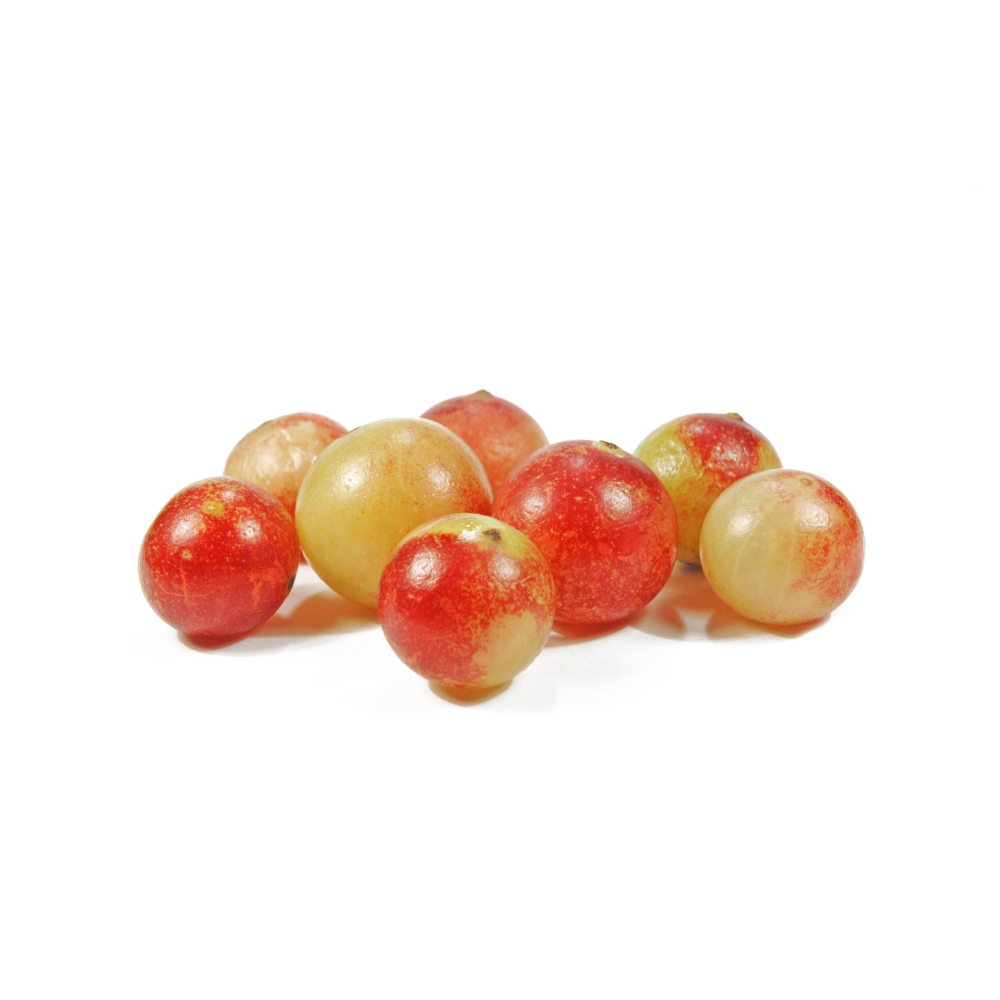 Principal source Camu-camu Myrciaria dubia Herb monograph →
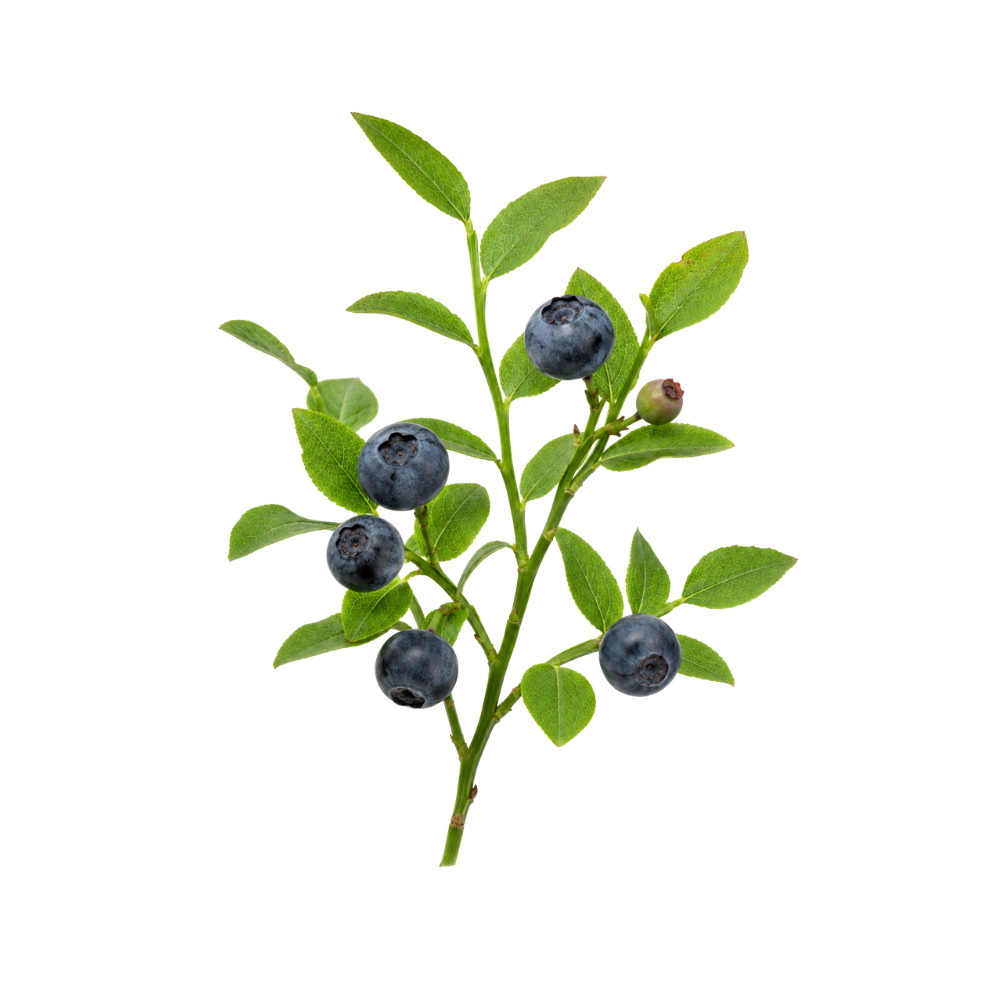 Source Bilberry Vaccinium myrtillus Herb monograph →
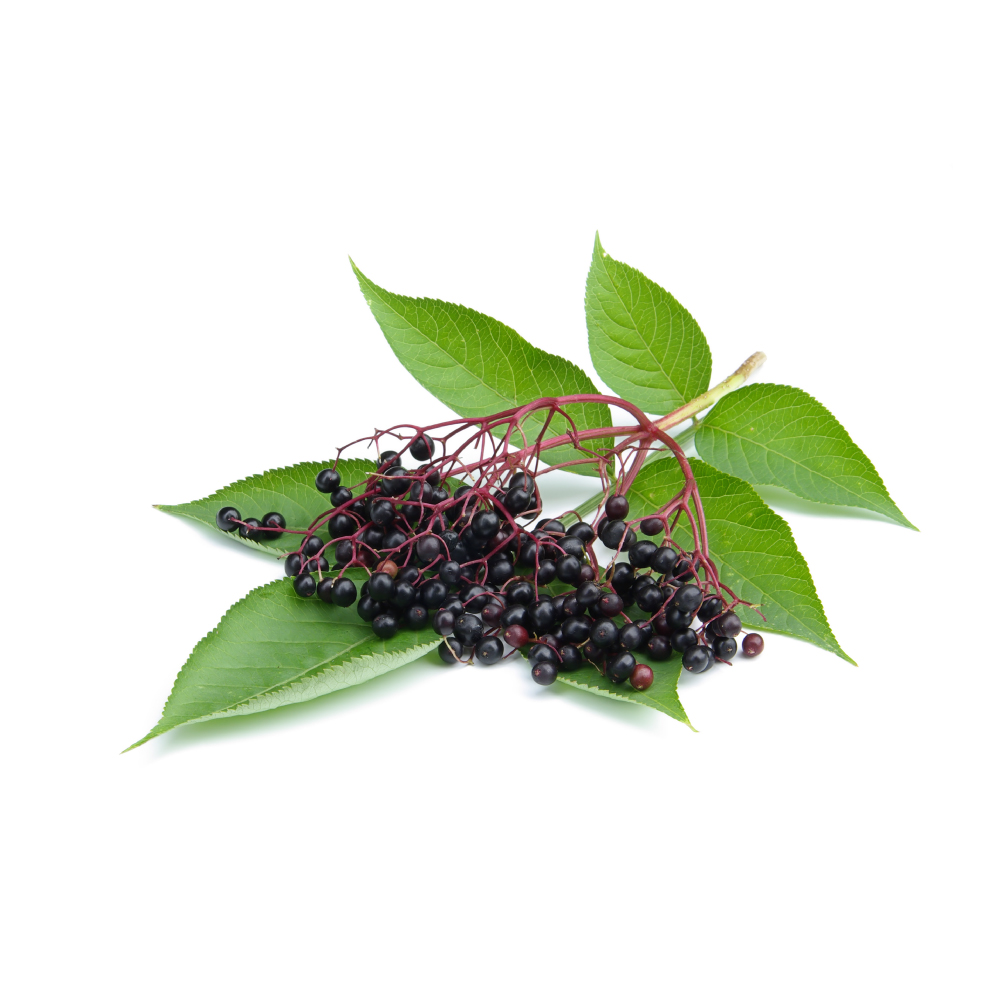 Source Elderberry Sambucus nigra Herb monograph →
Concentration
Content by Source
Reported concentrations across the plants that contain cyanidin-3-glucoside — the bar marks the typical level, the line shows the reported range.
Literature figures for varying plant parts and preparations. Read them as a comparative guide, not exact assays.
Cyanidin-3-Glucoside at a Glance
Cyanidin-3-glucoside — usually abbreviated C3G, and also called kuromanin or chrysanthemin — is the 3-O-glucoside of cyanidin: the parent anthocyanidin with a single glucose sugar attached at its 3-position. It is the red-to-purple pigment of black rice, blackberries, black raspberries, elderberry, black beans and purple corn, and it is widely regarded as the single most abundant anthocyanin in the human diet 6,
Unlike its unstable free aglycone, C3G is the stable, studied form in which cyanidin actually occurs and is eaten — so most “cyanidin” research is really about this molecule or about anthocyanin mixtures. Its preclinical profile is broad and coherent: metabolic (anti-obesity, glycaemic), cardiovascular (anti-atherosclerotic, endothelial), anti-inflammatory and antioxidant effects, running mostly through Nrf2, NF-κB and cholesterol-transporter pathways rather than one target 5,
The load-bearing caveat is bioavailability. C3G is absorbed only in trace amounts (well under 1% survives intact), and it is extensively degraded in the gut to phenolic acids — chiefly protocatechuic acid — so a large share of the activity credited to C3G may actually be its metabolites’ 1,
The Most Abundant Dietary Anthocyanin
Two words that look alike are worth separating first. An anthocyanidin is the sugar-free pigment core — here, cyanidin. An anthocyanin is that core with one or more sugars attached; C3G is cyanidin plus a single glucose at the 3-position. In plants the pigments occur almost entirely as anthocyanins (glycosides), not as free aglycones, because the sugar makes the molecule far more stable and water-soluble — which is exactly why C3G, and not free cyanidin, is what colours food and what the body encounters.
Among all dietary anthocyanins, C3G is the most common: it is the dominant or co-dominant pigment across a remarkable range of pigmented staples — black rice, blackberry, black raspberry, elderberry, black beans, purple corn, cherries and red cabbage — and total dietary anthocyanin intake in Western diets is on the order of ~200 mg/day, more than any other flavonoid class, with cyanidin glycosides prominent in that total 6,
The other defining trait is pH-dependent colour and stability. In acidic conditions (roughly pH < 3) C3G exists as the deeply coloured red flavylium cation; as pH rises toward neutral it loses colour, shifting through the colourless carbinol (pseudobase) and pale chalcone forms, and toward alkaline pH it becomes blue-purple quinoidal bases. The practical consequences are large: C3G is vividly coloured and reasonably stable in an acidic food or the stomach, but chemically labile at the near-neutral pH of blood and tissue — a fact that runs straight into its poor bioavailability (below). Glycosylation makes C3G more stable than the free aglycone, but it does not make it robust at body pH.
Bioavailability & the Protocatechuic Acid Question
This is the most important section on the page. Anthocyanins are notoriously poorly bioavailable, and C3G is the molecule where that has been measured most precisely. In the definitive ¹³C-labelled human tracer study — 500 mg of isotopically labelled C3G given orally — the compound’s relative bioavailability was around 12% by total label recovery, but only a trace of intact C3G appeared in serum; the overwhelming majority of the recovered label was downstream metabolites, and the true elimination half-life was far longer than the parent-compound measurements had suggested 1Reference 1Human metabolism and elimination of the anthocyanin, cyanidin-3-glucoside: a ¹³C-tracer studyView study →. Human pharmacokinetic work confirms the pattern: intact anthocyanins circulate at only nanomolar concentrations, while phenolic-acid metabolites dominate systemic exposure 3Reference 3The pharmacokinetics of anthocyanins and their metabolites in humansView study →.
The single most important metabolite is protocatechuic acid (PCA). In a human study of cyanidin-glucosides from blood-orange juice, PCA accounted for ~73% of the ingested dose, and serum PCA vastly exceeded the intact anthocyanin 2Reference 2Protocatechuic acid is the major human metabolite of cyanidin-glucosidesView study →. This reframes the whole molecule: when C3G “works” in a person, the active species reaching the tissues is largely not C3G but PCA and other ring-fission phenolics generated by gut microbiota and host metabolism. Preclinical work makes the point directly — in apolipoprotein-E-deficient mice, C3G reduced monocyte infiltration “with the aid of its metabolite protocatechuic acid,” explicitly crediting the metabolite as part of the mechanism 8Reference 8AnimalCyanidin-3-O-β-glucoside with the aid of its metabolite protocatechuic acid, reduces monocyte infiltration in apolipoprotein E-deficient miceView study →.
The honest reading: the isolate’s activity is partly its metabolites’. Any C3G health claim has to survive the fact that very little of the parent molecule ever reaches the bloodstream intact, and that its most abundant human metabolite is a separate, well-characterised phenolic acid with its own pharmacology.
What It's Used For
C3G’s preclinical profile is genuine and mechanistically coherent, but two disciplines govern how to read it: almost all of the C3G-specific efficacy data are rodent or in-vitro, and the human evidence is for anthocyanin mixtures, not the isolate 6,
Support is an experimental score — weighted by study type (human > animal > in vitro) and volume. A beta, not a validated metric. C3G-specific human efficacy data are essentially absent (the human trials use mixtures), so scores stay modest by design. Each application links to its write-up.
C3G’s best-developed preclinical story. The landmark study fed mice a C3G-rich purple-corn colour: it suppressed high-fat-diet-induced body-weight and adipose-tissue gain and completely normalised the hyperglycaemia, hyperinsulinaemia and hyperleptinaemia of the high-fat diet 5Reference 5AnimalDietary cyanidin 3-O-β-D-glucoside-rich purple corn color prevents obesity and ameliorates hyperglycemia in miceView study →.
A comprehensive review collates the mechanisms — C3G decreases lipid synthesis, increases fatty-acid oxidation and reduces lipid accumulation, with benefits reported across obesity, type-2 diabetes and inflammatory bowel disease 6Reference 6ReviewRecent advances on cyanidin-3-O-glucoside in preventing obesity-related metabolic disorders: a comprehensive reviewView study →.
The human anthocyanin-mixture trials add a metabolic-adjacent signal (improved lipids; see Cardiovascular) 11Reference 11Anthocyanin supplementation improves serum LDL- and HDL-cholesterol concentrations associated with the inhibition of cholesteryl ester transfer protein in dyslipidemic subjectsView study →.
Gap: the marquee metabolic evidence is rodent, and often uses C3G-rich plant fractions (purple corn) rather than the pure molecule; no controlled human trial has tested isolated C3G for weight or glycaemia, and absorption is minimal 1,
A strong preclinical-plus-mixture picture. In apolipoprotein-E-deficient mice, dietary C3G lowered aortic atherosclerotic plaque area by ~54%, upregulating the cholesterol transporters ABCA1 and ABCG1 and promoting efflux of 7-ketocholesterol from vascular cells 7Reference 7AnimalSupplementation with cyanidin-3-O-β-glucoside protects against hypercholesterolemia-mediated endothelial dysfunction and attenuates atherosclerosis in apolipoprotein E-deficient miceView study →; a companion study showed C3G reduces monocyte infiltration with the help of its metabolite protocatechuic acid 8Reference 8AnimalCyanidin-3-O-β-glucoside with the aid of its metabolite protocatechuic acid, reduces monocyte infiltration in apolipoprotein E-deficient miceView study →.
In humans, purified anthocyanins (~320 mg/day) improved endothelial function (flow-mediated dilation) via NO–cGMP in hypercholesterolaemic adults 9Reference 9Purified anthocyanin supplementation improves endothelial function via NO-cGMP activation in hypercholesterolemic individualsView study → and improved LDL- and HDL-cholesterol through inhibition of cholesteryl-ester transfer protein (CETP) in dyslipidaemic subjects 11Reference 11Anthocyanin supplementation improves serum LDL- and HDL-cholesterol concentrations associated with the inhibition of cholesteryl ester transfer protein in dyslipidemic subjectsView study →.
Gap: the mouse work is the isolate but at high dietary doses; the human RCTs use a bilberry/blackcurrant anthocyanin mixture (C3G is one of several), not isolated C3G, so the clinical benefit cannot be assigned to this molecule alone 9,
Mechanistically consistent and, unusually, backed by a human mixture trial. C3G suppresses NF-κB-driven inflammatory signalling in the vascular models above 7,
Gap: the human anti-inflammatory result is again the anthocyanin mixture, not isolated C3G, and the mechanistic data are preclinical; the anti-inflammatory phenolic metabolite PCA is a plausible co-actor 8,
As a catechol-bearing anthocyanin, C3G is a capable radical scavenger and metal chelator in cell-free systems, though the free aglycone out-scavenges its glycosides — adding the sugar reduces the intrinsic antioxidant activity 4Reference 4Antioxidant activity of anthocyanins and their aglyconsView study →. In an LDL-oxidation model, an elderberry anthocyanin extract (rich in C3G) strongly prolonged the lag phase of copper-induced LDL oxidation — but flipped to a pro-oxidant effect depending on dose and the timing of addition, a reminder that “antioxidant” is condition-dependent 13Reference 13Antioxidant and prooxidant activities of elderberry (Sambucus nigra) extract in low-density lipoprotein oxidationView study →.
Gap: these are cell-free/ex-vivo chemistry assays, frequently on extracts rather than the isolate; no human antioxidant outcome rests on C3G specifically, and the same molecule can turn pro-oxidant 4,
Anthocyanins and anthocyanin-rich extracts show anti-carcinogenic activity in cell culture and animal tumour models, summarised in a cancer-prevention review that itself flags the gap between promising lab data and inconclusive human epidemiology, and notes that better absorption may be needed for any chemopreventive effect 12Reference 12Anthocyanins and their role in cancer preventionView study →.
Gap: evidence is mixtures/extracts, not isolated C3G, with no confirmed human efficacy and the standing bioavailability problem 12Reference 12Anthocyanins and their role in cancer preventionView study →.
In the plant setting, C3G is the dominant anthocyanin of camu-camu (~88–90% of total), and camu-camu juice was antigenotoxic and antimutagenic in ethanol-treated mice 14,
Gap: this is a whole-fruit-juice result in rodents; C3G is one contributor among vitamin C, ellagitannins and other phenolics, and was not tested as the isolate 16Reference 16AnimalAntigenotoxic and antimutagenic effects of Myrciaria dubia juice in mice submitted to ethanol 28-day treatmentView study →.
Mechanisms
| Target / pathway | Effect | Relevant to |
|---|---|---|
| Nrf2 / antioxidant-response element | ↑ endogenous antioxidant enzymes; fatty-acid oxidation | metabolicantioxidant |
| NF-κB signalling | suppression → lower TNF-α, IL-1β, VCAM-1, CRP | anti-inflammatorycardiovascular |
| ABCA1 / ABCG1 cholesterol transporters | upregulated → cholesterol / 7-ketocholesterol efflux from vascular cells | cardiovascular (anti-atherosclerotic) |
| AMPK & lipogenic genes | ↓ lipid synthesis, ↑ fatty-acid oxidation, ↓ lipid accumulation | metabolic / anti-obesity |
| Cholesteryl-ester transfer protein (CETP) | inhibition → improved LDL/HDL profile (human mixture data) | cardiovascular |
| Catechol B-ring radical scavenging / metal chelation | direct antioxidant (aglycone > glycoside); pro-oxidant at high dose | antioxidant |
| Gut-microbial ring fission → phenolic acids | degradation to protocatechuic acid and related phenolics — a major active species | bioavailability / all applications |
The load-bearing line is the last one: because so little C3G is absorbed intact, several of the effects above may be delivered in vivo by its metabolites — chiefly protocatechuic acid — rather than by C3G itself 1,
Clinical Trials
There are no controlled efficacy trials of isolated C3G. The human evidence is a small set of trials of purified anthocyanin mixtures (the bilberry/blackcurrant preparation Medox, ~320 mg/day), in which C3G is one of several anthocyanins: these improved endothelial function 9Reference 9Purified anthocyanin supplementation improves endothelial function via NO-cGMP activation in hypercholesterolemic individualsView study →, inflammatory markers 10Reference 10RCTAnti-inflammatory effect of purified dietary anthocyanin in adults with hypercholesterolemia: a randomized controlled trialView study → and the LDL/HDL profile 11Reference 11Anthocyanin supplementation improves serum LDL- and HDL-cholesterol concentrations associated with the inhibition of cholesteryl ester transfer protein in dyslipidemic subjectsView study →. C3G-specific efficacy data are preclinical.
| Completed | Planned | Terminated | Preclinical |
|---|---|---|---|
| Anthocyanin mixture RCTs (endothelial, lipids, inflammation) 9, | — | — | Extensive(metabolic, cardiovascular, anti-inflammatory — C3G isolate & C3G-rich fractions) |
Last checked: July 2026.
How Cyanidin-3-Glucoside Works
The throughline across C3G’s effects is redox and inflammatory signalling, reached through several parallel routes — with the persistent asterisk that the molecule reaching tissue is often its metabolite.
Nrf2 & Antioxidant Defence
C3G activates the Nrf2/antioxidant-response-element axis, raising endogenous antioxidant-enzyme expression and shifting lipid handling toward fatty-acid oxidation — part of its metabolic and antioxidant profile 6Reference 6ReviewRecent advances on cyanidin-3-O-glucoside in preventing obesity-related metabolic disorders: a comprehensive reviewView study →.
NF-κB & Inflammation
C3G suppresses NF-κB-driven transcription, lowering pro-inflammatory mediators (TNF-α, IL-1β) and vascular adhesion molecules (VCAM-1) — the mechanism behind both its anti-inflammatory and its anti-atherosclerotic signals 7,
Cholesterol Efflux & Lipid Metabolism
In vascular cells C3G upregulates the ABCA1 and ABCG1 cholesterol transporters, promoting efflux of cholesterol and 7-ketocholesterol 7Reference 7AnimalSupplementation with cyanidin-3-O-β-glucoside protects against hypercholesterolemia-mediated endothelial dysfunction and attenuates atherosclerosis in apolipoprotein E-deficient miceView study →; systemically, the human mixture data point to CETP inhibition improving the LDL/HDL balance 11Reference 11Anthocyanin supplementation improves serum LDL- and HDL-cholesterol concentrations associated with the inhibition of cholesteryl ester transfer protein in dyslipidemic subjectsView study →, while AMPK-linked effects reduce lipogenesis 6Reference 6ReviewRecent advances on cyanidin-3-O-glucoside in preventing obesity-related metabolic disorders: a comprehensive reviewView study →.
The Metabolite Contribution
Because intact C3G barely reaches the circulation, its gut-derived phenolic-acid metabolites — above all protocatechuic acid — are part of the working mechanism, explicitly credited in the anti-atherosclerotic monocyte study 8Reference 8AnimalCyanidin-3-O-β-glucoside with the aid of its metabolite protocatechuic acid, reduces monocyte infiltration in apolipoprotein E-deficient miceView study →. Any mechanistic read of C3G has to hold the parent and its metabolites together.
A Unifying Interpretation
Most of C3G’s repertoire collapses into one economical picture: an anti-inflammatory, redox-modulating, lipid-favourable action built from Nrf2 activation, NF-κB suppression and cholesterol-transporter upregulation, which together explain the metabolic, cardiovascular and anti-inflammatory signals without a distinct receptor for each. Layered under all of it is the pharmacokinetic asterisk — minimal absorption and extensive conversion to protocatechuic acid — which means the in-vivo actor is a blend of parent molecule and metabolites. The evidence base is largely preclinical, and the human data are mixtures, so the interpretation is “coherent and promising,” not “clinically established.”
Isolate vs. Plant Studies
C3G sits in an unusual middle. The mechanistic and rodent efficacy work is genuinely the isolated molecule (or C3G-rich fractions) — the purple-corn anti-obesity study 5Reference 5AnimalDietary cyanidin 3-O-β-D-glucoside-rich purple corn color prevents obesity and ameliorates hyperglycemia in miceView study →, the apoE-mouse atherosclerosis and monocyte studies 7,
Its Role in Plants
C3G is produced through the flavonoid/anthocyanin biosynthetic pathway: the anthocyanidin cyanidin is formed from dihydroflavonol precursors (via leucoanthocyanidin and anthocyanidin synthase), then glucosylated at the 3-position by a UDP-glucose:flavonoid 3-O-glucosyltransferase (UFGT) to give the stable, water-soluble glucoside that plants actually accumulate.
Its function is pigmentation — the red-to-purple colour of fruit skins, seed coats (black rice, black beans), flowers and autumn foliage — which serves pollinator and seed-disperser attraction, and it contributes to photoprotection and antioxidant stress defence, buffering the plant against UV and reactive oxygen. The glucoside form is favoured over the free aglycone precisely because the sugar confers the stability and solubility needed to store the pigment in the vacuole. These are plant-biology roles and should not be read as human pharmacology.
Prevalence in Nature
C3G is the most widespread anthocyanin in the plant kingdom and the human diet, occurring across many families as the dominant or co-dominant pigment of red, purple and black tissues 6,
Concentrations vary enormously with plant part, cultivar, ripeness, growing conditions and processing, and because C3G is pH- and heat-labile, the amount in a food shifts with handling and storage. Where reported figures are unavailable or use different anthocyanin-equivalent bases, the numbers are best treated as comparative, not absolute.
Major Natural Sources
| Source | Plant part | Reported C3G content |
|---|---|---|
| Elder (Sambucus nigra) | ripe berry | ~205–481 mg/100 g fresh 15Reference 15Investigation of anthocyanin profile of four elderberry species and interspecific hybridsView study → |
| Camu-camu (Myrciaria dubia) | ripe fruit | ~26–49 mg/100 g fresh (≈88–90% of total anthocyanin) 14Reference 14Determination of anthocyanins from camu-camu (Myrciaria dubia) by HPLC-PDA, HPLC-MS, and NMRView study → |
| Black rice (Oryza sativa) | bran / whole grain | the principal anthocyanin (variety-dependent) |
| Blackberry / black raspberry (Rubus spp.) | fruit | a dominant anthocyanin |
| Purple corn (Zea mays) | kernel / cob | C3G-rich pigment fraction 5Reference 5AnimalDietary cyanidin 3-O-β-D-glucoside-rich purple corn color prevents obesity and ameliorates hyperglycemia in miceView study → |
Figures are for the stated plant part and, for camu-camu and elder, are cited; the black-rice, Rubus and purple-corn entries are qualitative where a single comparable number is not established (a documented gap).
Other Reported Sources
C3G is also reported from:
- Black beans (Phaseolus vulgaris)
- Bilberry (Vaccinium myrtillus)
- Blackcurrant (Ribes nigrum)
- Red cabbage (Brassica oleracea)
- Cherries (Prunus spp.)
- Chokeberry (Aronia melanocarpa)
- Mulberry (Morus spp.)
- Red grape skins
In most of these it co-occurs with other anthocyanins — delphinidin, peonidin, malvidin, pelargonidin and petunidin glycosides — and with the related proanthocyanidins.
Discovery & Synthesis
C3G was characterised within the early-twentieth-century anthocyanin pigment chemistry pioneered by Richard Willstätter, Robert Robinson and their contemporaries, who worked out the flavylium structures of the plant pigments; the individual glucoside acquired the trivial names chrysanthemin (from Chrysanthemum) and kuromanin. An exact first-isolation date for C3G specifically is not well documented in the accessible literature.
Manufacture today is overwhelmingly by extraction, not synthesis. Anthocyanins are produced commercially as natural food colourants (the E163 class) from pigment-rich crops — black rice, purple corn, grape skin, elderberry, bilberry, black carrot and red cabbage — with C3G a major component of several of these extracts. Total chemical synthesis of anthocyanins is possible but difficult (the flavylium cation is reactive and the glycosidic and hydroxyl groups need protection), so purified C3G is sold mainly as an analytical reference standard rather than made synthetically at scale; when studies use “C3G,” it is typically isolated from a plant source.
Patents: not yet researched (future patent-loop pass).
Toxicity & Safety
C3G carries a low flag. It is a dietary pigment eaten in quantity in coloured fruits, grains, vegetables and flowers, used commercially as a food colourant (anthocyanin/E163 class), and generally regarded as safe at ordinary dietary levels with no significant toxicity from normal food intake. In human trials, purified anthocyanin mixtures at ~320 mg/day for up to 24 weeks were well tolerated 9,
Reproductive note (prose only). No dedicated reproductive- or developmental-toxicity dataset exists for isolated C3G. As a common dietary anthocyanin it is consumed routinely in ordinary food, but pregnancy/lactation decisions belong to the herb or product page where intake is decided, not to this molecule page; no isolate-specific verdict is issued here.
- A low-toxicity dietary pigment. Eaten in quantity in pigmented foods and used as a natural food colourant, with no significant toxicity at dietary levels.
- Well tolerated in trials. Purified anthocyanin mixtures (~320 mg/day, up to 24 weeks) were well tolerated in human RCTs 9,
10, .11Reference 9Purified anthocyanin supplementation improves endothelial function via NO-cGMP activation in hypercholesterolemic individualsView study →Reference 10RCTAnti-inflammatory effect of purified dietary anthocyanin in adults with hypercholesterolemia: a randomized controlled trialView study →Reference 11Anthocyanin supplementation improves serum LDL- and HDL-cholesterol concentrations associated with the inhibition of cholesteryl ester transfer protein in dyslipidemic subjectsView study → - Can turn pro-oxidant. Like other polyphenols, C3G can flip from antioxidant to pro-oxidant at high concentration or with catalysing metals — “antioxidant” is condition-dependent 13Reference 13Antioxidant and prooxidant activities of elderberry (Sambucus nigra) extract in low-density lipoprotein oxidationView study →.
- Poorly absorbed; activity is partly its metabolites’. <1% is absorbed intact and most is converted to protocatechuic acid, so in-vitro potency does not translate to systemic exposure 1,
2Reference 1Human metabolism and elimination of the anthocyanin, cyanidin-3-glucoside: a ¹³C-tracer studyView study →Reference 2Protocatechuic acid is the major human metabolite of cyanidin-glucosidesView study → . - Human data are mixtures, not the isolate, and pregnancy/lactation is decided on the herb/product page, not here.
Dosage
There is no established or recommended human dose for isolated C3G. The figures below are research context, not a recommendation:
| Setting | Preparation | Amount |
|---|---|---|
| Human RCTs (endothelial, lipids, inflammation) | Purified anthocyanin mixture (Medox) | ~320 mg/day 9, |
| Human tracer pharmacokinetics | ¹³C-labelled C3G, single oral bolus | 500 mg 1Reference 1Human metabolism and elimination of the anthocyanin, cyanidin-3-glucoside: a ¹³C-tracer studyView study → |
| Typical Western diet | Total anthocyanins from food | ~200 mg/day 12Reference 12Anthocyanins and their role in cancer preventionView study → |
| Preclinical efficacy | C3G isolate / C3G-rich plant fractions in rodents | high dietary doses 5, |
The human trial figures are for an anthocyanin mixture in which C3G is one of several pigments, not isolated C3G, and the rodent doses are not convertible to human self-dosing. These are doses studied in research and are not a personal recommendation.
References
- Czank C, et al. (2013). Human metabolism and elimination of the anthocyanin, cyanidin-3-glucoside: a ¹³C-tracer study. The American Journal of Clinical Nutrition. https://pubmed.ncbi.nlm.nih.gov/23604435/
- Vitaglione P, et al. (2007). Protocatechuic acid is the major human metabolite of cyanidin-glucosides. The Journal of Nutrition. https://pubmed.ncbi.nlm.nih.gov/17709440/
- de Ferrars RM, et al. (2014). The pharmacokinetics of anthocyanins and their metabolites in humans. British Journal of Pharmacology. https://pubmed.ncbi.nlm.nih.gov/24602005/
- Kähkönen MP, Heinonen M (2003). Antioxidant activity of anthocyanins and their aglycons. Journal of Agricultural and Food Chemistry. https://pubmed.ncbi.nlm.nih.gov/12537433/
- Tsuda T, et al. (2003). Dietary cyanidin 3-O-β-D-glucoside-rich purple corn color prevents obesity and ameliorates hyperglycemia in mice. The Journal of Nutrition. https://pubmed.ncbi.nlm.nih.gov/12840166/
- Oumeddour DZ, et al. (2024). Recent advances on cyanidin-3-O-glucoside in preventing obesity-related metabolic disorders: a comprehensive review. Biochemical and Biophysical Research Communications. https://pubmed.ncbi.nlm.nih.gov/38976946/
- Wang Y, et al. (2012). Supplementation with cyanidin-3-O-β-glucoside protects against hypercholesterolemia-mediated endothelial dysfunction and attenuates atherosclerosis in apolipoprotein E-deficient mice. The Journal of Nutrition. https://pubmed.ncbi.nlm.nih.gov/22535762/
- Wang D, et al. (2011). Cyanidin-3-O-β-glucoside with the aid of its metabolite protocatechuic acid, reduces monocyte infiltration in apolipoprotein E-deficient mice. Biochemical Pharmacology. https://pubmed.ncbi.nlm.nih.gov/21569764/
- Zhu Y, et al. (2011). Purified anthocyanin supplementation improves endothelial function via NO-cGMP activation in hypercholesterolemic individuals. Clinical Chemistry. https://pubmed.ncbi.nlm.nih.gov/21926181/
- Zhu Y, et al. (2013). Anti-inflammatory effect of purified dietary anthocyanin in adults with hypercholesterolemia: a randomized controlled trial. Nutrition, Metabolism and Cardiovascular Diseases. https://pubmed.ncbi.nlm.nih.gov/22906565/
- Qin Y, et al. (2009). Anthocyanin supplementation improves serum LDL- and HDL-cholesterol concentrations associated with the inhibition of cholesteryl ester transfer protein in dyslipidemic subjects. The American Journal of Clinical Nutrition. https://pubmed.ncbi.nlm.nih.gov/19640950/
- Wang LS, Stoner GD (2008). Anthocyanins and their role in cancer prevention. Cancer Letters. https://pubmed.ncbi.nlm.nih.gov/18571839/
- Abuja PM, Murkovic M, Pfannhauser W (1998). Antioxidant and prooxidant activities of elderberry (Sambucus nigra) extract in low-density lipoprotein oxidation. Journal of Agricultural and Food Chemistry. https://doi.org/10.1021/jf980296g
- Zanatta CF, et al. (2005). Determination of anthocyanins from camu-camu (Myrciaria dubia) by HPLC-PDA, HPLC-MS, and NMR. Journal of Agricultural and Food Chemistry. https://pubmed.ncbi.nlm.nih.gov/16302773/
- Mikulic-Petkovsek M, et al. (2014). Investigation of anthocyanin profile of four elderberry species and interspecific hybrids. Journal of Agricultural and Food Chemistry. https://pubmed.ncbi.nlm.nih.gov/24830391/
- da Silva FC, et al. (2019). Antigenotoxic and antimutagenic effects of Myrciaria dubia juice in mice submitted to ethanol 28-day treatment. Journal of Toxicological and Environmental Health, Part A. https://pubmed.ncbi.nlm.nih.gov/31570063/



