
Compound Monograph
Galdosol
Galdosol is the last identified molecule in the rosemary and sage abietane oxidation cascade — the point where rosmanol and epirosmanol converge, because the C-7 stereocentre that separates them is destroyed when it becomes a ketone. PubMed indexes five records for it. One of those five is remarkable: galdosol binds the human brain benzodiazepine receptor with an IC50 of 0.8 uM, the tightest binding of any compound in a bioassay-guided fractionation of sage. Nobody has followed it up in twenty-three years, and nobody has ever measured galdosol in fresh plant material.

Sources · 5
Where Does It Come From?
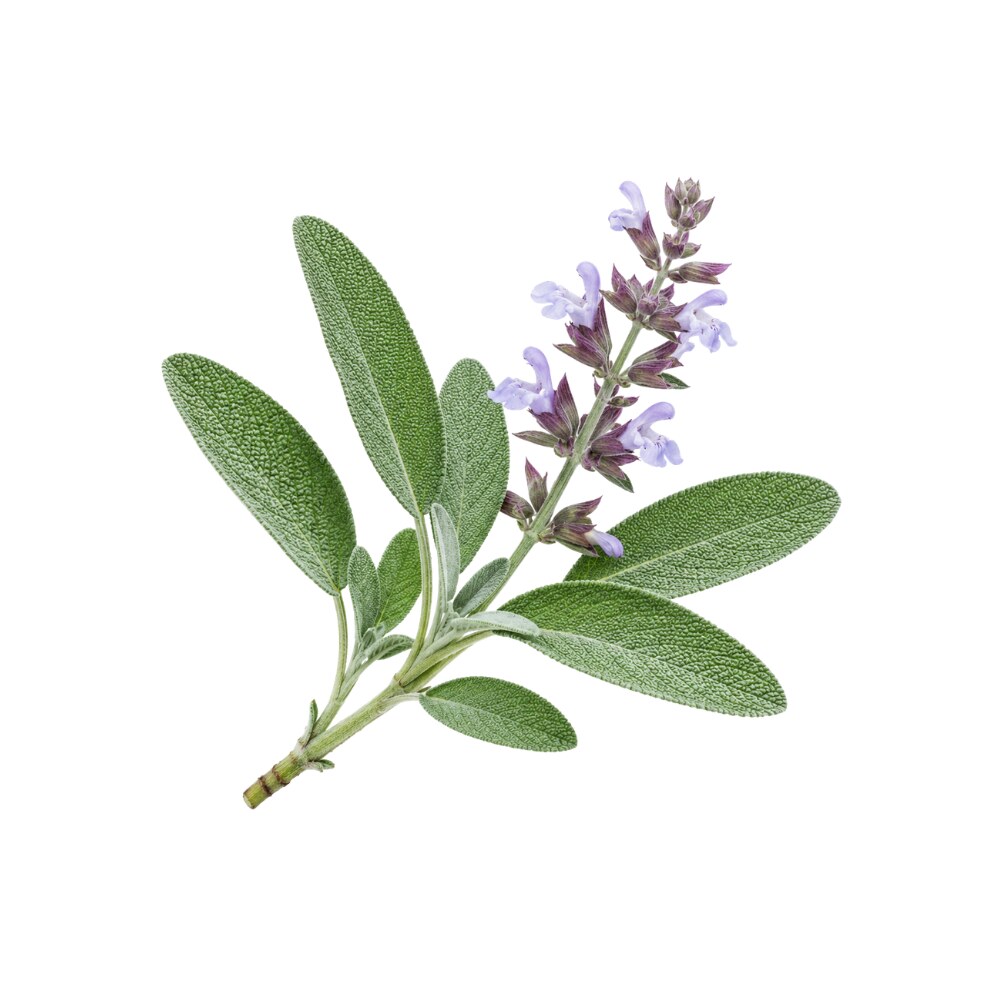
Galdosol is a naturally occurring abietane diterpene (ortho-diphenol; 7-oxo lactone, terminal member of the carnosic acid oxidation cascade), found in Sage and 4 other sources. Its toxicity is not yet characterized.
Concentration
Content by Source
Concentrations not reported. No percent-dry-weight or mg/g figures have been published for this compound in its source plants.
Galdosol at a Glance
Galdosol is an abietane diterpene — C₂₀H₂₄O₅, molecular weight 344.4, CAS 52591-18-1, PubChem CID 13966127 13Reference 13National Library of MedicineView study →. It is the last compound anyone has put a name to at the end of the oxidation cascade that begins with carnosic acid, the principal antioxidant of rosemary and sage.
Its place in that cascade is worth stating precisely, because it explains the molecule. Carnosic acid oxidises to carnosol, whose lactone runs C-20→C-7 as a six-membered ring. Carnosol opens onward to the δ-lactones rosmanol, epirosmanol and isorosmanol, which carry a hydroxyl at C-7. Galdosol is what happens when that hydroxyl is oxidised one step further, to a ketone 5,
Two facts should frame everything that follows.
First, this is one of the smallest literatures here. PubMed indexes five records that mention galdosol. Adding the primary chemistry papers that PubMed’s title-and-abstract index misses entirely — recovered here through Crossref and Europe PMC full-text mining — the whole literature is about ten papers, four of which put purified galdosol into a biological assay. There is no review of the molecule, no animal study, no pharmacokinetics, no toxicology, and no clinical trial. All ten are printed below.
Second, one of those five records is genuinely surprising. In a benzodiazepine-receptor binding assay-guided fractionation of sage, galdosol showed the strongest binding of any compound isolated — IC₅₀ 0.8 µM against ³H-flumazenil at the human brain benzodiazepine receptor 2Reference 2In vitroConstituents of sage (Salvia officinalis) with in vitro affinity to human brain benzodiazepine receptor — in vitroView study →. That is tighter than the flavone hispidulin (1.3 µM) from the same experiment, tighter than apigenin (30 µM), and roughly 400-fold tighter than cirsimaritin. The same group took hispidulin forward to a full functional characterisation — receptor subtypes, an animal seizure model, blood–brain-barrier transit — and published it in the British Journal of Pharmacology the following year 11Reference 11AnimalThe flavone hispidulin, a benzodiazepine receptor ligand with positive allosteric properties, traverses the blood-brain barrier and exhibits anticonvulsive effects — gerbils and ratsView study →. They never did any of that for galdosol. Twenty-three years later, nobody else has either.
The Whole Literature, Listed
Ten papers is small enough to print rather than summarise. Note how many of them PubMed’s galdosol search does not return — a reminder that in 1970s–90s Spanish and Japanese abietane chemistry, “no PubMed record” and “no evidence” are different statements.
| Year | Study | What it did with galdosol | In PubMed’s galdosol search? | Ref |
|---|---|---|---|---|
| 1973 | González, Fraga, Luis & Ravelo | First isolation and structure, from Salvia canariensis | No | 1Reference 1Constituents of Labiatae XIXView study → |
| 1983 | Escudero et al. | Reported among diterpenoids of S. oxyodon and S. lavandulifolia | No | 22Reference 22Diterpenoids from Salvia oxyodon and Salvia lavandulifoliaView study → |
| 1989 | González et al. | Isolated from S. canariensis aerial parts; reaction with diazomethane gave unexpected homoditerpenes | No | 6Reference 6Abietane diterpenes with antibiotic activity from the flowers of Salvia canariensisView study → |
| 1990 | Darias et al. | Cytostatic ID₅₀ 0.5 µg/mL — most active of 13 Canarian Lamiaceae isolates; moderate Gram-positive antibacterial | Yes | 4Reference 4In vitroCytostatic and antibacterial activity of some compounds isolated from several Lamiaceae species from the Canary Islands — in vitroView study → |
| 1992 | Djarmati et al. | NMR and X-ray crystallography of galdosol 5-methyl ether from S. officinalis | No | 7Reference 7NMR studies and X-ray crystallography of galdosol 5-methyl ether from Salvia officinalis LView study → |
| 2002 | Miura, Kikuzaki & Nakatani | Isolated from sage leaf; antioxidant activity comparable to α-tocopherol by oil stability index | Yes | 3Reference 3In vitroAntioxidant activity of chemical components from sage (Salvia officinalis L.) and thyme (Thymus vulgaris L.) measured by the oil stability index method — in vitroView study → |
| 2002 | Marrero, Andrés & Luis | Semisynthesis from carnosol | Yes | 5Reference 5In vitroSemisynthesis of rosmanol and its derivativesView study → |
| 2012 | Lima et al. | Isolated from Medusantha carvalhoi (Lamiaceae, Brazil) | No | 8Reference 8Abietane diterpenes from Hyptis carvalhoi HarleyView study → |
| 2017 | Bisio et al. | One of 13 diterpenes from a S. chamaedryoides surface extract; antibacterial and α-glucosidase panel | No | 9Reference 9In vitroAntibacterial and hypoglycemic diterpenoids from Salvia chamaedryoides — in vitroView study → |
| 2022 | Ríos, Schinella & Moragrega | Review; nominates galdosol as a priority target for future GABAergic drug research | Yes | 10Reference 10ReviewPhenolics as GABA_A receptor ligands — an updated reviewView study → |
Plus the 2003 benzodiazepine paper 2Reference 2In vitroConstituents of sage (Salvia officinalis) with in vitro affinity to human brain benzodiazepine receptor — in vitroView study →, which is the fifth PubMed record and the subject of the next section.
Four of those ten are isolate pharmacology 2,
The Benzodiazepine-Receptor Result
This is the reason the page exists, and it deserves both the enthusiasm and the discipline.
Kavvadias and colleagues at Würzburg ran a benzodiazepine-receptor binding assay-guided fractionation of a methanol extract of sage leaves — meaning the receptor affinity, not a chemical hunch, led them to the compounds. Five active constituents emerged: three flavones and two abietane diterpenes. They then measured competitive inhibition of ³H-flumazenil binding to the human brain benzodiazepine receptor 2Reference 2In vitroConstituents of sage (Salvia officinalis) with in vitro affinity to human brain benzodiazepine receptor — in vitroView study →:
| Compound | Class | IC₅₀ |
|---|---|---|
| Galdosol | Abietane diterpene | 0.8 µM |
| Hispidulin | Flavone | 1.3 µM |
| 7-Methoxyrosmanol | Abietane diterpene | 7.2 µM |
| Apigenin | Flavone | 30 µM |
| Cirsimaritin | Flavone | 350 µM |
Galdosol was the most potent binder in the study. A 2022 review of phenolics as GABA_A ligands, surveying the whole field, singled it out by name as one of a short list of compounds that “deserve to be considered as future subjects of research” 10Reference 10ReviewPhenolics as GABA_A receptor ligands — an updated reviewView study →.
Now the discipline, because four separate caveats sit on that number and none of them has been resolved.
Binding is not function. Displacing flumazenil tells you a molecule occupies the benzodiazepine site. It does not tell you what the molecule does there — positive allosteric modulator, antagonist and inverse agonist all displace the same radioligand, and their effects on a person run in opposite directions. No electrophysiology, no chloride-current measurement and no behavioural experiment has ever been performed with galdosol. Nothing here supports calling it sedative, anxiolytic or anticonvulsant, and actions: here deliberately omits all three.
The comparison inside the same paper is the tell. Hispidulin, the second-place binder, was carried forward the following year: expressed at recombinant α₁₋₃,₅,₆β₂γ₂S GABA_A receptors in Xenopus oocytes, where it stimulated GABA-induced chloride currents from 50 nM (a positive allosteric profile); fed to seizure-prone Mongolian gerbils at 10 mg/kg/day, where it cut seizure incidence from 80% to 30%; and tracked across the blood–brain barrier by ¹⁴C in-situ perfusion, with an uptake rate approaching diazepam’s 11Reference 11AnimalThe flavone hispidulin, a benzodiazepine receptor ligand with positive allosteric properties, traverses the blood-brain barrier and exhibits anticonvulsive effects — gerbils and ratsView study →. That is what a followed-up hit looks like. Galdosol — the tighter binder — received none of it. The literature does not say why.
A catechol in a binding assay is a flag. Galdosol carries an ortho-dihydroxy (catechol) ring, the same group that drives its antioxidant activity 3Reference 3In vitroAntioxidant activity of chemical components from sage (Salvia officinalis L.) and thyme (Thymus vulgaris L.) measured by the oil stability index method — in vitroView study →. Catechols are redox-active, oxidise to reactive quinones, and are a recognised source of frequent-hitter behaviour in binding screens. This is not a reason to dismiss the result — it is a reason the confirmatory experiments were needed and never done.
And the compound may partly have been made during the experiment. The extract was methanolic 2Reference 2In vitroConstituents of sage (Salvia officinalis) with in vitro affinity to human brain benzodiazepine receptor — in vitroView study →, and methanol is precisely the solvent class in which the carnosic acid cascade runs forward during workup 14,
Is Galdosol Actually in the Plant?
Because galdosol sits at the far end of an oxidation cascade, the honest first question is whether the plant makes it or the chemist does. This site has now found both answers in the same family: rosmaricine turned out to be an outright ammonia extraction artefact, while carnosol — suspected on identical grounds — was confirmed at 1.0–4.5 mg/g in liquid-nitrogen-frozen fresh rosemary leaf 14Reference 14In vitroA validated method for the determination of carnosic acid and carnosol in the fresh foliage of Salvia rosmarinus and Salvia officinalis from Greece — in vitroView study →.
For galdosol the answer is: unresolved, and nobody has run the experiment that would resolve it. What we have is evidence pulling in both directions.
- pro: It has been isolated as a discrete, structurally characterised compound from plant material by four independent laboratories in four countries, over forty years 1,
6, .7, 8, 9Reference 1Constituents of Labiatae XIXView study →Reference 6Abietane diterpenes with antibiotic activity from the flowers of Salvia canariensisView study →Reference 7NMR studies and X-ray crystallography of galdosol 5-methyl ether from Salvia officinalis LView study →Reference 8Abietane diterpenes from Hyptis carvalhoi HarleyView study →Reference 9In vitroAntibacterial and hypoglycemic diterpenoids from Salvia chamaedryoides — in vitroView study → - pro: Its distribution crosses genera — Salvia canariensis, S. officinalis, S. chamaedryoides, and Medusantha carvalhoi 1,
8, . Pure artefacts do not usually track taxonomy.9Reference 1Constituents of Labiatae XIXView study →Reference 8Abietane diterpenes from Hyptis carvalhoi HarleyView study →Reference 9In vitroAntibacterial and hypoglycemic diterpenoids from Salvia chamaedryoides — in vitroView study → - pro: The S. chamaedryoides isolation used a surface extract of the aerial parts 9Reference 9In vitroAntibacterial and hypoglycemic diterpenoids from Salvia chamaedryoides — in vitroView study → — a brief solvent wash of the glandular-trichome exudate, a much gentler procedure than an exhaustive hot methanol extraction.
- pro: A methyl ether of galdosol was isolated from S. officinalis and solved by X-ray crystallography 7Reference 7NMR studies and X-ray crystallography of galdosol 5-methyl ether from Salvia officinalis LView study →. Plants methylate their own diterpenes; the parent 12-O-methylcarnosic acid is a genuine biosynthetic product that survives conditions destroying carnosic acid 15Reference 15ReviewCarnosic acid — review of distribution, biosynthesis, accumulation and role in plantaView study →.
- con: It can be made from carnosol in a flask. Marrero and colleagues obtained galdosol, along with rosmanol, rosmaquinone, 7-methoxy- and 7-ethoxyrosmanol and epirosmanol, by partial synthesis from carnosol — their stated motivation being that these diterpenes occur in Salvia “in low quantities” 5Reference 5In vitroSemisynthesis of rosmanol and its derivativesView study →.
- con: Every plant isolation used an organic-solvent extract of harvested material. Methanolic 2Reference 2In vitroConstituents of sage (Salvia officinalis) with in vitro affinity to human brain benzodiazepine receptor — in vitroView study →, ethanolic and acetone extracts are exactly the conditions under which carnosic acid runs forward down the cascade 14,
15Reference 14In vitroA validated method for the determination of carnosic acid and carnosol in the fresh foliage of Salvia rosmarinus and Salvia officinalis from Greece — in vitroView study →Reference 15ReviewCarnosic acid — review of distribution, biosynthesis, accumulation and role in plantaView study → . - con: It has never been measured in fresh material. The 2022 study designed specifically to quantify the labile diterpenes in liquid-nitrogen-frozen leaf measured carnosic acid and carnosol only — galdosol was not sought 14Reference 14In vitroA validated method for the determination of carnosic acid and carnosol in the fresh foliage of Salvia rosmarinus and Salvia officinalis from Greece — in vitroView study →.
- con: No concentration exists for any tissue of any species. Not a mg/g, not a percentage, not a peak-area figure.
- con: A 2024 bioassay-guided study of cultivated S. canariensis — the type species — recovered carnosol, carnosic acid, 11-acetoxy- and 11,12-diacetoxycarnosic acid, salviol and quinone diterpenes, but no galdosol 21Reference 21In vitroBioassay-guided fractionation networking for discovery of biofungicides from cultivated Salvia canariensis — in vitroView study →.
The verdict taken here is that galdosol is a real molecule with a real, if thin, occurrence record, and that its level in any given preparation is almost certainly a function of how that preparation was made — more so than for carnosol, because it sits two steps further along the same one-way reaction. It is best understood the way epirosmanol is: a marker of how much oxidative processing the tissue and the extract have undergone.
The experiment that would settle it is small and obvious: quantify galdosol alongside carnosic acid, carnosol and rosmanol in liquid-nitrogen-frozen fresh sage leaf extracted in an aprotic solvent, and again in the same leaf after drying, storage and methanolic extraction. Nobody has done it. Until somebody does, treat every galdosol result — including the 0.8 µM one — as a result obtained on a compound of partly uncertain provenance.
What It's Used For
Four studies have put purified galdosol into a biological assay. They found four different things, none of which has been checked by anyone else.
Support is an experimental score — weighted by study type (human > animal > in vitro) and volume. A beta, not a validated metric. With a ten-paper literature, zero animal studies and zero replication, every score here is capped low by design. Each application links to its write-up.
Miura, Kikuzaki and Nakatani isolated eleven abietane diterpenoids, three apianane terpenoids, an anthraquinone and eight flavonoids from sage leaf, and evaluated them by the oil stability index in a methyl linoleate/silicone oil substrate at 90 °C. Carnosol, rosmanol, epirosmanol, isorosmanol, galdosol and carnosic acid all showed “remarkably strong activity, which was comparable to that of α-tocopherol” — an order of magnitude above the flavonoids in the same panel, which matched BHT. DPPH radical scavenging gave the same rank order, and the authors attributed the activity to the ortho-dihydroxy groups these compounds share 3Reference 3In vitroAntioxidant activity of chemical components from sage (Salvia officinalis L.) and thyme (Thymus vulgaris L.) measured by the oil stability index method — in vitroView study →.
That attribution is the important part, and it cuts both ways. It means the antioxidant result is mechanistically well-understood and almost certainly real. It also means it is a property of the abietane catechol scaffold, not of galdosol specifically — which is why the paper reports it as one name in a list of six, and why no study has ever singled galdosol out as the antioxidant worth having.
Gap: cell-free only. No cellular antioxidant assay, no Nrf2/ARE reporter data (galdosol was not in the sage diterpene panel that produced those for its siblings), no animal oxidative-stress model, no human data. And no concentration figure exists for any plant tissue, so there is no way to know whether galdosol contributes meaningfully to any real preparation’s antioxidant capacity.
The single most interesting result on this molecule, discussed in full above. Benzodiazepine-receptor binding assay-guided fractionation of a methanolic sage-leaf extract yielded five active constituents; galdosol was the most potent, competitively inhibiting ³H-flumazenil binding to the human brain benzodiazepine receptor with IC₅₀ 0.8 µM — against 1.3 µM for hispidulin, 7.2 µM for 7-methoxyrosmanol, 30 µM for apigenin and 350 µM for cirsimaritin 2Reference 2In vitroConstituents of sage (Salvia officinalis) with in vitro affinity to human brain benzodiazepine receptor — in vitroView study →.
Structures were confirmed by UV, EI-MS, ESI(+)-MS/MS and ¹H/¹³C NMR, so the identity of the tested compound is not in doubt.
A 2022 review of phenolics as GABA_A receptor ligands surveyed the field since 2010 and named galdosol first among the compounds that “deserve to be considered as future subjects of research on new anticonvulsant and anxiolytic drugs” 10Reference 10ReviewPhenolics as GABA_A receptor ligands — an updated reviewView study →. Note one small inconsistency in that review: its body text correctly reports the primary value as 0.8 µM, while its conclusion restates it as 0.5 µM 10Reference 10ReviewPhenolics as GABA_A receptor ligands — an updated reviewView study →. 0.8 µM is the figure in the primary paper 2Reference 2In vitroConstituents of sage (Salvia officinalis) with in vitro affinity to human brain benzodiazepine receptor — in vitroView study →.
Gap: everything downstream. No functional assay of any kind — binding could reflect positive allosteric modulation, antagonism or inverse agonism, and the three have opposite behavioural consequences. No animal experiment. No blood–brain-barrier data, which matters especially for a molecule this polar and this unstable. No replication in twenty-three years. And the extract was methanolic 2Reference 2In vitroConstituents of sage (Salvia officinalis) with in vitro affinity to human brain benzodiazepine receptor — in vitroView study →, so the tested compound’s provenance carries the artefact question raised above.
Two data points, both modest, and the more precise of the two is second-hand.
Darias and colleagues at La Laguna tested thirteen compounds from Canarian Salvia and Sideritis species and reported that they “evidence a moderate antibacterial activity against Gram positive bacteria” — a statement about the set, not about galdosol individually 4Reference 4In vitroCytostatic and antibacterial activity of some compounds isolated from several Lamiaceae species from the Canary Islands — in vitroView study →.
Separately, Bisio and colleagues isolated thirteen diterpenes from a surface extract of Salvia chamaedryoides aerial parts and tested them against 26 clinical pathogens, finding no activity against Gram-negatives or against Candida, and variable susceptibility among staphylococci and enterococci 9Reference 9In vitroAntibacterial and hypoglycemic diterpenoids from Salvia chamaedryoides — in vitroView study →.
A 2021 compilation of antimicrobial diterpenes records galdosol’s value from that study as MIC 32–64 µg/mL against Enterococcus faecium and E. faecalis 12Reference 12ReviewAntimicrobial diterpenes — recent development from natural sources. [Review.] Frontiers in Pharmacology, 12, 820312. https://pubmed.ncbi.nlm.nih.gov/35295739/View study →.
Two honesty notes. The MIC range comes from a review’s summary table; the primary paper is paywalled and this value could not be confirmed at source 9,
Gap: no organism-specific mechanism, no time-kill or resistance work, no animal infection model, and no comparison against the standard antibiotics that would place the MIC in context.
The most striking single number attached to galdosol, and the one with the least around it. In a 1990 chemotherapeutic screen of thirteen products from Canary Islands Salvia and Sideritis species — eleven diterpenes, the lignan (+)-sesamin and the coumarin siderin — the authors singled out galdosol: “some diterpenoid compounds show an interesting cytostatic activity, specially galdosol (6) with an ID₅₀ value of 0.5 µg/mL” 4Reference 4In vitroCytostatic and antibacterial activity of some compounds isolated from several Lamiaceae species from the Canary Islands — in vitroView study →.
At MW 344 that is roughly 1.5 µM, which would be potent.
Apply the discipline this site applies everywhere. The abstract does not name the cell line. There is no normal-cell comparator, so no selectivity index. The compound is a redox-active catechol, a chemotype that commonly reduces viability by generalised oxidative stress rather than by any tumour-selective mechanism — and the closely related epirosmanol was later measured as cytotoxic to normal rat L6 myoblasts at ~14 µM, with a selectivity index of 1.6 in the only assay that computed one. And nothing has followed in thirty-six years: no replication, no mechanism, no in-vivo tumour model.
Gap: essentially all of it. On the current record this is a single unreplicated viability number, and it is not sufficient to carry an anticancer tag — which is why none is given.
Mechanisms
| Target / pathway | Effect | Relevant to | Compartment |
|---|---|---|---|
| Benzodiazepine site, human brain GABA_A receptor | Competitive displacement of ³H-flumazenil, IC₅₀ 0.8 µM; direction of modulation unknown 2Reference 2In vitroConstituents of sage (Salvia officinalis) with in vitro affinity to human brain benzodiazepine receptor — in vitroView study → | CNS (hypothetical) | Membrane binding assay |
| Lipid peroxyl radicals / DPPH | Direct scavenging via the ortho-dihydroxy (catechol) ring; oil-stability-index activity comparable to α-tocopherol 3Reference 3In vitroAntioxidant activity of chemical components from sage (Salvia officinalis L.) and thyme (Thymus vulgaris L.) measured by the oil stability index method — in vitroView study → | Antioxidant | Cell-free |
| Gram-positive bacterial viability (E. faecium, E. faecalis) | MIC 32–64 µg/mL (~93–186 µM); no Gram-negative or Candida activity 9, | Antibacterial | Culture |
| Tumour-cell viability (line unspecified) | Cytostatic ID₅₀ 0.5 µg/mL (~1.5 µM); no selectivity control 4Reference 4In vitroCytostatic and antibacterial activity of some compounds isolated from several Lamiaceae species from the Canary Islands — in vitroView study → | — | Culture |
| α-Glucosidase / α-amylase | Tested as one of 13 diterpenes in a panel; galdosol-specific values not accessible 9Reference 9In vitroAntibacterial and hypoglycemic diterpenoids from Salvia chamaedryoides — in vitroView study → | — | Enzyme assay |
Pharmacokinetics
There is none. No absorption figure, no oral bioavailability, no plasma concentration, no half-life, no tissue distribution, no metabolism study, in any species. galdosol AND pharmacokinetics returns zero records anywhere.
This gap matters more here than it usually does, because the one interesting finding is a central nervous system binding result 2Reference 2In vitroConstituents of sage (Salvia officinalis) with in vitro affinity to human brain benzodiazepine receptor — in vitroView study →. A benzodiazepine-site ligand is only interesting if it reaches the brain, and nothing is known about whether galdosol survives ingestion, let alone crosses the blood–brain barrier. The instructive comparison is again hispidulin, which was measured directly by ¹⁴C in-situ rat brain perfusion and shown to enter at a rate approaching diazepam’s 11Reference 11AnimalThe flavone hispidulin, a benzodiazepine receptor ligand with positive allosteric properties, traverses the blood-brain barrier and exhibits anticonvulsive effects — gerbils and ratsView study →. That measurement is exactly what galdosol lacks.
What can be said indirectly: galdosol is more oxidised, more polar and lower in molecular weight than its carnosic acid parent, which is directionally favourable for passive membrane transit — the same argument made for epirosmanol, which showed ~50% permeability in an artificial-membrane blood–brain-barrier model where carnosic acid and carnosol showed almost none. That is an inference about a sibling, not a measurement of this molecule.
Clinical Trials
None. A ClinicalTrials.gov search for galdosol returns 0 studies (checked August 2026). Human exposure is entirely incidental, through culinary sage and concentrated Salvia extracts.
| Completed | Planned | Terminated | Preclinical |
|---|---|---|---|
| —(none) | — | — | 4in-vitro isolate studies |
Last checked: August 2026.
Isolate vs. Plant
The boundary is unusually clean here, because there is almost nothing on either side.
Genuine isolate evidence: all four pharmacology papers tested purified galdosol 2,
What must not be transferred in. Galdosol inherits nothing from upstream. Carnosic acid’s Keap1/Nrf2 neuroprotection, its selective mPGES-1 inhibition, its AMPK and lipase effects, and the whole E 392 food-additive regulatory identity belong to carnosic acid and carnosol. The EU specification for rosemary extract is written as the sum of carnosic acid plus carnosol — galdosol is not named in it, is not measured in commerce, and has no regulatory status of any kind.
What must not be transferred out. Nothing here supports a claim about sage or rosemary as herbs. In particular, sage’s traditional and modern reputation in cognition and mood has been attributed by some reviews to its benzodiazepine-receptor-active constituents — but the compound with the functional and in-vivo evidence behind that story is the flavone hispidulin 11Reference 11AnimalThe flavone hispidulin, a benzodiazepine receptor ligand with positive allosteric properties, traverses the blood-brain barrier and exhibits anticonvulsive effects — gerbils and ratsView study →, not galdosol. Galdosol has an affinity number and nothing else.
One near-name entity that is not this molecule. Galdosol 5-methyl ether, isolated from S. officinalis and solved by X-ray crystallography 7Reference 7NMR studies and X-ray crystallography of galdosol 5-methyl ether from Salvia officinalis LView study →, is a distinct compound. Its data do not transfer, in either direction.
Prevalence in Nature
Galdosol is a Lamiaceae compound and, within the family, almost entirely a Salvia compound. Its distribution follows carnosic acid’s, because it is made from it.
| Source | Part | Basis |
|---|---|---|
| Canary Island sage (Salvia canariensis) | Aerial parts, flowers | Type source — first isolation and structure 1973 1Reference 1Constituents of Labiatae XIXView study →; re-isolated from aerial parts 1989 6Reference 6Abietane diterpenes with antibiotic activity from the flowers of Salvia canariensisView study → |
| Sage (Salvia officinalis) | Leaf | Isolated from leaf among 23 constituents 3Reference 3In vitroAntioxidant activity of chemical components from sage (Salvia officinalis L.) and thyme (Thymus vulgaris L.) measured by the oil stability index method — in vitroView study →; recovered by receptor-binding-guided fractionation 2Reference 2In vitroConstituents of sage (Salvia officinalis) with in vitro affinity to human brain benzodiazepine receptor — in vitroView study →; the 5-methyl ether solved by X-ray 7Reference 7NMR studies and X-ray crystallography of galdosol 5-methyl ether from Salvia officinalis LView study → |
| Salvia chamaedryoides | Aerial-part surface exudate | One of 13 diterpenes from a surface extract 9Reference 9In vitroAntibacterial and hypoglycemic diterpenoids from Salvia chamaedryoides — in vitroView study → |
| Medusantha carvalhoi (syn. Hyptis carvalhoi) | Aerial parts | Single Brazilian report, with rosmanol, methylrosmanol, 7α-ethoxyrosmanol and epi-isorosmanol 8Reference 8Abietane diterpenes from Hyptis carvalhoi HarleyView study → |
| Spanish sage (Salvia lavandulifolia) | Aerial parts | Single 1983 report 22Reference 22Diterpenoids from Salvia oxyodon and Salvia lavandulifoliaView study →; repeated in a 2021 review with a broken citation, so treat as provisional |
No concentration figure exists. Not a mg/g, not a % dry weight, not a peak-area percentage, for any source.
Galdosol is not, on the primary record, a rosemary compound. A PubMed search for galdosol AND ("Rosmarinus officinalis" OR "Salvia rosmarinus") returns zero records, and every full-text co-mention of galdosol with rosemary is a review or an introductory sentence restating the carnosic acid cascade — not a detection 17,
Two annotations to discount. Untargeted metabolomics has recently placed galdosol in two implausible plants. A 2025 study annotated it in Ephedra foeminea branches by exact mass 19Reference 19Medicinal effects of Ephedra foeminea aqueous extracts — metabolomic characterization, biological evaluation, and molecular dockingView study → — a gnetophyte with no known abietane catechol pathway. And a 2024 multi-omics study annotated it in sweet pepper (Capsicum annuum), a Solanaceae 20Reference 20Sweet pepper extract reduces fat storage in Caenorhabditis elegans by the SREBP-SCD axis based on multiomics analysisView study →; that table’s own numbers give it away, reporting an observed and calculated m/z of 343.228 for the [M−H]⁻ ion of C₂₀H₂₄O₅, which is 343.155. A 0.073 Da discrepancy is not a measurement error, it is a mis-assignment. Both are database false positives of the kind that follow obscure natural products around, and neither should be cited as an occurrence.
Its Role in Plants
Galdosol has no dedicated biosynthetic enzyme, and almost certainly no dedicated function. It is a terminal product of the sacrificial antioxidant chemistry that carnosic acid performs in the chloroplast.
The pathway upstream of it is fully solved: geranylgeranyl diphosphate → miltiradiene → ferruginol → carnosic acid, by way of four Salvia cytochrome P450s. What happens next is not enzymology but chemistry. Carnosic acid quenches reactive oxygen species and is consumed in the act, its catechol oxidising to an ortho-quinone that is intercepted by the C-20 carboxyl to give carnosol, and thence onward to the rosmanol series and to galdosol 15,
Galdosol therefore sits at the far end of a one-way reaction that measures oxidative history — of the living leaf, and then of everything that happened to it afterwards. That is the best available explanation for why the compound is so scarce, so patchily reported, and so resistant to quantification: its level is not a plant trait so much as a running total.
Discovery & Synthesis
Galdosol was isolated and its structure established in 1973 by Antonio González, Braulio Fraga, Javier Luis and Ángel Ravelo at the Instituto Universitario de Bio-Orgánica Antonio González, University of La Laguna, Tenerife, from the Canary Islands endemic sage Salvia canariensis 1Reference 1Constituents of Labiatae XIXView study →. The report appeared in Experientia as the nineteenth paper in the group’s long Constituents of Labiatae series — a body of Canarian phytochemistry that also gave the neighbouring diterpene salviol its modern description.
The same group returned to the molecule in 1989, isolating it again from the aerial parts of S. canariensis alongside the new diterpenes canariquinone, rosmaquinone and 11-acetoxycarnosic acid from the flowers, and reporting that its reaction with diazomethane unexpectedly gave two new homoditerpenes rather than the expected methyl ether 6Reference 6Abietane diterpenes with antibiotic activity from the flowers of Salvia canariensisView study →. In 1992 a Serbian group isolated galdosol 5-methyl ether from Salvia officinalis and solved it by NMR and X-ray crystallography 7Reference 7NMR studies and X-ray crystallography of galdosol 5-methyl ether from Salvia officinalis LView study → — the only crystallographic work in this molecule’s literature.
Structurally, galdosol is the point at which the rosmanol epimers converge. Rosmanol and epirosmanol are C₂₀H₂₆O₅ and differ only in the configuration at C-7 (7α versus 7β). Galdosol is C₂₀H₂₄O₅ — the same skeleton with that carbon oxidised from a secondary alcohol to a ketone, which erases the stereocentre altogether 13Reference 13National Library of MedicineView study →. It retains the catechol on the aromatic ring and the δ-lactone bridge, which is why it keeps its siblings’ antioxidant chemistry 3Reference 3In vitroAntioxidant activity of chemical components from sage (Salvia officinalis L.) and thyme (Thymus vulgaris L.) measured by the oil stability index method — in vitroView study →.
There is no total synthesis. There is a practical semisynthesis: Marrero, Andrés and Luis obtained rosmanol, rosmaquinone, 7-methoxyrosmanol, 7-ethoxyrosmanol, galdosol and epirosmanol by partial synthesis from carnosol, an abundant natural product, with physical and spectroscopic data identical to authentic natural samples 5Reference 5In vitroSemisynthesis of rosmanol and its derivativesView study →. Their stated motivation — that these compounds occur in Salvia “in low quantities” — remains the clearest published statement about galdosol’s natural abundance, and it has no number attached to it.
Commercially, galdosol is sold only as a milligram-scale analytical reference standard. It is not produced at scale, is not a component of any commercial product, and does not appear in any regulatory specification.
Unusually for this batch’s molecules, galdosol has no synonym problem: PubChem lists no alternative chemical name for CID 13966127 beyond registry identifiers 13Reference 13National Library of MedicineView study →, and no second name for it appears anywhere in the literature. A searcher who misses this molecule misses it because there is so little to find, not because it is filed under something else.
Patents: not yet researched.
Toxicity & Safety
The honest verdict is not characterised, and the unknown grading is deliberate rather than reassuring. There has never been a toxicology study of galdosol of any description: no acute or repeat-dose study, no LD₅₀, no genotoxicity panel, no reproductive or developmental work, no drug-interaction assessment, and no administration to a living animal by any route. low would imply a clean record; what exists is an absent one.
Two in-vitro observations are worth holding, and both point in the cautious direction rather than the benign one.
It reduces cell viability at low micromolar concentrations. The 1990 cytostatic ID₅₀ of 0.5 µg/mL (~1.5 µM) is the most potent number attached to this molecule, and it was measured as an anticancer endpoint — but with no normal-cell comparator, a viability figure that low is equally readable as general cytotoxicity 4Reference 4In vitroCytostatic and antibacterial activity of some compounds isolated from several Lamiaceae species from the Canary Islands — in vitroView study →. Its close relative epirosmanol was later found cytotoxic to normal rat myoblasts at ~14 µM with a selectivity index of 1.6, which is the more informative precedent.
A benzodiazepine-site ligand with unknown directionality is not a neutral finding. Galdosol binds the benzodiazepine site tightly 2Reference 2In vitroConstituents of sage (Salvia officinalis) with in vitro affinity to human brain benzodiazepine receptor — in vitroView study →. Because nobody has determined whether it modulates the receptor positively, negatively or not at all, the possibility of a CNS effect — in either direction, including a pro-convulsant one — is open rather than excluded. This is a reason to be cautious about concentrated Salvia diterpene preparations in anyone taking benzodiazepines or antiepileptics, and it is a reason nothing here should be read as a sedative claim.
Reproductive and developmental effects have never been investigated for this molecule. Decisions about sage or rosemary in pregnancy belong on the sage and rosemary monographs, where intake is actually decided, and turn on thujone and on whole-preparation data — not on this compound.
- No adverse effect has ever been reported. It has also never been looked for; the unknown grading reflects the second statement, not the first.
- Dietary exposure is long-standing and incidental. Anyone who cooks with sage has consumed trace amounts indefinitely, with no signal attached — though nobody has ever measured how much.
- Cytostatic at ~1.5 µM in vitro with no selectivity control 4Reference 4In vitroCytostatic and antibacterial activity of some compounds isolated from several Lamiaceae species from the Canary Islands — in vitroView study →. For a redox-active catechol, that is as easily read as general cytotoxicity as it is as anticancer activity.
- Binds the benzodiazepine site at 0.8 µM with unknown functional direction 2Reference 2In vitroConstituents of sage (Salvia officinalis) with in vitro affinity to human brain benzodiazepine receptor — in vitroView study →. Positive modulation, antagonism and inverse agonism all look identical in that assay and do not have identical consequences.
- No toxicology, no pharmacokinetics, no animal data, no human data. Every statement here comes from a dish or a binding tube.
- No reproductive or developmental data exist. Nothing is known about use in pregnancy or breastfeeding.
- Drug interactions have never been assessed — no CYP, no transporter, no protein-binding work of any kind.
- Provenance is unresolved. No study has established how much galdosol is in fresh plant material versus how much forms during extraction and storage.
Dosage
There is no dose. Galdosol has never been administered to a person or an animal, in any amount, by any route. No pharmacokinetic study has established whether an oral dose would reach the bloodstream, and no toxicology study has established what would happen if it did. Every published figure is an in-vitro concentration — 0.8 µM at a receptor 2Reference 2In vitroConstituents of sage (Salvia officinalis) with in vitro affinity to human brain benzodiazepine receptor — in vitroView study →, ~1.5 µM at a cell 4Reference 4In vitroCytostatic and antibacterial activity of some compounds isolated from several Lamiaceae species from the Canary Islands — in vitroView study →, 93–186 µM against a bacterium 9,
Real-world exposure comes from sage leaf and from concentrated Salvia extracts, in which galdosol is an unquantified trace member of a diterpene fraction defined, regulated and standardised around carnosic acid and carnosol. The plant, not the molecule, is what anyone is actually taking. Nothing here is a recommendation.
References
- González AG, Fraga BM, Luis JG, Ravelo AG. (1973). Constituents of Labiatae XIX. Structure of galdosol, a new diterpene from Salvia canariensis L. Experientia, 29, 1471. https://doi.org/10.1007/BF01943861
- Kavvadias D, Monschein V, Sand P, Riederer P, Schreier P. (2003). Constituents of sage (Salvia officinalis) with in vitro affinity to human brain benzodiazepine receptor — in vitro. Planta Medica, 69(2), 113–117. https://pubmed.ncbi.nlm.nih.gov/12624814/
- Miura K, Kikuzaki H, Nakatani N. (2002). Antioxidant activity of chemical components from sage (Salvia officinalis L.) and thyme (Thymus vulgaris L.) measured by the oil stability index method — in vitro. Journal of Agricultural and Food Chemistry, 50(7), 1845–1851. https://pubmed.ncbi.nlm.nih.gov/11902922/
- Darias V, Bravo L, Rabanal R, Sánchez-Mateo CC, Martín-Herrera DA. (1990). Cytostatic and antibacterial activity of some compounds isolated from several Lamiaceae species from the Canary Islands — in vitro. Planta Medica, 56(1), 70–72. https://pubmed.ncbi.nlm.nih.gov/17221371/
- Marrero JG, Andrés LS, Luis JG. (2002). Semisynthesis of rosmanol and its derivatives. Easy access to abietatriene diterpenes isolated from the genus Salvia with biological activities — in vitro. Journal of Natural Products, 65(7), 986–989. https://pubmed.ncbi.nlm.nih.gov/12141857/
- González AG, Andrés LS, Herrera JR, Luis JG, Ravelo AG. (1989). Abietane diterpenes with antibiotic activity from the flowers of Salvia canariensis. Reaction of galdosol with diazomethane. Canadian Journal of Chemistry, 67(2), 208–212. https://doi.org/10.1139/v89-035
- Djarmati Z, Jankov RM, Csanadi J, Djordjević A, Ribar B, Lazar D. (1992). NMR studies and X-ray crystallography of galdosol 5-methyl ether from Salvia officinalis L. Journal of Crystallographic and Spectroscopic Research, 22(5), 585–590. https://doi.org/10.1007/BF01161344
- Lima KSB de, Ávila Pimenta AT, Silva Guedes ML, Sousa Lima MA, Silveira ER. (2012). Abietane diterpenes from Hyptis carvalhoi Harley. Biochemical Systematics and Ecology, 44, 240–242. https://doi.org/10.1016/j.bse.2011.12.001
- Bisio A, De Mieri M, Milella L, Schito AM, Parricchi A, Russo D, et al. (2017). Antibacterial and hypoglycemic diterpenoids from Salvia chamaedryoides — in vitro. Journal of Natural Products, 80(2), 503–514. https://pubmed.ncbi.nlm.nih.gov/28186413/
- Ríos JL, Schinella GR, Moragrega I. (2022). Phenolics as GABA_A receptor ligands — an updated review. Molecules, 27(6), 1770. https://pubmed.ncbi.nlm.nih.gov/35335130/
- Kavvadias D, Sand P, Youdim KA, Qaiser MZ, Rice-Evans C, Baur R, et al. (2004). The flavone hispidulin, a benzodiazepine receptor ligand with positive allosteric properties, traverses the blood-brain barrier and exhibits anticonvulsive effects — gerbils and rats. British Journal of Pharmacology, 142(5), 811–820. https://pubmed.ncbi.nlm.nih.gov/15231642/
- Saha P, Rahman FI, Hussain F, Rahman SMA, Rahman MM. (2021). Antimicrobial diterpenes — recent development from natural sources. [Review.] Frontiers in Pharmacology, 12, 820312. https://pubmed.ncbi.nlm.nih.gov/35295739/
- PubChem Compound Summary: Galdosol, CID 13966127 (C₂₀H₂₄O₅, MW 344.4, CAS 52591-18-1). National Library of Medicine. https://pubchem.ncbi.nlm.nih.gov/compound/13966127
- Paloukopoulou C, Karioti A. (2022). A validated method for the determination of carnosic acid and carnosol in the fresh foliage of Salvia rosmarinus and Salvia officinalis from Greece — in vitro. Plants, 11(22), 3106. https://pubmed.ncbi.nlm.nih.gov/36432835/
- Birtić S, Dussort P, Pierre FX, Bily AC, Roller M. (2015). Carnosic acid — review of distribution, biosynthesis, accumulation and role in planta. Phytochemistry, 115, 9–19. https://pubmed.ncbi.nlm.nih.gov/25639596/
- Loussouarn M, Krieger-Liszkay A, Svilar L, Bily A, Birtić S, Havaux M. (2017). Carnosic acid and carnosol, two major antioxidants of rosemary, act through different mechanisms — in vitro and in planta. Plant Physiology, 175(3), 1381–1394. https://pubmed.ncbi.nlm.nih.gov/28916593/
- Luca SV, Skalicka-Woźniak K, Mihai CT, Gradinaru AC, Mandici A, Ciocarlan N, et al. (2023). Chemical profile and bioactivity evaluation of Salvia species from Eastern Europe — in vitro. Antioxidants, 12(8), 1514. https://pubmed.ncbi.nlm.nih.gov/37627509/
- Etsassala NGER, Hussein AA, Nchu F. (2021). Potential application of some Lamiaceae species in the management of diabetes. [Review.] Plants, 10(2), 279. https://pubmed.ncbi.nlm.nih.gov/33535455/
- Bennici G, Al Younis I, Sharfalddin A, Akkawi M, Al-Rimawi F, Sawalha K, Emwas AH. (2025). Medicinal effects of Ephedra foeminea aqueous extracts — metabolomic characterization, biological evaluation, and molecular docking. PLoS One. https://pubmed.ncbi.nlm.nih.gov/40705749/
- Wang J, Xu P, Liu X, Cao C, Sheng Y, Wang J. (2024). Sweet pepper extract reduces fat storage in Caenorhabditis elegans by the SREBP-SCD axis based on multiomics analysis. Food Science & Nutrition, 12(9). https://pubmed.ncbi.nlm.nih.gov/39554335/
- Hernández-Álvarez E, Rodríguez-Sabina S, González-Delgado G, Reyes CP, Giménez C, Llaría-López MÁ, et al. (2024). Bioassay-guided fractionation networking for discovery of biofungicides from cultivated Salvia canariensis — in vitro. International Journal of Molecular Sciences, 25(24), 13323. https://pubmed.ncbi.nlm.nih.gov/39769088/
- Escudero J, Perez L, Rabanal RM, Valverde S. (1983). Diterpenoids from Salvia oxyodon and Salvia lavandulifolia. Phytochemistry, 22(2), 585–587. https://doi.org/10.1016/0031-9422(83)83052-0



