
Compound Monograph
Linoleic Acid
Linoleic acid (C18:2 n-6, LA) is the principal essential omega-6 polyunsaturated fatty acid and the dominant fat of most seed and vegetable oils — safflower, sunflower, corn and soy. The body cannot make it and needs it for the skin barrier and as the precursor of arachidonic acid and the whole n-6 eicosanoid cascade. Whether dietary omega-6 is net pro- or anti-inflammatory is a genuine, unsettled nutrition-science debate — one laid out from both sides.

Sources · 19
Where Does It Come From?
Linoleic Acid is a naturally occurring fatty acid (polyunsaturated, c18:2 n-6), found in Safflower oil, Sunflower oil, Corn oil and 16 other sources. It is well tolerated orally (low toxicity).
 Source Abuta Cissampelos pareira Herb monograph →
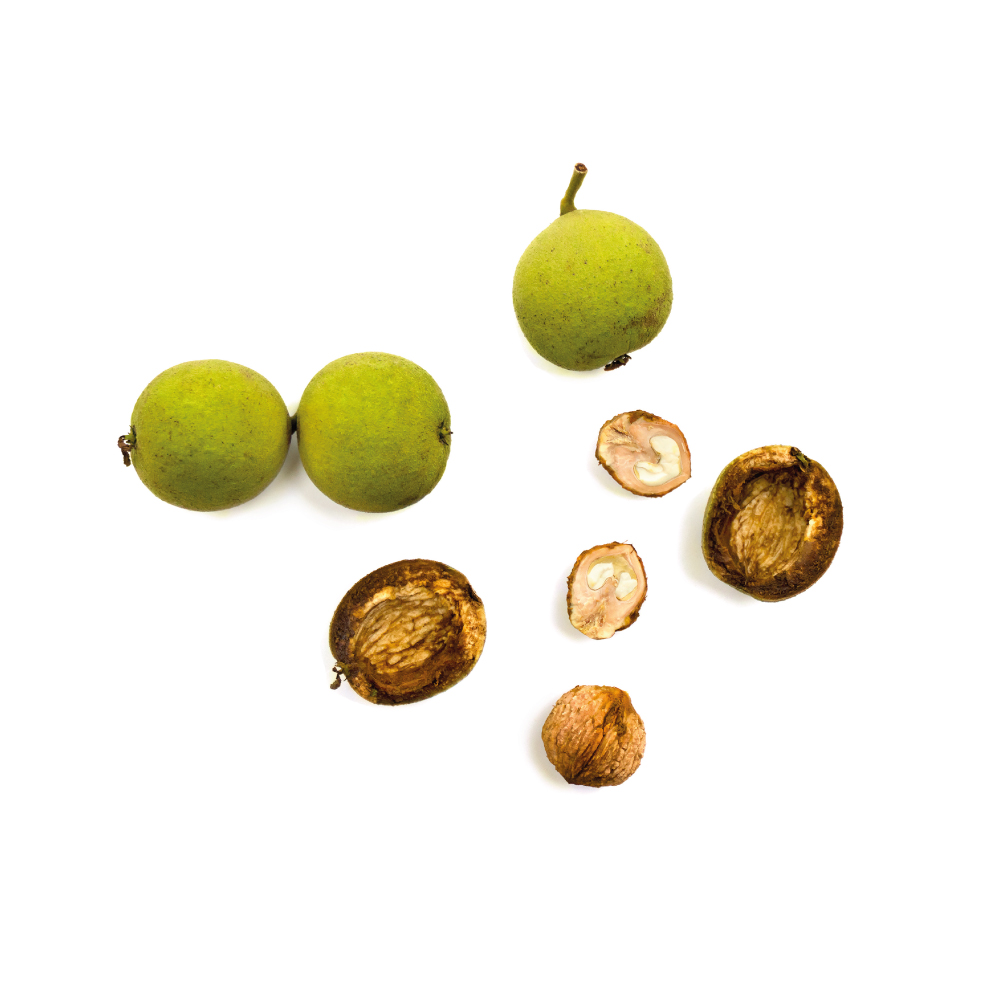 Source Black Walnut Juglans nigra Herb monograph →
 Source Globe Artichoke Cynara scolymus Herb monograph →
 Source Korean Pine Pinus koraiensis Herb monograph →
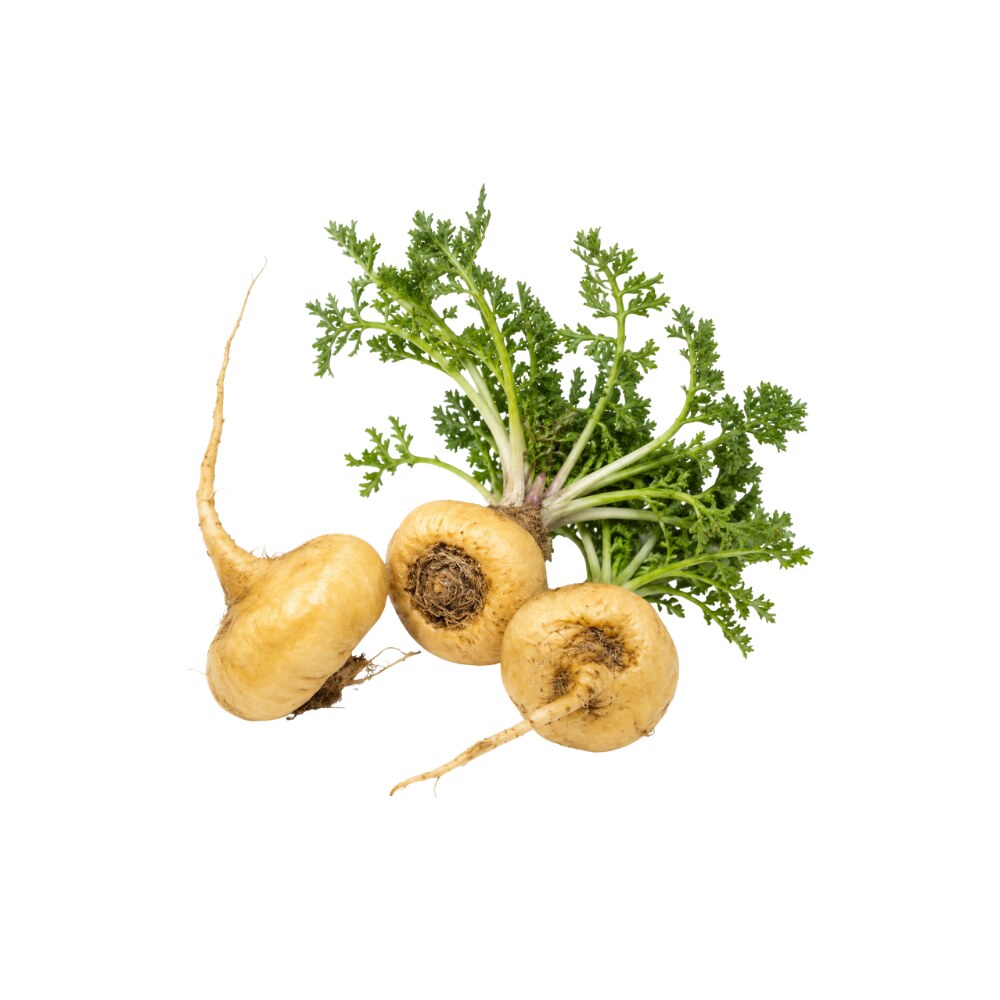 Source Maca Lepidium meyenii Herb monograph →
 Source Milk Thistle Silybum marianum Herb monograph →
 Source Nigella Nigella sativa Herb monograph →
 Source Passionflower Passiflora incarnata Herb monograph →
 Source Samambaia Polypodium leucotomos Herb monograph →
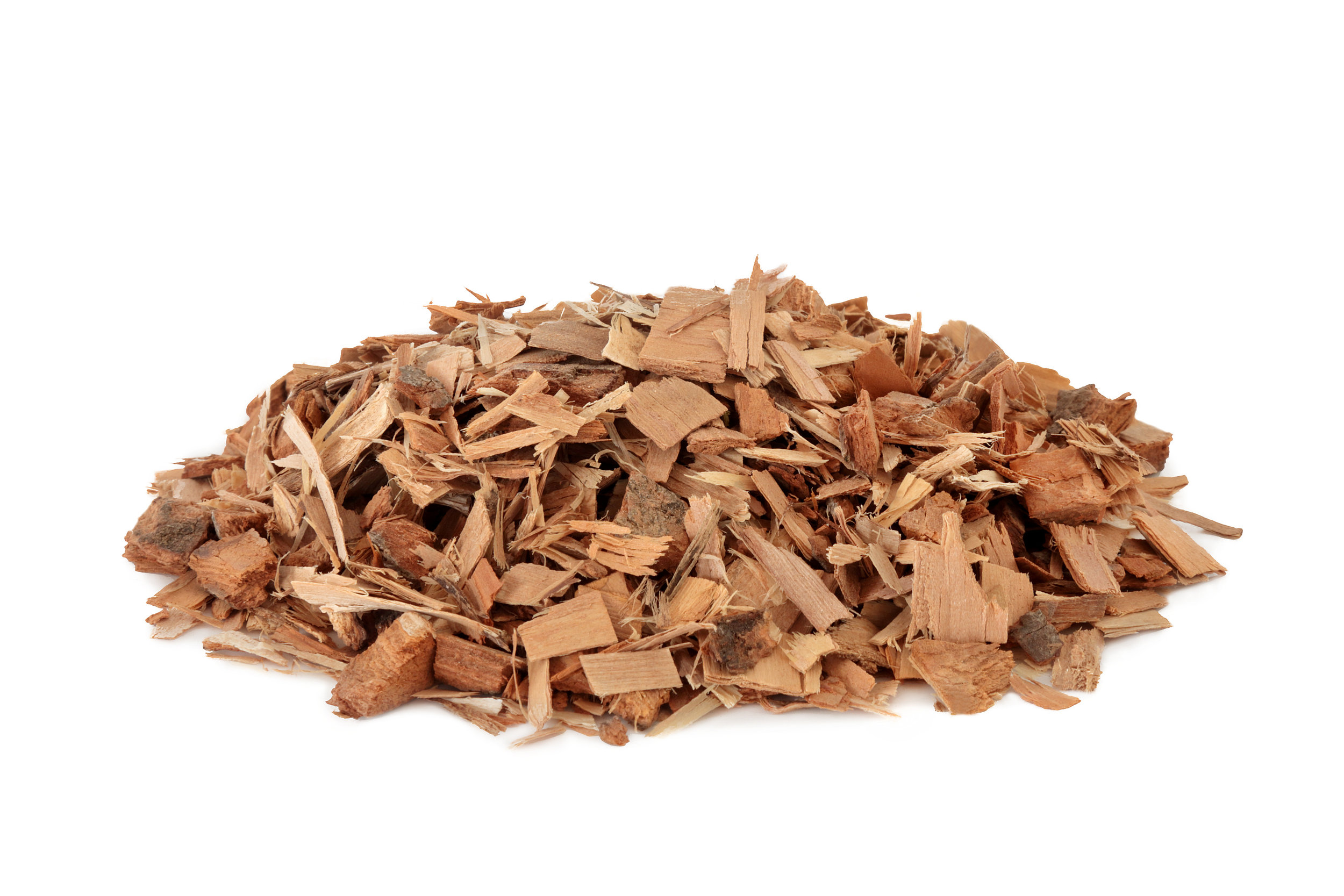 Source Saw Palmetto Serenoa repens Herb monograph →
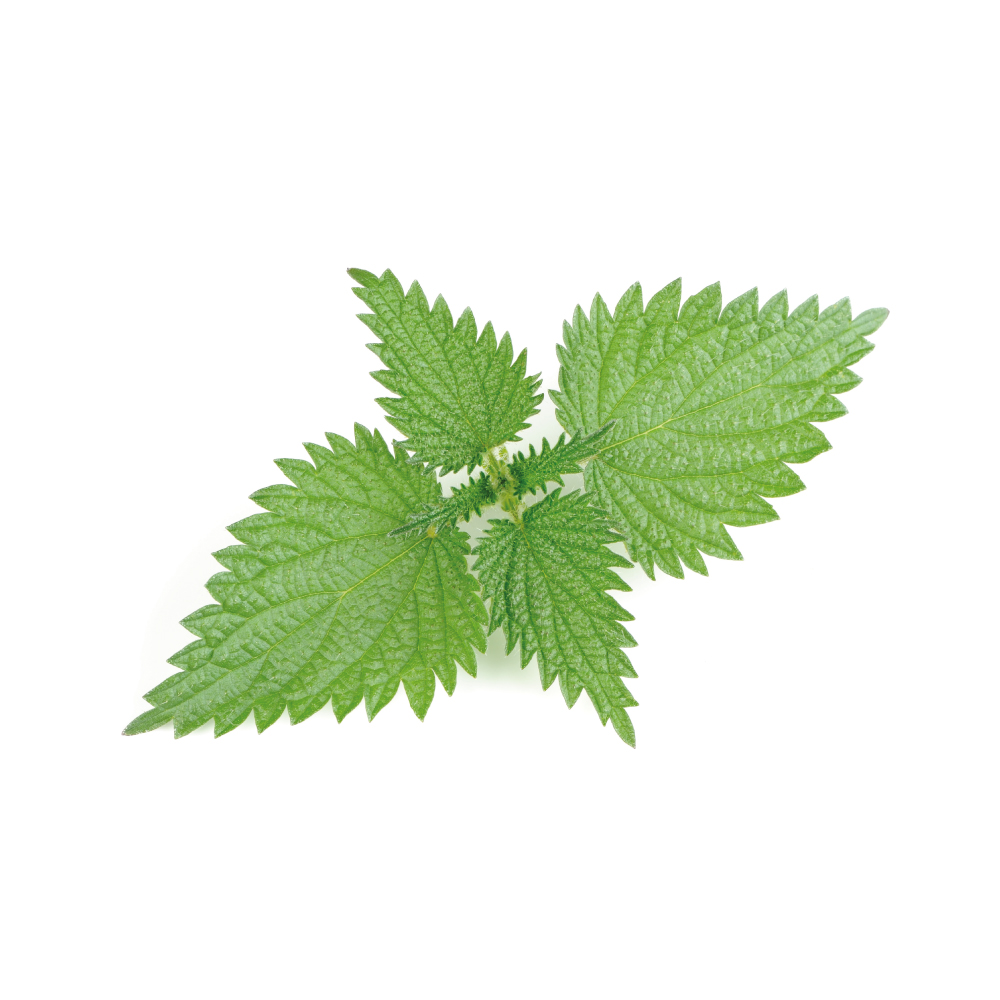 Source Stinging Nettle Urtica dioica Herb monograph →
Concentration
Content by Source
Reported concentrations across the plants that contain linoleic acid — the bar marks the typical level, the line shows the reported range.
Literature figures for varying plant parts and preparations. Read them as a comparative guide, not exact assays.
Linoleic Acid at a Glance
Linoleic acid, (9Z,12Z)-octadeca-9,12-dienoic acid, is an 18-carbon fatty acid with two cis double bonds (C18:2), the first of them at the omega-6 position — hence its shorthand C18:2 n-6, or LA. It is the principal essential omega-6 polyunsaturated fatty acid (PUFA) and the most abundant polyunsaturated fat in the human food supply, making up the bulk of most seed and vegetable oils — safflower, sunflower, corn, soybean and grapeseed 1,
Two facts define it, and both keep it firmly in the “nutrient, not supplement” category. First, it is dietary-essential: mammals cannot insert a double bond beyond carbon 9, so linoleic acid must come from food — its absence produces a specific deficiency syndrome 1,
That precursor role is why linoleic acid sits at the centre of an unresolved nutrition-science argument: is dietary omega-6 net pro-inflammatory or net protective? The honest answer is that the two main bodies of evidence point in different directions — most human epidemiology associates higher linoleic acid with lower cardiovascular risk, while a minority “oxidized-LA” hypothesis argues the opposite. This page lays out both. It also flags a common confusion up front: linoleic acid is not conjugated linoleic acid (CLA), which is a different, separately-marketed set of isomers. Its toxicity flag is low — it is an essential nutrient eaten in gram quantities — with the one real caveat being its susceptibility to oxidation.
An Essential Fatty Acid
Linoleic acid’s least disputed role is the most fundamental: it is one of only two essential fatty acids for humans (the other being the omega-3 alpha-linolenic acid). “Essential” is a precise nutritional term — the body cannot synthesise it and must obtain it from the diet, because mammalian desaturase enzymes cannot introduce a double bond beyond the Δ9 position of a fatty-acid chain 1Reference 1Linoleic acidView study →.
Two consequences follow. Structurally, linoleic acid is selectively esterified into skin ceramides (acylceramide and acylglucosylceramide) that build the epidermal water-permeability barrier; classic feeding studies showed that only linoleate — not oleate, arachidonate or α-linolenate — restores that barrier in deficient animals 13Reference 13Essential function of linoleic acid esterified in acylglucosylceramide and acylceramide in maintaining the epidermal water permeability barrierView study →. Metabolically, it is the obligatory precursor of the longer n-6 fatty acids and their eicosanoids 12Reference 12Gamma-linolenic acid, dihommo-gamma linolenic, eicosanoids and inflammatory processesView study →.
Frank essential-fatty-acid deficiency is now rare outside specific clinical settings (long-term fat-free parenteral nutrition, severe malabsorption), and it presents with a scaly dermatitis, impaired barrier function and poor growth — the visible signature of missing linoleate in the skin 13Reference 13Essential function of linoleic acid esterified in acylglucosylceramide and acylceramide in maintaining the epidermal water permeability barrierView study →. In ordinary diets, deficiency is essentially a non-issue: Western intakes comfortably exceed requirement 1Reference 1Linoleic acidView study →.
The Omega-6 Inflammation Debate
This is the section the page exists for. Because linoleic acid is the precursor of arachidonic acid, and arachidonic acid is the substrate for pro-inflammatory eicosanoids, a widely-repeated claim holds that a high-omega-6 diet is pro-inflammatory and that modern seed-oil consumption drives chronic disease. The counter-position — supported by most controlled and prospective human data — is that dietary linoleic acid is at worst neutral and probably protective for cardiovascular risk. Both deserve a fair hearing.
The case that omega-6 is not pro-inflammatory (the mainstream read):
- A systematic review of randomised controlled trials found that raising dietary linoleic acid does not increase circulating inflammatory markers (CRP, IL-6, TNF-α, etc.) in healthy adults 8Reference 8Systematic reviewEffect of dietary linoleic acid on markers of inflammation in healthy persons: a systematic review of randomized controlled trialsView study →.
- A separate systematic review found that increasing dietary linoleic acid does not raise tissue or plasma arachidonic acid in adults on Western diets — the presumed mechanistic first domino simply does not fall, because conversion past linoleic acid is tightly rate-limited 10Reference 10Systematic reviewIncreasing dietary linoleic acid does not increase tissue arachidonic acid content in adults consuming Western-type diets: a systematic reviewView study →.
- Large prospective evidence links higher linoleic acid to better outcomes: a meta-analysis of cohort studies found higher dietary LA associated with ~15% lower coronary-heart-disease risk 2Reference 2Meta-analysisDietary linoleic acid and risk of coronary heart disease: a systematic review and meta-analysis of prospective cohort studiesView study →; a 30-cohort pooled analysis of blood biomarker LA (which sidesteps dietary-recall error) found higher levels associated with lower cardiovascular disease and mortality 3Reference 3ObservationalBiomarkers of dietary omega-6 fatty acids and incident cardiovascular disease and mortality: an individual-level pooled analysis of 30 cohort studiesView study →; and a further biomarker-and-intake meta-analysis linked higher LA to lower total, cardiovascular and cancer mortality 4Reference 4Meta-analysisDietary intake and biomarkers of linoleic acid and mortality: systematic review and meta-analysis of prospective cohort studiesView study →.
- Mechanistically, reviews conclude the “omega-6 = inflammation” syllogism overstates a linear precursor-to-eicosanoid relationship that human physiology does not obey 9Reference 9Omega-6 fatty acids and inflammationView study →.
The case for caution (the minority / OXLAM view):
- The Cochrane review of omega-6 supplementation trials found increasing omega-6 fats had little or no effect on cardiovascular events or mortality, rating the evidence low-quality — i.e. the protective signal from cohorts is not confirmed by the (limited) randomised trials 5Reference 5Systematic reviewOmega-6 fats for the primary and secondary prevention of cardiovascular diseaseView study →.
- Two recovered-data re-analyses of old trials — the Sydney Diet Heart Study 6Reference 6Meta-analysisUse of dietary linoleic acid for secondary prevention of coronary heart disease and death: evaluation of recovered data from the Sydney Diet Heart Study and updated meta-analysisView study → and the Minnesota Coronary Experiment 7Reference 7Re-evaluation of the traditional diet-heart hypothesis: analysis of recovered data from Minnesota Coronary Experiment (1968-73)View study → — found that replacing saturated fat with linoleic-acid-rich oil lowered cholesterol but did not reduce, and in places increased, mortality. These underpin the oxidized-linoleic-acid metabolite (OXLAM) hypothesis (see below).
The fair summary: the weight of human epidemiology favours linoleic acid being neutral-to-protective, especially for the heart, while the randomised evidence is thin enough that strong claims in either direction outrun the data. The pop-nutrition “seed oils are toxic” framing is not supported by the mainstream evidence 2,
Linoleic Acid vs. Conjugated Linoleic Acid (CLA)
A frequent point of confusion worth isolating: linoleic acid and conjugated linoleic acid are not the same thing.
- Linoleic acid is the essential omega-6 fatty acid described here — a methylene-interrupted diene with its two double bonds at positions 9 and 12, separated by a CH₂ group.
- Conjugated linoleic acid (CLA) is a family of positional and geometric isomers (chiefly cis-9,trans-11 and trans-10,cis-12) in which the two double bonds are conjugated (adjacent). CLA occurs naturally in ruminant fat and dairy and is sold as a separate weight-management/body-composition supplement.
They share a molecular formula but differ in structure, dietary source and biological behaviour. Claims about CLA (fat loss, body composition) do not transfer to linoleic acid, and vice versa. When a label or study says “CLA,” it is not talking about the seed-oil fatty acid.
What It's Used For
Linoleic acid is a dietary nutrient, so its “research profile” is nutrition epidemiology and biochemistry, not drug pharmacology. The evidence splits by whether the exposure studied was dietary intake / blood biomarker (most of it) versus the isolated molecule (very little), and the strongest signals are cardiometabolic.
Support is an experimental score — weighted by study type (human > animal > in vitro) and volume. A beta, not a validated metric. These are dietary-nutrient applications, not isolate-drug uses; read the per-row basis.
The bedrock application, and the one where the molecule itself is unambiguously the active agent. Linoleic acid is a required dietary nutrient: the body cannot make it, uses it to build the epidermal permeability barrier, and cannot substitute another fatty acid for it 1,
Deficiency — seen with long-term fat-free feeding or severe malabsorption — produces scaly dermatitis, high transepidermal water loss and impaired growth, all reversible with linoleate 13Reference 13Essential function of linoleic acid esterified in acylglucosylceramide and acylceramide in maintaining the epidermal water permeability barrierView study →.
Gap: this is essentiality, not therapy — it establishes a floor (you need some), not a benefit from more; and frank deficiency is rare on ordinary diets, so the practical clinical footprint is narrow 1Reference 1Linoleic acidView study →.
The most-studied and most-debated application. Pooled cohort data associate higher dietary linoleic acid with roughly 15% lower coronary-heart-disease risk 2Reference 2Meta-analysisDietary linoleic acid and risk of coronary heart disease: a systematic review and meta-analysis of prospective cohort studiesView study →, and an individual-level pooled analysis of 30 cohorts found higher blood-biomarker LA associated with lower cardiovascular disease and mortality 3Reference 3ObservationalBiomarkers of dietary omega-6 fatty acids and incident cardiovascular disease and mortality: an individual-level pooled analysis of 30 cohort studiesView study → — biomarkers matter because they bypass the error in dietary questionnaires. A further meta-analysis tied higher LA to lower total, cardiovascular and cancer mortality 4Reference 4Meta-analysisDietary intake and biomarkers of linoleic acid and mortality: systematic review and meta-analysis of prospective cohort studiesView study →.
All of this is dietary/observational, not the isolated molecule dosed as a drug.
Gap: the randomised evidence is thin — the Cochrane review of omega-6 supplementation found little or no effect on cardiovascular events, rated low-quality 5Reference 5Systematic reviewOmega-6 fats for the primary and secondary prevention of cardiovascular diseaseView study → — so causation is not nailed down, and the recovered-data re-analyses 6,
A mechanistically clean, controlled-trial-backed effect — but a substitution effect, not an intrinsic drug action. In a meta-analysis of 60 controlled feeding trials, replacing dietary saturated fat with polyunsaturated fat (predominantly linoleic acid) lowered LDL cholesterol and improved the total:HDL cholesterol ratio 11Reference 11Meta-analysisEffects of dietary fatty acids and carbohydrates on the ratio of serum total to HDL cholesterol and on serum lipids and apolipoproteins: a meta-analysis of 60 controlled trialsView study →. This is the conventional reason linoleic-acid-rich oils look favourable in lipid studies.
Gap: the benefit is about what the fat replaces (swapping out saturated fat), not about adding linoleic acid on top of an existing diet; and an improved lipid panel is a surrogate, not a hard clinical outcome 11Reference 11Meta-analysisEffects of dietary fatty acids and carbohydrates on the ratio of serum total to HDL cholesterol and on serum lipids and apolipoproteins: a meta-analysis of 60 controlled trialsView study →.
A distinctive structural role unique among the applications here. Linoleic acid is selectively esterified into acylceramides in the stratum corneum, and only linoleate — not oleate, arachidonate or α-linolenate — restores the epidermal water barrier in essential-fatty-acid-deficient animals, whether given systemically or topically 13Reference 13Essential function of linoleic acid esterified in acylglucosylceramide and acylceramide in maintaining the epidermal water permeability barrierView study →. This is why deficiency shows first in the skin.
Gap: the definitive mechanistic work is in deficient animal models; topical linoleic acid in already-replete human skin has a much weaker, cosmetic-grade evidence base, and this is a barrier-maintenance role, not a treatment for unrelated skin disease 13Reference 13Essential function of linoleic acid esterified in acylglucosylceramide and acylceramide in maintaining the epidermal water permeability barrierView study →.
Mechanisms
| Target / pathway | Effect | Relevant to |
|---|---|---|
| Δ6-desaturase (FADS2) / elongase / Δ5-desaturase | rate-limited conversion of LA → GLA → DGLA → arachidonic acid (the n-6 cascade) | eicosanoid precursor supply |
| n-6 eicosanoids (COX/LOX products of arachidonic acid) | downstream substrate for prostaglandins, thromboxanes, leukotrienes | inflammation / clotting (the debate) |
| Epidermal acylceramide / acylglucosylceramide | linoleate esterified into stratum-corneum lipids → water-permeability barrier | skin-barrier function |
| Dietary saturated-fat substitution | replacing SFA with LA-rich PUFA lowers LDL cholesterol | blood cholesterol |
| Membrane phospholipids | incorporated as a major PUFA → membrane fluidity, oxidation-susceptible sites | structural biology |
| Autoxidation → oxidized LA metabolites (OXLAMs, e.g. 9- and 13-HODE) | lipid-peroxidation products proposed as bioactive/harmful | the OXLAM hypothesis (toxicology) |
The load-bearing biology is the rate-limited first step: because Δ6-desaturation of linoleic acid is slow and tightly regulated, eating more LA does not proportionally raise arachidonic acid 10Reference 10Systematic reviewIncreasing dietary linoleic acid does not increase tissue arachidonic acid content in adults consuming Western-type diets: a systematic reviewView study → — which is precisely why the simple “omega-6 → arachidonic acid → inflammation” chain fails in humans 8,
Pharmacokinetics
Linoleic acid is handled as dietary fat, so it has no drug-style oral-bioavailability figure. Eaten as triglycerides, it is hydrolysed by pancreatic lipase, absorbed in bile-salt micelles across the enterocyte, re-esterified and exported in chylomicrons — long-chain fatty-acid absorption exceeds ~95%. Once absorbed it is incorporated into membrane phospholipids, adipose triglyceride and cholesteryl esters, β-oxidised for energy, or fed into the desaturase/elongase pathway to longer n-6 fatty acids. The pathway’s defining kinetic feature is that its first step, Δ6-desaturation (FADS2), is slow and saturable, so downstream arachidonic acid does not rise in proportion to linoleic-acid intake in adults 10,
Clinical Trials
There are no trials of isolated linoleic acid as a therapeutic drug — the human evidence is nutritional. It comprises prospective cohorts and biomarker pooled analyses (largely favourable for cardiovascular risk) 2,
| Completed | Planned | Terminated | Preclinical |
|---|---|---|---|
| Dietary/biomarker cohorts; SFA-substitution feeding trials; omega-6 Cochrane review; recovered-data diet-heart RCTs | — | — | Skin-barrier & eicosanoid-pathway mechanistic work |
Last checked: July 2026.
How Linoleic Acid Is Metabolised
Linoleic acid is the entry point of the omega-6 (n-6) fatty-acid pathway, and the shape of that pathway explains most of the controversy above.
Once absorbed, a small fraction is converted stepwise: Δ6-desaturase (FADS2) makes γ-linolenic acid (GLA), an elongase extends it to dihomo-γ-linolenic acid (DGLA), and Δ5-desaturase (FADS1) yields arachidonic acid 12Reference 12Gamma-linolenic acid, dihommo-gamma linolenic, eicosanoids and inflammatory processesView study →. Arachidonic acid is then the substrate for cyclooxygenase and lipoxygenase enzymes that make the n-6 eicosanoids — prostaglandins, thromboxanes and leukotrienes — many of which are pro-inflammatory or pro-thrombotic. DGLA, one step earlier, is itself the source of some anti-inflammatory eicosanoids (the series-1 prostaglandins), which is why the pathway is not uniformly “inflammatory” 12Reference 12Gamma-linolenic acid, dihommo-gamma linolenic, eicosanoids and inflammatory processesView study →.
The critical quantitative point is that the first step is heavily rate-limited. Δ6-desaturation is slow and competitively shared with the omega-3 pathway, so in adults eating Western diets, increasing linoleic-acid intake does not measurably raise tissue arachidonic acid 10Reference 10Systematic reviewIncreasing dietary linoleic acid does not increase tissue arachidonic acid content in adults consuming Western-type diets: a systematic reviewView study →. The bottleneck is exactly why the intuitive “more omega-6 → more arachidonic acid → more inflammation” chain does not hold up in human data 8,
The Oxidized-LA (OXLAM) Hypothesis
The most substantive scientific case against high linoleic-acid intake does not rest on arachidonic acid at all — it rests on oxidation. As a polyunsaturated fat with two double bonds, linoleic acid is chemically vulnerable to lipid peroxidation, forming oxidized linoleic-acid metabolites (OXLAMs) such as 9- and 13-hydroxy-octadecadienoic acid (HODEs). Proponents argue these oxidation products, not linoleic acid itself, are the bioactive (and potentially harmful) species, and that heavily processed or heated seed oils increase exposure.
This hypothesis draws its main support from the recovered-data re-analyses of the Sydney Diet Heart Study 6Reference 6Meta-analysisUse of dietary linoleic acid for secondary prevention of coronary heart disease and death: evaluation of recovered data from the Sydney Diet Heart Study and updated meta-analysisView study → and the Minnesota Coronary Experiment 7Reference 7Re-evaluation of the traditional diet-heart hypothesis: analysis of recovered data from Minnesota Coronary Experiment (1968-73)View study →: in both, substituting linoleic-acid-rich oil for saturated fat lowered serum cholesterol yet failed to improve — and in the Sydney data appeared to worsen — mortality 6,
The mainstream response is that these were old trials (confounded by trans fats and other design issues), that modern cohort and biomarker evidence points the opposite way 2,
Isolate vs. Plant/Diet Studies
Linoleic acid inverts the usual isolate-vs-plant frame, because the meaningful exposure is neither a purified drug nor a single herb — it is dietary fat across the whole food supply. There are essentially no studies of isolated linoleic acid dosed as a therapeutic; the human evidence is dietary intake and blood biomarkers 2,
Its Role in Plants
In plants, linoleic acid is a core membrane and storage lipid and a major polyunsaturated component of seed triacylglycerols — the reason oil-rich seeds (safflower, sunflower, corn, soy) are so linoleate-dominant 16Reference 16Fatty acids composition of vegetable oils and its contribution to dietary energy intake and dependence of cardiovascular mortality on dietary intake of fatty acidsView study →. Plants, unlike animals, do possess the Δ12-desaturase (FAD2) that inserts the second double bond, converting oleic acid to linoleic acid; the balance between oleic and linoleic acid in a given oil is set by that enzyme’s activity, which is why cultivar and growing conditions swing the numbers so widely (and why “high-oleic” crop varieties are bred by down-regulating it) 16Reference 16Fatty acids composition of vegetable oils and its contribution to dietary energy intake and dependence of cardiovascular mortality on dietary intake of fatty acidsView study →.
Linoleic acid is also the substrate for the plant oxylipin pathway: lipoxygenases oxidise it toward signalling and defence molecules, and its oxidation products contribute to the “green” volatile notes and wound responses of damaged plant tissue. As always, these are plant-biology functions and do not predict human pharmacology.
Prevalence in Nature
Linoleic acid is the most abundant polyunsaturated fatty acid in the food supply, present in essentially all plant lipids and richest in seed and vegetable oils. Across a systematic survey of vegetable oils it was the dominant PUFA in every sample, ranging from about 1.6% of coconut oil to ~79% of safflower oil 16Reference 16Fatty acids composition of vegetable oils and its contribution to dietary energy intake and dependence of cardiovascular mortality on dietary intake of fatty acidsView study →. Safflower and sunflower oils are the classic high-linoleic sources; corn, soybean, grapeseed and cottonseed oils are also linoleate-rich, and these commodity oils are why linoleic acid dominates modern dietary fat 1,
Among the herbs here it is a major fatty acid of black cumin (Nigella) fixed oil (~40–59%) 14Reference 14Pharmacological and toxicological properties of Nigella sativaView study →, and a component of the seed/berry lipids of milk thistle, walnut, maca, plantain, fenugreek and the saw palmetto fatty-acid fraction (~4–6%) 15Reference 15A phytochemical comparison of saw palmetto products using gas chromatography and 1H nuclear magnetic resonance spectroscopy metabolomic profilingView study →. It occurs in animal fats too, but at much lower levels than in seed oils, reflecting dietary intake rather than endogenous synthesis — animals cannot make it 1Reference 1Linoleic acidView study →.
Major Natural Sources
| Source | Plant part | Reported linoleic acid content |
|---|---|---|
| Safflower (Carthamus tinctorius) | seed oil | up to ~79% of oil 16Reference 16Fatty acids composition of vegetable oils and its contribution to dietary energy intake and dependence of cardiovascular mortality on dietary intake of fatty acidsView study → |
| Sunflower (Helianthus annuus) | seed oil | ~48–74% of oil (linoleic type) 16Reference 16Fatty acids composition of vegetable oils and its contribution to dietary energy intake and dependence of cardiovascular mortality on dietary intake of fatty acidsView study → |
| Corn / soybean / grapeseed | seed oil | ~50–60% of oil 16Reference 16Fatty acids composition of vegetable oils and its contribution to dietary energy intake and dependence of cardiovascular mortality on dietary intake of fatty acidsView study → |
| Black cumin (Nigella sativa) | fixed oil | ~40–59% of oil 14Reference 14Pharmacological and toxicological properties of Nigella sativaView study → |
| Saw palmetto (Serenoa repens) | berry FA fraction | ~4–6% of the fatty-acid fraction 15Reference 15A phytochemical comparison of saw palmetto products using gas chromatography and 1H nuclear magnetic resonance spectroscopy metabolomic profilingView study → |
These are percentages of the oil or fatty-acid fraction, not of the whole plant, and shift with cultivar and processing — high-oleic crop varieties deliberately carry far less linoleic acid 16Reference 16Fatty acids composition of vegetable oils and its contribution to dietary energy intake and dependence of cardiovascular mortality on dietary intake of fatty acidsView study →.
Discovery & Synthesis
Linoleic acid was known to nineteenth-century chemists as a component of drying oils — its name comes from the Latin linum (“flax”), via linseed oil, whose polyunsaturated fatty acids drive the oil’s hardening on exposure to air. Its lasting scientific importance, though, dates to 1929–30, when George and Mildred Burr showed that rats fed a rigorously fat-free diet developed a fatal deficiency syndrome cured by specific fatty acids — the discovery that defined the “essential fatty acids” and placed linoleic acid at the head of the list 1Reference 1Linoleic acidView study →.
Manufacture today is by extraction from seed oils, not chemical synthesis: linoleic acid is obtained industrially by hydrolysing and fractionating safflower, sunflower, soybean or corn oil. It is not produced as a pharmaceutical; its scale is that of the food and oleochemical industries. Because it oxidises readily, purified linoleic acid is handled and stored under nitrogen with antioxidants.
Patents: not yet researched.
Toxicity & Safety
Linoleic acid carries a low toxicity flag, and the justification is strong: it is an essential dietary nutrient eaten in gram quantities every day, generally recognised as safe as a food component, and required for normal skin and metabolism 1,
- An essential dietary fatty acid. Required for the skin barrier and as the precursor of the n-6 fatty acids; safe and necessary at dietary levels, with most Western diets already meeting the requirement 1,
13Reference 1Linoleic acidView study →Reference 13Essential function of linoleic acid esterified in acylglucosylceramide and acylceramide in maintaining the epidermal water permeability barrierView study → . - The mainstream cardiovascular signal is favourable, not harmful. Higher dietary/biomarker linoleic acid tracks lower coronary and total mortality, and it does not raise inflammatory markers or tissue arachidonic acid 2,
3, .4, 8, 10Reference 2Meta-analysisDietary linoleic acid and risk of coronary heart disease: a systematic review and meta-analysis of prospective cohort studiesView study →Reference 3ObservationalBiomarkers of dietary omega-6 fatty acids and incident cardiovascular disease and mortality: an individual-level pooled analysis of 30 cohort studiesView study →Reference 4Meta-analysisDietary intake and biomarkers of linoleic acid and mortality: systematic review and meta-analysis of prospective cohort studiesView study →Reference 8Systematic reviewEffect of dietary linoleic acid on markers of inflammation in healthy persons: a systematic review of randomized controlled trialsView study →Reference 10Systematic reviewIncreasing dietary linoleic acid does not increase tissue arachidonic acid content in adults consuming Western-type diets: a systematic reviewView study → - It oxidises readily. As a polyunsaturated fat it is prone to lipid peroxidation, forming OXLAMs; heavily heated, reused or rancid oils are the relevant concern, and the OXLAM hypothesis is a legitimate unresolved caveat 6,
7Reference 6Meta-analysisUse of dietary linoleic acid for secondary prevention of coronary heart disease and death: evaluation of recovered data from the Sydney Diet Heart Study and updated meta-analysisView study →Reference 7Re-evaluation of the traditional diet-heart hypothesis: analysis of recovered data from Minnesota Coronary Experiment (1968-73)View study → . - Context matters more than the molecule. Benefit in trials comes from replacing saturated fat with linoleic-acid-rich oil, not from adding it on top of a poor diet; it is still calorie-dense fat 11Reference 11Meta-analysisEffects of dietary fatty acids and carbohydrates on the ratio of serum total to HDL cholesterol and on serum lipids and apolipoproteins: a meta-analysis of 60 controlled trialsView study →.
- Not the same as CLA. Do not read conjugated-linoleic-acid supplement claims onto dietary linoleic acid, or vice versa.
Pregnancy/lactation is a per-herb / per-supplement decision and is not adjudicated on this molecule page; as an essential dietary fatty acid, linoleic acid is required in pregnancy and lactation and has no isolate-specific reproductive-toxicity signal at food-level exposure, so no isolate verdict is issued here.
Dosage
There is no supplemental dose of isolated linoleic acid — it is a dietary essential fatty acid, not a drug, and the meaningful figure is dietary intake. The U.S. Institute of Medicine sets an Adequate Intake rather than a therapeutic dose, and typical Western consumption already meets or exceeds it.
| Context | Form | Figure |
|---|---|---|
| Adequate Intake (adult women) | dietary fat | ~12 g/day |
| Adequate Intake (adult men) | dietary fat | ~17 g/day |
| Typical Western intake | seed/vegetable oils | commonly ~12–17 g/day or more 1Reference 1Linoleic acidView study → |
| Cardiovascular cohort exposure | dietary LA / blood biomarker | higher intake/levels ↔ lower risk 2, |
These are dietary-reference and research figures, not a personal recommendation, and they describe food-level intake of a nutrient rather than a dose of the pure compound.
References
- Whelan J, Fritsche K (2013). Linoleic acid. Advances in Nutrition. https://pubmed.ncbi.nlm.nih.gov/23674797/
- Farvid MS, Ding M, Pan A, Sun Q, Chiuve SE, Steffen LM, Willett WC, Hu FB (2014). Dietary linoleic acid and risk of coronary heart disease: a systematic review and meta-analysis of prospective cohort studies. Circulation. https://pubmed.ncbi.nlm.nih.gov/25161045/
- Marklund M, Wu JHY, Imamura F, et al. (2019). Biomarkers of dietary omega-6 fatty acids and incident cardiovascular disease and mortality: an individual-level pooled analysis of 30 cohort studies. Circulation. https://pubmed.ncbi.nlm.nih.gov/30971107/
- Li J, Guasch-Ferré M, Li Y, Hu FB (2020). Dietary intake and biomarkers of linoleic acid and mortality: systematic review and meta-analysis of prospective cohort studies. American Journal of Clinical Nutrition. https://pubmed.ncbi.nlm.nih.gov/32020162/
- Hooper L, Al-Khudairy L, Abdelhamid AS, et al. (2018). Omega-6 fats for the primary and secondary prevention of cardiovascular disease. Cochrane Database of Systematic Reviews. https://pubmed.ncbi.nlm.nih.gov/30488422/
- Ramsden CE, Zamora D, Leelarthaepin B, et al. (2013). Use of dietary linoleic acid for secondary prevention of coronary heart disease and death: evaluation of recovered data from the Sydney Diet Heart Study and updated meta-analysis. BMJ. https://pubmed.ncbi.nlm.nih.gov/23386268/
- Ramsden CE, Zamora D, Majchrzak-Hong S, et al. (2016). Re-evaluation of the traditional diet-heart hypothesis: analysis of recovered data from Minnesota Coronary Experiment (1968-73). BMJ. https://pubmed.ncbi.nlm.nih.gov/27071971/
- Johnson GH, Fritsche K (2012). Effect of dietary linoleic acid on markers of inflammation in healthy persons: a systematic review of randomized controlled trials. Journal of the Academy of Nutrition and Dietetics. https://pubmed.ncbi.nlm.nih.gov/22889633/
- Innes JK, Calder PC (2018). Omega-6 fatty acids and inflammation. Prostaglandins, Leukotrienes and Essential Fatty Acids. https://pubmed.ncbi.nlm.nih.gov/29610056/
- Rett BS, Whelan J (2011). Increasing dietary linoleic acid does not increase tissue arachidonic acid content in adults consuming Western-type diets: a systematic review. Nutrition & Metabolism. https://doi.org/10.1186/1743-7075-8-36
- Mensink RP, Zock PL, Kester ADM, Katan MB (2003). Effects of dietary fatty acids and carbohydrates on the ratio of serum total to HDL cholesterol and on serum lipids and apolipoproteins: a meta-analysis of 60 controlled trials. American Journal of Clinical Nutrition. https://pubmed.ncbi.nlm.nih.gov/12716665/
- Sergeant S, Rahbar E, Chilton FH (2016). Gamma-linolenic acid, dihommo-gamma linolenic, eicosanoids and inflammatory processes. European Journal of Pharmacology. https://pubmed.ncbi.nlm.nih.gov/27083549/
- Hansen HS, Jensen B (1985). Essential function of linoleic acid esterified in acylglucosylceramide and acylceramide in maintaining the epidermal water permeability barrier. Evidence from feeding studies with oleate, linoleate, arachidonate, columbinate and alpha-linolenate. Biochimica et Biophysica Acta. https://pubmed.ncbi.nlm.nih.gov/3922424/
- Ali BH, Blunden G (2003). Pharmacological and toxicological properties of Nigella sativa. Phytotherapy Research. https://pubmed.ncbi.nlm.nih.gov/12722128/
- Booker A, Suter A, Krnjic A, Strassel B, Zloh M, Said M, Heinrich M (2014). A phytochemical comparison of saw palmetto products using gas chromatography and 1H nuclear magnetic resonance spectroscopy metabolomic profiling. Journal of Pharmacy and Pharmacology. https://pubmed.ncbi.nlm.nih.gov/24417505/
- Orsavova J, Misurcova L, Ambrozova JV, Vicha R, Mlcek J (2015). Fatty acids composition of vegetable oils and its contribution to dietary energy intake and dependence of cardiovascular mortality on dietary intake of fatty acids. International Journal of Molecular Sciences. https://pubmed.ncbi.nlm.nih.gov/26057750/



