
Compound Monograph
Rosmanol
Rosmanol is the abietane diterpene you actually get from rosemary tea. Carnosic acid — the molecule rosemary extracts are standardised on — barely survives contact with hot water, and the reason is that water converts its oxidation products into rosmanol. In a rosemary infusion, rosmanol is the only phenolic diterpene present in quantifiable amounts, while carnosic acid is a trace. That makes a molecule with roughly a tenth of carnosic acid's literature the more relevant one for anybody drinking the herb rather than dosing an extract.

Sources · 11
Where Does It Come From?
Rosmanol is a naturally occurring abietane diterpene phenol (catechol; c-20→c-6 lactone; carnosic acid oxidation product), found in Rosemary, Sage and 9 other sources. It is well tolerated orally (low toxicity).
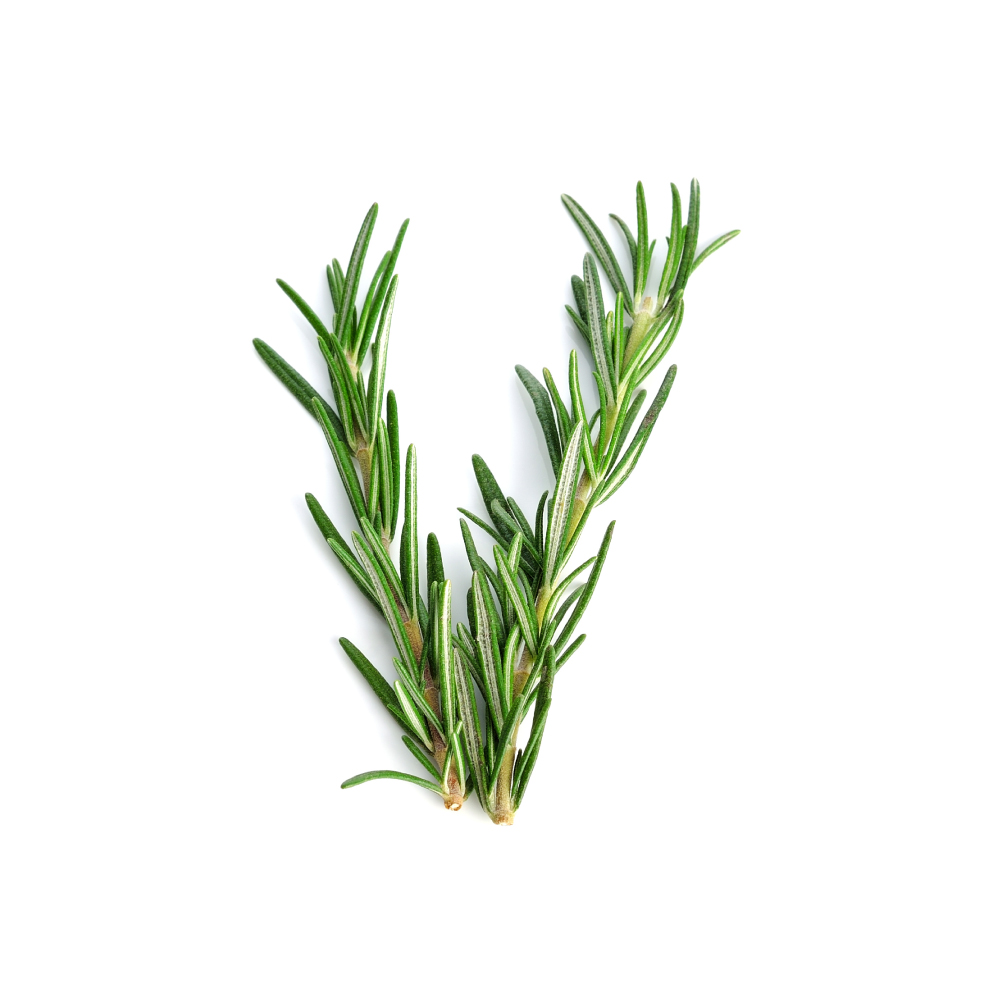 Principal source Rosemary Rosmarinus officinalis Herb monograph →
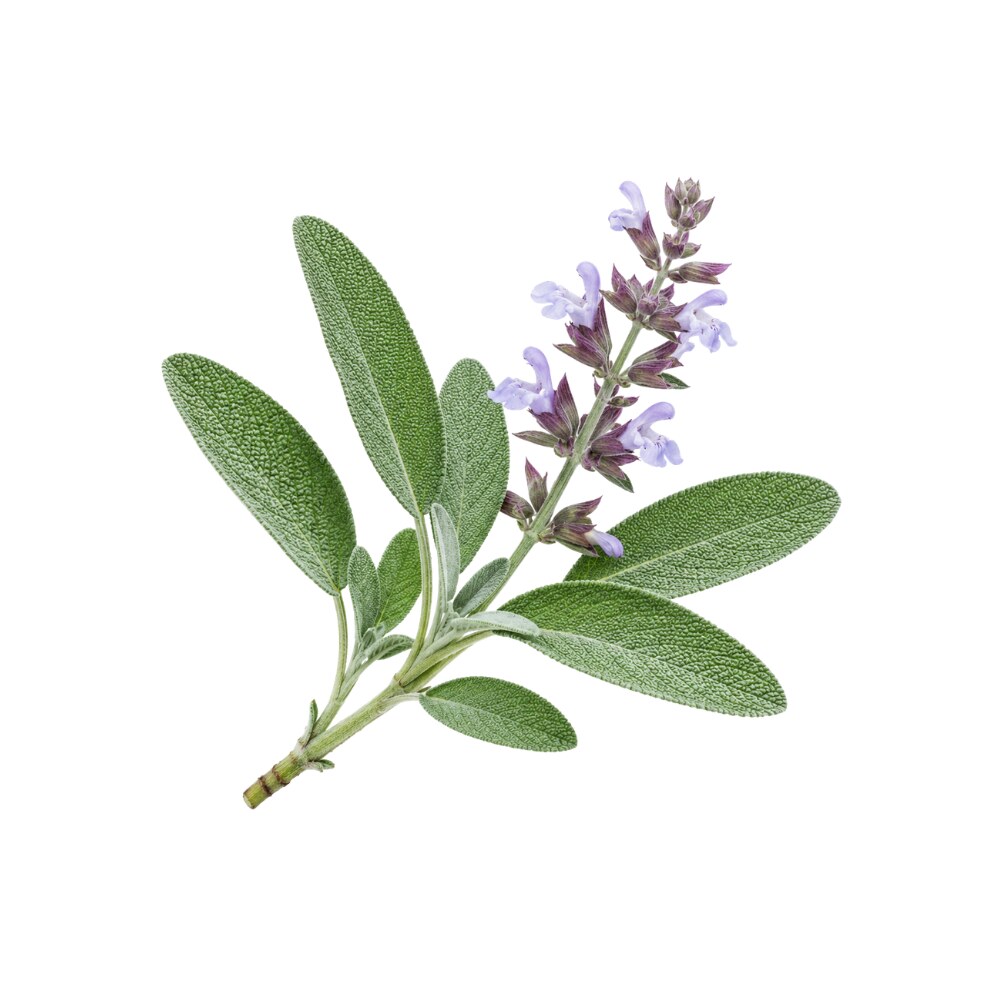 Source Sage Salvia officinalis Herb monograph →
Concentration
Content by Source
Reported concentrations across the plants that contain rosmanol — the bar marks the typical level, the line shows the reported range.
Literature figures for varying plant parts and preparations. Read them as a comparative guide, not exact assays.
Rosmanol at a Glance
Rosmanol is a phenolic abietane diterpene — C₂₀H₂₆O₅, MW 346.4, CAS 80225-53-2, PubChem CID 13966122 34Reference 34National Library of MedicineView study → — found in rosemary, sage and their Salvia relatives. Structurally it is carnosol with a molecule of water added and the lactone re-formed: a catechol ring, a hydroxyl at C-7 in the α configuration, and a five-membered lactone bridging C-20 to C-6 1,
It sits two steps down the oxidation cascade that starts with carnosic acid 23Reference 23Response of abietane diterpenes to stress in Rosmarinus officinalis L. — new insights into the function of diterpenes in plantsView study →:
carnosic acid
   → carnosol                                    (C-20→C-7 lactone)
   → rosmanol / epirosmanol                      (C-20→C-6 lactone, 7alpha / 7beta-OH)
     isorosmanol / 7-methyl-epirosmanol          (C-20→C-7 lactone, 6alpha-OH)
   → galdosol (C-7 ketone) and further ring-oxidised products
That position normally condemns a molecule to a footnote. Rosmanol is the exception, and the reason is worth stating up front.
Carnosic acid does not survive water. Rosmanol is made by it. A rosemary infusion recovers on the order of 1% of the carnosic acid in the leaf 3Reference 3In vitroExtraction optimization and qualitative/quantitative determination of bioactive abietane-type diterpenes from three Salvia species by ¹H-qNMR — in vitroView study →. What it does deliver is rosmanol — and in a 2024 quantitative-NMR study, rosmanol was the only phenolic diterpene present above the limit of quantification in a 2-, 5- or 10-minute rosemary infusion, with carnosic acid, carnosol and 12-O-methylcarnosic acid all recorded as traces 3Reference 3In vitroExtraction optimization and qualitative/quantitative determination of bioactive abietane-type diterpenes from three Salvia species by ¹H-qNMR — in vitroView study →. The mechanism is not mysterious: Masuda and colleagues showed in 2005 that carnosol quinone, the spent product of carnosol’s antioxidant reaction, adds one equivalent of water and isomerises to rosmanol, regenerating antioxidant activity in the process 4Reference 4In vitroRecovery of antioxidant activity from carnosol quinone: antioxidants obtained from a water-promoted conversion of carnosol quinone — in vitroView study →.
So the molecule that dominates the rosemary literature and the molecule most people actually swallow are not the same molecule. Carnosic acid has roughly ten times rosmanol’s publication count and all of the regulatory identity; rosmanol has the tea.
Two caveats travel with that claim, and both are worked through below. First, the inversion is rosemary-specific and preparation-specific — in a common-sage infusion carnosic acid still leads 3Reference 3In vitroExtraction optimization and qualitative/quantitative determination of bioactive abietane-type diterpenes from three Salvia species by ¹H-qNMR — in vitroView study →. Second, rosmanol has no human evidence of any kind: no trial, no pharmacokinetic study in a person, no toxicology on the isolate.
What a Rosemary Tea Actually Delivers
This is the section the rest of the page depends on.
The Water Reaction
Carnosic acid’s antioxidant function is sacrificial: it quenches radicals and is consumed doing so, passing through an ortho-quinone that closes onto a lactone 23Reference 23Response of abietane diterpenes to stress in Rosmarinus officinalis L. — new insights into the function of diterpenes in plantsView study →. The lactone is carnosol. Oxidise carnosol and you get carnosol quinone, which has “very weak antioxidant activity” 4Reference 4In vitroRecovery of antioxidant activity from carnosol quinone: antioxidants obtained from a water-promoted conversion of carnosol quinone — in vitroView study → — chemically, a dead end.
Masuda and colleagues found that the dead end reopens in water. Treating carnosol quinone in a water-containing solvent restored strong antioxidant activity, and HPLC showed why: part of the quinone was reduced back to carnosol, and an almost equal amount was converted to rosmanol by addition of one equivalent of water followed by isomerisation. The newly formed rosmanol was then itself oxidised by the remaining carnosol quinone to rosmanol quinone, closing a redox cycle 4Reference 4In vitroRecovery of antioxidant activity from carnosol quinone: antioxidants obtained from a water-promoted conversion of carnosol quinone — in vitroView study →. An earlier paper by the same group had established the parallel behaviour for carnosic acid quinone, whose ageing solution likewise regenerates antioxidants through “isomerization to lactone derivatives” 5Reference 5In vitroRecovery mechanism of the antioxidant activity from carnosic acid quinone, an oxidized sage and rosemary antioxidant — in vitroView study →.
Two consequences follow, and they are unusual for a degradation product.
- Rosmanol formation is a hydration reaction, not merely a decomposition. It requires water. That is why it is absent from anhydrous preparations of the same leaf and abundant in aqueous ones.
- The conversion recovers antioxidant capacity that had been spent. Rosmanol is not the ash of the reaction; it is a second-generation antioxidant produced by it.
A 2007 analytical study reached the same chemistry from the other direction, identifying two unknown compounds in methanolic extracts of rosemary oil as intermediates in a carnosol → rosmanol conversion proceeding through breakdown of the lactone bridge and addition of water 43Reference 43In vitroCharacterization of two unknown compounds in methanol extracts of rosemary oil — in vitroView study →.
The Numbers
Kallimanis and colleagues measured five abietanes by ¹H-qNMR across infusions, decoctions, tinctures and oil macerations of three Salvia species, in mg per gram of dry leaf 3Reference 3In vitroExtraction optimization and qualitative/quantitative determination of bioactive abietane-type diterpenes from three Salvia species by ¹H-qNMR — in vitroView study →. The rosemary rows are the striking ones.
| Rosemary preparation | Carnosic acid | Carnosol | Rosmanol |
|---|---|---|---|
| Infusion, 2 min | trace | trace | 0.25 mg/g |
| Infusion, 5 min | trace | trace | 0.32 mg/g |
| Infusion, 10 min | trace | trace | 0.42 mg/g |
| Infusion, 15 min | 0.18 mg/g | trace | 0.21 mg/g |
| Decoction, 10 min | 0.16 mg/g | trace | 0.40 mg/g |
| Decoction, 15 min | 0.29 mg/g | trace | 0.40 mg/g |
| Tincture 1:20 in 20% ethanol | trace | trace | 2.36 mg/100 mL |
| Tincture 1:10 in 70% ethanol | 11.16 mg/100 mL | 3.24 mg/100 mL | trace |
| Olive-oil maceration (oleolite) | 2.55–7.18 mg/100 g | trace | not detected |
| Methanolic extract | 59.07 mg/g extract | 21.51 mg/g extract | not detected |
Read down the rosmanol column and the pattern is exact: rosmanol appears where water is, and nowhere else. The 70%-ethanol tincture is a carnosic acid preparation with no rosmanol; the 20%-ethanol tincture is a rosmanol preparation with no carnosic acid. The olive-oil maceration — the most protective vehicle for carnosic acid, stable over two months 3Reference 3In vitroExtraction optimization and qualitative/quantitative determination of bioactive abietane-type diterpenes from three Salvia species by ¹H-qNMR — in vitroView study → — contains none at all.
The species comparison matters too, and it qualifies the headline. In Greek sage (S. fruticosa) infusions rosmanol leads at 2 minutes (0.52 vs 0.13 mg/g) but carnosic acid overtakes it by 5 minutes; in common sage (S. officinalis) infusions carnosic acid leads throughout (0.48–0.64 vs 0.14–0.24 mg/g) 3Reference 3In vitroExtraction optimization and qualitative/quantitative determination of bioactive abietane-type diterpenes from three Salvia species by ¹H-qNMR — in vitroView study →. Rosemary is the species where carnosic acid is most fragile and the inversion is complete. This is consistent with older work: Matsingou and colleagues identified carnosic acid, carnosol and rosmanol together in organic extracts of aqueous sage infusions in 2003 31Reference 31In vitroAntioxidant activity of organic extracts from aqueous infusions of sage — in vitroView study →, and subcritical-water extraction of rosemary at 25–200 °C is selective for exactly this group — “carnosol, rosmanol, carnosic acid, methyl carnosate” — with high antioxidant activity in the fractions 30Reference 30In vitroSubcritical water extraction of antioxidant compounds from rosemary plants — in vitroView study →.
One more row from the same study makes the point about time rather than solvent. Dried Greek sage held as ordinary herbal drug contained no detectable rosmanol at time zero, then 0.20 mg/g at 12 months, 0.13 at 24 and 0.14 at 36 — appearing as carnosic acid fell from 6.52 to 3.68 mg/g 3Reference 3In vitroExtraction optimization and qualitative/quantitative determination of bioactive abietane-type diterpenes from three Salvia species by ¹H-qNMR — in vitroView study →. Rosmanol accumulates in a jar of dried herb as its parent decays.
Rosmanol, Epirosmanol & Isorosmanol
Secondary sources treat these three names as interchangeable. They are not, and one of the three relationships is not the one usually assumed.
| Compound | Structure | Relationship to rosmanol |
|---|---|---|
| Rosmanol | 7α,11,12-trihydroxy-6,10-(epoxymethano)abieta-8,11,13-trien-20-one | — |
| Epirosmanol | 7β,11,12-trihydroxy-6,10-(epoxymethano)abieta-8,11,13-trien-20-one | C-7 epimer — same connectivity, opposite configuration at C-7 |
| Isorosmanol | 6α,11,12-trihydroxy-7,10-(epoxymethano)abieta-8,11,13-trien-20-one | Constitutional isomer, not an epimer — the lactone bridges C-7→C-20 instead of C-6→C-20, which makes it carnosol’s ring system rather than rosmanol’s |
All three are C₂₀H₂₆O₅, MW 346.4. Epirosmanol and isorosmanol were both described in the 1984 Nakatani and Inatani paper that simultaneously revised the structure of rosmanol as published three years earlier 1,
The distinction between rosmanol and epirosmanol also has an expiry date. One step further along the cascade, the C-7 hydroxyl is oxidised to a ketone — and a ketone has no configuration, so rosmanol and epirosmanol converge on the same molecule, galdosol. Everything the 1984 literature was built around disappears at that step.
The stereochemistry has been shown to matter. Fischedick and colleagues isolated seven phenolic diterpenes from Salvia officinalis — carnosic acid, carnosol, epirosmanol, rosmanol, 12-methoxy-carnosic acid, sageone and carnosaldehyde — and screened them in mouse primary cortical cultures carrying an antioxidant-response-element reporter. All but 12-methoxy-carnosic acid activated the ARE, and rosmanol was the stronger of the two C-7 epimers, from which the authors concluded that the configuration of the C-7 hydroxyl is important 17Reference 17In vitroStructure activity relationship of phenolic diterpenes from Salvia officinalis as activators of the nuclear factor E2-related factor 2 pathway — in vitroView study →. Neither epimer was the winner: carnosol and carnosaldehyde reached roughly 50-fold activation at 25 µM and were the only two carried into the confirmatory gene-expression and neuroprotection experiments 17Reference 17In vitroStructure activity relationship of phenolic diterpenes from Salvia officinalis as activators of the nuclear factor E2-related factor 2 pathway — in vitroView study →.
A Database Trap: Which PubChem Record to Cite
PubChem’s rosmanol record is CID 13966122 — stereochemically defined (InChIKey LCAZOMIGFDQMNC-FORWCCJISA-N), CAS 80225-53-2, with synonyms that specify the 7α,6β configuration 34Reference 34National Library of MedicineView study →.
The epirosmanol record, CID 9884612, is a different kind of entry. Despite carrying CAS 93380-12-2 and the name EPIROSMANOL, it has no defined stereocentres at all (LCAZOMIGFDQMNC-UHFFFAOYSA-N) — it is the flat C₂₀H₂₆O₅ skeleton shared by both epimers. Two artefacts follow from that. Its synonym list contains the mass-spectral alias “Rosmanol [M+H]+”, and one of its IUPAC-style synonym strings carries the (1R,8S,9S,10S) descriptor that belongs to rosmanol 35Reference 35National Library of MedicineView study →.
In other words the rosmanol/epirosmanol conflation is present in the reference database itself. Cite CID 13966122 for rosmanol; treat any structure sourced from CID 9884612 as stereochemically unassigned.
A practical rule for reading this literature: where a source says “rosmanol” without a stereodescriptor and without an isolation reference, treat the identity as unresolved. Some analytical work is explicit about this — a study comparing sage infusions describes its peak as a “rosmanol isomer” rather than committing 3Reference 3In vitroExtraction optimization and qualitative/quantitative determination of bioactive abietane-type diterpenes from three Salvia species by ¹H-qNMR — in vitroView study →, and a 2021 rosemary-infusion metabolomics paper reports a “rosmanol derivative” as a first-in-rosemary-infusion finding without pinning the structure 32Reference 32Comprehensive phenolic and free amino acid analysis of rosemary infusions — influence on the antioxidant potentialView study →.
What It's Used For
Rosmanol has a genuine isolate literature — 79 PubMed records mention it and 11 carry it in the title, against zero for epirosmanol — and, unusually for a compound at this depth in an oxidation cascade, several in-vivo studies. It is named alongside rosmarinic acid, carnosic acid, carnosol and ursolic acid in the one review that treats these five rosemary compounds as a set, though that review’s rosmanol-specific content is thin 44Reference 44ReviewEffects of rosmarinic acid, carnosic acid, rosmanol, carnosol, and ursolic acid on the pathogenesis of respiratory diseases — reviewView study →.
It also has a quality problem in its most recent tranche, dealt with below.
Support is an experimental score — weighted by study type (human > animal > in vitro) and volume. A beta, not a validated metric. Every row shares one ceiling: no human has ever been given rosmanol.
The oldest and best-replicated thread, all on purified compound. Nakatani and Inatani’s original 1981 isolation was driven by antioxidant activity 1Reference 1Structure of rosmanol, a new antioxidant from rosemary (Rosmarinus officinalis L.)View study →.
Haraguchi and colleagues re-isolated rosmanol from rosemary by bioassay-directed fractionation, alongside carnosic acid, carnosol and epirosmanol, and showed it inhibited superoxide production in the xanthine/xanthine oxidase system and completely blocked NADH- and NADPH-driven mitochondrial and microsomal lipid peroxidation at 3–30 µM 15Reference 15In vitroInhibition of lipid peroxidation and superoxide generation by diterpenoids from Rosmarinus officinalis — in vitroView study →.
Zeng and colleagues measured inhibition of copper-mediated human LDL oxidation and apo-B modification, reporting IC₅₀ 7–10 µmol/L for the carnosol / rosmanol / epirosmanol set with the mechanism traced to lipid-free-radical scavenging by ESR 14Reference 14In vitroAntioxidant properties of phenolic diterpenes from Rosmarinus officinalis — in vitroView study →.
Miura and colleagues ran the oil stability index on a large sage and thyme panel: carnosol, rosmanol, epirosmanol, isorosmanol, galdosol and carnosic acid all showed activity “comparable to that of α-tocopherol”, attributed to the shared ortho-dihydroxy group 16Reference 16In vitroAntioxidant activity of chemical components from sage (Salvia officinalis L.) and thyme (Thymus vulgaris L.) measured by the oil stability index method — in vitroView study →.
Abietanes from the Chilean Sphacele salviae — carnosol, rosmanol, carnosic acid and 20-deoxocarnosol — all outperformed BHT on DPPH 27Reference 27In vitroAntioxidant capacity of abietanes from Sphacele salviae — in vitroView study →.
Two later panels are the ones that separate rosmanol from the pack rather than lumping it in. In Salvia chamelaeagnea, rosmanol showed the lowest anodic peak potential of six isolated compounds, Epa 0.11 V, which the authors read as the highest antioxidant power, in agreement with its ORAC and lipid-peroxidation results 19Reference 19Investigation of in-vitro antioxidant and electrochemical activities of isolated compounds from Salvia chamelaeagnea extractView study →.
In Salvia aurita, rosmanol gave the highest ORAC of five isolated compounds at 25.79 mM Trolox equivalent/g, marginally ahead of carnosol (23.96) 20Reference 20In vitroAlpha-glucosidase and alpha-amylase inhibitory activities, molecular docking, and antioxidant capacities of Salvia aurita constituents — in vitroView study →.
Gap: every measurement is cell-free or ex vivo — a model oil, isolated mitochondria, isolated LDL, an electrochemical cell. There is no cellular antioxidant assay of rosmanol, no animal oxidative-stress model using the isolate outside the questionable cluster below, and no human data. The frequently repeated claim that rosmanol is “more potent than carnosol” is supported by the two electrochemical/ORAC panels above and by the comparative cytotoxicity work 13Reference 13In vitroMetabolomics study of early metabolic changes in hepatic HepaRG cells in response to rosemary diterpenes exposure — in vitroView study → — but not, in any paper found, by a head-to-head potency measurement in a biological assay.
The most mechanistically detailed work on the molecule. Lai and colleagues treated LPS-stimulated RAW 264.7 macrophages with rosmanol and found it markedly inhibited iNOS and COX-2 at both protein and gene level, along with their products NO and PGE₂. The upstream picture was unusually complete: rosmanol prevented IκB degradation and phosphorylation and blocked NF-κB translocation, inhibited STAT3 phosphorylation and translocation, suppressed C/EBPβ and C/EBPδ expression, and blocked LPS-induced phosphorylation of ERK1/2, p38 and PI3K/Akt 8Reference 8In vitroRosmanol potently inhibits lipopolysaccharide-induced iNOS and COX-2 expression through downregulating MAPK, NF-κB, STAT3 and C/EBP signaling pathways — in vitroView study →.
That is four transcription-factor and kinase arms of one pathway hit together, which is characteristic of a redox-active polyphenol rather than of a selective inhibitor — but it was measured, not inferred.
The in-vivo counterpart comes from an unexpected source. Li and colleagues isolated rosmanol and carnosol from Callicarpa longissima, a Yao folk arthritis medicine, and tested them in type-II collagen-induced arthritis in DBA/1 mice. Each alone at 40 mg/kg/day reduced swelling, redness, synovitis and arthritis index and lowered serum IL-6, MCP-1 and TNF-α, blocking TLR4/NF-κB/JNK/p38 activation. Used together at 20 mg/kg/day each, the effect and the pathway inhibition were significantly greater than either alone 11Reference 11AnimalRosmanol and carnosol synergistically alleviate rheumatoid arthritis through inhibiting TLR4/NF-κB/MAPK pathway — miceView study →.
Isolate vs. plant: isolated compounds throughout, and the combination arm is a real attribution design — it demonstrates that rosmanol contributes something carnosol does not fully duplicate.
Gap: one animal model, one laboratory, no replication, no dose–response below 20 mg/kg, and no measurement of what plasma concentration 40 mg/kg produces. A separate 2012 paper on macrophage C/EBPδ in the same arthritis model is often cited alongside this work but is not a rosmanol study.
Rosmanol has a moderate cell-line literature converging on ROS-driven mitochondrial apoptosis, and it consistently comes out as the most cytotoxic of the three main rosemary diterpenes — which is a finding about potency, not selectivity.
Cheng and colleagues reported that 50 µM rosmanol produced a 51% apoptotic ratio in human colon adenocarcinoma COLO 205 cells at 24 h (IC₅₀ ≈ 42 µM), engaging both the death-receptor arm (Fas/FasL, caspase-8, Bid cleavage) and the mitochondrial arm (Bax translocation, loss of membrane potential, cytochrome c and AIF release, caspase-9 and -3, PARP cleavage) 9Reference 9In vitroRosmanol potently induces apoptosis through both the mitochondrial apoptotic pathway and death receptor pathway in human colon adenocarcinoma COLO 205 cells — in vitroView study →.
In breast cancer, rosmanol inhibited MCF-7 and MDA-MB-231 proliferation, arrested cells in S phase and drove ROS-dependent apoptosis abolished by N-acetylcysteine — and, importantly, did not significantly affect normal human breast MCF-10A cells 10Reference 10In vitroRosmanol induces breast cancer cells apoptosis by regulating PI3K/AKT and STAT3/JAK2 signaling pathways — in vitroView study →.
That normal-cell comparator is the single most valuable measurement in the set, and it is rarer in this literature than it should be.
The comparative study is Acunha and colleagues’. Carnosic acid, carnosol and rosmanol were tested on two colon cancer lines (HT-29, HCT116) and on undifferentiated and differentiated HepaRG hepatocyte-like cells at 10–100 µM. Rosmanol exerted the strongest effect in both cancer lines and produced the greatest metabolome alteration in hepatocytes, followed by carnosol then carnosic acid, with the ranking of metabolic disturbance tracking the ranking of cytotoxicity 13Reference 13In vitroMetabolomics study of early metabolic changes in hepatic HepaRG cells in response to rosemary diterpenes exposure — in vitroView study →.
Differentiated HepaRG cells were more resistant than undifferentiated, which the authors attributed to higher detoxifying capacity.
Gap: the active range is 20–50 µM, and the highest plasma concentration ever measured for rosmanol in any animal is 1.8 µM 6Reference 6AnimalDetermination and pharmacokinetic study of three diterpenes in rat plasma by UHPLC-ESI-MS/MS after oral administration of Rosmarinus officinalis L. extract — ratsView study → — a 20- to 30-fold shortfall. There is no in-vivo tumour model of rosmanol that can be treated as reliable (see the note on the 2024–2026 rodent cluster), and no clinical work at all. The hepatocyte result 13Reference 13In vitroMetabolomics study of early metabolic changes in hepatic HepaRG cells in response to rosemary diterpenes exposure — in vitroView study → belongs as much in the safety section as here.
One study, but a properly constructed one. Abdelhalim and colleagues fractionated Rosmarinus officinalis, isolated rosmanol, cirsimaritin and salvigenin, and ran all three through mouse models of acute toxicity, antinociception (tail immersion, hot plate), depression (tail suspension, forced swim) and anxiety (elevated plus maze, light/dark box) 12Reference 12AnimalAntidepressant, anxiolytic and antinociceptive activities of constituents from Rosmarinus officinalis — miceView study →.
All three compounds were antinociceptive, antidepressant and anxiolytic, and showed no signs of acute toxicity at 50–200 mg/kg. The receptor work is the interesting part: the anxiolytic effect was not reversed by flumazenil but was blocked by pentylenetetrazol, implying action at GABA_A receptors at a site other than the high-affinity benzodiazepine binding site — consistent with the biphasic GABA_A modulation the group had previously described for these compounds 12Reference 12AnimalAntidepressant, anxiolytic and antinociceptive activities of constituents from Rosmarinus officinalis — miceView study →.
Gap: single laboratory, single publication, no replication, no dose–response reported in the abstract-level record, and no brain-concentration measurement. Note also that the same group’s related work on rosemary and memory concerns nepitrin, a flavone, and nothing from it transfers to this molecule.
Better evidence than most minor diterpenes have, and it comes from outside the Salvia genus. Chabán and colleagues screened 69 Argentinian plant extracts against pathogenic bacteria; Lepechinia meyenii (Lamiaceae) was the most effective, and activity-guided fractionation yielded carnosol, rosmanol and carnosic acid as the active principles. Rosmanol gave MIC 15.6–62.5 µg/mL against 15 MRSA strains and 31.2–62.5 µg/mL against 11 MSSA strains — active, but the weakest of the three (carnosic acid 7.8–15.6 µg/mL, carnosol 15.6–31.2 µg/mL) 18Reference 18Antibacterial effects of extracts obtained from plants of Argentina — bioguided isolation of compounds from Lepechinia meyeniiView study →.
Separately, a bioinformatics-assisted study of rosemary against MRSA flagged rosmanol among compounds correlated with antimicrobial activity by selectivity-ratio analysis, and confirmed its identity against a commercial standard — but the compounds actually isolated and MIC-tested there were micromeric, oleanolic and ursolic acid, not rosmanol 33Reference 33In vitroCapturing the antimicrobial profile of Rosmarinus officinalis against methicillin-resistant Staphylococcus aureus with bioassay-guided fractionation and bioinformatics — in vitroView study →.
Gap: no anti-biofilm, no time-kill, no resistance work, no animal infection model, and — as for every abietane in this class — no measurement of whether the MIC concentration is separable from general cytotoxicity. Rosmanol’s mammalian-cell cytotoxicity begins in the same band.
A single, clean data point. In the Salvia aurita panel, rosmanol inhibited α-glucosidase with an IC₅₀ of 16.4 ± 1.1 µg/mL (≈47 µM), second to 7-methoxyrosmanol at 4.2 µg/mL; carnosol and 12-methoxycarnosic acid were the better α-amylase inhibitors 20Reference 20In vitroAlpha-glucosidase and alpha-amylase inhibitory activities, molecular docking, and antioxidant capacities of Salvia aurita constituents — in vitroView study →. Inhibiting α-glucosidase slows carbohydrate digestion in the gut lumen, which is one of the few settings where an unabsorbed compound can act at a concentration it actually reaches.
Gap: one paper, no in-vivo confirmation, no comparison against acarbose in the same run reported at abstract level, and no postprandial-glucose experiment. Note that the closely related lipase-inhibition finding in this family belongs to carnosic acid, not to rosmanol.
This one is flagged rather than reported, because the numbers do not survive comparison with the rest of the series.
Köksal and Şenol tested carnosic acid and five natural derivatives — carnosol, rosmanol, 7-methoxy-rosmanol, 12-methoxy-carnosic acid and isorosmanol — and reported that rosmanol inhibited acetylcholinesterase with an IC₅₀ of 0.73 nM and butyrylcholinesterase at 0.75 nM, “significantly outperforming tacrine”, plus carbonic anhydrase I at 0.21 nM, described as surpassing acetazolamide by over 450-fold 21Reference 21In vitroAnticholinesterase and carbonic anhydrase inhibitory activities of natural carnosic acid derivatives — in vitro and in silicoView study →.
Set that against the only other purified-compound test of the same scaffold at the same target. Sallam and colleagues screened seven Salvia officinalis phenolic diterpenes — including 7α-methoxyrosmanol, isorosmanol and epirosmanol — by Ellman’s method and reported the best performer as 50% inhibition at 500 µM 22Reference 22In vitroAcetylcholine esterase inhibitors and melanin synthesis inhibitors from Salvia officinalis — in vitroView study →. The two results differ by roughly six orders of magnitude for near-identical molecules.
Sub-nanomolar acetylcholinesterase inhibition by a neutral tricyclic diterpene, with no cationic centre and no known interaction with the catalytic anionic site, would be a major pharmacological finding. It has not been replicated, and the same paper reports comparably extreme values at an unrelated target. This page does not carry the figure as a fact. Until an independent laboratory reproduces it, the honest statement is that rosmanol’s cholinesterase activity is unresolved and that the one prior isolate measurement in this family found it weak.
The 2024–2026 Rodent Cluster — Read With Care
Five of rosmanol’s eleven title papers are recent rodent or cell studies that share features worth naming explicitly, because they are the difference between “rosmanol has in-vivo efficacy data” and “rosmanol has in-vivo efficacy data you can rely on”.
| Study | Model | Notes |
|---|---|---|
| Gastric carcinogenesis, MNNG rats, 20 mg/kg × 20 weeks 40Reference 40AnimalRosmanol triggers apoptosis against MNNG-induced gastric carcinogenesis in rats through attenuation of the PI3K/AKT/HMGB1 signaling pathwayView study → | rat | Co-authored from Galileovasan Offshore and Research and Development Pvt Ltd, Tamil Nadu |
| Myocardial ischaemia–reperfusion, STZ-diabetic rats, 40 mg/kg × 30 days 39Reference 39AnimalRosmanol alleviates myocardial ischemia-reperfusion injury by enhancing the myocardial miR-126/VEGF/PI3K/AKT signaling in STZ-induced diabetic ratsView study → | rat | Same commercial co-author |
| Nasopharyngeal carcinoma CNE2, 20–30 µM 38Reference 38In vitroRosmanol suppresses nasopharyngeal carcinoma cell proliferation and enhances apoptosis, the regulation of MAPK/NF-κB signaling pathway — in vitroView study → | cell | Same commercial co-author |
| DEN-induced lung cancer, Wistar rats 37Reference 37AnimalProtective effects of rosmanol on DEN-induced lung cancer via targeting Nrf2/NF-κB/PI3K/Akt and COX-2/CYP2E1/VEGF pathways — ratsView study → | rat | Shared template with 36Reference 36AnimalRosmanol alleviates glycerol-induced acute kidney injury through its antioxidative and anti-apoptotic properties via ameliorating the PGC-1α/SIRT3 signalling pathway — ratsView study → |
| Glycerol-induced acute kidney injury, rats, 20–40 mg/kg 36Reference 36AnimalRosmanol alleviates glycerol-induced acute kidney injury through its antioxidative and anti-apoptotic properties via ameliorating the PGC-1α/SIRT3 signalling pathway — ratsView study → | rat | Shared template with 37Reference 37AnimalProtective effects of rosmanol on DEN-induced lung cancer via targeting Nrf2/NF-κB/PI3K/Akt and COX-2/CYP2E1/VEGF pathways — ratsView study → |
Three of the five carry the same individual, affiliated to a private contract-research company in Tamil Nadu, as co-author across unrelated Chinese hospital departments in otolaryngology, cardiology and general surgery 38,
None of this proves any individual finding wrong. It does mean that the apparent in-vivo depth of rosmanol’s file is thinner than the count suggests, and the evidence scores are set on the independent work — Lai 2009 8Reference 8In vitroRosmanol potently inhibits lipopolysaccharide-induced iNOS and COX-2 expression through downregulating MAPK, NF-κB, STAT3 and C/EBP signaling pathways — in vitroView study →, Li 2021 11Reference 11AnimalRosmanol and carnosol synergistically alleviate rheumatoid arthritis through inhibiting TLR4/NF-κB/MAPK pathway — miceView study →, Abdelhalim 2015 12Reference 12AnimalAntidepressant, anxiolytic and antinociceptive activities of constituents from Rosmarinus officinalis — miceView study →, Acunha 2018 13Reference 13In vitroMetabolomics study of early metabolic changes in hepatic HepaRG cells in response to rosemary diterpenes exposure — in vitroView study → — rather than on the cluster.
Mechanisms
| Target / pathway | Effect | Relevant to | Compartment |
|---|---|---|---|
| Lipid peroxyl and superoxide radicals | Direct scavenging via the catechol ring; complete inhibition of mitochondrial/microsomal lipid peroxidation at 3–30 µM 15, | Antioxidant | Cell-free |
| Cu²⁺-mediated LDL oxidation | Inhibition, IC₅₀ 7–10 µM (shared with carnosol and epirosmanol) 14Reference 14In vitroAntioxidant properties of phenolic diterpenes from Rosmarinus officinalis — in vitroView study → | Antioxidant | Ex vivo |
| Redox potential | Lowest anodic peak potential (Epa 0.11 V) of six S. chamelaeagnea abietanes 19Reference 19Investigation of in-vitro antioxidant and electrochemical activities of isolated compounds from Salvia chamelaeagnea extractView study → | Antioxidant chemistry | Electrochemical |
| NF-κB (IκB degradation, p65 translocation) | Suppressed 8, | Anti-inflammatory | Cells + mouse |
| STAT3, C/EBPβ, C/EBPδ | Suppressed 8Reference 8In vitroRosmanol potently inhibits lipopolysaccharide-induced iNOS and COX-2 expression through downregulating MAPK, NF-κB, STAT3 and C/EBP signaling pathways — in vitroView study → | Anti-inflammatory | Cells |
| ERK1/2, p38, PI3K/Akt | Phosphorylation blocked 8Reference 8In vitroRosmanol potently inhibits lipopolysaccharide-induced iNOS and COX-2 expression through downregulating MAPK, NF-κB, STAT3 and C/EBP signaling pathways — in vitroView study → | Anti-inflammatory | Cells |
| iNOS, COX-2 → NO, PGE₂ | Expression and product output reduced 8Reference 8In vitroRosmanol potently inhibits lipopolysaccharide-induced iNOS and COX-2 expression through downregulating MAPK, NF-κB, STAT3 and C/EBP signaling pathways — in vitroView study → | Anti-inflammatory | Cells |
| TLR4 | Activation blocked; synergy with carnosol at half doses 11Reference 11AnimalRosmanol and carnosol synergistically alleviate rheumatoid arthritis through inhibiting TLR4/NF-κB/MAPK pathway — miceView study → | Arthritis | Mouse |
| Nrf2 / antioxidant response element | Reporter activation; stronger than epirosmanol, weaker than carnosol 17Reference 17In vitroStructure activity relationship of phenolic diterpenes from Salvia officinalis as activators of the nuclear factor E2-related factor 2 pathway — in vitroView study → | Cytoprotection | Cell culture |
| Fas/FasL + mitochondrial apoptosis | Both arms engaged, IC₅₀ ≈ 42 µM 9Reference 9In vitroRosmanol potently induces apoptosis through both the mitochondrial apoptotic pathway and death receptor pathway in human colon adenocarcinoma COLO 205 cells — in vitroView study → | Anticancer | Cell culture |
| ROS generation → S-phase arrest | Apoptosis abolished by N-acetylcysteine; normal MCF-10A unaffected 10Reference 10In vitroRosmanol induces breast cancer cells apoptosis by regulating PI3K/AKT and STAT3/JAK2 signaling pathways — in vitroView study → | Anticancer | Cell culture |
| GABA_A receptor (non-benzodiazepine site) | Modulation; flumazenil-insensitive anxiolysis 12Reference 12AnimalAntidepressant, anxiolytic and antinociceptive activities of constituents from Rosmarinus officinalis — miceView study → | Anxiolyticanalgesic | Mouse |
| α-Glucosidase | Inhibition, IC₅₀ 16.4 µg/mL (≈47 µM) 20Reference 20In vitroAlpha-glucosidase and alpha-amylase inhibitory activities, molecular docking, and antioxidant capacities of Salvia aurita constituents — in vitroView study → | Metabolic | Cell-free |
| S. aureus (MRSA and MSSA) | MIC 15.6–62.5 µg/mL 18Reference 18Antibacterial effects of extracts obtained from plants of Argentina — bioguided isolation of compounds from Lepechinia meyeniiView study → | Antibacterial | In vitro |
| Aryl hydrocarbon receptor | Antagonism by rosemary abietanes as a class (7-O-methyl-epi-rosmanol tested, not rosmanol) 41Reference 41In vitroRosmarinus officinalis L. leaf extracts and their metabolites inhibit the aryl hydrocarbon receptor activation in vitro and in human keratinocytesView study → | — | Keratinocytes |
| HepaRG hepatocyte metabolome | Greatest disturbance of the three rosemary diterpenes, 10–100 µM 13Reference 13In vitroMetabolomics study of early metabolic changes in hepatic HepaRG cells in response to rosemary diterpenes exposure — in vitroView study → | Toxicity ceiling | Cell culture |
Pharmacokinetics
There is no human pharmacokinetic study of rosmanol. There are, unusually for a compound at this depth, two rat datasets, and both are worth having.
Wang and colleagues built a validated UHPLC-ESI-MS/MS assay for carnosic acid, carnosol and rosmanol in rat plasma and applied it after single oral doses of R. officinalis extract at 0.24, 0.82 and 2.45 g/kg 6Reference 6AnimalDetermination and pharmacokinetic study of three diterpenes in rat plasma by UHPLC-ESI-MS/MS after oral administration of Rosmarinus officinalis L. extract — ratsView study →:
| Analyte | Dose (g/kg extract) | C_max (ng/mL) | t_max (h) | t½ (h) | AUC₀→t (ng·h/mL) |
|---|---|---|---|---|---|
| Rosmanol | 0.24 | 77.2 ± 10.5 | 0.25 | 8.9 | 460 |
| Rosmanol | 0.82 | 187.9 ± 75.9 | 0.20 | 9.8 | 678 |
| Rosmanol | 2.45 | 633.4 ± 118.5 | 0.55 | 15.4 | 5,369 |
| Carnosol | 2.45 | 1,480 ± 266 | 0.70 | 12.8 | 13,993 |
| Carnosic acid | 2.45 | 27,504 ± 1,881 | 0.50 | 12.8 | 145,707 |
Three things follow. Rosmanol is absorbed, and fast — t_max of 0.2–0.55 h is among the quickest in this family. Its exposure is roughly a fortieth of carnosic acid’s from the same extract, which is what you would expect given the extract’s composition rather than a statement about permeability. And the top C_max, 633 ng/mL, is 1.8 µM — against in-vitro active concentrations of 20–50 µM for the anticancer work 9,
The second dataset is metabolic rather than kinetic. Romo Vaquero and colleagues profiled 26 compounds in the gut content, liver, plasma and brain of Zucker rats after oral carnosic-acid-enriched rosemary extract and found that the main circulating species were the glucuronide conjugates of carnosic acid, carnosol and rosmanol — detectable within 25 minutes and persisting for hours, with most of the compound load remaining in the intestine and liver, and only trace quantities reaching brain 7Reference 7AnimalBioavailability of the major bioactive diterpenoids in a rosemary extract — metabolic profile in the intestine, liver, plasma and brain of Zucker ratsView study →.
That is the most important pharmacokinetic fact here: what circulates is not free rosmanol but rosmanol glucuronide, and no study has tested the glucuronide in any assay. Every activity described above was measured on the aglycone. The compartment where free rosmanol is unambiguously present at high concentration is the gut lumen — which is where the α-glucosidase 20Reference 20In vitroAlpha-glucosidase and alpha-amylase inhibitory activities, molecular docking, and antioxidant capacities of Salvia aurita constituents — in vitroView study → and antibacterial 18Reference 18Antibacterial effects of extracts obtained from plants of Argentina — bioguided isolation of compounds from Lepechinia meyeniiView study → findings would apply, and not where the anticancer or CNS findings would.
Clinical Trials
There are none. A ClinicalTrials.gov search for rosmanol returns 0 studies, and PubMed returns 0 records under the clinical-trial or randomised-controlled-trial publication types. Human exposure is entirely incidental, through culinary rosemary and sage, rosemary and sage teas, and rosemary antioxidant extracts.
| Completed | Planned | Terminated | Preclinical |
|---|---|---|---|
| 0 | 0 | 0 | ~30isolate studies |
Last checked: August 2026.
Isolate vs. Plant Studies
Rosmanol is better placed than most oxidation products, because most of its literature is genuinely isolate-based.
Genuine isolate evidence: the 1981 isolation and antioxidant characterisation 1Reference 1Structure of rosmanol, a new antioxidant from rosemary (Rosmarinus officinalis L.)View study →, the bioassay-guided re-isolation and lipid-peroxidation work 15Reference 15In vitroInhibition of lipid peroxidation and superoxide generation by diterpenoids from Rosmarinus officinalis — in vitroView study →, the LDL oxidation IC₅₀ 14Reference 14In vitroAntioxidant properties of phenolic diterpenes from Rosmarinus officinalis — in vitroView study →, the oil-stability-index panel 16Reference 16In vitroAntioxidant activity of chemical components from sage (Salvia officinalis L.) and thyme (Thymus vulgaris L.) measured by the oil stability index method — in vitroView study →, the Nrf2/ARE structure–activity panel 17Reference 17In vitroStructure activity relationship of phenolic diterpenes from Salvia officinalis as activators of the nuclear factor E2-related factor 2 pathway — in vitroView study →, the macrophage iNOS/COX-2 mechanism 8Reference 8In vitroRosmanol potently inhibits lipopolysaccharide-induced iNOS and COX-2 expression through downregulating MAPK, NF-κB, STAT3 and C/EBP signaling pathways — in vitroView study →, the COLO 205 and breast-cancer apoptosis studies 9,
Plant-level results that get mis-credited to it: the antioxidant activity of subcritical-water rosemary fractions 30Reference 30In vitroSubcritical water extraction of antioxidant compounds from rosemary plants — in vitroView study → and of organic extracts from sage infusions 31Reference 31In vitroAntioxidant activity of organic extracts from aqueous infusions of sage — in vitroView study → belongs to mixtures in which rosmanol is one identified component; the rosemary anti-MRSA activity was traced to micromeric and ursolic acid, with rosmanol only correlated by chemometrics 33Reference 33In vitroCapturing the antimicrobial profile of Rosmarinus officinalis against methicillin-resistant Staphylococcus aureus with bioassay-guided fractionation and bioinformatics — in vitroView study →; and the aryl-hydrocarbon-receptor antagonism reported for rosemary metabolites was measured on carnosic acid, carnosol, 7-O-methyl-epi-rosmanol, dimethylapigenin and betulinic acid — not on rosmanol 41Reference 41In vitroRosmarinus officinalis L. leaf extracts and their metabolites inhibit the aryl hydrocarbon receptor activation in vitro and in human keratinocytesView study →.
Derivatives that are not rosmanol. Several entities in this literature carry the name inside theirs and must not be conflated with the parent: 7-O-methyl-epi-rosmanol (a genuine plant and storage product, and the compound in the AhR study 41Reference 41In vitroRosmarinus officinalis L. leaf extracts and their metabolites inhibit the aryl hydrocarbon receptor activation in vitro and in human keratinocytesView study →), 7-methoxyrosmanol and 7-ethoxyrosmanol (both readily formed from carnosol in the corresponding alcohol 24Reference 24Semisynthesis of rosmanol and its derivatives — easy access to abietatriene diterpenes isolated from the genus Salvia with biological activitiesView study →, and therefore suspect as solvent artefacts), 7β-O-benzylrosmanol and rosmaquinone B (semisynthetic, made from rosmanol 25Reference 25Semisynthesis and biological evaluation of abietane-type diterpenes — revision of the structure of rosmaquinoneView study →), and rosmanol quinone (its own oxidation product 4Reference 4In vitroRecovery of antioxidant activity from carnosol quinone: antioxidants obtained from a water-promoted conversion of carnosol quinone — in vitroView study →). A striking illustration of the artefact risk: macerating rosemary leaf in methanol produced no detectable 7-O-methyl-epi-rosmanol at 12 or 48 hours, a trace at 7 days, and 32.3 mg/g of dry extract after two months 3Reference 3In vitroExtraction optimization and qualitative/quantitative determination of bioactive abietane-type diterpenes from three Salvia species by ¹H-qNMR — in vitroView study →.
And the transfer in the other direction fails too. Nothing here supports a claim about rosemary or sage as herbs. What it does support is a narrower and more useful statement: the form of the preparation decides which of these molecules you are taking, and a rosemary tea is a rosmanol preparation while a CO₂ or high-ethanol extract is a carnosic acid preparation 3Reference 3In vitroExtraction optimization and qualitative/quantitative determination of bioactive abietane-type diterpenes from three Salvia species by ¹H-qNMR — in vitroView study →.
Prevalence in Nature
Rosmanol is a Lamiaceae compound, and within the family it tracks the abietane pathway rather than any one genus. It has been isolated from a notably wide spread of that pathway’s carriers:
| Source | Part | Basis |
|---|---|---|
| Rosemary (Salvia rosmarinus, syn. Rosmarinus officinalis) | Leaf, aerial parts | Type source — first isolation 1981 1Reference 1Structure of rosmanol, a new antioxidant from rosemary (Rosmarinus officinalis L.)View study →; re-isolated by bioassay-guided fractionation 15Reference 15In vitroInhibition of lipid peroxidation and superoxide generation by diterpenoids from Rosmarinus officinalis — in vitroView study →; quantified in aqueous preparations 3Reference 3In vitroExtraction optimization and qualitative/quantitative determination of bioactive abietane-type diterpenes from three Salvia species by ¹H-qNMR — in vitroView study → |
| Sage (Salvia officinalis) | Leaf | Isolated repeatedly 16, |
| Greek sage (Salvia fruticosa) | Leaf | Isolated from a decoction and quantified 3Reference 3In vitroExtraction optimization and qualitative/quantitative determination of bioactive abietane-type diterpenes from three Salvia species by ¹H-qNMR — in vitroView study → — the richest aqueous source measured |
| White sage (Salvia apiana) | Leaf | A decoction “rich in phenolic terpenes, namely rosmanol” 28Reference 28In vitroThe health-benefits and phytochemical profile of Salvia apiana and Salvia farinacea varView study → |
| Salvia chamelaeagnea (South Africa) | Aerial parts | Isolated; lowest oxidation potential of six compounds 19Reference 19Investigation of in-vitro antioxidant and electrochemical activities of isolated compounds from Salvia chamelaeagnea extractView study → |
| Salvia aurita (South Africa) | Aerial parts | Isolated; α-glucosidase and ORAC data 20Reference 20In vitroAlpha-glucosidase and alpha-amylase inhibitory activities, molecular docking, and antioxidant capacities of Salvia aurita constituents — in vitroView study → |
| Salvia pachyphylla, S. clevelandii (Baja California) | Aerial parts | Isolated alongside carnosol, carnosic acid, isorosmanol 26Reference 26In vitroAbietane diterpenoids from Salvia pachyphylla and S. clevelandii with cytotoxic activity against human cancer cell lines — in vitroView study → |
| Lepechinia meyenii (Argentina) | Aerial parts | Bioassay-guided isolation as an anti-MRSA principle 18Reference 18Antibacterial effects of extracts obtained from plants of Argentina — bioguided isolation of compounds from Lepechinia meyeniiView study → |
| Sphacele salviae (Chile) | Aerial parts | One of four main phenolic abietanes 27Reference 27In vitroAntioxidant capacity of abietanes from Sphacele salviae — in vitroView study → |
| Callicarpa longissima (China) | — | Isolated as an anti-arthritic principle of a Yao folk medicine 11Reference 11AnimalRosmanol and carnosol synergistically alleviate rheumatoid arthritis through inhibiting TLR4/NF-κB/MAPK pathway — miceView study → |
| Hyptis incana (Brazil) | Aerial parts | Among five phenolic diterpenes tested on neuroblastoma cells 29Reference 29In vitroPhenolic diterpenes derived from Hyptis incana induce apoptosis and G2/M arrest of neuroblastoma cells — in vitroView study → |
Attribution check. Occurrence in the named sources is solidly documented. PubMed returns 29 records for rosmanol AND "Rosmarinus officinalis" and 12 for rosmanol AND "Salvia officinalis", out of 79 for the molecule overall. The Rosmarinus → Salvia reclassification bites hard here: only 2 records use "Salvia rosmarinus", so a search on the currently accepted binomial misses about 93% of the rosemary literature.
The abundance question is genuinely awkward, and it is not papered over. There is no reliable whole-leaf content figure for rosmanol, because rosmanol is largely made during extraction. The same study that found 0.40 mg/g in a rosemary decoction found none at all in a methanolic extract or an olive-oil maceration of the same material, and none in freshly dried Greek sage until it had been stored for a year 3Reference 3In vitroExtraction optimization and qualitative/quantitative determination of bioactive abietane-type diterpenes from three Salvia species by ¹H-qNMR — in vitroView study →. What the plant does hold is measurable but small and stress-dependent: Munné-Bosch and colleagues tracked field-grown rosemary through a year and found carnosic acid at about 5 mg/g dry weight and carnosol at about 1 mg/g, both falling by half through the Mediterranean summer, while rosmanol, isorosmanol and dimethyl isorosmanol rose in response to low rainfall, high radiation and heat 23Reference 23Response of abietane diterpenes to stress in Rosmarinus officinalis L. — new insights into the function of diterpenes in plantsView study →. So rosmanol is both a real in-planta stress metabolite and an extraction product, and the numbers you get depend on which of the two you have measured.
Its Role in Plants
Rosmanol has no dedicated biosynthetic enzyme. It is what carnosic acid becomes when carnosic acid does its job.
Carnosic acid is the plant’s stored lipophilic antioxidant, made in the leaf chloroplast and glandular trichomes, and it protects the photosynthetic membranes by being sacrificially oxidised under light and drought stress 23Reference 23Response of abietane diterpenes to stress in Rosmarinus officinalis L. — new insights into the function of diterpenes in plantsView study →. Munné-Bosch’s field data are the clean demonstration: over a Mediterranean summer, carnosic acid and carnosol fell by roughly 50% while the highly oxidised diterpenes — rosmanol, isorosmanol and dimethyl isorosmanol — rose, formed “from carnosic acid by enzymatic dehydrogenation and the action of activated oxygen” 23Reference 23Response of abietane diterpenes to stress in Rosmarinus officinalis L. — new insights into the function of diterpenes in plantsView study →.
That makes rosmanol a stress dosimeter: its level in a leaf, a dried herb or an extract records how much oxidative processing the material has undergone, not how good the plant was at making it. It also explains why rosmanol content correlates so poorly with anything a grower controls, and so well with things a supply chain controls — drying temperature, solvent, water contact, storage time.
The plant pathway is otherwise carnosic acid’s story: geranylgeranyl diphosphate → miltiradiene → ferruginol → carnosic acid, via a set of Salvia cytochrome P450s, with carnosol and the rosmanol series forming downstream by non-enzymatic and partly enzymatic oxidation 23Reference 23Response of abietane diterpenes to stress in Rosmarinus officinalis L. — new insights into the function of diterpenes in plantsView study →.
Discovery & Synthesis
Rosmanol was isolated and named in 1981 by Nobuji Nakatani and Reiko Inatani at Osaka City University, from rosemary leaves, in a short paper titled Structure of Rosmanol, A New Antioxidant from Rosemary 1Reference 1Structure of rosmanol, a new antioxidant from rosemary (Rosmarinus officinalis L.)View study →. Three years later the same pair published Two Antioxidative Diterpenes from Rosemary and a Revised Structure for Rosmanol, which introduced epirosmanol and isorosmanol and, using NOE experiments and X-ray analysis, corrected the 1981 structure 2Reference 2Two antioxidative diterpenes from rosemary (Rosmarinus officinalis L.) and a revised structure for rosmanolView study →. The compound therefore has the slightly unusual distinction of having been named before its structure was right, and of having its C-7 epimer named against a structure that was being revised in the same paper.
There is no total synthesis, and none is needed. Marrero, Andrés and Luis published a practical semisynthesis in 2002, obtaining rosmanol, rosmaquinone, 7-methoxyrosmanol, 7-ethoxyrosmanol, galdosol and epirosmanol by partial synthesis from carnosol, with data identical to authentic natural samples 24Reference 24Semisynthesis of rosmanol and its derivatives — easy access to abietatriene diterpenes isolated from the genus Salvia with biological activitiesView study →. A 2009 follow-up went further in the same direction — 7β-O-methylrosmanol, 7-O-methylrosmanol and rosmaquinone B were made from rosmanol, and the published structure of rosmaquinone itself was reassigned by 2D NMR 25Reference 25Semisynthesis and biological evaluation of abietane-type diterpenes — revision of the structure of rosmaquinoneView study →.
The semisynthetic route carries a warning for analysts, and it is the same one that applies to the natural product. Because 7-alkoxyrosmanols form readily from carnosol on contact with the corresponding alcohol 24Reference 24Semisynthesis of rosmanol and its derivatives — easy access to abietatriene diterpenes isolated from the genus Salvia with biological activitiesView study →, 7-methoxy- and 7-ethoxyrosmanol recovered from methanolic or ethanolic plant extracts are suspect as solvent artefacts — a point demonstrated directly by the 32.3 mg/g of 7-O-methyl-epi-rosmanol that appeared in a rosemary methanol maceration after two months where there had been none at 48 hours 3Reference 3In vitroExtraction optimization and qualitative/quantitative determination of bioactive abietane-type diterpenes from three Salvia species by ¹H-qNMR — in vitroView study →.
Commercially, rosmanol is sold as an analytical reference standard in milligram quantities and is not produced at scale. Notably, the EU food additive extracts of rosemary (E 392) is specified, and its maximum permitted levels expressed, as the sum of carnosol and carnosic acid 42Reference 42ReviewRefined exposure assessment of extracts of rosemary (E 392) from its use as food additive — reviewView study → — rosmanol, though it forms from both and is what survives into aqueous preparations, is neither specified nor measured in commerce.
Patents: not yet researched.
Toxicity & Safety
The low grading here rests on two things and not on a third. It rests on real, long dietary exposure — rosmanol is the principal phenolic diterpene in rosemary tea and a component of every rosemary and sage preparation that has met water 3Reference 3In vitroExtraction optimization and qualitative/quantitative determination of bioactive abietane-type diterpenes from three Salvia species by ¹H-qNMR — in vitroView study → — and on one mouse acute-tolerability screen, in which purified rosmanol produced no signs of acute toxicity at 50–200 mg/kg 12Reference 12AnimalAntidepressant, anxiolytic and antinociceptive activities of constituents from Rosmarinus officinalis — miceView study →, supported by compound-alone control arms in several rodent studies. It does not rest on a toxicology package, because none exists: no repeat-dose study, no LD₅₀, no genotoxicity panel, no reproductive or developmental work, no CYP or transporter study.
Two findings temper it, and both come from cell work on the isolate.
Rosmanol is the most cytotoxic of the three main rosemary diterpenes. In the one study that tested them side by side, rosmanol produced the strongest viability loss in HT-29 and HCT116 colon cancer cells and the largest metabolome disturbance in HepaRG hepatocyte-like cells across 10–100 µM, ahead of carnosol and carnosic acid, with differentiated (more detoxification-competent) hepatocytes more resistant than undifferentiated 13Reference 13In vitroMetabolomics study of early metabolic changes in hepatic HepaRG cells in response to rosemary diterpenes exposure — in vitroView study →. That is a hepatotoxicity-relevant ranking, and it is the direct opposite of the reassurance the “minor metabolite” framing implies.
Its cytotoxic and antioxidant concentrations overlap. Antioxidant activity is reported at 3–30 µM 15Reference 15In vitroInhibition of lipid peroxidation and superoxide generation by diterpenoids from Rosmarinus officinalis — in vitroView study → and 7–10 µM 14Reference 14In vitroAntioxidant properties of phenolic diterpenes from Rosmarinus officinalis — in vitroView study →; cancer-cell IC₅₀ is ≈42 µM 9Reference 9In vitroRosmanol potently induces apoptosis through both the mitochondrial apoptotic pathway and death receptor pathway in human colon adenocarcinoma COLO 205 cells — in vitroView study →. That is a narrow window, and it is a reason to treat “antioxidant at 10 µM” as a chemical observation rather than a therapeutic one.
Against that sits the one genuine selectivity measurement in the file: rosmanol inhibited MCF-7 and MDA-MB-231 breast cancer cells while not significantly affecting normal MCF-10A breast cells 10Reference 10In vitroRosmanol induces breast cancer cells apoptosis by regulating PI3K/AKT and STAT3/JAK2 signaling pathways — in vitroView study →. One normal-cell comparator in one study is not a selectivity index, but it is more than most compounds in this class have.
Reproductive and developmental effects have never been investigated for this molecule. Decisions about rosemary or sage in pregnancy belong on the rosemary and sage pages, where intake is actually decided, and turn on thujone and whole-preparation data — not on this compound.
- Genuine, long dietary exposure. Rosmanol is the dominant abietane in rosemary tea and is present in every water-based rosemary or sage preparation 3Reference 3In vitroExtraction optimization and qualitative/quantitative determination of bioactive abietane-type diterpenes from three Salvia species by ¹H-qNMR — in vitroView study →; nobody has ever reported a problem attributable to it.
- No signs of acute toxicity in mice at 50–200 mg/kg of the purified compound 12Reference 12AnimalAntidepressant, anxiolytic and antinociceptive activities of constituents from Rosmarinus officinalis — miceView study → — the only tolerability dataset that exists.
- One normal-cell comparator came out clean — active against two breast cancer lines without significantly affecting normal MCF-10A cells 10Reference 10In vitroRosmanol induces breast cancer cells apoptosis by regulating PI3K/AKT and STAT3/JAK2 signaling pathways — in vitroView study →.
- The most cytotoxic of the three rosemary diterpenes, with the greatest metabolome disturbance in hepatocyte-like cells at 10–100 µM 13Reference 13In vitroMetabolomics study of early metabolic changes in hepatic HepaRG cells in response to rosemary diterpenes exposure — in vitroView study →. Concentrated isolate is not a benign supplement.
- Antioxidant and cytotoxic concentrations overlap — 7–30 µM for antioxidant effects 14,
15Reference 14In vitroAntioxidant properties of phenolic diterpenes from Rosmarinus officinalis — in vitroView study →Reference 15In vitroInhibition of lipid peroxidation and superoxide generation by diterpenoids from Rosmarinus officinalis — in vitroView study → against ≈42 µM cancer-cell IC₅₀ 9Reference 9In vitroRosmanol potently induces apoptosis through both the mitochondrial apoptotic pathway and death receptor pathway in human colon adenocarcinoma COLO 205 cells — in vitroView study →. - No toxicology package, no human data. No repeat-dose study, no genotoxicity, no LD₅₀, no CYP or transporter work.
- No reproductive or developmental data exist. Nothing is known about use in pregnancy or breastfeeding.
- What circulates is the glucuronide, not free rosmanol 7Reference 7AnimalBioavailability of the major bioactive diterpenoids in a rosemary extract — metabolic profile in the intestine, liver, plasma and brain of Zucker ratsView study →, and the glucuronide has never been tested in any assay — so neither the activity nor the safety of the aglycone can simply be assumed to apply in vivo.
Dosage
There is no established dose. Rosmanol has never been given to a person as an isolate, and no human pharmacokinetic study exists. What follows is what has been given, and to what.
| Context | Form | Amount |
|---|---|---|
| Rosemary infusion, 10 min | Tea from dried leaf | ≈0.4 mg rosmanol per g leaf → under 1 mg per cup 3Reference 3In vitroExtraction optimization and qualitative/quantitative determination of bioactive abietane-type diterpenes from three Salvia species by ¹H-qNMR — in vitroView study → |
| Rosemary decoction, 10–15 min | Boiled leaf | ≈0.40 mg/g dry leaf 3Reference 3In vitroExtraction optimization and qualitative/quantitative determination of bioactive abietane-type diterpenes from three Salvia species by ¹H-qNMR — in vitroView study → |
| Greek sage decoction, 10 min | Boiled leaf | ≈1.24 mg/g dry leaf 3Reference 3In vitroExtraction optimization and qualitative/quantitative determination of bioactive abietane-type diterpenes from three Salvia species by ¹H-qNMR — in vitroView study → |
| Low-alcohol tincture, 1:20 in 20% ethanol | Hydroalcoholic | 2.36 mg/100 mL 3Reference 3In vitroExtraction optimization and qualitative/quantitative determination of bioactive abietane-type diterpenes from three Salvia species by ¹H-qNMR — in vitroView study → |
| High-ethanol tincture, CO₂ extract, oil maceration | — | Essentially none 3Reference 3In vitroExtraction optimization and qualitative/quantitative determination of bioactive abietane-type diterpenes from three Salvia species by ¹H-qNMR — in vitroView study → |
| Mouse anti-arthritic | Isolate, oral | 40 mg/kg/day, or 20 mg/kg/day with carnosol 11Reference 11AnimalRosmanol and carnosol synergistically alleviate rheumatoid arthritis through inhibiting TLR4/NF-κB/MAPK pathway — miceView study → |
| Mouse CNS battery | Isolate | 50–200 mg/kg, no acute toxicity 12Reference 12AnimalAntidepressant, anxiolytic and antinociceptive activities of constituents from Rosmarinus officinalis — miceView study → |
| Rat plasma exposure | Oral rosemary extract 2.45 g/kg | C_max 1.8 µM 6Reference 6AnimalDetermination and pharmacokinetic study of three diterpenes in rat plasma by UHPLC-ESI-MS/MS after oral administration of Rosmarinus officinalis L. extract — ratsView study → |
| In-vitro active range | Isolate | 3–30 µM (antioxidant), 20–50 µM (most other endpoints) 15, |
Two practical notes follow from the chemistry rather than from any dosing study. If the aim is rosmanol, the preparation is the whole decision — water gets it, oil and strong alcohol do not, and a decoction beats an infusion. And rodent milligram-per-kilogram figures do not convert to human doses; the 40 mg/kg used in the arthritis model is several thousand times what a cup of tea delivers.
These are figures from research, not a personal recommendation.
References
- Nakatani N, Inatani R. (1981). Structure of rosmanol, a new antioxidant from rosemary (Rosmarinus officinalis L.). Agricultural and Biological Chemistry 45(10):2385–2386. https://doi.org/10.1271/bbb1961.45.2385
- Nakatani N, Inatani R. (1984). Two antioxidative diterpenes from rosemary (Rosmarinus officinalis L.) and a revised structure for rosmanol. Agricultural and Biological Chemistry 48(8):2081–2085. https://doi.org/10.1271/bbb1961.48.2081
- Kallimanis P, Magiatis P, Panagiotopoulou A, Ioannidis K, Chinou I. (2024). Extraction optimization and qualitative/quantitative determination of bioactive abietane-type diterpenes from three Salvia species by ¹H-qNMR — in vitro. Molecules. https://pubmed.ncbi.nlm.nih.gov/38338370/
- Masuda T, Kirikihira T, Takeda Y. (2005). Recovery of antioxidant activity from carnosol quinone: antioxidants obtained from a water-promoted conversion of carnosol quinone — in vitro. Journal of Agricultural and Food Chemistry. https://pubmed.ncbi.nlm.nih.gov/16104807/
- Masuda T, Inaba Y, Maekawa T, Takeda Y, Tamura H, Yamaguchi H. (2002). Recovery mechanism of the antioxidant activity from carnosic acid quinone, an oxidized sage and rosemary antioxidant — in vitro. Journal of Agricultural and Food Chemistry. https://pubmed.ncbi.nlm.nih.gov/12358451/
- Wang L, Gan C, Wang Z, Liu L, Gao M, Li Q, Yang C. (2017). Determination and pharmacokinetic study of three diterpenes in rat plasma by UHPLC-ESI-MS/MS after oral administration of Rosmarinus officinalis L. extract — rats. Molecules. https://pubmed.ncbi.nlm.nih.gov/28587218/
- Romo Vaquero M, García Villalba R, Larrosa M, Yáñez-Gascón MJ, Fromentin E, Flanagan J, et al. (2013). Bioavailability of the major bioactive diterpenoids in a rosemary extract — metabolic profile in the intestine, liver, plasma and brain of Zucker rats. Molecular Nutrition & Food Research. https://pubmed.ncbi.nlm.nih.gov/23625681/
- Lai CS, Lee JH, Ho CT, Liu CB, Wang JM, Wang YJ, Pan MH. (2009). Rosmanol potently inhibits lipopolysaccharide-induced iNOS and COX-2 expression through downregulating MAPK, NF-κB, STAT3 and C/EBP signaling pathways — in vitro. Journal of Agricultural and Food Chemistry. https://pubmed.ncbi.nlm.nih.gov/19856917/
- Cheng AC, Lee MF, Tsai ML, Lai CS, Lee JH, Ho CT, Pan MH. (2011). Rosmanol potently induces apoptosis through both the mitochondrial apoptotic pathway and death receptor pathway in human colon adenocarcinoma COLO 205 cells — in vitro. Food and Chemical Toxicology. https://pubmed.ncbi.nlm.nih.gov/21112365/
- Jiang D, Xu J, Liu S, Nasser MI, Wei W, Mao T, et al. (2021). Rosmanol induces breast cancer cells apoptosis by regulating PI3K/AKT and STAT3/JAK2 signaling pathways — in vitro. Oncology Letters. https://pubmed.ncbi.nlm.nih.gov/34267823/
- Li L, Pan Z, Ning D, Fu Y. (2021). Rosmanol and carnosol synergistically alleviate rheumatoid arthritis through inhibiting TLR4/NF-κB/MAPK pathway — mice. Molecules. https://pubmed.ncbi.nlm.nih.gov/35011304/
- Abdelhalim A, Karim N, Chebib M, Aburjai T, Khan I, Johnston GA, Hanrahan J. (2015). Antidepressant, anxiolytic and antinociceptive activities of constituents from Rosmarinus officinalis — mice. Journal of Pharmacy and Pharmaceutical Sciences. https://pubmed.ncbi.nlm.nih.gov/26626245/
- Acunha T, García-Cañas V, Valdés A, Cifuentes A, Simó C. (2018). Metabolomics study of early metabolic changes in hepatic HepaRG cells in response to rosemary diterpenes exposure — in vitro. Analytica Chimica Acta. https://pubmed.ncbi.nlm.nih.gov/30292288/
- Zeng HH, Tu PF, Zhou K, Wang H, Wang BH, Lu JF. (2001). Antioxidant properties of phenolic diterpenes from Rosmarinus officinalis — in vitro. Acta Pharmacologica Sinica. https://pubmed.ncbi.nlm.nih.gov/11749806/
- Haraguchi H, Saito T, Okamura N, Yagi A. (1995). Inhibition of lipid peroxidation and superoxide generation by diterpenoids from Rosmarinus officinalis — in vitro. Planta Medica. https://pubmed.ncbi.nlm.nih.gov/7480180/
- Miura K, Kikuzaki H, Nakatani N. (2002). Antioxidant activity of chemical components from sage (Salvia officinalis L.) and thyme (Thymus vulgaris L.) measured by the oil stability index method — in vitro. Journal of Agricultural and Food Chemistry. https://pubmed.ncbi.nlm.nih.gov/11902922/
- Fischedick JT, Standiford M, Johnson DA, Johnson JA. (2013). Structure activity relationship of phenolic diterpenes from Salvia officinalis as activators of the nuclear factor E2-related factor 2 pathway — in vitro. Bioorganic & Medicinal Chemistry. https://pubmed.ncbi.nlm.nih.gov/23507152/
- Chabán MF, Karagianni C, Joray MB, Toumpa D, Sola C, Crespo MI, et al. (2019). Antibacterial effects of extracts obtained from plants of Argentina — bioguided isolation of compounds from Lepechinia meyenii. Journal of Ethnopharmacology. https://pubmed.ncbi.nlm.nih.gov/31059749/
- Etsassala NGER, Adeloye AO, El-Halawany A, Hussein AA, Iwuoha EI. (2019). Investigation of in-vitro antioxidant and electrochemical activities of isolated compounds from Salvia chamelaeagnea extract. Antioxidants. https://pubmed.ncbi.nlm.nih.gov/31013747/
- Etsassala NGER, Badmus JA, Marnewick JL, Iwuoha EI, Nchu F, Hussein AA. (2020). Alpha-glucosidase and alpha-amylase inhibitory activities, molecular docking, and antioxidant capacities of Salvia aurita constituents — in vitro. Antioxidants. https://pubmed.ncbi.nlm.nih.gov/33228164/
- Köksal Z, Şenol H. (2025). Anticholinesterase and carbonic anhydrase inhibitory activities of natural carnosic acid derivatives — in vitro and in silico. Archiv der Pharmazie. https://pubmed.ncbi.nlm.nih.gov/40071685/
- Sallam A, Mira A, Ashour A, Shimizu K. (2016). Acetylcholine esterase inhibitors and melanin synthesis inhibitors from Salvia officinalis — in vitro. Phytomedicine. https://pubmed.ncbi.nlm.nih.gov/27444345/
- Munné-Bosch S, Schwarz K, Alegre L. (1999). Response of abietane diterpenes to stress in Rosmarinus officinalis L. — new insights into the function of diterpenes in plants. Free Radical Research. https://pubmed.ncbi.nlm.nih.gov/10694048/
- Marrero JG, Andrés LS, Luis JG. (2002). Semisynthesis of rosmanol and its derivatives — easy access to abietatriene diterpenes isolated from the genus Salvia with biological activities. Journal of Natural Products. https://pubmed.ncbi.nlm.nih.gov/12141857/
- Marrero JG, Moujir L, Andrés LS, Montaño NP, Araujo L, Luis JG. (2009). Semisynthesis and biological evaluation of abietane-type diterpenes — revision of the structure of rosmaquinone. Journal of Natural Products. https://pubmed.ncbi.nlm.nih.gov/19711987/
- Guerrero IC, Andrés LS, León LG, Machín RP, Padrón JM, Luis JG, Delgadillo J. (2006). Abietane diterpenoids from Salvia pachyphylla and S. clevelandii with cytotoxic activity against human cancer cell lines — in vitro. Journal of Natural Products. https://pubmed.ncbi.nlm.nih.gov/17190465/
- Escuder B, Torres R, Lissi E, Labbé C, Faini F. (2002). Antioxidant capacity of abietanes from Sphacele salviae — in vitro. Natural Product Letters. https://pubmed.ncbi.nlm.nih.gov/12168765/
- Afonso AF, Pereira OR, Fernandes ÂSF, Calhelha RC, Silva AMS, Ferreira ICFR, Cardoso SM. (2019). The health-benefits and phytochemical profile of Salvia apiana and Salvia farinacea var. Victoria Blue decoctions — in vitro. Antioxidants. https://pubmed.ncbi.nlm.nih.gov/31349575/
- Tabata K, Kim M, Makino M, Satoh M, Satoh Y, Suzuki T. (2012). Phenolic diterpenes derived from Hyptis incana induce apoptosis and G2/M arrest of neuroblastoma cells — in vitro. Anticancer Research. https://pubmed.ncbi.nlm.nih.gov/23155243/
- Ibañez E, Kubátová A, Señoráns FJ, Cavero S, Reglero G, Hawthorne SB. (2003). Subcritical water extraction of antioxidant compounds from rosemary plants — in vitro. Journal of Agricultural and Food Chemistry. https://pubmed.ncbi.nlm.nih.gov/12517098/
- Matsingou TC, Petrakis N, Kapsokefalou M, Salifoglou A. (2003). Antioxidant activity of organic extracts from aqueous infusions of sage — in vitro. Journal of Agricultural and Food Chemistry. https://pubmed.ncbi.nlm.nih.gov/14582962/
- Peixoto JAB, Álvarez-Rivera G, Alves RC, Costa ASG, Machado S, Cifuentes A, et al. (2021). Comprehensive phenolic and free amino acid analysis of rosemary infusions — influence on the antioxidant potential. Antioxidants. https://pubmed.ncbi.nlm.nih.gov/33807074/
- Khin M, Knowles SL, Crandall WJ, Jones DD Jr, Oberlies NH, Cech NB, Houriet J. (2021). Capturing the antimicrobial profile of Rosmarinus officinalis against methicillin-resistant Staphylococcus aureus with bioassay-guided fractionation and bioinformatics — in vitro. Journal of Pharmaceutical and Biomedical Analysis. https://pubmed.ncbi.nlm.nih.gov/33640687/
- PubChem Compound Summary: Rosmanol, CID 13966122. National Library of Medicine. https://pubchem.ncbi.nlm.nih.gov/compound/13966122
- PubChem Compound Summary: Epirosmanol, CID 9884612. National Library of Medicine. https://pubchem.ncbi.nlm.nih.gov/compound/9884612
- Cheng H, Heng J, Liao S, Zhang Y. (2026). Rosmanol alleviates glycerol-induced acute kidney injury through its antioxidative and anti-apoptotic properties via ameliorating the PGC-1α/SIRT3 signalling pathway — rats. Journal of Molecular Histology. https://pubmed.ncbi.nlm.nih.gov/42249228/
- Chang J, Xiaoran W, Lisha Z, Shiran Z, Hui Z. (2026). Protective effects of rosmanol on DEN-induced lung cancer via targeting Nrf2/NF-κB/PI3K/Akt and COX-2/CYP2E1/VEGF pathways — rats. Journal of Molecular Histology. https://pubmed.ncbi.nlm.nih.gov/41729379/
- Tao W, Jiang C, Velu P, Lv C, Niu Y. (2025). Rosmanol suppresses nasopharyngeal carcinoma cell proliferation and enhances apoptosis, the regulation of MAPK/NF-κB signaling pathway — in vitro. Biotechnology and Applied Biochemistry. https://pubmed.ncbi.nlm.nih.gov/40170441/
- Wu M, Qi H, Li J, Velu P, Han X. (2025). Rosmanol alleviates myocardial ischemia-reperfusion injury by enhancing the myocardial miR-126/VEGF/PI3K/AKT signaling in STZ-induced diabetic rats. Combinatorial Chemistry & High Throughput Screening. https://pubmed.ncbi.nlm.nih.gov/39192654/
- Niu YB, Velu P, Khalid A, Zyoud SH, Kazi M, Li Y. (2025). Rosmanol triggers apoptosis against MNNG-induced gastric carcinogenesis in rats through attenuation of the PI3K/AKT/HMGB1 signaling pathway. Combinatorial Chemistry & High Throughput Screening. https://pubmed.ncbi.nlm.nih.gov/38910269/
- Kallimanis P, Chinou I, Panagiotopoulou A, Soshilov AA, He G, Denison MS, Magiatis P. (2022). Rosmarinus officinalis L. leaf extracts and their metabolites inhibit the aryl hydrocarbon receptor activation in vitro and in human keratinocytes. Molecules. https://pubmed.ncbi.nlm.nih.gov/35458697/
- Younes, Aggett, Aguilar, et al. (2018). Refined exposure assessment of extracts of rosemary (E 392) from its use as food additive — review. EFSA Journal 16(3):5373. https://doi.org/10.2903/j.efsa.2018.5373
- Doolaege EH, Raes K, Smet K, Andjelkovic M, Van Poucke C, De Smet S, Verhé R. (2007). Characterization of two unknown compounds in methanol extracts of rosemary oil — in vitro. Journal of Agricultural and Food Chemistry. https://pubmed.ncbi.nlm.nih.gov/17685542/
- Farhadi F, Baradaran Rahimi V, Mohamadi N, Askari VR. (2023). Effects of rosmarinic acid, carnosic acid, rosmanol, carnosol, and ursolic acid on the pathogenesis of respiratory diseases — review. BioFactors. https://pubmed.ncbi.nlm.nih.gov/36564953/
- Llurba Montesino N, Kaiser M, Mäser P, Schmidt TJ. (2021). Salvia officinalis L. — antitrypanosomal activity and active constituents against Trypanosoma brucei rhodesiense — in vitro. Molecules. https://pubmed.ncbi.nlm.nih.gov/34072147/



