
Compound Monograph
Isorosmanol
Isorosmanol is the most pharmacologically distinctive of rosemary's rosmanol-series diterpenes — and the one the literature most often misfiles. It is not an epimer of rosmanol but a constitutional isomer, structurally closer to carnosol, and three independent studies find it behaves like carnosol rather than like rosmanol. Eighteen papers mention it. Its melanin-inhibition claim is real but unquantified, its cholinesterase literature contains a 500,000-fold contradiction, and it was recently identified as a steroid-receptor antagonist in drinking water.

Sources · 5
Where Does It Come From?
Isorosmanol is a naturally occurring abietane diterpene (phenolic diterpene lactone, c-20 to c-7; carnosic acid oxidation product), found in Rosemary, Sage and 3 other sources. Its toxicity is not yet characterized.
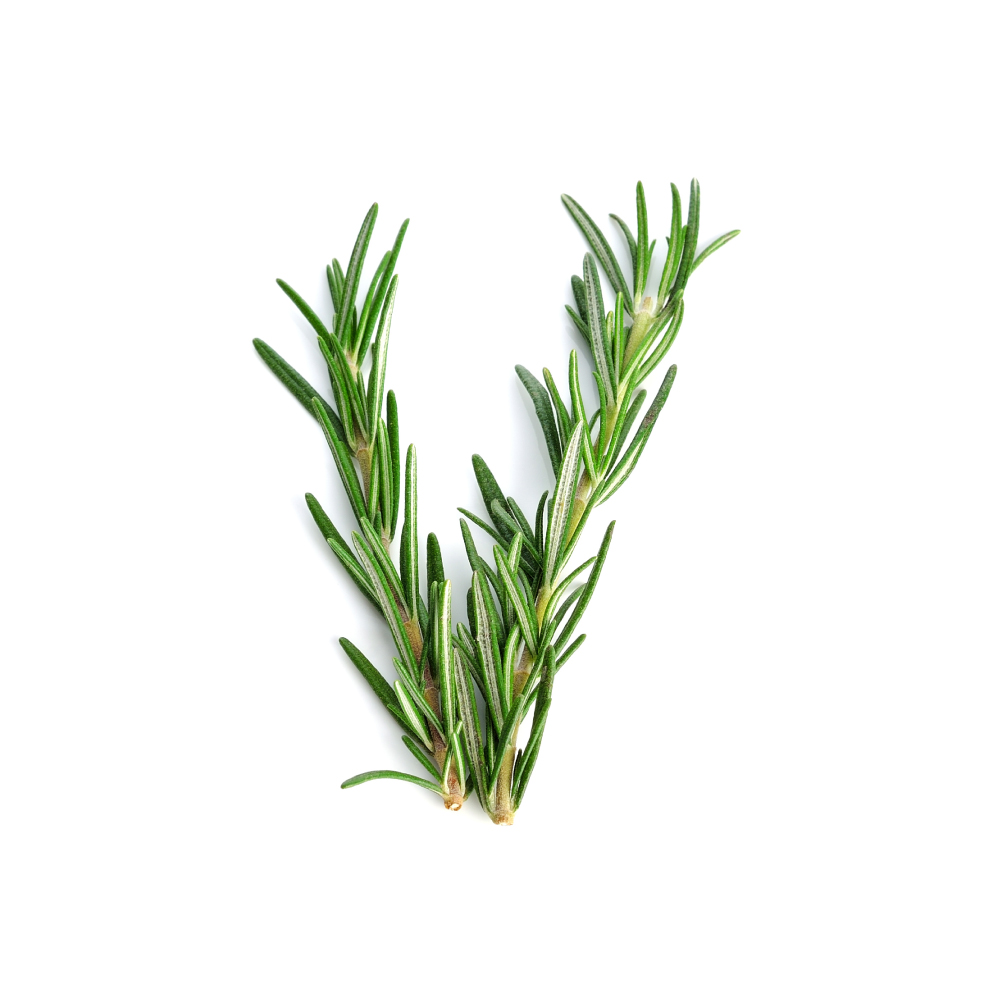 Principal source Rosemary Rosmarinus officinalis Herb monograph →
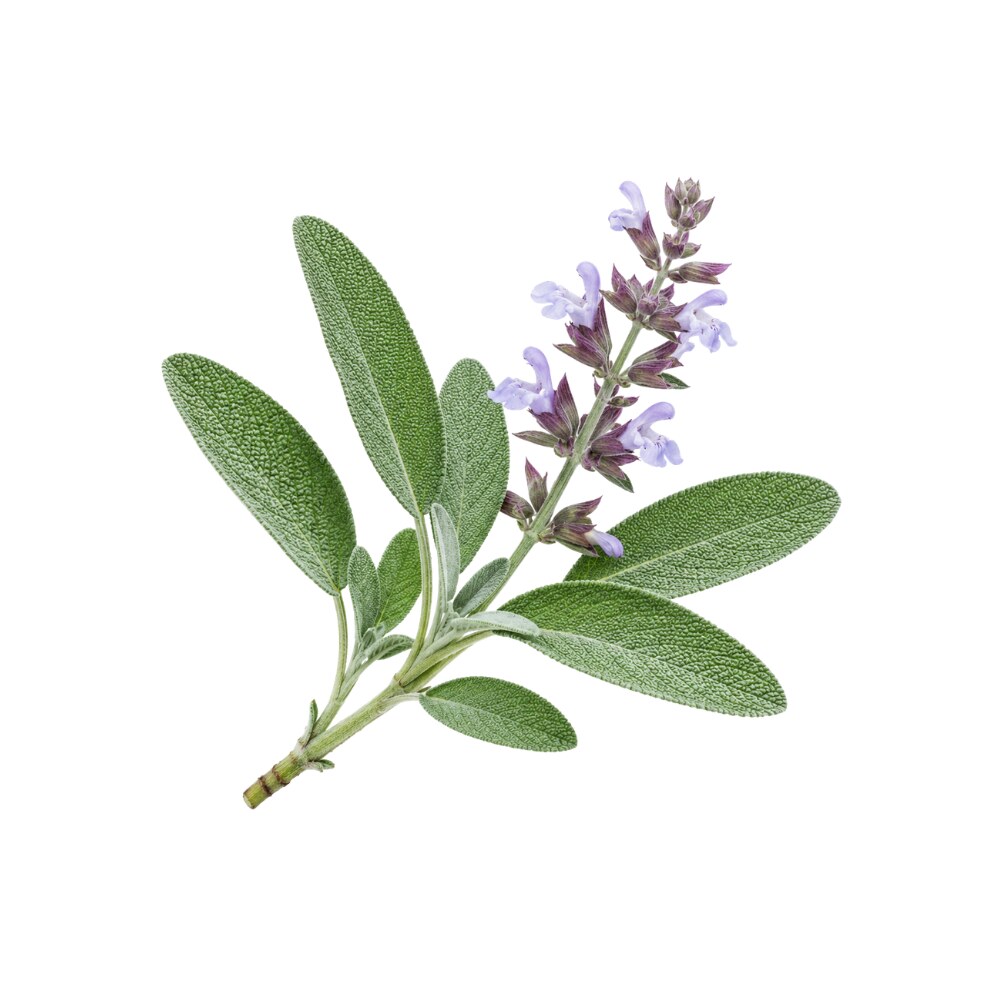 Source Sage Salvia officinalis Herb monograph →
Concentration
Content by Source
Concentrations not reported. No percent-dry-weight or mg/g figures have been published for this compound in its source plants.
Isorosmanol at a Glance
Isorosmanol is a phenolic abietane diterpene — C₂₀H₂₆O₅, MW 346.4, CAS 93780-80-4, PubChem CID 13820511, ChEBI:175403 — found in the leaves of rosemary and sage. Like carnosol, rosmanol and epirosmanol, it is not a primary plant product: it is what carnosic acid becomes when it is oxidised, and the amount present in any given leaf, extract or bottle is set by light, heat, solvent and shelf age at least as much as by the plant 1,
It is also, of the four, the one that keeps turning out to be different.
Three things frame the page.
First, the isomer relationship is routinely stated wrongly, including in sources that ought to know better. Rosmanol and epirosmanol are genuine C-7 epimers — same connectivity, opposite configuration. Isorosmanol is not an epimer of either. It is a constitutional isomer: its lactone runs from C-20 to C-7, not to C-6, and its free hydroxyl sits at C-6. That makes it, structurally, carnosol with an extra hydroxyl rather than a stereochemical variant of rosmanol. This is settled below with the primary structural literature and with machine-readable connectivity from PubChem, because the point is load-bearing for everything that follows.
Second, the structural distinction predicts the pharmacology. In three independent studies — muscle-cell hypertrophy 3Reference 3Advances in identifying functional groups in carnosol analogues to address their efficacy in skeletal muscle functionView study →, catalytic antioxidant behaviour in the presence of thiol 4Reference 4Catalytic antioxidant activity of two diterpenoid polyphenols of rosemary, carnosol, and isorosmanol, against lipid oxidation in the presence of cysteine thiolView study →, and a purified-compound antibacterial screen 8Reference 8Targeted metabolite profiling of Salvia rosmarinus Italian local ecotypes and cultivars and inhibitory activity against Pectobacterium carotovorum subsp. carotovorumView study → — carnosol and isorosmanol behave alike, and rosmanol does not. That is not a coincidence; it is the shared six-membered lactone doing the work, and it is the strongest argument here that the “iso-” prefix marks a real chemical boundary rather than a naming quirk.
Third, its two best-known claims need care. The melanin result is real, was measured on purified compound, and is genuinely interesting — but the comparison that made it famous is unquantified, and cosmetic depigmenting claims are commercially loaded. The cholinesterase literature, meanwhile, contains a 500,000-fold contradiction between two published papers, and that has to be dealt with before anyone repeats either number.
PubMed indexes 18 records that mention isorosmanol. Three carry it in the title, and a fourth title paper (2025) is not PubMed-indexed at all. That is a small literature by any standard — but it is a materially better one than its sibling epirosmanol’s, which has 18 records and zero titles.
The Isomer Question, Settled
The three “rosmanol” diterpenes are used interchangeably in reviews, supplier catalogues and database synonym lists far more often than the chemistry allows. The relationships are not symmetrical, and the odd one out is not the one most people assume.
| Compound | Lactone | Free OH | Relationship to isorosmanol |
|---|---|---|---|
| Carnosol | C-20 → C-7 (six-membered, δ) | none on B-ring | Same ring system. Isorosmanol is carnosol plus a 6α-hydroxyl |
| Isorosmanol | C-20 → C-7 (six-membered, δ) | 6α | — |
| Rosmanol | C-20 → C-6 (five-membered, γ) | 7α | Constitutional isomer — different connectivity, not a stereoisomer |
| Epirosmanol | C-20 → C-6 (five-membered, γ) | 7β | Constitutional isomer; itself the C-7 epimer of rosmanol |
Nakatani and Inatani assigned isorosmanol in 1984 as 6α,11,12-trihydroxy-7,10-(epoxymethano)abieta-8,11,13-trien-20-one, in the same paper that named epirosmanol (7β,11,12-trihydroxy-6,10-(epoxymethano)…) and revised rosmanol’s own published structure to the 7α isomer using NOE experiments and X-ray analysis 1Reference 1Two antioxidative diterpenes from rosemary (Rosmarinus officinalis L.) and a revised structure for rosmanolView study →. The bridge locant is the whole story: 7,10-(epoxymethano) for isorosmanol against 6,10-(epoxymethano) for the rosmanol pair.
That is confirmed independently, and mechanically, by the ring nomenclature PubChem generates from the deposited structures. Carnosol (CID 442009) and isorosmanol (CID 13820511) are both 16-oxatetracyclo[6.6.2.0¹,¹⁰.0²,⁷]hexadeca-2,4,6-trien-15-ones. Rosmanol (CID 13966122) and epirosmanol (CID 9884612) are both 16-oxatetracyclo[7.5.2.0¹,¹⁰.0²,⁷]hexadeca-2,4,6-trien-15-ones 21Reference 21National Library of MedicineView study →. Rosmanol and epirosmanol have identical connectivity strings and differ only in stereodescriptors — the definition of epimers. Isorosmanol’s connectivity string is different from both, and matches carnosol’s ring skeleton 21Reference 21National Library of MedicineView study →.
Practically: rosmanol → epirosmanol is a stereochemical change; rosmanol → isorosmanol is a bond change. Anything that depends on ring geometry — enzyme fit, quinone stability, lactone hydrolysis — can differ between them for reasons that have nothing to do with the C-7 hydroxyl everyone argues about.
This is not a pedantic distinction, and the muddle is documented. A 2016 review of rosemary diterpenes for Alzheimer’s disease describes isorosmanol as the structure “where the lactone ring is formed via the C-6 instead of the C-7 hydroxyl position” — the reverse of Nakatani and Inatani’s assignment, and self-contradictory within its own paragraph, which had already given rosmanol the C-20–C-6 lactone 27Reference 27The therapeutic potential of rosemary (Rosmarinus officinalis) diterpenes for Alzheimer’s diseaseView study →. If a dedicated review inverts it, a supplier catalogue or a supplement label certainly can.
A Note on the Greek Letters — and a Grouping to Fix
Our carnosic acid and rosmanol pages both draw the oxidation cascade as carnosol (γ-lactone) → rosmanol / epirosmanol / isorosmanol / 7-methyl-epirosmanol (δ-lactones). Isorosmanol is on the wrong side of that arrow — by connectivity it belongs with carnosol, not with the rosmanol pair — and that is the part worth fixing.
The Greek letters are murkier, and the blame is not ours. Counting ring atoms from the deposited structures 21Reference 21National Library of MedicineView study →, carnosol’s lactone ring contains six atoms (C-7, C-6, C-5, C-10, C-20, O) while rosmanol’s and epirosmanol’s contain five (C-6, C-5, C-10, C-20, O) — which would make carnosol a δ-lactone and the rosmanol pair γ-lactones. But two well-cited rosemary reviews call both carnosol and rosmanol “γ-lactones” 26,
Where It Sits in the Cascade
Carnosic acid carries a catechol. On oxidation that catechol becomes an electrophilic ortho-quinone, which is intercepted intramolecularly by the C-20 carboxyl to close a lactone 2,
carnosic acid
   → carnosol                  (20,7-lactone, six-membered)
   → isorosmanol               (20,7-lactone + 6alpha-OH)
   → rosmanol / epirosmanol    (20,6-lactones, five-membered, + 7alpha/7beta-OH)
   → galdosol, rosmadial and further ring-oxidised products
In the living rosemary leaf the flux is not evenly split. Munné-Bosch and Alegre’s subcellular work found that carnosic acid scavenging free radicals inside the chloroplast gives rise to diterpene alcohols “mainly isorosmanol” — making isorosmanol the principal in-planta oxidation product, not an incidental one 11Reference 11Subcellular compartmentation of the diterpene carnosic acid and its derivatives in the leaves of rosemaryView study →. That is a real difference from epirosmanol, which is largely a marker of processing.
The Melanin Claim, Checked
This is the finding the compound is known for, and it needs to be stated at exactly its strength — no more, and no less.
Sallam and colleagues (2016) isolated seven phenolic diterpenes from the methanolic extract of Salvia officinalis aerial parts — sageone, 12-methylcarnosol, carnosol, 7β-methoxyrosmanol, 7α-methoxyrosmanol, isorosmanol and epirosmanol — and tested all seven for two things: inhibition of melanin biosynthesis in B16 melanoma cells, and inhibition of acetylcholinesterase by Ellman’s method 2Reference 2Acetylcholine esterase inhibitors and melanin synthesis inhibitors from Salvia officinalisView study →.
What the paper reports:
| Compound | Melanin synthesis (B16 cells) | AChE (Ellman’s) |
|---|---|---|
| Isorosmanol | ”as potent as that of arbutin” | 65% inhibition at 500 µM |
| 7α-Methoxyrosmanol | not among the actives | 50% inhibition at 500 µM |
| Epirosmanol | not among the actives | not among the actives |
| Sageone, 12-methylcarnosol, carnosol, 7β-methoxyrosmanol | not among the actives | not among the actives |
Three things are worth pulling out.
It was a purified-compound result, and its sibling failed the same test. Isorosmanol and epirosmanol were isolated in the same fractionation, tested in the same assays, on the same day, by the same hands — and only isorosmanol cleared the bar on either endpoint 2Reference 2Acetylcholine esterase inhibitors and melanin synthesis inhibitors from Salvia officinalisView study →. Panels that test isomers side by side are rare and are the only clean way to attribute activity within a series. This one says the activity belongs to isorosmanol specifically.
What was measured was cellular melanin, not tyrosinase. The paper’s stated method is the effect on melanin biosynthesis in B16 melanoma cell lines 2Reference 2Acetylcholine esterase inhibitors and melanin synthesis inhibitors from Salvia officinalisView study →. There is no direct mushroom- or human-tyrosinase enzyme assay in the reported design, so the mechanism — whether isorosmanol inhibits the enzyme, suppresses its expression, or interferes with melanogenic signalling — is not established by this study. Anyone describing isorosmanol as a “tyrosinase inhibitor” is going beyond the source.
The arbutin comparison is unquantified, and arbutin is a low bar. No concentration, no IC₅₀ and no percentage figure for the melanin endpoint appears in the published abstract, and the full text is behind a paywall; secondary reviews that repeat the finding repeat it in exactly the same unquantified form 22Reference 22Role of amine neurotransmitters and their receptors in skin pigmentation: therapeutic implicationView study →. Arbutin is a genuine but weak depigmenting agent that is typically used in B16 assays at high micromolar to low millimolar concentrations. “As potent as arbutin” is therefore a comparative statement about a modest reference, not evidence of a potent one — and it says nothing about topical delivery, skin penetration or stability.
A missing control matters here. Melanin content per cell falls when cells are stressed or dying, so a melanin-inhibition assay without a matched viability curve cannot distinguish depigmentation from cytotoxicity. No cell-viability control is reported in the abstract. Until the full text or a replication supplies one, the honest reading is: isorosmanol reduced melanin in a melanoma cell line to roughly the degree arbutin does, in a single study, with the mechanism and the concentration unpublished.
That is a legitimate reason to be interested in the molecule. It is not a reason to put it in a skin-lightening product, and it is nowhere near the evidence bar for a cosmetic claim.
The Cholinesterase Contradiction
Two papers have measured isorosmanol against acetylcholinesterase. Their answers are five and a half orders of magnitude apart, and the site of the discrepancy is not a detail.
| Study | Preparation | Result for isorosmanol | Comparator |
|---|---|---|---|
| Sallam 2016 2Reference 2Acetylcholine esterase inhibitors and melanin synthesis inhibitors from Salvia officinalisView study → | Isolated from S. officinalis; Ellman’s method | 65% inhibition at 500 µM | 7α-methoxyrosmanol 50% at 500 µM |
| Köksal & Şenol 2025 6Reference 6In vitroAnticholinesterase and carbonic anhydrase inhibitory activities of natural carnosic acid derivatives: a comprehensive in vitro and in silico studyView study → | Sigma-Aldrich standard; colorimetric acetylthiocholine assay | IC₅₀ 0.98 ± 0.02 nM | Tacrine IC₅₀ 46.62 nM |
A compound cannot plausibly need 500 µM to reach 65% inhibition in one laboratory and inhibit half the enzyme at 1 nM in another. The gap is roughly 500,000-fold.
There are reasons to weight the 2025 numbers with considerable caution:
- Sub-nanomolar IC₅₀ values are implausible for a small phenolic against AChE in a standard colorimetric assay. Reported IC₅₀ cannot fall meaningfully below the enzyme concentration in the cuvette, and this paper reports the whole panel — carnosic acid, carnosol, rosmanol, isorosmanol — in the 0.7–5 nM range, all of them 10–60× more potent than tacrine, a clinically used drug 6Reference 6In vitroAnticholinesterase and carbonic anhydrase inhibitory activities of natural carnosic acid derivatives: a comprehensive in vitro and in silico studyView study →.
- Two compounds in the panel return identical IC₅₀ values, to three significant figures, against four unrelated enzymes. 12-Methoxy-carnosic acid is reported at 2.64 nM against AChE, BChE, CA I and CA II; 7-methoxy-rosmanol at 4.81 nM against all four 6Reference 6In vitroAnticholinesterase and carbonic anhydrase inhibitory activities of natural carnosic acid derivatives: a comprehensive in vitro and in silico studyView study →. Four unrelated active sites do not produce the same number by chemistry.
- The paper’s own discussion does not match its own table. It describes isorosmanol’s performance “against AChE, BChE, and CAII” as “less impressive” while its table gives 0.98 nM for AChE — thirty-fold better than the reference drug 6Reference 6In vitroAnticholinesterase and carbonic anhydrase inhibitory activities of natural carnosic acid derivatives: a comprehensive in vitro and in silico studyView study →.
- Nothing about the source is wrong: the compounds were authentic Sigma-Aldrich standards (isorosmanol, SMB00183) 6Reference 6In vitroAnticholinesterase and carbonic anhydrase inhibitory activities of natural carnosic acid derivatives: a comprehensive in vitro and in silico studyView study →. The problem is in the numbers, not the material.
The defensible statement is the weak one. Isorosmanol inhibits acetylcholinesterase measurably at 500 µM — a concentration far above anything a diterpene could reach in a brain, and one at which many phenols inhibit many enzymes non-specifically. It is a chemical observation, not a nootropic finding, and it should not be reported as one. The nanomolar dataset needs independent replication before it can be used for anything at all.
What It's Used For
Five studies have put purified isorosmanol into a biological assay, and a sixth used it as a synthetic intermediate. That is thin, but — unlike its siblings — the results are not all the same result.
Support is an experimental score — weighted by study type (human > animal > in vitro) and volume. A beta, not a validated metric. With no mammalian in-vivo and no human study anywhere in this literature, every score is capped low by design. Each application links to its write-up.
The thread with the most replication, and the one place isorosmanol has a mechanism that is arguably its own.
The conventional measurements first. Nakatani and Inatani’s 1984 isolation paper reported both new diterpenes — isorosmanol and epirosmanol — as strongly antioxidative, about four times the activity of BHA and BHT in a lard substrate 1Reference 1Two antioxidative diterpenes from rosemary (Rosmarinus officinalis L.) and a revised structure for rosmanolView study →.
Miura, Kikuzaki and Nakatani later ran the oil stability index on a large sage and thyme compound panel and found carnosol, rosmanol, epirosmanol, isorosmanol, galdosol and carnosic acid all “remarkably strong” and “comparable to that of α-tocopherol”, with DPPH radical scavenging giving the same ranking; they attributed the activity to the ortho-dihydroxy (catechol) group all six share 9Reference 9Antioxidant activity of chemical components from sage (Salvia officinalis L.) and thyme (Thymus vulgaris L.) measured by the oil stability index methodView study →.
So far, so undifferentiated — that is a scaffold property, not a molecular one.
The distinctive result came in 2024. Higashino, Karatsu and Masuda asked what happens to these diterpenes’ antioxidant behaviour in the presence of a cysteine thiol. Out of the polyphenols tested, only carnosol and isorosmanol enhanced antioxidant capacity against radical-induced lipid oxidation, and further mechanistic work showed both were acting catalytically — using the thiol group as a reduction source, so that the polyphenol is regenerated rather than consumed 4Reference 4Catalytic antioxidant activity of two diterpenoid polyphenols of rosemary, carnosol, and isorosmanol, against lipid oxidation in the presence of cysteine thiolView study →.
Density-functional calculations suggested the reason: the ortho-quinones produced by carnosol and isorosmanol are less stable than those of the other diterpenes, and the regioselectivity of their reaction with thiols is what allows the turnover 4Reference 4Catalytic antioxidant activity of two diterpenoid polyphenols of rosemary, carnosol, and isorosmanol, against lipid oxidation in the presence of cysteine thiolView study →.
A 2025 follow-up from the same laboratory extended the finding to an aqueous micellar system, i.e. a more food- and membrane-like environment than a homogeneous solution 20Reference 20Enhancement of antioxidant activity of isorosmanol in aqueous micellar solution by a cysteine thiolView study →.
That matters conceptually. Carnosic acid is a sacrificial antioxidant — it works by being destroyed. A catalytic antioxidant is a different kind of object, and isorosmanol is one of only two compounds in this series shown to behave that way. It also tracks the structural argument exactly: the two catalytic compounds are the two with the C-20→C-7 lactone.
Gap: every one of these measurements is cell-free — a lard substrate, a model oil, a micellar solution. There is no cellular antioxidant assay in the isorosmanol literature outside the muscle study 3Reference 3Advances in identifying functional groups in carnosol analogues to address their efficacy in skeletal muscle functionView study →, no animal oxidative-stress model, and no human data. The catalytic mechanism has been demonstrated in a beaker with an added thiol, not in a cell with physiological glutathione.
The most complete study on the molecule, and the only one with an in-vivo arm.
Berger and colleagues (2025) set out to find which functional groups make carnosol protective for skeletal muscle. They chose rosmanol and isorosmanol as the natural analogues because both keep carnosol’s C-11 and C-12 hydroxyls while differing in the B-ring — precisely the constitutional difference described above — and added dimethylcarnosol and dimethylisorosmanol to test whether the hydroxyls were required 3Reference 3Advances in identifying functional groups in carnosol analogues to address their efficacy in skeletal muscle functionView study →.
The results split cleanly along the ring system:
- Antioxidant endpoints — all three natural compounds worked. Carnosol, rosmanol and isorosmanol showed similar activity, reducing lipid-peroxidation accumulation in post-mortem mouse skeletal muscle tissue and reducing phosphorylation of γH2AX, a DNA-damage marker, in human skeletal muscle cells 3Reference 3Advances in identifying functional groups in carnosol analogues to address their efficacy in skeletal muscle functionView study →.
- Functional endpoints — only carnosol and isorosmanol worked. Both promoted myotube hypertrophy and suppressed the E3 ubiquitin ligase MuRF1 in human skeletal muscle cells (compounds applied at 10 µM); rosmanol did neither 3Reference 3Advances in identifying functional groups in carnosol analogues to address their efficacy in skeletal muscle functionView study →.
- Methoxylation abolished everything. Dimethylcarnosol and dimethylisorosmanol lacked both the antioxidant and the hypertrophic effect 3Reference 3Advances in identifying functional groups in carnosol analogues to address their efficacy in skeletal muscle functionView study →.
- In zebrafish larvae, carnosol improved locomotion, increased slow-myosin-heavy-chain-positive fibres and downregulated E3 ubiquitin ligases; isorosmanol also enhanced locomotor performance, while its methoxylated analogue showed no effect 3Reference 3Advances in identifying functional groups in carnosol analogues to address their efficacy in skeletal muscle functionView study →.
The authors’ own conclusion names the two structural requirements: conserved hydroxyls at C-11/C-12 and a 20,7-lactone moiety 3Reference 3Advances in identifying functional groups in carnosol analogues to address their efficacy in skeletal muscle functionView study →. Isorosmanol has the 20,7-lactone. Rosmanol does not. This is the cleanest published demonstration that the isomer distinction is functional and not cosmetic.
Gap: zebrafish larvae are a screening model, not a mammalian one — there is no rodent study, no oral dosing, no measure of whether isorosmanol reaches muscle in a mammal, and no measured effect size published in the abstract. And the paper is a structure–activity study of carnosol; isorosmanol is a comparator in it, not the subject.
Covered in full above. In brief: Sallam and colleagues isolated seven S. officinalis phenolic diterpenes and tested them on melanin biosynthesis in B16 melanoma cells; isorosmanol was the only one reported with melanin-inhibiting activity, described as “as potent as that of arbutin” 2Reference 2Acetylcholine esterase inhibitors and melanin synthesis inhibitors from Salvia officinalisView study →. Epirosmanol, tested in the same experiment, was not among the actives 2Reference 2Acetylcholine esterase inhibitors and melanin synthesis inhibitors from Salvia officinalisView study →.
Gap: no concentration, no IC₅₀, no percentage figure, no viability control and no direct tyrosinase assay are available from the abstract, and the full text is paywalled. It has never been replicated, never tested on human melanocytes, and never applied to skin. Treat it as a lead, not a result.
One study, and it is the only paper in the entire literature whose title is about isorosmanol as a subject rather than a target of synthesis or a co-star.
Park (2009) reported that isorosmanol protected PC12 cells against β-amyloid-induced toxicity, and — separately — promoted neurite outgrowth, an effect enhanced by co-treatment with nerve growth factor. The neurite outgrowth was accompanied by F-actin redistribution and increased neurofilament expression, which is the expected cytoskeletal signature of genuine differentiation rather than mere cell rounding 5Reference 5Neuroprotective and neurotrophic effects of isorosmanolView study →.
Gap: a single short paper in a low-circulation journal, in a rat pheochromocytoma line used as a neuron surrogate, with no published concentrations available from the abstract, no replication in 17 years, and no animal work. PC12 neurite-outgrowth assays are notoriously permissive. The mechanism is unidentified. This supports “worth investigating”, nothing beyond it.
Covered in full above. Two datasets exist and they are irreconcilable: 65% inhibition at 500 µM 2Reference 2Acetylcholine esterase inhibitors and melanin synthesis inhibitors from Salvia officinalisView study → against IC₅₀ 0.98 nM 6Reference 6In vitroAnticholinesterase and carbonic anhydrase inhibitory activities of natural carnosic acid derivatives: a comprehensive in vitro and in silico studyView study →, with several internal-consistency problems in the nanomolar paper. The usable figure is the weak one, and it is weak enough that it should be read as non-specific phenol behaviour rather than as evidence of a cholinergic mechanism.
Note also that isorosmanol is not the interesting compound even within the optimistic dataset — the 2025 paper’s own headline is rosmanol, and isorosmanol is described there as selective for carbonic anhydrase I rather than for cholinesterase 6Reference 6In vitroAnticholinesterase and carbonic anhydrase inhibitory activities of natural carnosic acid derivatives: a comprehensive in vitro and in silico studyView study →.
Gap: no third laboratory has measured it. No brain-penetration data, no cellular assay, no animal model of cognition. Nothing in this thread supports a nootropic claim for the molecule or for rosemary.
Genuinely a purified-compound antibacterial result, but the organism is a potato-rot bacterium and the intended application is organic farming, not medicine.
Iobbi and colleagues (2024) profiled Italian Salvia rosmarinus ecotypes by NMR metabolomics and then tested five pure rosemary diterpenes against Pectobacterium carotovorum subsp. carotovorum, the cause of bacterial soft rot 8Reference 8Targeted metabolite profiling of Salvia rosmarinus Italian local ecotypes and cultivars and inhibitory activity against Pectobacterium carotovorum subsp. carotovorumView study →:
| Compound | Soft-rot inhibition at 1,000 ppm (Abbott index) | Pectinase activity of treated inoculum |
|---|---|---|
| Isorosmanol | 100% | 0 U/L |
| Carnosol | 100% | 2.15 U/L |
| 7-O-methylrosmanol | 100% | 0 U/L |
| 12-O-methylcarnosic acid | 70.3% | 20.4 U/L |
| Carnosic acid | 30.7% | 0 U/L |
| Untreated control | 0% | — |
Isorosmanol was also active against the bacterium in liquid culture at concentrations above 250 µg/mL — the same threshold as carnosic acid and carnosol, and four-fold better than 12-O-methylcarnosic acid or 7-O-methylrosmanol, which needed >1,000 µg/mL 8Reference 8Targeted metabolite profiling of Salvia rosmarinus Italian local ecotypes and cultivars and inhibitory activity against Pectobacterium carotovorum subsp. carotovorumView study →. Docking placed its catechol on Glu315 and Tyr314 of pectate lyase 1 — the same binding pose as carnosol, a third independent instance of the two behaving as a pair 8Reference 8Targeted metabolite profiling of Salvia rosmarinus Italian local ecotypes and cultivars and inhibitory activity against Pectobacterium carotovorum subsp. carotovorumView study →.
Gap: 250 µg/mL (~720 µM) is a high concentration, the target is an agricultural phytopathogen, and no human-pathogenic bacterium has ever been tested with purified isorosmanol. No MIC against Staphylococcus, Escherichia, Helicobacter or anything else clinically relevant exists.
Mechanisms
| Target / pathway | Effect | Relevant to | Compartment |
|---|---|---|---|
| Lipid peroxyl radicals | Scavenging via the ortho-dihydroxy (catechol) ring; oil-stability-index activity comparable to α-tocopherol 9Reference 9Antioxidant activity of chemical components from sage (Salvia officinalis L.) and thyme (Thymus vulgaris L.) measured by the oil stability index methodView study → | Antioxidant | Cell-free |
| Radical-induced lipid oxidation + cysteine thiol | Catalytic antioxidant turnover — regenerated by thiol; one of only two diterpenes in the series to do this 4, | Antioxidant | Cell-free / micellar |
| MuRF1 (E3 ubiquitin ligase) | Suppressed in human skeletal muscle cells at 10 µM; myotube hypertrophy promoted 3Reference 3Advances in identifying functional groups in carnosol analogues to address their efficacy in skeletal muscle functionView study → | Muscle atrophy | Cell culture |
| γH2AX phosphorylation | Reduced in human skeletal muscle cells 3Reference 3Advances in identifying functional groups in carnosol analogues to address their efficacy in skeletal muscle functionView study → | Genotoxic stress | Cell culture |
| Melanin biosynthesis (B16 cells) | Inhibited, “as potent as arbutin”; concentration unpublished; tyrosinase not directly assayed 2Reference 2Acetylcholine esterase inhibitors and melanin synthesis inhibitors from Salvia officinalisView study → | Pigmentation | Cell culture |
| Acetylcholinesterase | 65% inhibition at 500 µM 2Reference 2Acetylcholine esterase inhibitors and melanin synthesis inhibitors from Salvia officinalisView study →; a conflicting nanomolar IC₅₀ 6Reference 6In vitroAnticholinesterase and carbonic anhydrase inhibitory activities of natural carnosic acid derivatives: a comprehensive in vitro and in silico studyView study → is not credible (see above) | — | Cell-free |
| β-Amyloid toxicity; neurite outgrowth | Protection of PC12 cells; neurite generation, enhanced by NGF 5Reference 5Neuroprotective and neurotrophic effects of isorosmanolView study → | Neuroprotection | Cell culture |
| Pectobacterium carotovorum pectinase | Complete inhibition at 1,000 ppm; bacterial growth inhibited >250 µg/mL 8Reference 8Targeted metabolite profiling of Salvia rosmarinus Italian local ecotypes and cultivars and inhibitory activity against Pectobacterium carotovorum subsp. carotovorumView study → | Plant antibacterial | Cell-free / bacteria |
| Glucocorticoid & mineralocorticoid receptors | Antagonism, RIC₂₀ ~5–8 µM, maximum ~60% inhibition 7Reference 7An integrated approach of bioassays and non-target screening for the assessment of endocrine-disrupting activities in tap water and identification of novel endocrine-disrupting chemicalsView study → | Endocrine disruption | Reporter assay |
| Oestrogen (ERα) & progesterone receptors | Antagonism, RIC₂₀ ~8–10 µM, maximum 23% and 41% 7Reference 7An integrated approach of bioassays and non-target screening for the assessment of endocrine-disrupting activities in tap water and identification of novel endocrine-disrupting chemicalsView study → | Endocrine disruption | Reporter assay |
Pharmacokinetics
There is no pharmacokinetic study of isorosmanol. No absorption figure, no oral bioavailability, no plasma concentration, no half-life, no tissue distribution, in any species. isorosmanol AND pharmacokinetics returns a single PubMed record, and it is a computational ADMET prediction inside the cholinesterase paper discussed above — not a measurement 6Reference 6In vitroAnticholinesterase and carbonic anhydrase inhibitory activities of natural carnosic acid derivatives: a comprehensive in vitro and in silico studyView study →.
Two adjacent observations are worth recording, and neither is a substitute:
- In the muscle study, isorosmanol produced a functional effect in zebrafish larvae in water, which implies some uptake in that model but yields no numbers 3Reference 3Advances in identifying functional groups in carnosol analogues to address their efficacy in skeletal muscle functionView study →.
- The compound is smaller and more polar than its carnosic acid parent, which is the direction that generally favours passive membrane transit. Work on the closely related epirosmanol found roughly 50% crossing an artificial blood–brain-barrier membrane model, better than carnosol or carnosic acid — a peak-area observation in a PAMPA assay, not a permeability coefficient, and not an isorosmanol result.
Until someone doses an animal and measures plasma, every concentration here is a concentration in a dish.
Clinical Trials
None. There are no clinical trials of isorosmanol — a ClinicalTrials.gov search returns 0 studies under that name (checked August 2026). Human exposure is entirely incidental, through culinary rosemary and sage and through rosemary antioxidant extracts.
| Completed | Planned | Terminated | Preclinical |
|---|---|---|---|
| —(none) | — | — | 5in-vitro isolate studies, 1 zebrafish arm |
Last checked: August 2026.
Isolate vs. Plant
The boundary is drawable here, and isorosmanol comes out better than most compounds of its size.
Genuine isolate evidence: the 1984 isolation and antioxidant report 1Reference 1Two antioxidative diterpenes from rosemary (Rosmarinus officinalis L.) and a revised structure for rosmanolView study →, the oil-stability-index panel 9Reference 9Antioxidant activity of chemical components from sage (Salvia officinalis L.) and thyme (Thymus vulgaris L.) measured by the oil stability index methodView study →, the melanin and AChE panel 2Reference 2Acetylcholine esterase inhibitors and melanin synthesis inhibitors from Salvia officinalisView study →, the catalytic-antioxidant work 4,
What does not transfer. Nothing here supports a claim about rosemary or sage as herbs. Isorosmanol is a minor member of a diterpene fraction whose recognised actives — the compounds carrying the food-preservative function and most of the pharmacology — are carnosic acid and carnosol. The EU food additive extracts of rosemary (E 392) is specified, and its maximum permitted levels expressed, as the sum of carnosol and carnosic acid 25Reference 25Refined exposure assessment of extracts of rosemary (E 392) from its use as food additiveView study →; isorosmanol, though formed from both, is not in the specification and is not measured in commerce.
Derivatives that are not isorosmanol. Four distinct entities in this literature carry the name inside theirs and must not be conflated with the parent: 11,12-di-O-methylisorosmanol, the plant’s own O-methylated export form, which the authors state does not display antioxidant activity 11Reference 11Subcellular compartmentation of the diterpene carnosic acid and its derivatives in the leaves of rosemaryView study →; dimethylisorosmanol, the synthetic analogue that lost both the antioxidant and the hypertrophic effect 3Reference 3Advances in identifying functional groups in carnosol analogues to address their efficacy in skeletal muscle functionView study →; isorosmaquinone, a semisynthetic oxidation product prepared from isorosmanol 16Reference 16Semisynthesis and biological evaluation of abietane-type diterpenesView study →; and epiisorosmanol, a separate natural diterpene reported in rosemary extracts and with only three PubMed records of its own 8Reference 8Targeted metabolite profiling of Salvia rosmarinus Italian local ecotypes and cultivars and inhibitory activity against Pectobacterium carotovorum subsp. carotovorumView study →. None of their results transfers to isorosmanol.
Prevalence in Nature
Isorosmanol is a Lamiaceae compound, and within the family a Salvia compound. Its distribution follows carnosic acid’s, because it is made from it.
| Source | Part | Basis |
|---|---|---|
| Rosemary (Salvia rosmarinus, syn. Rosmarinus officinalis) | Leaves, aerial parts | Type source — first isolation 1984 1Reference 1Two antioxidative diterpenes from rosemary (Rosmarinus officinalis L.) and a revised structure for rosmanolView study →; re-isolated as a known compound from aerial parts 19Reference 19New terpenoid glycosides obtained from Rosmarinus officinalis L. aerial partsView study →; quantified across the season and across 96 Italian accessions 8, |
| Sage (Salvia officinalis) | Leaves, aerial parts | Isolated repeatedly from methanolic extracts 2, |
| Salvia pachyphylla | Aerial parts | Isolated as a known diterpene in a cytotoxicity study 17Reference 17Abietane diterpenoids from Salvia pachyphylla and S. clevelandii with cytotoxic activity against human cancer cell linesView study → |
| Salvia clevelandii | Aerial parts | Same study; the S. clevelandii diterpene set is reported separately 17Reference 17Abietane diterpenoids from Salvia pachyphylla and S. clevelandii with cytotoxic activity against human cancer cell linesView study → |
| Vervain (Verbena officinalis) | Extract | HPLC-PDA-HRMS annotation only, reported as new for the species 18Reference 18Identification of the chemical compositions of Verbena officinalis L. extract by high performance liquid chromatography-photodiode array-high resolution mass spectrometryView study → — see caveat below |
Quantitative data are relative, not absolute. The best figures come from Munné-Bosch’s rosemary field work. In field-grown rosemary leaf, carnosic acid and carnosol are present at roughly 5 and 1 mg/g dry weight respectively 14Reference 14Response of abietane diterpenes to stress in Rosmarinus officinalis L.: new insights into the function of diterpenes in plantsView study →, and isorosmanol was found at “slightly lower concentrations than carnosol” 11Reference 11Subcellular compartmentation of the diterpene carnosic acid and its derivatives in the leaves of rosemaryView study → — so on the order of, but below, 1 mg/g dry weight. No paper puts a direct number on it.
What does have hard numbers is the stress response, and it is large:
| Condition | Isorosmanol change | Ref |
|---|---|---|
| Mediterranean summer drought, field-grown rosemary | +25% (dimethyl isorosmanol +40%), while carnosic acid fell 22% | 12Reference 12Enhanced formation of α-tocopherol and highly oxidized abietane diterpenes in water-stressed rosemary plantsView study → |
| Severe prolonged drought | 8-fold increase, from oxidation of carnosic acid | 13Reference 13Changes in carotenoids, tocopherols and diterpenes during drought and recovery, and the biological significance of chlorophyll loss in Rosmarinus officinalis plantsView study → |
| Summer stress (low precipitation, high radiation, high temperature) | Increased, while carnosic acid and carnosol fell ~50% | 14Reference 14Response of abietane diterpenes to stress in Rosmarinus officinalis L.: new insights into the function of diterpenes in plantsView study → |
That is the practical takeaway for anyone sourcing rosemary: isorosmanol content is an index of how stressed the plant was and how oxidised the material is. A drought-grown, sun-exposed, long-stored rosemary will be richer in isorosmanol and poorer in carnosic acid than a shaded, irrigated, freshly dried one — and Iobbi’s Italian survey found exactly that pattern geographically, with southern accessions shifted toward isorosmanol and northern ones toward carnosic acid 8Reference 8Targeted metabolite profiling of Salvia rosmarinus Italian local ecotypes and cultivars and inhibitory activity against Pectobacterium carotovorum subsp. carotovorumView study →.
One occurrence claim deserves a caveat. The Verbena officinalis report is an LC-MS annotation, not an isolation: a Chinese HPLC-PDA-HRMS profiling study reported carnosic acid, carnosol, rosmanol, isorosmanol, rosmarinic acid and acacetin-7-O-rutinoside as previously unreported in vervain extract 18Reference 18Identification of the chemical compositions of Verbena officinalis L. extract by high performance liquid chromatography-photodiode array-high resolution mass spectrometryView study →. Rosmarinic acid in Verbena is well established; a full rosemary abietane set in a Verbenaceae species on MS evidence alone is a stronger claim, and until someone isolates the compound from vervain it should be held loosely.
Its Role in Plants
This is the one area where isorosmanol, rather than carnosic acid, is the compound the literature is actually about — and the story is unusually complete for a molecule this obscure.
Carnosic acid is rosemary’s stored lipophilic antioxidant, concentrated in leaf chloroplasts, and it protects the photosynthetic apparatus by being sacrificially oxidised under light and oxidative stress 24Reference 24Carnosic acidView study →. Munné-Bosch and Alegre traced where the products go. Their subcellular fractionation of rosemary leaves found that carnosic acid scavenges free radicals within the chloroplasts, giving rise to diterpene alcohols, mainly isorosmanol 11Reference 11Subcellular compartmentation of the diterpene carnosic acid and its derivatives in the leaves of rosemaryView study →. Isorosmanol is then O-methylated inside the chloroplast, and the resulting 11,12-di-O-methylisorosmanol is transferred out to the plasma membrane, where it accumulates at 16.6-fold the chloroplast level 11Reference 11Subcellular compartmentation of the diterpene carnosic acid and its derivatives in the leaves of rosemaryView study →.
The authors read this as a controlled disposal route — in their phrase, a way out for free radicals from the chloroplast. And they note the cost: O-methylated diterpenes do not display antioxidant activity, though they may influence plasma-membrane stability 11Reference 11Subcellular compartmentation of the diterpene carnosic acid and its derivatives in the leaves of rosemaryView study →. The plant is not recycling its antioxidant; it is capping it and exporting it.
The field data fit. Across a Mediterranean year, carnosic acid and carnosol fell by about half during summer while rosmanol, isorosmanol and dimethyl isorosmanol rose in response to low precipitation, high radiation and high temperature 14Reference 14Response of abietane diterpenes to stress in Rosmarinus officinalis L.: new insights into the function of diterpenes in plantsView study →. Under experimental drought, isorosmanol rose 25% and dimethyl isorosmanol 40% as carnosic acid fell 22% 12Reference 12Enhanced formation of α-tocopherol and highly oxidized abietane diterpenes in water-stressed rosemary plantsView study →; under severe prolonged drought, isorosmanol rose eight-fold, and recovered along with the photosynthetic pigments after the autumn rains 13Reference 13Changes in carotenoids, tocopherols and diterpenes during drought and recovery, and the biological significance of chlorophyll loss in Rosmarinus officinalis plantsView study →.
So isorosmanol is not a waste product and not merely an extraction artefact. In the living leaf it is the main downstream marker of carnosic acid actually having done its job.
Discovery & Synthesis
Isorosmanol was isolated and named in 1984 by Nobuji Nakatani and Reiko Inatani at Osaka City University, from the leaves of rosemary, in a paper reporting two new antioxidative diterpenes — isorosmanol and epirosmanol — and revising the published structure of rosmanol itself 1Reference 1Two antioxidative diterpenes from rosemary (Rosmarinus officinalis L.) and a revised structure for rosmanolView study →. Its structure was assigned as 6α,11,12-trihydroxy-7,10-(epoxymethano)abieta-8,11,13-trien-20-one, and both new compounds were shown to be roughly four times as active as BHA and BHT in a lard system 1Reference 1Two antioxidative diterpenes from rosemary (Rosmarinus officinalis L.) and a revised structure for rosmanolView study →.
Unlike epirosmanol, isorosmanol has a published laboratory synthesis. Li, Zhang, Yang, Zhang and Xie (2018) built it biomimetically from (+)-carnosic acid, using epoxidation, epoxide ring opening and lactonisation in one pot to reach 11,12-dimethoxy isorosmanol; they then carried isorosmanol forward, in ten steps overall, to przewalskin A — a C₂₃ terpenoid with anti-HIV-1 activity from Salvia przewalskii — via a bismuthonium-ylide-induced ring expansion of an ortho-quinone 15Reference 15Biomimetic synthesis of isorosmanol and przewalskin AView study →. The strategy was explicitly inspired by the biogenetic hypothesis, so the synthesis doubles as chemical support for the proposed biosynthetic route.
Isorosmanol has also served as a starting material: Marrero and colleagues (2009) prepared the new semisynthetic isorosmaquinone from it, in a paper that also reassigned the proton resonances of rosmaquinone 16Reference 16Semisynthesis and biological evaluation of abietane-type diterpenesView study →. Note that the widely cited 2002 semisynthesis from carnosol produced rosmanol, rosmaquinone, 7-methoxyrosmanol, 7-ethoxyrosmanol, galdosol and epirosmanol — but not isorosmanol 23Reference 23Semisynthesis of rosmanol and its derivativesView study →, which is consistent with the constitutional difference: carnosol’s own lactone is already in isorosmanol’s position, so reaching isorosmanol requires hydroxylating C-6 rather than shuffling stereochemistry at C-7.
Commercially, isorosmanol is sold only as an analytical reference standard, in milligram quantities, by several suppliers 6,
Patents: not yet researched.
Toxicity & Safety
The verdict is not characterised, and the unknown grading is deliberate. There has never been a toxicology study of isorosmanol: no acute or repeat-dose study, no LD₅₀, no genotoxicity panel, no reproductive or developmental work, no interaction study, and no observation in a mammal of any kind. isorosmanol AND toxicity returns two PubMed records — the PC12 neuroprotection paper, and one screening study described below.
That screening study is the reason low would be wrong.
Isorosmanol antagonises four steroid hormone receptors at low-micromolar concentrations. Liu and Liu (2024), publishing in Toxics, ran non-target screening of tap water alongside a panel of nuclear-receptor reporter bioassays, and isorosmanol emerged as one of four novel potential endocrine-disrupting chemicals identified in drinking-water samples. Tested as a purchased ≥98% standard, it showed 7Reference 7An integrated approach of bioassays and non-target screening for the assessment of endocrine-disrupting activities in tap water and identification of novel endocrine-disrupting chemicalsView study →:
| Receptor | Effect | RIC₂₀ | RIC₅₀ | Maximum inhibition |
|---|---|---|---|---|
| Mineralocorticoid (MR) | Antagonist | 7.71 µM | 12.1 µM | 60.8% |
| Glucocorticoid (GR) | Antagonist | 5.07 µM | 10.0 µM | 59.9% |
| Progesterone (PR) | Antagonist | 8.15 µM | — | 41.0% |
| Oestrogen (ERα) | Antagonist | 9.99 µM | — | 23.3% |
The highest non-cytotoxic concentration used was 10 µM 7Reference 7An integrated approach of bioassays and non-target screening for the assessment of endocrine-disrupting activities in tap water and identification of novel endocrine-disrupting chemicalsView study →. Two caveats belong with this: the identification of isorosmanol in tap water is a tentative annotation (confidence level 2a, library match), and it is genuinely odd — the paper offers no explanation for a rosemary diterpene in Hangzhou drinking water. But the bioassay data are not tentative: they were generated on an authentic purchased standard, and they are the only receptor-level pharmacology anyone has measured for this molecule.
Read plainly, this says isorosmanol is a broad-spectrum steroid-receptor antagonist in vitro at concentrations similar to those used in the muscle and antioxidant work. That is not a demonstration of harm — reporter-assay antagonism at 5–12 µM with 60% maximum effect is a screening signal, not a toxicological finding, and there is no in-vivo follow-up. But it does mean the compound is not a bland antioxidant, and it is the reason a concentrated isolate should not be treated as benign by default. It is also consistent with what is known of its relative carnosol, which has a documented dual androgen/oestrogen-receptor antagonism.
Reproductive and developmental effects have never been investigated for this molecule. Decisions about rosemary or sage in pregnancy belong on those herb pages, where intake is actually decided, and turn on thujone and on whole-preparation data — not on this compound.
- No adverse effect has ever been reported in a person or an animal. It has also never been looked for — those are different statements, and the unknown grading reflects the second.
- Dietary exposure is long-standing and incidental. Anyone who cooks with rosemary or sage has been consuming small amounts indefinitely, with no signal attached.
- Antagonises glucocorticoid, mineralocorticoid, progesterone and oestrogen receptors in vitro at 5–12 µM 7Reference 7An integrated approach of bioassays and non-target screening for the assessment of endocrine-disrupting activities in tap water and identification of novel endocrine-disrupting chemicalsView study → — overlapping the concentrations at which its useful effects are reported. This is the single reason not to treat a concentrated isolate as an innocuous antioxidant.
- The published cholinesterase data are contradictory by roughly 500,000-fold 2,
6Reference 2Acetylcholine esterase inhibitors and melanin synthesis inhibitors from Salvia officinalisView study →Reference 6In vitroAnticholinesterase and carbonic anhydrase inhibitory activities of natural carnosic acid derivatives: a comprehensive in vitro and in silico studyView study → , so any product claim built on the nanomolar figures rests on numbers that do not hold up. - No toxicology, no pharmacokinetics, no mammalian in-vivo data, no human data. Every statement above is from a dish or a zebrafish.
- No reproductive or developmental data exist. Nothing is known about use in pregnancy or breastfeeding.
- Drug interactions have never been assessed — no CYP, no P-glycoprotein, no transporter work of any kind for this molecule.
Dosage
There is no dose. Isorosmanol has never been administered to a person as an isolate, no mammalian dosing study exists to extrapolate from, and no pharmacokinetic study has established whether an oral dose would reach the bloodstream at all. Every published figure is an in-vitro concentration — 10 µM in the muscle work 3Reference 3Advances in identifying functional groups in carnosol analogues to address their efficacy in skeletal muscle functionView study →, 500 µM in the cholinesterase assay 2Reference 2Acetylcholine esterase inhibitors and melanin synthesis inhibitors from Salvia officinalisView study →, 250–1,000 µg/mL in the antibacterial screen 8Reference 8Targeted metabolite profiling of Salvia rosmarinus Italian local ecotypes and cultivars and inhibitory activity against Pectobacterium carotovorum subsp. carotovorumView study → — which is the concentration at a cell or in a cuvette, not an intake.
Real-world exposure comes from rosemary and sage leaf and from rosemary antioxidant extracts, where isorosmanol is one unquantified minor diterpene in a fraction defined and regulated by carnosic acid and carnosol 25Reference 25Refined exposure assessment of extracts of rosemary (E 392) from its use as food additiveView study →. The plant, not the molecule, is what anybody is actually taking. Nothing here is a recommendation.
References
- Nakatani N, Inatani R (1984). Two antioxidative diterpenes from rosemary (Rosmarinus officinalis L.) and a revised structure for rosmanol. Agricultural and Biological Chemistry 48(8):2081–2085. https://doi.org/10.1271/bbb1961.48.2081
- Sallam A, Mira A, Ashour A, Shimizu K (2016). Acetylcholine esterase inhibitors and melanin synthesis inhibitors from Salvia officinalis. Phytomedicine 23(10):1005–1011. https://pubmed.ncbi.nlm.nih.gov/27444345/
- Berger A, Sarniguet J, Hugon G, Cubedo N, Morel S, Chabi B, Vernus B, Bonnieu A, Brun A, Matecki S, Rossel M, Carnac G (2025). Advances in identifying functional groups in carnosol analogues to address their efficacy in skeletal muscle function. Biomedicine & Pharmacotherapy 190:118397. https://pubmed.ncbi.nlm.nih.gov/40753935/
- Higashino H, Karatsu A, Masuda T (2024). Catalytic antioxidant activity of two diterpenoid polyphenols of rosemary, carnosol, and isorosmanol, against lipid oxidation in the presence of cysteine thiol. Journal of Agricultural and Food Chemistry 72(4):2193–2201. https://pubmed.ncbi.nlm.nih.gov/38254316/
- Park SY (2009). Neuroprotective and neurotrophic effects of isorosmanol. Zeitschrift für Naturforschung C 64(5–6):395–398. https://pubmed.ncbi.nlm.nih.gov/19678545/
- Köksal Z, Şenol H (2025). Anticholinesterase and carbonic anhydrase inhibitory activities of natural carnosic acid derivatives: a comprehensive in vitro and in silico study. Archiv der Pharmazie 358(3):e2400909. https://pubmed.ncbi.nlm.nih.gov/40071685/
- Liu S, Liu J (2024). An integrated approach of bioassays and non-target screening for the assessment of endocrine-disrupting activities in tap water and identification of novel endocrine-disrupting chemicals. Toxics 12(4):247. https://pubmed.ncbi.nlm.nih.gov/38668470/
- Iobbi V, Donadio G, Lanteri AP, Maggi N, Kirchmair J, Parisi V, Minuto G, Copetta A, Giacomini M, Bisio A, De Tommasi N, Drava G (2024). Targeted metabolite profiling of Salvia rosmarinus Italian local ecotypes and cultivars and inhibitory activity against Pectobacterium carotovorum subsp. carotovorum. Frontiers in Plant Science 15:1164859. https://pubmed.ncbi.nlm.nih.gov/38390298/
- Miura K, Kikuzaki H, Nakatani N (2002). Antioxidant activity of chemical components from sage (Salvia officinalis L.) and thyme (Thymus vulgaris L.) measured by the oil stability index method. Journal of Agricultural and Food Chemistry 50(7):1845–1851. https://pubmed.ncbi.nlm.nih.gov/11902922/
- Miura K, Kikuzaki H, Nakatani N (2001). Apianane terpenoids from Salvia officinalis. Phytochemistry 58(8):1171–1175. https://pubmed.ncbi.nlm.nih.gov/11738402/
- Munné-Bosch S, Alegre L (2001). Subcellular compartmentation of the diterpene carnosic acid and its derivatives in the leaves of rosemary. Plant Physiology 125(2):1094–1102. https://pubmed.ncbi.nlm.nih.gov/11161064/
- Munné-Bosch S, Schwarz K, Alegre L (1999). Enhanced formation of α-tocopherol and highly oxidized abietane diterpenes in water-stressed rosemary plants. Plant Physiology 121(3):1047–1052. https://pubmed.ncbi.nlm.nih.gov/10557254/
- Munné-Bosch S, Alegre L (2000). Changes in carotenoids, tocopherols and diterpenes during drought and recovery, and the biological significance of chlorophyll loss in Rosmarinus officinalis plants. Planta 210(6):925–931. https://pubmed.ncbi.nlm.nih.gov/10872224/
- Munné-Bosch S, Schwarz K, Alegre L (1999). Response of abietane diterpenes to stress in Rosmarinus officinalis L.: new insights into the function of diterpenes in plants. Free Radical Research 31(Suppl):S107–S112. https://pubmed.ncbi.nlm.nih.gov/10694048/
- Li Z, Zhang X, Yang Z, Zhang Y, Xie Z (2018). Biomimetic synthesis of isorosmanol and przewalskin A. The Journal of Organic Chemistry 83(1):437–442. https://pubmed.ncbi.nlm.nih.gov/29191008/
- Marrero JG, Moujir L, Andrés LS, Montaño NP, Araujo L, Luis JG (2009). Semisynthesis and biological evaluation of abietane-type diterpenes. Revision of the structure of rosmaquinone. Journal of Natural Products 72(8):1385–1389. https://pubmed.ncbi.nlm.nih.gov/19711987/
- Guerrero IC, Andrés LS, León LG, Machín RP, Padrón JM, Luis JG, Delgadillo J (2006). Abietane diterpenoids from Salvia pachyphylla and S. clevelandii with cytotoxic activity against human cancer cell lines. Journal of Natural Products 69(12):1803–1805. https://pubmed.ncbi.nlm.nih.gov/17190465/
- Sun Y, Wang Y, Cai R, Zhang H, Wang Y (2017). Identification of the chemical compositions of Verbena officinalis L. extract by high performance liquid chromatography-photodiode array-high resolution mass spectrometry. Se Pu (Chinese Journal of Chromatography) 35(9):987–994. https://pubmed.ncbi.nlm.nih.gov/29048857/
- Zhang Y, Adelakun TA, Qu L, Li X, Li J, Han L, Wang T (2014). New terpenoid glycosides obtained from Rosmarinus officinalis L. aerial parts. Fitoterapia 99:78–85. https://pubmed.ncbi.nlm.nih.gov/25200369/
- Hamasaki H, Masuda T (2025). Enhancement of antioxidant activity of isorosmanol in aqueous micellar solution by a cysteine thiol. ACS Food Science & Technology. https://doi.org/10.1021/acsfoodscitech.5c00619
- PubChem Compound Summaries: Isorosmanol, CID 13820511; Carnosol, CID 442009; Rosmanol, CID 13966122; Epirosmanol, CID 9884612. National Library of Medicine. https://pubchem.ncbi.nlm.nih.gov/compound/13820511
- Enkhtaivan E, Lee CH (2021). Role of amine neurotransmitters and their receptors in skin pigmentation: therapeutic implication. International Journal of Molecular Sciences 22(15):8071. https://pubmed.ncbi.nlm.nih.gov/34360837/
- Marrero JG, Andrés LS, Luis JG (2002). Semisynthesis of rosmanol and its derivatives. Easy access to abietatriene diterpenes isolated from the genus Salvia with biological activities. Journal of Natural Products 65(7):986–989. https://pubmed.ncbi.nlm.nih.gov/12141857/
- Birtić S, Dussort P, Pierre FX, Bily AC, Roller M (2015). Carnosic acid. Phytochemistry 115:9–19. https://pubmed.ncbi.nlm.nih.gov/25639596/
- EFSA Panel on Food Additives and Nutrient Sources added to Food (2018). Refined exposure assessment of extracts of rosemary (E 392) from its use as food additive. EFSA Journal 16(3):5373. https://doi.org/10.2903/j.efsa.2018.5373
- Lešnik S, Bren U (2021). Mechanistic insights into biological activities of polyphenolic compounds from rosemary obtained by inverse molecular docking. Foods 11(1):67. https://pubmed.ncbi.nlm.nih.gov/35010191/
- Habtemariam S (2016). The therapeutic potential of rosemary (Rosmarinus officinalis) diterpenes for Alzheimer’s disease. Evidence-Based Complementary and Alternative Medicine 2016:2680409. https://pubmed.ncbi.nlm.nih.gov/26941822/



