
Condition
Chronic Obstructive Pulmonary Disease (COPD)
COPD is a progressive lung disease caused by chronic airway inflammation and obstruction that limits airflow and impairs gas exchange.

Overview
Aetiology
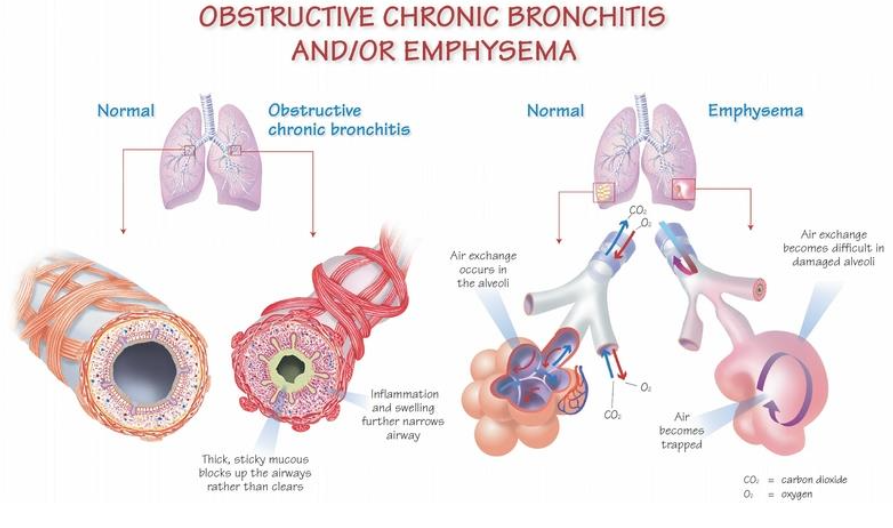
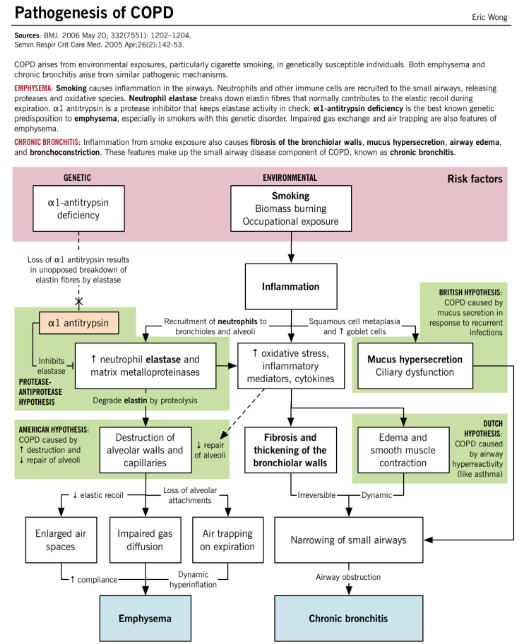
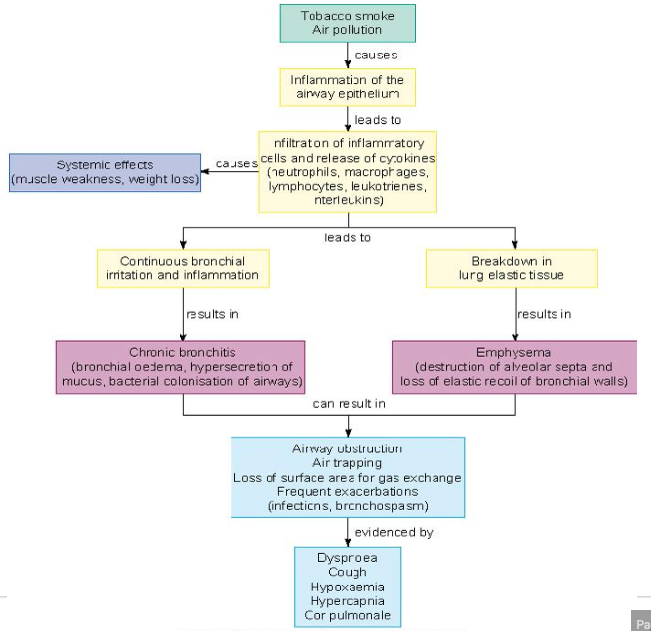
Generally caused by chronic exposure to an airborn irritant such as smoke or air pollution. This leads to inflammation in the airway and alveoli of the lungs. This is thought to be mediated by an increase in protease activity and a decrease in antiprotease activity (esp α1 -antitrypsin) from the neutrophils in the lungs. Neuropeptides and reduced levels of vascular endothelial growth factor may also contribute to apoptotic destruction of lung parenchyma. Over many years, this can lead to damage and breakdown of the lung tissue.
In chronic bronchitis, this damage involves a hypersecretion of mucus into the bronchial passage, which comes with an increased risk and frequency of infection.
In emphysema, elastin breaks down, resulting in damage to the alveolar septa and a loss of elastic recoil of the bronchial walls.
In both conditions, the end result is a reduction in epithelial tissue, reduced gas exchange, and trapped air in the lungs.
In about 30% of COPD patients, colonization of Hemophilus influenzae is also found.
Emphysema
Emphysema involves enlargement of the airspaces distal to the terminal bronchioles, caused by destruction of the alveolar walls without fibrosis. This leads to a loss of elastic recoil and lung hyperinflation. Airway resistance and the work of breathing increase, resulting in hypoxia and hypercapnea.
Chronic Bronchitis
Chronic bronchitis is defined clinically as a productive cough on most days for at least three consecutive months over two or more years. It is characterized by mucus gland hypertrophy in the bronchial tree, an increased number of goblet cells in the small airways (metaplasia), and a reduced number of ciliated cells, leading to hypersecretion of mucus and occlusion of the lumen by mucus plugging. There is mononuclear inflammation, focal squamous metaplasia, smooth muscle hyperplasia, and fibrosis and distortion of the bronchioles. Alveolar hypoxia can cause pulmonary vasoconstriction and pulmonary hypertension, reducing blood flow to the left side of the heart, lowering cardiac output and circulatory volume, and activating the renin-angiotensin-aldosterone system with subsequent fluid retention.
Learn more about bronchitis.
Presentation
Symptoms
The main symptoms are a chronic productive cough, progressive breathlessness, wheezing, and chest tightness. As the disease advances, exercise tolerance declines and acute exacerbations with worsening cough and sputum become more frequent.
Assessment
Diagnostic Considerations
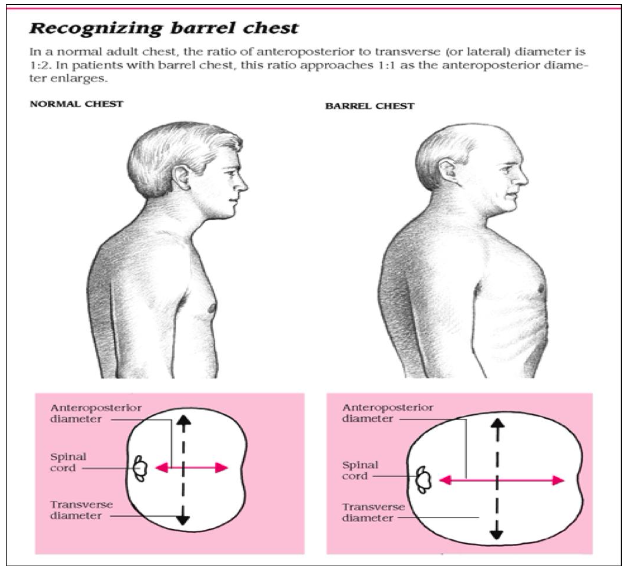
- Pink puffer and blue bloater
- Increased respiratory rate
- Pitting edema in lower limbs
- Loss of cardiac dullness on percussion
- Genetic markers:
- α1 -antitrypsin
- 30 other genetic variants identified
Assessment
Diagnostic Considerations
-
Chest Xray
-
Vital signs
-
Chest auscultation
-
Blood testing:
- Arterial blood gas
- Full blood count
Spirometry is the key investigation and confirms a persistent, largely irreversible reduction in airflow.
Assessment
Differential Diagnosis
- Bronchiectasis
- Untreated chronic asthma
- Heart failure
- Tuberculosis
- alpha-1-antitrypsin deficiency
- Acute bronchitis
- Pulmonary embolism
- Lung cancer
The Herbs
Materia Medica (2)
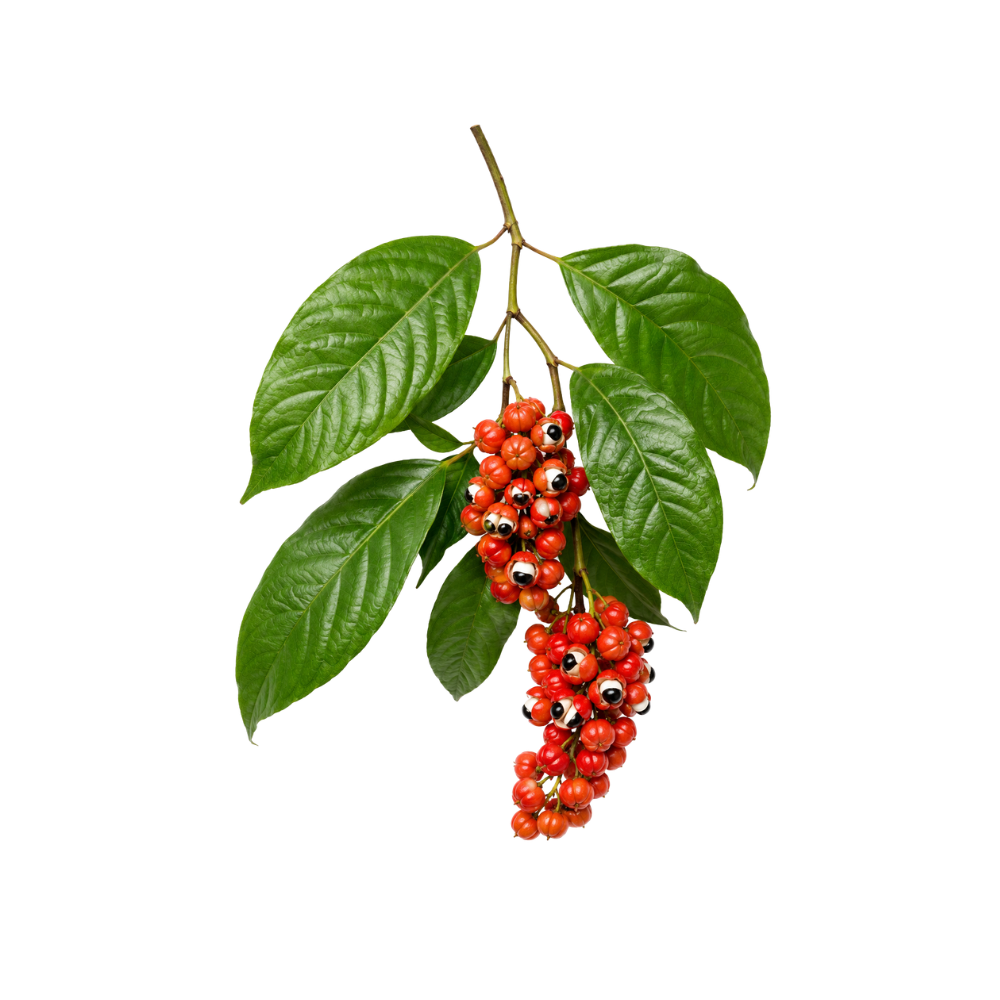
Herbs traditionally or clinically used for chronic obstructive pulmonary disease (copd).

Supplementation
Supplementation (1)
Supplements, nutrients and compounds used for chronic obstructive pulmonary disease (copd).
N-Acetylcysteine (NAC)
Amino acid derivative
The acetylated form of cysteine and a glutathione precursor. A hospital antidote for paracetamol overdose, also studied for lungs, liver and psychiatric symptoms.