
Condition
Influenza
Influenza (the flu) — the virus itself, how it hijacks our cells, the pandemics that shaped the last century, the antiviral drugs used against it, and the herbs traditionally used to support recovery.

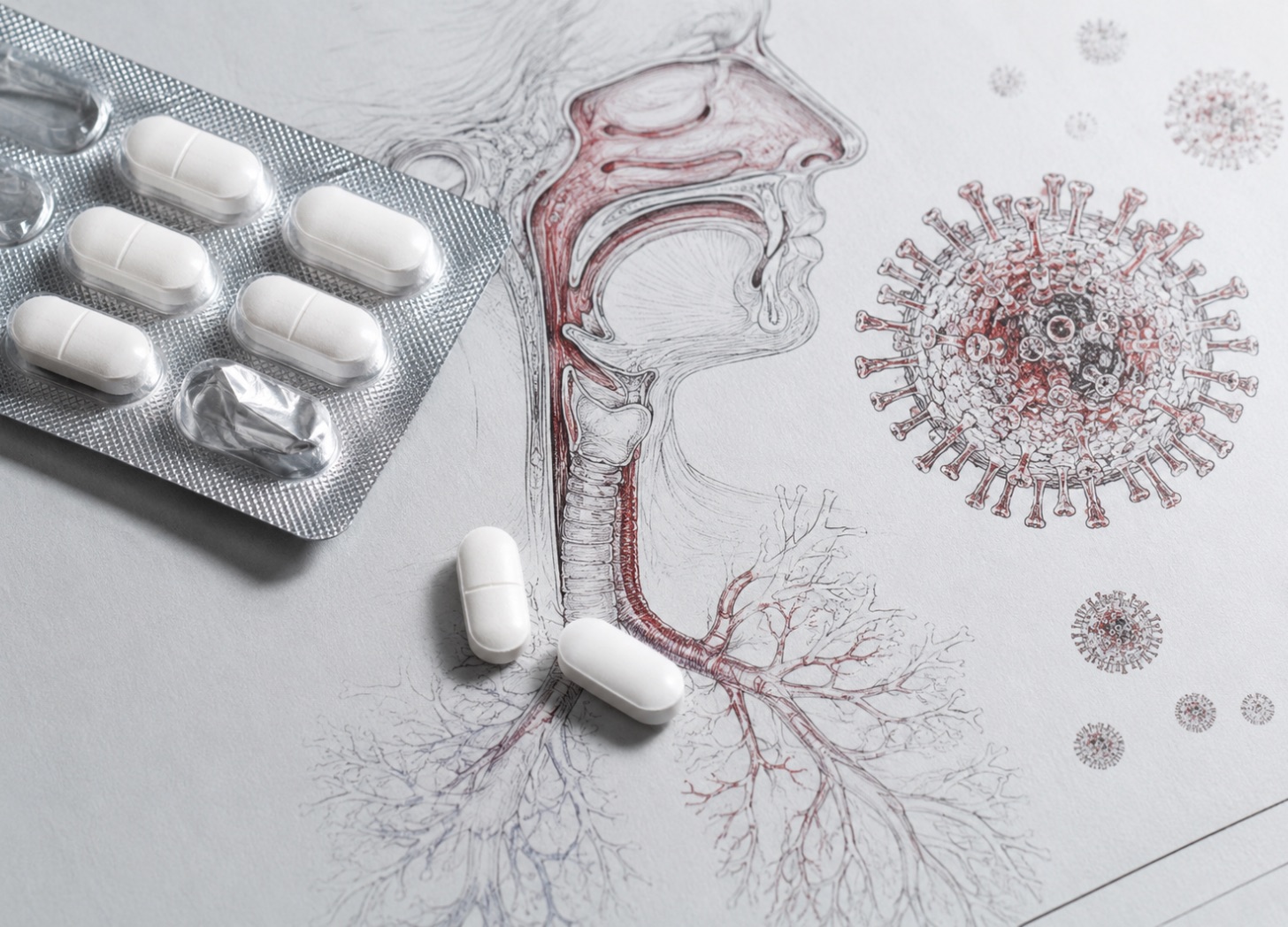
Influenza is one of the oldest and most dangerous companions of human history. It is a common infection — in humans, birds, dogs, livestock, even whales — and most people who catch it recover within a few days. For some, though, it turns serious, leading to pneumonia and death.
What makes influenza uniquely threatening is its restlessness. The virus mutates rapidly as it copies itself, letting it change, adapt, jump between species, and outrun both our immune systems and our drugs. Four times in the last hundred years that restlessness has boiled over into a pandemic — one of which killed a larger share of humanity than any single event before or since.
What Is Influenza?
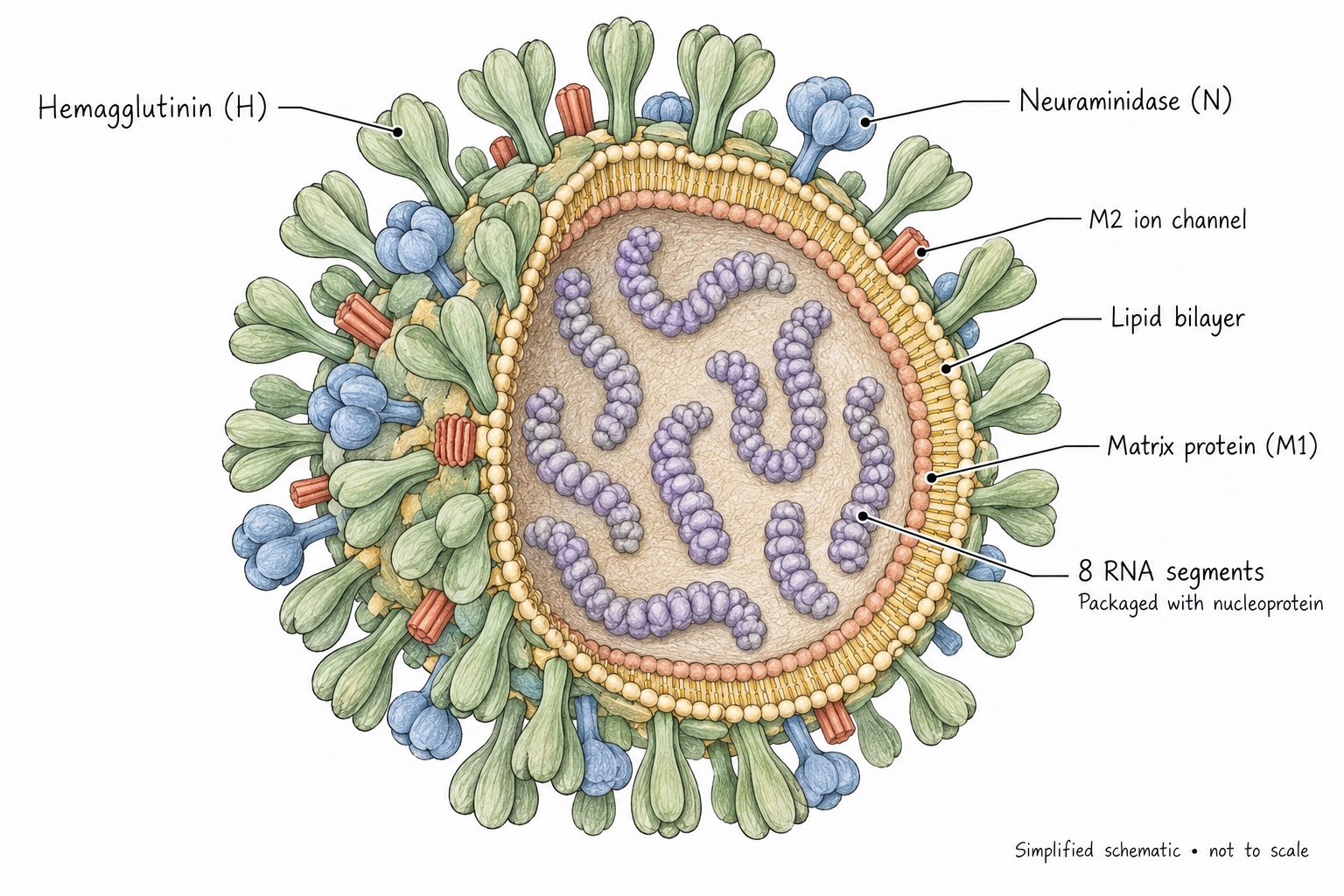
Influenza is a Group V virion — its genome is negative-sense, single-stranded RNA — and a member of the Orthomyxoviridae family of enveloped viruses. Its relatives in the broader group of negative-strand RNA viruses include some notorious names: Ebola, measles, mumps, rabies, yellow fever, and the Marburg viruses.
The Orthomyxoviridae family itself contains the influenza A, B, and C viruses, along with a lesser-known member, the Thogoto virus.
Influenza A, B, and C
The three types differ mainly in whom they infect and how much trouble they cause.
- Influenza A infects humans and a wide range of animals — birds, pigs, horses, and more. It mutates readily, and it is the type responsible for every major epidemic and pandemic. Because it lives in so many host species, it has endless opportunity to swap genetic material and produce new strains.
- Influenza B infects almost exclusively humans and mutates more slowly. It causes seasonal outbreaks that are generally milder, though still capable of significant illness.
- Influenza C causes only mild respiratory illness and does not produce the large epidemics of types A and B.
The “H-N What?” Naming System
Because influenza A comes in such staggering variety, a naming system was developed to keep track of its strains. This is the familiar H_N_ code.
Every influenza A virus carries two key protein complexes on its surface: hemagglutinin (H), which the virus uses to latch onto and enter our cells, and neuraminidase (N), which newly made viruses use to break free and spread. According to the CDC, there are about 18 known hemagglutinin subtypes and 11 neuraminidase subtypes, each assigned a number.
So H1N1 carries type-1 hemagglutinin and type-1 neuraminidase; H3N2 carries type-3 hemagglutinin and type-2 neuraminidase — and so on across every combination the virus can assemble.
How Influenza Makes Us Sick
Influenza does its damage by hijacking our own cells. It uses the surface proteins on its envelope to break into a respiratory-tract cell and force that cell to abandon its normal work and churn out copies of the virus instead. The cycle runs in eight broad steps:
- Attachment — hemagglutinin binds to sialic-acid receptors on the surface of a respiratory epithelial cell.
- Entry — the cell engulfs the virus, drawing it inside within a bubble-like endosome.
- Uncoating — the M2 ion channel pumps protons (H⁺) into the virus’s interior. That burst of acidity is the trigger that makes the virus uncoat and release its RNA. (This is the step the older drug amantadine blocks.)
- Replication — unusually for an RNA virus, influenza copies its genes inside the cell’s nucleus. It does not rewrite our DNA; it borrows the cell’s machinery to replicate its own RNA segments.
- Protein synthesis — the hijacked cell manufactures viral proteins instead of its own.
- Assembly — fresh viral particles are put together at the cell membrane.
- Release (budding) — neuraminidase snips the sialic-acid tethers so the new virions can detach from the cell. (This is the step oseltamivir and zanamivir block.)
- Spread — the released viruses fan out to infect neighbouring cells, and the infection — along with its symptoms — mounts.
The result, from the patient’s side, is a fast and systemic illness. Influenza usually begins abruptly — fever, chills, headache, aching muscles and joints, and heavy fatigue — alongside respiratory symptoms such as a dry cough, sore throat, and congestion. It tends to hit harder and feel more whole-body than the common cold, which comes on gradually and stays mostly in the nose and throat.
Diagnosis & Differential
Influenza is usually diagnosed clinically during a known season, and confirmed where it matters — in hospital, in high-risk patients, or for surveillance — by viral testing (rapid antigen or PCR on a nasopharyngeal swab).
The main conditions it is mistaken for are COVID-19 (the two are clinically hard to separate without a test), rhinovirus and other common-cold viruses, adenovirus, RSV, and early bacterial infection including pneumonia. A secondary bacterial pneumonia developing after the initial illness appears to improve is a classic and dangerous pattern.
Comorbidities that raise the stakes: HIV and other immunosuppression, chronic lung and heart disease, diabetes, pregnancy, and age above 65.
A Century of Influenza Pandemics
Some of the most severe epidemics the world has ever seen were the work of the influenza virus. Its ability to mutate frequently, jump species, and resist medication is exactly what has made it such a persistent threat. Over the last hundred years, four outbreaks crossed the line into pandemic:
| Pandemic | Years | Strain | Estimated deaths |
|---|---|---|---|
| Spanish flu | 1918–1920 | H1N1 | ~50 million (≈2–5% of the world; some estimates far higher) |
| Asian flu | 1957–1958 | H2N2 | 1–2 million |
| Hong Kong flu | 1968–1969 | H3N2 | 1–4 million |
| Swine flu | 2009–2010 | H1N1 | ~150,000–575,000 (CDC central estimate ~284,000) |
The 1918 Spanish flu remains the benchmark for catastrophe. It infected roughly a third of everyone alive — about 500 million people — and by the time it burned out, it had killed on the order of 50 million. Unusually, an estimated 80% of its deaths were people under the age of 65. In a single year it killed more people than a century of the Black Death, and more than four years of the First World War.
Set against that, ordinary seasonal influenza still exacts a steady toll: the WHO estimates 290,000–650,000 respiratory deaths worldwide every year, and in the United States alone the CDC counts roughly 12,000–56,000 flu-related deaths annually.
Emerging Strains To Watch
Because influenza A is a segmented RNA virus, it reshuffles and mutates constantly — which means the next dangerous strain is always a question of when, not if, and is very hard to predict in advance.
- H5N1 (avian flu) is the standout concern, with a very high mortality rate in past human cases (around 60%) and resistance to mainstream antivirals.
- H7N9, H7N7, and H7N3 bird flus are also watched closely, with some reports of human-compatible mutations.
This unpredictability is also why the annual flu vaccine is a moving target. Each year’s vaccine is aimed at the strains judged most likely to circulate — but because the virus mutates so quickly, a strain can drift enough to blunt the vaccine before the season is even over.
Treatment
Conventional Treatment
Most influenza needs only rest, fluids, and time. Where drugs come in — for high-risk patients or severe cases — the options are limited, and all of them are most useful early, before the virus has infected too many cells.
Prevention Comes First
The best treatment is not catching it. Frequent, thorough hand-washing and physical barriers do most of the work, and not all masks are equal:
- A plain dust/surgical mask does little to filter the air an uninfected person breathes in, but it is effective at containing the droplets an infected person breathes out — so it protects others more than the wearer.
- A properly fitted N95 respirator actually filters incoming air, offering the best protection to those not yet infected.
The annual vaccine is the other pillar of prevention, though its effectiveness depends on how well that year’s strains were predicted.
Antiviral Drugs
When medication is warranted, there are three current antivirals, all neuraminidase inhibitors — they block the neuraminidase protein so new virions can’t leave the cell (step 7 of the replication cycle):
- Zanamivir (Relenza®) — inhaled
- Oseltamivir (Tamiflu®) — oral
- Peramivir (Rapivab®) — intravenous
Two older drugs, amantadine and rimantadine, work differently: they are M2 ion-channel inhibitors that block the acidification step (step 3), stopping the virus from uncoating. These are now largely obsolete because of resistance.
Zanamivir and oseltamivir were developed around the same time and share the same neuraminidase-blocking mechanism, but differ in delivery. Zanamivir is inhaled as a powdered spray, which carries it straight to the infected respiratory tissue — coming into direct contact with the site of infection, reducing systemic side effects, and sidestepping the drug’s poor oral absorption.
The Problem Of Drug Resistance
The central weakness of every anti-influenza drug is the same force that makes the virus dangerous in the first place: mutation. As strains mutate, they become resistant, and resistance has been climbing.
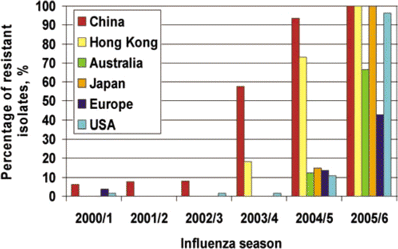
M2 ion-channel inhibition — the amantadine/rimantadine mechanism — has become virtually useless against most circulating strains 1,
How Well Do They Actually Work?
Even setting resistance aside, the benefit of the current drugs is more modest than most people assume. Started within 48 hours of the first symptoms, the neuraminidase inhibitors shorten the illness by roughly a day on average. The evidence that they prevent the serious outcomes people most fear — pneumonia, hospitalisation, death — is much weaker and has been widely debated 18Reference 18Systematic reviewNeuraminidase inhibitors for preventing and treating influenza in healthy adults and children. Side effects with the current drugs are mostly minor; the older M2 drugs were the bigger offenders there.
Materia Medica
Herbal & Nutritional Support
No herb is a proven cure for influenza, and none has the kind of evidence that would let it stand in for a doctor in a severe or high-risk case. The good evidence supports something narrower: a few herbs genuinely ease flu symptoms (cough, sore throat, the length of a fever), and a much larger group shows antiviral activity in the lab that has never been confirmed in people.
Across almost all of the “antiviral herb” literature, most of that activity belongs to an isolated molecule, not the whole herb. The purified compounds baicalein (from Chinese skullcap), forsythoside A (forsythia), chlorogenic acid, and clemastanin B (isatis) block influenza enzymes in a test tube — but the crude herb or tea is typically far weaker, and the jump from a Petri dish to a sick human has not been made.
- Proven
- Promising
- Shaky
- Unsupported
Symptom Relief In Human Trials
The herbs that have actually been tested in people mostly help you feel better, not clear the virus faster. Andrographis (Andrographis paniculata) has the largest body of trials: a 2017 meta-analysis of 33 trials in 7,175 patients found it meaningfully improved cough and sore throat versus placebo in acute respiratory infections, though most of those trials were poorly blinded 25Reference 25Meta-analysisAndrographis paniculata (Chuān Xīn Lián) for symptomatic relief of acute respiratory tract infections in adults and children: a systematic review and meta-analysis.
In Chinese practice, the classical formula maxingshigan-yinqiaosan shortened fever in a 410-patient H1N1 trial about as much as oseltamivir did (a 37% vs 34% reduction in fever time), and added a small, borderline benefit on top of the drug — but the trial was open-label with a subjective endpoint, so it supports the formula as adjunctive comfort care, not an antiviral 26Reference 26RCTOseltamivir compared with the Chinese traditional therapy maxingshigan-yinqiaosan in the treatment of H1N1 influenza: a randomized trial.
Against that, a systematic review of 26 Chinese-herbal-medicine trials for H1N1 (2,946 patients) concluded the evidence was insufficient to confirm benefit — the trials were high-risk-of-bias, unblinded, and unreplicated 27Reference 27Systematic reviewChinese herbal medicines for the treatment of pandemic influenza A (H1N1): a systematic review of 26 randomized controlled trials. And echinacea, the herb most people reach for, does not prevent respiratory infection: the Cochrane review found no reliable prevention benefit 28Reference 28Systematic reviewEchinacea for preventing and treating the common cold.
Direct Antiviral Herbs (Promising In The Lab, Unproven In People)
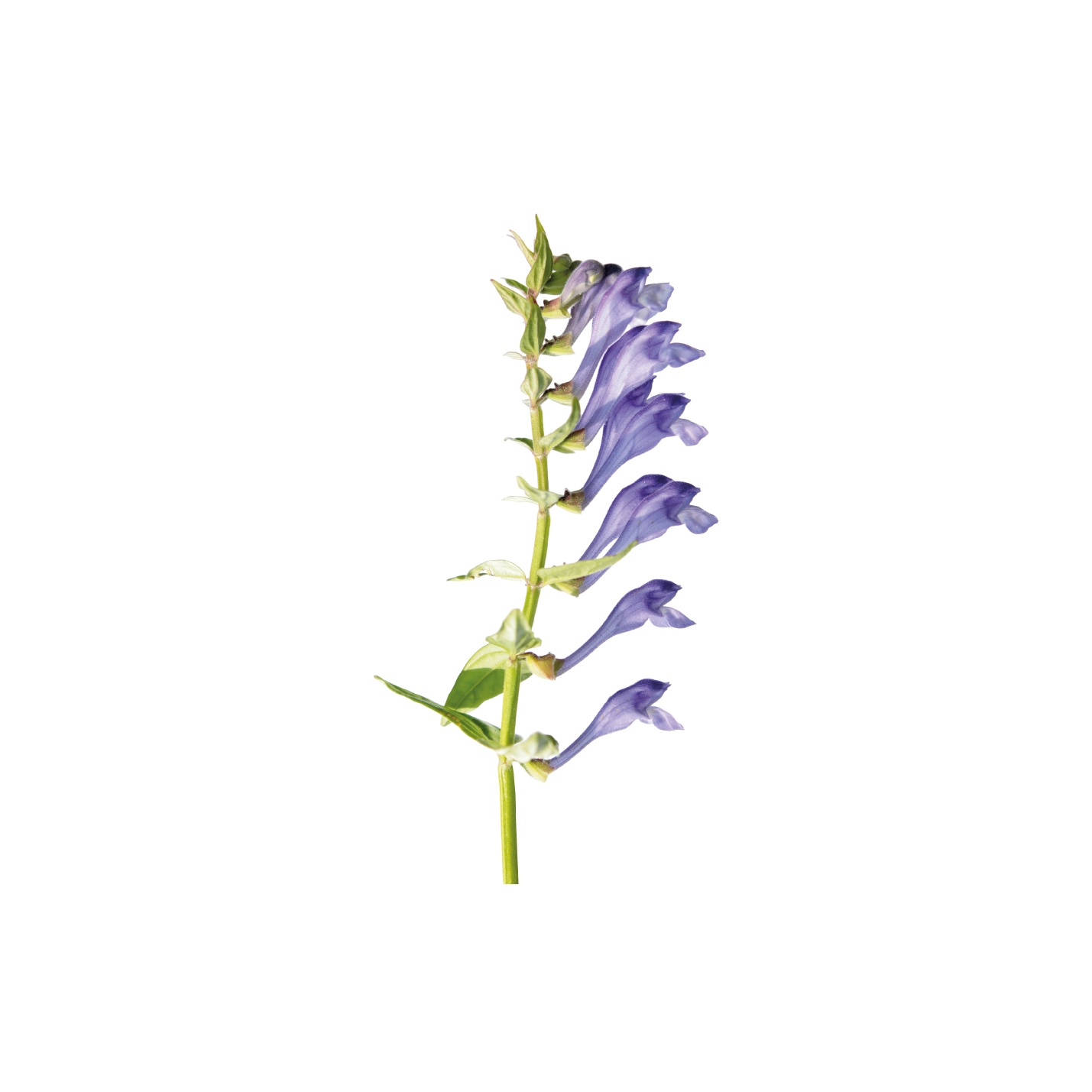
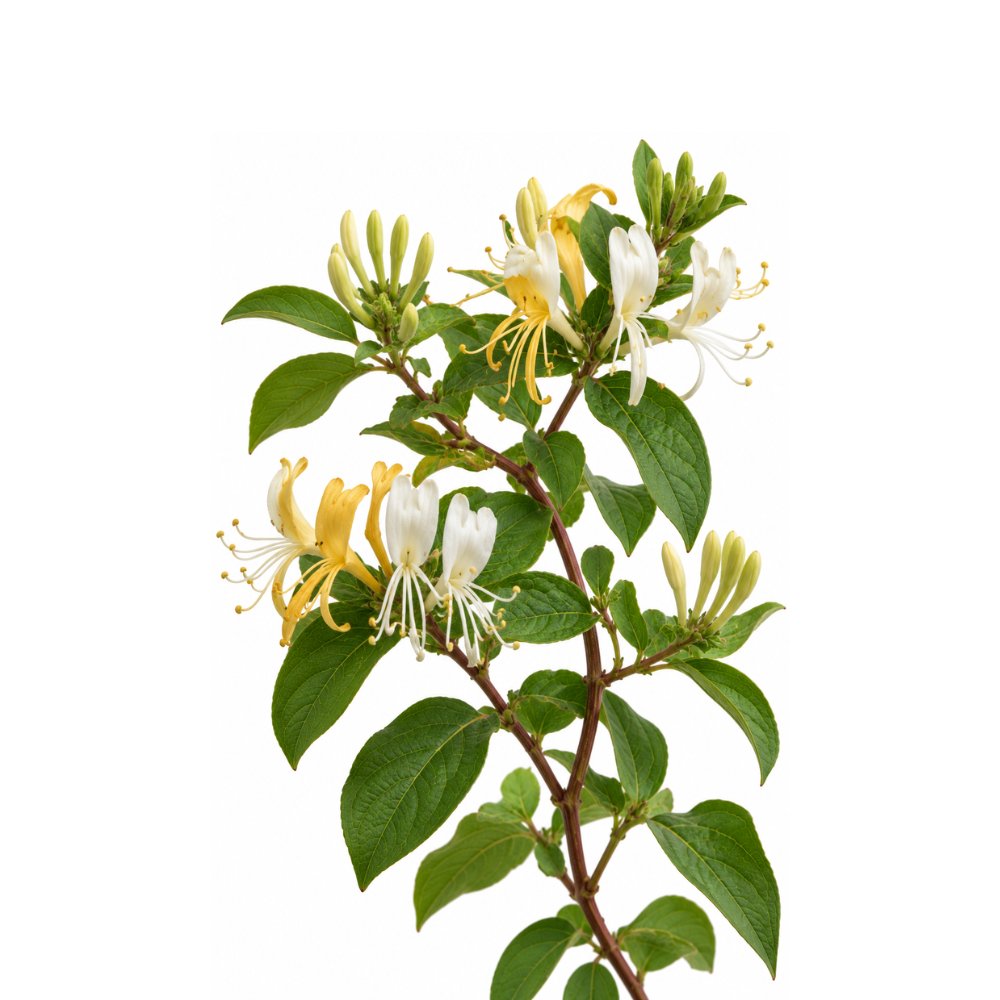
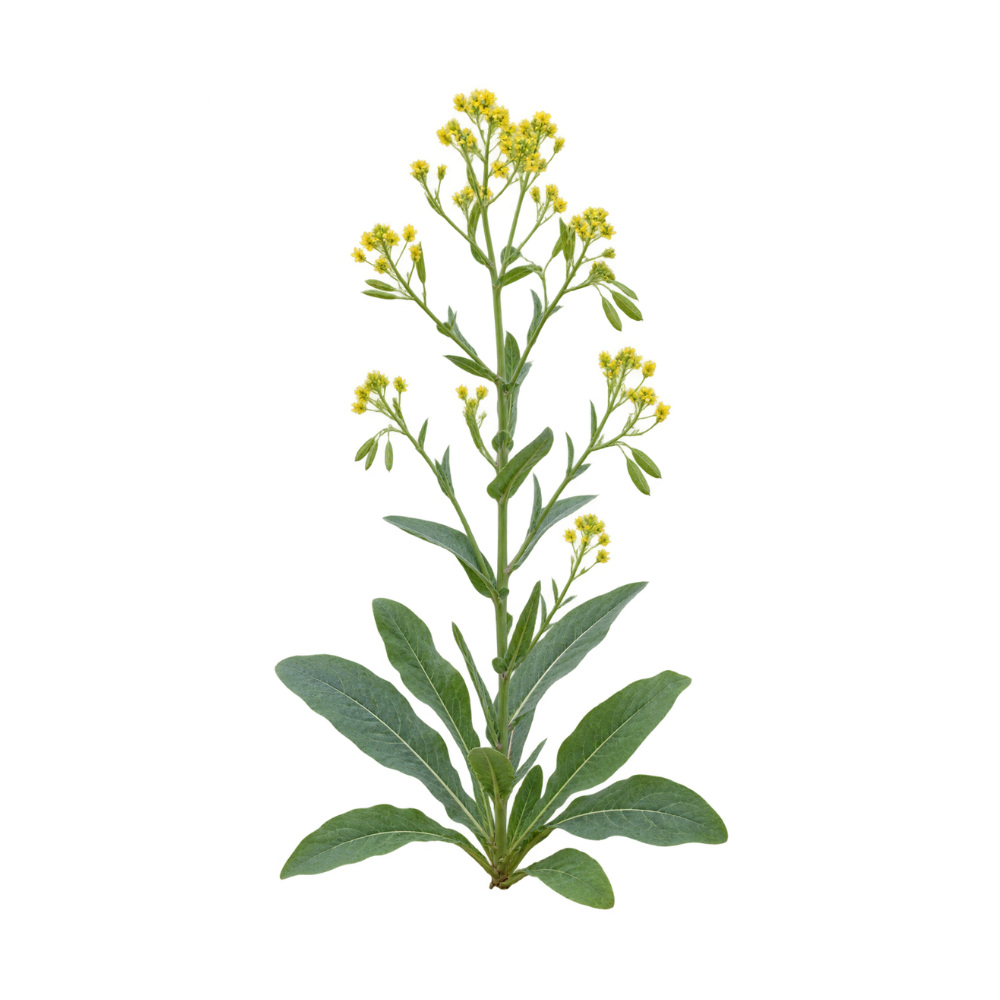
Chinese skullcap (Scutellaria baicalensis) inhibits the viral neuraminidase enzyme — but the crude extract is weak (and much weaker against pandemic 2009 H1N1 than seasonal strains), while its isolated flavones baicalein and isoscutellarein are orders of magnitude more potent, the latter protecting mice from lethal infection 29Reference 29Baicalein, Ethyl Acetate, and Chloroform Extracts of Scutellaria baicalensis Inhibit the Neuraminidase Activity of Pandemic 2009 H1N1 and Seasonal Influenza A VirusesView study →30Reference 30AnimalIn vivo anti-influenza virus activity of plant flavonoids possessing inhibitory activity for influenza virus sialidase. The same pattern holds for forsythia (forsythoside A) 31Reference 31Antiviral effect of forsythoside A from Forsythia suspensa fruit against influenza A virus through reduction of viral M1 protein, isatis / Ban Lan Gen (clemastanin B and glucosinolates) 32Reference 32In vitroIn vitro inhibition of influenza virus infection by a crude extract and the isolated lignan clemastanin B from Isatis indigotica root, honeysuckle (the plant microRNA MIR2911) 33Reference 33Honeysuckle-encoded atypical microRNA2911 directly targets influenza A viruses, and the chlorogenic acid found across many of these plants 34Reference 34Antiviral activity of chlorogenic acid against influenza A (H1N1/H3N2) virus and its inhibition of neuraminidaseView study → — all real, all in vitro or animal, none confirmed in humans. Bald cypress (Taxodium distichum) is a rare case where a whole water extract — not just an isolated compound — blocked both viral entry and release in vitro, though it too rests on a single unreplicated study 35Reference 35A whole-plant water extract of Taxodium distichum (TDSWex) shows bimodal anti-influenza activity against A/WSN/33, targeting both hemagglutinin-mediated entry and neuraminidase-mediated release.
Prevention & Immune Support
Green tea has the clearest prevention data: in a randomised trial of nearly 200 healthcare workers, a daily catechin-plus-theanine capsule cut clinically-defined influenza from about 13% to 4% 40Reference 40RCTEffects of green tea catechins and theanine on preventing influenza infection among healthcare workers: a randomized controlled trial, and later reviews found tea catechins reduce influenza risk overall — a real, moderate prophylactic effect, though tied to concentrated catechin preparations (or gargling) rather than a casual cup.
North American ginseng (COLD-FX) similarly reduced the number and severity of respiratory infections in older adults, in manufacturer-run trials 36Reference 36RCTA placebo-controlled trial of a proprietary extract of North American ginseng (CVT-E002) to prevent acute respiratory illness in institutionalized older adults. Garlic has a single small trial in which daily garlic cut the number of colds — but it did not shorten them, the Cochrane review rated the evidence insufficient, and it is cold, not flu-specific 41Reference 41Systematic reviewGarlic for the common coldView study →42Reference 42RCTPreventing the common cold with a garlic supplement: a double-blind, placebo-controlled survey.
In Chinese medicine astragalus is used for prevention of illness and is generally avoided during an acute infection, not taken to fight one already underway.
Fever, Symptom & Traditional Support
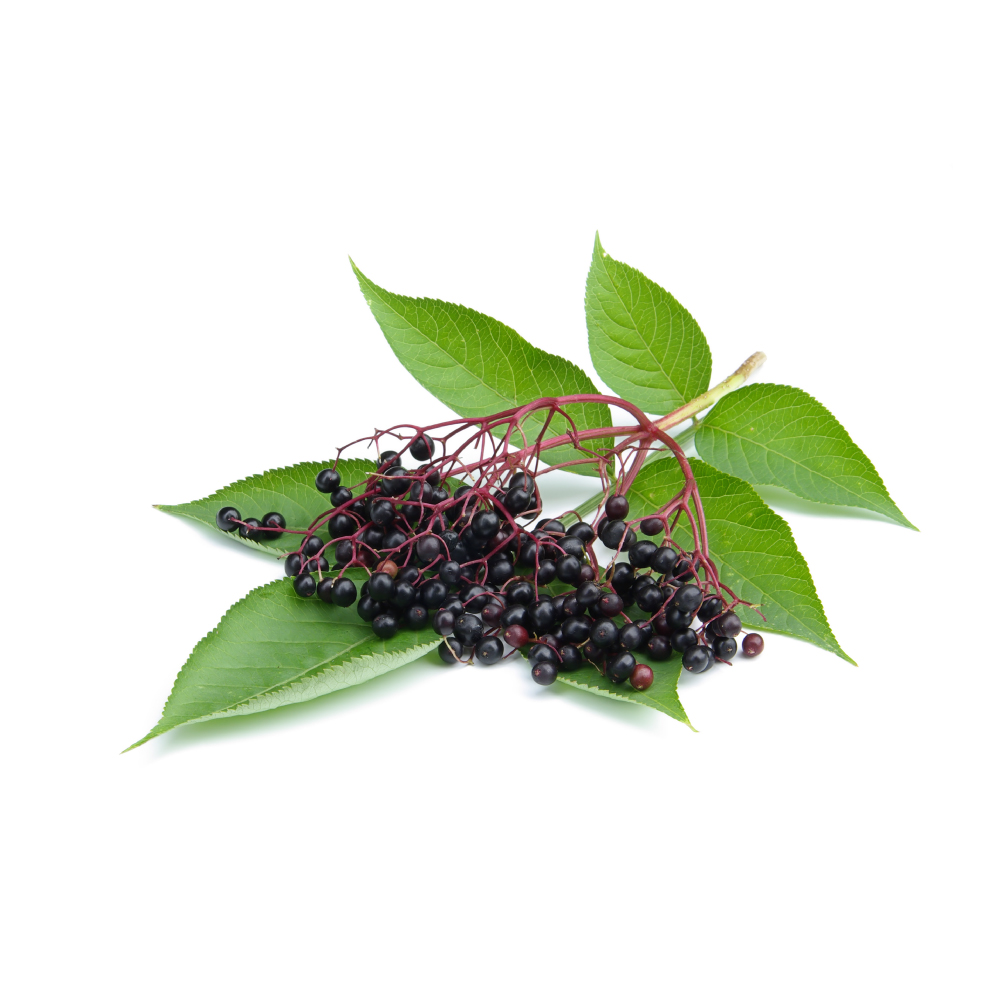
For an infection already underway, the herbalist’s toolkit is mostly diaphoretic and soothing. Elder (Sambucus nigra) is the best-known: a small berry-extract RCT reported flu symptoms clearing about four days sooner 37Reference 37RCTRandomized study of the efficacy and safety of oral elderberry extract in the treatment of influenza A and B virus infections, echoed by an air-traveller trial 39Reference 39RCTElderberry supplementation reduces cold duration and symptoms in air-travellers: a randomized, double-blind placebo-controlled clinical trial — but a larger, well-powered trial in children found no benefit 38Reference 38RCTElderberry extract outpatient influenza treatment for emergency room patients ages 5 and older: a randomized, double-blind, placebo-controlled trial. The benefit remains unconfirmed, and it is tied to standardized heat-processed berry extract, not raw fruit.
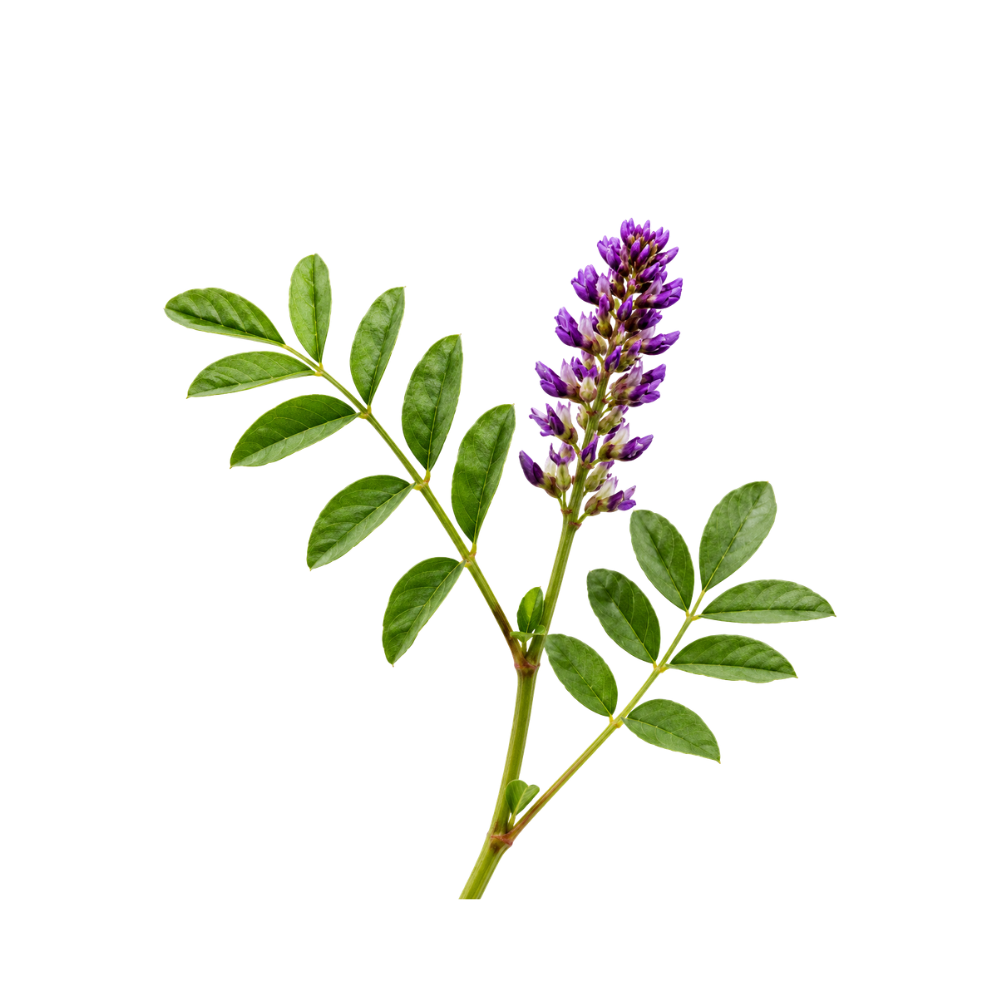
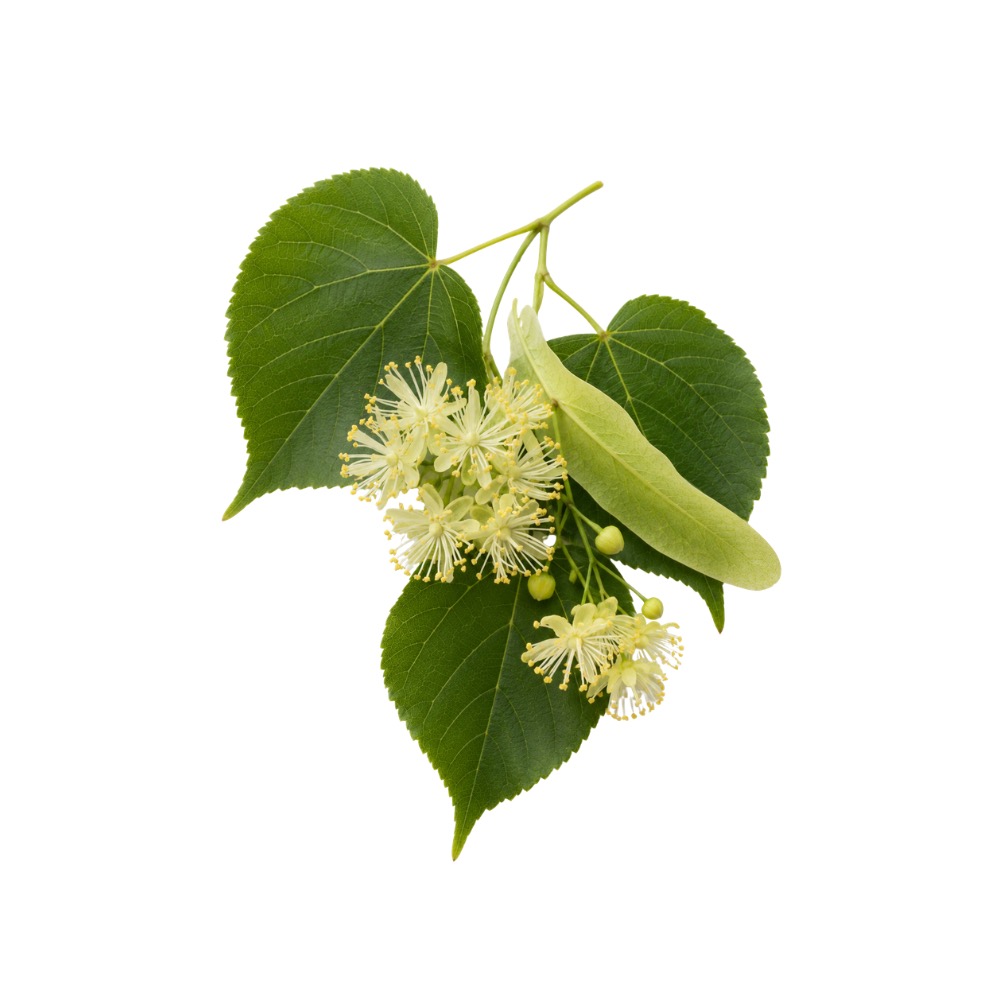
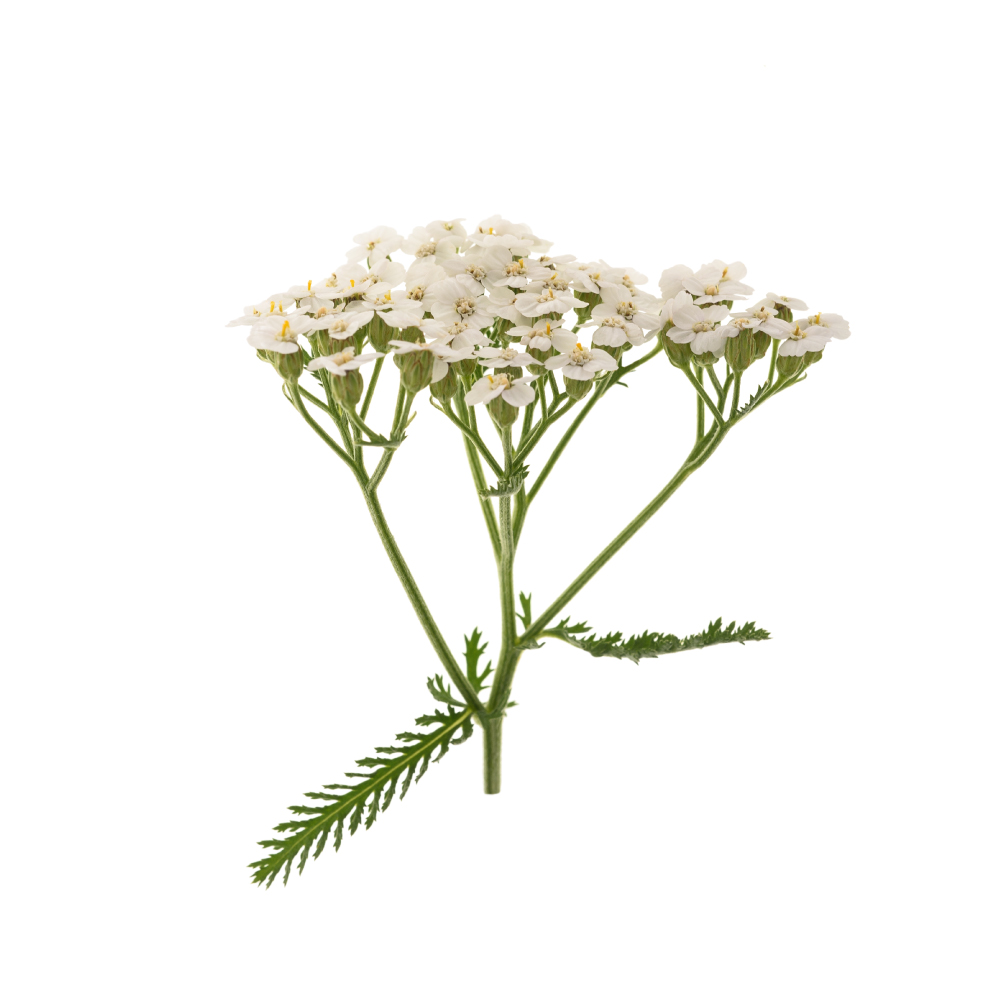
Diaphoretics like yarrow and linden flower support the body through a fever, and licorice rounds out many flu formulas — its constituent glycyrrhizin has genuine antiviral and anti-inflammatory activity against influenza in the lab (including protecting mice from lethal infection), but that is the isolated molecule at high doses, not a cup of licorice tea 43Reference 43AnimalGlycyrrhizin, an active component of licorice roots, reduces morbidity and mortality of mice infected with lethal doses of influenza virusView study →44Reference 44Glycyrrhizin exerts antioxidative effects in H5N1 influenza A virus-infected cells and inhibits virus replication and pro-inflammatory gene expression. Elder’s mechanism and dosing are set out in the Guide to Using Elder for Influenza.
The Herbs
Materia Medica (17)
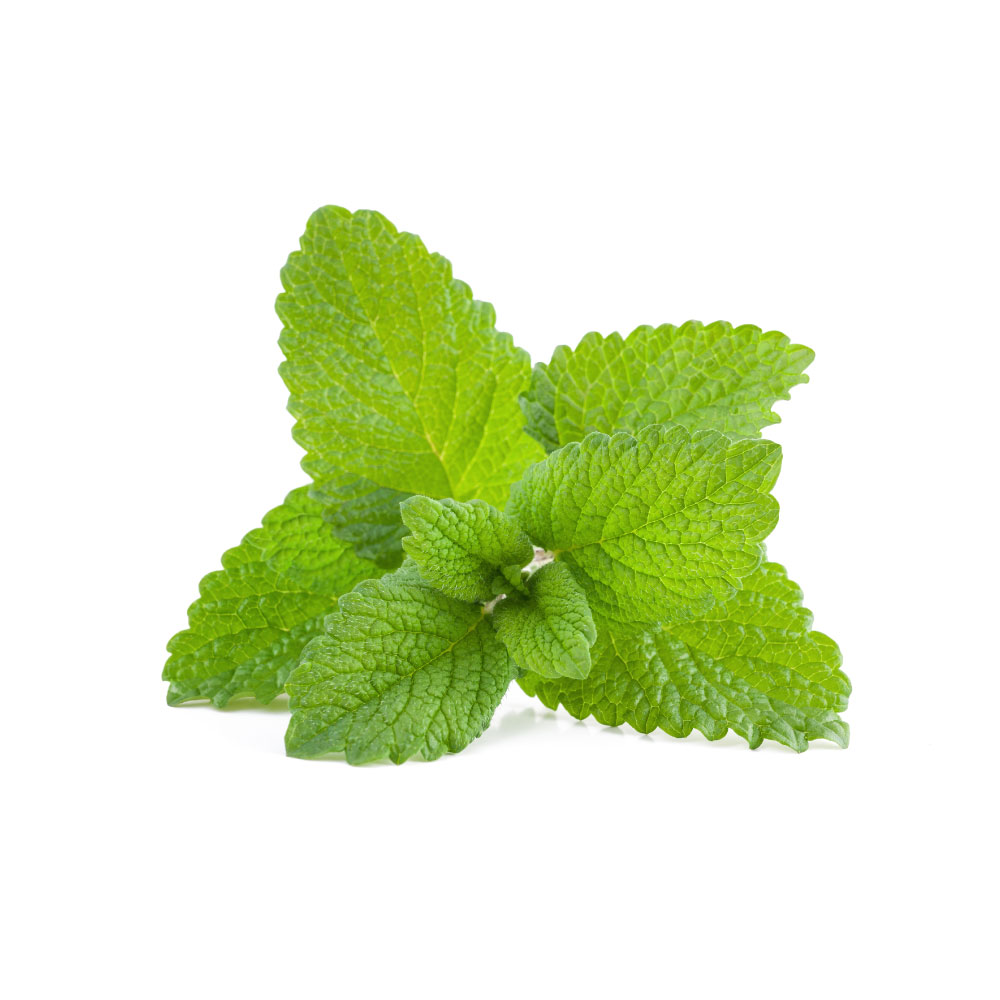
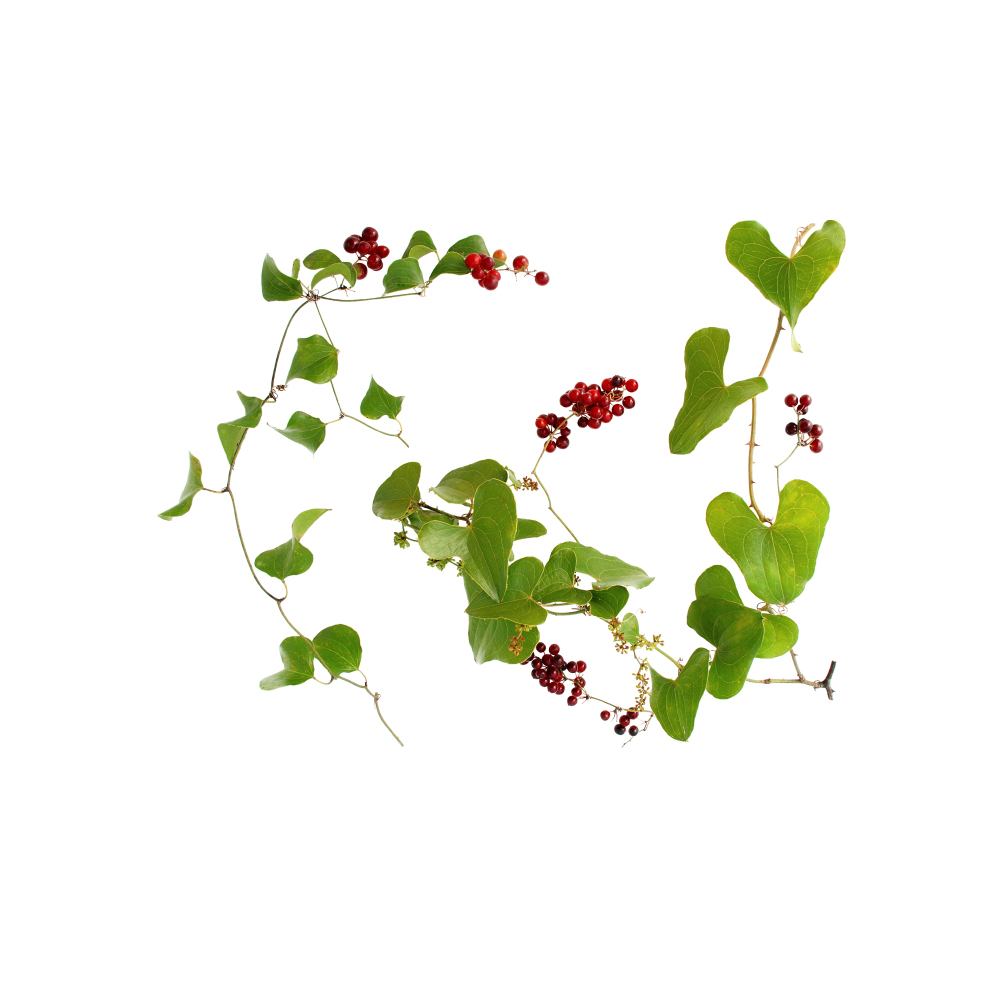
Herbs traditionally or clinically used for influenza.
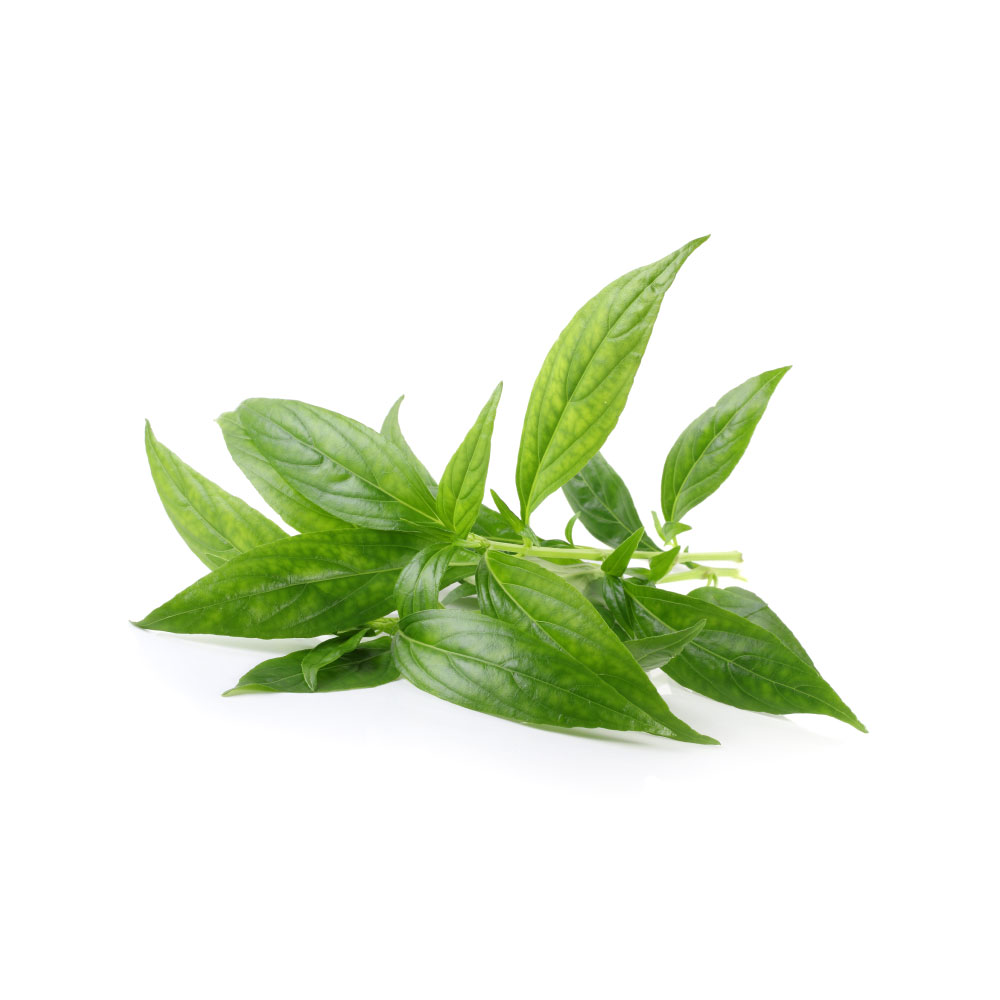
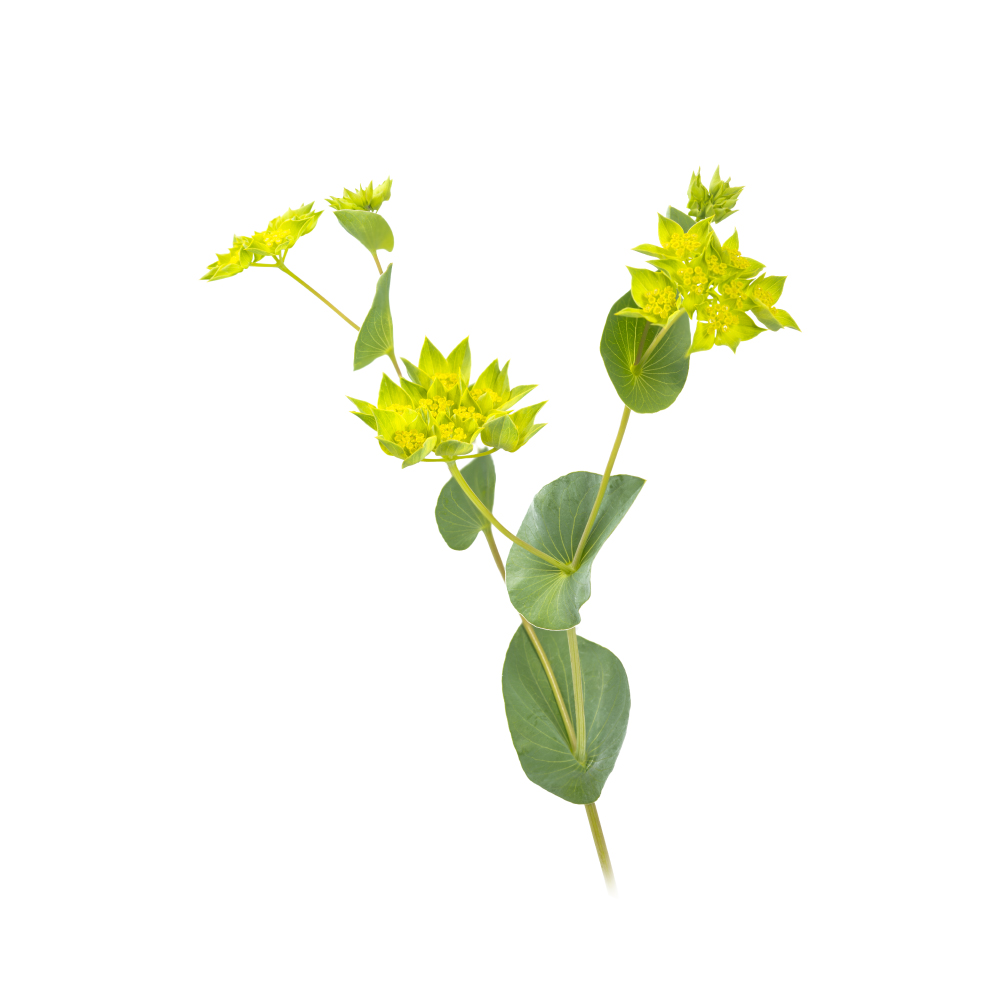
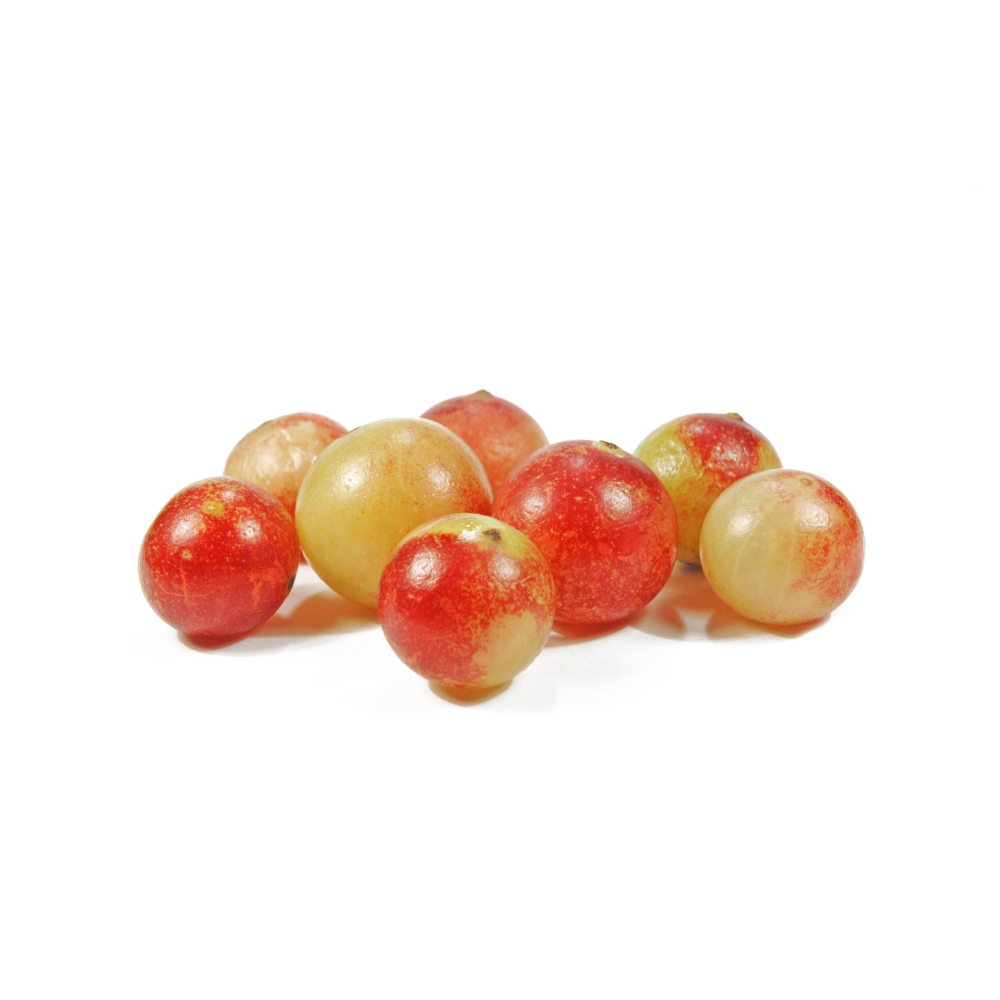
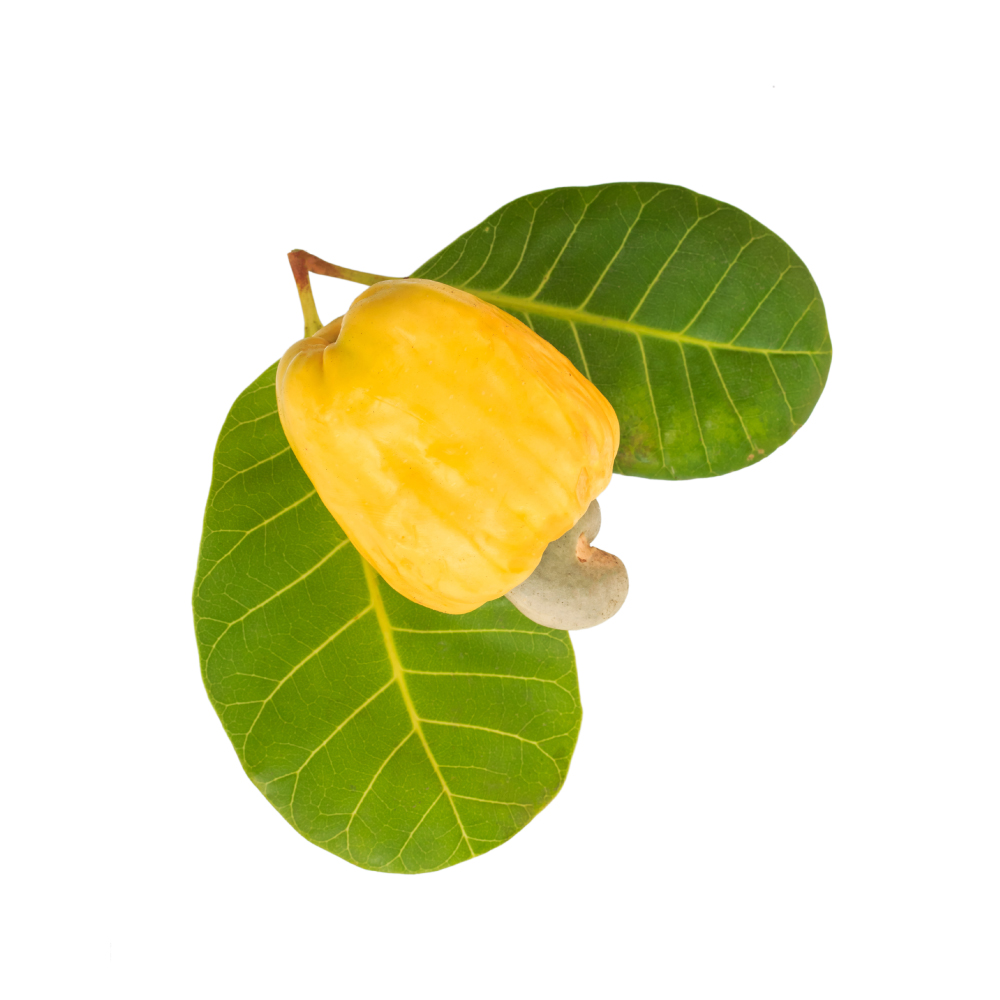

References
- Hayden, F. (2009). Developing new antiviral agents for influenza treatment: what does the future hold?. Clinical Infectious Diseases, 48(Supplement 1), S3-S13.
- Hayden FG, Sperber SJ, Belshe RB, Clover RD, Hay AJ, Pyke S. Recovery of drug-resistant influenza A virus during therapeutic use of rimantadine. Antimicrob Agents Chemother, 1991, vol. 35 (pg. 1741-7).
- Hayden FG, Belshe RB, Clover RD, Hay AJ, Oakes MG, Soo W. Emergence and apparent transmission of rimantadine-resistant influenza A virus in families. N Engl J Med, 1989, vol. 321 (pg. 1696-702).
- Hall CB, Dolin R, Gala CL, et al. Children with influenza A infection: treatment with rimantadine. Pediatrics, 1987, vol. 80 (pg. 275-82).
- Shiraishi K, Mitamura K, Sakai-Tagawa Y, Goto H, Sugaya N, Kawaoka Y. High frequency of resistant viruses harboring different mutations in amantadine-treated children with influenza. J Infect Dis, 2003, vol. 188 (pg. 57-61).
- Englund JA, Champlin RE, Wyde PR, et al. Common emergence of amantadine- and rimantadine-resistant influenza A viruses in symptomatic immunocompromized adults. Clin Infect Dis, 1998, vol. 26 (pg. 1418-24).
- Bright RA, Medina MJ, Xu X, et al. Incidence of adamantane resistance among influenza A(H3N2) viruses isolated worldwide from 1994 to 2005: a cause for concern. Lancet, 2005, vol. 366 (pg. 1175-81).
- Deyde VM, Xu X, Bright RA, et al. Surveillance of resistance to adamantanes among influenza A(H3N2) and A(H1N1) viruses isolated worldwide. J Infect Dis, 2007, vol. 196 (pg. 249-57).
- Roberts NA. Treatment of influenza with neuraminidase inhibitors: virological implications. Philos Trans R Soc Lond B Biol Sci, 2001, vol. 356 (pg. 1895-7).
- Whitley RJ, Hayden FG, Reisinger KS, et al. Oral oseltamivir treatment of influenza in children. Pediatr Infect Dis J, 2001, vol. 20 (pg. 127-33).
- Ward P, Small I, Smith J, Suter P, Dutkowski R. Oseltamivir (Tamiflu) and its potential for use in the event of an influenza pandemic. J Antimicrob Chemother, 2005, vol. 55 Suppl 1 (pg. i5-21).
- Kiso M, Mitamura K, Sakai-Tagawa Y, et al. Resistant influenza A viruses in children treated with oseltamivir: descriptive study. Lancet, 2004, vol. 364 (pg. 759-65).
- Ison MG, Gubareva LV, Atmar RL, Treanor J, Hayden FG. Recovery of drug-resistant influenza virus from immunocompromized patients: a case series. J Infect Dis, 2006, vol. 193 (pg. 760-4).
- Whitley RJ, Monto AS. Prevention and treatment of influenza in high-risk groups. J Infect Dis, 2006, vol. 194 Suppl 2 (pg. S133-8).
- Neuraminidase Inhibitor Susceptibility Network. Use of influenza antivirals during 2003–2004 and monitoring of neuraminidase inhibitor resistance. Wkly Epidemiol Rec, 2005, vol. 80 (pg. 156).
- Monitoring of neuraminidase inhibitor resistance among clinical influenza virus isolates in Japan during the 2003–2006 influenza seasons. Wkly Epidemiol Rec, 2007, vol. 82 (pg. 149-50).
- Hatakeyama S, Sugaya N, Ito M, et al. Emergence of influenza B viruses with reduced sensitivity to neuraminidase inhibitors. JAMA, 2007, vol. 297 (pg. 1435-42).
- Jefferson, T., Jones, M. A., Doshi, P., et al. (2014). Neuraminidase inhibitors for preventing and treating influenza in healthy adults and children. Cochrane Database of Systematic Reviews, (4), CD008965. Link
- World Health Organization. Influenza (Seasonal) — Fact sheet. Retrieved from who.int/news-room/fact-sheets/detail/influenza-(seasonal).
- CDC. First Global Estimates of 2009 H1N1 Pandemic Mortality Released by CDC-Led Collaboration. Retrieved from cdc.gov/flu/spotlights/pandemic-global-estimates.html.
- Li, F., Ma, C., & Wang, J. (2015). Inhibitors targeting the influenza virus hemagglutinin. Current Medicinal Chemistry, 22(11), 1361-1382.
- Murphy, F. A., Fauquet, C. M., Bishop, D. H., et al. (Eds.). (2012). Virus Taxonomy: Classification and Nomenclature of Viruses (Vol. 10). Springer Science & Business Media.
- Wu, S., Huang, J., Gazzarrini, S., et al. (2015). Isocyanides as Influenza A Virus Subtype H5N1 Wild-Type M2 Channel Inhibitors. ChemMedChem, 10(11), 1837-1845.
- Kaplan, M. & Webster, R. (1977). The Epidemiology of Influenza. Scientific American, 237(6), 88-106.
- Hu, X.-Y., Wu, R.-H., Logue, M., et al. (2017). Andrographis paniculata (Chuān Xīn Lián) for symptomatic relief of acute respiratory tract infections in adults and children: a systematic review and meta-analysis. PLOS ONE, 12(8), e0181780. PMID 28783743
- Wang, C., Cao, B., Liu, Q.-Q., et al. (2011). Oseltamivir compared with the Chinese traditional therapy maxingshigan-yinqiaosan in the treatment of H1N1 influenza: a randomized trial. Annals of Internal Medicine, 155(4), 217-225. PMID 21844547
- Chen, W., Lim, C. E. D., Kang, H.-J., & Liu, J. (2011). Chinese herbal medicines for the treatment of pandemic influenza A (H1N1): a systematic review of 26 randomized controlled trials. PLOS ONE, 6(12). PMC3229517
- Karsch-Völk, M., Barrett, B., Kiefer, D., et al. (2014). Echinacea for preventing and treating the common cold. Cochrane Database of Systematic Reviews, (2), CD000530. PMID 24554461
- Hour MJ, Huang SH, Chang CY, et al. (2013). Baicalein, Ethyl Acetate, and Chloroform Extracts of Scutellaria baicalensis Inhibit the Neuraminidase Activity of Pandemic 2009 H1N1 and Seasonal Influenza A Viruses. Evid Based Complement Alternat Med. https://pubmed.ncbi.nlm.nih.gov/23864896/
- Nagai, T., Miyaichi, Y., Tomimori, T., et al. (1992). In vivo anti-influenza virus activity of plant flavonoids possessing inhibitory activity for influenza virus sialidase. Antiviral Research, 19(3), 207-217 (isoscutellarein from S. baicalensis). PMID 1444327
- Law, A. H.-Y., Yang, C. L.-H., Lau, A. S.-Y., & Chan, G. C.-F. (2017). Antiviral effect of forsythoside A from Forsythia suspensa fruit against influenza A virus through reduction of viral M1 protein. Journal of Ethnopharmacology, 209, 236-247. PMID 28716571
- Yang, Z., Wang, Y., Zhong, S., et al. (2013). In vitro inhibition of influenza virus infection by a crude extract and the isolated lignan clemastanin B from Isatis indigotica root. Int J Mol Med, 97(1), 66-73. PMID 23403777
- Zhou, Z., Li, X., Liu, J., et al. (2015). Honeysuckle-encoded atypical microRNA2911 directly targets influenza A viruses. Cell Research, 25(1), 39-49. PMID 25287280
- Ding, Y., Cao, Z., Cao, L., et al. (2017). Antiviral activity of chlorogenic acid against influenza A (H1N1/H3N2) virus and its inhibition of neuraminidase. Scientific Reports, 7, 45723. doi:10.1038/srep45723
- Hsieh, C.-F., et al. (2016). A whole-plant water extract of Taxodium distichum (TDSWex) shows bimodal anti-influenza activity against A/WSN/33, targeting both hemagglutinin-mediated entry and neuraminidase-mediated release. Scientific Reports, 6, 36015. PMID 27796330
- McElhaney, J. E., Gravenstein, S., Cole, S. K., et al. (2004). A placebo-controlled trial of a proprietary extract of North American ginseng (CVT-E002) to prevent acute respiratory illness in institutionalized older adults. Journal of the American Geriatrics Society, 52(1), 13-19. PMID 14687309
- Zakay-Rones, Z., Thom, E., Wollan, T., & Wadstein, J. (2004). Randomized study of the efficacy and safety of oral elderberry extract in the treatment of influenza A and B virus infections. Journal of International Medical Research, 32(2), 132-140. PMID 15080016
- Macknin, M., Wolski, K., Negrey, J., & Mace, S. (2020). Elderberry extract outpatient influenza treatment for emergency room patients ages 5 and older: a randomized, double-blind, placebo-controlled trial. Journal of General Internal Medicine, 35(11), 3271-3277. PMID 32929634
- Tiralongo, E., Wee, S. S., & Lea, R. A. (2016). Elderberry supplementation reduces cold duration and symptoms in air-travellers: a randomized, double-blind placebo-controlled clinical trial. Nutrients, 8(4), 182. PMID 27023596
- Matsumoto, K., Yamada, H., Takuma, N., et al. (2011). Effects of green tea catechins and theanine on preventing influenza infection among healthcare workers: a randomized controlled trial. BMC Complementary and Alternative Medicine, 11, 15. PMID 21338496
- Lissiman, E., Bhasale, A. L., & Cohen, M. (2014). Garlic for the common cold. Cochrane Database of Systematic Reviews, (11), CD006206. doi:10.1002/14651858.CD006206.pub4
- Josling, P. (2001). Preventing the common cold with a garlic supplement: a double-blind, placebo-controlled survey. Advances in Therapy, 18(4), 189-193. PMID 11697022
- Utsunomiya, T., Kobayashi, M., Pollard, R. B., & Suzuki, F. (1997). Glycyrrhizin, an active component of licorice roots, reduces morbidity and mortality of mice infected with lethal doses of influenza virus. Antimicrobial Agents and Chemotherapy, 41(3), 551-556. doi:10.1128/aac.41.3.551
- Michaelis, M., Geiler, J., Naczk, P., et al. (2011). Glycyrrhizin exerts antioxidative effects in H5N1 influenza A virus-infected cells and inhibits virus replication and pro-inflammatory gene expression. PLOS ONE, 6(5), e19705. PMC3096629