Condition
Bronchitis
Bronchitis is inflammation of the bronchial airways causing cough and mucus production, occurring in acute and chronic forms.

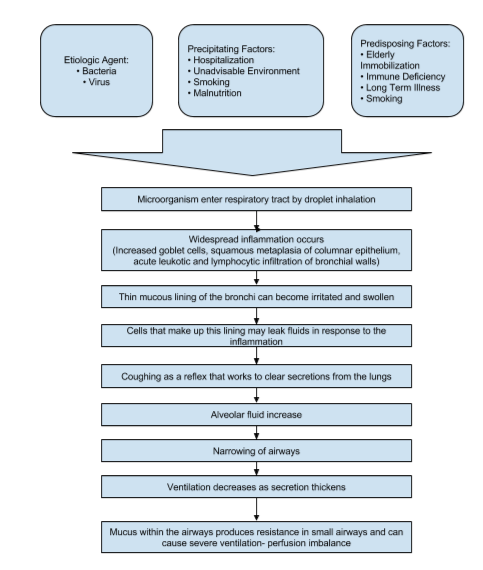
Overview
Aetiology
Acute Bronchitis
Acute bronchitis typically lasts three weeks or less and is characterized by an irritating, initially unproductive cough with upper retrosternal discomfort or a burning pain. It is most often caused by viral infections such as influenza A and B, parainfluenza, coronavirus, and rhinovirus, and less commonly by bacteria including Chlamydia pneumoniae, Hemophilus influenzae, and Streptococcus pneumoniae. Non-infectious triggers may include asthma, heart failure, environmental irritants, and gastro-esophageal reflux. The underlying process is mucosal injury and epithelial cell damage, which provokes the release of inflammatory mediators and increased mucus production.
Chronic Bronchitis
Chronic bronchitis is defined by a productive cough on most days for three months or longer, and is usually worse in the morning.
Presentation
Symptoms
The main symptom is a persistent cough, which may be dry early on and later productive of mucus. Associated features include chest discomfort, wheeze, shortness of breath, fatigue, and a low-grade fever in acute infectious cases.
Assessment
Differential Diagnosis
- Pneumonia
- Emphysema
- Bronchiectasis
- Carcinoma
- COPD
Context
Comorbidities
- Chronic heart failure
- Pneumonia
The Herbs
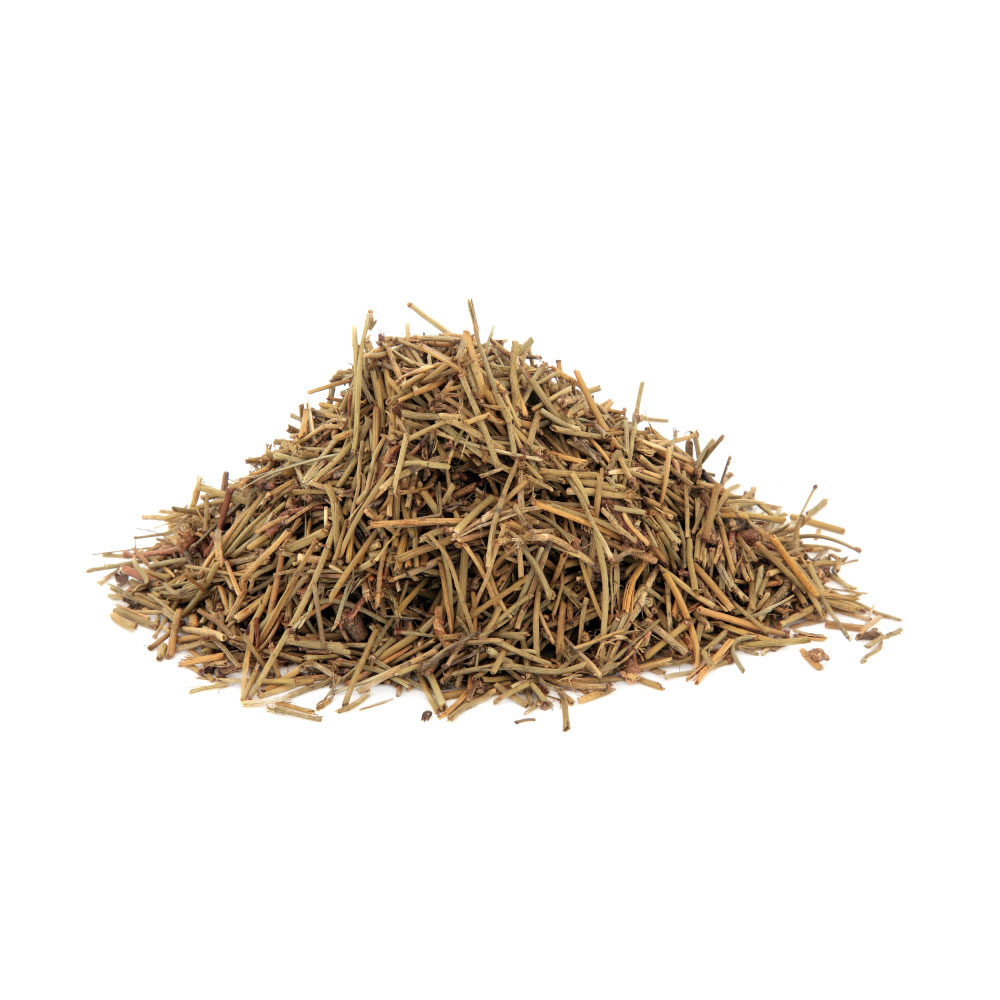
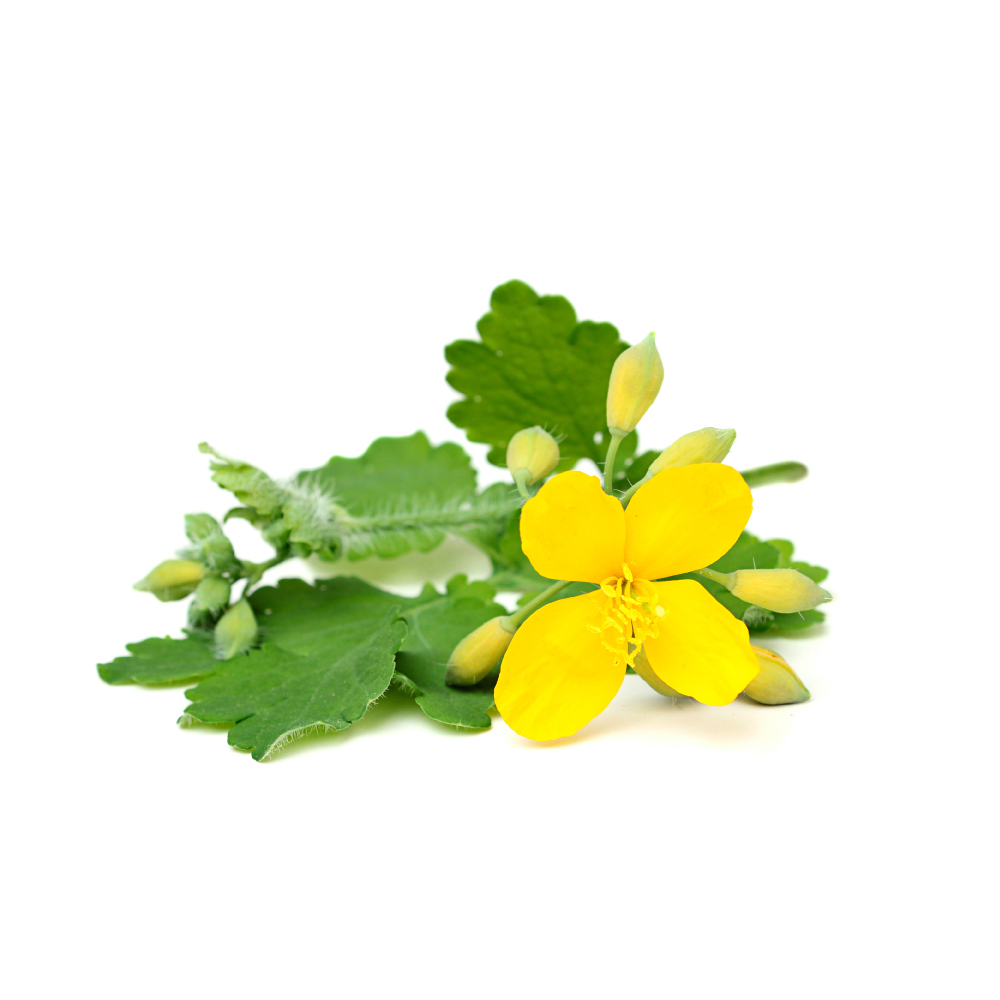
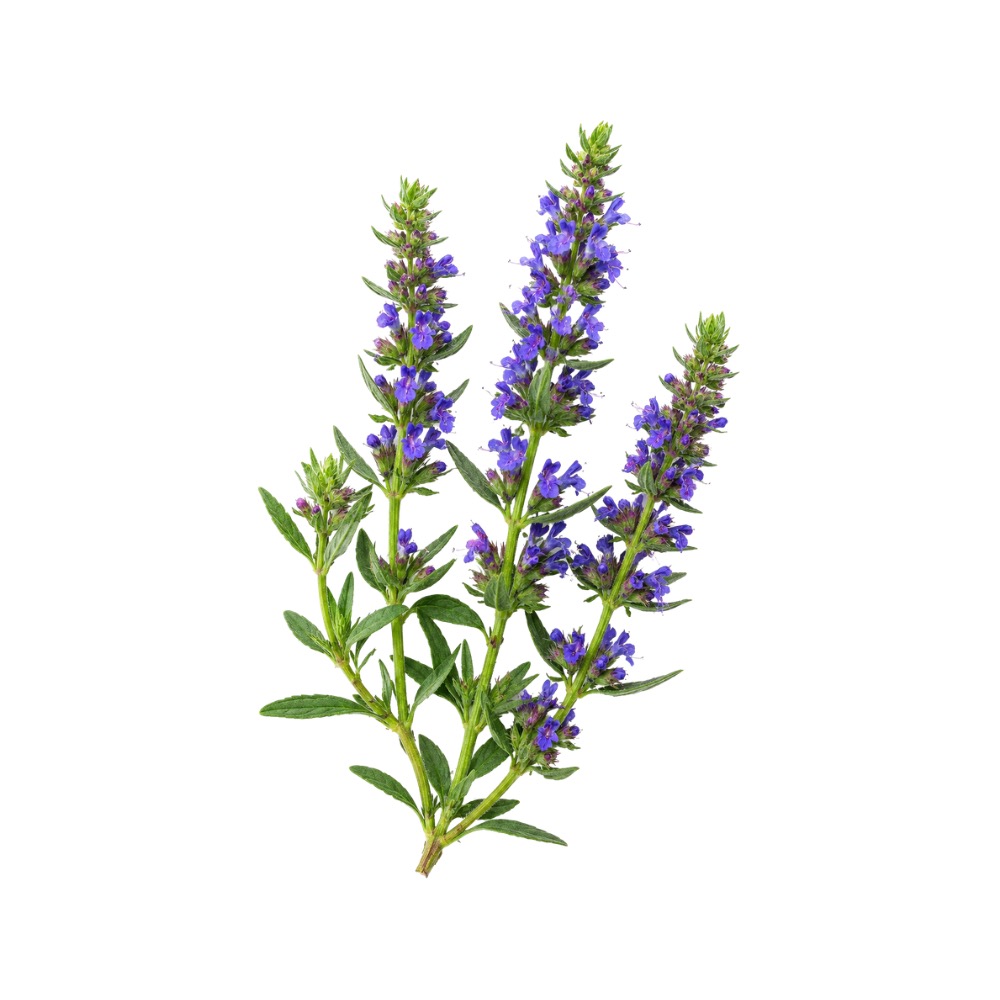
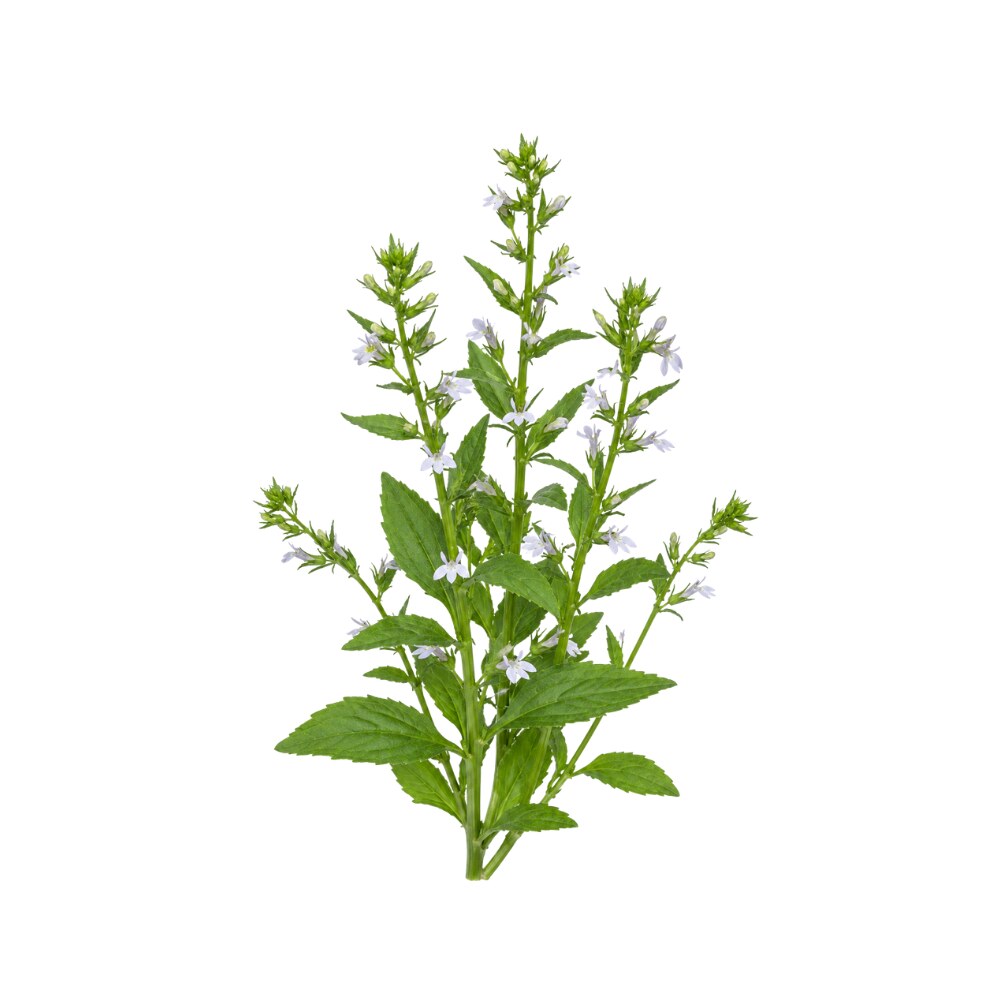
Materia Medica (21)
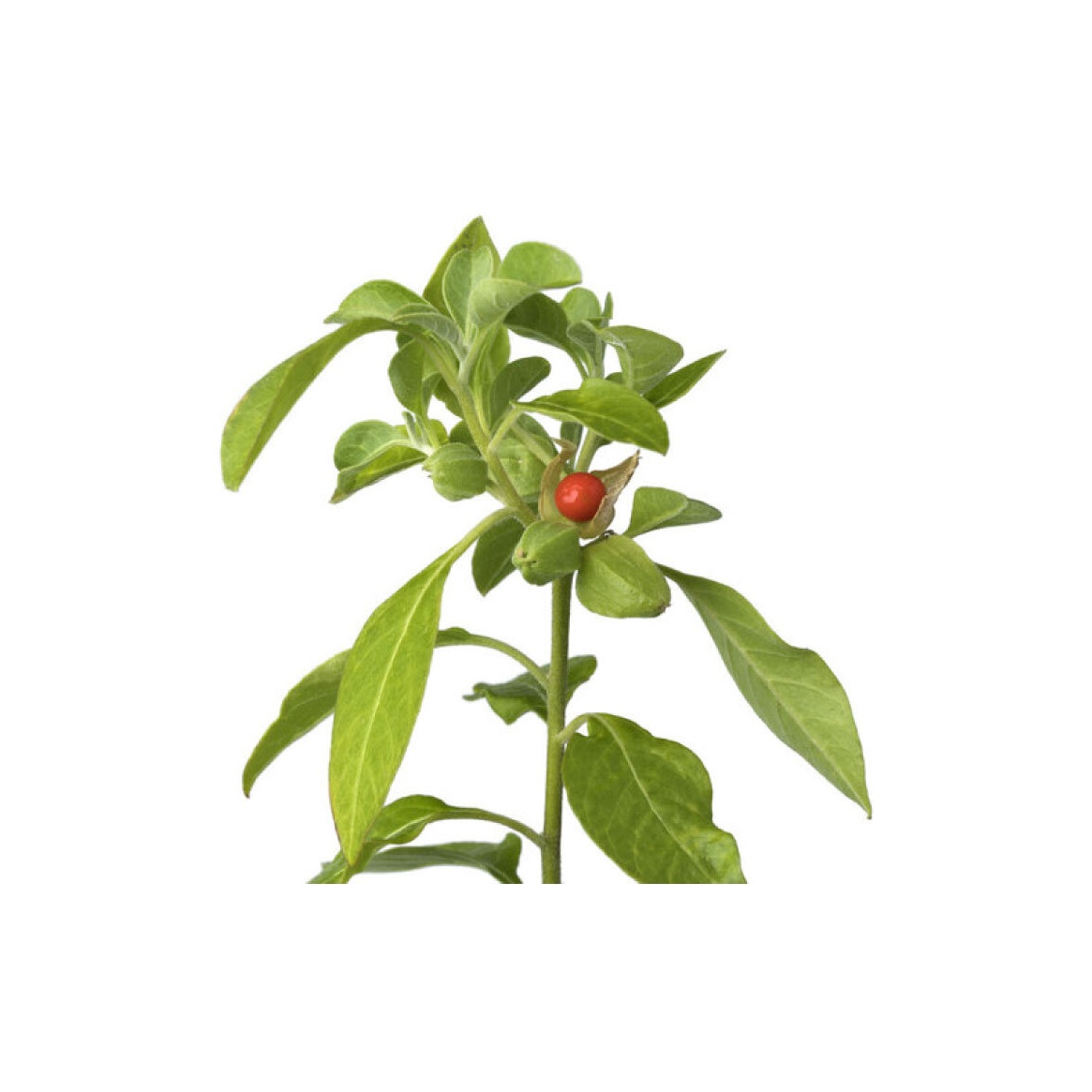
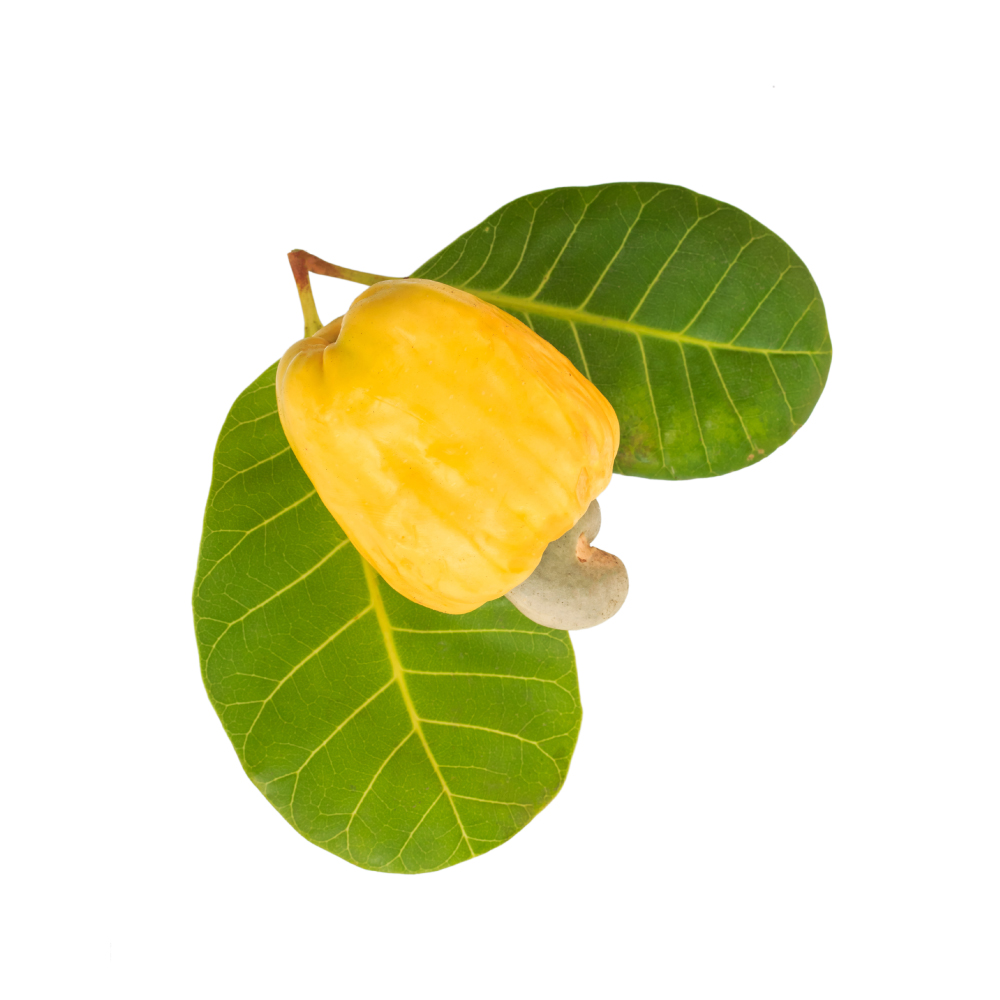
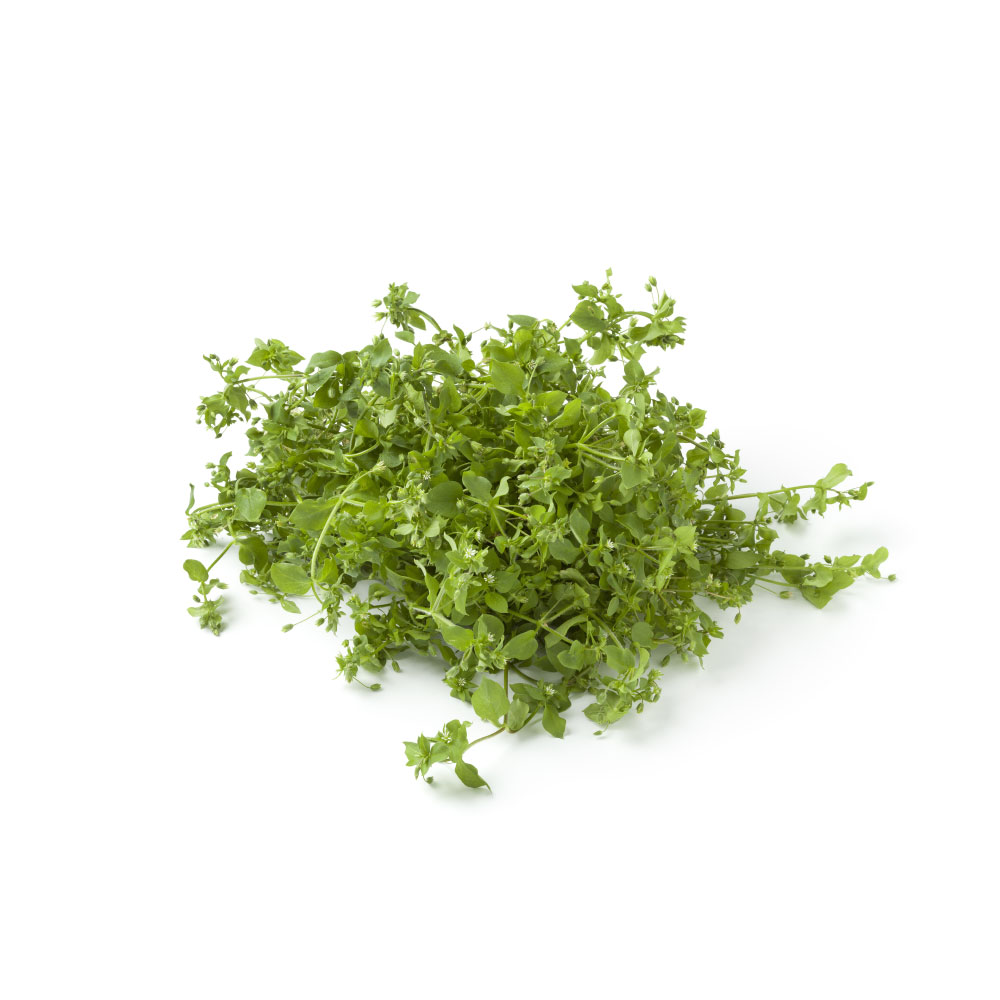
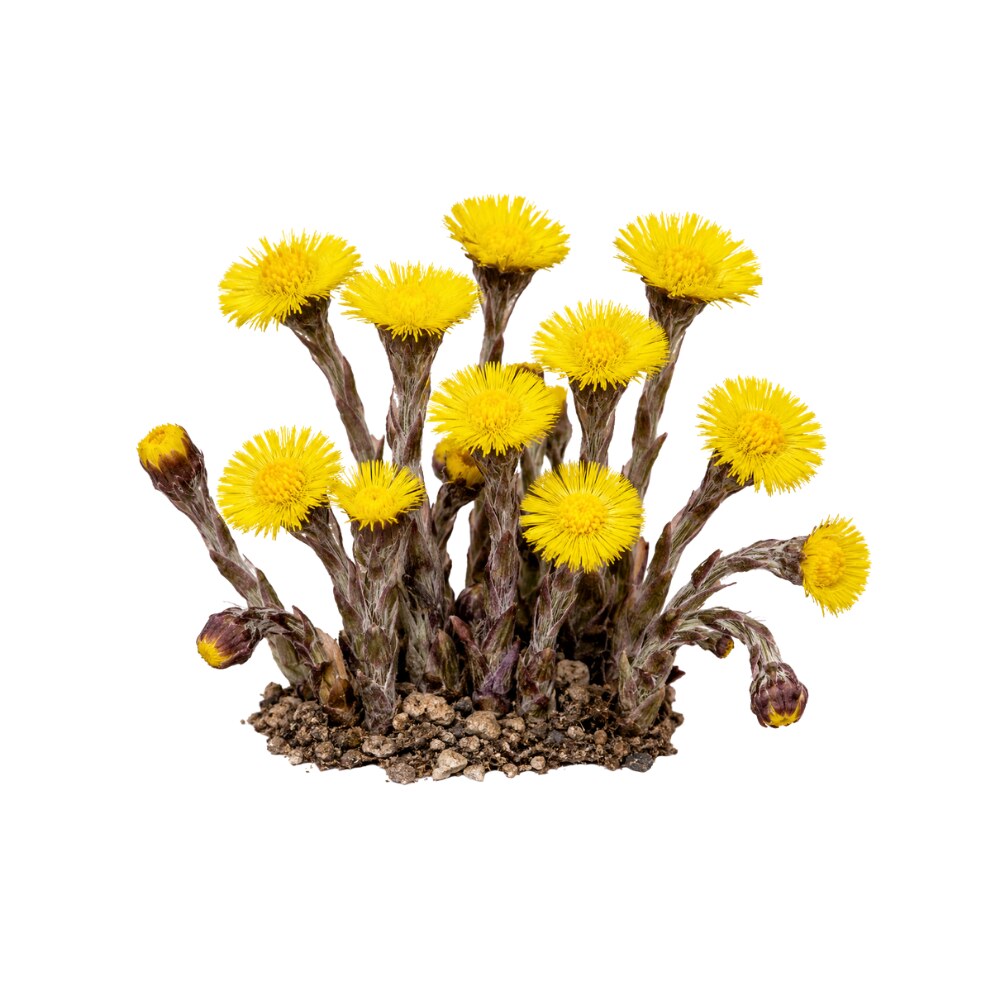
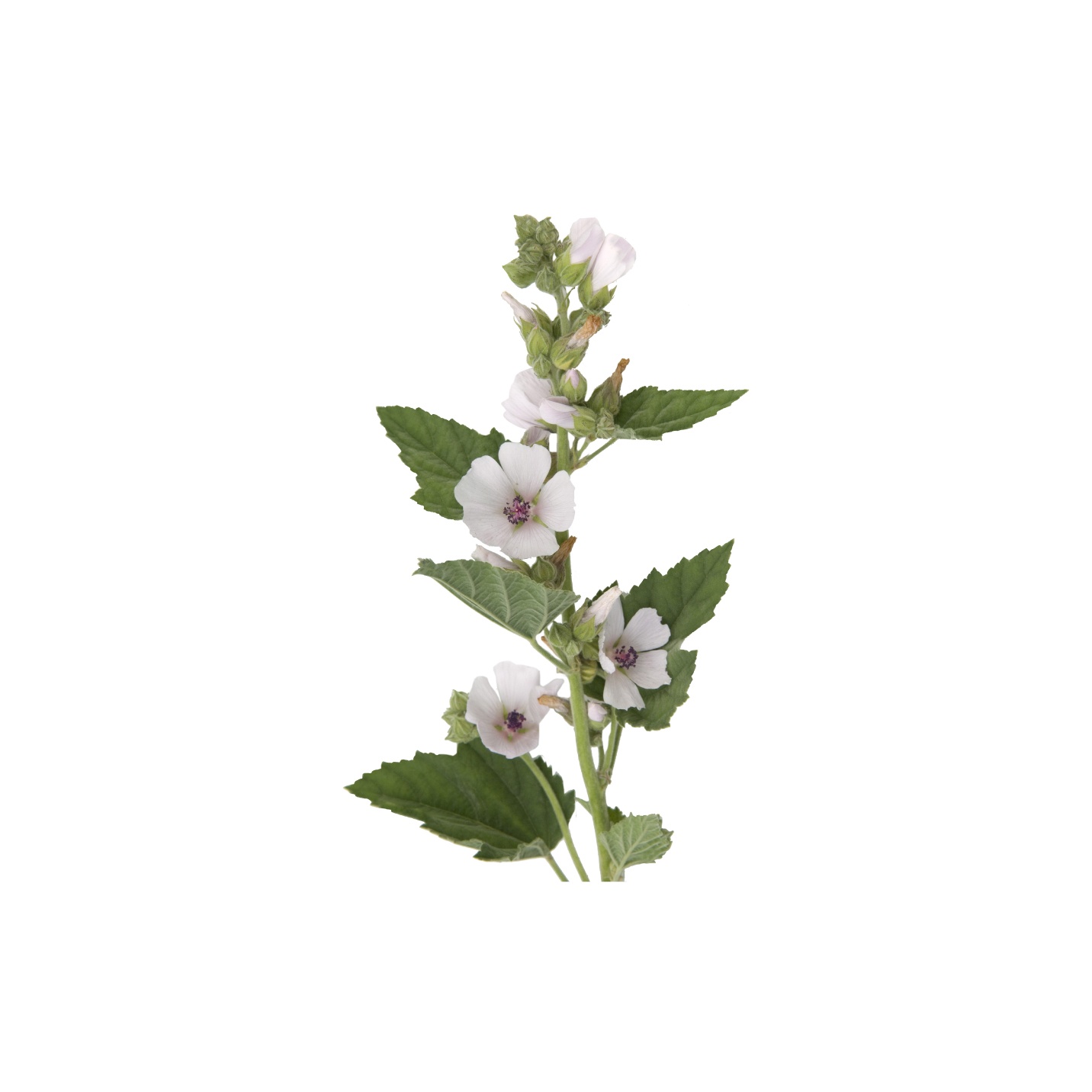
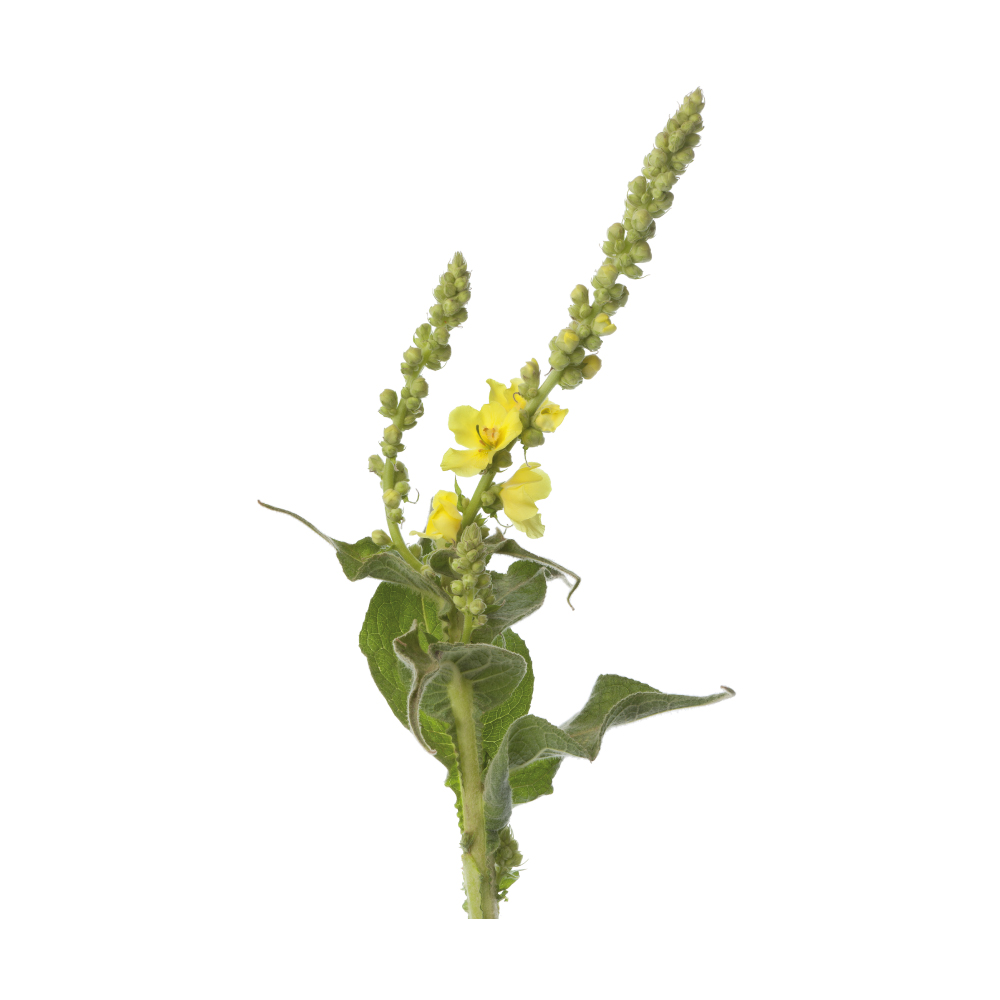
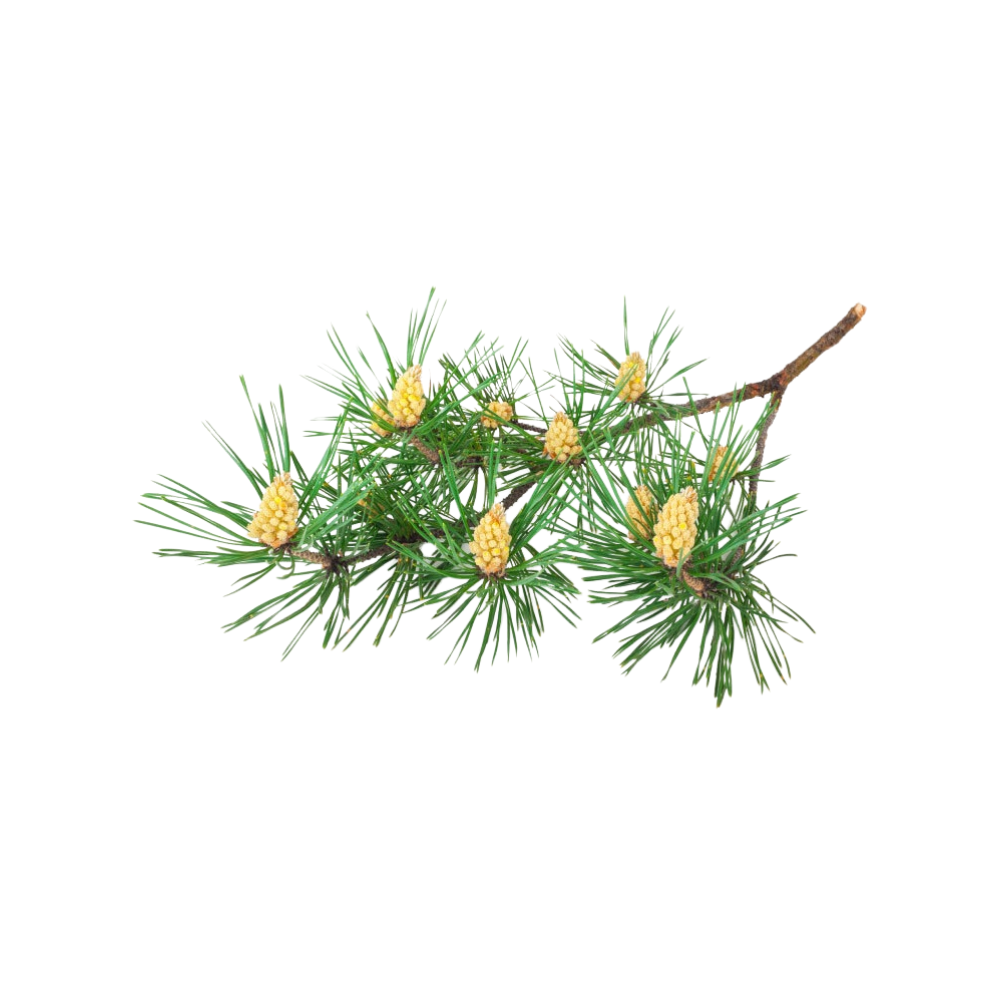
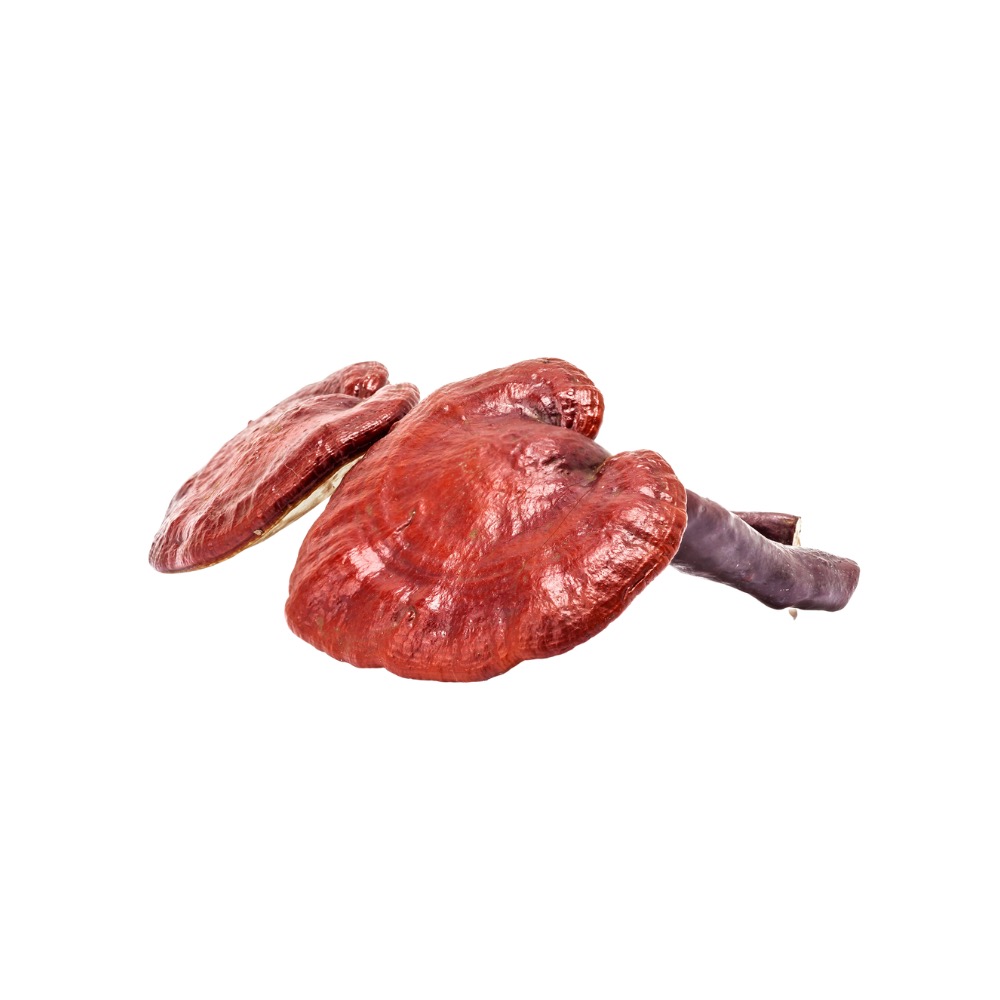
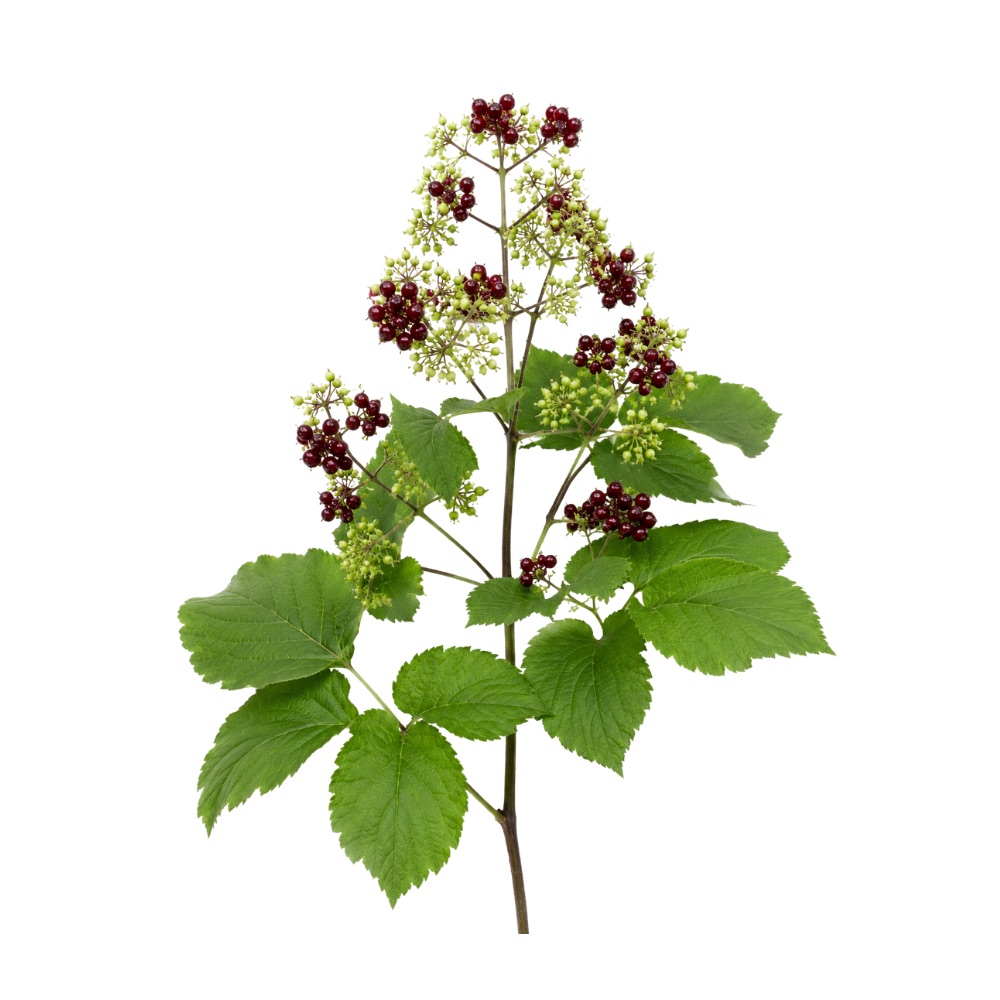
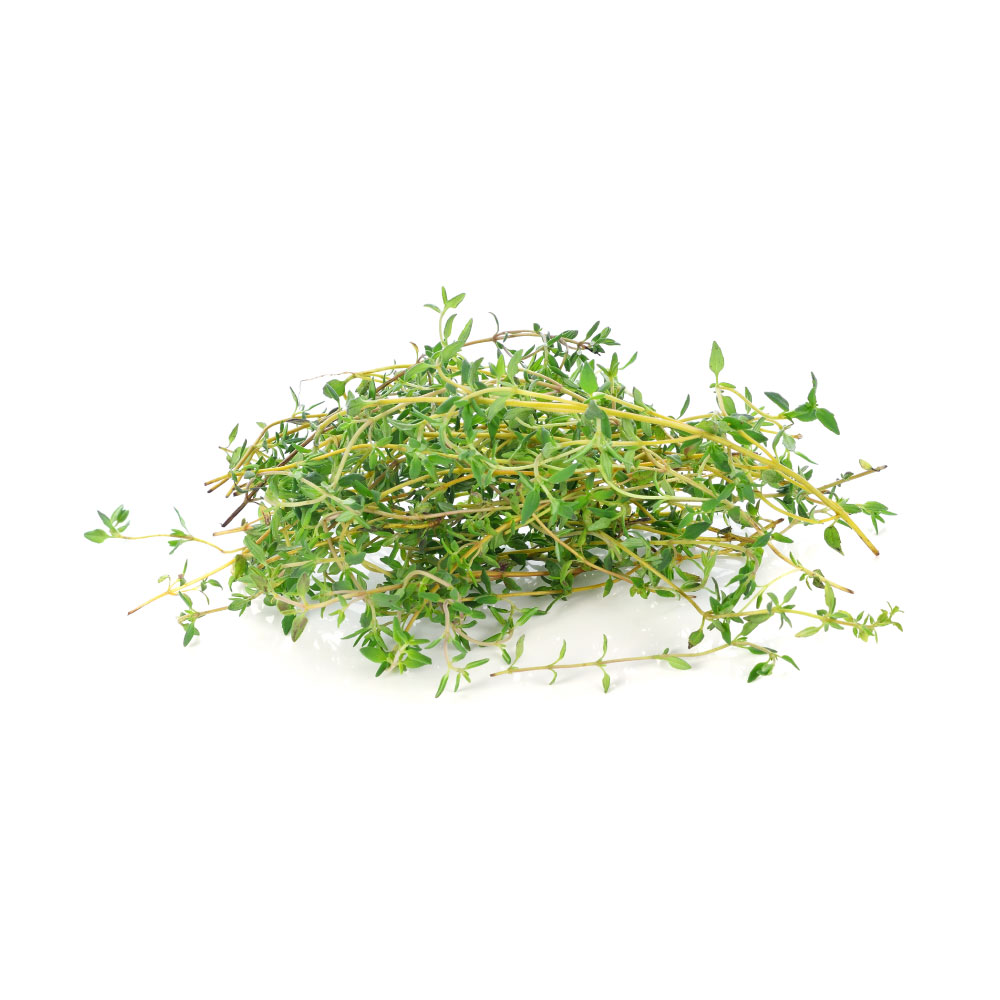
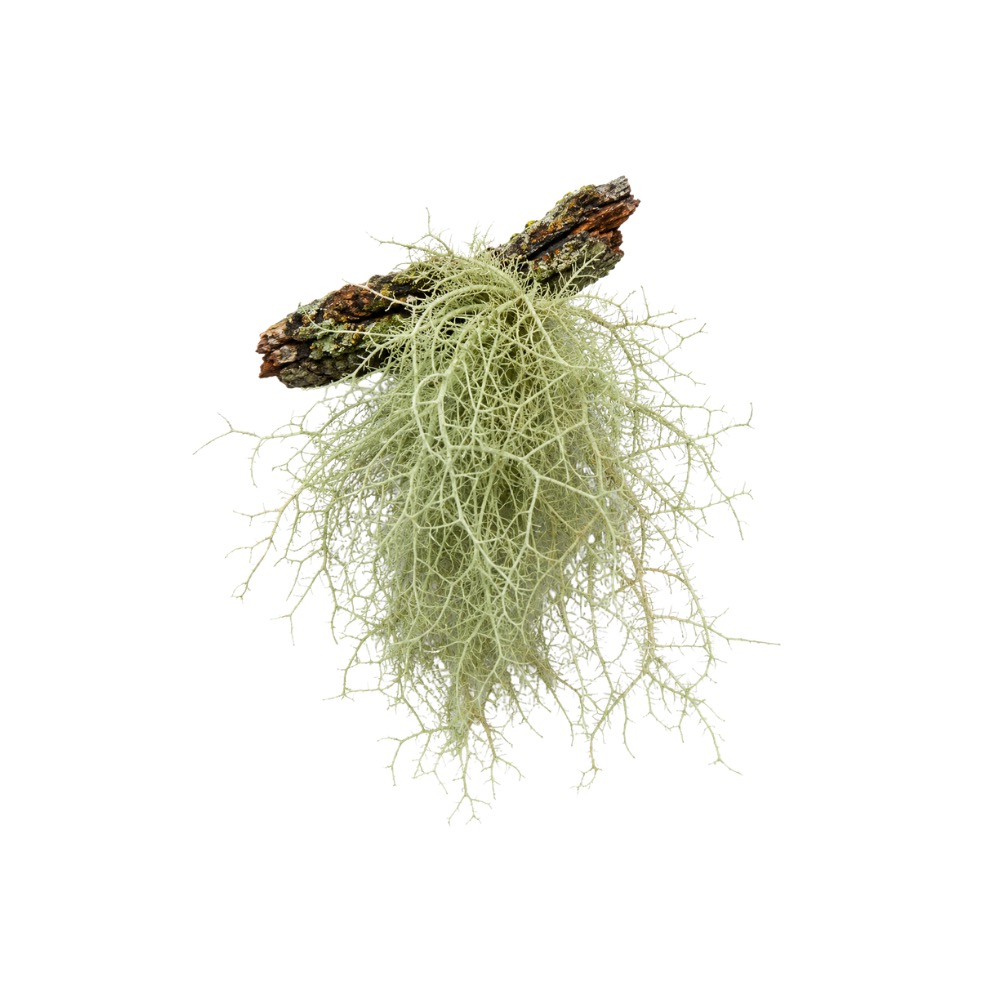
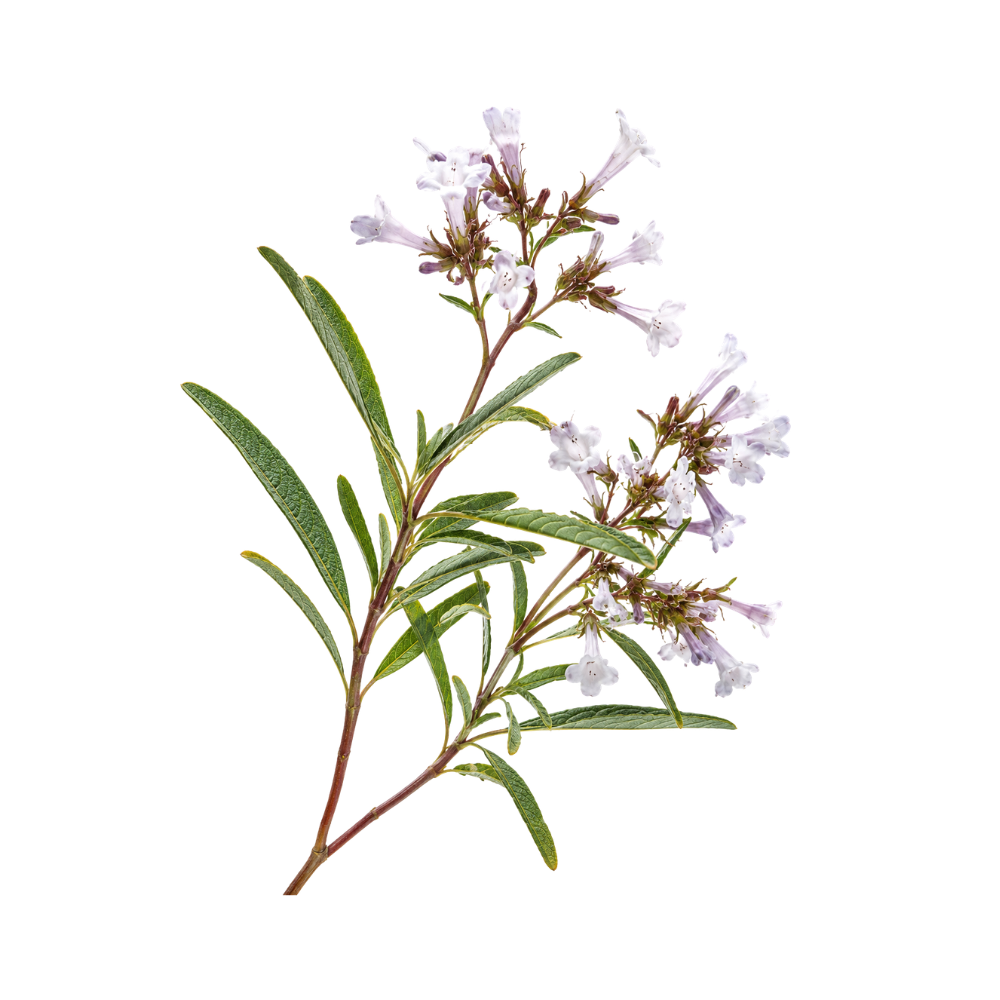
Herbs traditionally or clinically used for bronchitis.