
Condition
COVID-19
COVID-19 and SARS-CoV-2 — the virus, how it enters cells through ACE2, the two-phase illness, long COVID, the antivirals that work, and the evidence for every herb, mushroom and nutrient tested against it.


COVID-19 is the most intensively studied infection in human history, and one of the most poorly served by the supplement industry that grew up around it. In the space of three years, SARS-CoV-2 went from an unknown virus to the subject of hundreds of thousands of papers — including thousands proposing plant compounds as treatments. Almost none of those proposals were ever tested in a living cell, let alone a person.
What Is SARS-CoV-2?
SARS-CoV-2 is a positive-sense, single-stranded RNA virus in the family Coronaviridae. “Corona” means crown — a reference to the ring of spike proteins that stud the viral envelope and give the particle its distinctive fringed appearance under an electron microscope.
Being positive-sense explains a lot about how the virus behaves. Its RNA can be read directly by our own ribosomes, like a cell’s own messenger RNA. There is no unpacking step, no need to enter the nucleus, and no conversion into DNA. The virus does not alter our genome; it simply hands the cell a set of instructions the cell is already equipped to follow.
Its relatives fall into two groups. Four coronaviruses — 229E, NL63, OC43 and HKU1 — circulate endemically and cause a share of ordinary common colds. Two others crossed from animals and proved far more dangerous: SARS-CoV-1, which caused the 2003 SARS outbreak, and MERS-CoV, which causes Middle East respiratory syndrome and remains the deadliest of the family by case-fatality rate.
A great deal of the “herbal antiviral” literature was generated against SARS-CoV-1, NL63, or an avian coronavirus of chickens — not against SARS-CoV-2.
How SARS-CoV-2 Makes Us Sick
The virus enters cells through a mechanism that became one of the most-studied processes in biology:
- Attachment — the spike (S) protein binds the ACE2 receptor, a surface enzyme found on cells of the airway, lung, gut, blood vessels and elsewhere.
- Priming — a host protease, usually TMPRSS2, cuts the spike protein and unlocks its fusion machinery. (Where TMPRSS2 is scarce, the virus takes an alternative route through the endosome — a difference that partly explains why Omicron variants favour the upper airway over the deep lung.)
- Fusion & entry — the viral envelope merges with the cell membrane and the RNA genome is released into the cytoplasm.
- Translation & replication — the cell’s ribosomes read the viral RNA directly, producing two large polyproteins that are cut into functional pieces by the virus’s own enzymes: the main protease (Mpro / 3CLpro) and the papain-like protease (PLpro). (Mpro is the target of nirmatrelvir, the active half of Paxlovid — and the target that nearly every “herbal antiviral” docking paper claims to hit.)
- Genome copying — the RNA-dependent RNA polymerase (RdRp) mass-produces new viral genomes. (This is the step remdesivir and molnupiravir disrupt.)
- Assembly and release — new particles are assembled and exported from the cell.
The Two-Phase Illness
The illness that follows has two broadly distinct phases, and confusing them was one of the costliest errors of early 2020.
The first phase is viral — replication peaks in the first several days, and this is the only window in which antiviral drugs help. In a minority of patients a second, inflammatory phase follows around days 7–10, in which the damage is driven less by the virus than by the immune response to it: diffuse alveolar damage, microvascular thrombosis, and in the worst cases acute respiratory distress syndrome. COVID is notably more thrombotic than other viral pneumonias, which is why anticoagulation became standard inpatient care.
That structure is why the treatments that saved the most lives were immunosuppressants — dexamethasone, tocilizumab — given late, and why giving them early, during viral replication, is harmful. It is also the single most important reason to be cautious about immune-stimulating herbs in hospitalised patients.
Presentation
The acute illness is more variable than most respiratory infections, and asymptomatic infection is common.
Typical acute symptoms: fever, dry cough, fatigue, sore throat, headache, muscle aches, nasal congestion. Loss of smell or taste was highly characteristic of pre-Omicron strains and is far less common now — a useful reminder that the clinical picture has shifted with the virus.
Warning signs of progression: breathlessness at rest or on minimal exertion, chest pain or pressure, confusion, difficulty staying awake, and falling oxygen saturation. Silent hypoxaemia — dangerously low oxygen without a corresponding feeling of breathlessness — was a distinctive and lethal feature of severe early COVID.
Risk factors for severe disease: age above 65 (the single strongest predictor), immunosuppression, obesity, diabetes, chronic kidney disease, chronic heart and lung disease, and pregnancy. Vaccination substantially reduces the risk of severe outcomes across all of these groups.
Differential diagnosis: influenza, RSV, other respiratory viruses, bacterial pneumonia, and — where smell loss is the presenting feature — allergic and post-viral rhinitis.
Variants & the Course of the Pandemic
SARS-CoV-2 mutates more slowly than influenza — it carries a proofreading enzyme most RNA viruses lack — but it has had enormous numbers of hosts to mutate in, and the result was a succession of variants that repeatedly reset the epidemiology.
| Variant | Designated | Defining feature |
|---|---|---|
| Alpha (B.1.1.7) | Dec 2020 | First major transmissibility jump |
| Delta (B.1.617.2) | May 2021 | More transmissible again, and more severe |
| Omicron (B.1.1.529) | Nov 2021 | Heavy spike mutation, extensive immune escape, milder on average; shifted to upper-airway replication |
| Omicron descendants | 2022– | Continuous antigenic drift within the Omicron lineage |
The WHO declared the pandemic in March 2020 and ended the public-health-emergency designation in May 2023. Cumulative reported deaths exceed 7 million, while excess-mortality estimates — the more reliable measure — put the true toll at roughly 18–28 million.
Treatment
Conventional Treatment
Vaccination remains the intervention with by far the strongest evidence, having prevented an estimated tens of millions of deaths in its first year of deployment.
For treatment, the two phases of the illness call for two different classes of drug:
Antivirals — for the first few days, in people at risk of severe disease:
- Nirmatrelvir/ritonavir (Paxlovid®) — oral Mpro inhibitor; the most effective outpatient option. The ritonavir component is a strong CYP3A4 inhibitor, which makes drug and herb interactions a serious practical problem.
- Remdesivir (Veklury®) — intravenous RdRp inhibitor.
- Molnupiravir (Lagevrio®) — oral; introduces lethal copying errors. Weaker than the alternatives.
Immunomodulators — for the inflammatory phase, in patients needing oxygen:
- Dexamethasone — the single most important drug result of the pandemic; the RECOVERY trial showed it cut mortality in ventilated patients by about a third.
- Tocilizumab / baricitinib — IL-6 and JAK inhibitors, added benefit in severe disease.
Monoclonal antibodies were important early but have been largely defeated by variant evolution — a useful illustration of how quickly a highly specific antiviral can be outrun.
Long COVID (Post-COVID Condition)
Long COVID is defined as symptoms persisting or emerging three months or more after infection, lasting at least two months, and not explained by another diagnosis. It is not a single disease, and treating it as one is part of why it has been hard to study.
The common clusters are:
- Fatigue and post-exertional malaise — symptoms worsening disproportionately after physical or mental effort. This overlaps substantially with ME/CFS and is the cluster where graded exercise can actively harm.
- Cognitive dysfunction — “brain fog”: impaired concentration, working memory and word-finding.
- Dysautonomia — POTS, palpitations, orthostatic intolerance, temperature dysregulation.
- Respiratory — persistent breathlessness and cough, often with normal imaging.
- Olfactory dysfunction — persistent loss or, often more distressing, parosmia, where familiar smells become foul.
Risk is higher after severe acute illness, but a substantial share of long COVID follows mild infection. Vaccination before infection reduces the risk. Most cases improve slowly over months, and that natural recovery trajectory is exactly why uncontrolled trials in long COVID are so unreliable — improvement in an open-label study is largely indistinguishable from getting better anyway.
Materia Medica
Herbal & Nutritional Support
No herb kills SARS-CoV-2 in a person. There is reasonable evidence that a few herbs support general immune function, and there are trials suggesting some ease symptoms or speed recovery — but all of it is symptom support, not treatment. None of it prevents infection either.
Of 126 claims tested across more than 90 herbs, nutrients and plant molecules, none is proven, and every claim resting on strong human evidence is a negative result. Vitamin D, intravenous vitamin C, high-dose zinc, N-acetylcysteine, colchicine, garlic, CoQ10 and nicotinamide riboside all failed their primary endpoints.
The rest of the literature looks better than it is, for a structural reason. Between 2020 and 2022, molecular docking — simulating whether a molecule might bind a viral protein — became cheap and fast, and thousands of papers proposed plant compounds as SARS-CoV-2 inhibitors on that basis alone. A docking paper is a hypothesis, not a finding. Roughly half the plant molecules with a published SARS-CoV-2 claim have never been tested in a living system, and some of the most-cited lab hits failed on re-testing — pentagalloylglucose and dieckol were both invalidated as main-protease inhibitors.
What survives that filter is a short list of modest, mostly unreplicated human signals.
- Proven
- Promising
- Shaky
- Unsupported
What Has The Best Human Evidence
The best human results are not for antivirals at all. They are for symptom and recovery interventions, and two of the best are in long COVID rather than acute infection.
Palmitoylethanolamide plus luteolin is the best-supported intervention for post-COVID smell loss. Several randomised trials and two meta-analyses support it, with a pooled improvement on standardised smell testing 1Reference 1RCTUltramicronized palmitoylethanolamide and luteolin supplement combined with olfactory training to treat post-COVID-19 olfactory impairment: a multicenter double-blinded randomized placebo-controlled clinical trial2Reference 2Meta-analysisInterventions for long COVID: a systematic review and network meta-analysis of 51 trials.
It only helps as an adjuvant to olfactory training — a four-arm trial found PEA-LUT alone was no better than training plus placebo 3Reference 3RCTTreatment of COVID-19 olfactory dysfunction with olfactory training, palmitoylethanolamide with luteolin, or combined therapy: a blinded controlled multicentre randomized trial — and most of the positive trials come from a single Italian group. An independent German replication found no meaningful advantage over training alone 4Reference 4RCTPalmitoylethanolamide and luteolin in post-COVID olfactory dysfunction: a randomized controlled trial. The combination is promising, not settled.
SIM01, a Bifidobacterium-based synbiotic, produced the largest and best-powered positive long-COVID trial in the field — 463 patients, double-blind, with significantly better resolution of fatigue, memory and concentration problems at six months 5Reference 5RCTA synbiotic preparation (SIM01) for post-acute COVID-19 syndrome in Hong Kong: a randomised, double-blind, placebo-controlled trial. It awaits replication outside Hong Kong.
Curcumin is the best-evidenced plant constituent for COVID. A meta-analysis of 13 randomised trials found reduced mortality and faster recovery at moderate certainty 6Reference 6Meta-analysisThe efficacy of curcumin in patients with COVID-19: a systematic review and meta-analysis of randomized controlled trials. But the inputs are small, mostly single-centre and often open-label — the profile in which pooled estimates are most likely to be inflated — and the trials used bioavailability-enhanced formulations (nanocurcumin, phytosome). Plain turmeric powder is not the tested intervention.
Honey plus black seed reportedly halved time to symptom relief in a 313-patient multicentre trial 7Reference 7RCTHoney and Nigella sativa against COVID-19 in Pakistan (HNS-COVID-PK): a multicenter placebo-controlled randomized clinical trial. The effect size is large enough to invite scepticism, it is unreplicated, and it comes from the earliest phase of the pandemic. Black seed’s own results split by preparation: the oil was positive in an open-label trial 8Reference 8RCTNigella sativa oil for the treatment of mild-to-moderate COVID-19: an open-label randomized controlled clinical trial, while whole seed powder was null in a double-blind one 9Reference 9RCTNigella sativa seed and seed powder in COVID-19: a randomised double-blind trial — and the better-blinded study is the negative one.
Kan Jang, a fixed andrographis–eleuthero combination, improved recovery in mild COVID in a well-designed quadruple-blind, placebo-controlled trial of 140 patients 10Reference 10RCTEfficacy of Kan Jang® in patients with mild COVID-19: a randomized, quadruple-blind, placebo-controlled trial — one of the few properly blinded herbal trials in the field. Single-herb andrographis, by contrast, did not reduce progression to severe disease, either alone or added to favipiravir 11Reference 11RCTAndrographis paniculata extract added to favipiravir in non-severe COVID-19: a randomised controlled trial12Reference 12RCTAndrographis paniculata extract in asymptomatic-to-mild COVID-19: a randomised placebo-controlled trial.
Astragalus reduced post-COVID chronic fatigue in a small triple-blind RCT 13Reference 13RCTEffect of Astragalus membranaceus root extract on post-COVID-19 chronic fatigue syndrome: a triple-blind randomised controlled trial — preliminary, but a rare positive with proper blinding.
The Chinese Herbal Formulas
The largest body of human data in this field is Chinese.
Jinhua Qinggan granules produced the best-blinded formula trial: a placebo-controlled study of 300 outpatients showing a large improvement in a composite clinical-symptom endpoint 14Reference 14RCTEfficacy and safety of Jinhua Qinggan granules in the treatment of mild COVID-19: a phase 2/3 randomised, double-blind, placebo-controlled trial. It did not improve viral clearance — the benefit is symptomatic. Lianhua Qingwen, the most famous of these formulas, raised symptom-recovery rates from 82% to 92% in 284 hospitalised patients 15Reference 15RCTEfficacy and safety of Lianhuaqingwen capsules, a repurposed Chinese herb, in patients with coronavirus disease 2019: a multicenter, prospective, randomized controlled trial, but the trial was open-label with a clinician-rated endpoint, and it showed no benefit on progression to severe disease or death.
Qingfei Paidu, despite being embedded in China’s national protocol, has no controlled trial at all — its evidence is retrospective and observational 16Reference 16Meta-analysisQingfei Paidu decoction for COVID-19: a systematic review and meta-analysis. Xuebijing injection reduced ventilation rates in a small trial but not mortality 17Reference 17RCTXuebijing injection in the treatment of severe COVID-19: a randomized controlled trial; its strong survival result is in sepsis, a different disease.
All of them share three weaknesses. The endpoints are usually subjective symptom scores rather than viral clearance or survival; systematic appraisals repeatedly rate this literature at high risk of bias; and there is essentially no independent replication outside China. Several of these formulas also contain ephedra, which is a genuine cardiovascular concern in a disease that already stresses the heart.
Direct Antivirals: Real In The Lab, Absent In People
A handful of plant molecules do inhibit SARS-CoV-2 in a test tube. Baicalein (from Chinese skullcap) inhibits the main protease and suppresses replication in cell culture, with a co-crystal structure confirming how it binds 18Reference 18In vitroAnti-SARS-CoV-2 activities in vitro of Scutellaria baicalensis Georgi and three of its constituents. Andrographolide blocks infectious-virion production in human lung cells at low concentrations 19Reference 19Anti-SARS-CoV-2 activity of Andrographis paniculata extract and its major component andrographolide in human lung epithelial cells. Schaftoside inhibits both viral proteases 20Reference 20Schaftoside inhibits the SARS-CoV-2 3CL and PL proteases, and glycyrrhizin — from licorice — inhibits replication via the main protease 21Reference 21Glycyrrhizin effectively inhibits SARS-CoV-2 replication by inhibiting the viral main protease.
Every one of these is the isolated molecule, and most require micromolar concentrations that oral dosing cannot achieve in human tissue. None has been tested as an antiviral in a person. The gap between “inhibits the enzyme in a dish” and “helps a patient” has not been crossed by any of them — and in licorice’s case, when the whole herb finally was tested in a clinical trial, it failed 22Reference 22RCTEfficacy of Glycyrrhiza glabra extract in moderate COVID-19: a randomised controlled trial.
The widely repeated claim that elder acts against coronaviruses rests on a study of Sambucus formosana — not the S. nigra sold as elderberry — tested against NL63, a common-cold coronavirus, not SARS-CoV-2 23Reference 23Antiviral activity of Sambucus formosana Nakai ethanol extract and related phenolic acid constituents against human coronavirus NL63. The frequently cited 2022 review promoting Artemisia extracts against COVID has been formally retracted 24Reference 24Artemisia annua and artemisinin derivatives against COVID-19.
Prevention, And What Failed
No herb or nutrient has been shown to prevent infection. Low vitamin D is strongly associated with worse COVID outcomes in observational studies, so a 6,200-person UK trial tested whether correcting it helped. It did not — no reduction in respiratory infection or COVID-19, and no improvement in vaccine response 25Reference 25RCTEffect of a test-and-treat approach to vitamin D supplementation on risk of all-cause acute respiratory tract infection and COVID-19: phase 3 randomised controlled trial (CORONAVIT). A separate trial of high-dose vitamin D in hospitalised patients was equally null 26Reference 26RCTEffect of a single high dose of vitamin D3 on hospital length of stay in patients with moderate to severe COVID-19: a randomized clinical trial. The observational association was largely confounding and reverse causation. Whether daily physiologic dosing in genuinely deficient people helps remains the one open question — not a proven intervention.
Two harmonised trials across 130 sites found intravenous vitamin C gave no benefit in hospitalised COVID and, in the critically ill, a posterior probability of harm 27Reference 27RCTIntravenous vitamin C for patients hospitalized with COVID-19: two harmonized randomized clinical trials. Zinc did not shorten symptoms and its trial was stopped early for futility 28Reference 28Effect of high-dose zinc and ascorbic acid supplementation vs usual care on symptom length and reduction among ambulatory patients with SARS-CoV-2 infection (COVID A to Z). N-acetylcysteine 29Reference 29RCTDouble-blind, randomized, placebo-controlled trial with N-acetylcysteine for treatment of severe acute respiratory syndrome caused by COVID-19, garlic 30Reference 30RCTEffectiveness of Fortified Garlic Extract Oral Capsules as Adjuvant Therapy in Hospitalized Patients with Coronavirus Disease 2019: A Triple-Blind Randomized Controlled Clinical Trial, CoQ10 31Reference 31RCTHigh-dose coenzyme Q10 therapy versus placebo in patients with post COVID-19 condition: a randomized, phase 2, crossover trial and nicotinamide riboside 32Reference 32RCTNicotinamide riboside for post-acute sequelae of SARS-CoV-2: a randomised, double-blind, placebo-controlled trial all failed clean trials. Lactoferrin, heavily promoted on in-vitro data, failed its one prophylaxis trial 33Reference 33RCTBovine lactoferrin for prevention of SARS-CoV-2 infection in health-care personnel: a randomised controlled trial.
A standardised echinacea extract does inactivate coronaviruses including SARS-CoV-2 on direct contact in a test tube 34Reference 34In vitroIn vitro virucidal activity of Echinaforce®, an Echinacea purpurea preparation, against coronaviruses, including common cold coronavirus 229E and SARS-CoV-2, which drove enormous sales — but the one clinical trial in COVID patients found no significant benefit 35Reference 35RCTEchinacea syrup as adjunct therapy in COVID-19: a randomised single-blind trial.
For Long COVID Specifically
Long COVID is where the herbal and nutritional evidence is most active, and several of its best-designed trials returned clean negatives.
The two strongest positives are PEA-luteolin for persistent smell loss and the SIM01 synbiotic. Beyond those, astragalus reduced post-COVID chronic fatigue in a small triple-blind trial 13Reference 13RCTEffect of Astragalus membranaceus root extract on post-COVID-19 chronic fatigue syndrome: a triple-blind randomised controlled trial; a standardised adaptogen combination of rhodiola, eleuthero and schisandra modestly shortened fatigue and pain in recovering patients 36Reference 36RCTEfficacy of adaptogens in patients with long COVID-19: a randomized, quadruple-blind, placebo-controlled trial; and L-arginine plus vitamin C improved walking distance, grip strength and fatigue in a 46-patient trial 37Reference 37RCTEffects of L-arginine plus vitamin C supplementation on physical performance, endothelial function, and persistent fatigue in adults with long COVID: a single-blind randomized controlled trial — a striking effect from a single-blind, single-centre study that a living systematic review lists among interventions with no compelling evidence 38Reference 38Systematic reviewInterventions for the management of long covid (post-covid condition): living systematic review.
What failed in well-run trials: coenzyme Q10 at 500 mg/day 31Reference 31RCTHigh-dose coenzyme Q10 therapy versus placebo in patients with post COVID-19 condition: a randomized, phase 2, crossover trial; nicotinamide riboside at 2 g/day, which raised NAD⁺ three-fold and changed nothing 32Reference 32RCTNicotinamide riboside for post-acute sequelae of SARS-CoV-2: a randomised, double-blind, placebo-controlled trial; omega-3 for smell loss 39Reference 39Omega-3 fatty acid supplementation for the treatment of persistent COVID-related olfactory dysfunction and for general symptoms 40Reference 40RCTOmega-3 supplementation for long COVID symptoms in healthcare workers: a double-blind pilot trial; and beetroot juice, which shifted the microbiome but produced no functional improvement 41Reference 41RCTBeetroot juice supplementation in adults with long COVID: a randomized, double-blind pilot trial.
Widely recommended, with no long-COVID trial behind them: acetyl-L-carnitine, Panax ginseng, curcumin, resveratrol and nigella. Ashwagandha has a large registered trial underway with no published results.
Safety
For a disease with effective drugs, the realistic risk from herbal medicine is not that it fails but that it interferes.
- St John’s wort is a hard contraindication with Paxlovid. It is a potent CYP3A4 and P-glycoprotein inducer and will lower nirmatrelvir to sub-therapeutic levels, defeating the ritonavir boost the drug depends on. This is a treatment-failure risk, not a theoretical one. The same induction affects anticoagulants, antivirals and immunosuppressants.
- Curcumin does the opposite — it inhibits CYP3A4 and P-gp, and has mild antiplatelet activity. Relevant alongside both Paxlovid and anticoagulation.
- Licorice and glycyrrhizin cause pseudohyperaldosteronism — potassium loss, hypertension, fluid retention — which is dangerous in a hospitalised patient already on corticosteroids.
- Immune-stimulating herbs (echinacea, astragalus, reishi) are theoretically antagonistic to the immunosuppressive drugs — dexamethasone, tocilizumab — that actually save lives in severe COVID. The astragalus evidence is for recovery, after the acute illness, which is a different situation.
- Bleeding risk: garlic, high-dose omega-3 and curcumin all have antiplatelet activity, additive with the heparin routinely used in COVID.
- Zinc above 50 mg/day depletes copper on prolonged use.
- Live probiotics carry a small but real risk in the critically ill and immunocompromised.
- Ephedra-containing formulas (Lianhua Qingwen, Qingfei Paidu, Jinhua Qinggan, Huashi Baidu) carry sympathomimetic and pressor risk.
- In post-exertional malaise, graded exercise can worsen the condition. Pacing is the safer default.
Materia Medica
Materia Medica
None of these herbs is a treatment for COVID-19.
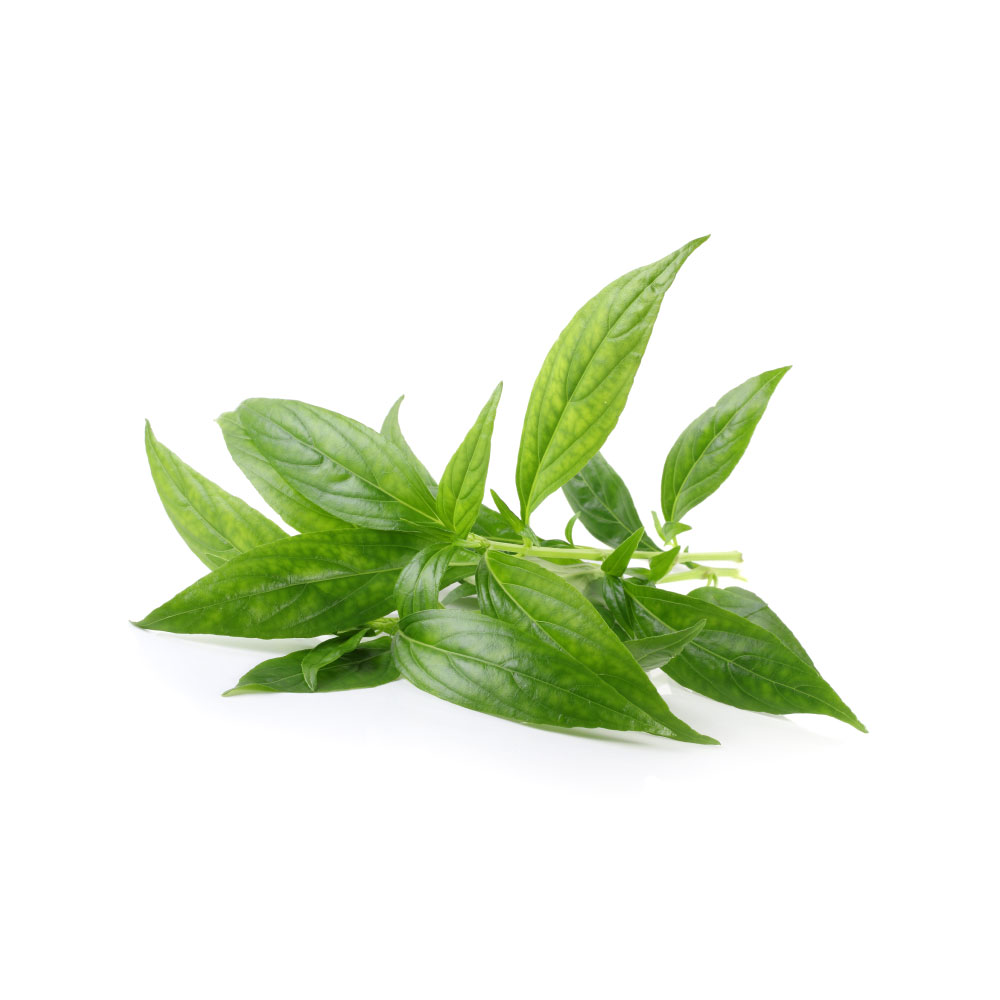 AndrographisAndrographis paniculataModerateThe Kan Jang combination improved recovery in a properly blinded trial. Andrographis on its own failed twice.
Kan Jang, a fixed andrographis–eleuthero combination, was tested in one of the few well-designed herbal trials for COVID: 140 patients, quadruple-blind, placebo-controlled, with faster recovery in mild COVID 10Reference 10RCTEfficacy of Kan Jang® in patients with mild COVID-19: a randomized, quadruple-blind, placebo-controlled trial.
The effect belongs to the combination. Andrographis alone did not reduce progression to severe disease, either by itself or added to favipiravir 11Reference 11RCTAndrographis paniculata extract added to favipiravir in non-severe COVID-19: a randomised controlled trial12Reference 12RCTAndrographis paniculata extract in asymptomatic-to-mild COVID-19: a randomised placebo-controlled trial.
Full monograph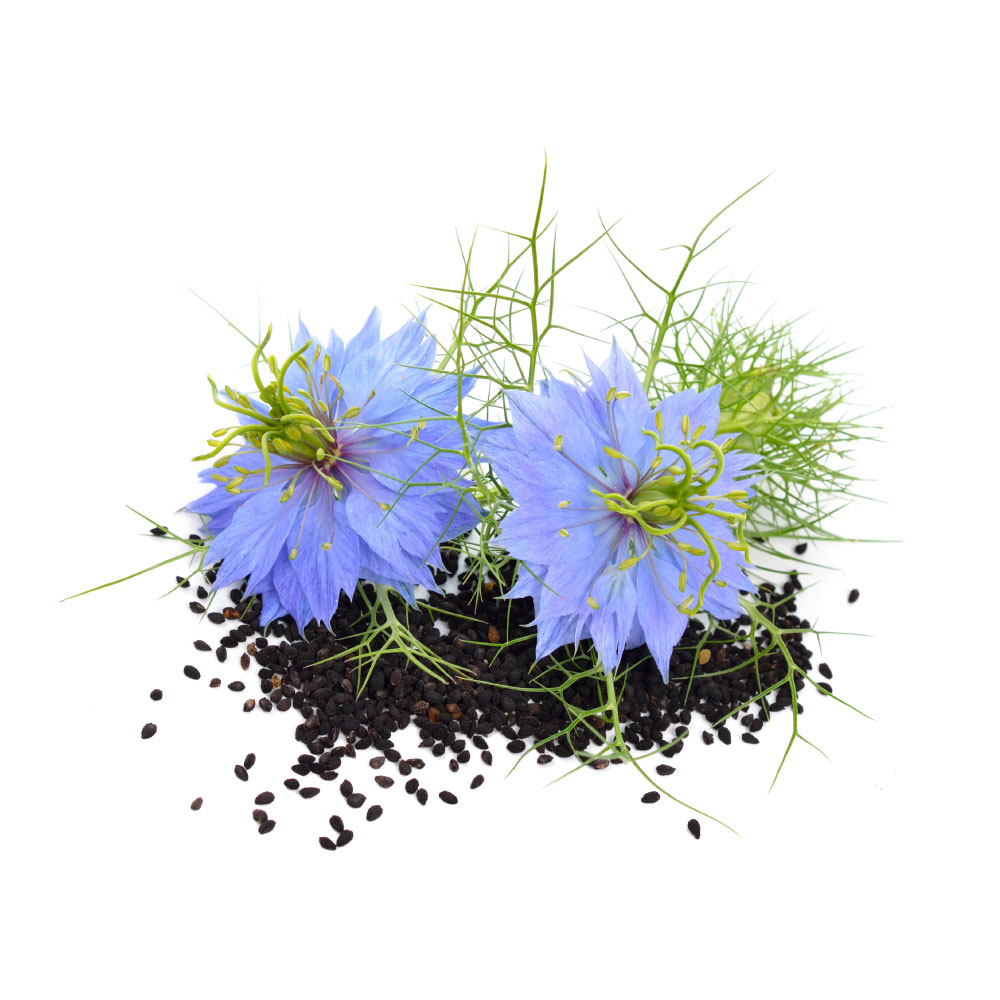 NigellaNigella sativaModerateHoney plus black seed halved time to symptom relief in a 313-patient trial. The better-blinded study of the seed powder was null.
In a 313-patient multicentre trial, honey plus Nigella sativa roughly halved time to symptom relief 7Reference 7RCTHoney and Nigella sativa against COVID-19 in Pakistan (HNS-COVID-PK): a multicenter placebo-controlled randomized clinical trial. The effect is large enough to invite scepticism, unreplicated, and from the earliest phase of the pandemic.
Black seed’s own results split by preparation: the oil was positive in an open-label trial 8Reference 8RCTNigella sativa oil for the treatment of mild-to-moderate COVID-19: an open-label randomized controlled clinical trial, while the seed powder was null in a double-blind one 9Reference 9RCTNigella sativa seed and seed powder in COVID-19: a randomised double-blind trial. The better-blinded study is the negative one.
Full monograph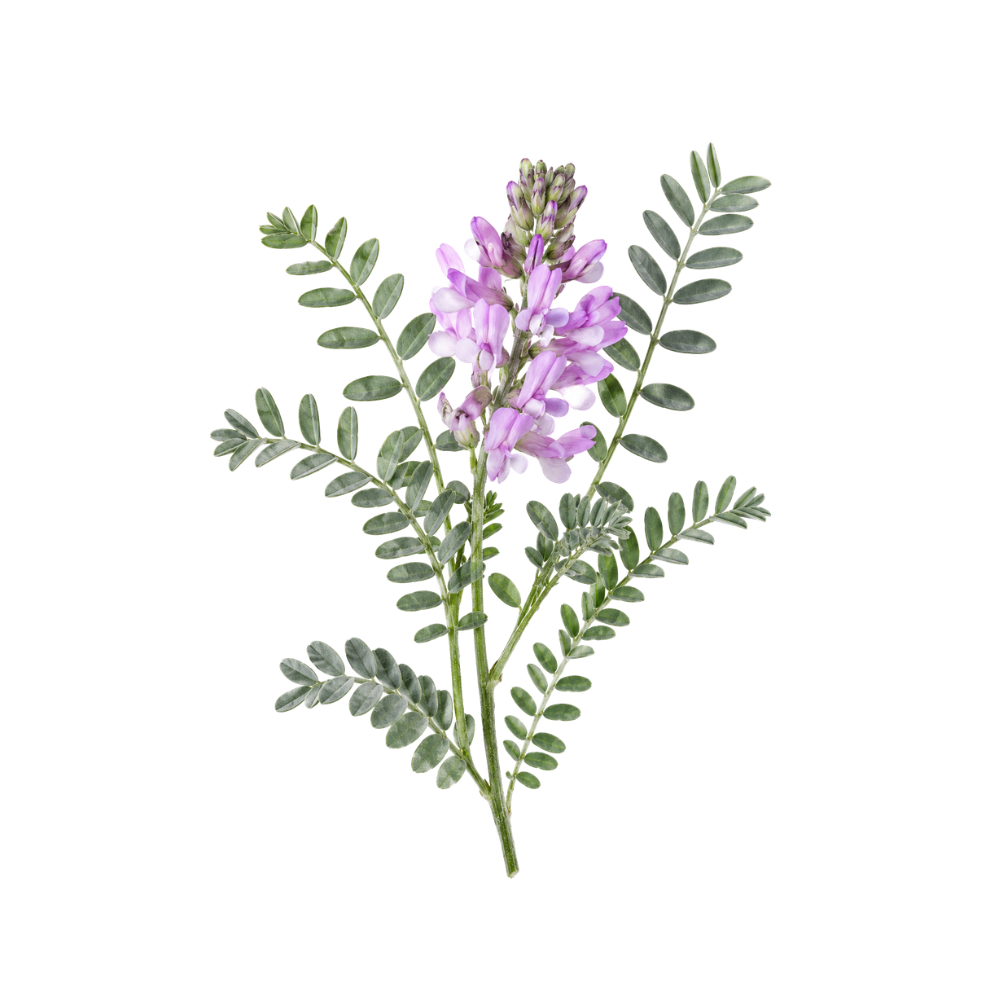 AstragalusAstragalus membranaceusModerateOne small triple-blind trial cut post-COVID fatigue. Recovery only — not the acute illness.
A root extract reduced post-COVID chronic fatigue in a small triple-blind RCT 13Reference 13RCTEffect of Astragalus membranaceus root extract on post-COVID-19 chronic fatigue syndrome: a triple-blind randomised controlled trial — preliminary, but a rare positive with proper blinding. The trial was in recovery, after the acute infection had cleared. During severe acute COVID, an immune-stimulating herb is working against the dexamethasone and tocilizumab that actually save lives.
Full monograph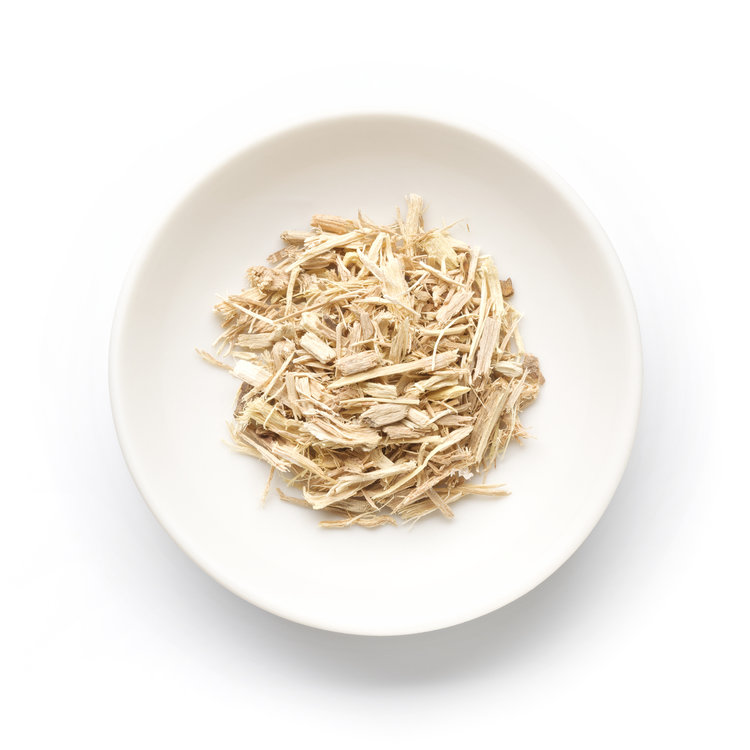 Eleuthero RootEleutherococcus senticosusModerateHalf of the Kan Jang pair, and part of the adaptogen blend that shortened post-COVID fatigue. Never tested alone.
Eleuthero appears twice in the positive COVID literature and is never the variable being tested. It is the second herb in Kan Jang 10Reference 10RCTEfficacy of Kan Jang® in patients with mild COVID-19: a randomized, quadruple-blind, placebo-controlled trial, and one of three in the standardised ADAPT-232 adaptogen combination with rhodiola and schisandra, which modestly shortened fatigue and pain in recovering patients 36Reference 36RCTEfficacy of adaptogens in patients with long COVID-19: a randomized, quadruple-blind, placebo-controlled trial. Its own human evidence is an immune-cell trial in healthy volunteers, not a COVID outcome.
Full monograph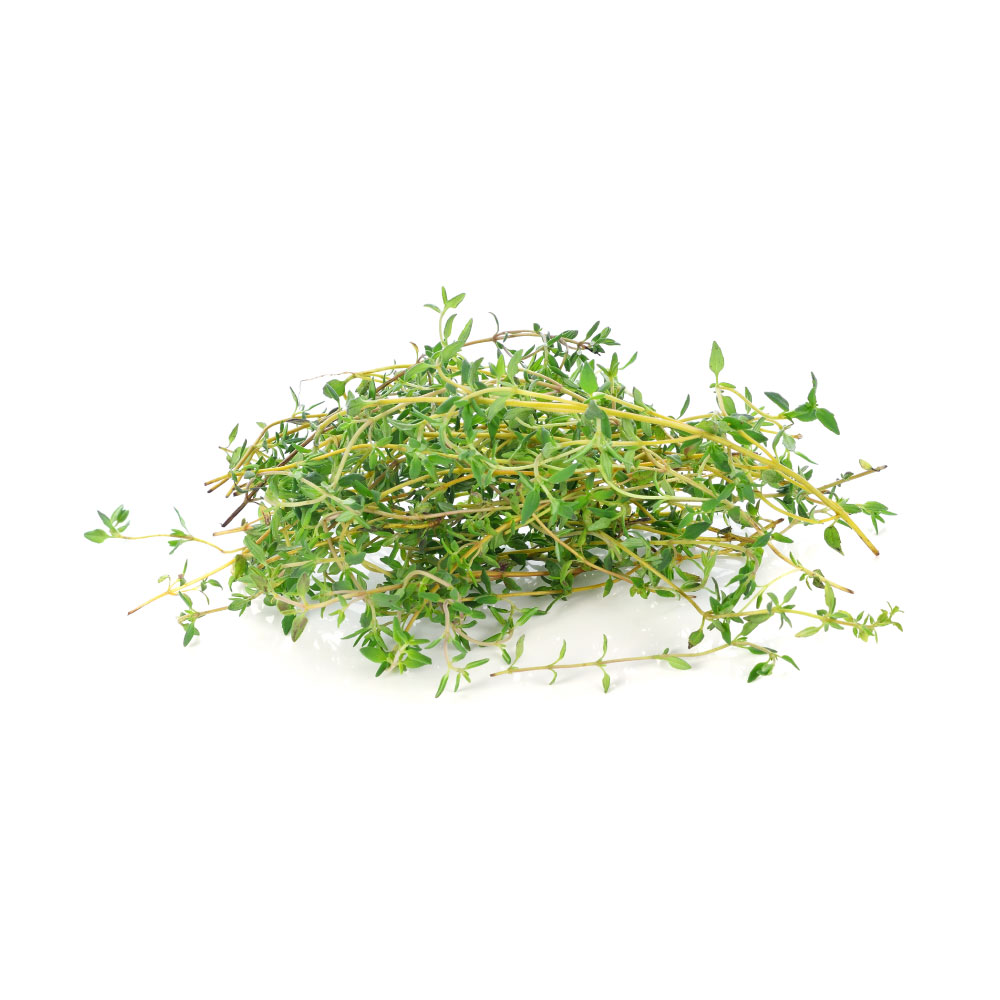 ThymeThymus vulgarisModerateThyme syrups shorten cough in respiratory infection generally. Nothing has tested them in COVID.
Thyme combination syrups (thyme + ivy, thyme + primrose) shorten acute cough in upper-respiratory infection with reasonable meta-analytic support. That evidence is borrowed, not COVID-specific — no trial has tested thyme in COVID-19. It eases a cough; it does nothing to the virus.
Full monograph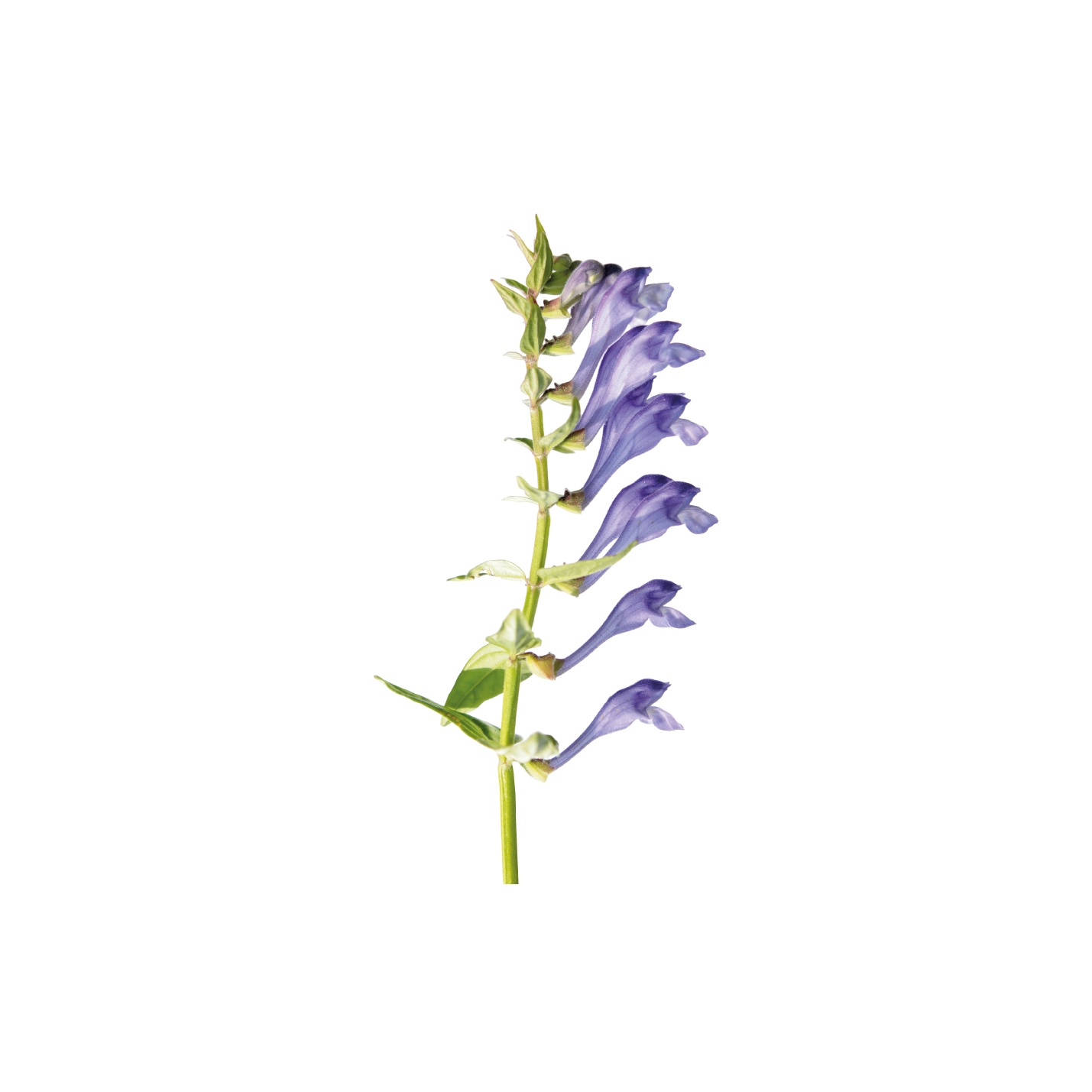 Chinese SkullcapScutellaria baicalensisPreclinicalIts constituent baicalein really does inhibit the viral main protease in a dish. No human antiviral data exists.
Baicalein is one of the few plant molecules with a real antiviral result. It inhibits the SARS-CoV-2 main protease and suppresses replication in cell culture, with a co-crystal structure confirming how it binds 18Reference 18In vitroAnti-SARS-CoV-2 activities in vitro of Scutellaria baicalensis Georgi and three of its constituents. That is the isolated molecule at concentrations oral dosing cannot reach in human tissue, and it has never been tested as an antiviral in a person.
Full monograph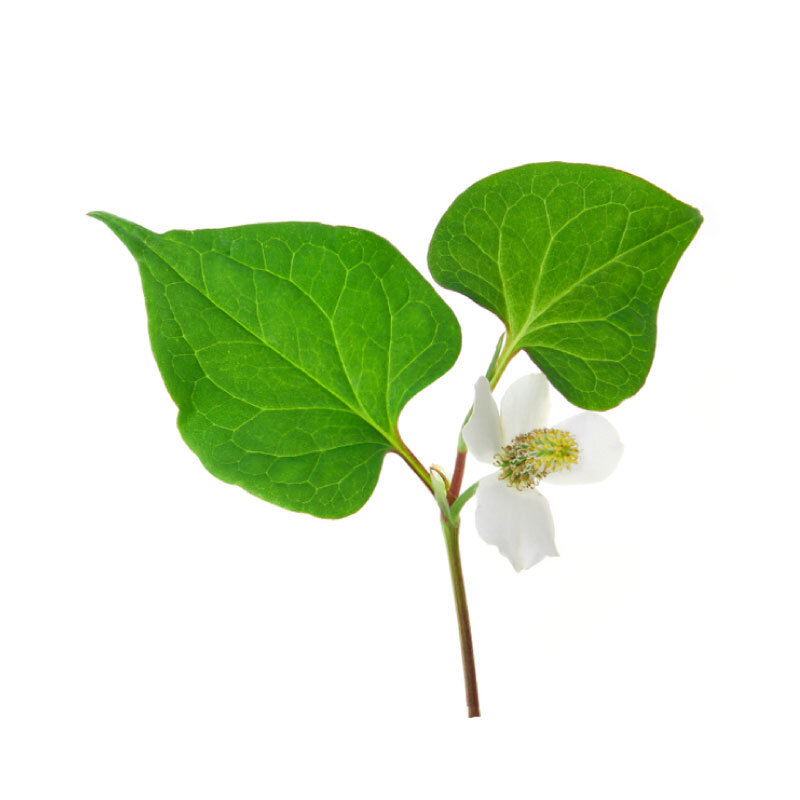 Fish MintHouttuynia cordataPreclinicalEnzyme-assay activity against the 2003 SARS virus, plus a large pile of docking papers. No clinical result.
Houttuynia drew heavy attention in both the SARS and COVID outbreaks. An extract inhibited the SARS-CoV 3C-like protease and RdRp in enzyme assays while raising CD4+/CD8+ T-cells in mice — a different virus, and not a clinical outcome. Its SARS-CoV-2 literature is dominated by molecular docking, which is hypothesis, not evidence.
Full monographHoneysuckleLonicera japonicaPreclinicalThe MIR2911 microRNA claim is striking, comes from one lab, and rests on a six-patient uncontrolled cohort.
Honeysuckle’s COVID claim rests on MIR2911, a decoction-stable plant microRNA reported to target SARS-CoV-2 sequence-specifically, inhibiting ~93% of replication in cell culture.
The human data is a non-randomised six-patient subgroup, all of it from a single research group, and the underlying premise — that a plant microRNA survives digestion into a bioactive blood concentration — has repeatedly failed independent replication.
Full monographForsythiaForsythia suspensaPreclinicalOne of thirteen herbs in Lianhua Qingwen. Never tested on its own against COVID.
Forsythia’s COVID reputation is entirely borrowed from the formulas it sits in — Lianhua Qingwen and Yin Qiao San — where it is one ingredient among eleven to thirteen and was never isolated as the variable 15Reference 15RCTEfficacy and safety of Lianhuaqingwen capsules, a repurposed Chinese herb, in patients with coronavirus disease 2019: a multicenter, prospective, randomized controlled trial. Its own antiviral data is constituent-level (forsythoside A) and for influenza and RSV, in cells and mice.
IsatisIsatis indigoticaPreclinicalA fixture of the Chinese antiviral formulas. Its own antiviral data is constituent-level and for influenza, not COVID.
Isatis is one of the most-used “clear-heat” herbs in the Chinese COVID protocols. Its verified antiviral work is for isolated constituents — clemastanin B, the glucosinolate isomers, tryptanthrin — against influenza A/B in cell culture, and the crude root polysaccharide is only weakly antiviral at non-physiological concentrations. There is no whole-herb human efficacy trial for anything.
Full monograph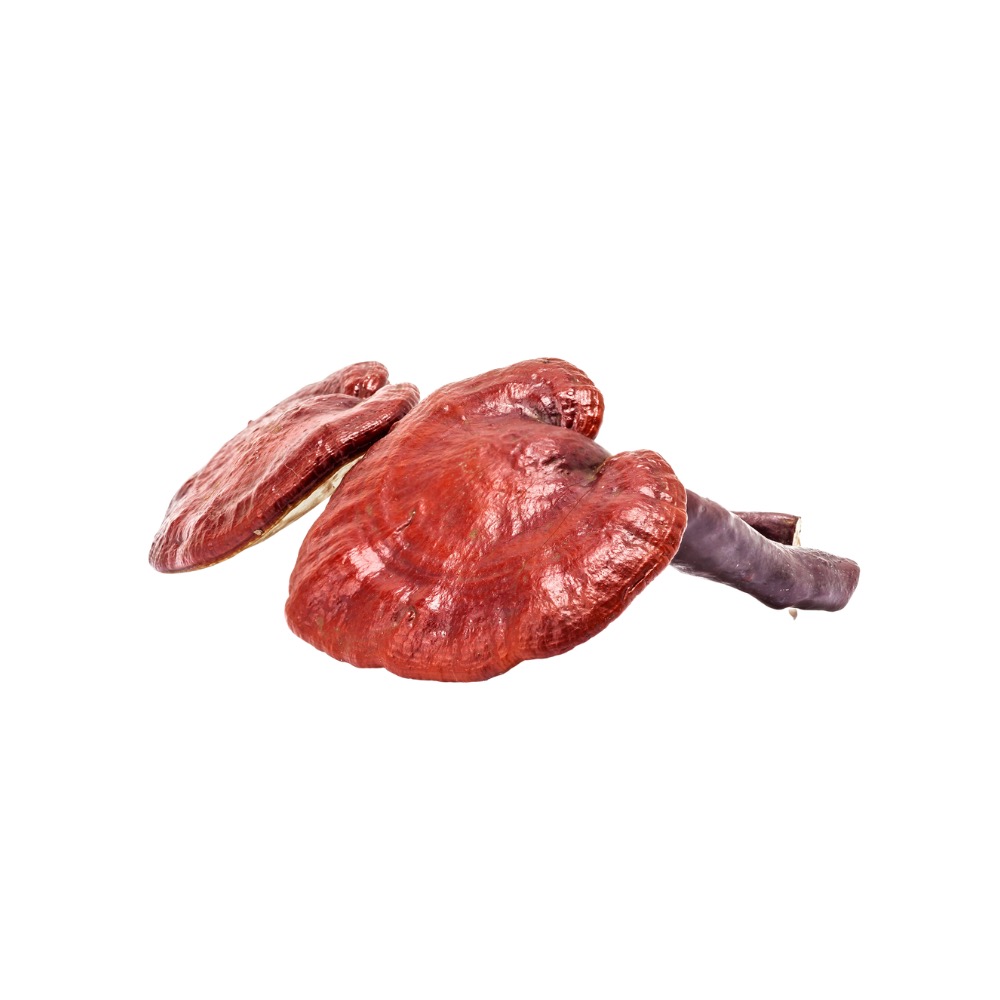 ReishiGanoderma lucidumPreclinicalHeavily promoted through the pandemic on docking papers alone. No COVID trial exists.
Reishi was one of the most aggressively marketed COVID supplements and has no COVID trial behind it — the claims trace to molecular docking and general immunomodulation research. It also sits on the wrong side of the two-phase problem: in severe disease the treatments that work are immunosuppressants, so an immune-stimulating mushroom is theoretically antagonistic in exactly the patients who are sickest.
Full monograph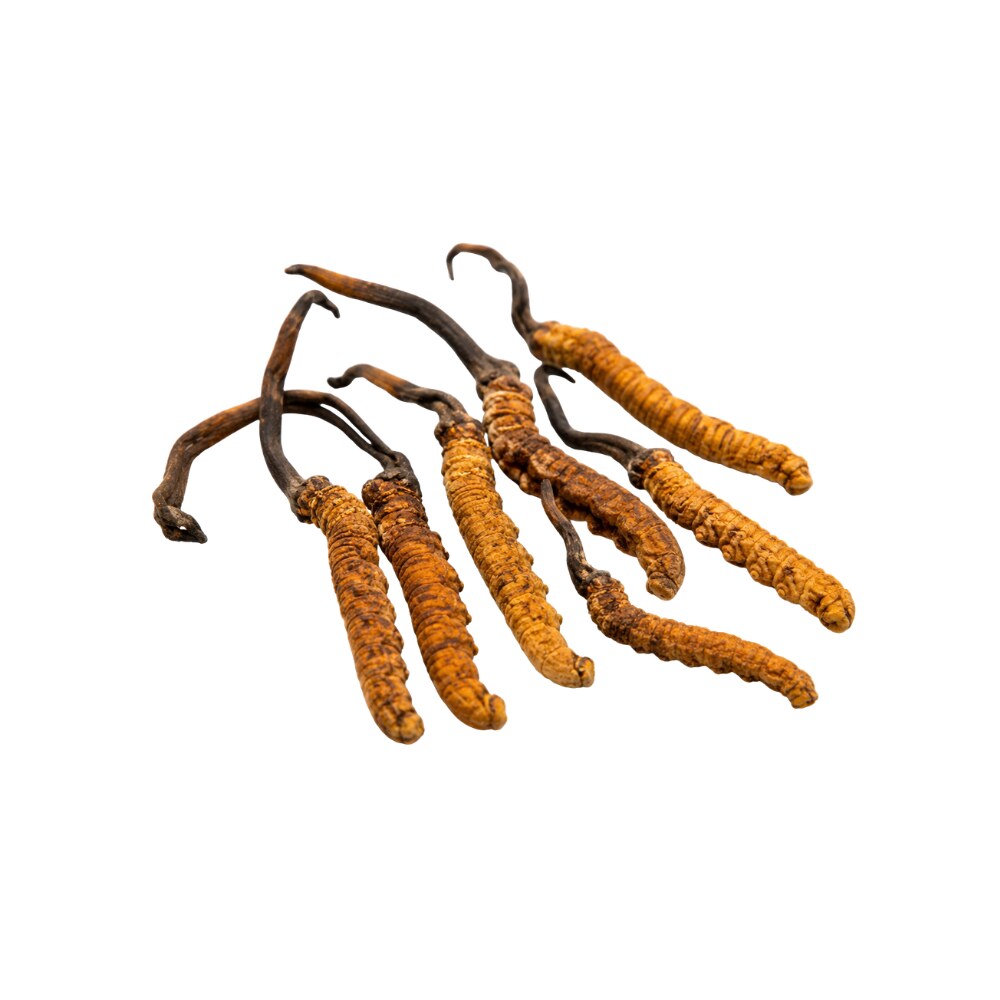 CordycepsCordyceps sinensisPreclinicalSold for lung support and post-COVID recovery with no COVID trial behind it.
Cordyceps is widely sold for post-COVID breathlessness and fatigue on the strength of its exercise-tolerance and lung research in other contexts. Nothing has tested it in COVID-19 or long COVID. The same immunostimulant caution as reishi applies during severe acute illness.
Full monograph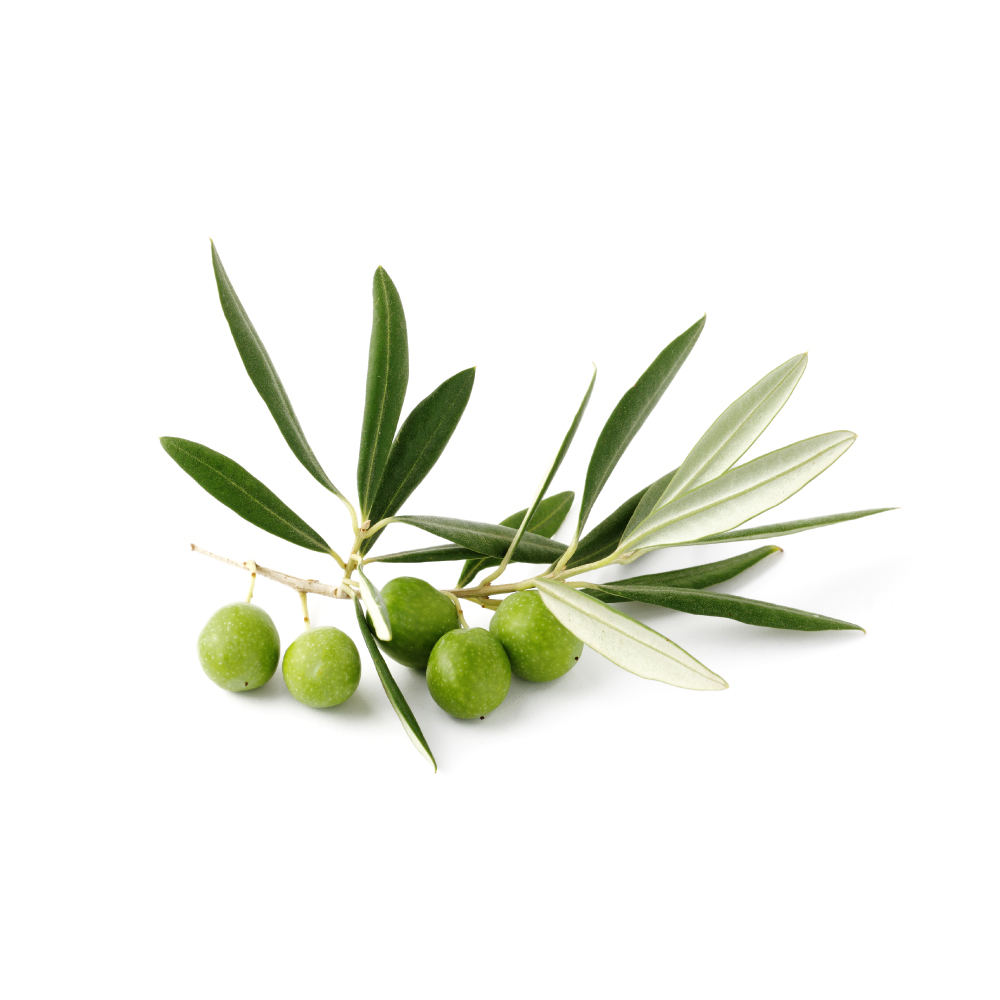 Olive LeafOlea europaeaPreclinicalIn-silico and in-vitro screening only — and the one respiratory RCT found no reduction in illness.
The COVID claim is a 2024 in-silico screen of standardised olive-leaf metabolites against several SARS-CoV-2 targets, with in-vitro activity reported for the extract. There are no controlled human antiviral trials, and the one respiratory RCT (in athletes) measured illness rather than virology and found no reduction in infection incidence.
Full monograph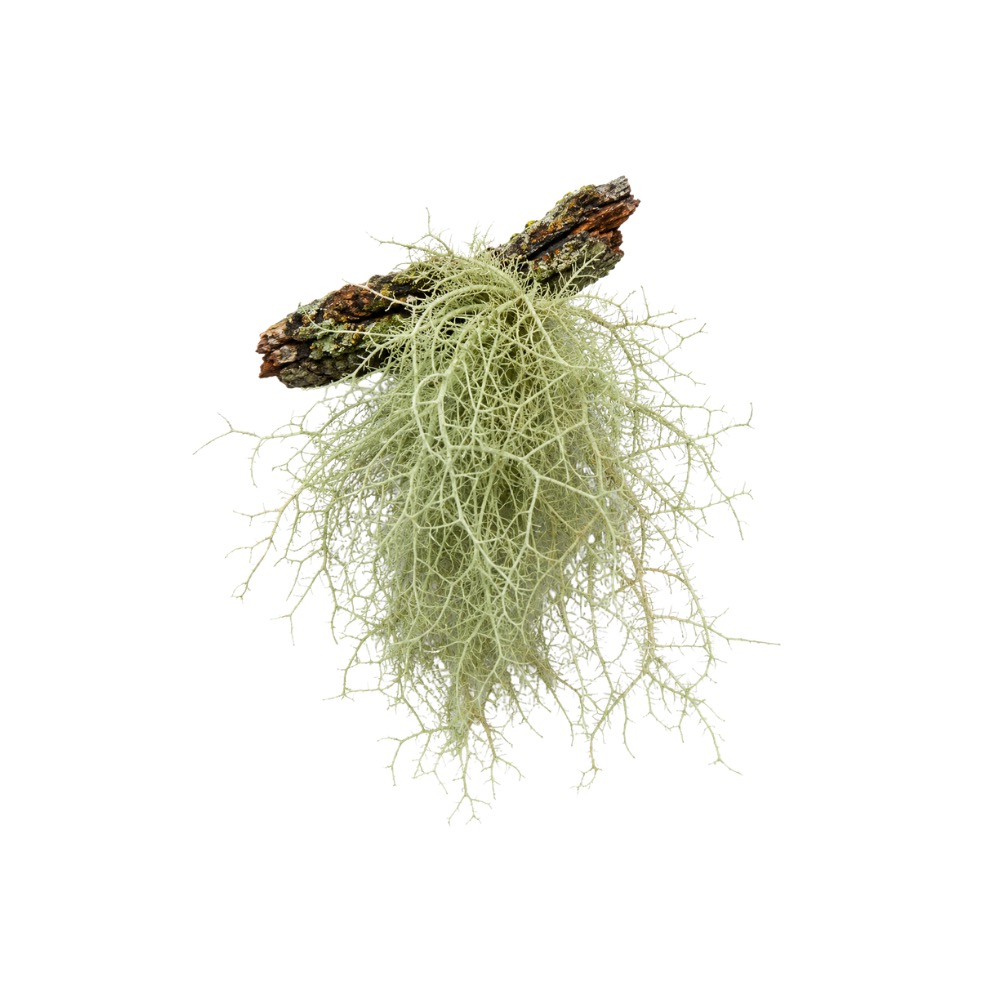 UsneaUsnea spp.PreclinicalSynthetic usnic-acid derivatives inhibit the virus in cell culture. The natural compound barely does.
A panel of usnic acid derivatives inhibited three SARS-CoV-2 strains (Wuhan, Delta, Omicron) in vitro — but the parent compound, the one actually present in the lichen, was only weakly active; the potency belonged to the engineered derivatives. This is synthetic medicinal chemistry using a lichen molecule as a starting scaffold, not evidence for the herb.
Full monograph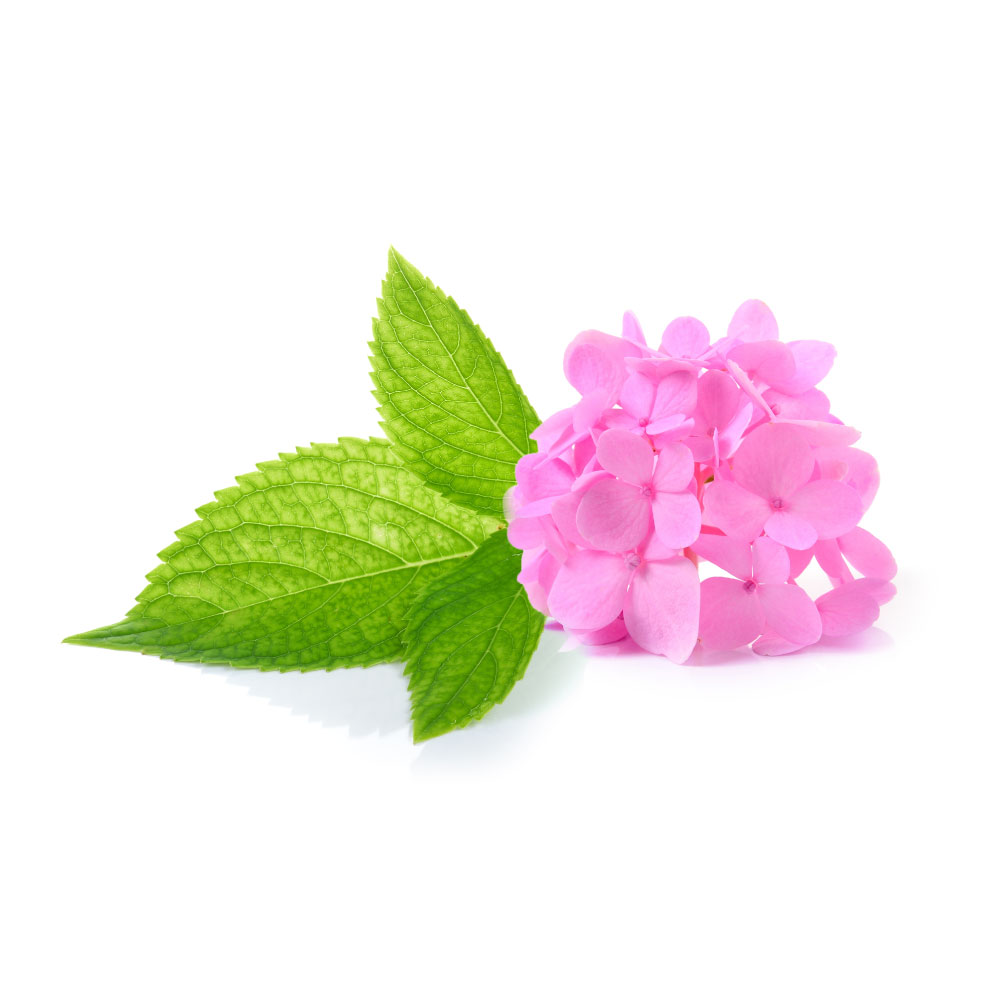 HydrangeaHydrangea arborescensPreclinicalLeaf dihydroisocoumarins block spike–ACE2 binding in a dish — in a different Hydrangea species.
A food-chemistry screen found that the leaf dihydroisocoumarins hydrangenol and phyllodulcin bind ACE2 and inhibit spike–ACE2 interaction in vitro. That work is on Hydrangea macrophylla var. thunbergii, the Japanese sweet-tea plant, not H. arborescens. Blocking a receptor interaction in a dish is the beginning of a hypothesis.
Full monograph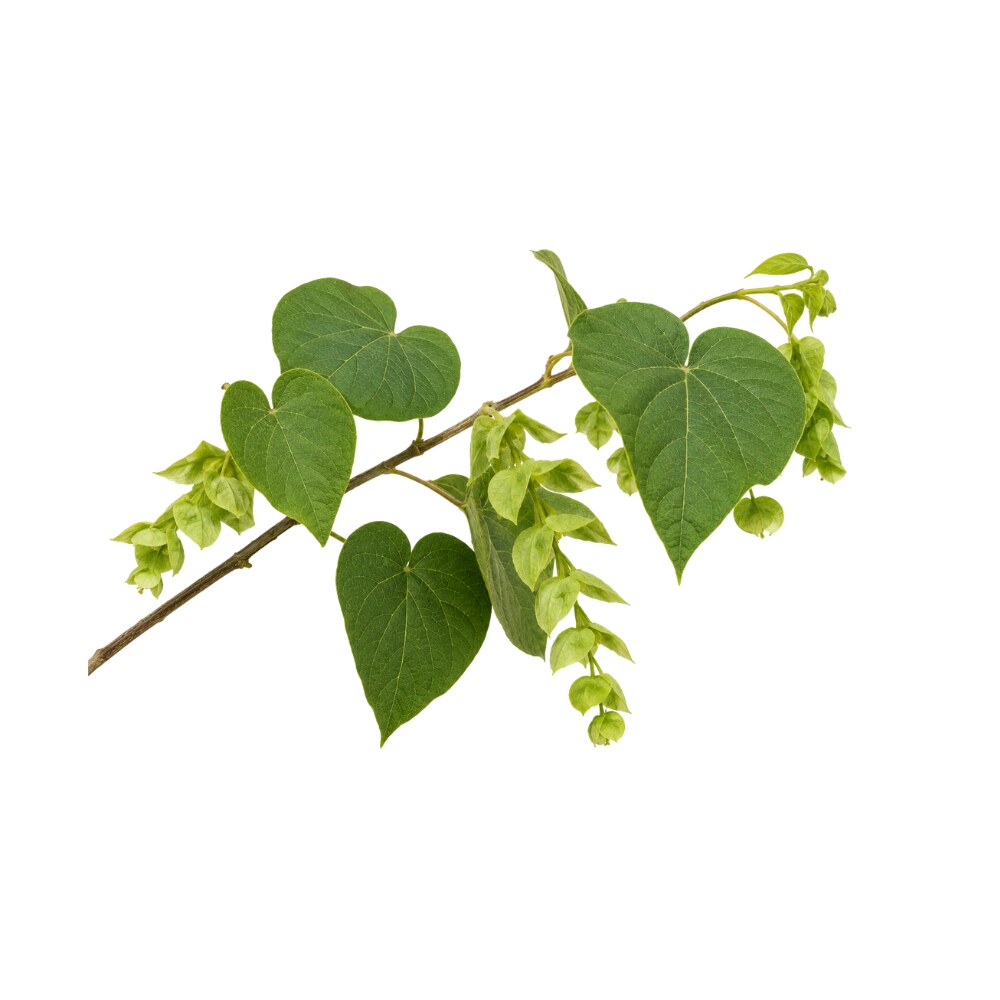 AbutaCissampelos pareiraPreclinicalA connectivity-map screen flagged anti-SARS-CoV-2 activity in vitro. Nothing beyond that.
Connectivity-map analysis plus in-vitro assays flagged anti-SARS-CoV-2 activity for an alcoholic C. pareira extract, the same preparation with a good dengue dataset behind it. It has not progressed past cell culture for this virus.
Full monograph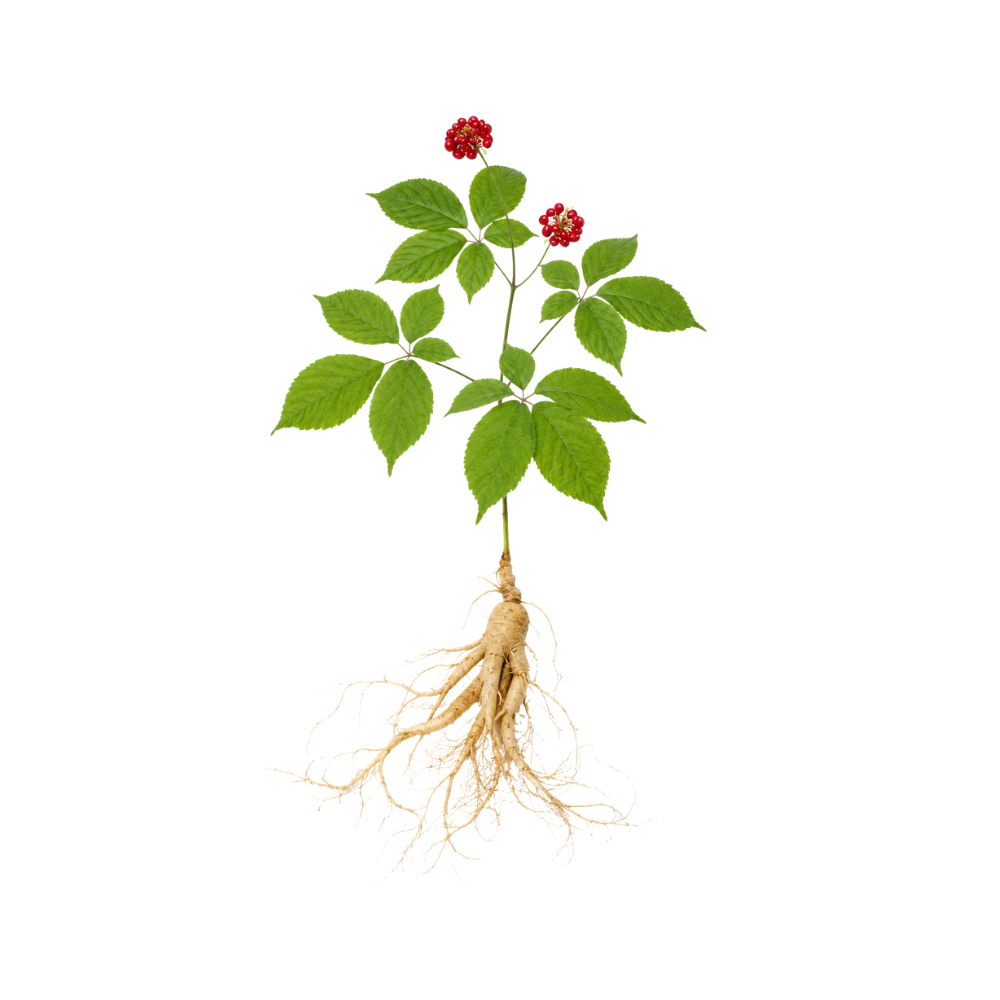 Asian GinsengPanax ginsengTraditional onlyRecommended everywhere for COVID, trialled for it nowhere. Its immune evidence is a flu-vaccine adjuvant study.
Ginseng’s immune credentials are real but belong to another illness: the standardised G115 extract cut combined influenza and common-cold cases as a vaccine adjuvant. Nothing tests it in COVID-19, and living systematic reviews of long-COVID interventions list Panax ginseng among the widely recommended options with no trial behind them 38Reference 38Systematic reviewInterventions for the management of long covid (post-covid condition): living systematic review.
Full monograph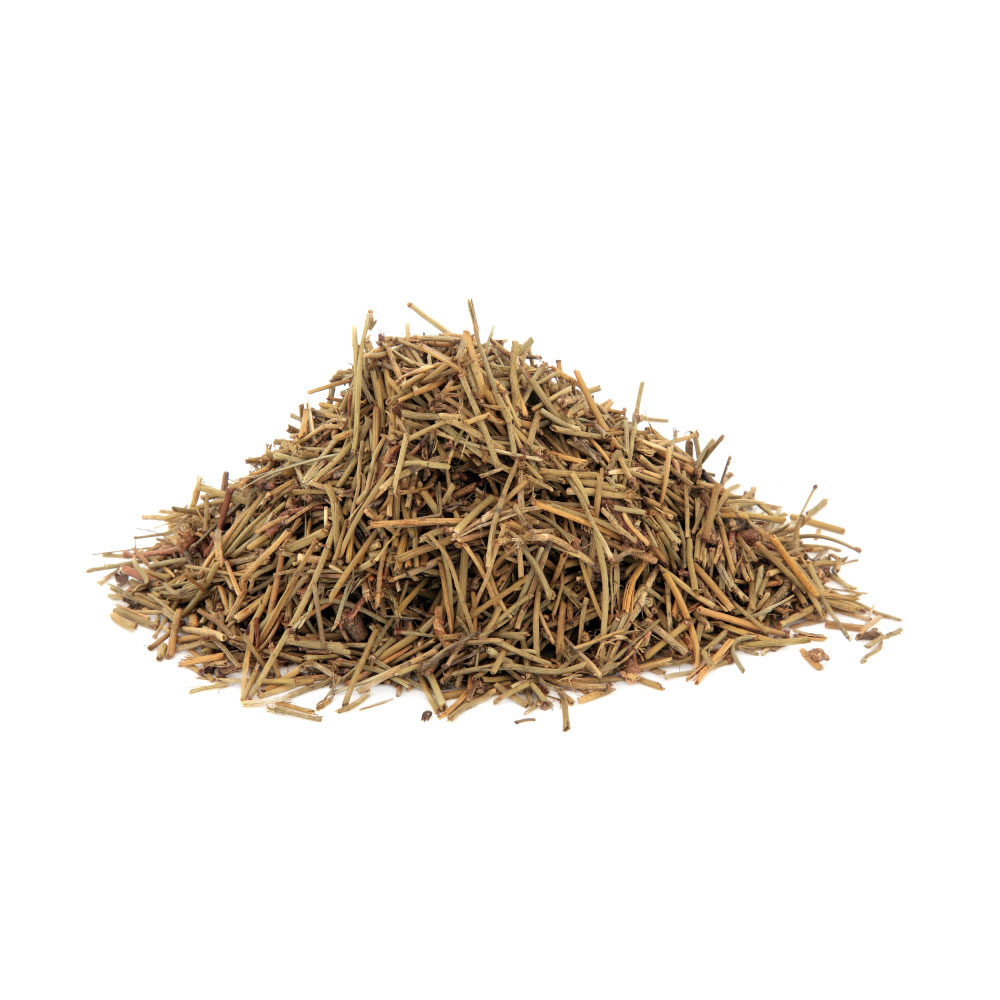 EphedraEphedra sinicaTraditional onlyAn ingredient of several Chinese formulas used for COVID-19, and the main reason to be careful with them.
Ephedra has no COVID evidence of its own. It matters because it is an ingredient in Lianhua Qingwen, Qingfei Paidu, Jinhua Qinggan and Huashi Baidu, and it carries genuine sympathomimetic and pressor risk in a disease that already stresses the heart and clots readily.
Full monograph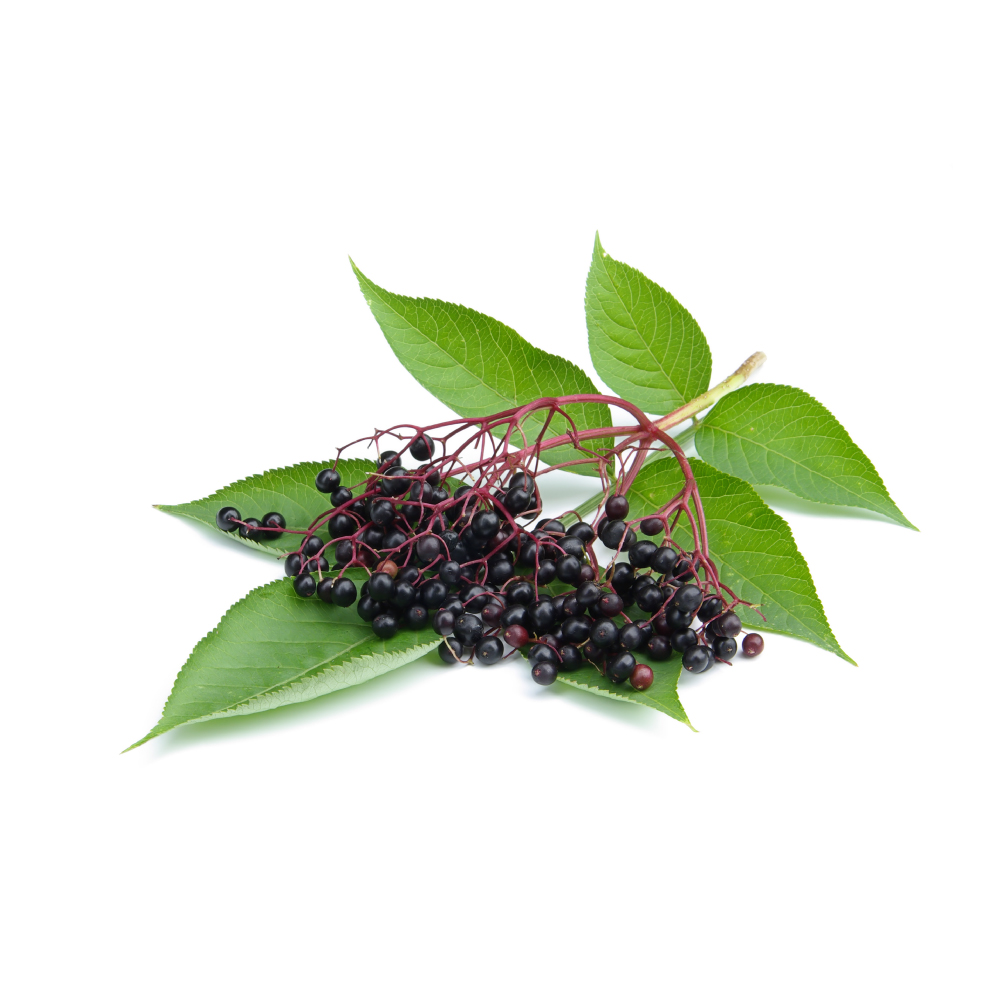 ElderberrySambucus nigraNo benefit shownThe elderberry-fights-coronavirus claim is a different Sambucus species, tested against a common-cold coronavirus.
The study behind the elderberry claim tested Sambucus formosana — not the S. nigra sold as elderberry — against NL63, an endemic common-cold coronavirus, not SARS-CoV-2 23Reference 23Antiviral activity of Sambucus formosana Nakai ethanol extract and related phenolic acid constituents against human coronavirus NL63. Elder has a real (if contested) case in colds and flu. It has no COVID case at all.
Full monograph EchinaceaEchinacea purpureaNo benefit shownInactivates the virus on contact in a test tube. The one clinical trial in COVID patients found no benefit.
A standardised extract does inactivate coronaviruses including SARS-CoV-2 on direct contact in vitro 34Reference 34In vitroIn vitro virucidal activity of Echinaforce®, an Echinacea purpurea preparation, against coronaviruses, including common cold coronavirus 229E and SARS-CoV-2, and that single result drove enormous sales. The clinical trial that followed, in actual COVID patients, found no significant benefit 35Reference 35RCTEchinacea syrup as adjunct therapy in COVID-19: a randomised single-blind trial.
Full monograph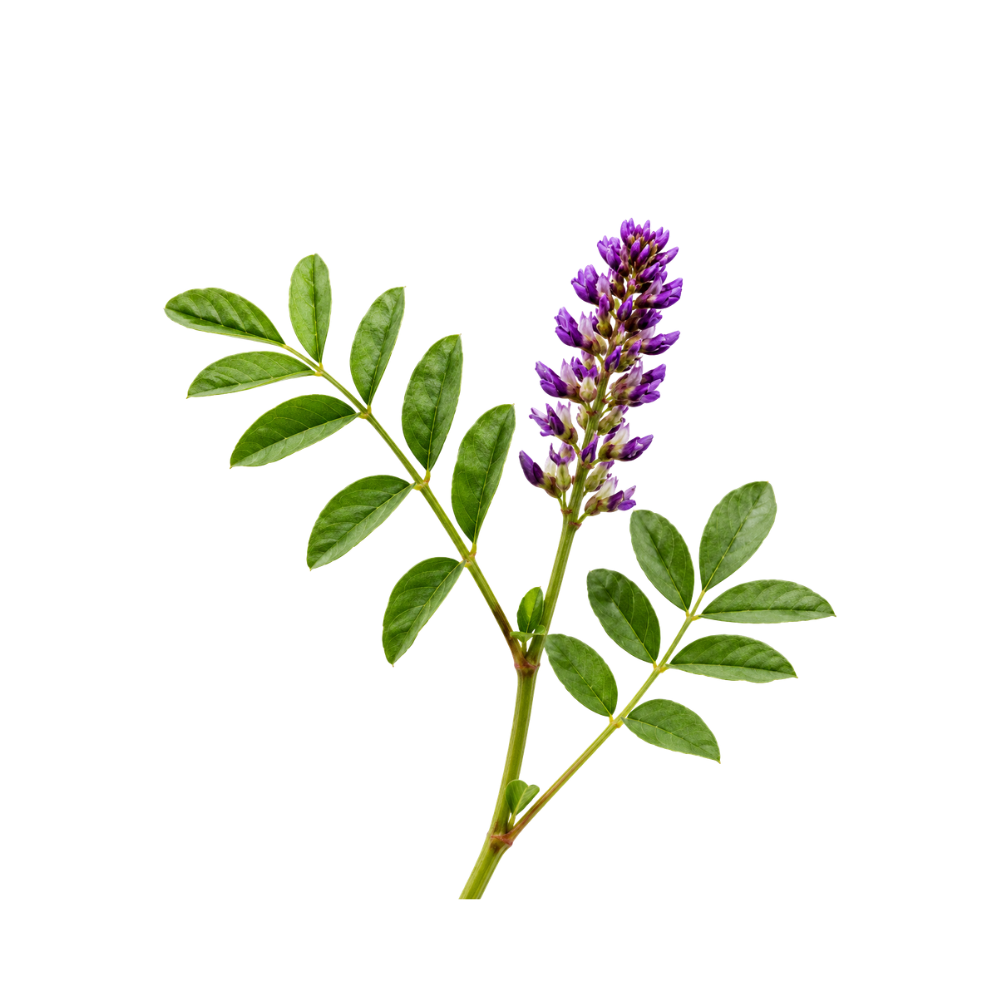 LicoriceGlycyrrhiza glabraNo benefit shownGlycyrrhizin inhibits the main protease in a dish. The whole herb was then tested in patients and failed.
Glycyrrhizin inhibits SARS-CoV-2 replication via the main protease in vitro, with a clear mechanism 21Reference 21Glycyrrhizin effectively inhibits SARS-CoV-2 replication by inhibiting the viral main protease — and when the whole-herb extract was finally trialled in moderate COVID, it failed 22Reference 22RCTEfficacy of Glycyrrhiza glabra extract in moderate COVID-19: a randomised controlled trial.
Glycyrrhizin also causes pseudohyperaldosteronism (potassium loss, hypertension, fluid retention), which is dangerous in a hospitalised patient already on corticosteroids.
Full monograph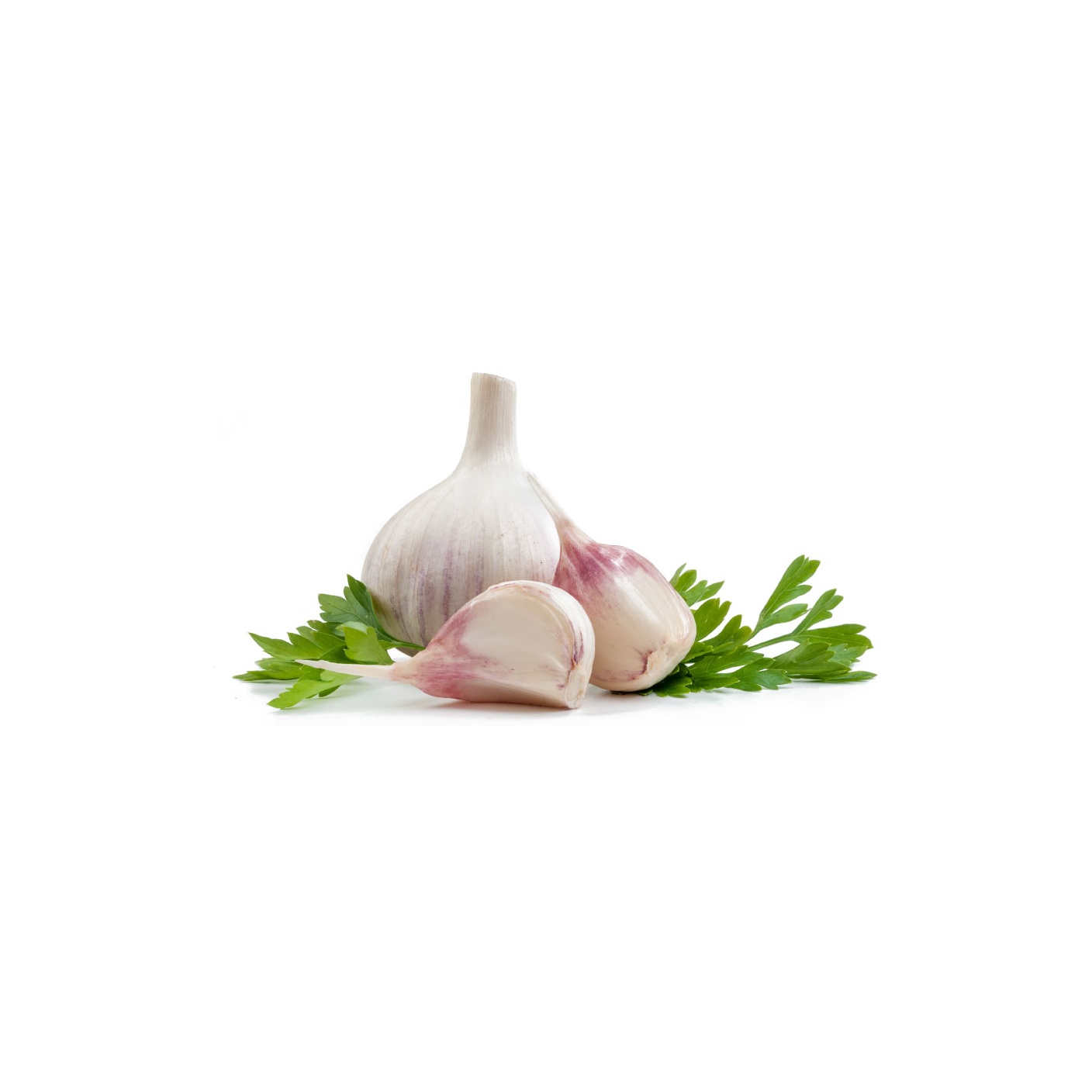 GarlicAllium sativumNo benefit shownTwo trials found no benefit, and a large cohort found no protection. It also adds bleeding risk alongside heparin.
Garlic showed no benefit as adjunct therapy 30Reference 30RCTEffectiveness of Fortified Garlic Extract Oral Capsules as Adjuvant Therapy in Hospitalized Patients with Coronavirus Disease 2019: A Triple-Blind Randomized Controlled Clinical Trial, and no protective association in large cohort data. It also has antiplatelet activity, additive with the heparin routinely used in COVID inpatients.
Full monograph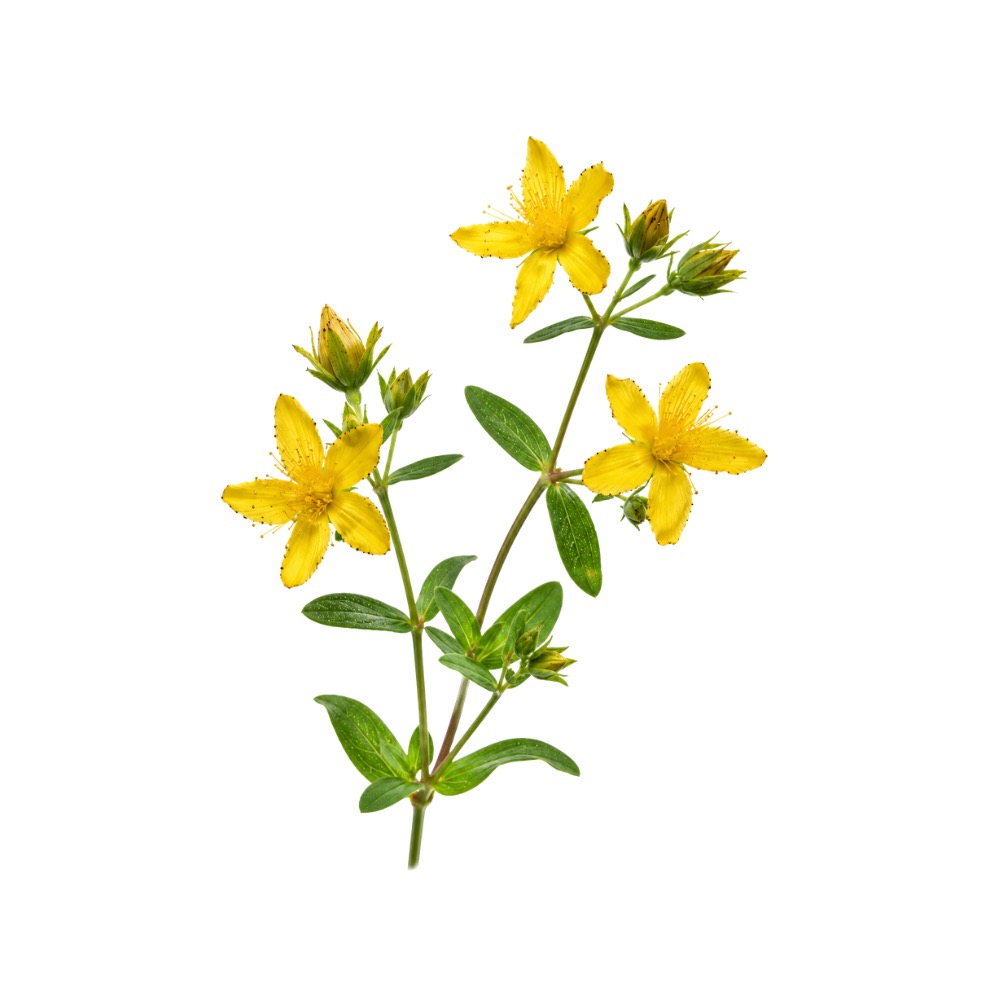 St. John’s WortHypericum perforatumNo benefit shownA hard contraindication with Paxlovid.
St John’s wort matters in COVID because of one interaction. It is a potent CYP3A4 and P-glycoprotein inducer and will drop nirmatrelvir to sub-therapeutic levels, defeating the ritonavir boost Paxlovid depends on. That is a treatment-failure risk, not a theoretical one.
Its own SARS-CoV-2 data — hypericin inactivating the viral envelope under light — describes a purified pigment plus irradiation, which has nothing to do with swallowing a depression extract.
Full monographSupplementation
Supplementation
The strongest COVID evidence for any natural product is for supplements, and most of it is negative: several were tested in large, clean trials and failed.
CurcuminModeratePolyphenol (curcuminoid)The best-evidenced plant constituent for COVID-19 — but the trials are small, mostly open-label, and used enhanced formulations.
A meta-analysis of 13 randomised trials found reduced mortality and faster recovery at moderate certainty 6Reference 6Meta-analysisThe efficacy of curcumin in patients with COVID-19: a systematic review and meta-analysis of randomized controlled trials. The trials were small, mostly single-centre and often open-label, the profile in which pooled estimates inflate. Every trial used a bioavailability-enhanced formulation (nanocurcumin, phytosome). Plain turmeric powder is not the tested intervention.
Curcumin also inhibits CYP3A4 and P-gp and has mild antiplatelet activity, so it is not free of interaction risk alongside Paxlovid or anticoagulation.
Full monographProbiotics (multi-strain)ModerateLive microorganismsThe SIM01 synbiotic produced the largest positive long-COVID trial in the field. Awaiting replication.
SIM01, a Bifidobacterium-based synbiotic, ran 463 patients double-blind and showed significantly better resolution of fatigue, memory and concentration problems at six months 5Reference 5RCTA synbiotic preparation (SIM01) for post-acute COVID-19 syndrome in Hong Kong: a randomised, double-blind, placebo-controlled trial — the best-powered positive result in long COVID. It has not been replicated outside Hong Kong. A separate quadruple-blind outpatient probiotic trial is smaller and weaker. Live probiotics carry a small but real risk in the critically ill and immunocompromised.
Full monographMelatoninModerateNeurohormone (indoleamine)Several small adjunct trials, inconsistent results, no adequately powered confirmation.
Melatonin was trialled as an adjunct on an anti-inflammatory and sleep-consolidation rationale, with several small studies reporting faster recovery or shorter hospital stay. The results do not line up cleanly across trials and no adequately powered study has settled it. Reasonable for sleep during an illness; not established as COVID therapy.
Full monographLarazotidePreclinicalTight-junction regulator (octapeptide)A phase 2a trial in post-COVID MIS-C enrolled twelve children before terminating early.
The COVID claim is a phase 2a randomised trial in post-COVID multisystem inflammatory syndrome in children that enrolled 12 patients before stopping early, plus a four-patient case series. Real human data, far too small to conclude anything from. A phase 2a long-COVID trial is registered with no results posted.
Full monographThymalinPreclinicalThymic peptide bioregulatorIts headline trial reports halved mortality — and is unindexed, unregistered, and from a single centre.
The most-cited thymalin result is a single-blind placebo-controlled trial in severe COVID (n=80) reporting in-hospital mortality of 19.4% versus 40.9%. That study is not indexed in PubMed and carries no trial registration, and a supporting comparative study comes from the same group and centre. Provenance this weak cannot support a mortality claim.
Full monographNMN (Nicotinamide mononucleotide)PreclinicalNucleotide (NAD+ precursor)The NAD+ precursor line was tested in long COVID as nicotinamide riboside — it raised NAD+ threefold and changed nothing.
NMN itself has no COVID outcome data; the microcrystalline MIB-626 formulation has been given to hospitalised COVID/acute-kidney-injury patients without a published efficacy result. The closest read on the whole NAD+ precursor hypothesis is the nicotinamide riboside trial in long COVID: 2 g/day raised NAD+ three-fold and produced no clinical benefit 32Reference 32RCTNicotinamide riboside for post-acute sequelae of SARS-CoV-2: a randomised, double-blind, placebo-controlled trial. That is a strong hint about the class, not just the molecule.
Full monographCoenzyme Q10 (Ubiquinone)No benefit shownQuinone cofactor500 mg/day did nothing for long-COVID symptoms in a randomised crossover trial.
High-dose CoQ10 (500 mg/day) was tested against placebo in post-COVID condition in a randomised phase 2 crossover trial and produced no benefit 31Reference 31RCTHigh-dose coenzyme Q10 therapy versus placebo in patients with post COVID-19 condition: a randomized, phase 2, crossover trial. A clean negative in the population it is most often sold to.
Full monographFish Oil (EPA/DHA)No benefit shownOmega-3 fatty acidFailed for post-COVID smell loss and for general long-COVID symptoms, in two separate trials.
Omega-3 supplementation did not improve persistent COVID-related olfactory dysfunction 39Reference 39Omega-3 fatty acid supplementation for the treatment of persistent COVID-related olfactory dysfunction, and a double-blind pilot in healthcare workers found no benefit for general long-COVID symptoms 40Reference 40RCTOmega-3 supplementation for long COVID symptoms in healthcare workers: a double-blind pilot trial. High-dose fish oil also has antiplatelet activity, additive with inpatient heparin.
Full monographVIP (vasoactive intestinal peptide)No benefit shownNeuropeptide (VPAC1/VPAC2 agonist)Aviptadil went through a real, large clinical programme for COVID respiratory failure and failed outright.
Intravenous aviptadil (synthetic VIP) went through a large clinical programme for COVID respiratory failure, and failed. The NIH-funded TESICO trial (n=461 analysed) missed its primary endpoint — odds ratio 1.11, 90-day mortality 38% versus 36% on placebo — and was stopped for futility. A 2025 meta-analysis of the randomised evidence put pooled survival at an odds ratio of 1.01, a null result rather than a gap in the data.
Full monographN-Acetylcysteine (NAC)No benefit shownAmino acid derivativeNo effect on ventilation, ICU admission or death in a double-blind trial in severe COVID.
NAC was a natural candidate — mucolytic, glutathione precursor, cheap — and a double-blind placebo-controlled trial in severe COVID found no effect on the need for mechanical ventilation, ICU admission or mortality 29Reference 29RCTDouble-blind, randomized, placebo-controlled trial with N-acetylcysteine for treatment of severe acute respiratory syndrome caused by COVID-19.
Full monographVitamin D3 (Cholecalciferol)No benefit shownVitamin (fat-soluble)Correcting deficiency across a whole population prevented nothing.
Low vitamin D is strongly associated with worse COVID outcomes in observational data, so a 6,200-person UK trial tested whether correcting it helped. It did not — no reduction in respiratory infection or COVID-19, and no improvement in vaccine response 25Reference 25RCTEffect of a test-and-treat approach to vitamin D supplementation on risk of all-cause acute respiratory tract infection and COVID-19: phase 3 randomised controlled trial (CORONAVIT). A separate trial of a single high dose in hospitalised patients was equally null 26Reference 26RCTEffect of a single high dose of vitamin D3 on hospital length of stay in patients with moderate to severe COVID-19: a randomized clinical trial. The observational association was largely confounding and reverse causation. Whether daily physiologic dosing in deficient people helps is the one question still open.
Full monographZincNo benefit shownTrace mineralDid not shorten symptoms; the trial was stopped early for futility.
High-dose zinc did not reduce symptom duration in ambulatory COVID patients, and the trial was stopped early for futility 28Reference 28Effect of high-dose zinc and ascorbic acid supplementation vs usual care on symptom length and reduction among ambulatory patients with SARS-CoV-2 infection (COVID A to Z). Above 50 mg/day, prolonged zinc use also depletes copper — a real cost for no demonstrated benefit in COVID.
Full monographVitamin C (Ascorbic acid)No benefit shownVitamin (water-soluble)Intravenous vitamin C failed across 130 sites — and signalled possible harm in the critically ill.
Two harmonised randomised trials across 130 sites found intravenous vitamin C gave no benefit in hospitalised COVID and, in the critically ill, a posterior probability of harm 27Reference 27RCTIntravenous vitamin C for patients hospitalized with COVID-19: two harmonized randomized clinical trials. The one place vitamin C shows up in a positive result is oral L-arginine plus vitamin C for long-COVID fatigue and walking distance 37Reference 37RCTEffects of L-arginine plus vitamin C supplementation on physical performance, endothelial function, and persistent fatigue in adults with long COVID: a single-blind randomized controlled trial — single-blind, single-centre, 46 patients, and listed by a living systematic review among interventions with no compelling evidence 38Reference 38Systematic reviewInterventions for the management of long covid (post-covid condition): living systematic review.
Full monographReferences
- Di Stadio, A., D’Ascanio, L., Vaira, L. A., et al. (2022). Ultramicronized palmitoylethanolamide and luteolin supplement combined with olfactory training to treat post-COVID-19 olfactory impairment: a multicenter double-blinded randomized placebo-controlled clinical trial. Current Neuropharmacology, 20(10), 2001–2012. PMID 35450527
- Tan, B. K. J., et al. (2025). Interventions for long COVID: a systematic review and network meta-analysis of 51 trials. EClinicalMedicine. PMID 40808967
- Di Stadio, A., et al. (2023). Treatment of COVID-19 olfactory dysfunction with olfactory training, palmitoylethanolamide with luteolin, or combined therapy: a blinded controlled multicentre randomized trial. European Archives of Oto-Rhino-Laryngology, 280(11). PMID 37380908
- Gellrich, J., et al. (2024). Palmitoylethanolamide and luteolin in post-COVID olfactory dysfunction: a randomized controlled trial. ORL. PMID 38861957
- Lau, R. I., Su, Q., Lau, I. S. F., et al. (2023). A synbiotic preparation (SIM01) for post-acute COVID-19 syndrome in Hong Kong: a randomised, double-blind, placebo-controlled trial. The Lancet Infectious Diseases, 24(3), 256–265. PMID 38071990
- Shafiee, A., Athar, M. M. T., Shahid, A., et al. (2023). The efficacy of curcumin in patients with COVID-19: a systematic review and meta-analysis of randomized controlled trials. Phytotherapy Research, 37(4). PMID 36640146
- Ashraf, S., Ashraf, S., Ashraf, M., et al. (2023). Honey and Nigella sativa against COVID-19 in Pakistan (HNS-COVID-PK): a multicenter placebo-controlled randomized clinical trial. Phytotherapy Research. PMID 36420866
- Koshak, A. E., et al. (2021). Nigella sativa oil for the treatment of mild-to-moderate COVID-19: an open-label randomized controlled clinical trial. Complementary Therapies in Medicine. PMID 34407441
- Bin Abdulrahman, K. A., Bamosa, A. O., Bukhari, A. I., et al. (2022). Nigella sativa seed and seed powder in COVID-19: a randomised double-blind trial. PMID 36142070
- Ratiani, L., Pachkoria, E., Mamageishvili, N., Shengelia, R., Hovhannisyan, A., & Panossian, A. (2023). Efficacy of Kan Jang® in patients with mild COVID-19: a randomized, quadruple-blind, placebo-controlled trial. Pharmaceuticals (Basel), 16(9). PMID 37765004
- Siripongboonsitti, T., Ungtrakul, T., Tawinprai, K., et al. (2023). Andrographis paniculata extract added to favipiravir in non-severe COVID-19: a randomised controlled trial. PMID 37625206
- Kanokkangsadal, P., Mingmalairak, C., Mukkasombat, N., et al. (2024). Andrographis paniculata extract in asymptomatic-to-mild COVID-19: a randomised placebo-controlled trial. PMID 39005565
- Banihashemi ZS, Azizi-Fini I, Rajabi M, et al. (2024). Effect of Astragalus membranaceus root extract on post-COVID-19 chronic fatigue syndrome: a triple-blind randomised controlled trial. PMID 38834234
- Shah MR, Fatima S, Khan SN, et al. (2022). Efficacy and safety of Jinhua Qinggan granules in the treatment of mild COVID-19: a phase 2/3 randomised, double-blind, placebo-controlled trial. Frontiers in Medicine, 9, 928468. PMID 35979216
- Hu, K., Guan, W.-J., Bi, Y., et al. (2021). Efficacy and safety of Lianhuaqingwen capsules, a repurposed Chinese herb, in patients with coronavirus disease 2019: a multicenter, prospective, randomized controlled trial. Phytomedicine, 85, 153242. PMID 33867046
- Zhang, L., et al. (2022). Qingfei Paidu decoction for COVID-19: a systematic review and meta-analysis. Phytomedicine, 102, 154166. PMID 35636170
- Luo, Z., et al. (2021). Xuebijing injection in the treatment of severe COVID-19: a randomized controlled trial. European Journal of Integrative Medicine, 42, 101305. PMID 33552315
- Su, H., Yao, S., Zhao, W., et al. (2020). Anti-SARS-CoV-2 activities in vitro of Scutellaria baicalensis Georgi and three of its constituents. Acta Pharmacologica Sinica, 41(9), 1167–1177. PMID 32737471
- Sa-ngiamsuntorn, K., Suksatu, A., Pewkliang, Y., et al. (2021). Anti-SARS-CoV-2 activity of Andrographis paniculata extract and its major component andrographolide in human lung epithelial cells. Journal of Natural Products, 84(4), 1261–1270. PMID 33844528
- Yu, S., et al. (2022). Schaftoside inhibits the SARS-CoV-2 3CL and PL proteases. PMID 35968270
- van de Sand, L., Bormann, M., Alt, M., et al. (2021). Glycyrrhizin effectively inhibits SARS-CoV-2 replication by inhibiting the viral main protease. Viruses, 13(4), 609. PMID 33918301
- Ameri A, Farashahinejad M, Davoodian P, et al. (2023). Efficacy of Glycyrrhiza glabra extract in moderate COVID-19: a randomised controlled trial. PMID 37847472
- Weng, J.-R., Lin, C.-S., Lai, H.-C., et al. (2019). Antiviral activity of Sambucus formosana Nakai ethanol extract and related phenolic acid constituents against human coronavirus NL63. Virus Research, 273, 197767. PMID 31560964
- RETRACTED — (2022). Artemisia annua and artemisinin derivatives against COVID-19. Molecules. Carries the PubMed publication type “Retracted Publication”; excluded as evidence. PMID 35744958
- Jolliffe, D. A., Holt, H., Greenig, M., et al. (2022). Effect of a test-and-treat approach to vitamin D supplementation on risk of all-cause acute respiratory tract infection and COVID-19: phase 3 randomised controlled trial (CORONAVIT). BMJ, 378, e071230. PMID 36215226
- Murai, I. H., Fernandes, A. L., Sales, L. P., et al. (2021). Effect of a single high dose of vitamin D3 on hospital length of stay in patients with moderate to severe COVID-19: a randomized clinical trial. JAMA, 325(11), 1053–1060. PMID 33595634
- Adhikari, N. K. J., et al. (2023). Intravenous vitamin C for patients hospitalized with COVID-19: two harmonized randomized clinical trials. JAMA, 330(18), 1745–1759. PMID 37877585
- Thomas, S., Patel, D., Bittel, B., et al. (2021). Effect of high-dose zinc and ascorbic acid supplementation vs usual care on symptom length and reduction among ambulatory patients with SARS-CoV-2 infection (COVID A to Z). JAMA Network Open, 4(2), e210369. PMID 33576820
- de Alencar, J. C. G., et al. (2021). Double-blind, randomized, placebo-controlled trial with N-acetylcysteine for treatment of severe acute respiratory syndrome caused by COVID-19. Clinical Infectious Diseases, 72(11), e736–e741. PMID 32964918
- Taghavi MR, Tavanaei Tamanaei T, Oghazian MB, et al. (2023). Effectiveness of Fortified Garlic Extract Oral Capsules as Adjuvant Therapy in Hospitalized Patients with Coronavirus Disease 2019: A Triple-Blind Randomized Controlled Clinical Trial. PMID 36998289
- Hansen, K. S., et al. (2022). High-dose coenzyme Q10 therapy versus placebo in patients with post COVID-19 condition: a randomized, phase 2, crossover trial. The Lancet Regional Health – Europe, 24, 100539. PMID 36337437
- Wu, K., et al. (2025). Nicotinamide riboside for post-acute sequelae of SARS-CoV-2: a randomised, double-blind, placebo-controlled trial. EClinicalMedicine. PMID 41357333
- Navarro, R., Paredes, J. L., Tucto, L., et al. (2022). Bovine lactoferrin for prevention of SARS-CoV-2 infection in health-care personnel: a randomised controlled trial. Biometals. PMID 36474100
- Signer, J., Jonsdottir, H. R., Albrich, W. C., et al. (2020). In vitro virucidal activity of Echinaforce®, an Echinacea purpurea preparation, against coronaviruses, including common cold coronavirus 229E and SARS-CoV-2. Virology Journal, 17(1), 136. PMID 32907596
- Kheirandish E, Mahdizadeh M, Mahdizadeh M, et al. (2024). Echinacea syrup as adjunct therapy in COVID-19: a randomised single-blind trial. PMID 39702335
- Karosanidze, I., et al. (2022). Efficacy of adaptogens in patients with long COVID-19: a randomized, quadruple-blind, placebo-controlled trial. Pharmaceuticals (Basel). PMID 35337143
- Tosato, M., Calvani, R., Picca, A., et al. (2022). Effects of L-arginine plus vitamin C supplementation on physical performance, endothelial function, and persistent fatigue in adults with long COVID: a single-blind randomized controlled trial. Nutrients, 14(23), 4984. PMID 36501014
- Zeraatkar, D., et al. (2024). Interventions for the management of long covid (post-covid condition): living systematic review. BMJ, 387, e081318. PMID 39603702
- Lerner, D. K., et al. (2023). Omega-3 fatty acid supplementation for the treatment of persistent COVID-related olfactory dysfunction. American Journal of Rhinology & Allergy. PMID 37261995
- Sarkar, A., et al. (2024). Omega-3 supplementation for long COVID symptoms in healthcare workers: a double-blind pilot trial. Cureus. PMID 39840178
- Calvani, R., et al. (2024). Beetroot juice supplementation in adults with long COVID: a randomized, double-blind pilot trial. Clinical Nutrition. PMID 39571342