

Overview
Respiratory at a Glance
The respiratory system runs from the nose and sinuses down through the throat and bronchi to the alveoli, where oxygen crosses into the blood.
Respiratory herbs are often chosen according to what the airway is doing.
A wet, congested chest needs a different approach from a dry, irritated one. A constricted airway needs something different again.
Expectorants help thin and move mucus.
Demulcents soothe dry, raw mucosa and reduce irritation.
Antitussives suppress the cough reflex itself.
Bronchodilators relax constricted airways, while anti-inflammatory and antiallergic herbs are used more for the underlying irritation that drives asthma, rhinitis, and other chronic respiratory problems.
The quality of the cough matters more than the symptom label.
A loose, rattling, productive cough usually benefits from herbs that help move mucus.
A dry, tickling, painful cough generally needs the opposite — herbs that coat, soothe, and quiet the airway.
Getting that distinction wrong can make things worse.
An expectorant may aggravate an already dry, inflamed airway, while suppressing a productive cough too aggressively can interfere with clearance of mucus from the chest.
Route of administration also matters a great deal in this system.
A syrup, steam inhalation, gargle, tea, and capsule may all use the same herb but deliver it to very different parts of the respiratory tract.
Marshmallow works largely through direct contact with irritated throat tissue, while volatile compounds from herbs such as eucalyptus and thyme may act through inhalation or after being absorbed and re-excreted across the respiratory mucosa.
Asthma needs to be treated as a separate category.
Herbs may help with inflammation, bronchial spasm, or symptom control, but they aren’t substitutes for reliever or preventer inhalers.
Caution
Breathlessness at rest, chest pain, blue lips, coughing blood, or a reliever inhaler that isn’t working are medical emergencies. A cough lasting more than three weeks, or a new wheeze in an adult, needs investigation.
The Traditional View
How Herbalists Read the Respiratory System
Traditional herbal medicine usually starts with one basic distinction:
Is the airway wet or dry?
A wet chest is productive, rattling, congested, or difficult to clear.
This is where the expectorants are used.
Thyme, hyssop, elecampane, ivy, primrose root, senega, and other expectorant herbs are used to thin bronchial mucus and make it easier to move.
Traditional herbalism also divides expectorants into stimulating and relaxing types.
Stimulating expectorants increase secretion and encourage a more effective cough.
Relaxing expectorants are used where congestion is accompanied by spasm, tightness, or an exhausting cough.
Some expectorants work directly through volatile oils in the respiratory tract.
Others work much more indirectly.
The classic saponin expectorants, including senega, ivy, and primrose root, irritate the gastric mucosa enough to trigger a reflex increase in bronchial secretion through the vagus nerve.
This is why older texts sometimes refer to the stronger members of this group as nauseating expectorants.
A dry cough calls for almost the opposite approach.
Demulcents such as marshmallow, mullein, slippery elm, plantain, and licorice are used where the throat and airways are raw, dry, tickling, or painful.
These herbs are rich in mucilage and work best when they physically contact the irritated tissue.
That’s why preparations such as syrups, lozenges, and slowly sipped infusions often make more sense than capsules.
Antitussives sit beside the demulcents but act differently.
They suppress the cough reflex itself and are better reserved for coughs that are dry, exhausting, painful, or no longer serving much purpose.
Bronchial constriction forms another branch of respiratory treatment.
Bronchodilating and antispasmodic herbs are used where wheeze, tightness, or airway spasm is part of the picture.
Ephedra is the classic historical example, though its potency and safety profile put it in a very different category from gentler respiratory herbs.
The upper respiratory tract has its own set of actions.
Anti-catarrhals and astringents such as goldenrod, sage, and elderflower are used where the nose and sinuses are producing excessive mucus, while antiallergic herbs are used more specifically where rhinitis and allergic inflammation are driving the symptoms.
The traditional warming, cooling, moistening, and drying language still has some practical use here.
Dry tissue benefits from moistening herbs.
Boggy, over-secretory tissue may respond better to drying astringents.
Cold, stagnant congestion often calls for warming aromatics.
But those patterns are most useful for minor, self-limiting respiratory complaints.
Asthma, COPD, pneumonia, and other significant respiratory diseases need to be understood as diseases first, not simply as patterns of dampness, cold, or constriction.
The practical herbal question is therefore:
Does the airway need mucus moved, irritation soothed, secretion reduced, spasm relaxed, inflammation controlled, or the cough left alone to do its job?
Key Herbal Actions
What the Herbs Do Here
The actions most often called on here, each linking through to the herbs that carry it:
Expectorant
Thins and helps shift bronchial mucus, and the best-evidenced respiratory action there is.
Demulcent
Coats and soothes a raw airway with polysaccharide mucilage, and answers a dry cough rather than a productive one.
Antitussive
Suppresses the cough reflex itself, appropriate for an unproductive, exhausting cough and inappropriate for a chesty one.
Antispasmodic
Relaxes bronchial smooth muscle and eases the spasm component of a cough.
Antiasthmatic
The add-on asthma herbs, describing control rather than rescue.
Antimicrobial & Antiviral
Act on the organisms behind respiratory infection, while the host-response side sits on the immune system page.
Anti-Inflammatory
Restrains airway inflammation, the mechanism behind the asthma and COPD entries.
Diaphoretic
Promotes sweating and supports the febrile response in acute respiratory infection.
Astringent
Tightens and dries lax, over-secreting upper-airway tissue, the anti-catarrhal tradition.
Antiallergic
Damps the allergic component that drives much adult asthma and most rhinitis.
Mechanisms
How It Works
Herbs used for the chest can be doing opposite things to the same cough, one raising bronchial secretion to loosen it, another coating the throat to stop it. Almost all of them act at one of eight points.
01
Mucoactive effects — secretion, viscosity and ciliary beat
The expectorant mechanism, and better characterised than its folk reputation suggests.
It has three arms. Volatile monoterpenes absorbed and re-excreted across the bronchial mucosa thin mucus directly and stimulate the cilia that move it, and thyme extract measurably raises mucociliary beat frequency in cell lines from COPD patients 7Reference 7In vitroThyme extract increases mucociliary-beating frequency in primary cell lines from COPD patients — in vitroView study →, with inhaled aromatics improving mucociliary clearance in chronic airway obstruction 12Reference 12RCTEffect of aromatics on lung mucociliary clearance in patients with chronic airways obstruction — randomised clinical trialView study →.
Saponin-bearing roots act reflexly, irritating the gastric mucosa enough to provoke a vagally mediated rise in bronchial secretion, which is why they are swallowed rather than inhaled. And some act on mucus production itself, with coltsfoot’s tussilagone suppressing expression of MUC5AC, the principal gel-forming airway mucin 16Reference 16In vitroTussilagone suppressed the production and gene expression of MUC5AC mucin — in vitro airway modelView study →.
A fixed thyme–primula combination shows both anti-inflammatory and mucus-regulating activity 6Reference 6In vitroAnti-inflammatory and mucus-regulatory activities of a fixed combination of thyme and primula extracts — in vivo and in vitroView study →.
The reflex arm explains a whole extinct category of pharmacy. Senega root’s surfactant saponins are gastric irritants, and swallowed they provoke a vagal response that raises bronchial fluid output, measured directly in dogs by tracheobronchial cannulation 69Reference 69Continuous determination of tracheobronchial secretory activity in dogs — animal studyView study → and in the classical comparative work that ranked senega alongside squill, quillaia and grindelia 70Reference 70The effect of quillaia, senega, squill, grindelia, sanguinaria, chionanthus and dioscorea upon the output of respiratory tract fluid — animal studyView study →.
Ipecacuanha does the same thing at roughly a fortieth of its emetic dose.
Classical pharmacy grouped them as the nauseating expectorants, and the name described the mechanism rather than the taste. The therapeutic action and the adverse effect are the same property met at different doses.
Two things follow. The contraindications come straight from the mechanism, so active ulcer, gastritis and inflammatory bowel disease are reasons not to use a herb whose action is gastric irritation 85Reference 85ReviewSenegae radix (senega root) — pharmacopoeial monograph.
And the category is secretolytic, thinning and loosening what is already there, which makes it the wrong choice for a dry cough with nothing to bring up.
Herbs: ThymeColtsfootSenegaIpecacuanhaGumweed
Key compounds: TussilagoneThymol
02
Bronchodilation — three separate routes to an open airway
The asthma mechanism, and unusually there are three chemically unrelated ways plants reach it.
Ephedrine is a direct sympathomimetic, stimulating β2-adrenergic receptors on bronchial smooth muscle, the same target as salbutamol, which it historically preceded and inspired.
Forskolin arrives at the same endpoint one step further down the cascade, activating adenylate cyclase directly to raise intracellular cAMP without touching the receptor, which is why it works in animal models even when β-receptors are blocked 32Reference 32AnimalBronchodilator and antiallergy activity of forskolin — animal modelView study →.
The boswellic acids work by subtraction rather than stimulation, inhibiting 5-lipoxygenase and cutting production of the leukotrienes that constrict the airway, the pathway montelukast targets.
Only the first is fast enough to matter in an attack, and it is the one with the worst safety record.
Herbs: EphedraColeusFrankincense
Key compounds: EphedrineForskolinBoswellic Acids
03
Demulcent mucilage & the cough reflex
The mechanism behind the dry-cough herbs, and more than passive coating.
Marshmallow root mucilage is a large branched rhamnogalacturonan that forms a viscous film over pharyngeal mucosa, and animal work shows dose-dependent suppression of the cough reflex 19Reference 19AnimalPossible mechanisms of dose-dependent cough suppressive effect of Althaea officinalis rhamnogalacturonan — guinea pig in vivoView study → that persists in inflamed airways 20Reference 20AnimalAntitussive activity of Althaea officinalis L. polysaccharide rhamnogalacturonan in guinea pigs with airways inflammation — animal in vivoView study →.
The plausible route is physical protection of the sensory cough receptors in the throat from the irritation that triggers them.
That explains a practical observation the tradition already knew. The effect is local, so a syrup or a slowly sipped cold infusion works and a capsule that bypasses the throat does not.
04
Airway inflammation — eosinophils, NF-κB and 5-lipoxygenase
The chronic-disease mechanism. Asthma and COPD are inflammatory conditions, and several herbs act on that inflammation rather than on airway calibre.
Thymoquinone from nigella lowers blood eosinophils and improves asthma control 24Reference 24RCTNigella sativa supplementation improves asthma control and biomarkers — randomised, double-blind, placebo-controlled trialView study →, hyssop suppresses airway inflammation and remodelling in chronic asthma models 34Reference 34AnimalEffect of Hyssopus officinalis L. on inhibiting airway inflammation and immune regulation in a chronic asthmatic mouse model — mouse in vivoView study →, coltsfoot extract attenuates cigarette-smoke-induced lung inflammation through the NLRP3 inflammasome, Nrf2 and NF-κB 17Reference 17In vitroThe ethanol extract of flower buds of Tussilago farfara L. attenuates cigarette-smoke-induced lung inflammation through NLRP3 inflammasome, Nrf2 and NF-κB — mouse in vivo and in vitroView study →, and the boswellic acids block leukotriene synthesis at 5-lipoxygenase.
This is the arm that plausibly modifies the disease rather than the symptom, and also the arm that takes weeks to show anything.
The most striking result in it is also the furthest from a patient. Gumweed extracts and the labdane diterpene grindelic acid suppress NF-κB activation and pro-inflammatory cytokine release in human respiratory neutrophils, bronchial epithelium and macrophages, with potency comparable to budesonide in some of those assays, replicated by independent groups 71,
Most comparable work was done in the wrong cell type or the wrong species, and this was done in human airway tissue against a real asthma drug. It is also isolated cells in a dish, with no animal model and no trial behind it, and comparable potency in an assay is not comparable benefit in a person.
Butterbur reaches the same branch from the eicosanoid side. Its petasins inhibit 5-lipoxygenase and COX-2 in leukocytes, with reduced leukotriene levels in cells taken from allergic patients 73Reference 73ReviewPetasins in the treatment of allergic diseases: results of preclinical and clinical studies — review including ex vivo human leukotriene dataView study →, and a mouse model in which the standardised extract suppressed Th2 responses, eosinophil recruitment and airway hyperreactivity 74Reference 74AnimalPetasites extract Ze 339 inhibits allergen-induced Th2 responses, airway inflammation and airway hyperreactivity — mouse allergic-airway modelView study →.
Herbs: NigellaHyssopColtsfootFrankincenseGumweedButterbur
Key compounds: ThymoquinoneGrindelic AcidPetasinBoswellic Acids
05
Volatile delivery — why the route decides the dose
Less a pharmacological mechanism than a pharmacokinetic one, and it governs half of these mechanisms.
Monoterpenes like 1,8-cineole and thymol are small, lipophilic and volatile, so they take three different paths depending on how they are given.
Swallowed in an enteric-coated capsule they are absorbed, distributed systemically and partly excreted across the respiratory epithelium, which is how the licensed cineole preparations reach the airway, and it is the route every positive cineole trial used.
Inhaled as steam they act locally on the upper airway and subjectively on nasal patency, with far less systemic exposure. Applied neat they are irritants.
A trial result for one route is not a result for another, and the popular oil-of-oregano and diffuser categories borrow credibility from capsule trials.
Herbs: EucalyptusThymeOreganoHyssop
Key compounds: 1,8-CineoleThymolCarvacrol
06
Direct antimicrobial action in the airway lumen
The infection mechanism, and the most over-claimed.
Thymol and carvacrol permeabilise bacterial membranes, cineole suppresses inflammatory and infective responses in lung macrophages, and elderberry flavonoids block influenza entry. All of it is in vitro or in animals, at concentrations generally unreachable in human airway tissue at tolerable doses.
Whether a herb shortens a respiratory infection is answered on the immune page, and answered more modestly than the laboratory data suggest.
One pathogen behaves differently enough to separate out. Mycobacterium tuberculosis is slow-growing, waxy-walled and lives inside the macrophage, which is why it needs months of multiple drugs and why almost nothing that kills bacteria in a dish touches it.
Two plants have laboratory activity against it, and in both cases the tradition got there first. Cow parsnip root, used as a consumption tea across northern North America, yields antimycobacterial diynes and furanocoumarins on bioassay-guided fractionation, traced principally to falcarindiol, and the active form is the aqueous root infusion that tradition specifies 75,
Agarikon, described by Dioscorides for consumption and used by later Western pharmacy against the night sweats of tuberculosis, yields chlorinated coumarins from cultured mycelium that inhibit the M. tuberculosis complex at 20–50 µg/mL 77Reference 77In vitroChlorinated coumarins from the polypore mushroom Fomitopsis officinalis and their activity against Mycobacterium tuberculosis — in vitroView study →.
Read the numbers before the story. Both results are in vitro, most against an avirulent laboratory strain, and agarikon’s antimycobacterial selectivity index is around one, meaning the concentration that harms the mycobacterium is roughly the concentration that harms the host cell.
Neither has an animal model, and tuberculosis is curable with the drugs that exist and lethal without them.
Herbs: ThymeOreganoEucalyptusElderCow ParsnipAgarikonUsnea
Key compounds: ThymolCarvacrol1,8-CineoleFalcarindiolUsnic Acid
07
Central & peripheral cough suppression
The antitussive mechanism, and the thinnest.
A cough is a brainstem reflex, and the drugs that reliably suppress it, codeine and dextromethorphan, act centrally at the medulla.
Wild lettuce’s traditional use rests on a claimed opioid-like sedation that its chemistry does not support. Lactuca virosa contains no opiates, and the lactucarium literature is almost entirely historical.
Lobelia’s lobeline does something real but different, stimulating pulmonary chemoreflexes via nicotinic receptors on vagal afferents 39Reference 39Search for evidence of lung chemoreflexes in man: respiratory and circulatory effects of phenyldiguanide and lobeline — human physiologyView study →, which is a respiratory-stimulant action rather than a cough suppressant.
Most herbal antitussive effects are better explained by mechanism 3, soothing the throat, than by anything central.
There is one real measurement in the category, and it comes from an unglamorous weed. A purified polyphenolic polysaccharide–protein complex from horseweed flowering tops cut citric-acid-induced cough dose-dependently in conscious guinea pigs, with an effect approaching codeine, while lowering specific airway resistance at the same time 78Reference 78AnimalChemical characteristics and significant antitussive effect of the Erigeron canadensis polyphenolic polysaccharide–protein complex — guinea-pig in vivo studyView study →.
It is one laboratory, unreplicated, and the active is a hot-alkali-extracted macromolecule rather than anything a cup of tea delivers.
Herbs: Wild LettuceLobeliaHorseweed
Key compounds: LobelineLactucinLactucopicrin
08
The allergic nose — leukotrienes rather than histamine
The mechanism behind the second-best evidence in this system, and the reason that evidence is easy to misinterpret.
Allergic rhinitis is usually explained by histamine, because antihistamines are what people take for it. But mast-cell degranulation releases eicosanoids alongside histamine, and the cysteinyl leukotrienes drive the nasal congestion and the late-phase response that H1 blockers leave largely untouched, which is why montelukast exists.
Butterbur’s standardised extract works on that second pathway rather than the first. It is not an antihistamine and has no H1 activity, and it still matched cetirizine and fexofenadine on symptom scores in randomised trials 79,
The corollary is the one patients notice. There is no sedation, because sedation is an H1 effect in the brain and this compound is not doing that.
It is also the limit on generality. This is a specific standardised extract, and no result belongs to butterbur leaf in any other form.
Herbs: Butterbur
Key compounds: PetasinIsopetasin
The Herbs
Materia Medica
The herbs with a written-up respiratory indication, grouped by use and ordered within each group by the strength of the evidence.
Eucalyptus, marshmallow and thyme appear twice, because the airway asks different things of them at different levels.
Acute Cough & Bronchitis
12 herbsThe strongest group, and the one that most resembles conventional pharmacology.
Acute bronchitis is usually viral, usually self-limiting, and usually treated with antibiotics that do nothing for it, which is why European regulators took herbal alternatives seriously enough to license them. A meta-analysis of herbal medicines for cough found consistent benefit across the better preparations 1Reference 1Meta-analysisHerbal medicine for cough — systematic review and meta-analysisView study →.
These are herbs for a productive cough.
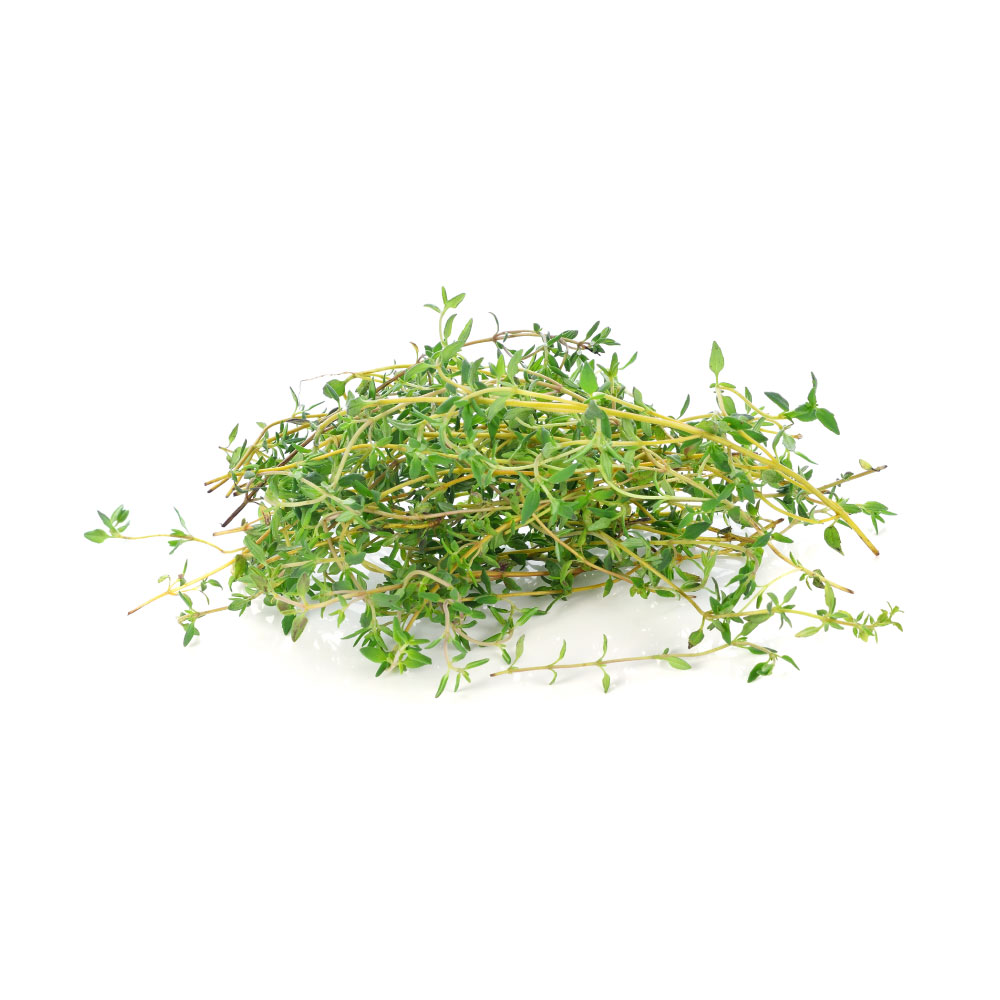 StrongStrongThymeThymus vulgarisThe best-evidenced expectorant in Western herbal medicine, and the evidence belongs to fixed combinations.Also underChronic ↓Read the evidenceShow lessMonograph →
A randomized, double-blind, placebo-controlled trial of a thyme-and-ivy fluid extract in acute bronchitis found a significantly faster fall in coughing fits 2Reference 2RCTEfficacy and tolerability of a fluid extract combination of thyme herb and ivy leaves versus placebo in acute bronchitis — randomised, double-blind, placebo-controlled trialView study →, and an independent double-blind placebo-controlled multicentre trial of thyme with primrose root reproduced the result 3Reference 3RCTEvaluation of efficacy and tolerability of a fixed combination of dry extracts of thyme herb and primrose root in adults with acute bronchitis — double-blind, placebo-controlled, randomised multicentre trialView study →. A later multicentre randomized trial compared the combinations directly against a single ivy extract 4Reference 4RCTEfficacy and safety of a single ivy extract versus two herbal extract combinations in acute bronchitis — multicentre, randomised, open-label clinical trialView study →, and a triple-blind placebo-controlled trial found thyme reduced cough in children during asthma exacerbation 5Reference 5RCTThymus vulgaris ameliorates cough in children with asthma exacerbation — randomised, triple-blind, placebo-controlled clinical trialView study →.
The mechanism is well supported. The thyme–primula combination is both anti-inflammatory and mucus-regulating 6Reference 6In vitroAnti-inflammatory and mucus-regulatory activities of a fixed combination of thyme and primula extracts — in vivo and in vitroView study →, and thyme extract raises mucociliary beat frequency in cells from COPD patients 7Reference 7In vitroThyme extract increases mucociliary-beating frequency in primary cell lines from COPD patients — in vitroView study →.
The tested article is a standardized fluid extract in combination, not thyme tea. Thyme is also a Lamiaceae plant with documented systemic allergic reactions on ingestion 67Reference 67Case reportLabiatae allergy: systemic reactions due to ingestion of oregano and thyme — case reportsView study →.
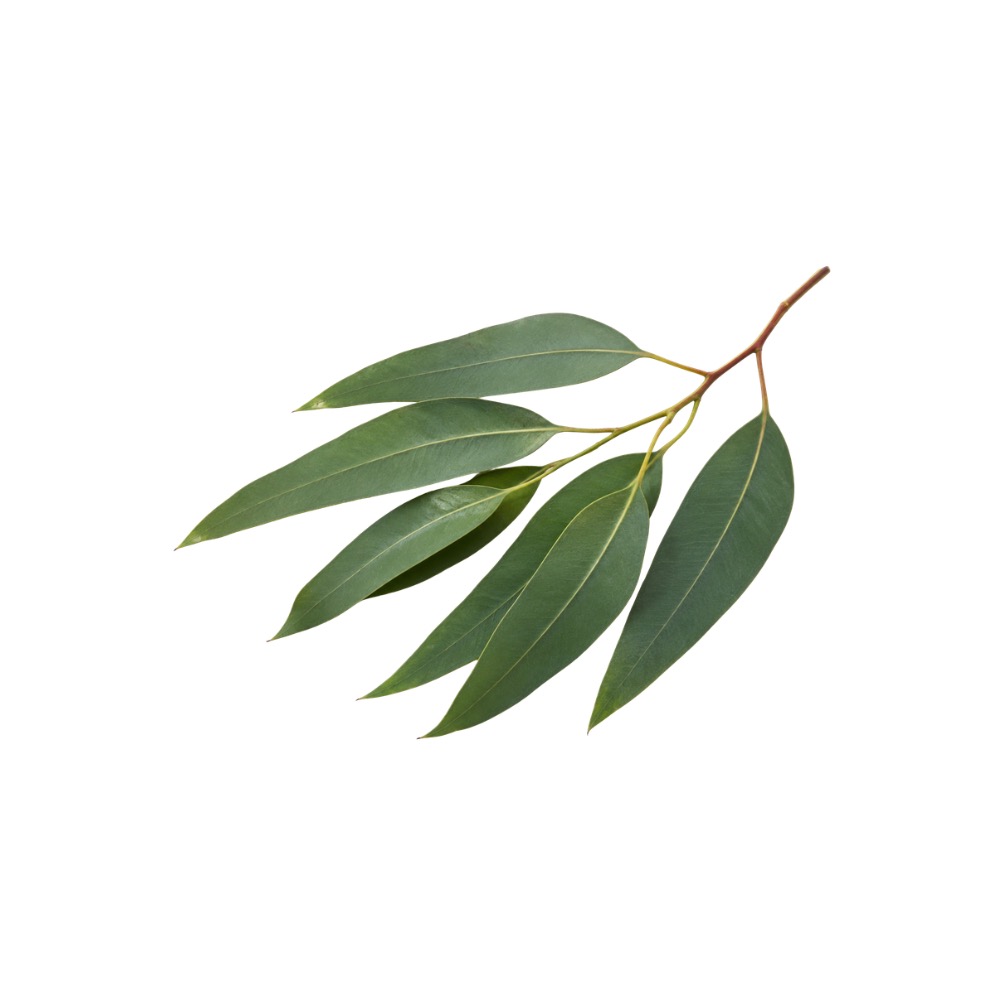 StrongStrongEucalyptusEucalyptus globulusNot really a herb at all but a purified molecule. 1,8-cineole, given as 200 mg enteric-coated capsules, carries one of the broadest respiratory trial records in phytotherapy.Also underSore ↓Read the evidenceShow lessMonograph →
In acute bronchitis a placebo-controlled double-blind trial found faster symptom resolution 8Reference 8RCTEfficacy of cineole in patients suffering from acute bronchitis — placebo-controlled double-blind trialView study →. In COPD a placebo-controlled, double-blind, multicentre trial found concomitant cineole reduced the frequency, duration and severity of exacerbations 9Reference 9RCTConcomitant therapy with cineole (eucalyptole) reduces exacerbations in COPD — placebo-controlled, double-blind, randomised multicentre studyView study →.
In asthma a double-blind placebo-controlled trial found a steroid-sparing effect that allowed prednisolone reduction 10Reference 10RCTAnti-inflammatory activity of 1,8-cineol (eucalyptol) in bronchial asthma — double-blind placebo-controlled trialView study →, reproduced in a later placebo-controlled trial as add-on therapy 11Reference 11RCTPatients with asthma benefit from concomitant therapy with cineole — placebo-controlled, double-blind trialView study →. Inhaled aromatics also improve mucociliary clearance in chronic airway obstruction 12Reference 12RCTEffect of aromatics on lung mucociliary clearance in patients with chronic airways obstruction — randomised clinical trialView study →.
Its sinusitis evidence appears in the upper-airway group.
The hard limits are form and dose. This is the swallowed capsule, not the oil in a diffuser or a steam bowl, and eucalyptus oil is acutely toxic if swallowed neat, where a teaspoon can cause seizures and CNS depression.
It must never be applied to the face of an infant or young child.
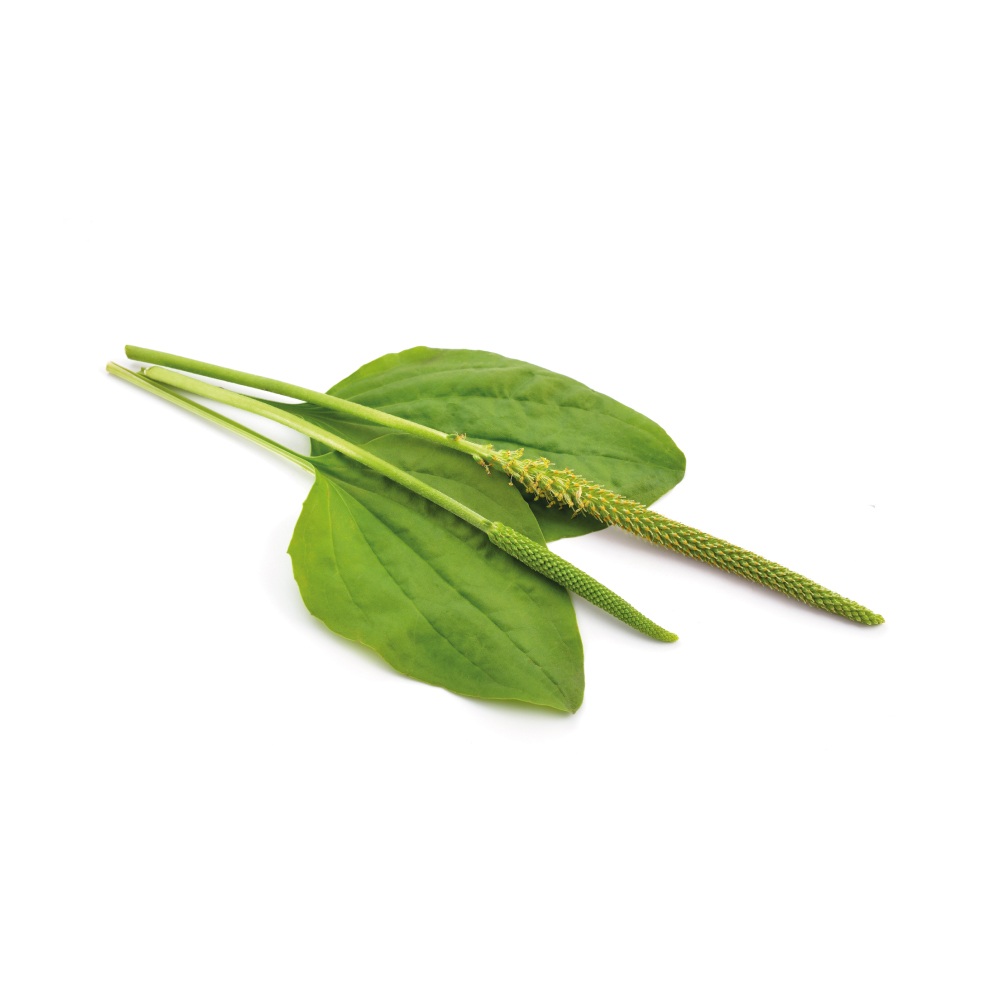 ModerateModeratePlantainPlantago majorThe ubiquitous lawn weed, and a dual-acting cough herb: mucilage to soothe plus aucubin and verbascoside for anti-inflammatory and antimicrobial activity.Read the evidenceShow lessMonograph →
A randomized, double-blind, placebo-controlled trial of a Plantago-containing syrup found it effective for cough in children 13Reference 13RCTEfficacy and safety of the syrup KalobaTUSS as a treatment for cough in children — randomised, double-blind, placebo-controlled trialView study →, and a narrative review covers the wider respiratory pharmacology of the species and its constituents 14Reference 14ReviewThe therapeutic effects of Plantago major and its main constituents on respiratory diseases — narrative reviewView study →.
The usual combination-product caveat applies, since the trial article contained other ingredients. Plantain’s better-evidenced ground is wound healing and mucositis, and it is a low-risk soothing expectorant with one paediatric trial behind it.
It should not be confused with the banana-like Musa plantain.
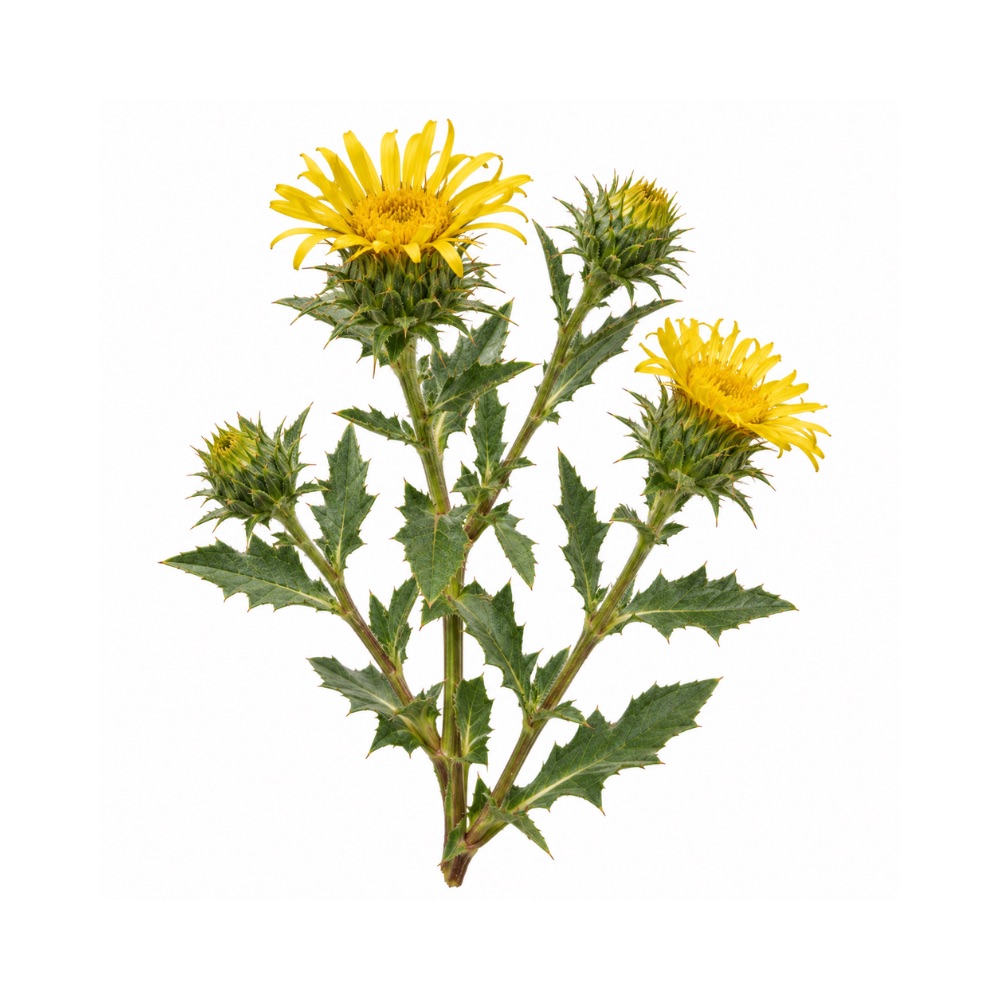 PreclinicalPreclinicalGumweedGrindelia squarrosaThe most interesting laboratory result in the group, attached to one of its least-known plants.Read the evidenceShow less
Gumweed carries a European monograph as Grindeliae herba for catarrh of the upper respiratory tract 87Reference 87ReviewCommunity herbal monograph and assessment report on Grindelia robusta Nutt., G. squarrosa (Pursh) Dunal, G. humilis Hook. et Arn., G. camporum Greene, herba — regulatory monograph. https://www.ema.europa.eu/en/documents/herbal-monograph/final-community-herbal-monograph-grindelia-robusta-nutt-grindelia-squarrosa-pursh-dunal-grindelia-humilis-hook-et-arn-grindelia-camporum-greene-herba_en.pdfView study → and sat in the US Pharmacopoeia as an expectorant and antispasmodic for decades.
The modern half is unusual for herbal pharmacology in three ways at once. The extract and its labdane diterpene grindelic acid suppress NF-κB and pro-inflammatory cytokine release in human respiratory neutrophils, bronchial epithelium and macrophages; the comparator was budesonide, a real inhaled steroid, and potency was comparable in some assays; and it was replicated by independent groups 71,
Set against that, it is isolated cells in a dish. There is no animal model, no human trial, and comparable potency in an assay is not comparable benefit in an airway.
Much of the wider Grindelia pharmacology belongs to G. robusta under a pooled pharmacopoeial drug definition, so species attribution is loose.
The resinous flower heads are the traditional material, and the plant’s other well-attested use is topical, for poison-ivy dermatitis, on the skin page. Grindelia is a selenium accumulator, so where it grew matters.
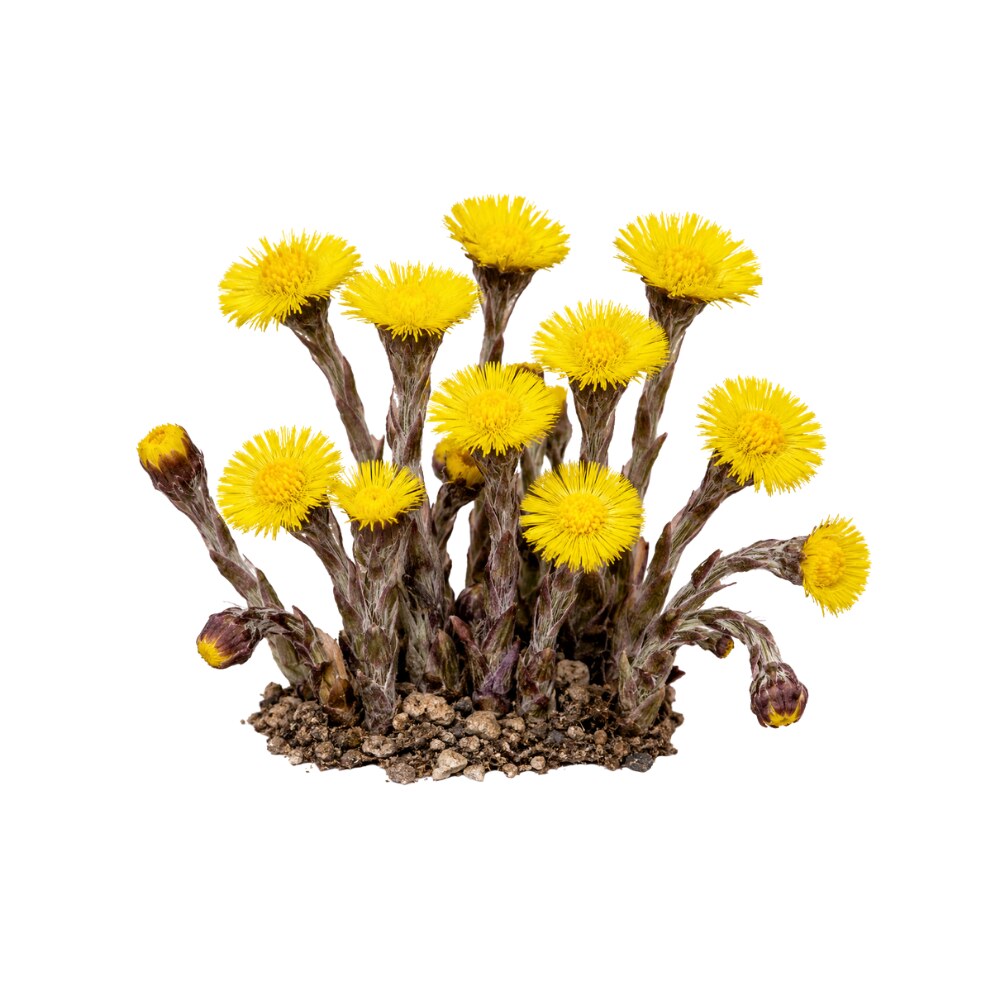 PreclinicalPreclinicalColtsfootTussilago farfaraThe herb whose Latin name means cough dispeller, with a coherent modern mechanism and a serious safety problem that now governs its use.Read the evidenceShow lessMonograph →
Four caffeoylquinic acids from the flower buds have antitussive, expectorant and anti-inflammatory activity in mice 15Reference 15AnimalAntitussive, expectorant and anti-inflammatory activities of four caffeoylquinic acids isolated from Tussilago farfara — mouse in vivoView study →, tussilagone suppresses MUC5AC mucin production in an airway model 16Reference 16In vitroTussilagone suppressed the production and gene expression of MUC5AC mucin — in vitro airway modelView study →, and the ethanol extract attenuates cigarette-smoke-induced lung inflammation via NLRP3, Nrf2 and NF-κB 17Reference 17In vitroThe ethanol extract of flower buds of Tussilago farfara L. attenuates cigarette-smoke-induced lung inflammation through NLRP3 inflammasome, Nrf2 and NF-κB — mouse in vivo and in vitroView study →. All of it is animal or in vitro.
Coltsfoot contains hepatotoxic pyrrolizidine alkaloids, which cause veno-occlusive liver disease cumulatively and irreversibly, with a documented infant fatality following maternal use. It is restricted or banned in several countries.
Where it is still used it should be a certified alkaloid-free preparation, and the demulcents carry no such risk.
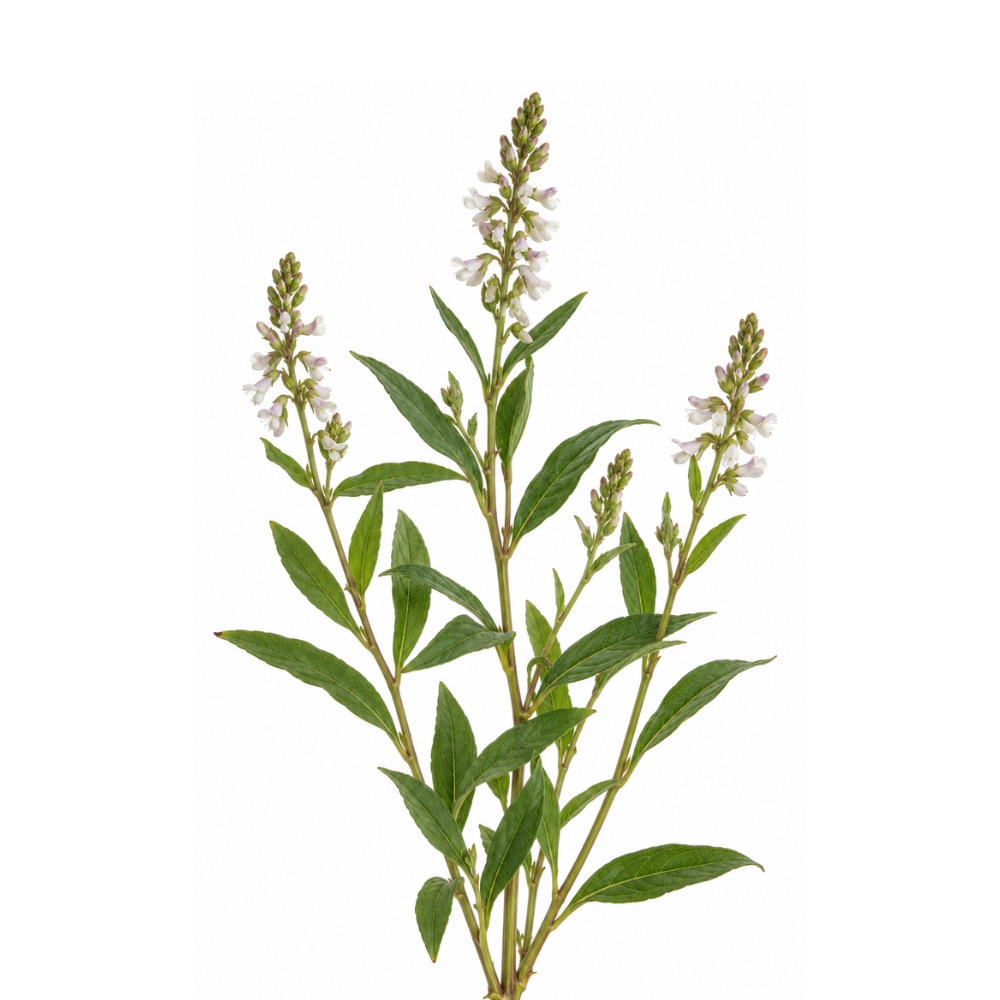 TraditionalTraditionalSenegaPolygala senegaThe surviving member of a category that mostly died, and the reason it is still possible to explain what a nauseating expectorant was.Read the evidenceShow less
Senega root holds pharmacopoeial standing in the WHO, ESCOP and German Commission E monographs for productive cough and bronchitis at 1.5–3 g of root a day 84,
The mechanism is the whole herb. Surfactant saponins irritate the gastric mucosa, the vagus responds by raising bronchial secretion, and the mucus thins and moves.
Nothing reaches the lung.
That makes senega secretolytic rather than antitussive. It is for a chest that has something in it, and it is the wrong choice for a dry, raw cough with nothing to shift.
Its contraindications fall out of the same sentence. An active ulcer, gastritis or inflammatory bowel disease are reasons not to take a medicine whose action is gastric irritation 85Reference 85ReviewSenegae radix (senega root) — pharmacopoeial monograph, and nausea at the top of the dose range is the mechanism working rather than a separate side effect.
Ipecacuanha shows the same reflex at a stronger dose, and its expectorant use quietly lapsed while its emetic use was withdrawn outright.
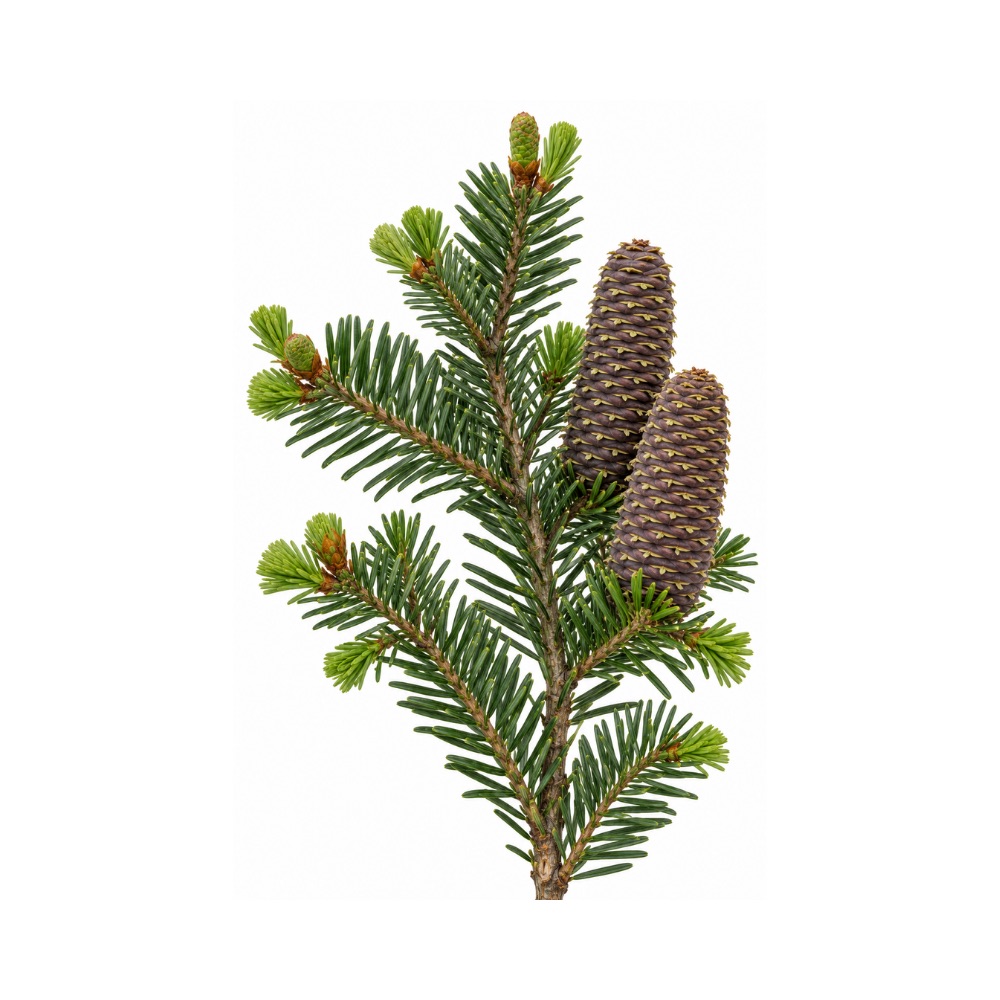 TraditionalTraditionalGrand FirAbies grandisBark and needle decoction, with aromatic steam and resin alongside, is documented in Pacific Northwest use for colds and a tight chest 88Reference 88Contemporary use of bark for medicine by two Salishan native elders of southeast Vancouver Island, Canada — ethnobotanical studyView study →. It is the best-attested member of the group ethnographically and the thinnest pharmacologically.Read the evidenceShow less
The indexed literature on this tree is substantial and almost entirely about how it makes resin — its monoterpene, sesquiterpene and diterpene synthases are among the best-characterised terpene enzymes in any conifer. Deep science, none of it about treating anything.
What bioactivity data exist are constituent-level or borrowed from other firs, and the one human trial including it used an eight-oil aromatherapy blend.
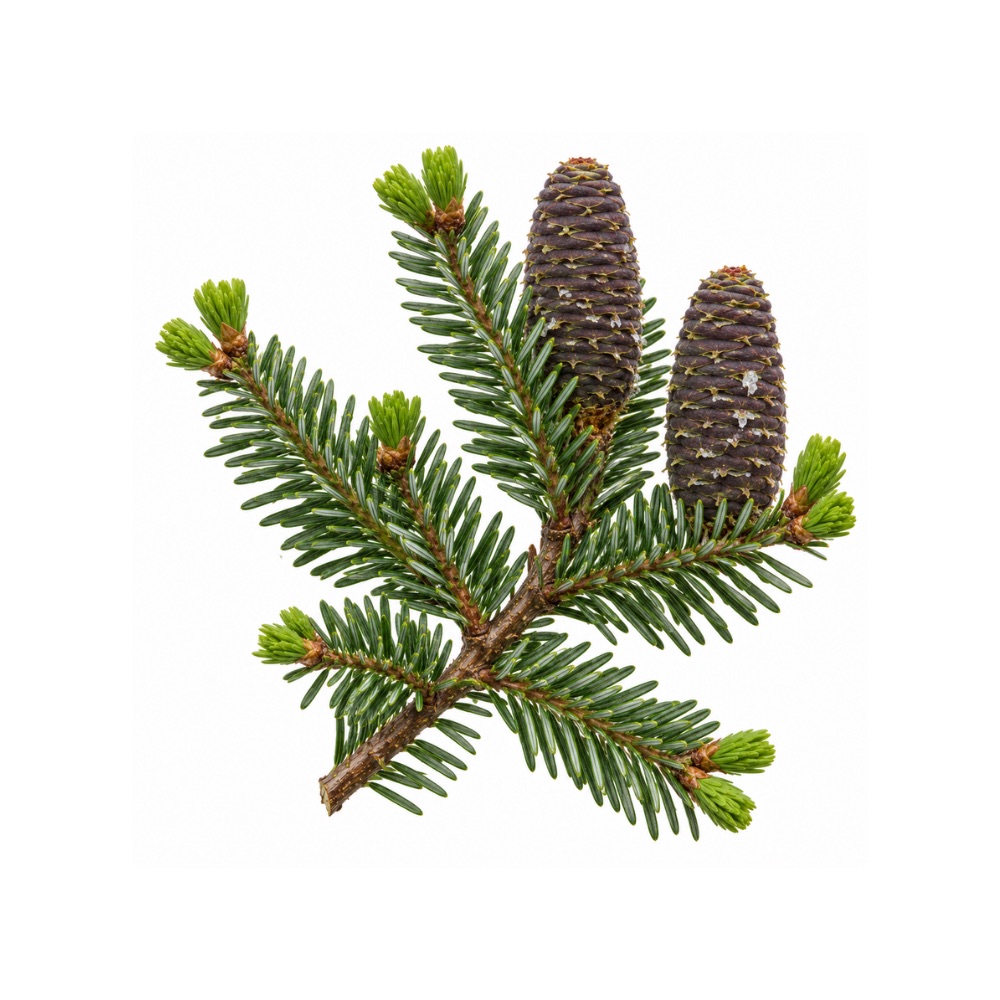 TraditionalTraditionalBalsam FirAbies balsameaNeedle tea and steam inhalation run through the boreal record, and the resin from the trunk blisters — Canada balsam — goes on the chest as readily as on a cut.Read the evidenceShow less
Unusually for a medicinal conifer it has a coherent research programme behind it, but the programme is about something else. Screening of the Eastern James Bay Cree antidiabetic pharmacopeia put balsam fir repeatedly on top, tracing hepatic glucose and insulin-sensitising effects to abietic and dehydroabietic acid and squalene.
Preparation variance is the recurring caveat. Most of that data comes from the essential oil or an ethanolic bark extract, and the oil splits into distinct δ-3-carene chemotypes, so nothing transfers cleanly to a needle tea.
TraditionalDouglas FirPseudotsuga menziesiiNeedles were taken the same way as the true firs and are a real vitamin C source, which is a plainer reason for a winter tea than any of the pharmacology.Read the evidenceShow less
Botanically it is not a fir at all — Pseudotsuga means “false hemlock” — and the great majority of its published literature is forestry, chemical ecology and bark-waste valorisation rather than pharmacology.
The strongest medicinal signal is antioxidant, from a taxifolin-dominant phenolic profile in needle and bark extracts, with an anti-inflammatory effect of the needle oil in cultured human skin fibroblasts. No human study of any design exists.
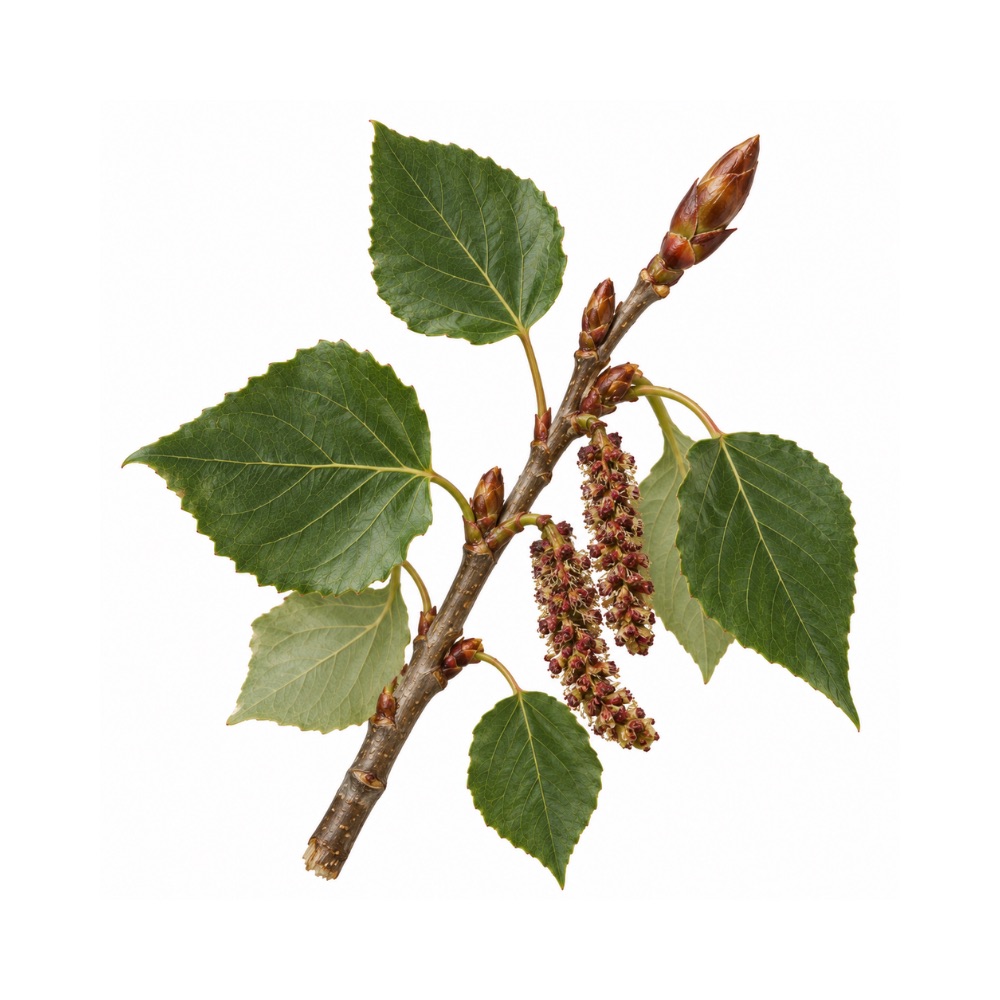 TraditionalTraditionalBalsam PoplarPopulus balsamiferaInner bark was used for coughs and colds across the boreal forest, and the sticky spring buds are gathered as balm of Gilead — the resin infused into oil or fat, chemically close to poplar-type propolis and antioxidant and antibacterial in laboratory assays.Read the evidenceShow less
Its one strong research thread points away from the chest. A bark extract potently blocks fat-cell formation, with anti-obesity and insulin-sensitising effects confirmed in two diet-induced obese mouse studies and traced to the phenolic glycoside salicortin.
No controlled trial or human study of the species has been conducted.
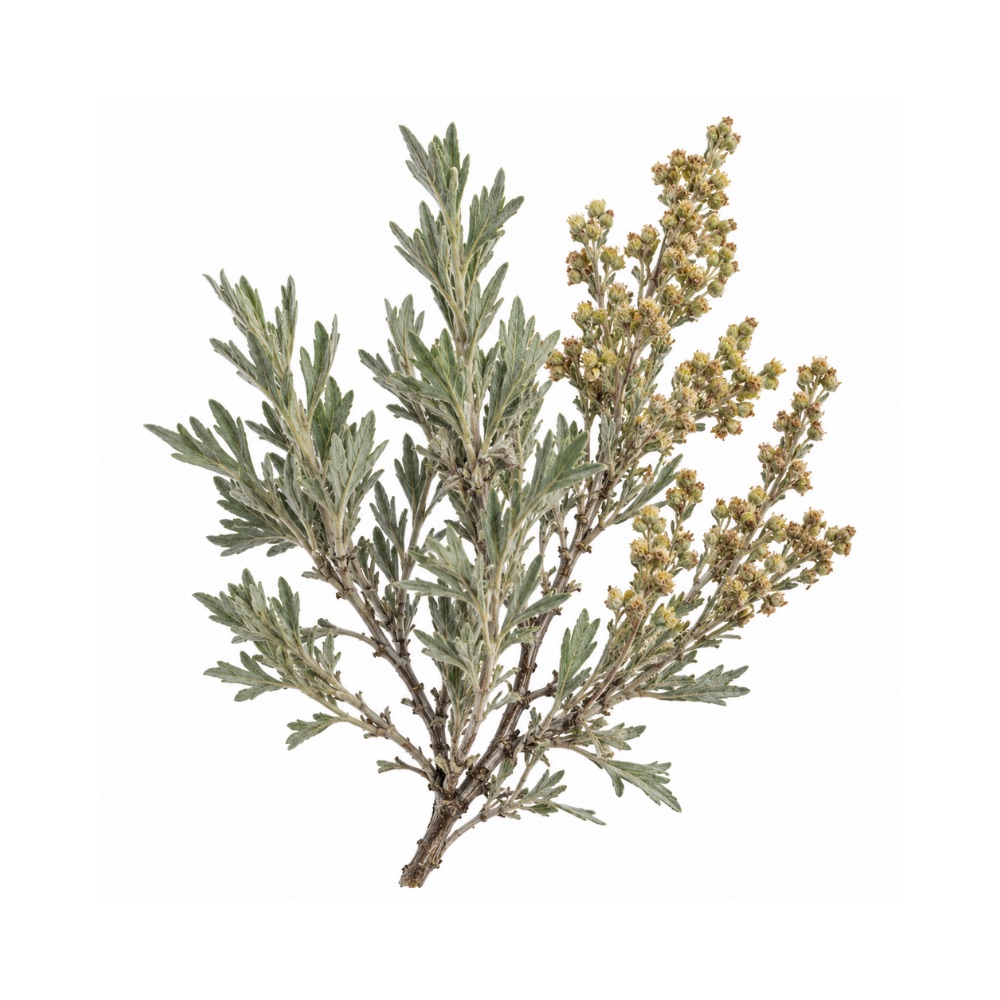 TraditionalTraditionalBig SagebrushArtemisia tridentataInfused weak for colds, coughs and fevers across the Great Basin and Plains, and one of the most culturally important plants of the region despite having almost no medicinal research.Read the evidenceShow less
Its published literature is small, old and entirely preclinical: essential-oil chemistry and antibacterial ecology from the 1960s, in-vitro antifungal screening, and recent antioxidant and constituent work. Every signal rests on cell-free assays, cell lines or bacterial cultures.
It is chemically heterogeneous — oil yield and composition vary several-fold between the subspecies — so “sagebrush oil” is not one substance.
It is also not culinary sage. Salvia officinalis is an unrelated mint, and the shared English name is a persistent source of confusion.
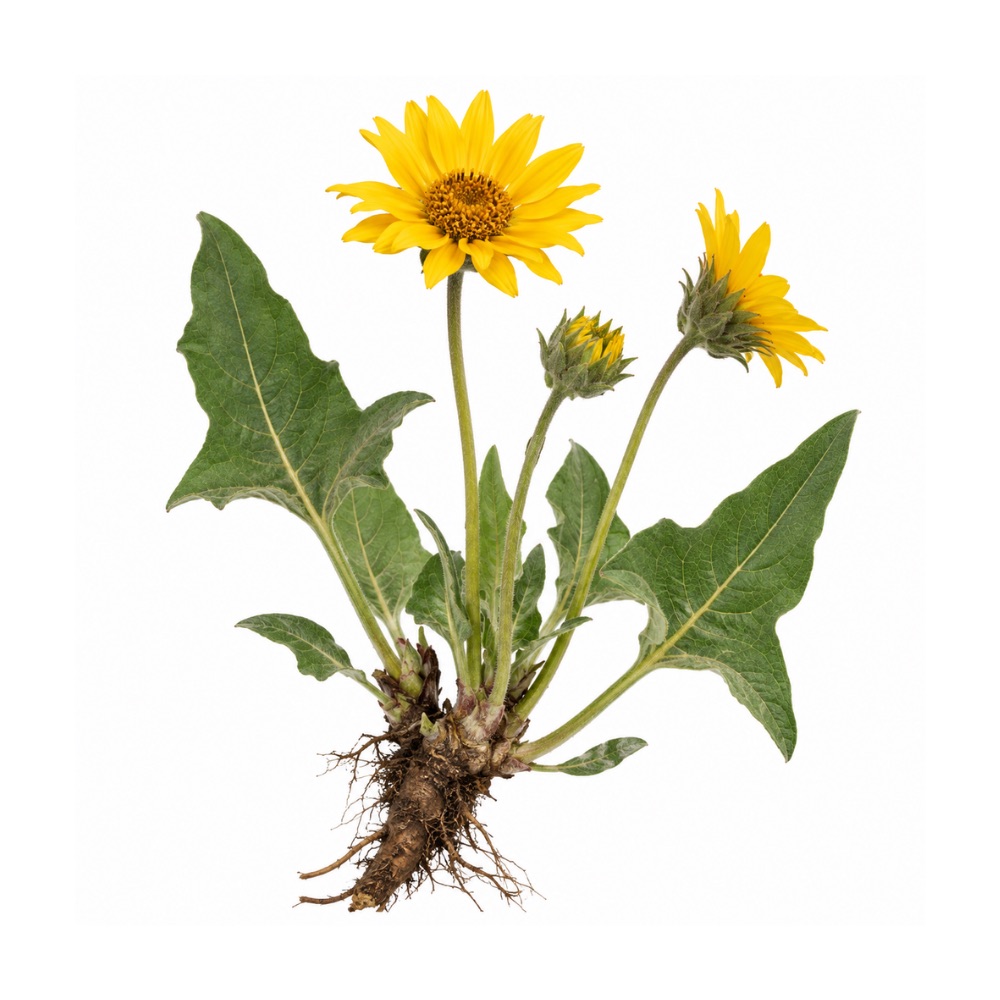 TraditionalTraditionalArrowleaf BalsamrootBalsamorhiza sagittataThe deep resinous root was decocted for colds and coughs and chewed for a sore throat, and it fed people long before it treated them — young shoots as a spring green, seeds ground for meal.Read the evidenceShow less
Its research literature is small and entirely preclinical: in-vitro antimicrobial screens of British Columbian medicinal plants from the 1990s, a 1996 paper isolating an antibacterial thiophene, and phytochemical surveys.
The strongest documented signal is a broad in-vitro antifungal effect from the root, which corroborates the traditional use of the root as an antimicrobial poultice and a respiratory remedy. Tradition and screen pointing the same way is worth noting, even when the screen is all there is.
These six are one tradition rather than six independent findings. Across the northern forest and the dry interior West the standard treatment for a cold and a tight chest was an aromatic resin or needle tea, and the same practice recurs in plant after plant with no contact between the botanical families involved: inhale the volatiles, drink the weak infusion, apply the resin.
Individually each is a traditional-tier plant with no assay and no trial. Collectively they are a documented regional materia medica with overlapping monoterpene chemistry.
Two cautions travel with the group. Attribution is loose, and bioactivity attached to any one of these trees usually comes from a congener or a shared constituent rather than from the species named.
And the research preparation is almost never the traditional one, with essential oils and ethanolic extracts in the laboratory against needle tea and resin in practice.
Dry, Irritated Cough and the Demulcents
5 herbsThe other half of the cough question, and the group where the evidence is thinnest and the risk closest to zero.
These are for the raw, dry, tickly cough that hurts, the one an expectorant makes worse. The effect is local, so the preparation and the way it is taken matter more than the dose.
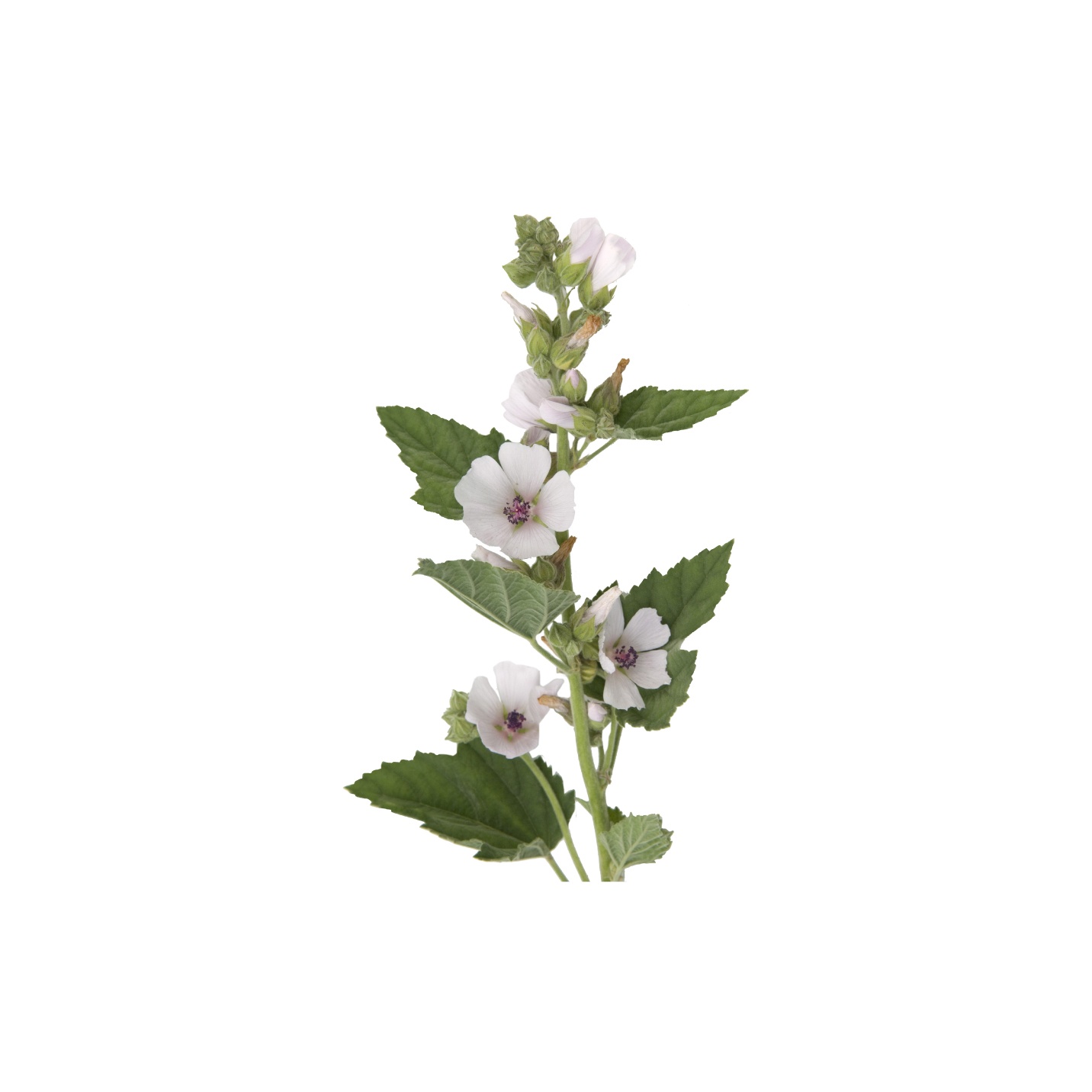 ModerateModerateMarshmallowAlthaea officinalisThe best-supported demulcent, with an unusually specific animal mechanism.Also underSore ↓Read the evidenceShow lessMonograph →
Root mucilage, a rhamnogalacturonan, produces dose-dependent cough suppression in guinea pigs 19Reference 19AnimalPossible mechanisms of dose-dependent cough suppressive effect of Althaea officinalis rhamnogalacturonan — guinea pig in vivoView study → that persists in the presence of airway inflammation 20Reference 20AnimalAntitussive activity of Althaea officinalis L. polysaccharide rhamnogalacturonan in guinea pigs with airways inflammation — animal in vivoView study →, which is a measured antitussive effect rather than an inferred one.
In humans the evidence is two large user surveys reporting rapid relief of irritative cough 18Reference 18Marshmallow root extract for the treatment of irritative cough — two surveys on users’ view on effectiveness and tolerabilityView study → and a review of the cough literature 21Reference 21ReviewMarsh mallow (Althaea officinalis L.) and its potency in the treatment of cough — reviewView study →, observational rather than controlled. It also appears in a randomized active-controlled trial of an Althaea-honey throat spray 51Reference 51RCTEffectiveness and tolerability of an Ectoin mouth and throat spray with Althaea honey for sore throat — randomised, active-controlled trialView study → and in a randomized paediatric tonsillitis trial of a combination extract 52Reference 52RCTRandomised, open-label, multicentre comparative study of BNO 1030 extract in acute non-bacterial tonsillitis in childrenView study →.
Preparation is decisive. Use a cold infusion, since heat degrades the mucilage, and separate it from medication by a couple of hours because it slows absorption.
PreclinicalHorseweedErigeron canadensisA measured antitussive effect rather than an inferred one, from a plant most people know as a weed of car parks.Read the evidenceShow less
A purified polyphenolic polysaccharide–protein complex from the flowering tops reduced citric-acid-induced cough dose-dependently in conscious guinea pigs, with an effect approaching codeine, and lowered specific airway resistance at the same time 78Reference 78AnimalChemical characteristics and significant antitussive effect of the Erigeron canadensis polyphenolic polysaccharide–protein complex — guinea-pig in vivo studyView study →.
Antitussive and bronchodilator together is a combination no other plant in this system demonstrates, and the usual problem that most herbal cough relief is really throat-soothing does not apply to a result measured as cough count in an animal that was not being soothed.
Two things hold it where it sits. It is one laboratory and one paper, unreplicated, and an animal cough model is a screening tool rather than a clinical result.
And the active is a macromolecular complex isolated by hot alkali extraction, not something a home infusion delivers.
That also makes the traditional Eclectic use of horseweed, an astringent for diarrhoea and haemorrhage on the digestive page, unrelated to the finding rather than supported by it.
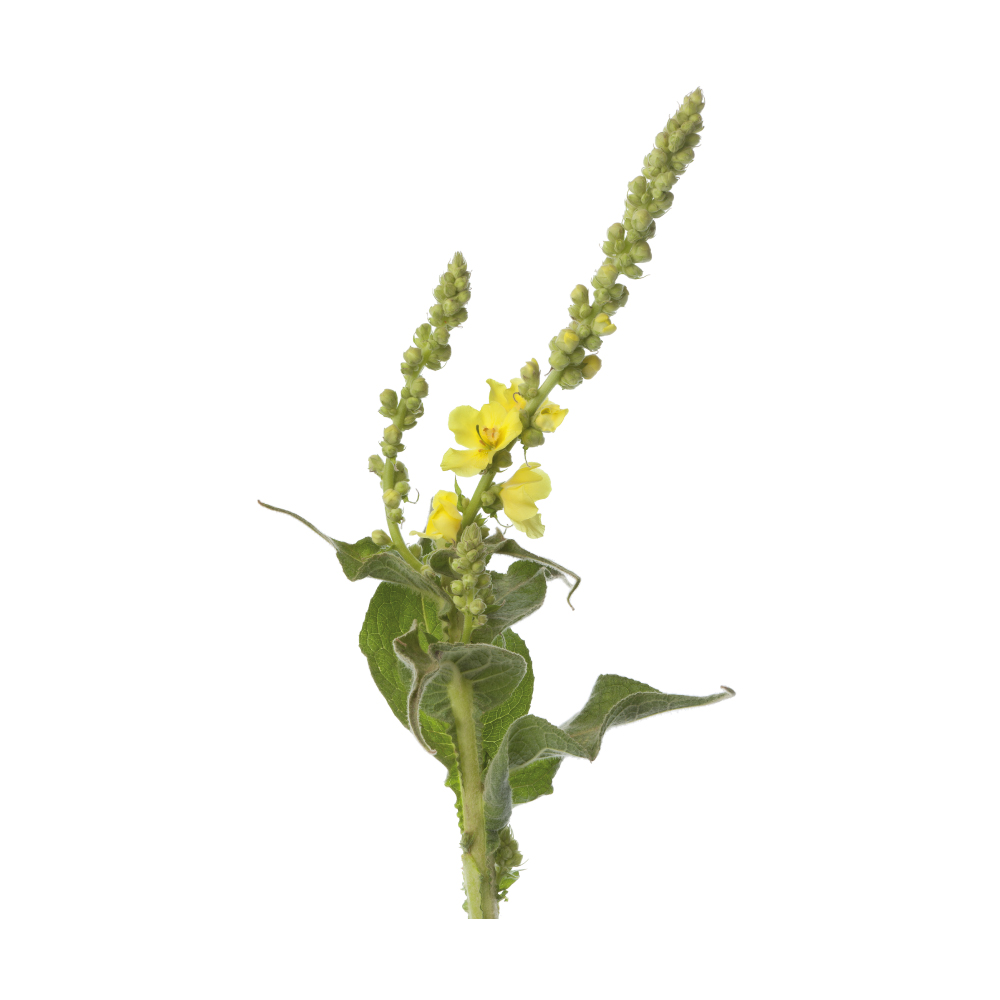 TraditionalTraditionalMulleinVerbascum thapsusThe classic lung herb of Western herbal medicine, with soft, mucilaginous leaves and flowers used for bronchitis, dry cough and hoarseness for centuries, and almost entirely unstudied.Read the evidenceShow lessMonograph →
The only relevant published work is an in vitro anti-influenza screen of Nepalese traditional plants 22Reference 22In vitroAntiviral activity of some plants used in Nepalese traditional medicine — in vitro anti-influenza screenView study →.
The mucilage and saponin content gives it a plausible dual demulcent-plus-mild-expectorant character, which matches its reputation as the herb for a cough that is neither clearly wet nor clearly dry.
Mullein leaf is covered in fine hairs that irritate the throat, so an infusion must be strained through fine cloth or a coffee filter.
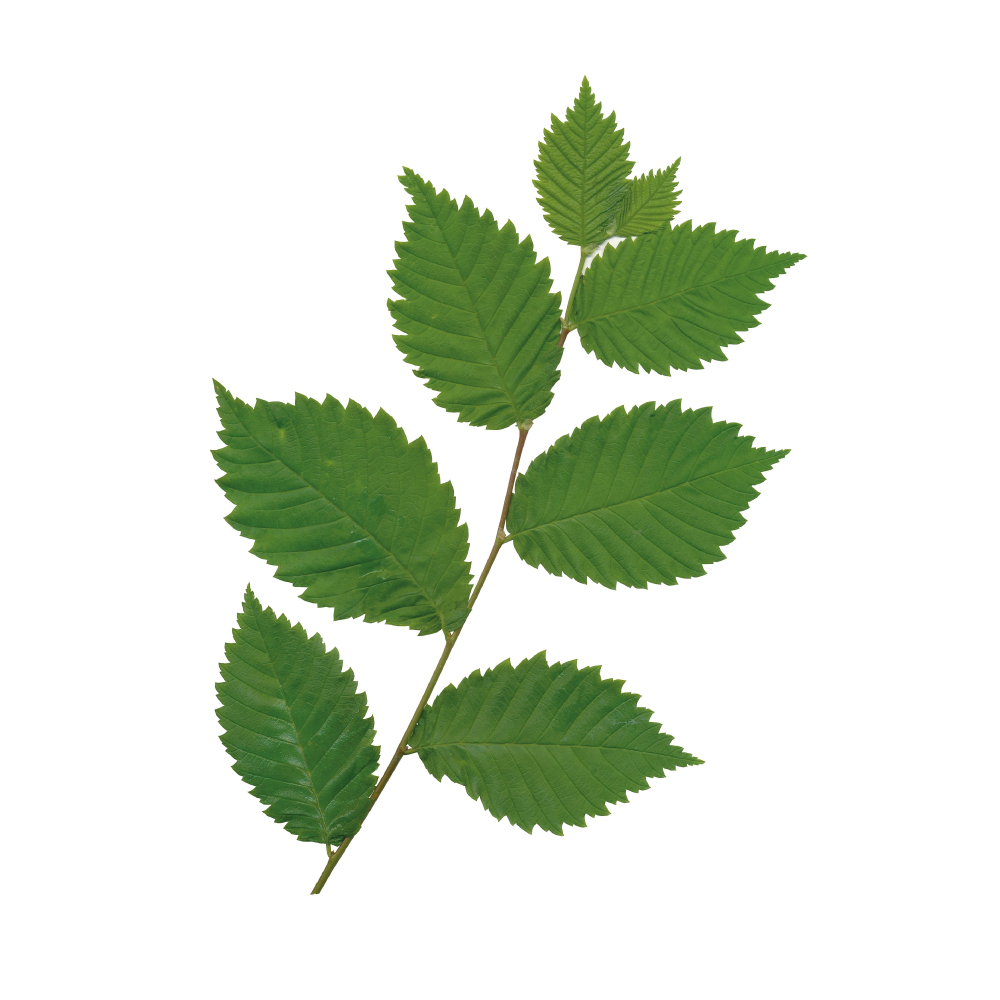 TraditionalTraditionalSlippery ElmUlmus rubraThe North American demulcent, and the classic throat lozenge base.Read the evidenceShow lessMonograph →
There is no controlled trial for any respiratory indication. The rationale is entirely the mucilage, the same argument made for it in reflux on the digestive page, and it rests on the same untestable physical logic, since a slippery substance cannot be blinded.
It is safe, cheap and soothing, and it is a comfort measure rather than a treatment.
The conservation point deserves more weight than the pharmacology. Ulmus rubra is harvested for its inner bark, which usually kills the tree, and demand has put real pressure on wild stands.
Marshmallow does the same job from a cultivated root.
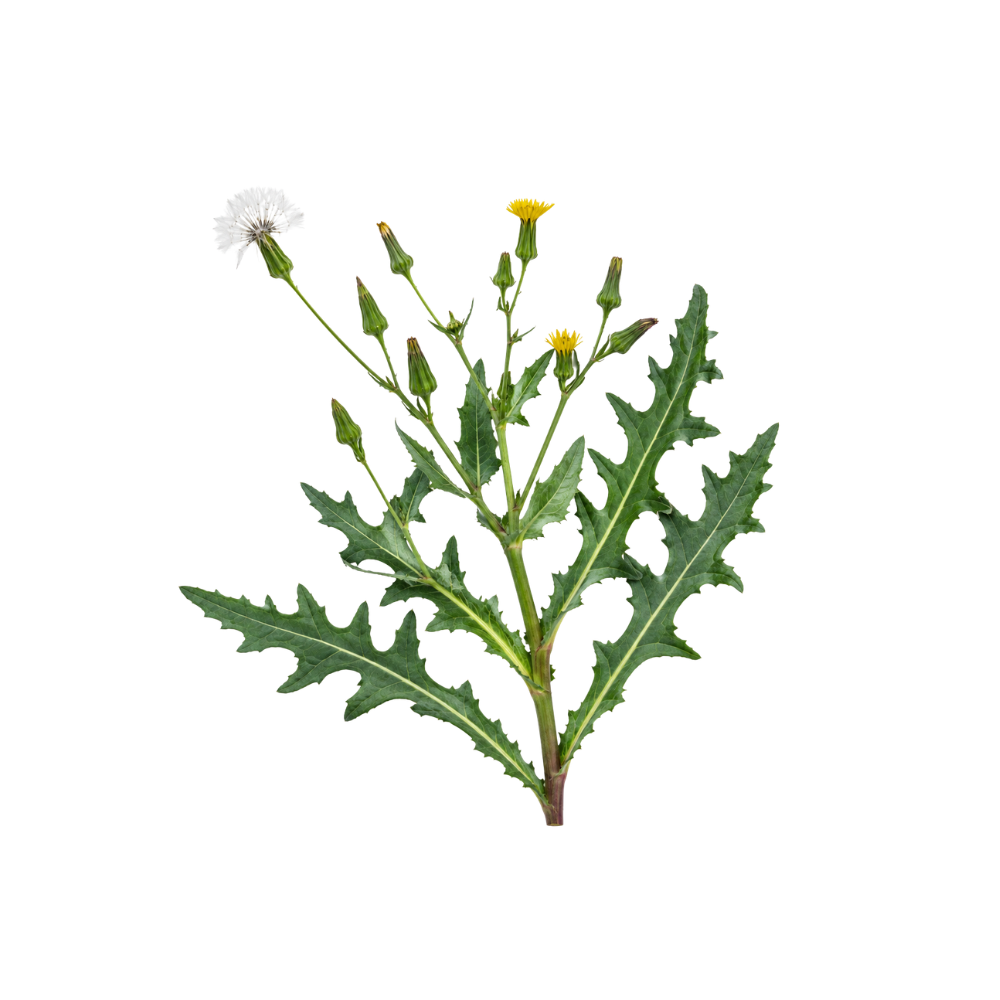 TraditionalTraditionalWild LettuceLactuca virosaThe traditional antitussive for an exhausting, unproductive night cough, and the source of a persistent myth.Read the evidenceShow lessMonograph →
The dried latex, lactucarium, once called lettuce opium, was a nineteenth-century substitute for opium in cough syrups, and the name has led to a widespread belief that it contains opiates. It does not.
The sesquiterpene lactones lactucin and lactucopicrin have mild sedative and analgesic activity in animals, which is a much weaker claim than the folklore, and there is no human trial for cough.
It is bitter, mildly sedating, and reasonable for a dry night cough on tradition. It is not codeine, and material sold as a legal opioid substitute is being mis-sold.
Asthma & Bronchospasm
7 herbsAsthma is a chronic inflammatory disease with a real mortality rate, and people die from under-treating it.
Every herb here was tested as an add-on to standard therapy, mostly on control scores and inflammatory markers over weeks. Nothing is a reliever, and nothing works fast enough to touch an attack.
A systematic review of herbal interventions for chronic asthma concluded that the evidence base is too weak and too heterogeneous to support any of it as a replacement 26Reference 26Meta-analysisHerbal interventions for chronic asthma in adults and children — systematic review and meta-analysisView study →.
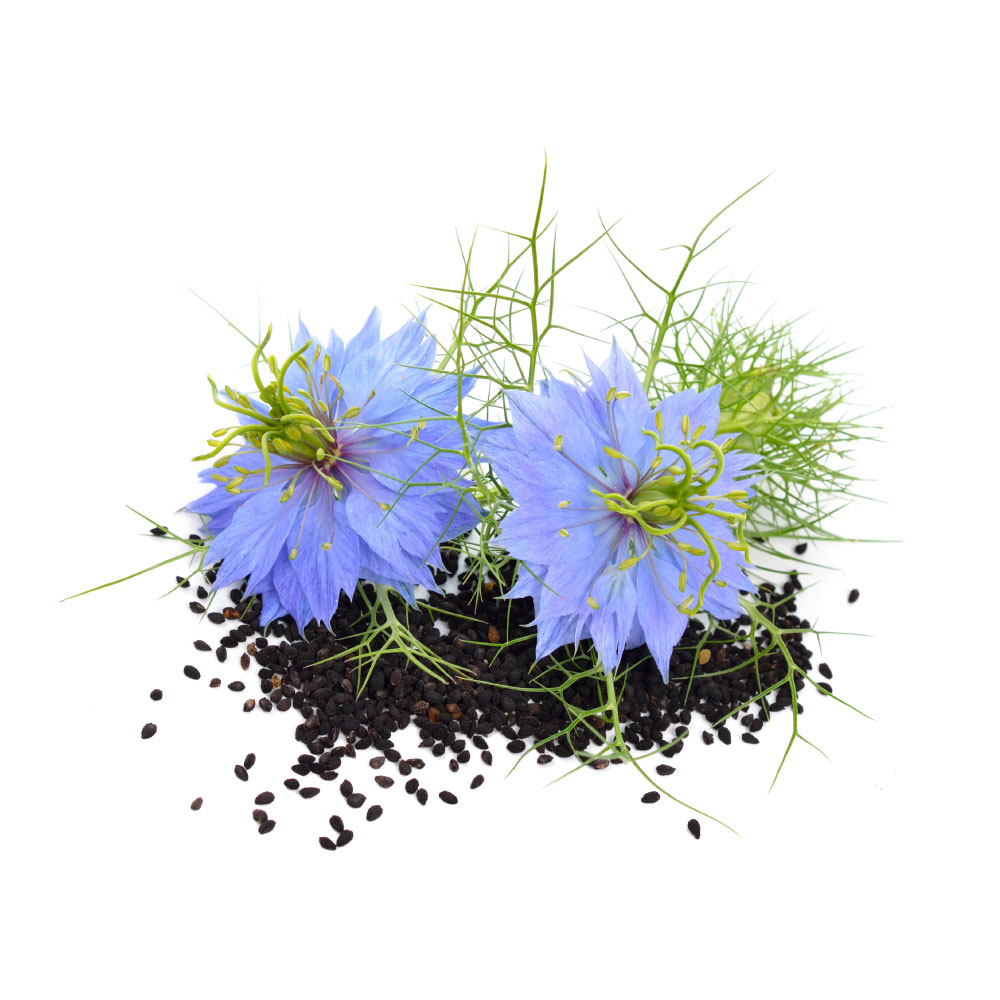 StrongStrongNigellaNigella sativaThe best-evidenced add-on here.Read the evidenceShow lessMonograph →
A meta-analysis of randomized controlled trials found Nigella sativa improved asthma control 23Reference 23Meta-analysisThe influence of Nigella sativa for asthma control — meta-analysisView study →; a randomized, double-blind, placebo-controlled trial found improved asthma control scores together with a fall in blood eosinophils, an objective inflammatory marker rather than a questionnaire 24Reference 24RCTNigella sativa supplementation improves asthma control and biomarkers — randomised, double-blind, placebo-controlled trialView study →; and a separate randomized controlled trial found improvement in lung function and inflammatory mediators in partly controlled asthma 25Reference 25RCTEffect of Nigella sativa supplementation on lung function and inflammatory mediators in partly controlled asthma — randomised controlled trialView study →.
The active principle is thymoquinone, and its parallel evidence in allergic rhinitis is on the immune page.
The trials are small and regionally concentrated, and the oil and the ground seed deliver different doses. Nigella also inhibits CYP enzymes, which matters alongside theophylline and other narrow-therapeutic-index drugs.
 ModerateModeratePinePinus spp.Maritime pine bark extract, sold as Pycnogenol, has a small but controlled asthma record.Read the evidenceShow lessMonograph →
A randomized placebo-controlled trial found improved pulmonary function and reduced leukotriene levels in asthmatic patients, with some able to reduce rescue inhaler use 27Reference 27RCTPycnogenol in the management of asthma — randomised placebo-controlled trialView study →, and a later review collates the asthma management data 28Reference 28ReviewPycnogenol improvements in asthma management — reviewView study →. The leukotriene finding is mechanistically coherent and the more interesting part of the result.
The caveats are the familiar ones. This is a standardized, patented, procyanidin-rich bark extract at a defined dose, not pine needle tea and not a generic pine product, and the trials are small and largely from groups connected to the manufacturer.
Pine’s better-replicated evidence is vascular and sits on the cardiovascular page.
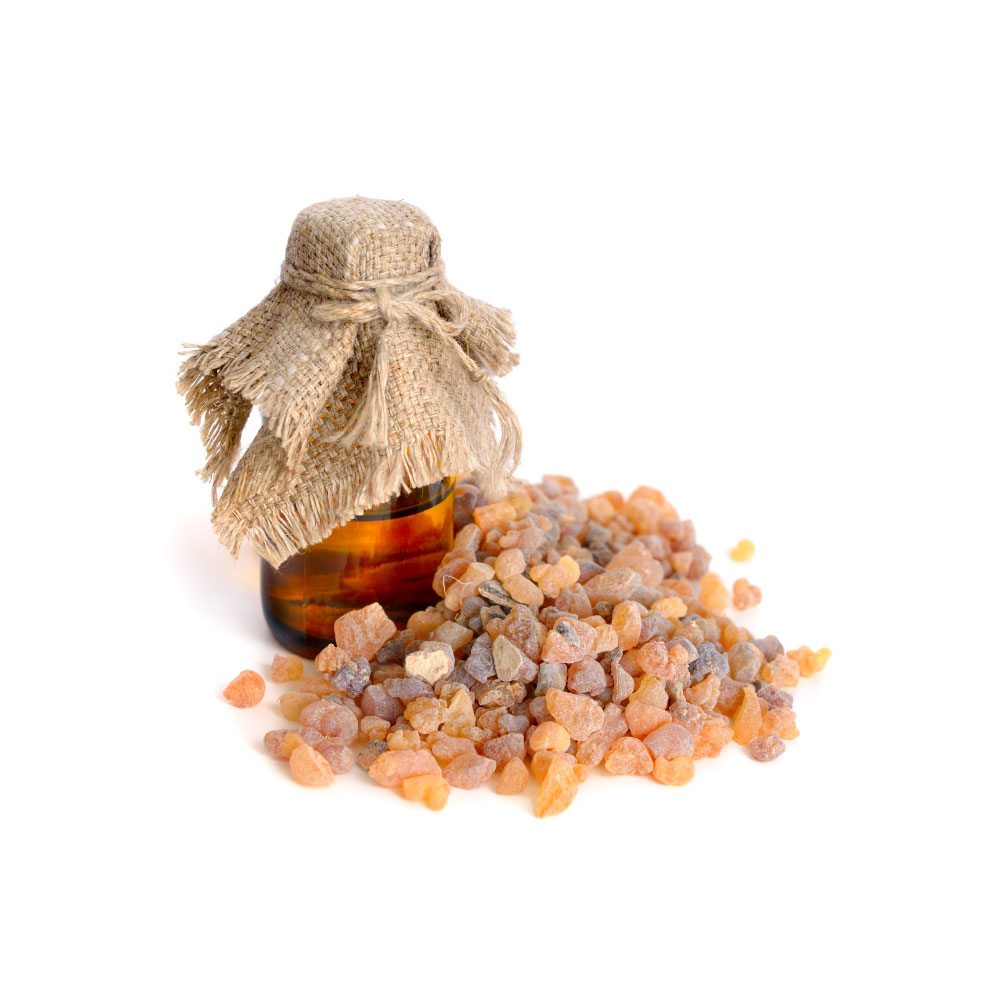 ModerateModerateFrankincenseBoswellia serrataMechanistically the most interesting entry in this group.Read the evidenceShow lessMonograph →
A double-blind, placebo-controlled six-week trial of Boswellia serrata gum resin in bronchial asthma reported improvement in symptoms and objective lung-function measures 29Reference 29RCTEffects of Boswellia serrata gum resin in patients with bronchial asthma — double-blind, placebo-controlled, six-week clinical studyView study →.
The reason to take it seriously is the mechanism. The boswellic acids inhibit 5-lipoxygenase, cutting synthesis of the leukotrienes that drive bronchoconstriction and eosinophil recruitment, the pathway montelukast targets, reached by a different molecule.
The reason for restraint is that this is a single small study from 1998 that has never been replicated. Boswellia’s much larger literature lies in osteoarthritis and inflammatory bowel disease, where a decisive negative Crohn’s trial is a useful reminder that a good mechanism is not a result.
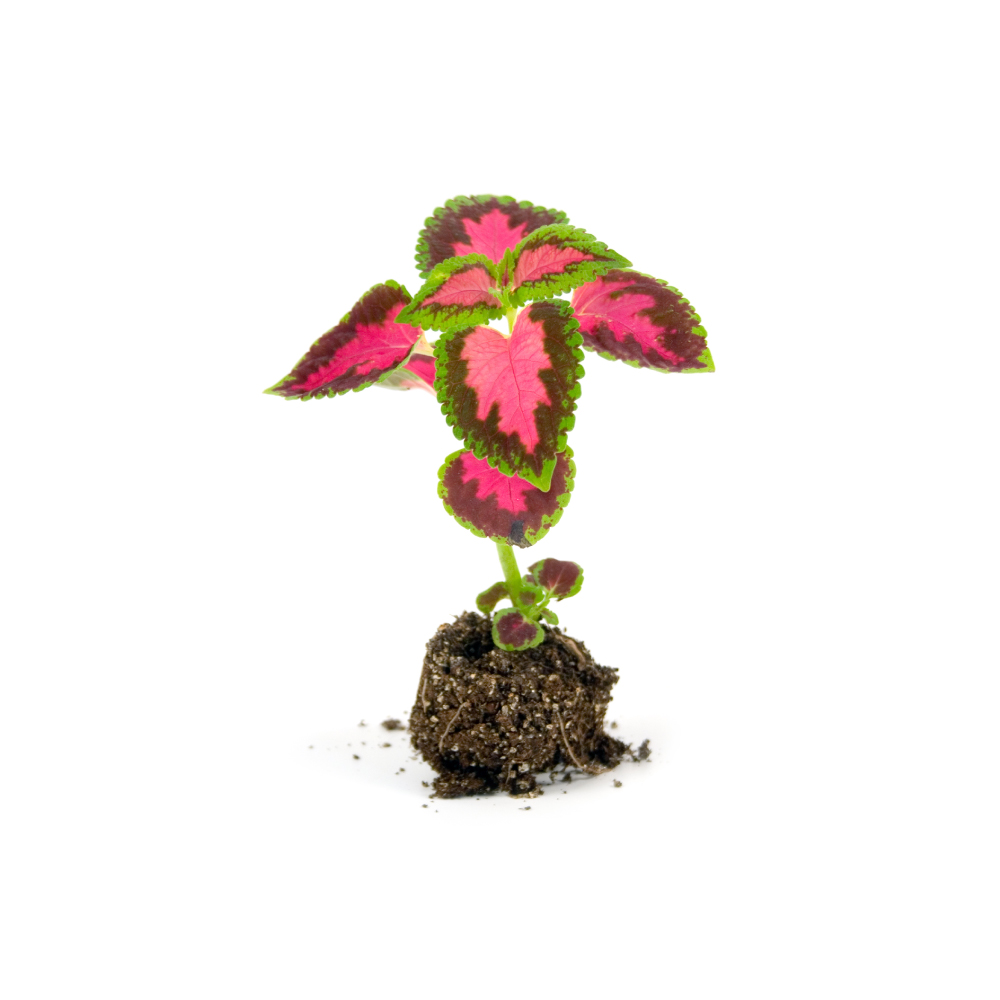 ModerateModerateColeusColeus forskohliiThe most pharmacologically distinctive plant in this system.Read the evidenceShow lessMonograph →
Forskolin activates adenylate cyclase directly, raising cAMP in bronchial smooth muscle without going through the β-receptor, a mechanism no conventional asthma drug uses.
In a randomized placebo-controlled study, inhaled dry-powder colforsin produced bronchodilation comparable in kind to the β-agonist fenoterol, though weaker and shorter 30Reference 30RCTPharmacodynamic effects of inhaled dry powder formulations of fenoterol and colforsin in asthma — randomised, placebo-controlled trialView study →. A single-blinded clinical trial found oral forskolin reduced asthma attacks compared with sodium cromoglycate 31Reference 31Clinical trialForskolin versus sodium cromoglycate for prevention of asthma attacks — single-blinded clinical trialView study →, and animal work supports bronchodilator and antiallergy activity 32Reference 32AnimalBronchodilator and antiallergy activity of forskolin — animal modelView study →.
The decisive caveat is the route. The convincing bronchodilation was inhaled, and forskolin is poorly absorbed orally, so the oral capsules sold for weight loss do not deliver the tested exposure.
Forskolin also lowers blood pressure and has antiplatelet activity.
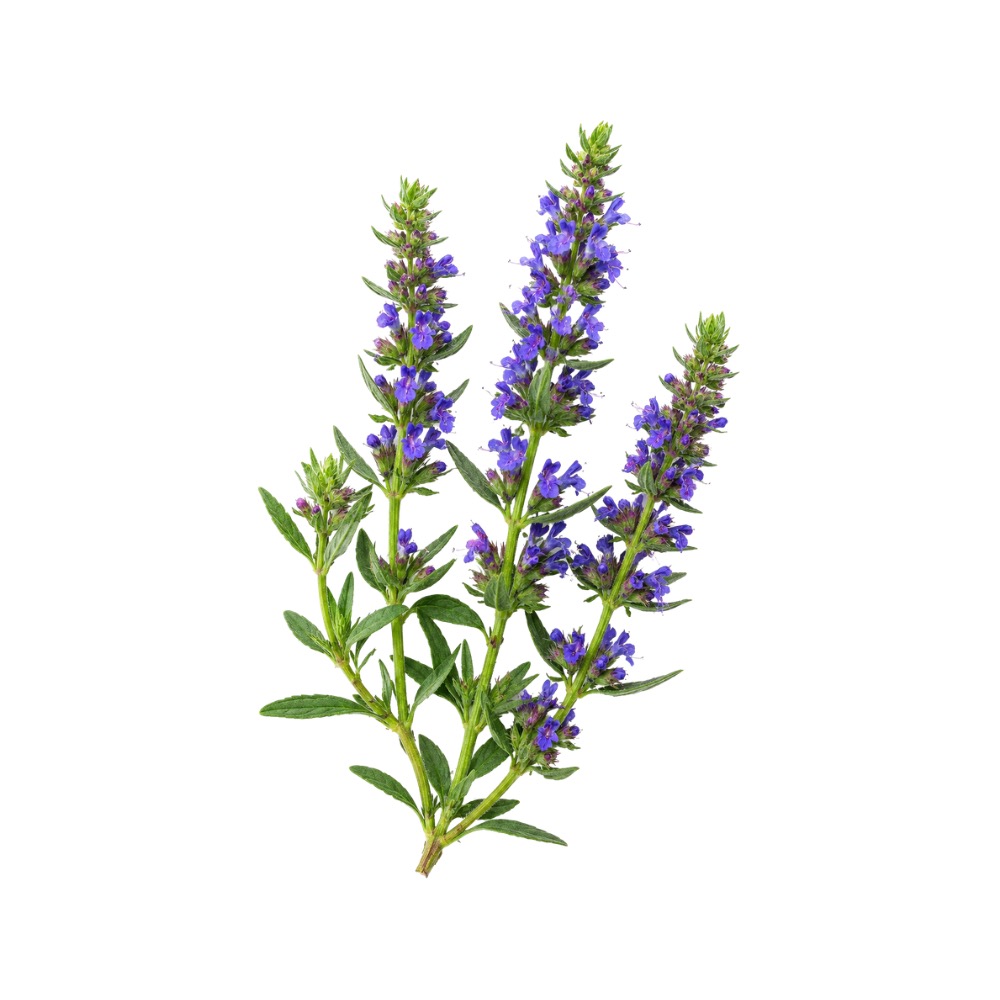 ModerateModerateHyssopHyssopus officinalisAn old European expectorant with a surprising modern trial.Read the evidenceShow lessMonograph →
A randomized, double-blind, placebo-controlled trial found hyssop syrup improved symptoms in mild to moderate asthma 33Reference 33RCTEffect of hyssop (Hyssopus officinalis) syrup on mild to moderate asthma — randomised, double-blind, placebo-controlled trialView study →, and Uyghur-medicine research provides the animal groundwork, with hyssop suppressing airway inflammation, immune dysregulation and airway remodelling in chronic asthmatic mice 34Reference 34AnimalEffect of Hyssopus officinalis L. on inhibiting airway inflammation and immune regulation in a chronic asthmatic mouse model — mouse in vivoView study →.
Remodelling is a disease-modifying endpoint rather than a symptomatic one, which makes the preclinical work more interesting than most. One trial is still one trial.
The safety line is firm and specific. Hyssop essential oil contains pinocamphone and is convulsant, with documented seizures after ingestion, so the oil is not for internal use and the herb is avoided in epilepsy and pregnancy.
The syrup and infusion are a different matter from the oil.
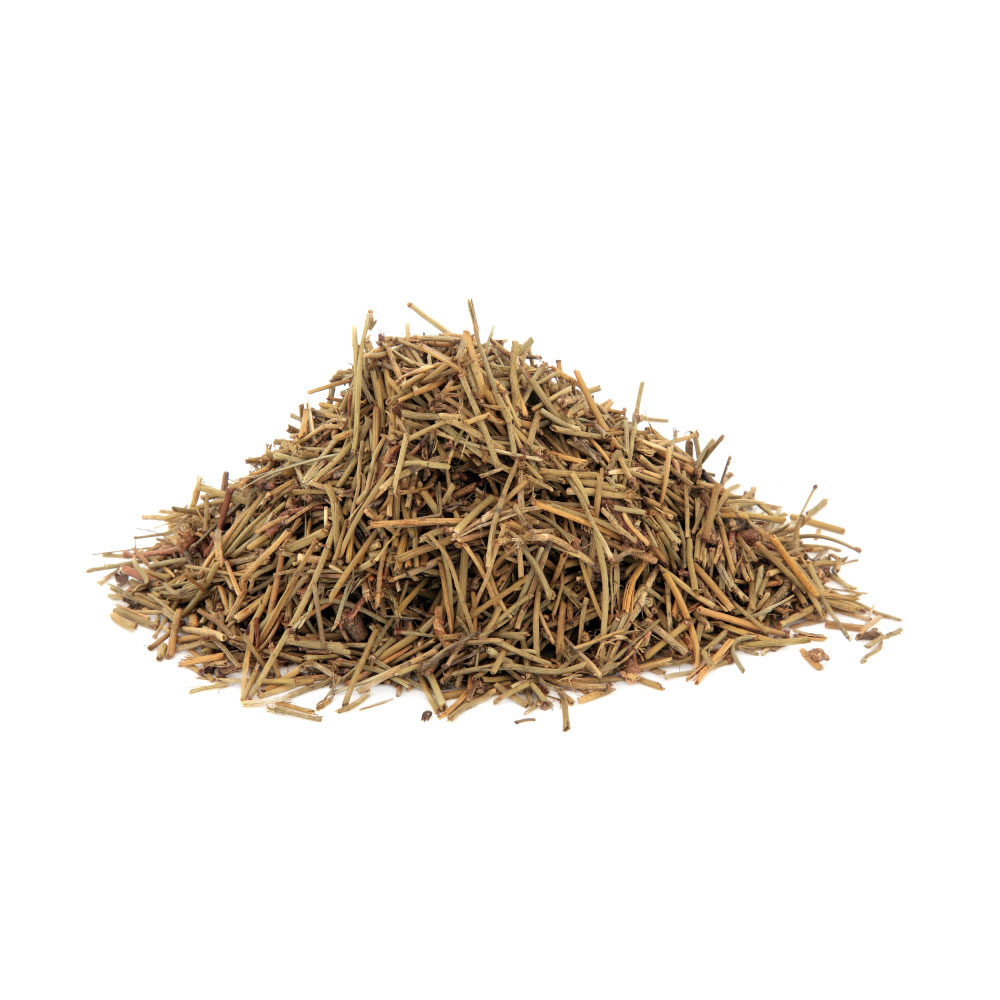 ModerateModerateEphedraEphedra sinicaThe herb that became a drug, and the cautionary tale of this system.Read the evidenceShow lessMonograph →
Ma huang is the original source of ephedrine, a direct sympathomimetic bronchodilator that opens a constricted airway and preceded modern β2-agonists.
Its modern trial evidence is as part of the Japanese Kampo formula maoto, which performed comparably to neuraminidase inhibitors in a randomized controlled trial in influenza 35Reference 35RCTA randomised, controlled trial comparing traditional herbal medicine (maoto) and neuraminidase inhibitors in influenzaView study →, and ephedrine-alkaloid-free extracts retain analgesic, anticancer and anti-influenza activity without the cardiovascular liability 36Reference 36In vitroEphedrine alkaloids-free Ephedra Herb extract: a safer alternative to ephedra with comparable analgesic, anticancer and anti-influenza activity — in vitro and animal modelView study →.
That liability governs everything else. Ephedra alkaloids raise heart rate and blood pressure, and the weight-loss supplement boom of the 1990s produced strokes, myocardial infarctions and deaths, leading the FDA to ban ephedrine-alkaloid dietary supplements in 2004.
It remains a prescription-level medicine used under supervision in Kampo and TCM, and it is not a self-treatment herb. Salbutamol does the same job with a far better margin.
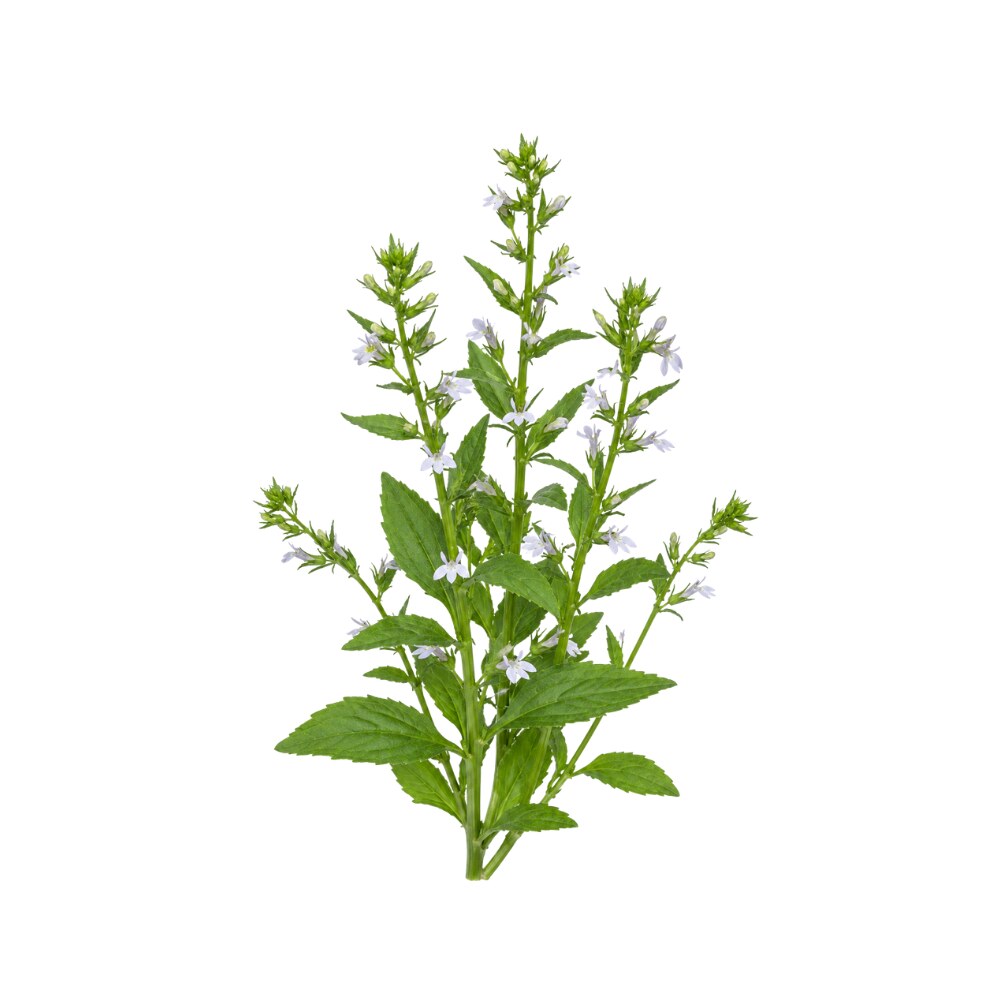 TraditionalTraditionalLobeliaLobelia inflataThe great asthma herb of nineteenth-century American physiomedicalism, and the plant where modern data most clearly fail to support the tradition.Read the evidenceShow lessMonograph →
Lobeline is a nicotinic receptor agonist and does something real in the airway, stimulating pulmonary chemoreflexes via vagal afferents in human physiology studies 39Reference 39Search for evidence of lung chemoreflexes in man: respiratory and circulatory effects of phenyldiguanide and lobeline — human physiologyView study →. That is a respiratory stimulant action, not bronchodilation.
Tested where its nicotinic pharmacology should help most, it failed. A multicentre phase 3 trial of lobeline sulfate for smoking cessation was negative 37Reference 37RCTA multicenter phase 3 trial of lobeline sulfate for smoking cessation — randomised, double-blind, placebo-controlled trialView study →, and a Cochrane review found no evidence it helps 38Reference 38Systematic reviewLobeline for smoking cessation — Cochrane systematic reviewView study →.
Its traditional name, puke weed, describes the dose-limiting effect accurately. The therapeutic and emetic doses sit close together, and overdose causes vomiting, hypotension and, historically, deaths.
Sore Throat, Sinuses and the Upper Airway
8 herbsEverything above the larynx: sore throat, tonsillitis, blocked sinuses, post-nasal drip and the streaming nose of hay fever.
The route is the striking thing about this group. Several of these work as a gargle, a spray or a lozenge, delivered to the tissue directly, which sidesteps the absorption problem that limits so much else.
It also holds the second-strongest body of evidence in the system, in allergic rhinitis, which leads the group.
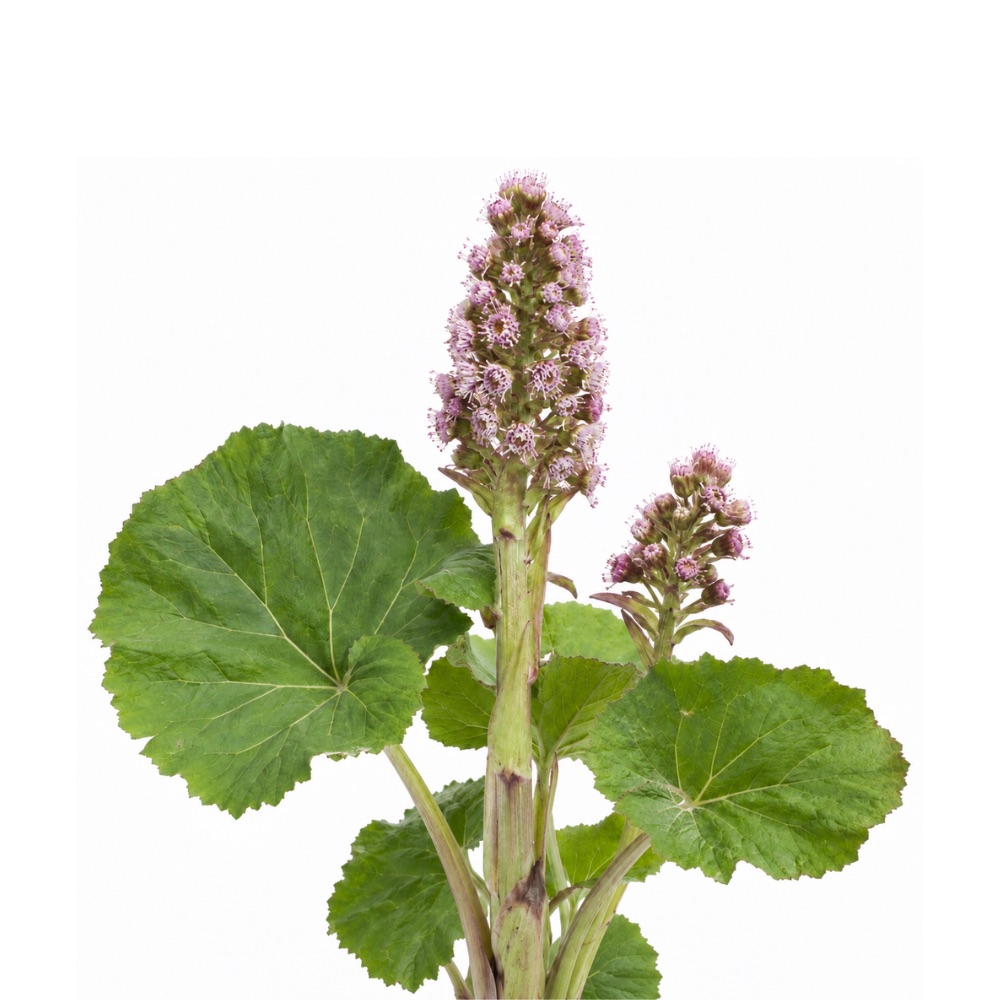 StrongStrongButterburPetasites hybridusThe best-evidenced herb for allergic rhinitis there is, and it was tested the way a drug would be, against active comparators rather than against nothing.Read the evidenceShow less
The standardised leaf extract Ze 339 matched cetirizine on symptom scores in a randomised trial and did so without cetirizine’s sedation 79Reference 79RCTRandomised controlled trial of butterbur and cetirizine for treating seasonal allergic rhinitisView study →, matched fexofenadine in a placebo-controlled evaluation using objective as well as subjective outcomes 80Reference 80RCTA placebo-controlled evaluation of butterbur and fexofenadine on objective and subjective outcomes in perennial allergic rhinitis — randomised controlled trialView study →, and beat placebo in a further antihistamine-controlled study 81Reference 81RCTTreating intermittent allergic rhinitis: a prospective, randomised, placebo- and antihistamine-controlled study of butterbur extract Ze 339View study →.
The effect is dose-dependent 82Reference 82RCTButterbur Ze 339 for the treatment of intermittent allergic rhinitis: dose-dependent efficacy — randomised controlled trialView study →, and it survives the test that separates a real anti-allergic effect from a diary artefact: adenosine-monophosphate nasal challenge, an objective provocation measure, was attenuated too 83Reference 83RCTButterbur attenuates adenosine-monophosphate-induced nasal responsiveness in seasonal allergic rhinitis — randomised controlled trialView study →.
The mechanism explains the absence of sedation. Butterbur is not an antihistamine, and its petasins inhibit 5-lipoxygenase and COX-2, cutting the leukotrienes that drive nasal congestion and the late-phase response, the pathway montelukast targets rather than the one cetirizine does.
The asthma material is a separate and much weaker claim, and must not be read at the same confidence. It amounts to one add-on randomised trial in sixteen patients already on inhaled corticosteroids 91Reference 91RCTButterbur confers complementary anti-inflammatory activity in asthmatic patients receiving inhaled corticosteroids — randomised controlled trialView study → plus a mouse airway model 74Reference 74AnimalPetasites extract Ze 339 inhibits allergen-induced Th2 responses, airway inflammation and airway hyperreactivity — mouse allergic-airway modelView study →. That is a signal rather than a result.
One preparation rule governs the whole entry. Raw butterbur contains hepatotoxic pyrrolizidine alkaloids, and every result above belongs to a standardised, alkaloid-depleted extract.
A product that does not state alkaloid removal is a liver risk rather than a hay-fever remedy, and the plant itself is not a home preparation.
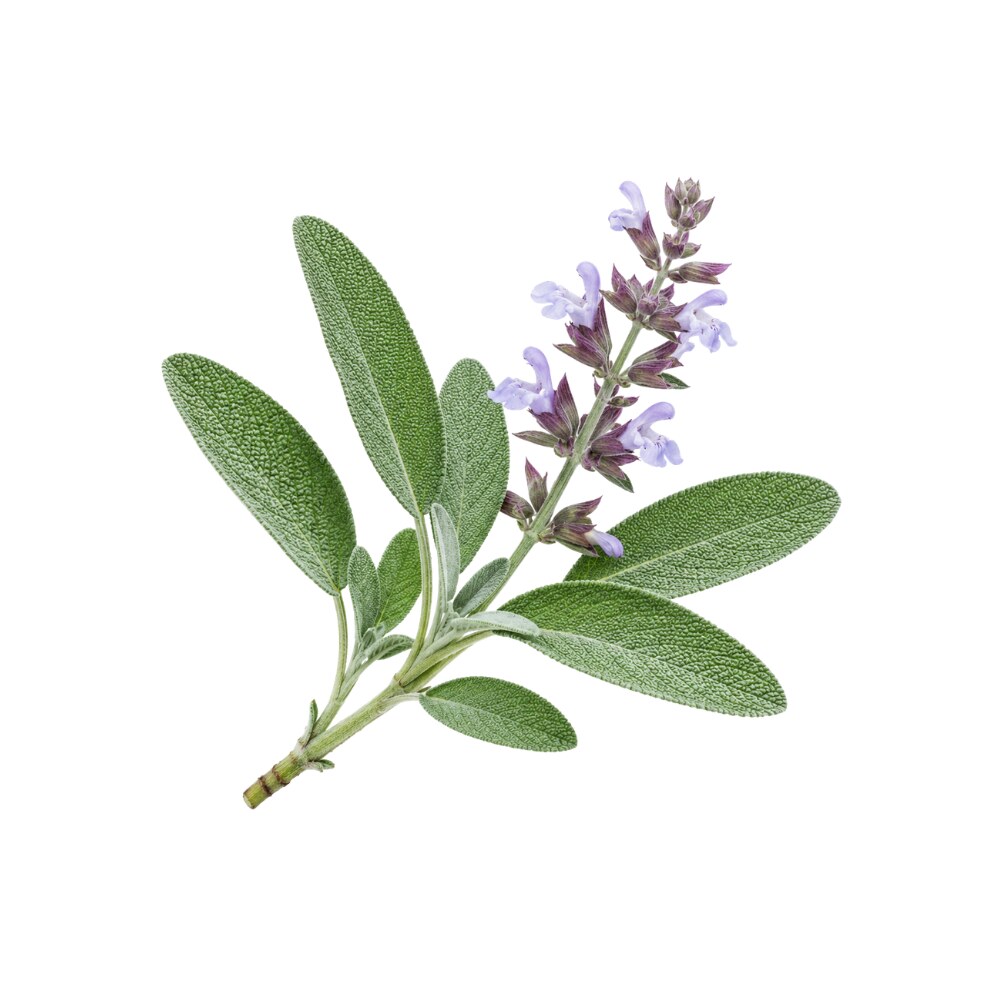 StrongStrongSageSalvia officinalisThe best-evidenced sore-throat herb, and its evidence is as a spray rather than a tea.Read the evidenceShow lessMonograph →
A randomized, double-blind, placebo-controlled study found a Salvia officinalis spray significantly reduced throat pain in acute pharyngitis, with a clear dose-response 40Reference 40RCTEfficacy and tolerability of a spray with Salvia officinalis in the treatment of acute pharyngitis — randomised, double-blind, placebo-controlled studyView study →.
A randomized double-blind trial of an echinacea/sage spray against a chlorhexidine/lidocaine spray found the herbal preparation as effective as the conventional one 41Reference 41RCTEchinacea/sage or chlorhexidine/lidocaine for treating acute sore throats — randomised double-blind trialView study →, which is a stronger form of evidence than another placebo comparison, and a later observational trial of echinacea/salvia lozenges also measured a reduction in viral load 42Reference 42Clinical trialReduction of viral load in patients with acute sore throats — observational clinical trial with echinacea/salvia lozengesView study →. The anti-inflammatory constituents of a sage infusion have been identified directly 43Reference 43In vitroIdentification of 1,8-cineole, borneol, camphor and thujone as anti-inflammatory compounds in a Salvia officinalis L. infusion using human gingival fibroblasts — in vitroView study →.
Sage contains thujone, which is neurotoxic and convulsant in quantity, so prolonged high-dose internal use of the herb, and any internal use of the essential oil, is inappropriate. A throat spray is a small topical dose.
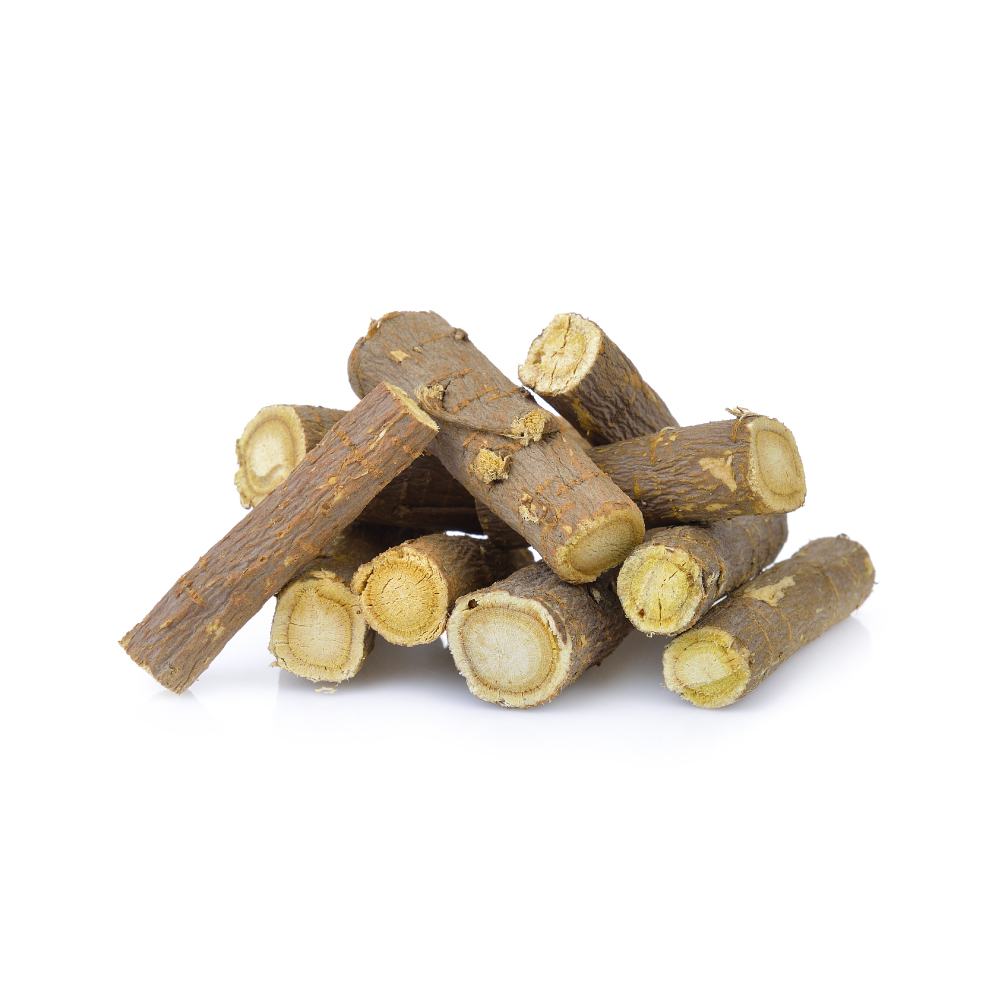 StrongStrongLicoriceGlycyrrhiza glabraAn unusually specific and well-replicated result: a licorice gargle before anaesthesia reduces post-operative sore throat and post-extubation coughing.Read the evidenceShow lessMonograph →
A randomized double-blind trial against a sugar-water gargle, which controls for the sweet, viscous vehicle, found licorice significantly reduced both 44Reference 44RCTA randomised, double-blind comparison of licorice versus sugar-water gargle for prevention of postoperative sore throat and postextubation coughingView study →. Earlier and later randomized trials agree, including a dose-ranging study 45,
That is a hard, objective, surgical endpoint, and the demulcent and anti-inflammatory action extends to ordinary sore throat by reasonable inference.
Whole licorice raises blood pressure through glycyrrhizin’s inhibition of 11β-HSD2, though a gargle that is spat out is a different exposure from a daily tea.
StrongStrongEucalyptusEucalyptus globulusIts second appearance, for the sinuses.Also underAcute ↓Read the evidenceShow lessMonograph →
A double-blind, randomized, placebo-controlled trial found cineole significantly improved symptoms of acute non-purulent rhinosinusitis, with benefit apparent by day four 48Reference 48RCTTherapy for acute nonpurulent rhinosinusitis with cineole — double-blind, randomised, placebo-controlled trialView study →. A further randomized controlled trial assessed herbal medicines in the same condition 49Reference 49RCTThe value of herbal medicines in the treatment of acute non-purulent rhinosinusitis — randomised controlled trialView study →, and a systematic review and network meta-analysis of herbal medicines for rhinosinusitis places cineole among the better-supported options 50Reference 50Meta-analysisHerbal medicines for rhinosinusitis — systematic review and network meta-analysisView study →.
Sinusitis is one of the most over-antibioticed conditions in primary care and most cases are viral, which makes an effective non-antibiotic option useful.
The same route caveat applies. This is the swallowed enteric-coated capsule, not steam inhalation, though steam has its own modest, mostly symptomatic case for nasal patency.
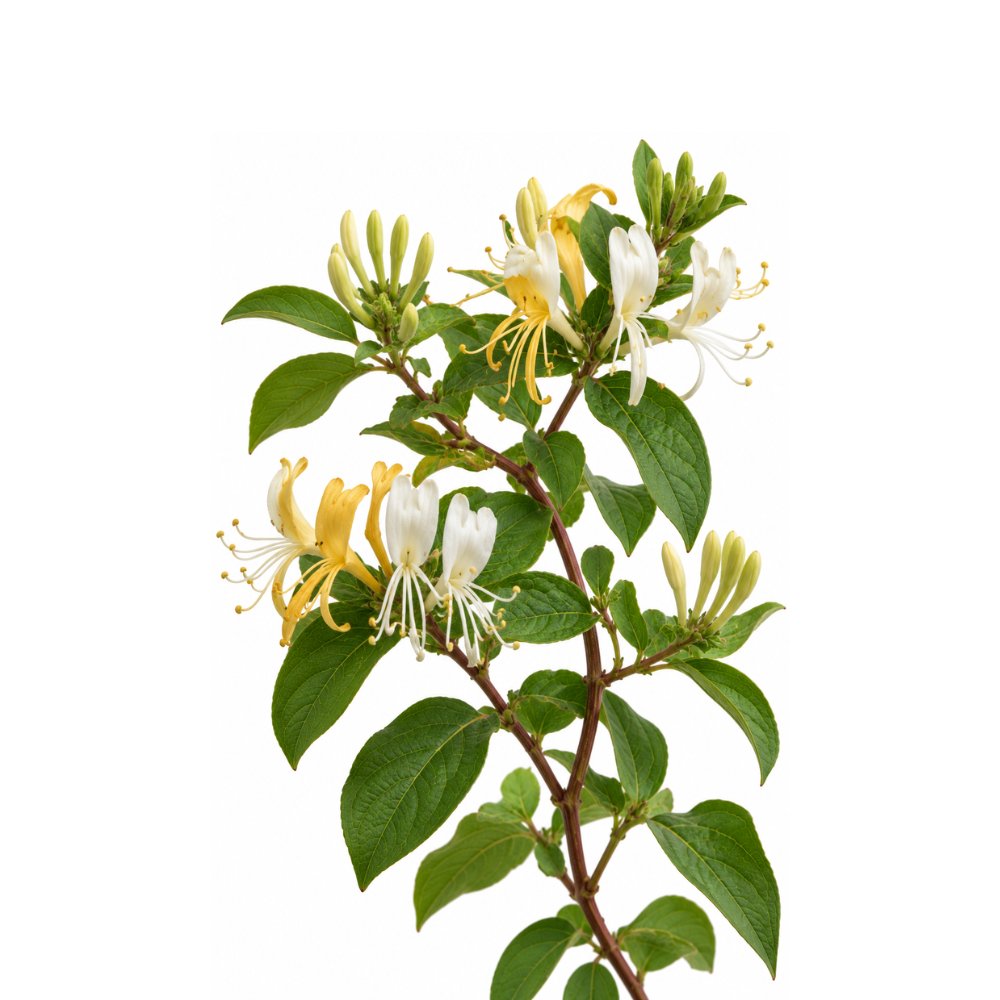 ModerateModerateHoneysuckleLonicera japonicaJin yin hua, half of the classic Yin Qiao formula for the early sore-throat stage of a wind-heat invasion, and the pairing has survived into modern products.Read the evidenceShow lessMonograph →
A randomized placebo-controlled trial of multi-herb botanical lozenges containing honeysuckle found benefit in chronic pharyngitis 53Reference 53RCTEfficacy of botanical lozenges in the treatment of chronic pharyngitis — randomised placebo-controlled trialView study →, a persistent, hard-to-treat complaint with few good options, which makes it a more interesting target than acute sore throat.
As with every polyherbal result, the effect belongs to the formula rather than to honeysuckle alone. Its antiviral pharmacology, including the contested plant-microRNA mechanism, is covered on the immune page.
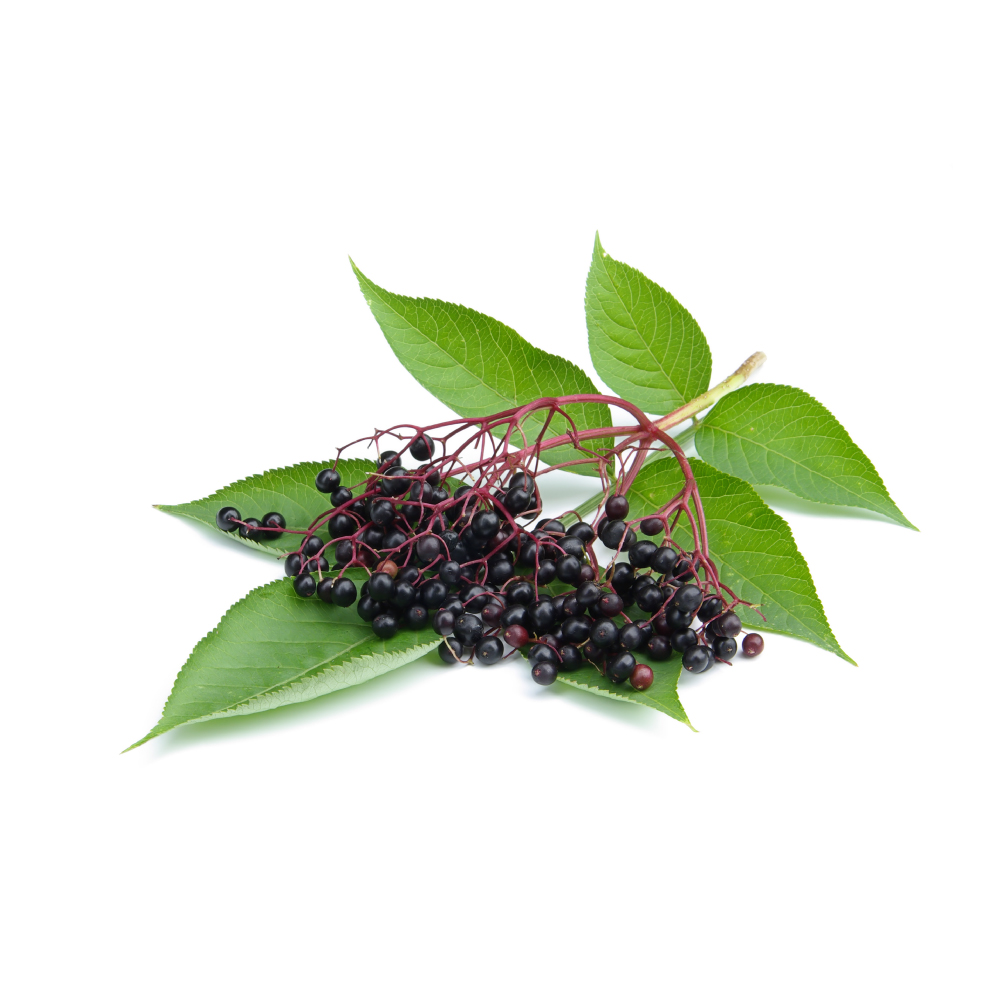 ModerateModerateElderSambucus nigraTwo different medicines from one plant, and the upper airway is where the flower belongs.Read the evidenceShow lessMonograph →
Elderflower is the traditional anti-catarrhal, taken hot for sinus congestion and the runny, streaming stage of a cold, usually with peppermint and yarrow, and it is essentially untested on that indication.
The berry carries all the trial evidence, and it is mixed. A meta-analysis found substantial reduction in upper respiratory symptoms 55Reference 55Meta-analysisBlack elderberry (Sambucus nigra) supplementation effectively treats upper respiratory symptoms — meta-analysis of randomised controlled clinical trialsView study →, while a randomized, double-blind, placebo-controlled trial in emergency-department influenza patients found no benefit 56Reference 56RCTElderberry extract outpatient influenza treatment for emergency room patients ages 5 and above — randomised, double-blind, placebo-controlled trialView study →, and a systematic review of elderberry for viral respiratory illness concluded the evidence is limited and of low certainty 54Reference 54Systematic reviewElderberry for prevention and treatment of viral respiratory illnesses — systematic reviewView study →.
Raw or unripe berries and all green parts are cyanogenic, so preparations must be cooked.
ModerateModerateMarshmallowAlthaea officinalisIts second appearance, for the throat rather than the cough.Also underDry ↓Read the evidenceShow lessMonograph →
A randomized active-controlled trial of an Althaea-honey mouth and throat spray found it effective for sore throat 51Reference 51RCTEffectiveness and tolerability of an Ectoin mouth and throat spray with Althaea honey for sore throat — randomised, active-controlled trialView study →, and a randomized, open-label multicentre trial of the combination extract BNO 1030, which contains marshmallow root, found benefit in acute non-bacterial tonsillitis in children 52Reference 52RCTRandomised, open-label, multicentre comparative study of BNO 1030 extract in acute non-bacterial tonsillitis in childrenView study →.
Both are combination products, so the result belongs to the preparation.
The mucilage-coating rationale is the same as for cough and applies even more directly, since the target tissue is the one the preparation actually touches.
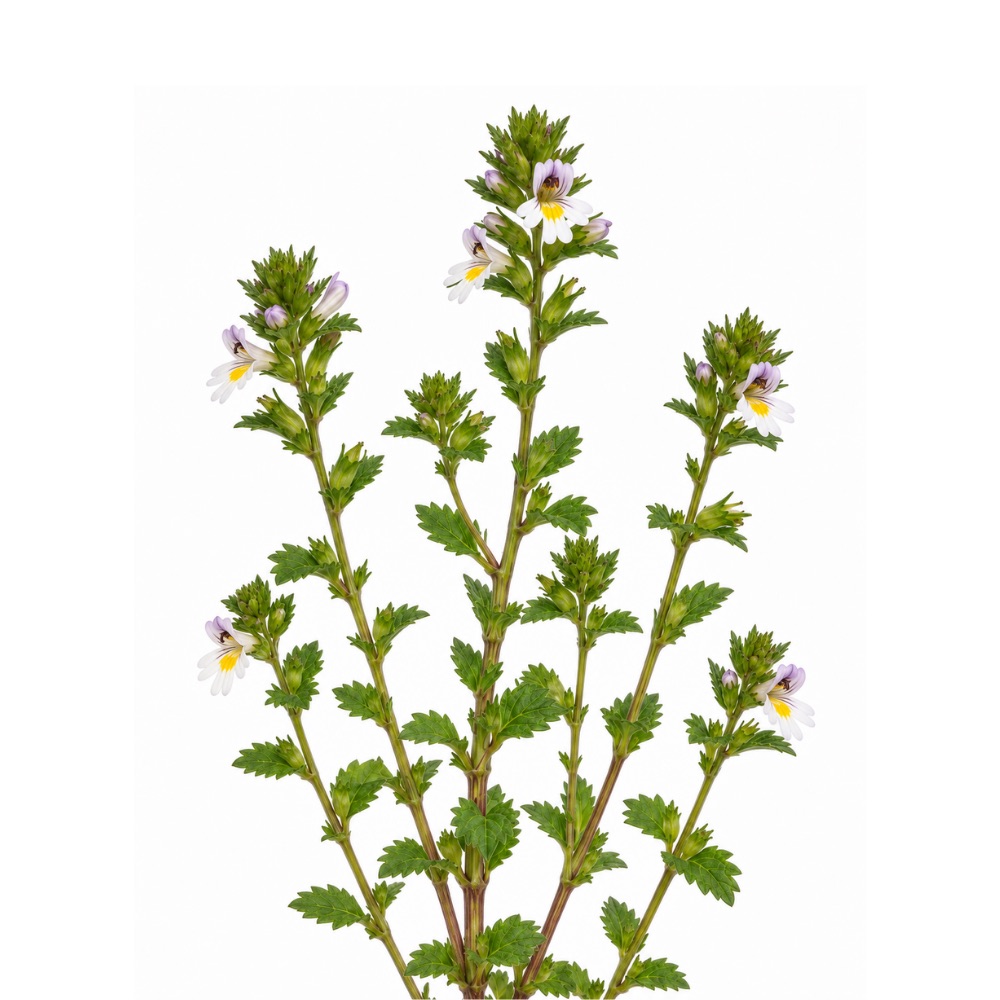 PreclinicalPreclinicalEyebrightEuphrasia officinalisThe type specimen of the old anti-catarrhal thread — drying, astringent herbs for the streaming, over-secreting upper airway, taken internally rather than applied. Eyebright is classically paired with goldenrod or elderflower for hay fever, sinus congestion and the catarrhal tail of a cold.Read the evidenceShow less
That internal use rests on the herb’s astringent character plus the cytokine suppression measured in human corneal cells 89,
The famous half of its reputation, the eyewash, is a different question and a worse one: the single rigorous trial of Euphrasia eye drops was negative, and European regulators declined a monograph and advise against ocular use on efficacy and hygiene grounds. That is dealt with on the eye page, and the contamination objection does not attach to the internal use.
Chronic Lung Disease & Lung Support
9 herbsCOPD, chronic bronchitis and lung support during cancer treatment.
The evidence is mostly Chinese, mostly as an adjunct to standard pharmacotherapy, and mostly on symptom scores, exercise tolerance and exacerbation frequency rather than on lung function or survival.
None of it treats the underlying disease, and in COPD the single intervention that changes the trajectory is stopping smoking.
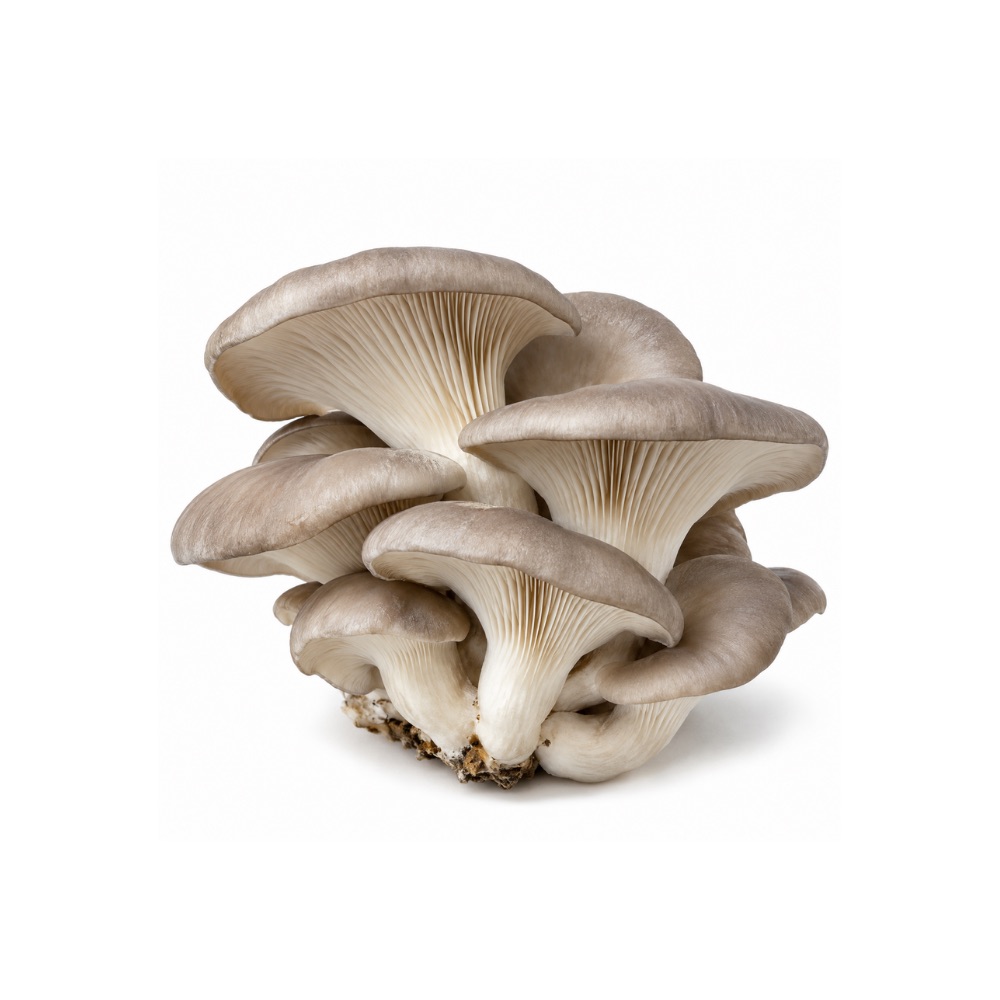 StrongStrongOyster MushroomPleurotus ostreatusThe best-evidenced entry in this group, and the one that fits these categories least.Read the evidenceShow less
Pleuran, an insoluble β-glucan from the fruiting body, does nothing to bronchial smooth muscle, nothing to mucus viscosity and nothing to the cough reflex. It acts on the immune system, and the airway benefit is downstream.
What it has is trials. A twelve-month randomised placebo-controlled study in 175 children with recurrent respiratory tract infections found fewer infections on pleuran 92Reference 92RCTImmunomodulatory effect of pleuran (β-glucan from Pleurotus ostreatus) in children with recurrent respiratory tract infections — randomised controlled trialView study →; a later multicentre trial in 249 children using a chewable formulation reached the same conclusion 93Reference 93RCTA novel chewable pleuran-based supplement decreases respiratory tract infections in children — randomised controlled trialView study →; and a randomised trial in athletes under heavy training loads found fewer upper-respiratory symptoms 94Reference 94RCTPleuran supplementation, cellular immune response and respiratory tract infections in athletes — randomised controlled trialView study →.
Separately, in children with partially controlled perennial asthma, the same extract improved asthma control and reduced infection frequency 95Reference 95RCTBeneficial effects of pleuran on asthma control and respiratory tract-infection frequency in children with perennial asthma — randomised controlled trialView study →, a plausible consequence of preventing the infections that trigger exacerbations rather than evidence of any bronchodilator effect.
Nearly all of it comes from one Slovak research group working with one commercial preparation, and independent replication is thin. The evidence also belongs to the isolated β-glucan at a defined dose, and eating oyster mushrooms is a good idea for other reasons and is not this intervention.
The immune mechanism itself is set out on the immune system page.
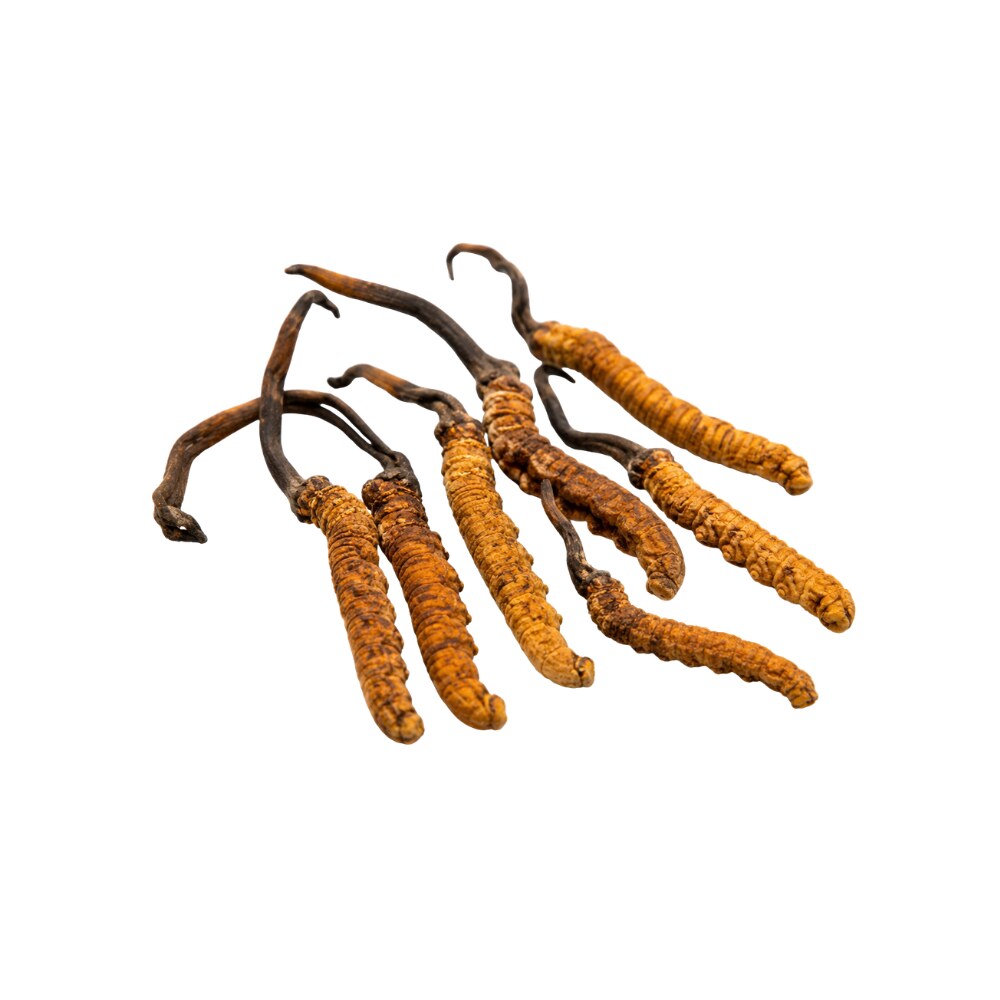 ModerateModerateCordycepsCordyceps sinensisThe lung tonic of Chinese medicine, and the entry with the most relevant recent trial.Read the evidenceShow lessMonograph →
A multicentre, randomized, active-controlled trial of a Cordyceps capsule in mild to severe COPD reported improvement in symptoms and exercise capacity 57Reference 57RCTThe effectiveness of Yong Chong Cao capsule in patients with mild to severe COPD — multicentre, randomised, active-controlled trialView study →, and a systematic review of oral Chinese herbal medicine added to pharmacotherapy in stable COPD found effects on the BODE index and six-minute walk test 58Reference 58Systematic reviewOral Chinese herbal medicine combined with pharmacotherapy for stable COPD — systematic review of effect on BODE index and six-minute walk testView study →, functional endpoints that matter to patients.
A separate meta-analysis covers adjuvant use alongside lung cancer treatment 59Reference 59Meta-analysisAdjuvant treatment with Cordyceps sinensis for lung cancer — systematic review and meta-analysis of randomised controlled trialsView study →, and cordycepin alleviates airway hyperreactivity in a murine asthma model 60Reference 60AnimalCordycepin alleviates airway hyperreactivity in a murine model of asthma by attenuating the inflammatory process — mouse in vivoView study →.
The product caveat is substantial. Almost everything sold is cultivated C. militaris or mycelium-on-grain biomass rather than wild C. sinensis, and the active content differs by an order of magnitude.
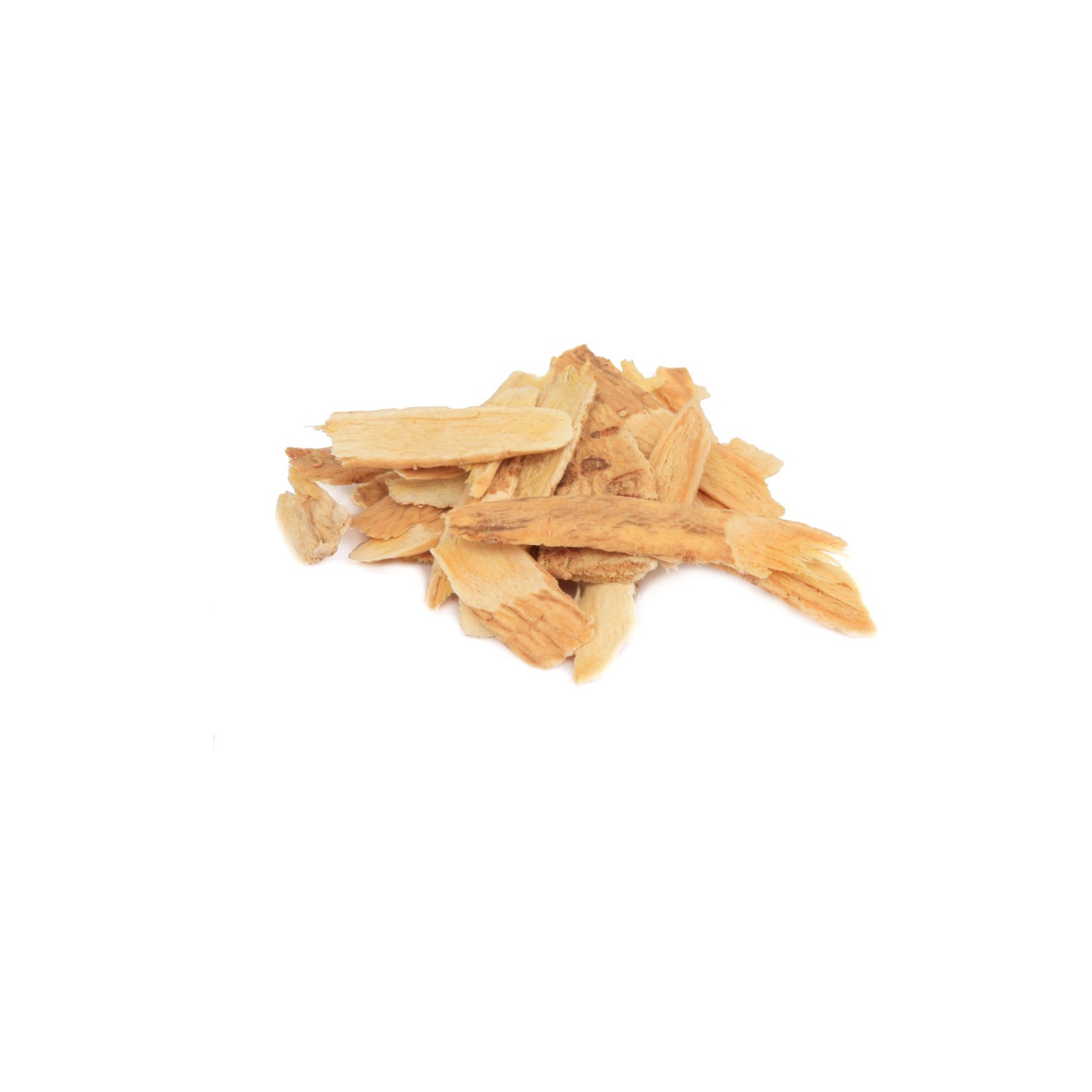 ModerateModerateAstragalusAstragalus membranaceusIts role in the lung is largely oncological.Read the evidenceShow lessMonograph →
A meta-analysis of randomized trials in the Journal of Clinical Oncology found astragalus-based formulas added to platinum-based chemotherapy for advanced non-small-cell lung cancer improved survival and tumour response 61Reference 61Meta-analysisAstragalus-based Chinese herbs and platinum-based chemotherapy for advanced non-small-cell lung cancer — meta-analysis of randomised trialsView study →, supported by a later systematic review of astragalus injection in the same setting 62Reference 62Meta-analysisEvidence of Astragalus injection combined with platinum-based chemotherapy in advanced non-small cell lung cancer — systematic review and meta-analysisView study →.
For prevention of recurrent respiratory infection in children, a Cochrane review found the trials too few and too poor to conclude anything 63Reference 63Systematic reviewOral Astragalus (Huang qi) for preventing frequent episodes of acute respiratory tract infection in children — Cochrane systematic reviewView study →.
Much of the oncology evidence uses injectable preparations unavailable outside China, the contributing trials are small and of variable quality, and this belongs in an oncologist conversation rather than a self-directed one.
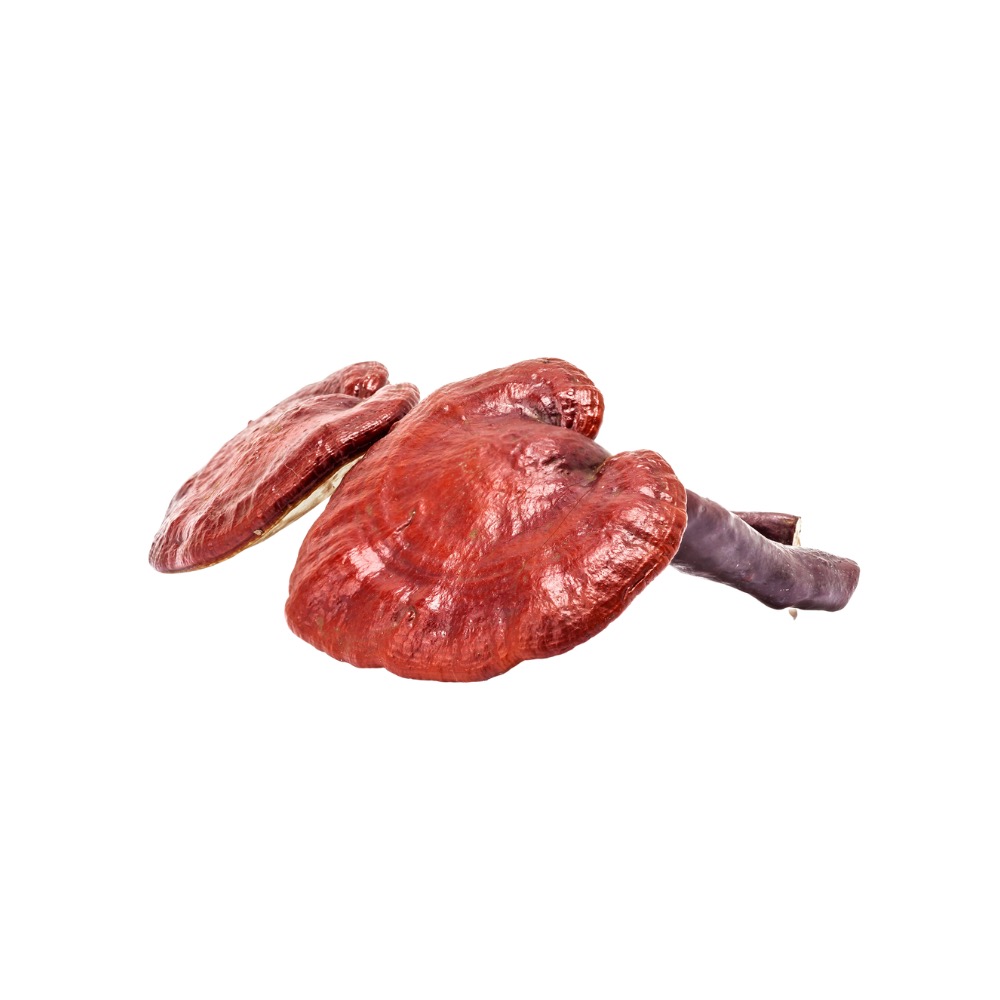 ModerateModerateReishiGanoderma lucidumIts human trials were run in the lung population that matters most.Read the evidenceShow lessMonograph →
A clinical trial of water-soluble G. lucidum polysaccharides in patients with advanced lung cancer found changes in immune function alongside improvement in quality-of-life measures 64Reference 64Clinical trialEffects of water-soluble Ganoderma lucidum polysaccharides on the immune functions of patients with advanced lung cancer — clinical trialView study →.
That is an immune-marker and symptom endpoint in a seriously ill group rather than an anticancer effect, and the distinction matters.
Traditional Chinese use is as a lung and qi tonic for chronic cough and wheezing, which is broader than anything tested. Reishi is well tolerated, with a mild antiplatelet effect worth noting before surgery.
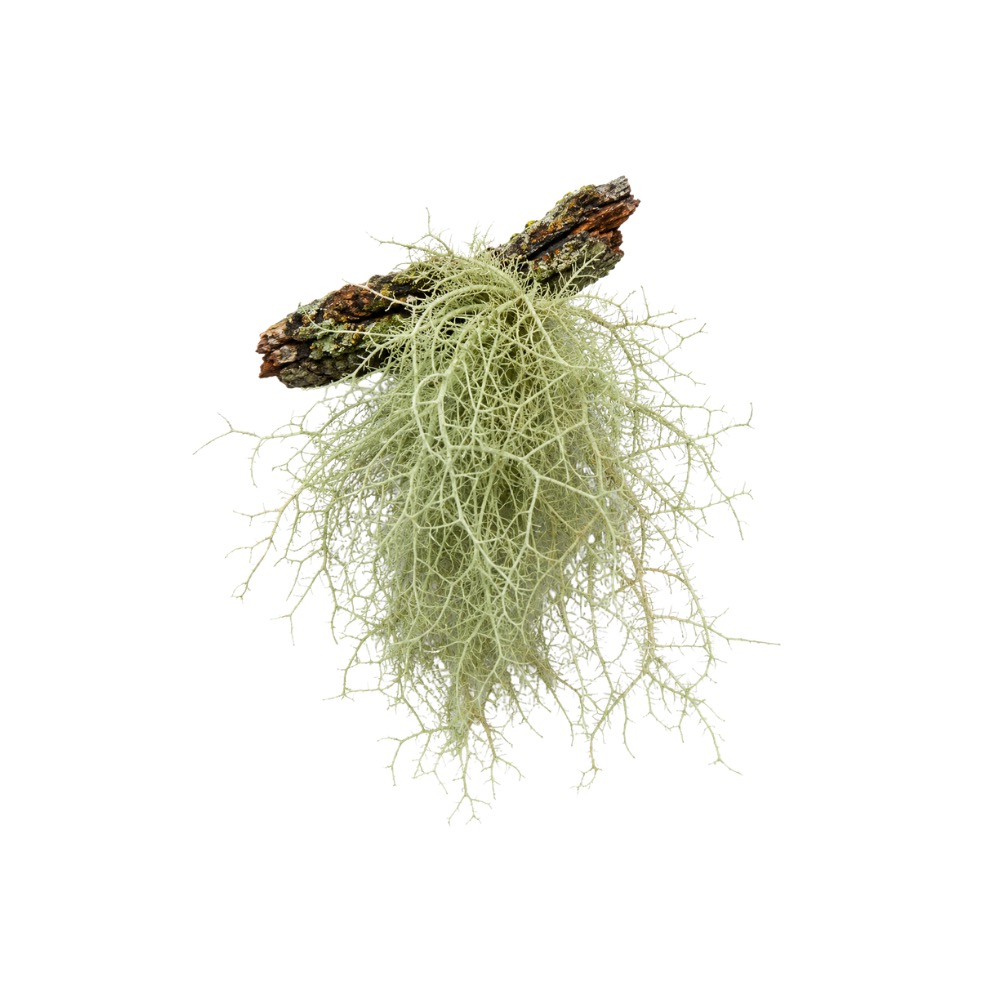 PreclinicalPreclinicalUsneaUsnea spp.The lichen antimicrobial, traditionally used for chest and respiratory infection.Read the evidenceShow lessMonograph →
Usnic acid protects against LPS-induced acute lung injury in mice by attenuating inflammation and oxidative stress 65Reference 65AnimalUsnic acid protects against LPS-induced acute lung injury in mice through attenuating inflammatory responses and oxidative stress — mouse modelView study →, and the in vitro antibacterial activity against Gram-positive organisms is well established. There is no human respiratory trial.
Usnic acid is hepatotoxic, with documented cases of severe liver injury and liver failure, including deaths, from usnic-acid-containing weight-loss supplements, which led to a US market withdrawal.
Traditional topical and short-term internal use is a different exposure from a concentrated daily supplement, and this is not a herb for long-term internal use.
ModerateModerateThymeThymus vulgarisIts second appearance, for chronic rather than acute airways.Also underAcute ↓Read the evidenceShow lessMonograph →
A randomized controlled trial found thyme oil improved respiratory symptoms and vital-sign measures in COPD patients 66Reference 66RCTEffects of thyme oil on respiratory symptoms, hemodynamic parameters and vital signs in COPD patients — randomised controlled trialView study →, and thyme extract raises mucociliary beat frequency in primary cell lines taken from COPD patients 7Reference 7In vitroThyme extract increases mucociliary-beating frequency in primary cell lines from COPD patients — in vitroView study →, a mechanism that maps directly onto the mucus-clearance problem that defines chronic bronchitis.
This is a symptomatic, mucus-clearance role rather than a disease-modifying one.
The Lamiaceae allergy caution 67Reference 67Case reportLabiatae allergy: systemic reactions due to ingestion of oregano and thyme — case reportsView study → and the distinction between the oil and the extract both apply.
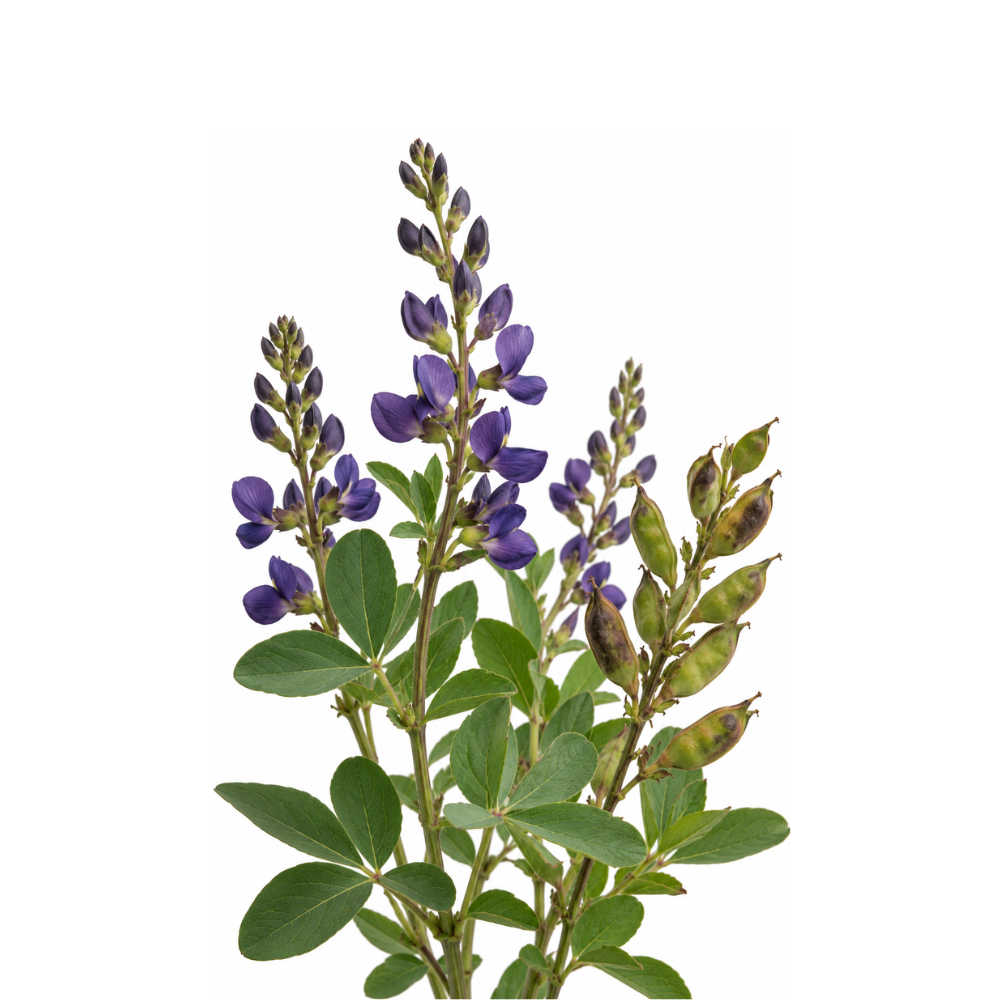 PreclinicalPreclinicalWild IndigoBaptisia tinctoriaThe anti-infective adjunct question in chronic bronchitis, and an answer that belongs to a product. Wild indigo appears in the randomised record only as one third of a fixed combination with echinacea and thuja, where it shortened colds against placebo and, added to macrolide therapy in acute exacerbation of chronic bronchitis, produced faster recovery and better day-10 FEV₁ 96,
97Reference 96RCTEfficacy and safety of a fixed combination phytomedicine in the treatment of the common cold — randomised, double-blind, placebo-controlled multicentre trialView study →Reference 97RCTEsberitox N as supportive therapy alongside standard antibiotic treatment in acute exacerbation of chronic bronchitis — randomised, double-blind, placebo-controlled trialView study → .Read the evidenceShow less
Each tablet carries roughly ten milligrams of Baptisia, and echinacea holds the larger independent evidence, so the result is the combination’s rather than the plant’s.
Its own pharmacology — arabinogalactan-proteins raising lymphocyte proliferation and macrophage output — is on the immune page, along with the reason it does not belong in autoimmune disease.
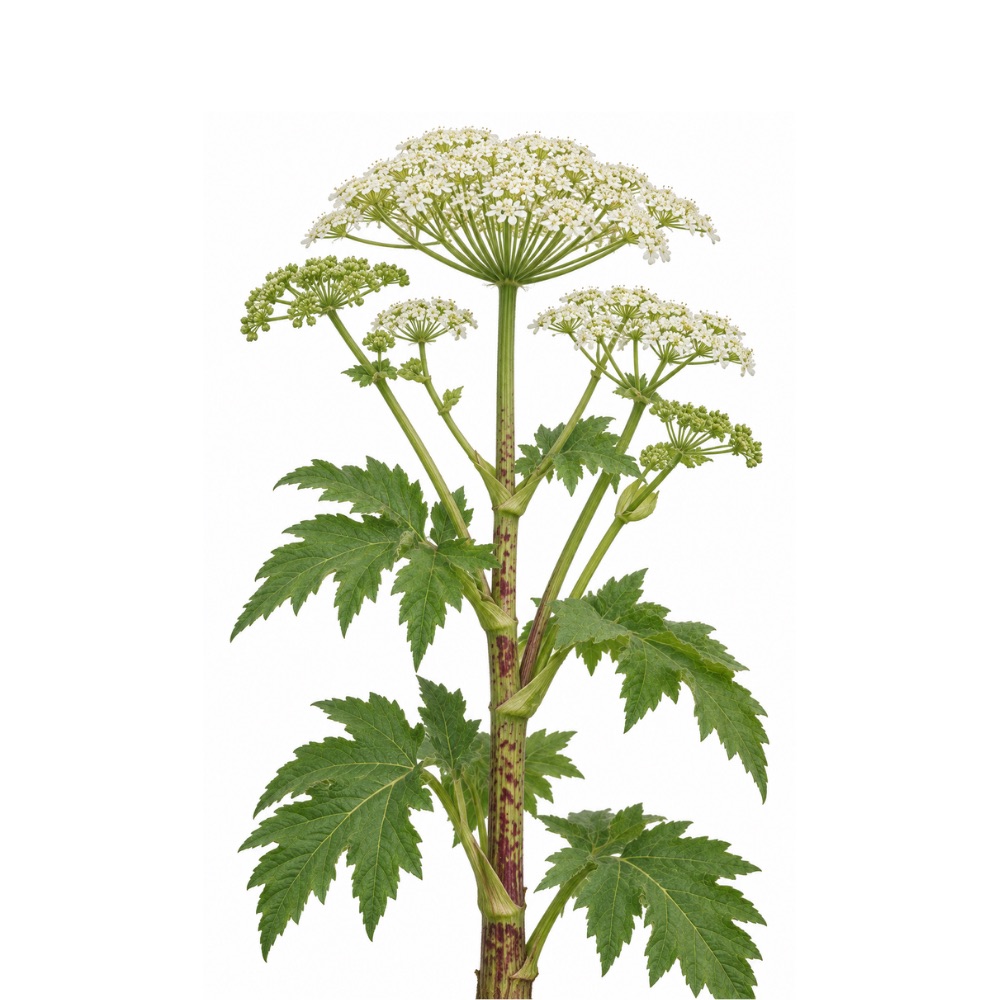 PreclinicalPreclinicalCow ParsnipHeracleum maximumA tuberculosis and respiratory tea across northern North America, and one of the rare cases where the active preparation matches the traditional one. Bioassay-guided fractionation of the root finds antimycobacterial diynes and furanocoumarins, principally falcarindiol, with the aqueous root infusion as the active form 75,
76Reference 75In vitroThe Canadian medicinal plant Heracleum maximum contains antimycobacterial diynes and furanocoumarins — in vitroView study →Reference 76In vitroAntimycobacterial screening of traditional medicinal plants using the microplate resazurin assay — in vitroView study → .Read the evidenceShow less
Three groups report that independently, which is more corroboration than most traditional-tier plants get.
It is still in vitro, mostly against the avirulent laboratory strain H37Ra, with most potency data from methanolic rather than aqueous extracts, and no animal or human work.
Handling is its own hazard. The plant is furanocoumarin-rich, and skin contact plus sunlight causes a delayed blistering burn.
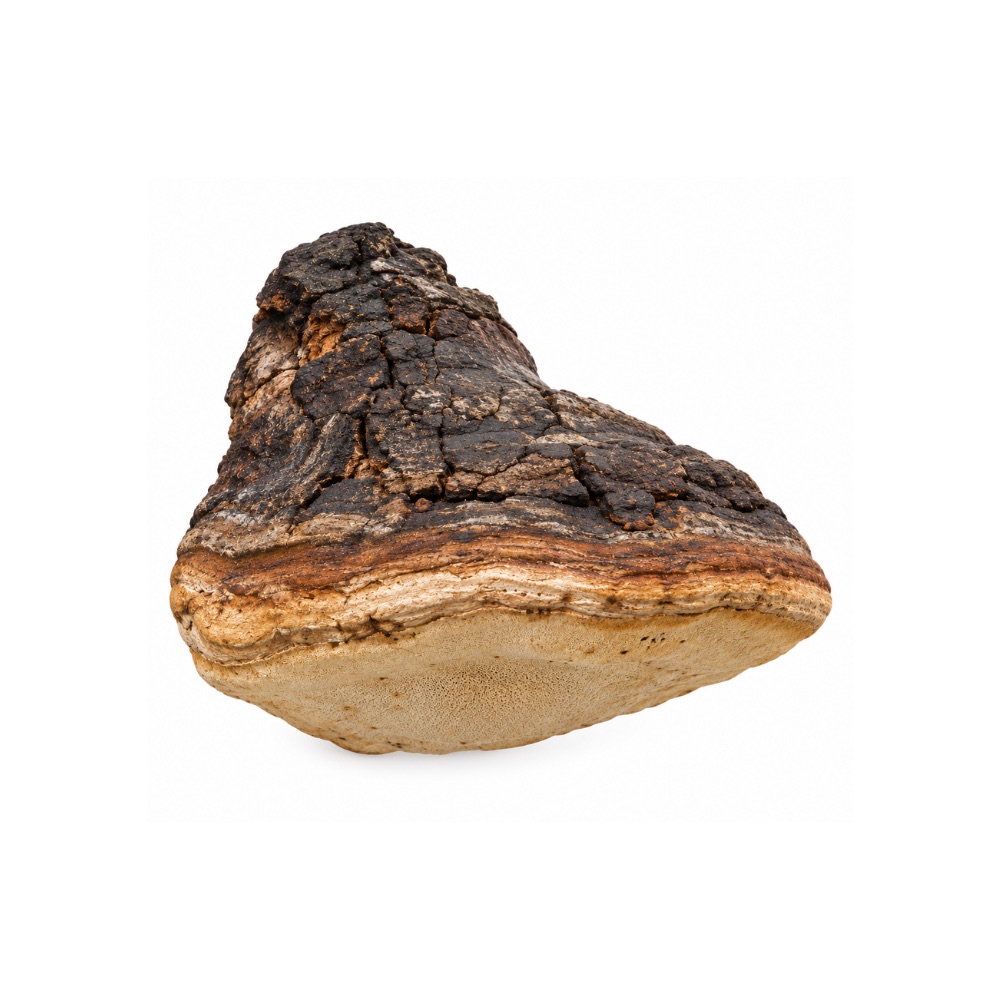 PreclinicalPreclinicalAgarikonFomitopsis officinalisDescribed by Dioscorides for consumption and used by Western pharmacy against tubercular night sweats, which makes it the second herb here carrying tuberculosis’s signature. Cultured mycelium yields chlorinated coumarins active against the M. tuberculosis complex 77Reference 77In vitroChlorinated coumarins from the polypore mushroom Fomitopsis officinalis and their activity against Mycobacterium tuberculosis — in vitroView study →.Read the evidenceShow less
The night-sweat use is pharmacologically real rather than folkloric — agaric acid is a potent anti-sweat agent and a powerful purgative — and in both cases the effect is dose-dependent toxicity. This fungus works by doing damage.
Its selectivity index against mycobacteria sits near one, meaning it is close to host-toxic at the concentration that works, and nothing has reached an animal.
It is old-growth-dependent and IUCN Endangered, so the forest is the better place for it.
Consumption was the defining chronic lung disease of the pre-antibiotic world, and tradition and chemistry converging on the same organism twice — in a streamside umbellifer and an old-growth polypore — is worth noticing.
It is also, as treatment, nothing. Both findings are in vitro, mostly against an avirulent laboratory strain, and neither has reached an animal.
Tuberculosis is curable with the drug regimens that exist and lethal without them, it is notifiable, and partial treatment is how drug resistance is made.
No herbs match these filters.
Also Tagged
33 more herbs are tagged for this system.
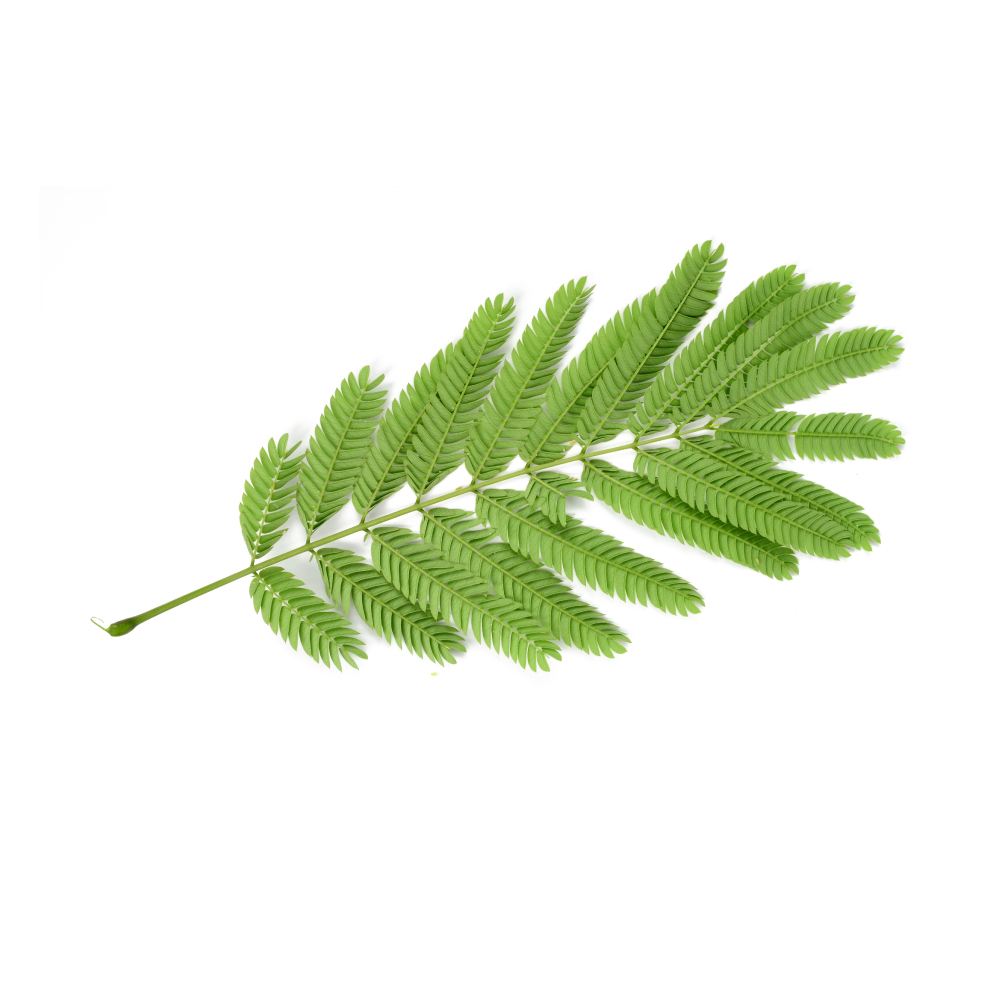
Albizzia
Albizzia lebbeck
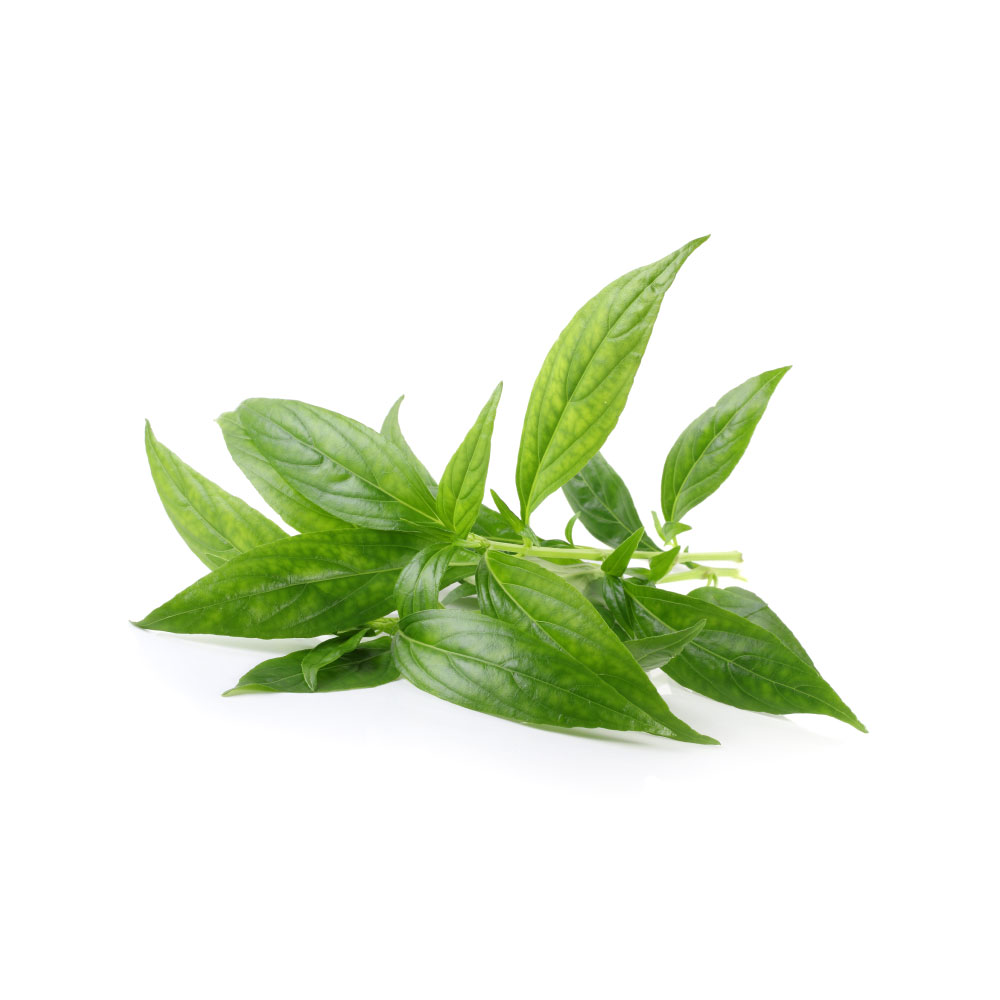
Andrographis
Andrographis paniculata
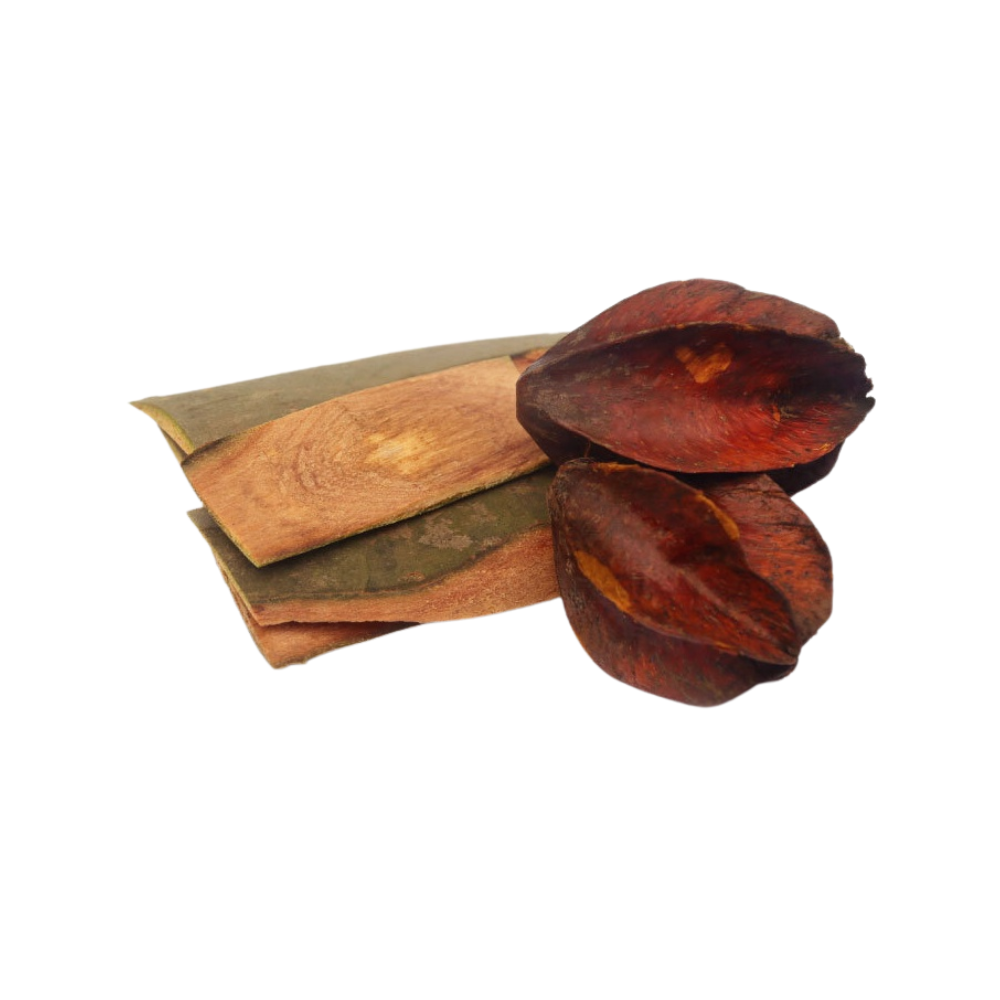
Arjuna
Terminalia arjuna
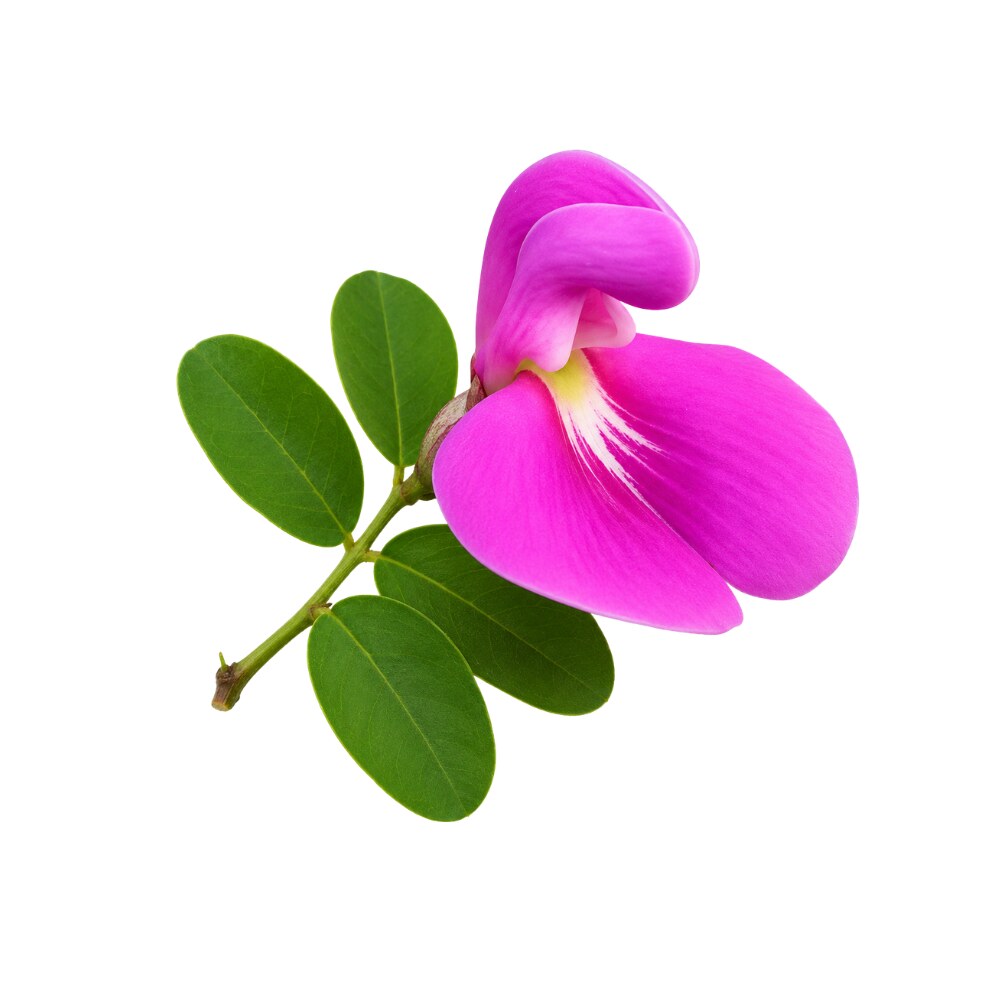
Bay Bean
Canavalia rosea
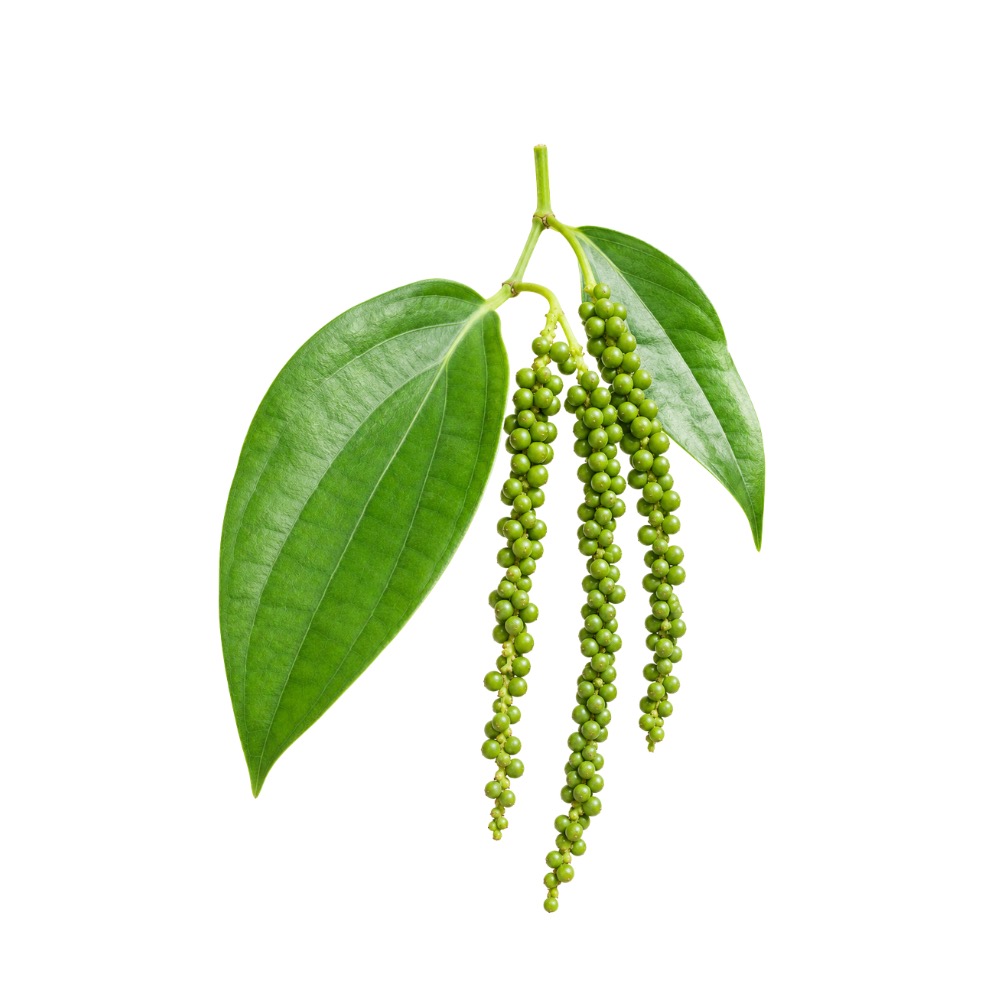
Black Pepper
Piper nigrum
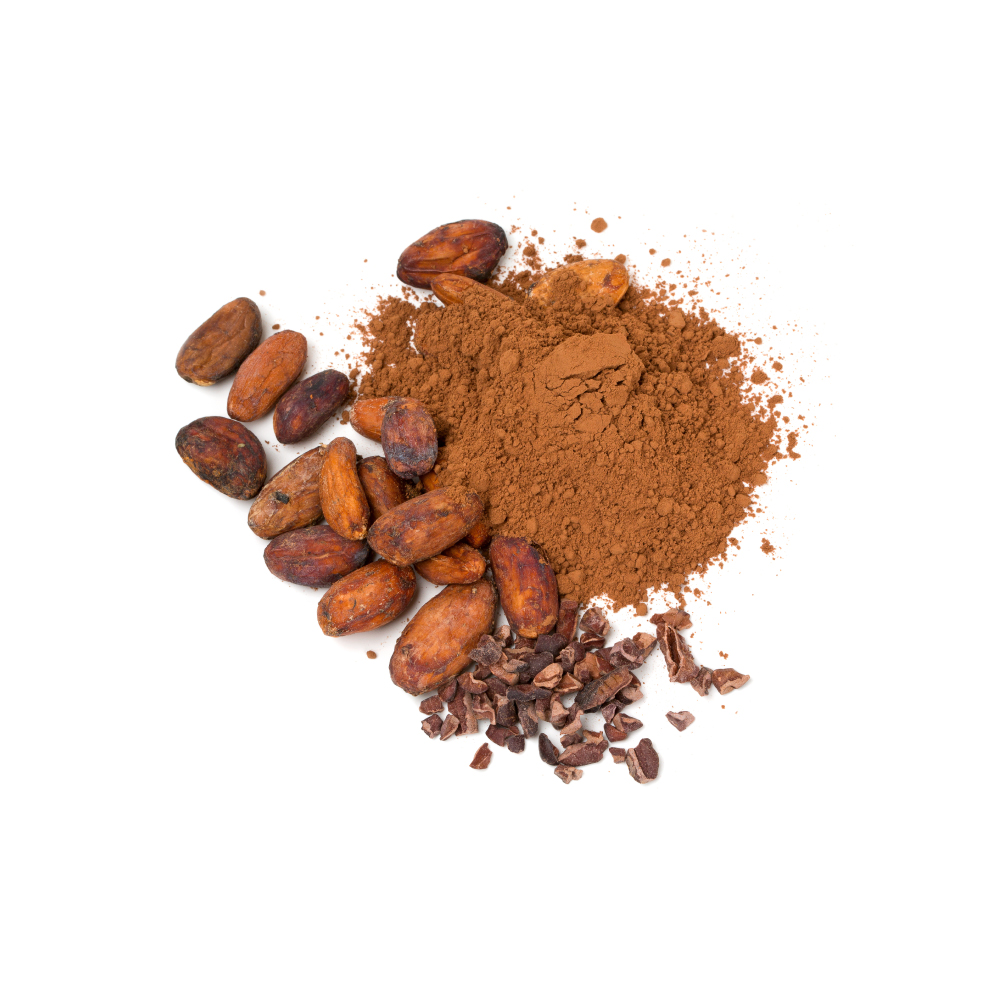
Cacao
Theobroma cacao
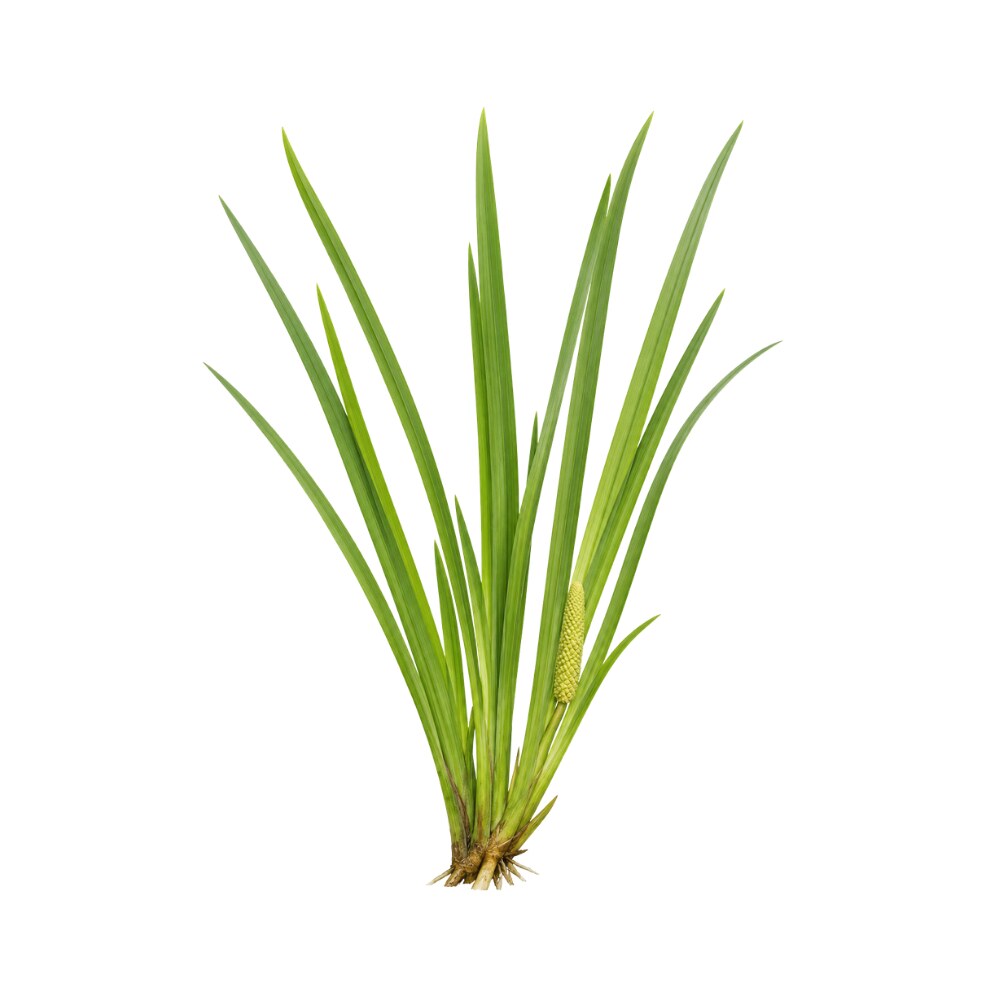
Calamus
Acorus calamus
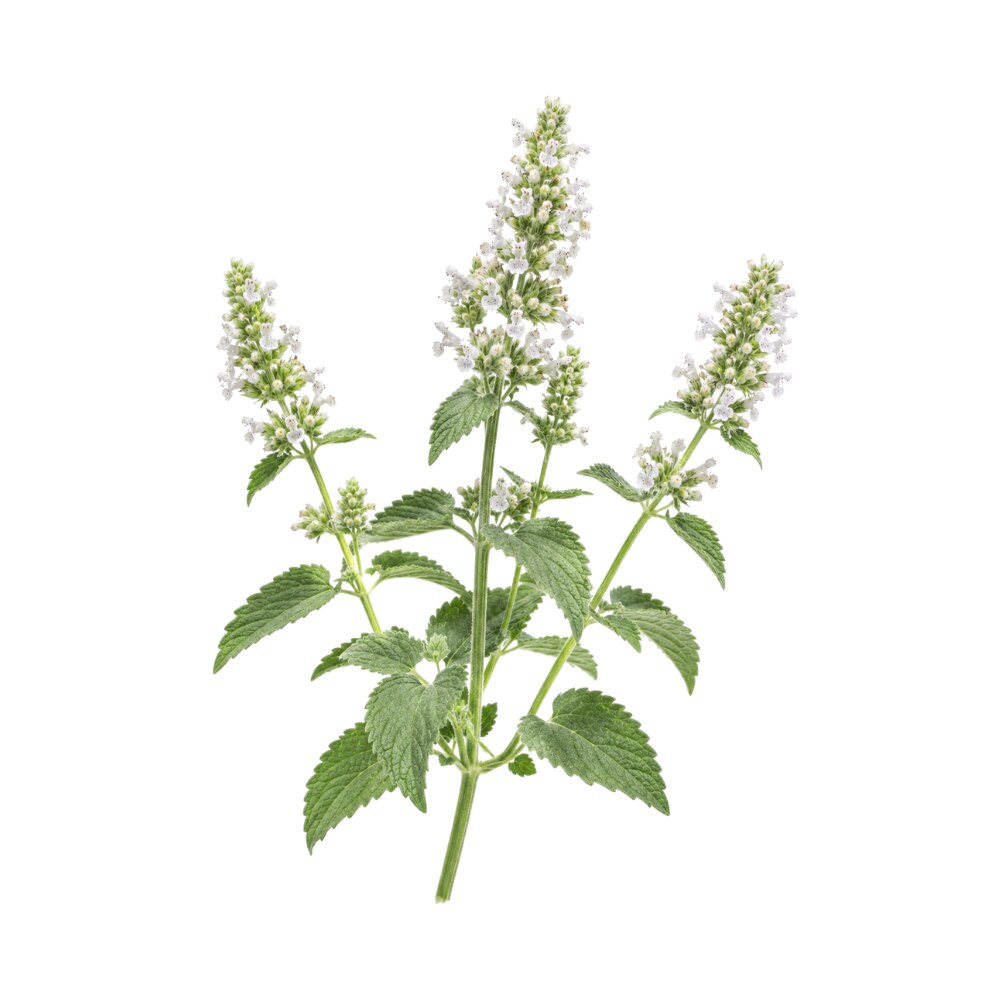
Catnip
Nepeta cataria
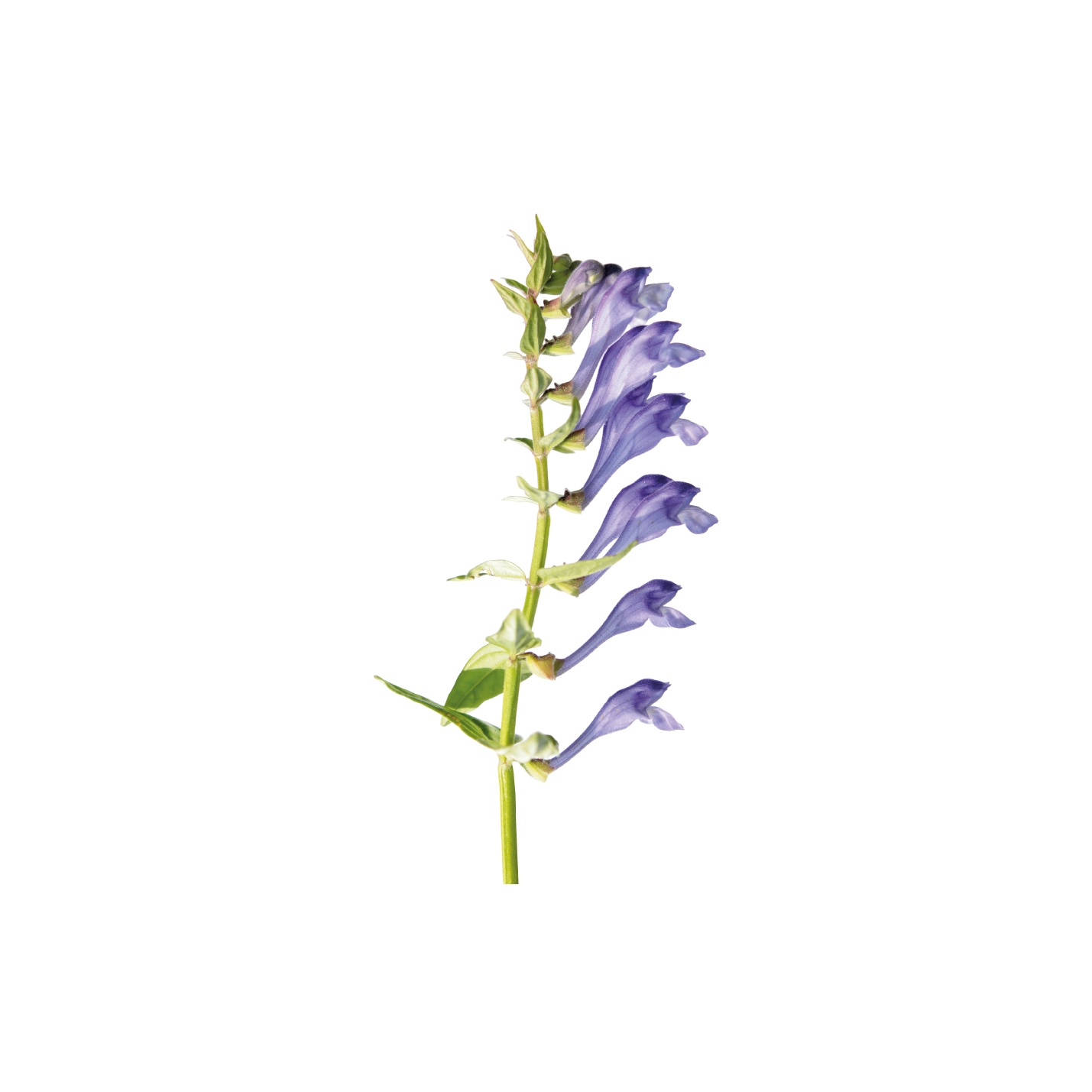
Chinese Skullcap
Scutellaria baicalensis
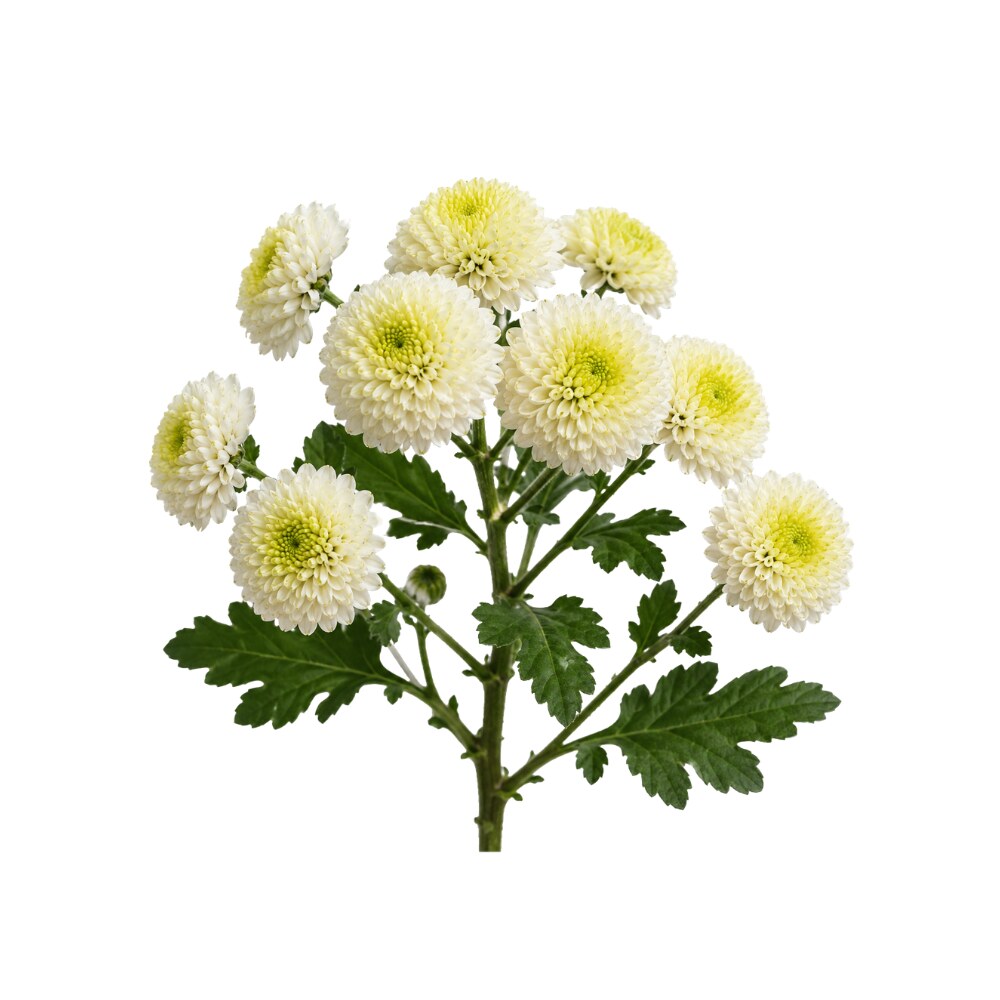
Chrysanthemum
Chrysanthemum morifolium
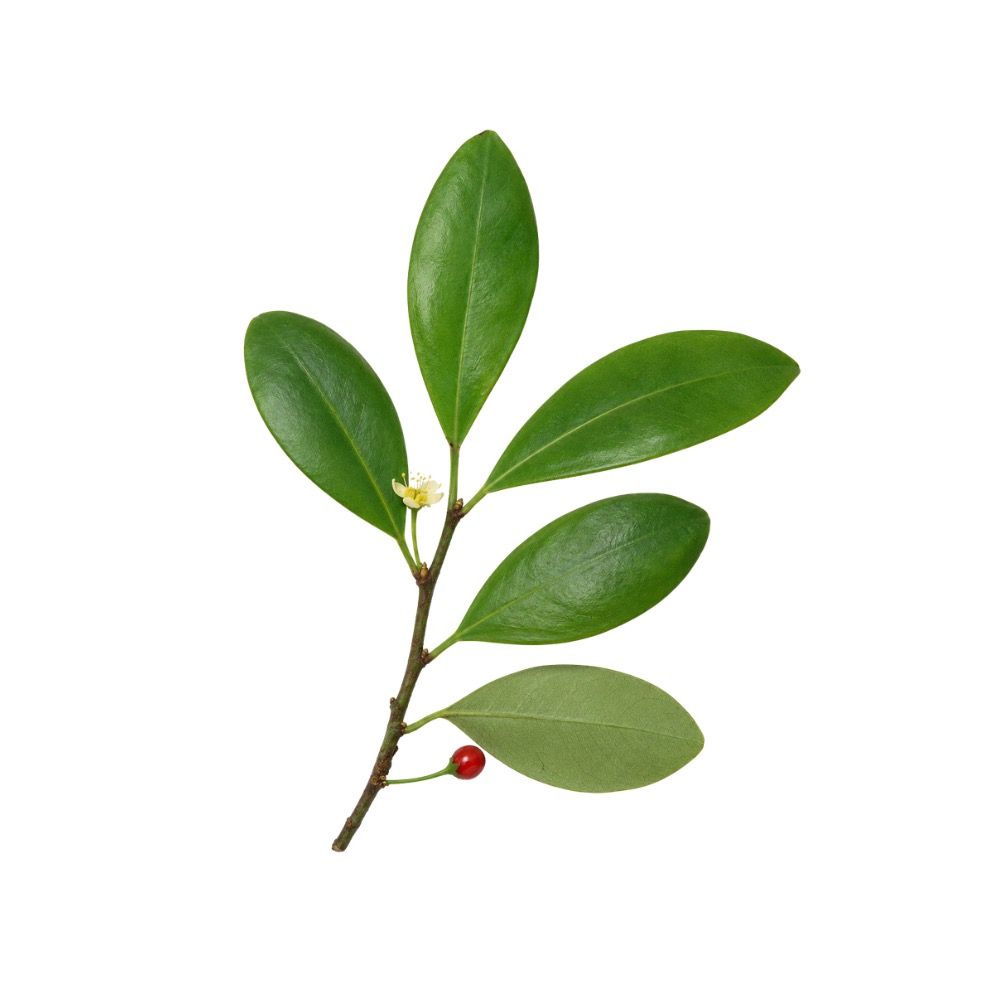
Coca
Erythroxylum coca
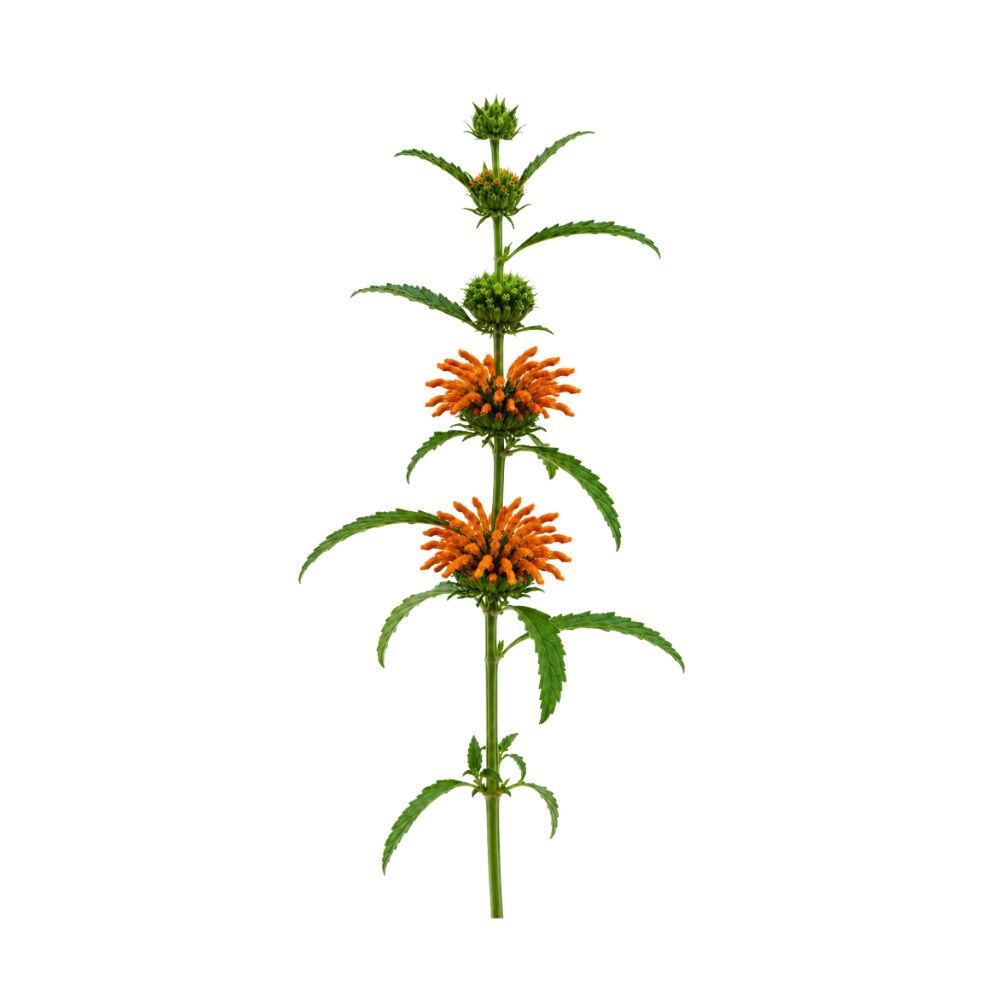
Dagga
Leonotis nepetifolia
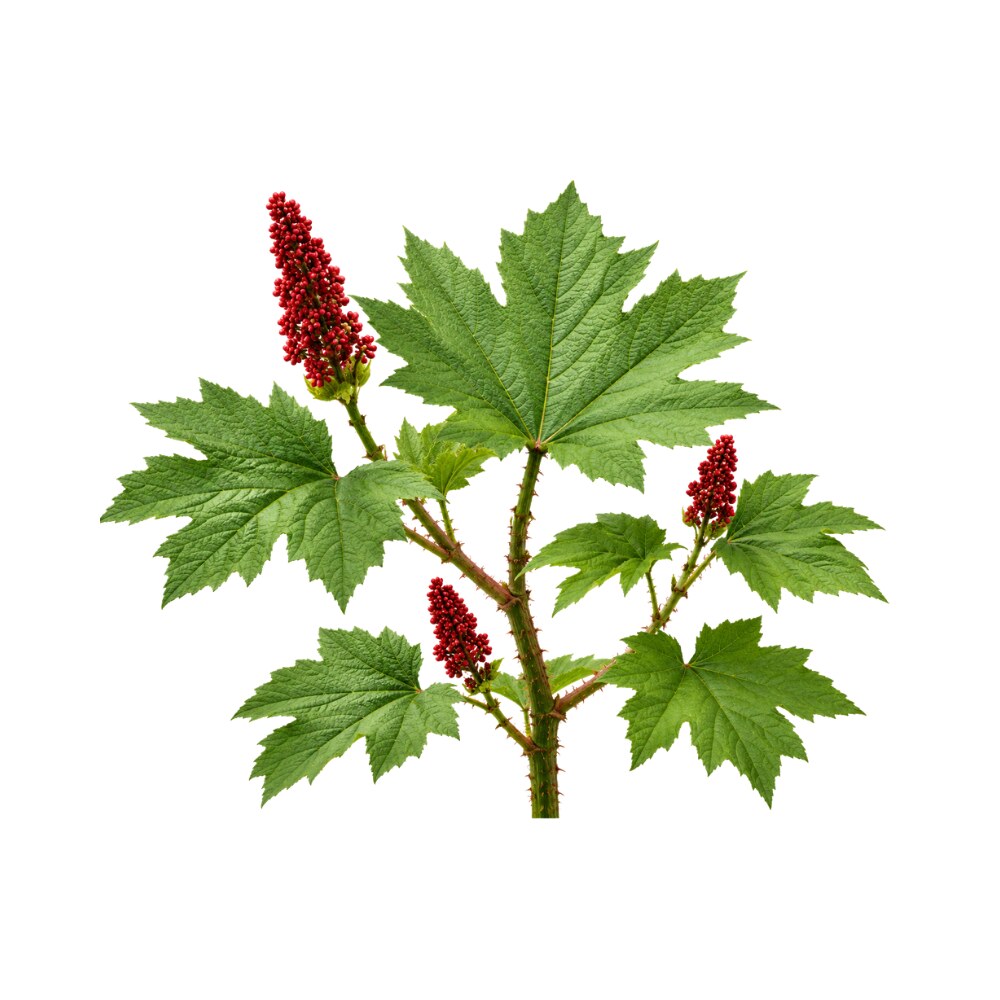
Devil's Club
Oplopanax horridus
Echinacea
Echinacea purpurea
Fish Mint
Houttuynia cordata
Garlic
Allium sativum
Goldenseal
Hydrastis canadensis
Guamura
Cecropia obtusifolia
Haritaki
Terminalia chebula
Holy Basil
Ocimum tenuiflorum
Isatis
Isatis indigotica
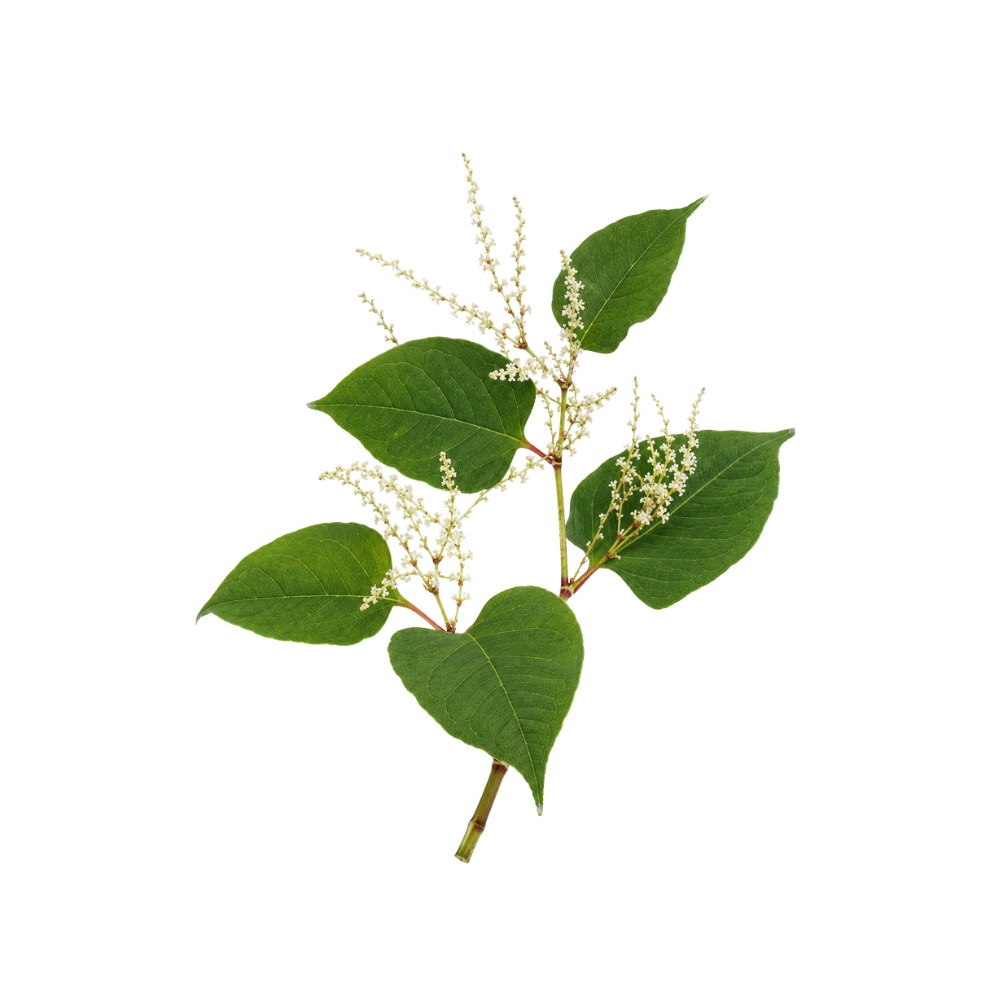
Japanese Knotweed
Reynoutria japonica
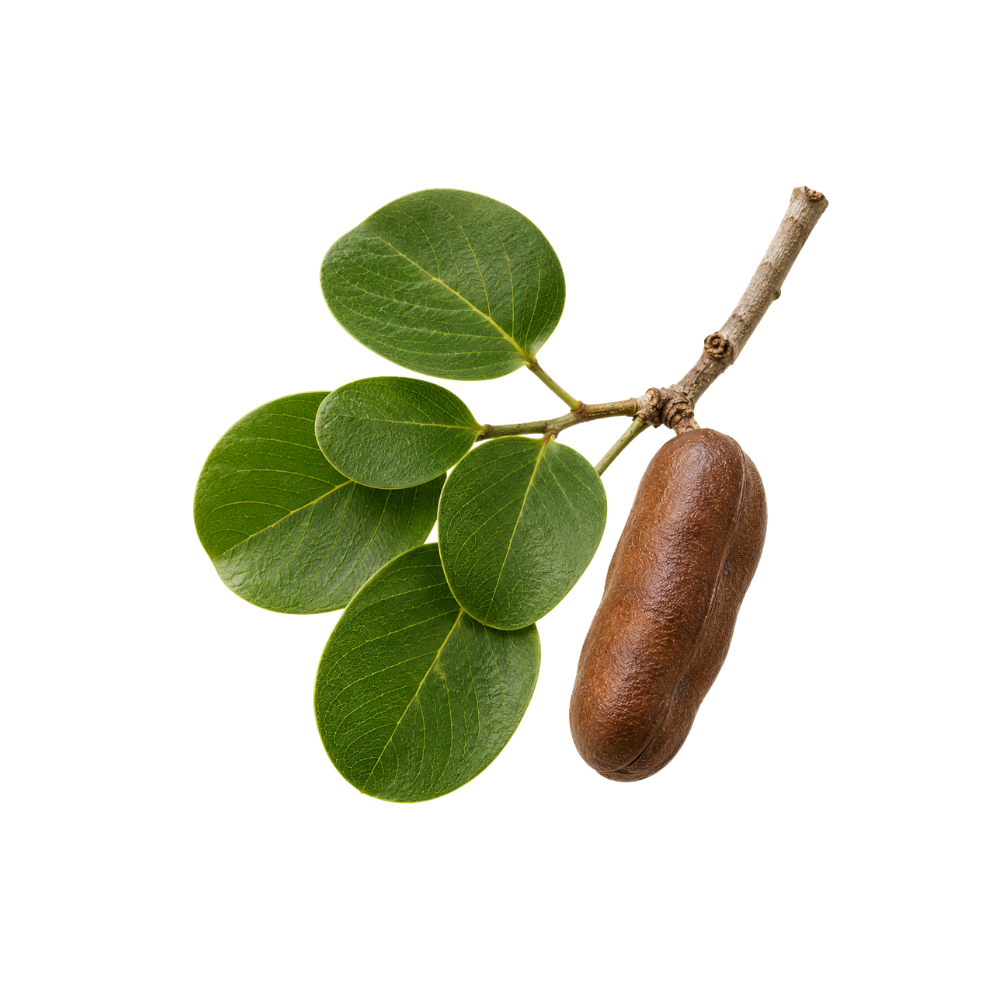
Jatobá
Hymenaea courbaril
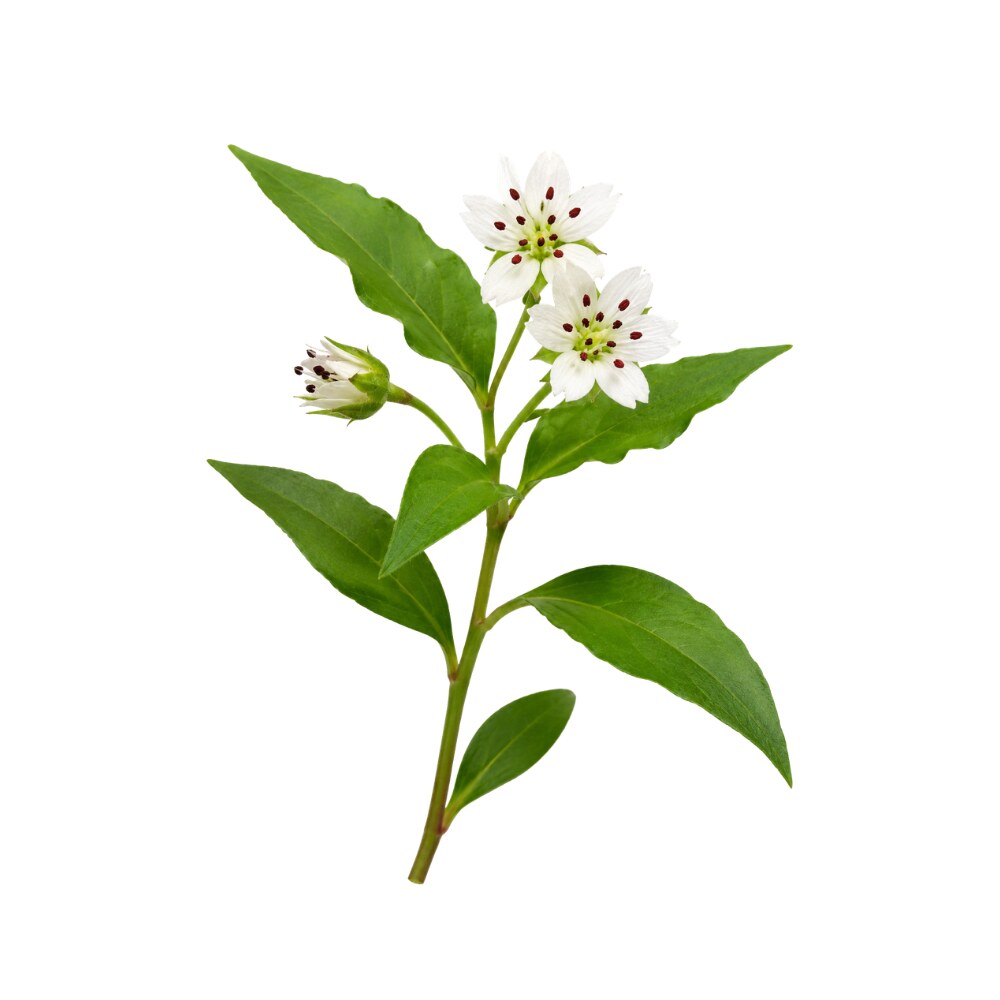
Kid Ginseng
Pseudostellaria heterophylla
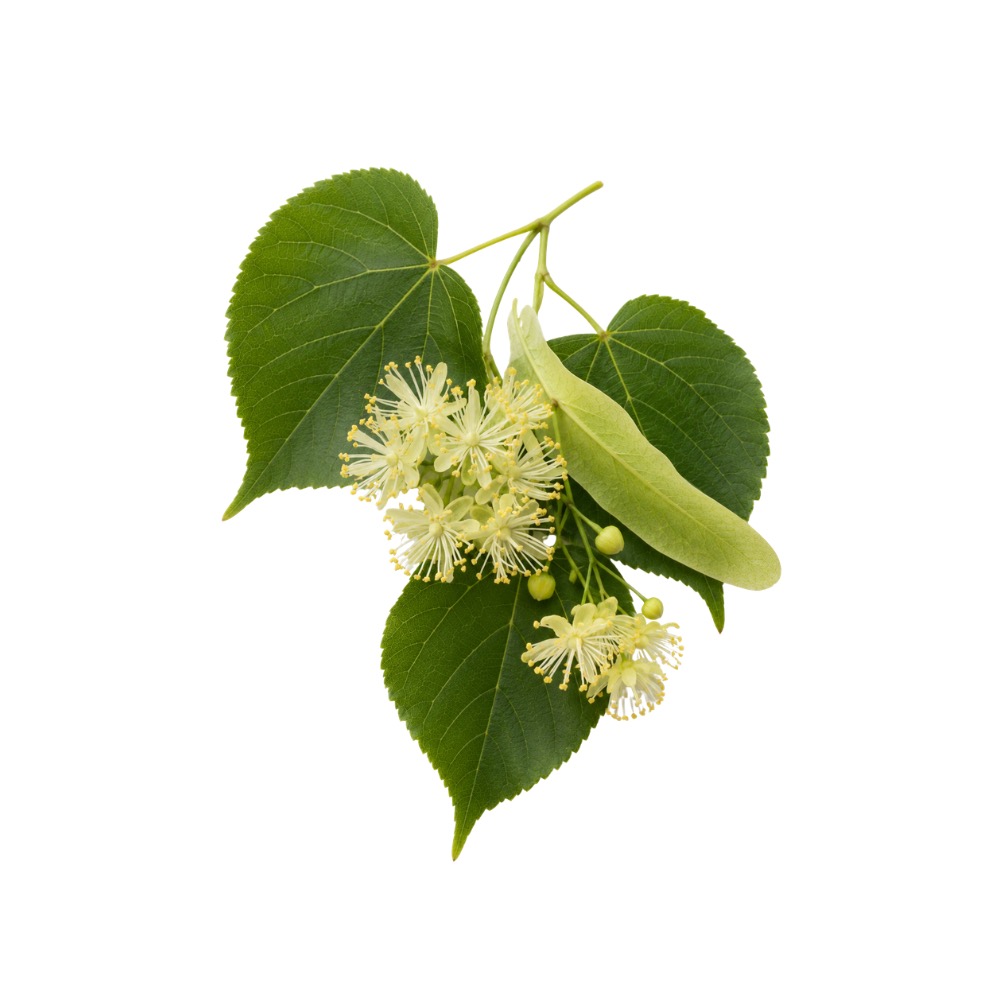
Linden Flower
Tilia spp.
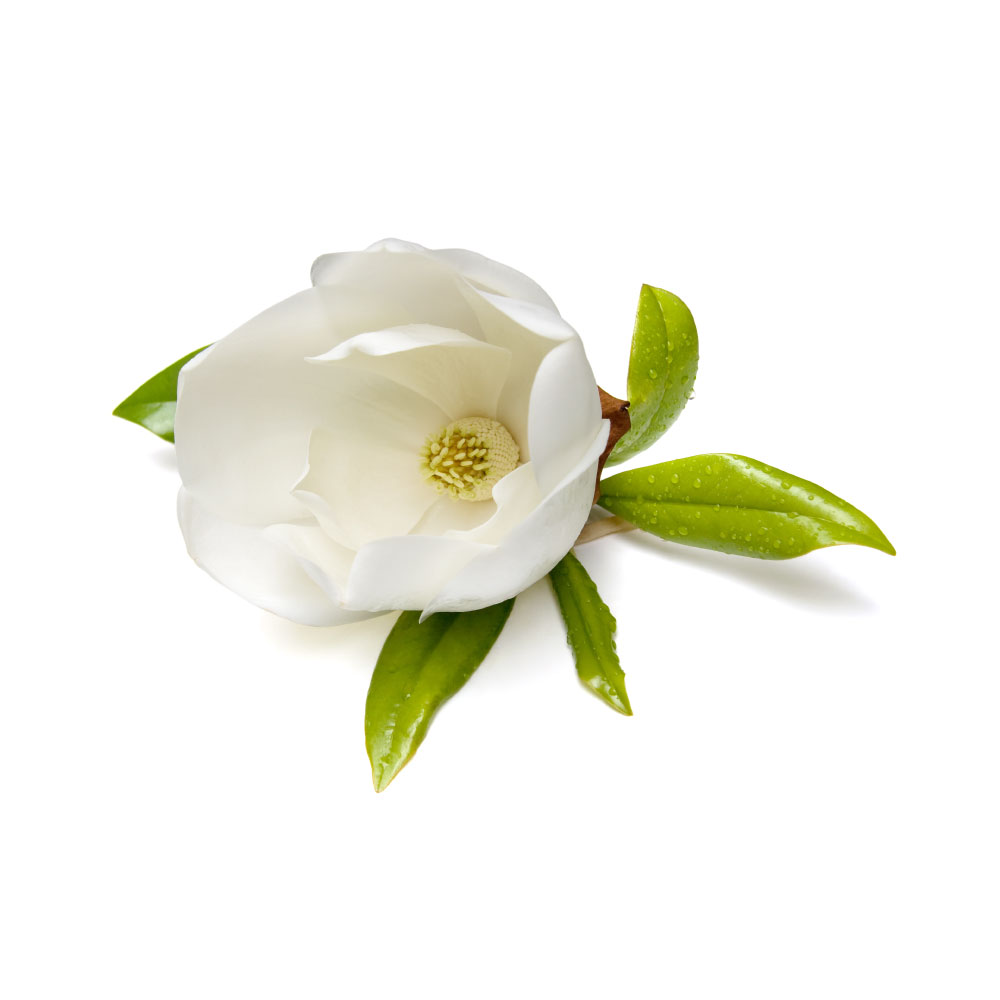
Magnolia
Magnolia officinalis
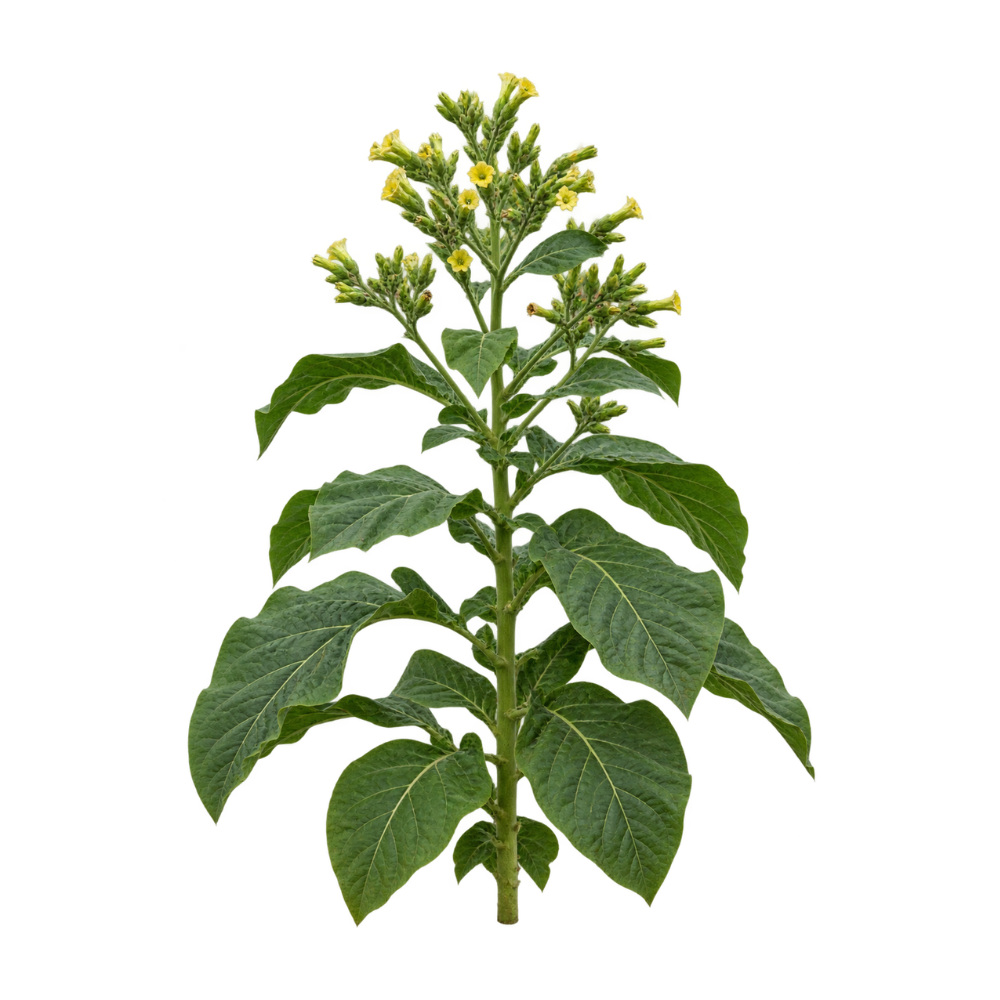
Mapacho
Nicotiana rustica
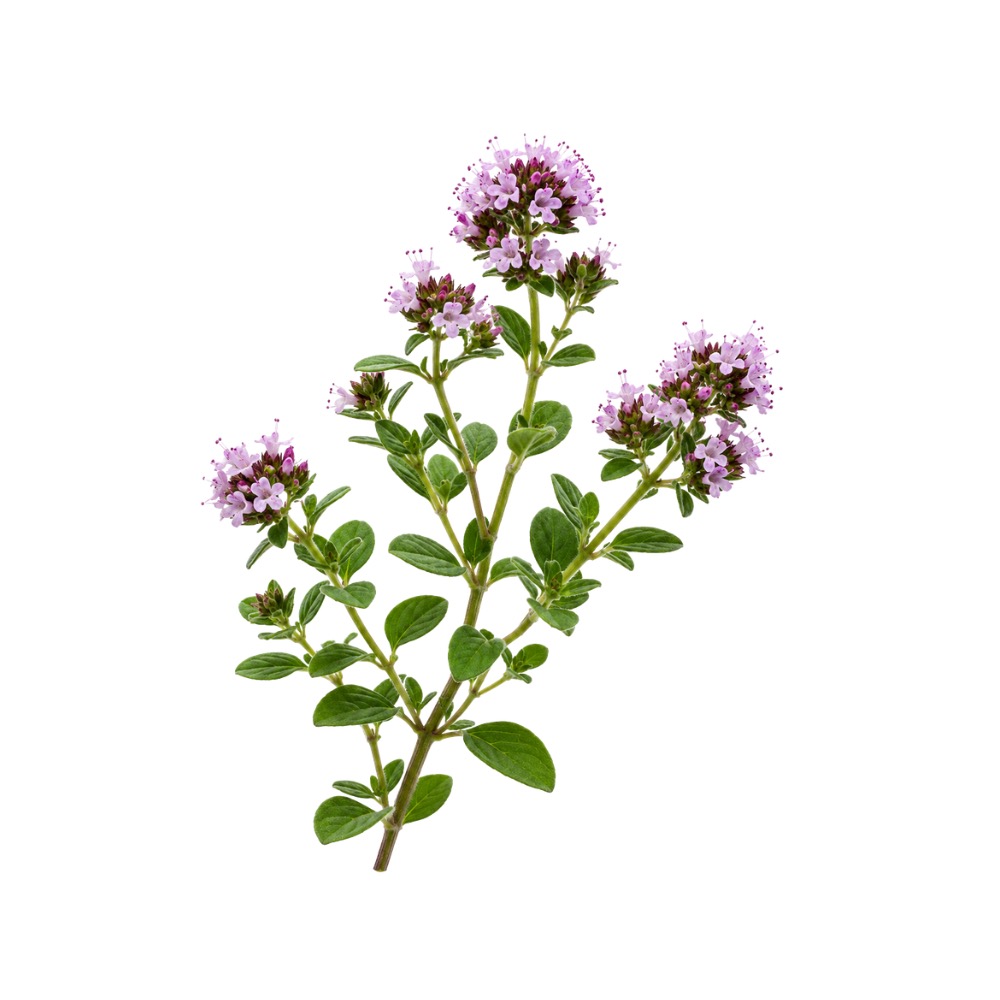
Marjoram
Origanum majorana
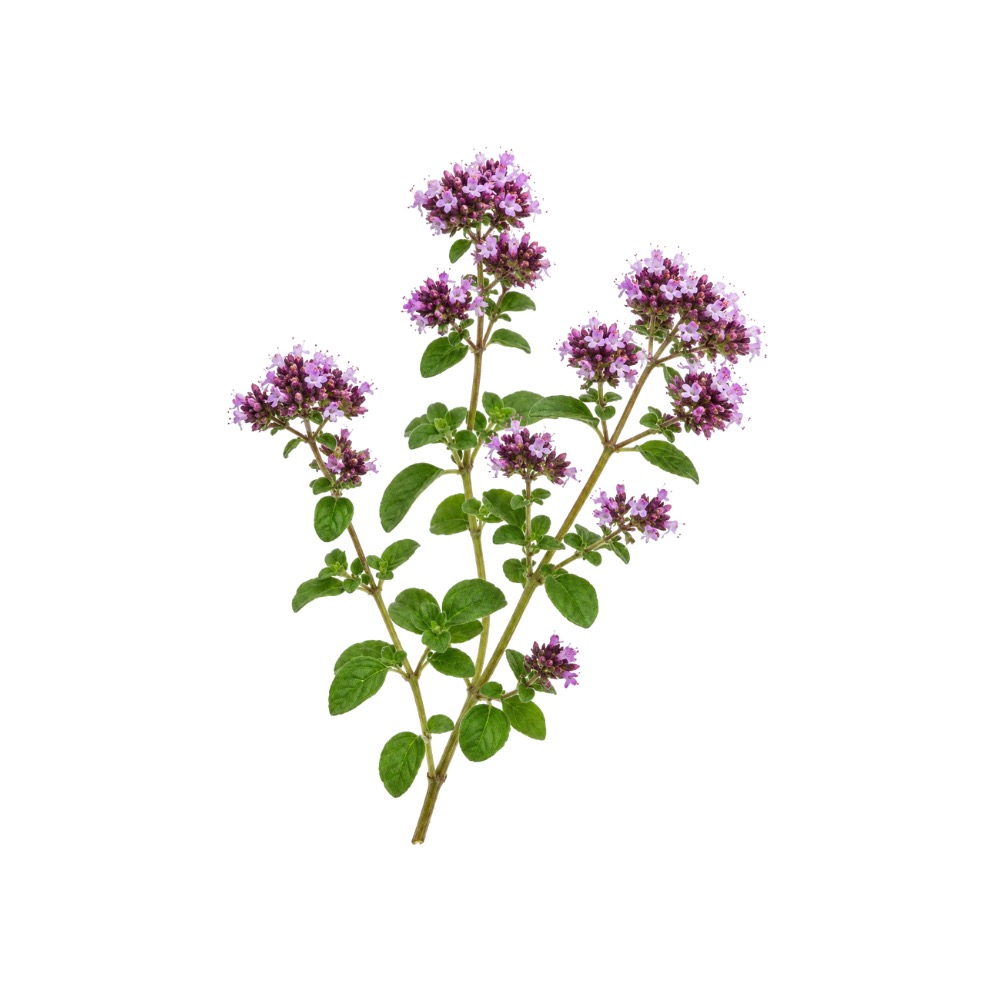
Oregano
Origanum vulgare
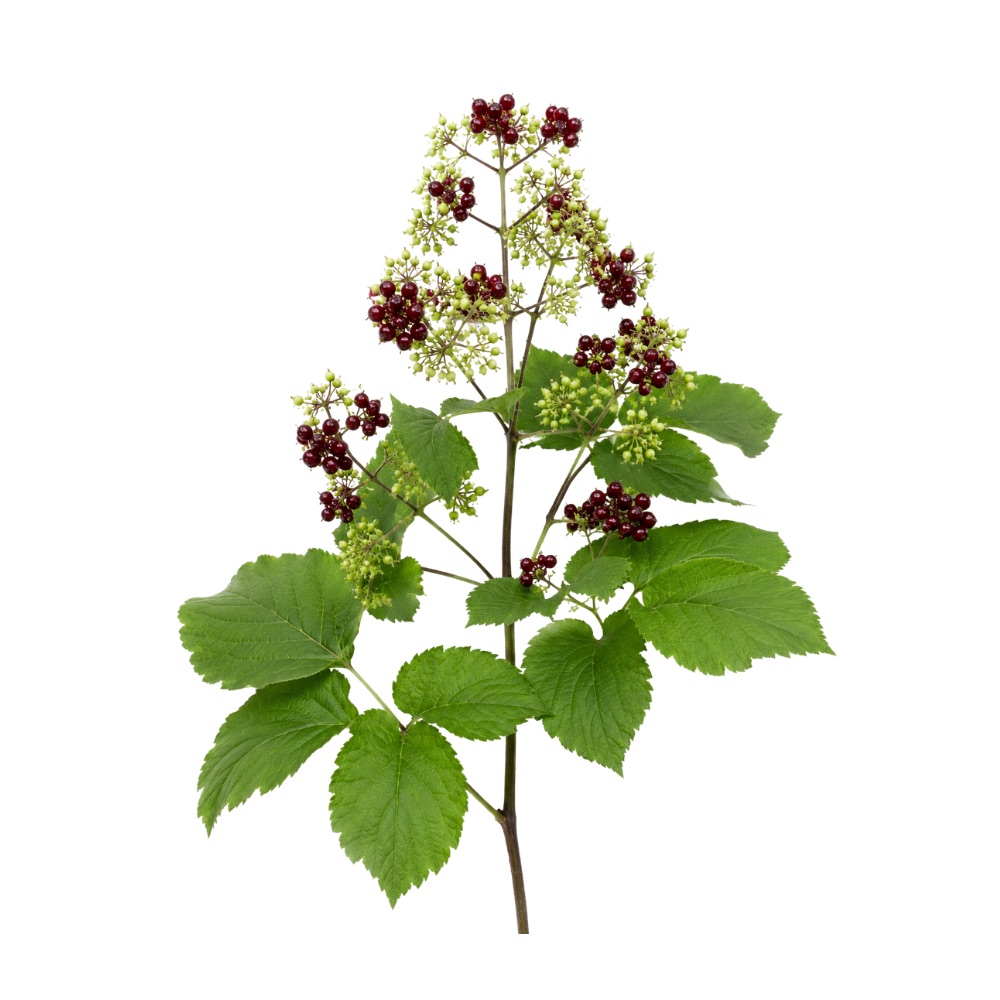
Spikenard
Aralia racemosa
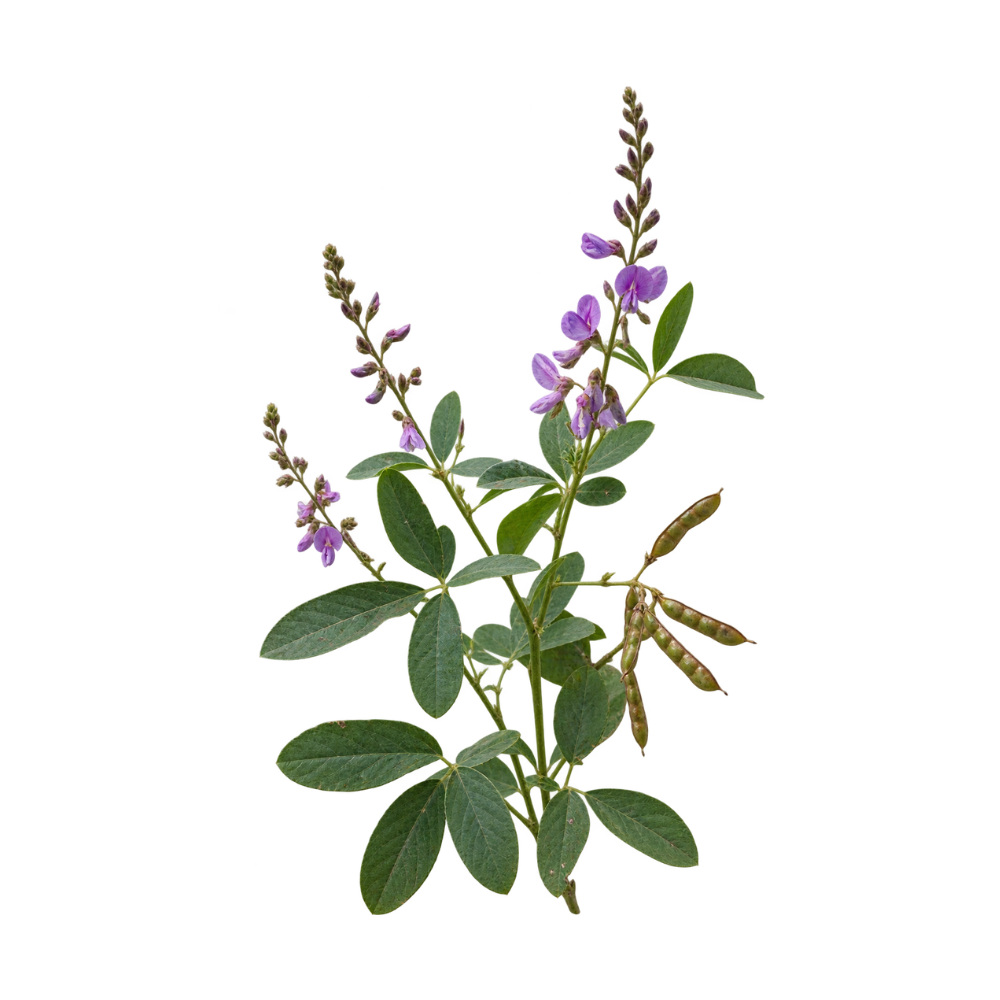
Tick Trefoil
Desmodium spp.
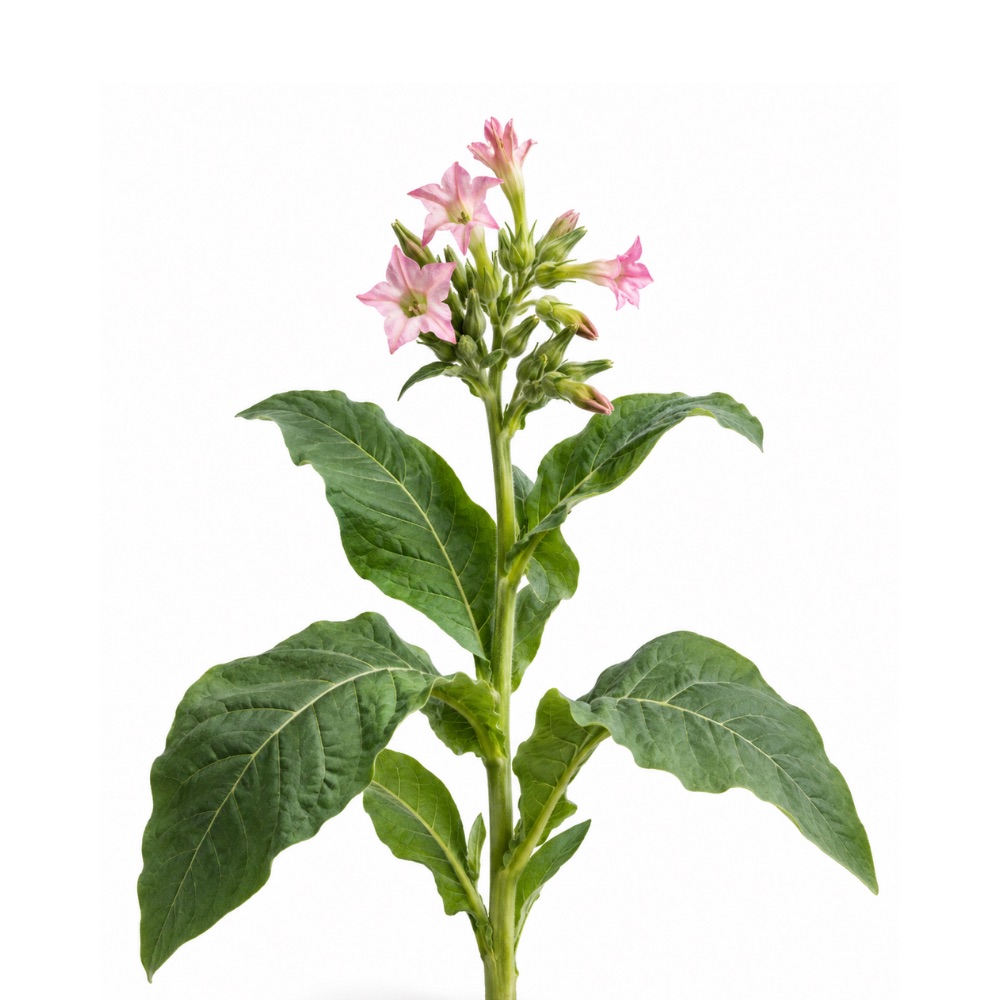
Tobacco
Nicotiana tabacum
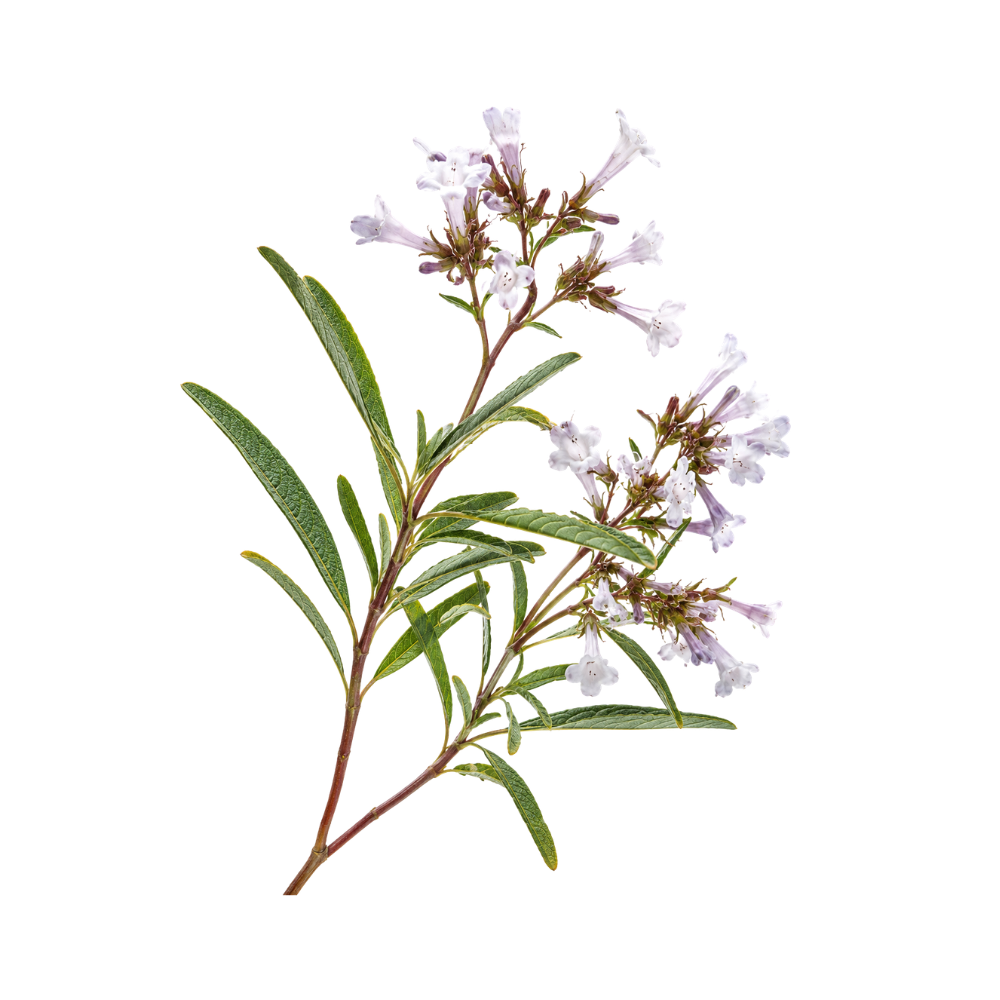
Yerba Santa
Eriodictyon californicum
Safety
- No herb here is a reliever, and none replaces a preventer inhaler. Every asthma entry was tested as an add-on, and cutting steroid treatment because a herb seems to work is how people reach intensive care.
- Match the herb to the cough. Suppressing a productive one traps infected mucus, while driving secretion into a raw, dry airway makes it worse.
- Essential oils are not teas. The swallowed-capsule evidence here says nothing about neat oil, which is acutely toxic ingested and can cause laryngospasm near a young child’s face.
- Pyrrolizidine-alkaloid herbs cause cumulative, irreversible veno-occlusive liver disease, so only certified alkaloid-free preparations are used and a product that does not state removal is a liver risk.
- Reflex expectorants work by gastric irritation, which makes nausea part of the mechanism and rules them out in active ulcer, gastritis and inflammatory bowel disease 85Reference 85ReviewSenegae radix (senega root) — pharmacopoeial monograph.
- Stimulant bronchodilator alkaloids raise heart rate and blood pressure, and their decongestant relatives can worsen asthma control in some people 68Reference 68RCTEfficacy and safety of loratadine plus pseudoephedrine in patients with seasonal allergic rhinitis and mild asthma — randomised controlled trialView study →, so they belong under supervision.
- Thyme, oregano, hyssop and sage are Lamiaceae, and systemic allergic reactions to ingesting this family are documented 67Reference 67Case reportLabiatae allergy: systemic reactions due to ingestion of oregano and thyme — case reportsView study →, usually in people sensitised to aromatic mints.
- Tuberculosis is not a herbal question. It is curable with the regimens that exist, lethal without them, and partial treatment is how drug-resistant strains are made.
- Get medical care for breathlessness at rest, chest pain, blue lips, coughing blood, a cough past three weeks, or noisy breathing in a child.
Pregnancy & Lactation
Pregnancy · AvoidLactation · Caution
- Assume avoid unless there is specific advice otherwise, because most respiratory herbs have no pregnancy data and several are firmly contraindicated.
- The pyrrolizidine-alkaloid herbs are the hard exclusion, as those alkaloids cross the placenta, enter breast milk and injure the liver irreversibly.
- Internal essential oils, stimulant bronchodilators and the gastric-irritant reflex expectorants are avoided, and the drying aromatics are traditional emmenagogues.
- Undertreated asthma is more dangerous to a pregnancy than asthma medication, so inhalers continue and any change goes through the obstetric team.
References
- Wagner, L., Cramer, H., Klose, P., et al. (2015). Herbal medicine for cough — systematic review and meta-analysis. Forschende Komplementärmedizin. https://pubmed.ncbi.nlm.nih.gov/26840418/
- Kemmerich, B., Eberhardt, R., & Stammer, H. (2006). Efficacy and tolerability of a fluid extract combination of thyme herb and ivy leaves versus placebo in acute bronchitis — randomised, double-blind, placebo-controlled trial. Arzneimittel-Forschung. https://pubmed.ncbi.nlm.nih.gov/17063641/
- Kemmerich, B. (2007). Evaluation of efficacy and tolerability of a fixed combination of dry extracts of thyme herb and primrose root in adults with acute bronchitis — double-blind, placebo-controlled, randomised multicentre trial. Arzneimittel-Forschung. https://pubmed.ncbi.nlm.nih.gov/17966760/
- Kardos, P., et al. (2025). Efficacy and safety of a single ivy extract versus two herbal extract combinations in acute bronchitis — multicentre, randomised, open-label clinical trial. Pharmaceuticals. https://pubmed.ncbi.nlm.nih.gov/40430571/
- Eskandarpour, E., et al. (2024). Thymus vulgaris ameliorates cough in children with asthma exacerbation — randomised, triple-blind, placebo-controlled clinical trial. Allergologia et Immunopathologia. https://pubmed.ncbi.nlm.nih.gov/38186189/
- Seibel, J., et al. (2018). Anti-inflammatory and mucus-regulatory activities of a fixed combination of thyme and primula extracts — in vivo and in vitro. Pulmonary Pharmacology & Therapeutics. https://pubmed.ncbi.nlm.nih.gov/29698781/
- Nabissi, M., et al. (2018). Thyme extract increases mucociliary-beating frequency in primary cell lines from COPD patients — in vitro. Biomedicine & Pharmacotherapy. https://pubmed.ncbi.nlm.nih.gov/30021361/
- Fischer, J., & Dethlefsen, U. (2013). Efficacy of cineole in patients suffering from acute bronchitis — placebo-controlled double-blind trial. Cough. https://pubmed.ncbi.nlm.nih.gov/24261680/
- Worth, H., Schacher, C., & Dethlefsen, U. (2009). Concomitant therapy with cineole (eucalyptole) reduces exacerbations in COPD — placebo-controlled, double-blind, randomised multicentre study. Respiratory Research. https://pubmed.ncbi.nlm.nih.gov/19624838/
- Juergens, U. R., Dethlefsen, U., Steinkamp, G., et al. (2003). Anti-inflammatory activity of 1,8-cineol (eucalyptol) in bronchial asthma — double-blind placebo-controlled trial. Respiratory Medicine. https://pubmed.ncbi.nlm.nih.gov/12645832/
- Worth, H., & Dethlefsen, U. (2012). Patients with asthma benefit from concomitant therapy with cineole — placebo-controlled, double-blind trial. Journal of Asthma. https://pubmed.ncbi.nlm.nih.gov/22978309/
- Hasani, A., Pavia, D., Toms, N., et al. (2003). Effect of aromatics on lung mucociliary clearance in patients with chronic airways obstruction — randomised clinical trial. Journal of Alternative and Complementary Medicine. https://pubmed.ncbi.nlm.nih.gov/12804077/
- Carnevali, I., et al. (2021). Efficacy and safety of the syrup KalobaTUSS as a treatment for cough in children — randomised, double-blind, placebo-controlled trial. BMC Pediatrics. https://pubmed.ncbi.nlm.nih.gov/33430841/
- Boskabadi, S. J., et al. (2025). The therapeutic effects of Plantago major and its main constituents on respiratory diseases — narrative review. Naunyn-Schmiedeberg’s Archives of Pharmacology. https://pubmed.ncbi.nlm.nih.gov/40663154/
- Wu, Q. Z., et al. (2016). Antitussive, expectorant and anti-inflammatory activities of four caffeoylquinic acids isolated from Tussilago farfara — mouse in vivo. Pharmaceutical Biology. https://pubmed.ncbi.nlm.nih.gov/26439905/
- Choi, B. S., et al. (2018). Tussilagone suppressed the production and gene expression of MUC5AC mucin — in vitro airway model. Korean Journal of Physiology & Pharmacology. https://pubmed.ncbi.nlm.nih.gov/30402027/
- Xu, L. T., Wang, T., Fang, K. L., et al. (2022). The ethanol extract of flower buds of Tussilago farfara L. attenuates cigarette-smoke-induced lung inflammation through NLRP3 inflammasome, Nrf2 and NF-κB — mouse in vivo and in vitro. Journal of Ethnopharmacology. https://pubmed.ncbi.nlm.nih.gov/34601084/
- Fink, C., Schmidt, M., & Kraft, K. (2018). Marshmallow root extract for the treatment of irritative cough — two surveys on users’ view on effectiveness and tolerability. Complementary Medicine Research. https://pubmed.ncbi.nlm.nih.gov/30064132/
- Šutovská, M., Nosáľová, G., Šutovský, J., et al. (2009). Possible mechanisms of dose-dependent cough suppressive effect of Althaea officinalis rhamnogalacturonan — guinea pig in vivo. International Journal of Biological Macromolecules. https://pubmed.ncbi.nlm.nih.gov/19447256/
- Šutovská, M., Capek, P., Franová, S., et al. (2011). Antitussive activity of Althaea officinalis L. polysaccharide rhamnogalacturonan in guinea pigs with airways inflammation — animal in vivo. Bratislava Medical Journal. https://pubmed.ncbi.nlm.nih.gov/22372330/
- Mahboubi, M. (2020). Marsh mallow (Althaea officinalis L.) and its potency in the treatment of cough — review. Complementary Medicine Research. https://pubmed.ncbi.nlm.nih.gov/31770755/
- Rajbhandari, M., Mentel, R., et al. (2009). Antiviral activity of some plants used in Nepalese traditional medicine — in vitro anti-influenza screen. Evidence-Based Complementary and Alternative Medicine. https://pubmed.ncbi.nlm.nih.gov/18955262/
- He, T., & Xu, X. (2020). The influence of Nigella sativa for asthma control — meta-analysis. American Journal of Emergency Medicine. https://pubmed.ncbi.nlm.nih.gov/31892440/
- Koshak, A., Wei, L., Koshak, E., et al. (2017). Nigella sativa supplementation improves asthma control and biomarkers — randomised, double-blind, placebo-controlled trial. Phytotherapy Research. https://pubmed.ncbi.nlm.nih.gov/28093815/
- Salem, A. M., Bamosa, A. O., et al. (2017). Effect of Nigella sativa supplementation on lung function and inflammatory mediators in partly controlled asthma — randomised controlled trial. Annals of Saudi Medicine. https://pubmed.ncbi.nlm.nih.gov/28151459/
- Clark, C. E., Arnold, E., Lasserson, T. J., & Wu, T. (2010). Herbal interventions for chronic asthma in adults and children — systematic review and meta-analysis. Primary Care Respiratory Journal. https://pubmed.ncbi.nlm.nih.gov/20640388/
- Hosseini, S., Pishnamazi, S., Sadrzadeh, S. M., et al. (2001). Pycnogenol in the management of asthma — randomised placebo-controlled trial. Journal of Medicinal Food. https://pubmed.ncbi.nlm.nih.gov/12639402/
- Belcaro, G., Luzzi, R., Cesinaro Di Rocco, P., et al. (2011). Pycnogenol improvements in asthma management — review. Panminerva Medica. https://pubmed.ncbi.nlm.nih.gov/22108478/
- Gupta, I., Gupta, V., Parihar, A., et al. (1998). Effects of Boswellia serrata gum resin in patients with bronchial asthma — double-blind, placebo-controlled, six-week clinical study. European Journal of Medical Research. https://pubmed.ncbi.nlm.nih.gov/9810030/
- Bauer, K., Dietersdorfer, F., Sertl, K., et al. (1993). Pharmacodynamic effects of inhaled dry powder formulations of fenoterol and colforsin in asthma — randomised, placebo-controlled trial. Clinical Pharmacology & Therapeutics. https://pubmed.ncbi.nlm.nih.gov/8422745/
- González-Sánchez, R., Trujillo, X., Trujillo-Hernández, B., et al. (2006). Forskolin versus sodium cromoglycate for prevention of asthma attacks — single-blinded clinical trial. Journal of International Medical Research. https://pubmed.ncbi.nlm.nih.gov/16749416/
- Kreutner, W., Chapman, R. W., Gulbenkian, A., et al. (1985). Bronchodilator and antiallergy activity of forskolin — animal model. European Journal of Pharmacology. https://pubmed.ncbi.nlm.nih.gov/2410281/
- Daneshfard, B., et al. (2024). Effect of hyssop (Hyssopus officinalis) syrup on mild to moderate asthma — randomised, double-blind, placebo-controlled trial. Tanaffos. https://pubmed.ncbi.nlm.nih.gov/39959798/
- Ma, X., et al. (2014). Effect of Hyssopus officinalis L. on inhibiting airway inflammation and immune regulation in a chronic asthmatic mouse model — mouse in vivo. Experimental and Therapeutic Medicine. https://pubmed.ncbi.nlm.nih.gov/25289025/
- Nabeshima, S., Kashiwagi, K., Ajisaka, K., et al. (2012). A randomised, controlled trial comparing traditional herbal medicine (maoto) and neuraminidase inhibitors in influenza. Journal of Infection and Chemotherapy. https://pubmed.ncbi.nlm.nih.gov/22350323/
- Hyuga, S., Hyuga, M., Oshima, N., et al. (2016). Ephedrine alkaloids-free Ephedra Herb extract: a safer alternative to ephedra with comparable analgesic, anticancer and anti-influenza activity — in vitro and animal model. Journal of Natural Medicines. https://pubmed.ncbi.nlm.nih.gov/26943796/
- Glover, E. D., et al. (2010). A multicenter phase 3 trial of lobeline sulfate for smoking cessation — randomised, double-blind, placebo-controlled trial. American Journal of Health Behavior. https://pubmed.ncbi.nlm.nih.gov/19663757/
- Stead, L. F., & Hughes, J. R. (2012). Lobeline for smoking cessation — Cochrane systematic review. Cochrane Database of Systematic Reviews. https://pubmed.ncbi.nlm.nih.gov/22336780/
- Jain, S. K., et al. (1972). Search for evidence of lung chemoreflexes in man: respiratory and circulatory effects of phenyldiguanide and lobeline — human physiology. Clinical Science. https://pubmed.ncbi.nlm.nih.gov/5058571/
- Hubbert, M., et al. (2006). Efficacy and tolerability of a spray with Salvia officinalis in the treatment of acute pharyngitis — randomised, double-blind, placebo-controlled study. European Journal of Medical Research. https://pubmed.ncbi.nlm.nih.gov/16504956/
- Schapowal, A., et al. (2009). Echinacea/sage or chlorhexidine/lidocaine for treating acute sore throats — randomised double-blind trial. European Journal of Medical Research. https://pubmed.ncbi.nlm.nih.gov/19748859/
- Weishaupt, R., et al. (2023). Reduction of viral load in patients with acute sore throats — observational clinical trial with echinacea/salvia lozenges. Complementary Medicine Research. https://pubmed.ncbi.nlm.nih.gov/36889292/
- Ehrnhöfer-Ressler, M. M., et al. (2013). Identification of 1,8-cineole, borneol, camphor and thujone as anti-inflammatory compounds in a Salvia officinalis L. infusion using human gingival fibroblasts — in vitro. Journal of Agricultural and Food Chemistry. https://pubmed.ncbi.nlm.nih.gov/23488631/
- Ruetzler, K., et al. (2013). A randomised, double-blind comparison of licorice versus sugar-water gargle for prevention of postoperative sore throat and postextubation coughing. Anesthesia and Analgesia. https://pubmed.ncbi.nlm.nih.gov/23921656/
- Agarwal, A., et al. (2009). Efficacy of licorice gargle for attenuating postoperative sore throat — randomised single-blind trial. Anesthesia and Analgesia. https://pubmed.ncbi.nlm.nih.gov/19535697/
- Honarmand, A., et al. (2016). Efficacy of different doses of liquorice gargling for attenuating postoperative sore throat and cough after tracheal intubation — randomised trial. European Journal of Anaesthesiology. https://pubmed.ncbi.nlm.nih.gov/26716864/
- Singh, N. P., et al. (2020). Efficacy of topical agents for prevention of postoperative sore throat after single-lumen intubation — Bayesian network meta-analysis. Canadian Journal of Anaesthesia. https://pubmed.ncbi.nlm.nih.gov/32820466/
- Kehrl, W., Sonnemann, U., & Dethlefsen, U. (2004). Therapy for acute nonpurulent rhinosinusitis with cineole — double-blind, randomised, placebo-controlled trial. The Laryngoscope. https://pubmed.ncbi.nlm.nih.gov/15064633/
- Tesche, S., Metternich, F., Sonnemann, U., et al. (2008). The value of herbal medicines in the treatment of acute non-purulent rhinosinusitis — randomised controlled trial. European Archives of Oto-Rhino-Laryngology. https://pubmed.ncbi.nlm.nih.gov/18437408/
- Hoang, M. P., Seresirikachorn, K., Chitsuthipakorn, W., et al. (2023). Herbal medicines for rhinosinusitis — systematic review and network meta-analysis. Current Allergy and Asthma Reports. https://pubmed.ncbi.nlm.nih.gov/36609950/
- Roventa, D. L. C., Pieper-Fürst, U., Acikel, C., et al. (2023). Effectiveness and tolerability of an Ectoin mouth and throat spray with Althaea honey for sore throat — randomised, active-controlled trial. Journal of Clinical Medicine. https://pubmed.ncbi.nlm.nih.gov/37762768/
- Popovych, V., Koshel, I., Malofiichuk, A., et al. (2019). Randomised, open-label, multicentre comparative study of BNO 1030 extract in acute non-bacterial tonsillitis in children. American Journal of Otolaryngology. https://pubmed.ncbi.nlm.nih.gov/30554882/
- Wu, Y., Zhang, F., Kuang, D., et al. (2024). Efficacy of botanical lozenges in the treatment of chronic pharyngitis — randomised placebo-controlled trial. Frontiers in Pharmacology. https://pubmed.ncbi.nlm.nih.gov/38549665/
- Wieland, L. S., Piechotta, V., Feinberg, T., et al. (2021). Elderberry for prevention and treatment of viral respiratory illnesses — systematic review. BMC Complementary Medicine and Therapies. https://pubmed.ncbi.nlm.nih.gov/33827515/
- Hawkins, J., Baker, C., Cherry, L., & Dunne, E. (2019). Black elderberry (Sambucus nigra) supplementation effectively treats upper respiratory symptoms — meta-analysis of randomised controlled clinical trials. Complementary Therapies in Medicine. https://pubmed.ncbi.nlm.nih.gov/30670267/
- Macknin, M., Wolski, K., Negrey, J., & Mace, S. (2020). Elderberry extract outpatient influenza treatment for emergency room patients ages 5 and above — randomised, double-blind, placebo-controlled trial. Journal of General Internal Medicine. https://pubmed.ncbi.nlm.nih.gov/32929634/
- Li, S., Xie, Y., Lin, L., et al. (2025). The effectiveness of Yong Chong Cao capsule in patients with mild to severe COPD — multicentre, randomised, active-controlled trial. Journal of Evidence-Based Medicine. https://pubmed.ncbi.nlm.nih.gov/41295088/
- Chen, X., May, B., Di, Y. M., et al. (2014). Oral Chinese herbal medicine combined with pharmacotherapy for stable COPD — systematic review of effect on BODE index and six-minute walk test. PLoS One. https://pubmed.ncbi.nlm.nih.gov/24622390/
- Wang, C., Wang, J., & Qi, Y. (2024). Adjuvant treatment with Cordyceps sinensis for lung cancer — systematic review and meta-analysis of randomised controlled trials. Journal of Ethnopharmacology. https://pubmed.ncbi.nlm.nih.gov/38484953/
- Yang, X., Li, Y., He, Y., et al. (2015). Cordycepin alleviates airway hyperreactivity in a murine model of asthma by attenuating the inflammatory process — mouse in vivo. International Immunopharmacology. https://pubmed.ncbi.nlm.nih.gov/25912153/
- McCulloch, M., See, C., Shu, X. J., et al. (2006). Astragalus-based Chinese herbs and platinum-based chemotherapy for advanced non-small-cell lung cancer — meta-analysis of randomised trials. Journal of Clinical Oncology. https://pubmed.ncbi.nlm.nih.gov/16421421/
- Cao, A., He, H., Wang, Q., et al. (2019). Evidence of Astragalus injection combined with platinum-based chemotherapy in advanced non-small cell lung cancer — systematic review and meta-analysis. Medicine. https://pubmed.ncbi.nlm.nih.gov/30882655/
- Su, G., Chen, X., Liu, Z., et al. (2016). Oral Astragalus (Huang qi) for preventing frequent episodes of acute respiratory tract infection in children — Cochrane systematic review. Cochrane Database of Systematic Reviews. https://pubmed.ncbi.nlm.nih.gov/27905672/
- Gao, Y., Tang, W., Dai, X., et al. (2005). Effects of water-soluble Ganoderma lucidum polysaccharides on the immune functions of patients with advanced lung cancer — clinical trial. Journal of Medicinal Food. https://pubmed.ncbi.nlm.nih.gov/16117607/
- Su, Z. Q., et al. (2014). Usnic acid protects against LPS-induced acute lung injury in mice through attenuating inflammatory responses and oxidative stress — mouse model. International Immunopharmacology. https://pubmed.ncbi.nlm.nih.gov/25068825/
- Öner, U., et al. (2025). Effects of thyme oil on respiratory symptoms, hemodynamic parameters and vital signs in COPD patients — randomised controlled trial. Holistic Nursing Practice. https://pubmed.ncbi.nlm.nih.gov/40262016/
- Benito, M., et al. (1996). Labiatae allergy: systemic reactions due to ingestion of oregano and thyme — case reports. Annals of Allergy, Asthma & Immunology. https://pubmed.ncbi.nlm.nih.gov/8630713/
- Corren, J., Harris, A. G., Aaronson, D., et al. (1997). Efficacy and safety of loratadine plus pseudoephedrine in patients with seasonal allergic rhinitis and mild asthma — randomised controlled trial. Journal of Allergy and Clinical Immunology. https://pubmed.ncbi.nlm.nih.gov/9438487/
- Misawa, M., & Yanaura, S. (1980). Continuous determination of tracheobronchial secretory activity in dogs — animal study. Japanese Journal of Pharmacology. https://pubmed.ncbi.nlm.nih.gov/7452972/
- Boyd, E. M., & Palmer, M. E. (1946). The effect of quillaia, senega, squill, grindelia, sanguinaria, chionanthus and dioscorea upon the output of respiratory tract fluid — animal study. Acta Pharmacologica et Toxicologica. https://pubmed.ncbi.nlm.nih.gov/20279225/
- Gierlikowska, B., Filipek, A., Gierlikowski, W., et al. (2020). Grindelia squarrosa extract and grindelic acid modulate pro-inflammatory functions of respiratory epithelium and human macrophages — in vitro. Frontiers in Pharmacology. https://pubmed.ncbi.nlm.nih.gov/33536899/
- Gierlikowska, B., Gierlikowski, W., Bekier, K., et al. (2020). Inula helenium and Grindelia squarrosa as a source of compounds with anti-inflammatory activity in human neutrophils and cultured human respiratory epithelium — in vitro. Journal of Ethnopharmacology. https://pubmed.ncbi.nlm.nih.gov/31644941/
- Thomet, O. A., & Simon, H. U. (2002). Petasins in the treatment of allergic diseases: results of preclinical and clinical studies — review including ex vivo human leukotriene data. International Archives of Allergy and Immunology. https://pubmed.ncbi.nlm.nih.gov/12403927/
- Brattström, A., Schapowal, A., Maillet, I., et al. (2010). Petasites extract Ze 339 inhibits allergen-induced Th2 responses, airway inflammation and airway hyperreactivity — mouse allergic-airway model. Phytotherapy Research. https://pubmed.ncbi.nlm.nih.gov/19827027/
- O’Neill, T., Johnson, J. A., Webster, D., & Gray, C. A. (2013). The Canadian medicinal plant Heracleum maximum contains antimycobacterial diynes and furanocoumarins — in vitro. Journal of Ethnopharmacology. https://pubmed.ncbi.nlm.nih.gov/23501157/
- Webster, D., et al. (2010). Antimycobacterial screening of traditional medicinal plants using the microplate resazurin assay — in vitro. Canadian Journal of Microbiology. https://doi.org/10.1139/W10-035
- Hwang, C. H., Jaki, B. U., Klein, L. L., et al. (2013). Chlorinated coumarins from the polypore mushroom Fomitopsis officinalis and their activity against Mycobacterium tuberculosis — in vitro. Journal of Natural Products. https://pubmed.ncbi.nlm.nih.gov/24087924/
- Šutovská, M., et al. (2022). Chemical characteristics and significant antitussive effect of the Erigeron canadensis polyphenolic polysaccharide–protein complex — guinea-pig in vivo study. Journal of Ethnopharmacology. https://pubmed.ncbi.nlm.nih.gov/34662663/
- Schapowal, A. (2002). Randomised controlled trial of butterbur and cetirizine for treating seasonal allergic rhinitis. BMJ. https://pubmed.ncbi.nlm.nih.gov/11799030/
- Lee, D. K., Gray, R. D., Robb, F. M., Fujihara, S., & Lipworth, B. J. (2004). A placebo-controlled evaluation of butterbur and fexofenadine on objective and subjective outcomes in perennial allergic rhinitis — randomised controlled trial. Clinical & Experimental Allergy. https://pubmed.ncbi.nlm.nih.gov/15080820/
- Schapowal, A. (2005). Treating intermittent allergic rhinitis: a prospective, randomised, placebo- and antihistamine-controlled study of butterbur extract Ze 339. Phytotherapy Research. https://pubmed.ncbi.nlm.nih.gov/16114089/
- Schapowal, A. (2004). Butterbur Ze 339 for the treatment of intermittent allergic rhinitis: dose-dependent efficacy — randomised controlled trial. Archives of Otolaryngology–Head & Neck Surgery. https://pubmed.ncbi.nlm.nih.gov/15611396/
- Lee, D. K., Carstairs, I. J., Haggart, K., et al. (2003). Butterbur attenuates adenosine-monophosphate-induced nasal responsiveness in seasonal allergic rhinitis — randomised controlled trial. Clinical & Experimental Allergy. https://pubmed.ncbi.nlm.nih.gov/12859442/
- World Health Organization (2004). Radix Senegae — pharmacopoeial monograph. In: WHO Monographs on Selected Medicinal Plants, Vol. 2. Geneva: WHO.
- ESCOP (2003). Senegae radix (senega root) — pharmacopoeial monograph. In: ESCOP Monographs, 2nd ed. Exeter: ESCOP.
- Blumenthal, M., et al. (eds.) (1998). Senega snakeroot — German Commission E regulatory monograph. In: The Complete German Commission E Monographs. Austin, TX: American Botanical Council. https://www.herbalgram.org/resources/commission-e-monographs/
- European Medicines Agency, Committee on Herbal Medicinal Products (HMPC) (2012). Community herbal monograph and assessment report on Grindelia robusta Nutt., G. squarrosa (Pursh) Dunal, G. humilis Hook. et Arn., G. camporum Greene, herba — regulatory monograph. https://www.ema.europa.eu/en/documents/herbal-monograph/final-community-herbal-monograph-grindelia-robusta-nutt-grindelia-squarrosa-pursh-dunal-grindelia-humilis-hook-et-arn-grindelia-camporum-greene-herba_en.pdf
- Turner, N. J., & Hebda, R. J. (1990). Contemporary use of bark for medicine by two Salishan native elders of southeast Vancouver Island, Canada — ethnobotanical study. Journal of Ethnopharmacology. https://pubmed.ncbi.nlm.nih.gov/2345461/
- Paduch, R., Woźniak, A., Niedziela, P., & Rejdak, R. (2014). Assessment of eyebright (Euphrasia officinalis L.) extract activity in relation to human corneal cells — in vitro. Balkan Medical Journal. https://pubmed.ncbi.nlm.nih.gov/25207164/
- Bigagli, E., Cinci, L., D’Ambrosio, M., & Luceri, C. (2017). Pharmacological activities of an eye drop containing Matricaria chamomilla and Euphrasia officinalis extracts in UVB-induced oxidative stress and inflammation of human corneal cells — in vitro. Journal of Photochemistry and Photobiology B. https://pubmed.ncbi.nlm.nih.gov/28704790/
- Lee, D. K., Haggart, K., Robb, F. M., & Lipworth, B. J. (2004). Butterbur confers complementary anti-inflammatory activity in asthmatic patients receiving inhaled corticosteroids — randomised controlled trial. Clinical & Experimental Allergy. https://pubmed.ncbi.nlm.nih.gov/14720270/
- Jesenak, M., Majtan, J., Rennerova, Z., et al. (2013). Immunomodulatory effect of pleuran (β-glucan from Pleurotus ostreatus) in children with recurrent respiratory tract infections — randomised controlled trial. International Immunopharmacology. https://pubmed.ncbi.nlm.nih.gov/23261366/
- Jesenak, M., et al. (2025). A novel chewable pleuran-based supplement decreases respiratory tract infections in children — randomised controlled trial. Advances in Therapy. https://pubmed.ncbi.nlm.nih.gov/41085920/
- Bergendiova, K., Tibenska, E., & Majtan, J. (2011). Pleuran supplementation, cellular immune response and respiratory tract infections in athletes — randomised controlled trial. European Journal of Applied Physiology. https://pubmed.ncbi.nlm.nih.gov/21249381/
- Jesenak, M., et al. (2025). Beneficial effects of pleuran on asthma control and respiratory tract-infection frequency in children with perennial asthma — randomised controlled trial. Scientific Reports. https://pubmed.ncbi.nlm.nih.gov/40021713/
- Henneicke-von Zepelin, H. H., Hentschel, C., Schnitker, J., et al. (1999). Efficacy and safety of a fixed combination phytomedicine in the treatment of the common cold — randomised, double-blind, placebo-controlled multicentre trial. Current Medical Research and Opinion. https://pubmed.ncbi.nlm.nih.gov/10621929/
- Hauke, W., Köhler, G., Henneicke-von Zepelin, H. H., & Freudenstein, J. (2002). Esberitox N as supportive therapy alongside standard antibiotic treatment in acute exacerbation of chronic bronchitis — randomised, double-blind, placebo-controlled trial. Chemotherapy. https://pubmed.ncbi.nlm.nih.gov/12476043/
Keep Exploring