
Condition
Common Cold
The common cold — a mild, self-limiting viral illness — and the herbs studied to lower its incidence or ease congestion, cough and sore throat. None of them is a cure.

The common cold is a mild, self-limiting viral infection of the nose, throat and sinuses. Because most colds clear on their own within a week, a credible remedy has to beat that baseline — which is why the strongest botanical claims are modest reductions in incidence or duration, or symptom relief (decongestion, cough, sore throat), rather than any cure. The studied herbs separate into prevention (echinacea, the ginsengs, garlic) and symptom relief (eucalyptus, thyme, ephedra, elder), with andrographis spanning both. Influenza is a different illness.
Presentation
Types & Variants
The common cold is a clinical syndrome rather than a single disease: an acute, self-limiting infection of the upper respiratory tract that can be caused by any of more than 200 viruses. Rhinoviruses dominate (roughly 30–50% of cases), with seasonal coronaviruses, RSV, parainfluenza, adenovirus and human metapneumovirus making up most of the rest. Because so many serotypes circulate and immunity to each is short-lived and type-specific, adults average two to three colds a year and never build lasting protection.
“Upper respiratory tract infection” is the broader umbrella that also covers pharyngitis (sore throat), rhinosinusitis, laryngitis and acute bronchitis — overlapping syndromes separated mainly by which structures are most affected. The common cold is distinct from influenza, which is caused by influenza A and B viruses and typically brings abrupt onset, high fever, prominent muscle aches and marked prostration, whereas a cold comes on gradually and centres on nasal symptoms with little or no fever. Several herbs are used for both illnesses, but their evidence and mechanisms differ.
Overview
General Pathology
Cold viruses spread by respiratory droplets, aerosols and contaminated surfaces, entering through the nasal or conjunctival mucosa and binding host-cell receptors (ICAM-1 for most rhinoviruses). Much of the symptom burden reflects the host’s own inflammatory response rather than direct viral damage: infected epithelium releases cytokines and mediators (interleukins, bradykinin) that drive vasodilation, plasma leakage and glandular secretion, producing nasal congestion, rhinorrhoea, sneezing and sore throat, with cough following from postnasal drip and airway irritation. Symptoms usually begin one to three days after exposure, peak within two to three days, and resolve within about seven to ten days, though a residual cough can linger.
The illness is self-limiting and needs no specific treatment; management is symptomatic (rest, fluids, decongestion, analgesia). Antibiotics are ineffective against a viral cause and risk harm and resistance. Complications are uncommon but include secondary bacterial infection — sinusitis, otitis media (especially in children) or lower-respiratory involvement — and colds can trigger asthma or COPD exacerbations.
Materia Medica
Materia Medica
The herbs studied for the common cold lower its incidence or ease its symptoms. None of them cures it.
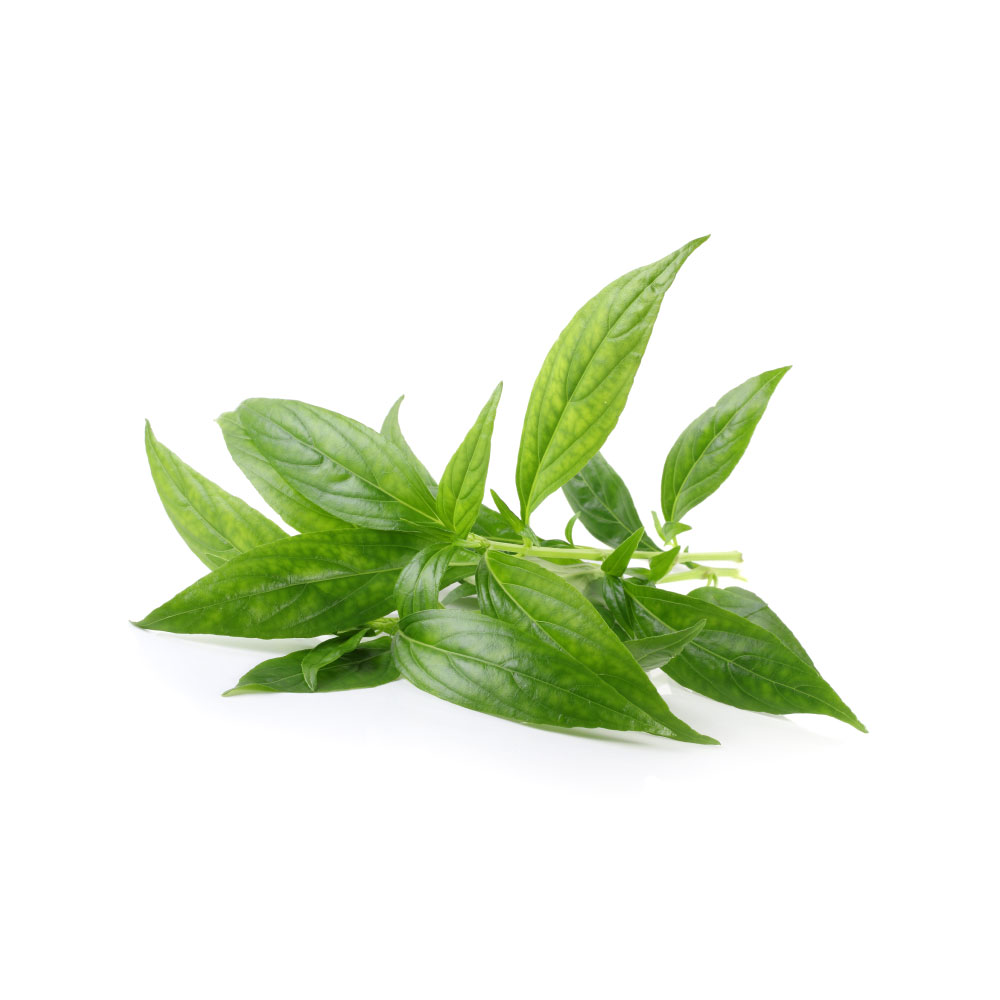 AndrographisAndrographis paniculataStrong
The common cold is andrographis’s flagship indication. Meta-analyses of RCTs find it (alone or combined with Eleutherococcus) shortens and eases the common cold and acute URTI — about a 10.85-point symptom-score advantage over placebo in one pooled analysis, improved cough and sore throat across a 33-RCT synthesis (7,175 patients), and a cough-specific SMD of −1.00 1,
Many pivotal trials tested the fixed Kan Jang combination rather than the herb alone, standardisation varies, and all data are for extracts titrated to andrographolide — not a bitter tea.
Full monograph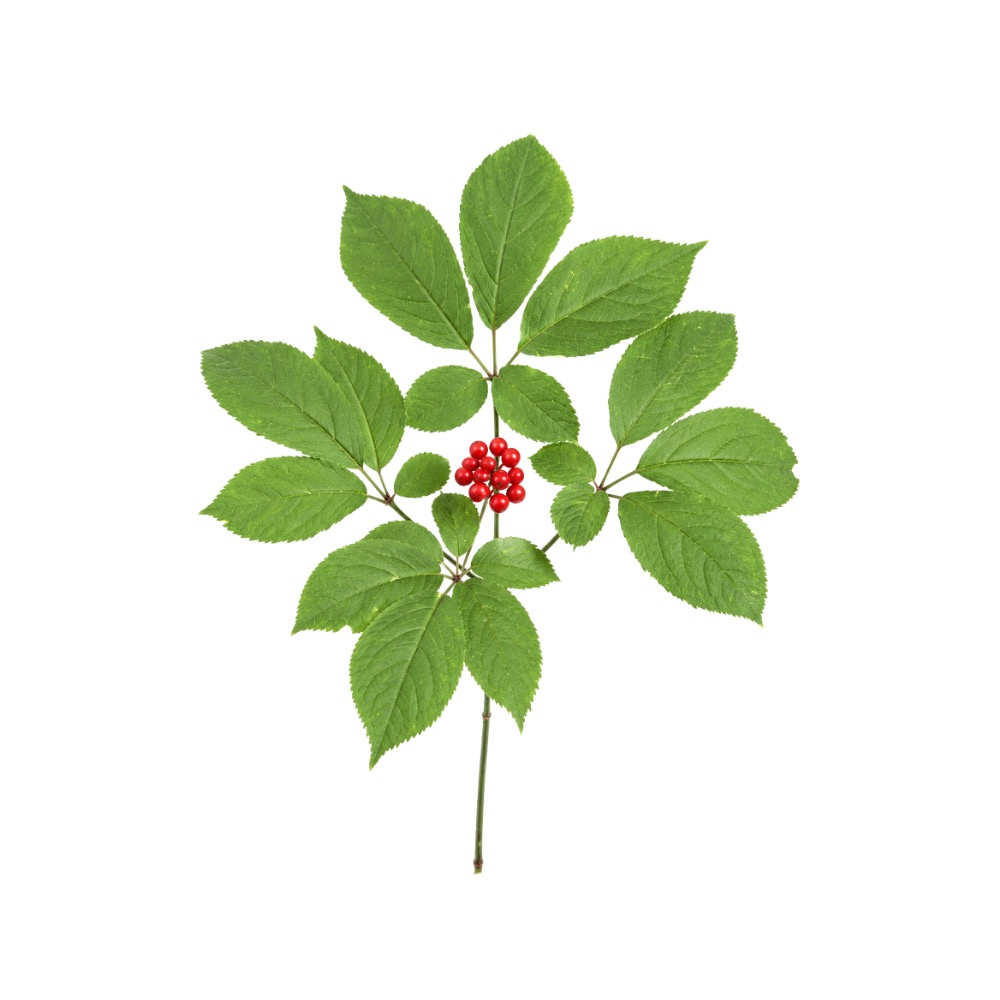 American GinsengPanax quinquefoliusModerate
A systematic review and meta-analysis found ginseng reduced seasonal URTI incidence (RR 0.69) and, for P. quinquefolius specifically, ~25% fewer colds and roughly 6 days shorter duration, with RCTs of the proprietary CVT-E002/COLD-fX polysaccharide extract cutting respiratory illness in seniors and vaccinated adults 24,
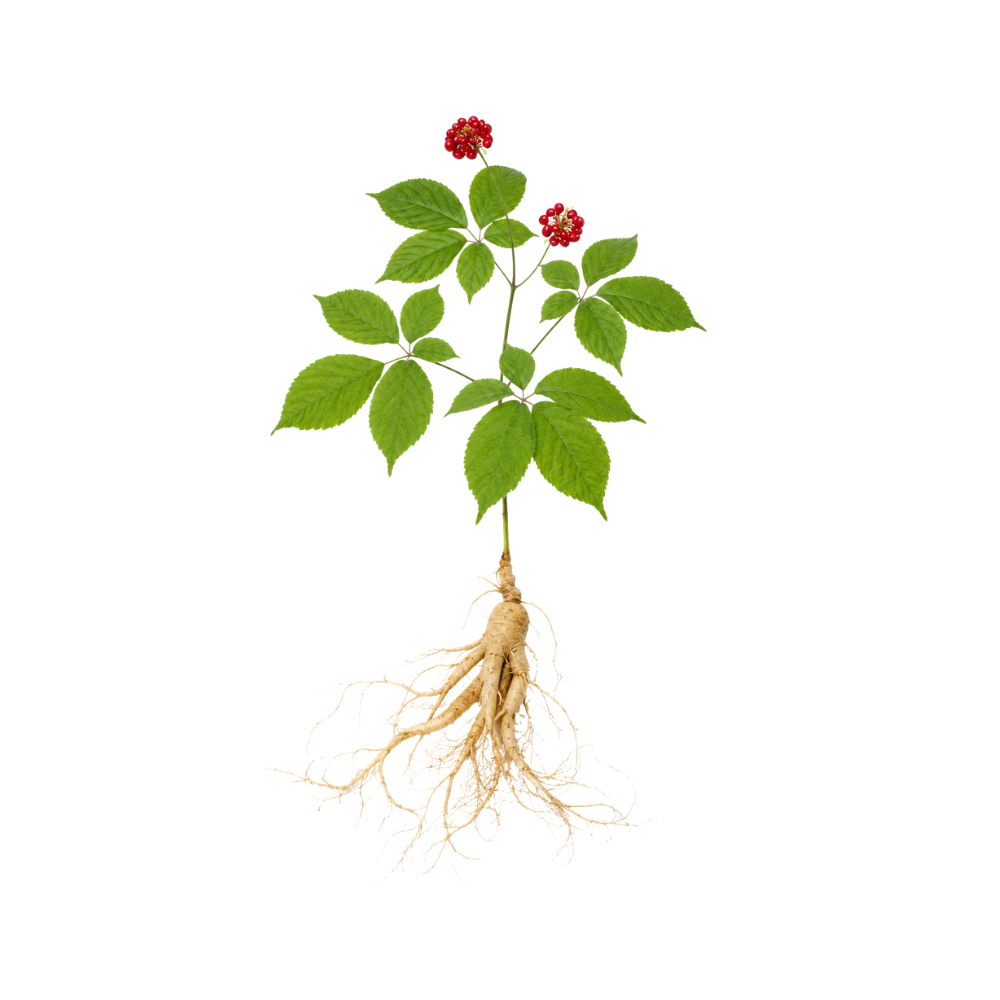 Asian GinsengPanax ginsengModerate
The best Asian-ginseng immune trial gave the standardised G115 extract (100 mg/day for 12 weeks) as an influenza-vaccine adjuvant, and combined influenza and common-cold cases fell to 15 in the ginseng group versus 42 on placebo, with higher antibody titres 29Reference 29RCTEfficacy and safety of the standardised ginseng extract G115 for potentiating influenza vaccination — randomised placebo-controlled trialView study →. The evidence for prevention rests on this single vaccination-adjuvant trial — most of the wider ‘ginseng prevents colds’ evidence is actually for American ginseng, not the Asian species 30Reference 30RCTEfficacy of a North American ginseng extract for preventing upper respiratory tract infections — randomised controlled trialView study →.
Full monograph EchinaceaEchinacea purpureaModerate
Echinacea’s best-supported use is prevention, not treatment: pooled analyses show a modest reduction in the odds of catching a cold (2007 meta-analysis OR 0.42; 2019 review RR 0.78), and in children a standardised E. purpurea extract cut URTI incidence and antibiotic use 6,
Evidence that it shortens an already-established cold is weak and largely null 10,
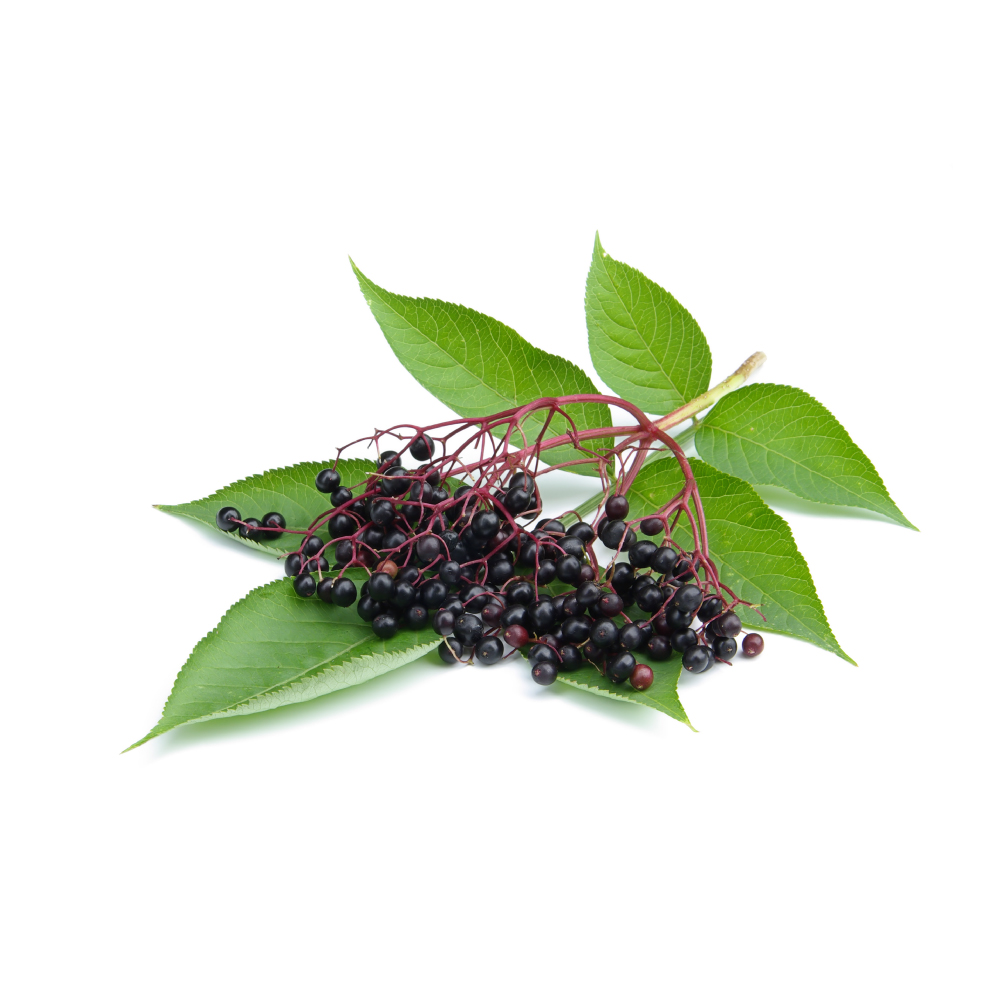 ElderberrySambucus nigraModerate
A standardised membrane-filtered berry extract produced significantly shorter, milder colds in a 312-person air-traveller RCT (though it did not reduce the number of episodes), and a 2019 meta-analysis of four RCTs found a large pooled reduction in upper-respiratory symptoms 13,
The evidence is contested: trials are small with overlapping authorship/products, the single most rigorous influenza RCT was null 15Reference 15RCTElderberry extract outpatient influenza treatment for emergency room patients ages 5 and above: a randomized, double-blind, placebo-controlled trial — RCTView study →, and benefit is tied to standardised heat-processed berry extracts, not home syrups or raw fruit.
Full monograph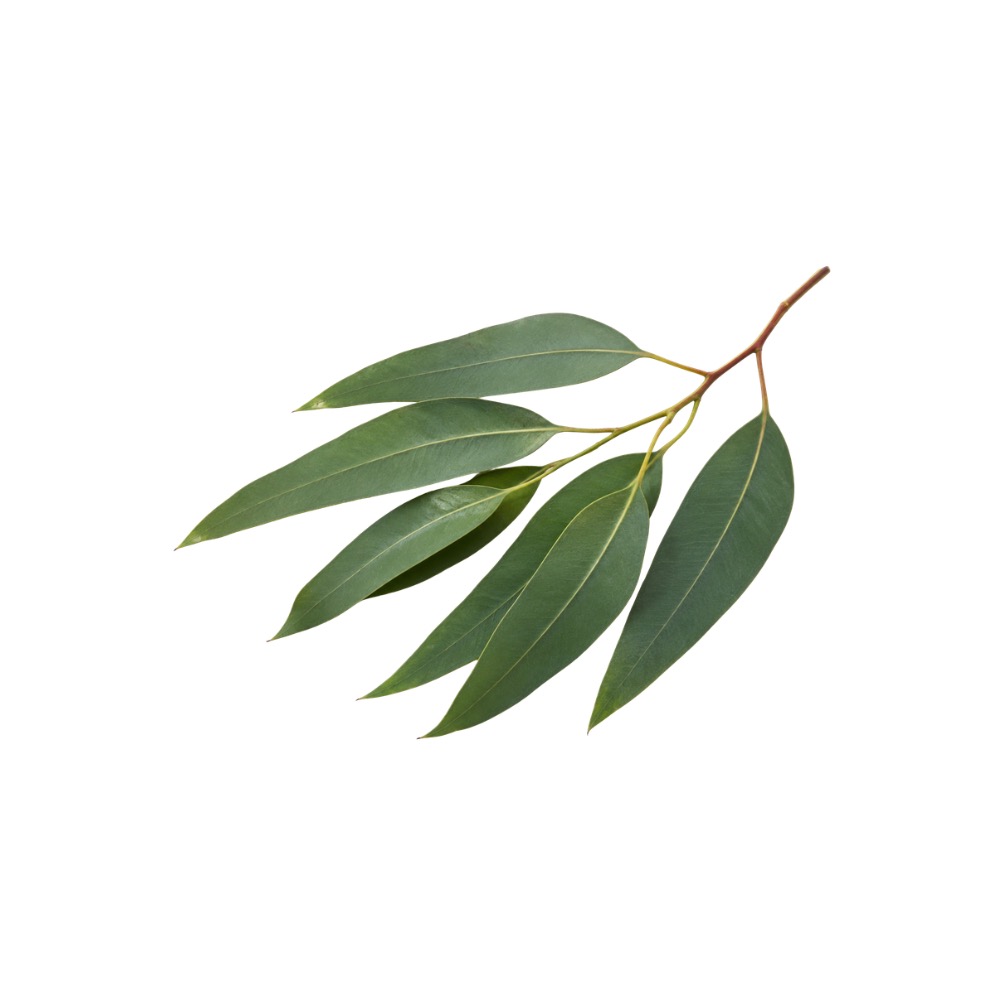 EucalyptusEucalyptus globulusModerate
Standardised 1,8-cineole capsules relieve the congestion of acute viral (non-purulent) rhinosinusitis significantly faster than placebo in two double-blind RCTs and rank well in a network meta-analysis, and cineole is an established secretolytic that thins mucus and raises mucociliary clearance 18,
The benefit is symptom relief only, and the clinical data are all for the isolated oral cineole capsule: the steam inhalation most people reach for has essentially no controlled efficacy data, and neat eucalyptus oil is acutely toxic if swallowed.
Full monograph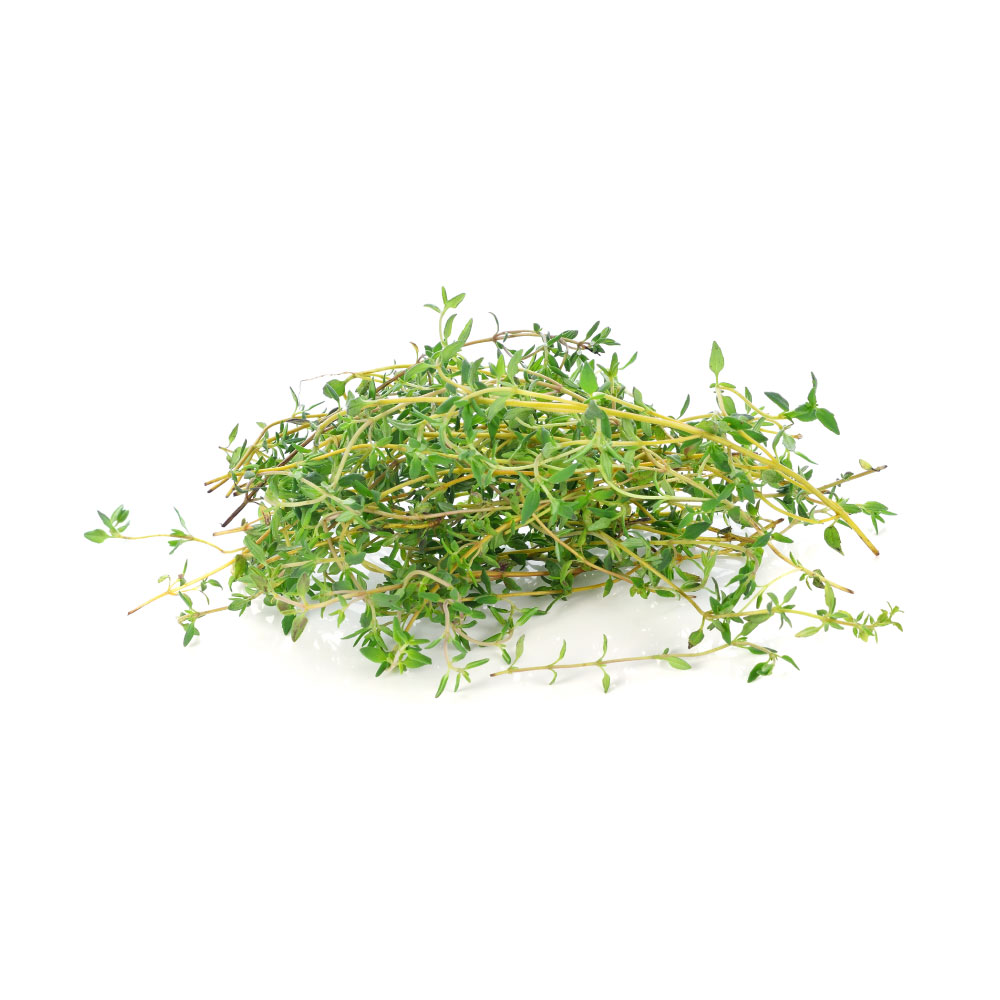 ThymeThymus vulgarisModerate
Thyme-containing syrups shorten acute cough in upper-respiratory infection: a 2015 systematic review and meta-analysis of four ivy/primrose/thyme trials found clear benefit for cough resolution (relative ratio 1.40, 95% CI 1.23–1.60), anchored by two large placebo-controlled bronchitis RCTs 4,
 EphedraEphedra sinicaNo benefit shown
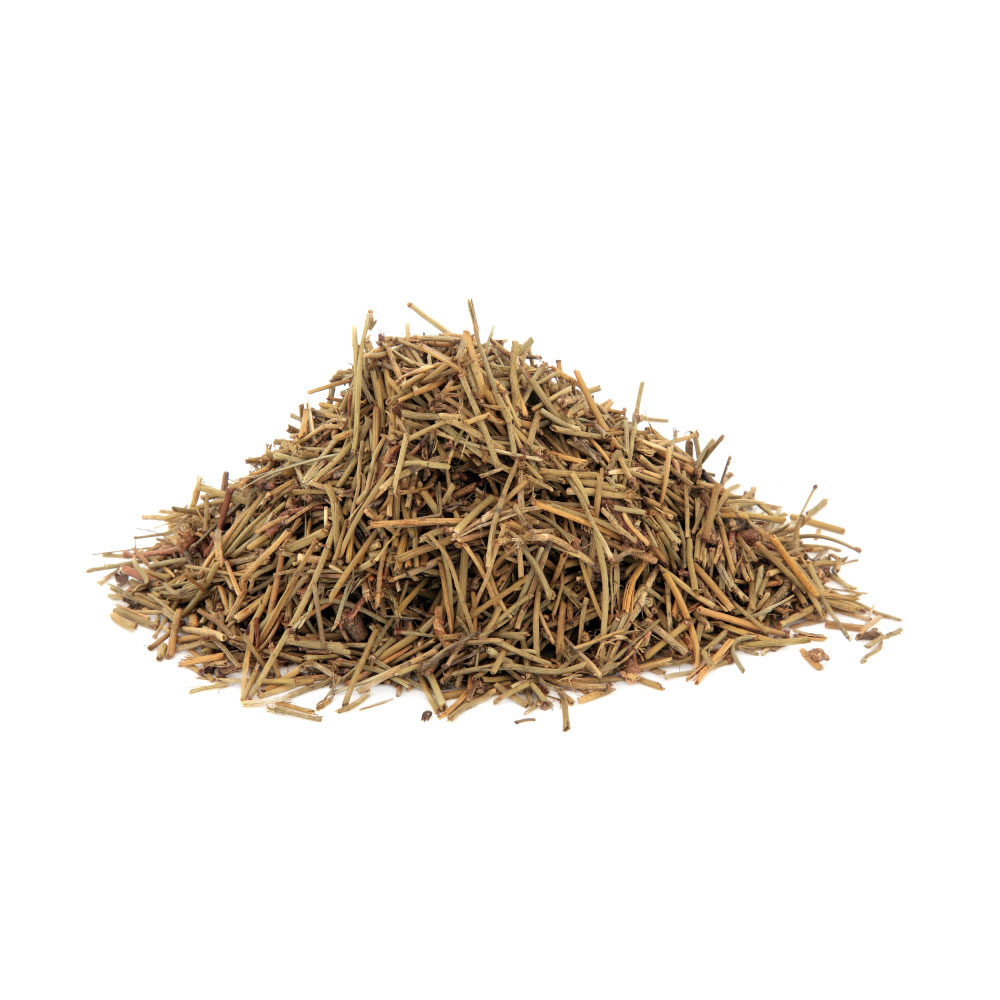
Ephedra’s alkaloid pseudoephedrine is a proven oral decongestant — α-adrenergic vasoconstriction of nasal mucosa, with extensive human support as a standalone drug and in cold combination products 16,
The clean evidence is for the isolated, dose-controlled alkaloid: the crude stem delivers a variable 0.5–2.5% alkaloid load, and ephedra carries real cardiovascular and CNS risk and is banned or regulated as a supplement in several jurisdictions — not for self-directed use.
Full monograph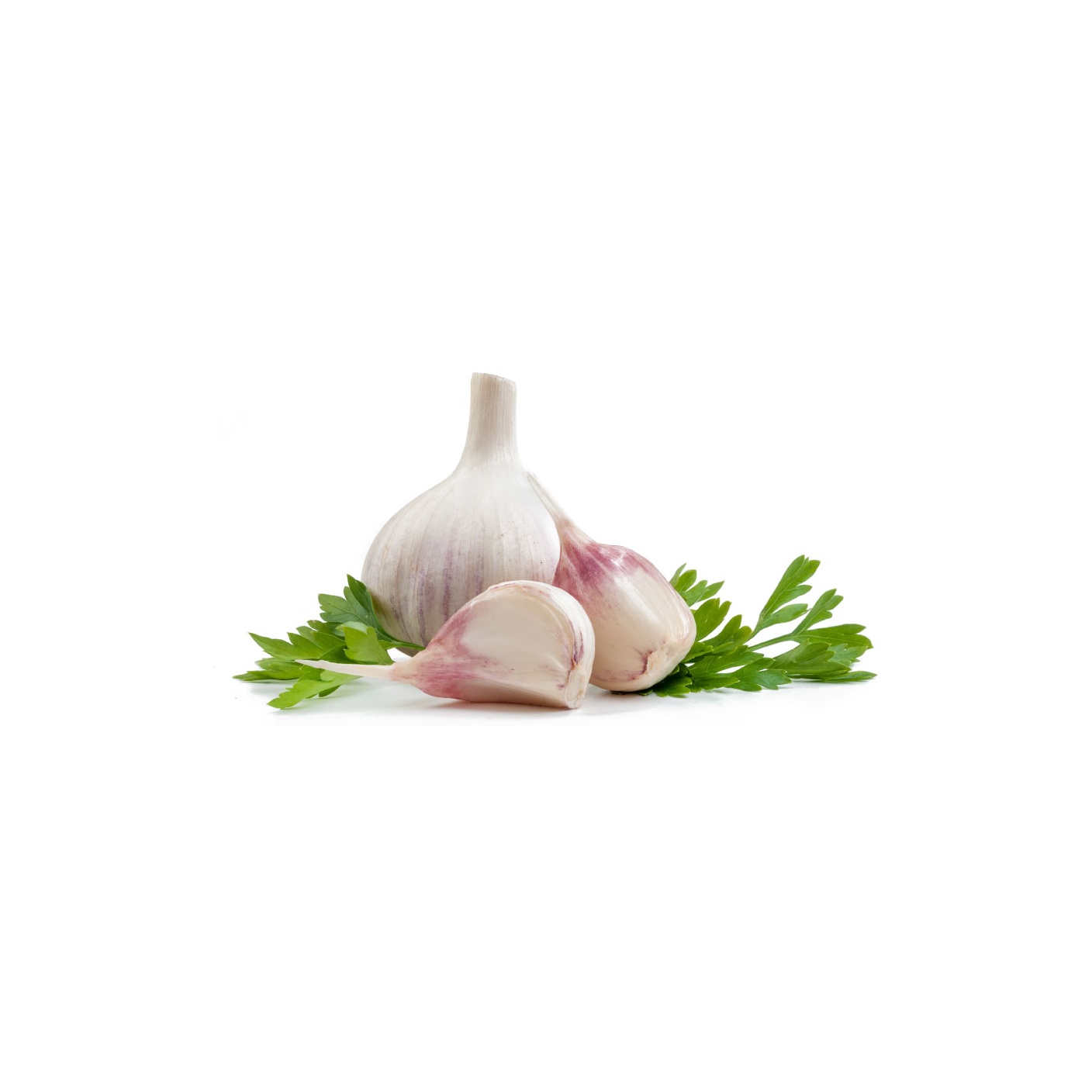 GarlicAllium sativumNo benefit shown
The claim that garlic prevents colds rests essentially on one 2001 double-blind RCT (n=146) in which a 12-week allicin supplement produced fewer colds (24 vs 65) and faster recovery 22Reference 22RCTPreventing the common cold with a garlic supplement: a double-blind, placebo-controlled survey — randomized controlled trialView study →. The 2014 Cochrane review identified this as the only trial meeting its criteria and concluded there is insufficient evidence to judge garlic’s effect on the common cold 23Reference 23Systematic reviewGarlic for the common cold — systematic reviewView study → — a single small study with subjective self-reported endpoints, unreplicated, and dependent on fresh/allicin-yielding preparations rather than aged or cooked garlic.
Full monographReferences
- Coon, J. T., & Ernst, E. (2004). Andrographis paniculata in the treatment of upper respiratory tract infections: a systematic review of safety and efficacy — systematic review. Planta Medica. https://pubmed.ncbi.nlm.nih.gov/15095142/
- Poolsup, N., et al. (2004). Andrographis paniculata in the symptomatic treatment of uncomplicated upper respiratory tract infection: systematic review of randomized controlled trials — meta-analysis. Journal of Clinical Pharmacy and Therapeutics. https://pubmed.ncbi.nlm.nih.gov/14748896/
- Hu, X. Y., et al. (2017). Andrographis paniculata for symptomatic relief of acute respiratory tract infections in adults and children: a systematic review and meta-analysis — systematic review. PLoS One. https://pubmed.ncbi.nlm.nih.gov/28783743/
- Wagner, L., et al. (2015). Herbal medicine for cough: a systematic review and meta-analysis — meta-analysis. Forschende Komplementärmedizin. https://pubmed.ncbi.nlm.nih.gov/26840418/
- Okonogi, R., et al. (2023). Efficacy of Andrographis paniculata spray in acute pharyngitis: a randomized controlled trial — RCT. Drug Discoveries & Therapeutics. https://pubmed.ncbi.nlm.nih.gov/37821383/
- Shah SA, Sander S, White CM, Rinaldi M, Coleman CI. (2007). Evaluation of echinacea for the prevention and treatment of the common cold — meta-analysis. The Lancet Infectious Diseases. https://pubmed.ncbi.nlm.nih.gov/17597571/
- David S, Cunningham R. (2019). Echinacea for the prevention and treatment of upper respiratory tract infections — systematic review and meta-analysis. Complementary Therapies in Medicine. https://pubmed.ncbi.nlm.nih.gov/31126553/
- Ogal M, Johnston SL, Klein P, Schoop R. (2021). Echinacea reduces antibiotic usage in children through respiratory tract infection prevention — randomized controlled trial. European Journal of Medical Research. https://pubmed.ncbi.nlm.nih.gov/33832544/
- Pham TP, et al. (2025). Efficacy and safety of Echinacea purpurea in treating upper respiratory infections and otitis media in children — systematic review and meta-analysis. Clinical Nutrition ESPEN. https://pubmed.ncbi.nlm.nih.gov/40311928/
- Karsch-Völk M, Barrett B, Kiefer D, Bauer R, Ardjomand-Woelkart K, Linde K. (2014). Echinacea for preventing and treating the common cold — systematic review (Cochrane). Cochrane Database of Systematic Reviews. https://pubmed.ncbi.nlm.nih.gov/24554461/
- Barrett B, Brown R, Rakel D, et al. (2010). Echinacea for treating the common cold — randomized controlled trial. Annals of Internal Medicine. https://pubmed.ncbi.nlm.nih.gov/21173411/
- Taylor JA, Weber W, Standish L, et al. (2003). Efficacy and safety of echinacea in treating upper respiratory tract infections in children — randomized controlled trial. JAMA. https://pubmed.ncbi.nlm.nih.gov/14657066/
- Tiralongo, E., Wee, S. S., & Lea, R. A. (2016). Elderberry supplementation reduces cold duration and symptoms in air-travellers: a randomised, double-blind placebo-controlled clinical trial — RCT. Nutrients, 8(4), 182. https://pubmed.ncbi.nlm.nih.gov/27023596/
- Hawkins, J., Baker, C., Cherry, L., & Dunne, E. (2019). Black elderberry (Sambucus nigra) supplementation effectively treats upper respiratory symptoms: a meta-analysis of randomized, controlled clinical trials — meta-analysis. Complementary Therapies in Medicine, 42, 361-365. https://pubmed.ncbi.nlm.nih.gov/30670267/
- Macknin, M., Wolski, K., Negrey, J., & Mace, S. (2020). Elderberry extract outpatient influenza treatment for emergency room patients ages 5 and above: a randomized, double-blind, placebo-controlled trial — RCT. Journal of General Internal Medicine, 35(11), 3271-3277. https://pubmed.ncbi.nlm.nih.gov/32929634/
- Ibragic, S., & Sofić, E. (2015). Chemical composition of various Ephedra species — review. Bosn J Basic Med Sci. https://pubmed.ncbi.nlm.nih.gov/26295290/
- Corren, J., Harris, A. G., Aaronson, D., et al. (1997). Efficacy and safety of loratadine plus pseudoephedrine in patients with seasonal allergic rhinitis and mild asthma — randomised controlled trial. J Allergy Clin Immunol. https://pubmed.ncbi.nlm.nih.gov/9438487/
- Kehrl, W., Sonnemann, U., & Dethlefsen, U. (2004). Therapy for acute nonpurulent rhinosinusitis with cineole: results of a double-blind, randomised, placebo-controlled trial — RCT. The Laryngoscope. https://pubmed.ncbi.nlm.nih.gov/15064633/
- Tesche, S., Metternich, F., Sonnemann, U., et al. (2008). The value of herbal medicines in the treatment of acute non-purulent rhinosinusitis — randomised controlled trial. European Archives of Oto-Rhino-Laryngology. https://pubmed.ncbi.nlm.nih.gov/18437408/
- Hoang, M. P., Seresirikachorn, K., Chitsuthipakorn, W., et al. (2023). Herbal medicines for rhinosinusitis: a systematic review and network meta-analysis. Current Allergy and Asthma Reports. https://pubmed.ncbi.nlm.nih.gov/36609950/
- Hasani, A., Pavia, D., Toms, N., et al. (2003). Effect of aromatics on lung mucociliary clearance in patients with chronic airways obstruction — randomised clinical trial. Journal of Alternative and Complementary Medicine. https://pubmed.ncbi.nlm.nih.gov/12804077/
- Josling P. (2001). Preventing the common cold with a garlic supplement: a double-blind, placebo-controlled survey — randomized controlled trial. Advances in Therapy. https://pubmed.ncbi.nlm.nih.gov/11697022/
- Lissiman E, et al. (2014). Garlic for the common cold — systematic review. Cochrane Database of Systematic Reviews. https://pubmed.ncbi.nlm.nih.gov/25386977/
- Antonelli, M., et al. (2020). Ginseng integrative supplementation for seasonal acute upper respiratory infections: a systematic review and meta-analysis — meta-analysis, systematic review. Complementary Therapies in Medicine. https://pubmed.ncbi.nlm.nih.gov/32951718/
- Seida, J. K., et al. (2011). North American (Panax quinquefolius) and Asian Ginseng preparations for prevention of the common cold in healthy adults: a systematic review — systematic review. Evidence-Based Complementary and Alternative Medicine. https://pubmed.ncbi.nlm.nih.gov/19592479/
- McElhaney, J. E., et al. (2006). Efficacy of COLD-fX (CVT-E002) in the prevention of respiratory symptoms in community-dwelling adults: a randomized, double-blinded, placebo-controlled trial — randomised controlled trial. Journal of Alternative and Complementary Medicine. https://pubmed.ncbi.nlm.nih.gov/16566675/
- McElhaney, J. E., et al. (2011). Efficacy and Safety of CVT-E002 in the Prevention of Respiratory Infections in Influenza-Vaccinated Community-Dwelling Adults: a multicenter, randomized, double-blind, placebo-controlled trial — randomised controlled trial. Influenza Research and Treatment. https://pubmed.ncbi.nlm.nih.gov/23074661/
- High, K. P., et al. (2012). A randomized, controlled trial of Panax quinquefolius extract (CVT-E002) to reduce respiratory infection in patients with chronic lymphocytic leukemia — randomised controlled trial. The Journal of Supportive Oncology. https://pubmed.ncbi.nlm.nih.gov/22266154/
- Scaglione, F., Cattaneo, G., Alessandria, M., & Cogo, R. (1996). Efficacy and safety of the standardised ginseng extract G115 for potentiating influenza vaccination — randomised placebo-controlled trial. Drugs Exp Clin Res. https://pubmed.ncbi.nlm.nih.gov/8879982/
- Predy, G. N., et al. (2005). Efficacy of a North American ginseng extract for preventing upper respiratory tract infections — randomised controlled trial. CMAJ. https://pubmed.ncbi.nlm.nih.gov/16247099/
- Kemmerich, B. (2007). Evaluation of efficacy and tolerability of a fixed combination of dry extracts of thyme herb and primrose root in adults with acute bronchitis — double-blind, placebo-controlled, randomised multicentre trial. Arzneimittelforschung. https://pubmed.ncbi.nlm.nih.gov/17966760/
- Kemmerich, B., Eberhardt, R., Stammer, H. (2006). Efficacy and tolerability of a fluid extract combination of thyme herb and ivy leaves vs placebo in acute bronchitis — randomised, double-blind, placebo-controlled trial. Arzneimittelforschung. https://pubmed.ncbi.nlm.nih.gov/17063641/