
Condition
Pharyngitis
Pharyngitis — inflammation at the back of the throat producing the pain and painful swallowing called a sore throat, usually viral and less often streptococcal.

Pharyngitis is inflammation of the pharynx — the muscular passage at the back of the throat — producing the pain, scratchiness and painful swallowing commonly called a sore throat. Most cases are viral and self-limiting; the central clinical task is recognising the less-common streptococcal (“strep throat”) infection that may warrant antibiotics, and otherwise soothing the inflamed mucosa while the infection clears.
Presentation
Types & Variants
Pharyngitis is most usefully divided by cause. Viral pharyngitis accounts for the large majority of cases and usually accompanies the common cold, influenza, or infectious mononucleosis; it typically travels with a runny nose, cough, hoarseness or conjunctivitis and resolves on its own. Bacterial pharyngitis is dominated by group A beta-haemolytic Streptococcus (“strep throat”), which classically produces a more abrupt sore throat with fever, tonsillar exudate and tender neck lymph nodes but without cough; it matters because untreated streptococcal infection can lead to rheumatic fever and other complications, and is the main reason antibiotics are considered.
Less common forms include pharyngitis from other bacteria, fungal (candidal) infection in immunocompromised or inhaled-steroid users, and non-infectious irritation from allergies, acid reflux, dry air, smoke or voice strain. Tonsillitis — inflammation centred on the tonsils — is a closely overlapping presentation and is often grouped with pharyngitis clinically.
Overview
General Pathology
The pharynx is lined by a mucous membrane rich in immune tissue and sensory nerves. In infectious pharyngitis, viruses or bacteria colonise this epithelium and trigger an inflammatory response — vasodilation, immune-cell infiltration and release of inflammatory mediators — that produces the redness, swelling and pain-on-swallowing characteristic of a sore throat. Those same mediators sensitise local nerve endings, so the discomfort is often out of proportion to the visible changes.
Most pharyngitis is self-limiting, and care is largely symptomatic: soothing the inflamed mucosa, easing pain, and supporting the body while the infection clears. Two herbal strategies follow from this: demulcents (mucilage-rich herbs that form a protective, soothing film over the irritated lining) and astringent or antimicrobial gargles and sprays (tannin- or volatile-oil-rich herbs that tighten and disinfect the surface tissue).
Materia Medica
Materia Medica
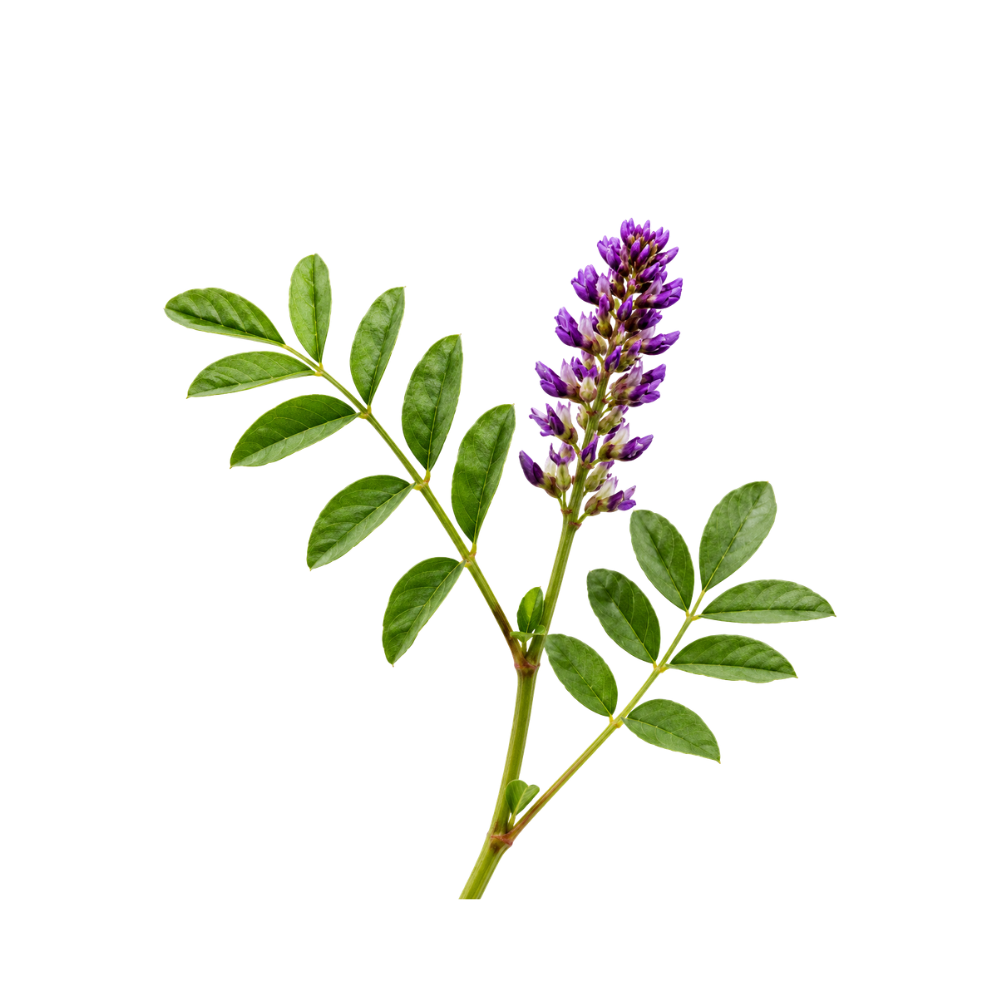 LicoriceGlycyrrhiza glabraStrong
A pre-anaesthesia licorice gargle roughly halved post-operative/post-extubation sore throat versus sugar-water in a double-blind RCT (n=236) 11Reference 11RCTA randomised, double-blind comparison of licorice versus sugar-water gargle for prevention of postoperative sore throat and postextubation coughingView study →, replicated in further gargle RCTs 12,
The evidence is for a specific entity — mechanical post-intubation sore throat prevented by a pre-procedure gargle — not infectious pharyngitis; swallowed licorice tea is not shown to help an ordinary sore throat, and glycyrrhizin carries a pseudo-aldosteronism (blood-pressure/potassium) caveat.
Full monograph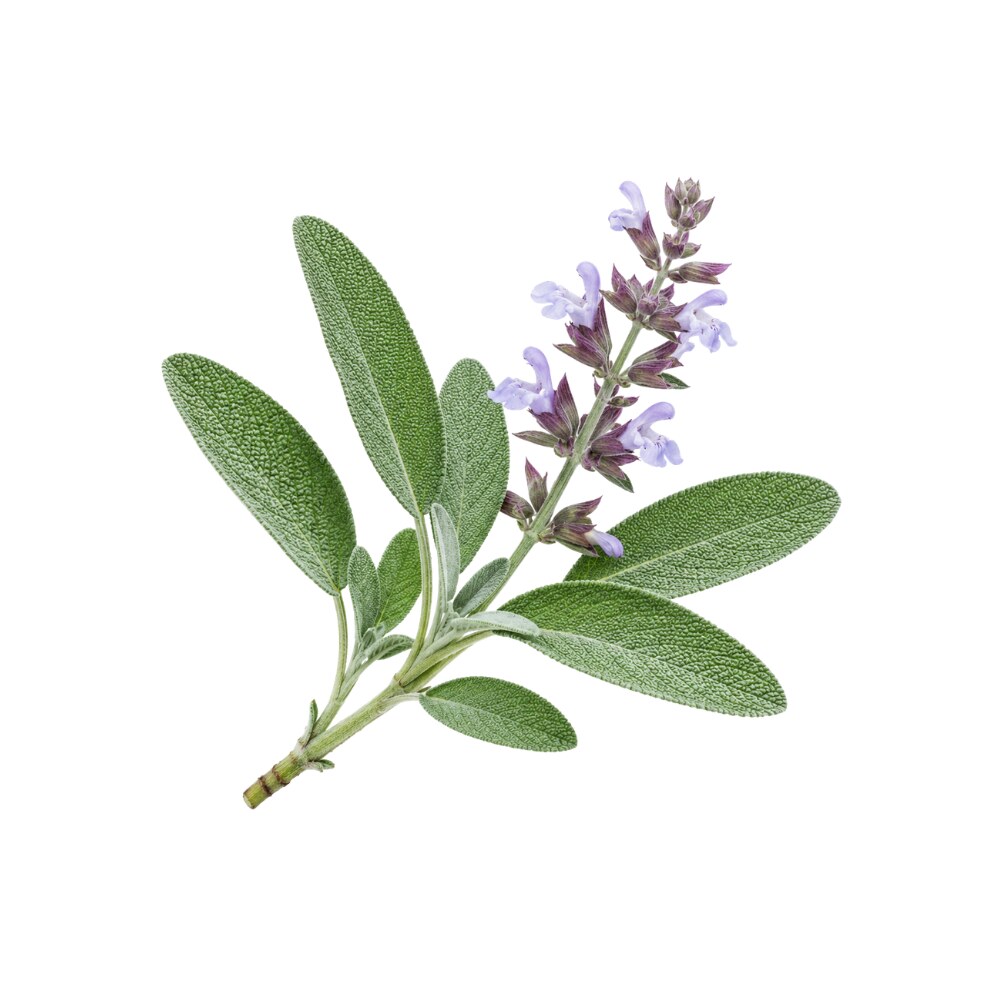 SageSalvia officinalisStrong
A double-blind, placebo-controlled RCT (n=286) found a 15% sage-extract throat spray significantly reduced pharyngitis pain within two hours of first use 23Reference 23RCTEfficacy and tolerability of a spray with Salvia officinalis in the treatment of acute pharyngitis — a randomised, double-blind, placebo-controlled studyView study →; an echinacea/sage spray matched a chlorhexidine/lidocaine spray in a comparator RCT 24Reference 24RCTEchinacea/sage or chlorhexidine/lidocaine for treating acute sore throats: a randomised double-blind trialView study →, and an observational lozenge study reported reduced throat pain and lower oropharyngeal viral load 25Reference 25Clinical trialReduction of viral load in patients with acute sore throats: results from an observational clinical trial with echinacea/salvia lozengesView study →.
Effects are local (spray/gargle/lozenge) and several trials combine sage with echinacea, so sage’s independent contribution and any benefit from oral dosing remain unclear.
Full monograph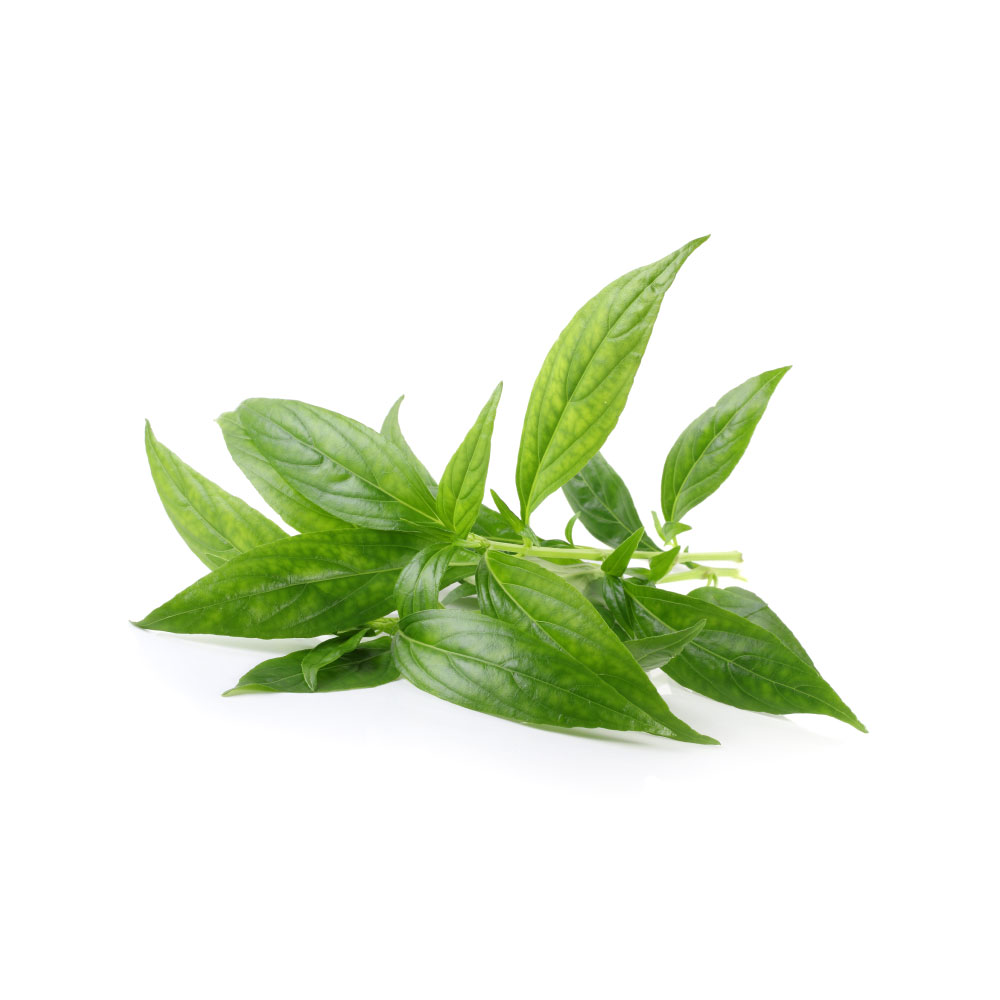 AndrographisAndrographis paniculataModerate
A 2023 RCT (n=60) of a topical andrographis throat spray in acute viral pharyngitis reported significant symptom relief versus a chamomile-spray control 1Reference 1RCTEfficacy of Andrographis paniculata spray in acute pharyngitis: a randomized controlled trial — RCTView study →, and meta-analyses of standardized-extract trials in upper-respiratory infection report improvement in sore throat 2Reference 2Meta-analysisAndrographis paniculata for symptomatic relief of acute respiratory tract infections in adults and children: a systematic review and meta-analysis — systematic reviewView study →. Pharyngitis-specific data are a single small spray trial; oral evidence is for standardized andrographolide extracts (often combination products), not bitter teas, and andrographis is avoided in pregnancy.
Full monograph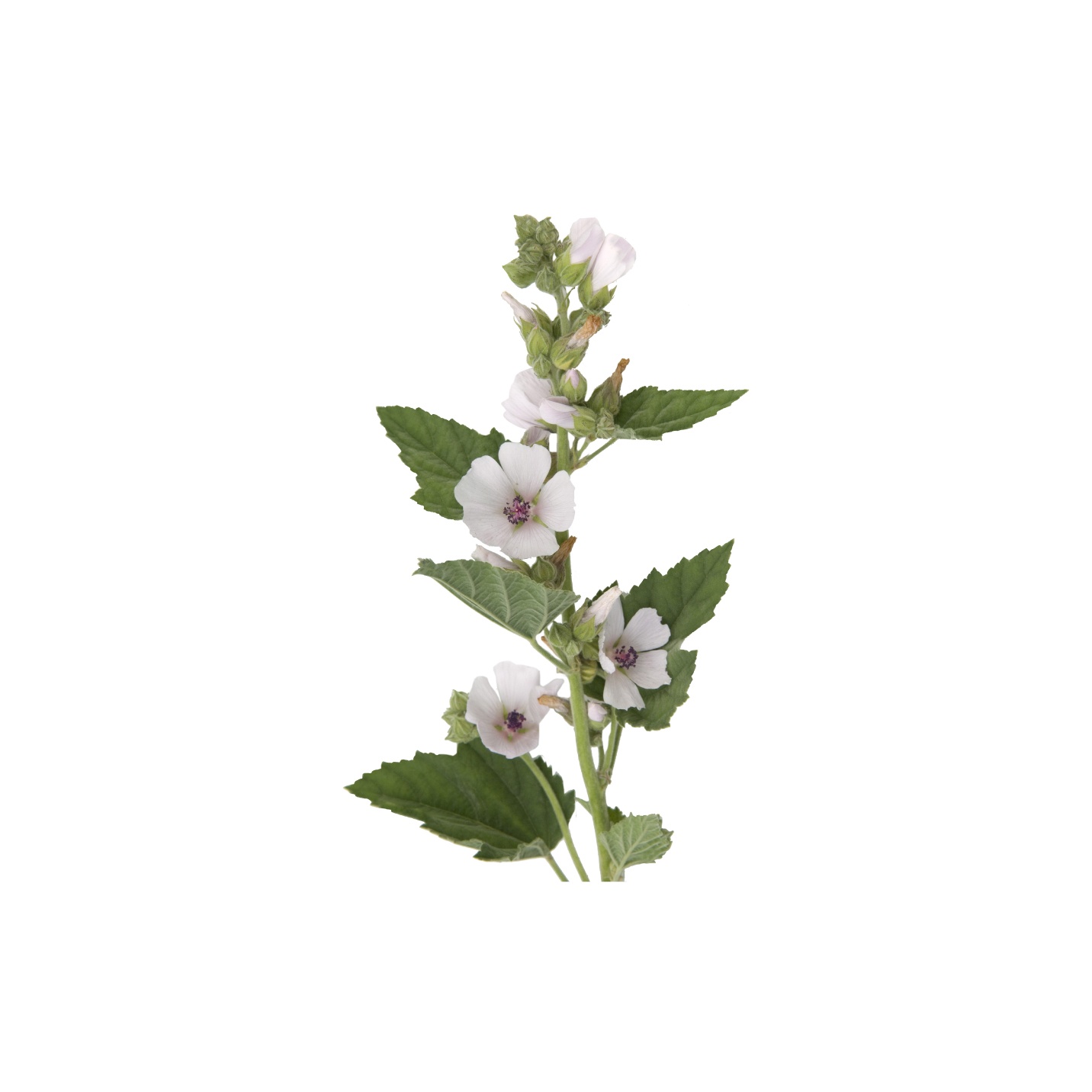 MarshmallowAlthaea officinalisModerate
Marshmallow root/leaf mucilage forms a bioadhesive film that physically soothes inflamed pharyngeal mucosa; a randomized active-controlled trial of an Althaea-honey throat spray reported relief in sore throat 15Reference 15RCTEffectiveness and tolerability of Ectoin mouth and throat spray Althaea honey (ERS09) for sore throat — randomised, active-controlled trialView study →, and a combination extract containing marshmallow root (BNO 1030) reduced symptoms in paediatric acute non-bacterial tonsillitis 16Reference 16RCTRandomized, open-label, multicenter comparative study of BNO 1030 extract (containing marshmallow root) in acute non-bacterial tonsillitis in children — randomised (combination product)View study →. Both are spray/combination products, so marshmallow’s independent effect is unquantified and no monotherapy trial exists.
Full monograph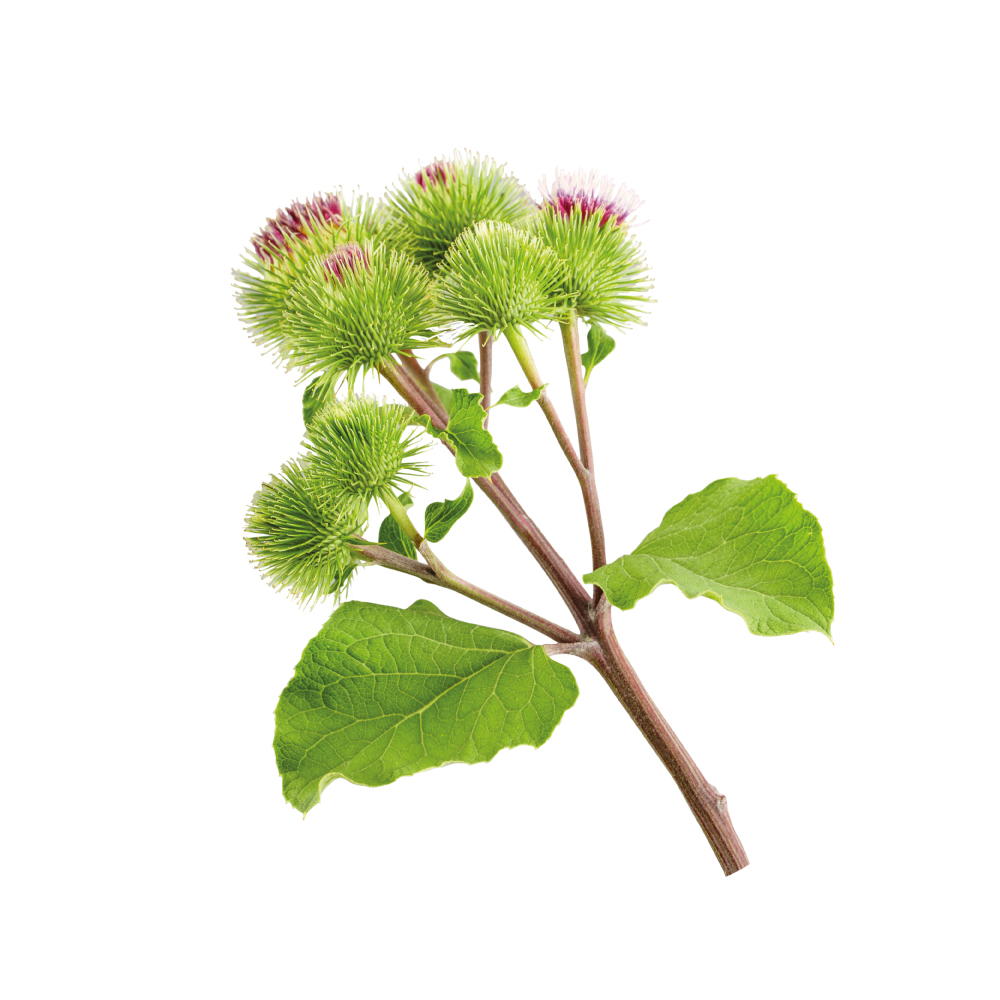 BurdockArctium lappaTraditional only
In Traditional Chinese Medicine burdock seed (Niu Bang Zi) is a named remedy to “disperse wind-heat and benefit the throat,” used for sore throat, cough and fever; burdock root/leaf extracts inhibit oral organisms in vitro 3,
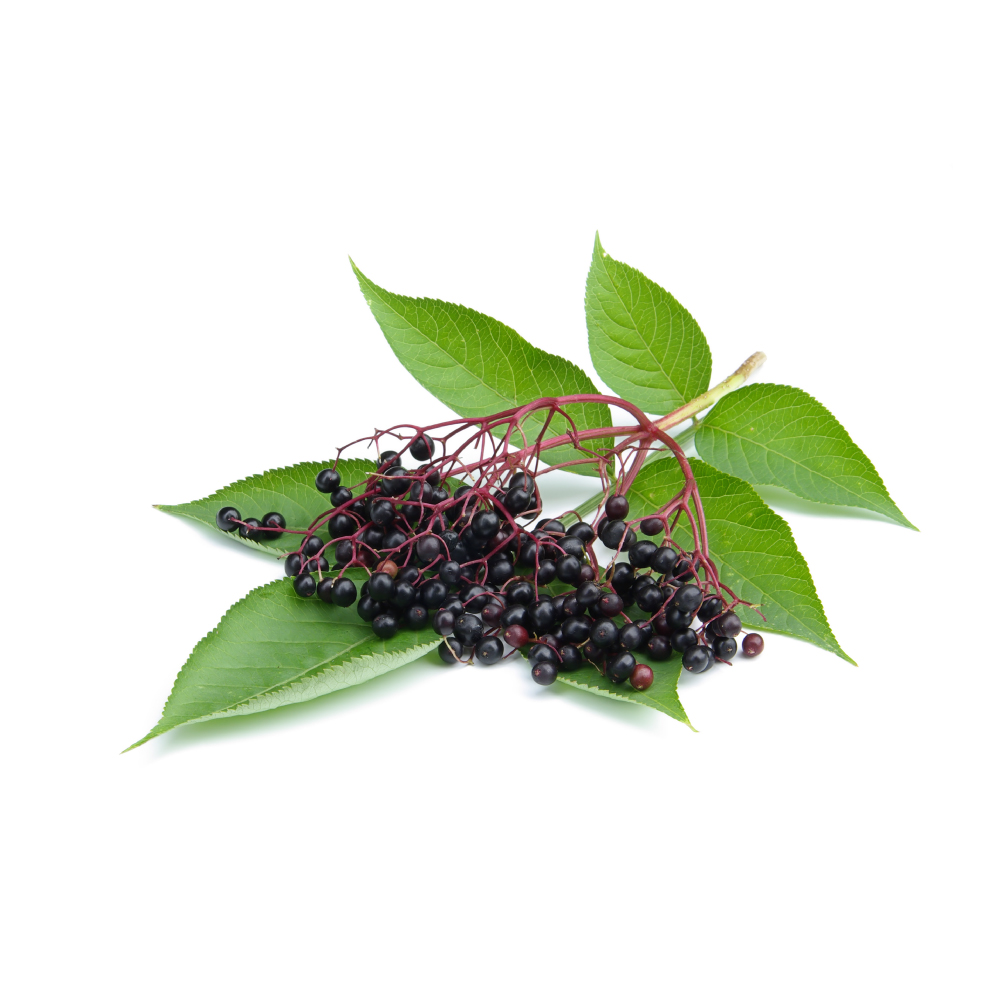 ElderberrySambucus nigraTraditional only
Elder is used in Western herbal medicine for sore throats (flower or berry preparations), and its best evidence is for shortening colds and influenza — illnesses that commonly include sore throat — from small RCTs tempered by one well-powered null trial 5,
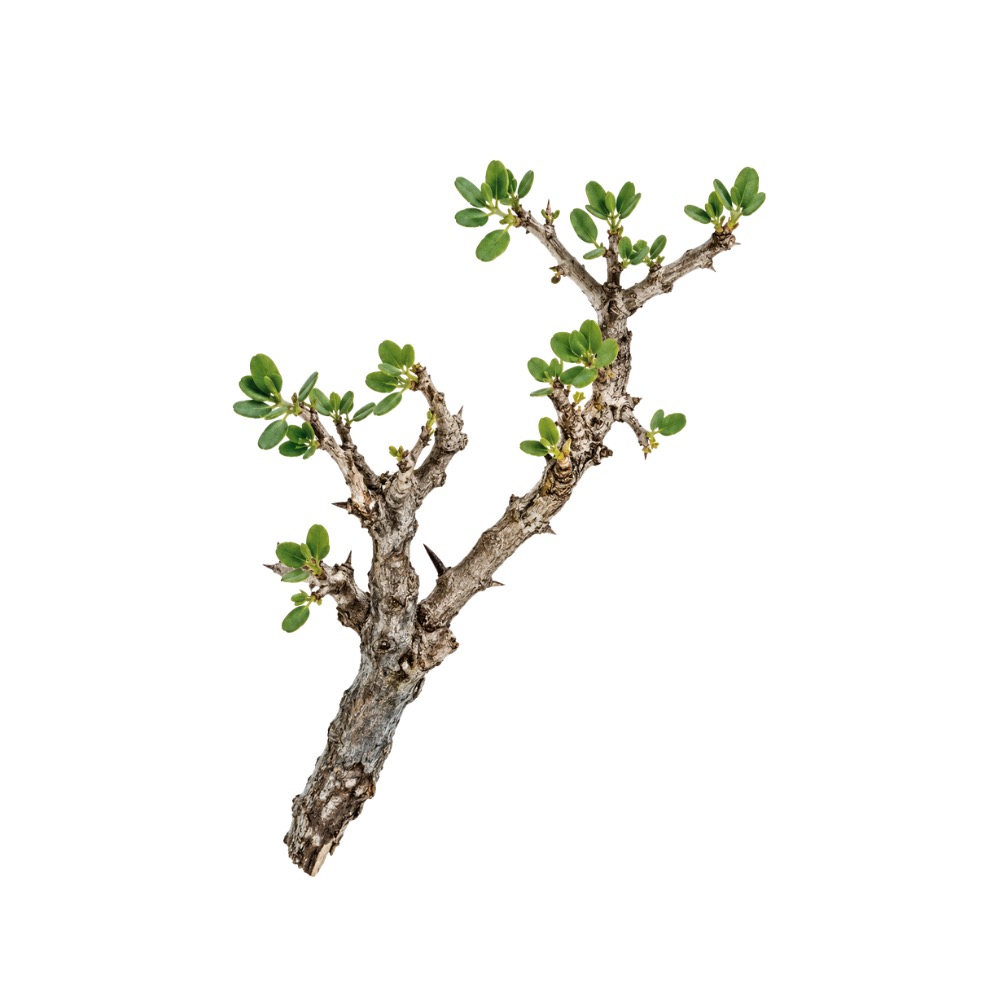 MyrrhCommiphora myrrhaTraditional only
Myrrh resin is a classic Western astringent-antiseptic gargle for sore throat and inflamed gums, used as a diluted tincture or mouthwash; its topical mucosal-healing and anti-inflammatory action is borne out by oral/gingival trials 17Reference 17RCTClinical efficacy of aloe vera- and myrrh-based oral mucoadhesive gels in minor recurrent aphthous stomatitis — randomised, double-blind, vehicle-controlled trialView study → and its ethanolic extract inhibits oral pathogens in vitro 18Reference 18In vitroSynergistic antibacterial activity of herbal extracts with antibiotics on periodontitis bacteria — in vitroView study →. No pharyngitis-specific trial exists, the active furanodienes barely extract into water (a high-alcohol tincture is needed), and it is contraindicated in pregnancy as a uterine stimulant.
Full monograph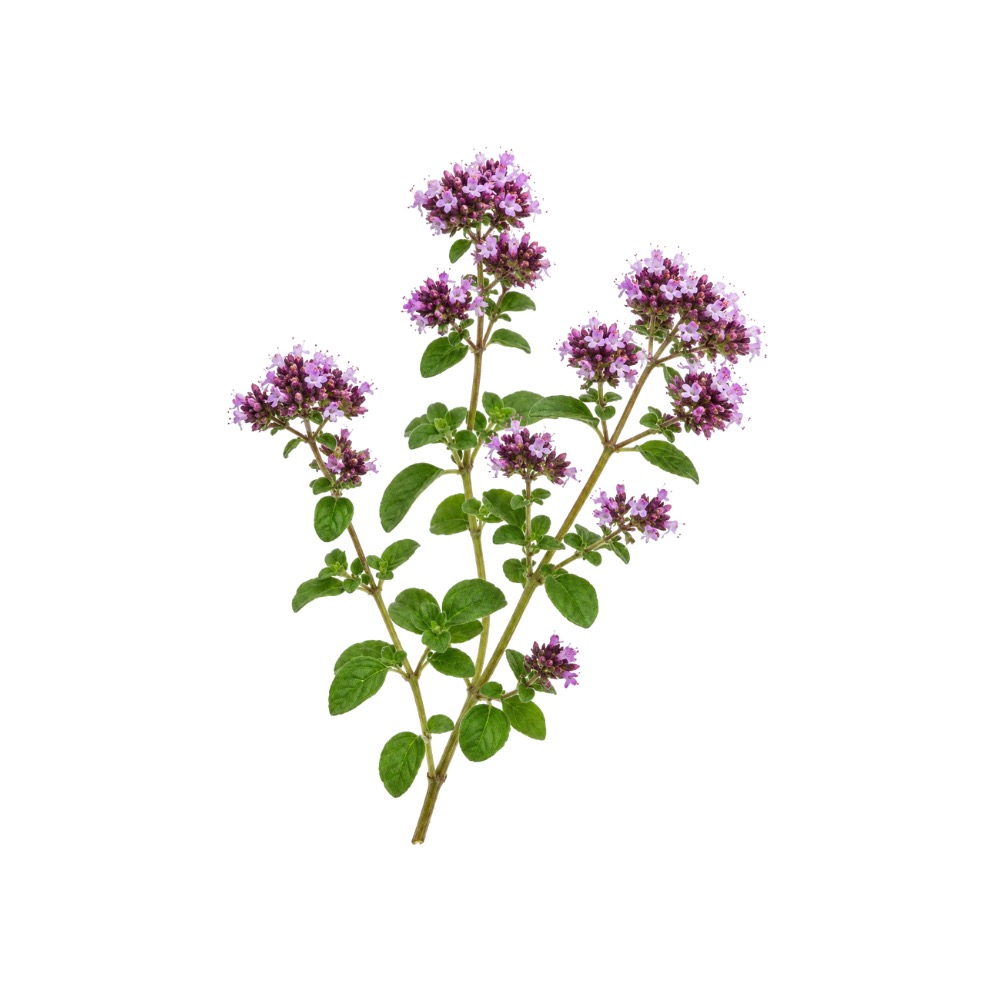 OreganoOriganum vulgareTraditional only
Oregano tea, gargle or diluted oil is a traditional antimicrobial remedy for coughs, colds and sore throats; the carvacrol-rich oil disrupts bacterial membranes with broad in-vitro activity 19,
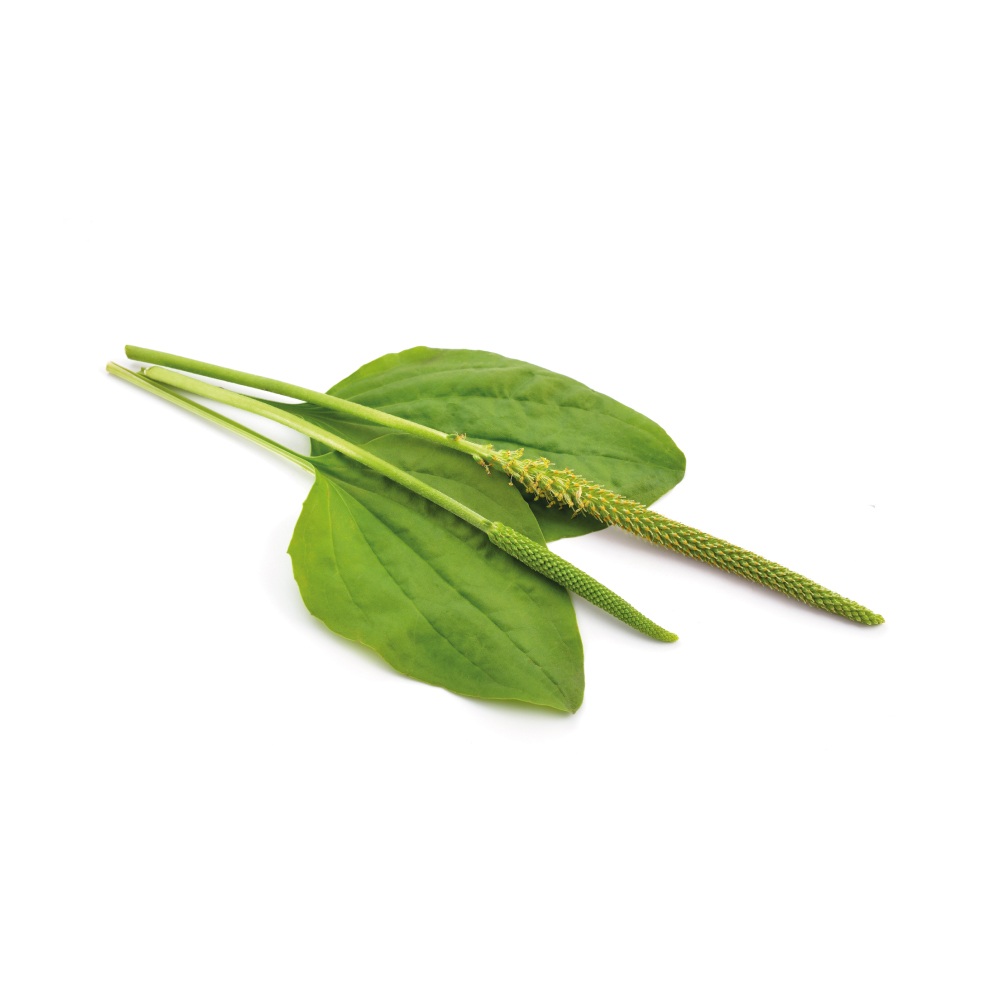 PlantainPlantago majorTraditional only
Plantain (Plantago) leaf has a long demulcent, mildly astringent reputation for sore throat and irritated respiratory mucosa; the strongest controlled data are for a multi-herb cough syrup (KalobaTUSS) rather than plantain alone 22Reference 22RCTEfficacy and safety of the syrup “KalobaTUSS®” as a treatment for cough in children: a randomized, double-blind, placebo-controlled trialView study →. The sore-throat use rests on tradition and its mucilage mechanism, not a dedicated trial.
Full monograph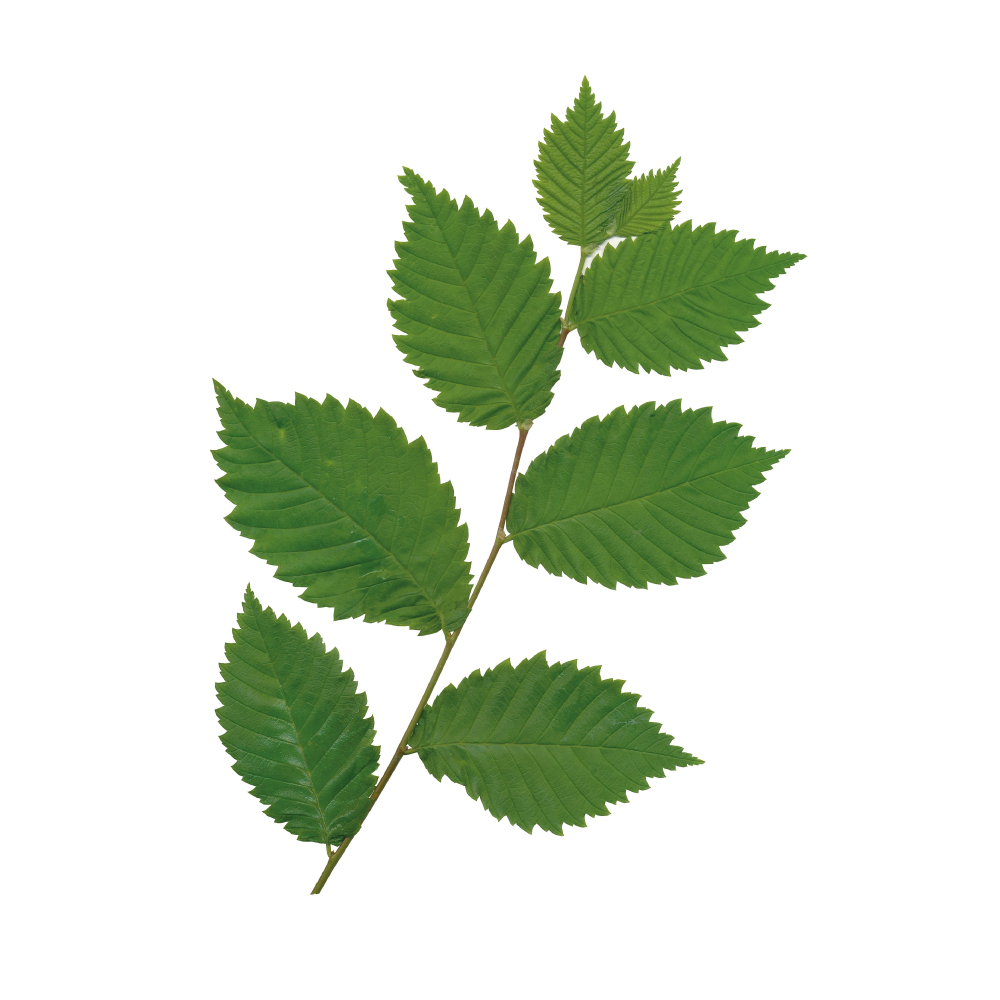 Slippery ElmUlmus rubraTraditional only
Slippery elm inner bark is an official demulcent and common throat-lozenge ingredient; its ~7% mucilage hydrates into a viscous gel that coats and soothes the pharyngeal mucosa 26Reference 26Slippery elm, its biochemistry, and use as a complementary and alternative treatment for laryngeal irritationView study →. The throat use is entirely mechanism-and-tradition — no controlled or observational clinical data — and the mucilage does not dissolve in alcohol, so a tincture is the wrong form (powder or decoction only).
Full monograph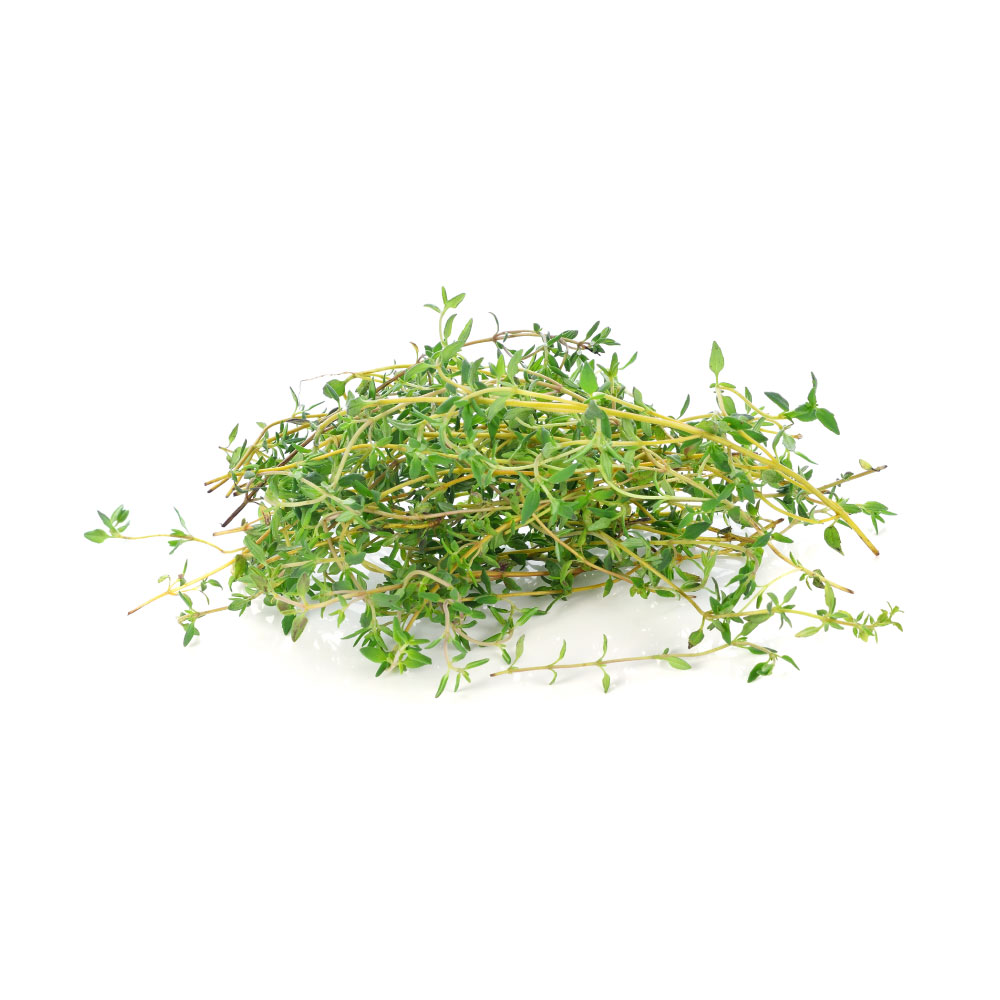 ThymeThymus vulgarisTraditional only
Thyme is a traditional antiseptic gargle and steam-inhalation for sore throat and respiratory catarrh, its phenols thymol and carvacrol showing broad membrane-disrupting antibacterial activity in vitro 27Reference 27ReviewPlants belonging to the genus Thymus as antibacterial agents: from farm to pharmacy — reviewView study →, with tannins contributing to the throat use 27Reference 27ReviewPlants belonging to the genus Thymus as antibacterial agents: from farm to pharmacy — reviewView study →. No controlled trial tests thyme for pharyngitis; the antimicrobial data are at essential-oil concentrations far above what a gargle delivers, and the neat oil is a mucosal irritant.
Full monograph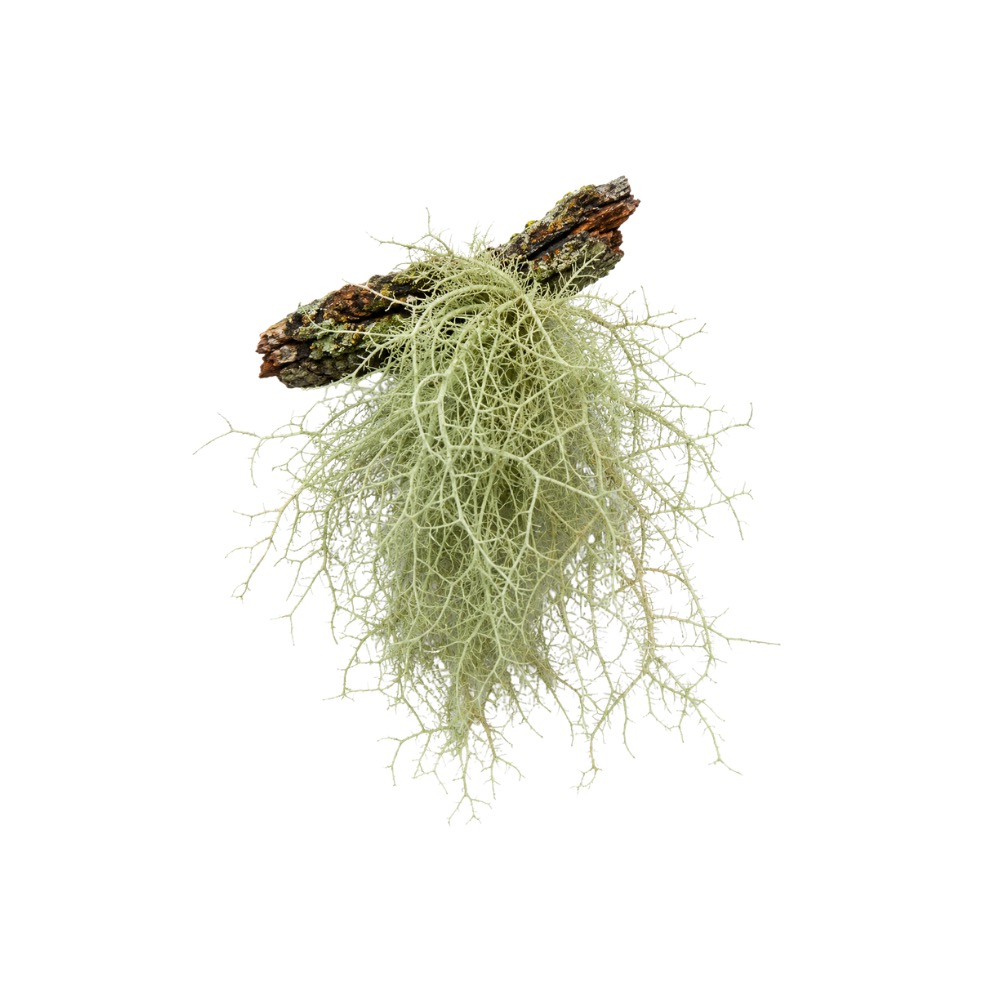 UsneaUsnea spp.Traditional only
Usnea tincture and gargle are a traditional antimicrobial remedy for sore throat, backed by replicated in-vitro activity of usnic acid against Gram-positive bacteria 29,
References
- Okonogi, R., et al. (2023). Efficacy of Andrographis paniculata spray in acute pharyngitis: a randomized controlled trial — RCT. Drug Discoveries & Therapeutics. https://pubmed.ncbi.nlm.nih.gov/37821383/
- Hu, X. Y., et al. (2017). Andrographis paniculata for symptomatic relief of acute respiratory tract infections in adults and children: a systematic review and meta-analysis — systematic review. PLoS One. https://pubmed.ncbi.nlm.nih.gov/28783743/
- Pereira, J. V., et al. (2005). Antimicrobial activity of Arctium lappa constituents against microorganisms commonly found in endodontic infections — in vitro. Brazilian Dental Journal. https://pubmed.ncbi.nlm.nih.gov/16429183/
- Gentil, M., et al. (2006). In vitro evaluation of the antibacterial activity of Arctium lappa as a phytotherapeutic agent used in intracanal dressings — in vitro. Phytotherapy Research. https://pubmed.ncbi.nlm.nih.gov/16521107/
- Zakay-Rones, Z., Thom, E., Wollan, T., & Wadstein, J. (2004). Randomized study of the efficacy and safety of oral elderberry extract in the treatment of influenza A and B virus infections — randomized controlled trial. Journal of International Medical Research, 32(2), 132-140. https://pubmed.ncbi.nlm.nih.gov/15080016/
- Zakay-Rones, Z., Varsano, N., Zlotnik, M., et al. (1995). Inhibition of several strains of influenza virus in vitro and reduction of symptoms by an elderberry extract during an outbreak of influenza B Panama — placebo-controlled, in vitro. Journal of Alternative and Complementary Medicine, 1(4), 361-369. https://pubmed.ncbi.nlm.nih.gov/9395631/
- Tiralongo, E., Wee, S. S., & Lea, R. A. (2016). Elderberry supplementation reduces cold duration and symptoms in air-travellers: a randomised, double-blind placebo-controlled clinical trial — RCT. Nutrients, 8(4), 182. https://pubmed.ncbi.nlm.nih.gov/27023596/
- Hawkins, J., Baker, C., Cherry, L., & Dunne, E. (2019). Black elderberry (Sambucus nigra) supplementation effectively treats upper respiratory symptoms: a meta-analysis of randomized, controlled clinical trials — meta-analysis. Complementary Therapies in Medicine, 42, 361-365. https://pubmed.ncbi.nlm.nih.gov/30670267/
- Macknin, M., Wolski, K., Negrey, J., & Mace, S. (2020). Elderberry extract outpatient influenza treatment for emergency room patients ages 5 and above: a randomized, double-blind, placebo-controlled trial — RCT. Journal of General Internal Medicine, 35(11), 3271-3277. https://pubmed.ncbi.nlm.nih.gov/32929634/
- Krawitz, C., Mraheil, M. A., Stein, M., et al. (2011). Inhibitory activity of a standardized elderberry liquid extract against clinically-relevant human respiratory bacterial pathogens and influenza A and B viruses — in vitro. BMC Complementary and Alternative Medicine, 11, 16. https://pubmed.ncbi.nlm.nih.gov/21352539/
- Ruetzler K, et al. (2013). A randomised, double-blind comparison of licorice versus sugar-water gargle for prevention of postoperative sore throat and postextubation coughing. Anesthesia and Analgesia. https://pubmed.ncbi.nlm.nih.gov/23921656/
- Agarwal A, et al. (2009). Efficacy of licorice gargle for attenuating postoperative sore throat — randomised single-blind. Anesthesia and Analgesia. https://pubmed.ncbi.nlm.nih.gov/19535697/
- Honarmand A, et al. (2016). Efficacy of different doses of liquorice gargling for attenuating postoperative sore throat and cough after tracheal intubation — randomised. European Journal of Anaesthesiology. https://pubmed.ncbi.nlm.nih.gov/26716864/
- Singh NP, et al. (2020). Efficacy of topical agents for prevention of postoperative sore throat after single-lumen intubation: a Bayesian network meta-analysis. Canadian Journal of Anaesthesia. https://pubmed.ncbi.nlm.nih.gov/32820466/
- Roventa, D. L. C., Pieper-Fürst, U., Acikel, C., Santos, D., Sent, U., & Mösges, R. (2023). Effectiveness and tolerability of Ectoin mouth and throat spray Althaea honey (ERS09) for sore throat — randomised, active-controlled trial. Journal of Clinical Medicine. https://pubmed.ncbi.nlm.nih.gov/37762768/
- Popovych, V., Koshel, I., Malofiichuk, A., et al. (2019). Randomized, open-label, multicenter comparative study of BNO 1030 extract (containing marshmallow root) in acute non-bacterial tonsillitis in children — randomised (combination product). American Journal of Otolaryngology. https://pubmed.ncbi.nlm.nih.gov/30554882/
- Mansour, G., et al. (2014). Clinical efficacy of aloe vera- and myrrh-based oral mucoadhesive gels in minor recurrent aphthous stomatitis — randomised, double-blind, vehicle-controlled trial. Journal of Oral Pathology & Medicine. https://pubmed.ncbi.nlm.nih.gov/24164309/
- Abullais Saquib S, Abdullah AlQahtani N, Ahmad I, et al. (2021). Synergistic antibacterial activity of herbal extracts with antibiotics on periodontitis bacteria — in vitro. Journal of Infection in Developing Countries. https://pubmed.ncbi.nlm.nih.gov/34898497/
- Sakkas, H., & Papadopoulou, C. (2017). Antimicrobial activity of basil, oregano, and thyme essential oils — review. Journal of Microbiology and Biotechnology. https://pubmed.ncbi.nlm.nih.gov/27994215/
- Burt, S. (2004). Essential oils: their antibacterial properties and potential applications in foods — review; in vitro data. International Journal of Food Microbiology. https://pubmed.ncbi.nlm.nih.gov/15246235/
- Xu, J., Zhou, F., Ji, B.-P., et al. (2008). The antibacterial mechanism of carvacrol and thymol against Escherichia coli — in vitro. Letters in Applied Microbiology. https://pubmed.ncbi.nlm.nih.gov/19552781/
- Carnevali I, et al. (2021). Efficacy and safety of the syrup “KalobaTUSS®” as a treatment for cough in children: a randomized, double-blind, placebo-controlled trial. BMC Pediatrics. https://pubmed.ncbi.nlm.nih.gov/33430841/
- Hubbert, M., et al. (2006). Efficacy and tolerability of a spray with Salvia officinalis in the treatment of acute pharyngitis — a randomised, double-blind, placebo-controlled study. Eur J Med Res, 11(1), 20–26. https://pubmed.ncbi.nlm.nih.gov/16504956/
- Schapowal, A., et al. (2009). Echinacea/sage or chlorhexidine/lidocaine for treating acute sore throats: a randomised double-blind trial. Eur J Med Res, 14(9), 406–412. https://pubmed.ncbi.nlm.nih.gov/19748859/
- Weishaupt, R., et al. (2023). Reduction of viral load in patients with acute sore throats: results from an observational clinical trial with echinacea/salvia lozenges. Complement Med Res, 30(5), 393–402. https://pubmed.ncbi.nlm.nih.gov/36889292/
- Watts, C. R., & Rousseau, B. (2012). Slippery elm, its biochemistry, and use as a complementary and alternative treatment for laryngeal irritation. Journal of Investigational Biochemistry. https://doi.org/10.5455/jib.20120417052415
- Nabavi, S.M., et al. (2015). Plants belonging to the genus Thymus as antibacterial agents: from farm to pharmacy — review. Food Chemistry. https://pubmed.ncbi.nlm.nih.gov/25466031/
- Etri, K., & Pluhár, Z. (2024). Exploring chemical variability in the essential oils of the Thymus genus — thymol, carvacrol, linalool and geraniol chemotypes — review. Plants. https://pubmed.ncbi.nlm.nih.gov/38794445/
- Cansaran, D., et al. (2006). Identification and quantitation of usnic acid from Usnea species of Anatolia and antimicrobial activity — in vitro. Zeitschrift für Naturforschung C. https://pubmed.ncbi.nlm.nih.gov/17294685/
- Tozatti, M. G., et al. (2016). Activity of the lichen Usnea steineri and its major metabolites against Gram-positive, multidrug-resistant bacteria — in vitro. Natural Product Communications. https://pubmed.ncbi.nlm.nih.gov/27396202/
- Pompilio, A., et al. (2016). Antibacterial and antibiofilm mechanisms of usnic acid against methicillin-resistant Staphylococcus aureus — in vitro. Future Microbiology. https://pubmed.ncbi.nlm.nih.gov/27633726/