
Condition
Parkinson's Disease
Parkinson's disease is a progressive neurological disorder caused by the loss of dopamine-producing neurons in the brain.

Overview
Aetiology
The symptoms of Parkinson’s disease are the result of extensive loss of dopaminergic neurons in the basal ganglia. This leads to a loss in dopamine production and activity, and a relative increase in acetylcholine activity, which together disrupt the control of movement.
Causes of Parkinson’s are heavily debated, however, the generally agreed-upon triggers for the disease include:
- Traumatic head injury
- Viral inflammation
- Exposure to heavy metals
- Organophosphate compounds
- Neurotoxic compounds
Presentation
Symptoms
The classic motor features are a resting tremor, muscular rigidity, slowness of movement (bradykinesia), and postural instability. These typically begin on one side of the body and progress gradually. Non-motor symptoms are also common and include loss of smell, constipation, sleep disturbance, depression, and cognitive decline.
Assessment
Diagnostic Considerations
Examination/Assessment Findings:
- Fixed facial expression
- Eyes unblinking and staring
- Bradykinesia
- Cogwheel rigidity of joints
- Resting tremor (pill rolling tremor)
- Postural instability
- Shuffling gait
Assessment
Differential Diagnosis
- Essential tremor
- Drug-induced parkinsonism
- Atypical parkinsonian syndromes (such as progressive supranuclear palsy and multiple system atrophy)
- Vascular parkinsonism
Context
Comorbidities
Dementia is common in Parkinson’s patients. Depression, anxiety, autonomic dysfunction, and sleep disorders also frequently accompany the disease.
Supplementation
Nutritional Considerations
A range of nutrients are of interest in supporting nervous system health and mitochondrial function in Parkinson’s disease, including:
- Vitamin B6
- Vitamin B12
- Vitamin D
- Magnesium
- Iron
- CoQ10
- Antioxidants
- Selenium
- Vitamin E
- Omega-3 fatty acids
- Alpha lipoic acid
- Acetyl L-carnitine
- Zinc
The Herbs
Materia Medica (4)
Herbs traditionally or clinically used for parkinson's disease.
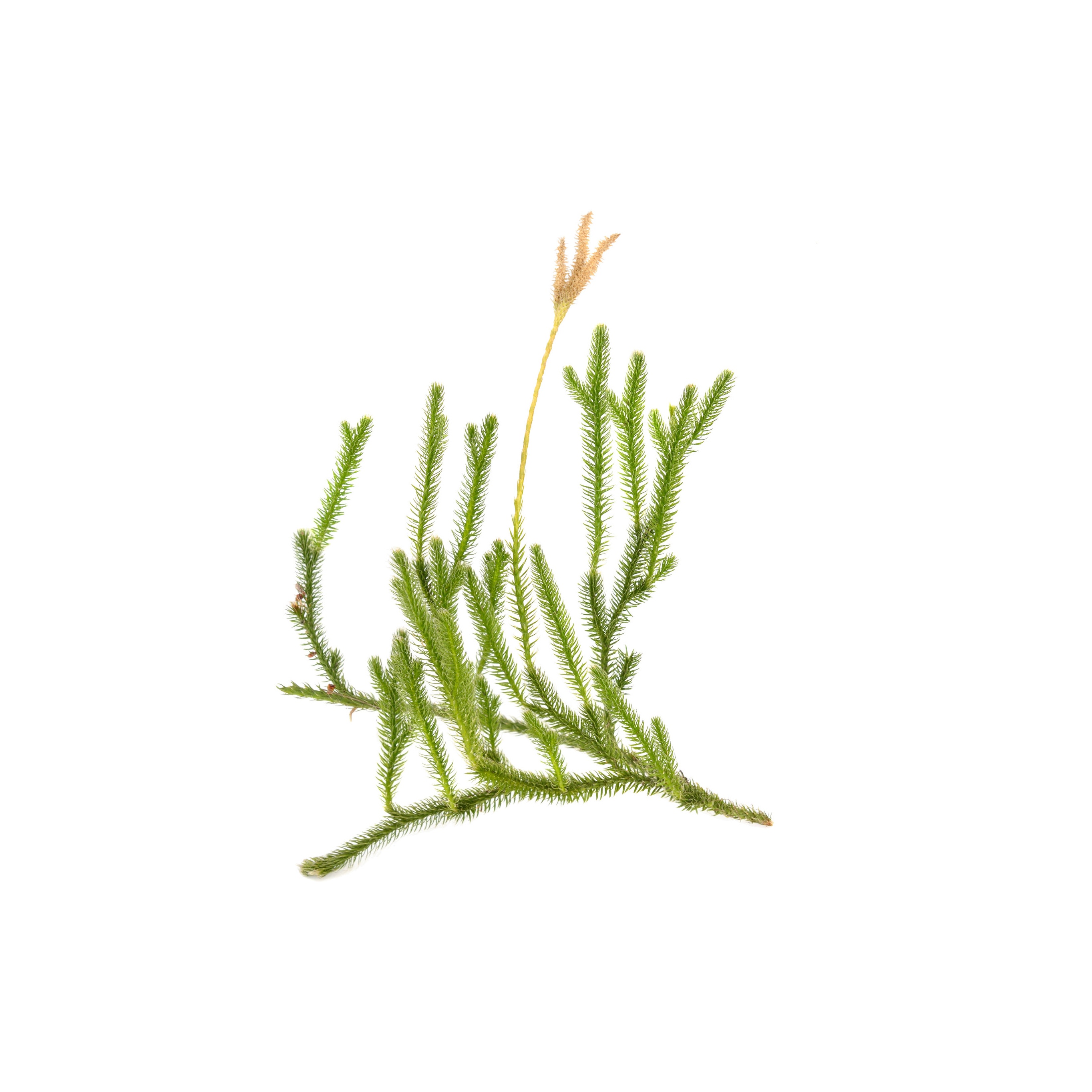
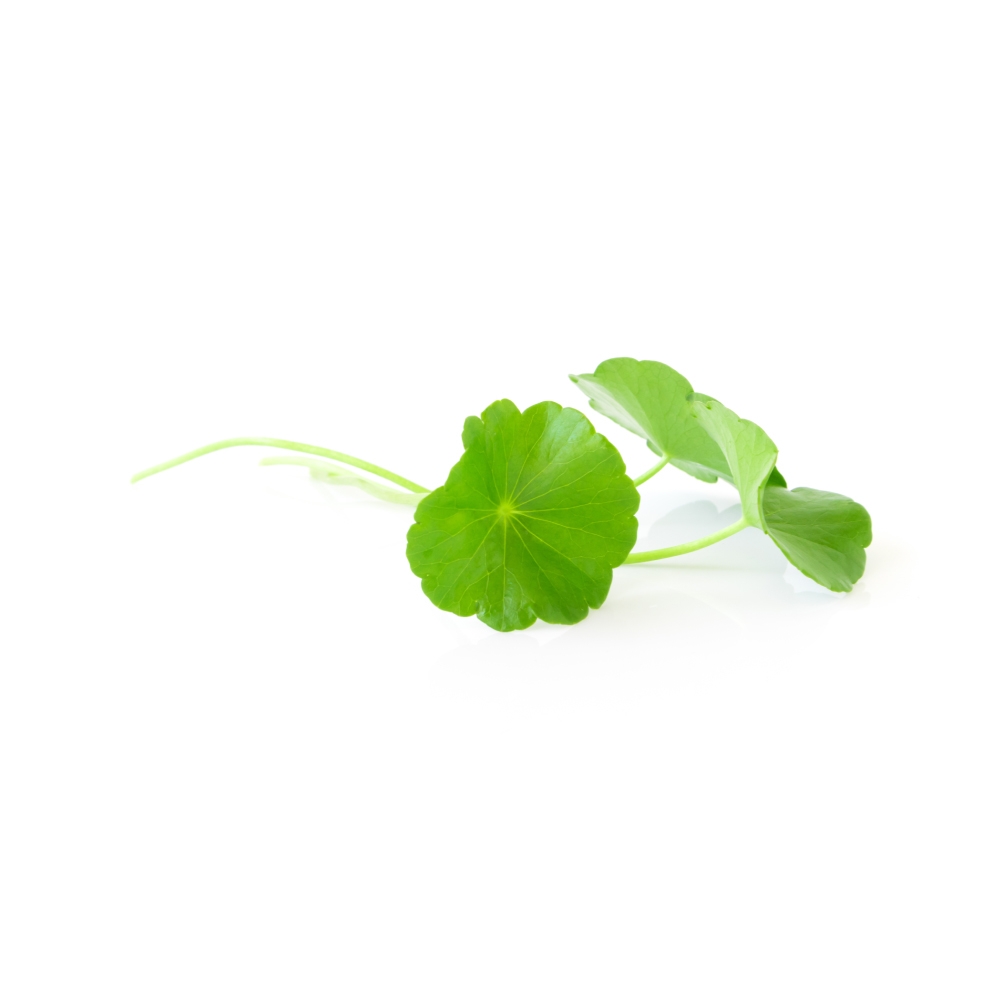
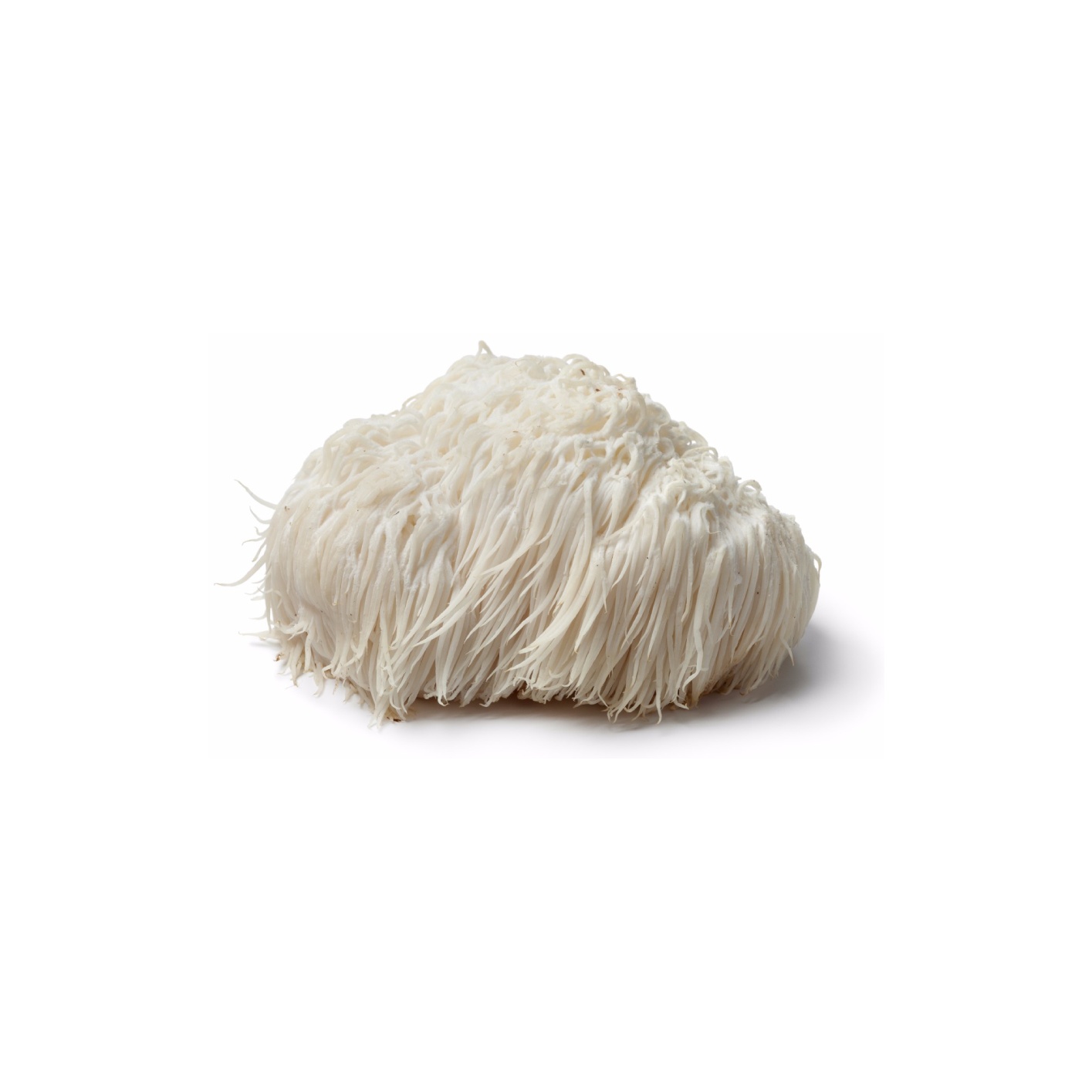

Supplementation
Supplementation (1)
Supplements, nutrients and compounds used for parkinson's disease.
9-Me-BC (9-Methyl-β-carboline)
Beta-carboline alkaloid (research chemical)
9-Me-BC is a research β-carboline studied in rodent and cell models for dopaminergic and neurotrophic effects; there are no human trials.