
Condition
Sprains & Soft-Tissue Injury
Sprains, strains and contusions are injuries of ligament, muscle and soft tissue. Topical comfrey and arnica have the best herbal evidence for pain, swelling and bruising, alongside traditional Chinese trauma remedies.

Sprains, strains and contusions are the everyday soft-tissue injuries of overstretched ligaments, muscles and bruised tissue. Herbal support — almost all of it topical — is relevant to the milder, self-limiting end of the spectrum and as a symptomatic adjunct for pain, swelling and bruising; it does not substitute for medical evaluation of severe or unstable injuries.
Presentation
Types & Variants
A sprain is the overstretching or tearing of a ligament — the fibrous band joining bone to bone — most often at the ankle, knee or wrist. A strain injures a muscle or its tendon and is typical of the hamstring, calf and lower back; the two are frequently confused because the presenting picture — pain, swelling and reduced movement — is similar. A contusion (bruise) is blunt-force damage to soft tissue and small blood vessels without a break in the skin, producing the characteristic pooling of blood (ecchymosis) that discolours as it resolves.
Severity is conventionally graded I–III: Grade I is mild overstretch with microscopic tearing, minimal swelling and preserved function; Grade II is a partial tear with moderate swelling, bruising and some loss of function; Grade III is a complete rupture, often needing orthopaedic or surgical assessment. Herbal measures are relevant to the milder, self-limiting end of this spectrum; they do not substitute for medical evaluation of severe or unstable injuries.
Overview
General Pathology
The damage of a sprain, strain or contusion sets off an immediate, stereotyped inflammatory response. Torn ligament, muscle or vessel walls release blood and signalling molecules that drive local vasodilation and increased capillary permeability, so plasma and inflammatory cells leak into the tissue — clinically the familiar swelling, heat, redness and pain. Bruising is this same process made visible, as blood from ruptured capillaries spreads through the tissue and is gradually broken down. This early inflammatory phase, though uncomfortable, is a necessary prelude to repair.
Healing then proceeds through a proliferative phase — new capillaries, fibroblasts and collagen bridging the injury — and a longer remodelling phase in which that collagen matures and realigns along lines of stress, which can take weeks to months for ligament and tendon. Most herbal interventions target the first phase: reducing excessive inflammation, oedema and pain (anti-inflammatory and analgesic actions), tightening and protecting damaged surface tissue (astringent tannins), moving pooled blood and supporting the resolution of bruising (traditional “blood-moving” herbs), and, in comfrey’s case, supplying allantoin to encourage the cell proliferation of the repair phase.
Materia Medica
Materia Medica
None of the herbs used for sprains is a substitute for professional care.
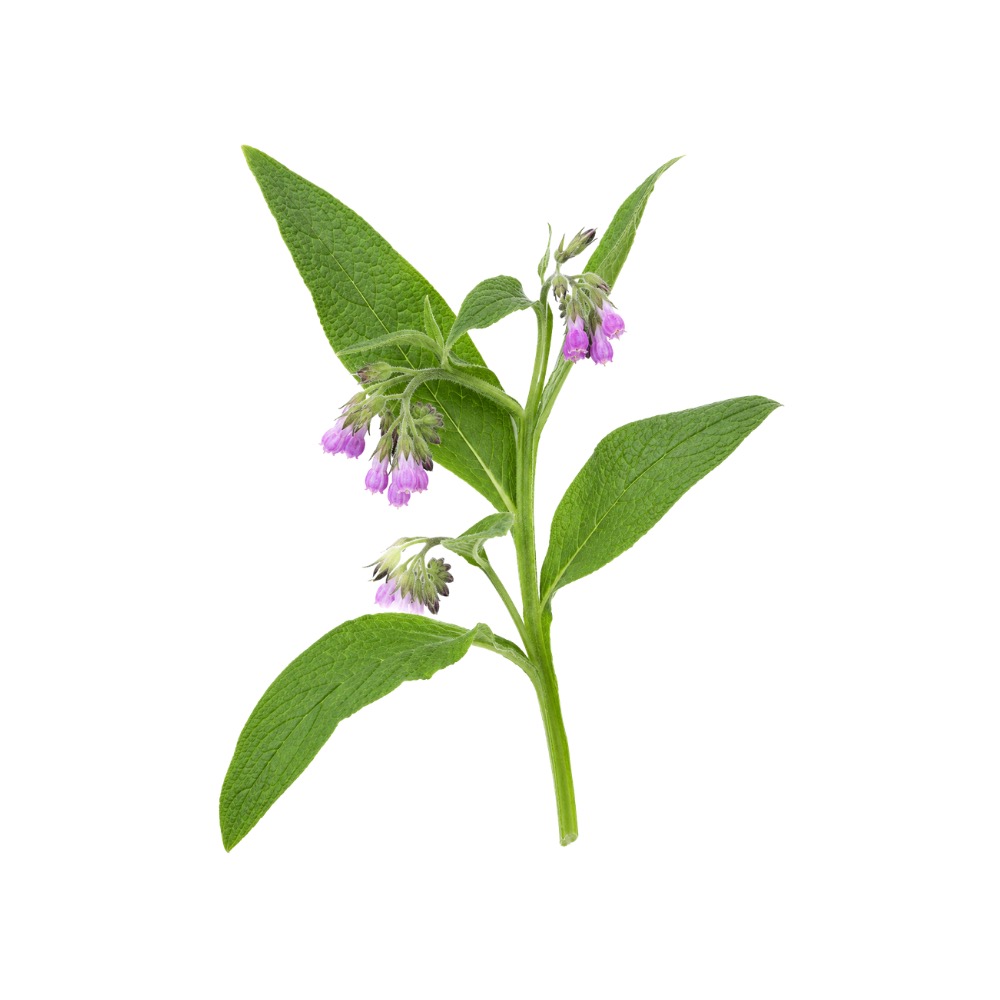 ComfreySymphytum officinaleStrong
Comfrey is the best-evidenced topical herb for acute soft-tissue injury: a placebo-controlled RCT (n=142) found comfrey root ointment clearly superior to placebo for pain and ankle swelling 9Reference 9RCTEfficacy and tolerance of a comfrey root extract in the treatment of ankle distortions — randomised, placebo-controlled, double-blindView study →, and two head-to-head trials against diclofenac gel in ankle distortion (n=164) showed non-inferiority — a pre-specified re-analysis putting comfrey ahead on tenderness 10,
Comfrey is for topical use on unbroken skin. Its pyrrolizidine alkaloids are hepatotoxic when taken internally.
Full monograph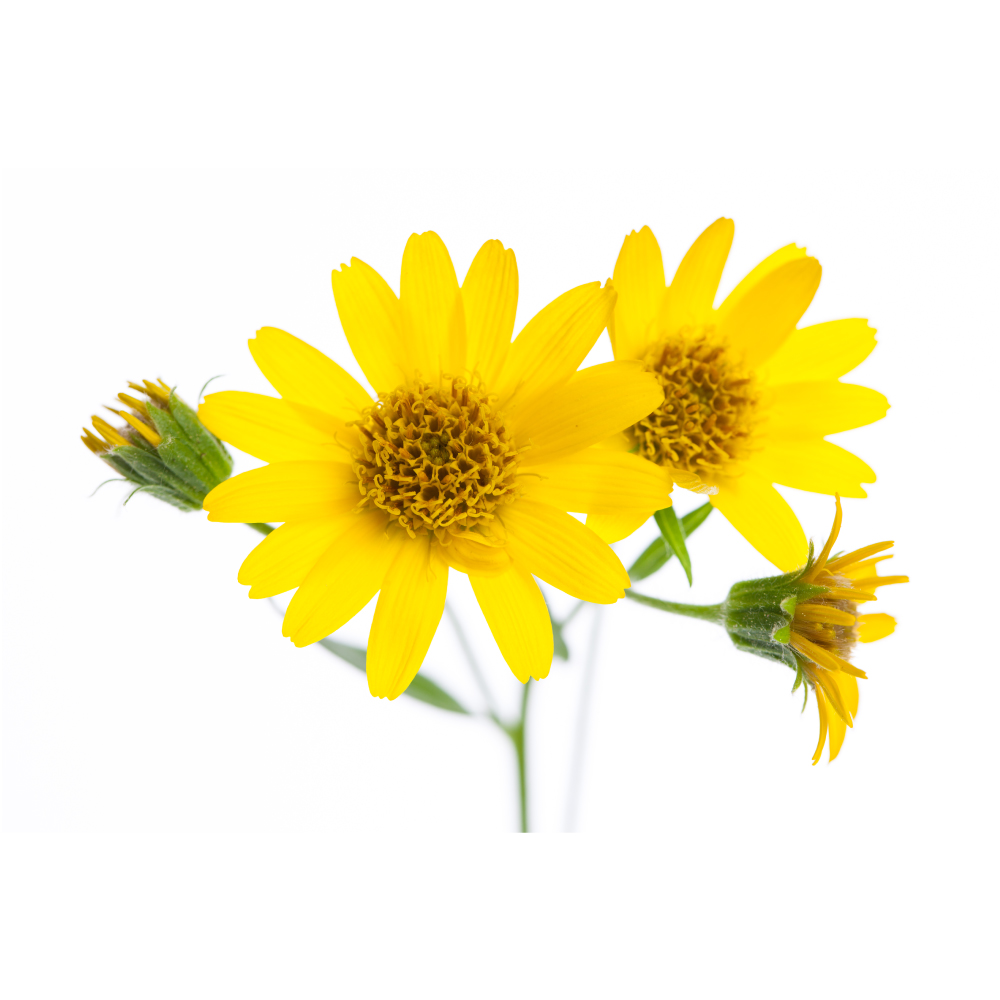 ArnicaArnica montanaModerate
Arnica has a long traditional first-aid reputation for sprains, strains and bruises 1Reference 1The importance of Arnica species in phytomedicine, with a defined topical anti-inflammatory mechanism (helenalin alkylates NF-κB p65) 2,
Bruise-resolution trials disagree — a 20% topical beat petrolatum 5Reference 5RCTAccelerated resolution of laser-induced bruising with topical 20% arnica: a rater-blinded randomised controlled trial — randomisedView study → but an arnica gel was null versus vehicle 6Reference 6RCTEffects of topical arnica gel on post-laser treatment bruises — randomised, placebo-controlledView study →, and the large post-surgical “arnica” literature tests homeopathic ultra-dilutions, a separate non-herbal preparation.
Arnica is used topically only, since helenalin is toxic when ingested, and is kept off broken skin and avoided in Asteraceae allergy.
Full monograph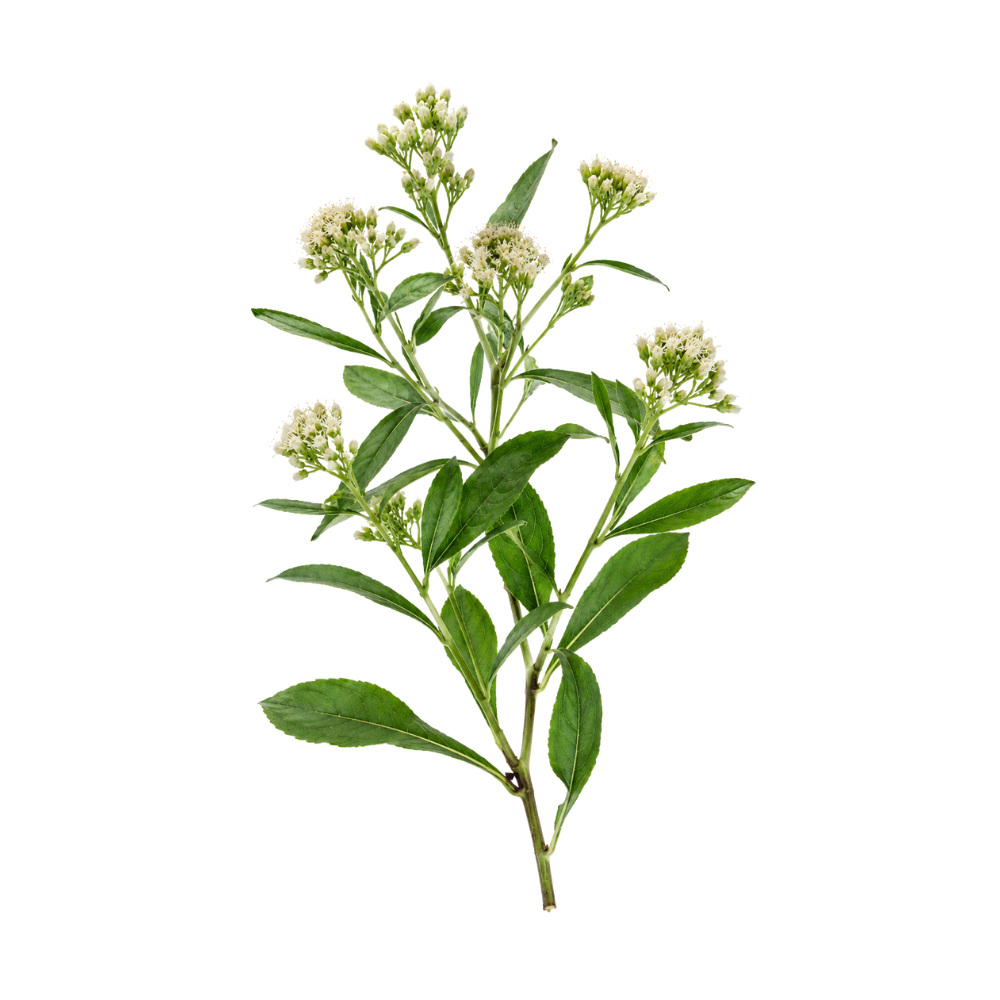 ChilcaBaccharis latifoliaPreclinical
Chilca’s marquee use across the Andes is a warm poultice of the crushed fresh leaves laid over sprains, bruises and inflamed joints. The mechanistic evidence is preclinical: hexane/dichloromethane leaf extracts inhibit COX-1 and COX-2 (COX-1 as strongly as indomethacin), cut the 5-LOX product LTC₄, and suppress nitric oxide and TNF-α, with a supporting mouse-ear-edema result at 300 mg/kg 7,
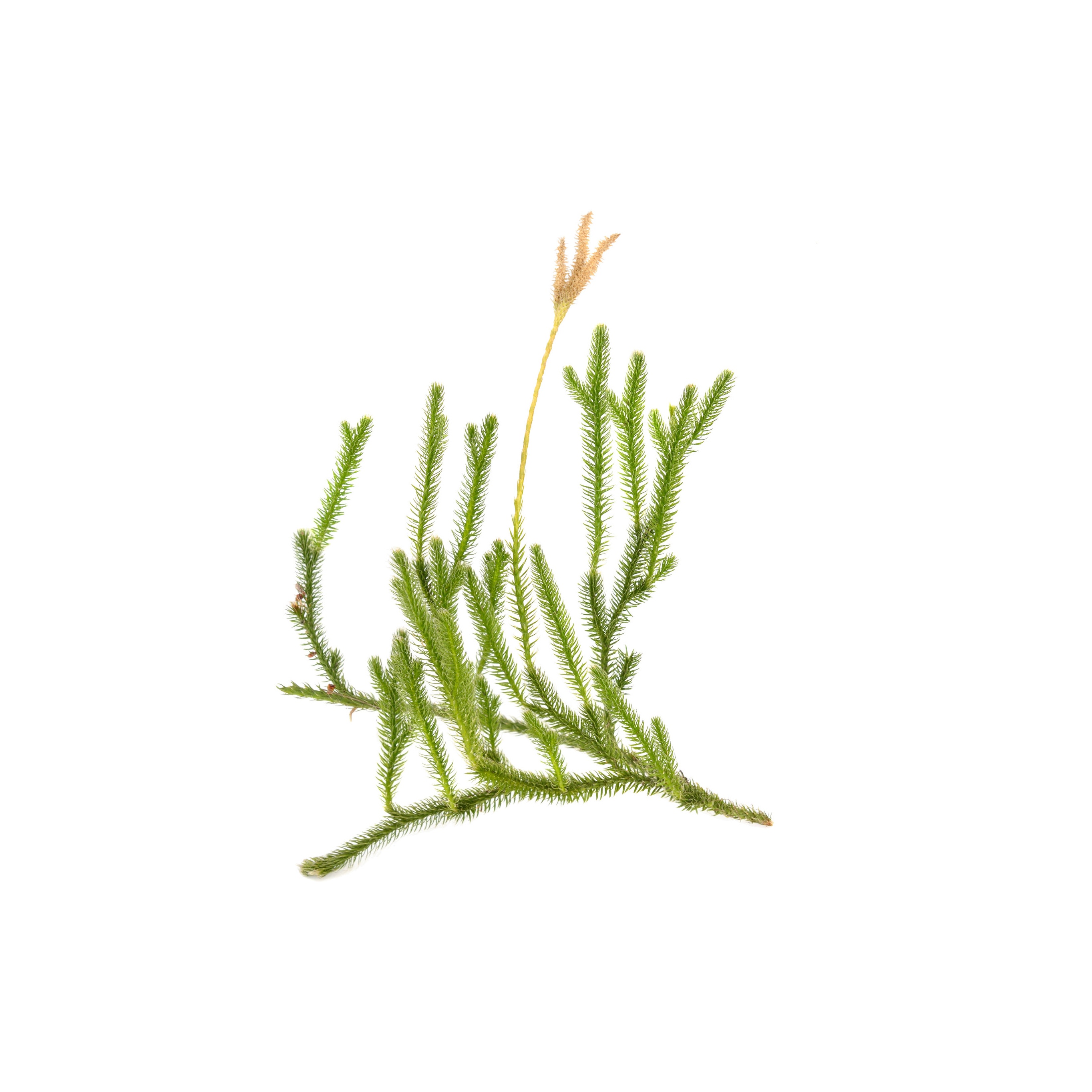 Chinese ClubmossHuperzia serrataTraditional only
Chinese clubmoss (Huperzia serrata) has a documented Chinese folk-medicinal use as a crude decoction for contusions, sprains, bruises and swelling 13Reference 13ReviewHuperzine A from Huperzia species — an ethnopharmacological review — reviewView study →. No research supports this use; the herb’s modern evidence base concerns the isolated alkaloid huperzine-A in cognition, which is unrelated to soft-tissue injury.
Full monograph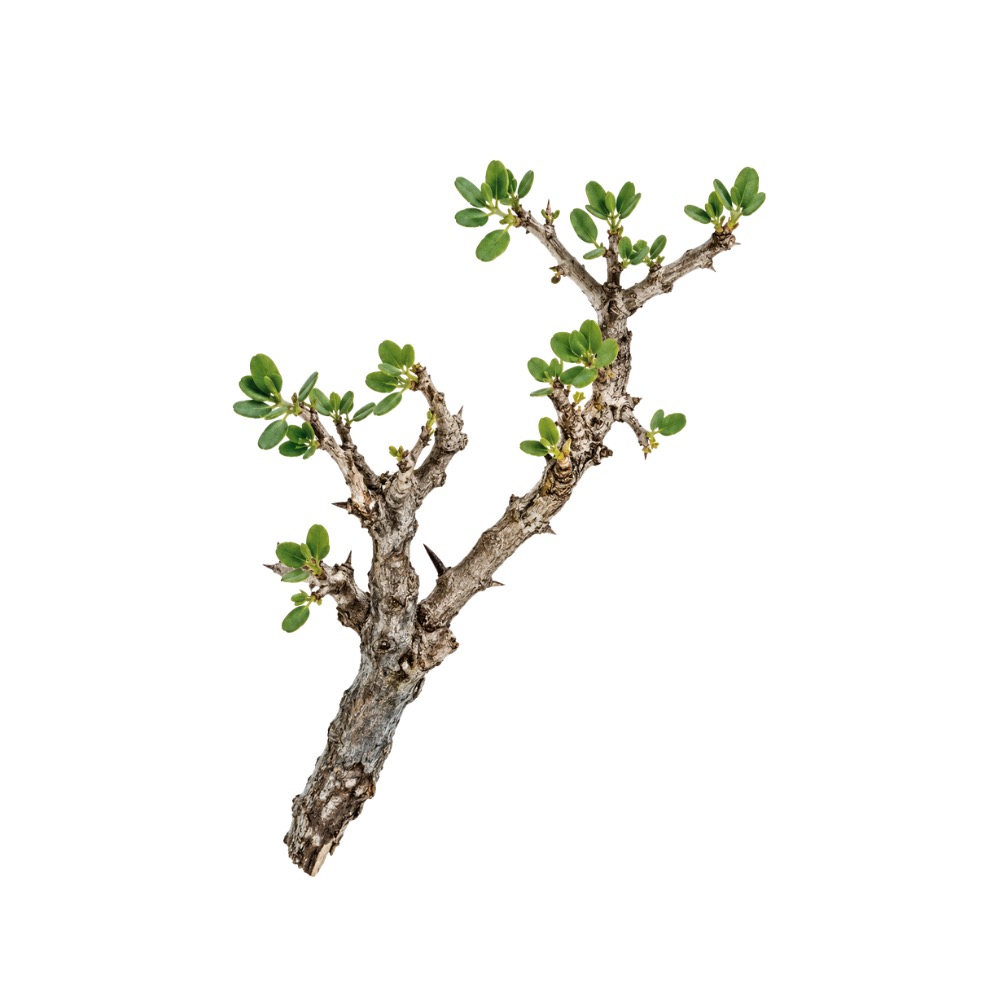 MyrrhCommiphora myrrhaTraditional only
In TCM myrrh (Mo Yao) is a blood-moving, pain-relieving resin classically paired with frankincense for traumatic injury, swelling and bruising 14Reference 14ReviewSeeing the unseen of the combination of two natural resins, frankincense and myrrh — reviewView study →, with reproducible preclinical anti-inflammatory (NF-κB/COX-2 down-regulation, reduced paw edema) 15,
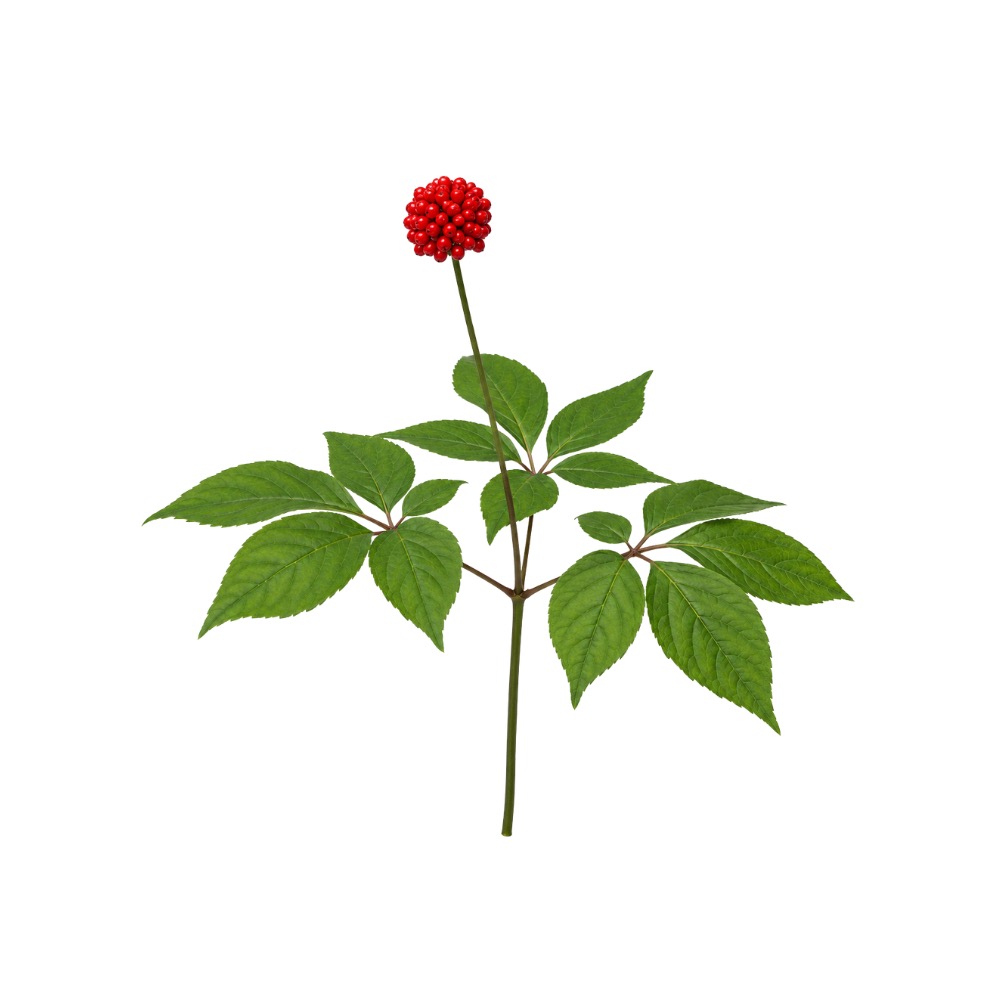 NotoginsengPanax notoginsengTraditional only
A cornerstone TCM trauma herb (San Qi), notoginseng is the key ingredient of the trauma/bleeding formula Yunnan Baiyao and is used internally and topically for traumatic injury, bruising and swelling 17Reference 17Meta-analysisComparative effectiveness of Panax notoginseng saponins-related agents and antiplatelet agents in ischemic stroke — a systematic review and network meta-analysisView study →; the rationale is mechanistically plausible — its saponins inhibit platelets and its notoginsenosides suppress NF-κB in animal models 18,
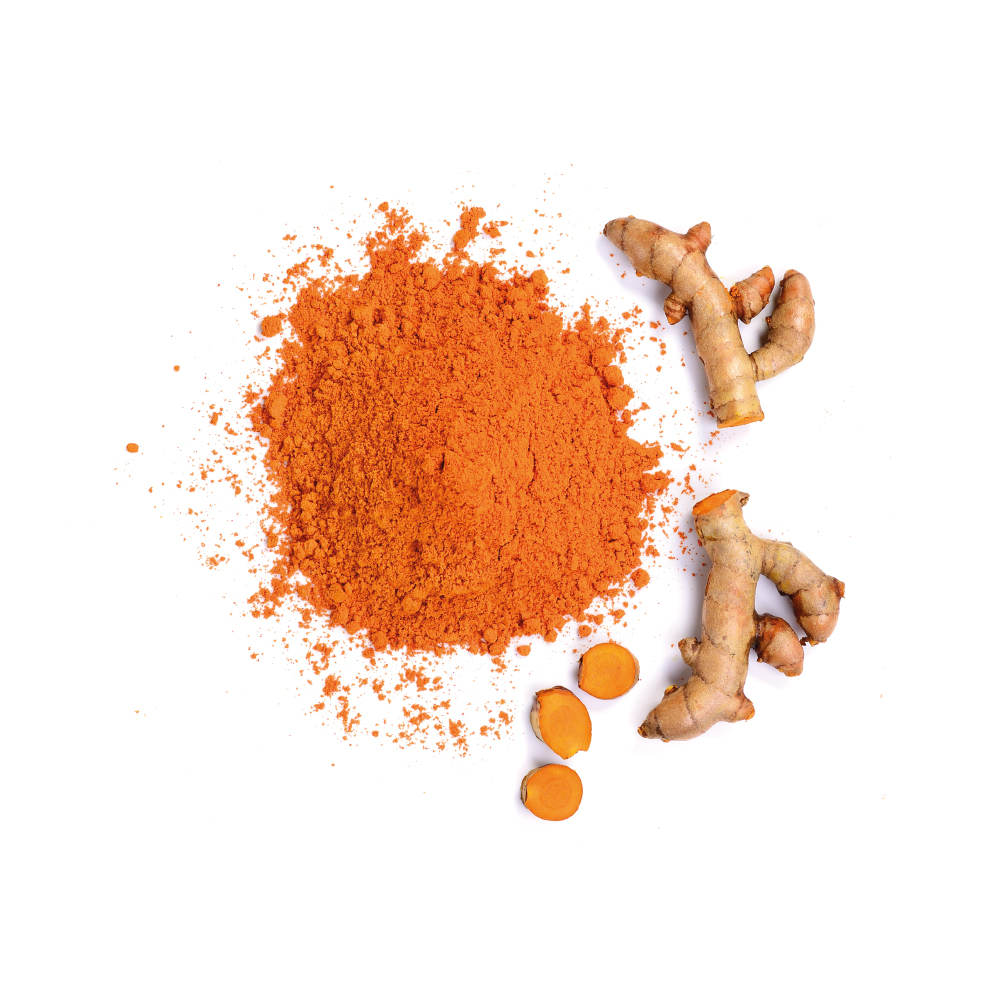 TurmericCurcuma longaTraditional only
Turmeric is applied topically in Ayurveda as a paste for sprains and injury 20Reference 20Principles and Practice of Phytotherapy, resting on its well-characterised anti-inflammatory action (dual COX/LOX inhibition, NF-κB down-regulation) 21Reference 21Pharmacology of Curcuma longa. Turmeric’s substantial clinical evidence is for oral standardized extracts in knee osteoarthritis and systemic inflammation 22,
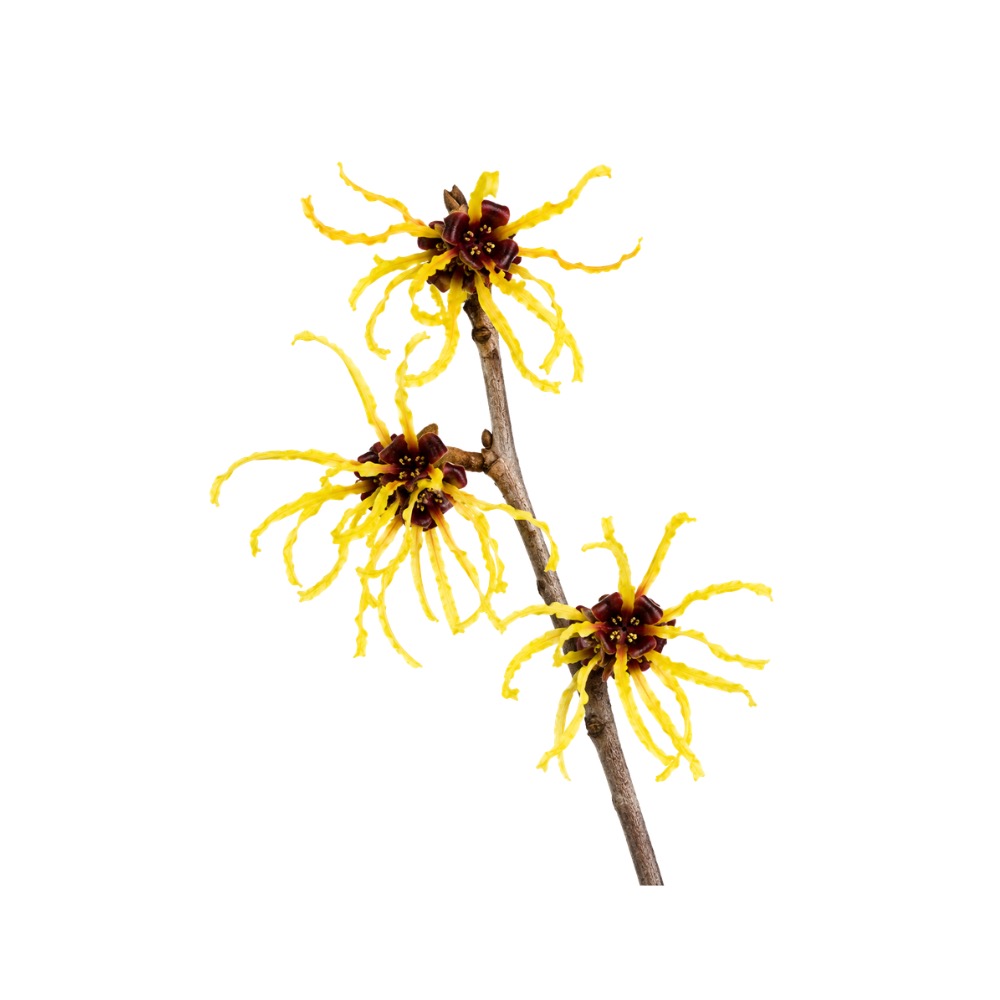 Witch HazelHamamelis virginianaTraditional only
Witch hazel is a pharmacopoeially accepted topical astringent whose traditional indications include bruising and minor injury, via tannin protein-precipitation that tightens tissue and transiently constricts small vessels 24,
References
- Wijnsma, R., Woerdenbag, H. J., & Busse, W. (1995). The importance of Arnica species in phytomedicine. Zeitschrift für Phytotherapie, 16, 48–62.
- Lyss, G., Knorre, A., Schmidt, T. J., Pahl, H. L., & Merfort, I. (1998). The anti-inflammatory sesquiterpene lactone helenalin inhibits the transcription factor NF-κB by directly targeting p65 — in vitro. Journal of Biological Chemistry. https://pubmed.ncbi.nlm.nih.gov/9837931/
- Klaas, C. A., Wagner, G., Laufer, S., et al. (2002). Studies on the anti-inflammatory activity of phytopharmaceuticals prepared from Arnica flowers — in vitro / animal model (mouse ear edema). Planta Medica. https://pubmed.ncbi.nlm.nih.gov/12058311/
- Pumpa, K. L., Fallon, K. E., Bensoussan, A., & Papalia, S. (2014). The effects of topical Arnica on performance, pain and muscle damage after intense eccentric exercise — randomised, placebo-controlled. European Journal of Sport Science. https://pubmed.ncbi.nlm.nih.gov/23947690/
- Leu, S., Havey, J., White, L. E., et al. (2010). Accelerated resolution of laser-induced bruising with topical 20% arnica: a rater-blinded randomised controlled trial — randomised. British Journal of Dermatology. https://pubmed.ncbi.nlm.nih.gov/20412090/
- Alonso, D., Lazarus, M. C., & Baumann, L. (2002). Effects of topical arnica gel on post-laser treatment bruises — randomised, placebo-controlled. Dermatologic Surgery. https://pubmed.ncbi.nlm.nih.gov/12174058/
- Abad MJ, Bessa AL, Ballarin B, et al. (2006). Anti-inflammatory activity of four Bolivian Baccharis species (Compositae). J Ethnopharmacol. 103(3):338–344. https://pubmed.ncbi.nlm.nih.gov/16202549/
- Sequeda-Castañeda LG, Célis C, Luengas-Caicedo PE. Phytochemical and therapeutic use of Baccharis latifolia (Ruiz & Pav.) Pers. (Asteraceae). PharmacologyOnline. 2015;2:14–17. https://pharmacologyonline.silae.it/files/archives/2015/vol2/PhOL_2015_2_A003_Celis_14_17.pdf
- Koll, R., et al. (2004). Efficacy and tolerance of a comfrey root extract in the treatment of ankle distortions — randomised, placebo-controlled, double-blind. Phytomedicine. https://pubmed.ncbi.nlm.nih.gov/15500257/
- Predel, H. G., et al. (2005). Efficacy of a comfrey root extract ointment in comparison to a diclofenac gel in ankle distortions — randomised, multicenter. Phytomedicine. https://pubmed.ncbi.nlm.nih.gov/16323288/
- D’Anchise, R., et al. (2007). Comfrey extract ointment in comparison to diclofenac gel in acute ankle sprains — randomised (superiority re-analysis). Arzneimittelforschung. https://pubmed.ncbi.nlm.nih.gov/18193693/
- Kucera, M., et al. (2004). Efficacy and safety of topically applied Symphytum herb extract cream in ankle distortion — randomised, controlled, double-blind. Wiener Medizinische Wochenschrift. https://pubmed.ncbi.nlm.nih.gov/15638067/
- Ma X, Tan C, Zhu D, Gang DR, Xiao P. (2007). Huperzine A from Huperzia species — an ethnopharmacological review — review. J Ethnopharmacol. https://pubmed.ncbi.nlm.nih.gov/17644292/
- Cao B, Wei XC, Xu XR, et al. (2019). Seeing the unseen of the combination of two natural resins, frankincense and myrrh — review. Molecules. https://pubmed.ncbi.nlm.nih.gov/31450584/
- Su, S., et al. (2011). Anti-inflammatory and analgesic activity of different extracts of Commiphora myrrha — mouse model. Journal of Ethnopharmacology. https://pubmed.ncbi.nlm.nih.gov/21167270/
- Shalaby, M. A., Hammouda, A. A., et al. (2014). Analgesic, anti-inflammatory and anti-hyperlipidemic activities of Commiphora molmol extract (myrrh) — rat/mouse model. Journal of Intercultural Ethnopharmacology. https://pubmed.ncbi.nlm.nih.gov/26401348/
- Zhang, H., et al. (2026). Comparative effectiveness of Panax notoginseng saponins-related agents and antiplatelet agents in ischemic stroke — a systematic review and network meta-analysis. Journal of Ethnopharmacology. https://pubmed.ncbi.nlm.nih.gov/40769440/
- Li, Y., et al. (2017). Effect of Panax notoginseng preparations on platelet function — a meta-analysis of 36 randomised controlled trials. China Journal of Chinese Materia Medica. https://pubmed.ncbi.nlm.nih.gov/29271165/
- Dou, L., et al. (2012). Panax notoginseng saponins suppress RAGE/MAPK signalling and NF-κB activation in apolipoprotein-E-deficient atherosclerosis-prone mice — in vivo. Cellular Physiology and Biochemistry. https://pubmed.ncbi.nlm.nih.gov/22613987/
- Bone K, Mills S. (2013). Principles and Practice of Phytotherapy. Elsevier Health, China. (pp. 900–922).
- Ammon HP, Wahl MA. (1991). Pharmacology of Curcuma longa. Planta Med 57:1–7.
- Zeng L, Yu G, Hao W, et al. (2021). The efficacy and safety of Curcuma longa extract and curcumin supplements on osteoarthritis — systematic review and meta-analysis of randomized controlled trials. Biosci Rep. https://pubmed.ncbi.nlm.nih.gov/34017975/
- Kuptniratsaikul V, Dajpratham P, Taechaarpornkul W, et al. (2014). Efficacy and safety of Curcuma domestica extracts compared with ibuprofen in patients with knee osteoarthritis: a multicenter randomized controlled study. Clin Interv Aging. https://pubmed.ncbi.nlm.nih.gov/24672232/
- Admuthe NB, et al. (2025). Natural products in hemorrhoid management: a comprehensive literature review of traditional herbal remedies and evidence-based therapies — review. Cureus. https://pubmed.ncbi.nlm.nih.gov/40458338/
- European Medicines Agency, Committee on Herbal Medicinal Products (HMPC). Community herbal monograph on Hamamelis virginiana L., cortex / folium — regulatory monograph (traditional-use registration for minor skin inflammation, haemorrhoids and minor injury). Available via the EMA herbal medicinal products portal (ema.europa.eu). Regulatory status also summarised in ref [1].
- Korting HC, Schäfer-Korting M, Hart H, et al. (1993). Anti-inflammatory activity of hamamelis distillate applied topically to the skin. Influence of vehicle and dose — randomised controlled trial. Eur J Clin Pharmacol. https://pubmed.ncbi.nlm.nih.gov/8513841/
- Hughes-Formella BJ, Bohnsack K, Rippke F, et al. (1998). Anti-inflammatory effect of hamamelis lotion in a UVB erythema test — randomised controlled trial. Dermatology. https://pubmed.ncbi.nlm.nih.gov/9621139/
- Hughes-Formella BJ, Filbry A, Gassmueller J, Rippke F. (2002). Anti-inflammatory efficacy of topical preparations with 10% hamamelis distillate in a UV erythema test — randomised controlled trial. Skin Pharmacol Appl Skin Physiol. https://pubmed.ncbi.nlm.nih.gov/11867970/
- Korting HC, Schäfer-Korting M, Klövekorn W, et al. (1995). Comparative efficacy of hamamelis distillate and hydrocortisone cream in atopic eczema — double-blind randomised controlled trial. Eur J Clin Pharmacol. https://pubmed.ncbi.nlm.nih.gov/8582464/