
Condition
Gout
Gout is a form of inflammatory arthritis caused by deposition of uric acid crystals in the joints, most often the big toe.

Gout is a form of inflammatory arthritis caused by hyperuricaemia, in which excess uric acid in the blood forms monosodium urate crystals that deposit in joints and surrounding tissues, triggering acute inflammation. It is predominantly found in men, and is closely tied to diet, alcohol and metabolic health. Herbs used for gout work in one of two ways: urate-lowering herbs (xanthine-oxidase inhibitors and uricosurics), or anti-inflammatory herbs that target the crystal-driven flare. No single-herb human trial has yet lowered serum urate, and the most reproduced results come from animal models.
Presentation
Types & Variants
Gout is usefully seen as a continuum of urate burden. Asymptomatic hyperuricaemia is raised serum uric acid without symptoms — the silent precursor. Acute gouty arthritis is the classic flare: the sudden onset of severe pain, redness, swelling and warmth in a single joint, classically the base of the big toe (podagra), often beginning at night. Chronic tophaceous gout follows years of repeated attacks, with firm urate deposits (tophi) under the skin and progressive joint damage.
Urate-lowering herbs address the underlying hyperuricaemia, while anti-inflammatory herbs address the acute flare. Gout is also commonly associated with metabolic and cardiovascular conditions — obesity, hypertension, type 2 diabetes, chronic kidney disease and dyslipidaemia — which shape both risk and management.
Overview
General Pathology
Gout begins with hyperuricaemia. Uric acid is the end-product of purine metabolism, so both high purine intake (red meat, organ meats, seafood) and high production or low renal excretion raise serum urate; alcohol — beer especially — both adds purines and reduces uric-acid excretion by the kidneys. When serum urate exceeds its solubility limit, monosodium urate crystals precipitate in the cooler, peripheral joints and surrounding tissues.
Those crystals are directly inflammatory: they activate the NLRP3 inflammasome in resident immune cells, driving a burst of interleukin-1β and the vasodilation, swelling and intense pain of an acute attack. Over time, persistent crystal deposition produces tophi and erosive joint damage. Herbal approaches follow this pathology: lowering serum urate (xanthine-oxidase inhibition to reduce production, or uricosuric action to increase excretion) to prevent crystal formation, and damping the crystal-driven inflammatory cascade to ease an established flare. None of these is a substitute for professional care or urate-lowering therapy where indicated.
Materia Medica
Materia Medica
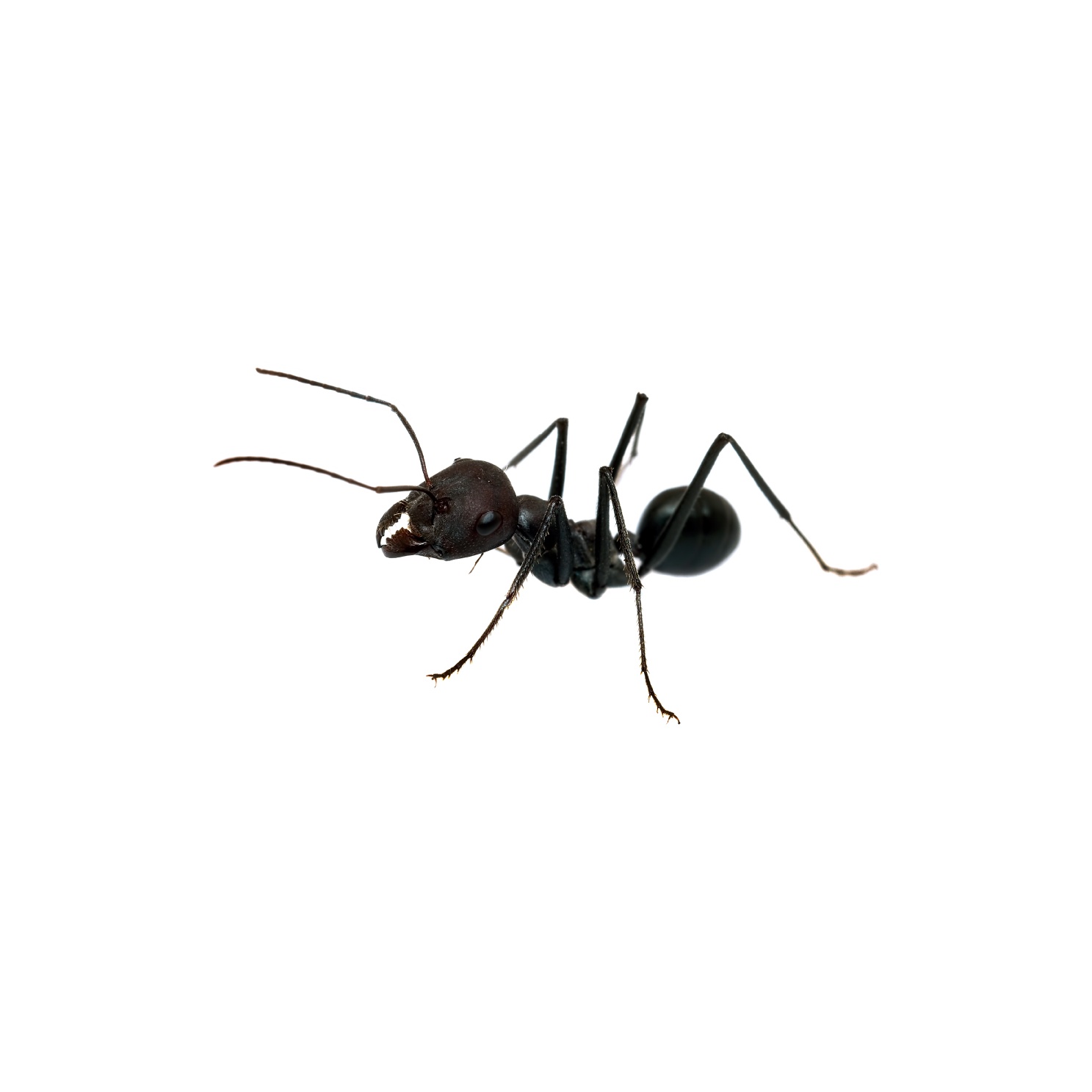 Black AntPolyrhachis spp.Preclinical
In potassium-oxonate hyperuricaemic rats, 12 weeks of the active fraction of Polyrhachis vicina lowered serum uric acid, inhibited hepatic and serum xanthine oxidase, and down-regulated the renal urate transporters URAT1/GLUT9 while up-regulating OAT1 — a urate-lowering, kidney-protective profile 1Reference 1AnimalHypouricemic and nephroprotective effects of an active fraction from Polyrhachis vicina Roger on potassium-oxonate-induced hyperuricemia in rats — animal in vivoView study →. The result comes from one rat model, the effective dose was a concentrated solvent fraction rather than the whole-ant tonic, and there is no human data.
Full monograph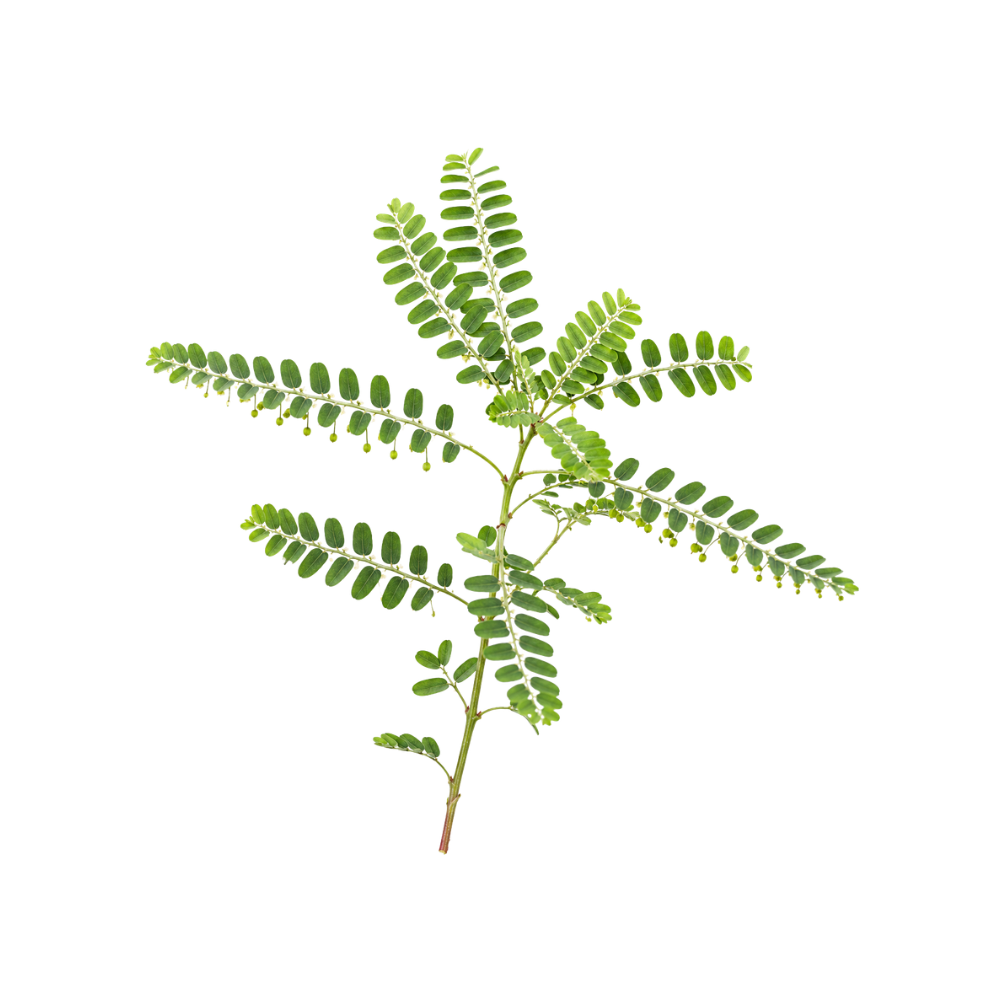 Chanca PiedraPhyllanthus niruriPreclinical
P. niruri lowers uric acid mainly by increasing excretion: in hyperuricaemic rats the methanol extract raised urinary uric-acid excretion ~1.7-fold and inhibited xanthine oxidase, with the lignans phyllanthin/hypophyllanthin acting as uricosurics via urate-transporter blockade 4Reference 4In vitroMechanisms of antihyperuricemic effect of Phyllanthus niruri and its lignan constituents — animal model and in vitroView study →. In humans, urinary uric acid fell as a secondary finding in hyperuricosuric stone-formers 5Reference 5ObservationalEffect of Phyllanthus niruri on metabolic parameters of patients with kidney stone — prospective cohortView study →; there is no dedicated human gout trial.
Full monograph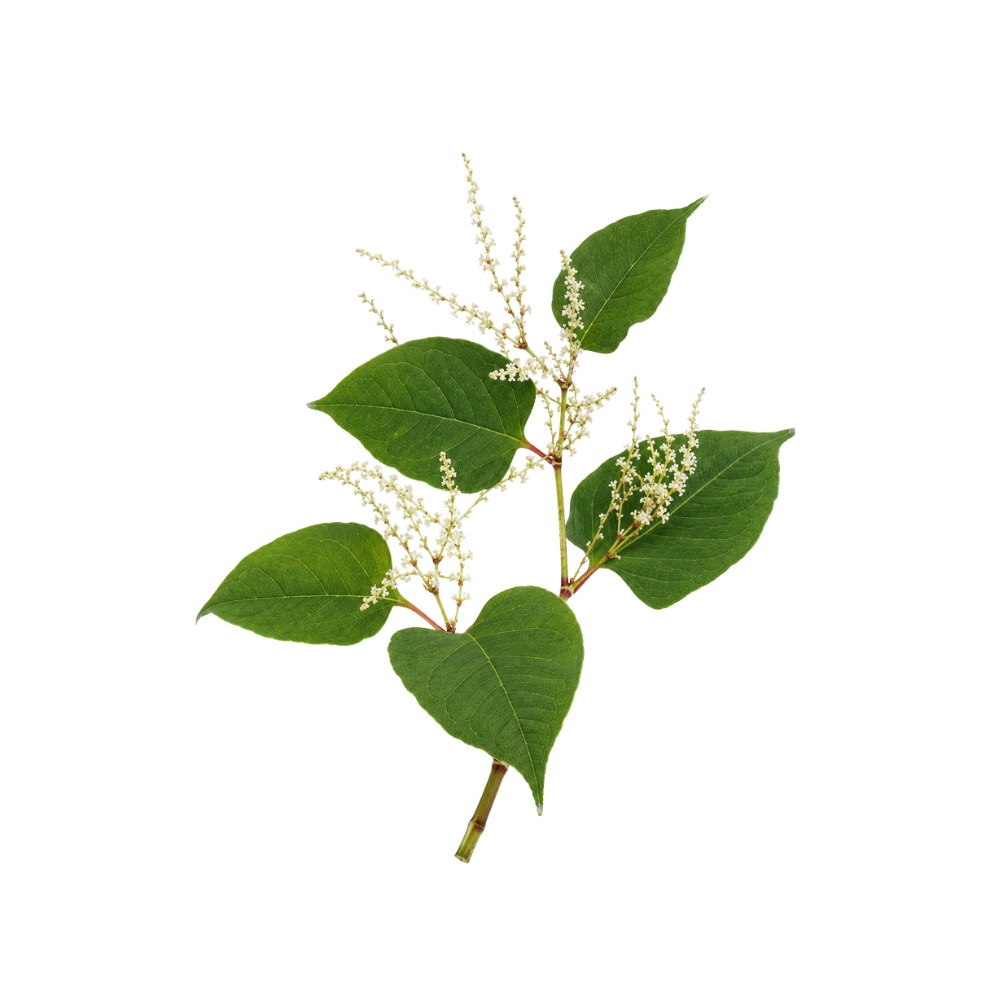 Japanese KnotweedReynoutria japonicaPreclinical
A 2026 study paired serum amino-acid metabolomics from hyperuricaemia patients with a rat model, showing P. cuspidatum corrected the metabolic and inflammatory disturbances underlying hyperuricaemia-induced renal injury 7Reference 7AnimalPolygonum cuspidatum alleviates hyperuricaemia-induced renal injury via rectifying amino-acid metabolism — human serum metabolomics with rat validationView study →. The human component is observational metabolomics, not an efficacy trial. One registered Phase 2 trial exists — NCT04462666, Huzhang granules vs etoricoxib in acute gouty arthritis (267 planned) — but has held “unknown” status since 2020 with no results.
Full monograph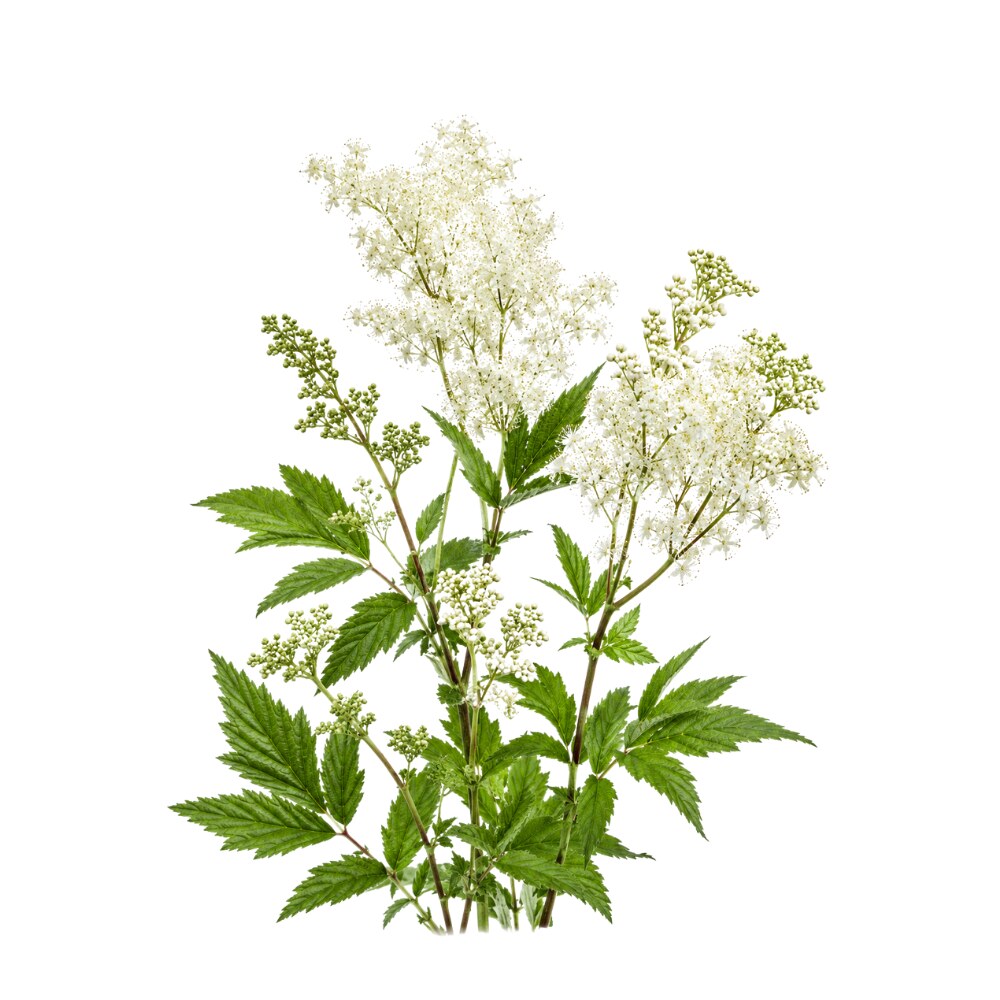 MeadowsweetFilipendula ulmariaPreclinical
A single focused study identified meadowsweet as a xanthine-oxidase inhibitor — allopurinol’s target — and on fractionation spiraeoside was ~25× more potent than allopurinol in the assay, consistent with the herb’s traditional gout use 8Reference 8In vitroXanthine Oxidase Inhibitors from Filipendula ulmaria and Their Efficient Detection by HPTLC and HPLC — in vitroView study →. The work is entirely in vitro. Enzyme potency in an assay does not equal a clinical urate-lowering effect, and there is no animal or human uricaemia data.
Full monograph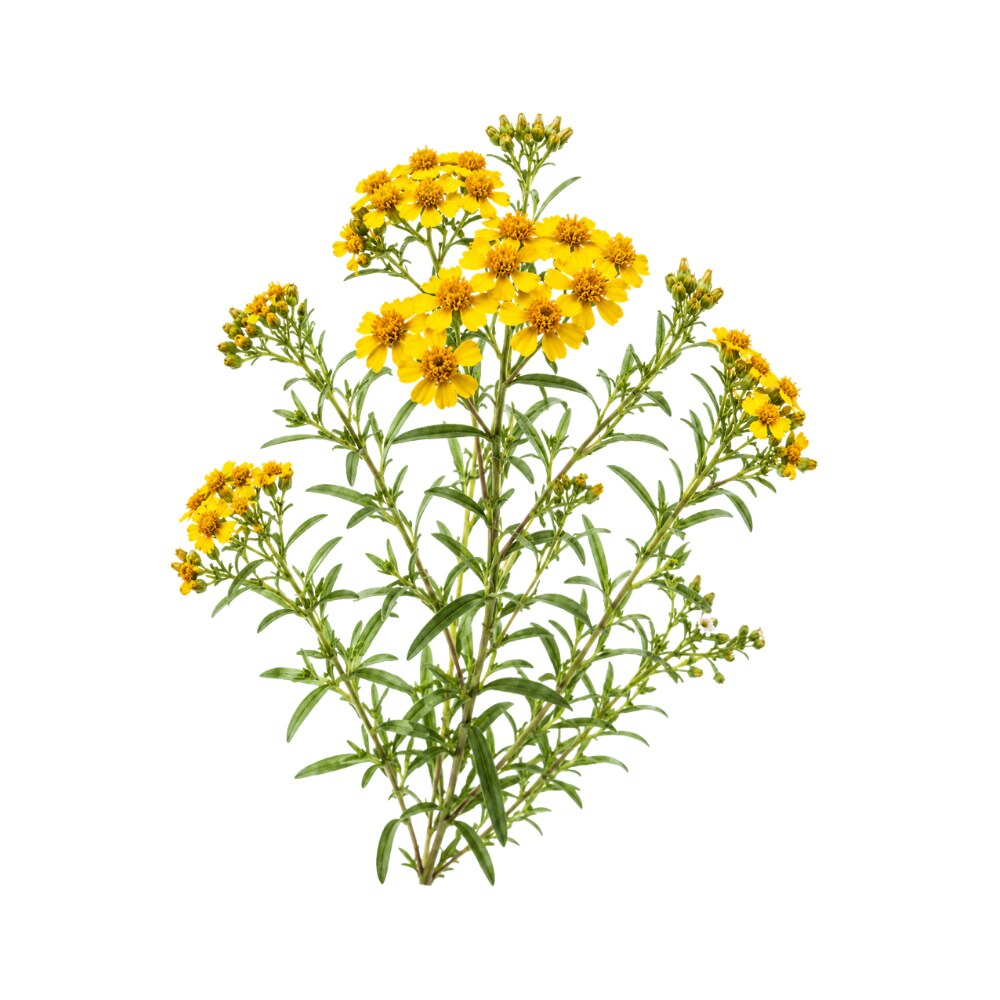 Mexican TarragonTagetes lucidaPreclinical
A 2026 study found an aqueous Tagetes lucida extract (562 mg/kg) produced sustained relief comparable to ketorolac in a rat arthritic gout-pain model, with the coumarin umbelliferone active in its own right and no toxicity signs at 2000 mg/kg 9Reference 9AnimalAntinociceptive effect of Tagetes lucida in an arthritic gout-pain model in rats — animal studyView study →. The effect is analgesia in a gout-pain model, not urate lowering, and comes from a single animal study.
Full monograph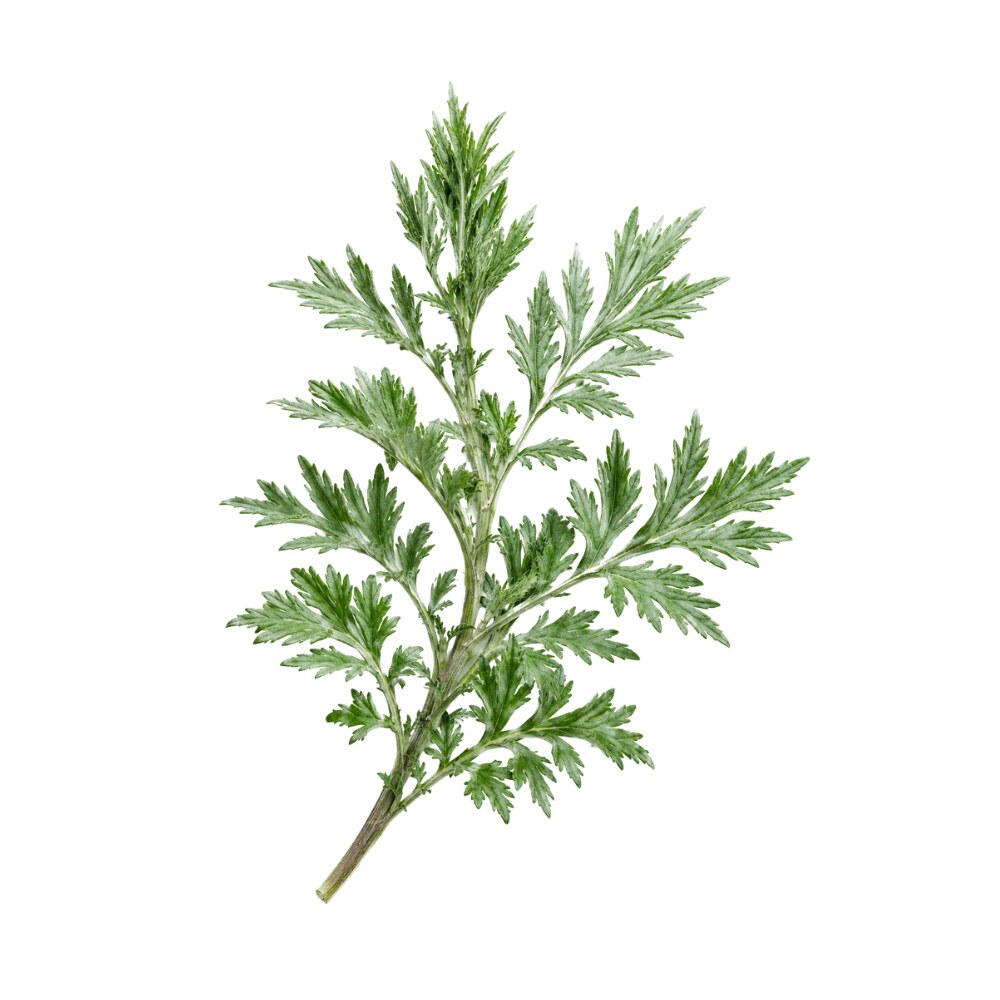 MugwortArtemisia vulgarisPreclinical
Mugwort’s flavonoids — luteolin, apigenin and quercetin — are xanthine-oxidase inhibitors, and an Artemisia vulgaris extract showed antioxidant, anti-inflammatory and XO-inhibitory activity in a mouse study 10Reference 10AnimalAntioxidant, anti-inflammatory and xanthine-oxidase inhibitory activity of Artemisia vulgaris extract and fractions — mouse, in vivoView study →. There is no serum-urate or gout-outcome data, and mugwort is not traditionally a gout remedy.
Full monograph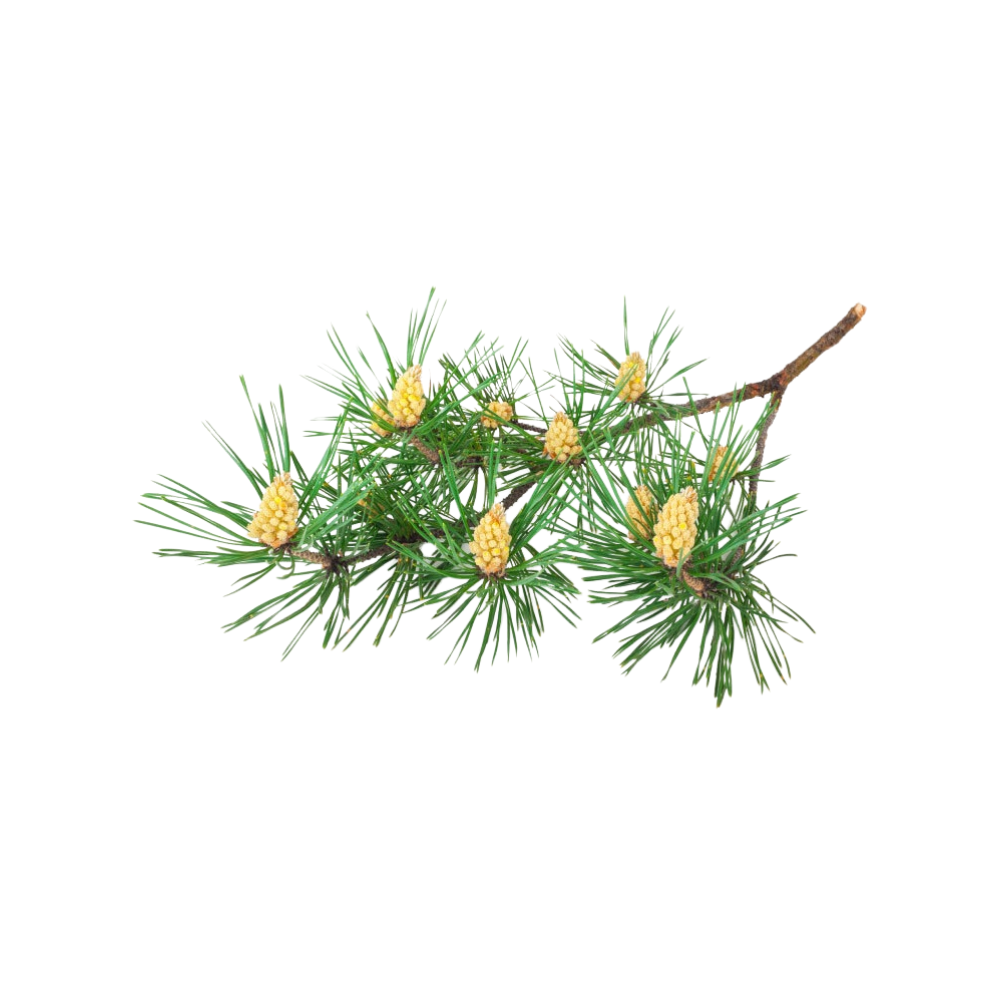 PinePinus spp.Preclinical
In animal gout models, Pycnogenol (pine bark extract) attenuated urate-crystal-induced COX-2, IL-8, iNOS and nitrosative stress in joint tissue 11Reference 11AnimalPycnogenol attenuates the inflammatory and nitrosative stress on joint inflammation induced by urate crystals — animal modelView study →. Pycnogenol targets the crystal-driven inflammatory flare, not serum urate. The work is animal-only, with no human gout trial.
Full monograph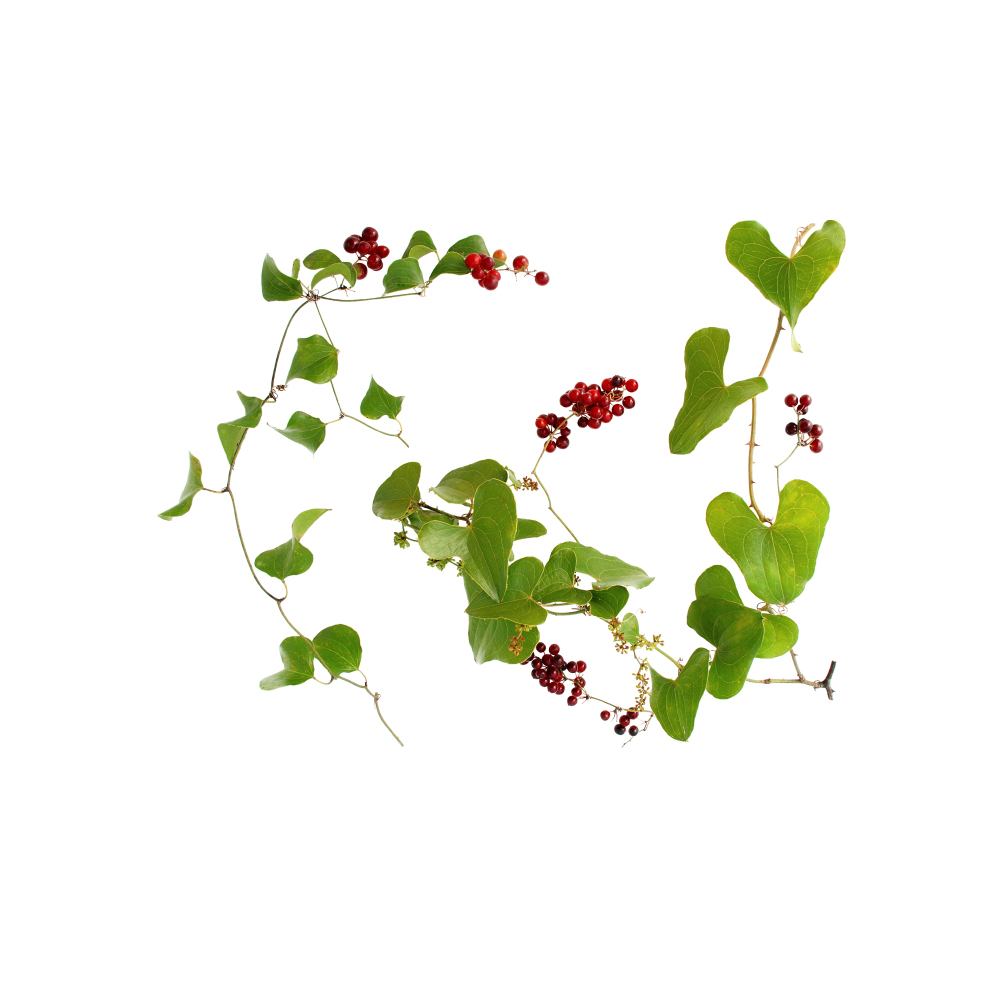 SarsaparillaSmilax spp.Preclinical
Urate lowering is the most-reproduced pharmacology in the genus. Across potassium-oxonate/monosodium-urate rodent models, S. china and S. glabra extracts lower serum uric acid and reduce paw edema and renal injury via xanthine-oxidase inhibition and renal urate-transporter modulation, with the four astilbin stereoisomers as the active fraction 13,
Every single-herb result comes from rodents. The only human uric-acid data are from Rebixiao granules, a multi-herb formula where Smilax is one ingredient 18Reference 18Clinical trialEffects of Rebixiao granules on blood uric acid in patients with repeatedly attacking acute gouty arthritis — clinical (multi-herb formula)View study →.
Full monograph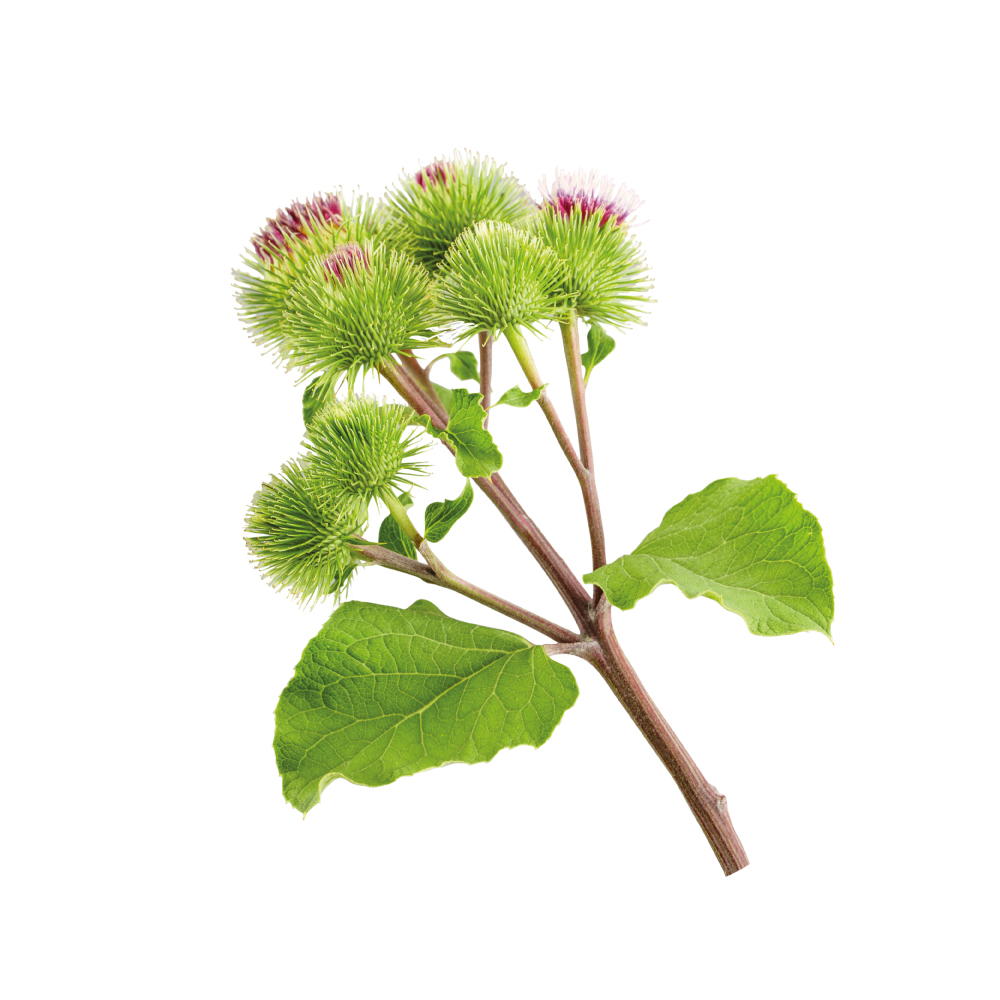 BurdockArctium lappaTraditional only
Burdock root is a classic Western alterative/“blood-cleansing” remedy for gout and rheumatism, and a trial of burdock root extract in asymptomatic hyperuricaemia/gout is registered — but no results are published. The traditional depurative and diuretic rationale has no controlled human backing yet.
Full monograph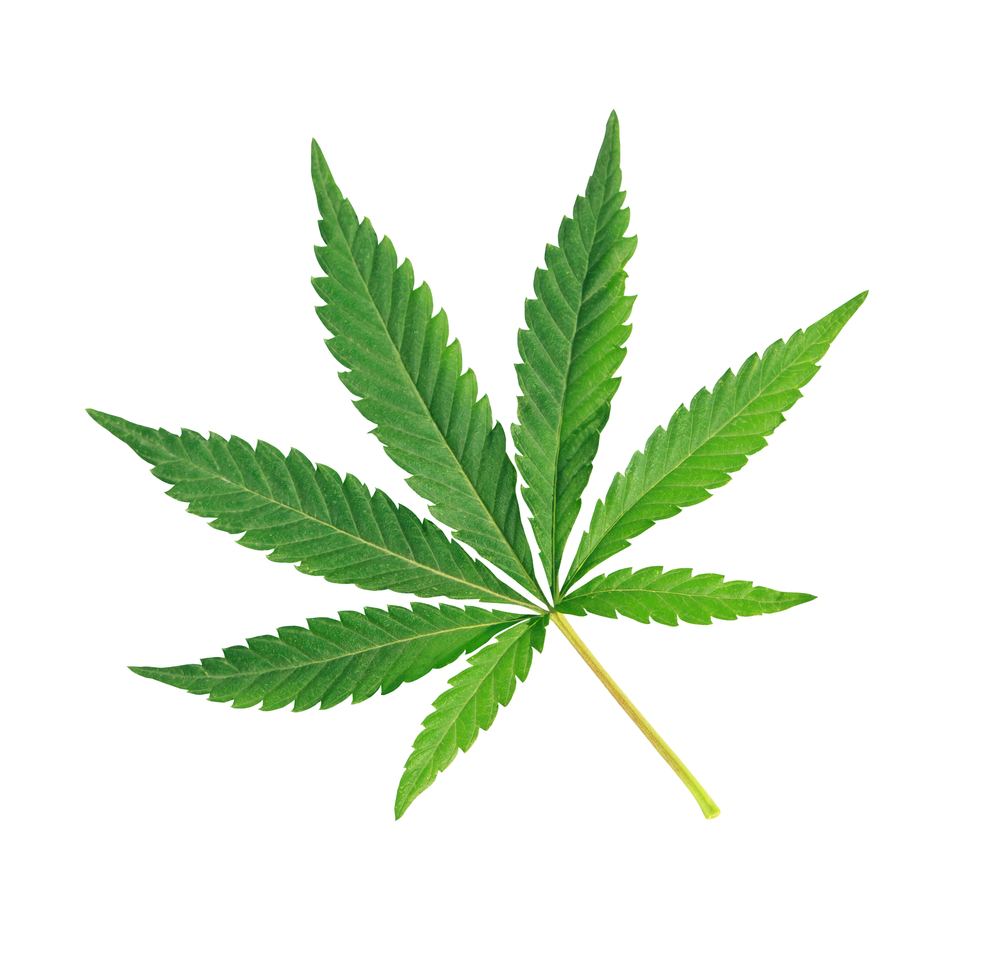 CannabisCannabis sativa/indicaTraditional only
Cannabis appears in traditional listings for “arthritis and gout,” resting on its general analgesic/anti-inflammatory profile rather than any urate effect — across many RCTs it is a modest analgesic for chronic pain 2,
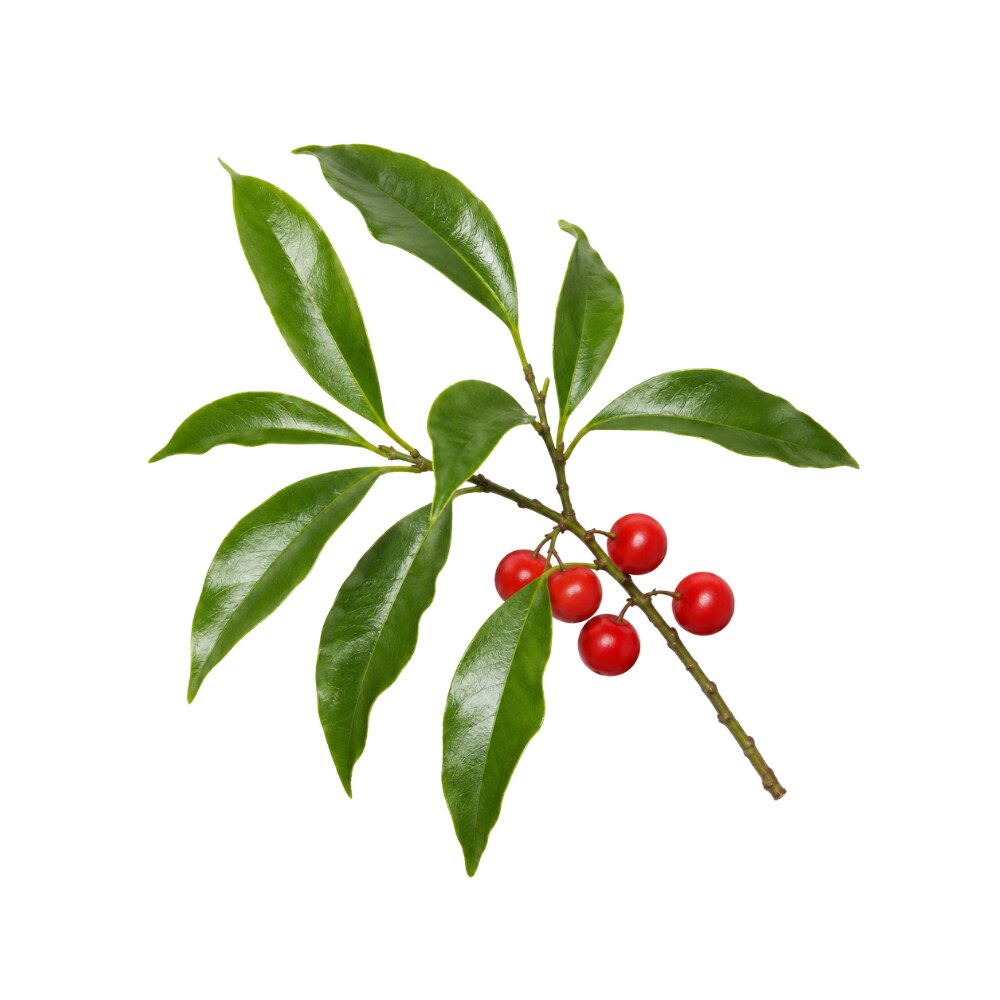 Cha De BugreCordia salicifoliaTraditional only
Cha de bugre has a traditional South American use for “elevated uric acid” alongside its diuretic/water-retention and kidney-support reputation. No study has measured its effect on uric acid.
Full monograph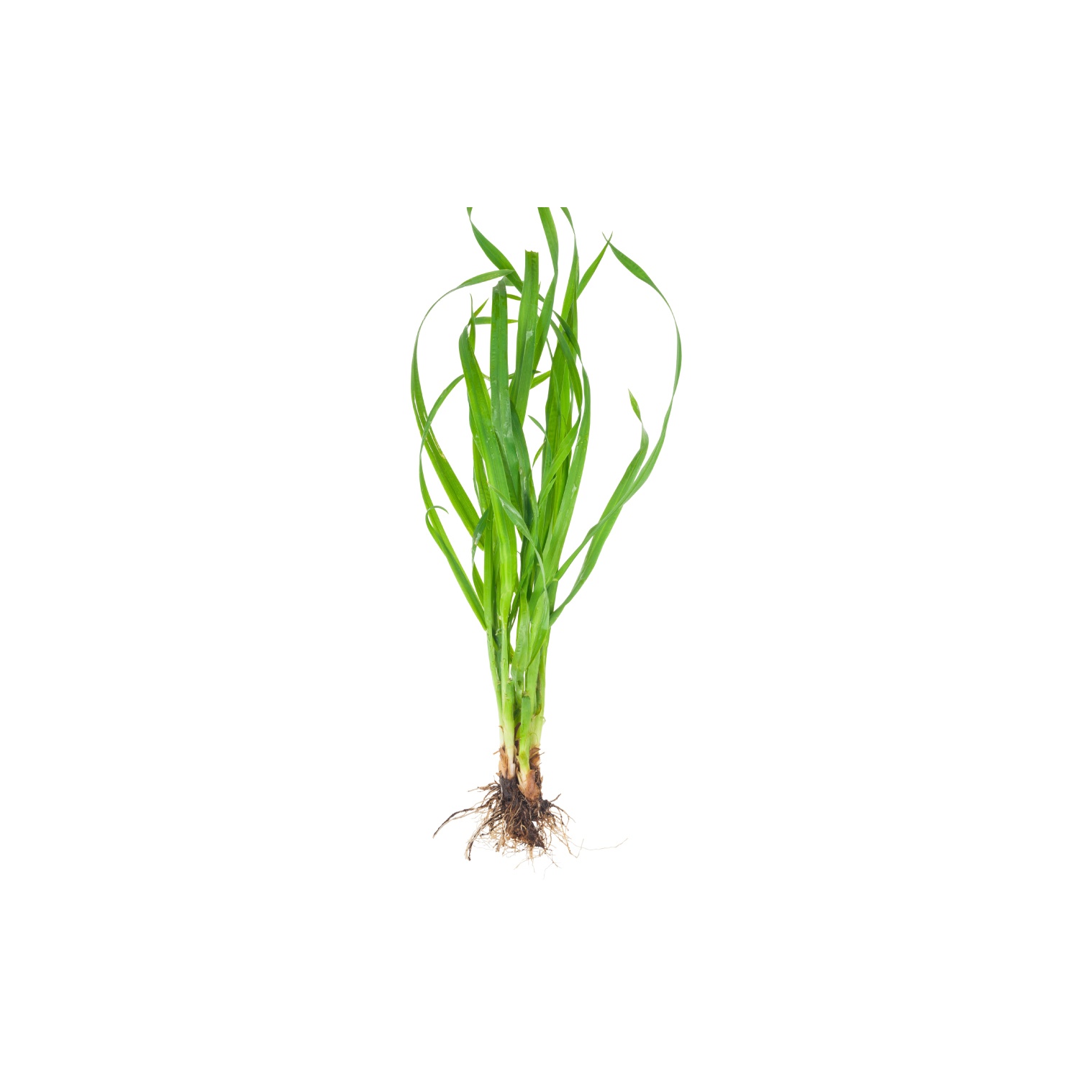 CouchgrassElytrigia repensTraditional only
Long-documented Western-herbal use for gout and rheumatic complaints; couchgrass remains a popular traditional gout remedy 6Reference 6Systematic reviewElymus repens (L.) Gould phytochemistry, pharmacological activities and therapeutic potential — systematic reviewView study →. The rationale is inferred from mechanism: osmotic diuresis from the sugar alcohols mannitol/inositol is presumed to raise urine flow and uric-acid clearance. No study has measured serum urate, uric-acid excretion, or gout outcomes with couchgrass in animals or humans.
Full monograph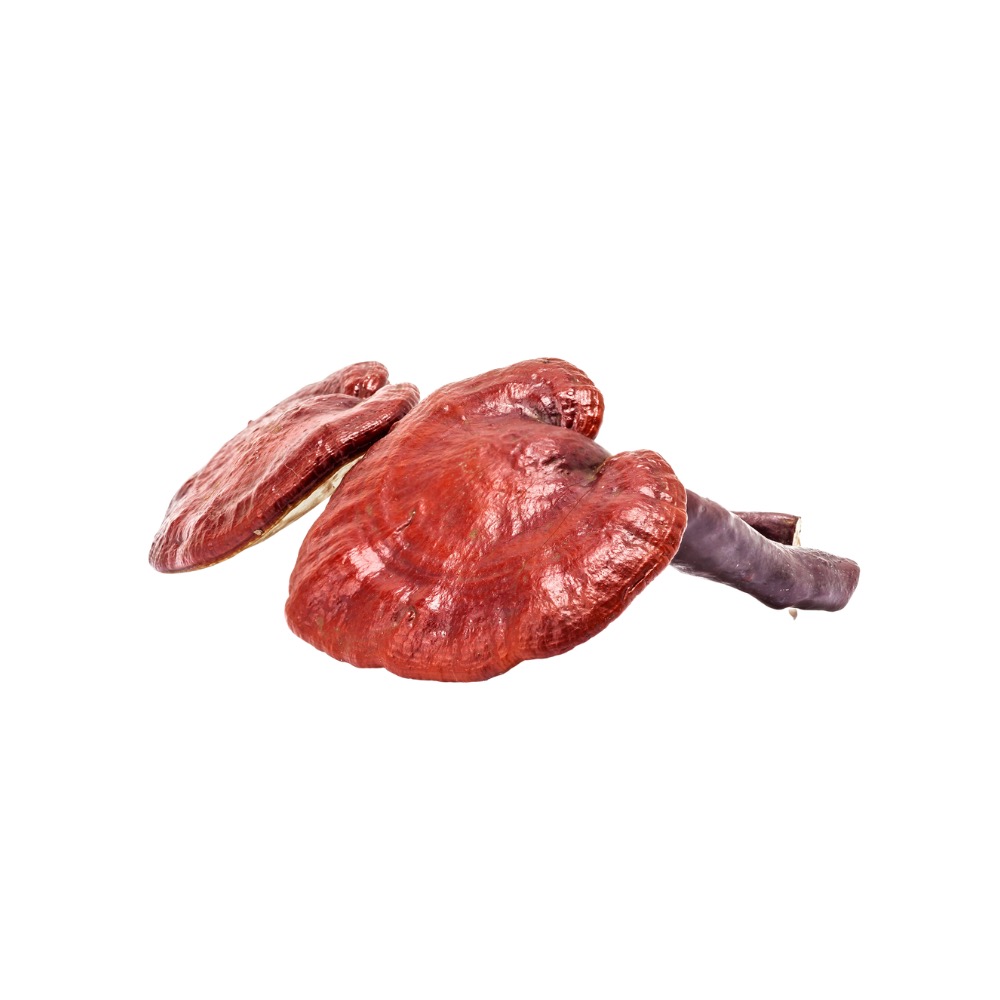 ReishiGanoderma lucidumTraditional only
Reishi was used historically in topical foot baths for gout 12Reference 12The fungal pharmacy: The complete guide to medicinal mushrooms and lichens of North America [Adobe Digital Editions version], not as an oral or systemic urate remedy.
Full monographReferences
- Su, Q. et al. (2018). Hypouricemic and nephroprotective effects of an active fraction from Polyrhachis vicina Roger on potassium-oxonate-induced hyperuricemia in rats — animal in vivo. Kidney & Blood Pressure Research. https://pubmed.ncbi.nlm.nih.gov/29490297/
- Whiting, P. F., Wolff, R. F., Deshpande, S., et al. (2015). Cannabinoids for Medical Use: A Systematic Review and Meta-analysis. JAMA. https://pubmed.ncbi.nlm.nih.gov/26103030/
- Ateş G, Welsch P, Klose P, et al. (2026). Cannabis-based medicines for chronic neuropathic pain in adults — Cochrane systematic review. Cochrane Database of Systematic Reviews. https://pubmed.ncbi.nlm.nih.gov/41548880/
- Murugaiyah, V., & Chan, K. L. (2009). Mechanisms of antihyperuricemic effect of Phyllanthus niruri and its lignan constituents — animal model and in vitro. J Ethnopharmacol. https://pubmed.ncbi.nlm.nih.gov/19397979/
- Pucci, N. D., et al. (2018). Effect of Phyllanthus niruri on metabolic parameters of patients with kidney stone — prospective cohort. Int Braz J Urol. https://pubmed.ncbi.nlm.nih.gov/29617079/
- Zhakipbekov, K. S., Serikbayeva, E. A., Tleubayeva, M. I., et al. (2026). Elymus repens (L.) Gould phytochemistry, pharmacological activities and therapeutic potential — systematic review. International Journal of Molecular Sciences. https://pubmed.ncbi.nlm.nih.gov/42278456/
- Ma, Y. et al. (2026). Polygonum cuspidatum alleviates hyperuricaemia-induced renal injury via rectifying amino-acid metabolism — human serum metabolomics with rat validation. Phytomedicine. https://pubmed.ncbi.nlm.nih.gov/41365191/
- Gainche, M. (2021). Xanthine Oxidase Inhibitors from Filipendula ulmaria and Their Efficient Detection by HPTLC and HPLC — in vitro. Molecules, 26(7), 1939. https://pubmed.ncbi.nlm.nih.gov/33808360/
- Ángeles-López, G. E., et al. (2026). Antinociceptive effect of Tagetes lucida in an arthritic gout-pain model in rats — animal study. Journal of Ethnopharmacology. https://pubmed.ncbi.nlm.nih.gov/41067319/
- Trinh PTN, Truc NC, Danh TT, et al. (2024). Antioxidant, anti-inflammatory and xanthine-oxidase inhibitory activity of Artemisia vulgaris extract and fractions — mouse, in vivo. Journal of Ethnopharmacology. https://pubmed.ncbi.nlm.nih.gov/38971340/
- Peng YJ, Lee CH, Wang CC, Salter DM, et al. (2012). Pycnogenol attenuates the inflammatory and nitrosative stress on joint inflammation induced by urate crystals — animal model. Free Radic Biol Med, 52, 765-74. https://pubmed.ncbi.nlm.nih.gov/22198264/
- Rogers, R. D. (2011). The fungal pharmacy: The complete guide to medicinal mushrooms and lichens of North America [Adobe Digital Editions version].
- Chen L, Yin H, Lan Z, Ma S, Zhang C, Yang Z, Li P, Lin B. (2011). Anti-hyperuricemic and nephroprotective effects of Smilax china L. — animal model. J Ethnopharmacol. https://pubmed.ncbi.nlm.nih.gov/21420478/
- Liang G, et al. (2019). Protective effects of Rhizoma smilacis glabrae extracts on potassium oxonate- and monosodium urate-induced hyperuricemia and gout in mice — animal model. Phytomedicine. https://pubmed.ncbi.nlm.nih.gov/31005813/
- Huang L, et al. (2019). The anti-hyperuricemic effect of four astilbin stereoisomers in Smilax glabra on hyperuricemic mice — animal model. J Ethnopharmacol. https://pubmed.ncbi.nlm.nih.gov/30851369/
- Wu XH, et al. (2015). Anti-hyperuricemia effects of allopurinol are improved by Smilax riparia — animal model. J Ethnopharmacol. https://pubmed.ncbi.nlm.nih.gov/25617746/
- Hou PY, et al. (2015). Pallidifloside D from Smilax riparia enhanced allopurinol effects in hyperuricemia mice — animal model. Fitoterapia. https://pubmed.ncbi.nlm.nih.gov/26051087/
- Ji W, et al. (2005). Effects of Rebixiao granules on blood uric acid in patients with repeatedly attacking acute gouty arthritis — clinical (multi-herb formula). Chin J Integr Med. https://pubmed.ncbi.nlm.nih.gov/15975301/