
Condition
Osteoarthritis
Osteoarthritis is an active disease of the whole joint, not simple wear and tear. Boswellia, comfrey, capsaicin and devil's claw have randomised evidence for it.

Osteoarthritis is the most common joint disease in the world and the leading cause of pain and disability in older adults. It is characterised by the breakdown of articular cartilage, changes in the underlying bone, and inflammation of the joint lining — most often in the knees, hips, hands and spine.
It is not simply “wear and tear”, and that outdated description matters clinically. Osteoarthritis is now understood as an active disease of the whole joint — cartilage, subchondral bone, synovium, ligaments and surrounding muscle — with a low-grade inflammatory component. That inflammation gives anti-inflammatory herbs a rational basis, and it is why exercise, which strengthens the muscles that protect the joint, is a treatment rather than a risk.
Several herbs used for osteoarthritis have multiple randomised placebo-controlled trials and meta-analyses, and a Cochrane review has assessed topical herbal therapies for osteoarthritis as a group 1Reference 1Systematic reviewTopical herbal therapies for treating osteoarthritis — Cochrane systematic reviewView study →.
Presentation
Types & Variants
- Primary (idiopathic) osteoarthritis — no identifiable precipitating cause. Age, genetics, sex and obesity are the main risk factors.
- Secondary osteoarthritis — follows a specific insult: joint injury (a torn meniscus or cruciate ligament is a strong predictor of knee OA decades later), inflammatory arthritis, infection, metabolic disease such as haemochromatosis, or congenital joint abnormality.
- Erosive (inflammatory) hand osteoarthritis — a more aggressive subtype with marked inflammation and joint erosion, mostly in the finger joints of post-menopausal women.
By site, the practical distinctions are knee, hip, hand and spinal (facet joint) disease — they differ in how they present and in what helps.
Overview
General Pathology
Cartilage has no blood supply and no nerves, and it repairs itself poorly. In osteoarthritis, the balance between cartilage synthesis and breakdown tips toward degradation: matrix metalloproteinases and aggrecanases, driven by inflammatory cytokines including IL-1β and TNF-α, digest the collagen and proteoglycan matrix faster than chondrocytes can rebuild it.
As cartilage thins, the joint responds across all its tissues. Subchondral bone thickens and develops cysts; osteophytes (bone spurs) form at the joint margins; the synovium becomes inflamed and thickened, producing effusions; and the surrounding muscle weakens, which removes a layer of protection from the joint and accelerates the cycle.
Pain in osteoarthritis correlates poorly with what appears on imaging. Severe radiographic change can be painless, and significant pain can accompany mild change — because cartilage itself has no nerve supply, and the pain arises from bone, synovium, capsule and surrounding structures. An X-ray report is a poor guide to how much a joint will hurt.
Typical features are pain worse with use and better with rest, stiffness after inactivity that eases within 30 minutes, reduced range of movement, crepitus, and bony joint enlargement.
Distinguish from rheumatoid arthritis, which is autoimmune, usually symmetrical, affects the small joints of the hands and wrists, and causes prolonged morning stiffness lasting over an hour with systemic symptoms. Rheumatoid arthritis needs early specialist treatment with disease-modifying drugs — delay causes permanent joint damage. Also consider gout, psoriatic arthritis, and septic arthritis (a hot, acutely painful joint with fever is an emergency).
Treatment
Conventional Treatment
Exercise and weight management are first-line and are the best-evidenced interventions in osteoarthritis. Strengthening and aerobic exercise reduce pain and improve function across multiple large trials, and weight loss meaningfully reduces knee load and symptoms. Neither is optional background advice — they are the treatment.
Beyond that: topical NSAIDs are recommended before oral ones for knee and hand OA, with a better safety profile; oral NSAIDs help but carry gastrointestinal, renal and cardiovascular risks; intra-articular corticosteroid injections give short-term relief; and joint replacement is highly effective for end-stage disease.
Glucosamine and chondroitin are the most-used supplements for osteoarthritis, and large independent trials and meta-analyses have generally found effects at or close to placebo. They are widely taken; the evidence does not support confident recommendation.
Materia Medica
Materia Medica
Topical herbs do well in osteoarthritis, because a gel applied over a superficial joint delivers the active where it is needed without systemic exposure.
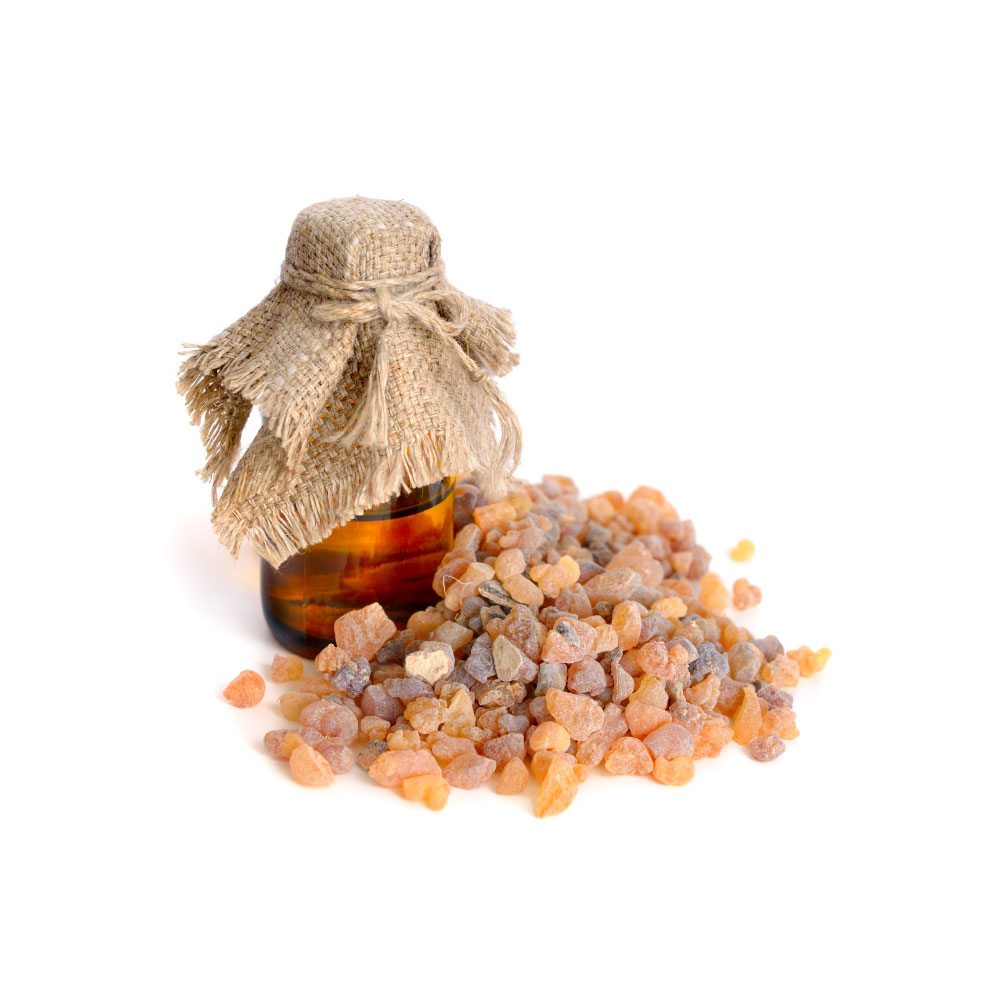 FrankincenseBoswellia serrataStrong
Knee osteoarthritis is the one indication frankincense has been tested on repeatedly — eight or more randomised controlled trials plus several meta-analyses, showing clinically meaningful improvement in VAS pain and WOMAC function scores. The foundational study was a randomised, double-blind, placebo-controlled crossover trial that reduced knee pain and swelling and improved walking distance 2Reference 2RCTEfficacy and tolerability of Boswellia serrata extract in treatment of osteoarthritis of knee — randomised, double-blind, placebo-controlled trialView study →; larger placebo-controlled trials of the standardised extracts 5-Loxin and Aflapin followed 3,
The mechanism is well characterised: AKBA is a direct, non-redox, non-competitive inhibitor of 5-lipoxygenase, blocking leukotriene synthesis — a different target from the COX pathway that NSAIDs act on.
Trial quality is uniformly low, most studies are industry-linked to the proprietary extracts they test, and a 2024 meta-analysis was null once heterogeneity was accounted for. Trials use extracts standardised to 30% AKBA at 100–250 mg/day — crude resin is not equivalent, since AKBA is under 1% of raw frankincense.
Full monograph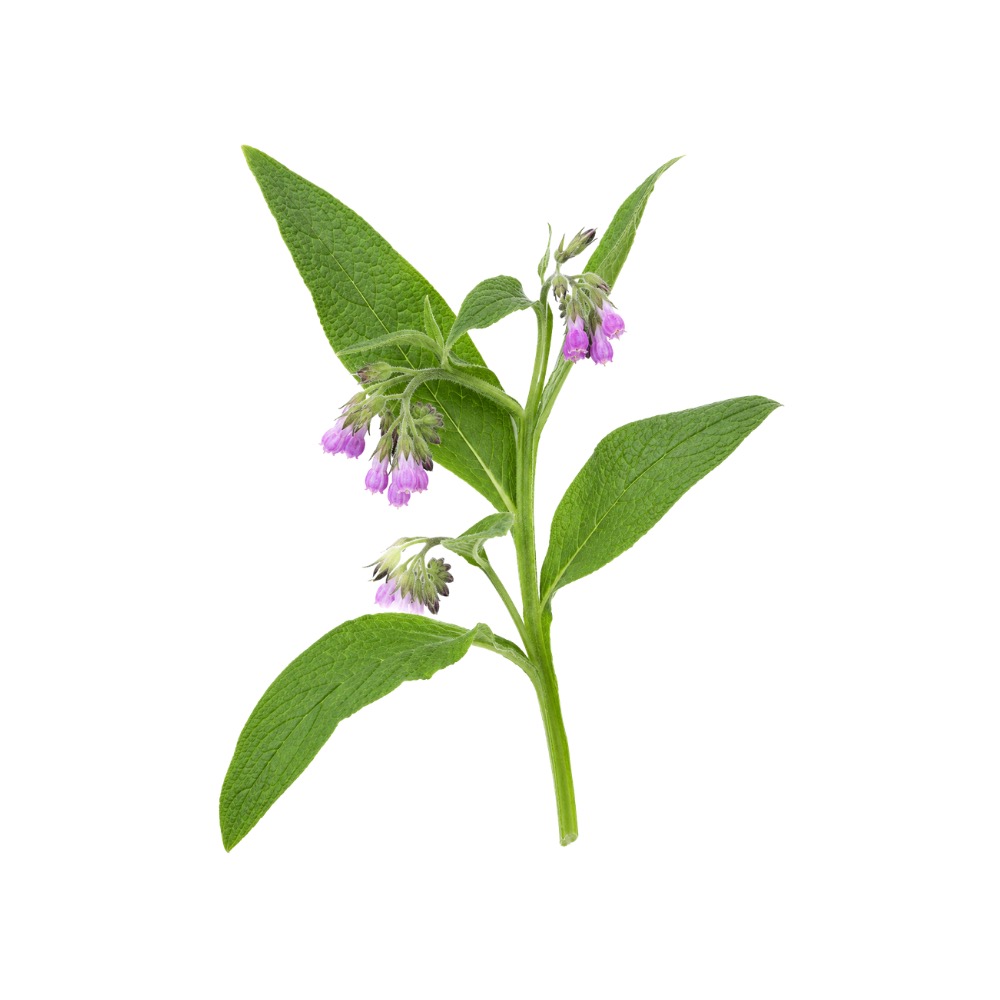 ComfreySymphytum officinaleStrong
Topical comfrey has the largest effect size of any osteoarthritis herb. A double-blind, placebo-controlled RCT (n=220, comfrey root ointment 6 g/day for three weeks) found VAS pain fell 54.7% with comfrey versus 10.7% with placebo — a between-group difference of about 44% — with WOMAC improving in parallel 5Reference 5RCTEfficacy of a comfrey root extract ointment in painful osteoarthritis of the knee — double-blind, randomised, placebo-controlled trialView study →. Two further randomised placebo-controlled trials tested comfrey-plus-tannic-acid combination products in knee OA 6,
Comfrey is for external use. Its pyrrolizidine alkaloids are hepatotoxic when absorbed in quantity, and the serious cases on record — veno-occlusive disease — follow oral use of PA-rich material 8,
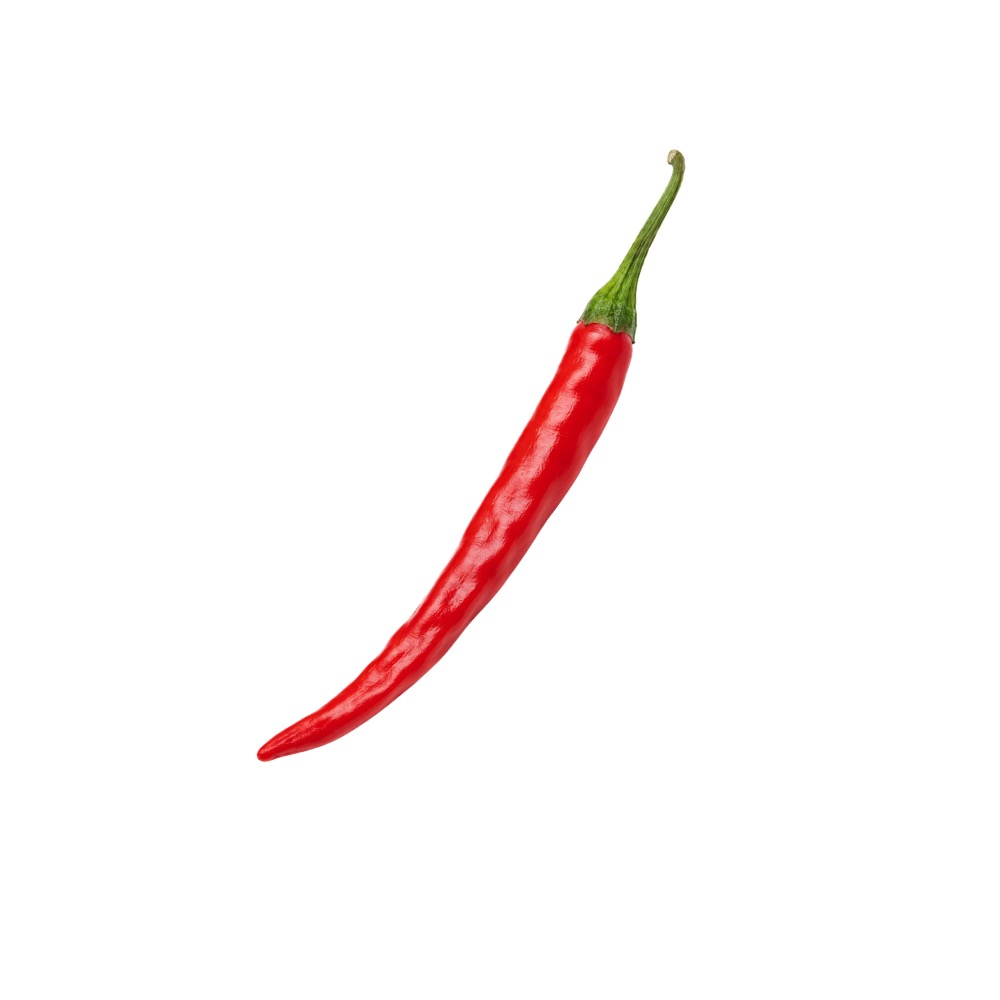 CayenneCapsicum annuumStrong
Cayenne’s active constituent, capsaicin, has crossed fully into mainstream pharmacology. A 2024 systematic review and meta-analysis concluded that topical capsaicin reduces osteoarthritis pain versus placebo, with a modest effect size 10,
The mechanism is distinctive: capsaicin is a TRPV1 agonist that, with repeated application, defunctionalises nociceptors and causes epidermal nerve-fibre retraction — it depletes the pain signal rather than blocking inflammation. Standard preparations are 0.025–0.075% creams applied three to four times daily for several weeks.
Blinding is a problem in capsaicin trials, since it produces an unmistakable burning sensation that makes placebo control difficult. Expect a burning sensation for the first several applications — it fades with continued use, and is the mechanism rather than a side effect.
Full monograph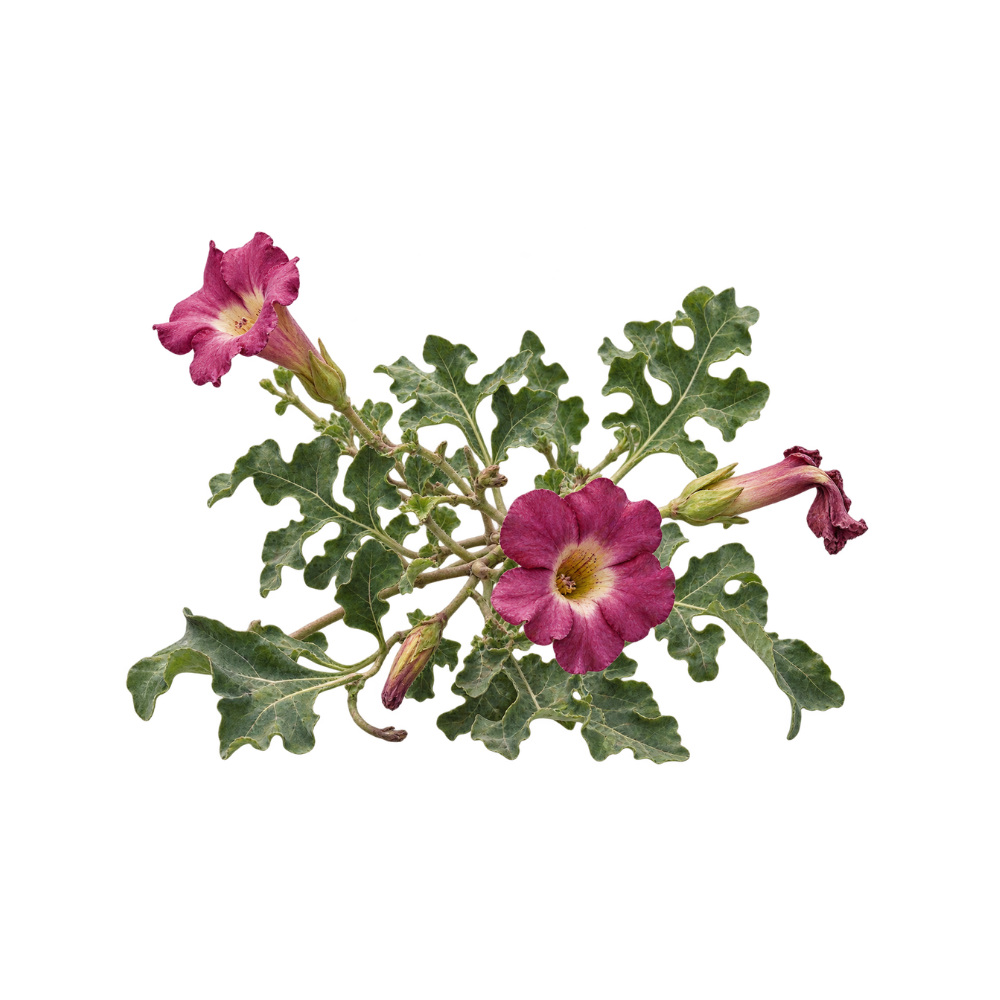 Devil’s ClawHarpagophytum procumbensModerate
Devil’s claw is the best-evidenced Western herb for osteoarthritis taken orally, and unusually for a traditional botanical its literature includes randomised placebo-controlled trials and a Cochrane systematic review 12,
Preparations are heterogeneous, trials run to a maximum of four months, and the one dedicated osteoarthritis RCT registered on ClinicalTrials.gov was terminated for loss of funding. Doses used are standardised to ≥50–60 mg harpagoside/day.
Full monograph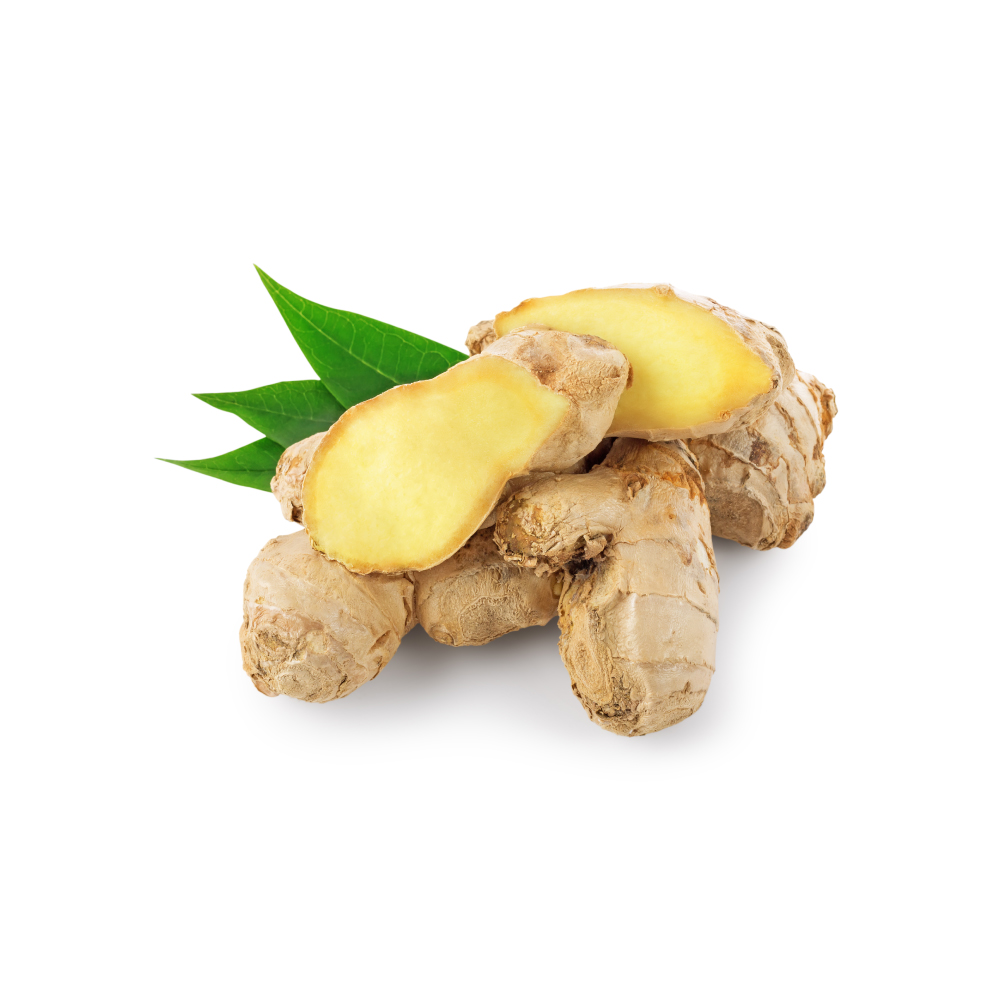 GingerZingiber officinaleModerate
Ginger is one of the most heavily trialled herbs in the world, with over a hundred randomised trials indexed across all indications. For osteoarthritis specifically, a meta-analysis of randomised placebo-controlled trials found ginger efficacious 15Reference 15Meta-analysisEfficacy and safety of ginger in osteoarthritis patients — meta-analysis of randomised placebo-controlled trialsView study →. The mechanism is coherent — gingerols and shogaols inhibit both COX and LOX pathways, giving dual anti-inflammatory action.
Ginger roughly doubled treatment discontinuation versus placebo in osteoarthritis trials, driven by gastrointestinal effects — heartburn, reflux and belching. An effective treatment that people stop taking is a limited treatment, and the effect size is modest.
Full monograph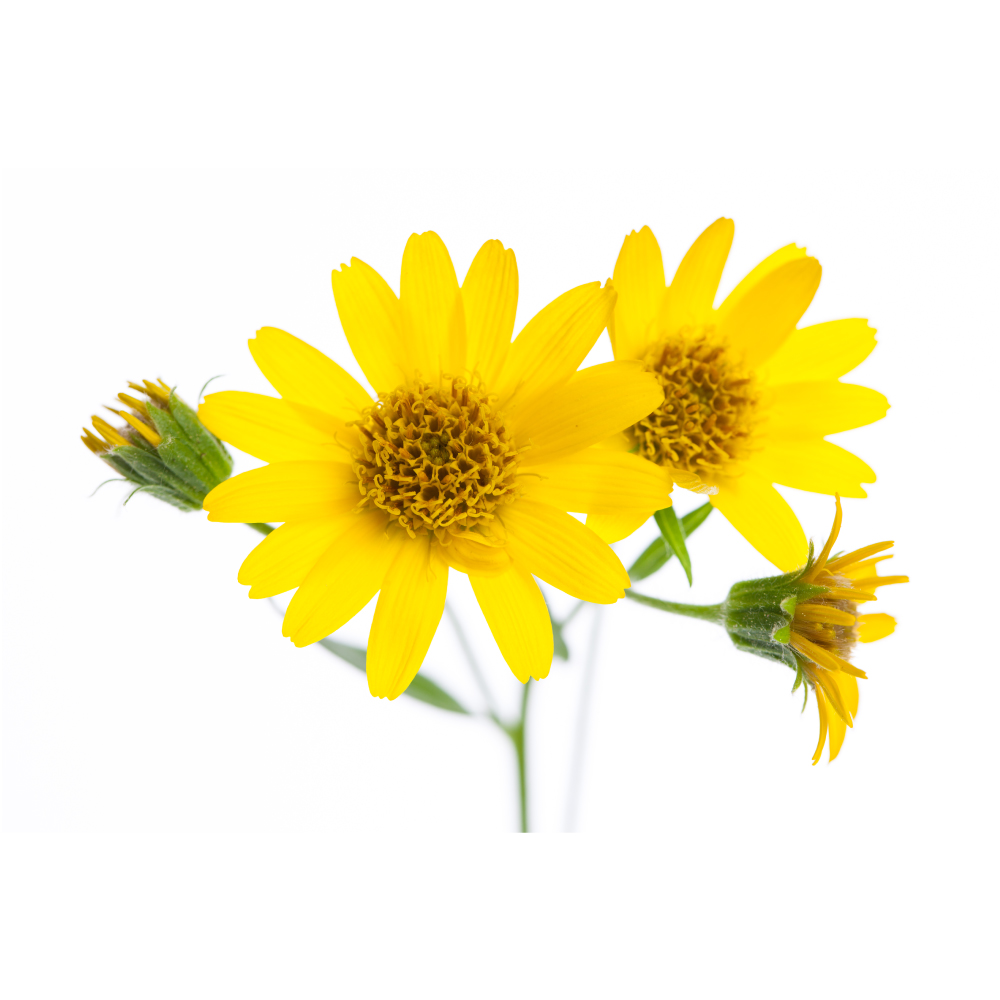 ArnicaArnica montanaModerate
Osteoarthritis is arnica’s strongest human indication, and the evidence is for the topical gel, the form the herb is actually used in. A randomised, double-blind trial in 204 patients with radiologically confirmed hand osteoarthritis found an arnica tincture gel not inferior to 5% ibuprofen gel for pain and hand function over 21 days 16Reference 16RCTChoosing between NSAID and arnica for topical treatment of hand osteoarthritis — randomised, double-blind studyView study →, and an open multicentre trial reported WOMAC improvement in knee OA 17Reference 17Clinical trialArnica montana gel in osteoarthritis of the knee — open, multicentre clinical trialView study →. The mechanism is defined: the sesquiterpene lactone helenalin inhibits NF-κB by directly targeting p65 18Reference 18In vitroThe anti-inflammatory sesquiterpene lactone helenalin inhibits the transcription factor NF-κB by directly targeting p65 — in vitroView study →. Neither trial had a placebo arm, which is the main limitation.
Herbal arnica is not homeopathic arnica: the much larger post-surgical and bruising literature tests ultra-dilutions and is a separate, largely null body of evidence 19Reference 19Systematic reviewEfficacy of homeopathic arnica — systematic review of placebo-controlled clinical trialsView study →. Like comfrey, arnica is a topical: the trials, the tradition and the sensible use are all external.
Full monograph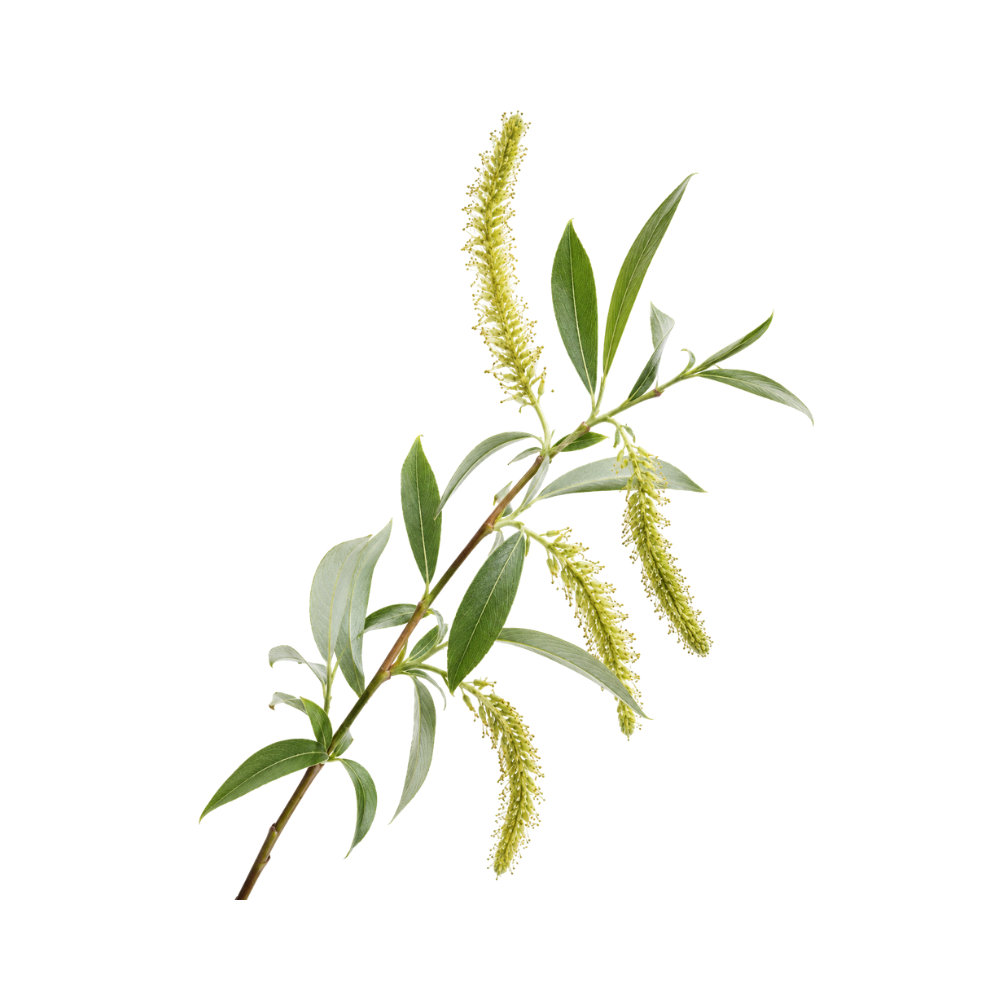 WillowSalix albaModerate
Willow is the bark that gave us aspirin. Its salicin is metabolised to salicylic acid, giving a mechanistically obvious anti-inflammatory and analgesic action — this is the original NSAID, and the Cochrane review of herbal medicine for low back pain found willow bark among the better-supported options 13Reference 13Meta-analysisHerbal medicine for low-back pain — Cochrane systematic review and meta-analysisView study →. Osteoarthritis-specific trial evidence is thinner than the back-pain evidence, and salicin content varies widely between preparations.
The salicylate cautions carry across — salicylate allergy, anticoagulants, and the Reye’s-syndrome rule in children with viral illness — though willow bark is a far gentler proposition than aspirin: the salicin is released slowly by gut bacteria, and the bark’s tannins and flavonoids make it notably easier on the stomach than the isolated drug it inspired.
Full monograph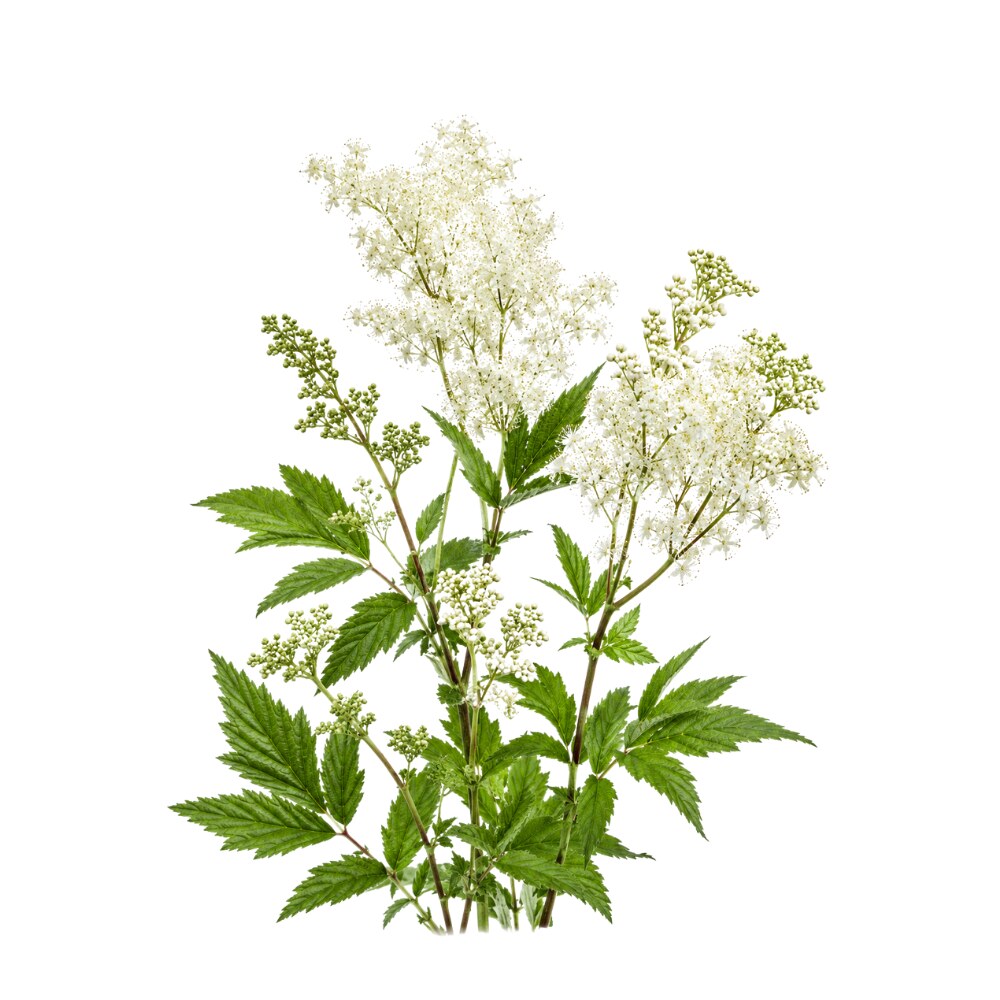 MeadowsweetFilipendula ulmariaTraditional only
Meadowsweet is the other classical salicylate herb, and the plant that gave aspirin its name, from its old genus Spiraea. It carries salicin, salicylaldehyde and methyl salicylate, which the body converts to salicylic acid 20Reference 20Variations in yield, essential oil and salicylates of Filipendula ulmaria inflorescences at different blooming stages — analytical studyView study →, and it has been used for rheumatic and joint pain across European herbal practice for centuries. No controlled trial exists for osteoarthritis. The chemistry is real and the tradition is long, but no trial has carried the constituent through to a clinical effect. It has the same gentle-salicylate profile as willow.
Full monograph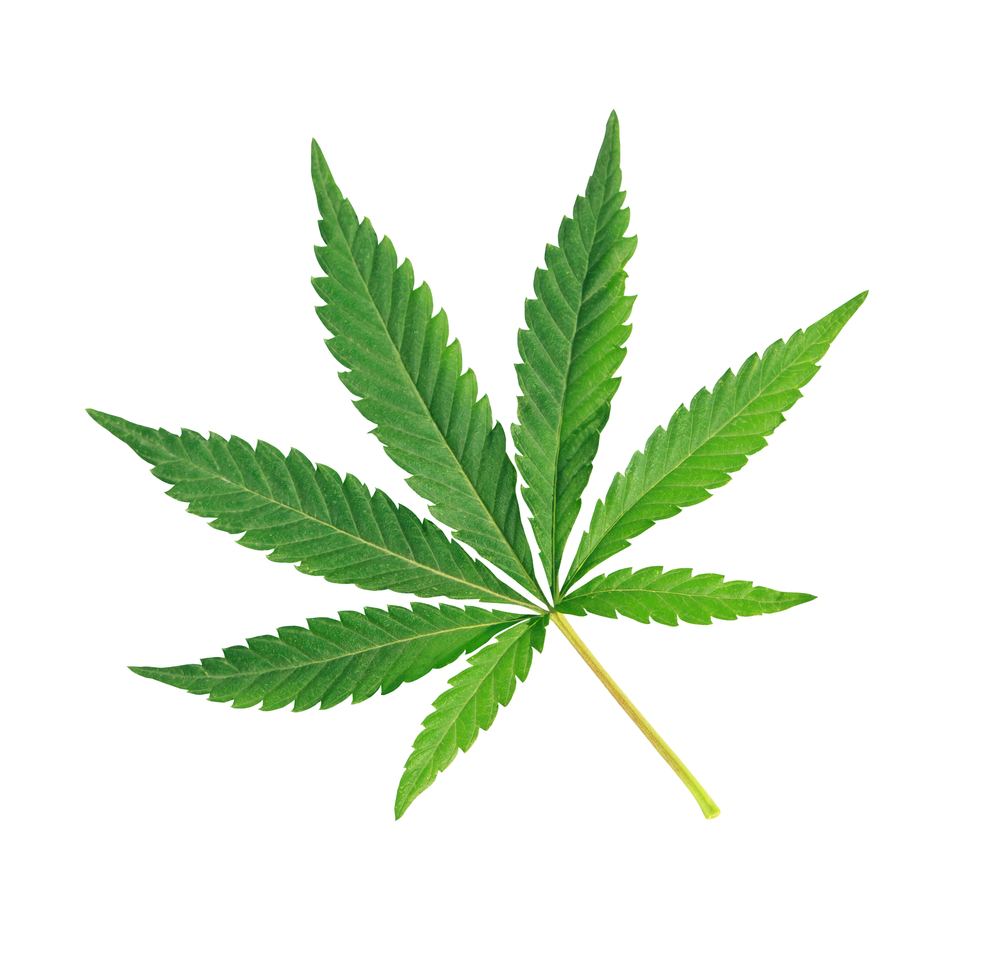 CannabisCannabis sativaTraditional only
Cannabis is widely used for chronic joint pain, and the subject of a large and rapidly moving literature on chronic pain in general — but there is no osteoarthritis-specific trial evidence for it, and pain-in-general findings do not transfer cleanly to a specific joint disease. Legal status varies enormously by jurisdiction.
Full monograph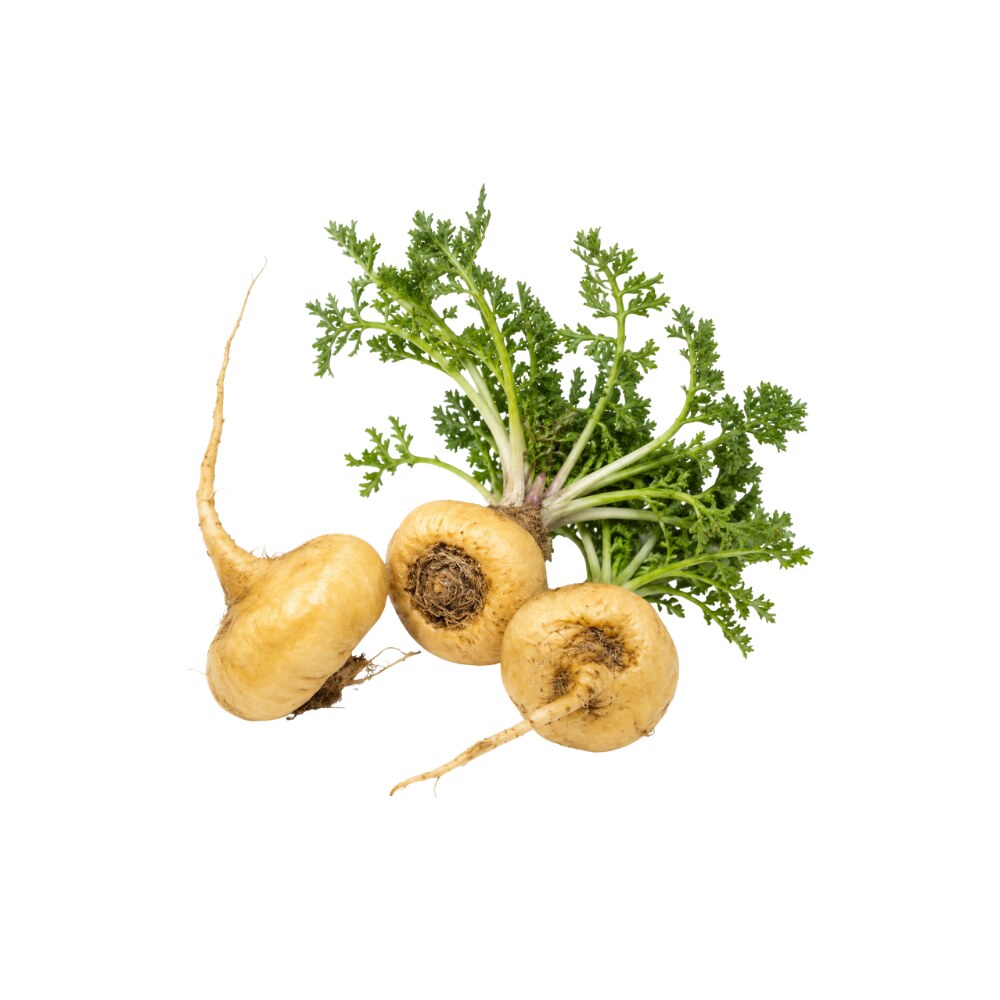 MacaLepidium meyeniiTraditional only
A product combining Uncaria guianensis (cat’s claw) with maca has been reported to improve pain and stiffness in osteoarthritis — but the trial tested the combination, and cat’s claw is the ingredient with the independent anti-inflammatory evidence. Nothing isolates a maca effect. Maca’s supported directions are energy, mood and sexual function, not joints.
Full monographSupplementation
Supplementation
The most useful treatments for osteoarthritis are not supplements. Exercise, weight management and physiotherapy outperform every herb and supplement, and topical NSAIDs are the recommended first pharmacological step for knee and hand disease.
Among supplements: glucosamine and chondroitin dominate the market, and large independent trials have largely found them no better than placebo. They are safe and popular rather than proven. Omega-3 fatty acids have a coherent anti-inflammatory rationale with mixed osteoarthritis-specific results. Curcumin has accumulating trial evidence in knee osteoarthritis, with the usual bioavailability caveat that unformulated turmeric powder is poorly absorbed.
References
- Cameron, M., & Chrubasik, S. (2013). Topical herbal therapies for treating osteoarthritis — Cochrane systematic review. Cochrane Database of Systematic Reviews. https://pubmed.ncbi.nlm.nih.gov/23728701/
- Kimmatkar, N., Thawani, V., Hingorani, L., & Khiyani, R. (2003). Efficacy and tolerability of Boswellia serrata extract in treatment of osteoarthritis of knee — randomised, double-blind, placebo-controlled trial. Phytomedicine. https://pubmed.ncbi.nlm.nih.gov/12622457/
- Sengupta, K., Alluri, K. V., Satish, A. R., et al. (2008). A double-blind, randomized, placebo-controlled study of the efficacy and safety of 5-Loxin for treatment of osteoarthritis of the knee — randomised controlled trial. Arthritis Research & Therapy. https://pubmed.ncbi.nlm.nih.gov/18667054/
- Vishal, A. A., Mishra, A., & Raychaudhuri, S. P. (2011). A double-blind, randomized, placebo-controlled clinical study evaluating the early efficacy of Aflapin in subjects with osteoarthritis of knee — randomised controlled trial. International Journal of Medical Sciences. https://pubmed.ncbi.nlm.nih.gov/22022214/
- Grube, B., et al. (2007). Efficacy of a comfrey root extract ointment in painful osteoarthritis of the knee — double-blind, randomised, placebo-controlled trial. Phytomedicine. https://pubmed.ncbi.nlm.nih.gov/17169543/
- Laslett, L. L., et al. (2012). 4Jointz (comfrey extract plus tannic acid) reduces knee pain over 12 weeks in clinical knee osteoarthritis — randomised, placebo-controlled trial. Osteoarthritis and Cartilage. https://pubmed.ncbi.nlm.nih.gov/22863612/
- Smith, D. B., & Jacobson, B. H. (2011). Comfrey root extract and tannic acid creams in osteoarthritis of the knee — randomised, placebo-controlled, double-blind trial. Journal of Chiropractic Medicine. https://pubmed.ncbi.nlm.nih.gov/22014903/
- Mei, N., et al. (2010). Metabolism, genotoxicity, and carcinogenicity of comfrey — review. Journal of Toxicology and Environmental Health, Part B. https://pubmed.ncbi.nlm.nih.gov/21170807/
- Yeong, M. L., et al. (1990). Hepatic veno-occlusive disease associated with comfrey ingestion — case report. Journal of Gastroenterology and Hepatology. https://pubmed.ncbi.nlm.nih.gov/2103401/
- Tshering, G., et al. (2024). Efficacy and safety of topical capsaicin in the treatment of osteoarthritis pain — systematic review and meta-analysis. Phytotherapy Research. https://pubmed.ncbi.nlm.nih.gov/38761115/
- Laslett, L. L., & Jones, G. (2014). Capsaicin for osteoarthritis pain — review. Progress in Drug Research. https://pubmed.ncbi.nlm.nih.gov/24941673/
- Gagnier, J. J., Chrubasik, S., & Manheimer, E. (2004). Harpagophytum procumbens for osteoarthritis and low back pain — systematic review. BMC Complementary and Alternative Medicine. https://pubmed.ncbi.nlm.nih.gov/15369596/
- Oltean, H., Robbins, C., van Tulder, M. W., et al. (2014). Herbal medicine for low-back pain — Cochrane systematic review and meta-analysis. Cochrane Database of Systematic Reviews. https://pubmed.ncbi.nlm.nih.gov/25536022/
- Chantre, P., Cappelaere, A., Leblan, D., et al. (2000). Efficacy and tolerance of Harpagophytum procumbens versus diacerhein in treatment of osteoarthritis — double-blind, randomised, multicentre trial. Phytomedicine. https://pubmed.ncbi.nlm.nih.gov/11185727/
- Bartels, E. M., et al. (2015). Efficacy and safety of ginger in osteoarthritis patients — meta-analysis of randomised placebo-controlled trials. Osteoarthritis and Cartilage. https://pubmed.ncbi.nlm.nih.gov/25300574/
- Widrig, R., Suter, A., Saller, R., & Melzer, J. (2007). Choosing between NSAID and arnica for topical treatment of hand osteoarthritis — randomised, double-blind study. Rheumatology International. https://pubmed.ncbi.nlm.nih.gov/17318618/
- Knuesel, O., Weber, M., & Suter, A. (2002). Arnica montana gel in osteoarthritis of the knee — open, multicentre clinical trial. Advances in Therapy. https://pubmed.ncbi.nlm.nih.gov/12539881/
- Lyss, G., Knorre, A., Schmidt, T. J., Pahl, H. L., & Merfort, I. (1998). The anti-inflammatory sesquiterpene lactone helenalin inhibits the transcription factor NF-κB by directly targeting p65 — in vitro. Journal of Biological Chemistry. https://pubmed.ncbi.nlm.nih.gov/9837931/
- Ernst, E., & Pittler, M. H. (1998). Efficacy of homeopathic arnica — systematic review of placebo-controlled clinical trials. Archives of Surgery. https://pubmed.ncbi.nlm.nih.gov/9820349/
- Lozienė, K. (2023). Variations in yield, essential oil and salicylates of Filipendula ulmaria inflorescences at different blooming stages — analytical study. Plants. https://pubmed.ncbi.nlm.nih.gov/36679011/