

Overview
Musculoskeletal at a Glance
The muscles, joints, bones and connective tissue give the body its structure and its movement.
Musculoskeletal herbs mainly target pain, inflammation, muscle spasm, joint stiffness, circulation, and connective-tissue support.
Some work by reducing inflammatory signalling.
Others act more directly on pain pathways, relax muscle, increase local blood flow, or support the tissues around joints and bone.
These are different strategies, and the right one depends on what kind of problem is actually present.
Turmeric, boswellia, devil’s claw, willow, and similar herbs are used mainly where inflammation is contributing to joint or musculoskeletal pain.
Capsaicin works differently, acting directly on pain-sensing nerve fibres.
Cramp bark and other antispasmodics are used more where gripping or spasm is the main feature.
Rubefacients such as cayenne, mustard, and ginger are used topically to create warmth and increase local circulation.
Then there are the nutritive and vulnerary herbs, which are used more slowly to support connective tissue, bone, or recovery from injury.
One important distinction is that pain relief isn’t the same thing as structural repair.
A herb may reduce pain and stiffness in osteoarthritis without rebuilding cartilage.
It may improve movement without reversing degeneration.
And a topical preparation may relieve a sprain or painful joint without changing the underlying condition at all.
Topical treatment is especially useful here.
Comfrey ointment, arnica gel, capsaicin preparations, mustard plasters, and other external remedies can deliver a high local dose with much less systemic exposure.
But route matters for safety too.
Comfrey is a good example: topical use on intact skin is very different from internal use, where its pyrrolizidine alkaloids can injure the liver.
Caution
Persistent joint swelling, a hot red joint, major trauma, unexplained weakness, loss of function, or pain that continues to worsen needs proper assessment. Suspected rheumatoid arthritis, gout, infection, or fracture shouldn’t be treated as generic “rheumatism.”
The Traditional View
How Herbalists Read the Musculoskeletal System
Traditional herbal medicine tends to read the musculoskeletal system through temperature, movement, inflammation, tension, and tissue condition.
One of the oldest distinctions is hot versus cold.
A hot joint is swollen, red, tender, and inflamed.
That picture calls for cooling, anti-inflammatory herbs rather than stimulants.
A cold musculoskeletal pattern is more stiff, aching, slow to loosen, and often improves with warmth and movement.
This is where rubefacients and circulatory stimulants are used.
Cayenne, mustard, ginger, and similar herbs are applied locally to warm the area, increase blood flow, and change the sensory input reaching the painful tissue.
A separate group is aimed at muscle tension and spasm.
Cramp bark, kava, wild yam, and related antispasmodic herbs are used where pain is being driven more by gripping or sustained contraction than by inflammation.
Then there are the anti-inflammatory and analgesic herbs.
Turmeric, boswellia, devil’s claw, willow, arnica, and related plants are used for inflammatory or painful joints, tendons, muscles, and connective tissue.
They overlap, but not always through the same mechanism.
Some act on prostaglandins and leukotrienes.
Some alter cytokine signalling.
Some act more directly on pain fibres.
The alterative tradition sits around chronic rheumatic conditions.
Nettle, sarsaparilla, yellow dock, celery seed, and similar herbs were used over longer periods on the idea that joint disease reflected poor elimination or a buildup of metabolic waste.
That explanation doesn’t translate cleanly into modern physiology.
But it overlaps with a few real processes, especially inflammation and uric-acid handling in gout.
The nutritive herbs form another slower group.
Nettle, horsetail, alfalfa, and other mineral-rich plants are used to provide raw materials for bone and connective tissue.
This is more nutritional than pharmacological, but it fits the traditional idea that weak or depleted tissue needs building rather than stimulation.
The main limitation of the old musculoskeletal categories is the word rheumatism.
It lumps together osteoarthritis, rheumatoid arthritis, gout, inflammatory disease, and mechanical pain.
Those conditions can feel similar while needing very different treatment.
So the practical herbal question is:
Is the problem inflammation, spasm, poor circulation, nerve pain, tissue injury, degeneration, or something structural that herbs can’t correct?
Key Herbal Actions
What the Herbs Do Here
The actions most often called on for joints, muscle and bone, each linking through to the herbs that carry it:
Anti-Inflammatory
The central action here, and on the better-evidenced herbs a specific enzymatic one rather than a general claim.
Analgesic
Relieves pain directly, whether centrally, at the peripheral nerve, or by defunctionalising the pain fibre itself.
Rubefacient
Draws blood to the skin surface when applied topically, which is the counterirritant tradition and the basis of most herbal liniments.
Nutritive
Supplies minerals and micronutrients to bone and connective tissue, and is the least pharmacological of these categories.
Alterative
The slow “blood cleanser” tradition given for chronic rheumatic conditions.
Uricosuric
Promotes excretion of uric acid, the traditional approach to gout, and the one place the alterative reasoning has a real target.
Vulnerary
Supports repair of damaged tissue; comfrey’s traditional name, knitbone, comes from this claim.
Estrogenic
Relevant to bone, where the isoflavone herbs act on the same receptor pathway that makes menopause a bone-loss event.
Mechanisms
How It Works
Herbs for joints and muscle reach pain by very different routes. One inhibits an enzyme in the inflammatory cascade, another destroys the nerve ending that reports the pain, a third simply relaxes the muscle that is gripping. Almost all of them act at one of seven points.
01
Dual COX & 5-Lipoxygenase Inhibition
Arachidonic acid is metabolised down two branches, cyclooxygenase to prostaglandins and 5-lipoxygenase to leukotrienes.
Conventional NSAIDs block only the first, which is why they work and why blocking COX-1 damages the stomach lining. The boswellic acids inhibit 5-lipoxygenase, a target no common analgesic hits, and several herbs act on both branches at once 16Reference 16ReviewDevil’s claw (Harpagophytum procumbens) for osteoarthritis — review of efficacy and safetyView study →.
Curcumin, ginger and willow bark all show mixed COX and LOX profiles.
This is the most credible pharmacological reason a herb might relieve joint pain with a different side-effect profile rather than simply being a weaker aspirin.
Herbs: FrankincenseTurmericGingerWillow
Key compounds: Boswellic AcidsCurcumin6-GingerolSalicin
02
NF-κB Suppression & Cytokine Control in the Joint
Osteoarthritis is not purely mechanical. IL-1β and TNF-α drive matrix metalloproteinase release from chondrocytes, and those enzymes degrade cartilage.
Devil’s claw’s harpagoside suppresses IL-6 expression in primary human osteoarthritis chondrocytes 17Reference 17In vitroHarpagoside suppresses IL-6 expression in primary human osteoarthritis chondrocytes — in vitroView study →, a nettle leaf extract reduces matrix metalloproteinase expression in human chondrocytes 55Reference 55In vitroEffects of the antirheumatic remedy Hox alpha, a stinging nettle leaf extract, on matrix metalloproteinases in human chondrocytes — in vitroView study →, comfrey root extract inhibits NF-κB signalling at two distinct steps 34Reference 34In vitroA Symphytum officinale root extract exerts anti-inflammatory properties by affecting two distinct steps of NF-κB signaling — in vitroView study →, and arnica’s helenalin inhibits NF-κB by directly alkylating the p65 subunit 40Reference 40In vitroThe anti-inflammatory sesquiterpene lactone helenalin inhibits the transcription factor NF-κB by directly targeting p65 — in vitroView study →.
If any of this translated into structural protection it would be significant. So far it has not been shown to.
Herbs: Devil’s ClawStinging NettleComfreyArnica
Key compounds: HarpagosideHelenalin
03
Salicylates and the Aspirin Lineage
Willow bark is the origin story of the most-used drug in the world. Salicin was isolated from Salix, gave its name to salicylic acid, and led to acetylsalicylic acid.
The pharmacology has a twist that matters clinically. Salicin is a prodrug converted by gut flora and the liver to salicylic acid, and a standardised willow extract delivers far less salicylate than an aspirin tablet, yet trials find analgesia comparable to meaningful NSAID doses 27Reference 27Systematic reviewA systematic review on the effectiveness of willow bark for musculoskeletal painView study →.
The polyphenol fraction appears to contribute independently.
Willow bark is not aspirin. It does not have a useful antiplatelet effect, and it still carries the salicylate cautions.
Herbs: Willow
Key compounds: SalicinSalicylic Acid
04
TRPV1 Defunctionalisation
The most interesting mechanism here, because it is destructive rather than inhibitory.
Capsaicin binds TRPV1 on nociceptive C-fibres, opening a calcium channel, and sustained or high-concentration exposure floods the nerve terminal with calcium and causes reversible degeneration of the fibre itself. The nerve ending is not blocked, it is temporarily retracted, which is why a single high-concentration patch application gives weeks of relief and why the first application burns.
It is also why capsaicin is one of the few well evidenced options for neuropathic pain 35Reference 35Meta-analysisTopical capsaicin (high concentration) for chronic neuropathic pain in adults — Cochrane systematic review and meta-analysisView study →, a notoriously drug-resistant category.
Herbs: Cayenne
Key compounds: Capsaicin
05
Counterirritation and the Rubefacient Tradition
The oldest topical rationale, and a partly real one.
Rubefacients cause local vasodilation and a sensation of warmth, which increases blood flow and, on gate-control reasoning, floods the dorsal horn with competing sensory input that reduces perception of the deeper pain. Cayenne, mustard, ginger and essential-oil liniments all work here.
The vasodilation is real, the gate-control explanation is plausible, and a good part of the effect of any rubbed-on preparation is the rubbing.
Key compounds: Capsaicin6-Gingerol
06
Smooth-Muscle Relaxation & Calcium Handling
The antispasmodic mechanism, best characterised in cramp bark.
Its coumarin scopoletin is a documented antispasmodic 42Reference 42In vitroScopoletin, an antispasmodic component of Viburnum opulus and V. prunifolium — in vitroView study → that acts by interfering with intracellular calcium mobilisation 43Reference 43In vitroIntracellular calcium mobilisation as a target for the spasmolytic action of scopoletin — in vitroView study →, and a second constituent, viopudial, has separate smooth-muscle relaxant activity 41Reference 41Viopudial, a hypotensive and smooth-muscle antispasmodic from Viburnum opulus — animal and isolated tissueView study →.
All of that concerns smooth muscle, the involuntary kind in the gut, uterus and vessel walls. Skeletal muscle cramp is a different tissue with different physiology, and the traditional use of cramp bark for leg cramps rests on an extrapolation the pharmacology does not support.
Herbs: Cramp Bark
Key compounds: ScopoletinViopudial
07
Bone Remodelling, Osteoclasts & the Isoflavone Route
The bone mechanism has two arms.
Bone is continuously demolished by osteoclasts and rebuilt by osteoblasts, with RANKL signalling driving osteoclast formation. Devil’s claw’s harpagoside inhibits RANKL-induced osteoclastogenesis and prevents inflammation-mediated bone loss in mice 64,
The other arm is hormonal. The loss of estrogen at menopause accelerates bone resorption, and the red clover isoflavones formononetin and biochanin A bind estrogen receptors, preferentially ERβ, which is the rationale for the bone-density trials below.
Neither arm has produced a fracture-outcome result, which is the endpoint that matters.
Herbs: Devil’s ClawRed Clover
Key compounds: HarpagosideFormononetinBiochanin A
The Herbs
Materia Medica
The herbs with a written-up musculoskeletal indication, grouped by what they treat and ordered by strength of evidence.
Persistent joint swelling or long morning stiffness needs a diagnosis first, because rheumatoid arthritis erodes joints early.
Osteoarthritis
5 herbsThe best-evidenced group, and the one with the most active-controlled trials.
Osteoarthritis is common, painful, progressive and poorly served by drugs. Paracetamol barely works, and NSAIDs carry gastrointestinal and cardiovascular risk with long-term use, which leaves room for a moderately effective and better-tolerated alternative.
Read every result as pain and function, not as disease modification.
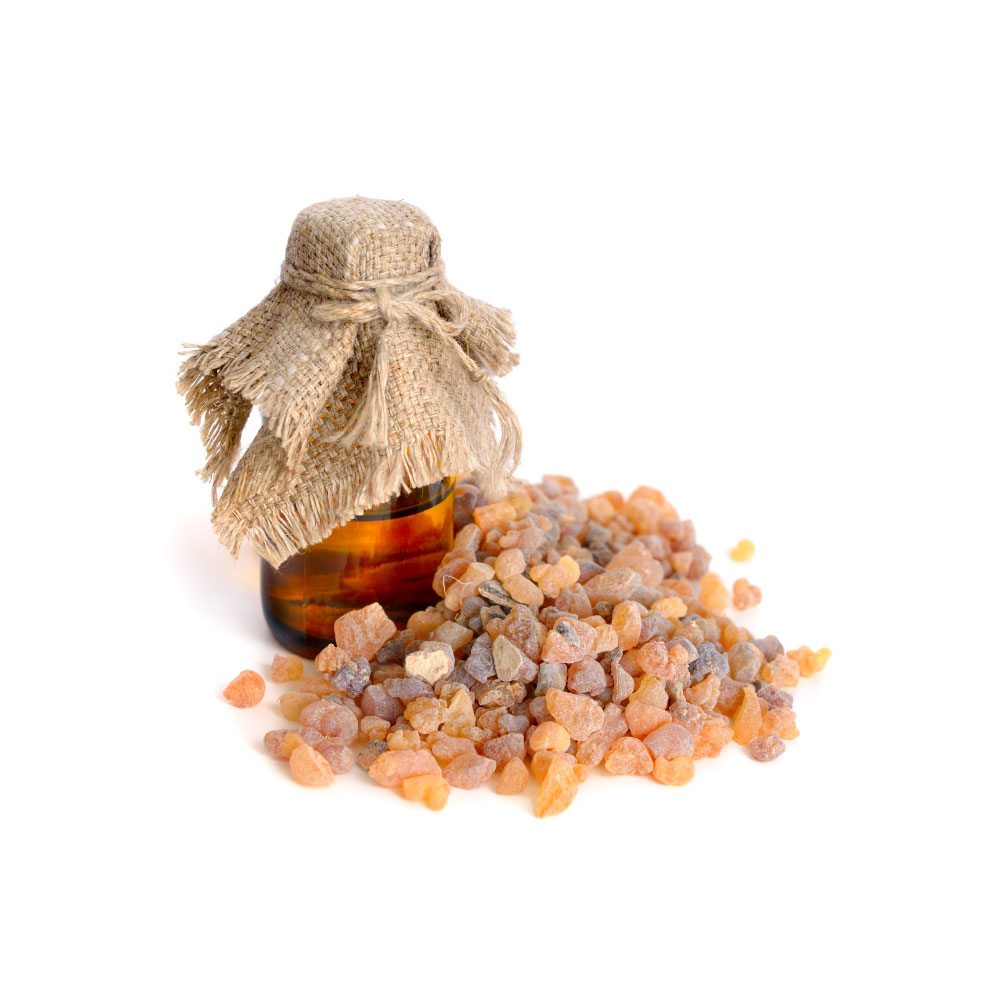 StrongStrongFrankincenseBoswellia serrataThe most consistently positive herb in knee osteoarthritis, with a large and unusually replicated trial base. A systematic review and meta-analysis found Boswellia significantly improved pain, stiffness and function 1Reference 1Meta-analysisEffectiveness of Boswellia and Boswellia extract for osteoarthritis patients — systematic review and meta-analysisView study →, and the individual randomised double-blind placebo-controlled trials line up behind it: the original knee OA study 2Reference 2RCTEfficacy and tolerability of Boswellia serrata extract in treatment of osteoarthritis of knee — randomised double-blind placebo-controlled trialView study →, then the standardised extracts 5-Loxin 3Reference 3RCTA double-blind, randomized, placebo-controlled study of the efficacy and safety of 5-Loxin for treatment of osteoarthritis of the kneeView study → and Aflapin 4Reference 4RCTA double-blind, randomized, placebo-controlled clinical study evaluates the early efficacy of Aflapin in subjects with osteoarthritis of kneeView study →, with a network meta-analysis of Curcuma, Boswellia and the combination confirming the direction 11Reference 11Meta-analysisEvaluating the efficacy and safety of Curcuma longa, Boswellia serrata and their mixed formulation in treating knee osteoarthritis — systematic review and network meta-analysisView study →.Read the evidenceShow lessMonograph →
A 2025 randomised placebo-controlled study additionally reported improvement in cartilage morphology 5Reference 5RCTA standardized Boswellia serrata extract improves knee joint function and cartilage morphology in human volunteers with mild to moderate osteoarthritis — randomised placebo-controlled studyView study →, which if replicated would move this from symptom relief toward structure.
The mechanism is 5-lipoxygenase inhibition, driven by the boswellic acids.
Benefit typically takes four to eight weeks, the results belong to specific standardised extracts, and much of the trial work comes from manufacturers.
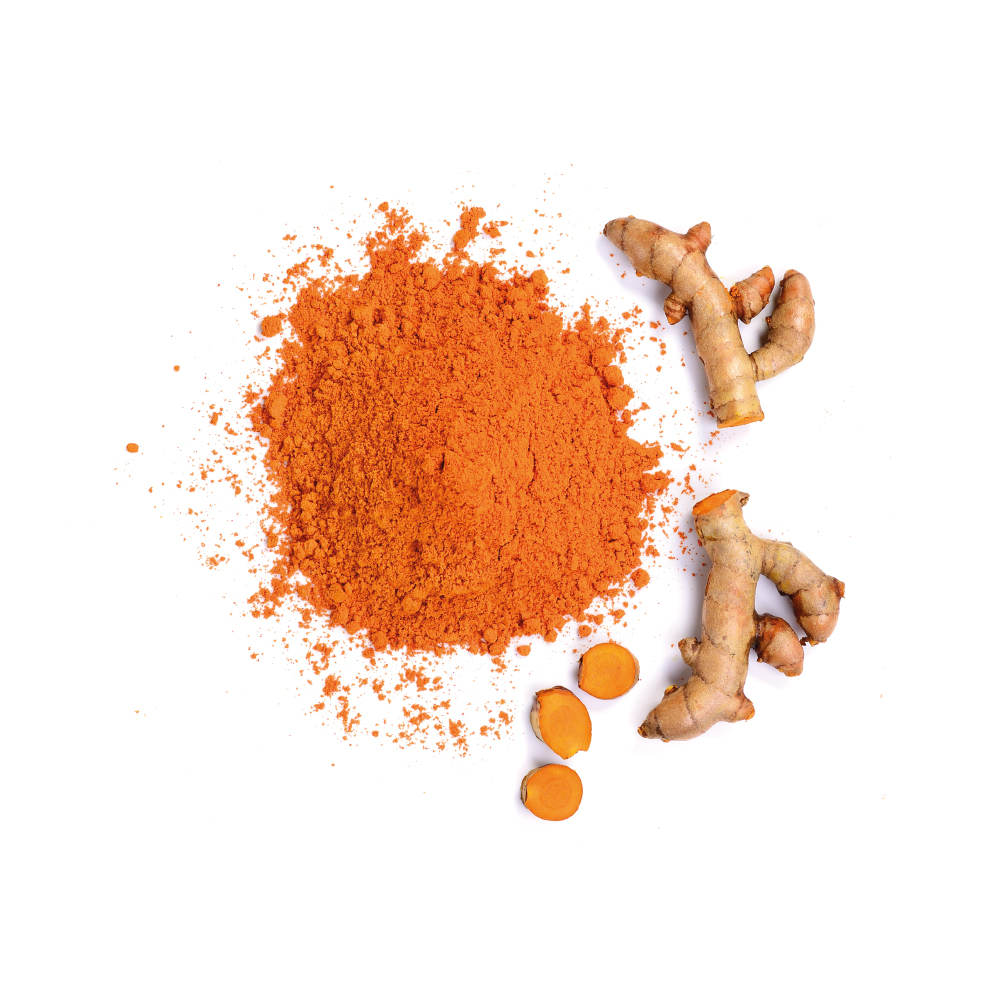 StrongStrongTurmericCurcuma longaThe strongest active-controlled result in the group. A multicentre randomised controlled study found Curcuma domestica extract as effective as ibuprofen for knee osteoarthritis, with less gastrointestinal upset 9Reference 9RCTEfficacy and safety of Curcuma domestica extracts compared with ibuprofen in patients with knee osteoarthritis — multicentre randomised controlled studyView study →.Also underInflammatory ↓Read the evidenceShow lessMonograph →
Meta-analysis supports the effect on pain and function 7Reference 7Meta-analysisThe efficacy and safety of Curcuma longa extract and curcumin supplements on osteoarthritis — systematic review and meta-analysis of randomised controlled trialsView study →, a meta-analysis of meta-analyses reaches the same conclusion 8Reference 8Meta-analysisThe efficacy of curcumin in relieving osteoarthritis — meta-analysis of meta-analysesView study →, and a Bayesian network meta-analysis of nutritional supplements in knee OA ranks curcumin among the more effective options 10Reference 10Meta-analysisComparative effectiveness of nutritional supplements in the treatment of knee osteoarthritis — systematic review and Bayesian network meta-analysis of randomised controlled trialsView study →. An earlier systematic review assessed curcumin and boswellia together 6Reference 6Meta-analysisEfficacy of curcumin and Boswellia for knee osteoarthritis — systematic review and meta-analysisView study →.
Two limits define the result. Curcumin is poorly absorbed, so trials use bioavailability-enhanced formulations at gram-level doses, and culinary turmeric does not deliver the tested exposure.
A rising number of acute liver injury reports attach to exactly those high-dose enhanced products, covered on the hepatobiliary page.
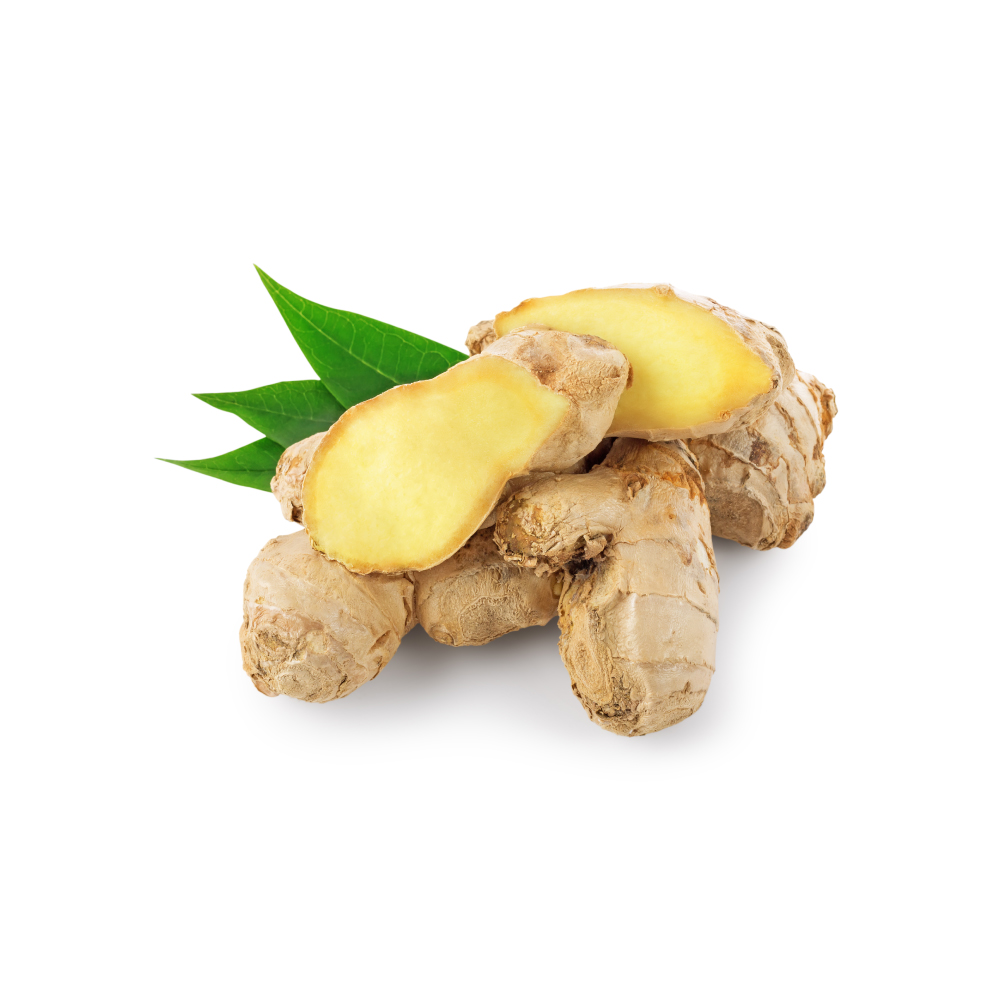 StrongStrongGingerZingiber officinaleModest, real and well replicated. A meta-analysis of randomised placebo-controlled trials found ginger significantly reduced osteoarthritis pain and disability 12Reference 12Meta-analysisEfficacy and safety of ginger in osteoarthritis patients — meta-analysis of randomised placebo-controlled trialsView study →, confirmed by a later PRISMA systematic review and meta-analysis focused on knee OA 14Reference 14Meta-analysisEffectiveness of ginger on pain and function in knee osteoarthritis — PRISMA systematic review and meta-analysisView study →, and the pivotal individual trial found a ginger extract improved knee pain on standing and after walking 13Reference 13RCTEffects of a ginger extract on knee pain in patients with osteoarthritis — randomised controlled trialView study →.Read the evidenceShow lessMonograph →
The effect size is smaller than boswellia’s or curcumin’s, and the meta-analyses note that gastrointestinal side effects, meaning heartburn and mild nausea, are the main reason people stop.
Mechanistically the gingerols, chiefly 6-gingerol, inhibit both COX and lipoxygenase pathways.
Ginger’s much stronger evidence as an antiemetic is on the digestive page, and it has a real antiplatelet effect worth knowing about before surgery.
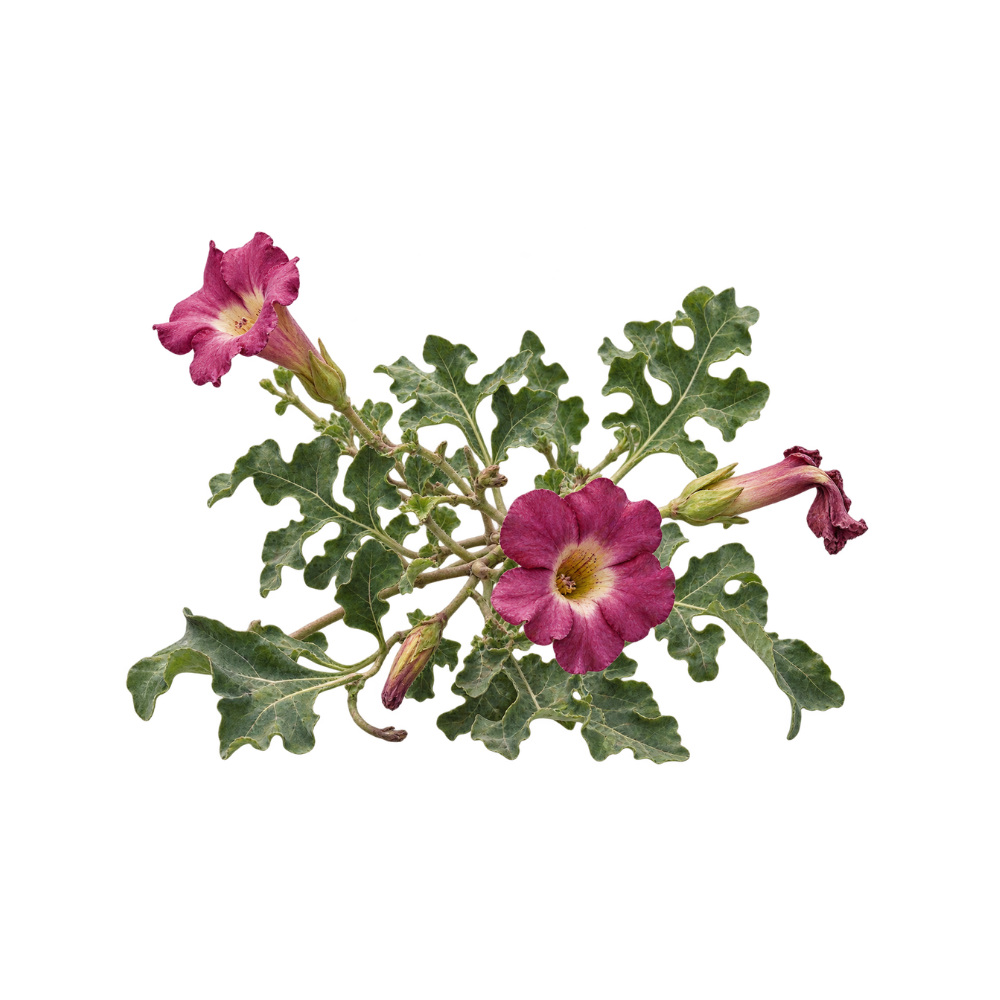 ModerateModerateDevil’s ClawHarpagophytum procumbensA southern African tuber with a respectable European trial record and one striking comparison. A double-blind, randomised, multicentre trial found Harpagophytum comparable to diacerein in osteoarthritis of the hip and knee 15Reference 15RCTEfficacy and tolerance of Harpagophytum procumbens versus diacerhein in osteoarthritis — double-blind, randomised, multicentre trialView study →, a review of efficacy and safety supports its use 16Reference 16ReviewDevil’s claw (Harpagophytum procumbens) for osteoarthritis — review of efficacy and safetyView study →, and an open clinical trial in general rheumatic disorders found improvement across measures 56Reference 56Clinical trialEffectiveness and safety of devil’s claw tablets in patients with general rheumatic disorders — open clinical trialView study →.Also underBack ↓Bone ↓Read the evidenceShow lessMonograph →
Its low back pain evidence appears below and is stronger.
Mechanistically, harpagoside suppresses IL-6 expression in primary human osteoarthritis chondrocytes 17Reference 17In vitroHarpagoside suppresses IL-6 expression in primary human osteoarthritis chondrocytes — in vitroView study →, a joint-tissue-specific action rather than general anti-inflammation.
It is a bitter that increases gastric acid secretion, so it is a poor choice with active ulcers or reflux, and it has documented uterotonic activity 67Reference 67AnimalUterotonic effect of Harpagophytum procumbens secondary-root aqueous extract on rat isolated uterine hornsView study →.
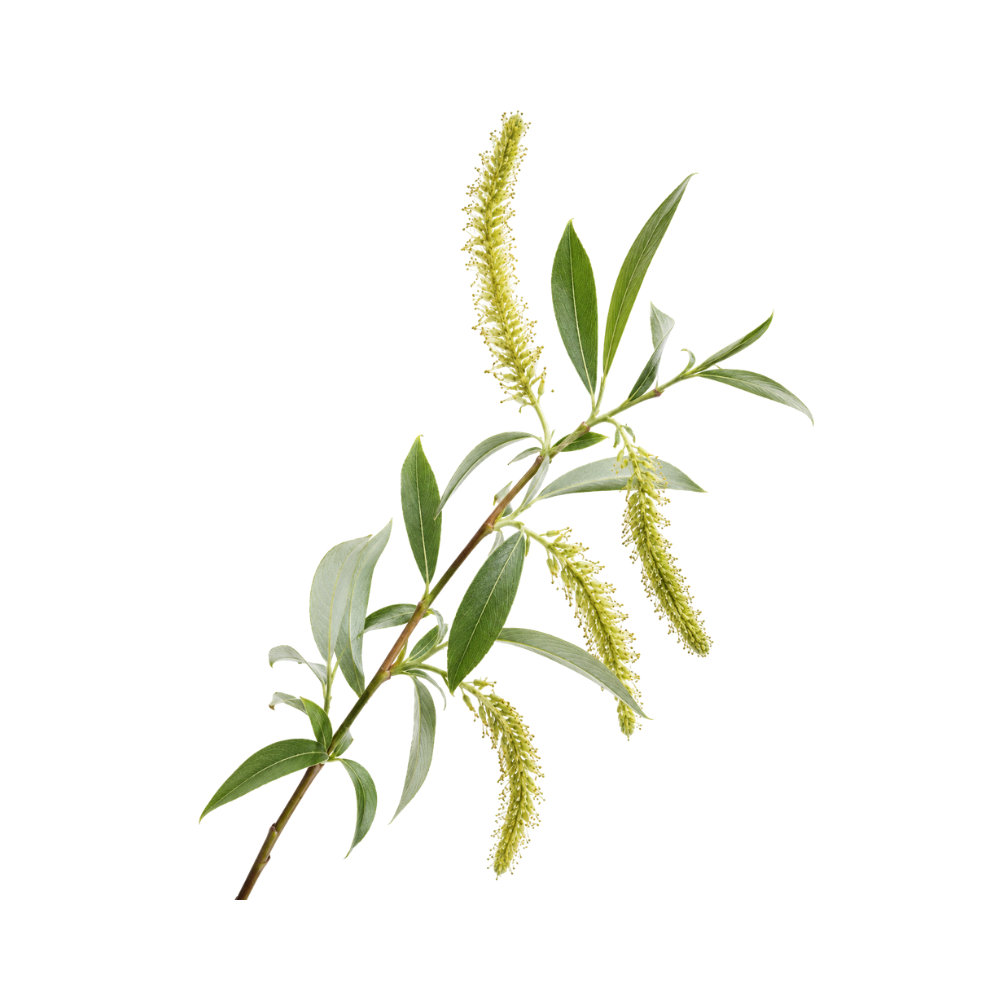 ModerateModerateWillowSalix albaThe ancestor of aspirin, with a mixed result in osteoarthritis. A randomised placebo-controlled double-blind trial found a standardised willow bark extract improved osteoarthritis pain 18Reference 18RCTEfficacy and tolerability of a standardized willow bark extract in patients with osteoarthritis — randomised placebo-controlled, double-blind clinical trialView study →, and a meta-analysis of randomised controlled trials in arthritis supports a modest effect 20Reference 20Meta-analysisWillow bark (Salix spp.) used for pain relief in arthritis — meta-analysis of randomised controlled trialsView study →.Also underBack ↓Read the evidenceShow lessMonograph →
Two randomised double-blind controlled trials, one in osteoarthritis and one in rheumatoid arthritis, found no significant benefit over placebo 19Reference 19RCTEfficacy and safety of willow bark extract in the treatment of osteoarthritis and rheumatoid arthritis — results of 2 randomised double-blind controlled trialsView study →, and a broad review of dietary supplements for osteoarthritis places it among the weaker options 21Reference 21Meta-analysisDietary supplements for treating osteoarthritis — systematic review and meta-analysisView study →. A systematic review of willow bark for musculoskeletal pain generally is more favourable 27Reference 27Systematic reviewA systematic review on the effectiveness of willow bark for musculoskeletal painView study →.
Dose is the likely explanation for the disagreement. The salicin content of most preparations is low, and the trials using higher standardised doses did better.
Back Pain, Sprains and Topical Relief
5 herbsThe group where herbal medicine performs best against conventional comparators, and where the delivery route does most of the work.
A Cochrane review of herbal medicine for low back pain found moderate evidence for several of these herbs 22Reference 22Meta-analysisHerbal medicine for low-back pain — Cochrane systematic review and meta-analysisView study →, which is a stronger conclusion than Cochrane usually reaches on a herbal question.
Topical application means high local concentration, negligible systemic exposure and almost no interaction risk.
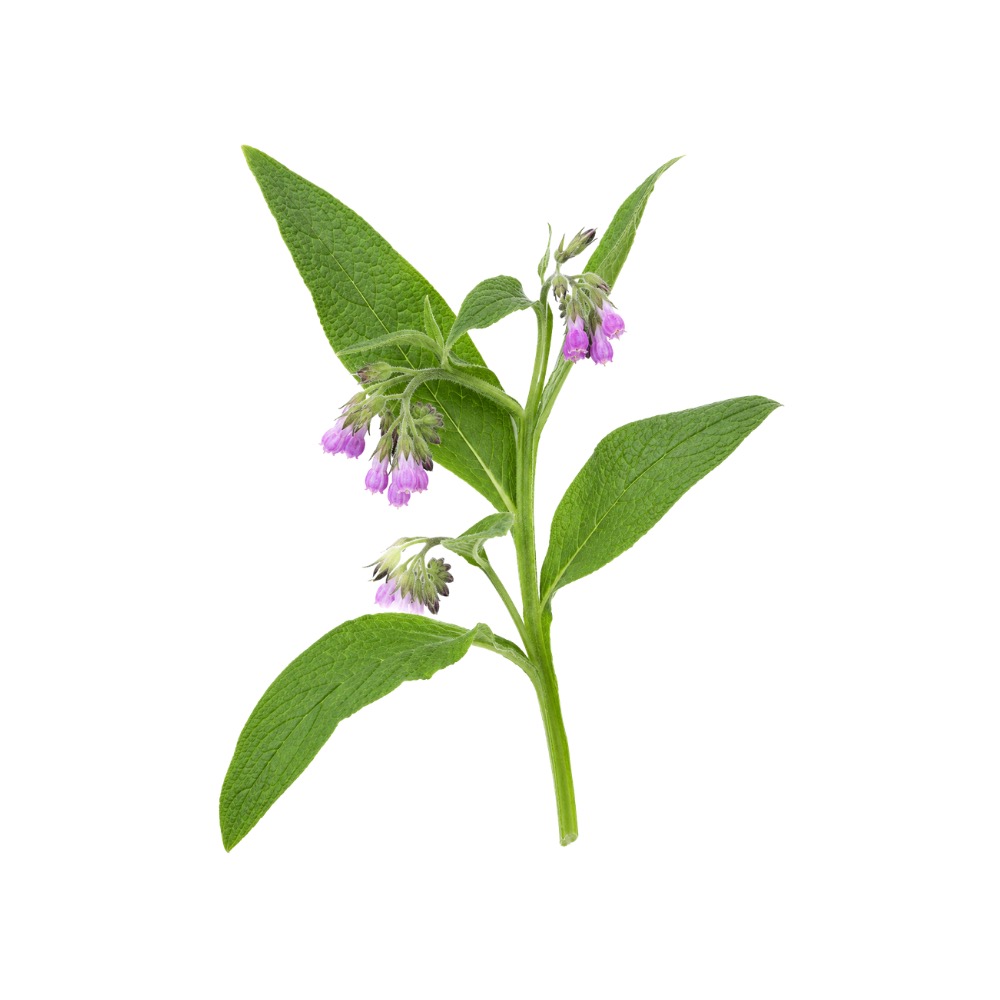 StrongStrongComfreySymphytum officinaleThe best topical evidence in herbal medicine, and a textbook illustration that route decides safety. Comfrey root ointment beat placebo in acute upper or lower back pain in a double-blind, randomised, placebo-controlled multicentre trial 28Reference 28RCTComfrey root extract ointment for acute upper or lower back pain — double-blind, randomised, placebo-controlled, multicentre trialView study →, with a three-arm trial confirming it 29Reference 29RCTComfrey root extract plus methyl nicotinate in acute back pain — randomised, placebo-controlled, three-arm trialView study →.Read the evidenceShow lessMonograph →
In acute ankle sprain it was compared directly against diclofenac gel and found at least as effective 30Reference 30RCTComfrey extract ointment in comparison to diclofenac gel in acute ankle sprains — randomised trialView study →, supported by a randomised controlled double-blind trial in ankle distortion 31Reference 31RCTEfficacy and safety of topically applied Symphytum herb extract cream in ankle distortion — randomised, controlled, double-blind trialView study →, and it improved pain and mobility in knee osteoarthritis 32Reference 32RCTComfrey root extract ointment in painful osteoarthritis of the knee — double-blind, randomised, placebo-controlled trialView study →. A Cochrane review of topical herbal therapies for osteoarthritis singles it out as among the better-supported 33Reference 33Systematic reviewTopical herbal therapies for treating osteoarthritis — Cochrane systematic reviewView study →.
Mechanistically the root extract inhibits NF-κB signalling at two distinct steps 34Reference 34In vitroA Symphytum officinale root extract exerts anti-inflammatory properties by affecting two distinct steps of NF-κB signaling — in vitroView study →.
The safety line is absolute and route-dependent. Comfrey’s pyrrolizidine alkaloids are hepatotoxic and it must never be taken internally, while topical use on unbroken skin, limited to about ten days, avoids the first-pass metabolism that creates the toxic species.
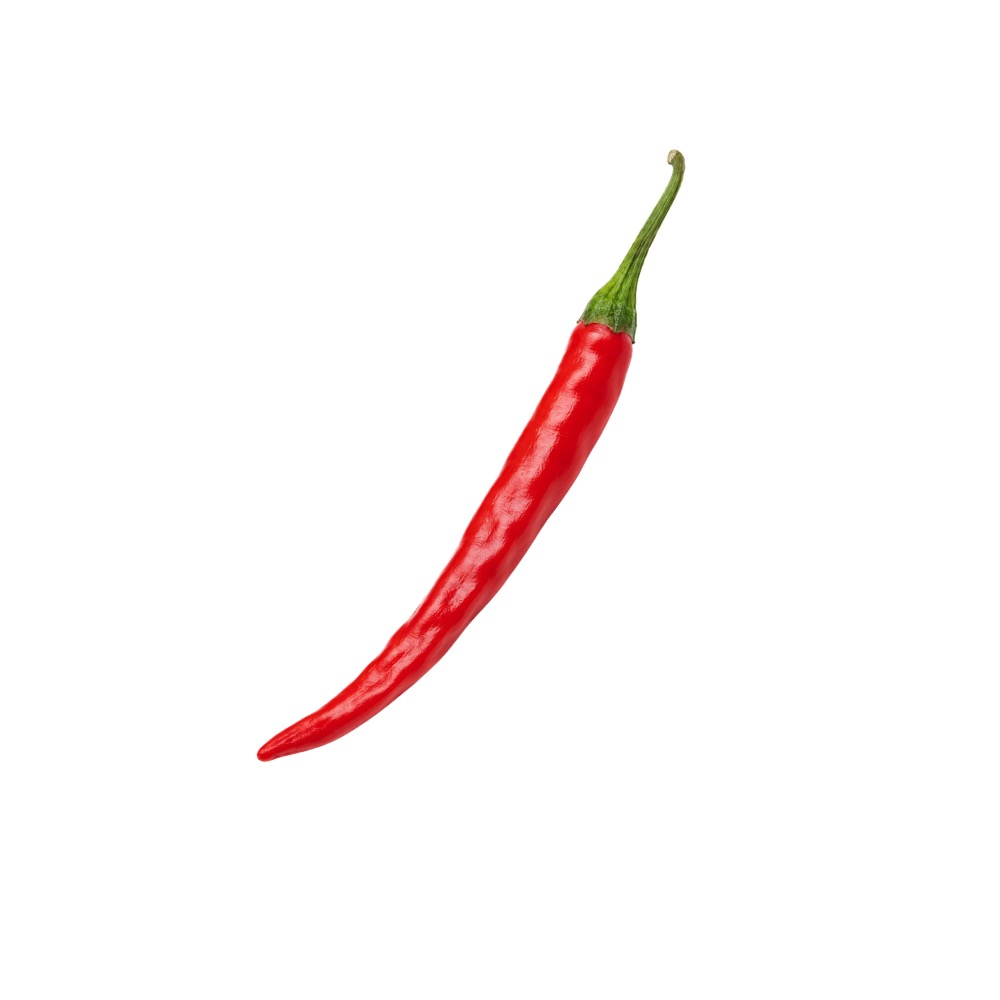 StrongStrongCayenneCapsicum annuumCapsaicin is standard care in conventional medicine, not only in herbal practice. A Cochrane review of high-concentration topical capsaicin found it provides genuine relief in chronic neuropathic pain, including postherpetic neuralgia and HIV neuropathy 35Reference 35Meta-analysisTopical capsaicin (high concentration) for chronic neuropathic pain in adults — Cochrane systematic review and meta-analysisView study →, and an 8% patch is a licensed prescription treatment.Read the evidenceShow lessMonograph →
In osteoarthritis a systematic review and meta-analysis found topical capsaicin reduced pain 36Reference 36Meta-analysisEfficacy and safety of topical capsaicin in the treatment of osteoarthritis pain — systematic review and meta-analysisView study →, and a randomised controlled trial found a capsicum plaster effective in chronic non-specific low back pain 37Reference 37RCTCapsicum pain plaster in chronic non-specific low back pain — randomised controlled trialView study →.
The mechanism is TRPV1 defunctionalisation rather than simple counterirritation.
Two practical points decide whether people persist. The burning on first application is expected and diminishes with repeated use, and it must be kept away from eyes and mucous membranes, so wash hands or wear gloves.
StrongStrongDevil’s ClawHarpagophytum procumbensLow back pain is its strongest indication. A randomised, placebo-controlled, double-blind study found Harpagophytum extract WS 1531 effective in acute exacerbations of low back pain 23Reference 23RCTEffectiveness of Harpagophytum extract WS 1531 in exacerbation of low back pain — randomised, placebo-controlled, double-blind studyView study →, and a randomised double-blind pilot study comparing the Doloteffin extract against rofecoxib found comparable relief 24Reference 24RCTA randomised double-blind pilot study comparing Doloteffin and Vioxx (rofecoxib) in low back painView study →.Also underOsteoarthritis ↓Bone ↓Read the evidenceShow lessMonograph →
The Cochrane review of herbal medicine for low back pain rates it among the better-evidenced options for this indication 22Reference 22Meta-analysisHerbal medicine for low-back pain — Cochrane systematic review and meta-analysisView study →.
The dose matters. The positive trials used extracts standardised to at least 50 to 60 mg harpagoside daily, and lower-strength products are unlikely to reproduce them.
A systematic review of safety across these trials found it well tolerated 66Reference 66Systematic reviewSystematic review on the safety of Harpagophytum preparations for osteoarthritic and low back painView study →.
ModerateModerateWillowSalix albaIn back pain the evidence is better than in osteoarthritis. A randomised double-blind study found willow bark extract effective for exacerbations of low back pain, with a clear dose-response in which the higher-salicin arm outperformed the lower 25Reference 25RCTTreatment of low back pain exacerbations with willow bark extract — randomised double-blind studyView study →, and a randomised controlled study compared it against a synthetic anti-rheumatic and found it held up 26Reference 26RCTTreatment of low back pain with a herbal or synthetic anti-rheumatic — randomised controlled studyView study →. The Cochrane review of herbal medicine for low back pain includes it among the supported options 22Reference 22Meta-analysisHerbal medicine for low-back pain — Cochrane systematic review and meta-analysisView study →.Also underOsteoarthritis ↓Read the evidenceShow lessMonograph →
The dose-response finding is the useful one, since it explains the negative osteoarthritis trials and tells you what to look for on a label.
The salicylate cautions still apply. Avoid it in salicylate sensitivity and aspirin-sensitive asthma, and do not give it to children with a febrile illness.
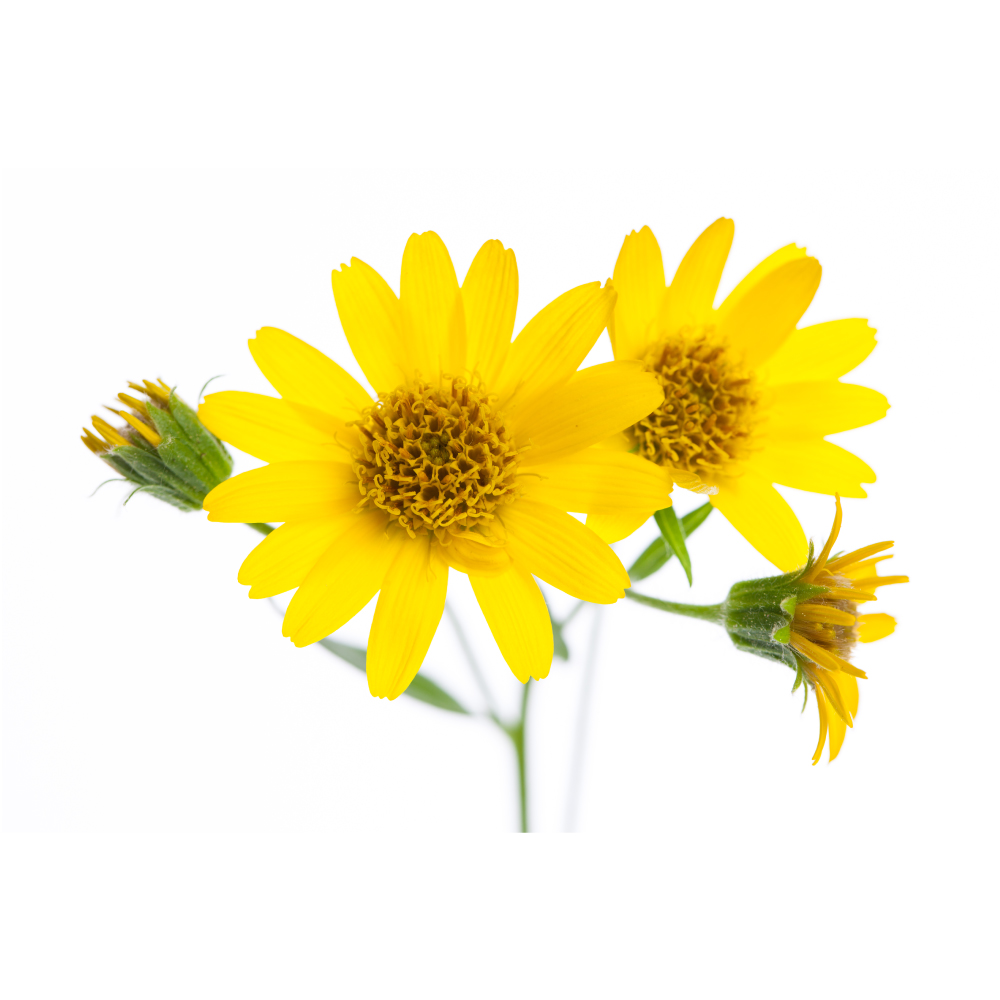 ModerateModerateArnicaArnica montanaThe classic bruise and sprain remedy, with one properly comparative trial. A randomised, double-blind study comparing arnica gel against ibuprofen gel in hand osteoarthritis found the two equivalent for pain and hand function 38Reference 38RCTChoosing between NSAID and arnica for topical treatment of hand osteoarthritis — randomised, double-blind studyView study →, and an open multicentre trial found benefit in knee osteoarthritis 39Reference 39Clinical trialArnica montana gel in osteoarthritis of the knee — open, multicentre clinical trialView study →.Read the evidenceShow lessMonograph →
The mechanism is specific. The sesquiterpene lactone helenalin inhibits NF-κB by directly targeting the p65 subunit 40Reference 40In vitroThe anti-inflammatory sesquiterpene lactone helenalin inhibits the transcription factor NF-κB by directly targeting p65 — in vitroView study →.
This is topical herbal arnica, an actual pharmacological preparation, and not homeopathic arnica 30C, which contains no measurable arnica.
Arnica is toxic taken internally and is not applied to broken skin, and as an Asteraceae plant it has a meaningful contact-allergy rate.
Inflammatory Arthritis & Rheumatic Disease
3 herbsAutoimmune joint disease, and rheumatoid arthritis in particular, where the framing differs completely from osteoarthritis.
Untreated rheumatoid arthritis erodes joints permanently and early, and modern disease-modifying drugs and biologics prevent that.
Everything in this group is an add-on, tested alongside methotrexate or standard therapy. The immune side of the picture is on the immune page.
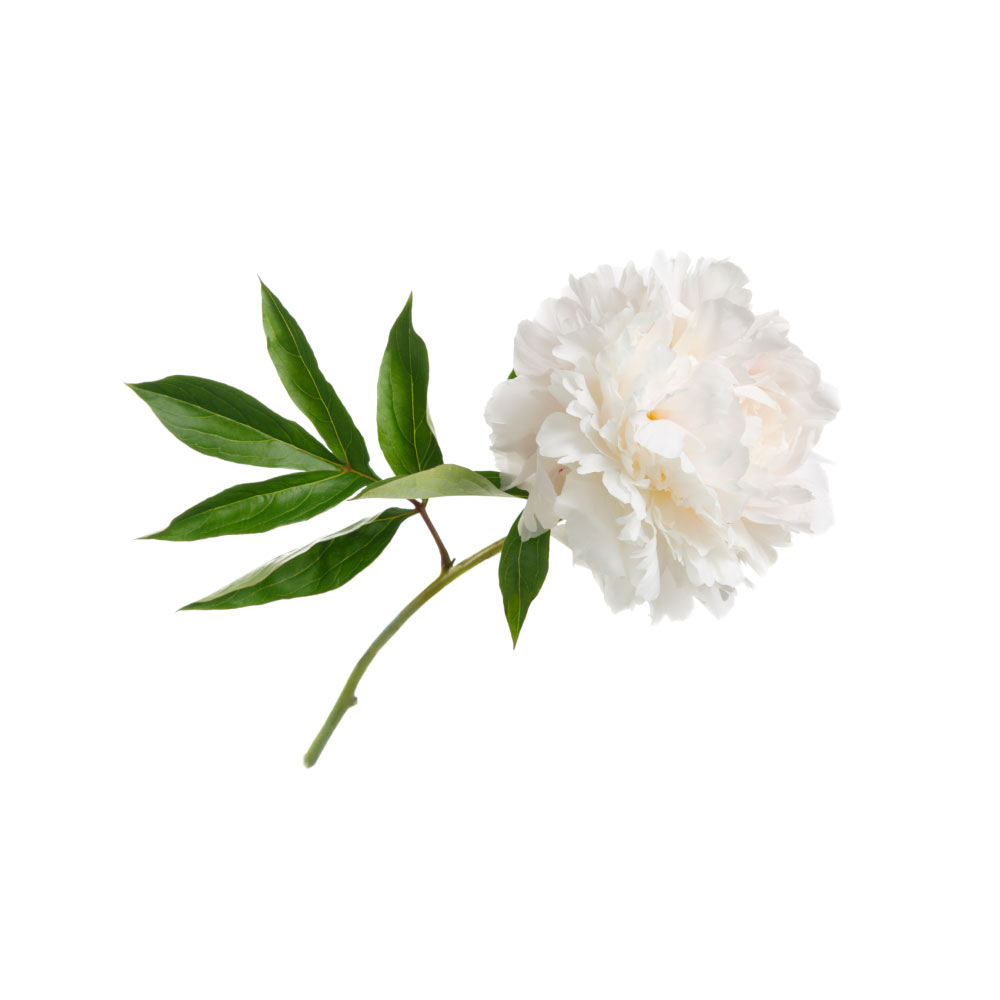 StrongStrongPeonyPaeonia lactifloraThe strongest rheumatoid evidence in herbal medicine belongs to a purified fraction, total glucosides of paeony (TGP), which is licensed as a prescription antirheumatic in China. An overview of systematic reviews found TGP effective as an adjunct in rheumatoid arthritis 50Reference 50Systematic reviewBenefits and safety of Tripterygium glycosides and total glucosides of paeony for rheumatoid arthritis — overview of systematic reviewsView study →, and a meta-analysis supported its safety in that role 51Reference 51Meta-analysisClinical safety of total glucosides of paeony adjuvant therapy for rheumatoid arthritis treatment — systematic review and meta-analysisView study →.Read the evidenceShow lessMonograph →
Its most distinctive contribution is protective rather than symptomatic. TGP reduces the hepatotoxicity of methotrexate and leflunomide combination therapy 52Reference 52RCTTotal glucosides of paeony can reduce the hepatotoxicity caused by methotrexate and leflunomide combination treatment of active rheumatoid arthritis — randomised controlled trialView study →, a real clinical problem with few answers.
Nearly all the trials are Chinese and of variable methodological quality, and TGP at trial doses is a standardised extract rather than a peony root decoction.
ModerateModerateTurmericCurcuma longaFor autoimmune rather than degenerative joint disease, a systematic review and meta-analysis of curcumin in rheumatoid arthritis found improvement in disease activity scores and inflammatory markers 49Reference 49Meta-analysisEffect of curcumin on rheumatoid arthritis — systematic review and meta-analysisView study →.Also underOsteoarthritis ↓Read the evidenceShow lessMonograph →
The evidence base is much thinner than for osteoarthritis, with fewer, smaller and shorter trials, and the same bioavailability problem applies, so the results belong to enhanced formulations at gram doses.
The mechanism is NF-κB and cytokine suppression, which is mechanistically apt for an autoimmune arthritis.
It is a plausible add-on with early evidence rather than an alternative to a disease-modifying drug that demonstrably prevents joint destruction.
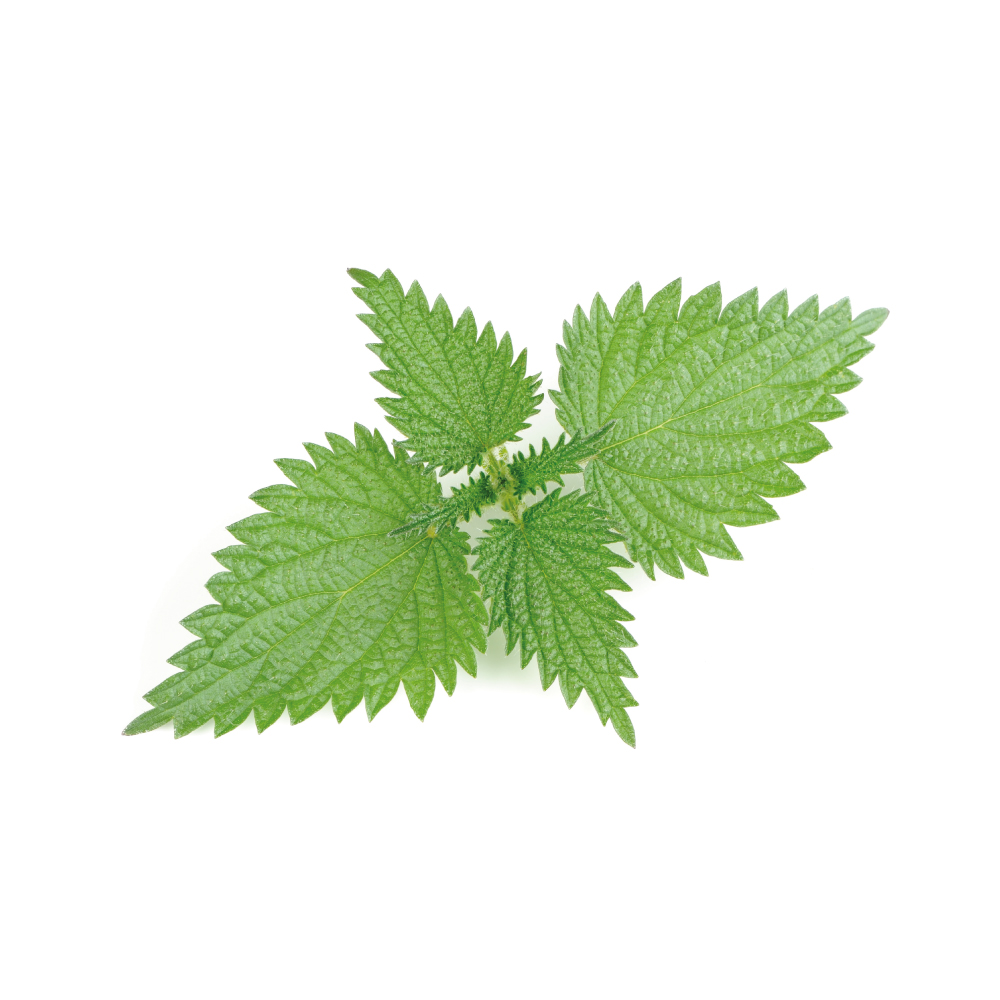 ModerateModerateStinging NettleUrtica dioicaThe traditional anti-rheumatic, with the most literal trial in the field. A randomised controlled crossover trial of deliberate nettle stinging applied to the painful joint in base-of-thumb arthritis found it reduced pain compared with a placebo plant 53Reference 53RCTRandomised controlled trial of nettle sting for treatment of base-of-thumb pain — randomised controlled crossover trialView study →.Also underBone ↓Read the evidenceShow lessMonograph →
Urtication, meaning beating arthritic joints with nettles, is a documented European folk practice, and someone finally tested it.
A separate clinical trial of nettle cream in osteoarthritis is supportive 54Reference 54Clinical trialStinging nettle cream for osteoarthritis — clinical trialView study →, and mechanistically a nettle leaf extract reduces matrix metalloproteinase expression in human chondrocytes 55Reference 55In vitroEffects of the antirheumatic remedy Hox alpha, a stinging nettle leaf extract, on matrix metalloproteinases in human chondrocytes — in vitroView study →, the enzyme family that degrades cartilage.
Nettle is also a traditional gout herb on uricosuric grounds, and a mineral-rich nutritive.
Muscle Spasm, Cramp and Tension
3 herbsThe weakest-evidenced group. These herbs are widely used and almost entirely untested in humans for this indication, and what exists is isolated-tissue pharmacology, mostly on smooth rather than skeletal muscle.
A herb that relaxes uterine or intestinal smooth muscle has not been shown to touch a calf cramp.
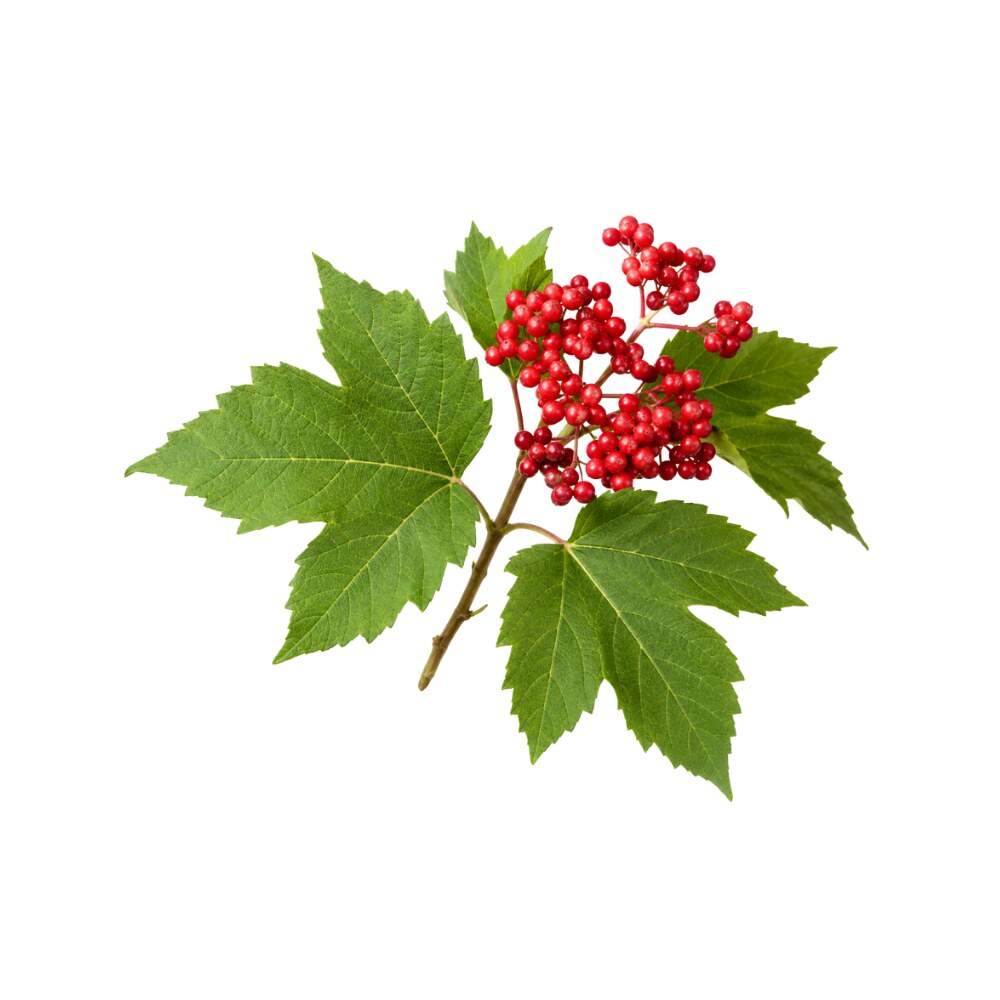 PreclinicalPreclinicalCramp BarkViburnum opulusNamed for the indication and supported entirely by isolated-tissue work. The coumarin scopoletin was identified as an antispasmodic component of Viburnum opulus in the 1960s 42Reference 42In vitroScopoletin, an antispasmodic component of Viburnum opulus and V. prunifolium — in vitroView study →, and later work showed it acts by interfering with intracellular calcium mobilisation 43Reference 43In vitroIntracellular calcium mobilisation as a target for the spasmolytic action of scopoletin — in vitroView study →.Read the evidenceShow lessMonograph →
A second constituent, viopudial, has independent hypotensive and smooth-muscle antispasmodic activity 41Reference 41Viopudial, a hypotensive and smooth-muscle antispasmodic from Viburnum opulus — animal and isolated tissueView study →, and related work on V. prunifolium (black haw) confirms relaxant effects 44Reference 44In vitroIn vitro relaxant and spasmolytic effects of constituents from Viburnum prunifoliumView study →.
There is no human trial.
Its most defensible traditional use is menstrual cramp, which is uterine smooth muscle and therefore matches the pharmacology, while the skeletal muscle cramp use is an extrapolation. It is safe and gentle.
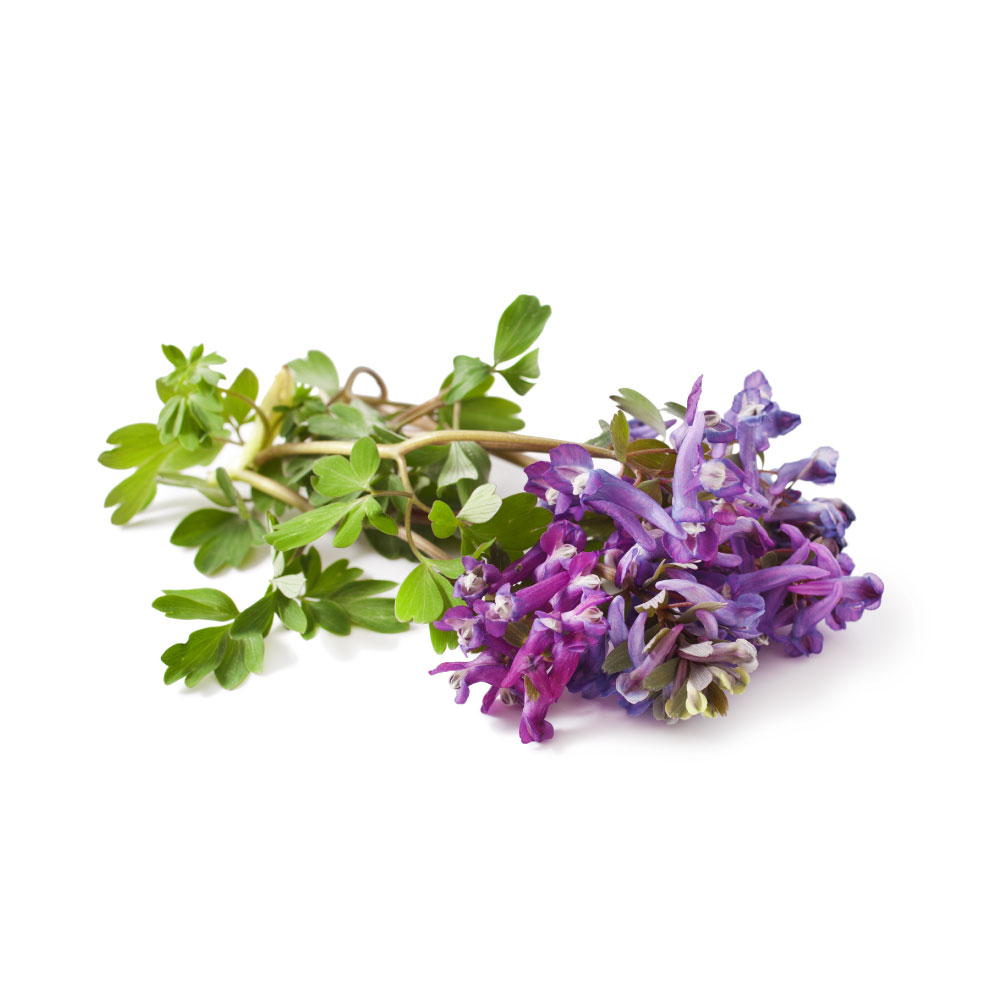 PreclinicalPreclinicalCorydalisCorydalis yanhusuoThe most pharmacologically serious analgesic in this group, and the one with no human trials behind it. Yan hu suo is a principal Chinese pain herb, and a study in Current Biology identified dehydrocorybulbine as a novel analgesic acting through dopamine receptor antagonism.Read the evidenceShow lessMonograph →
It was effective against inflammatory and neuropathic pain without producing tolerance on repeated dosing 45Reference 45AnimalA novel analgesic isolated from a traditional Chinese medicine — animal modelView study →, which is precisely what opioids fail at.
Later work shows the main components inhibit voltage-gated sodium channels 46Reference 46In vitroAnalgesic effect of the main components of Corydalis yanhusuo is caused by inhibition of voltage-gated sodium channels — in vivo and in vitroView study →, and dehydrocorydaline is antinociceptive through opioid receptors and cytokine effects 47Reference 47AnimalAntinociceptive effects of dehydrocorydaline in mouse models of inflammatory pain involve the opioid receptor and inflammatory cytokines — mouse modelView study →. All of it is animal work.
It is sedating, and its alkaloids interact with dopaminergic and opioid systems, which makes casual combination with sedatives or opioids unwise.
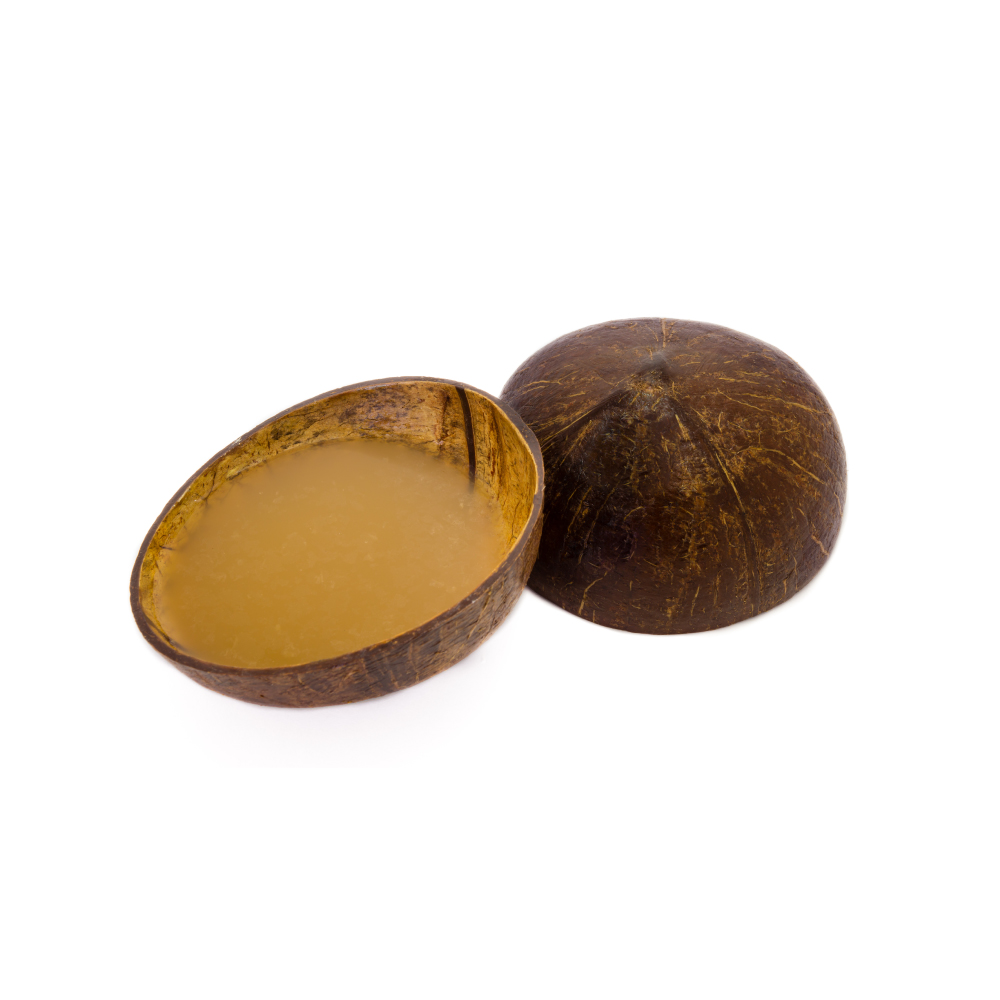 PreclinicalPreclinicalKavaPiper methysticumThe muscle-relaxant half of kava’s reputation is much less tested than the anxiolytic half on the nervous system page. Kavalactones are skeletal muscle relaxants in animal models and act on voltage-gated sodium and calcium channels, and kavain analogues show analgesic activity in animals 48Reference 48AnimalKavain analogues as potential analgesic agents — animal modelView study →.Read the evidenceShow lessMonograph →
No human trial exists for muscle spasm.
The hepatotoxicity question governs any use. Kava was withdrawn or restricted in several countries after reports of severe liver injury, with the risk concentrated in acetonic and ethanolic extracts and in use of aerial parts rather than the traditional water-prepared root.
It is not for anyone with liver disease, on hepatotoxic medication, or drinking heavily.
Bone & Connective Tissue
4 herbsThe slowest-acting group and the one with the softest endpoints.
Bone density changes over years, fracture is the outcome that matters, and no herb here has a fracture trial. What exists is a set of bone-turnover-marker and densitometry studies in menopausal women, plus a mineral-nutritive tradition that is closer to nutrition than pharmacology.
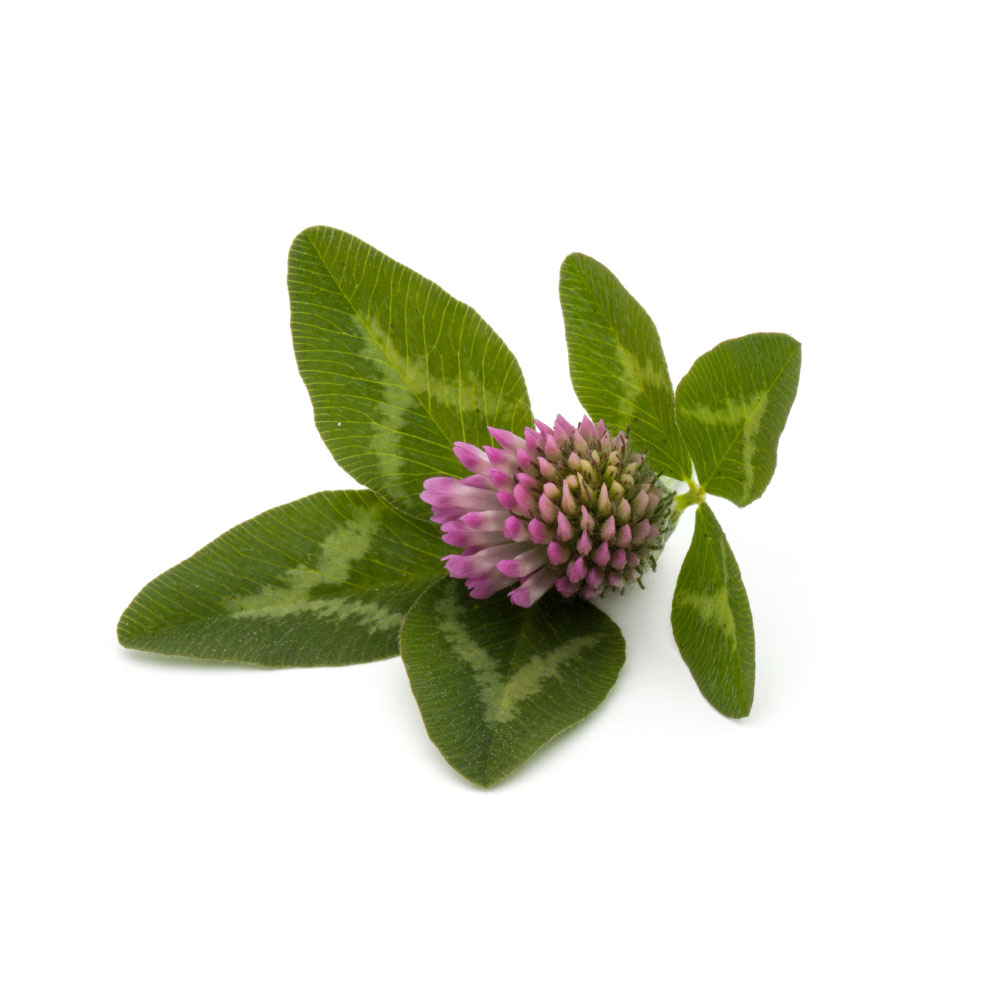 ModerateModerateRed CloverTrifolium pratenseThe isoflavone route to bone, with mixed but not negligible evidence. A randomised controlled trial found a red clover supplement improved bone status in healthy menopausal women over 12 weeks 57Reference 57RCTIntake of novel red clover supplementation for 12 weeks improves bone status in healthy menopausal women — randomised controlled trialView study →, and a randomised controlled trial of bioavailable isoflavones with probiotics found improved bone status and estrogen metabolism in postmenopausal osteopenic women 58Reference 58RCTCombined bioavailable isoflavones and probiotics improve bone status and estrogen metabolism in postmenopausal osteopenic women — randomised controlled trialView study →.Read the evidenceShow lessMonograph →
The probiotic arm reflects the fact that isoflavone activity depends on gut conversion to equol, which only some people do.
Against that, a double-blind randomised placebo-controlled trial of phytoestrogen isoflavones found no significant effect on bone density 59Reference 59RCTThe effects of phytoestrogen isoflavones on bone density in women — double-blind, randomised, placebo-controlled trialView study →, and an earlier trial of the Rimostil extract examined lipid and bone metabolism together 60Reference 60RCTThe effect of isoflavones extracted from red clover (Rimostil) on lipid and bone metabolism — randomised trialView study →.
Red clover is estrogenic, which is both the mechanism and the caution, so it warrants care in hormone-sensitive cancers and with anticoagulants.
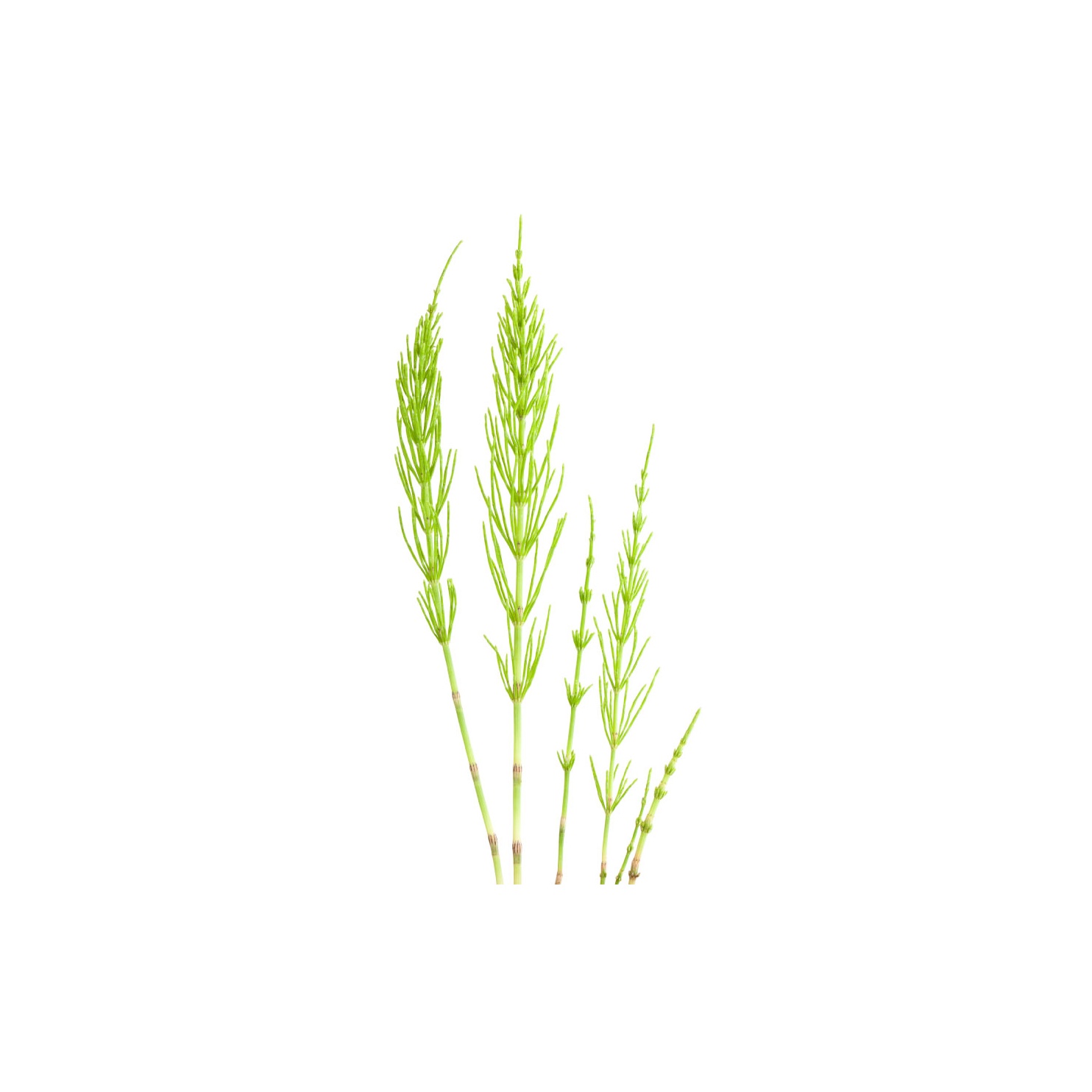 PreclinicalPreclinicalHorsetailEquisetum arvenseThe traditional mineral herb for bone and connective tissue, on the basis of its unusually high silica content, and silicon has a genuine role in collagen synthesis and bone matrix formation.Read the evidenceShow lessMonograph →
The pharmacological evidence is animal and in vitro: antinociceptive and anti-inflammatory activity in mice 61Reference 61AnimalAntinociceptive and anti-inflammatory properties of the hydroalcoholic extract of stems from Equisetum arvense in mice — animal modelView study →, immunomodulatory effects on inflammatory cells 62Reference 62In vitroEquisetum arvense (common horsetail) modulates the function of inflammatory immunocompetent cells — in vitroView study →, and a study showing the anti-inflammatory activity is not solely attributable to silica 63Reference 63In vitroIn vitro anti-inflammatory effects of Equisetum arvense are not solely mediated by silica — in vitroView study →, which undercuts the simplest version of the traditional rationale.
There is no human bone trial.
Horsetail contains thiaminase, which degrades vitamin B1 and has caused deficiency with prolonged use, and Equisetum palustre is a toxic look-alike contaminant.
TraditionalTraditionalStinging NettleUrtica dioicaThe archetypal mineral-rich nutritive. Nettle leaf is high in calcium, magnesium, iron, potassium and vitamin K, the last of which has a real role in bone matrix protein carboxylation.Also underInflammatory ↓Read the evidenceShow lessMonograph →
It is eaten as a vegetable across Europe, which gives the nutritional claim an unusually solid footing.
What does not exist is any trial of nettle on bone density or fracture.
It is a food that supplies the raw materials, which is a modest and defensible claim and quite different from the anti-inflammatory joint action described above.
PreclinicalPreclinicalDevil’s ClawHarpagophytum procumbensIts effect on bone is entirely preclinical and worth watching. Harpagoside inhibits RANKL-induced osteoclastogenesis through the Syk–Btk–PLCγ2–calcium pathway and prevents inflammation-mediated bone loss in mice 64Reference 64AnimalHarpagoside inhibits RANKL-induced osteoclastogenesis via the Syk-Btk-PLCγ2-Ca²⁺ pathway and prevents inflammation-mediated bone loss — mouse modelView study →, and in collagen-induced arthritis it attenuates both local bone erosion and systemic osteoporosis 65Reference 65AnimalHarpagoside attenuates local bone erosion and systemic osteoporosis in collagen-induced arthritis in miceView study →.Also underOsteoarthritis ↓Back ↓Read the evidenceShow lessMonograph →
That is a mechanistically specific antiresorptive action, the same broad target as the bisphosphonate drugs, from a herb already used for joint pain.
There are no human bone data at all.
No herbs match these filters.
Also Tagged
19 more herbs are tagged for this system.
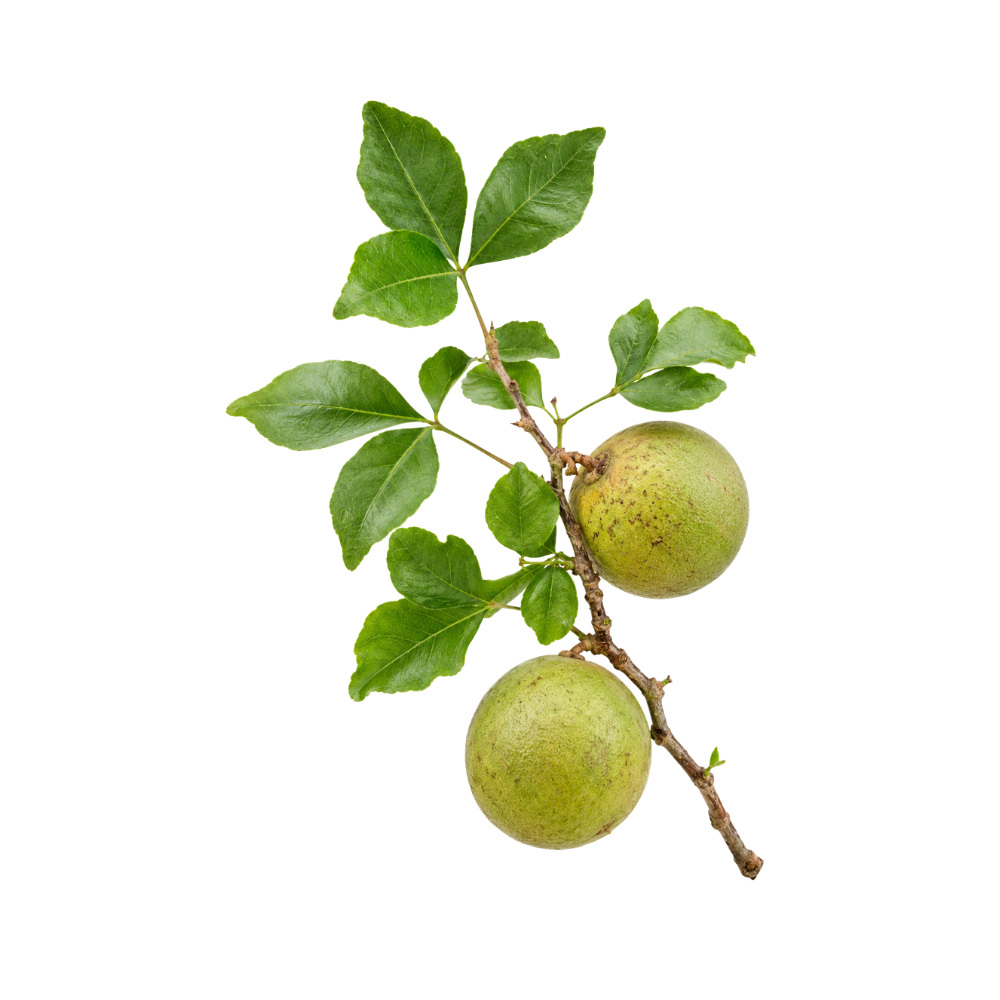
Bael
Aegle marmelos
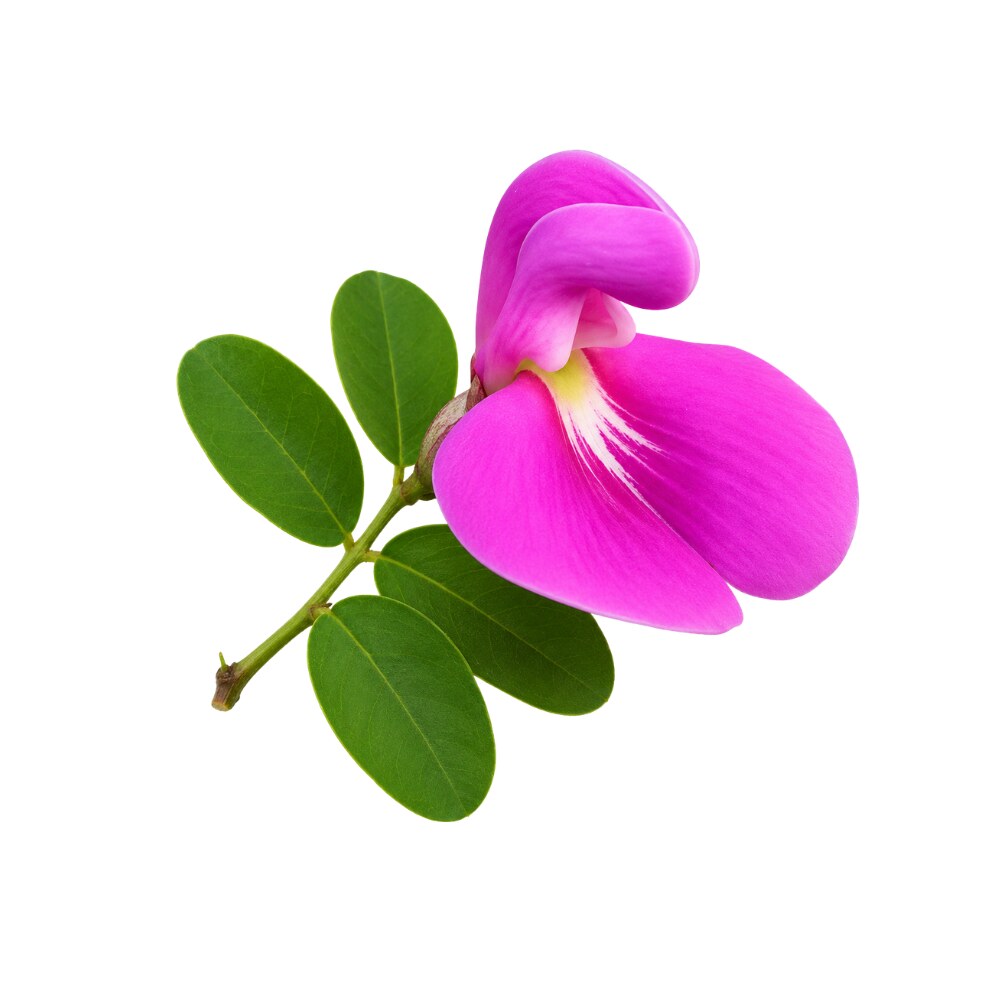
Bay Bean
Canavalia rosea
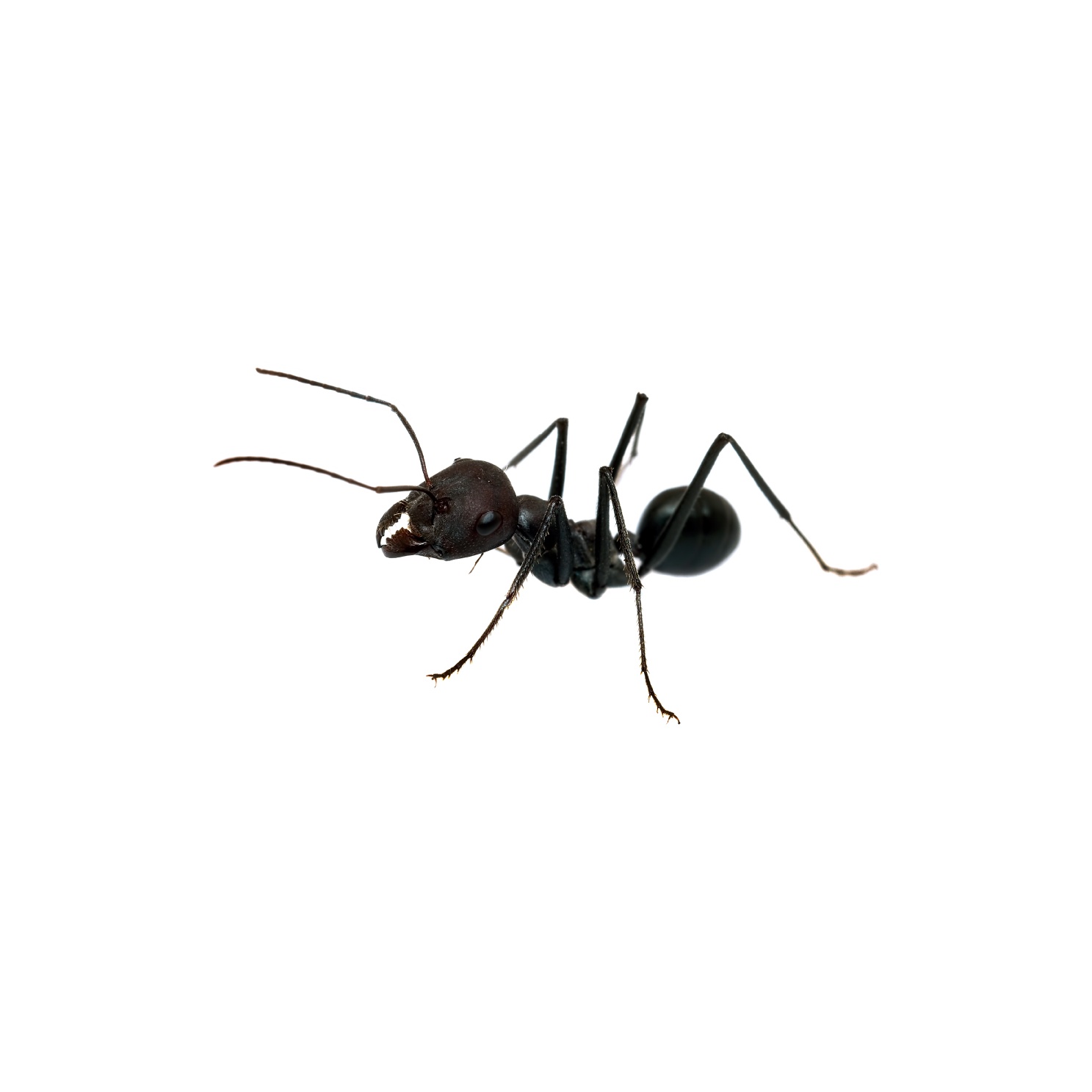
Black Ant
Polyrhachis spp.
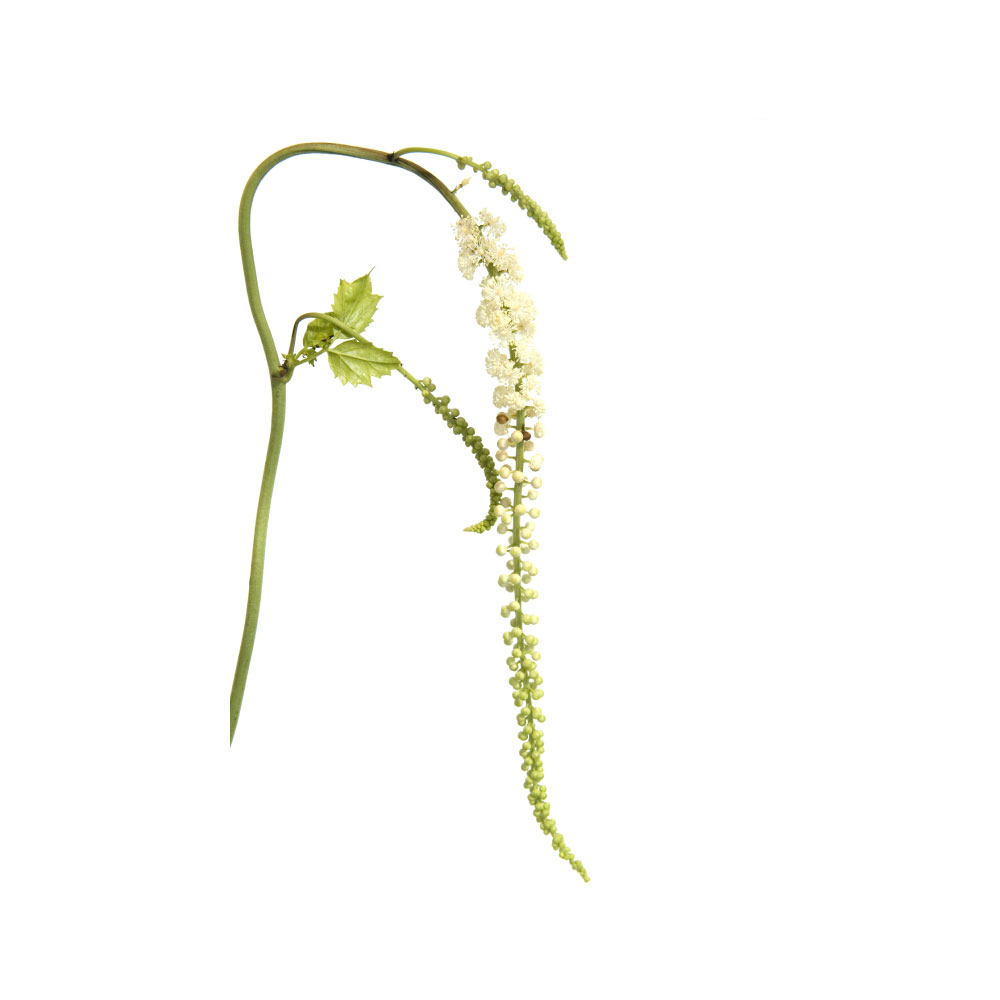
Black Cohosh
Cimicifuga racemosa
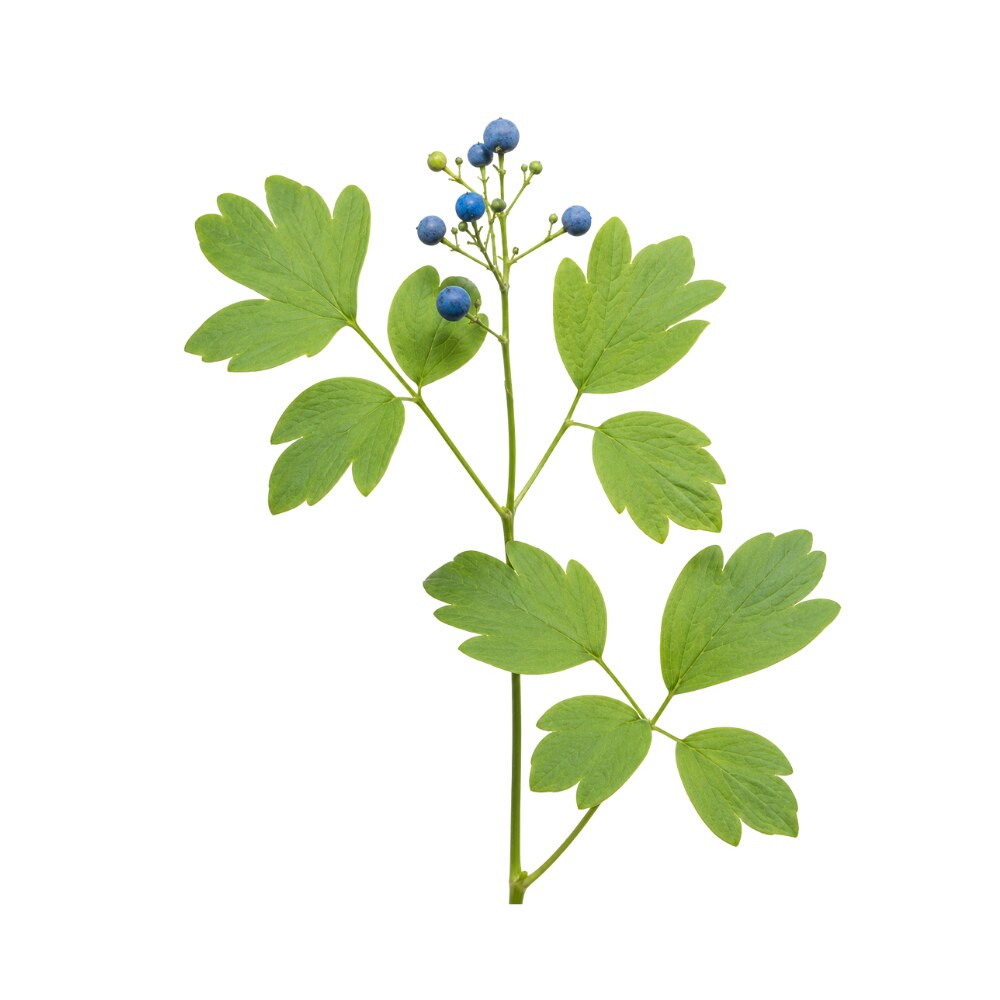
Blue Cohosh
Caulophyllum thalictroides
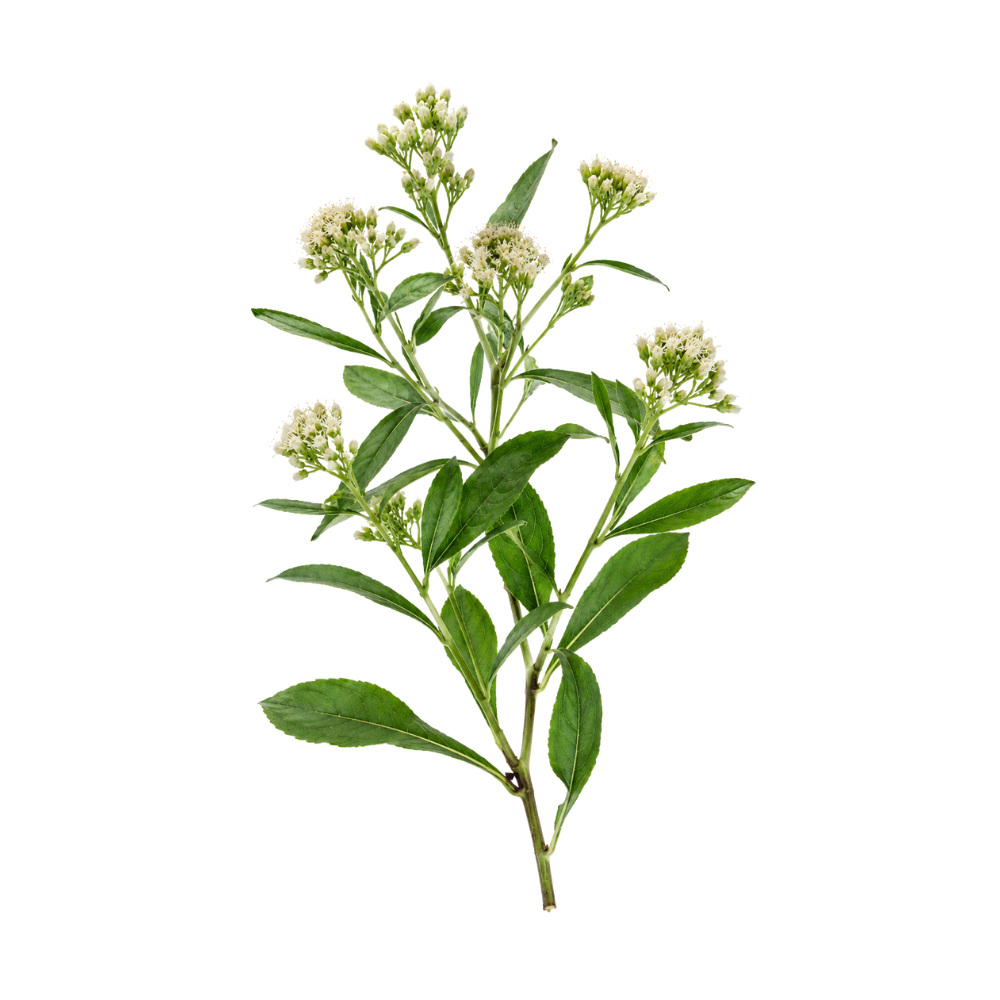
Chilca
Baccharis latifolia
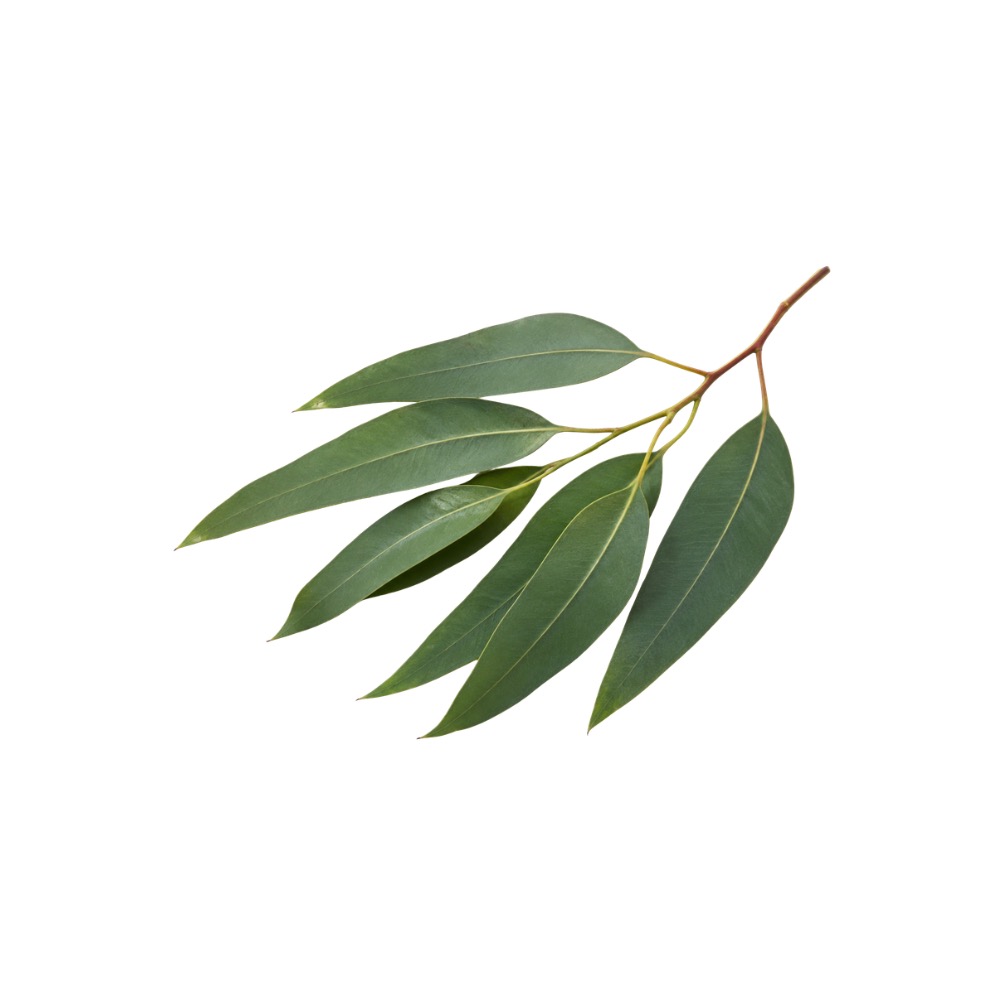
Eucalyptus
Eucalyptus globulus
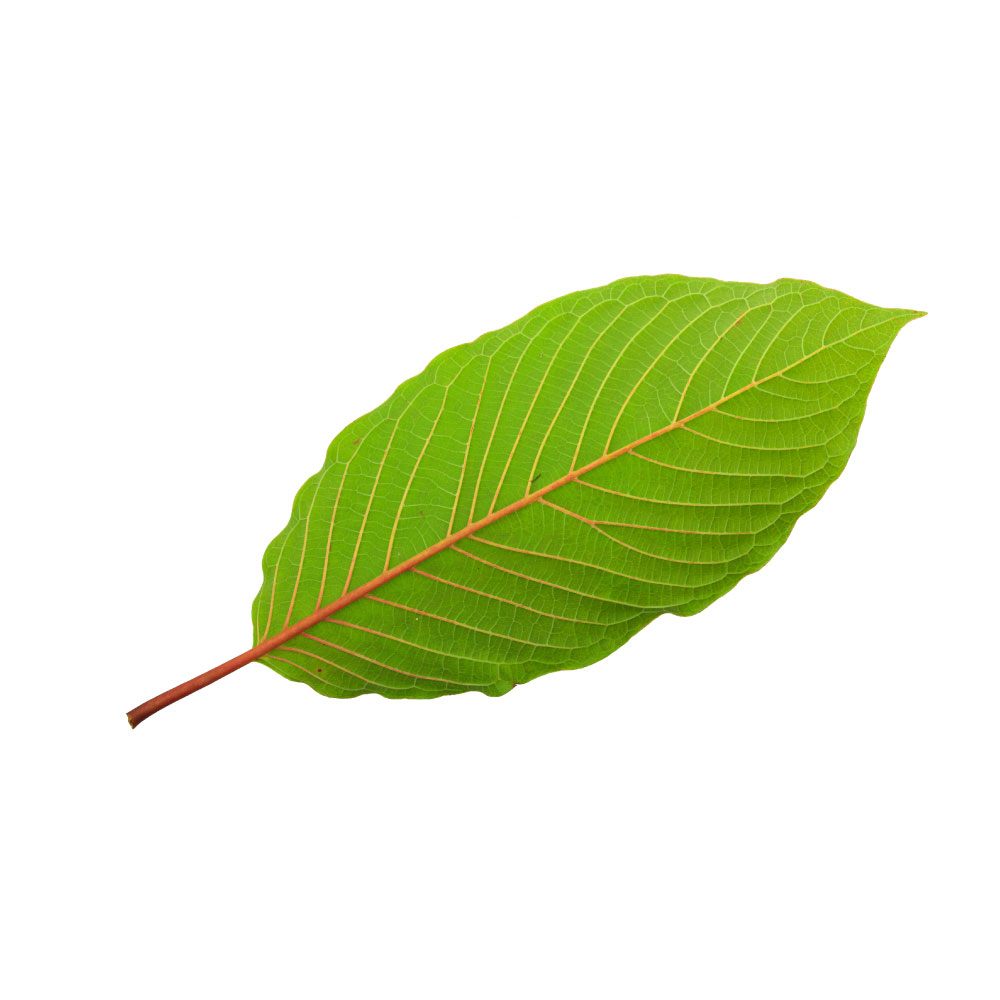
Kratom
Mitragyna speciosa
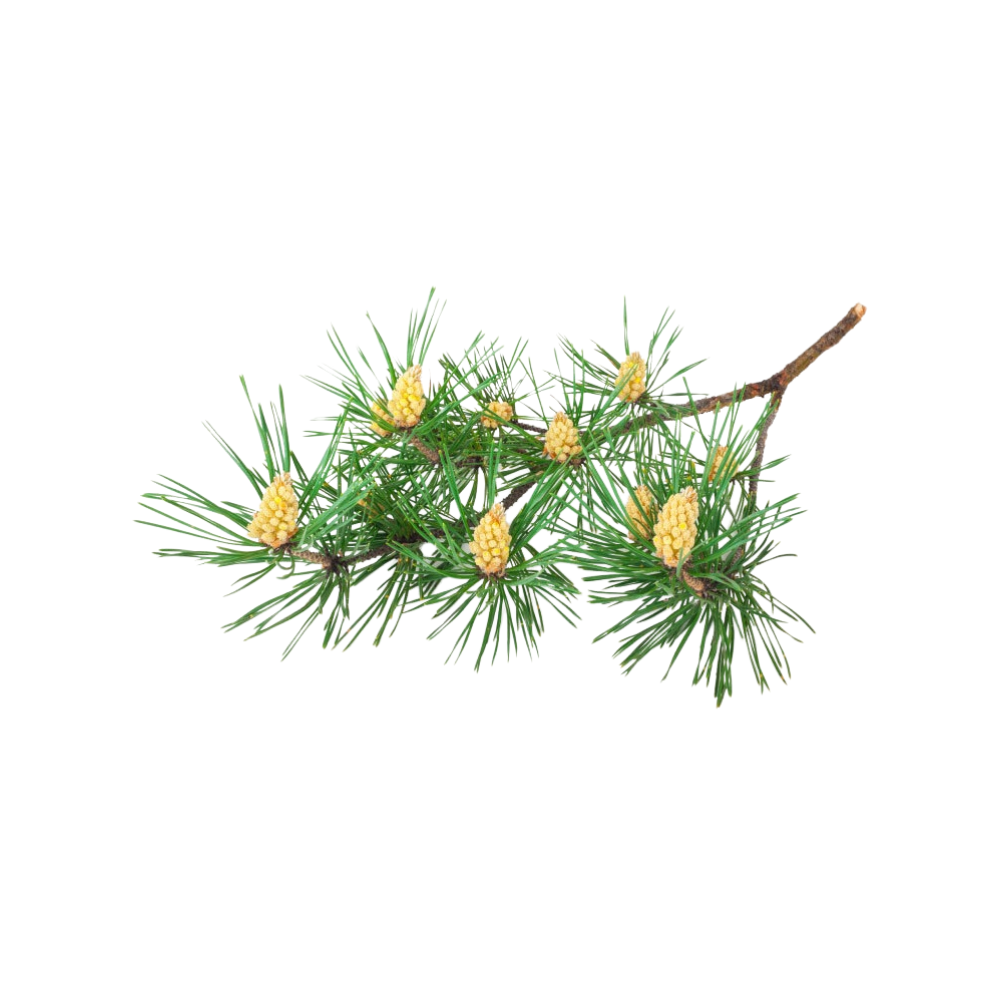
Maritime Pine
Pinus pinaster
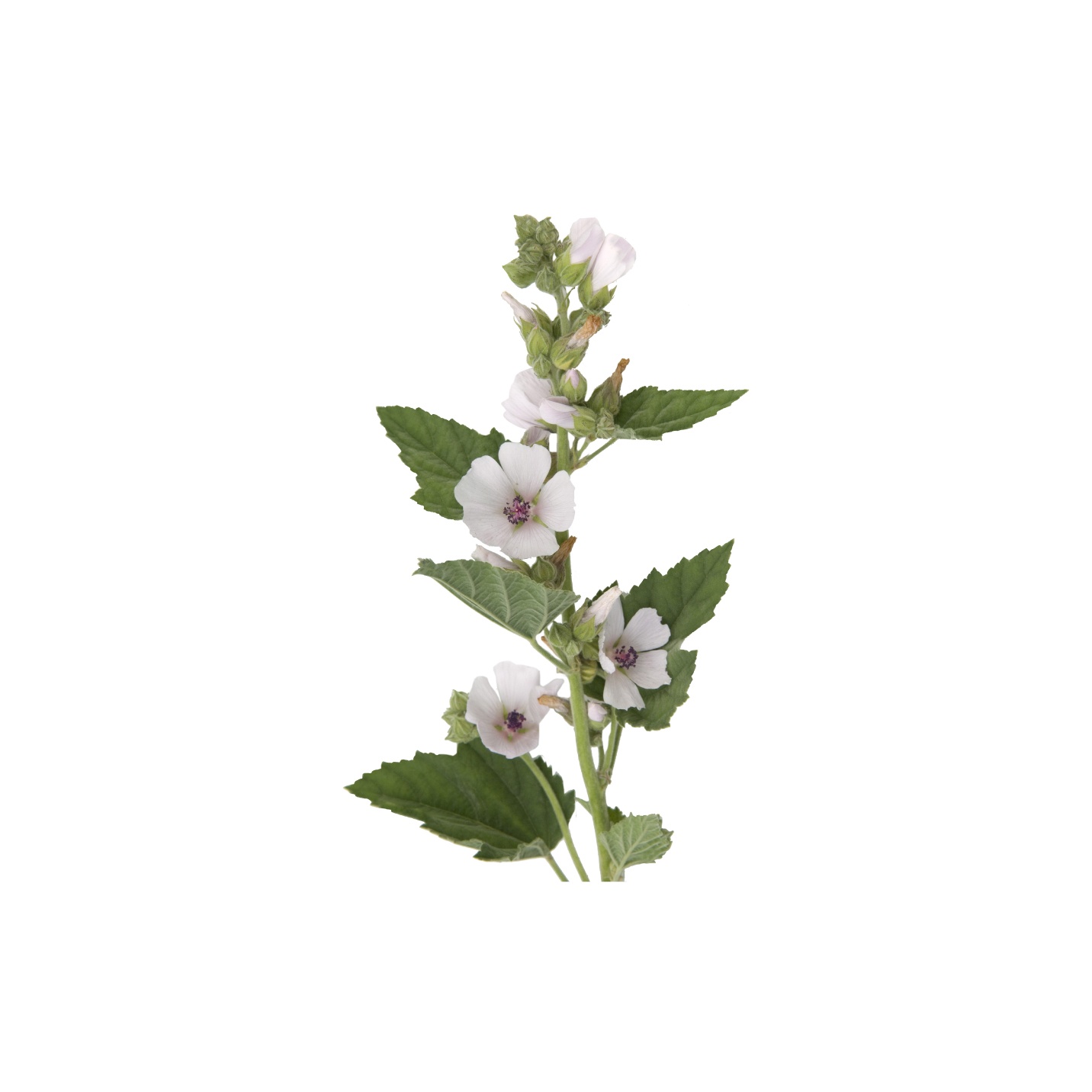
Marshmallow
Althaea officinalis
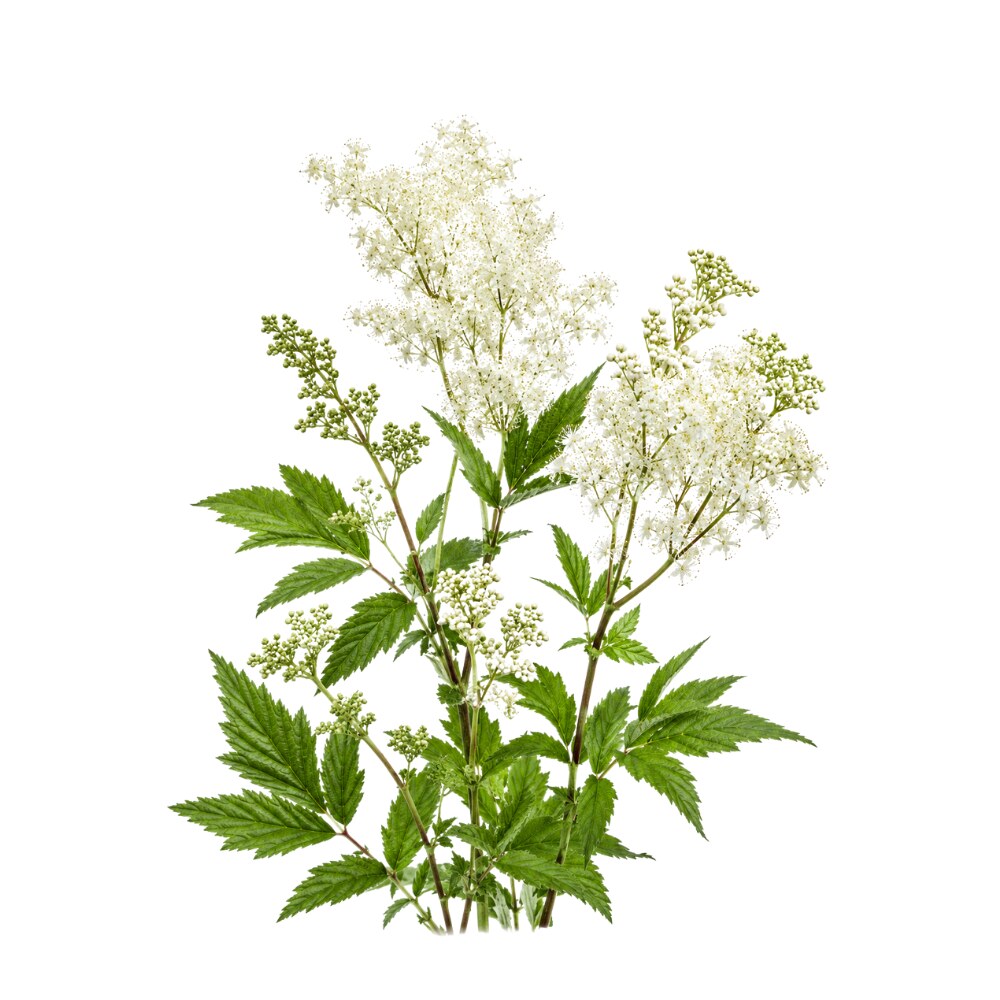
Meadowsweet
Filipendula ulmaria
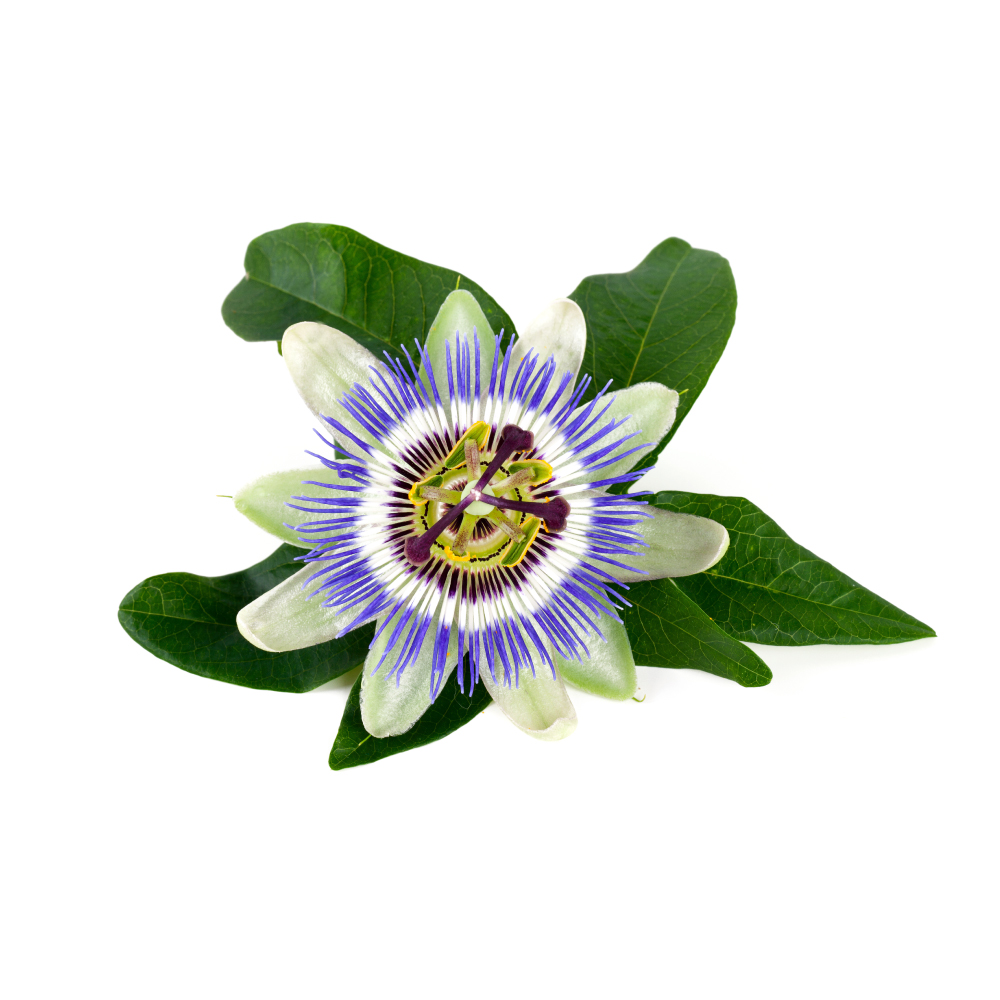
Passionflower
Passiflora incarnata
Pine
Pinus sylvestris
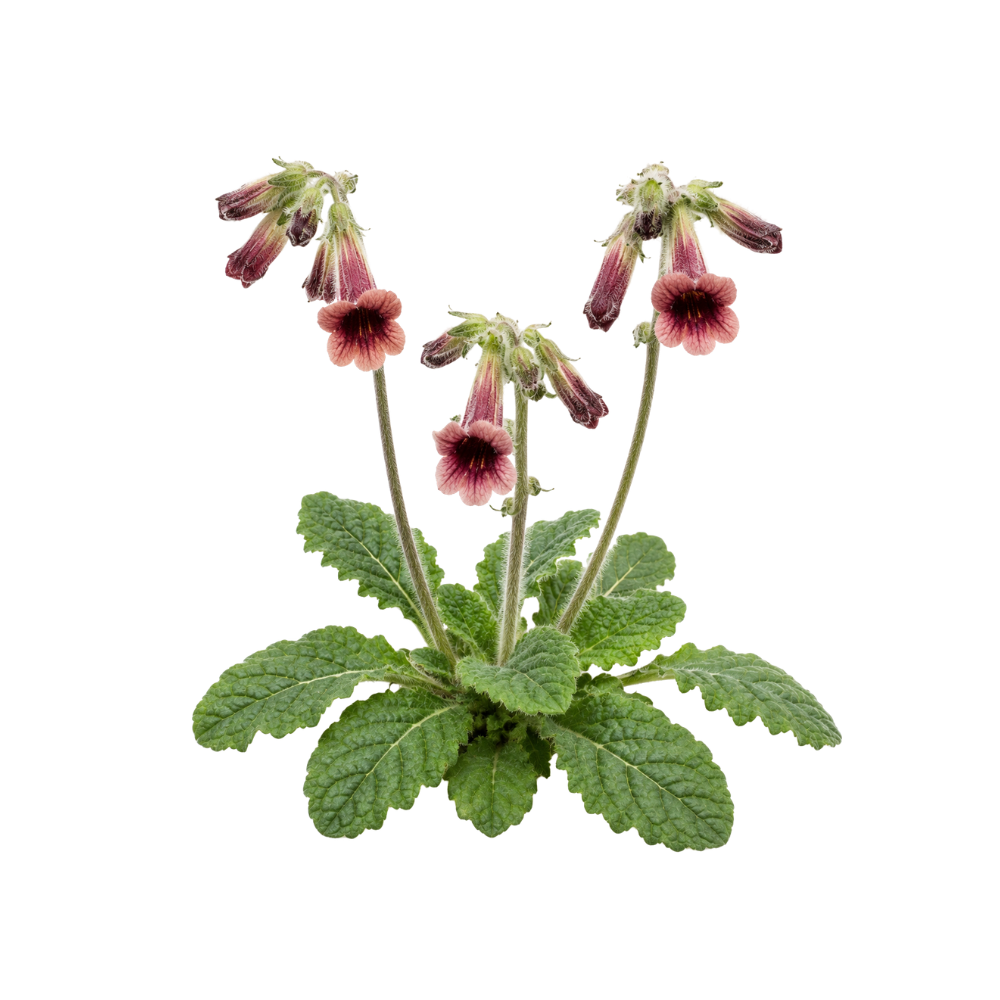
Rehmannia
Rehmannia glutinosa
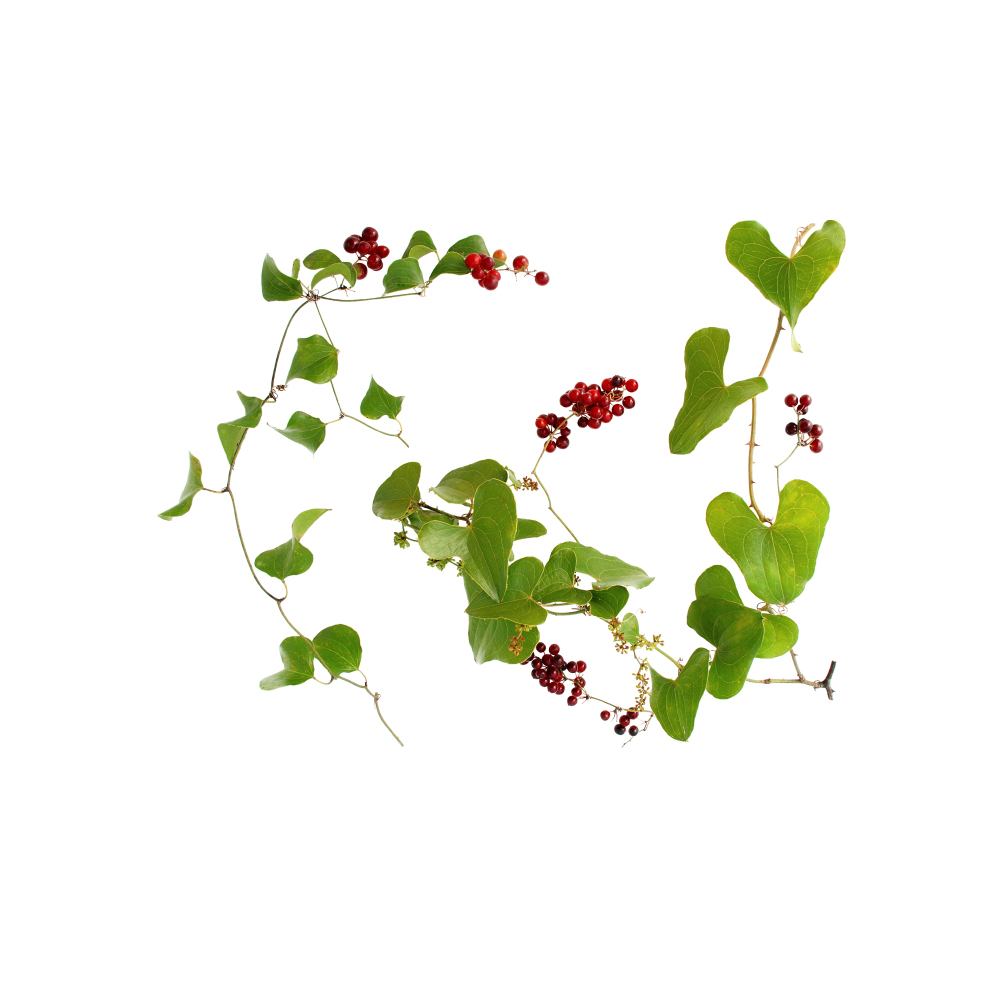
Sarsaparilla
Smilax spp.
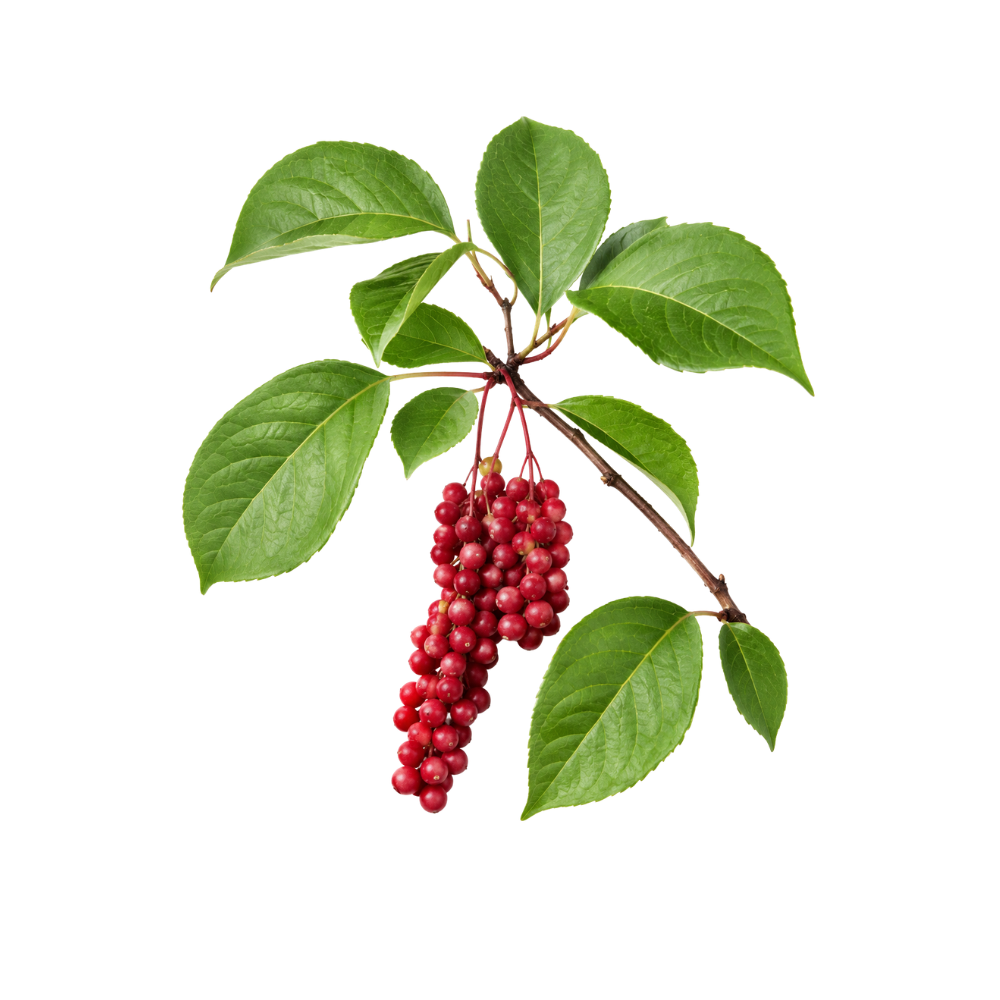
Schisandra
Schisandra chinensis
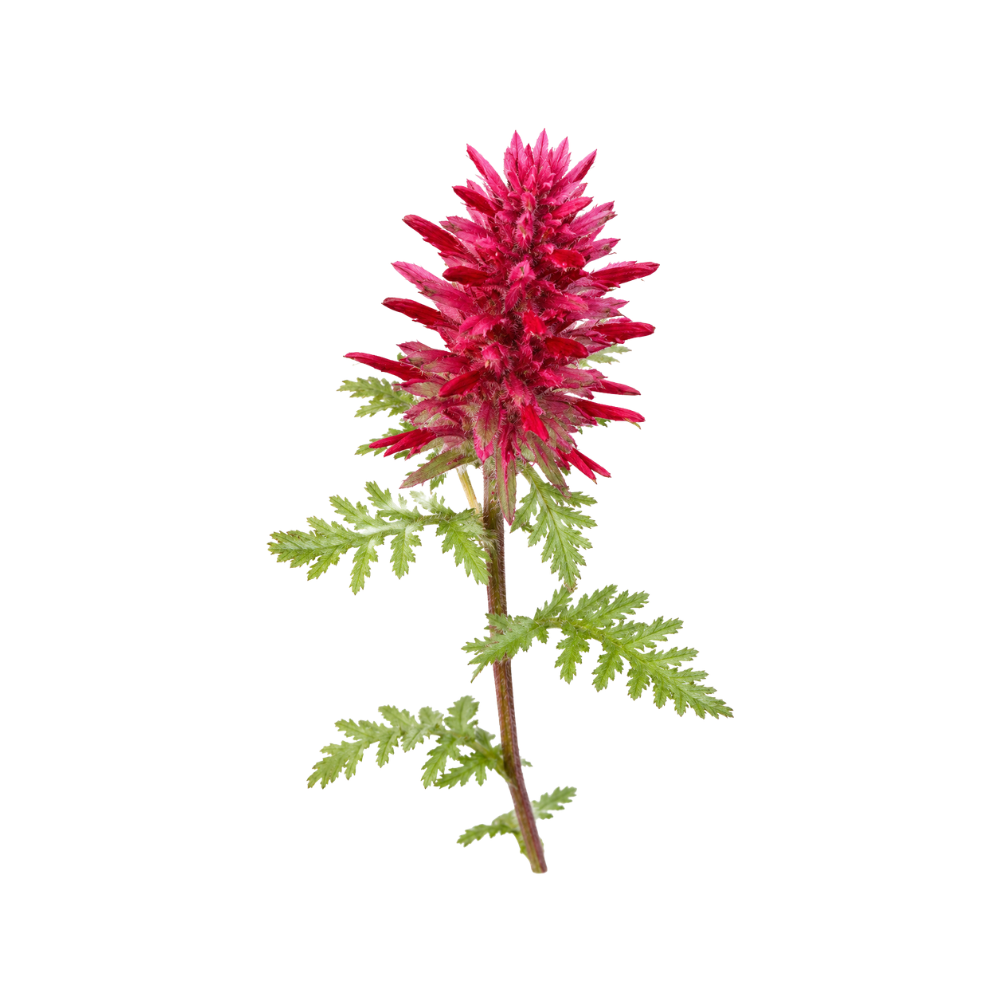
Warrior's Plume
Pedicularis densiflora
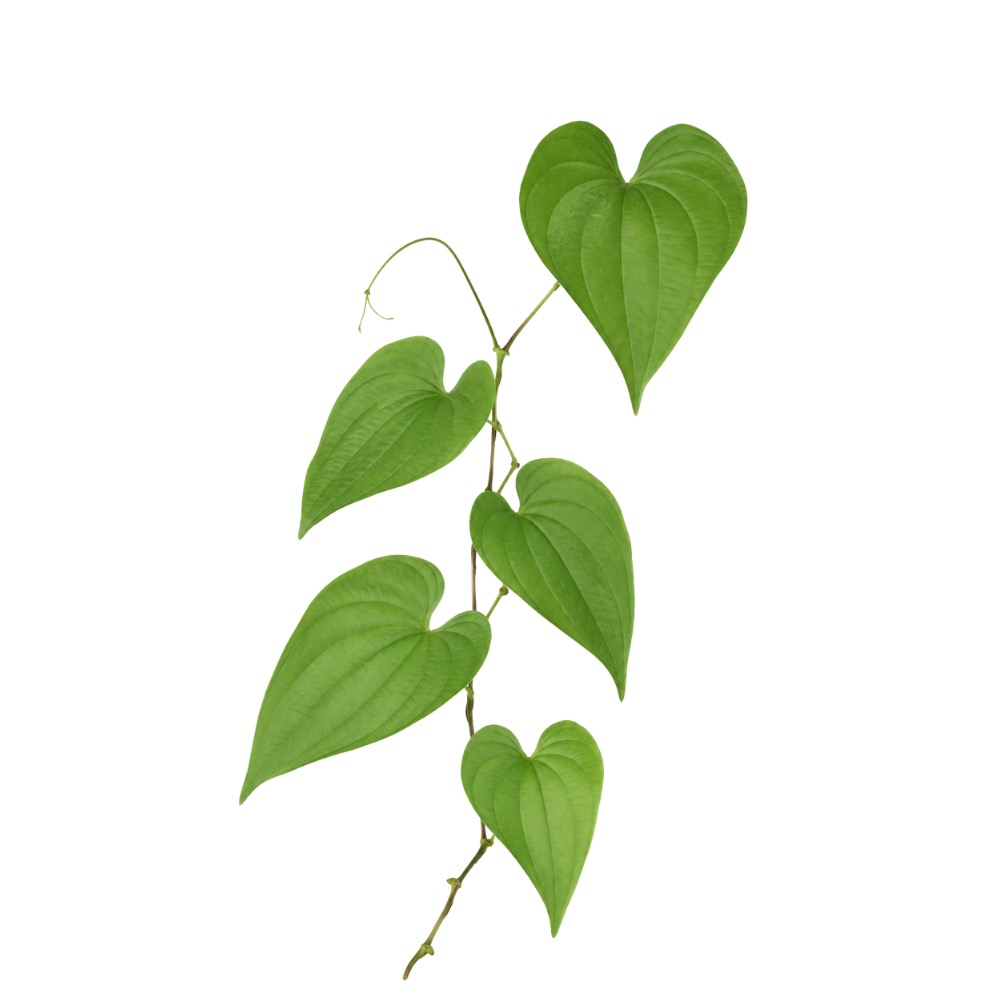
Wild Yam
Dioscorea villosa
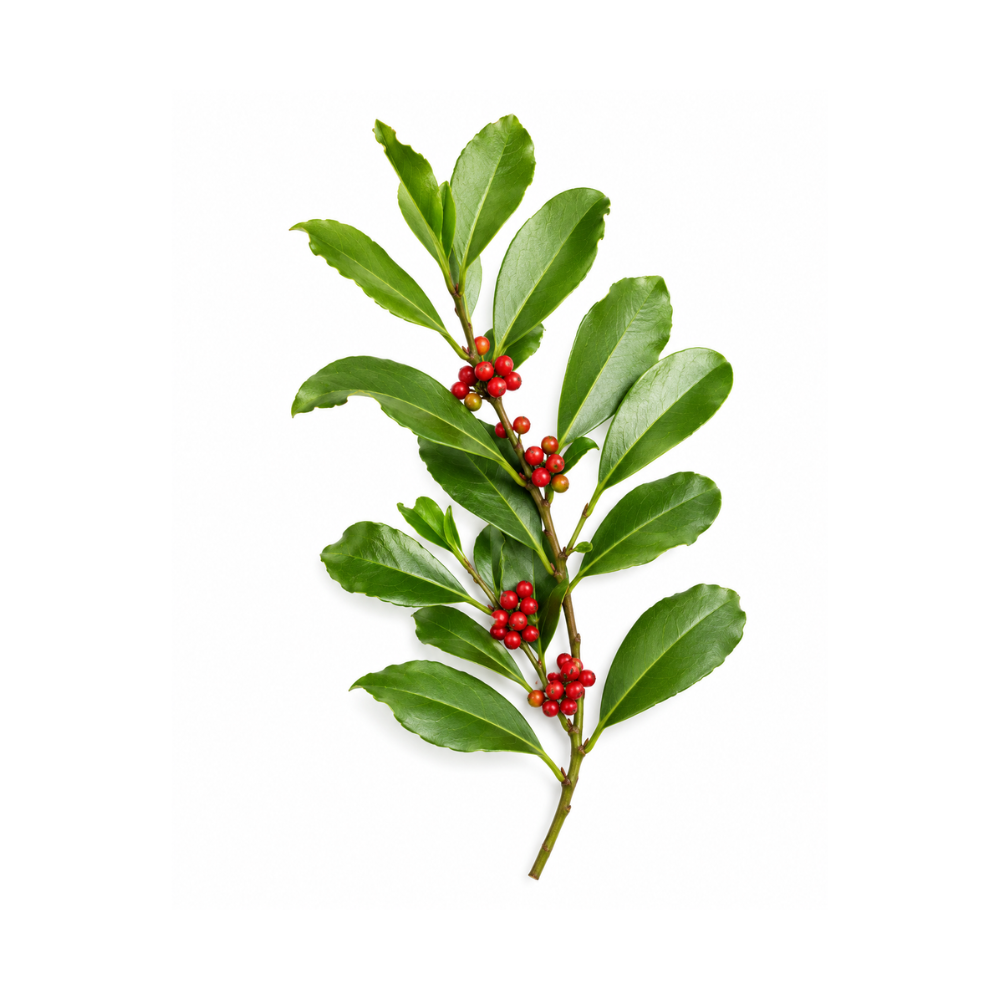
Yerba Maté
Ilex paraguariensis
Safety
Pregnancy & lactation
- Assume avoid unless there is specific advice otherwise, because most of these herbs have no pregnancy data.
- Pyrrolizidine-alkaloid herbs are contraindicated in any form, topical included, since the alkaloids cross the placenta and enter breast milk.
- Uterotonic, salicylate, estrogenic and hepatotoxic herbs are each ruled out on their own grounds, which covers most of this materia medica.
- Back and pelvic pain in pregnancy is common and better addressed with physiotherapy, support and analgesia under guidance.
- Inflammatory arthritis does not get a herbal trial period. Persistent joint swelling, morning stiffness lasting over an hour, or symmetrical small-joint pain needs a doctor, because rheumatoid arthritis erodes joints permanently within the first year or two.
- Pyrrolizidine-alkaloid herbs are never taken internally, and their topical evidence belongs to unbroken skin, short courses and no open wounds.
- Salicylate-bearing herbs carry the aspirin cautions. Avoid them in salicylate sensitivity and aspirin-sensitive asthma, and never give them to a feverish child.
- Ginger, turmeric and willow all have antiplatelet or salicylate activity, which matters combined with each other, with aspirin or anticoagulants, and before surgery.
- High-concentration capsaicin patches are a clinical procedure rather than a home remedy, and any capsaicin preparation stays off eyes and mucous membranes.
- Get medical care for a hot, red, acutely swollen joint; back pain with saddle numbness, leg weakness or loss of bladder control; back pain with fever, weight loss or a cancer history; or inability to bear weight after injury.
References
- Yu, G., Xiang, W., Zhang, T., et al. (2020). Effectiveness of Boswellia and Boswellia extract for osteoarthritis patients — systematic review and meta-analysis. BMC Complementary Medicine and Therapies. https://pubmed.ncbi.nlm.nih.gov/32680575/
- Kimmatkar, N., Thawani, V., Hingorani, L., & Khiyani, R. (2003). Efficacy and tolerability of Boswellia serrata extract in treatment of osteoarthritis of knee — randomised double-blind placebo-controlled trial. Phytomedicine. https://pubmed.ncbi.nlm.nih.gov/12622457/
- Sengupta, K., Alluri, K. V., Satish, A. R., et al. (2008). A double-blind, randomized, placebo-controlled study of the efficacy and safety of 5-Loxin for treatment of osteoarthritis of the knee. Arthritis Research & Therapy. https://pubmed.ncbi.nlm.nih.gov/18667054/
- Vishal, A. A., Mishra, A., & Raychaudhuri, S. P. (2011). A double-blind, randomized, placebo-controlled clinical study evaluates the early efficacy of Aflapin in subjects with osteoarthritis of knee. International Journal of Medical Sciences. https://pubmed.ncbi.nlm.nih.gov/22022214/
- Kumar, B., Ghaytidak, A. B., Pandey, A. K., et al. (2025). A standardized Boswellia serrata extract improves knee joint function and cartilage morphology in human volunteers with mild to moderate osteoarthritis — randomised placebo-controlled study. Journal of the American Nutrition Association. https://pubmed.ncbi.nlm.nih.gov/39700461/
- Bannuru, R. R., Osani, M. C., Al-Eid, F., & Wang, C. (2018). Efficacy of curcumin and Boswellia for knee osteoarthritis — systematic review and meta-analysis. Seminars in Arthritis and Rheumatism. https://pubmed.ncbi.nlm.nih.gov/29622343/
- Zeng, L., Yu, G., Hao, W., et al. (2021). The efficacy and safety of Curcuma longa extract and curcumin supplements on osteoarthritis — systematic review and meta-analysis of randomised controlled trials. Bioscience Reports. https://pubmed.ncbi.nlm.nih.gov/34017975/
- Bideshki, M. V., Jourabchi-Ghadim, N., Radkhah, N., et al. (2024). The efficacy of curcumin in relieving osteoarthritis — meta-analysis of meta-analyses. Phytotherapy Research. https://pubmed.ncbi.nlm.nih.gov/38576215/
- Kuptniratsaikul, V., Dajpratham, P., Taechaarpornkul, W., et al. (2014). Efficacy and safety of Curcuma domestica extracts compared with ibuprofen in patients with knee osteoarthritis — multicentre randomised controlled study. Clinical Interventions in Aging. https://pubmed.ncbi.nlm.nih.gov/24672232/
- Zhang, Y., et al. (2025). Comparative effectiveness of nutritional supplements in the treatment of knee osteoarthritis — systematic review and Bayesian network meta-analysis of randomised controlled trials. Nutrients. https://pubmed.ncbi.nlm.nih.gov/40806131/
- Inprasit, C., Bunyamahote, S., Boonpattharatthiti, K., et al. (2026). Evaluating the efficacy and safety of Curcuma longa, Boswellia serrata and their mixed formulation in treating knee osteoarthritis — systematic review and network meta-analysis. Complementary Therapies in Medicine. https://pubmed.ncbi.nlm.nih.gov/41082950/
- Bartels, E. M., et al. (2015). Efficacy and safety of ginger in osteoarthritis patients — meta-analysis of randomised placebo-controlled trials. Osteoarthritis and Cartilage. https://pubmed.ncbi.nlm.nih.gov/25300574/
- Altman, R. D., et al. (2001). Effects of a ginger extract on knee pain in patients with osteoarthritis — randomised controlled trial. Arthritis and Rheumatism. https://pubmed.ncbi.nlm.nih.gov/11710709/
- Araya-Quintanilla, F., et al. (2020). Effectiveness of ginger on pain and function in knee osteoarthritis — PRISMA systematic review and meta-analysis. Pain Physician. https://pubmed.ncbi.nlm.nih.gov/32214292/
- Chantre, P., Cappelaere, A., Leblan, D., et al. (2000). Efficacy and tolerance of Harpagophytum procumbens versus diacerhein in osteoarthritis — double-blind, randomised, multicentre trial. Phytomedicine. https://pubmed.ncbi.nlm.nih.gov/11185727/
- Brien, S., Lewith, G. T., & McGregor, G. (2006). Devil’s claw (Harpagophytum procumbens) for osteoarthritis — review of efficacy and safety. Journal of Alternative and Complementary Medicine. https://pubmed.ncbi.nlm.nih.gov/17212570/
- Haseeb, A., Ansari, M. Y., & Haqqi, T. M. (2017). Harpagoside suppresses IL-6 expression in primary human osteoarthritis chondrocytes — in vitro. Journal of Orthopaedic Research. https://pubmed.ncbi.nlm.nih.gov/27082319/
- Schmid, B., et al. (2001). Efficacy and tolerability of a standardized willow bark extract in patients with osteoarthritis — randomised placebo-controlled, double-blind clinical trial. Phytotherapy Research. https://pubmed.ncbi.nlm.nih.gov/11406860/
- Biegert, C., et al. (2004). Efficacy and safety of willow bark extract in the treatment of osteoarthritis and rheumatoid arthritis — results of 2 randomised double-blind controlled trials. Journal of Rheumatology. https://pubmed.ncbi.nlm.nih.gov/15517622/
- Lin, C. R., et al. (2023). Willow bark (Salix spp.) used for pain relief in arthritis — meta-analysis of randomised controlled trials. Life (Basel). https://pubmed.ncbi.nlm.nih.gov/37895439/
- Liu, X., Machado, G. C., Eyles, J. P., et al. (2018). Dietary supplements for treating osteoarthritis — systematic review and meta-analysis. British Journal of Sports Medicine. https://pubmed.ncbi.nlm.nih.gov/29018060/
- Oltean, H., Robbins, C., van Tulder, M. W., et al. (2014). Herbal medicine for low-back pain — Cochrane systematic review and meta-analysis. Cochrane Database of Systematic Reviews. https://pubmed.ncbi.nlm.nih.gov/25536022/
- Chrubasik, S., Junck, H., Breitschwerdt, H., et al. (1999). Effectiveness of Harpagophytum extract WS 1531 in exacerbation of low back pain — randomised, placebo-controlled, double-blind study. European Journal of Anaesthesiology. https://pubmed.ncbi.nlm.nih.gov/10101629/
- Chrubasik, S., Model, A., Black, A., & Pollak, S. (2003). A randomised double-blind pilot study comparing Doloteffin and Vioxx (rofecoxib) in low back pain. Rheumatology (Oxford). https://pubmed.ncbi.nlm.nih.gov/12509627/
- Chrubasik, S., et al. (2000). Treatment of low back pain exacerbations with willow bark extract — randomised double-blind study. American Journal of Medicine. https://pubmed.ncbi.nlm.nih.gov/10936472/
- Chrubasik, S., et al. (2001). Treatment of low back pain with a herbal or synthetic anti-rheumatic — randomised controlled study. Rheumatology (Oxford). https://pubmed.ncbi.nlm.nih.gov/11752510/
- Vlachojannis, J. E., et al. (2009). A systematic review on the effectiveness of willow bark for musculoskeletal pain. Phytotherapy Research. https://pubmed.ncbi.nlm.nih.gov/19140170/
- Giannetti, B. M., et al. (2010). Comfrey root extract ointment for acute upper or lower back pain — double-blind, randomised, placebo-controlled, multicentre trial. British Journal of Sports Medicine. https://pubmed.ncbi.nlm.nih.gov/19460762/
- Pabst, H., et al. (2013). Comfrey root extract plus methyl nicotinate in acute back pain — randomised, placebo-controlled, three-arm trial. Phytotherapy Research. https://pubmed.ncbi.nlm.nih.gov/22887778/
- D’Anchise, R., et al. (2007). Comfrey extract ointment in comparison to diclofenac gel in acute ankle sprains — randomised trial. Arzneimittel-Forschung. https://pubmed.ncbi.nlm.nih.gov/18193693/
- Kucera, M., et al. (2004). Efficacy and safety of topically applied Symphytum herb extract cream in ankle distortion — randomised, controlled, double-blind trial. Wiener Medizinische Wochenschrift. https://pubmed.ncbi.nlm.nih.gov/15638067/
- Grube, B., et al. (2007). Comfrey root extract ointment in painful osteoarthritis of the knee — double-blind, randomised, placebo-controlled trial. Phytomedicine. https://pubmed.ncbi.nlm.nih.gov/17169543/
- Cameron, M., & Chrubasik, S. (2013). Topical herbal therapies for treating osteoarthritis — Cochrane systematic review. Cochrane Database of Systematic Reviews. https://pubmed.ncbi.nlm.nih.gov/23728701/
- Seigner, J., et al. (2019). A Symphytum officinale root extract exerts anti-inflammatory properties by affecting two distinct steps of NF-κB signaling — in vitro. Frontiers in Pharmacology. https://pubmed.ncbi.nlm.nih.gov/31105555/
- Derry, S., Rice, A. S. C., Cole, P., Tan, T., & Moore, R. A. (2013). Topical capsaicin (high concentration) for chronic neuropathic pain in adults — Cochrane systematic review and meta-analysis. Cochrane Database of Systematic Reviews. https://pubmed.ncbi.nlm.nih.gov/23450576/
- Tshering, G., et al. (2024). Efficacy and safety of topical capsaicin in the treatment of osteoarthritis pain — systematic review and meta-analysis. Phytotherapy Research. https://pubmed.ncbi.nlm.nih.gov/38761115/
- Keitel, W., et al. (2001). Capsicum pain plaster in chronic non-specific low back pain — randomised controlled trial. Arzneimittel-Forschung. https://pubmed.ncbi.nlm.nih.gov/11765591/
- Widrig, R., Suter, A., Saller, R., & Melzer, J. (2007). Choosing between NSAID and arnica for topical treatment of hand osteoarthritis — randomised, double-blind study. Rheumatology International. https://pubmed.ncbi.nlm.nih.gov/17318618/
- Knuesel, O., Weber, M., & Suter, A. (2002). Arnica montana gel in osteoarthritis of the knee — open, multicentre clinical trial. Advances in Therapy. https://pubmed.ncbi.nlm.nih.gov/12539881/
- Lyss, G., Knorre, A., Schmidt, T. J., Pahl, H. L., & Merfort, I. (1998). The anti-inflammatory sesquiterpene lactone helenalin inhibits the transcription factor NF-κB by directly targeting p65 — in vitro. Journal of Biological Chemistry. https://pubmed.ncbi.nlm.nih.gov/9837931/
- Nicholson, J. A., et al. (1972). Viopudial, a hypotensive and smooth-muscle antispasmodic from Viburnum opulus — animal and isolated tissue. Proceedings of the Society for Experimental Biology and Medicine. https://pubmed.ncbi.nlm.nih.gov/5037580/
- Nicholson, J. A., et al. (1967). Scopoletin, an antispasmodic component of Viburnum opulus and V. prunifolium — in vitro. Journal of Medicinal Chemistry. https://pubmed.ncbi.nlm.nih.gov/22185161/
- Oliveira, E. J., et al. (2001). Intracellular calcium mobilisation as a target for the spasmolytic action of scopoletin — in vitro. Planta Medica. https://pubmed.ncbi.nlm.nih.gov/11582535/
- Tomassini, L., et al. (2009). In vitro relaxant and spasmolytic effects of constituents from Viburnum prunifolium. Journal of Ethnopharmacology. https://pubmed.ncbi.nlm.nih.gov/19429363/
- Zhang, Y., et al. (2014). A novel analgesic isolated from a traditional Chinese medicine — animal model. Current Biology. https://pubmed.ncbi.nlm.nih.gov/24388848/
- Xu, Y., et al. (2021). Analgesic effect of the main components of Corydalis yanhusuo is caused by inhibition of voltage-gated sodium channels — in vivo and in vitro. Journal of Ethnopharmacology. https://pubmed.ncbi.nlm.nih.gov/34329712/
- Yin, Z. Y., et al. (2016). Antinociceptive effects of dehydrocorydaline in mouse models of inflammatory pain involve the opioid receptor and inflammatory cytokines — mouse model. Scientific Reports. https://pubmed.ncbi.nlm.nih.gov/27272194/
- Kormann, E. C., Amaral, P. de A., David, M., et al. (2012). Kavain analogues as potential analgesic agents — animal model. Pharmacological Reports. https://pubmed.ncbi.nlm.nih.gov/23406752/
- Kou, H., Huang, L., Jin, M., et al. (2023). Effect of curcumin on rheumatoid arthritis — systematic review and meta-analysis. Frontiers in Immunology. https://pubmed.ncbi.nlm.nih.gov/37325651/
- Luo, J., Song, W. J., Xu, Y., et al. (2019). Benefits and safety of Tripterygium glycosides and total glucosides of paeony for rheumatoid arthritis — overview of systematic reviews. Chinese Journal of Integrative Medicine. https://pubmed.ncbi.nlm.nih.gov/31385219/
- Liu, B., Xu, L., Yu, X., et al. (2021). Clinical safety of total glucosides of paeony adjuvant therapy for rheumatoid arthritis treatment — systematic review and meta-analysis. BMC Complementary Medicine and Therapies. https://pubmed.ncbi.nlm.nih.gov/33771151/
- Xiang, N., Li, X. M., Zhang, M. J., et al. (2015). Total glucosides of paeony can reduce the hepatotoxicity caused by methotrexate and leflunomide combination treatment of active rheumatoid arthritis — randomised controlled trial. International Immunopharmacology. https://pubmed.ncbi.nlm.nih.gov/26292180/
- Randall, C., Randall, H., Dobbs, F., et al. (2000). Randomised controlled trial of nettle sting for treatment of base-of-thumb pain — randomised controlled crossover trial. Journal of the Royal Society of Medicine. https://pubmed.ncbi.nlm.nih.gov/10911825/
- Rayburn, K., Fleischbein, E., Song, J., et al. (2009). Stinging nettle cream for osteoarthritis — clinical trial. Alternative Therapies in Health and Medicine. https://pubmed.ncbi.nlm.nih.gov/19623834/
- Schulze-Tanzil, G., de Souza, P., Behnke, B., et al. (2002). Effects of the antirheumatic remedy Hox alpha, a stinging nettle leaf extract, on matrix metalloproteinases in human chondrocytes — in vitro. Histology and Histopathology. https://pubmed.ncbi.nlm.nih.gov/11962753/
- Warnock, M., McBean, D., Suter, A., et al. (2007). Effectiveness and safety of devil’s claw tablets in patients with general rheumatic disorders — open clinical trial. Phytotherapy Research. https://pubmed.ncbi.nlm.nih.gov/17886223/
- Thorup, A. C., et al. (2015). Intake of novel red clover supplementation for 12 weeks improves bone status in healthy menopausal women — randomised controlled trial. Evidence-Based Complementary and Alternative Medicine. https://pubmed.ncbi.nlm.nih.gov/26265926/
- Lambert, M. N. T., et al. (2017). Combined bioavailable isoflavones and probiotics improve bone status and estrogen metabolism in postmenopausal osteopenic women — randomised controlled trial. American Journal of Clinical Nutrition. https://pubmed.ncbi.nlm.nih.gov/28768651/
- Atkinson, C., et al. (2004). The effects of phytoestrogen isoflavones on bone density in women — double-blind, randomised, placebo-controlled trial. American Journal of Clinical Nutrition. https://pubmed.ncbi.nlm.nih.gov/14749241/
- Clifton-Bligh, P. B., et al. (2001). The effect of isoflavones extracted from red clover (Rimostil) on lipid and bone metabolism — randomised trial. Menopause. https://pubmed.ncbi.nlm.nih.gov/11449083/
- Do Monte, F. H., et al. (2004). Antinociceptive and anti-inflammatory properties of the hydroalcoholic extract of stems from Equisetum arvense in mice — animal model. Pharmacological Research. https://pubmed.ncbi.nlm.nih.gov/14726218/
- Gründemann, C., et al. (2014). Equisetum arvense (common horsetail) modulates the function of inflammatory immunocompetent cells — in vitro. BMC Complementary and Alternative Medicine. https://pubmed.ncbi.nlm.nih.gov/25088216/
- Steinborn, C., et al. (2018). In vitro anti-inflammatory effects of Equisetum arvense are not solely mediated by silica — in vitro. Planta Medica. https://pubmed.ncbi.nlm.nih.gov/29202511/
- Kim, J. Y., Park, S. H., Baek, J. M., et al. (2015). Harpagoside inhibits RANKL-induced osteoclastogenesis via the Syk-Btk-PLCγ2-Ca²⁺ pathway and prevents inflammation-mediated bone loss — mouse model. Journal of Natural Products. https://pubmed.ncbi.nlm.nih.gov/26308264/
- Kim, J. Y., Lee, J. Y., & Kim, D. (2022). Harpagoside attenuates local bone erosion and systemic osteoporosis in collagen-induced arthritis in mice. BMC Complementary Medicine and Therapies. https://pubmed.ncbi.nlm.nih.gov/35948905/
- Vlachojannis, J., Roufogalis, B. D., & Chrubasik, S. (2008). Systematic review on the safety of Harpagophytum preparations for osteoarthritic and low back pain. Phytotherapy Research. https://pubmed.ncbi.nlm.nih.gov/18236448/
- Mahomed, I. M., & Ojewole, J. A. O. (2009). Uterotonic effect of Harpagophytum procumbens secondary-root aqueous extract on rat isolated uterine horns. Journal of Smooth Muscle Research. https://pubmed.ncbi.nlm.nih.gov/19907121/
Keep Exploring