
Condition
Rheumatoid Arthritis
Rheumatoid arthritis is a chronic autoimmune disease that causes inflammation, pain, and progressive damage of the joints, typically starting in the small joints.

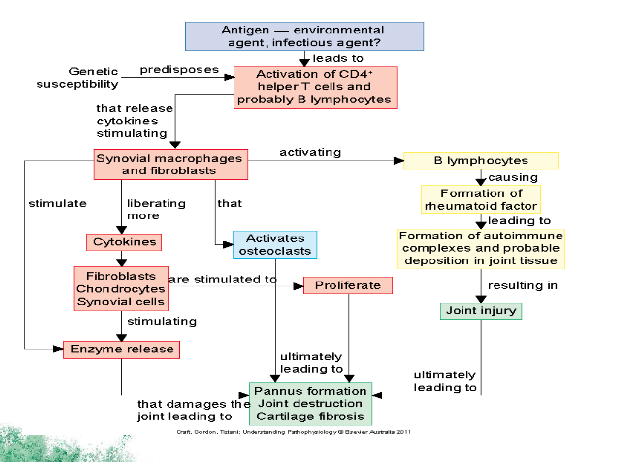
Rheumatoid arthritis (RA) is a chronic autoimmune disease in which the immune system attacks the lining of the joints, causing inflammation, pain and — over time — progressive joint damage. It characteristically begins in the small joints of the hands, wrists and feet, usually symmetrically, and because it is systemic it can affect tissues well beyond the joints. Herbal support centers on modulating inflammation and immune activity, easing pain and stiffness, and supporting the tissues that chronic inflammation puts at risk, as an adjunct to medical management.
Presentation
Types & Variants
RA is a single disease, but it is commonly divided by antibody status, which carries prognostic weight:
- Seropositive RA — rheumatoid factor and/or anti-CCP antibodies are present. This is the more common form and tends to run a more aggressive, erosive course.
- Seronegative RA — these antibodies are absent despite a clinical picture of RA; it is sometimes milder, though not always.
It is distinct from osteoarthritis, which is a degenerative “wear-and-tear” process rather than an autoimmune one — the two are frequently confused but differ in cause, pattern and management.
Overview
General Pathology
In RA the immune system targets the synovium, the membrane lining the joints. Onset is usually gradual and characteristically symmetrical, affecting the smaller joints first, which distinguishes it from the asymmetrical, larger-joint pattern of osteoarthritis. Its development is multifactorial, involving genetic predisposition, hormonal influences, environmental triggers such as smoking, and possible viral contributions.
The typical picture is symmetrical pain, swelling, warmth and stiffness, with stiffness that is worst in the morning and after rest and eases with movement. As the inflammation persists it erodes cartilage and bone, which can lead to joint deformity and loss of function; fatigue, low-grade fever and general malaise are common during flares.
Because it is systemic, RA reaches beyond the joints. It can produce rheumatoid nodules under the skin, anemia of chronic disease, inflammation of the eyes, and involvement of the lungs (pleurisy, interstitial disease), heart (pericarditis) and blood vessels (vasculitis). The sustained inflammatory burden also raises long-term cardiovascular risk, which is part of why controlling the underlying inflammation matters as much as managing joint symptoms.
Materia Medica
Materia Medica
None of these herbs is a substitute for professional care.
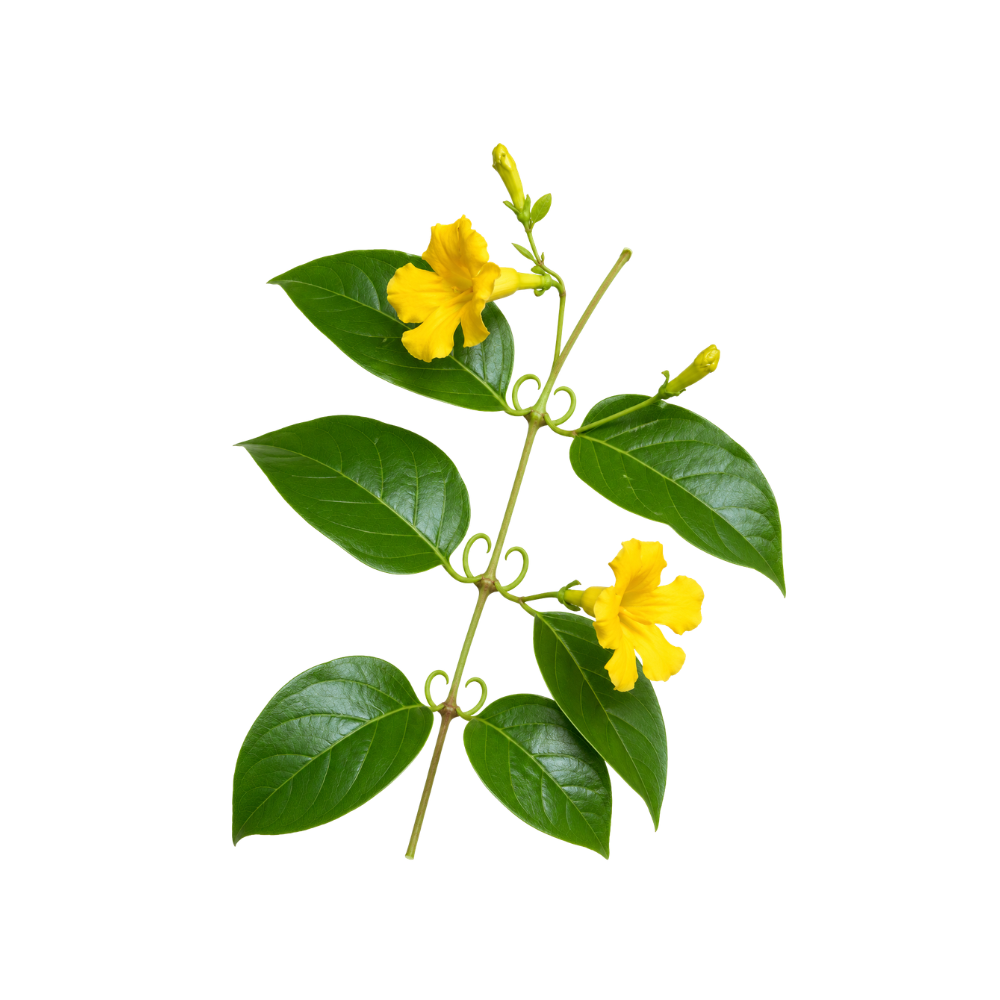 Cat’s ClawUncaria tomentosaModerate
A 52-week randomised, partly double-blind trial in RA (n=40, on background sulfasalazine or hydroxychloroquine) using a purified pentacyclic-chemotype U. tomentosa extract reported a modest reduction in tender joints versus placebo (53% vs 24%) 4Reference 4RCTRandomized double blind trial of an extract from the pentacyclic alkaloid-chemotype of Uncaria tomentosa for the treatment of rheumatoid arthritis — randomised controlled trialView study →, consistent with the herb’s well-mapped NF-κB → TNF-α/IL-1β/PGE2 inhibition 5,
The trial is small, single-site and unreplicated, and used a specific purified extract rather than whole bark.
Full monograph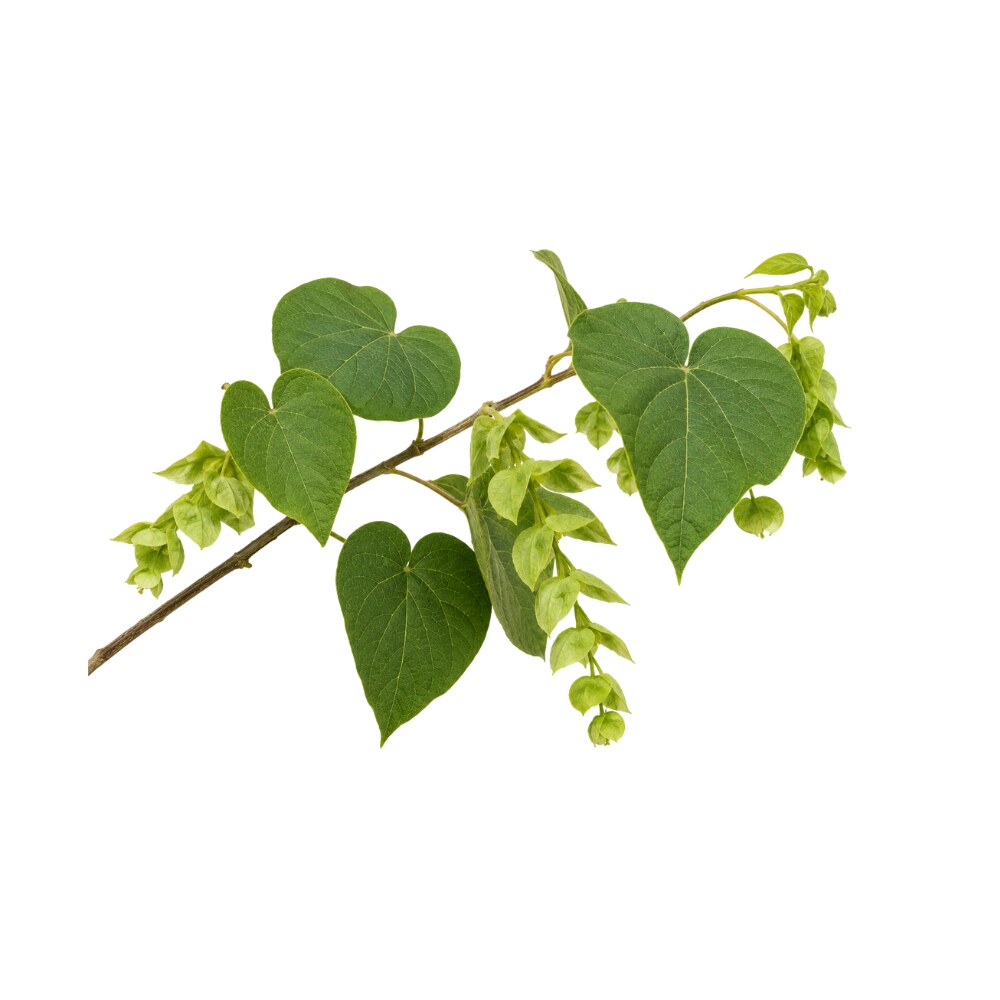 AbutaCissampelos pareiraPreclinical
A 50% aqueous-ethanolic root extract gave 71% protection against complete-Freund’s-adjuvant arthritis in rats (approaching dexamethasone) alongside dose-dependent antinociception 1Reference 1AnimalAntinociceptive and antiarthritic activity of Cissampelos pareira roots — animal model (mouse/rat)View study →. The result comes from a single unreplicated arthritis model at high doses, and there are no human data.
Full monograph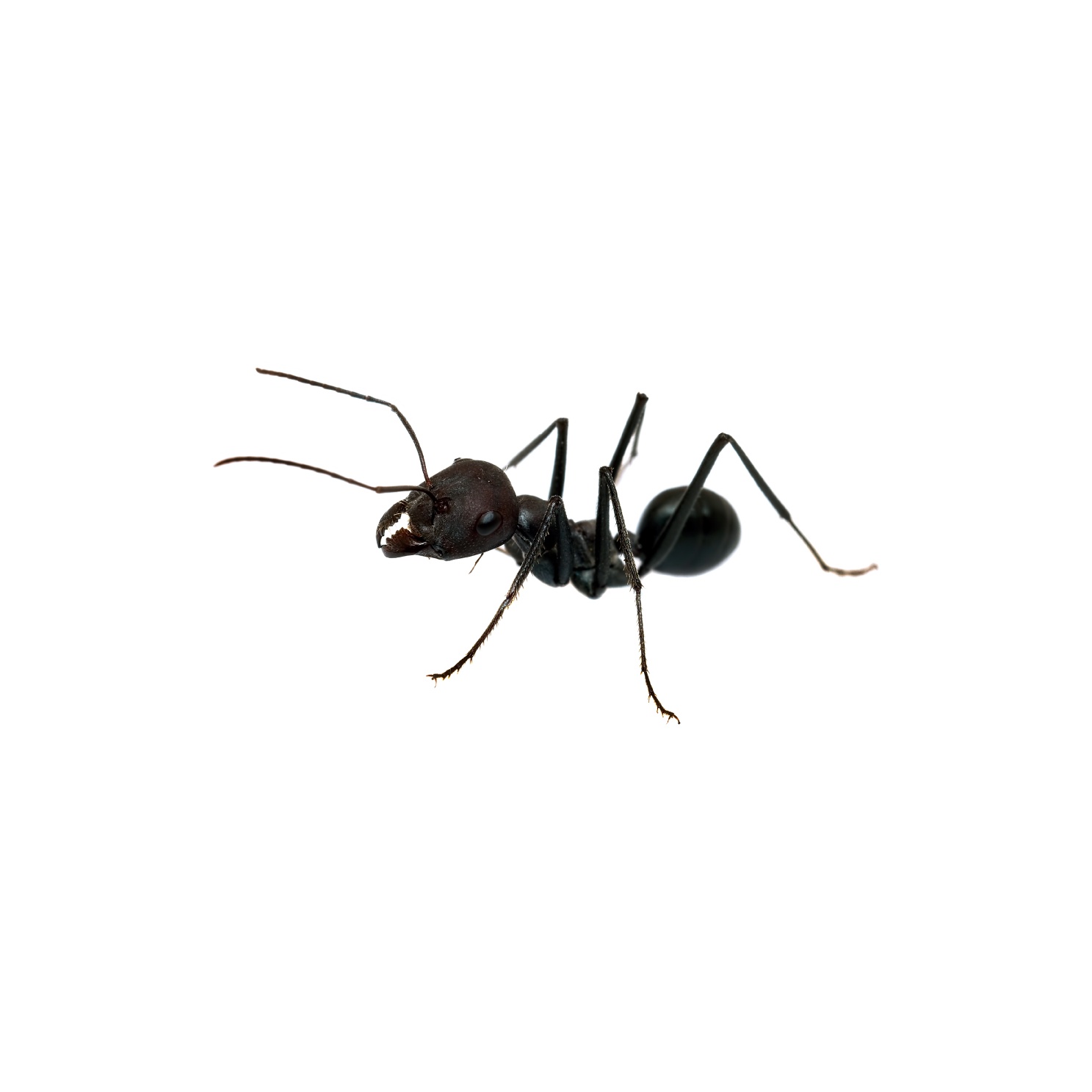 Black AntPolyrhachis spp.Preclinical
Black ant has no RA-specific study. The closest support is anti-inflammatory and analgesic data, much of it on the related ant Polyrhachis lamellidens: an ethanol extract inhibited xylene-induced ear oedema and acetic-acid vascular permeability in mice, and raised the hot-plate threshold while suppressing acetic-acid writhing at 1.5–3.0 g crude drug/kg 2Reference 2AnimalAnalgesic and anti-inflammatory activities of total extract and individual fractions of Chinese medicinal ants Polyrhachis lamellidens — mouse in vivoView study →; the active fraction AFPR also lowered IL-1β, IL-6 and TNF-α in hyperuricaemic rats 3Reference 3AnimalHypouricemic and nephroprotective effects of an active fraction from Polyrhachis vicina Roger on potassium-oxonate-induced hyperuricemia in rats — animal in vivoView study →.
The signal is a general anti-inflammatory and analgesic one, consistent with traditional use for rheumatic pain but not tested in rheumatoid arthritis. It comes from a different species and, for the oedema/analgesia work, a whole-animal model rather than the marketed P. vicina/dives tonic.
Full monograph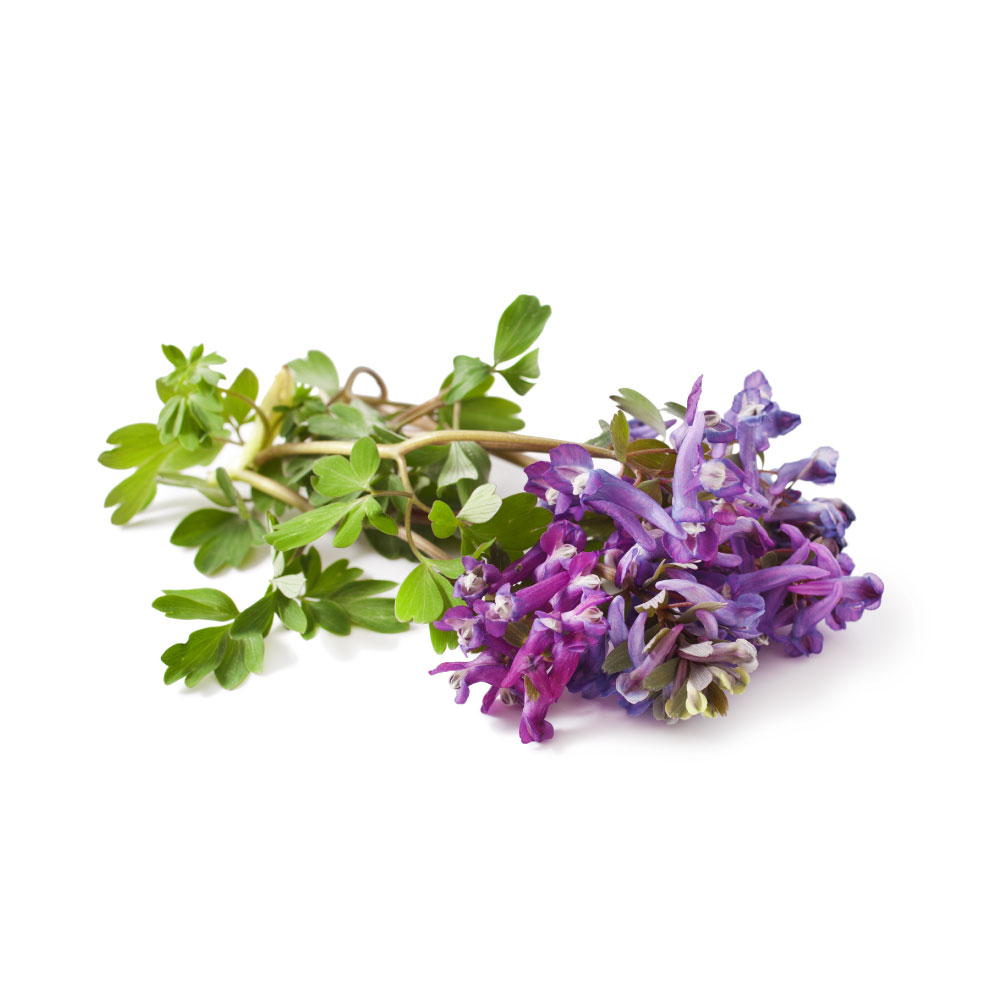 CorydalisCorydalis turtschaninoviiPreclinical
In a collagen-induced arthritis model a related Corydalis species (C. decumbens) and its alkaloid tetrahydropalmatrubin reduced macrophage inflammation via the transcription factor Fosl2 8Reference 8In vitroCorydalis decumbens and tetrahydropalmatrubin inhibit macrophages inflammation to relieve rheumatoid arthritis by targeting Fosl2 — rat, in vivo, in vitroView study →, and in cultured LPS-stimulated macrophages dehydrocorydaline carried most of the rhizome’s anti-inflammatory, cytokine-lowering activity 9,
No human RA trial exists, the key arthritis-model data are from a different Corydalis species, and whole-tuber dosing has not been mapped to these effects. The case for RA rests on this mechanism and on corydalis’s analgesic activity.
Full monograph NigellaNigella sativaPreclinical
Nigella has no RA-specific trial. Human biomarker meta-analyses show nigella lowers hs-CRP, TNF-α and MDA while raising antioxidant capacity 11,
 CannabisCannabis sativa/indicaTraditional only
Cannabis is used in RA on the same anti-inflammatory rationale as in osteoarthritis, with no RA-specific trial. The use is symptomatic (pain, sleep) rather than disease-modifying.
Full monograph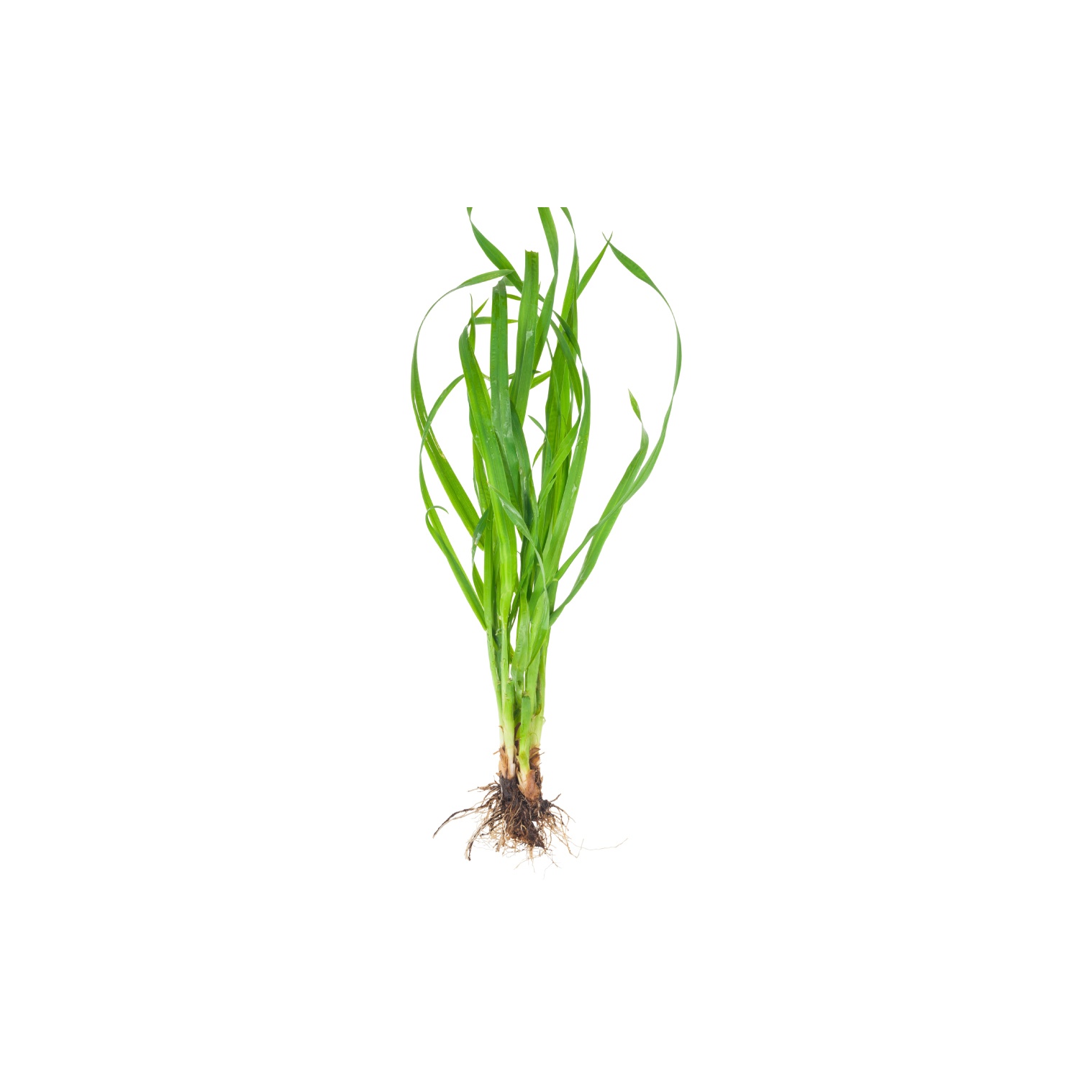 CouchgrassElytrigia repensTraditional only
Couchgrass is a traditional remedy for ‘rheumatism’ and rheumatic complaints, with no RA-specific or immunomodulatory evidence.
Full monograph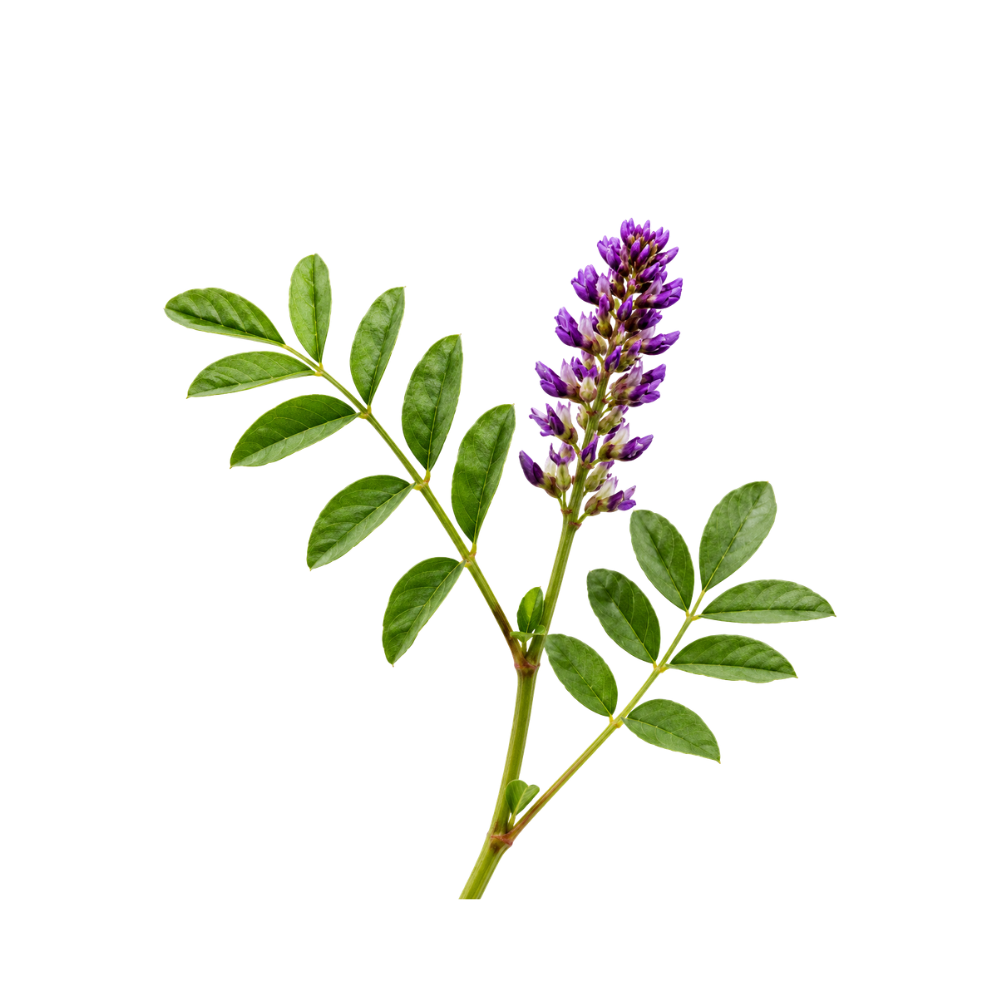 LicoriceGlycyrrhiza glabraTraditional only
Licorice’s anti-inflammatory mechanism (NLRP3/NF-κB inhibition) is preclinical, and there is no RA clinical trial. Prolonged licorice use carries a blood-pressure and potassium caution.
Full monograph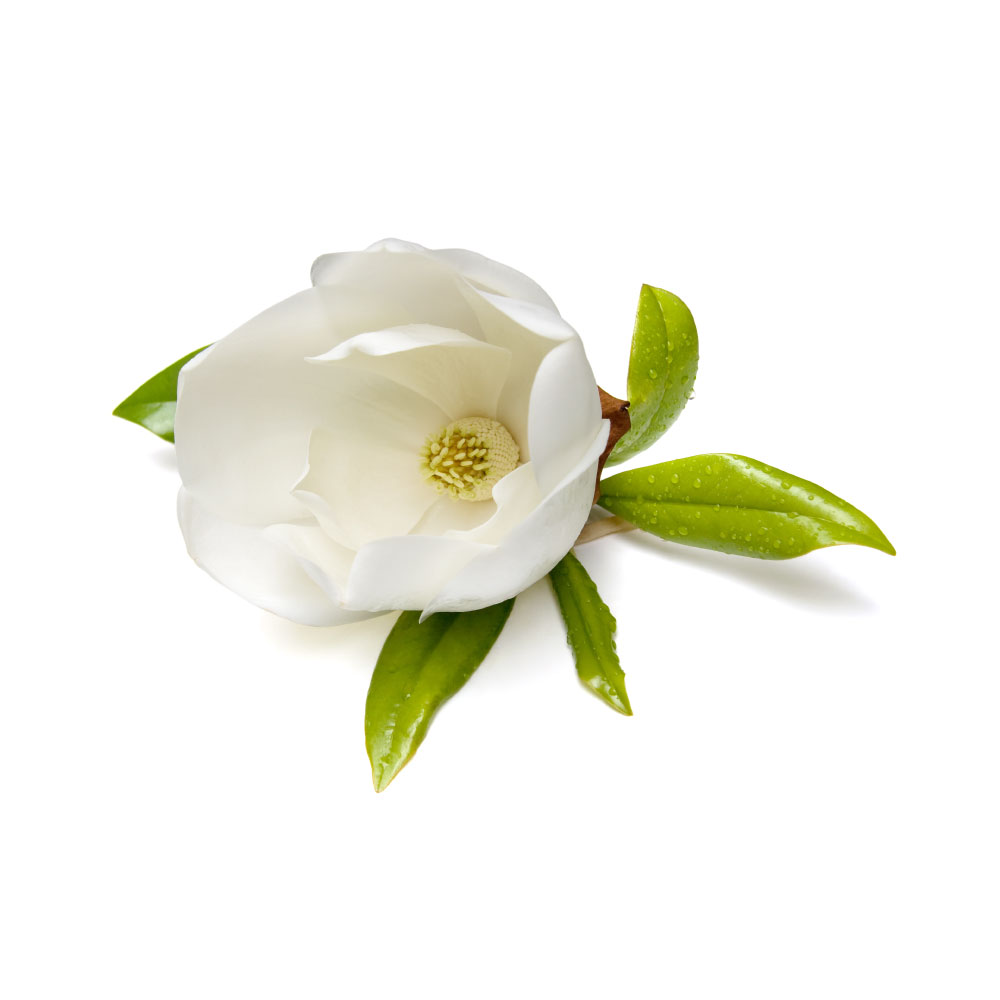 MagnoliaMagnolia officinalisTraditional only
Magnolia’s anti-inflammatory action (NF-κB↓, COX-2↓) is entirely preclinical, and none of it was tested in a joint or RA model.
Full monograph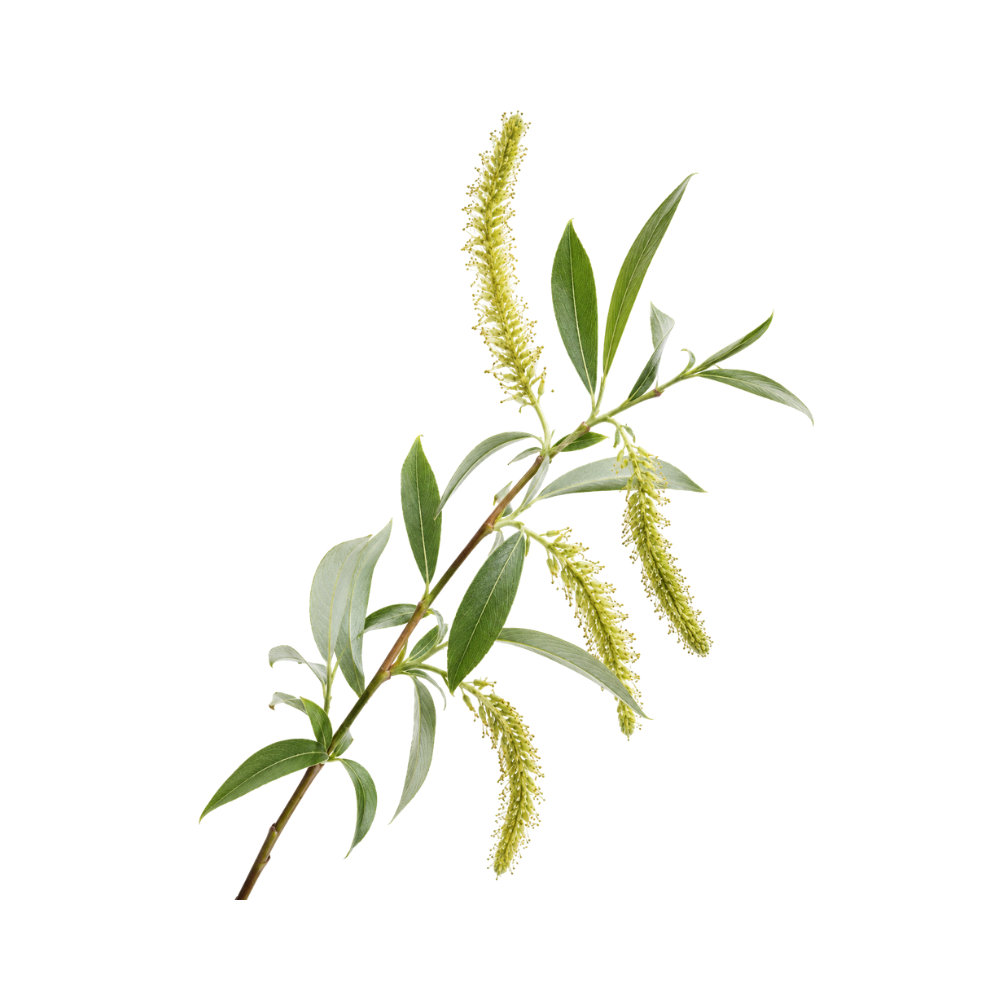 WillowSalix albaNo benefit shown
Willow’s only direct RA data come from the parallel rheumatoid-arthritis arm of the Biegert trial, which was null and severely underpowered (n=26) 14Reference 14RCTEfficacy and safety of willow bark extract in the treatment of osteoarthritis and rheumatoid arthritis: results of 2 randomized double-blind controlled trials — RCTView study →.
The general anti-inflammatory mechanism (COX-2, cytokine and leukotriene suppression) is well mapped in rat and cell models 15,
Supplementation
Supplementation
Supplements, nutrients and compounds used for rheumatoid arthritis.
References
- Amresh, G., et al. (2007). Antinociceptive and antiarthritic activity of Cissampelos pareira roots — animal model (mouse/rat). Journal of Ethnopharmacology. https://pubmed.ncbi.nlm.nih.gov/17240096/
- Kou, J. et al. (2005). Analgesic and anti-inflammatory activities of total extract and individual fractions of Chinese medicinal ants Polyrhachis lamellidens — mouse in vivo. Biological & Pharmaceutical Bulletin. https://pubmed.ncbi.nlm.nih.gov/15635188/
- Su, Q. et al. (2018). Hypouricemic and nephroprotective effects of an active fraction from Polyrhachis vicina Roger on potassium-oxonate-induced hyperuricemia in rats — animal in vivo. Kidney & Blood Pressure Research. https://pubmed.ncbi.nlm.nih.gov/29490297/
- Mur, E., Hartig, F., Eibl, G., & Schirmer, M. (2002). Randomized double blind trial of an extract from the pentacyclic alkaloid-chemotype of Uncaria tomentosa for the treatment of rheumatoid arthritis — randomised controlled trial. Journal of Rheumatology. https://pubmed.ncbi.nlm.nih.gov/11950006/
- Sandoval-Chacón, M., Thompson, J. H., Zhang, X. J., et al. (1998). Antiinflammatory actions of cat’s claw: the role of NF-κB — in vitro/animal. Alimentary Pharmacology & Therapeutics. https://pubmed.ncbi.nlm.nih.gov/9882039/
- Allen-Hall, L., Arnason, J. T., Cano, P., & Lafrenie, R. M. (2010). Uncaria tomentosa acts as a potent TNF-α inhibitor through NF-κB — in vitro. Journal of Ethnopharmacology. https://pubmed.ncbi.nlm.nih.gov/19995599/
- Sandoval, M., Okuhama, N. N., Zhang, X. J., et al. (2002). Anti-inflammatory and antioxidant activities of cat’s claw are independent of their alkaloid content — in vitro. Phytomedicine. https://pubmed.ncbi.nlm.nih.gov/12120814/
- Gao P et al. (2025). Corydalis decumbens and tetrahydropalmatrubin inhibit macrophages inflammation to relieve rheumatoid arthritis by targeting Fosl2 — rat, in vivo, in vitro. J Ethnopharmacol. https://pubmed.ncbi.nlm.nih.gov/39805480/
- Kong X et al. (2020). Dehydrocorydaline Accounts the Majority of Anti-Inflammatory Property of Corydalis Rhizoma in Cultured Macrophage — in vitro. Evid Based Complement Alternat Med. https://pubmed.ncbi.nlm.nih.gov/33299450/
- Xia GY et al. (2022). 13,13a-seco-protoberberines from the tubers of Corydalis yanhusuo and their anti-inflammatory activity — in vitro. Phytochemistry. https://pubmed.ncbi.nlm.nih.gov/34839130/
- Montazeri RS, Fatahi S, et al. (2021). The effect of Nigella sativa on biomarkers of inflammation and oxidative stress — systematic review and meta-analysis of randomized controlled trials. J Food Biochem. https://pubmed.ncbi.nlm.nih.gov/33559935/
- Tavakoly R, Arab A, et al. (2019). The effect of Nigella sativa L. supplementation on serum C-reactive protein — systematic review and meta-analysis of randomized clinical trials. Complement Ther Med. https://pubmed.ncbi.nlm.nih.gov/31331553/
- Talebi M, Talebi M, et al. (2021). Biological and therapeutic activities of thymoquinone — focus on the Nrf2 signaling pathway — review. Phytother Res. https://pubmed.ncbi.nlm.nih.gov/33051921/
- Biegert, C., et al. (2004). Efficacy and safety of willow bark extract in the treatment of osteoarthritis and rheumatoid arthritis: results of 2 randomized double-blind controlled trials — RCT. The Journal of Rheumatology. https://pubmed.ncbi.nlm.nih.gov/15517622/
- Khayyal, M. T., et al. (2005). Mechanisms involved in the anti-inflammatory effect of a standardized willow bark extract — animal model (rat). Arzneimittel-Forschung. https://pubmed.ncbi.nlm.nih.gov/16366042/
- Nahrstedt, A., et al. (2007). Willow bark extract: the contribution of polyphenols to the overall effect — review. Wiener Medizinische Wochenschrift. https://pubmed.ncbi.nlm.nih.gov/17704985/