
Condition
Osteoporosis
Osteoporosis is a progressive loss of bone density and quality that weakens bones and increases the risk of fracture.

Overview
Aetiology
Osteoporosis is characterized by reduced bone mass and deterioration of bone microarchitecture, leaving bones fragile and prone to fracture. It is mainly age-related, but is far more common in post-menopausal women because the decline in estrogen accelerates bone loss. Men can also develop osteoporosis, but due to fairly steady testosterone levels into old age and higher peak bone density, it is far less common in them.
Risk factors include smoking, heavy regular alcohol consumption, low body weight, menopause, Cushing’s syndrome and corticosteroid use, chronic inflammation of any cause, and treatment with cytotoxics or immunosuppressants.
Presentation
Symptoms
Usually asymptomatic until a fracture occurs. Fractures of the wrist, spine, and hip are most common, and vertebral compression fractures may cause loss of height and a stooped posture.
Assessment
Diagnostic Considerations
- X-ray bone densitometry (DEXA scan) to measure bone mineral density
- Frequent or easily sustained fractures
- Post-menopausal status as a major risk factor
- Kyphosis from vertebral collapse
- Blood tests, including:
- Full blood count
- Electrolytes (calcium and phosphate)
- Sex hormones (estrogen, progesterone, testosterone)
- Renal and liver function
- Vitamin D
Assessment
Differential Diagnosis
- Osteomalacia
- Addison’s disease
- Cushing’s Syndrome
- Cushing’s Disease
Red Flags
Neck of femur fractures are very dangerous, and common in patients with osteoporosis.
The Herbs
Materia Medica (2)
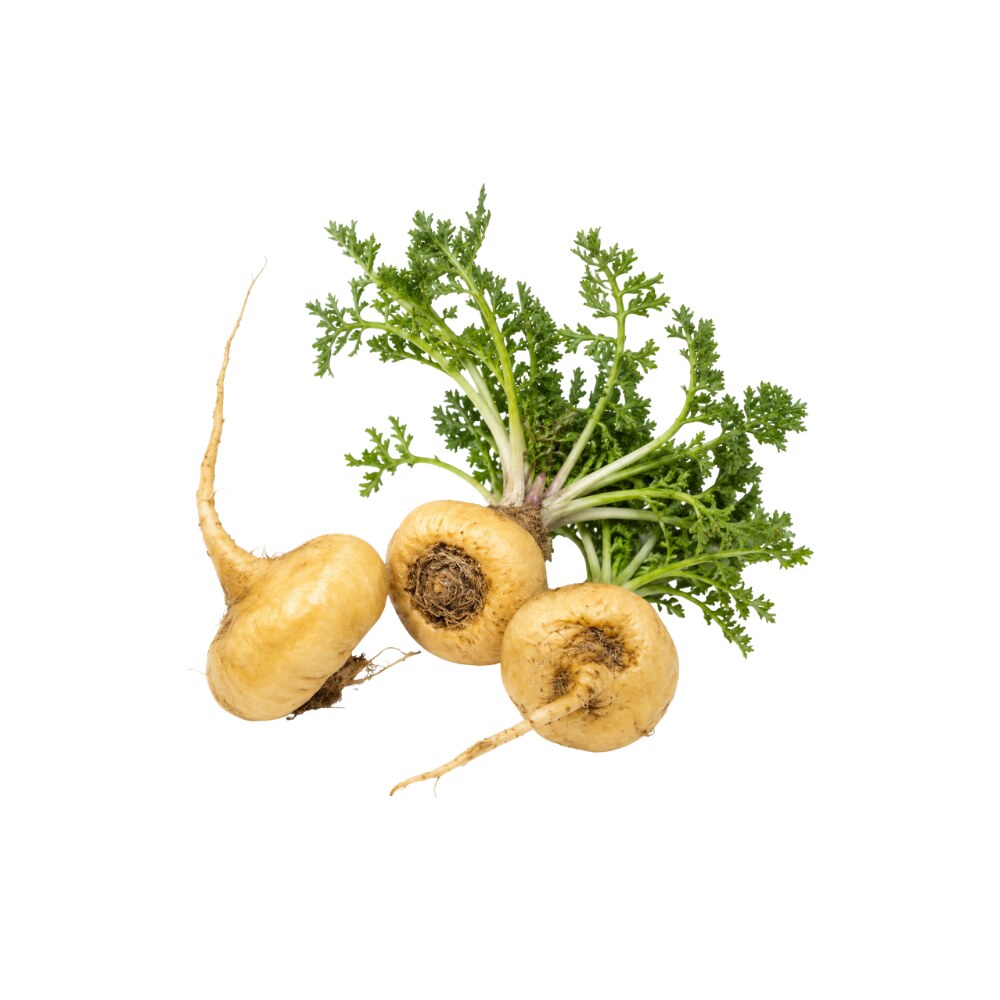
Herbs traditionally or clinically used for osteoporosis.

Supplementation
Supplementation (2)
Supplements, nutrients and compounds used for osteoporosis.
Vitamin D2 (Ergocalciferol)
Vitamin
The plant- and fungal-derived form of vitamin D, made by UV-B irradiation of ergosterol. It raises 25(OH)D and corrects deficiency, but most head-to-head trials find D3 does so more effectively — especially with bolus dosing.
Vitamin D3 (Cholecalciferol)
Vitamin
A fat-soluble secosteroid made in skin from sunlight, essential for calcium absorption and bone health. Correcting deficiency matters; routine extra dosing in already-replete people is mostly null.