
Condition
Wound Healing
Wound healing — the body's staged repair of skin and mucosa, and the topical vulnerary herbs used to stem bleeding, calm inflammation and speed new tissue.

Wound healing is the body’s staged repair of broken skin and mucosa — from minor cuts, grazes and abrasions to slow-healing chronic wounds such as venous leg, diabetic-foot and pressure ulcers, plus oral and post-surgical wounds. Herbs have been used as “vulneraries” (wound-healers) for millennia, chiefly topically, to stem bleeding, calm inflammation, resist infection and speed the growth of new tissue; a smaller number are taken internally. The evidence base is dominated by tradition and preclinical work, with only a handful of herbs — gotu kola foremost — reaching small human trials, and most of that evidence is for topical use. Thermal burns are a separate condition.
Presentation
Types & Variants
Wounds are broadly split into acute and chronic. Acute wounds — cuts, grazes, abrasions, lacerations, and surgical or post-partum wounds (episiotomy, cesarean, tooth-extraction sockets) — arise suddenly and, in healthy tissue, progress through the normal repair sequence to close within days to a few weeks. Chronic wounds stall in that sequence and fail to heal on schedule; the common types are venous leg ulcers, diabetic-foot ulcers and pressure (bed) sores, where poor circulation, high glucose, sustained pressure or infection hold the wound open. Herbal evidence clusters at the mild-and-superficial end (minor cuts, abrasions, oral and perineal wounds) and in a few small chronic-ulcer trials, and it separates sharply by route: most vulneraries are used topically (poultices, ointments, infused oils, gels), while a minority act internally.
Herbal vulneraries suit minor, clean, superficial wounds and slow-healing skin. Deep, gaping, heavily bleeding, bite, puncture, or visibly infected wounds (spreading redness, pus, fever), and chronic ulcers that are not improving, need professional medical assessment — as do wounds in people with diabetes or poor circulation. Some vulneraries (notably comfrey) must never be applied to open or deep wounds at all.
Overview
General Pathology
Normal wound healing runs through four overlapping phases. Haemostasis comes first — vasoconstriction and a platelet-and-fibrin clot stop bleeding and lay down a provisional matrix (where astringent/styptic herbs such as yarrow and witch-hazel traditionally act). Inflammation follows as neutrophils and macrophages clear debris and microbes and release cytokines; this is where most herbal actives concentrate their effect, damping NF-κB, COX-2 and pro-inflammatory cytokines (IL-1β, IL-6, TNF-α) and scavenging free radicals — the mechanism shared by gotu kola, calendula, plantain, myrrh and marshmallow. Proliferation then rebuilds tissue: fibroblasts deposit collagen, new blood vessels form (angiogenesis, via FGF/VEGF), and keratinocytes migrate across the surface (re-epithelialisation) — the step gotu kola’s triterpenes, calendula’s flavonoids and horsetail’s silica are credited with accelerating. Finally, remodelling reorganises and cross-links collagen over weeks to months, maturing the scar.
Chronic wounds are, in essence, wounds trapped in the inflammatory phase — persistent inflammation, infection, ischaemia or metabolic derangement prevents progression to proliferation, which is why anti-inflammatory, antimicrobial and pro-angiogenic plant actives are the plausible levers, and why moist-barrier demulcents (aloe, marshmallow, slippery elm) are used to protect the wound bed while the body’s own repair proceeds. Because herbs act mainly on the inflammatory and proliferative phases rather than replacing surgical or antibiotic care, their demonstrated benefit is greatest in minor and early-phase wounds and weakest — and most mixed — in established chronic ulcers.
Materia Medica
Materia Medica
Most wound-healing herbs are applied to the skin, and only a few have reached small human trials. None of them is a substitute for professional care of a serious wound.
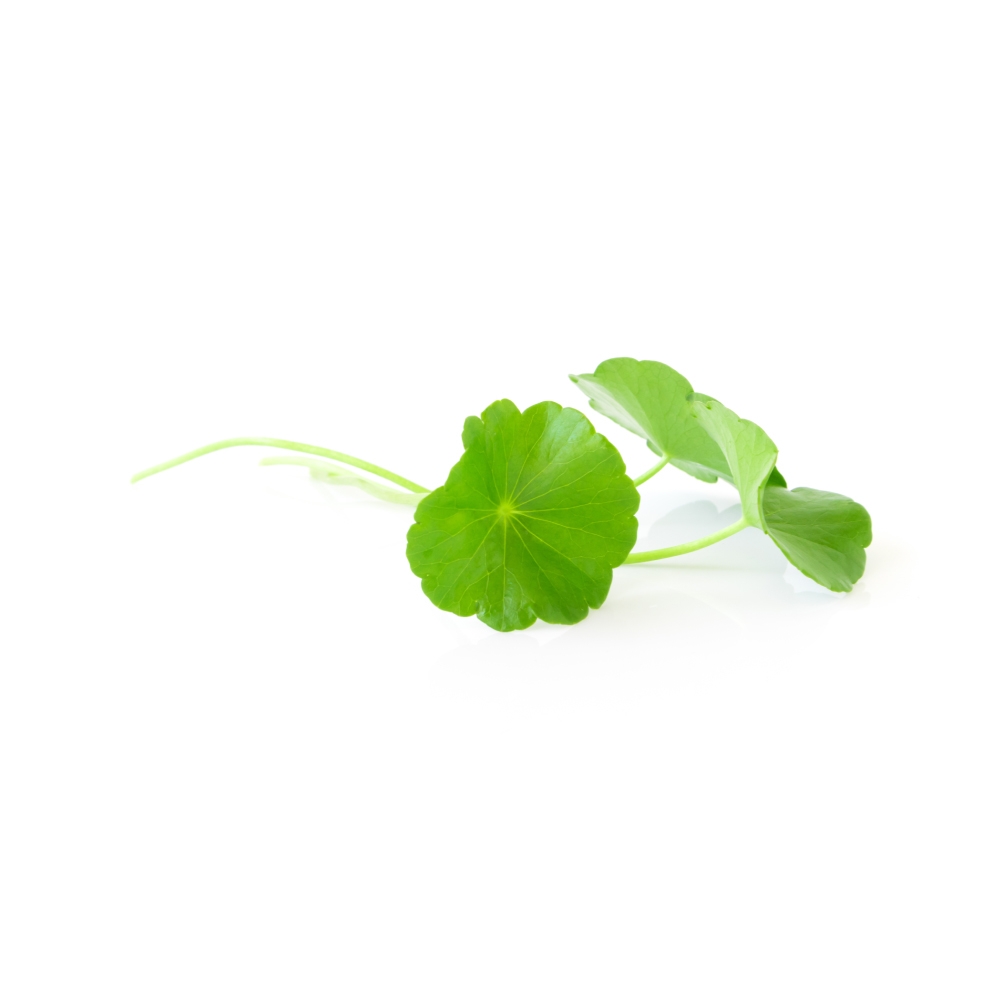 Gotu KolaCentella asiaticaStrong
Gotu kola is the best-evidenced herbal vulnerary. A 2022 systematic review of four clinical trials found Centella asiatica improved wound contraction, granulation and re-epithelialisation by stimulating collagen I, FGF and VEGF while suppressing IL-1β, IL-6, TNF-α and COX-2 22Reference 22Systematic reviewA systematic review of the effect of Centella asiatica on wound healingView study →, and a 2023 multicentre RCT (n=60) of a standardised triterpene spray-film improved healing of clean-contaminated acute wounds 23Reference 23RCTWound healing efficacy of a polymeric spray film containing Centella asiatica leaf extract — multicentre randomised controlled trialView study →.
Animal work adds antioxidant and collagen (hydroxyproline) gains from asiaticoside and madecassoside 24,
Effects are documented for standardised topical preparations (defined triterpene fractions), not tea or raw powder, and oral whole-herb wound data are thin.
Full monograph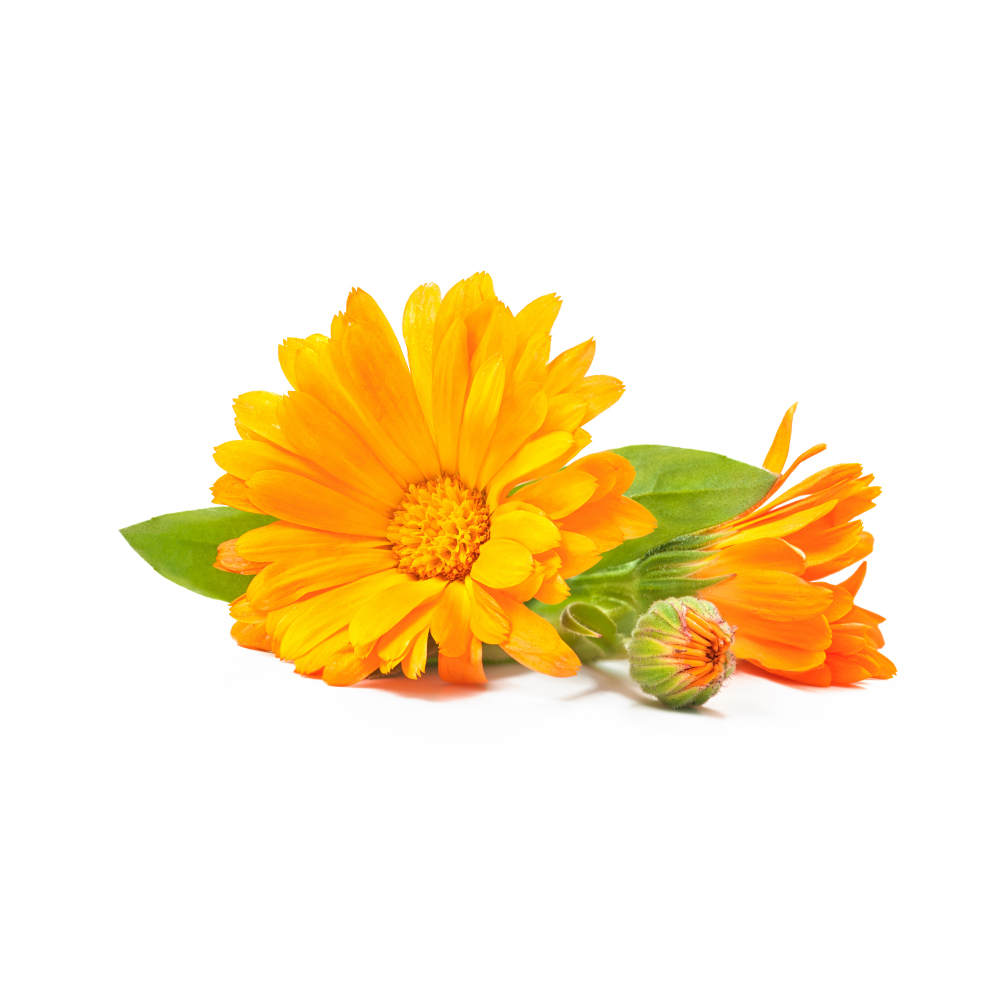 CalendulaCalendula officinalisModerate
Calendula’s support as a vulnerary is mixed, and strongest in the early inflammation/granulation phase. Animal and fibroblast-proliferation (PI3K/Akt) studies back it 4,
A randomised diabetic-leg-ulcer trial 11Reference 11RCTLow-level laser therapy and Calendula officinalis in repairing diabetic foot ulcers — [randomised controlled trial]View study → and a burns RCT found no benefit, almost no trial is placebo-controlled or blinded, and ‘calendula’ spans many extract types; benefit is topical. (Asteraceae contact-allergy caveat.)
Full monograph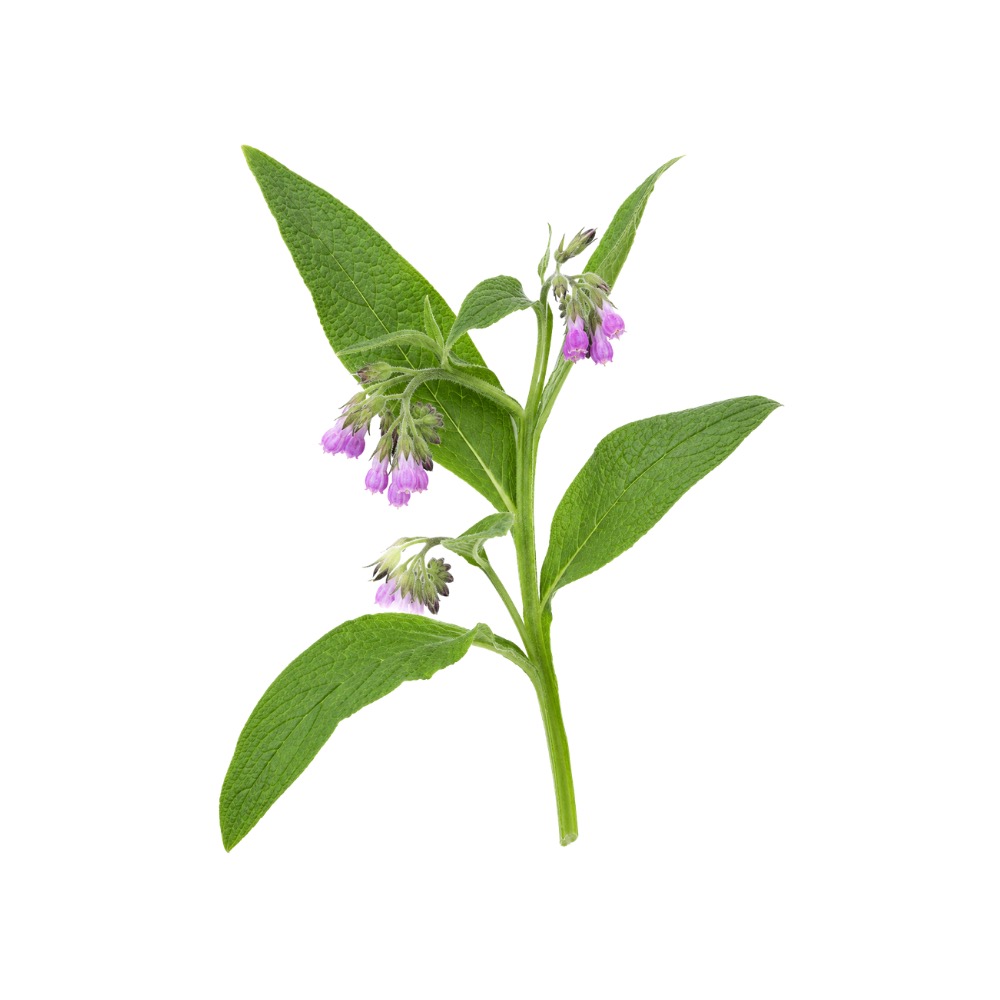 ComfreySymphytum officinaleModerate
Two randomised double-blind trials support comfrey for fresh abrasions — a 10% aerial-part cream reached 50% healing ~0.9 days sooner than a 1% control in children (n=108) 17Reference 17RCTWound-healing effects of a Symphytum herb extract cream in children — randomised, controlled, double-blindView study → and cut wound size faster in adults (n=278) 18Reference 18RCTWound-healing effects of a Symphytum herb extract cream — randomised, controlled, double-blindView study → — with rat and in-vitro data showing faster re-epithelialisation and collagen deposition 19,
Two caveats: trials were reference- not placebo-controlled (10% vs 1%), and comfrey is for intact skin and clean superficial grazes only — never open, deep or dirty wounds (rapid surface proliferation can trap infection) and never internally (hepatotoxic pyrrolizidine alkaloids).
Full monograph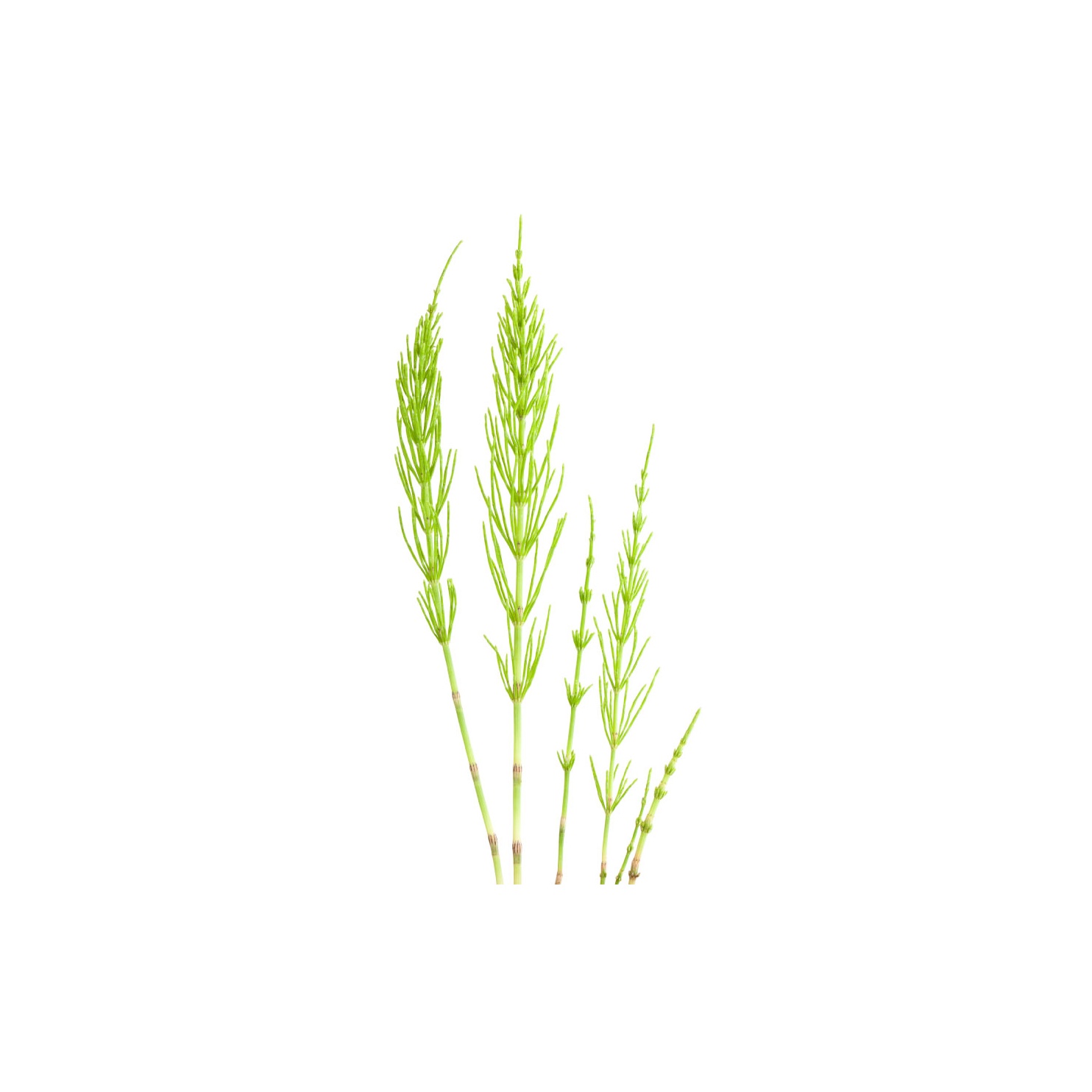 HorsetailEquisetum arvenseModerate
A double-blind placebo-controlled RCT applied a 3% Equisetum arvense ointment to episiotomy wounds in 108 women and found significantly better REEDA healing scores and less pain at days 5 and 10, with fewer analgesics 29Reference 29RCTThe effect of Equisetum arvense (horsetail) ointment on wound healing and pain intensity after episiotomy — randomised placebo-controlled trialView study →; two diabetic and dermal rat models support the direction 30,
All evidence is topical and the human trial is single-centre and episiotomy-specific; none of it supports oral use for wounds.
Full monograph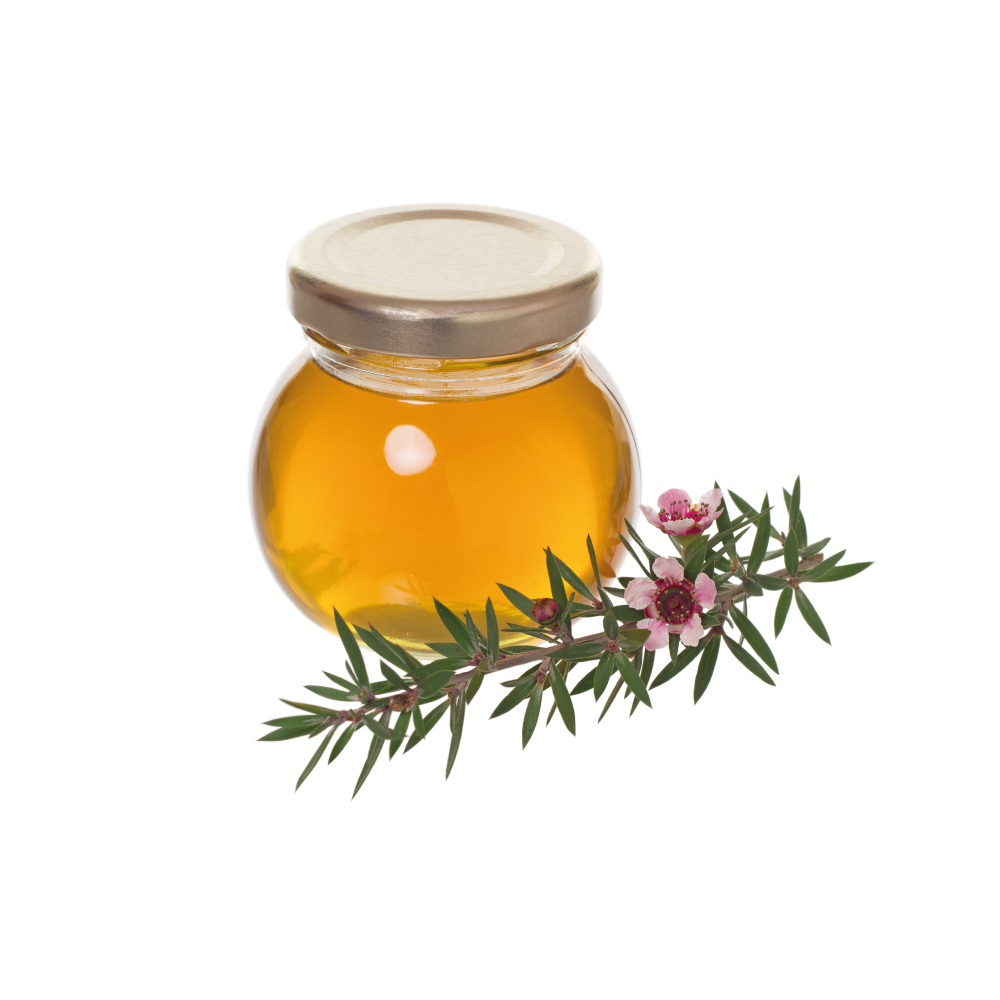 ManukaLeptospermum scopariumModerate
The clearest human evidence for anything ‘manuka’ is topical manuka honey, a distinct product from the leaf or essential oil: a Cochrane review found honey may shorten healing of infected post-operative wounds versus some comparators, with low-certainty evidence for other wound types 32Reference 32Systematic reviewHoney as a topical treatment for wounds [systematic review]View study →, and a second Cochrane review rated honey among better-supported antiseptic options 33Reference 33Systematic reviewAntiseptics for burns [systematic review]View study →, the mechanism combining osmotic drawing, low pH and methylglyoxal action 34Reference 34Systematic reviewClinical significance of manuka and medical-grade honey for antibiotic-resistant infections: a systematic review [systematic review]View study →.
Certainty is low, trials heterogeneous, and null results exist. The product tested is medical-grade honey, not the herb; the leaf and oil have no completed human wound trials.
Full monograph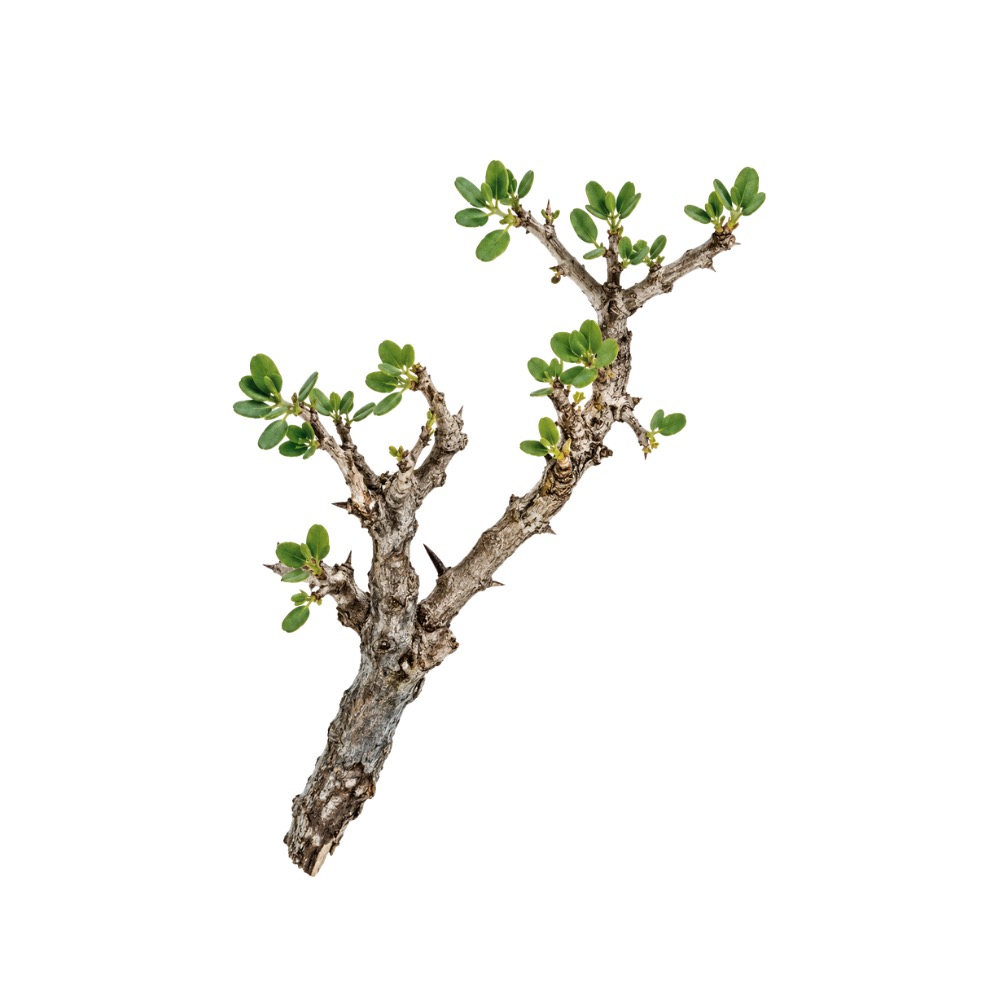 MyrrhCommiphora myrrhaModerate
Myrrh’s best-documented modern use is topical/mucosal repair: a 2026 systematic review and meta-analysis (15 studies, eight RCTs) found myrrh improves gingival and plaque indices and reduces post-surgical swelling as an adjunct 38Reference 38Meta-analysisMyrrh in the management of periodontal disease and gingival healing — systematic review and meta-analysisView study →, a 0.5% mucoadhesive gel led pain reduction in recurrent aphthous stomatitis 39Reference 39RCTClinical efficacy of aloe vera- and myrrh-based oral mucoadhesive gels in minor recurrent aphthous stomatitis — randomised, double-blind, vehicle-controlled trialView study →, mouthwash sped healing after tooth extraction 40Reference 40Clinical trialEfficacy of myrrh mouthwash on wound healing after tooth extraction — controlled clinical trialView study →, and a sitz-bath outperformed comparators for episiotomy healing 41Reference 41RCTEpisiotomy wound healing by Commiphora myrrha and Boswellia carteri in primiparous women — randomised controlled trialView study →.
Evidence is concentrated in oral/gingival and perineal/post-surgical wounds, certainty is low-to-moderate, preparations heterogeneous; one hemorrhoidectomy cohort healed faster but recorded more complications 42Reference 42AnimalEffect of myrrh (Commiphora molmol) on leukocyte levels during healing from gastric ulcer or skin injury — rat modelView study →.
Full monograph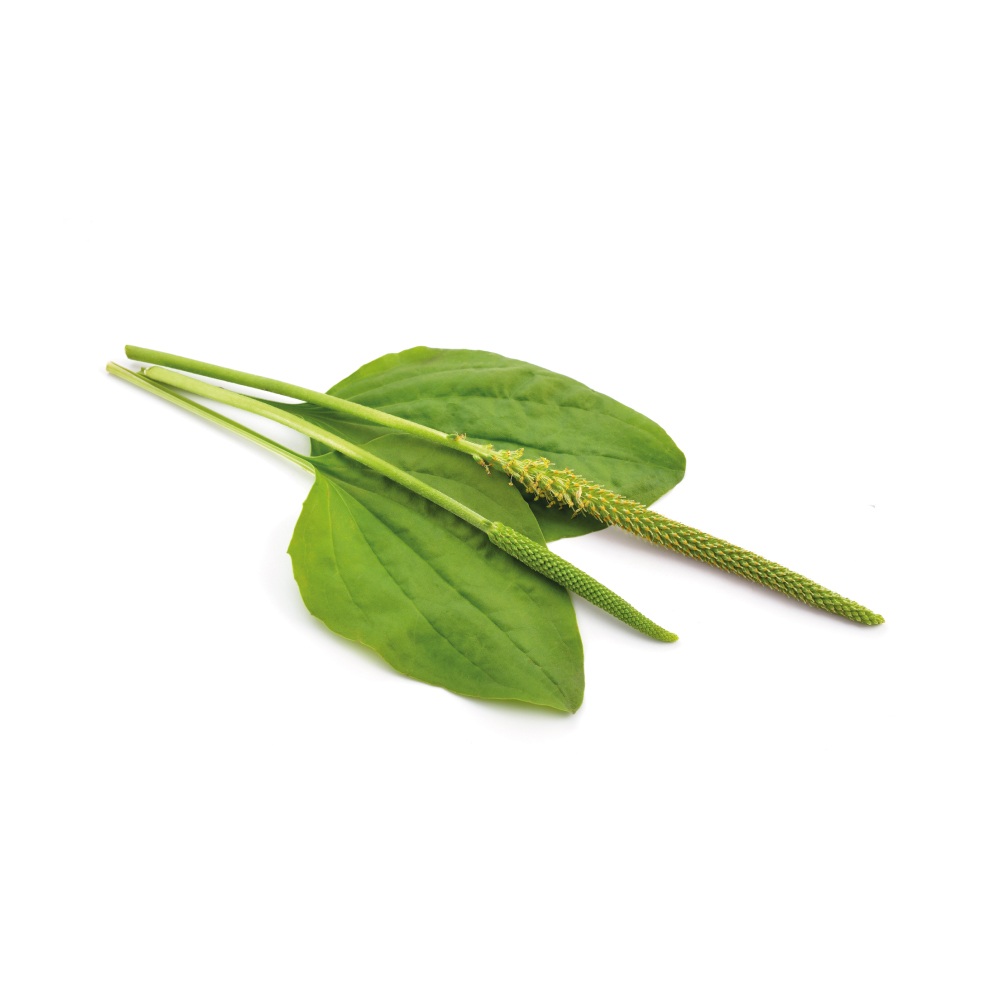 PlantainPlantago majorModerate
Plantain leaf is a classic drawing/soothing vulnerary with several small topical RCTs: a triple-blind trial improved stage-1 pressure-ulcer resolution with a quercetin-standardised P. major gel 43Reference 43RCTClinical and phytochemical studies of Plantago major in pressure ulcer treatment: A randomized controlled trialView study →, an open-label RCT found a 10% hydroalcoholic gel accelerated diabetic-foot and pressure-ulcer closure 44Reference 44RCTThe effect of Plantago major hydroalcoholic extract on the healing of diabetic foot and pressure ulcers — randomised controlled trialView study →, and an Aloe vera/P. major gel beat placebo in diabetic-foot ulcers 45Reference 45RCTEfficacy of Aloe vera/Plantago major gel in diabetic foot ulcer: a randomized double-blind clinical trialView study →; rat stereology and fibroblast studies show increased collagen and scratch-wound closure 46,
Trials are small, several open-label or combination, a systematic review of animal studies judged them high-risk-of-bias 48Reference 48Systematic reviewThe effect of Plantago major on wound healing in preclinical studies: a systematic review — animal models, insufficient evidence, all at high risk of biasView study →; benefit is topical, and leaf medicine must not be conflated with psyllium seed.
Full monograph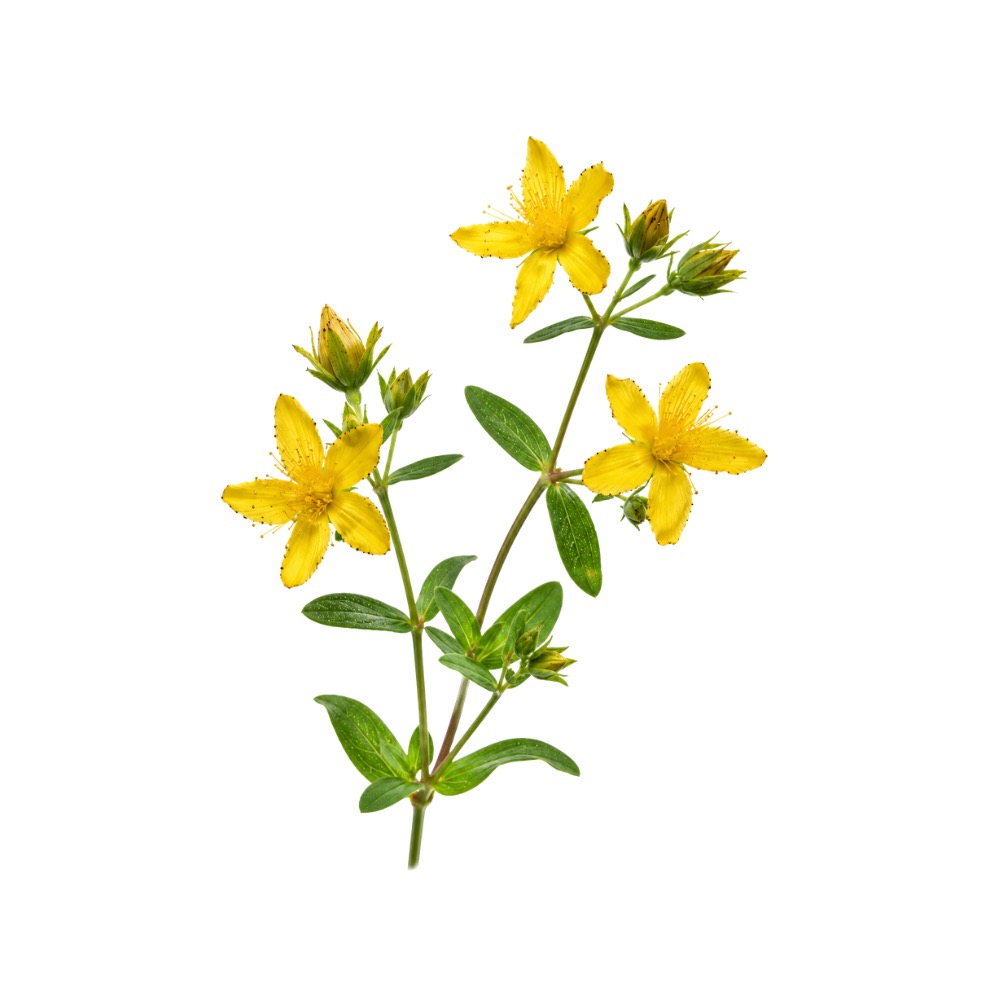 St. John’s WortHypericum perforatumModerate
A distinct traditional use of the infused oil, not the oral antidepressant extract: a randomised double-blind trial in 144 women found a topical Hypericum perforatum ointment (3×/day) accelerated cesarean wound healing and reduced scar formation versus placebo 51Reference 51RCTThe effect of Hypericum perforatum on the wound healing and scar of caesarean — randomised, double-blind trialView study →, plausibly via anti-inflammatory flavonoids and hyperforin’s antibacterial action.
The signal is not uniform — a 2025 RCT on stage 1–2 pressure injuries found no difference from saline 52Reference 52RCTThe Effects of StView study → — so results are wound-type- and formulation-specific and say nothing about oral use. (Topical hypericum is photosensitising.)
Full monograph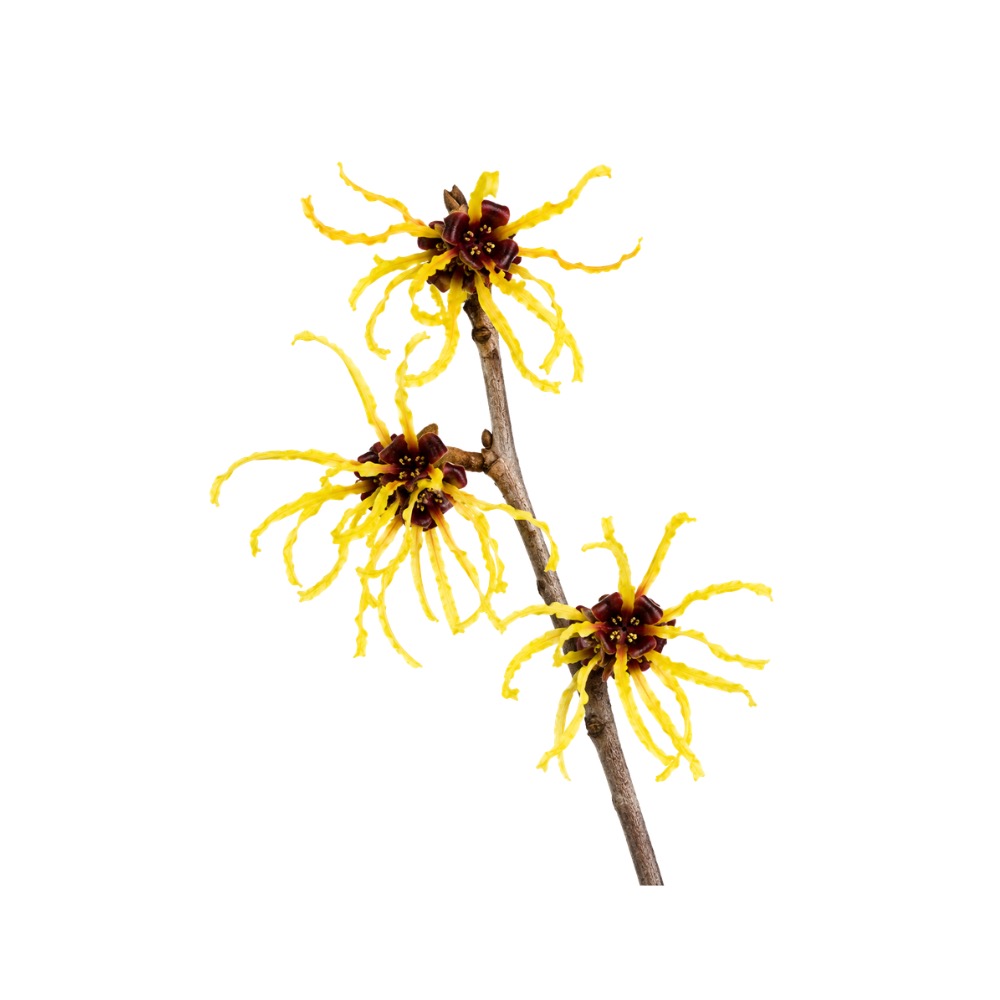 Witch HazelHamamelis virginianaModerate
Witch hazel’s human wound data are broad but weak. The largest human dataset is an uncontrolled observational study of 309 children with minor injuries, diaper dermatitis or localised inflammation, in which hamamelis ointment gave symptom reduction comparable to dexpanthenol with excellent tolerability 53Reference 53ObservationalHamamelis in children with skin disorders and skin injuries: results of an observational study — observational/cohortView study →, though a systematic review rated the underlying evidence low-quality 54Reference 54Systematic reviewPhytotherapy in paediatric skin disorders — a systematic literature review — systematic reviewView study →.
Everything else is preclinical, and a striking rat wound-closure figure came from an engineered dressing that also contained diclofenac. The astringent tannins are largely absent from steam-distilled ‘witch hazel water’.
Full monograph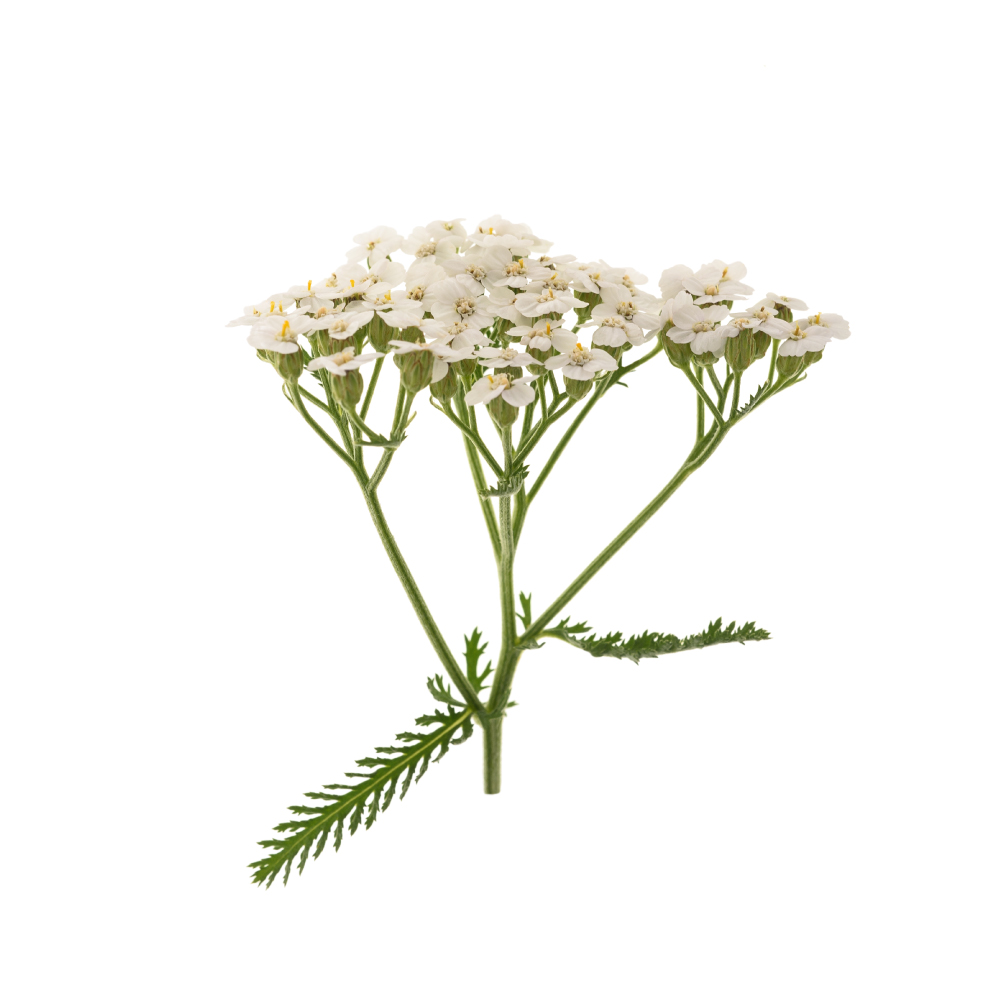 YarrowAchillea millefoliumModerate
Yarrow’s flagship traditional role is styptic and vulnerary (‘Soldier’s Woundwort’), and it has one human trial: a double-blind study in 140 primiparous women found an A. millefolium ointment reduced episiotomy pain, redness, oedema and ecchymosis versus placebo, though it did not change discharge or dehiscence 55Reference 55RCTThe effect of Achillea millefolium and Hypericum perforatum ointments on episiotomy wound healing in primiparous women — [double-blind randomised]View study →. In vitro, extracts promote fibroblast activity and wound closure 56,
The single RCT combined yarrow with a standard base (and St John’s wort), most positive genus data are on other Achillea species, and the classic hemostatic claim itself remains untested in controlled human settings.
Full monograph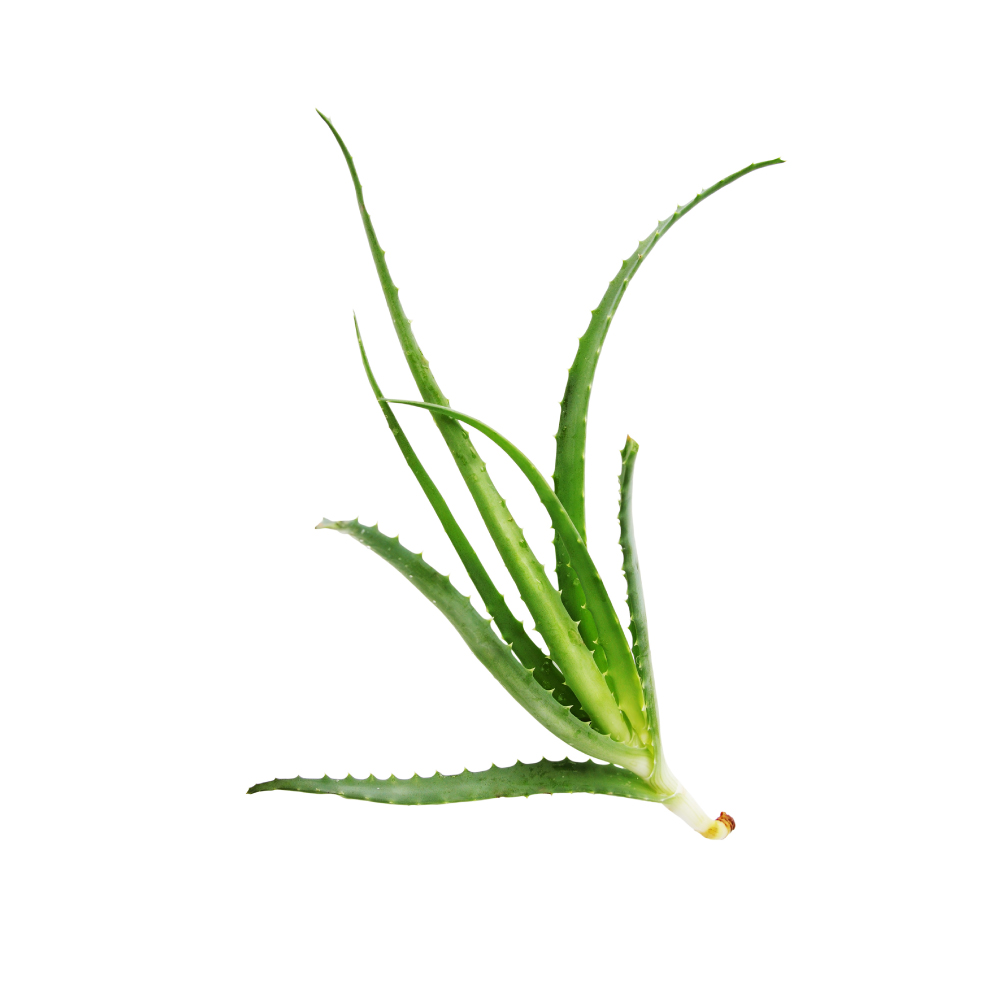 AloeAloe vera/barbadensisPreclinical
Aloe gel is a classic vulnerary (its mucilage carries antiseptic, anti-inflammatory and wound-healing action) with supportive animal data: oral and topical activity on wound healing 1Reference 1RCTAnti-hyperglycemic and anti-hypercholesterolemic effects of Aloe vera leaf gel in hyperlipidemic type 2 diabetic patients — randomized double-blind placebo-controlled clinical trialView study →, accelerated closure in rat skin wounds 2Reference 2RCTImprovement of glucose and lipid profile status with Aloe vera in pre-diabetic subjects — randomized controlled trialView study →, and improved dermal-wound healing in diabetic rats 3Reference 3Meta-analysisEffects of Aloe vera on burn injuries — systematic review and meta-analysis of randomized controlled trialsView study →, with acemannan the marker polysaccharide credited for repair.
Human evidence is old and thin, with no dedicated wound-healing study. Aloe’s strongest skin data are in burns; for general wounds its use rests on tradition and preclinical work, chiefly topical.
Full monograph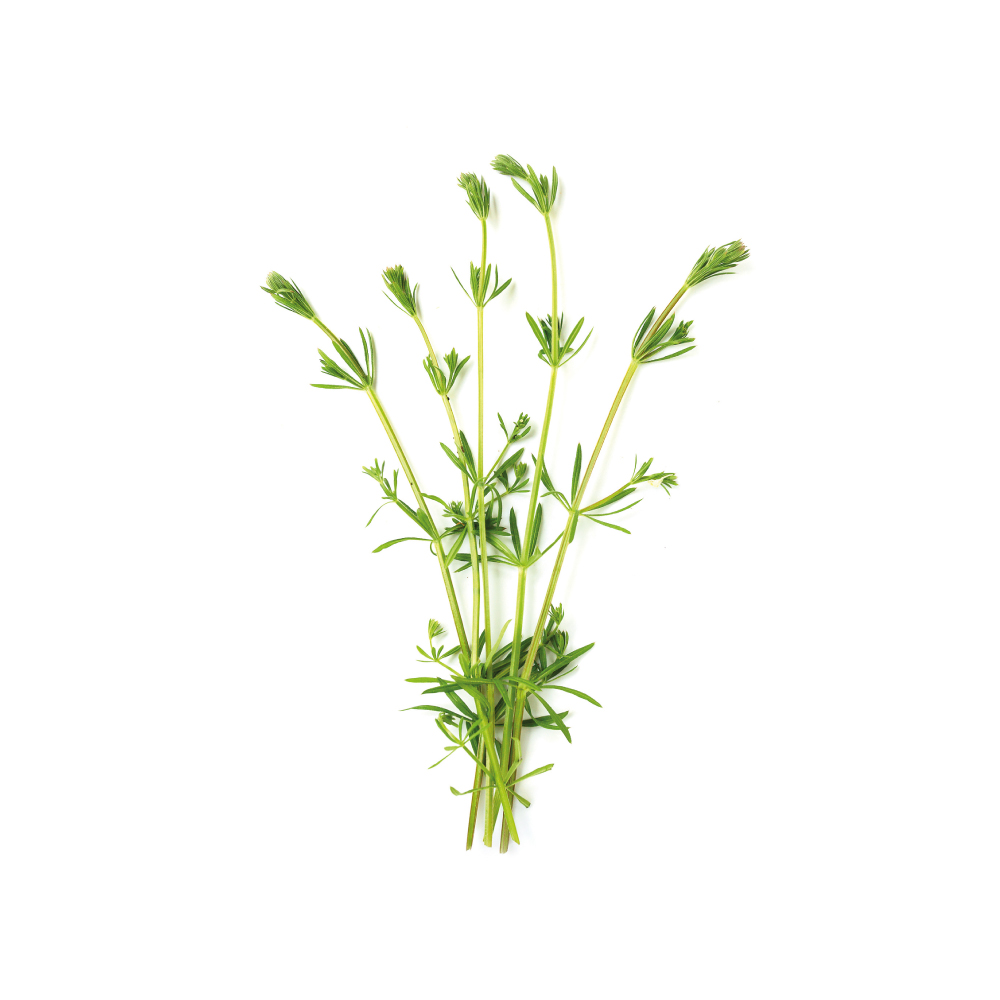 CleaversGalium aparinePreclinical
A 2024 study tested the plant’s oldest documented use: a Galium aparine extract accelerated scratch-wound closure in human dermal-fibroblast and endothelial monolayers without cytotoxicity, alongside anti-S. aureus activity and ascorbic-acid-comparable antioxidant capacity 15Reference 15In vitroBringing back Galium aparine L. from forgotten corners of traditional wound treatment procedures: an antimicrobial, antioxidant, and in-vitro wound healing assay — in vitro studyView study →, echoing an 1883 clinical note on cleavers for chronic ulcers 16Reference 16Galium Aparine as a Remedy for Chronic Ulcers — historical clinical noteView study →.
This is an in-vitro scratch assay, not a healing-wound animal or human model — whether topical cleavers speeds real wound closure is untested, and no human trial of cleavers has ever been published.
Full monograph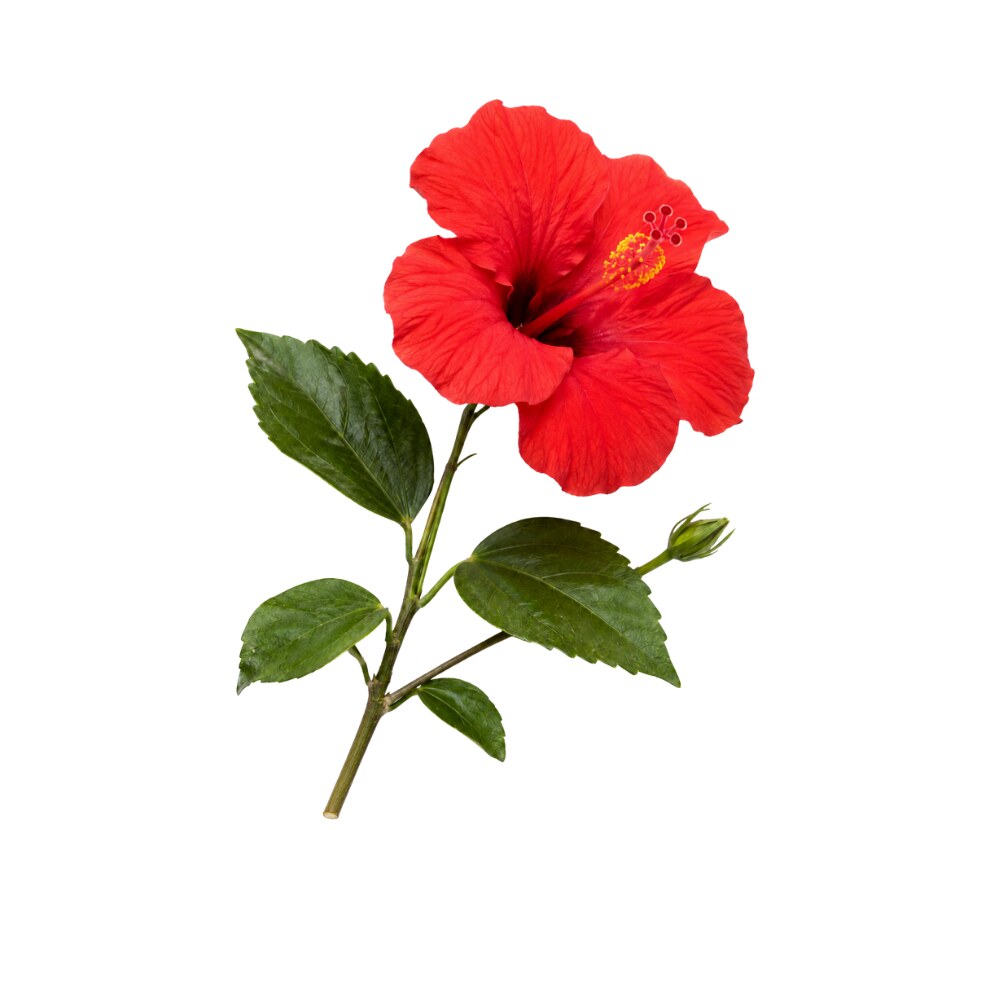 HibiscusHibiscus rosa-sinensisPreclinical
Topical flower extracts support the traditional vulnerary use in rodents only: an aqueous flower extract accelerated wound contraction, epithelialisation and tensile strength in rats 26Reference 26AnimalWound-healing activity of Hibiscus rosa-sinensis flower extract in rats — in vivoView study →, an ethanolic extract improved breaking strength and collagen across excision, incision and dead-space models 27Reference 27AnimalWound-healing activity of ethanolic Hibiscus rosa-sinensis flower extract in rats (excision/incision/dead-space) — in vivoView study →, and an n-butanol fraction enhanced excisional healing 28Reference 28AnimalN-butanol fraction of Hibiscus rosa-sinensis flowers enhances excisional wound healing in rats — in vivoView study →.
The evidence is a small cluster of animal studies, with no human wound-care data. The species tested is the ornamental H. rosa-sinensis, not the roselle tea species.
Full monograph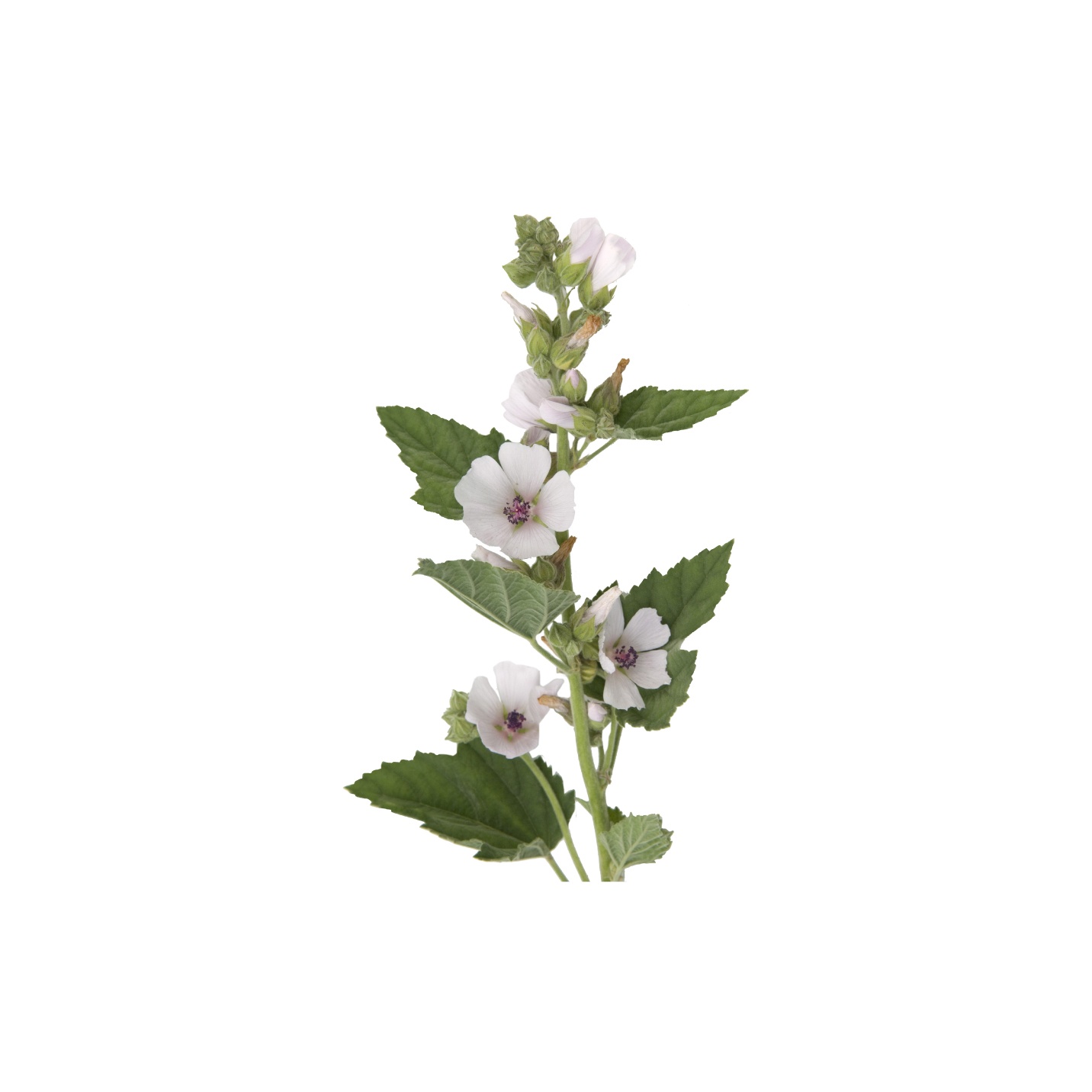 MarshmallowAlthaea officinalisPreclinical
Two rat studies support topical use: 5% and 10% marshmallow gels increased fibroblast populations, vessel diameter and (at 10%) collagen synthesis 35Reference 35AnimalAlthaea officinalis improves wound healing in rats: a stereological study — animal (rat)View study →, and a hydroalcoholic leaf extract sped excision-wound closure, partly through gram-positive antibacterial activity 36Reference 36In vitroEvaluation of the antibacterial activity of the Althaea officinalis L. leaf extract and its wound healing potency in the rat model of excision wound — animal/in vitroView study →; human-cell work showed the root extract cut IL-6 and improved endothelial wound-closure 37Reference 37In vitroPhytohustil and root extract of Althaea officinalis L. exert anti-inflammatory and anti-oxidative properties and improve migratory capacity of endothelial cells — in vitroView study →.
Rodent-only, topical and small, with no controlled human wound trial — and its antibacterial effect is confined to gram-positive organisms while secondary wound infection is often gram-negative, so it is best combined for antisepsis.
Full monograph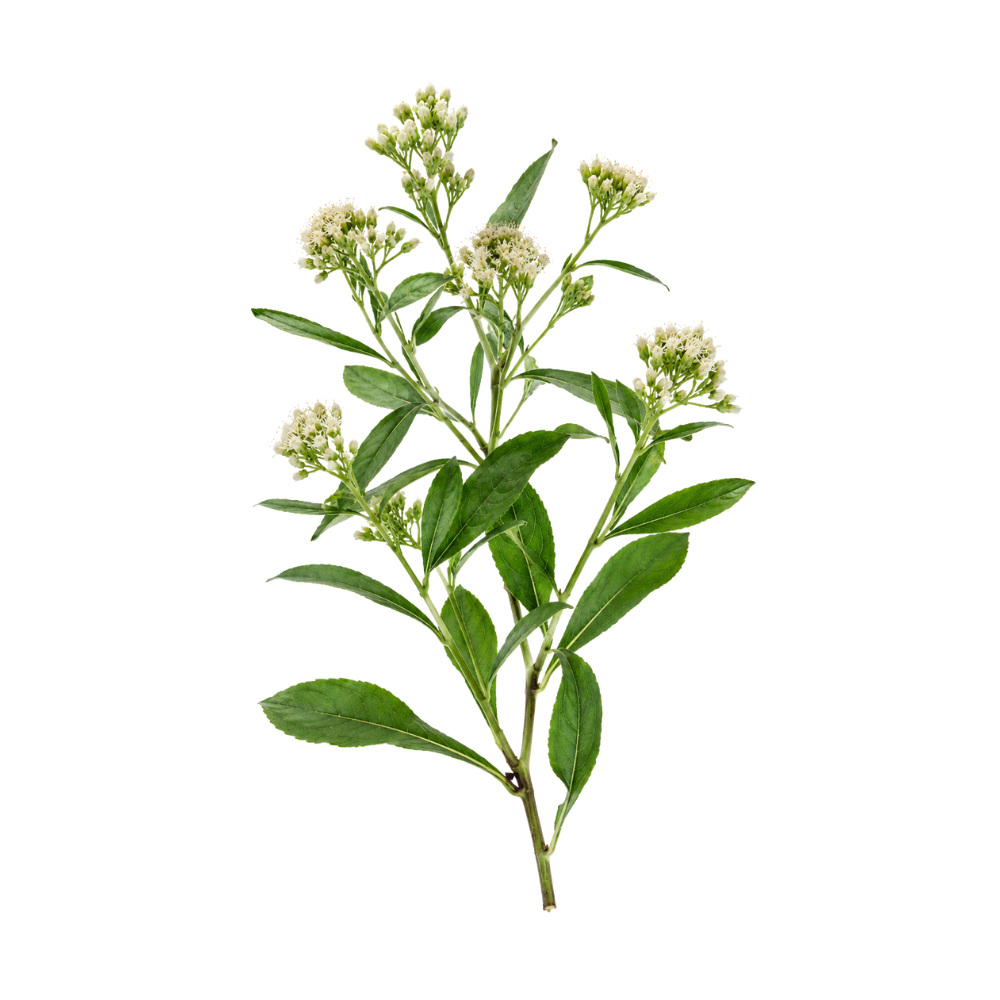 ChilcaBaccharis latifoliaTraditional only
A crushed-leaf poultice or wash of chilca is traditionally applied as a vulnerary to clean and close wounds. The only adjacent pharmacology is the leaf essential oil’s in-vitro antifungal activity against dermatophytes (Trichophyton) and Aspergillus 14Reference 14Antifungal activity, cytotoxicity and composition of essential oils from the Asteraceae plant familyView study → — relevant to skin infection, not wound repair as such. No wound-healing pharmacology exists for the herb; the use rests on consistently documented tradition.
Full monograph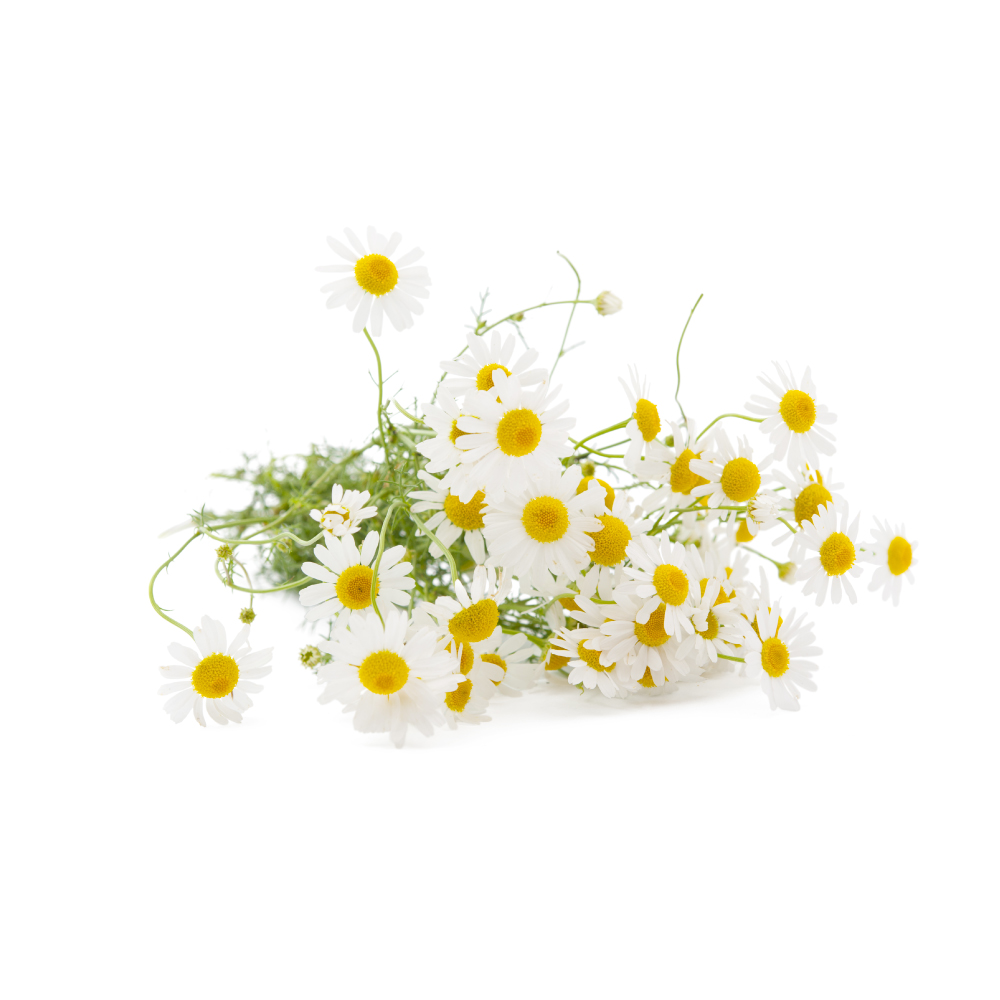 German ChamomileMatricaria chamomillaTraditional only
German chamomile is a long-standing topical vulnerary, its essential-oil actives α-bisabolol and chamazulene providing a plausible anti-inflammatory basis for soothing damaged skin. But its controlled skin trials are not wound-closure studies — a chamomile liposomal gel was null on its primary radiation-dermatitis outcome 12Reference 12RCTComparison of liposomal gel with and without chamomile to prevent radiation dermatitis in breast cancer patients: a randomized controlled trialView study → and a positive 2025 trial was in diabetic neuropathy, not wound healing 13Reference 13RCTTopical chamomile oil as a novel therapeutic intervention for diabetic neuropathy: a randomized double-blind controlled clinical trialView study →. Its wound-healing use rests on tradition and mechanism rather than trial evidence, and is topical.
Full monograph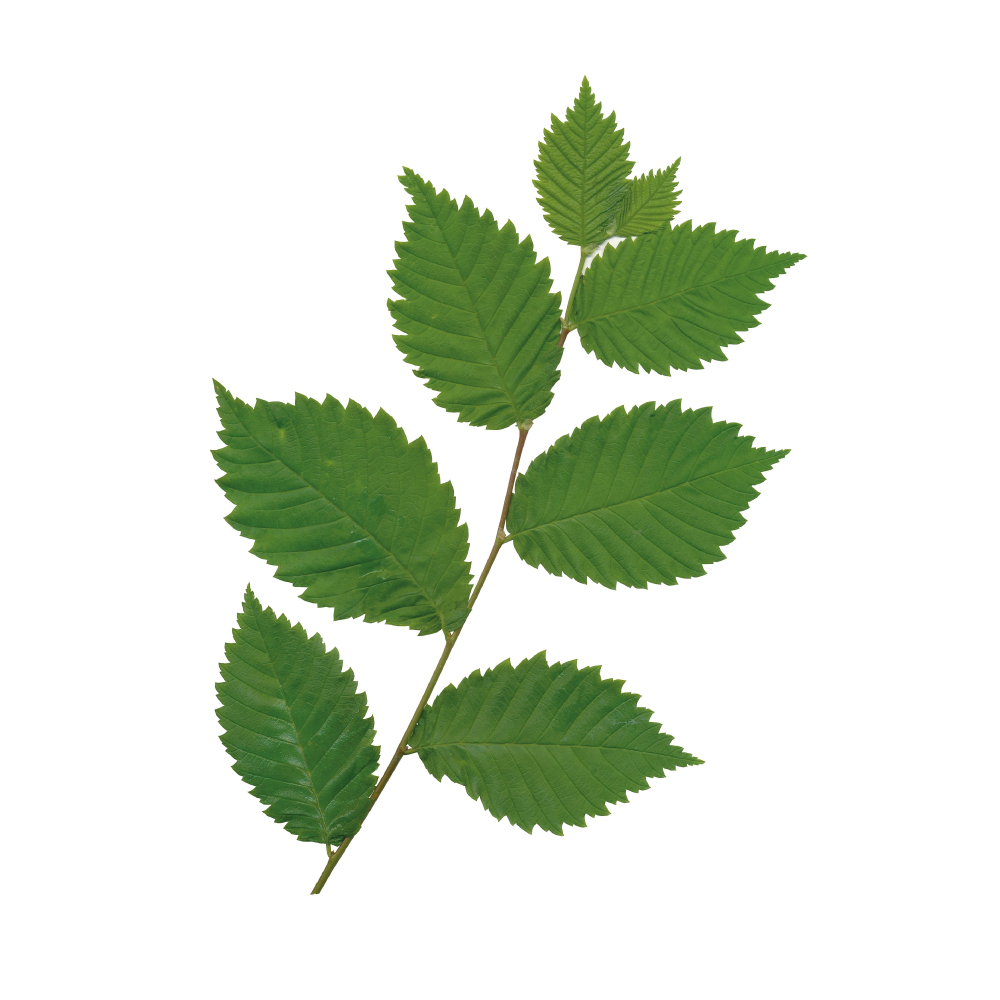 Slippery ElmUlmus rubraTraditional only
Slippery elm bark powder was a classic Civil War-era poultice for wounds, boils and inflamed skin, and the rationale is its mucilage: a hydrated gel forms a moist protective barrier over damaged tissue 49,
References
- Huseini, H. F., Kianbakht, S., Hajiaghaee, R., & Dabaghian, F. H. (2012). Anti-hyperglycemic and anti-hypercholesterolemic effects of Aloe vera leaf gel in hyperlipidemic type 2 diabetic patients — randomized double-blind placebo-controlled clinical trial. Planta Med. https://pubmed.ncbi.nlm.nih.gov/22198821/
- Alinejad-Mofrad, S., Foadoddini, M., Saadatjoo, S. A., & Shayesteh, M. (2015). Improvement of glucose and lipid profile status with Aloe vera in pre-diabetic subjects — randomized controlled trial. J Diabetes Metab Disord. https://pubmed.ncbi.nlm.nih.gov/25883909/
- Huang, Y. N., Chen, K. C., Wang, J. H., & Lin, Y. K. (2024). Effects of Aloe vera on burn injuries — systematic review and meta-analysis of randomized controlled trials. J Burn Care Res. https://pubmed.ncbi.nlm.nih.gov/38605441/
- Givol O, et al. (2019). A systematic review of Calendula officinalis extract for wound healing — [systematic review]. Wound Repair Regen. https://pubmed.ncbi.nlm.nih.gov/31145533/
- Dinda M, et al. (2015). PI3K-mediated proliferation of fibroblasts by Calendula officinalis tincture: implication in wound healing — [in vitro study]. Phytother Res. https://pubmed.ncbi.nlm.nih.gov/25641010/
- Kundaković T, et al. (2012). Treatment of venous ulcers with the herbal-based ointment Herbadermal®: a prospective non-randomized pilot study — [non-randomised clinical trial]. Forsch Komplementmed. https://pubmed.ncbi.nlm.nih.gov/22398923/
- Buzzi M, et al. (2016). A Prospective, Descriptive Study to Assess the Clinical Benefits of Using Calendula officinalis Hydroglycolic Extract for the Topical Treatment of Diabetic Foot Ulcers — [prospective clinical study]. Ostomy Wound Manage. https://pubmed.ncbi.nlm.nih.gov/26978856/
- De Angelis C, et al. (2022). Use of calendula ointment after episiotomy: a randomized clinical trial — [randomised controlled trial]. J Matern Fetal Neonatal Med. https://pubmed.ncbi.nlm.nih.gov/32460565/
- Jahdi F, et al. (2018). The impact of calendula ointment on cesarean wound healing: A randomized controlled clinical trial — [randomised controlled trial]. J Family Med Prim Care. https://pubmed.ncbi.nlm.nih.gov/30598929/
- Eghdampour F, et al. (2013). The Impact of Aloe vera and Calendula on Perineal Healing after Episiotomy in Primiparous Women: A Randomized Clinical Trial — [randomised controlled trial]. J Caring Sci. https://pubmed.ncbi.nlm.nih.gov/25276736/
- Carvalho AF, et al. (2016). Low-level laser therapy and Calendula officinalis in repairing diabetic foot ulcers — [randomised controlled trial]. Rev Esc Enferm USP. https://pubmed.ncbi.nlm.nih.gov/27680049/
- Meneses AG, et al. (2025). Comparison of liposomal gel with and without chamomile to prevent radiation dermatitis in breast cancer patients: a randomized controlled trial. Strahlentherapie und Onkologie. https://pubmed.ncbi.nlm.nih.gov/39283344/
- Amiri M, et al. (2025). Topical chamomile oil as a novel therapeutic intervention for diabetic neuropathy: a randomized double-blind controlled clinical trial. Explore. https://pubmed.ncbi.nlm.nih.gov/40440968/
- Zapata B, Durán C, Stashenko E, Betancur-Galvis L, Mesa-Arango AC. Antifungal activity, cytotoxicity and composition of essential oils from the Asteraceae plant family. Rev Iberoam Micol. 2010;27(2):101–103. https://pubmed.ncbi.nlm.nih.gov/20346291/
- Beirami, A. D., Akhtari, N., Noroozi, R., Hatamabadi, D., et al. (2024). Bringing back Galium aparine L. from forgotten corners of traditional wound treatment procedures: an antimicrobial, antioxidant, and in-vitro wound healing assay — in vitro study. BMC Complementary Medicine and Therapies, 24(1), 279. https://pubmed.ncbi.nlm.nih.gov/39044256/
- Quinlan FJ (1883). Galium Aparine as a Remedy for Chronic Ulcers — historical clinical note. British Medical Journal, 1(1172), 1173. https://pubmed.ncbi.nlm.nih.gov/20750642/
- Barna, M., et al. (2012). Wound-healing effects of a Symphytum herb extract cream in children — randomised, controlled, double-blind. Arzneimittelforschung. https://pubmed.ncbi.nlm.nih.gov/22549241/
- Barna, M., et al. (2007). Wound-healing effects of a Symphytum herb extract cream — randomised, controlled, double-blind. Wiener Medizinische Wochenschrift. https://pubmed.ncbi.nlm.nih.gov/18157595/
- Dähnhardt, D., et al. (2020). Epidermal regeneration induced by comfrey extract — in vitro (light and electron microscopy). Skin Pharmacology and Physiology. https://pubmed.ncbi.nlm.nih.gov/32683369/
- Mârza, S. M., et al. (2024). Healing of skin wounds in rats using creams based on Symphytum officinale extract — animal model. International Journal of Molecular Sciences. https://pubmed.ncbi.nlm.nih.gov/38542069/
- Araújo, L. U., et al. (2012). In vivo wound-healing effects of Symphytum officinale leaves extract — animal model. Pharmazie. https://pubmed.ncbi.nlm.nih.gov/22570943/
- Arribas-López, E., et al. (2022). A systematic review of the effect of Centella asiatica on wound healing. International Journal of Environmental Research and Public Health. https://pubmed.ncbi.nlm.nih.gov/35328954/
- Changsan, N., et al. (2023). Wound healing efficacy of a polymeric spray film containing Centella asiatica leaf extract — multicentre randomised controlled trial. Journal of Wound Care. https://pubmed.ncbi.nlm.nih.gov/38063299/
- Shukla, A., et al. (1999). Asiaticoside-induced elevation of antioxidant levels in healing wounds — animal (rat) model. Phytotherapy Research. https://pubmed.ncbi.nlm.nih.gov/10189951/
- Liu, M., et al. (2008). Madecassoside isolated from Centella asiatica facilitates burn wound healing in mice — animal model. Planta Medica. https://pubmed.ncbi.nlm.nih.gov/18484522/
- Nayak, B. S., et al. (2007). Wound-healing activity of Hibiscus rosa-sinensis flower extract in rats — in vivo. Int J Low Extrem Wounds. https://pubmed.ncbi.nlm.nih.gov/17558005/
- Bhaskar, A., & Nithya, V. (2012). Wound-healing activity of ethanolic Hibiscus rosa-sinensis flower extract in rats (excision/incision/dead-space) — in vivo. Indian J Pharmacol. https://doi.org/10.4103/0253-7613.103252
- Shen, H. M., et al. (2017). N-butanol fraction of Hibiscus rosa-sinensis flowers enhances excisional wound healing in rats — in vivo. J Ethnopharmacol. https://pubmed.ncbi.nlm.nih.gov/28088494/
- Asgharikhatooni, A., et al. (2015). The effect of Equisetum arvense (horsetail) ointment on wound healing and pain intensity after episiotomy — randomised placebo-controlled trial. Iranian Red Crescent Medical Journal. https://pubmed.ncbi.nlm.nih.gov/26019907/
- Ozay, Y., et al. (2013). Effects of Equisetum arvense ointment on diabetic wound healing in rats — animal model. Wounds. https://pubmed.ncbi.nlm.nih.gov/25867238/
- Ozay, Y., et al. (2010). Effects of Equisetum arvense ointment on dermal wound healing in rats — animal model. Wounds. https://pubmed.ncbi.nlm.nih.gov/25901493/
- Jull, A. B., Cullum, N., Dumville, J. C., et al. (2015). Honey as a topical treatment for wounds [systematic review]. Cochrane Database of Systematic Reviews. https://pubmed.ncbi.nlm.nih.gov/25742878/
- Norman, G., Christie, J., Liu, Z., et al. (2017). Antiseptics for burns [systematic review]. Cochrane Database of Systematic Reviews. https://pubmed.ncbi.nlm.nih.gov/28700086/
- Nolan, V. C., Harrison, J., Wright, J. E. E., et al. (2020). Clinical significance of manuka and medical-grade honey for antibiotic-resistant infections: a systematic review [systematic review]. Antibiotics (Basel). https://pubmed.ncbi.nlm.nih.gov/33142845/
- Mohsenikia, M., Rafiee, S., Rozei, L. S., et al. (2020). Althaea officinalis improves wound healing in rats: a stereological study — animal (rat). Drug Discoveries & Therapeutics. https://pubmed.ncbi.nlm.nih.gov/33116035/
- Rezaei, M., Dadgar, Z., Noori-Zadeh, A., Mesbah-Namin, S. A., Pakzad, I., & Davodian, E. (2015). Evaluation of the antibacterial activity of the Althaea officinalis L. leaf extract and its wound healing potency in the rat model of excision wound — animal/in vitro. Avicenna Journal of Phytomedicine. https://pubmed.ncbi.nlm.nih.gov/25949951/
- Bonaterra, G. A., Schmitt, J., Schneider, K., et al. (2022). Phytohustil and root extract of Althaea officinalis L. exert anti-inflammatory and anti-oxidative properties and improve migratory capacity of endothelial cells — in vitro. Frontiers in Pharmacology. https://pubmed.ncbi.nlm.nih.gov/36569306/
- Alnakhli RA, Alqalaleef SS, Alesawi JM, et al. (2026). Myrrh in the management of periodontal disease and gingival healing — systematic review and meta-analysis. Journal of the International Society of Preventive & Community Dentistry. https://pubmed.ncbi.nlm.nih.gov/42004991/
- Mansour, G., et al. (2014). Clinical efficacy of aloe vera- and myrrh-based oral mucoadhesive gels in minor recurrent aphthous stomatitis — randomised, double-blind, vehicle-controlled trial. Journal of Oral Pathology & Medicine. https://pubmed.ncbi.nlm.nih.gov/24164309/
- Eid RAA (2021). Efficacy of myrrh mouthwash on wound healing after tooth extraction — controlled clinical trial. The Saudi Dental Journal. https://pubmed.ncbi.nlm.nih.gov/33473242/
- Faraji A, Aghdaki M, Hessami K, et al. (2021). Episiotomy wound healing by Commiphora myrrha and Boswellia carteri in primiparous women — randomised controlled trial. Journal of Ethnopharmacology. https://pubmed.ncbi.nlm.nih.gov/32971163/
- Haffor AS (2010). Effect of myrrh (Commiphora molmol) on leukocyte levels during healing from gastric ulcer or skin injury — rat model. Journal of Immunotoxicology. https://pubmed.ncbi.nlm.nih.gov/19995243/
- Ghiasian M, et al. (2021). Clinical and phytochemical studies of Plantago major in pressure ulcer treatment: A randomized controlled trial. Complementary Therapies in Clinical Practice. https://pubmed.ncbi.nlm.nih.gov/33548748/
- Ghanadian M, et al. (2024). The effect of Plantago major hydroalcoholic extract on the healing of diabetic foot and pressure ulcers — randomised controlled trial. The International Journal of Lower Extremity Wounds. https://pubmed.ncbi.nlm.nih.gov/35044254/
- Najafian Y, et al. (2019). Efficacy of Aloe vera/Plantago major gel in diabetic foot ulcer: a randomized double-blind clinical trial. Current Drug Discovery Technologies. https://pubmed.ncbi.nlm.nih.gov/29336265/
- Ashkani-Esfahani S, et al. (2019). The healing effect of Plantago major and Aloe vera mixture in excisional full-thickness skin wounds: stereological study — rat, in vivo. World Journal of Plastic Surgery. https://pubmed.ncbi.nlm.nih.gov/30873362/
- Bâldea I, et al. (2023). Antioxidant, anti-inflammatory effects and ability to stimulate wound healing of a common-plantain extract in alginate gel formulations — in vitro. Gels. https://pubmed.ncbi.nlm.nih.gov/37998991/
- Cardoso FCI, et al. (2021). The effect of Plantago major on wound healing in preclinical studies: a systematic review — animal models, insufficient evidence, all at high risk of bias. Wound Management & Prevention. https://pubmed.ncbi.nlm.nih.gov/33448940/
- Tamayo, C., Richardson, M. A., Diamond, S., & Skoda, I. (2000). The chemistry and biological activity of herbs used in Flor-Essence herbal tonic and Essiac — review. Phytother Res. https://pubmed.ncbi.nlm.nih.gov/10641040/
- Zick, S. M., Sen, A., Feng, Y., Green, J., Olatunde, S., & Boon, H. (2006). Trial of Essiac to ascertain its effect in women with breast cancer (TEA-BC) — observational study. J Altern Complement Med. https://pubmed.ncbi.nlm.nih.gov/17212569/
- Samadi, S., Khadivzadeh, T., et al. (2010). The effect of Hypericum perforatum on the wound healing and scar of caesarean — randomised, double-blind trial. Journal of Alternative and Complementary Medicine. https://pubmed.ncbi.nlm.nih.gov/20064022/
- Yıldırım, S., et al. (2025). The Effects of St. John’s Wort on Healing of Stages 1 and 2 Pressure Injuries: A Randomised Controlled Trial. Journal of Wound, Ostomy and Continence Nursing. https://pubmed.ncbi.nlm.nih.gov/40717256/
- Wolff HH, Kieser M. (2007). Hamamelis in children with skin disorders and skin injuries: results of an observational study — observational/cohort. Eur J Pediatr. https://pubmed.ncbi.nlm.nih.gov/17177071/
- Kloter E, Albanese F, Schweighoffer R, et al. (2023). Phytotherapy in paediatric skin disorders — a systematic literature review — systematic review. Complement Ther Med. https://pubmed.ncbi.nlm.nih.gov/36958415/
- Hajhashemi M, et al. (2018). The effect of Achillea millefolium and Hypericum perforatum ointments on episiotomy wound healing in primiparous women — [double-blind randomised]. J Matern Fetal Neonatal Med. https://pubmed.ncbi.nlm.nih.gov/28027682/
- Agar OT, et al. (2015). Comparative studies on phenolic composition, antioxidant, wound healing and cytotoxic activities of selected Achillea L. species growing in Turkey — [in vitro]. Molecules. https://pubmed.ncbi.nlm.nih.gov/26437391/
- Pain S, et al. (2011). Surface rejuvenating effect of Achillea millefolium extract — [randomised placebo-controlled]. Int J Cosmet Sci. https://pubmed.ncbi.nlm.nih.gov/21711463/