
Compound Class
Cyanogenic Glycosides
Sugar-bound compounds that release hydrogen cyanide when the plant is crushed — amygdalin in bitter almond and apricot kernel, linamarin in cassava.
Overview
About Cyanogenic Glycosides
Cyanogenic glycosides are plant defence compounds that release hydrogen cyanide. The cyanide is held safely bound to a sugar until the plant tissue is crushed, chewed or damaged. Then an enzyme stored separately in the plant cuts off the sugar, and the molecule falls apart into cyanide and an aldehyde or ketone.
More than 2,500 plant species make them, including several foods: bitter almonds, apricot kernels, cassava, flaxseed, lima beans, sorghum and bamboo shoots. The bitter-almond smell of a crushed cherry leaf or peach stone is the benzaldehyde released alongside the cyanide.
The Main Cyanogenic Glycosides
Each is built from an amino acid, and the amino acid decides the family:
- Amygdalin and prunasin
- from phenylalanine; stone-fruit kernels, apple seeds, bitter almond and wild cherry bark
- Sambunigrin
- a stereoisomer of prunasin; elder leaves, stems and unripe berries
- Linamarin and lotaustralin
- from valine and isoleucine; cassava, flaxseed, lima beans and white clover
- Dhurrin
- from tyrosine; sorghum
- Taxiphyllin
- from tyrosine; bamboo shoots
- Gynocardin and tetraphyllin B
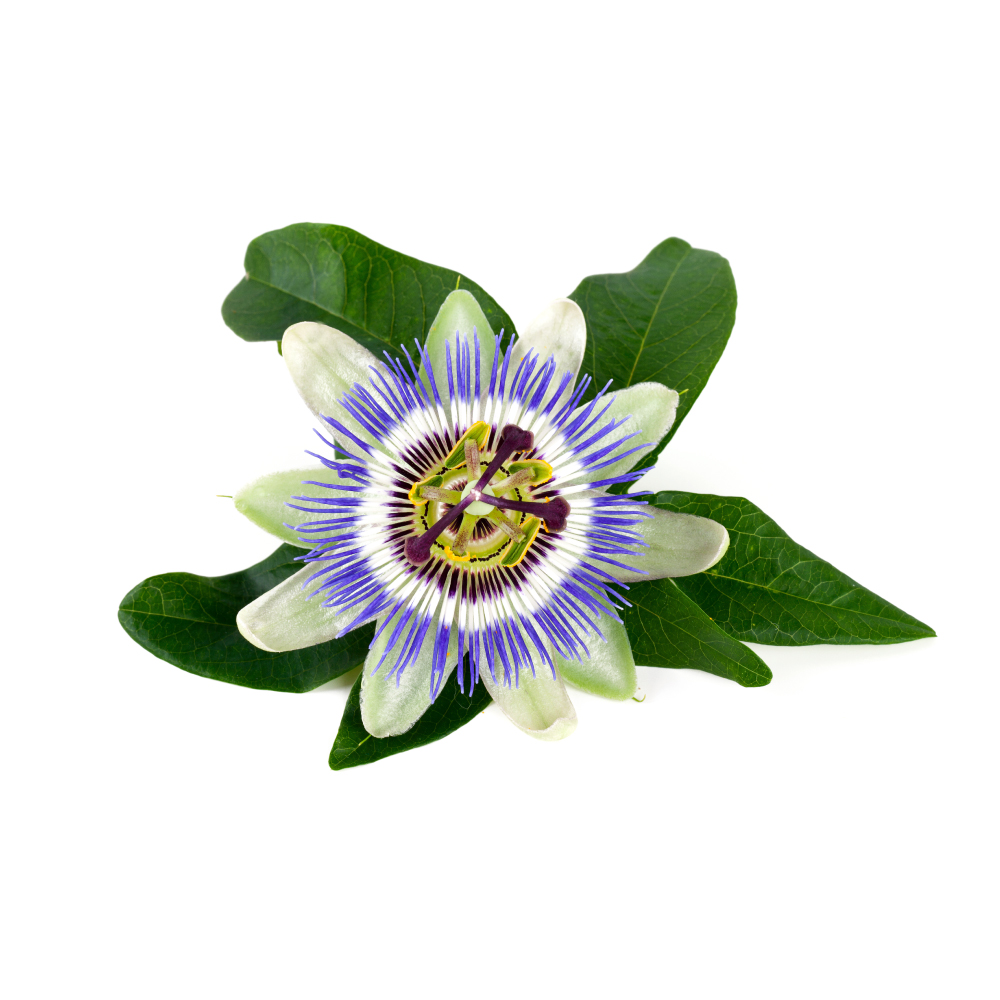
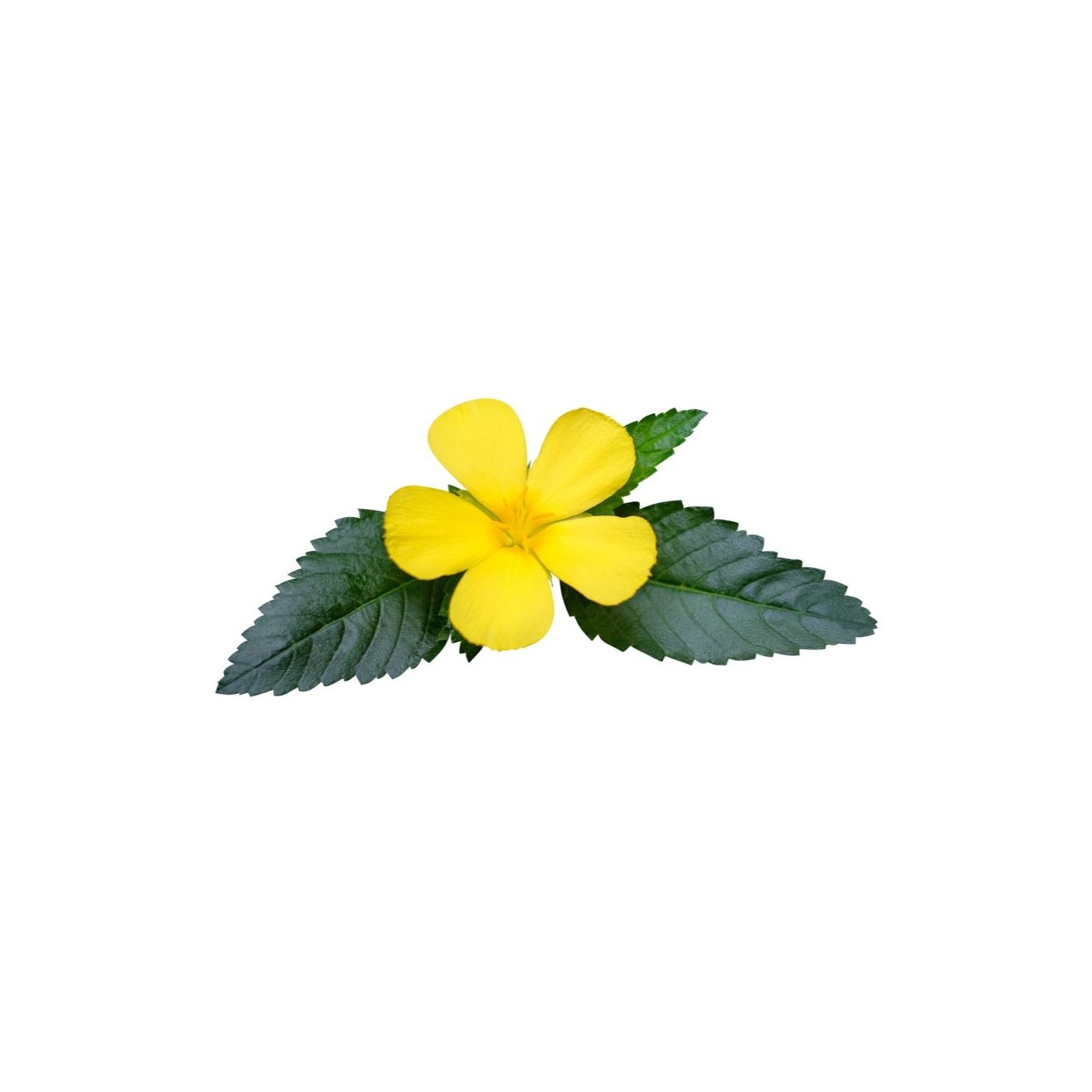
- a ring-shaped type; passionflower relatives and damiana
In Food and Medicine
Most cyanogenic foods are made safe by preparation. Cassava is peeled, grated, soaked, fermented or cooked, which lets the plant's own enzyme release the cyanide and lets it escape before eating. Flaxseed and bamboo shoots are cooked.
Bitter almonds are not sold for eating in most countries. The almonds in shops are the sweet variety, which makes almost no amygdalin.
Wild cherry bark is the one traditional medicine in which these compounds are the point. It has long been used in cough syrups as a calming expectorant, and its prunasin is credited with the sedative effect on cough. It is used dried and in modest doses.
What They Do
The members do not have a range of effects. Each one does one thing, which is to release cyanide, and the amount released is what matters. The plant, the part and the preparation decide how much.
Cyanide stops cells using oxygen by blocking cytochrome c oxidase, the last enzyme of cellular respiration. The body can detoxify small amounts, converting them to thiocyanate with the enzyme rhodanese, which is why a few swallowed apple pips are harmless.
Amygdalin and Laetrile
Amygdalin, and a semi-synthetic relative sold as laetrile or vitamin B17, has been promoted as a cancer treatment since the 1950s. It is not a vitamin. A clinical trial run through the Mayo Clinic in 1982 found no benefit, and a Cochrane review found no reliable evidence that it works against cancer.
Taken by mouth it is more dangerous than injected, because gut bacteria release the cyanide. Serious cyanide poisonings have followed laetrile tablets and apricot kernels eaten as a cancer remedy.
Toxicity & Safety
Acute poisoning causes headache, dizziness, confusion, vomiting and fast breathing, then seizures, collapse and death. It follows raw apricot kernels, bitter almonds or badly processed cassava.
The European Food Safety Authority's 2016 assessment found that more than three small apricot kernels, or less than half a large one, eaten at once could exceed the safe level for an adult. For a toddler, one small kernel could be too many.
Long-term exposure is a problem mainly where badly processed cassava is the staple food. It causes konzo, a sudden and permanent paralysis of the legs, and the thiocyanate made during detoxification can contribute to goitre where iodine is short.
Constituents
All Cyanogenic Glycosides
4 totalNo cyanogenic glycosides match.
Not yet in the database: Amygdalin, Linamarin, Lotaustralin, Linustatin, Neolinustatin, Dhurrin, Taxiphyllin, Prulaurasin, Vicianin.
Source Plants
Herbs Containing Cyanogenic Glycosides
3 herbsPlants in the materia medica documented to carry cyanogenic glycosides, with the compounds each one is listed for. The bar counts how many DISTINCT cyanogenic glycosides are on record for a plant, relative to the best-documented — it measures breadth of record, not potency, so a plant with one well-studied compound can outrank a richer source that has simply been analysed less. No concentration figures are on record for this class yet, so nothing here distinguishes a major source from a trace.
Keep Exploring
Other Compound Classes
Keep Reading
 GuidesThe Best Kava: A Buyer's GuideHow to buy good kava: noble vs two-day cultivars, which part of the root, chemotype codes, origin, form, and the batch tests a seller should show you.
Read more
 GuidesThe Amazon's Endangered Medicinal PlantsThe Amazon gives us some of our most important medicines — but which healing plants are actually endangered?
Read more
 NutritionThe Best Yerba Maté Brands [Reviewed]A drinker's guide to buying yerba maté — what actually changes the taste, and ten brands worth your money.
Read more
 GuidesHow to Prepare Yerba Maté — The Five Best MethodsHow to brew yerba maté properly — the traditional gourd method, plus tereré, french press and cold brew.
Read more