
Materia Medica
Rooibos
Aspalathus linearis
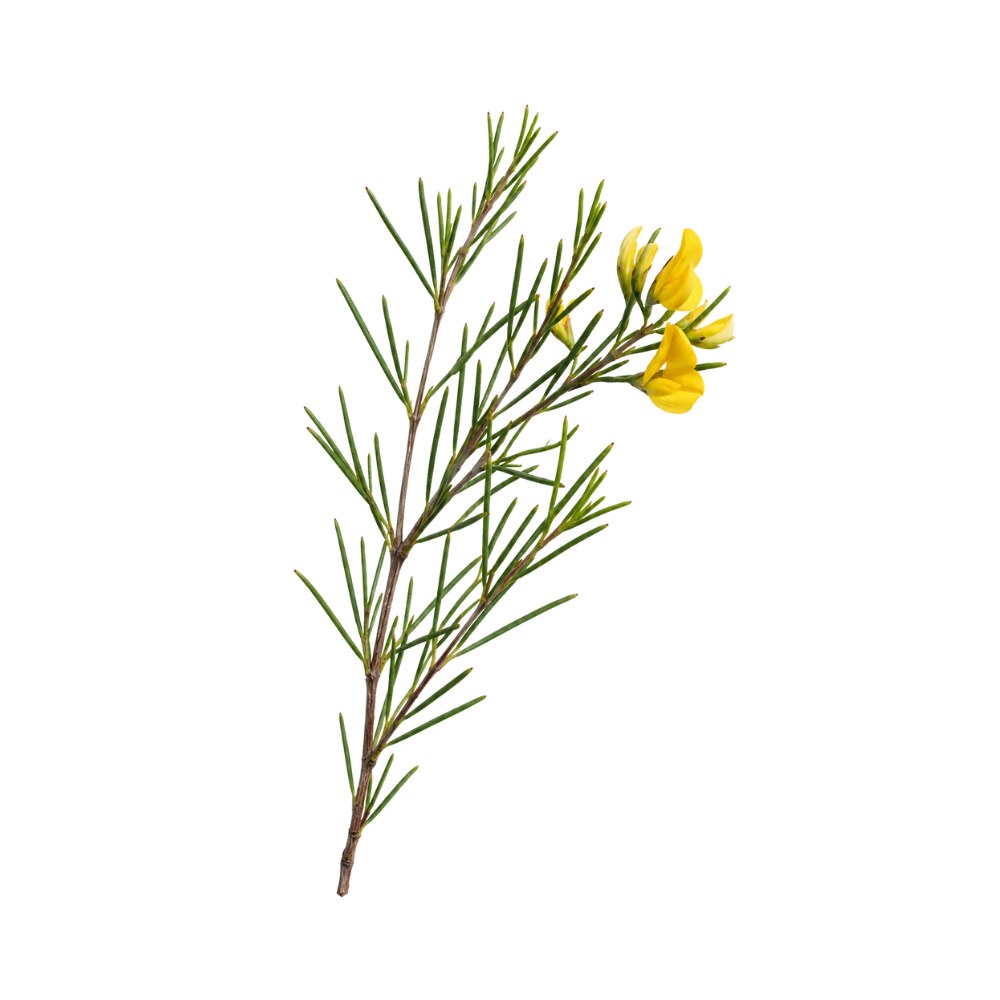
Rooibos is a needle-leaved South African shrub whose leaves and stems are brewed as a caffeine-free red tea. It is rich in aspalathin, an antioxidant flavonoid found in few other plants.
What Is Rooibos?
Rooibos is a shrub of the pea family whose needle-like leaves and fine stems are brewed as a caffeine-free red tea. It is drunk around the world as an everyday herbal tea, and in South Africa it is also a traditional remedy for colic, allergies, asthma and skin complaints 3Reference 3ReviewSouth African herbal teas: Aspalathus linearis, Cyclopia spp. and Athrixia phylicoides — a reviewView study →.
Aspalathus linearis grows wild only in the fynbos of South Africa’s Cape, in the Cederberg and nearby mountains 40,
The leaf is rich in aspalathin, a flavonoid found in few other plants 2,
The red tea and “green” rooibos are the same plant, processed differently. Oxidising the leaf turns it red and removes much of its aspalathin 39Reference 39Bioavailability of C-linked dihydrochalcone and flavanone glucosides in humans following ingestion of unfermented and fermented rooibos teas — human bioavailability studyView study →.
How Is Rooibos Used?
- Red (fermented) rooibos tea — leaves and stems cut, bruised and left to oxidise, then dried. This is the familiar red tea.
- Green (unfermented) rooibos — the same leaf dried without oxidising, richer in aspalathin 39Reference 39Bioavailability of C-linked dihydrochalcone and flavanone glucosides in humans following ingestion of unfermented and fermented rooibos teas — human bioavailability studyView study →.
- Standardised extracts — green and red rooibos extracts in capsules, used in trials.
- Smoking blends — a mild, caffeine-free base.
Traditional Uses
South African Traditional Use
In South Africa rooibos is a traditional tea and home remedy. It is given to relieve infant colic, and used for allergies, asthma and skin problems such as eczema 3Reference 3ReviewSouth African herbal teas: Aspalathus linearis, Cyclopia spp. and Athrixia phylicoides — a reviewView study →.
It was gathered from the wild until the 20th century, before it became a farmed crop 40Reference 40Population ecology and harvesting of rooibos (Aspalathus linearis) and its ecotypes in the wild, South Africa — field surveyView study →.
Indications
- Infant colic [leaf tea; South African traditional use]
- Allergies and eczema [leaf tea; South African traditional use]
- Asthma [leaf tea; South African traditional use]
- Oxidative stress in people at cardiovascular risk [red rooibos tea]
- Raised cholesterol and triglycerides [red rooibos tea] Caution: This rests mainly on one six-week trial in 40 adults, with no placebo group 1.
- High blood pressure [leaf tea] Caution: One study measured ACE activity after a single cup; no trial has measured blood pressure over time 4.
- Raised blood sugar [green rooibos extract] Caution: The glucose-lowering evidence is mostly from diabetic rodents. Human data are limited to a few small studies 5,
12 . - A caffeine-free alternative to tea and coffee [leaf tea]
Botany
Rooibos is a shrub of the pea family (Fabaceae). It grows as an erect to spreading shrub or low shrublet up to 2 m tall 40Reference 40Population ecology and harvesting of rooibos (Aspalathus linearis) and its ecotypes in the wild, South Africa — field surveyView study →.
Its leaves are small and needle-like, and range from light grey-green to bright green between populations 40,
As a legume, rooibos fixes nitrogen, which helps it grow in the nutrient-poor fynbos after fire 40Reference 40Population ecology and harvesting of rooibos (Aspalathus linearis) and its ecotypes in the wild, South Africa — field surveyView study →.
The species is very variable. Wild populations include forms that resprout from an underground woody root crown (lignotuber) after fire, and forms that are killed by fire and return from seed 40,
Distribution
Rooibos grows wild only in the Cape Floristic Region of South Africa. It is found in the Cederberg of the Western Cape and in parts of the south-western Northern Cape, including the Bokkeveld plateau near Nieuwoudtville 41Reference 41Resprouters versus reseeders: are wild rooibos ecotypes genetically distinct? — population geneticsView study →.
It grows in the drier mountains of the winter-rainfall fynbos, on acidic, sandy, nutrient-poor soils derived from sandstone, quartzite or shale. Annual rainfall across its range runs from under 200 mm to over 500 mm 40Reference 40Population ecology and harvesting of rooibos (Aspalathus linearis) and its ecotypes in the wild, South Africa — field surveyView study →.
Almost all rooibos tea comes from cultivated plants. Of roughly 20,000 tonnes produced each year, only a tiny fraction is wild-harvested 40Reference 40Population ecology and harvesting of rooibos (Aspalathus linearis) and its ecotypes in the wild, South Africa — field surveyView study →.
A 2025 national survey of wild populations found harvesting levels low. Over-harvesting and illegal harvesting were uncommon, and harvesting had no obvious effect on plant health 40Reference 40Population ecology and harvesting of rooibos (Aspalathus linearis) and its ecotypes in the wild, South Africa — field surveyView study →.
Growing Conditions
Cultivation snapshot for Rooibos
- Wants full sun and acidic, sandy, sharply-drained, low-fertility soil — matching its natural fynbos substrate; it will not thrive on rich or heavy ground.
- Needs a Mediterranean winter-rainfall climate: cold wet winters and hot dry summers (about USDA zones 9–10). Wild populations grow where annual rainfall runs from under 200 mm to over 500 mm 40Reference 40Population ecology and harvesting of rooibos (Aspalathus linearis) and its ecotypes in the wild, South Africa — field surveyView study →.
- Grown from seed, which is scarified before sowing into nursery beds and then transplanted out.
- Becomes harvest-ready in about 12–18 months and stays productive for roughly five years.
Grow it yourself
Farm Wiki is our cultivation-focused sister site, also run by Justin Cooke.
Phytochemistry
Unfermented rooibos leaf is dominated by the dihydrochalcone aspalathin, at about 50 mg/g in one HPLC analysis 2Reference 2Unfermented rooibos tea: quantitative characterization of flavonoids by HPLC-UV and total antioxidant activityView study →. The same analysis measured isoorientin (about 3.6 mg/g), orientin (about 2.3 mg/g) and rutin (about 1.7 mg/g). It also found smaller amounts of isovitexin, vitexin, quercetin and luteolin 2Reference 2Unfermented rooibos tea: quantitative characterization of flavonoids by HPLC-UV and total antioxidant activityView study →. The related dihydrochalcone nothofagin occurs alongside aspalathin 39Reference 39Bioavailability of C-linked dihydrochalcone and flavanone glucosides in humans following ingestion of unfermented and fermented rooibos teas — human bioavailability studyView study →.
Processing changes this profile. Unfermented rooibos tea contained about ten times more aspalathin and nothofagin than fermented tea 39Reference 39Bioavailability of C-linked dihydrochalcone and flavanone glucosides in humans following ingestion of unfermented and fermented rooibos teas — human bioavailability studyView study →. The “fermentation” step also caused the largest fall in the tea’s antimutagenic and antioxidant activity 38Reference 38Influence of processing stages on antimutagenic and antioxidant potentials of rooibos teaView study →.
Unfermented rooibos had about twice the antioxidant activity of fermented rooibos, and about half that of green or black tea 2Reference 2Unfermented rooibos tea: quantitative characterization of flavonoids by HPLC-UV and total antioxidant activityView study →.
Aroma compounds such as α-terpineol and benzaldehyde contribute to its scent and taste.
Constituent Summary
Figures are from one HPLC analysis of unfermented rooibos, in mg per gram.
Chalcone2 compounds1 with data
Flavonoid5 compounds5 with data
Monoterpene1 compoundno data
Other1 compoundno data
Pharmacology & Research
Rooibos has well over a hundred preclinical studies, built mostly around aspalathin and the flavone C-glycosides of the fermented leaf.
The human evidence is small. It rests mainly on a six-week trial in 40 adults at cardiovascular risk 1Reference 1Clinical trialEffects of rooibos (Aspalathus linearis) on oxidative stress and biochemical parameters in adults at risk for cardiovascular disease — controlled clinical trialView study →, a single-dose crossover study of ACE activity 4Reference 4RCTEffects of green tea, black tea and Rooibos tea on angiotensin-converting enzyme and nitric oxide in healthy volunteers — randomised controlled crossover trialView study →, a 12-week echocardiography trial 6Reference 6RCTImpact of chronic consumption of herbal rooibos on cardiovascular function in adults with cardiovascular risk — randomised controlled trial. https://pubmed.ncbi.nlm.nih.gov/38958559/View study →, and a scoping review of 18 mostly small human studies 5Reference 5ReviewThe health benefits of rooibos tea in humans (Aspalathus linearis) — a scoping review. https://pubmed.ncbi.nlm.nih.gov/38204815/View study →.
Preparation matters. Aspalathin is about ten times higher in unfermented tea than in the red tea 39Reference 39Bioavailability of C-linked dihydrochalcone and flavanone glucosides in humans following ingestion of unfermented and fermented rooibos teas — human bioavailability studyView study →, and much of the strongest animal work uses aspalathin-rich green extracts.
-
Best-supported: antioxidant activity — a human trial showed lower lipid-peroxidation markers and better glutathione status after six weeks of daily red tea 1,
5Reference 1Clinical trialEffects of rooibos (Aspalathus linearis) on oxidative stress and biochemical parameters in adults at risk for cardiovascular disease — controlled clinical trialView study →Reference 5ReviewThe health benefits of rooibos tea in humans (Aspalathus linearis) — a scoping review. https://pubmed.ncbi.nlm.nih.gov/38204815/View study → ; glucose and lipid metabolism, mapped in detail through aspalathin 7,8, .12Reference 7ReviewAspalathin from rooibos (Aspalathus linearis): a bioactive C-glucosyl dihydrochalcone — review. https://pubmed.ncbi.nlm.nih.gov/29388183/View study →Reference 8AnimalAspalathin improves hyperglycemia and glucose intolerance in obese diabetic ob/ob mice. https://pubmed.ncbi.nlm.nih.gov/23238530/View study →Reference 12Meta-analysisA beneficial role of rooibos in diabetes mellitus — systematic review and meta-analysis of diabetic rodent models. https://pubmed.ncbi.nlm.nih.gov/29642387/View study → -
Emerging, worth watching: ACE inhibition and vascular protection 4,
21Reference 4RCTEffects of green tea, black tea and Rooibos tea on angiotensin-converting enzyme and nitric oxide in healthy volunteers — randomised controlled crossover trialView study →Reference 21AnimalModulating effects of green rooibos extract on vascular function and oxidative status in obese Wistar rats — animal model. https://pubmed.ncbi.nlm.nih.gov/33605975/View study → ; anti-inflammatory and anti-allergic signals through NF-κB and mast-cell pathways 14,31Reference 14In vitroAnti-inflammatory effects of aspalathin and nothofagin from rooibos in vitro and in vivo (mouse). https://pubmed.ncbi.nlm.nih.gov/25655391/View study →Reference 31AnimalAspalathin alleviates mast cell-mediated allergic inflammation by inhibition of the FcεRI signaling pathway — mouse model. https://pubmed.ncbi.nlm.nih.gov/38777857/View study → . -
Mechanistically thin: neuroprotective, bone and anticancer claims rest on cell and single animal-model work 24,
26, .29Reference 24AnimalInhibition of tumour promotion in mouse skin by extracts of rooibos and honeybush — mouse model. https://pubmed.ncbi.nlm.nih.gov/15914270/View study →Reference 26In vitroNeuroprotective and anxiolytic potential of green rooibos polyphenols — in vitro and zebrafish model. https://pubmed.ncbi.nlm.nih.gov/34877951/View study →Reference 29In vitroRooibos flavonoids, orientin and luteolin, stimulate mineralization in human osteoblasts through the Wnt pathway — in vitro. https://pubmed.ncbi.nlm.nih.gov/25488131/View study → - The caveat: aspalathin-driven effects are strongest for green-rooibos extracts, not the red tea most people drink. There is no standardised therapeutic dose and no human trial with a disease outcome.
Green extracts and red tea are not interchangeable. Oxidation removes most of the aspalathin, so results from aspalathin-rich green extracts do not carry over to the everyday red tea 39Reference 39Bioavailability of C-linked dihydrochalcone and flavanone glucosides in humans following ingestion of unfermented and fermented rooibos teas — human bioavailability studyView study →.
1. Antioxidant
In a controlled trial, 40 adults at cardiovascular risk drank six cups of red rooibos a day for six weeks, after a two-week washout and followed by a control period 1Reference 1Clinical trialEffects of rooibos (Aspalathus linearis) on oxidative stress and biochemical parameters in adults at risk for cardiovascular disease — controlled clinical trialView study →.
Plasma total polyphenols rose from about 79.8 to 89.8 mg/L. The lipid-peroxidation markers conjugated dienes and TBARS fell significantly, and reduced glutathione and the reduced-to-oxidised glutathione ratio rose. Plasma antioxidant capacity did not change 1Reference 1Clinical trialEffects of rooibos (Aspalathus linearis) on oxidative stress and biochemical parameters in adults at risk for cardiovascular disease — controlled clinical trialView study →.
A scoping review of 18 human studies found rooibos improved antioxidant status in healthy and at-risk people 5Reference 5ReviewThe health benefits of rooibos tea in humans (Aspalathus linearis) — a scoping review. https://pubmed.ncbi.nlm.nih.gov/38204815/View study →.
The compounds involved are aspalathin, nothofagin, and the C-glycosides orientin and isoorientin. Unfermented tea has higher antioxidant and antimutagenic activity than the red tea, and most of the difference is lost at the “fermentation” step 2,
Gap: the one controlled human trial measured biomarkers, not a clinical outcome, and plasma antioxidant capacity did not change.
2. Antidiabetic
In obese diabetic ob/ob mice, dietary aspalathin lowered fasting glucose and improved glucose tolerance 8Reference 8AnimalAspalathin improves hyperglycemia and glucose intolerance in obese diabetic ob/ob mice. https://pubmed.ncbi.nlm.nih.gov/23238530/View study →.
In cultured muscle and liver cells and in insulin-resistant rats, aspalathin-enriched green extract improved glucose uptake and insulin sensitivity. It activated the PI3K/AKT and AMPK pathways and raised glucose-transporter expression 9,
Aspalathin also protects insulin-producing β-cells against high glucose 11Reference 11In vitroAspalathin protects insulin-producing β cells against glucotoxicity and oxidative stress-induced cell death — in vitro. https://pubmed.ncbi.nlm.nih.gov/32012427/View study →. With related flavonoids, it traps the reactive α-dicarbonyls that drive advanced-glycation-end-product formation 13Reference 13In vitroAspalathin and other rooibos flavonoids trapped α-dicarbonyls and inhibited formation of advanced glycation end products in vitro. https://pubmed.ncbi.nlm.nih.gov/36499065/View study →.
A meta-analysis of 12 studies in diabetic rodents found significantly lower blood glucose with rooibos extracts or their polyphenols (effect size −0.89) 12Reference 12Meta-analysisA beneficial role of rooibos in diabetes mellitus — systematic review and meta-analysis of diabetic rodent models. https://pubmed.ncbi.nlm.nih.gov/29642387/View study →.
The scoping review of human studies found lower blood glucose, from a few small studies 5Reference 5ReviewThe health benefits of rooibos tea in humans (Aspalathus linearis) — a scoping review. https://pubmed.ncbi.nlm.nih.gov/38204815/View study →.
Gap: no human diabetes trial exists. The strongest effects are with aspalathin-rich green extracts, and the meta-analysis is animal-only.
3. Cardioprotective
In the six-week human trial, red rooibos lowered LDL cholesterol and triglycerides and raised HDL 1Reference 1Clinical trialEffects of rooibos (Aspalathus linearis) on oxidative stress and biochemical parameters in adults at risk for cardiovascular disease — controlled clinical trialView study →.
In high-fat-fed diabetic vervet monkeys, aspalathin-rich green extract lowered LDL and oxidised LDL 20Reference 20AnimalAspalathin-rich green rooibos extract lowers LDL-cholesterol and oxidative status in high-fat diet-induced diabetic vervet monkeys — animal model. https://pubmed.ncbi.nlm.nih.gov/31052590/View study →. In obese rats it improved vascular function through eNOS and AMPK signalling 21Reference 21AnimalModulating effects of green rooibos extract on vascular function and oxidative status in obese Wistar rats — animal model. https://pubmed.ncbi.nlm.nih.gov/33605975/View study →. It protected diabetic rat hearts against ischaemia–reperfusion injury 22Reference 22AnimalCardioprotective function of green rooibos extract supplementation in ex vivo ischemic prediabetic rat hearts — animal model. https://pubmed.ncbi.nlm.nih.gov/33285593/View study →.
A 2024 12-week double-blind trial compared capsules of green rooibos extract, red rooibos extract and placebo in adults at cardiovascular risk 6Reference 6RCTImpact of chronic consumption of herbal rooibos on cardiovascular function in adults with cardiovascular risk — randomised controlled trial. https://pubmed.ncbi.nlm.nih.gov/38958559/View study →. Left ventricular mass fell in the red rooibos group. Septum thickness fell in the green rooibos group, and also in the placebo group. Several other measures did not change 6Reference 6RCTImpact of chronic consumption of herbal rooibos on cardiovascular function in adults with cardiovascular risk — randomised controlled trial. https://pubmed.ncbi.nlm.nih.gov/38958559/View study →.
Aspalathin and nothofagin also showed antithrombotic activity in vitro 37Reference 37In vitroAntithrombotic activities of aspalathin and nothofagin via inhibiting platelet aggregation and FIIa/FXa — in vitro. https://pubmed.ncbi.nlm.nih.gov/25325928/View study →.
Gap: the human effects were small, and the strong lipid and vascular data are animal studies using green extract at doses far above tea intake.
4. Anti-Inflammatory
In human endothelial cells and in mice, aspalathin and nothofagin blocked adhesion-molecule expression, reactive oxygen species and NF-κB activation induced by bacterial endotoxin or high glucose. They also reduced vascular leakiness and white-cell migration 14,
Whole rooibos extract reduced pro-inflammatory cytokines and reactive oxygen species in human white cells, and shifted macrophage behaviour in a fat-cell inflammation model 16Reference 16In vitroAspalathus linearis (rooibos) targets adipocytes and obesity-associated inflammation — in vitro. https://pubmed.ncbi.nlm.nih.gov/37049592/View study →.
Gap: every result here is in vitro or in mice, and there is no human anti-inflammatory trial.
5. Hepatoprotective
In rats, rooibos reduced carbon-tetrachloride-induced fatty liver and fibrosis and normalised liver enzymes 17Reference 17AnimalHepatoprotective effect of rooibos tea (Aspalathus linearis) on CCl4-induced liver damage in rats. https://pubmed.ncbi.nlm.nih.gov/12899659/View study →. It eased endotoxin-induced liver injury by lowering pro-inflammatory cytokines and oxidative stress 18Reference 18AnimalAmelioration of lipopolysaccharide-induced liver injury by aqueous rooibos extract — rat. https://pubmed.ncbi.nlm.nih.gov/25312795/View study →, and protected against oxidative liver damage from tert-butyl hydroperoxide 19Reference 19AnimalEffects of rooibos and a rooibos-derived supplement on hepatic tissue injury by tert-butyl hydroperoxide in Wistar rats. https://pubmed.ncbi.nlm.nih.gov/24738022/View study →.
⚠ Several human case reports attribute acute hepatitis to rooibos 33Reference 33Case reportRooibos, a fake friend — case report of rooibos-attributed liver injury. https://pubmed.ncbi.nlm.nih.gov/32828746/View study →. A review concluded that rooibos appears safe for the liver overall, but that a subgroup of drinkers may be at higher risk, and contamination of the plant material may contribute 34Reference 34ReviewThe toxic contaminants of Aspalathus linearis plant material and herb-drug interactions — review. https://pubmed.ncbi.nlm.nih.gov/34823434/View study →.
A pharmaceutical-grade green extract (Afriplex GRT) raised AST and caused mild to moderate fatty change in the liver at the highest dose tested in rats, 300 mg/kg 36Reference 36In vitroIn vitro and in vivo hepatotoxicity study of Afriplex GRT through an inflammatory response — in vitro/rat. https://pubmed.ncbi.nlm.nih.gov/36518449/View study →.
Gap: the protective evidence is entirely animal, and there is no human liver-protection study.
6. Antihypertensive
In a randomised three-phase crossover study, 17 healthy volunteers drank a single 400 mL serving of green tea, black tea or rooibos 4Reference 4RCTEffects of green tea, black tea and Rooibos tea on angiotensin-converting enzyme and nitric oxide in healthy volunteers — randomised controlled crossover trialView study →.
Rooibos significantly inhibited angiotensin-converting enzyme (ACE) activity at 30 and 60 minutes. Green tea inhibited ACE only in people with particular ACE genotypes. Nitric oxide did not change with any tea 4Reference 4RCTEffects of green tea, black tea and Rooibos tea on angiotensin-converting enzyme and nitric oxide in healthy volunteers — randomised controlled crossover trialView study →.
Green rooibos extract also improved vascular function in obese rats 21Reference 21AnimalModulating effects of green rooibos extract on vascular function and oxidative status in obese Wistar rats — animal model. https://pubmed.ncbi.nlm.nih.gov/33605975/View study →.
Gap: this is one single-dose study of an enzyme marker. No trial has measured blood pressure over time.
7. Anticancer
Water extracts of rooibos protected against the mutagens aflatoxin B1 and 2-acetylaminofluorene in the Salmonella assay. Red rooibos was less protective than Camellia sinensis teas against aflatoxin B1 23Reference 23In vitroA comparative study on the antimutagenic properties of aqueous extracts of Aspalathus linearis and Cyclopia spp. — in vitro (Salmonella). https://pubmed.ncbi.nlm.nih.gov/16949333/View study →.
In a two-stage mouse skin cancer model, topical rooibos fractions inhibited tumour promotion by 75% (processed) and 60% (unprocessed). A green tea fraction gave 100% inhibition 24Reference 24AnimalInhibition of tumour promotion in mouse skin by extracts of rooibos and honeybush — mouse model. https://pubmed.ncbi.nlm.nih.gov/15914270/View study →.
Rooibos extracts also increased UVB-induced apoptosis in skin cells, helping to remove damaged cells 25Reference 25In vitroAnti-inflammatory effects of Aspalathus linearis and Cyclopia spp. extracts in a UVB/keratinocyte (HaCaT) model — in vitro. https://pubmed.ncbi.nlm.nih.gov/27706097/View study →.
Gap: all data are in vitro or in animals, and there is no clinical cancer evidence.
8. Neuroprotective
Green rooibos extract protected neuronal (Neuro-2a) cells against hydrogen-peroxide damage and showed anxiety-reducing behaviour in zebrafish larvae 26Reference 26In vitroNeuroprotective and anxiolytic potential of green rooibos polyphenols — in vitro and zebrafish model. https://pubmed.ncbi.nlm.nih.gov/34877951/View study →.
In a larval zebrafish stroke model, unfermented rooibos reduced neurological deficit and endothelial dysfunction 27Reference 27Multi-targeted action of rooibos may protect against ischaemic stroke-induced neurological deficit and endothelial dysfunction — zebrafish model. https://pubmed.ncbi.nlm.nih.gov/39260709/View study →. A review describes these effects as antioxidant and anti-inflammatory support against neurodegeneration 28Reference 28ReviewPharmacological activity of Aspalathus linearis extracts: pre-clinical research relevant to neurodegeneration — review. https://pubmed.ncbi.nlm.nih.gov/35311618/View study →.
Gap: the work is in cell lines and zebrafish, with no mammalian memory study or human data.
9. Bone-Protective
The rooibos flavonoids orientin and luteolin increased mineral content in human osteoblast-like cells, with effects on Wnt-pathway proteins 29Reference 29In vitroRooibos flavonoids, orientin and luteolin, stimulate mineralization in human osteoblasts through the Wnt pathway — in vitro. https://pubmed.ncbi.nlm.nih.gov/25488131/View study →. The authors noted that rooibos contains no caffeine, which can be detrimental to bone 29Reference 29In vitroRooibos flavonoids, orientin and luteolin, stimulate mineralization in human osteoblasts through the Wnt pathway — in vitro. https://pubmed.ncbi.nlm.nih.gov/25488131/View study →.
Rooibos extracts also inhibited osteoclast formation and activity by damping NF-κB signalling in mouse macrophages. Fermented rooibos was the more potent of the two extracts 30Reference 30In vitroRooibos tea extracts inhibit osteoclast formation and activity through attenuation of NF-κB in RAW264.7 murine macrophages — in vitro. https://pubmed.ncbi.nlm.nih.gov/29790498/View study →.
Gap: these are cell studies only, with no animal or human bone outcome.
10. Anti-Allergic
Oral aspalathin suppressed IgE-mediated allergic skin reactions in mice, and reduced mast-cell degranulation and anaphylaxis severity by inhibiting FcεRI signalling 31Reference 31AnimalAspalathin alleviates mast cell-mediated allergic inflammation by inhibition of the FcεRI signaling pathway — mouse model. https://pubmed.ncbi.nlm.nih.gov/38777857/View study →.
Topical aspalathin reduced redness, scaling and skin thickening in a mouse model of atopic dermatitis by restoring STAT6-mediated immune balance 32Reference 32AnimalAspalathin restores STAT6-mediated immune dysregulation in atopic dermatitis — mouse model. https://pubmed.ncbi.nlm.nih.gov/39970731/View study →.
Gap: these are mouse studies of purified aspalathin, with no human evidence.
Mechanisms
Aspalathin is a C-glucosyl dihydrochalcone found in few plants other than rooibos. It has been studied for radical scavenging, for effects on PI3K/AKT and AMPK glucose signalling, for trapping reactive dicarbonyls, and for suppressing NF-κB. The flavone C-glycosides orientin and isoorientin add antioxidant activity.
Aspalathin is concentrated in unfermented leaf, so most of the mechanistic work uses green-rooibos extracts rather than the red tea 39Reference 39Bioavailability of C-linked dihydrochalcone and flavanone glucosides in humans following ingestion of unfermented and fermented rooibos teas — human bioavailability studyView study →.
| Mechanism | Drives | Key compounds |
|---|---|---|
| Free-radical scavenging, ↑ glutathione redox | antioxidanthepatoprotective | aspalathin, nothofagin, orientin |
| PI3K/AKT ↑, AMPK ↑, GLUT ↑ | antidiabeticglucose uptake | aspalathin |
| α-dicarbonyl trapping, ↓ AGE formation | antidiabeticcardioprotective | aspalathin, luteolin |
| NF-κB ↓, ↓ adhesion molecules and cytokines | anti-inflammatoryboneanti-allergic | aspalathin, nothofagin |
| ACE ↓, eNOS/AMPK vascular signalling | antihypertensivecardioprotective | flavonoid C-glycosides |
| FcεRI ↓, STAT6 modulation | anti-allergic | aspalathin |
| Wnt pathway ↑ (osteoblast mineralisation) | bone-protective | orientin, luteolin |
Clinical Trials
Two registered human trials were found: one withdrawn (vitamin-D fortification, NCT02422784) and one completed on muscle soreness and recovery after exercise (NCT06561750). The rest of the human evidence is a handful of small published studies.
| Completed | Planned | Terminated | Preclinical |
|---|---|---|---|
| 1(+~4 small published) | 0 | 1withdrawn | ~120+ |
Last checked: July 2026.
Dosage
Rooibos is drunk as a tea. Human studies range from a single 400 mL serving to six cups a day 1,
The dried-leaf estimates below assume about 2–4 g of leaf per cup.
| Indication | Preparation | Dose | Est. dried-herb equivalent | Source |
|---|---|---|---|---|
| Antioxidant / cardiovascular risk | Red (fermented) rooibos tea | 6 cups/day, 6 weeks | ~12–24 g dried leaf/day | 1Reference 1Clinical trialEffects of rooibos (Aspalathus linearis) on oxidative stress and biochemical parameters in adults at risk for cardiovascular disease — controlled clinical trialView study → |
| Antihypertensive (single-dose ACE) | Rooibos tea | 400 mL once | ~2–4 g dried leaf | 4Reference 4RCTEffects of green tea, black tea and Rooibos tea on angiotensin-converting enzyme and nitric oxide in healthy volunteers — randomised controlled crossover trialView study → |
| Cardiovascular (chronic) | Standardised green and red rooibos extract capsules | 12 weeks | — (extract; no marker %) | 6Reference 6RCTImpact of chronic consumption of herbal rooibos on cardiovascular function in adults with cardiovascular risk — randomised controlled trial. https://pubmed.ncbi.nlm.nih.gov/38958559/View study → |
| Antidiabetic / cardioprotective (animal) | Aspalathin-rich green extract (Afriplex GRT) | 60–90 mg/kg/day (rat/monkey) | — (animal; not converted) | 20, |
Traditional Dosage
| System | Preparation | Dose |
|---|---|---|
| Western herbal / beverage | Dried leaf and stem infusion | 1–2 tsp (~2–4 g) per cup, 1–3+ cups daily |
| South African traditional | Infusion of leaf and fine stems | Drunk freely as an everyday beverage |
Safety & Pregnancy
Rooibos is caffeine-free, low in tannins and very well tolerated as a tea.
- Very well tolerated as a tea. Caffeine-free and low in tannins, with no significant toxicity at ordinary intake.
- Tacrolimus. In rats, rooibos tea cut blood levels of a drug cleared by CYP3A, the enzyme that also clears the transplant drug tacrolimus 42Reference 42AnimalEffects of continuous ingestion of herbal teas on intestinal CYP3A in the rat — animal modelView study →. Take care after a transplant.
- Rare liver reports. A few case reports attribute acute hepatitis to rooibos, possibly linked to contaminated plant material. Choose clean, reputable sources 33,
34Reference 33Case reportRooibos, a fake friend — case report of rooibos-attributed liver injury. https://pubmed.ncbi.nlm.nih.gov/32828746/View study →Reference 34ReviewThe toxic contaminants of Aspalathus linearis plant material and herb-drug interactions — review. https://pubmed.ncbi.nlm.nih.gov/34823434/View study → . - Smoking. Smoking any herb exposes the lungs to combustion products, however gentle the plant is as a tea.
Full Safety Detail
Everyday tea. Rooibos is caffeine-free and low in tannins, and is very well tolerated as an everyday tea.
Liver. Rodent studies show rooibos protecting the liver 17,
Tacrolimus and other drugs. In rats, two weeks of rooibos tea lowered blood levels of the CYP3A drug midazolam by more than 60% by raising CYP3A in the gut wall 42Reference 42AnimalEffects of continuous ingestion of herbal teas on intestinal CYP3A in the rat — animal modelView study →. The immunosuppressant tacrolimus is cleared by the same enzyme, and reviews list rooibos among herbs that may lower its levels 34,
In laboratory tests, rooibos extracts act the other way, inhibiting CYP3A4, CYP2C8 and CYP2C9 43Reference 43In vitroInhibitory Interactions of Aspalathus linearis (Rooibos) Extracts and Compounds, Aspalathin and Z-2-(β-d-Glucopyranosyloxy)-3-phenylpropenoic Acid, on Cytochromes Metabolizing Hypoglycemic and Hypolipidemic Drugs — in vitroView study → and also CYP2C19, CYP1A2 and CYP2D6 44Reference 44In vitroSafety Assessment of Phytochemicals Derived from the Globalized South African Rooibos Tea (Aspalathus linearis) through Interaction with CYP, PXR, and P-gp — in vitroView study →. No human interaction study has been published.
Smoking. Inhaling the smoke of any herb carries a respiratory risk, whatever its safety as a tea.
Rooibos has not been formally studied in pregnancy or breastfeeding. As a caffeine-free drink it is regarded as safe in normal amounts.
Concentrated green-rooibos extracts have not been evaluated and are best avoided in pregnancy.
References
- Marnewick, J. L., et al. (2011). Effects of rooibos (Aspalathus linearis) on oxidative stress and biochemical parameters in adults at risk for cardiovascular disease — controlled clinical trial. Journal of Ethnopharmacology. https://pubmed.ncbi.nlm.nih.gov/20833235/
- Bramati, L., et al. (2003). Unfermented rooibos tea: quantitative characterization of flavonoids by HPLC-UV and total antioxidant activity. Journal of Agricultural and Food Chemistry. https://pubmed.ncbi.nlm.nih.gov/14640601/
- Joubert, E., et al. (2008). South African herbal teas: Aspalathus linearis, Cyclopia spp. and Athrixia phylicoides — a review. Journal of Ethnopharmacology. https://pubmed.ncbi.nlm.nih.gov/18621121/
- Persson, I. A., et al. (2010). Effects of green tea, black tea and Rooibos tea on angiotensin-converting enzyme and nitric oxide in healthy volunteers — randomised controlled crossover trial. Public Health Nutrition. https://pubmed.ncbi.nlm.nih.gov/20144258/
- Afrifa, D., et al. (2023). The health benefits of rooibos tea in humans (Aspalathus linearis) — a scoping review. https://pubmed.ncbi.nlm.nih.gov/38204815/
- Hartnick, M. D., et al. (2024). Impact of chronic consumption of herbal rooibos on cardiovascular function in adults with cardiovascular risk — randomised controlled trial. https://pubmed.ncbi.nlm.nih.gov/38958559/
- Johnson, R., et al. (2018). Aspalathin from rooibos (Aspalathus linearis): a bioactive C-glucosyl dihydrochalcone — review. https://pubmed.ncbi.nlm.nih.gov/29388183/
- Son, M. J., et al. (2013). Aspalathin improves hyperglycemia and glucose intolerance in obese diabetic ob/ob mice. https://pubmed.ncbi.nlm.nih.gov/23238530/
- Mazibuko-Mbeje, S. E., et al. (2019). Aspalathin-enriched green rooibos extract reduces hepatic insulin resistance by modulating PI3K/AKT and AMPK pathways — rat/in vitro. https://pubmed.ncbi.nlm.nih.gov/30717198/
- Mazibuko-Mbeje, S. E., et al. (2022). Aspalathin alleviates skeletal muscle insulin resistance and mitochondrial dysfunction — in vitro. https://pubmed.ncbi.nlm.nih.gov/36047722/
- Moens, C., et al. (2020). Aspalathin protects insulin-producing β cells against glucotoxicity and oxidative stress-induced cell death — in vitro. https://pubmed.ncbi.nlm.nih.gov/32012427/
- Sasaki, M., et al. (2018). A beneficial role of rooibos in diabetes mellitus — systematic review and meta-analysis of diabetic rodent models. https://pubmed.ncbi.nlm.nih.gov/29642387/
- Bednarska, K., et al. (2022). Aspalathin and other rooibos flavonoids trapped α-dicarbonyls and inhibited formation of advanced glycation end products in vitro. https://pubmed.ncbi.nlm.nih.gov/36499065/
- Lee, W., et al. (2015). Anti-inflammatory effects of aspalathin and nothofagin from rooibos in vitro and in vivo (mouse). https://pubmed.ncbi.nlm.nih.gov/25655391/
- Ku, S. K., et al. (2015). Aspalathin and nothofagin from rooibos inhibit high glucose-induced inflammation in vitro and in vivo (mouse). https://pubmed.ncbi.nlm.nih.gov/25338943/
- Nehme, R., et al. (2023). Aspalathus linearis (rooibos) targets adipocytes and obesity-associated inflammation — in vitro. https://pubmed.ncbi.nlm.nih.gov/37049592/
- Ulicná, O., et al. (2003). Hepatoprotective effect of rooibos tea (Aspalathus linearis) on CCl4-induced liver damage in rats. https://pubmed.ncbi.nlm.nih.gov/12899659/
- Ajuwon, O. R., et al. (2014). Amelioration of lipopolysaccharide-induced liver injury by aqueous rooibos extract — rat. https://pubmed.ncbi.nlm.nih.gov/25312795/
- Canda, B. D., et al. (2014). Effects of rooibos and a rooibos-derived supplement on hepatic tissue injury by tert-butyl hydroperoxide in Wistar rats. https://pubmed.ncbi.nlm.nih.gov/24738022/
- Orlando, P., et al. (2019). Aspalathin-rich green rooibos extract lowers LDL-cholesterol and oxidative status in high-fat diet-induced diabetic vervet monkeys — animal model. https://pubmed.ncbi.nlm.nih.gov/31052590/
- Obasa, Z., et al. (2021). Modulating effects of green rooibos extract on vascular function and oxidative status in obese Wistar rats — animal model. https://pubmed.ncbi.nlm.nih.gov/33605975/
- Smit, S. E., et al. (2022). Cardioprotective function of green rooibos extract supplementation in ex vivo ischemic prediabetic rat hearts — animal model. https://pubmed.ncbi.nlm.nih.gov/33285593/
- van der Merwe, J. D., et al. (2006). A comparative study on the antimutagenic properties of aqueous extracts of Aspalathus linearis and Cyclopia spp. — in vitro (Salmonella). https://pubmed.ncbi.nlm.nih.gov/16949333/
- Marnewick, J., et al. (2005). Inhibition of tumour promotion in mouse skin by extracts of rooibos and honeybush — mouse model. https://pubmed.ncbi.nlm.nih.gov/15914270/
- Magcwebeba, T., et al. (2016). Anti-inflammatory effects of Aspalathus linearis and Cyclopia spp. extracts in a UVB/keratinocyte (HaCaT) model — in vitro. https://pubmed.ncbi.nlm.nih.gov/27706097/
- López, V., et al. (2022). Neuroprotective and anxiolytic potential of green rooibos polyphenols — in vitro and zebrafish model. https://pubmed.ncbi.nlm.nih.gov/34877951/
- Pretorius, L., et al. (2025). Multi-targeted action of rooibos may protect against ischaemic stroke-induced neurological deficit and endothelial dysfunction — zebrafish model. https://pubmed.ncbi.nlm.nih.gov/39260709/
- Pyrzanowska, J., et al. (2023). Pharmacological activity of Aspalathus linearis extracts: pre-clinical research relevant to neurodegeneration — review. https://pubmed.ncbi.nlm.nih.gov/35311618/
- Nash, L. A., et al. (2015). Rooibos flavonoids, orientin and luteolin, stimulate mineralization in human osteoblasts through the Wnt pathway — in vitro. https://pubmed.ncbi.nlm.nih.gov/25488131/
- Moosa, S., et al. (2018). Rooibos tea extracts inhibit osteoclast formation and activity through attenuation of NF-κB in RAW264.7 murine macrophages — in vitro. https://pubmed.ncbi.nlm.nih.gov/29790498/
- Kim, Y., et al. (2025). Aspalathin alleviates mast cell-mediated allergic inflammation by inhibition of the FcεRI signaling pathway — mouse model. https://pubmed.ncbi.nlm.nih.gov/38777857/
- Yang, I., et al. (2025). Aspalathin restores STAT6-mediated immune dysregulation in atopic dermatitis — mouse model. https://pubmed.ncbi.nlm.nih.gov/39970731/
- Carrier, P., et al. (2020). Rooibos, a fake friend — case report of rooibos-attributed liver injury. https://pubmed.ncbi.nlm.nih.gov/32828746/
- Pyrzanowska, J., et al. (2022). The toxic contaminants of Aspalathus linearis plant material and herb-drug interactions — review. https://pubmed.ncbi.nlm.nih.gov/34823434/
- Abushammala, I., et al. (2021). Tacrolimus and herbs interactions — review. https://pubmed.ncbi.nlm.nih.gov/34620272/
- Gabuza, K. B., et al. (2022). In vitro and in vivo hepatotoxicity study of Afriplex GRT through an inflammatory response — in vitro/rat. https://pubmed.ncbi.nlm.nih.gov/36518449/
- Ku, S. K., et al. (2015). Antithrombotic activities of aspalathin and nothofagin via inhibiting platelet aggregation and FIIa/FXa — in vitro. https://pubmed.ncbi.nlm.nih.gov/25325928/
- Standley, L., et al. (2001). Influence of processing stages on antimutagenic and antioxidant potentials of rooibos tea. Journal of Agricultural and Food Chemistry. https://pubmed.ncbi.nlm.nih.gov/11170567/
- Stalmach, A., Mullen, W., Pecorari, M., Serafini, M., & Crozier, A. (2009). Bioavailability of C-linked dihydrochalcone and flavanone glucosides in humans following ingestion of unfermented and fermented rooibos teas — human bioavailability study. Journal of Agricultural and Food Chemistry, 57(15), 7104–7111. https://pubmed.ncbi.nlm.nih.gov/19534535/
- Kraaij, T., & Pretorius, G. C. P. (2025). Population ecology and harvesting of rooibos (Aspalathus linearis) and its ecotypes in the wild, South Africa — field survey. Plant-Environment Interactions, 6(4), e70079. https://pubmed.ncbi.nlm.nih.gov/40771357/
- Brooks, J., Makunga, N. P., Hull, K. L., Brink-Hull, M., Malgas, R., & Roodt-Wilding, R. (2021). Resprouters versus reseeders: are wild rooibos ecotypes genetically distinct? — population genetics. Frontiers in Genetics, 12, 761988. https://pubmed.ncbi.nlm.nih.gov/34987548/
- Matsuda, K., Nishimura, Y., Kurata, N., et al. (2007). Effects of continuous ingestion of herbal teas on intestinal CYP3A in the rat — animal model. Journal of Pharmacological Sciences. https://pubmed.ncbi.nlm.nih.gov/17287587/
- Patel, O., Muller, C., Joubert, E., et al. (2016). Inhibitory Interactions of Aspalathus linearis (Rooibos) Extracts and Compounds, Aspalathin and Z-2-(β-d-Glucopyranosyloxy)-3-phenylpropenoic Acid, on Cytochromes Metabolizing Hypoglycemic and Hypolipidemic Drugs — in vitro. Molecules. https://pubmed.ncbi.nlm.nih.gov/27845750/
- Fantoukh, O. I., Dale, O. R., Parveen, A., et al. (2019). Safety Assessment of Phytochemicals Derived from the Globalized South African Rooibos Tea (Aspalathus linearis) through Interaction with CYP, PXR, and P-gp — in vitro. Journal of Agricultural and Food Chemistry. https://pubmed.ncbi.nlm.nih.gov/30955332/



