
Condition
Gastric Ulcer
Gastric and peptic ulcer — why H. pylori and NSAIDs cause most of them, and the herbs that protect the stomach lining, led by licorice.

A gastric ulcer is a break in the stomach lining that extends through the muscularis mucosae — deeper than an erosion, and slow to heal because it sits in one of the most hostile environments in the body. Together with duodenal ulcers it makes up peptic ulcer disease.
The old model of ulcers was wrong. Ulcers were long blamed on stress and spicy food, and treated by suppressing acid indefinitely. Since the 1980s it has been clear that most peptic ulcers are caused by a bacterium — Helicobacter pylori — or by NSAID drugs, and that treating the cause cures the disease rather than managing it. An ulcer has a cause worth identifying, and herbs work best alongside treating that cause rather than instead of it.
Herbal medicine has a coherent role in ulcer care, and an old one. The stomach responds well to demulcents that coat and soothe, and to agents that strengthen its own mucus and prostaglandin defences. Licorice works the second way, and one of its constituents was developed into a pharmaceutical ulcer drug on that mechanism.
Presentation
Types & Variants
- Gastric ulcer — in the stomach itself, classically with pain that is worse with eating, and more often associated with NSAID use and with weight loss.
- Duodenal ulcer — in the first part of the small intestine, and around four times more common. Pain is classically relieved by eating and recurs two to three hours later, often waking the person at night. More strongly associated with H. pylori.
- H. pylori-associated ulcer — the majority. Curable by eradicating the organism, which also removes the risk of recurrence.
- NSAID-associated ulcer — from aspirin, ibuprofen, naproxen and related drugs. Often silent until it bleeds, particularly in older people.
- Stress ulcer — a real entity, but it means the physiological stress of critical illness, burns or major surgery, not psychological stress.
Ulcers where neither H. pylori nor NSAIDs are found are uncommon and warrant a closer look for other causes.
Overview
General Pathology
The stomach lining is defended by a layer of mucus and bicarbonate, a tight epithelial barrier, generous blood flow, and prostaglandins that maintain all three. An ulcer forms when this defence is breached faster than it can be rebuilt.
H. pylori is remarkably well adapted to the one environment almost nothing else tolerates. It produces urease, splitting urea into ammonia to neutralise acid in its immediate surroundings, burrows into the mucus layer, and provokes chronic inflammation that undermines the barrier and alters acid regulation. It is one of the most common chronic infections in humans, usually acquired in childhood — though most carriers never develop an ulcer.
NSAIDs attack the defence directly and systemically. By inhibiting COX-1 they cut prostaglandin synthesis, reducing mucus, bicarbonate and mucosal blood flow. This is why enteric coating and taking the tablet with food help far less than people expect: the mechanism is not local contact but the loss of prostaglandin protection throughout the stomach.
Typical features are burning or gnawing upper abdominal pain related to meals, bloating, early fullness and nausea. Many ulcers, especially NSAID-related ones in older adults, cause no pain at all until a complication arrives.
The complications are what make this condition serious, and they need urgent care rather than self-treatment: bleeding — vomiting blood or material like coffee grounds, or black tarry stools — perforation, presenting as sudden severe abdominal pain with a rigid abdomen, and gastric outlet obstruction with persistent vomiting. Equally, new upper abdominal symptoms in someone over 55, or any age with weight loss, difficulty swallowing, persistent vomiting, anaemia or a family history of gastric cancer, need investigation rather than treatment on assumption — gastric cancer can present identically.
Treatment
Conventional Treatment
Conventional treatment cures most ulcers. Test for H. pylori, and eradicate it if present — a course of two antibiotics with a proton-pump inhibitor cures the ulcer and prevents recurrence in most people. Stop the NSAID where that is the cause, or add gastroprotection if it cannot be stopped. Proton-pump inhibitors heal most ulcers within four to eight weeks by removing the acid that prevents repair.
Before eradication therapy existed, ulcers were a relapsing lifelong condition, and the herbal tradition developed to manage exactly that. It is now often a curable one, so herbs work best alongside treatment, for symptom relief and mucosal support, and for the substantial group of people with irritation, gastritis and dyspepsia that never becomes an ulcer at all.
Materia Medica
Materia Medica
Two mechanisms dominate the herbal approach to ulcer: demulcents — mucilage-rich herbs that form a physical protective gel over inflamed mucosa — and mucosal trophics that stimulate the stomach’s own prostaglandin and mucus defences.
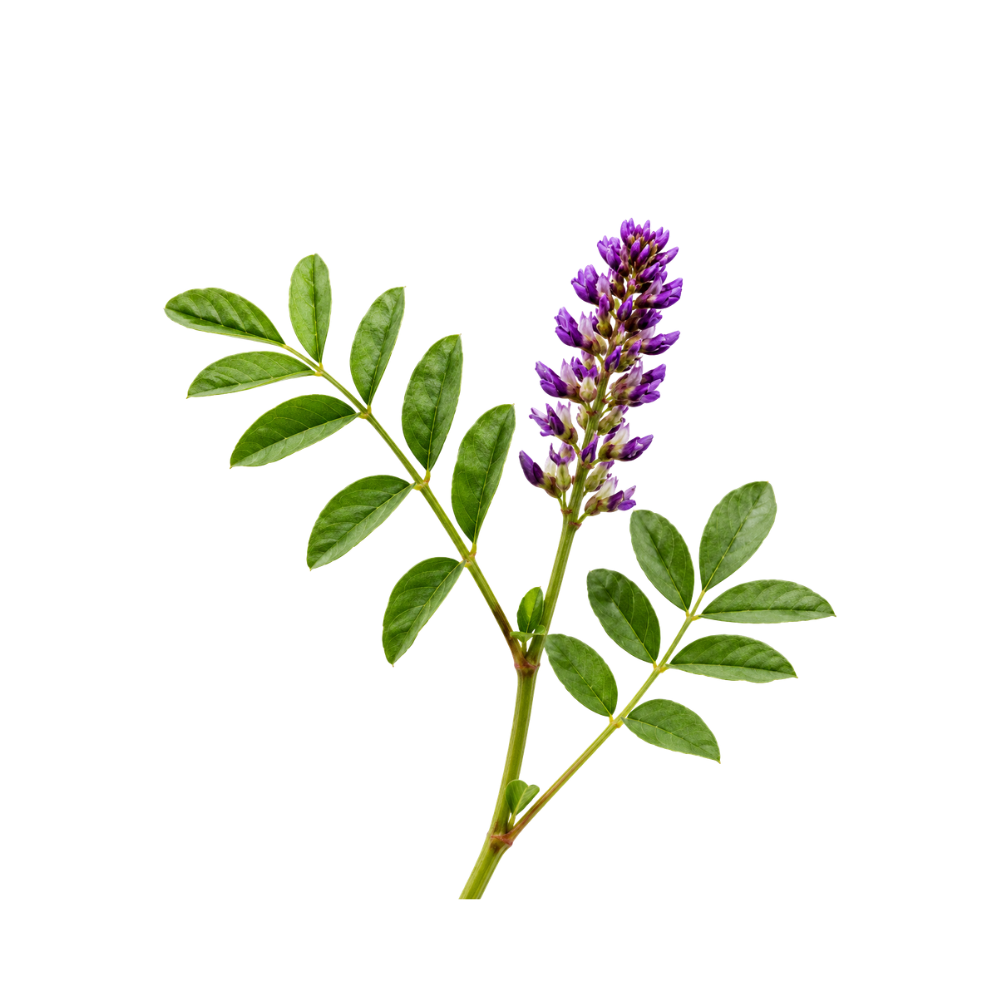 LicoriceGlycyrrhiza glabraModerate
Licorice is the classic herbal ulcer remedy, and it produced a pharmaceutical drug. Deglycyrrhizinated licorice (DGL) — the root with its blood-pressure-raising glycyrrhizin removed — was tested in controlled trials for gastric and duodenal ulcer from the late 1960s, with endoscopic healing reported and efficacy comparable to the acid-suppressing drugs of the day 1,
The mechanism is well characterised and protective rather than acid-blocking: glycyrrhetinic acid inhibits 15-hydroxyprostaglandin dehydrogenase, raising mucosal prostaglandins and increasing mucus secretion and cell proliferation — the same logic that produced the semi-synthetic ulcer drug carbenoxolone.
More recently, adding licorice to standard H. pylori triple therapy improved eradication rates in two randomised trials 4,
The strongest trials predate modern methodology and proton-pump inhibitors, and the whole-root-versus-DGL question is unresolved — one trial found DGL ineffective, which suggests the glycyrrhizin fraction contributes something. Preparation matters: DGL is the form with the ulcer evidence and it avoids the glycyrrhizin issue, while sustained high-dose whole root raises blood pressure and lowers potassium and is not intended for open-ended use.
Full monograph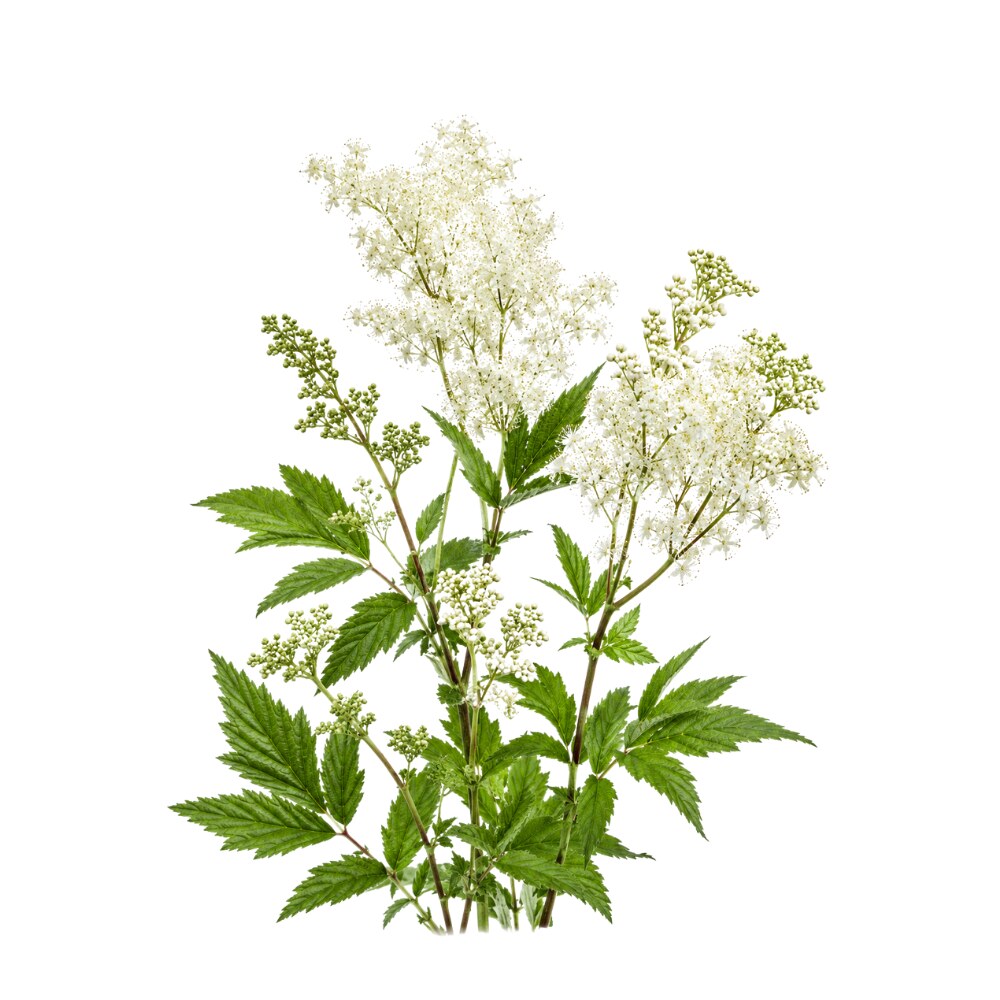 MeadowsweetFilipendula ulmariaPreclinical
Meadowsweet is a salicylate-bearing plant — it gave aspirin its name — and yet its decoctions protect the gastric lining rather than damaging it. Flower decoctions showed anti-ulcer activity including against acetylsalicylic-acid-induced gastric lesions 8Reference 8AnimalAnti-ulcer action of a decoction of the flowers of Filipendula ulmaria — animal modelView study →, and a modern study confirmed gastroprotection against ethanol-induced acute gastric injury using lyophilised flower infusions 7Reference 7AnimalAntioxidant, anti-inflammatory and gastroprotective activity of Filipendula ulmaria and Filipendula vulgaris — ex vivo and animal modelView study →.
An isolated constituent and a whole herb are not the same thing: the plant’s tannins, flavonoids and mucilage accompany the salicylates and change the net effect on the stomach entirely. Traditional Western practice reached the same conclusion long before the pharmacology, using meadowsweet specifically for hyperacidity and gastric irritation. Animal evidence only, with no human trial.
Full monograph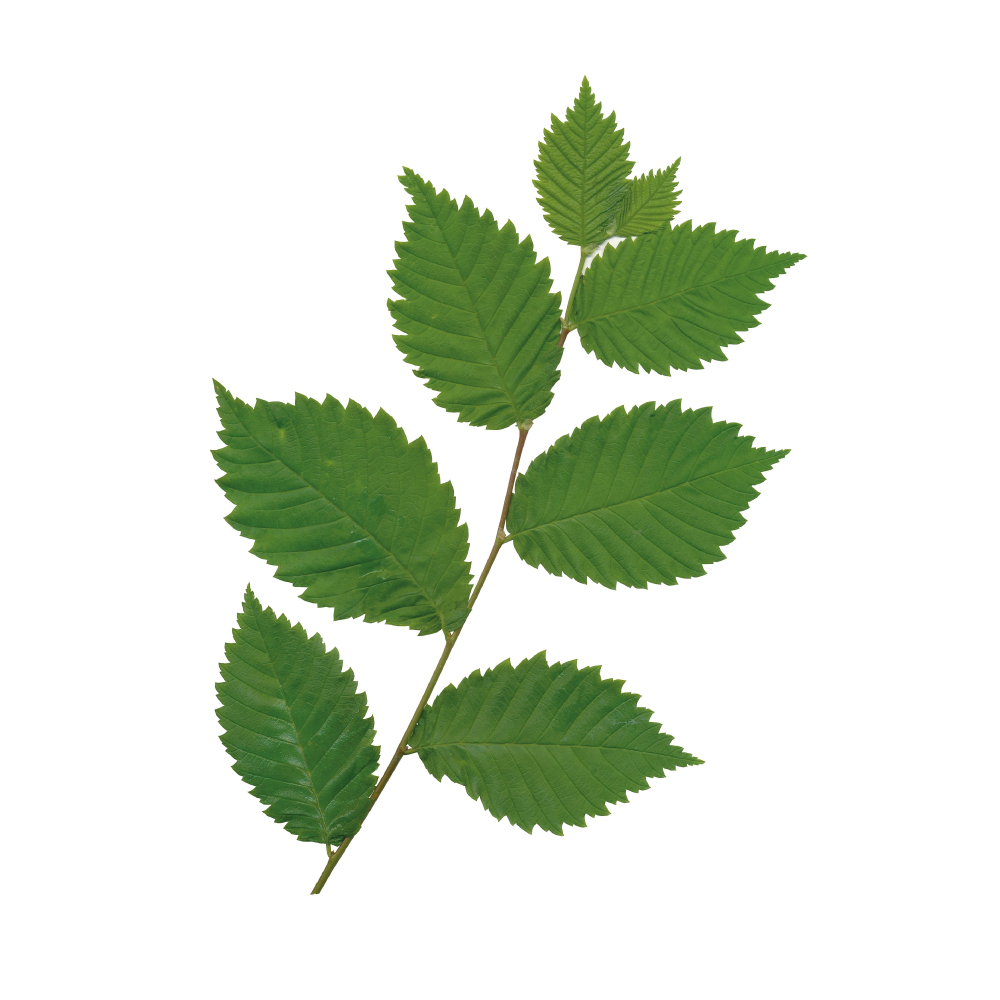 Slippery ElmUlmus rubraTraditional only
The archetypal demulcent, and its action is physical rather than pharmacological. The inner bark is roughly 7% mucilage, a hydrophilic polysaccharide that swells in water into a viscous gel and coats mucosal surfaces 9,
It is taken as a gruel or slurry rather than a tincture, because the mucilage has to be present in bulk to work; an alcohol extract leaves most of it behind. Slippery elm is a food-grade, exceptionally well-tolerated remedy with a long record in North American practice. There is no controlled trial for ulcer, and the mechanism points to symptomatic relief rather than healing.
U. rubra has come under harvest pressure, so sourcing matters.
Full monograph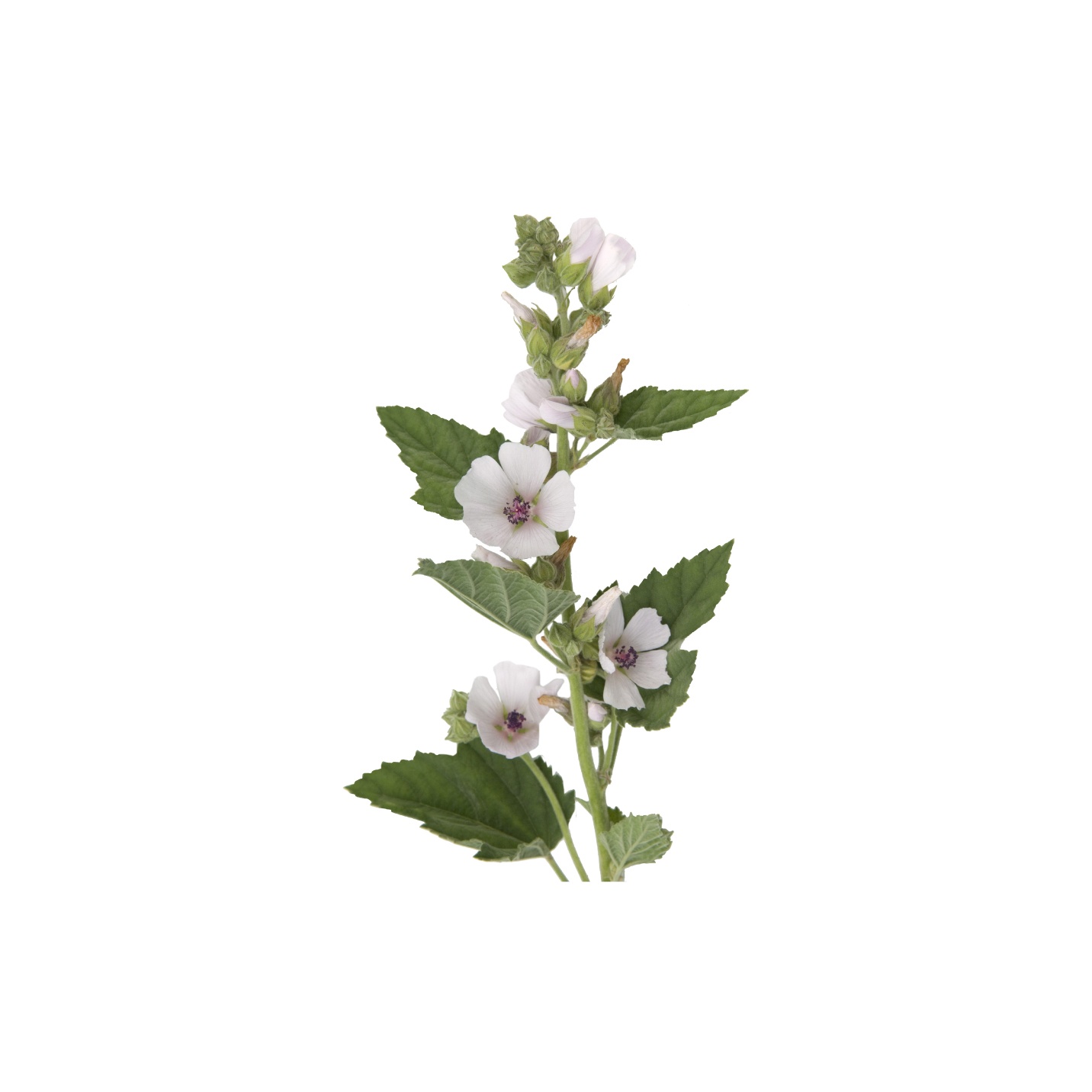 MarshmallowAlthaea officinalisTraditional only
The European counterpart to slippery elm, working by the same physical mechanism. The root is rich in a viscous polysaccharide mucilage — the original confection took its name from this plant, though today’s version contains none of it 11Reference 11A Modern Herbal — Mallow (Marsh). Traditional use runs through the whole length of the mucous membranes, with the root favoured for the digestive tract and the leaf for urinary and respiratory use 12Reference 12Herbal Medicines (3rd ed.), pp. Like slippery elm it is prepared as a cold infusion or gruel to preserve the mucilage, is essentially a food, and is among the gentlest options in the materia medica. There is no ulcer trial.
Full monograph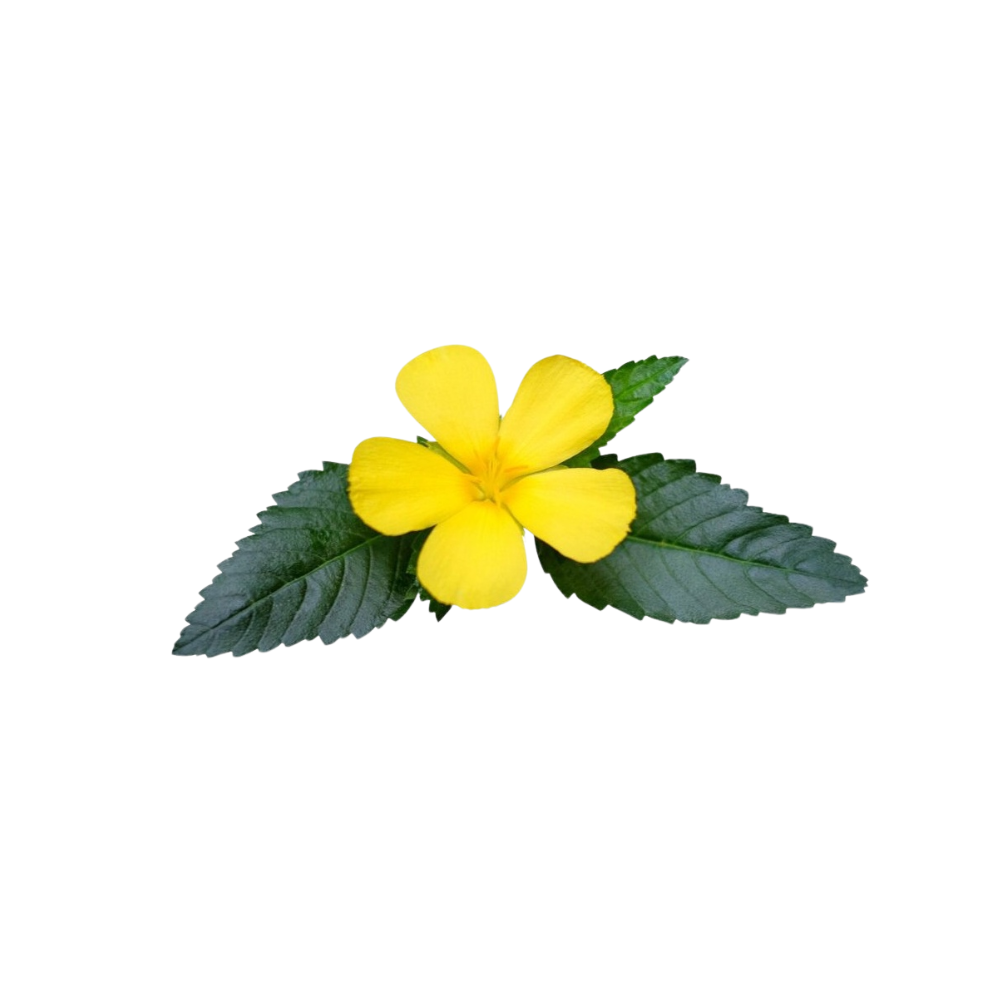 DamianaTurnera diffusaPreclinical
Better known as a nervine and aphrodisiac, damiana has a specific gastroprotective finding. Arbutin, one of its major hydroquinone glycosides, protected the gastric mucosa in both aspirin- and ethanol-induced rat ulcer models, reducing ulcer index and lipid peroxidation and modulating IL-6, IL-10 and TNF-α, with no observed toxicity 13Reference 13AnimalGastroprotective activities of Turnera diffusa Willd. ex Schult. revisited: role of arbutin — animal modelView study →.
Gastric ulcer appears in damiana’s traditional indications across its range, and the named constituent gives that use a plausible basis. The work is in animals only.
Full monograph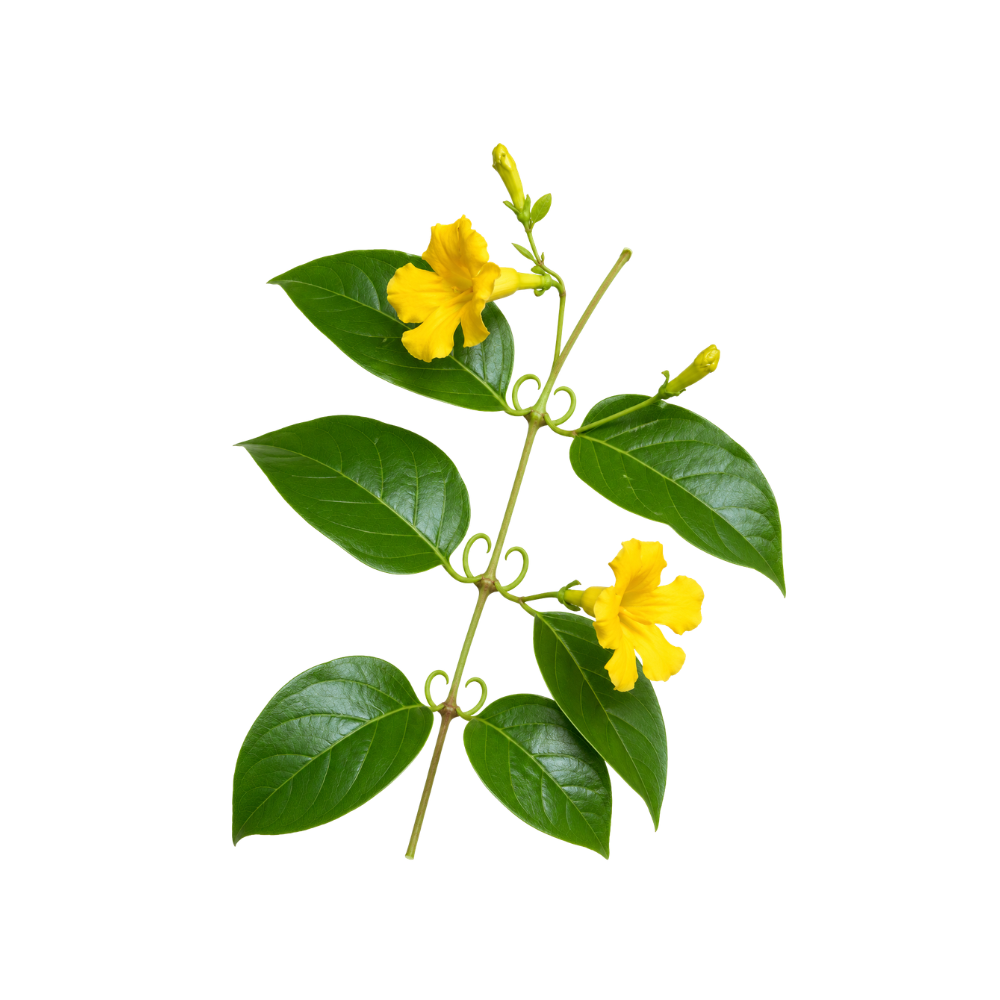 Cat’s ClawUncaria tomentosaTraditional only
The Asháninka of Peru have the longest recorded use of this vine, and gastric ulcers appear explicitly in their documented indications, alongside inflammation, arthritis and wound healing 14,
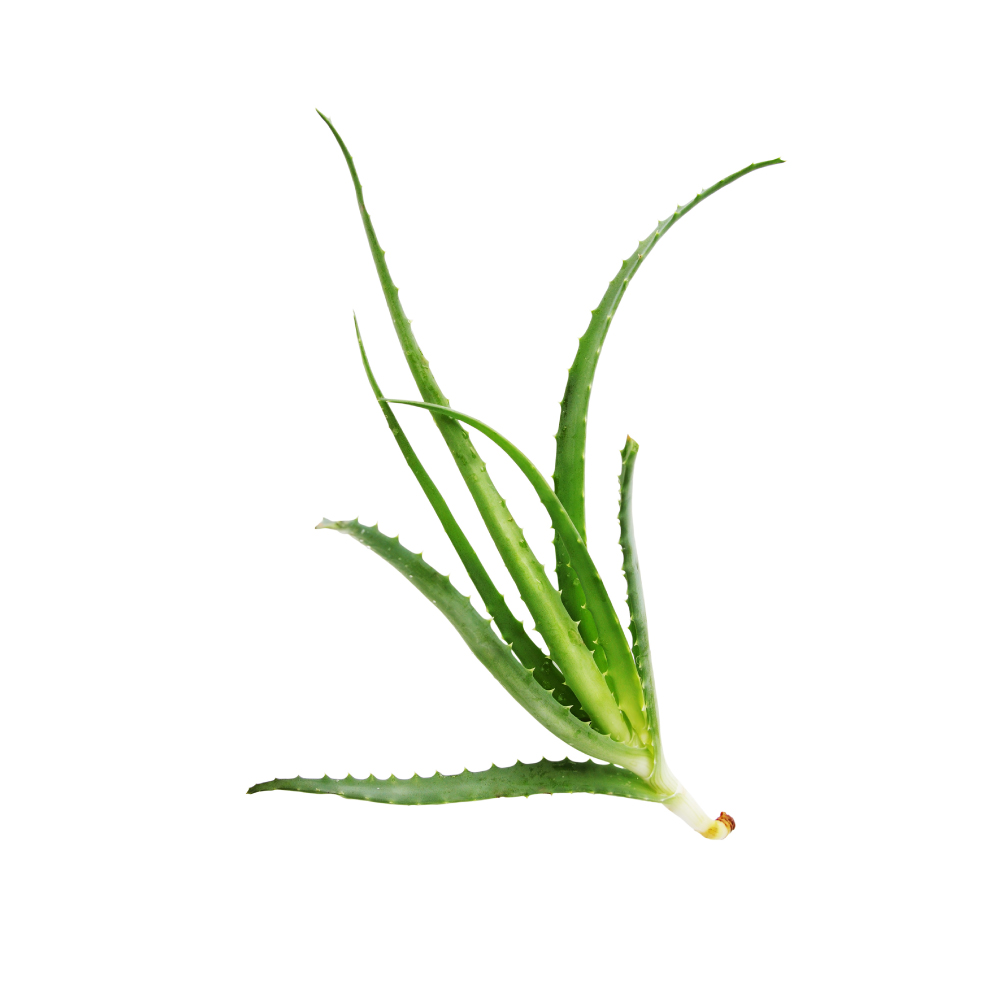 AloeAloe veraTraditional only
The inner-leaf gel is a mucilaginous demulcent, and peptic ulcer is among its documented traditional uses in Ayurvedic and Thai practice 16Reference 16A Clinical Guide to Blending Liquid Herbs: Herbal Formulations for the Individual Patient, pp. The distinction that matters is between preparations: the inner-leaf gel is the soothing part, while whole-leaf preparations carry anthraquinone latex from just under the rind, which is a stimulant laxative and unhelpful for an irritated stomach. Decolourised, purified inner-leaf juice is the form intended for internal use. Its use for ulcer is traditional, though aloe’s demulcent action is well established in principle.
Full monograph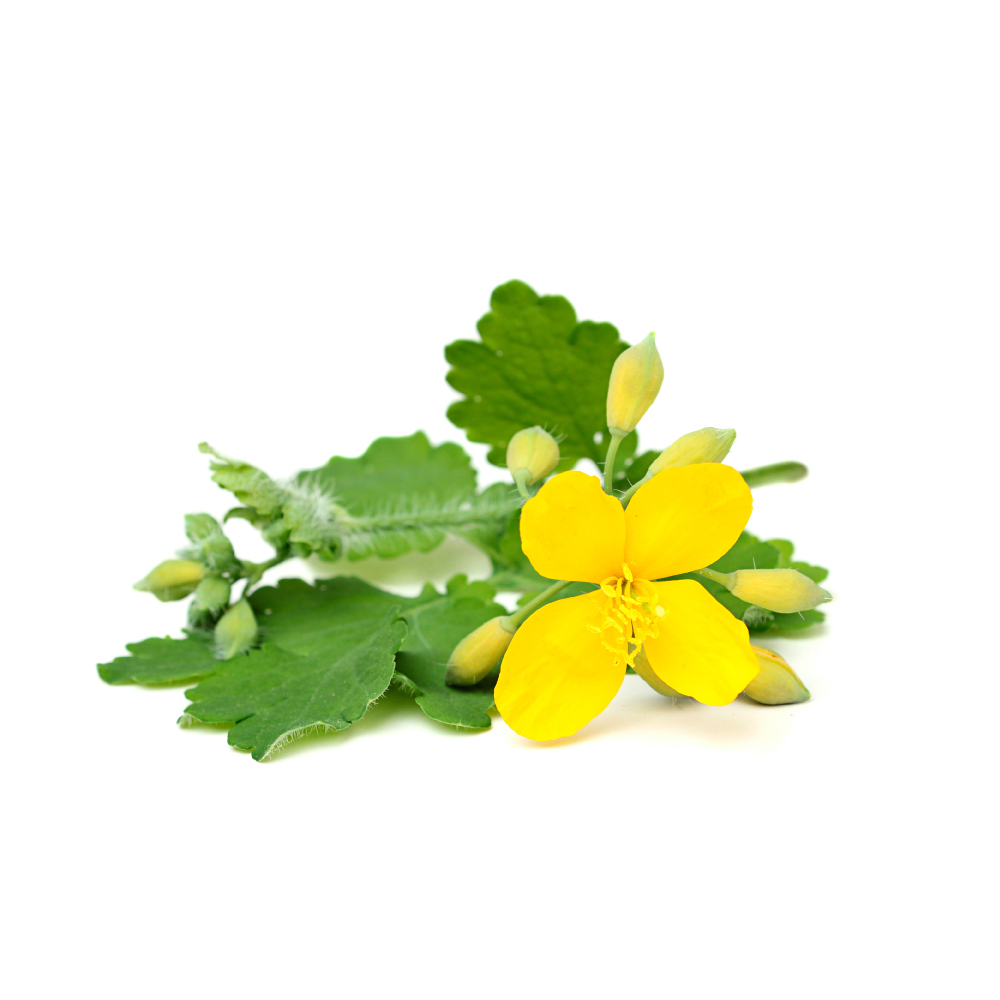 ChelidoniumChelidonium majusTraditional only
Greater celandine is primarily a bitter cholagogue — a liver and gallbladder herb — and gastric ulcer appears in both its European and Chinese traditional indications 17,
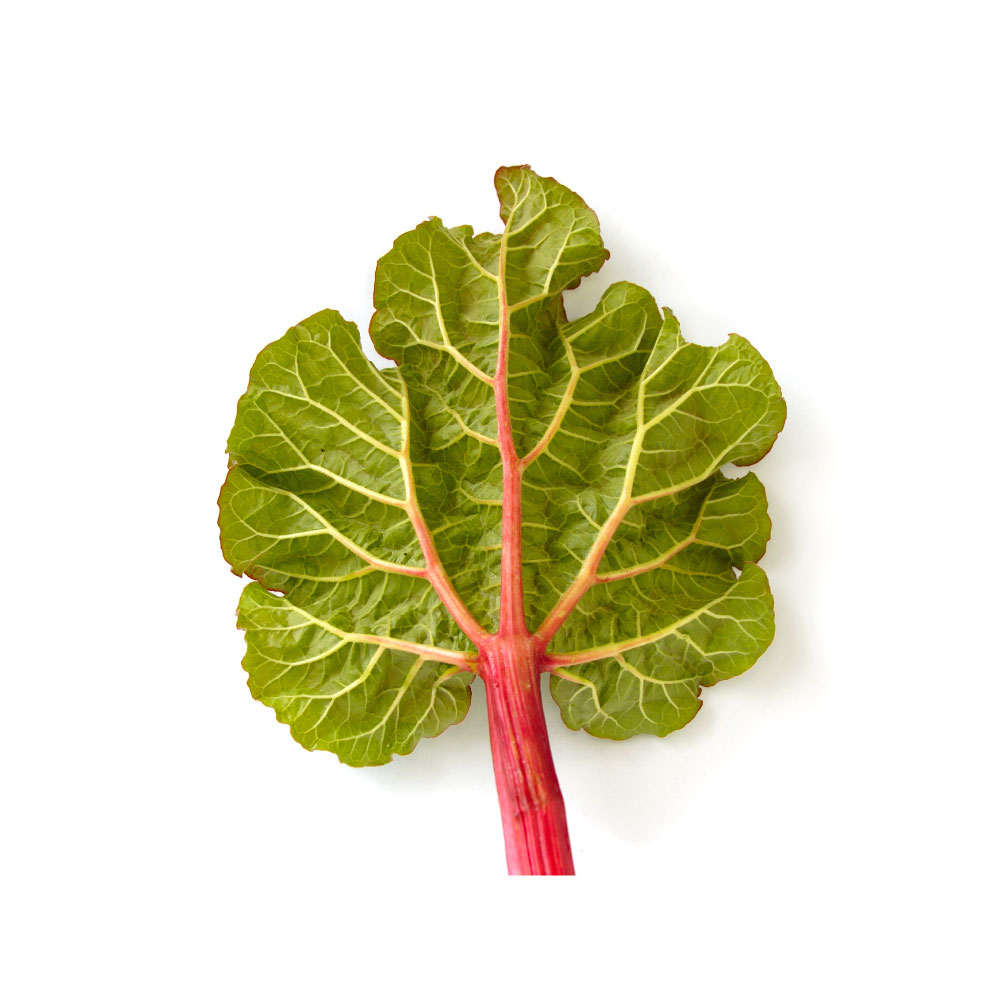 RhubarbRheum palmatumTraditional only
Rhubarb root acts in opposite ways depending on dose. At low doses the tannins dominate and rhubarb root is astringent and anti-haemorrhagic — which is the basis of its traditional use in gastrointestinal bleeding and in Chinese medicine for upper-GI haemorrhage. At higher doses its anthraquinones drive a purgative action, which is the opposite of what an irritated stomach needs. The dose decides the effect, so this is a herb for a practitioner’s formula rather than casual self-use.
Full monograph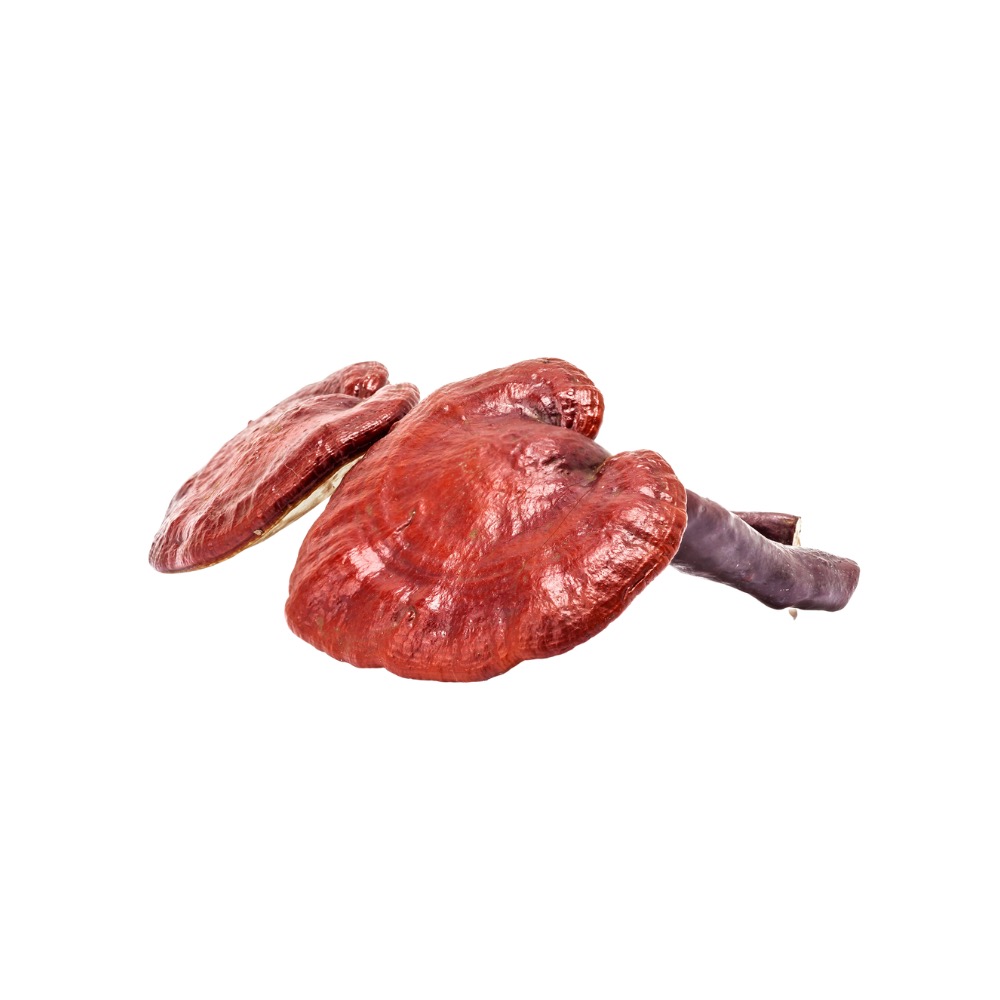 ReishiGanoderma lucidumTraditional only
Gastric ulcer sits among reishi’s long list of traditional Chinese indications. Its serious modern research concerns immune modulation and its triterpenes and polysaccharides, not the gastric mucosa, so the gastric use reflects the breadth of a tonic reputation rather than a specific anti-ulcer tradition.
Full monograph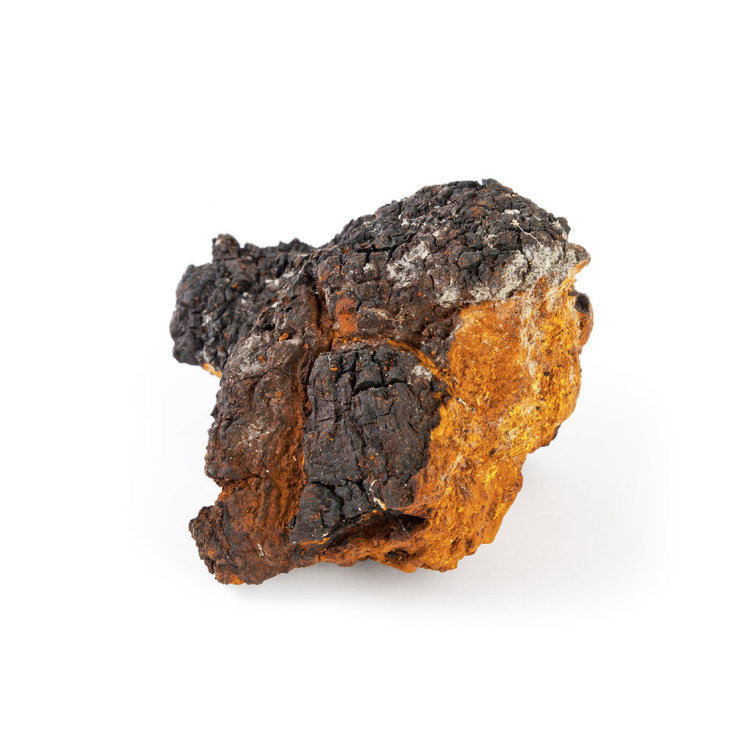 ChagaInonotus obliquusTraditional only
In Russian and Siberian folk practice chaga was taken for stomach complaints and ulcers as well as for general debility, and that gastric use is among its best-documented traditional applications. Modern work focuses on its polysaccharides and antioxidant activity rather than on ulcer healing.
Full monograph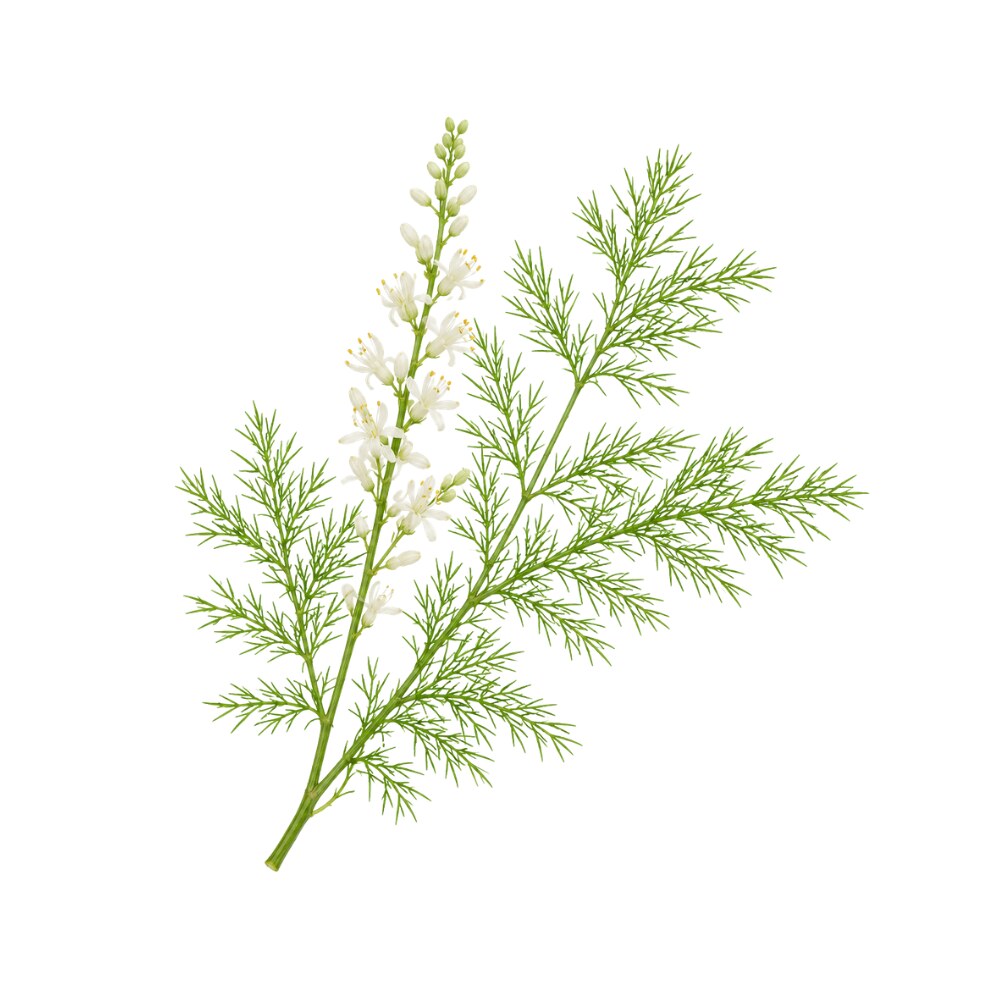 ShatavariAsparagus racemosusTraditional only
Best known in Ayurveda as a female reproductive tonic, shatavari is also used as a soothing demulcent for dryness and irritation of the digestive membranes, which is the reasoning behind its use for ulcer. That places it with marshmallow and slippery elm mechanistically, though with less direct evidence for the stomach specifically.
Full monograph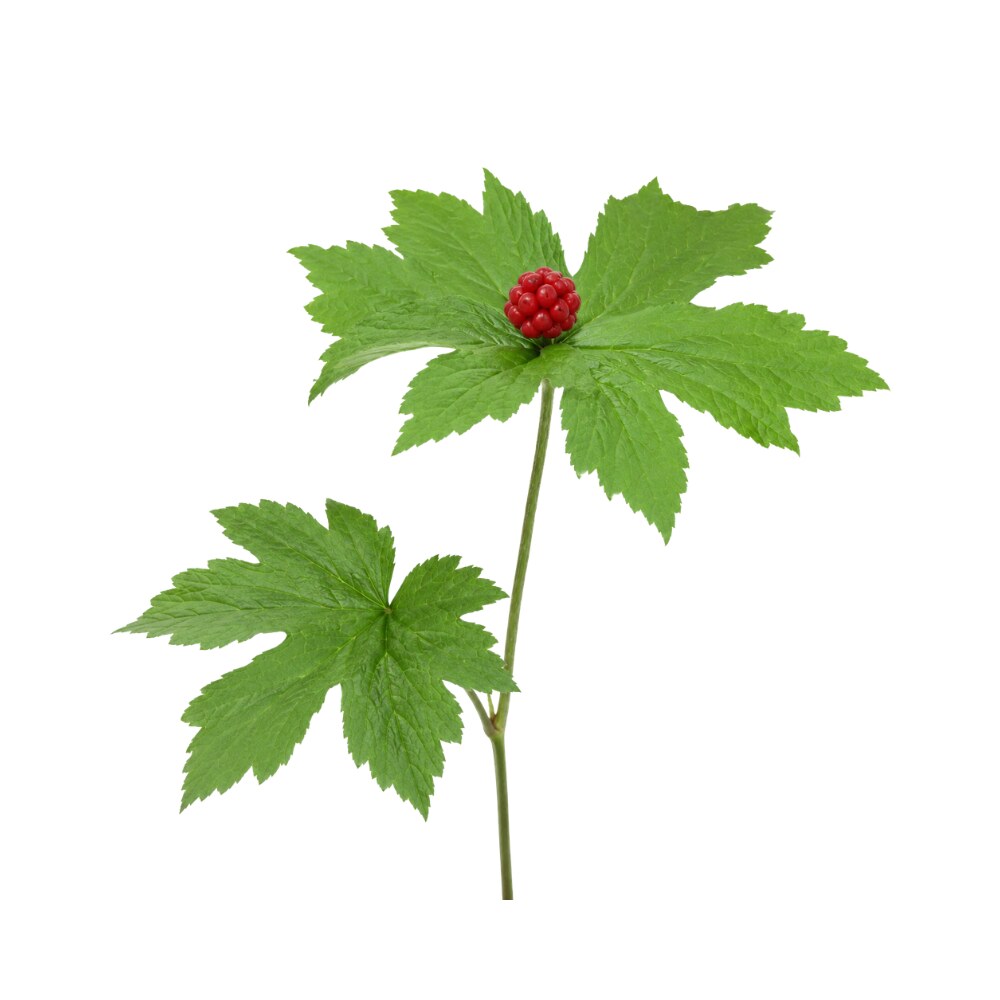 GoldensealHydrastis canadensisTraditional only
A berberine-bearing bitter used traditionally for inflamed and irritated mucous membranes throughout the digestive tract. Berberine’s activity against H. pylori gives a plausible thread, though goldenseal has not been tested for this. Goldenseal is seriously threatened by over-harvest, and Oregon grape is the usual sustainable substitute for its berberine content.
Full monograph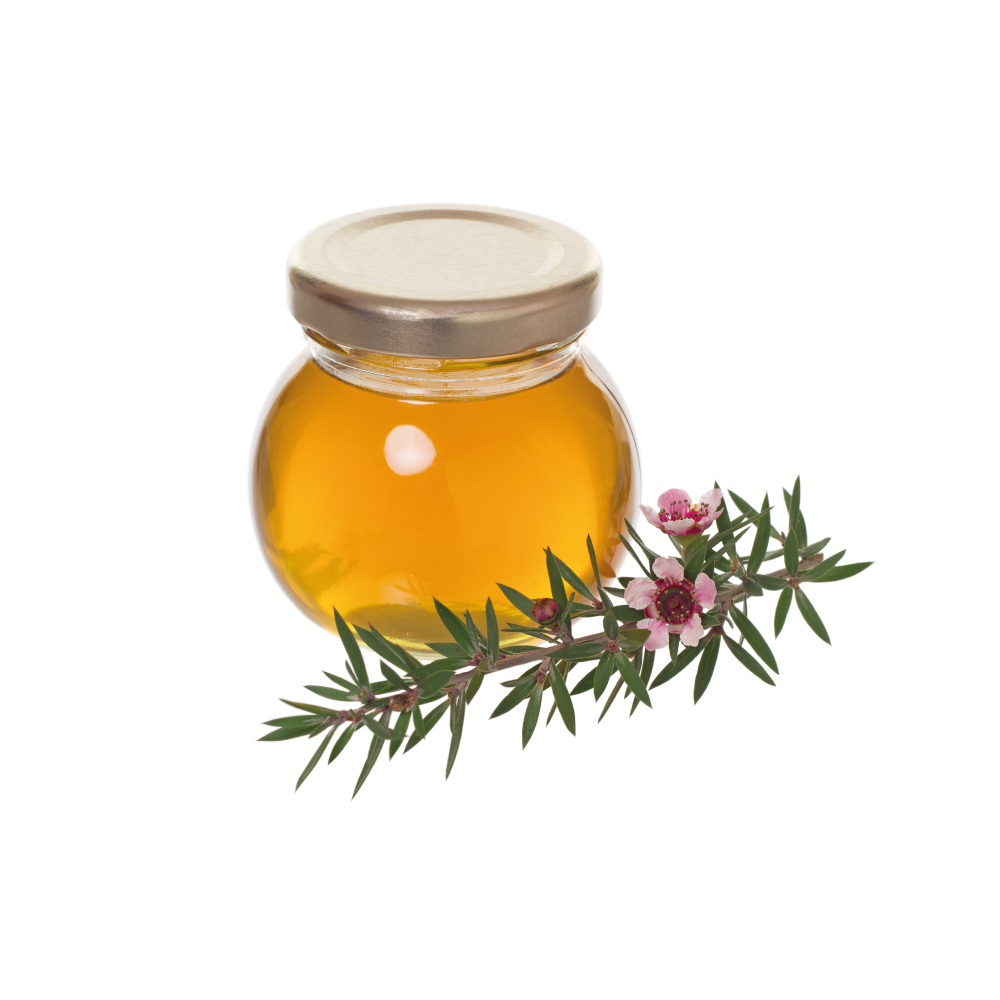 ManukaLeptospermum scopariumTraditional only
Manuka honey’s antibacterial activity is well established for wounds, and it has been investigated against H. pylori in vitro. Whether ingested honey reaches gastric mucosa at a meaningful concentration is a different question, and an untested one.
Full monograph NeemAzadirachta indicaTraditional only
Neem bark extract has been studied for gastric acid secretion and ulcer healing in small preliminary work, and gastric complaints are among its very broad Ayurvedic indications. Its well-controlled human evidence is in oral health rather than the stomach.
Full monograph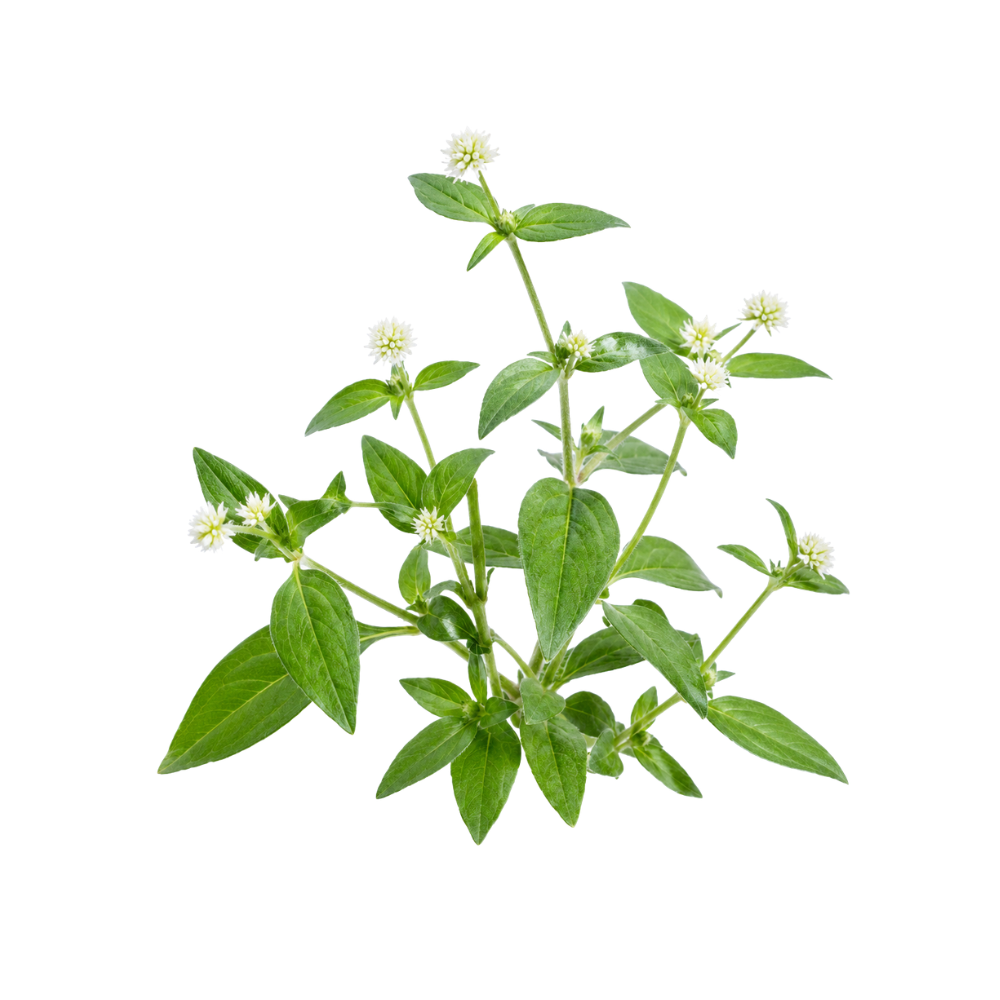 SumaPfaffia paniculataTraditional only
Brazilian “para todo”, used as a general restorative with gastric complaints among a long list of indications. The gastric use reflects the breadth of a tonic reputation rather than a specific ulcer tradition.
Full monograph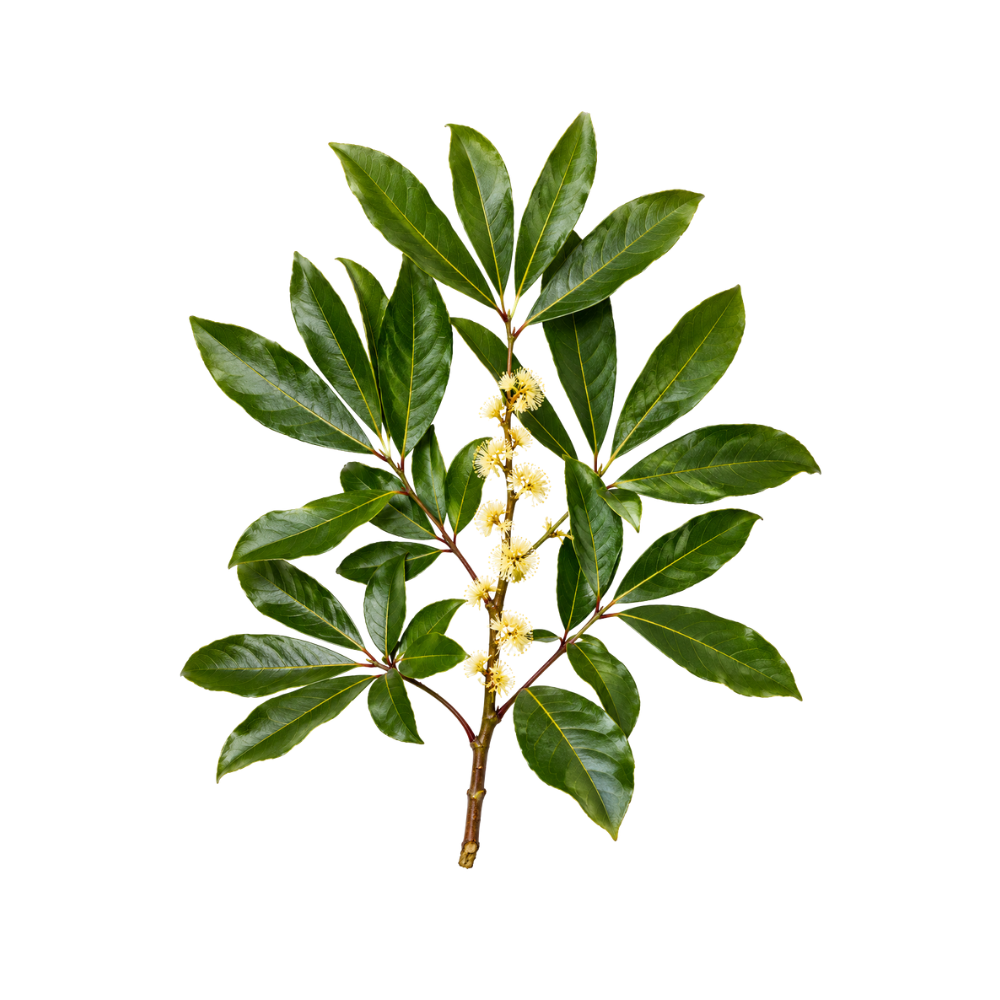 Muira PuamaPtychopetalum olacoidesTraditional only
An Amazonian nerve tonic and aphrodisiac whose traditional indications include gastrointestinal complaints. That use is broad rather than ulcer-specific, and the herb’s research attention has gone to its neuroprotective activity.
Full monograph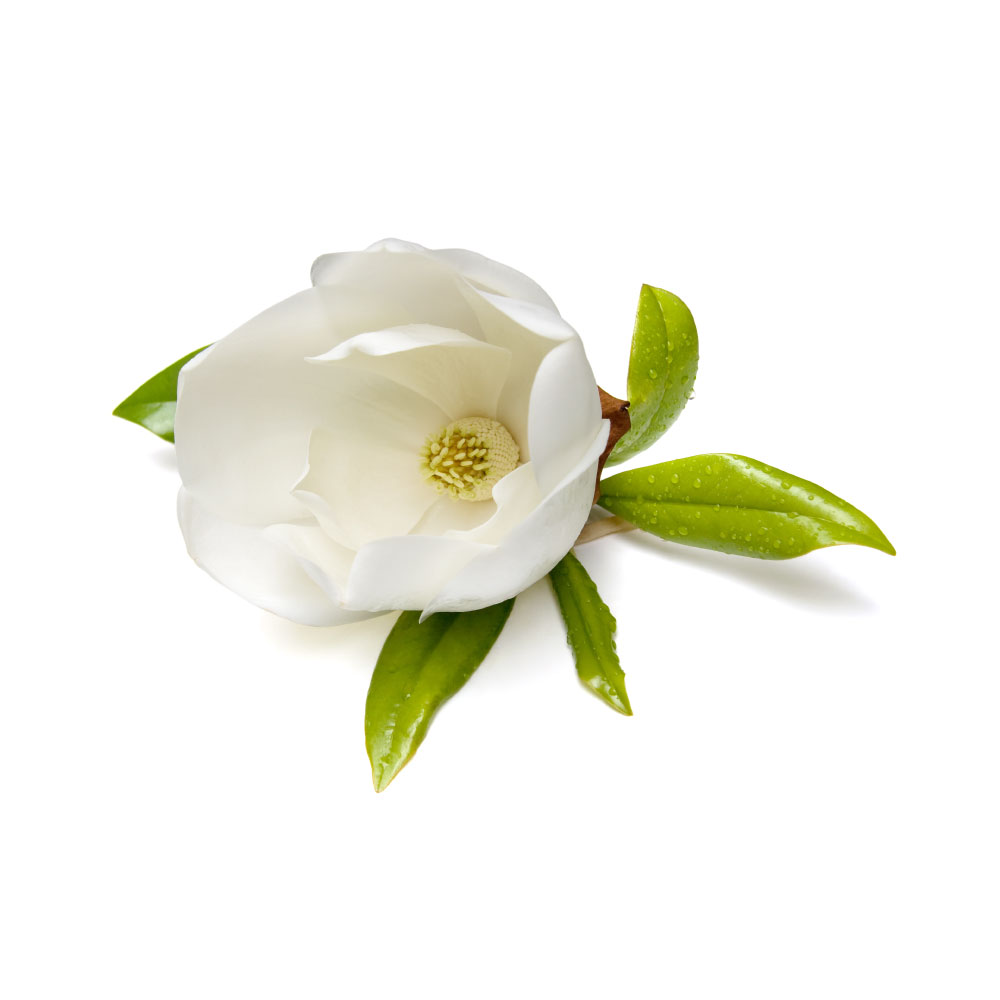 MagnoliaMagnolia officinalisTraditional only
Hou Po is a major Chinese herb for stagnation, fullness and distension in the middle abdomen, the traditional territory its gastric use comes from. Its modern research concerns honokiol and magnolol for anxiety and sleep rather than the gastric mucosa.
Full monograph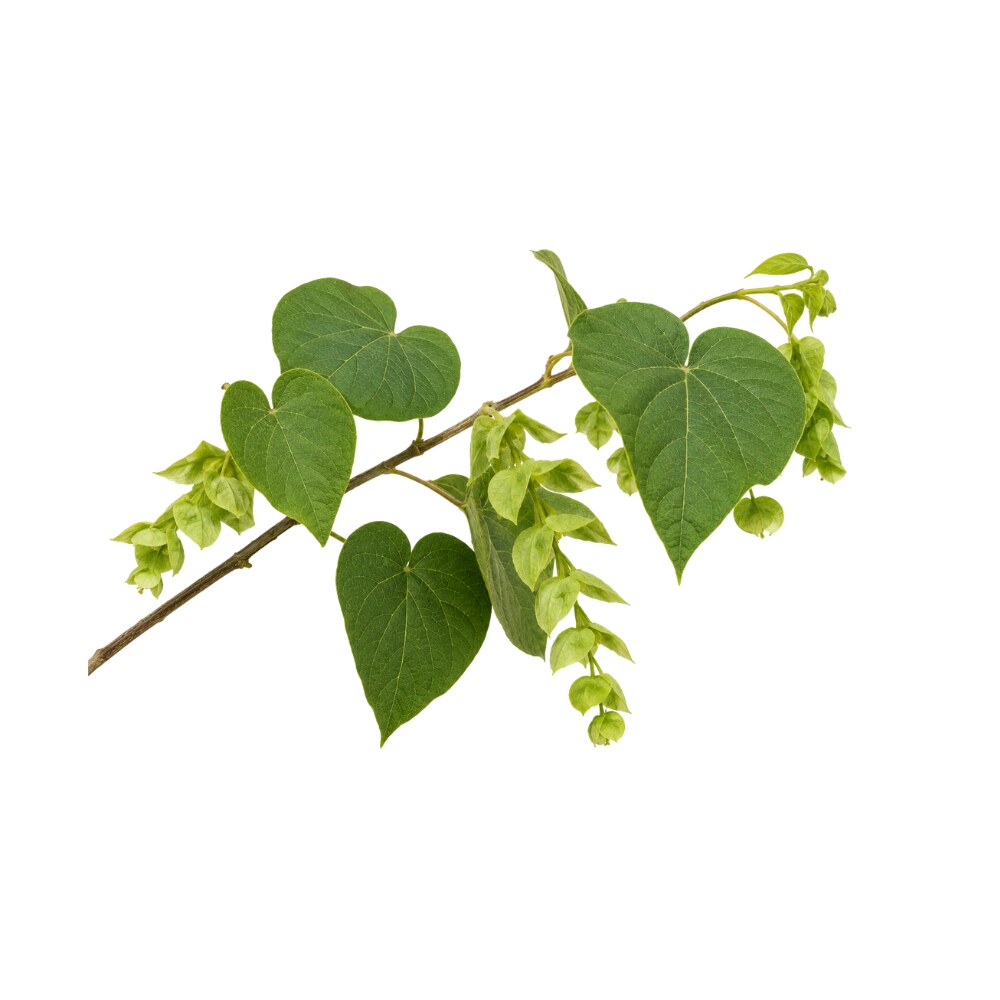 AbutaCissampelos pareiraTraditional only
A South American remedy used across a wide range of digestive complaints including gastric irritation. Its better-supported directions are antidiarrhoeal and antispasmodic.
Full monograph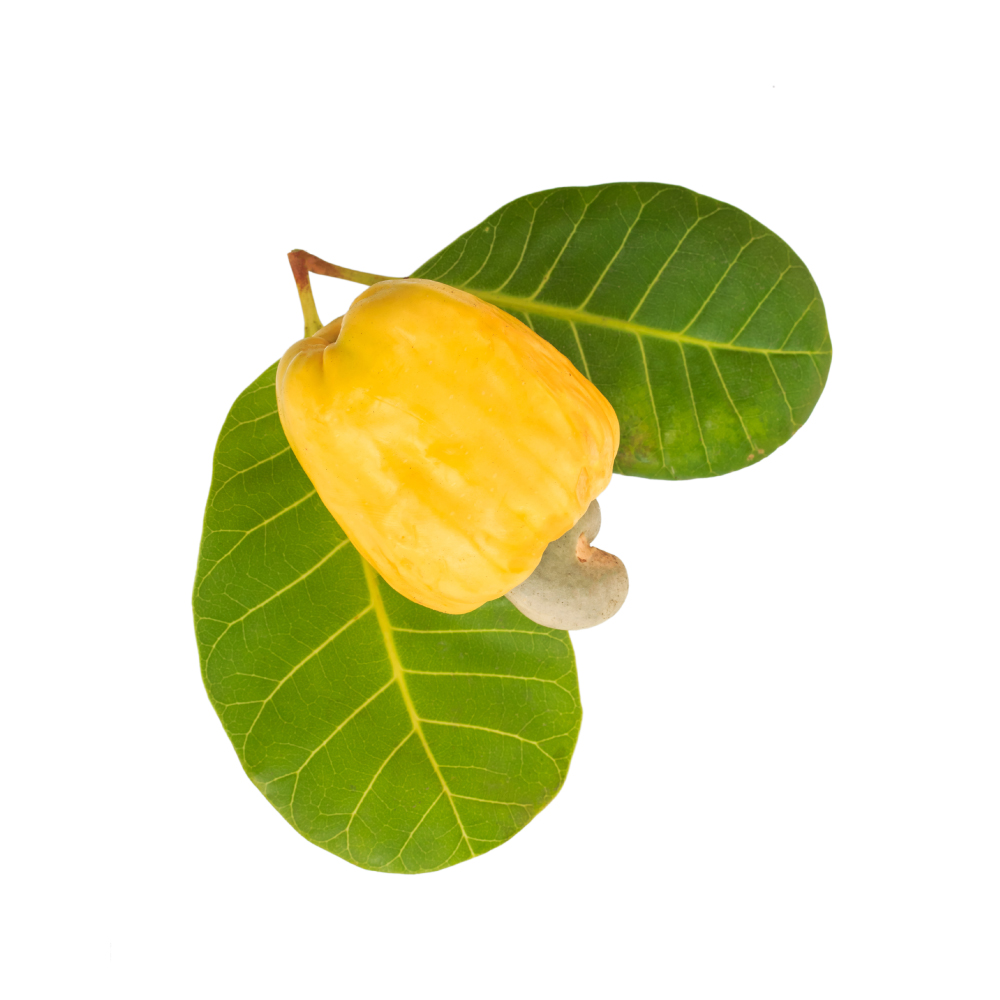 CashewAnacardium occidentaleTraditional only
The leaf and bark tea is used in Brazilian practice for dyspepsia and gastric complaints among many other indications. It has had no ulcer-specific testing.
Full monograph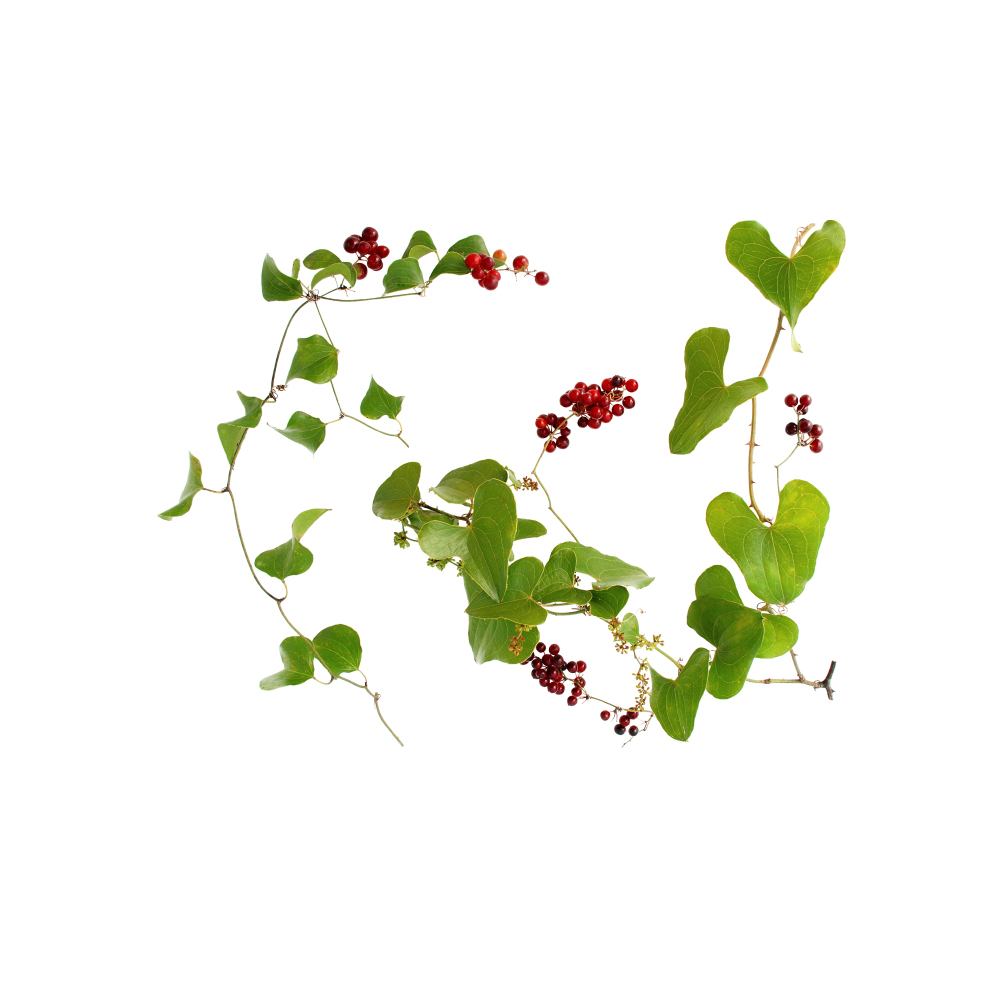 SarsaparillaSmilax spp.Traditional only
A traditional alterative whose consistent uses across its range are skin disease, infection and rheumatic complaints; gastric use is peripheral to that pattern.
Full monograph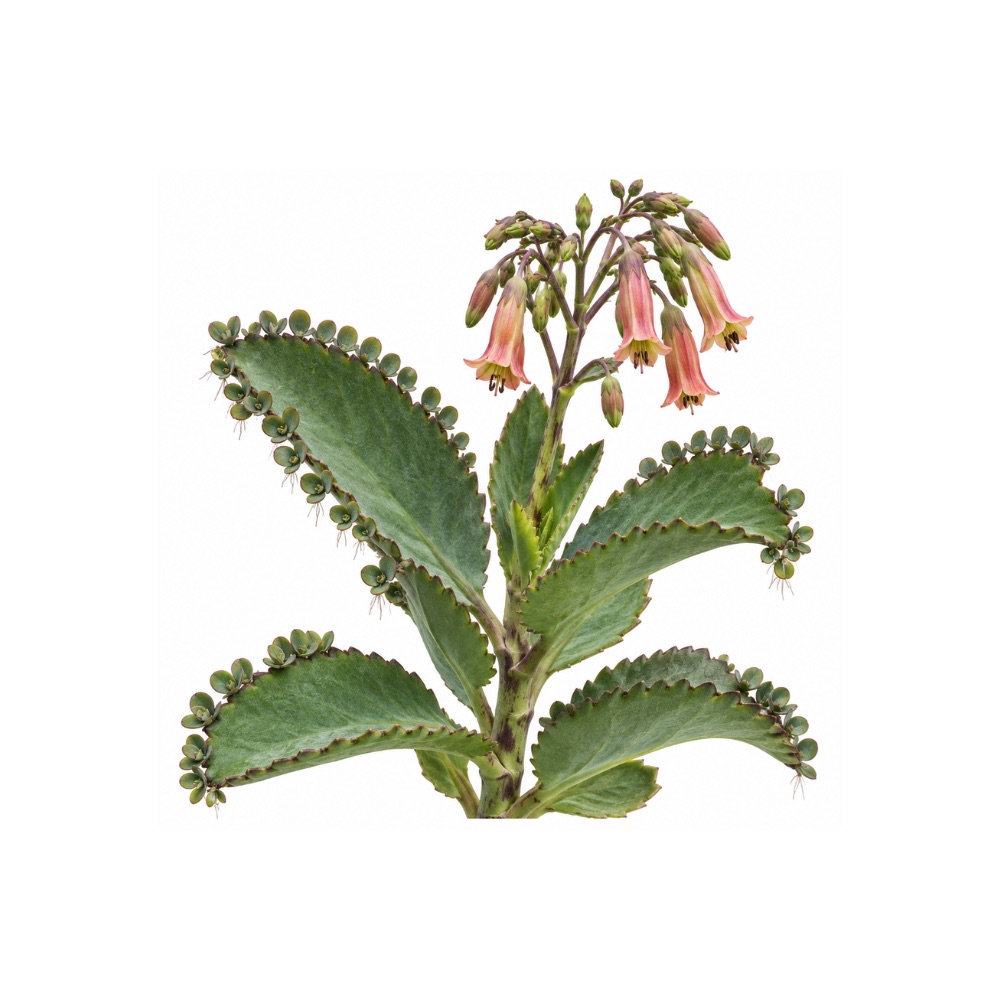 KalanchoeKalanchoe pinnataTraditional only
Used across the tropics for stomach irritation and ulcers alongside its better-known application to wounds and skin infection, usually as the fresh leaf.
Supplementation
Supplementation
The most useful non-herbal measures are stopping smoking, which delays ulcer healing and raises recurrence; moderating alcohol; and reviewing whether an NSAID is still needed.
References
- Turpie, A. G., Runcie, J., & Thomson, T. J. (1969). Clinical trial of deglycyrrhizinized liquorice in gastric ulcer — controlled trial. Gut. https://pubmed.ncbi.nlm.nih.gov/4889526/
- Rees, W. D., Rhodes, J., Wright, J. E., Stamford, L. F., & Bennett, A. (1979). Effect of deglycyrrhizinated liquorice on gastric mucosal damage by aspirin. Scandinavian Journal of Gastroenterology. https://pubmed.ncbi.nlm.nih.gov/493863/
- D’Imperio, N., Piccari, G. G., Sarti, F., et al. (1978). Double-blind trial in duodenal and gastric ulcers: cimetidine and deglycyrrhizinized liquorice — randomised controlled trial. Acta Gastro-enterologica Belgica. https://pubmed.ncbi.nlm.nih.gov/373361/
- Hajiaghamohammadi, A. A., Zargar, A., Oveisi, S., Samimi, R., & Reisian, S. (2016). To evaluate of the effect of adding licorice to the standard treatment regimen of Helicobacter pylori — randomised controlled trial. Brazilian Journal of Infectious Diseases. https://pubmed.ncbi.nlm.nih.gov/27614124/
- Momeni, A., Rahimian, G., Kiasi, A., et al. (2014). Effect of licorice versus bismuth on eradication of Helicobacter pylori in patients with peptic ulcer disease — randomised controlled trial. Pharmacognosy Research. https://pubmed.ncbi.nlm.nih.gov/25276073/
- Wittschier, N., Faller, G., & Hensel, A. (2009). Aqueous extracts and polysaccharides from liquorice roots (Glycyrrhiza glabra L.) inhibit adhesion of Helicobacter pylori to human gastric mucosa — in vitro. Journal of Ethnopharmacology. https://pubmed.ncbi.nlm.nih.gov/19607905/
- Samardžić, S., Arsenijević, J., Božić, D., et al. (2018). Antioxidant, anti-inflammatory and gastroprotective activity of Filipendula ulmaria and Filipendula vulgaris — ex vivo and animal model. Journal of Ethnopharmacology. https://pubmed.ncbi.nlm.nih.gov/29132911/
- Barnaulov, O. D., & Denisenko, P. P. (1980). Anti-ulcer action of a decoction of the flowers of Filipendula ulmaria — animal model. Farmakologiia i Toksikologiia. https://pubmed.ncbi.nlm.nih.gov/7450008/
- Watts, C. R., & Rousseau, B. (2012). Slippery elm, its biochemistry, and use as a complementary and alternative treatment for laryngeal irritation — review. Journal of Investigational Biochemistry.
- Barnes, J., Anderson, L. A., & Phillipson, J. D. (2007). Herbal Medicines (3rd ed.), pp. 545–546. London: Pharmaceutical Press.
- Grieve, M. (1931). A Modern Herbal — Mallow (Marsh).
- Barnes, J., Anderson, L. A., & Phillipson, J. D. (2007). Herbal Medicines (3rd ed.), pp. 418–420. London: Pharmaceutical Press.
- Taha, M. M. E., Salga, M. S., Ali, H. M., et al. (2012). Gastroprotective activities of Turnera diffusa Willd. ex Schult. revisited: role of arbutin — animal model. Journal of Ethnopharmacology. https://pubmed.ncbi.nlm.nih.gov/22374081/
- Heitzman, M. E., Neto, C. C., Winiarz, E., Vaisberg, A. J., & Hammond, G. B. (2005). Ethnobotany, phytochemistry and pharmacology of Uncaria (Rubiaceae) — review. Phytochemistry. https://pubmed.ncbi.nlm.nih.gov/15649507/
- Keplinger, K., Laus, G., Wurm, M., Dierich, M. P., & Teppner, H. (1999). Uncaria tomentosa — ethnomedicinal use and new pharmacological, toxicological and botanical results — review. Journal of Ethnopharmacology. https://pubmed.ncbi.nlm.nih.gov/10075119/
- Bone, K. (2003). A Clinical Guide to Blending Liquid Herbs: Herbal Formulations for the Individual Patient, pp. 39–41. Edinburgh: Churchill Livingstone.
- Gilca, M., Gaman, L., Panait, E., Stoian, I., & Atanasiu, V. (2010). Chelidonium majus — an integrative review: traditional knowledge versus modern findings. Forschende Komplementärmedizin. https://pubmed.ncbi.nlm.nih.gov/20980763/
- Bone, K., & Mills, S. (2013). Principles and Practice of Phytotherapy, pp. 503–507. Elsevier Health.