
Materia Medica
Fennel
Foeniculum vulgare
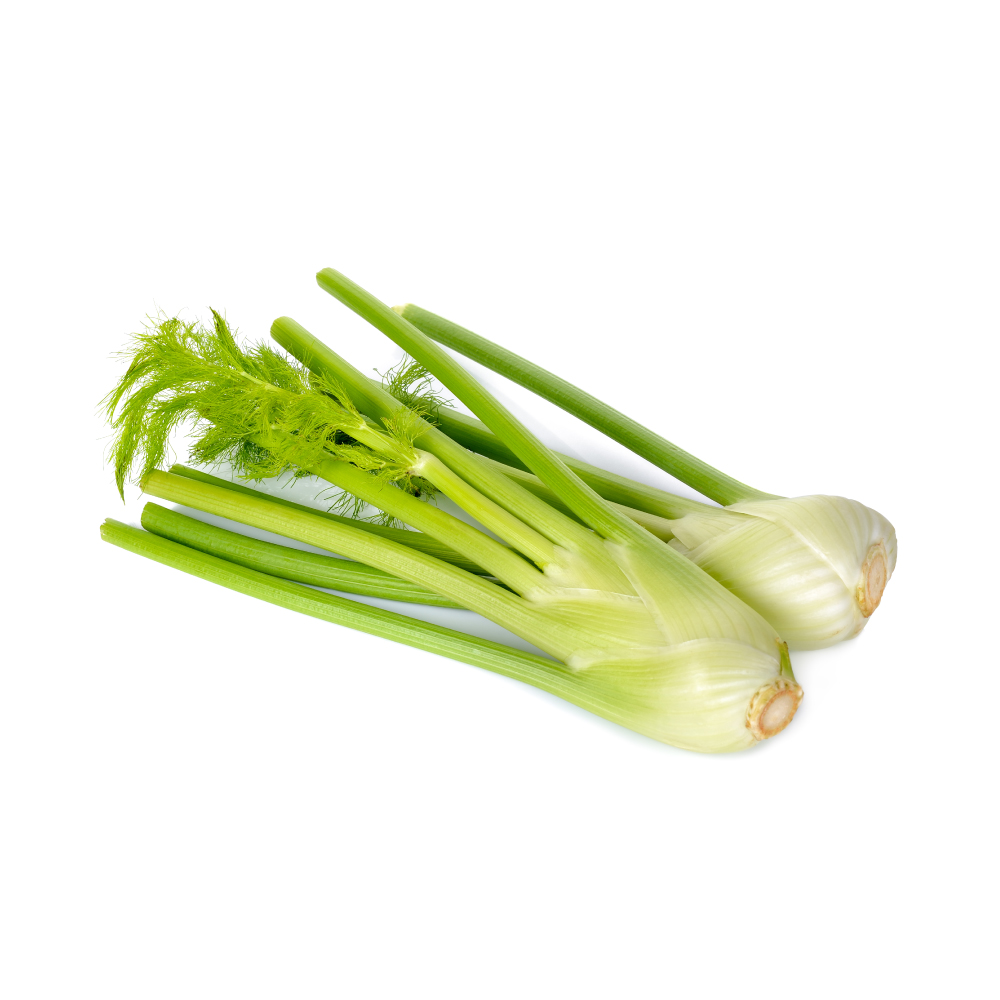
Fennel is a tall, anise-scented herb of the carrot family, grown for its seeds and leaves. The seed is a classic carminative for wind, bloating and digestive cramping, and a traditional aid to milk flow; its oil is rich in anethole.
What Is Fennel?
Fennel is a tall, anise-scented herb of the carrot family, grown for its seeds and its feathery leaves. The seed is a classic carminative, taken for wind, bloating and digestive cramping, and a traditional aid to milk flow in nursing mothers.
Foeniculum vulgare is native to the Mediterranean and is now cultivated and naturalised worldwide 49Reference 49Foeniculum vulgare (Linnaeus) Miller and genus Foeniculum — species description and distribution — floraView study →. It was known to the ancient Egyptians, Romans, Indians and Chinese 11Reference 11ReviewFoeniculum vulgare Mill: a review of its botany, phytochemistry, pharmacology and toxicology — reviewView study →. The leaves are used for flavouring and the fruits as a spice, and in Chinese medicine the plant is xiao hui xiang, used to aid digestion 49Reference 49Foeniculum vulgare (Linnaeus) Miller and genus Foeniculum — species description and distribution — floraView study →.
The seed’s essential oil is dominated by trans-anethole, with fenchone, estragole and limonene 11,
Fennel is often confused with dill (Anethum graveolens) 50Reference 50Foeniculum vulgare — description, origin and plant traits — species databaseView study →.
How Is Fennel Used?
The ripe seed (botanically the fruit) is the main medicinal part.
- Seed tea — crushed seed infused in hot water, for digestion and colic.
- Liquid extract or tincture — the usual Western herbal preparation.
- Seed capsules and extracts — the preparations tested for period pain and menopausal symptoms 6,
16Reference 6RCTEffect of fennel on pain quality, symptoms, and menstrual duration in primary dysmenorrhea — RCTView study →Reference 16RCTEffect of fennel on menopausal symptoms in postmenopausal women — randomised, triple-blind, placebo-controlled trialView study → . - Seed-oil emulsion — the preparation tested in infant colic 12Reference 12RCTThe effect of fennel seed oil emulsion in infantile colic — randomised placebo-controlled studyView study →.
- Creams and gels — a vaginal cream for menopausal atrophy, and a topical gel for excess facial hair 17,
25Reference 17RCTEffect of fennel vaginal cream on vaginal atrophy in postmenopausal women — double-blind RCTView study →Reference 25RCTEffect of fennel gel 3% in decreasing hair thickness in idiopathic mild-to-moderate hirsutism — RCTView study → . - Food and flavouring — the leaves as a herb and the seed as a spice 49Reference 49Foeniculum vulgare (Linnaeus) Miller and genus Foeniculum — species description and distribution — floraView study →. The seed and its oil also flavour alcoholic drinks, teas, mouthwashes and toothpastes 44Reference 44Principles and Practice of Phytotherapy (2nd ed.).
Traditional Uses
Western Herbal Medicine
Fennel was prized by the ancient Romans for its succulent shoots and aromatic seed, and was said to promote longevity and to give strength and courage 45Reference 45Fennel. https://www.botanical.com/botanical/mgmh/f/fennel01.htmlView study →.
Pliny and later herbalists recommended it for strengthening the sight 45Reference 45Fennel. https://www.botanical.com/botanical/mgmh/f/fennel01.htmlView study →.
It was also a staple culinary herb, and its pairing with fish survives today 45Reference 45Fennel. https://www.botanical.com/botanical/mgmh/f/fennel01.htmlView study →. It was used both to improve appetite in the underweight and to reduce it in the overweight 44Reference 44Principles and Practice of Phytotherapy (2nd ed.).
Fennel seeds have been recovered from Egyptian tombs 44Reference 44Principles and Practice of Phytotherapy (2nd ed.). The plant also has a place in Ayurvedic, Unani, Siddha and Iranian traditional medicine 11,
Traditional Chinese Medicine
In Chinese medicine fennel is xiao hui xiang, classified as pungent in taste and warm in nature, entering the Liver, Kidney, Spleen and Stomach channels 48Reference 48An Illustrated Chinese Materia Medica. It is used to expel cold, relieve pain and regulate the flow of Qi in the stomach 48Reference 48An Illustrated Chinese Materia Medica.
It is given for cold conditions of the lower abdomen, including cold hernia-type pain, and for cold-stomach patterns with abdominal pain, indigestion, weak appetite and vomiting 44,
Indications
- Wind, bloating and indigestion [seed; Western herbal medicine]
- Colicky abdominal cramps [seed; Western herbal medicine]
- Infant colic [seed-oil emulsion]
- Irritable bowel syndrome [seed essential oil, with curcumin] Caution: Both studies tested fennel oil combined with curcumin, so fennel’s own contribution cannot be separated, and one had no placebo group 9,
10 . - Period pain (primary dysmenorrhoea) [seed extract] Caution: Meta-analyses of small, mostly Iranian trials found fennel similar to mefenamic acid. The Cochrane review found the one placebo-controlled fennel trial it could analyse non-significant, and rated the evidence low quality 1,
2, .4 - Menopausal symptoms [seed capsules; vaginal cream]
- Low milk supply [seed; traditional galactagogue]
- Delayed or absent periods [seed; traditional emmenagogue]
- Poor appetite [seed; Western herbal medicine]
- Appetite and weight control [seed tea] Caution: A small crossover trial reduced hunger ratings but not the food eaten, and fennel added nothing to a weight-loss diet in women with polycystic ovary syndrome 38,
39 . - Cough and upper respiratory catarrh [seed; Western herbal medicine]
- Sore throat [seed, as a gargle]
- Vomiting and diarrhoea [seed; traditional use]
- Cold abdominal pain, poor appetite and vomiting [fruit; TCM]
- Memory and cognitive decline [whole-plant extract; essential oil]
- Low mood [seed] Caution: In a trial in postmenopausal women, fennel did not improve depression or anxiety scores overall; improvement was limited to women with a diagnosed disorder 18.
- Excess facial hair (idiopathic hirsutism) [seed extract cream or gel]
- Eye irritation [seed infusion, as an eyewash; traditional use]
- Mouth ulcers [as a mouthwash; traditional use]
Combinations. For indigestion and upper abdominal complaints, fennel is combined with caraway, peppermint and wormwood. Drops of the four herbs relieved pain, nausea, heartburn and cramping better than metoclopramide in a two-week double-blind trial 53Reference 53RCTPhytotherapy in functional upper abdominal complaints: results of a clinical study with a preparation of several plants — double-blind RCT (caraway, fennel, peppermint and wormwood vs metoclopramide)View study →.
For infant colic, fennel is combined with chamomile and lemon balm. An extract of the three cut daily crying time more than placebo in a one-week trial that enrolled 93 breastfed infants 54Reference 54RCTA randomized double-blind placebo-controlled trial of a standardized extract of Matricariae recutita, Foeniculum vulgare and Melissa officinalis (ColiMil) in the treatment of breastfed colicky infants — RCTView study →.
Botany
Fennel is a tall perennial herb in the carrot family (Apiaceae), often grown as an annual 49,
The leaves are finely divided four or five times into thread-like segments about 0.1 mm wide 49Reference 49Foeniculum vulgare (Linnaeus) Miller and genus Foeniculum — species description and distribution — floraView study →. Their stalks widen into sheaths at the base 49Reference 49Foeniculum vulgare (Linnaeus) Miller and genus Foeniculum — species description and distribution — floraView study →.
The small yellow flowers grow in large, flat compound umbels 5–9 cm across, with 6–29 or more rays 49,
The fruit, sold as fennel seed, is oblong, ribbed and 4–6 mm long 49Reference 49Foeniculum vulgare (Linnaeus) Miller and genus Foeniculum — species description and distribution — floraView study →.
Florence fennel, or finocchio, is a cultivated form of the same species 50Reference 50Foeniculum vulgare — description, origin and plant traits — species databaseView study →.
Several poisonous plants belong to the same family. Poison hemlock (Conium maculatum) has parsley-like leaves, stems spotted purple or red, and a foul smell when crushed 52Reference 52Conium maculatum — identification features — species databaseView study →, while fennel smells of anise throughout 49Reference 49Foeniculum vulgare (Linnaeus) Miller and genus Foeniculum — species description and distribution — floraView study →.
Distribution
Fennel is native to the Mediterranean region. It is now cultivated and naturalised worldwide 49,
It self-seeds freely and escapes from gardens 50Reference 50Foeniculum vulgare — description, origin and plant traits — species databaseView study →. In California it is common throughout the state and forms dense local stands in grassland, coastal scrub, riverside and wetland communities, where it is rated a moderate invasive 51Reference 51Foeniculum vulgare profile — invasive status and habitats in California — species databaseView study →.
Growing Conditions
Cultivation snapshot for Fennel
- Full sun and well-drained soil suit it best; it tolerates poor, dry ground once established.
- A short-lived perennial hardy roughly in zones 4–9, often simply grown fresh each year.
- Reaches 4–6 ft tall — give it room; it needs little coddling.
- Self-seeds freely and can become weedy or invasive; deadhead spent flower umbels before the seed drops to keep it contained.
Grow it yourself
Farm Wiki is our cultivation-focused sister site, also run by Justin Cooke.
Harvesting, Collection & Preparation
Fennel seed and its essential oil flavour alcoholic drinks and teas, and are often added to mouthwashes and toothpastes 44Reference 44Principles and Practice of Phytotherapy (2nd ed.).
Phytochemistry
The seed’s essential oil is dominated by the phenylpropanoid trans-anethole, which makes up about 50–90% of it in most analyses 11,
The oil varies with cultivar, origin and ripeness. Some commercial fruit oils are dominated by estragole instead, at 79–88% 23Reference 23In vitroFoeniculum vulgare essential oils: chemical composition, antioxidant and antimicrobial activities — in vitroView study →. Oil from the dried aerial parts holds less anethole, about 31–36%, along with α-pinene and limonene 23Reference 23In vitroFoeniculum vulgare essential oils: chemical composition, antioxidant and antimicrobial activities — in vitroView study →.
Lesser oil components include myrcene, alpha-phellandrene and d-pinene, with anisic acid and anisic aldehyde as oxidation products of anethole 11,
Beyond the oil, the seed carries flavonoids, among them the flavonol myricetin, with protein, fixed oil, sugars, vitamins and minerals 11,
Constituent Summary
Amounts are a share of the essential oil, and vary with chemotype and origin 11,
Phenylpropanoid3 compounds2 with data
Monoterpene2 compounds2 with data
Phenolic1 compoundno data
Pharmacology & Research
Fennel has a sizeable clinical literature for a culinary herb. Randomised trials and meta-analyses cover period pain, infant colic and menopausal symptoms, and most of the trials are small and come from Iran 1,
The digestive, antioxidant, liver, memory and anticancer findings come from animal and cell work. The exceptions are two studies of fennel oil combined with curcumin in irritable bowel syndrome 9,
-
Best-supported: primary dysmenorrhea, where fennel performs comparably to mefenamic acid in meta-analyses 1,
2Reference 1Meta-analysisFennel for reducing pain in primary dysmenorrhea — systematic review and meta-analysis of RCTsView study →Reference 2Meta-analysisEffect of fennel on primary dysmenorrhea — systematic review and meta-analysisView study → ; infantile colic, where a seed-oil emulsion and pooled fennel preparations reduced crying time 12,13Reference 12RCTThe effect of fennel seed oil emulsion in infantile colic — randomised placebo-controlled studyView study →Reference 13Systematic reviewInfant colic — what works: a systematic review of interventions for breast-fed infantsView study → ; and menopausal symptoms in placebo-controlled trials 15,16Reference 15Meta-analysisFennel for the management of menopausal women’s health — systematic review and meta-analysisView study →Reference 16RCTEffect of fennel on menopausal symptoms in postmenopausal women — randomised, triple-blind, placebo-controlled trialView study → . -
Emerging, worth watching: region-specific gastric motility effects that explain the carminative action 7,
8Reference 7Fennel tea has a region-specific effect on the motility of the stomach — ex vivoView study →Reference 8AnimalAnethole restores delayed gastric emptying and impaired gastric accommodation in rodents — animal modelView study → , and topical fennel for idiopathic hirsutism 24,25Reference 24RCTAntihirsutism activity of fennel extract — double-blind placebo-controlled studyView study →Reference 25RCTEffect of fennel gel 3% in decreasing hair thickness in idiopathic mild-to-moderate hirsutism — RCTView study → . -
Mechanistically thin: antioxidant, hepatoprotective, nootropic, antidiabetic and anticancer claims are real in the lab but have no human data — they rest on animal models and cell lines 11,
34Reference 11ReviewFoeniculum vulgare Mill: a review of its botany, phytochemistry, pharmacology and toxicology — reviewView study →Reference 34In vitroFoeniculum vulgare seed extract exerts anti-cancer effects on hepatocellular carcinoma — in vitroView study → . -
The caveat: most trials are small, single-region and use varied preparations, and the anethole and estragole content of the oil varies widely with chemotype 11,
23Reference 11ReviewFoeniculum vulgare Mill: a review of its botany, phytochemistry, pharmacology and toxicology — reviewView study →Reference 23In vitroFoeniculum vulgare essential oils: chemical composition, antioxidant and antimicrobial activities — in vitroView study → .
Results depend on the preparation. A standardised seed-oil emulsion, a seed-extract capsule, a topical cream and a cup of seed tea deliver different amounts of different compounds, and a finding for one does not carry over to the others.
1. Primary Dysmenorrhea
Three meta-analyses of randomised trials found fennel reduced menstrual pain about as well as conventional painkillers. In the first, seven trials comparing fennel with drug therapy found no difference in pain (SMD 0.07, 95% CI −0.08 to 0.21), and fennel beat placebo, though the placebo comparison was highly heterogeneous (I²=98%) and an excess of small favourable studies suggested publication bias 1Reference 1Meta-analysisFennel for reducing pain in primary dysmenorrhea — systematic review and meta-analysis of RCTsView study →.
A second meta-analysis found fennel significantly better than placebo (SMD −0.632, seven trials) and no different from mefenamic acid (six trials) 2Reference 2Meta-analysisEffect of fennel on primary dysmenorrhea — systematic review and meta-analysisView study →. A third, pooling trials of cinnamon, fennel and ginger, also found fennel better than placebo 3Reference 3Meta-analysisEfficacy of herbal medicine (cinnamon/fennel/ginger) for primary dysmenorrhea — systematic review and meta-analysis of RCTsView study →.
In an early head-to-head trial in 110 schoolgirls (mean age 13), 80% on fennel extract and 73% on mefenamic acid reported complete or partial pain relief 5Reference 5RCTComparison of fennel and mefenamic acid on pain intensity in dysmenorrhoea — RCTView study →. A 3-month trial of fennel capsules in 80 students reduced nausea, weakness and the length of the period against an untreated control group 6Reference 6RCTEffect of fennel on pain quality, symptoms, and menstrual duration in primary dysmenorrhea — RCTView study →.
The Cochrane review could analyse only one fennel-versus-placebo trial (43 women), which found no significant benefit (MD −0.34 points). It rated all the dysmenorrhoea supplement evidence low or very low quality, and 22 of its 27 trials came from Iran 4Reference 4Systematic reviewDietary supplements for dysmenorrhoea — Cochrane systematic reviewView study →.
In isolated rat uterus, fennel essential oil weakened contractions induced by oxytocin and by prostaglandin E2 32Reference 32In vitroThe effect of fennel essential oil on uterine contraction as a model for dysmenorrhea — in vitro (isolated rat uterus)View study →.
Gap: the positive meta-analyses draw almost entirely on small Iranian trials using different preparations and doses; a large, standardized, multi-region RCT — and independent replication outside a single research culture — is missing.
2. Infantile Colic
A randomized placebo-controlled trial in 125 infants aged 2 to 12 weeks found that a fennel seed-oil emulsion eliminated colic (by Wessel criteria) in 65% of treated infants versus 24% on placebo. That is an absolute risk reduction of 41% and a number-needed-to-treat of 2, with no reported side effects 12Reference 12RCTThe effect of fennel seed oil emulsion in infantile colic — randomised placebo-controlled studyView study →.
A systematic review of interventions for breast-fed infants pooled three fennel-containing preparations and found a mean reduction of 72 minutes of crying per day versus control 13Reference 13Systematic reviewInfant colic — what works: a systematic review of interventions for breast-fed infantsView study →.
Fennel seed oil reduces intestinal spasm, the proposed mechanism 12Reference 12RCTThe effect of fennel seed oil emulsion in infantile colic — randomised placebo-controlled studyView study →.
Gap: the trials use specific seed-oil emulsions and combination products (often with other Apiaceae), not the fennel-water or tea a parent would brew; the estragole content of infant fennel decoctions has also drawn safety scrutiny 14Reference 14ReviewCan estragole in fennel seed decoctions really be considered a danger for human health? — safety reviewView study →.
3. Menopausal Symptoms
A 2021 systematic review and meta-analysis identified seven RCTs of fennel in menopausal women. The two placebo-controlled trials pooled in favour of fennel for overall menopausal symptoms (SMD −1.32, 95% CI −1.76 to −0.87), with no serious adverse events 15Reference 15Meta-analysisFennel for the management of menopausal women’s health — systematic review and meta-analysisView study →.
A triple-blind RCT (n=90, 100 mg twice daily, 8 weeks) significantly lowered Menopause Rating Scale scores 16Reference 16RCTEffect of fennel on menopausal symptoms in postmenopausal women — randomised, triple-blind, placebo-controlled trialView study →. In a 60-woman trial, a 5% fennel vaginal cream improved the vaginal maturation index and pH over 8 weeks 17Reference 17RCTEffect of fennel vaginal cream on vaginal atrophy in postmenopausal women — double-blind RCTView study →.
Trials of fennel for sleep quality 19Reference 19RCTEffect of fennel on sleep quality of menopausal women — double-blind RCTView study →, blood lipids 20Reference 20RCTThe effect of short-term treatment with fennel on lipid profile in postmenopausal women — RCTView study → and depression and anxiety 18Reference 18RCTEffect of fennel on depression and anxiety in postmenopausal women — double-blind RCTView study → found no overall effect; the anxiety and depression benefit appeared only in the subgroup that had a disorder.
The effect is attributed to fennel’s estrogen-like activity, which has been linked to anethole and its polymers 31Reference 31ReviewFennel and anise as estrogenic agents — reviewView study →.
4. Carminative & Functional GI
In a 2025 organ-bath study, freshly brewed fennel tea relaxed guinea-pig fundus and corpus while strengthening contractions in the antrum. The relaxation was blocked by an inhibitor of store-operated calcium entry and did not depend on nerves 7Reference 7Fennel tea has a region-specific effect on the motility of the stomach — ex vivoView study →.
In rodents, anethole restored delayed gastric emptying and improved gastric accommodation 8Reference 8AnimalAnethole restores delayed gastric emptying and impaired gastric accommodation in rodents — animal modelView study →.
Direct human trials of fennel alone for dyspepsia are scarce. A placebo-controlled RCT of curcumin plus fennel essential oil in 121 patients with irritable bowel syndrome improved symptom severity and quality of life over 30 days 9Reference 9RCTCurcumin and fennel essential oil improve symptoms and quality of life in IBS — RCTView study →. An open, uncontrolled study of the same combination in 211 patients reported similar improvements over two months 10Reference 10RCTBio-optimized turmeric and essential fennel oil on quality of life in IBS — RCTView study →. Neither can separate fennel’s contribution from curcumin’s.
Aqueous fennel extract also raised gastric acid and digestive-enzyme secretion in rats 11Reference 11ReviewFoeniculum vulgare Mill: a review of its botany, phytochemistry, pharmacology and toxicology — reviewView study →.
Gap: the human evidence is combination-product data; there is no modern placebo-controlled RCT of standardized fennel monotherapy for functional dyspepsia or bloating.
5. Antihirsutism (Topical)
Two small placebo-controlled RCTs support topical fennel for idiopathic hirsutism, excess hair in women with normal androgen levels. In a double-blind study in 38 patients, creams containing 1% and 2% fennel fruit extract reduced hair diameter by 7.8% and 18.3%, against −0.5% for placebo 24Reference 24RCTAntihirsutism activity of fennel extract — double-blind placebo-controlled studyView study →.
A second trial of 3% fennel gel in 44 women reduced facial-hair thickness from ~98 to ~76 µm over 24 weeks (p<0.001), with only mild local itching or irritation that did not differ significantly from placebo 25Reference 25RCTEffect of fennel gel 3% in decreasing hair thickness in idiopathic mild-to-moderate hirsutism — RCTView study →.
The proposed basis is fennel’s estrogen-like activity acting on androgen metabolism in the skin 24Reference 24RCTAntihirsutism activity of fennel extract — double-blind placebo-controlled studyView study →.
Both trials are small, single-centre and short, and they test a cream or gel on the skin.
6. Anti-Inflammatory
Fennel fruit methanolic extract, given by mouth at 200 mg/kg, reduced acute and subacute inflammation and type IV allergic reactions in animals, and had a central pain-relieving effect 21Reference 21AnimalAntiinflammatory, analgesic and antioxidant activities of the fruit of Foeniculum vulgare — animal modelView study →.
Of four coumarins isolated from the fruit, imperatorin was the most active. It suppressed IL-6 and TNF-α in macrophages through the NF-κB pathway, and reduced skin inflammation on mouse ears 22Reference 22In vitroAnti-inflammatory and antioxidant effects of coumarins isolated from Foeniculum vulgare — in vitro / mouseView study →. Fennel essential oils also inhibited 5-lipoxygenase in vitro 23Reference 23In vitroFoeniculum vulgare essential oils: chemical composition, antioxidant and antimicrobial activities — in vitroView study →.
No human trial has tested oral fennel as an anti-inflammatory.
7. Antioxidant
Fennel essential oils scavenge free radicals in vitro, and oils from the aerial parts did so better than fruit oils 23Reference 23In vitroFoeniculum vulgare essential oils: chemical composition, antioxidant and antimicrobial activities — in vitroView study →. At higher concentrations the oils acted as pro-oxidants in one assay 23Reference 23In vitroFoeniculum vulgare essential oils: chemical composition, antioxidant and antimicrobial activities — in vitroView study →. The coumarins isolated from the fruit are also strong radical scavengers 22Reference 22In vitroAnti-inflammatory and antioxidant effects of coumarins isolated from Foeniculum vulgare — in vitro / mouseView study →.
In rats, fennel fruit extract raised SOD and catalase and lowered lipid peroxidation 21Reference 21AnimalAntiinflammatory, analgesic and antioxidant activities of the fruit of Foeniculum vulgare — animal modelView study →, and seed and sprout extracts restored antioxidant enzymes in a chemical kidney-injury model 28Reference 28AnimalNephroprotective effect of fennel seeds and sprouts on CCl₄-induced nephrotoxicity in rats — animal modelView study →.
No human antioxidant-biomarker trial exists.
8. Hepatoprotective
Fennel essential oil protected rat liver against carbon tetrachloride-induced injury, a standard chemical liver-injury model 26Reference 26AnimalHepatoprotective effect of Foeniculum vulgare essential oil — rat in vivoView study →. d-Limonene and β-myrcene in the oil have been proposed as the active constituents 11Reference 11ReviewFoeniculum vulgare Mill: a review of its botany, phytochemistry, pharmacology and toxicology — reviewView study →.
In mice, an extract of fennel root bark, a traditional Uyghur medicine, reduced carbon tetrachloride-induced liver fibrosis 27Reference 27AnimalProtective effects of fennel root bark extract against CCl₄-induced hepatic fibrosis in mice — animal modelView study →. Seed and sprout extracts showed a similar protective pattern in the rat kidney 28Reference 28AnimalNephroprotective effect of fennel seeds and sprouts on CCl₄-induced nephrotoxicity in rats — animal modelView study →.
There is no evidence in human liver disease.
9. Galactagogue
Fennel has long been used to increase breast-milk flow 31Reference 31ReviewFennel and anise as estrogenic agents — reviewView study →. Dopamine inhibits the release of prolactin, the milk-producing hormone, and anethole has been proposed to compete with dopamine at its receptors; its dimers dianethole and photoanethole may be the active agents 11,
Gap: high-quality human evidence for fennel alone increasing milk volume is thin — most data are traditional, mechanistic, or from mixed herbal teas — and the same estrogenic constituents raise unresolved questions about infant exposure through milk.
10. Antimicrobial
Results for the essential oil are mixed. Seed oils from three regions of Iran inhibited bacterial growth in disc-diffusion tests 33Reference 33In vitroChemical composition and antimicrobial and cytotoxic activities of Foeniculum vulgare essential oils — in vitroView study →, while commercial fennel oils in another study showed very low antimicrobial activity 23Reference 23In vitroFoeniculum vulgare essential oils: chemical composition, antioxidant and antimicrobial activities — in vitroView study →. Reviews report activity of fennel extracts and oils against bacteria, fungi and viruses 11Reference 11ReviewFoeniculum vulgare Mill: a review of its botany, phytochemistry, pharmacology and toxicology — reviewView study →.
All of it is in vitro, and fennel has not been tested as a systemic antimicrobial in people.
11. Estrogenic Activity
Fennel and anise have been used as estrogenic agents for millennia. They were reputed to increase milk secretion, promote menstruation, ease childbirth and increase libido 31Reference 31ReviewFennel and anise as estrogenic agents — reviewView study →.
Anethole, the main constituent of the oil, was long considered the active estrogenic agent. Later research suggests its polymers, dianethole and photoanethole, are responsible 31Reference 31ReviewFennel and anise as estrogenic agents — reviewView study →.
This activity is the proposed basis of the menopause, period-pain, hirsutism and galactagogue uses. Its size in humans has not been measured.
12. Nootropic / Memory
A methanolic extract of the whole plant, given to mice for eight days, inhibited acetylcholinesterase and reversed scopolamine-induced and age-related memory deficits 29Reference 29AnimalCholinergic basis of the memory-strengthening effect of Foeniculum vulgare — mouse in vivoView study →. In a 2025 study, fennel essential oil improved memory in zebrafish given scopolamine, normalised acetylcholinesterase activity and reduced oxidative stress in the brain 30Reference 30AnimalFoeniculum vulgare mitigates scopolamine-induced cognitive deficits in zebrafish — animal modelView study →.
Gap: entirely animal; there is no human cognition trial.
13. Antidiabetic / Hypoglycemic
An aqueous leaf extract lowered blood glucose in normal and streptozotocin-diabetic rats 36Reference 36AnimalAntihyperglycemic effect of the aqueous extract of Foeniculum vulgare in diabetic rats — animal modelView study →, and a methanolic extract lowered glucose, triglycerides and cholesterol in diabetic rats over 28 days 37Reference 37AnimalHypoglycemic activity of methanolic extract of Foeniculum vulgare in diabetic Wistar rats — animal modelView study →.
There is no human data.
14. Appetite Suppressant / Weight
In a placebo-controlled crossover trial in nine overweight Korean women, a single serving of fennel tea reduced hunger and prospective food intake ratings, but did not change the amount eaten at the following buffet 38Reference 38RCTFennel and fenugreek tea drinking suppresses subjective short-term appetite in overweight women — randomised crossover trialView study →.
In 64 overweight women with polycystic ovary syndrome, adding fennel to a calorie-restricted diet produced no additional improvement in weight or androgen measures 39Reference 39RCTHypocaloric high-protein diet supplemented with fennel on androgenic/anthropometric indices in overweight women with PCOS — RCTView study →.
Traditional sources give fennel both to stimulate appetite in the underweight and to reduce it in the overweight 44Reference 44Principles and Practice of Phytotherapy (2nd ed.).
15. Anticancer
Ethanol extracts of fennel seed reduced the growth of liver-cancer and lung-cancer cells in vitro, and slowed the growth of the same tumours transplanted into nude mice 34,
Gap: no human data, and the in-vivo work is limited to two mouse xenograft studies.
Mechanisms
Fennel’s pharmacology centres on its volatile oil. Fennel tea relaxed the upper stomach and strengthened contractions of the lower stomach in isolated tissue, an effect linked to store-operated calcium channels 7Reference 7Fennel tea has a region-specific effect on the motility of the stomach — ex vivoView study →. Anethole improved delayed gastric emptying in rodents 8Reference 8AnimalAnethole restores delayed gastric emptying and impaired gastric accommodation in rodents — animal modelView study →.
Fennel’s estrogen-like activity has been attributed to anethole and its dimers dianethole and photoanethole 31Reference 31ReviewFennel and anise as estrogenic agents — reviewView study →. The fruit’s coumarins have been studied separately for anti-inflammatory and antioxidant activity 22Reference 22In vitroAnti-inflammatory and antioxidant effects of coumarins isolated from Foeniculum vulgare — in vitro / mouseView study →.
| Mechanism | Drives | Key compounds |
|---|---|---|
| Smooth-muscle relaxation via store-operated Ca²⁺ entry; prokinetic in antrum | carminativeantispasmodiccolicfunctional GI | anethole, fennel tea |
| Weaker oxytocin- and PGE2-induced uterine contractions | dysmenorrhea | fennel essential oil |
| Estrogen-like activity | menopausal symptomshirsutismestrogenic effects | dianethole, photoanethole, anethole |
| Competition with dopamine → prolactin ↑ (proposed) | galactagogue | anethole, dianethole, photoanethole |
| NF-κB ↓, IL-6 and TNF-α ↓, 5-LOX ↓; radical scavenging | anti-inflammatoryantioxidanthepatoprotective | coumarins (imperatorin), essential oil |
| Acetylcholinesterase inhibition | nootropic / memory | whole-plant extract, essential oil |
| Apoptosis induction, Bcl-2 ↓, survivin ↓ | anticancer | seed extract, essential oil |
Clinical Trials
Published trials cluster on period pain, infant colic and menopausal symptoms, and registered trials on digestive uses.
| Completed | Planned | Terminated | Preclinical |
|---|---|---|---|
| 6+ | 0identified | 0 | majority of the pharmacology base |
Last checked: July 2026.
Dosage
Most of fennel’s human dosing comes from women’s-health trials using seed capsules, topical creams or a standardized infant seed-oil emulsion.
| Indication | Preparation | Dose | Est. dried-herb equivalent | Source |
|---|---|---|---|---|
| Primary dysmenorrhea | Fennel soft capsule | 30 mg every 4 h, days −3 to +5 of cycle | Not quantified | 6Reference 6RCTEffect of fennel on pain quality, symptoms, and menstrual duration in primary dysmenorrhea — RCTView study → |
| Menopausal symptoms | Fennel soft capsule (oral) | 100 mg twice daily, 8 weeks | Not quantified | 16Reference 16RCTEffect of fennel on menopausal symptoms in postmenopausal women — randomised, triple-blind, placebo-controlled trialView study → |
| Vaginal atrophy | Fennel 5% vaginal cream | 5 g cream/day, 8 weeks | — (topical) | 17Reference 17RCTEffect of fennel vaginal cream on vaginal atrophy in postmenopausal women — double-blind RCTView study → |
| Infantile colic | Fennel seed-oil emulsion | 12 mg/kg/day seed oil (standardized) | — (infant emulsion) | 12Reference 12RCTThe effect of fennel seed oil emulsion in infantile colic — randomised placebo-controlled studyView study → |
| Idiopathic hirsutism | Topical fennel extract cream/gel | 2–3%, applied up to 24 weeks | — (topical) | 24, |
| Appetite (subjective) | Fennel seed tea | single ~2 g infusion | ~2 g dried seed | 38Reference 38RCTFennel and fenugreek tea drinking suppresses subjective short-term appetite in overweight women — randomised crossover trialView study → |
Traditional Dosage
| System | Preparation | Dose |
|---|---|---|
| Western herbal | Dried seed (crushed), infusion | 1.5–2.5 g per cup, up to 3× daily |
| Western herbal | Liquid extract 1:2 | 20–40 mL/week |
| Western herbal | Tincture 1:5 | 3–6 mL, 3× daily |
| TCM (Xiao Hui Xiang) | Decoction of dried fruit | 3–8 g/day |
Safety & Pregnancy
Fennel is a common food and spice, and short-term medicinal use is well tolerated. Its cautions are estragole in the essential oil, its estrogen-like activity, and a rare allergy.
- Estragole in the oil. Estragole is suspected of causing liver tumours in mice at high doses. Keep essential-oil doses modest, especially for infants.
- Estrogen-like activity. Take care in hormone-sensitive conditions and with prolonged high-dose use.
- Carrot-family allergy. Rare, mainly in people sensitised to celery, carrot or anise.
- Seed quality. Some lower-grade seed has already been distilled, and occasionally re-coloured to look fresh.
- Well tolerated. Food and short-term medicinal use are well tolerated, and trials report no serious adverse events.
Full Safety & Interactions Detail
Tolerability. Human trials of seed, capsule and topical preparations report no serious adverse events 15,
Estragole. Estragole, a constituent of the essential oil, is suspected of causing liver tumours in susceptible strains of mice 41Reference 41In vitroCytotoxic, genotoxic and apoptosis-inducing effects of estragole isolated from fennel — in vitroView study →. In human liver cells in vitro it did not damage DNA or trigger cell death 41Reference 41In vitroCytotoxic, genotoxic and apoptosis-inducing effects of estragole isolated from fennel — in vitroView study →. An analysis of fennel seed decoctions argues that other substances in the tea inactivate much of the estragole, so the risk from tea and seed is lower than from the pure compound 14Reference 14ReviewCan estragole in fennel seed decoctions really be considered a danger for human health? — safety reviewView study →. Estragole in infant fennel decoctions has drawn particular safety concern 14Reference 14ReviewCan estragole in fennel seed decoctions really be considered a danger for human health? — safety reviewView study →.
Estrogen-like activity. Fennel has traditional estrogenic uses and estrogen-like activity 11,
Drug metabolism. In laboratory tests, fennel extract inhibited CYP2D6 and CYP3A4; this has not been tested in people 55Reference 55In vitroIn vitro inhibition of human CYP1A2, CYP2D6, and CYP3A4 by six herbs commonly used in pregnancy — in vitroView study →. Part of the CYP3A4 effect comes from bergapten (5-methoxypsoralen), which inactivated the enzyme in human liver microsomes 57Reference 57In vitroInhibition on human liver cytochrome P450 3A4 by constituents of fennel (Foeniculum vulgare): identification and characterization of a mechanism-based inactivator — in vitroView study →.
Ciprofloxacin. In rats, fennel extract given with the antibiotic ciprofloxacin cut its peak blood level by 83%. The authors traced this to minerals in the extract binding the drug, not to liver enzymes 56Reference 56AnimalEffect of oral administration of fennel (Foeniculum vulgare) on ciprofloxacin absorption and disposition in the rat — animal modelView study →.
Allergy. Rare IgE-mediated allergy occurs, chiefly in people sensitised to other members of the carrot family (celery, carrot, anise) 40Reference 40ReviewCardiovascular effects, phytochemistry, drug interactions, and safety profile of Foeniculum vulgare — comprehensive reviewView study →.
Duration. Commission E recommends that medicinal doses of fennel not be taken for longer than several weeks, though culinary amounts are widely regarded as safe long-term 44Reference 44Principles and Practice of Phytotherapy (2nd ed.).
Toxicity. The oral LD50 of fennel essential oil in rats is about 1.3 g/kg 11,
Seed quality. Some lower-grade fennel seed on the market has already been steam-distilled, removing most of the volatile oil. Such seed looks darker, smells faint and sinks at once in water. It is occasionally re-coloured to look fresh, and the colour rubs off on the fingers 45Reference 45Fennel. https://www.botanical.com/botanical/mgmh/f/fennel01.htmlView study →.
Avoid therapeutic and essential-oil doses in pregnancy. Fennel is a traditional emmenagogue, used to bring on menstruation 31Reference 31ReviewFennel and anise as estrogenic agents — reviewView study →. The use of its essential oil for period pain has raised concern about possible effects on the unborn child because of its estrogen-like activity 11Reference 11ReviewFoeniculum vulgare Mill: a review of its botany, phytochemistry, pharmacology and toxicology — reviewView study →. No pregnancy safety trials have been done. Culinary amounts as a food and spice are generally regarded as acceptable.
Fennel is one of the most widely used traditional galactagogues, but no good trial has shown that fennel alone increases milk volume. Keep to culinary and tea amounts while breastfeeding, and avoid high essential-oil doses.
References
- Lee, H. W., et al. (2020). Fennel for reducing pain in primary dysmenorrhea — systematic review and meta-analysis of RCTs. Nutrients. https://pubmed.ncbi.nlm.nih.gov/33182553/
- Shahrahmani, H., et al. (2021). Effect of fennel on primary dysmenorrhea — systematic review and meta-analysis. Journal of Complementary and Integrative Medicine. https://pubmed.ncbi.nlm.nih.gov/34187122/
- Xu, Y., et al. (2020). Efficacy of herbal medicine (cinnamon/fennel/ginger) for primary dysmenorrhea — systematic review and meta-analysis of RCTs. Journal of International Medical Research. https://pubmed.ncbi.nlm.nih.gov/32603204/
- Pattanittum, P., et al. (2016). Dietary supplements for dysmenorrhoea — Cochrane systematic review. Cochrane Database of Systematic Reviews. https://pubmed.ncbi.nlm.nih.gov/27000311/
- Modaress Nejad, V., & Asadipour, M. (2006). Comparison of fennel and mefenamic acid on pain intensity in dysmenorrhoea — RCT. Eastern Mediterranean Health Journal. https://pubmed.ncbi.nlm.nih.gov/17037712/
- Ghodsi, Z., & Asltoghiri, M. (2014). Effect of fennel on pain quality, symptoms, and menstrual duration in primary dysmenorrhea — RCT. Journal of Pediatric and Adolescent Gynecology. https://pubmed.ncbi.nlm.nih.gov/25085020/
- Annahazi, A., et al. (2025). Fennel tea has a region-specific effect on the motility of the stomach — ex vivo. Neurogastroenterology & Motility. https://pubmed.ncbi.nlm.nih.gov/41214408/
- Asano, T., et al. (2016). Anethole restores delayed gastric emptying and impaired gastric accommodation in rodents — animal model. Biochemical and Biophysical Research Communications. https://pubmed.ncbi.nlm.nih.gov/26915803/
- Portincasa, P., et al. (2016). Curcumin and fennel essential oil improve symptoms and quality of life in IBS — RCT. Journal of Gastrointestinal and Liver Diseases. https://pubmed.ncbi.nlm.nih.gov/27308645/
- Di Ciaula, A., et al. (2018). Bio-optimized turmeric and essential fennel oil on quality of life in IBS — RCT. Annals of Gastroenterology. https://pubmed.ncbi.nlm.nih.gov/30386118/
- Badgujar, S. B., et al. (2014). Foeniculum vulgare Mill: a review of its botany, phytochemistry, pharmacology and toxicology — review. BioMed Research International. https://pubmed.ncbi.nlm.nih.gov/25162032/
- Alexandrovich, I., et al. (2003). The effect of fennel seed oil emulsion in infantile colic — randomised placebo-controlled study. Alternative Therapies in Health and Medicine. https://pubmed.ncbi.nlm.nih.gov/12868253/
- Harb, T., et al. (2016). Infant colic — what works: a systematic review of interventions for breast-fed infants. Journal of Pediatric Gastroenterology and Nutrition. https://pubmed.ncbi.nlm.nih.gov/26655941/
- Gori, L., et al. (2012). Can estragole in fennel seed decoctions really be considered a danger for human health? — safety review. Evidence-Based Complementary and Alternative Medicine. https://pubmed.ncbi.nlm.nih.gov/22899959/
- Lee, H. W., et al. (2021). Fennel for the management of menopausal women’s health — systematic review and meta-analysis. Complementary Therapies in Clinical Practice. https://pubmed.ncbi.nlm.nih.gov/33725577/
- Rahimikian, F., et al. (2017). Effect of fennel on menopausal symptoms in postmenopausal women — randomised, triple-blind, placebo-controlled trial. Menopause. https://pubmed.ncbi.nlm.nih.gov/28509813/
- Yaralizadeh, M., et al. (2016). Effect of fennel vaginal cream on vaginal atrophy in postmenopausal women — double-blind RCT. Maturitas. https://pubmed.ncbi.nlm.nih.gov/26617271/
- Ghazanfarpour, M., et al. (2018). Effect of fennel on depression and anxiety in postmenopausal women — double-blind RCT. Journal of Obstetrics and Gynaecology. https://pubmed.ncbi.nlm.nih.gov/28891367/
- Afiat, M., et al. (2018). Effect of fennel on sleep quality of menopausal women — double-blind RCT. Journal of Menopausal Medicine. https://pubmed.ncbi.nlm.nih.gov/30671414/
- Afiat, M., et al. (2018). The effect of short-term treatment with fennel on lipid profile in postmenopausal women — RCT. Journal of Menopausal Medicine. https://pubmed.ncbi.nlm.nih.gov/29765924/
- Choi, E. M., & Hwang, J. K. (2004). Antiinflammatory, analgesic and antioxidant activities of the fruit of Foeniculum vulgare — animal model. Fitoterapia. https://pubmed.ncbi.nlm.nih.gov/15351109/
- Yang, I. J., et al. (2015). Anti-inflammatory and antioxidant effects of coumarins isolated from Foeniculum vulgare — in vitro / mouse. Immunopharmacology and Immunotoxicology. https://pubmed.ncbi.nlm.nih.gov/25990850/
- Miguel, M. G., et al. (2010). Foeniculum vulgare essential oils: chemical composition, antioxidant and antimicrobial activities — in vitro. Natural Product Communications. https://pubmed.ncbi.nlm.nih.gov/20334152/
- Javidnia, K., et al. (2003). Antihirsutism activity of fennel extract — double-blind placebo-controlled study. Phytomedicine. https://pubmed.ncbi.nlm.nih.gov/13678227/
- Akha, O., et al. (2014). Effect of fennel gel 3% in decreasing hair thickness in idiopathic mild-to-moderate hirsutism — RCT. Caspian Journal of Internal Medicine. https://pubmed.ncbi.nlm.nih.gov/24490010/
- Ozbek, H., et al. (2003). Hepatoprotective effect of Foeniculum vulgare essential oil — rat in vivo. Fitoterapia. https://pubmed.ncbi.nlm.nih.gov/12727504/
- Zhang, C., et al. (2017). Protective effects of fennel root bark extract against CCl₄-induced hepatic fibrosis in mice — animal model. World Journal of Gastroenterology. https://pubmed.ncbi.nlm.nih.gov/28883697/
- Barakat, H., et al. (2023). Nephroprotective effect of fennel seeds and sprouts on CCl₄-induced nephrotoxicity in rats — animal model. Antioxidants. https://pubmed.ncbi.nlm.nih.gov/36829884/
- Joshi, H., & Parle, M. (2006). Cholinergic basis of the memory-strengthening effect of Foeniculum vulgare — mouse in vivo. Journal of Medicinal Food. https://pubmed.ncbi.nlm.nih.gov/17004908/
- Brinza, I., et al. (2025). Foeniculum vulgare mitigates scopolamine-induced cognitive deficits in zebrafish — animal model. Molecules. https://pubmed.ncbi.nlm.nih.gov/40649373/
- Albert-Puleo, M. (1980). Fennel and anise as estrogenic agents — review. Journal of Ethnopharmacology. https://pubmed.ncbi.nlm.nih.gov/6999244/
- Ostad, S. N., et al. (2001). The effect of fennel essential oil on uterine contraction as a model for dysmenorrhea — in vitro (isolated rat uterus). Journal of Ethnopharmacology. https://pubmed.ncbi.nlm.nih.gov/11448553/
- Ghasemian, A., et al. (2020). Chemical composition and antimicrobial and cytotoxic activities of Foeniculum vulgare essential oils — in vitro. Journal of Gastrointestinal Cancer. https://pubmed.ncbi.nlm.nih.gov/31069662/
- Ke, W., et al. (2021). Foeniculum vulgare seed extract exerts anti-cancer effects on hepatocellular carcinoma — in vitro. Food & Function. https://pubmed.ncbi.nlm.nih.gov/33502415/
- Ke, W., et al. (2021). Foeniculum vulgare seed extract induces apoptosis in lung cancer cells partly via Bcl-2 down-regulation — in vitro. Biomedicine & Pharmacotherapy. https://pubmed.ncbi.nlm.nih.gov/33395604/
- El-Ouady, F., et al. (2020). Antihyperglycemic effect of the aqueous extract of Foeniculum vulgare in diabetic rats — animal model. Cardiovascular & Hematological Disorders Drug Targets. https://pubmed.ncbi.nlm.nih.gov/31195951/
- Bougrine, S., et al. (2024). Hypoglycemic activity of methanolic extract of Foeniculum vulgare in diabetic Wistar rats — animal model. Cardiovascular & Hematological Disorders Drug Targets. https://pubmed.ncbi.nlm.nih.gov/39648420/
- Bae, J., et al. (2015). Fennel and fenugreek tea drinking suppresses subjective short-term appetite in overweight women — randomised crossover trial. Clinical Nutrition Research. https://pubmed.ncbi.nlm.nih.gov/26251835/
- Nadjarzadeh, A., et al. (2021). Hypocaloric high-protein diet supplemented with fennel on androgenic/anthropometric indices in overweight women with PCOS — RCT. Complementary Therapies in Medicine. https://pubmed.ncbi.nlm.nih.gov/33271298/
- Zahi, A., et al. (2025). Cardiovascular effects, phytochemistry, drug interactions, and safety profile of Foeniculum vulgare — comprehensive review. Pharmaceuticals. https://pubmed.ncbi.nlm.nih.gov/41305003/
- Villarini, M., et al. (2014). Cytotoxic, genotoxic and apoptosis-inducing effects of estragole isolated from fennel — in vitro. Journal of Natural Products. https://pubmed.ncbi.nlm.nih.gov/24617303/
- Bashir, A., et al. (2023). Fenchone, a monoterpene: toxicity and diuretic profiling in rats — animal model. Frontiers in Pharmacology. https://pubmed.ncbi.nlm.nih.gov/36778012/
- Muckensturm, B., Foechterlen, D., Reduron, J. P., Danton, P., & Hildenbrand, M. (1997). Phytochemical and chemotaxonomic studies of Foeniculum vulgare. Biochemical Systematics and Ecology, 25(4), 353–358.
- Bone, K., & Mills, S. (2013). Principles and Practice of Phytotherapy (2nd ed.). Elsevier Health.
- A Modern Herbal (1931). Fennel. https://www.botanical.com/botanical/mgmh/f/fennel01.html
- Rahimi, R., & Ardekani, M. R. S. (2013). Medicinal properties of Foeniculum vulgare Mill. in traditional Iranian medicine and modern phytotherapy. Chinese Journal of Integrative Medicine, 19(1), 73–79.
- Bone, K. (2003). A Clinical Guide to Blending Liquid Herbs. Churchill Livingstone.
- Wu, J. N. (2005). An Illustrated Chinese Materia Medica. Oxford University Press.
- She, M., & Watson, M. F. (2005). Foeniculum vulgare (Linnaeus) Miller and genus Foeniculum — species description and distribution — flora. In Wu, Z. Y., & Raven, P. H. (eds.), Flora of China, Vol. 14. http://www.efloras.org/florataxon.aspx?flora_id=2&taxon_id=200015555
- North Carolina Extension Gardener Plant Toolbox (n.d.). Foeniculum vulgare — description, origin and plant traits — species database. NC State University. https://plants.ces.ncsu.edu/plants/foeniculum-vulgare/
- California Invasive Plant Council (n.d.). Foeniculum vulgare profile — invasive status and habitats in California — species database. https://www.cal-ipc.org/plants/profile/foeniculum-vulgare-profile/
- North Carolina Extension Gardener Plant Toolbox (n.d.). Conium maculatum — identification features — species database. NC State University. https://plants.ces.ncsu.edu/plants/conium-maculatum/
- Westphal, J., Hörning, M., & Leonhardt, K. (1996). Phytotherapy in functional upper abdominal complaints: results of a clinical study with a preparation of several plants — double-blind RCT (caraway, fennel, peppermint and wormwood vs metoclopramide). Phytomedicine, 2(4), 285–291. https://doi.org/10.1016/S0944-7113(96)80070-5
- Savino, F., Cresi, F., Castagno, E., Silvestro, L., & Oggero, R. (2005). A randomized double-blind placebo-controlled trial of a standardized extract of Matricariae recutita, Foeniculum vulgare and Melissa officinalis (ColiMil) in the treatment of breastfed colicky infants — RCT. Phytotherapy Research, 19(4), 335–340. https://pubmed.ncbi.nlm.nih.gov/16041731/
- Langhammer, A. J., & Nilsen, O. G. (2014). In vitro inhibition of human CYP1A2, CYP2D6, and CYP3A4 by six herbs commonly used in pregnancy — in vitro. Phytotherapy Research. https://pubmed.ncbi.nlm.nih.gov/23843424/
- Zhu, M., Wong, P. Y., & Li, R. C. (1999). Effect of oral administration of fennel (Foeniculum vulgare) on ciprofloxacin absorption and disposition in the rat — animal model. Journal of Pharmacy and Pharmacology. https://pubmed.ncbi.nlm.nih.gov/10678493/
- Subehan, Zaidi, S. F., Kadota, S., et al. (2007). Inhibition on human liver cytochrome P450 3A4 by constituents of fennel (Foeniculum vulgare): identification and characterization of a mechanism-based inactivator — in vitro. Journal of Agricultural and Food Chemistry. https://pubmed.ncbi.nlm.nih.gov/17988092/



