
Condition
Diarrhea
Diarrhea is the passage of loose or watery stools more often than normal, usually self-limiting but dangerous when it causes dehydration.

Diarrhea is the passage of loose or watery stools more frequently than normal — conventionally three or more in a day. Most episodes are acute, infectious and self-limiting, resolving in a few days without treatment. The danger is almost never the diarrhea itself but the fluid and electrolyte loss that comes with it, and that danger is not evenly distributed: it falls hardest on infants, young children, older adults and anyone already unwell.
Rehydration is the treatment that matters. Oral rehydration solution (ORS) — the correct balance of water, salts and glucose — is one of the most effective interventions in medicine, and no herb substitutes for it. Herbal support has a real but secondary role: astringent herbs that firm stool and tighten inflamed mucosa, antisecretory agents that reduce fluid loss into the gut, and antimicrobials aimed at the organism behind an infectious episode.
Presentation
Types & Variants
Diarrhea is usually classified by duration and by mechanism, and the two together direct what should be done.
By duration:
- Acute — under 14 days. Overwhelmingly infectious (viral, bacterial or protozoal) and usually self-limiting.
- Persistent — 14 to 30 days. More often bacterial or protozoal, and more likely to need investigation.
- Chronic — over 30 days. Rarely a simple infection. Points instead to inflammatory bowel disease, irritable bowel syndrome, coeliac disease, bile-acid malabsorption, lactose intolerance, medication effects, or something structural. Chronic diarrhea is a diagnostic problem, not a herbal one.
By mechanism — which is what determines whether a given herb could plausibly help:
- Secretory — the gut actively pumps chloride, and water follows. Cholera is the extreme case; enterotoxigenic E. coli the common one. Stool volume is large and continues even when fasting. This is the mechanism that antisecretory agents target.
- Osmotic — unabsorbed solute holds water in the lumen. Lactose intolerance and sugar-alcohol sweeteners are typical. It stops when the offending substance stops.
- Inflammatory / exudative — mucosal damage, often with blood, mucus and fever. Dysentery, IBD, invasive infection. Astringents and antimotility agents are the wrong tool here, and blood in stool warrants assessment rather than self-treatment.
- Motility-related — transit is simply too fast for absorption, as in the diarrhea-predominant form of IBS.
Overview
General Pathology
Acute infectious diarrhea is most often viral — norovirus and rotavirus lead — with bacterial causes (Campylobacter, Salmonella, Shigella, enterotoxigenic E. coli) and protozoa (Giardia, Entamoeba histolytica, Cryptosporidium) accounting for much of the rest. Traveller’s diarrhea is usually ETEC. Antibiotic-associated diarrhea, including C. difficile, is a distinct and important category.
The clinical picture that matters is volume status, not stool frequency. Thirst, reduced urine output, dry mouth, lethargy, sunken eyes, and — in children — absence of tears and a sunken fontanelle all signal dehydration. Rapid weight loss is the most reliable measure in an infant.
Seek medical care rather than self-treating for: blood or pus in the stool, high fever, severe or localised abdominal pain, signs of dehydration, diarrhea lasting more than a few days, recent antibiotic use, recent travel to areas with typhoid or cholera, immunosuppression, or diarrhea in an infant, young child, older adult or pregnant person. Diarrhea remains a leading cause of death in children under five worldwide, and almost all of that mortality is dehydration that ORS would prevent.
Rehydration — How It Actually Works
The mechanism of oral rehydration explains why plain water is not equivalent and why the formulation was revised.
Sodium-glucose co-transport in the small-intestine brush border keeps working even when the gut is secreting hard. Glucose drags sodium across the epithelium, and water follows the sodium. Give sodium and glucose together in the right ratio and you can out-absorb a secretory toxin — which is why ORS works in cholera, the most extreme secretory diarrhea there is.
The formulation changed for good reason. The original WHO solution was roughly iso-osmolar with plasma; the reduced-osmolarity formulation lowered both sodium and glucose concentrations, and it performs better. A 2024 systematic review and meta-analysis in childhood diarrhea found the low-osmolarity solution reduced stool output, reduced vomiting, and reduced the need for unscheduled intravenous fluids compared with the original 1Reference 1Meta-analysisLow-osmolarity oral rehydration solution for childhood diarrhoea: a systematic review and meta-analysisView study → — consistent with the earlier community-randomised trial work 2Reference 2RCTCommunity-based randomized controlled trial of reduced osmolarity oral rehydration solution in acute childhood diarrhea — randomised controlled trial. https://pubmed.ncbi.nlm.nih.gov/10493339/View study →. Reduced-osmolarity ORS is now the standard.
Sports drinks are not oral rehydration solution. They are high in sugar and low in sodium — close to the opposite of what a secreting gut needs — and the osmotic load can worsen stool output.
Zinc, in Children
In children, zinc is the best-evidenced intervention for diarrhea after rehydration. The Cochrane review of oral zinc for childhood diarrhea — 33 trials, 10,841 children — found that in children older than six months zinc shortens diarrhea by around half a day, and probably reduces the proportion still symptomatic at day seven. In children with signs of malnutrition the effect is larger, around a full day, at high certainty 3Reference 3Systematic reviewOral zinc for treating diarrhoea in children — systematic review, 33 trials / 10,841 childrenView study →. A 2024 meta-analysis put the pooled reduction at roughly 13 hours 4Reference 4Meta-analysisZinc supplementation for acute and persistent watery diarrhoea in children: a systematic review and meta-analysisView study →.
The trade-off is vomiting, which is more common on zinc than placebo and less common at lower doses 4Reference 4Meta-analysisZinc supplementation for acute and persistent watery diarrhoea in children: a systematic review and meta-analysisView study →. The standard course is 10–14 days, deliberately outlasting the episode — part of the benefit is reduced recurrence over following months, not just a shorter current illness.
The evidence base is overwhelmingly from low- and middle-income settings where baseline zinc deficiency is common. Extrapolation to a well-nourished child in a high-income country is weaker than the headline numbers suggest.
The Antimotility Trap
Slowing transit in an invasive or inflammatory infection can prolong the illness and worsen it. The caution applies to astringent and antimotility herbs exactly as it applies to loperamide.
Loperamide is a peripherally-acting opioid receptor agonist, and in simple watery traveller’s diarrhea in a healthy adult it is reasonable. Everywhere else it is a problem. It is contraindicated in acute dysentery (bloody stool with fever), in bacterial enterocolitis from invasive organisms such as Salmonella, Shigella and Campylobacter, in pseudomembranous colitis and C. difficile, and in children under two — the risks being ileus, megacolon and toxic megacolon, plus prolonged mucosal contact with the pathogen.
There is also a dose ceiling with teeth. Well above therapeutic doses — the pattern seen in misuse for opioid effect — loperamide causes QT prolongation, torsades de pointes, ventricular arrhythmia and cardiac arrest, which prompted an FDA safety communication 5Reference 5ReviewLoperamide and cardiac events: is high-dose use still safe for chemotherapy-induced diarrhea? — review. https://pubmed.ncbi.nlm.nih.gov/28714380/View study →.
A herb that firms the stool by slowing the gut inherits the same restriction in dysentery.
Antibiotics — Sometimes the Dangerous Choice
Most acute infectious diarrhea is viral or self-limiting bacterial, and antibiotics change neither. But there is one situation where they cause active harm, and it is the reason “blood in the stool” is a red flag rather than an indication to treat harder.
In Shiga toxin-producing E. coli — including O157:H7 — antibiotics are associated with increased risk of haemolytic uraemic syndrome. The 2016 meta-analysis found no overall association until studies at high risk of bias and those without an acceptable HUS definition were excluded; among the methodologically sound studies the association was significant 6Reference 6Meta-analysisShiga toxin-producing Escherichia coli infection, antibiotics, and risk of developing hemolytic uremic syndrome — meta-analysisView study →. The mechanism is specific: quinolones in particular upregulate stx2 expression, increasing toxin production as the organism is stressed.
No herb prevents HUS either — and an astringent that masks bloody diarrhea delays the assessment that matters.
Materia Medica
Materia Medica
None of the herbs used for diarrhea replaces oral rehydration, and none is a substitute for professional care.
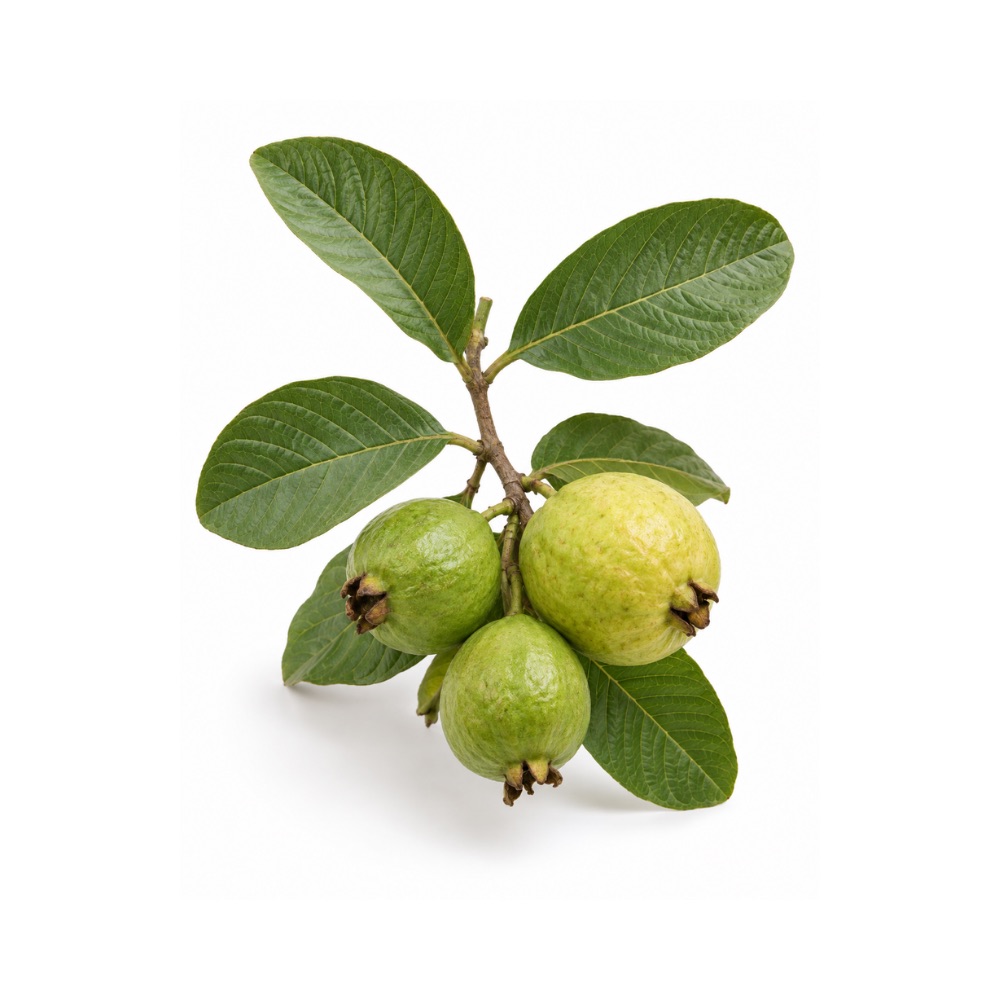 GuavaPsidium guajavaStrong
Guava leaf is one of the few traditional antidiarrheals to have been tested properly and repeatedly. A randomised open-label trial of oral guava leaf decoction in acute infectious diarrhoea found benefit 7Reference 7RCTA randomized open label efficacy clinical trial of oral guava leaf decoction in patients with acute infectious diarrhoea — randomised controlled trialView study →; a randomised, double-blind trial of a quercetin-standardised P. guajava leaf phytodrug (QG-5) in 50 adults with acute diarrhoeal disease reported reduced duration of abdominal pain — the trial’s reported outcome, not a measured effect on stool output 8Reference 8RCTIntestinal anti-spasmodic effect of a phytodrug of Psidium guajava folia in the treatment of acute diarrheic disease — randomised, double-blind clinical trialView study →; and a 2024 systematic review of guava extract in acute diarrhoea pooled the field 9Reference 9Systematic reviewAntidiarrheal effect of Psidium guajava L. extract in acute diarrhea — systematic reviewView study →.
The mechanism is dual — tannins tighten inflamed mucosa and reduce secretion, while flavonoids (notably quercetin) relax intestinal smooth muscle, slowing transit.
The trials are small, several are open-label, and preparations differ between them.
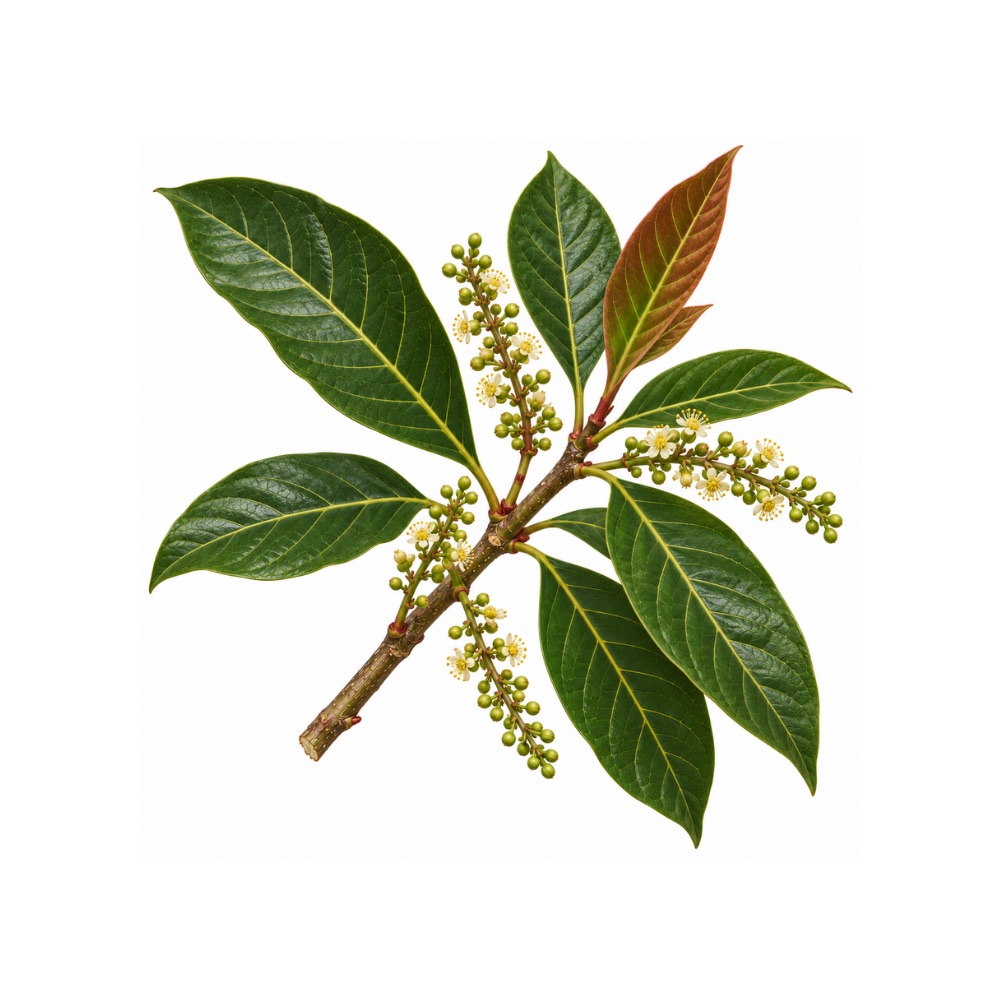 Dragon’s BloodCroton lechleriStrong
A purified fraction of the sap became a prescription drug. The sap’s oligomeric proanthocyanidin (SP-303) was developed into crofelemer and tested in multiple randomised placebo-controlled trials — in travellers’ diarrhoea, where it shortened illness by 21% 10Reference 10RCTA double blind, randomized, placebo-controlled study of SP-303 (Provir) in the symptomatic treatment of acute diarrhea among travelers to Jamaica and Mexico — randomised controlled trialView study →; in AIDS-related diarrhoea, where the day-4 comparison actually missed significance and only the repeated-measures analysis over four days reached it 11Reference 11RCTA double blind, randomized, placebo-controlled phase II study to assess the safety and efficacy of orally administered SP-303 for the symptomatic treatment of diarrhea in patients with AIDS — randomised controlled trialView study →; and in the phase 3 ADVENT trial of non-infectious diarrhoea in HIV-seropositive adults 12Reference 12RCTEfficacy and safety of crofelemer for noninfectious diarrhea in HIV-seropositive individuals (ADVENT trial): a randomized, double-blind, placebo-controlled, two-stage study — randomised controlled trialView study →, which supported FDA approval.
The mechanism is precise and unusual: it blocks two gut chloride channels (CFTR and the calcium-activated chloride channel), cutting the secretion that drives secretory diarrhea, and it is minimally absorbed — a locally acting drug, which is why its safety profile is close to placebo.
This evidence is for the standardised drug, not for drops of sap; sap chemistry varies with provenance and unrelated red-sap Croton species are sold under the same name.
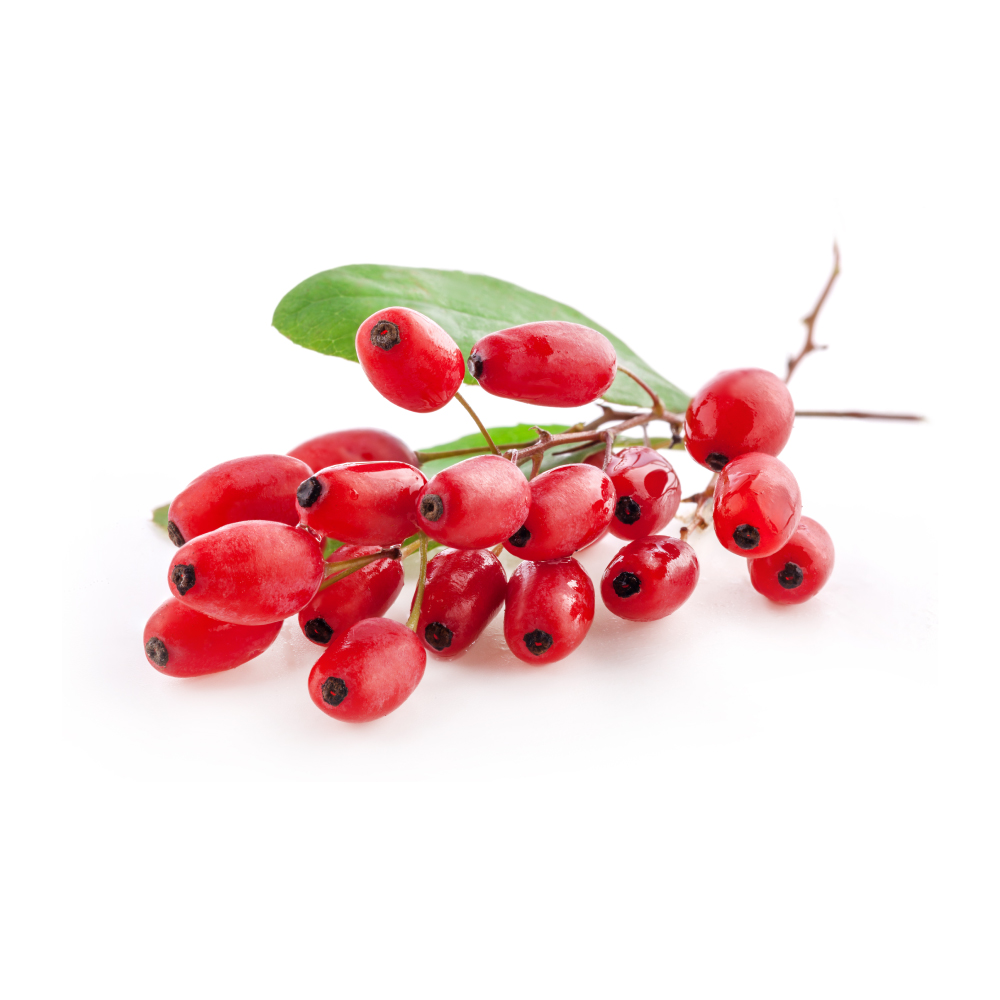 BarberryBerberis spp.Moderate
Barberry’s antidiarrheal action comes from berberine, tested in an old human trial: a randomised controlled trial in 165 adults found a single 400 mg oral dose of berberine sulfate significantly reduced stool volume in enterotoxigenic E. coli diarrhoea, with 42% of treated patients free of diarrhoea at 24 hours against 20% of controls 13Reference 13RCTRandomized controlled trial of berberine sulfate therapy for diarrhoea due to enterotoxigenic Escherichia coli and Vibrio cholerae — randomised controlled trialView study →.
This trial is widely miscited as showing benefit in cholera; it does not. The cholera effect was confined to a single 8-hour window, a higher 1200 mg dose added nothing to tetracycline, and the authors’ own conclusion is that activity against cholera is slight.
The effect is antisecretory — berberine acts on the same secretory mechanism crofelemer does, rather than killing the organism — which makes it mechanistically well matched to watery, toxin-driven diarrhea. The trial used isolated berberine sulfate at a defined dose, not barberry bark.
Full monograph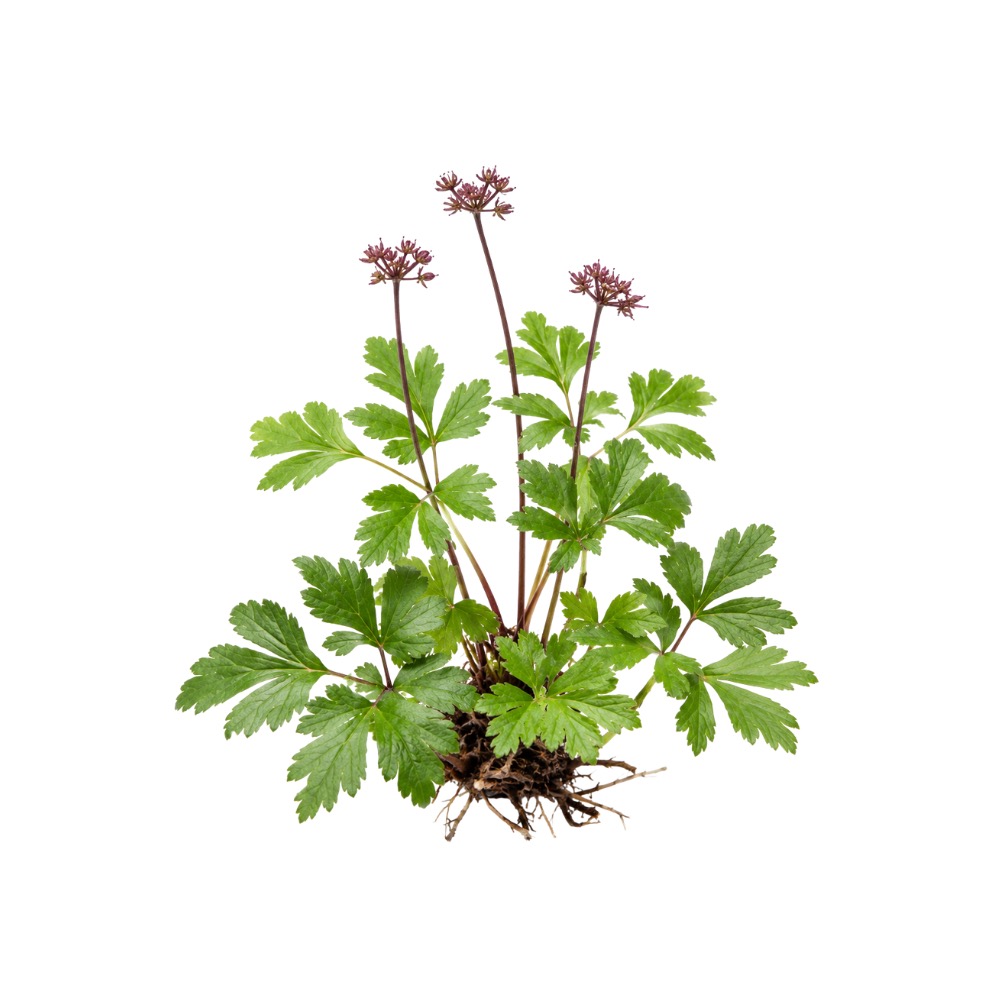 CoptisCoptis chinensisModerate
The same berberine chemistry, from the classical Chinese antidysenteric. Coptis is the herb TCM reaches for in damp-heat dysentery and gastrointestinal infection, and its best modern human data are also berberine’s: a randomised, double-blind, placebo-controlled trial of berberine hydrochloride in diarrhoea-predominant IBS found benefit 14Reference 14RCTA randomised clinical trial of berberine hydrochloride in patients with diarrhoea-predominant irritable bowel syndrome — randomised, double-blind, placebo-controlled trialView study →. That is a different clinical problem from acute infectious diarrhea — chronic, non-infectious, motility-related — and it is not evidence for acute use. Whole-rhizome alkaloids (coptisine, epiberberine) add antimicrobial and anti-colitis activity in preclinical models.
Full monograph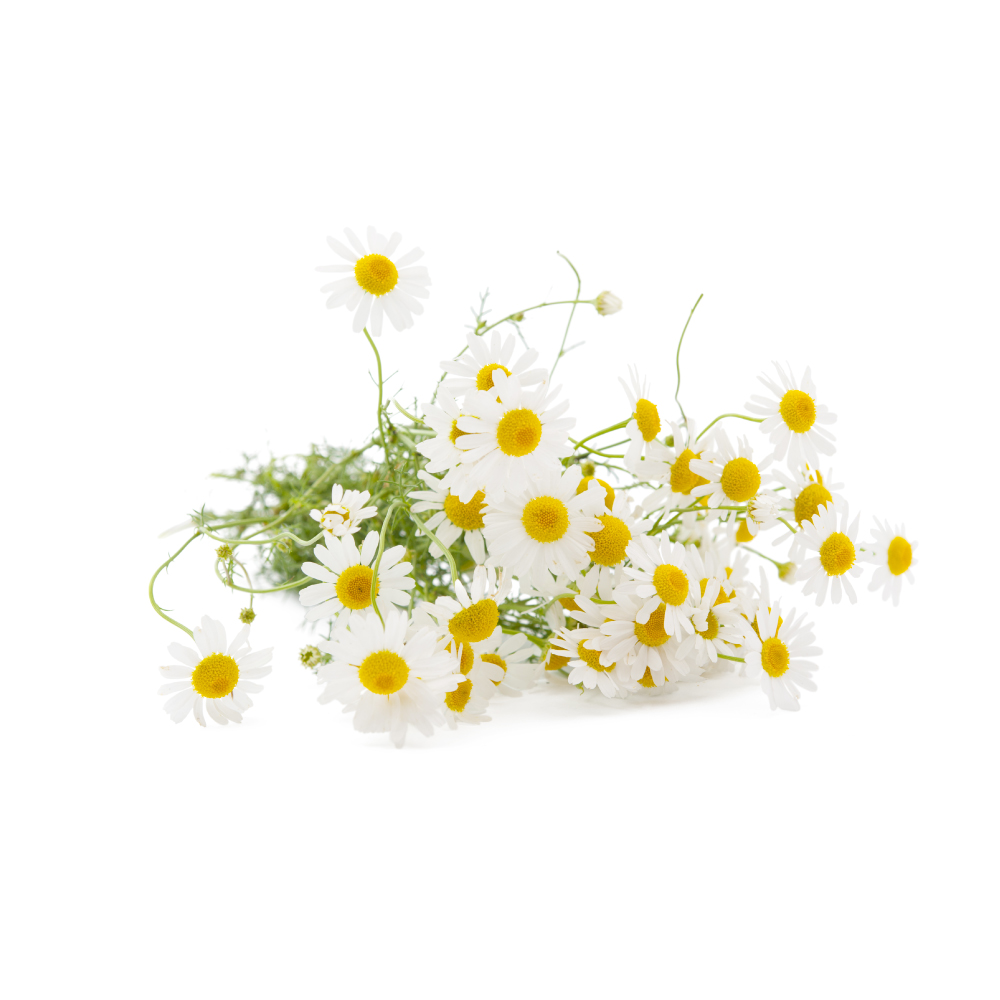 German ChamomileMatricaria chamomillaPreclinical
Chamomile’s traditional use for colic, cramping and childhood diarrhea has an unusually well-defined animal mechanism. A crude aqueous-methanolic extract produced dose-dependent antidiarrhoeal, antisecretory and antispasmodic effects in mice and relaxed isolated rabbit jejunum, acting predominantly through K⁺-channel activation with a weaker calcium-antagonist component 15Reference 15In vitroAntidiarrhoeal, antisecretory and antispasmodic activities of Matricaria chamomilla are mediated predominantly through K⁺-channels activation — animal / in vitro studyView study →. That covers secretion, motility and spasm together.
There is no human trial for this indication. Chamomile is mild, palatable and among the safest antidiarrheal herbs.
Full monograph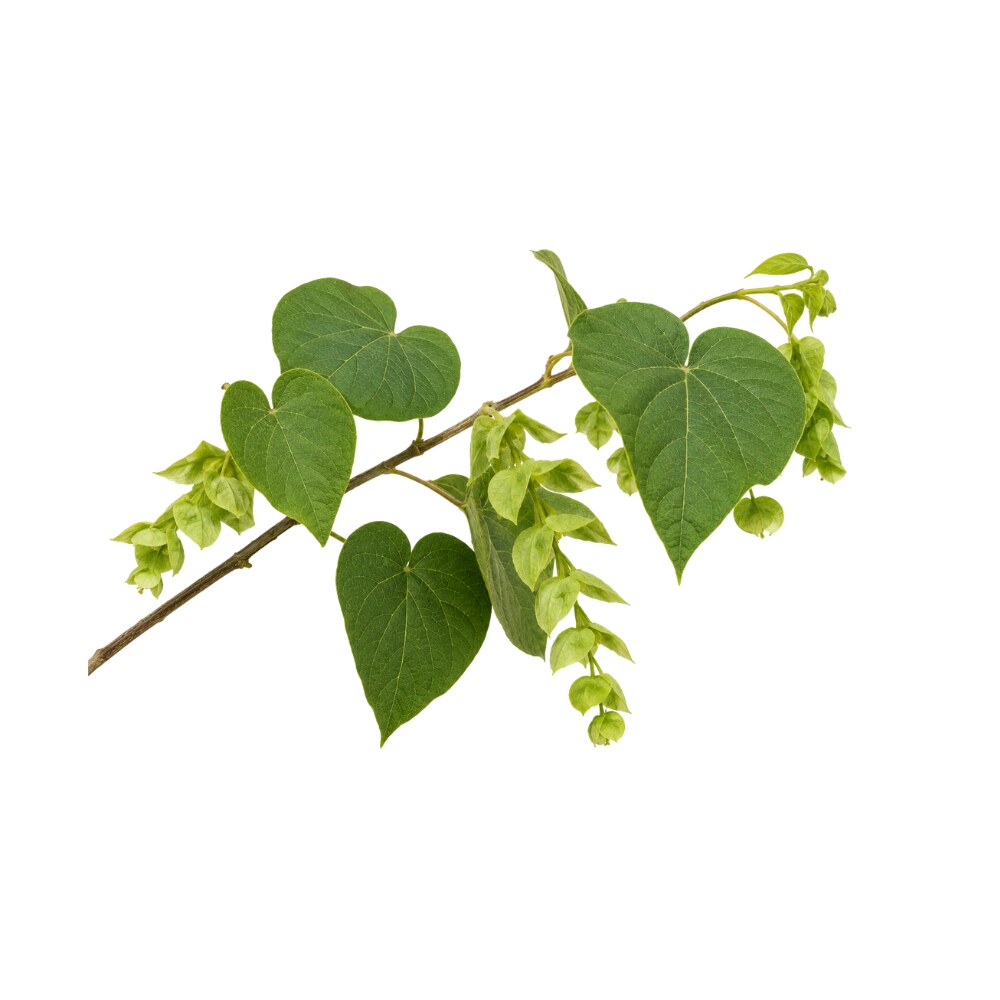 AbutaCissampelos pareiraPreclinical
A widespread South American traditional remedy for diarrhoea and dysentery, with a rodent result behind it: C. pareira extract produced a dose-dependent reduction in experimentally induced (castor-oil model) diarrhoea 16Reference 16AnimalEthnomedical value of Cissampelos pareira extract in experimentally induced diarrhoea — animal modelView study →. The castor-oil model is a standard antidiarrheal screen. The result is a single animal study.
Full monograph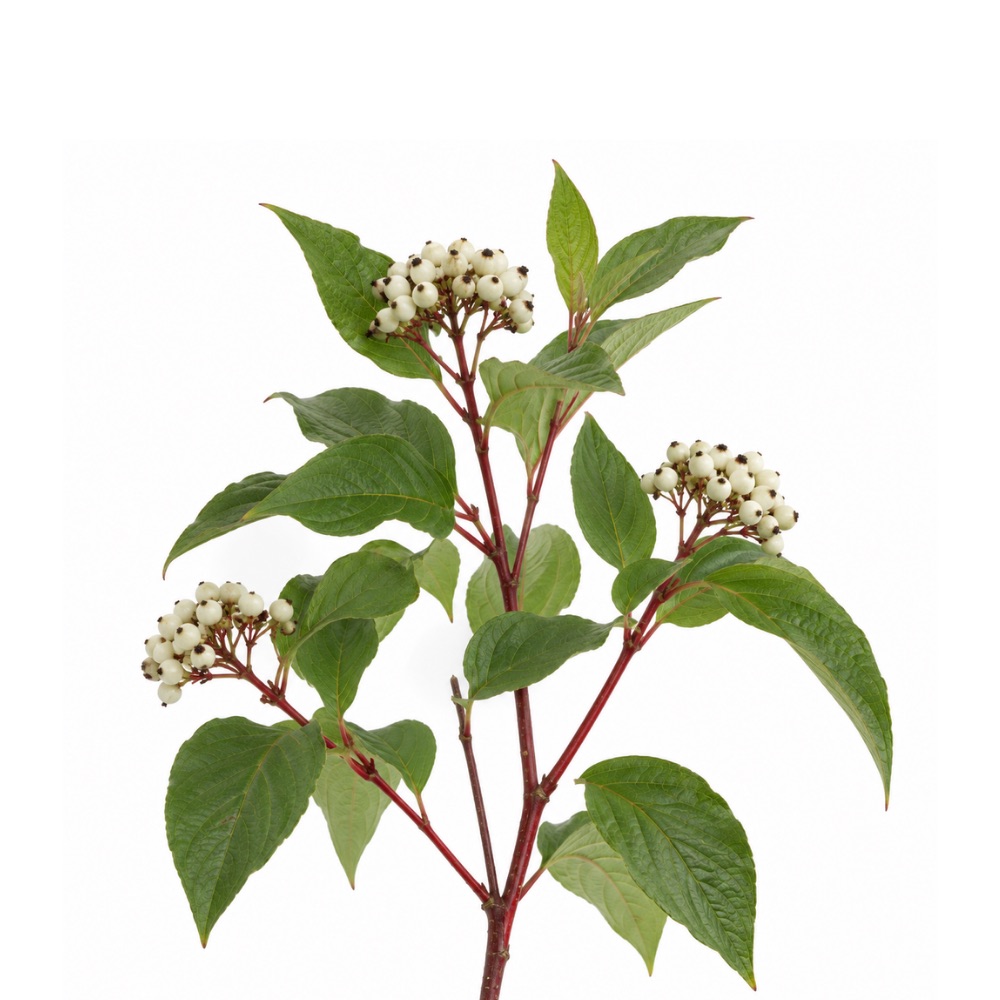 Red-Osier DogwoodCornus sericeaPreclinical
The astringent bark decoction was one of the most widely used antidiarrheal remedies of Indigenous North America. Its modern evidence comes from livestock research: a substantial and consistent body of animal feeding trials in poultry, pigs and ruminants shows its polyphenols modulate gut microbiota and suppress enteric pathogens 17Reference 17AnimalDietary supplementation of red-osier dogwood polyphenol extract changes the ileal microbiota structure and increases Lactobacillus in a pig model — in vivo animal modelView study → — in-vivo work at scale, across three species, from research aimed at livestock gut health rather than human medicine. Anti-inflammatory activity in human intestinal cell models supports it 18Reference 18In vitroRed-osier dogwood extracts prevent inflammatory responses in Caco-2 cells and a Caco-2 BBe1/EA.hy926 co-culture model — in vitroView study →.
The studied material is leaf and stem extract, not the traditional bark. Fresh bark is traditionally purgative — drying removes this, which is why traditional preparation specifies dried bark.
 EstafiateArtemisia ludovicianaPreclinical
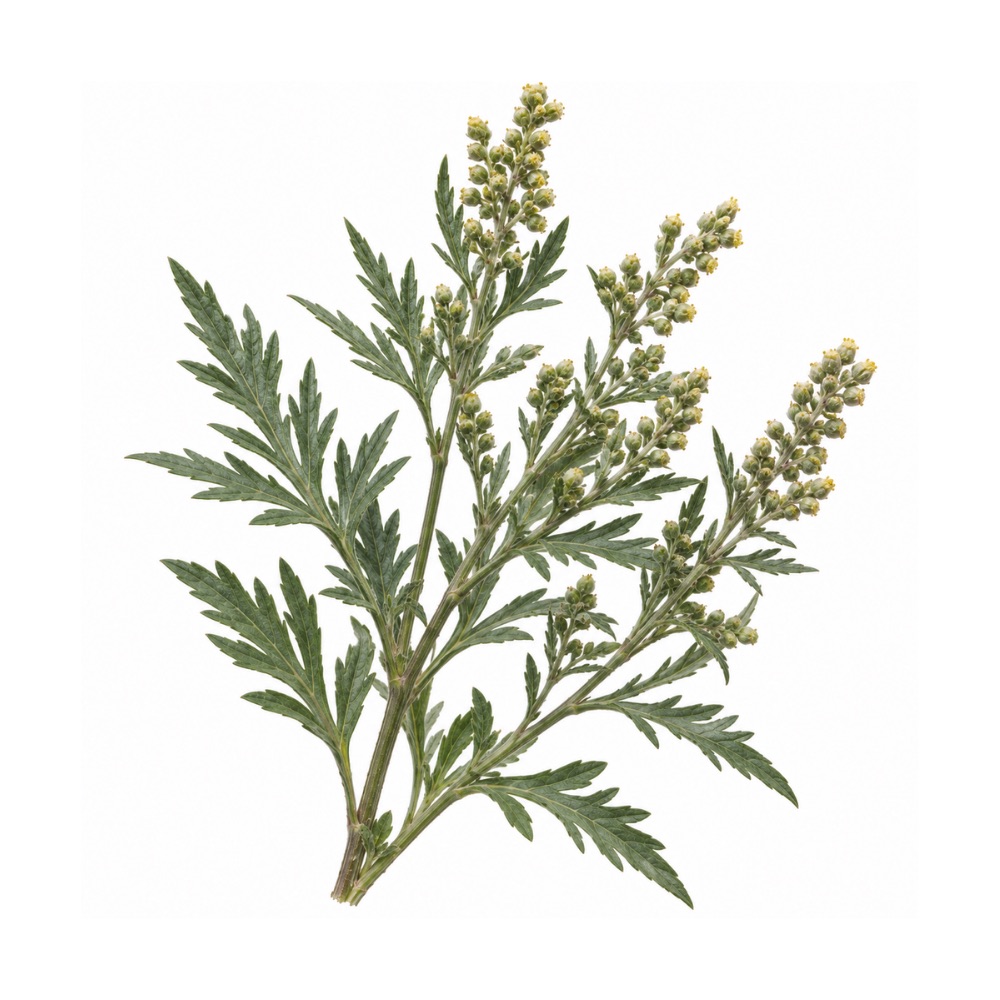
By most surveys the most-used medicinal plant in Mexico, and its core traditional indications are gastrointestinal — diarrhoea, dysentery, stomach pain and empacho. The laboratory work tracks that closely: in-vitro activity against Entamoeba and Giardia 19Reference 19In vitroIn vitro antiprotozoal activity of the leaves of Artemisia ludoviciana — in vitroView study →, and against Fasciola 20Reference 20In vitroEfficacy of purified fractions of Artemisia ludoviciana Nutt. mexicana against newly excysted juveniles of Fasciola hepatica in vitro — in vitroView study →, plus direct smooth-muscle relaxation and a dedicated antidiarrhoeal signal.
All of this work is in vitro, and the essential oil is camphor-rich and not equivalent to the traditional infusion.
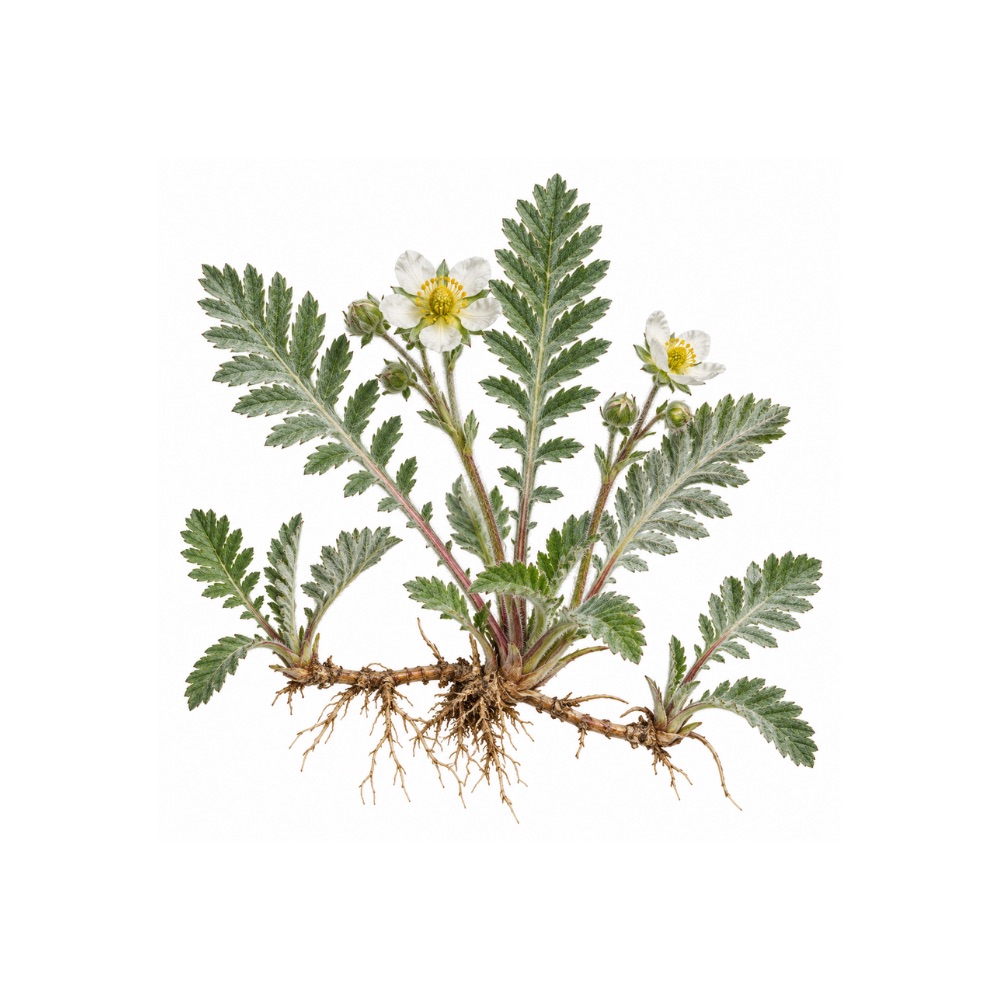 SilverweedArgentina anserinaPreclinical
An astringent used for diarrhoea in two independent traditions — European folk practice and Tibetan plateau medicine, where the tuberous root is also a cultivated food. Its tannins are identified: the ellagitannins agrimoniin and potentillin. A 2024 systematic review catalogued 154 constituents and mapped the plant’s activity, and a maximum-feasible-dose mouse study found no acute toxicity 21Reference 21Systematic reviewA systematic review on botany, ethnopharmacology, phytochemistry and pharmacology of Potentilla anserina L. — systematic reviewView study →. There is no human trial for any indication.
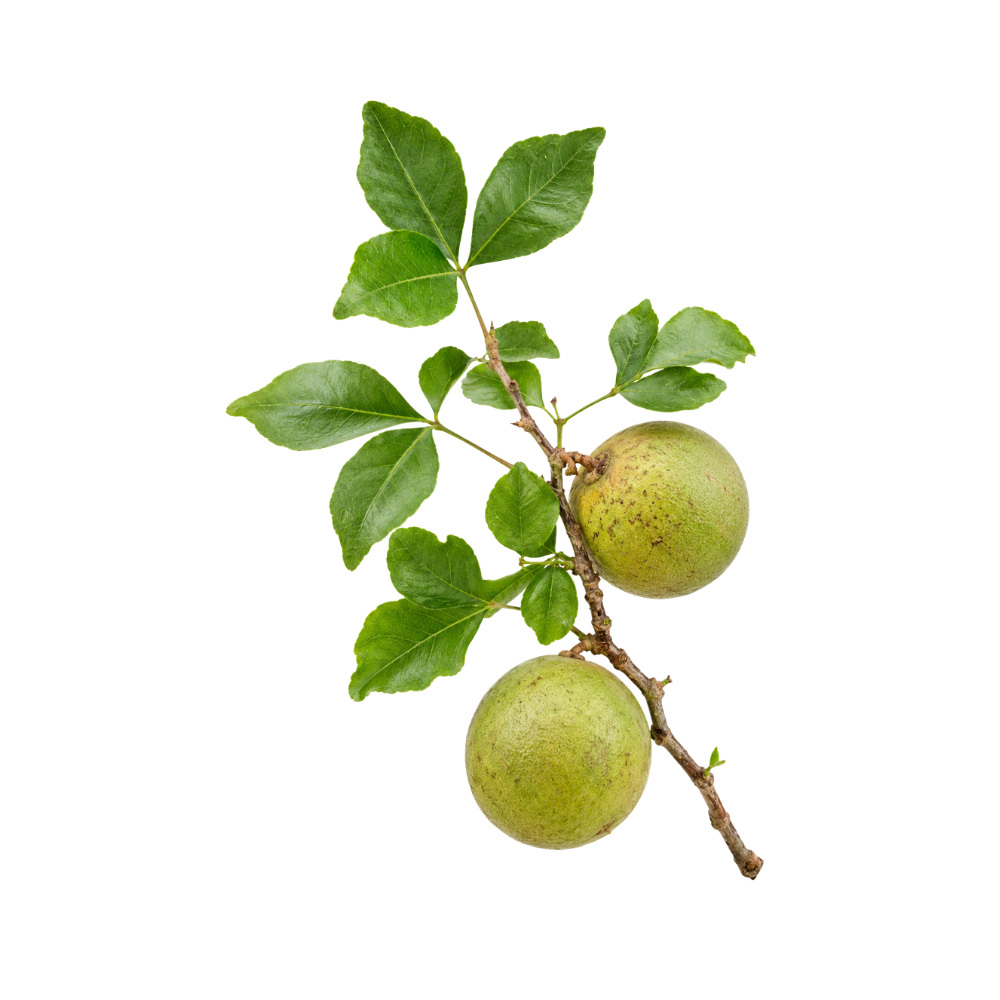 BaelAegle marmelosTraditional only
One of Ayurveda’s foremost remedies for diarrhoea and dysentery. Ripeness decides its action: the unripe fruit — hard and intensely astringent, high in tannins — is the antidiarrheal, while the ripe fruit is sweet, mucilaginous and taken almost for the opposite purpose. On the strength of that reputation the unripe fruit once entered the British Pharmacopoeia. It has not been tested in a clinical trial.
Full monograph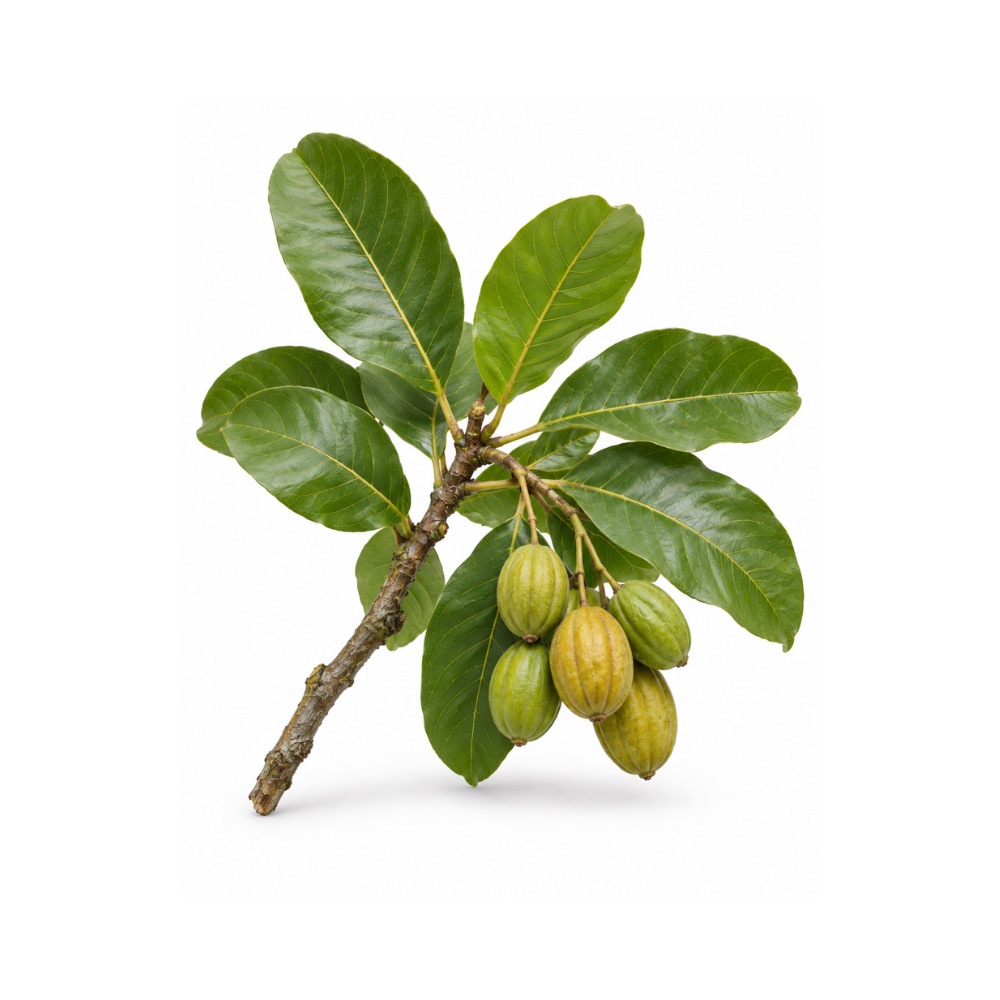 HaritakiTerminalia chebulaTraditional only
Dose decides the direction. Haritaki has a genuine dose-dependent duality: at low doses the astringent tannins dominate and produce a binding, antidiarrheal effect — in TCM it is He Zi, used to “bind the Intestines” for chronic diarrhoea — while at higher doses its anthraquinone (sennoside-type) glycosides drive a laxative-to-purgative action. The wrong dose does the opposite of what is intended.
Haritaki is avoided in active diarrhoea and dehydration.
Full monograph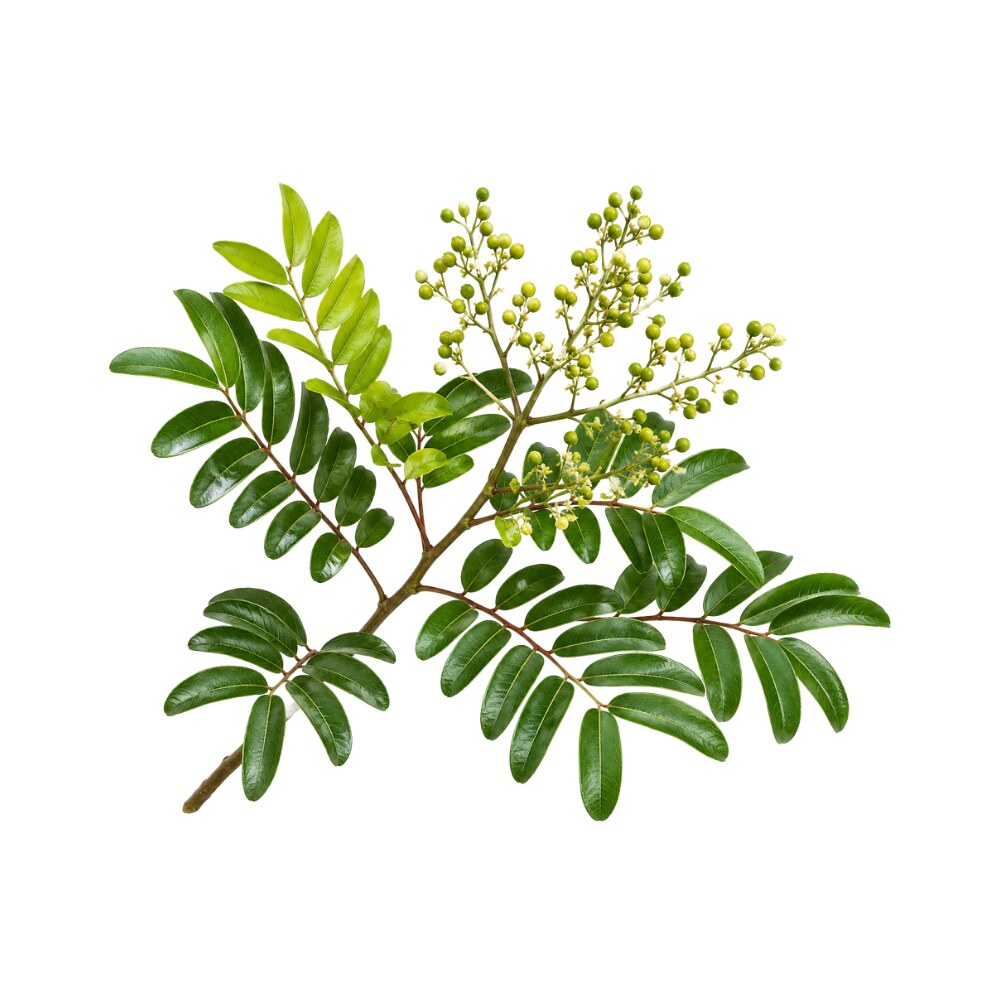 SimaroubaSimarouba amaraTraditional only
An Amazonian and Caribbean bark that entered the eighteenth- and nineteenth-century European pharmacopoeias as Simaroubae cortex, used specifically as an antidysenteric — for amoebic and bacillary dysentery, ordinary diarrhoea and intestinal parasites. There is no modern controlled trial.
Full monograph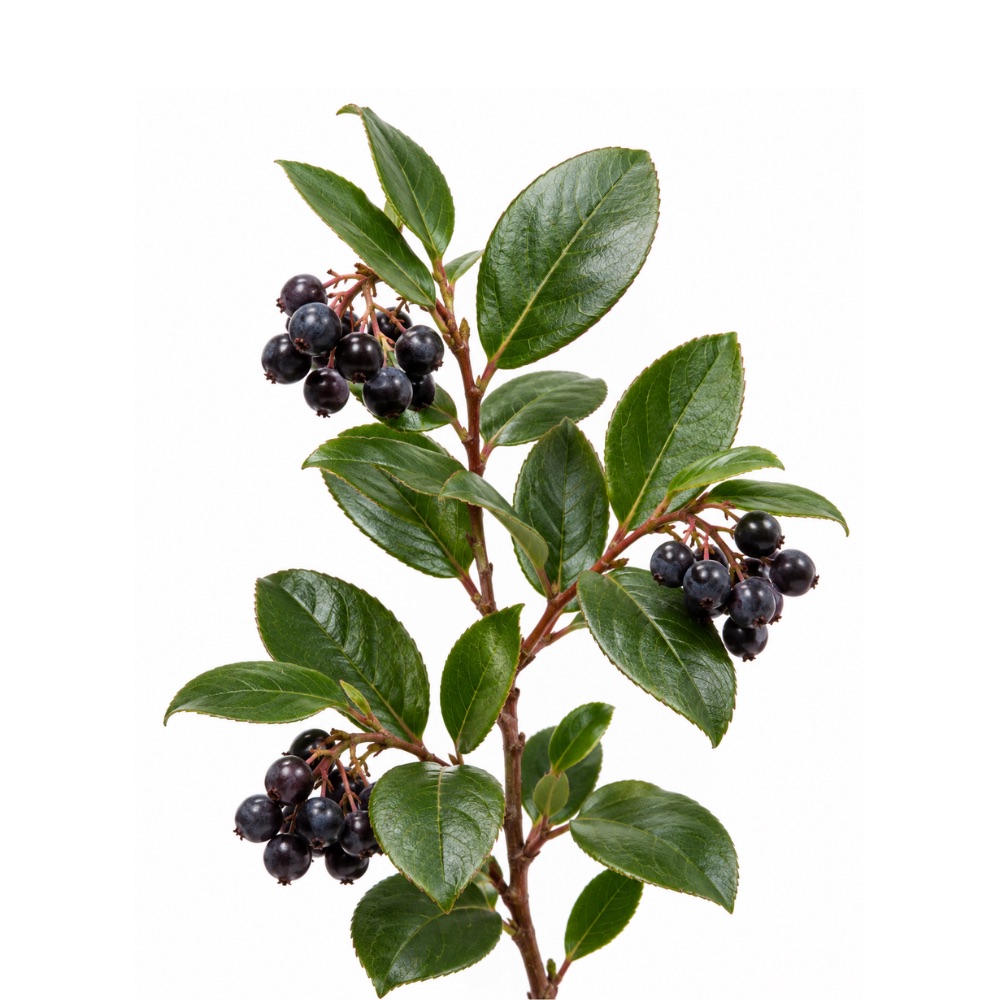 SalalGaultheria shallonTraditional only
The astringent leaf tea was used for diarrhoea and stomach complaints across the Pacific Northwest, alongside the berry’s role as a staple food. The plant’s measured chemistry is almost all from the fruit, while the traditional medicine is the leaf, whose tannin profile has never been characterised, so the mechanism is assumed from the family rather than demonstrated. Not to be confused with its relative G. procumbens (wintergreen), which is rich in toxic methyl salicylate.
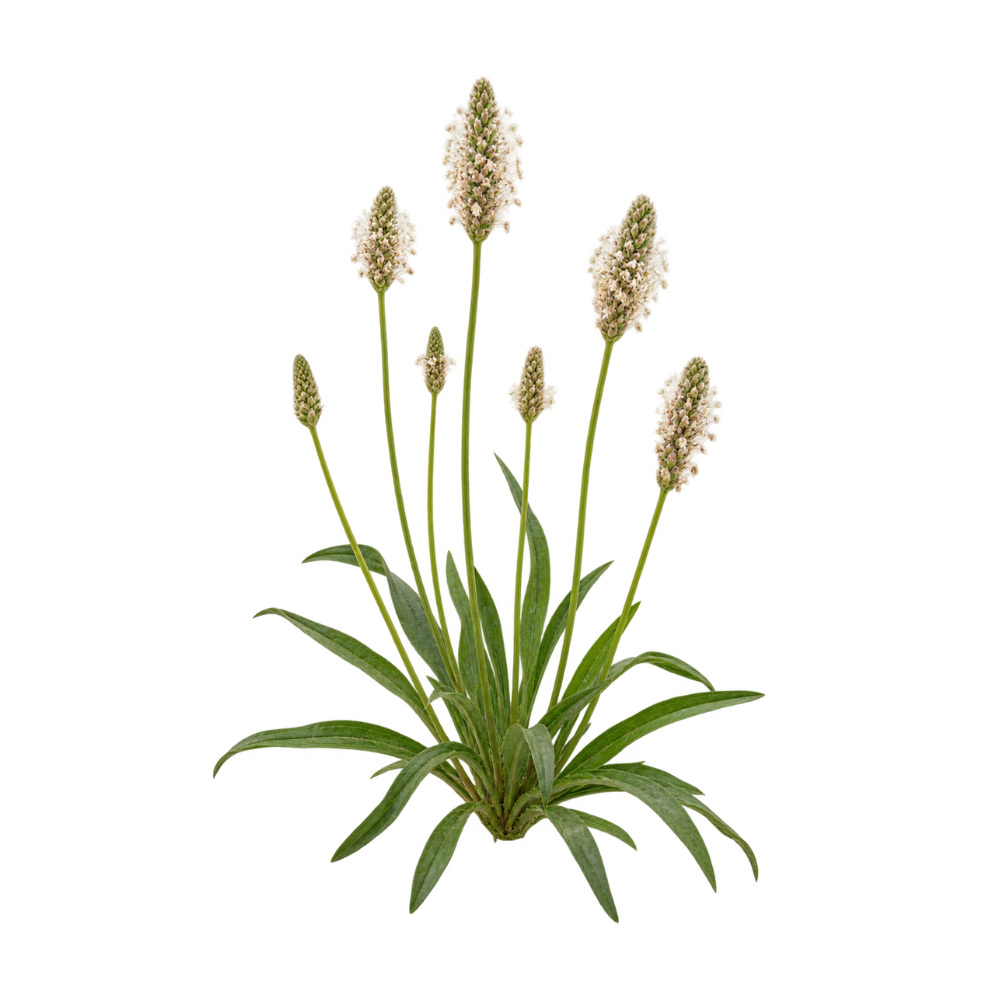 PsylliumPlantago ovataTraditional only
Psyllium works by physics rather than pharmacology. The husk is a bulk-forming fibre with enormous water-holding capacity, and its traditional use in the Indian subcontinent is dual — a gentle laxative in constipation, and a stool-firming agent in diarrhoea, because adding form and slowing transit helps in both directions. The antidiarrheal use rests on tradition and mechanism rather than dedicated trials. Take with plenty of water.
Full monograph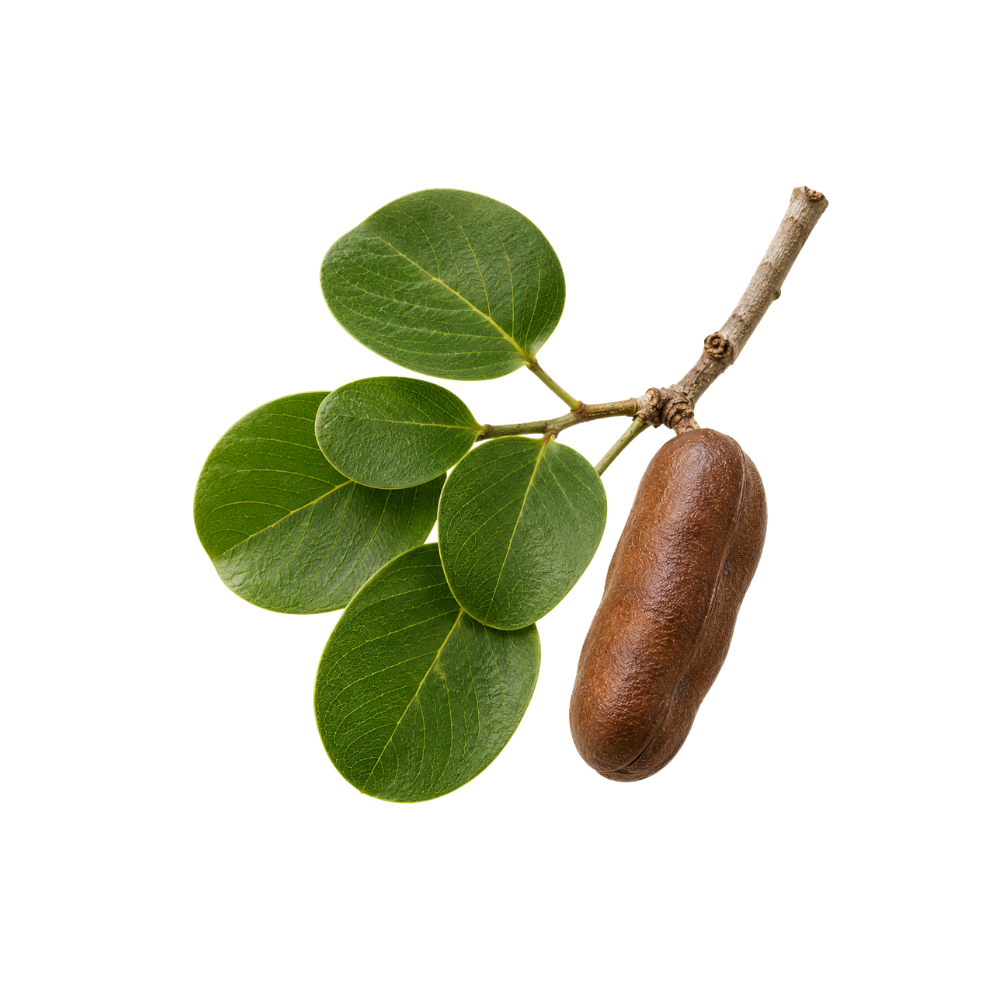 JatobáHymenaea courbarilTraditional only
A traditional Amazonian remedy for stomach complaints and diarrhoea. Its one relevant modern data point is narrow but apt: a screen of Brazilian medicinal plants found H. courbaril leaf extract active against rotavirus in vitro 22Reference 22In vitroScreening of Brazilian medicinal plants for antiviral activity against rotavirus — in vitroView study → — rotavirus being a leading cause of severe childhood diarrhoea. The finding is unreplicated and in vitro.
Full monographProbiotics — What Adequate Testing Did to a Consensus
Probiotics for paediatric acute gastroenteritis had years of favourable meta-analyses behind them, built largely from small trials.
Then a properly powered, multicentre, double-blind, placebo-controlled trial ran Lactobacillus rhamnosus GG against placebo in 971 children aged 3 months to 4 years across ten US paediatric emergency departments — and found no benefit on any outcome: not duration of diarrhea, not vomiting, not hospitalisation 23Reference 23RCTLactobacillus rhamnosus GG versus placebo for acute gastroenteritis in children — randomised, double-blind, placebo-controlled trial, n=971View study →. A parallel Canadian trial of a combination probiotic reached the same conclusion the same year.
The earlier positive signal was substantially small-study effect. Strain- and setting-specific niches may remain — Saccharomyces boulardii in antibiotic-associated diarrhea has its own separate literature — but the general claim that probiotics shorten childhood gastroenteritis did not survive adequate testing.
Supplementation
Supplementation
Supplements and compounds relevant to diarrhea. In any episode causing meaningful fluid loss, oral rehydration solution is the first and most important intervention.
References
- Zubairi MBA, Naqvi SK, Ali AA, et al. (2024). Low-osmolarity oral rehydration solution for childhood diarrhoea: a systematic review and meta-analysis. Journal of Global Health. https://pubmed.ncbi.nlm.nih.gov/39641334/
- Valentiner-Branth P, Steinsland H, Gjessing HK, et al. (1999). Community-based randomized controlled trial of reduced osmolarity oral rehydration solution in acute childhood diarrhea — randomised controlled trial. https://pubmed.ncbi.nlm.nih.gov/10493339/
- Lazzerini, M., & Wanzira, H. (2016). Oral zinc for treating diarrhoea in children — systematic review, 33 trials / 10,841 children. Cochrane Database of Systematic Reviews. https://pubmed.ncbi.nlm.nih.gov/27996088/
- Ali AA, Naqvi SK, Hasnain Z, et al. (2024). Zinc supplementation for acute and persistent watery diarrhoea in children: a systematic review and meta-analysis. Journal of Global Health. https://pubmed.ncbi.nlm.nih.gov/39641338/
- de Lemos, M. L., Guenter, J., Kletas, V., et al. (2018). Loperamide and cardiac events: is high-dose use still safe for chemotherapy-induced diarrhea? — review. https://pubmed.ncbi.nlm.nih.gov/28714380/
- Freedman, S. B., Xie, J., Neufeld, M. S., et al. (2016). Shiga toxin-producing Escherichia coli infection, antibiotics, and risk of developing hemolytic uremic syndrome — meta-analysis. Clinical Infectious Diseases. https://pubmed.ncbi.nlm.nih.gov/26917812/
- Birdi, T., Krishnan, G. G., Kataria, S., Gholkar, M., & Daswani, P. (2020). A randomized open label efficacy clinical trial of oral guava leaf decoction in patients with acute infectious diarrhoea — randomised controlled trial. Journal of Ayurveda and Integrative Medicine. https://pubmed.ncbi.nlm.nih.gov/32507357/
- Lozoya, X., Reyes-Morales, H., Chávez-Soto, M. A., et al. (2002). Intestinal anti-spasmodic effect of a phytodrug of Psidium guajava folia in the treatment of acute diarrheic disease — randomised, double-blind clinical trial. Journal of Ethnopharmacology. https://pubmed.ncbi.nlm.nih.gov/12413703/
- Garrido, G., Garrido-Suárez, B. B., Martínez-Tapia, N., et al. (2024). Antidiarrheal effect of Psidium guajava L. extract in acute diarrhea — systematic review. Journal of the Science of Food and Agriculture. https://pubmed.ncbi.nlm.nih.gov/38578668/
- DiCesare, D., DuPont, H. L., Mathewson, J. J., et al. (2002). A double blind, randomized, placebo-controlled study of SP-303 (Provir) in the symptomatic treatment of acute diarrhea among travelers to Jamaica and Mexico — randomised controlled trial. American Journal of Gastroenterology. https://pubmed.ncbi.nlm.nih.gov/12385443/
- Holodniy, M., Koch, J., Mistal, M., et al. (1999). A double blind, randomized, placebo-controlled phase II study to assess the safety and efficacy of orally administered SP-303 for the symptomatic treatment of diarrhea in patients with AIDS — randomised controlled trial. American Journal of Gastroenterology. https://pubmed.ncbi.nlm.nih.gov/10566728/
- Macarthur, R. D., Hawkins, T. N., Brown, S. J., et al. (2013). Efficacy and safety of crofelemer for noninfectious diarrhea in HIV-seropositive individuals (ADVENT trial): a randomized, double-blind, placebo-controlled, two-stage study — randomised controlled trial. HIV Clinical Trials. https://pubmed.ncbi.nlm.nih.gov/24334179/
- Rabbani, G. H., Butler, T., Knight, J., et al. (1987). Randomized controlled trial of berberine sulfate therapy for diarrhoea due to enterotoxigenic Escherichia coli and Vibrio cholerae — randomised controlled trial. Journal of Infectious Diseases. https://pubmed.ncbi.nlm.nih.gov/3549923/
- Chen, C., Tao, C., Liu, Z., et al. (2015). A randomised clinical trial of berberine hydrochloride in patients with diarrhoea-predominant irritable bowel syndrome — randomised, double-blind, placebo-controlled trial. Phytotherapy Research. https://pubmed.ncbi.nlm.nih.gov/26400188/
- Mehmood, M. H., et al. (2015). Antidiarrhoeal, antisecretory and antispasmodic activities of Matricaria chamomilla are mediated predominantly through K⁺-channels activation — animal / in vitro study. BMC Complementary and Alternative Medicine. https://pubmed.ncbi.nlm.nih.gov/25886126/
- Amresh, Reddy, G. D., Rao, C. V., & Shirwaikar, A. (2004). Ethnomedical value of Cissampelos pareira extract in experimentally induced diarrhoea — animal model. Acta Pharmaceutica. https://pubmed.ncbi.nlm.nih.gov/15050042/
- Zheng, Y., et al. (2021). Dietary supplementation of red-osier dogwood polyphenol extract changes the ileal microbiota structure and increases Lactobacillus in a pig model — in vivo animal model. AMB Express. https://pubmed.ncbi.nlm.nih.gov/34714436/
- Jiang, X., et al. (2019). Red-osier dogwood extracts prevent inflammatory responses in Caco-2 cells and a Caco-2 BBe1/EA.hy926 co-culture model — in vitro. Antioxidants (Basel). https://pubmed.ncbi.nlm.nih.gov/31557846/
- Said-Fernández, S., et al. (2005). In vitro antiprotozoal activity of the leaves of Artemisia ludoviciana — in vitro. Fitoterapia. https://pubmed.ncbi.nlm.nih.gov/15975735/
- Ezeta-Miranda, A., et al. (2020). Efficacy of purified fractions of Artemisia ludoviciana Nutt. mexicana against newly excysted juveniles of Fasciola hepatica in vitro — in vitro. Veterinary Parasitology. https://pubmed.ncbi.nlm.nih.gov/32835931/
- Li, X., et al. (2024). A systematic review on botany, ethnopharmacology, phytochemistry and pharmacology of Potentilla anserina L. — systematic review. Journal of Ethnopharmacology. https://pubmed.ncbi.nlm.nih.gov/38909825/
- Cecílio, A. B., de Faria, D. B., Oliveira, P. de C., et al. (2012). Screening of Brazilian medicinal plants for antiviral activity against rotavirus — in vitro. Journal of Ethnopharmacology. https://pubmed.ncbi.nlm.nih.gov/22469769/
- Schnadower, D., Tarr, P. I., Casper, T. C., et al. (2018). Lactobacillus rhamnosus GG versus placebo for acute gastroenteritis in children — randomised, double-blind, placebo-controlled trial, n=971. New England Journal of Medicine. https://pubmed.ncbi.nlm.nih.gov/30462938/