
Condition
Malaria
Malaria is a life-threatening mosquito-borne Plasmodium infection; the herbs used for it range from one small human trial (cryptolepis) to traditional febrifuges, and none substitutes for proven antimalarial drugs and prompt medical care.

Malaria is a life-threatening mosquito-borne infection caused by Plasmodium parasites — protozoa, and so one branch of the wider human parasites picture. It stands apart for its burden and because it produced two of the most important drugs in medical history.
The herbal record ranges from a single small human trial (cryptolepis) through in-vitro and animal antiplasmodial signals to traditional febrifuges — genuinely interesting pharmacology, but none of it substitutes for proven antimalarial drugs and prompt medical diagnosis. Any suspected malaria is a medical emergency.
Presentation
Types & Variants
Malaria is caused by protozoan parasites of the genus Plasmodium, transmitted by infected female Anopheles mosquitoes. Five species infect humans: P. falciparum (the most dangerous, responsible for nearly all malaria deaths and most severe disease, dominant in sub-Saharan Africa), P. vivax (the most geographically widespread, notable for dormant liver stages — “hypnozoites” — that cause relapses months later), P. ovale (also relapsing, milder), P. malariae (a chronic low-grade quartan fever), and P. knowlesi (a zoonotic macaque parasite that can progress rapidly in Southeast Asia). Most antimalarial research — including nearly all the herbal in-vitro work — is conducted against P. falciparum, and drug resistance (chloroquine-resistant and increasingly artemisinin-tolerant strains) is a central concern.
Clinically, malaria is divided into uncomplicated disease — cyclical fever, chills, sweats, headache, muscle ache and fatigue as parasites rupture red blood cells — and severe (complicated) malaria, an emergency defined by impaired consciousness (cerebral malaria), severe anaemia, respiratory distress, kidney injury, hypoglycaemia or high parasite density, almost always due to P. falciparum. Severe malaria can kill within hours to days and requires immediate parenteral treatment. Any suspected malaria needs prompt professional diagnosis (blood film or rapid antigen test) and proven antimalarial drugs — herbal remedies are not a substitute.
Overview
General Pathology
After an infected mosquito bite, Plasmodium sporozoites travel to the liver and multiply silently for one to two weeks (longer, or relapsing, for P. vivax/ovale), then release merozoites that invade red blood cells. The paroxysms of fever and chills, and the anaemia, arise from the repeated synchronous rupture of infected erythrocytes, which releases parasites, haemoglobin-derived waste (haemozoin) and inflammatory mediators into the bloodstream. In P. falciparum infection, infected red cells become sticky and sequester in the small vessels of the brain, placenta and other organs, producing the microvascular obstruction, tissue hypoxia and organ failure that make it lethal. Several herbal mechanisms map onto this biology — inhibiting haemozoin (β-hematin) formation, generating parasite-killing reactive oxygen via endoperoxide bridges (the artemisinin-like route), or blocking parasite protein synthesis.
Untreated falciparum malaria can progress from a flu-like illness to coma and death with alarming speed. Effective, proven drugs exist — artemisinin-based combination therapies (ACTs) for most cases, with specific regimens for severe disease and for clearing P. vivax/ovale liver stages — and early treatment is decisive for survival. The herbs used for malaria are of traditional or preclinical (mostly in-vitro or animal) interest only and are not validated therapies. Anyone with possible malaria — or travelling to a malaria-endemic area — should seek medical diagnosis, licensed prophylaxis, and standard antimalarial treatment without delay.
The Two Drugs That Came From Plants
Malaria occupies a unique place in herbal medicine’s argument with itself, because the two most important antimalarial drug classes in history both came out of plants — artemisinin from Artemisia annua, and quinine from Cinchona bark. That history is repeatedly used to argue that the herb is as good as the drug. It is not.
Artemisinin was isolated in China in the 1970s under Project 523, using a low-temperature ether extraction that preserved the fragile endoperoxide bridge on which its activity depends — work that earned Tu Youyou a share of the 2015 Nobel Prize 26Reference 26Artemisinin — a gift from traditional Chinese medicine to the world (Nobel Lecture)View study →27Reference 27The discovery of artemisinin (qinghaosu) and gifts from Chinese medicineView study →. That bridge is activated by iron and haem inside the parasite to generate carbon-centred radicals which alkylate parasite proteins and lipids across a broad range of asexual stages. Artemisinin-based combination therapy is WHO first-line treatment for uncomplicated falciparum malaria, and intravenous artesunate is the standard for severe disease. It is curative, regulatory-approved, and among the most successful drugs ever derived from a plant. Emerging Pfkelch13-mediated partial resistance — first in Southeast Asia, now in Africa — is precisely why artemisinin monotherapy is banned and a partner drug is mandatory.
Quinine came from Cinchona bark, used against fevers in Peru from the 1630s and isolated as a pure alkaloid by Pelletier and Caventou in 1820 28Reference 28ReviewQuinine, an old anti-malarial drug in a modern world: role in the treatment of malaria — reviewView study →29Reference 29The quest for quinine — history of the isolation of quinine from cinchona bark. https://pubmed.ncbi.nlm.nih.gov/29737660/View study →. Quinoline alkaloids concentrate in the parasite’s digestive vacuole and block haem detoxification, so toxic free haem accumulates. Quinine remains a WHO-listed antimalarial and was the comparator arm in the Artemisia annua trials, giving around 91% day-7 cure at 1,500 mg/day for seven days 30Reference 30RCTRandomized controlled trial of a traditional preparation of Artemisia annua L. (annual wormwood) in the treatment of malariaView study →. It has a narrow therapeutic index — cinchonism, hypoglycaemia, QT prolongation, and outright cardiotoxicity in overdose. The whole bark was standardised in the 1930s as “totaquina”, a cheap total-alkaloid preparation promoted by the League of Nations Malaria Commission, but modern evidence is for the isolated alkaloids, not the bark.
The isolated constituents are the pharmacological triumphs. The whole herbs are a separate and much weaker evidence story.
The Artemisia Annua Question
Whether A. annua plant material can treat malaria is the most contested question in the subject.
What the human trials show. In an open randomised pilot, A. annua tea gave roughly 74% day-7 cure against 91% for quinine, with high recrudescence, and the authors concluded monotherapy could not be recommended 30Reference 30RCTRandomized controlled trial of a traditional preparation of Artemisia annua L. (annual wormwood) in the treatment of malariaView study →. A later RCT against sulfadoxine-pyrimethamine in semi-immune adults found day-28 cure in only 1 of 9 on the tea, against 3 of 8 on the drug — high recurrence in both arms, and badly underpowered 31Reference 31RCTHerba Artemisiae annuae tea preparation compared to sulfadoxine-pyrimethamine in the treatment of uncomplicated falciparum malaria: a randomized trial. https://pubmed.ncbi.nlm.nih.gov/18453510/View study →. The tea clears parasitaemia and fever fast; it does not hold.
The WHO position. WHO does not support Artemisia annua plant material in any form — tea, tablet or capsule — for the prevention or treatment of malaria 32Reference 32The use of non-pharmaceutical forms of Artemisia — WHO position and technical note (WHO/CDS/GMP/2019.14). Three reasons, and each stands on its own: artemisinin content in plant material is variable and often insufficient; artemisinin’s half-life is far too short for prophylaxis; and sub-therapeutic artemisinin exposure is the exact scenario that selects for resistance to the one drug class we cannot afford to lose.
The counter-argument. Preclinical work from the Weathers group found that dried whole-plant A. annua outperformed an equal dose of pure artemisinin in rodent malaria, apparently through roughly 40-fold higher artemisinin bioavailability from the plant matrix, and that resistance evolved about three times more slowly against the whole plant 33Reference 33Dried whole-plant Artemisia annua slows evolution of malaria drug resistance and overcomes resistance to artemisininView study →34Reference 34Dried whole plant Artemisia annua as an antimalarial therapyView study →. An uncontrolled case series reported 18 of 18 patients with ACT- or artesunate-refractory malaria recovering on dried-leaf A. annua 35Reference 35Case reportArtemisia annua dried leaf tablets treated malaria resistant to ACT and i.v. artesunate: case reportsView study →. These are rodent surrogate models and an uncontrolled series — hypothesis-generating, not a basis for substituting herb for ACT. A controlled rodent study cuts the other way: mice given A. annua infusion did not clear P. chabaudi fast enough and all died by day 11, against 83% survival on the WHO artemisinin dose 36Reference 36AnimalArtemisia annua infusion versus the WHO artemisinin dose in P. chabaudi-infected mice. https://pubmed.ncbi.nlm.nih.gov/19371743/View study →. And there are case reports of severe imported falciparum malaria in travellers who relied on A. annua tea for prophylaxis 37Reference 37Severe imported falciparum malaria in a traveller relying on Artemisia annua tea prophylaxisView study →.
The retraction. A 2019 trial (n=957, DRC) claiming A. annua and A. afra teas were superior to artesunate-amodiaquine 38Reference 38RCTRETRACTED — Effect of Artemisia annua and Artemisia afra tea infusions on well-being and cure rate versus ASAQ in a large-scale randomized trialView study → was retracted in 2020 at the editor-in-chief’s request 39Reference 39RCTRetraction notice to “Artemisia annua and Artemisia afra tea infusions vs. artesunate-amodiaquine (ASAQ) in treating Plasmodium falciparum malaria in a large scale, double blind, randomized clinical trial” [PHYTOMEDICINE 57C (2019) 49-56]View study →. The WHO technical review found compromised blinding through non-identical placebo tablets, amodiaquine blood levels never measured, unblinded data collection and analysis, no parasite genotyping because the samples had degraded, and no clear outcome definitions. The same group’s companion schistosomiasis trial was also retracted. Those cure-rate figures still circulate widely; the paper behind them has been withdrawn.
The Artemisia afra contrast. A. afra — African wormwood — is sold for malaria and contains only trace artemisinin (~0.036 mg/g). Its sole positive human trial is the retracted one. Controlled rodent work found aqueous A. afra inactive in mice, explicitly testing and rejecting the “pro-drug activated in vivo” hypothesis 40Reference 40AnimalAqueous Artemisia afra is not active against Plasmodium berghei in mice — testing the pro-drug hypothesis. https://pubmed.ncbi.nlm.nih.gov/38761524/View study →, and in vitro it has low selectivity compared with A. annua 41Reference 41In vitroIn vitro ring-stage survival assay of Artemisia afra and A. annua against artemisinin-resistant P. falciparum isolates. https://pubmed.ncbi.nlm.nih.gov/40350417/View study →. South Africa’s medicines regulator banned its sale for malaria in 2013 for lack of efficacy evidence. The herbal-antimalarial debate turns on evidence quality, not just on artemisinin content.
Argemone — a Middle Case
Not every whole-herb result is negative. A randomised first-line trial in Mali (n=301) found a self-prepared decoction of Mexican prickly poppy (Argemone mexicana) non-inferior to artesunate-amodiaquine for avoiding second-line treatment over 28 days — 89% versus 95% — with deterioration to severe malaria at 1.9% in both arms among under-fives 42Reference 42Argemone mexicana decoction versus artesunate-amodiaquine for the management of malaria in Mali: policy and public-health implicationsView study →. Earlier dose-escalation work gave adequate clinical response of up to 73% at day 14 43Reference 43Argemone mexicana decoction for the treatment of uncomplicated falciparum malaria — dose-escalating trial. https://pubmed.ncbi.nlm.nih.gov/17920092/View study →, and three-month follow-up found residual day-28 parasitaemia was not associated with later clinical malaria or anaemia in that high-transmission setting 44Reference 44Is parasite clearance clinically important after malaria treatment in a high transmission area? A 3-month follow-up of home-based management with herbal medicine or ACT. https://pubmed.ncbi.nlm.nih.gov/21056445/View study →.
A. mexicana clears parasites poorly. Its measured benefit is preventing progression to severe disease, not cure — which is a coherent and useful thing in a high-transmission setting where re-exposure is constant, and a useless one where sterilising cure is required. Its own authors frame it as a resistance-delaying first-aid complement rather than an ACT replacement, and it is government-approved in Mali on exactly that basis.
The epidemic dropsy associated with A. mexicana comes from seed-oil contamination of mustard oil, a different exposure from the aerial decoction.
Materia Medica
Materia Medica
None of the herbs used for malaria is a substitute for professional care.
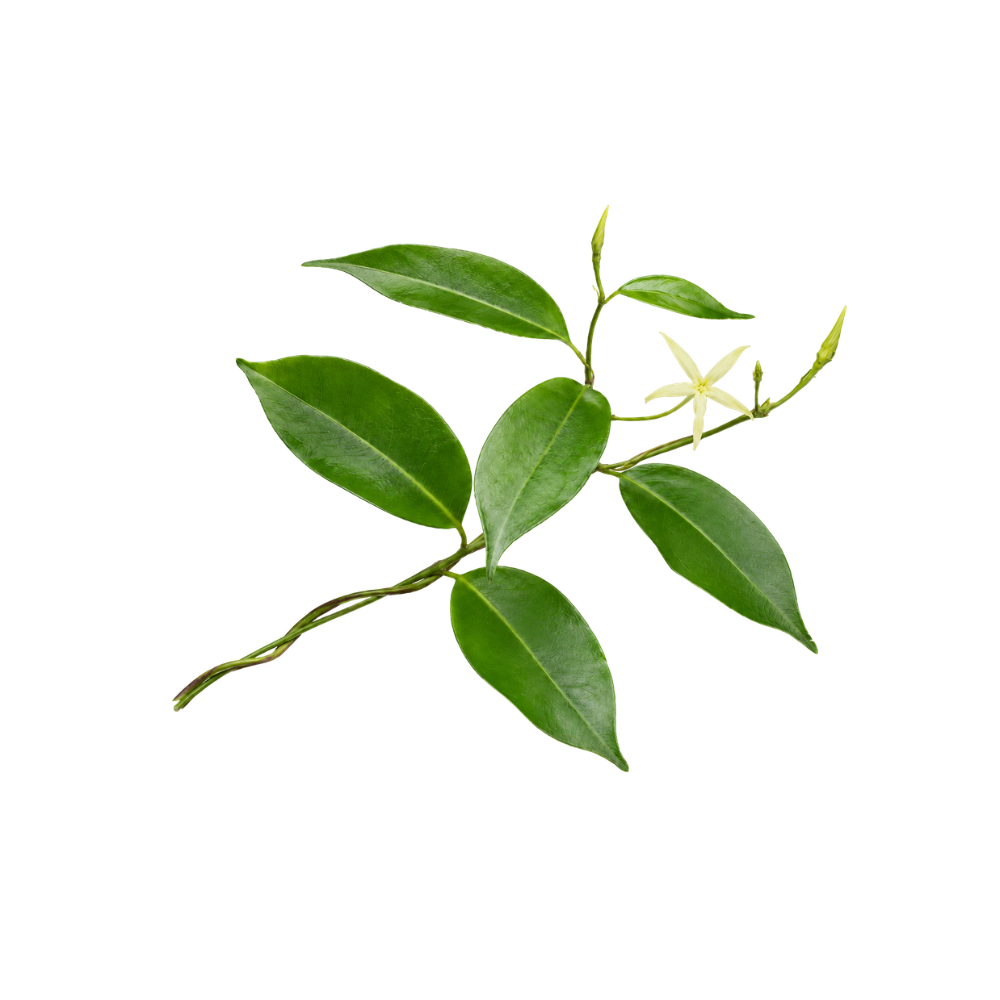 CryptolepisCryptolepis sanguinolentaModerate
Cryptolepis is the one malaria herb with a human antimalarial trial. A small open-label, uncontrolled study (n=44) of a standardized root tea-bag (~7.5 g root-equivalent/day for 5 days) in acute uncomplicated falciparum malaria cleared parasitaemia in all patients by day 7 with a 93.5% cure rate and no lab toxicity 7Reference 7Clinical trialClinical efficacy of a tea-bag formulation of Cryptolepis sanguinolenta root in the treatment of acute uncomplicated falciparum malaria — clinical trialView study →, backed by replicated in-vitro and rodent antiplasmodial data on cryptolepine (active against chloroquine-resistant strains) and artemisinin synergy 8,
The human evidence is one small trial with no comparator and short follow-up, never tested against severe or non-falciparum malaria. The principal alkaloid is a genotoxic cytotoxin. Cryptolepis is a traditional and investigational tea, not a replacement for standard therapy.
Full monograph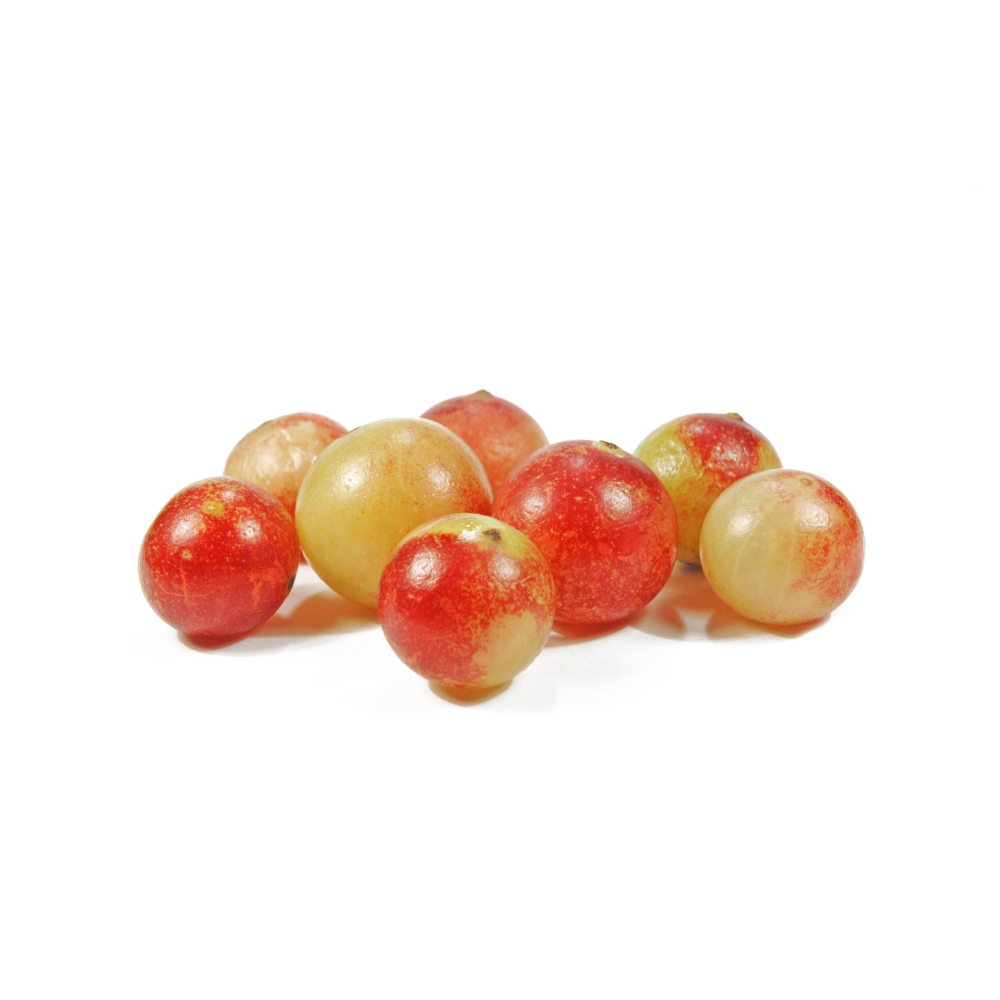 Camu-camuMyrciaria dubiaPreclinical
Camu-camu seed and leaf extracts show in-vitro antiplasmodial (and antischistosomal) activity attributed to methylvescalagin 5,
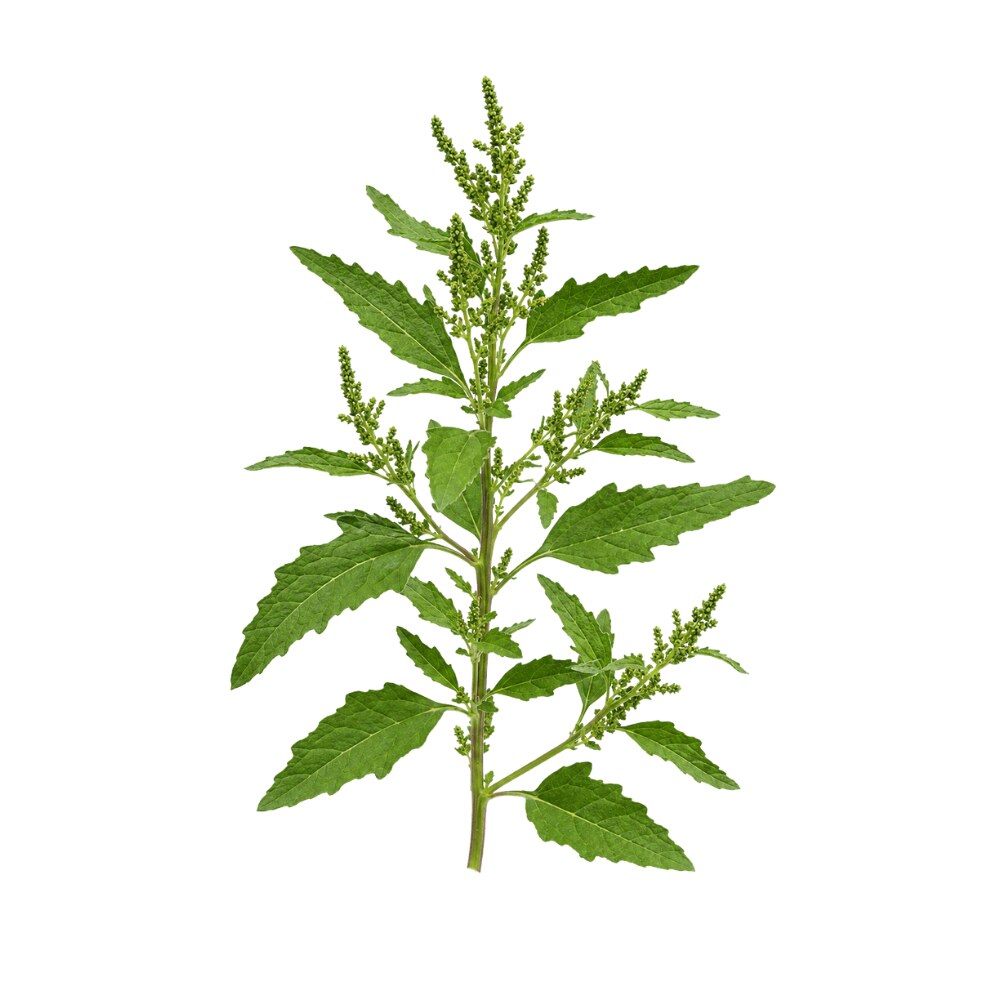 EpazoteDysphania ambrosioidesPreclinical
Epazote’s endoperoxide monoterpene ascaridole is a potent inhibitor of P. falciparum whose activity depends on its peroxide bridge — an artemisinin-like mechanism — and leaf extract suppressed P. berghei in mice 11,
The evidence is preclinical only, driven by the concentrated essential oil (chemotype-dependent ascaridole content); the weak culinary tea most people use does not deliver these effects, and there is no human antimalarial data.
Full monograph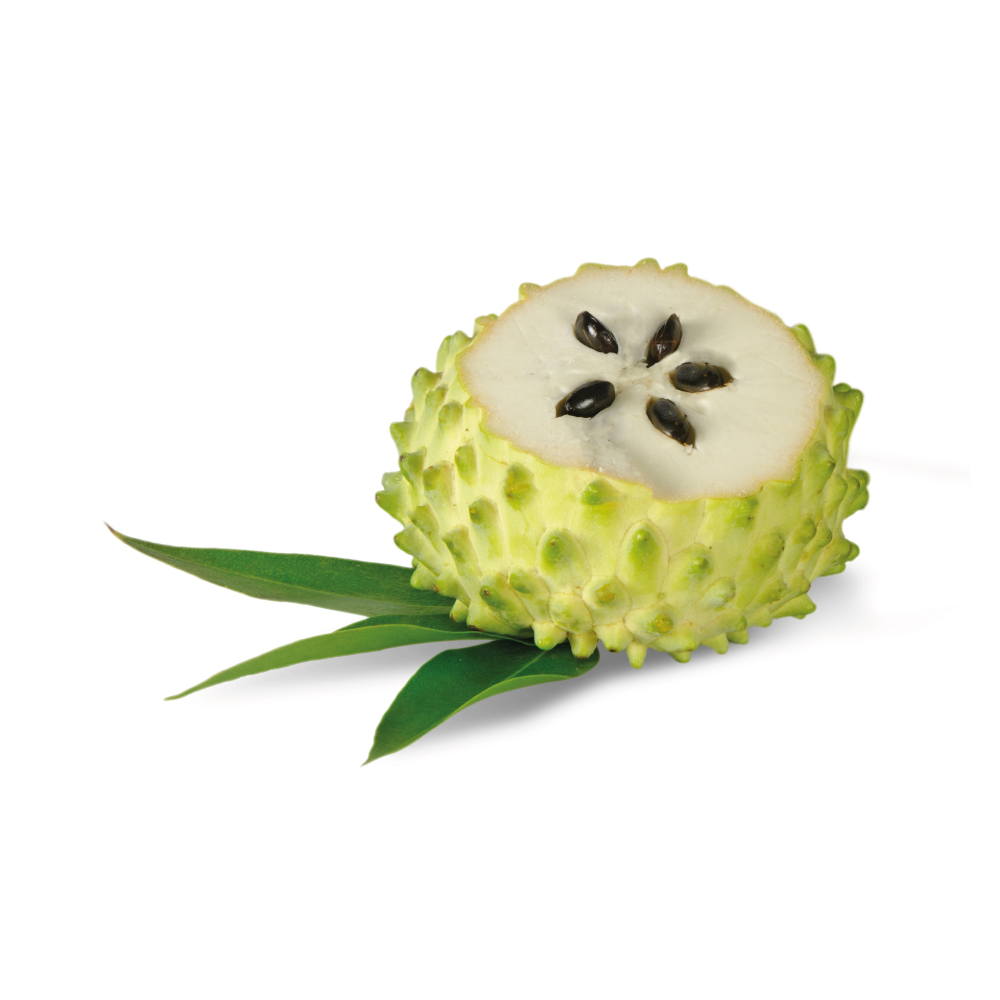 GraviolaAnnona muricataPreclinical
Graviola carries a traditional Southeast Asian antimalarial use, and aqueous/ethanolic leaf extracts show dose-dependent activity in P. berghei-infected mice, with reports of added benefit alongside standard antimalarials 13Reference 13AnimalIn vivo antimalarial activity of Annona muricata leaf extract in mice infected with Plasmodium berghei — animal modelView study →. All work is in infected animals or in vitro with no human trial, and the responsible fraction is unpinned.
The leaf’s neurotoxic annonacin (linked to atypical parkinsonism) is a real reason not to self-treat with it.
Full monograph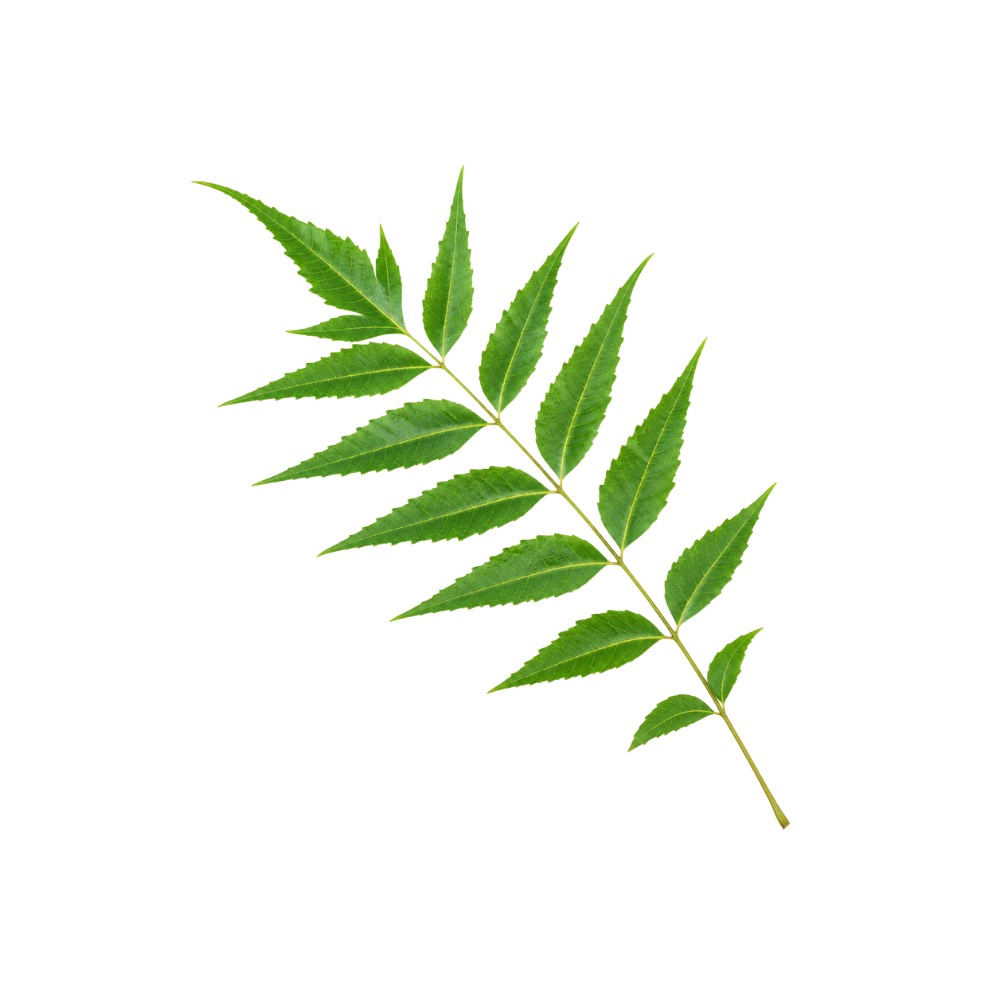 NeemAzadirachta indicaPreclinical
Neem has a longstanding traditional febrifuge/antimalarial reputation in South Asia, but experimental support is weak: in P. yoelii-infected mice, leaf and bark preparations gave only moderate suppression of parasitaemia with no cures and little survival gain, alongside in-vitro schizonticidal activity for the limonoid gedunin 14Reference 14AnimalEvaluation of the antimalarial properties and standardization of tablets of Azadirachta indica in mice — animal modelView study →. The whole-plant effect sits far below reference antimalarials; the use is traditional, not a validated treatment.
Neem oil carries serious infant toxicity and is contraindicated in pregnancy.
Full monograph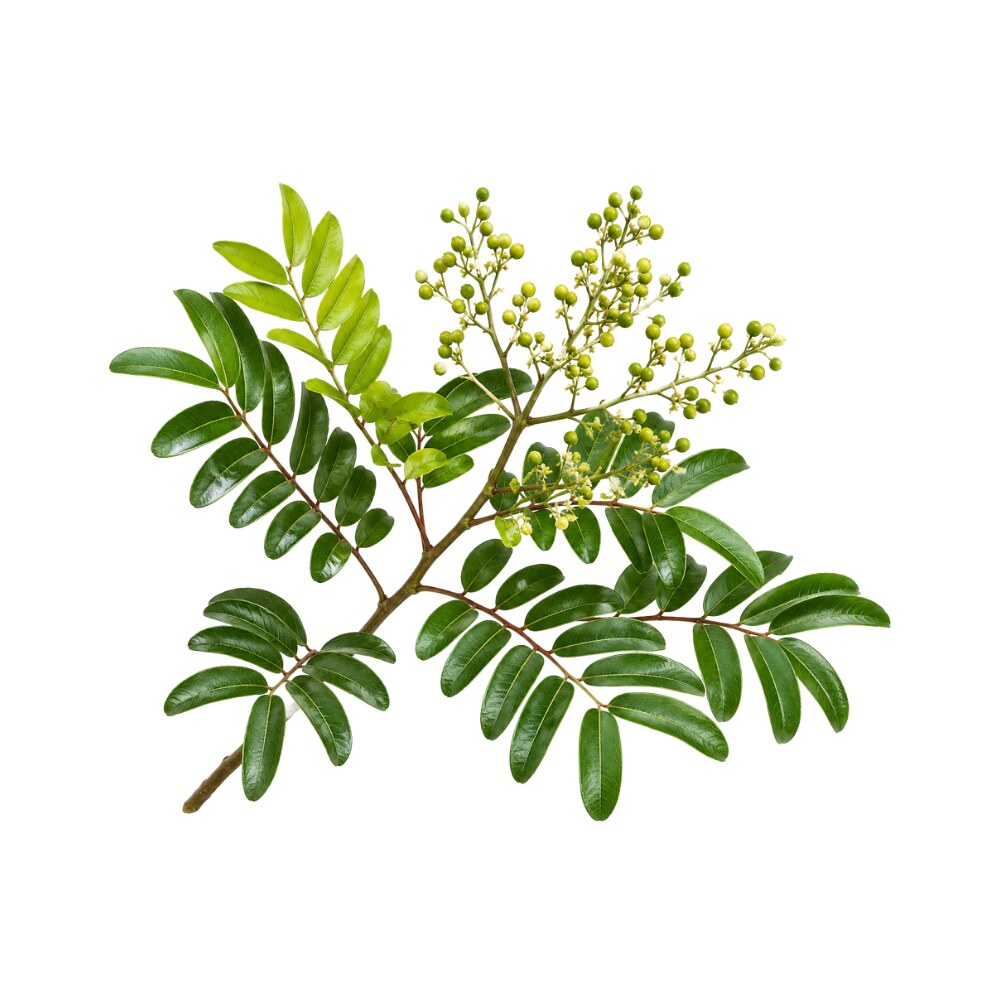 SimaroubaSimarouba amaraPreclinical
Simarouba’s “dysentery bark” reputation includes a long traditional antimalarial bitter-tonic use, with its best-replicated modern signal being quassinoid antiplasmodial activity: fruit/bark extracts inhibit P. falciparum in vitro and P. berghei in mice, and purified simalikalactone D / glaucarubinone give complete in-vitro inhibition of chloroquine-resistant parasites (~0.005 µg/mL) via ribosomal protein-synthesis blockade unrelated to quinolines 17,
The active quassinoids proved too systemically toxic for use even in animal malaria models 21Reference 21AnimalTherapeutic trials of experimental murine malaria with the quassinoid glaucarubinone — mouse studyView study →, and the whole-bark decoction has never been tested against human malaria — preclinical only.
Full monograph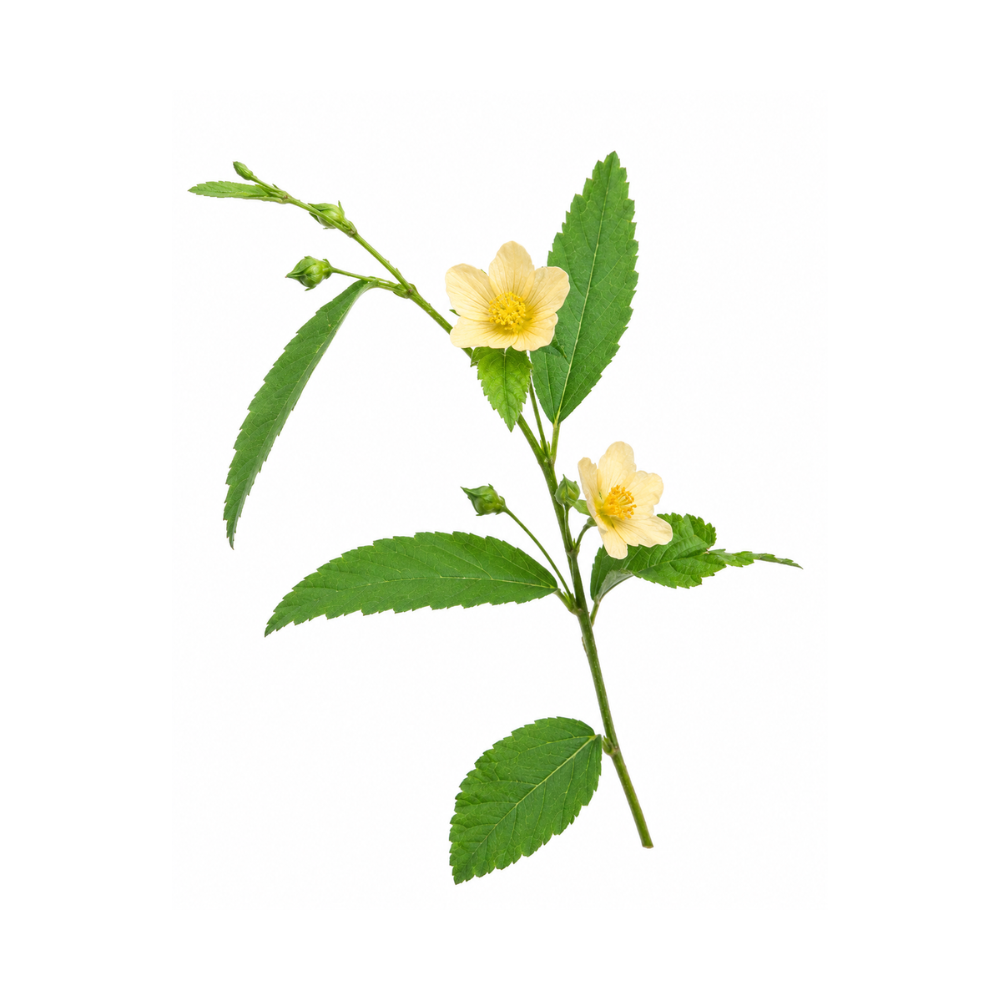 WireweedSida acutaPreclinical
Wireweed (Sida acuta) has a well-replicated in-vitro antiplasmodial record: three independent West/Central African labs found decoctions and extracts kill both chloroquine-sensitive and chloroquine-resistant P. falciparum (IC50 often <5 µg/mL), tracing the activity to the DNA-intercalating alkaloid cryptolepine 22,
The work is entirely in vitro — no animal survival model, no human trial — and one study found the extract added musculotoxicity when combined with artemisinin-based combination therapy 25Reference 25In vitroArtemisinin-based combination therapy synergized with medicinal plants (Sida acuta) to induce musculotoxic effects — in vitroView study →, so co-use with real antimalarials is a specific caution.
Full monograph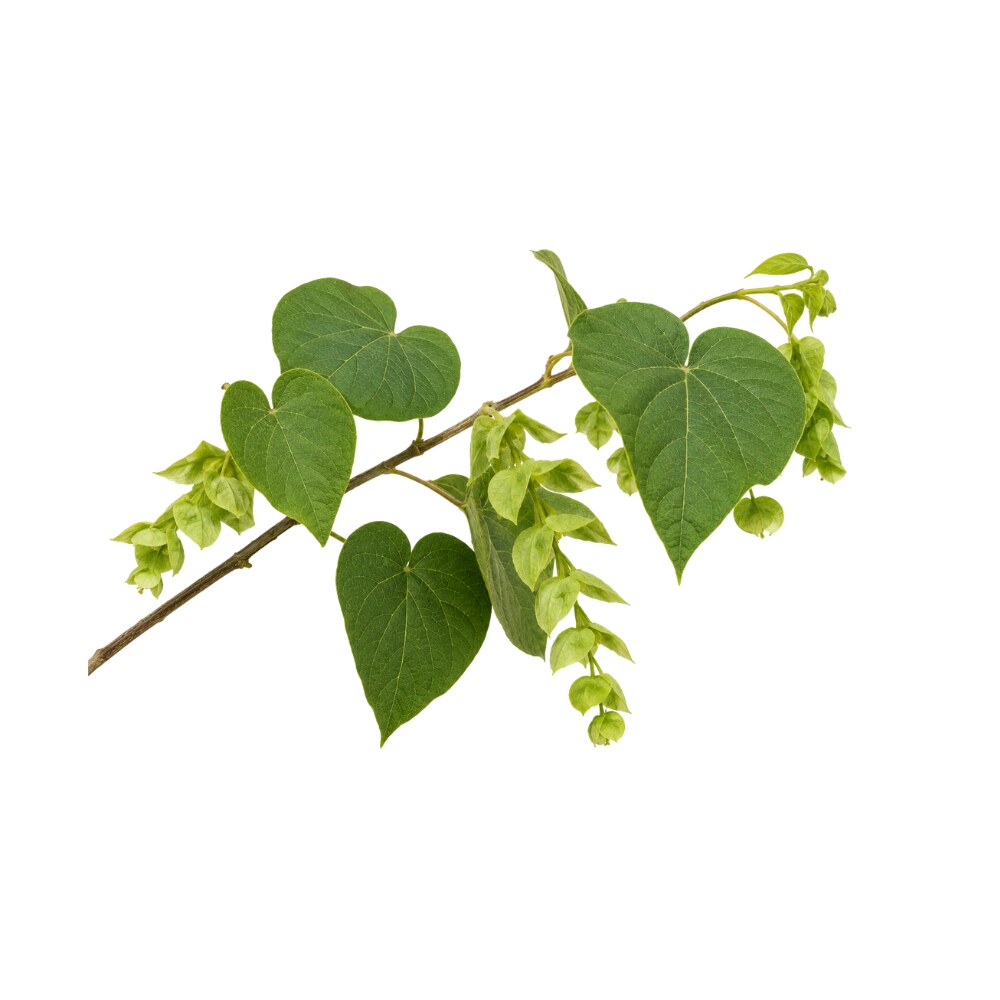 AbutaCissampelos pareiraTraditional only
Abuta (Cissampelos pareira) has strong ethnomedical antimalarial use across India and Amazonia, but direct experimental support is weak — limited to molecular-docking predictions that its bisbenzylisoquinolines (hayatinine, curine) bind Plasmodium enzyme targets, plus a mixed genus-level antiplasmodial screen 1,
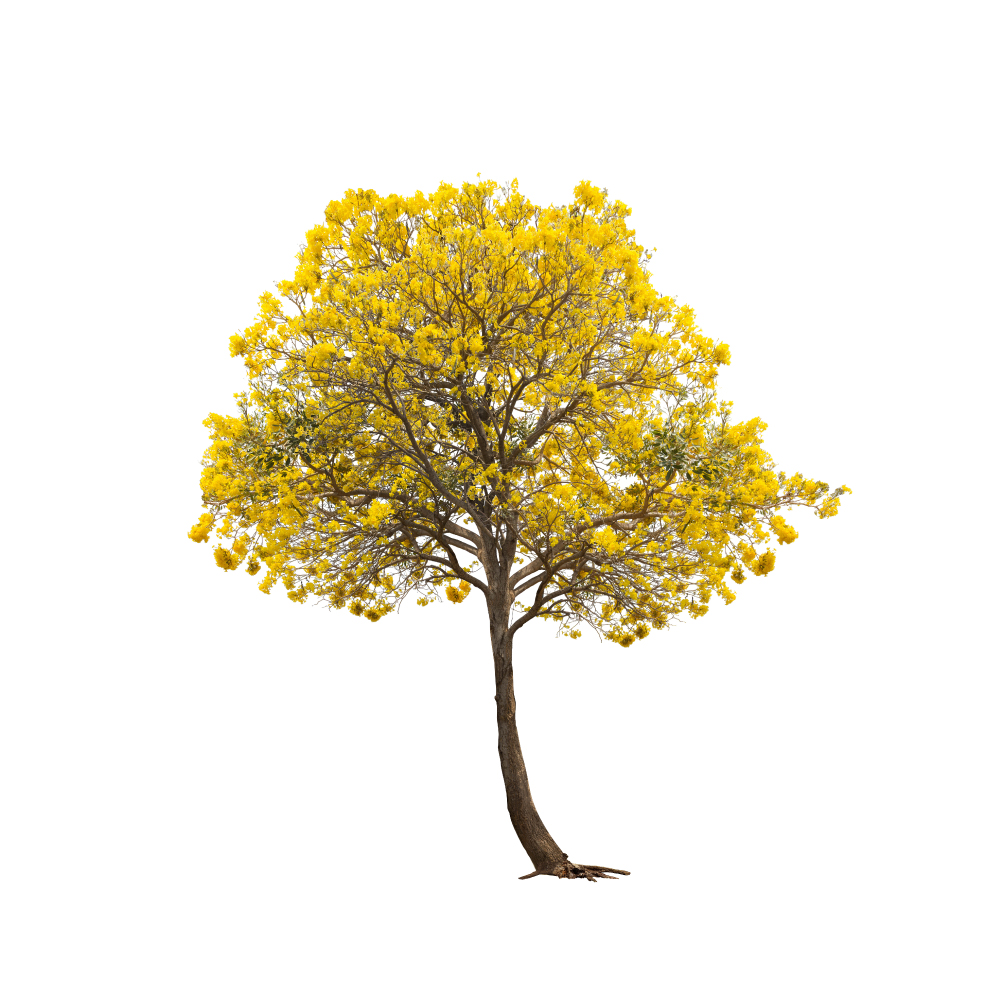 Pau D’ArcoTabebuia impetiginosaTraditional only
Pau d’arco bark tea is traditionally taken in Brazil for malaria and fever 15Reference 15ReviewTabebuia impetiginosa: A comprehensive review on traditional uses, phytochemistry, and immunopharmacological properties — reviewView study →, but the pharmacology is thin for this use: the naphthoquinone lapachol shows only weak antimalarial activity in vitro, with its stronger antiprotozoal action against Trypanosoma cruzi and Leishmania 16Reference 16ReviewAnti-infectious activity in plants of the genus Tabebuia — reviewView study →. The use rests on tradition, with weak constituent-level backing and no antimalarial trial.
Full monograph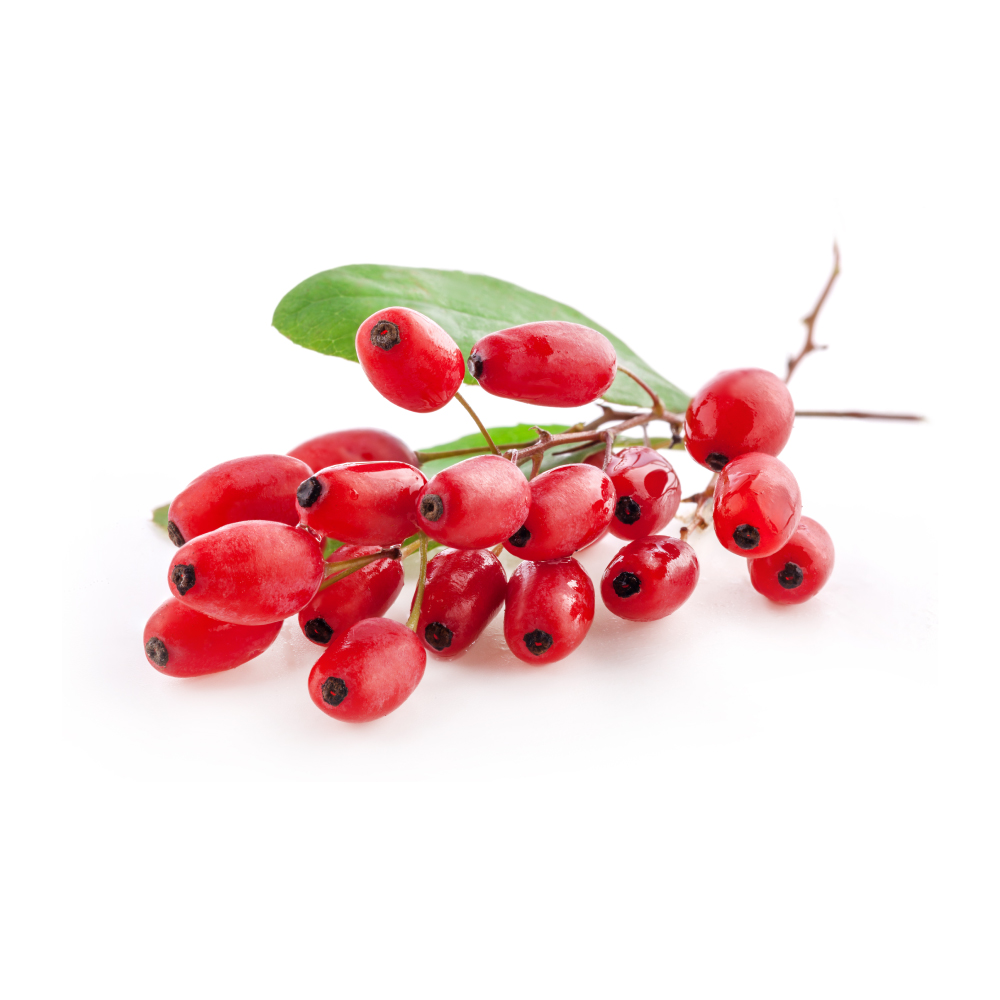 BarberryBerberis spp.No benefit shown
Barberry appears in eclectic tradition for “parasitic infections including malaria” 3Reference 3Principles and Practice of Phytotherapy (2nd ed.), but berberine and related protoberberines are potent against P. falciparum in a dish yet were inactive in vivo in P. berghei-infected mice 4Reference 4In vitroProtoberberine alkaloids as antimalarials — in vitro and animal modelView study →. The oral antimalarial claim does not hold up — potent in vitro, absent in the animal — and no controlled human antiparasitic trial exists.
Full monographReferences
- Suresh PS, Kesarwani V, Kumari S, et al. (2023). Bisbenzylisoquinolines from Cissampelos pareira L. as antimalarial agents: molecular docking, pharmacokinetics and molecular dynamics — in silico. Computational Biology and Chemistry. https://pubmed.ncbi.nlm.nih.gov/36848855/
- Rukunga GM, Gathirwa JW, Omar SA, et al. (2009). Anti-plasmodial activity of the extracts of some Kenyan medicinal plants — in vitro. Journal of Ethnopharmacology. https://pubmed.ncbi.nlm.nih.gov/19041710/
- Bone, K., & Mills, S. (2013). Principles and Practice of Phytotherapy (2nd ed.). Elsevier Health.
- Vennerstrom, J. L. et al. (1988). Protoberberine alkaloids as antimalarials — in vitro and animal model. Journal of Medicinal Chemistry. https://pubmed.ncbi.nlm.nih.gov/3286870/
- do Carmo MAV, et al. Camu-camu (Myrciaria dubia) seeds as a novel source of bioactive compounds with promising antimalarial and antischistosomicidal properties. Food Research International. 2020;136:109334. https://pubmed.ncbi.nlm.nih.gov/32846532/
- Correia VCS, et al. Evaluation of the antiplasmodial and leishmanicidal potential of Myrciaria dubia extract. Revista da Sociedade Brasileira de Medicina Tropical. 2016;49(5):586–592. https://pubmed.ncbi.nlm.nih.gov/27812653/
- Bugyei, K. A., Boye, G. L., & Addy, M. E. (2010). Clinical efficacy of a tea-bag formulation of Cryptolepis sanguinolenta root in the treatment of acute uncomplicated falciparum malaria — clinical trial. Ghana Medical Journal. https://pubmed.ncbi.nlm.nih.gov/21326984/
- Cimanga, K., De Bruyne, T., Pieters, L., Vlietinck, A. J., & Turger, C. A. (1997). In vitro and in vivo antiplasmodial activity of cryptolepine and related alkaloids from Cryptolepis sanguinolenta — in vitro and animal in vivo. Journal of Natural Products. https://pubmed.ncbi.nlm.nih.gov/9249972/
- Paulo, A., Gomes, E. T., Steele, J., Warhurst, D. C., & Houghton, P. J. (2000). Antiplasmodial activity of Cryptolepis sanguinolenta alkaloids from leaves and roots — in vitro. Planta Medica. https://pubmed.ncbi.nlm.nih.gov/10705730/
- Forkuo, A. D., Ansah, C., Boadu, K. M., et al. (2016). Synergistic anti-malarial action of cryptolepine and artemisinins — in vitro and animal model. Malaria Journal. https://pubmed.ncbi.nlm.nih.gov/26879905/
- Pollack Y, Segal R, Golenser J (1990). The effect of ascaridole on the in vitro development of Plasmodium falciparum. — [in vitro]. Parasitol Res. https://pubmed.ncbi.nlm.nih.gov/2217117/
- Cysne DN, et al. (2016). Antimalarial potential of leaves of Chenopodium ambrosioides L. — [in vivo mouse model]. Parasitol Res. https://pubmed.ncbi.nlm.nih.gov/27492200/
- Somsak, V., Polwiang, N., & Chachiyo, S. (2016). In vivo antimalarial activity of Annona muricata leaf extract in mice infected with Plasmodium berghei — animal model. Journal of Pathogens, 2016, 3264070. https://pubmed.ncbi.nlm.nih.gov/27092277/
- Isah, A. B., et al. (2003). Evaluation of the antimalarial properties and standardization of tablets of Azadirachta indica in mice — animal model. Phytotherapy Research. https://pubmed.ncbi.nlm.nih.gov/12916083/
- Zhang, J., Hunto, S. T., Yang, Y., Lee, J., & Cho, J. Y. (2020). Tabebuia impetiginosa: A comprehensive review on traditional uses, phytochemistry, and immunopharmacological properties — review. Molecules, 25(18), 4294. https://pubmed.ncbi.nlm.nih.gov/32962180/
- Jiménez-González, F. J., Veloza, L. A., & Sepúlveda-Arias, J. C. (2013). Anti-infectious activity in plants of the genus Tabebuia — review. Universitas Scientiarum, 18(3), 257-267. https://doi.org/10.11144/javeriana.sc18-3.aapg
- O’Neill, M. J., Bray, D. H., Boardman, P., Wright, C. W., Phillipson, J. D., Warhurst, D. C., Gupta, M. P., Correya, M., & Solis, P. (1988). Plants as sources of antimalarial drugs, Part 6: activities of Simarouba amara fruits — in vitro and mouse in vivo. Journal of Ethnopharmacology. https://pubmed.ncbi.nlm.nih.gov/3287009/
- Trager, W., & Polonsky, J. (1981). Antimalarial activity of quassinoids against chloroquine-resistant Plasmodium falciparum in vitro. American Journal of Tropical Medicine and Hygiene. https://pubmed.ncbi.nlm.nih.gov/7020445/
- Kirby, G. C., O’Neill, M. J., Phillipson, J. D., & Warhurst, D. C. (1989). In vitro studies on the mode of action of quassinoids with activity against chloroquine-resistant Plasmodium falciparum. Biochemical Pharmacology. https://pubmed.ncbi.nlm.nih.gov/2690830/
- Ekong, R. M., Kirby, G. C., Patel, G., Phillipson, J. D., & Warhurst, D. C. (1990). Comparison of the in vitro activities of quassinoids with activity against Plasmodium falciparum, anisomycin and other inhibitors of eukaryotic protein synthesis. Biochemical Pharmacology. https://pubmed.ncbi.nlm.nih.gov/2198027/
- Monjour, L., Rouquier, F., Alfred, C., & Polonsky, J. (1987). Therapeutic trials of experimental murine malaria with the quassinoid glaucarubinone — mouse study. Comptes Rendus de l’Academie des Sciences III. https://pubmed.ncbi.nlm.nih.gov/3103880/
- Karou, D., Dicko, M. H., Simpore, J., et al. (2003). Antimalarial activity of Sida acuta Burm. f. (Malvaceae) and Pterocarpus erinaceus Poir. (Fabaceae) — in vitro comparative study. Journal of Ethnopharmacology. https://pubmed.ncbi.nlm.nih.gov/14611894/
- Banzouzi, J. T., Prado, R., Menan, H., et al. (2004). Studies on medicinal plants of Ivory Coast: investigation of Sida acuta for in vitro antiplasmodial activities and identification of an active constituent (cryptolepine). Phytomedicine. https://pubmed.ncbi.nlm.nih.gov/15185848/
- Kamdoum, B. C., Simo, I., Wouamba, S. C. N., et al. (2022). Chemical constituents of two Cameroonian medicinal plants: Sida rhombifolia and Sida acuta; in vitro antiplasmodial activity. Natural Product Research. https://pubmed.ncbi.nlm.nih.gov/34121522/
- Daubrey-Potey, T., Adjogoua, V., Kamagaté, M., et al. (2021). Artemisinin-based combination therapy synergized with medicinal plants (Sida acuta) to induce musculotoxic effects — in vitro. Evidence-Based Complementary and Alternative Medicine. https://pubmed.ncbi.nlm.nih.gov/34306158/
- Tu, Y. (2016). Artemisinin — a gift from traditional Chinese medicine to the world (Nobel Lecture). Angewandte Chemie. https://pubmed.ncbi.nlm.nih.gov/27488942/
- Tu, Y. (2011). The discovery of artemisinin (qinghaosu) and gifts from Chinese medicine. Nature Medicine. https://pubmed.ncbi.nlm.nih.gov/21989013/
- Achan, J., Talisuna, A. O., Erhart, A., et al. (2011). Quinine, an old anti-malarial drug in a modern world: role in the treatment of malaria — review. Malaria Journal. https://pubmed.ncbi.nlm.nih.gov/21609473/
- Permin, H., Norn, S., Kruse, E., et al. (2016). The quest for quinine — history of the isolation of quinine from cinchona bark. https://pubmed.ncbi.nlm.nih.gov/29737660/
- Mueller, M. S., Runyambo, N., Wagner, I., et al. (2004). Randomized controlled trial of a traditional preparation of Artemisia annua L. (annual wormwood) in the treatment of malaria. Transactions of the Royal Society of Tropical Medicine and Hygiene. https://pubmed.ncbi.nlm.nih.gov/15109558/
- Blanke, C. H., Naisabha, G. B., Balema, M. B., et al. (2008). Herba Artemisiae annuae tea preparation compared to sulfadoxine-pyrimethamine in the treatment of uncomplicated falciparum malaria: a randomized trial. https://pubmed.ncbi.nlm.nih.gov/18453510/
- World Health Organization (2019). The use of non-pharmaceutical forms of Artemisia — WHO position and technical note (WHO/CDS/GMP/2019.14).
- Elfawal, M. A., Towler, M. J., Reich, N. G., Weathers, P. J., & Rich, S. M. (2015). Dried whole-plant Artemisia annua slows evolution of malaria drug resistance and overcomes resistance to artemisinin. PNAS. https://pubmed.ncbi.nlm.nih.gov/25561559/
- Elfawal, M. A., Towler, M. J., Reich, N. G., et al. (2012). Dried whole plant Artemisia annua as an antimalarial therapy. PLOS ONE. https://pubmed.ncbi.nlm.nih.gov/23289055/
- Daddy, N. B., Kalisya, L. M., Bagire, P. G., et al. (2017). Artemisia annua dried leaf tablets treated malaria resistant to ACT and i.v. artesunate: case reports. Phytomedicine. https://pubmed.ncbi.nlm.nih.gov/28732806/
- Atemnkeng, M. A., Chimanuka, B., Dejaegher, B., et al. (2009). Artemisia annua infusion versus the WHO artemisinin dose in P. chabaudi-infected mice. https://pubmed.ncbi.nlm.nih.gov/19371743/
- Lagarce, L., et al. (2016). Severe imported falciparum malaria in a traveller relying on Artemisia annua tea prophylaxis. Journal of Travel Medicine. https://doi.org/10.1093/jtm/taw049
- Munyangi, J., Cornet-Vernet, L., Idumbo, M., et al. (2019). RETRACTED — Effect of Artemisia annua and Artemisia afra tea infusions on well-being and cure rate versus ASAQ in a large-scale randomized trial. Phytomedicine. https://pubmed.ncbi.nlm.nih.gov/30668322/
- Munyangi J, Cornet-Vernet L, Idumbo M, et al. (2020). Retraction notice to “Artemisia annua and Artemisia afra tea infusions vs. artesunate-amodiaquine (ASAQ) in treating Plasmodium falciparum malaria in a large scale, double blind, randomized clinical trial” [PHYTOMEDICINE 57C (2019) 49-56]. Phytomedicine. https://pubmed.ncbi.nlm.nih.gov/32972797/
- Walz, A., Lehmann, U., Duthaler, U., et al. (2024). Aqueous Artemisia afra is not active against Plasmodium berghei in mice — testing the pro-drug hypothesis. https://pubmed.ncbi.nlm.nih.gov/38761524/
- Roesch, C., Ashraf, K., Vantaux, A., et al. (2025). In vitro ring-stage survival assay of Artemisia afra and A. annua against artemisinin-resistant P. falciparum isolates. https://pubmed.ncbi.nlm.nih.gov/40350417/
- Graz, B., Willcox, M. L., Diakite, C., et al. (2010). Argemone mexicana decoction versus artesunate-amodiaquine for the management of malaria in Mali: policy and public-health implications. Transactions of the Royal Society of Tropical Medicine and Hygiene. https://pubmed.ncbi.nlm.nih.gov/19733875/
- Willcox, M. L., Graz, B., Falquet, J., et al. (2007). Argemone mexicana decoction for the treatment of uncomplicated falciparum malaria — dose-escalating trial. https://pubmed.ncbi.nlm.nih.gov/17920092/
- Graz, B., et al. (2010). Is parasite clearance clinically important after malaria treatment in a high transmission area? A 3-month follow-up of home-based management with herbal medicine or ACT. https://pubmed.ncbi.nlm.nih.gov/21056445/