
Condition
Stroke
A stroke is a sudden interruption of blood supply to part of the brain, causing rapid loss of neurological function.

Overview
Aetiology
A stroke occurs when the blood supply to part of the brain is suddenly interrupted, depriving brain tissue of oxygen and causing cells to die. There are two main mechanisms.
Ischemic Stroke
The most common type, caused by a blood clot or other blockage obstructing an artery supplying the brain. The clot may form locally (thrombotic) or travel from elsewhere such as the heart (embolic).
Hemorrhagic Stroke
Caused by the rupture of a blood vessel and bleeding into or around the brain, often related to high blood pressure or a weakened vessel such as an aneurysm.
Risk Factors
Major risk factors include high blood pressure, atherosclerosis, atrial fibrillation, diabetes, high cholesterol, smoking, and a previous transient ischemic attack.
Presentation
Symptoms
Symptoms come on suddenly and depend on the area of brain affected. Typical features are facial drooping, weakness or numbness on one side of the body, difficulty speaking or understanding speech, visual disturbance, loss of coordination, and a sudden severe headache. Stroke is a medical emergency requiring immediate attention.
Assessment
Diagnostic Considerations
Rapid brain imaging with CT or MRI is central, both to confirm a stroke and to distinguish ischemic from hemorrhagic types, which require different treatment. Assessment also includes blood glucose, ECG to detect atrial fibrillation, and vascular imaging of the arteries supplying the brain.
Assessment
Differential Diagnosis
Transient ischemic attack, hypoglycemia, seizures, migraine with aura, and space-occupying brain lesions can produce similar features and must be distinguished.
Context
Comorbidities
Stroke is closely linked with hypertension, atrial fibrillation, atherosclerosis, and diabetes, and survivors commonly experience lasting dizability, depression, and an increased risk of further strokes.
The Herbs
Materia Medica (4)
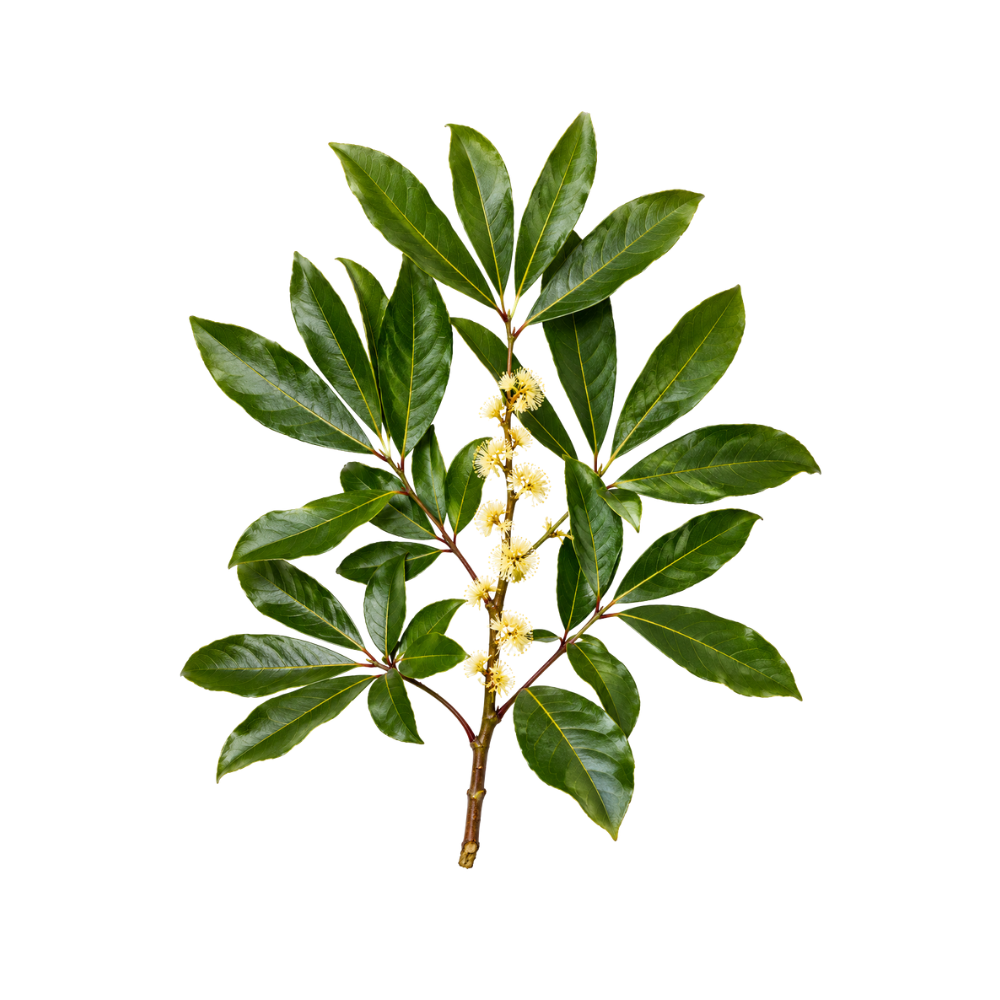
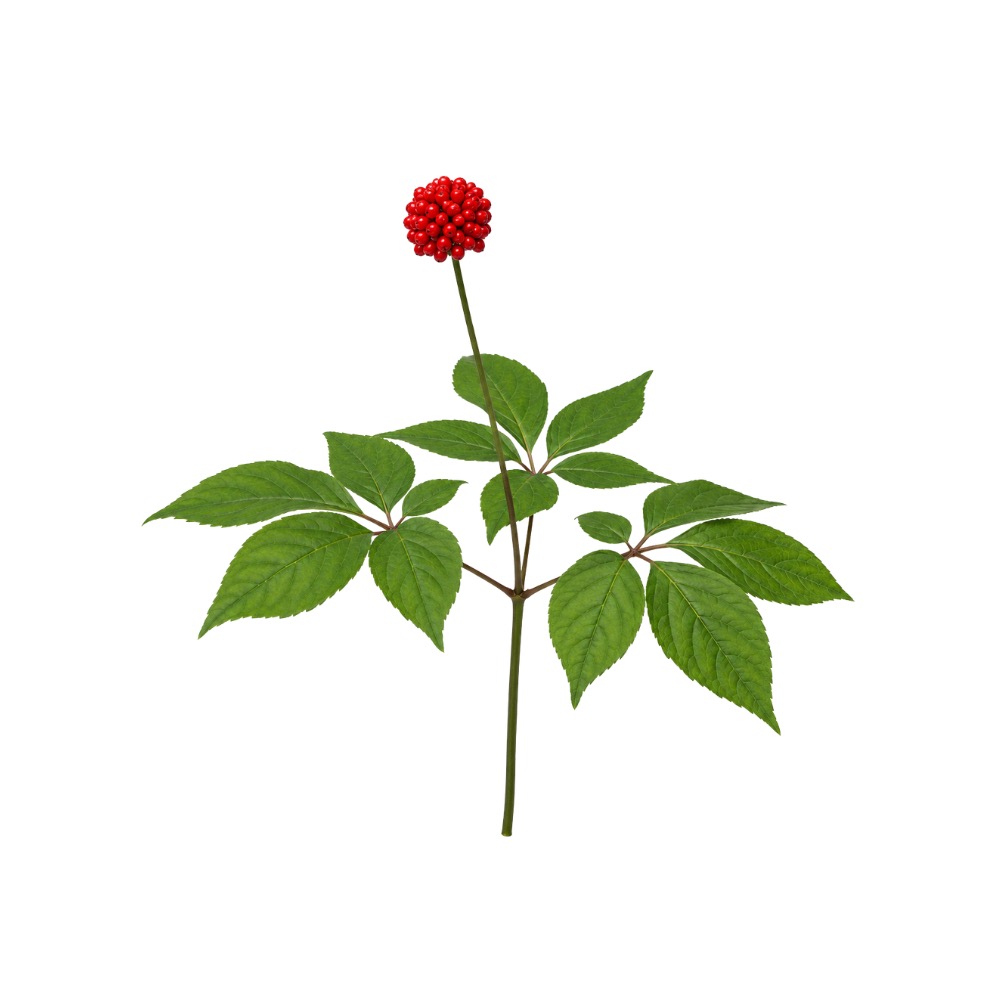
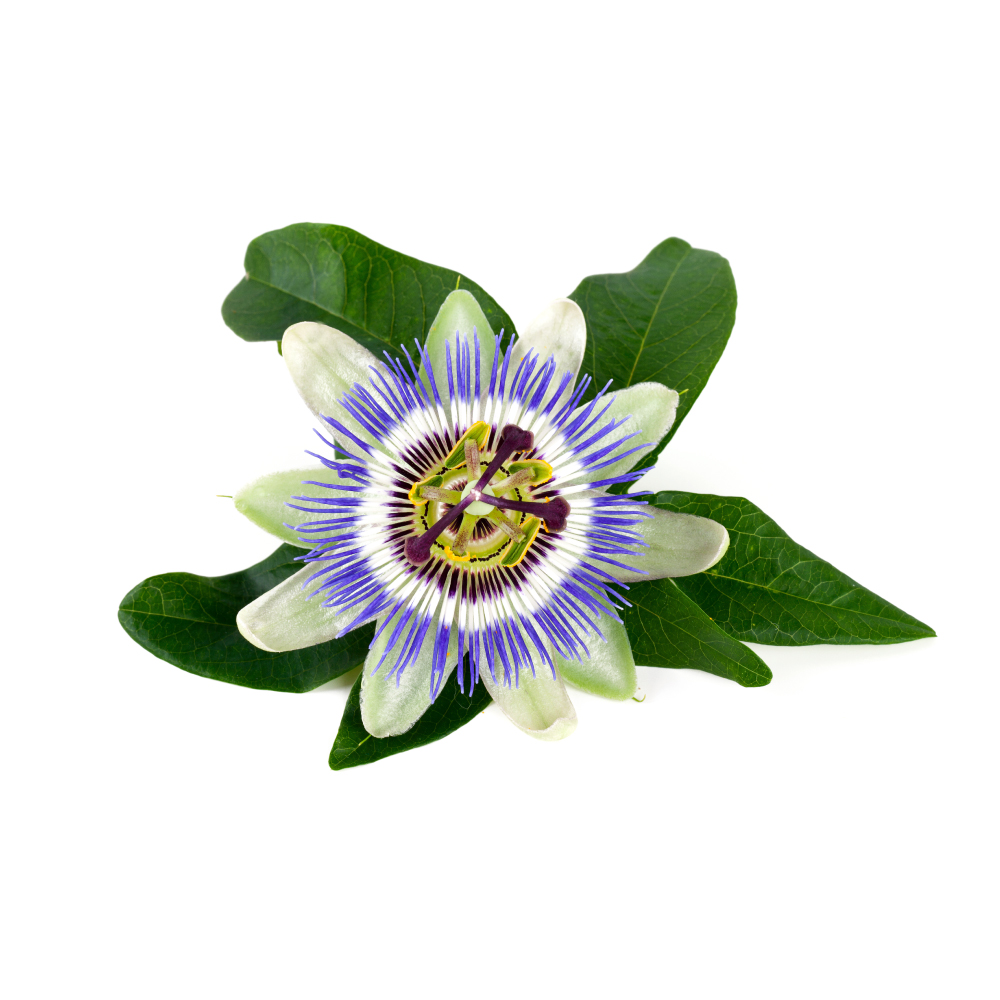
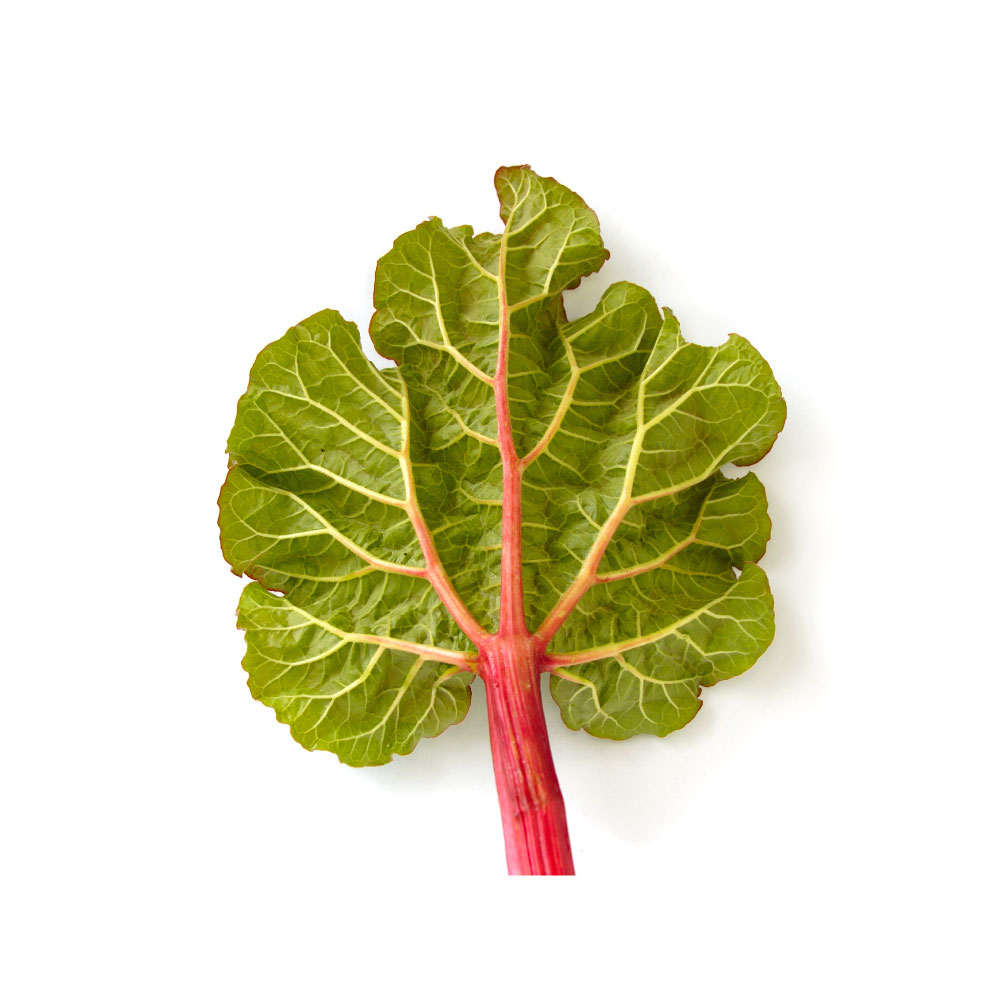
Herbs traditionally or clinically used for stroke.
Supplementation
Supplementation (6)
Supplements, nutrients and compounds used for stroke.
Alpha-GPC
Cholinergic
A choline-dense phospholipid used to raise acetylcholine — the best evidence is in dementia and stroke recovery, and it is much thinner for healthy-brain enhancement.
Cerebrolysin
Neurotrophic peptide preparation (porcine-brain hydrolysate)
A porcine-brain-derived peptide mixture injected for stroke, brain injury and dementia — prescription in parts of Europe and Asia, unapproved in the US and EU.
Citicoline (CDP-Choline)
Cholinergic
A choline-donor nootropic with real placebo-controlled memory data in older adults — and two large negative trials that the marketing leaves out.
Nefiracetam
Racetam
A synthetic racetam studied for post-stroke apathy and depression with mixed results — an unapproved investigational drug with documented animal organ toxicity, not a vetted supplement.
Semax
Neuropeptide (ACTH(4-10) analog)
A synthetic ACTH(4-10)-derived heptapeptide given intranasally as a nootropic/neuroprotective drug.
Vinpocetine
Alkaloid derivative (vasodilator)
A semi-synthetic periwinkle alkaloid that dilates cerebral arteries — a prescription drug abroad (Cavinton) and a contested OTC nootropic in the US, where the FDA warns it may cause fetal harm.