
Condition
Substance Abuse
Substance abuse is the harmful or dependent use of alcohol or drugs despite negative consequences to health and daily life.

Overview
Aetiology
Substance abuse involves one or more of the following:
- Tolerance
- Psychological dependence
- Physical dependence
- Social and/or occupational changes revolving around the substance
- Mood and/or behavioral changes related to the pharmacology of the substance or its dependence
Overview
Pathophysiology
Reward Pathway
Drug abuse leads to increased dopamine release from the reward center in the brain. This pathway links the midbrain to the prefrontal cortex. Increased dopamine then modulates GABA and glutamine.
Depending on the drug, different changes to this system may apply:
- Cocaine — inhibits post-synaptic dopamine reuptake
- Opioids — interfere with interneuron inhibition of dopaminergic pathways
- Amphetamines — accelerate dopamine release
Presentation
Symptoms
Presentation varies with the substance but commonly includes craving and loss of control over use, continued use despite harm, and the development of tolerance and withdrawal. There are often changes in mood and behavior, neglect of responsibilities and relationships, financial and legal problems, and physical signs specific to the substance such as intoxication, sedation, or stimulation.
Assessment
Diagnostic Considerations
Diagnosis of substance use disorder utilizes criteria from the Diagnostic and Statistical Manual of Mental Disorders (DSM-5), published by the American Psychiatric Association.
Lab Tests
- Blood tests
- Urine tests
- Blood or breath alcohol testing for acute intoxication
- Electrolytes
- Glucose
- BUN
- Creatinine
- CBC
- ECG
- CT Scan (for cocaine)
- LFT (to assess extent of damage)
- Prolactin levels
- Serotonin levels
- Cholesterol
- Triglycerides
- Serum thiamine, folate, B12
- Homocysteine
Opioids
Morphine, Oxycodone, Methadone, Codeine, Pethidine, Heroin
Amphetamines
Dexamphetamine, Methylphenidate (Ritalin®), MDMA
Sedatives
Alprazolam (Xanax®)
Alcohol
Ethanol (beer, wine, and spirits)
Other
Tobacco, Cocaine, LSD
| Substance | Detox Agents | Craving Prevention |
|---|---|---|
| Alcohol | Benzodiazepines | Naltrexone |
| Tobacco | Nicotine Buprropion | Nicotine Varenicline |
| Opioids | Methadone Clonidine | Methadone L-alpha-acetylmethadol |
| Cocaine | SSRI’s MAO Amantadine | TCA |
Assessment
Differential Diagnosis
Primary mood and anxiety disorders, psychotic disorders, and organic causes of behavioral change should be distinguished, while recognizing that these frequently coexist with substance use.
Context
Comorbidities
Substance abuse frequently coexists with depression, anxiety, and other mental health disorders, and carries a high risk of physical complications such as liver disease, cardiovascular damage, nutritional deficiencies, infections, and overdose.
Herbs for Substance Abuse
- Kava
- Passionflower
- Valerian
- Chamomile
- Rehmannia
- Kratom
- Withania
- Siberian ginseng
- Milk thistle
- Rosemary
- Schisandra
- St John’s wort
- California poppy
- Rhodiola
Nutrients for Substance Abuse
- Nutrient dense whole food
- Protein
- Essential fatty acids
- Exclusion of caffeine, sugar and chemical foods
- B vitamins
- Magnesium, Zinc
- Vitamin C
- SAM-e
- 5-HTP
- Glutamine
- Tyrosine
The Herbs
Materia Medica (5)
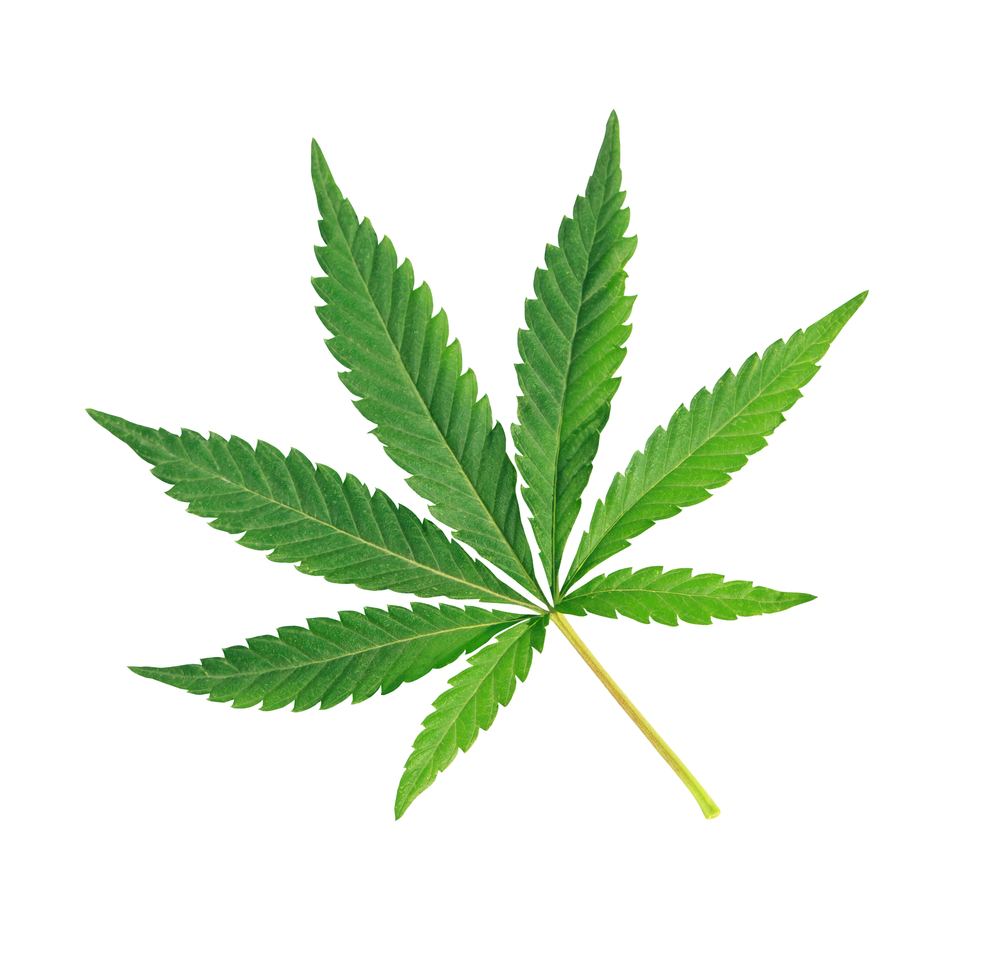
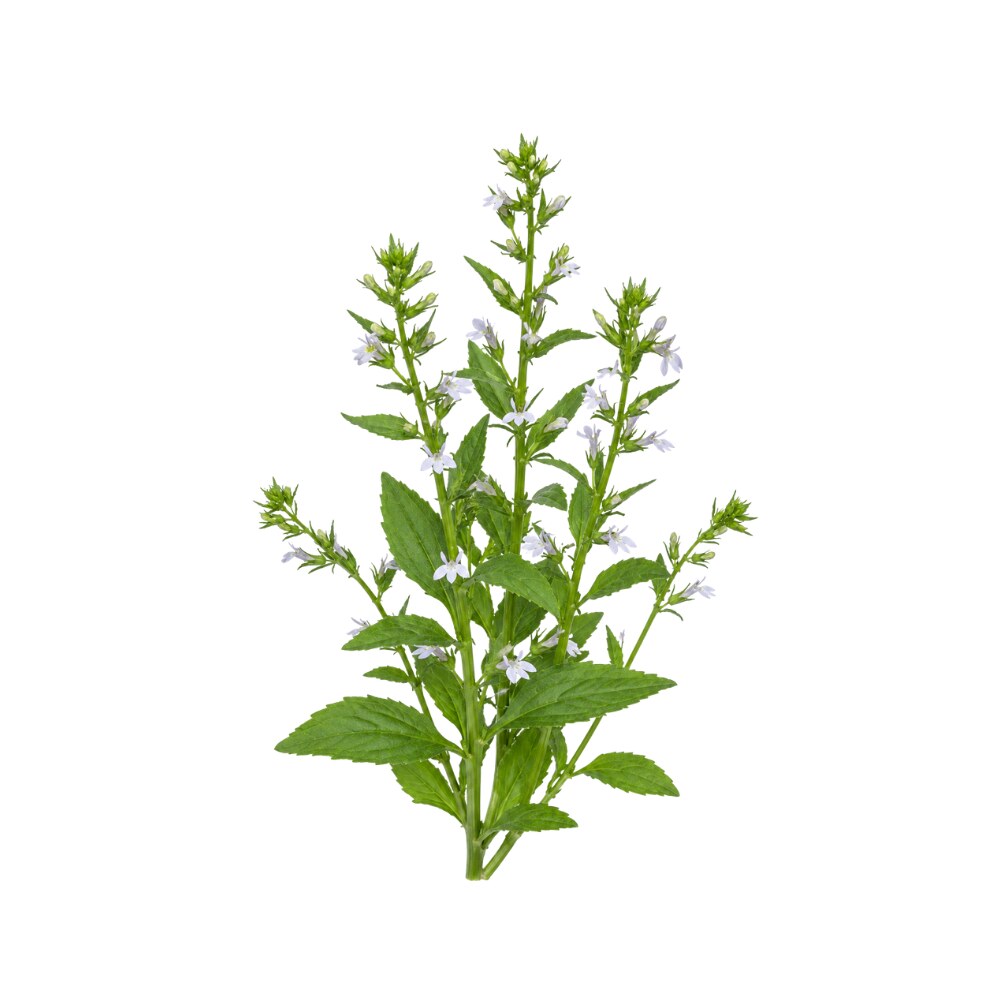
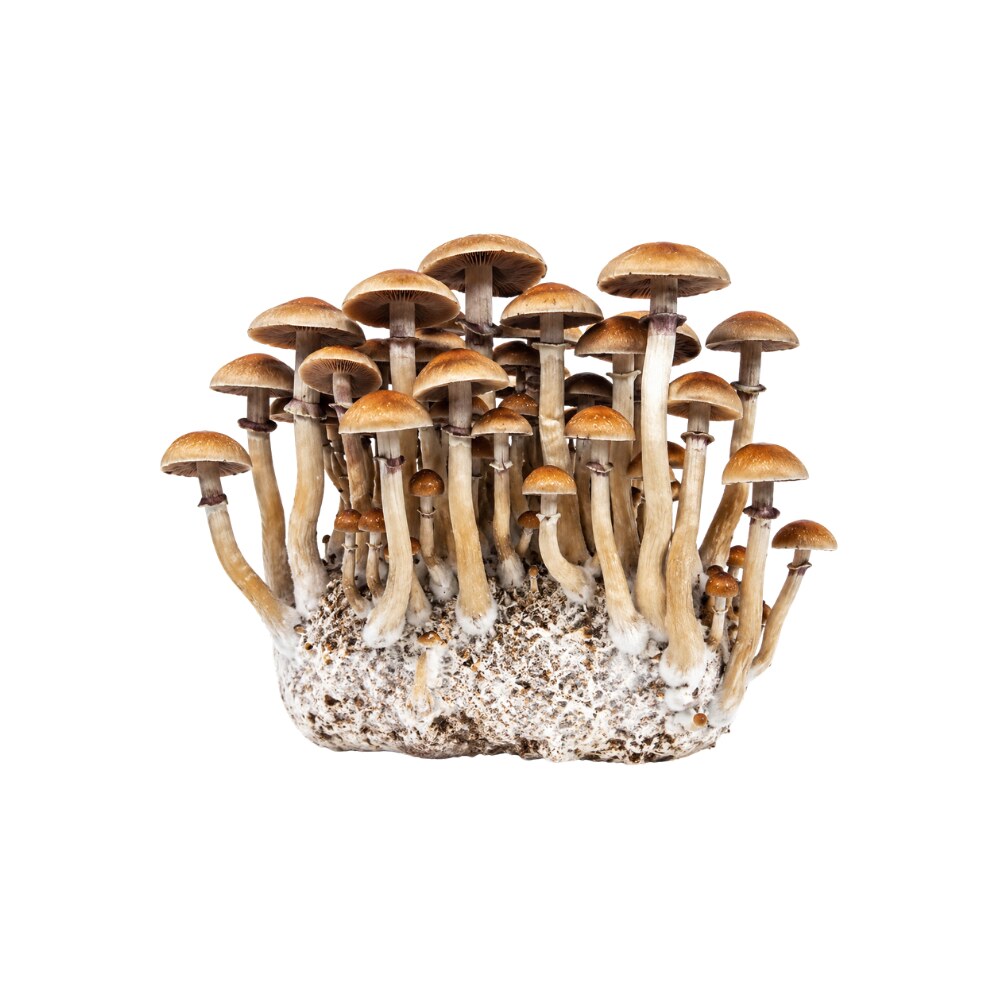
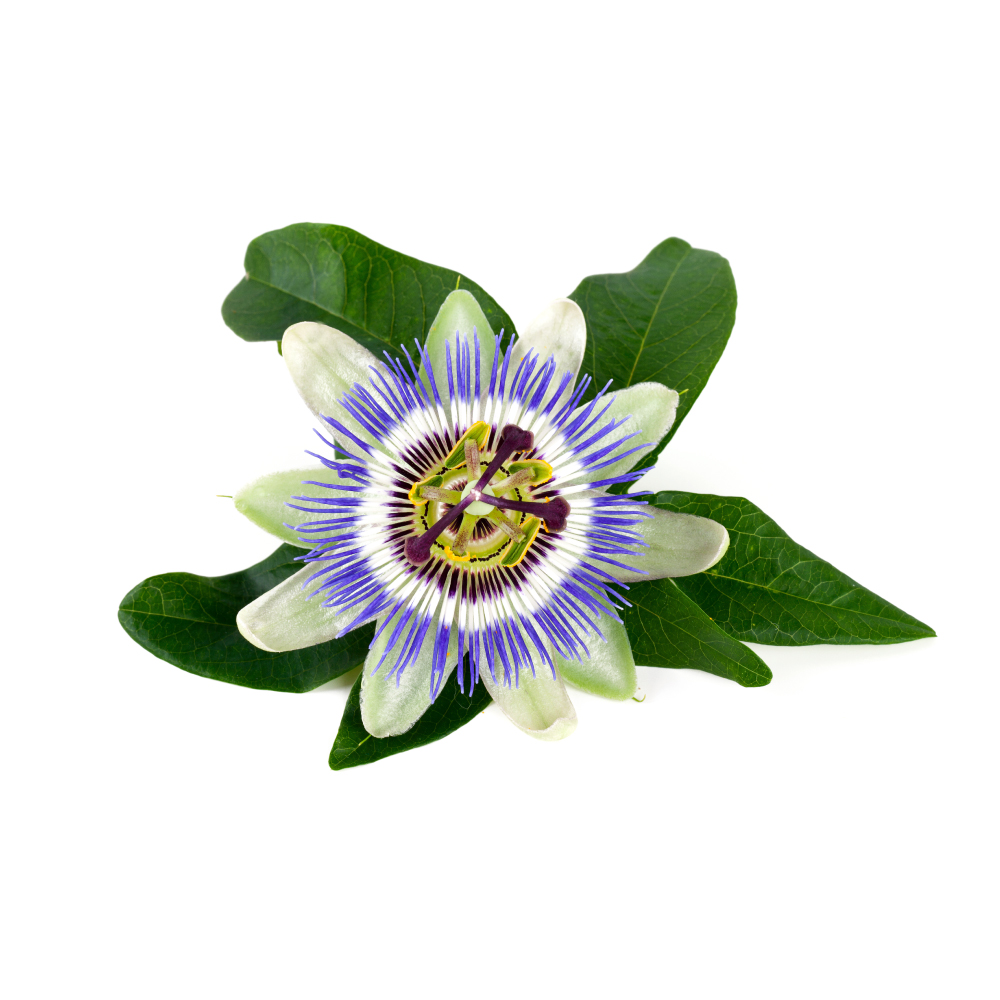
Herbs traditionally or clinically used for substance abuse.

Supplementation
Supplementation (1)
Supplements, nutrients and compounds used for substance abuse.
N-Acetylcysteine (NAC)
Amino acid derivative
The acetylated form of cysteine and a glutathione precursor. A hospital antidote for paracetamol overdose, also studied for lungs, liver and psychiatric symptoms.