
Compound Monograph
p-Cymene
p-Cymene is an aromatic monoterpene hydrocarbon of oregano, thyme and cumin oils and the biosynthetic relative of carvacrol and thymol — with moderate preclinical anti-inflammatory and analgesic data, but a weak standalone antimicrobial that mainly potentiates carvacrol. All evidence is animal or in-vitro; none is isolated-compound human trials.

Sources · 13
Where Does It Come From?
p-Cymene is a naturally occurring aromatic monoterpene (hydrocarbon), found in Thyme, Oregano, Cumin and 10 other sources. It is well tolerated orally (low toxicity).
 Source Angelica Angelica archangelica Herb monograph →
 Source Cannabis Cannabis sativa Herb monograph →
 Source Damiana Turnera diffusa Herb monograph →
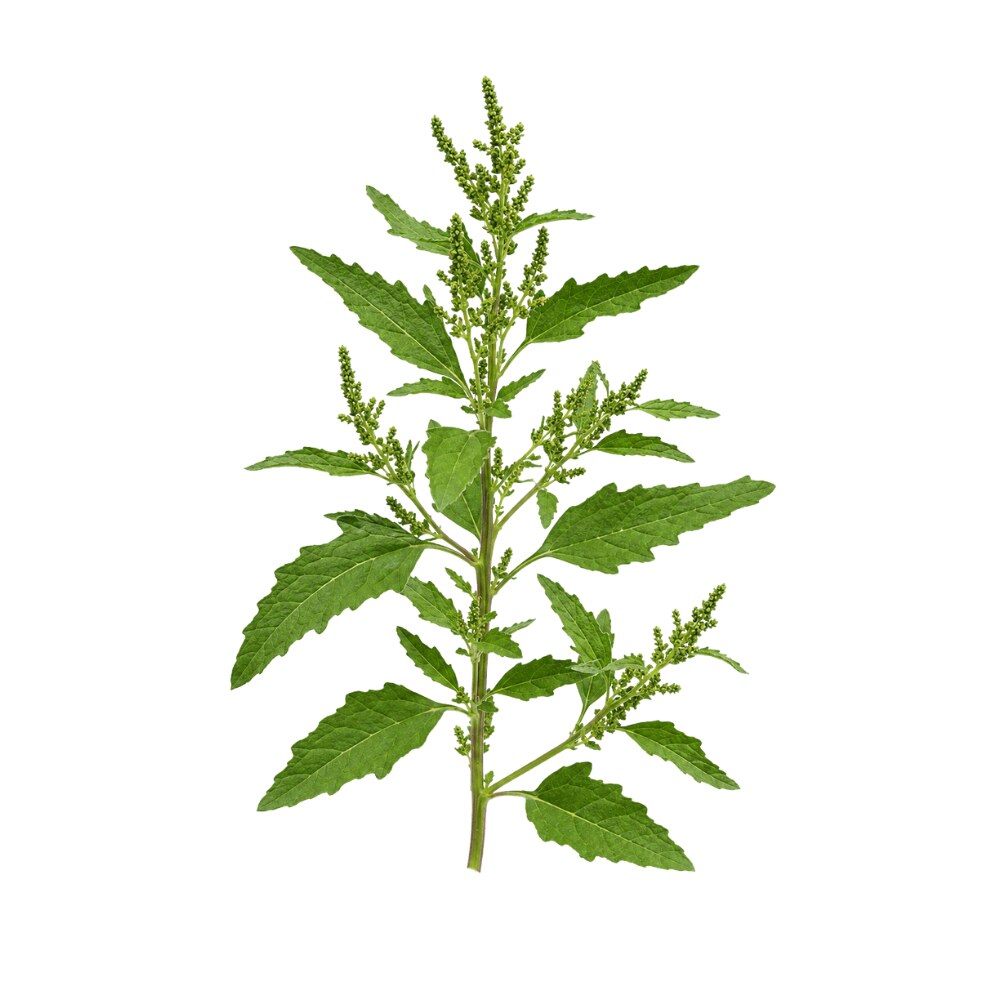 Source Epazote Dysphania ambrosioides Herb monograph →
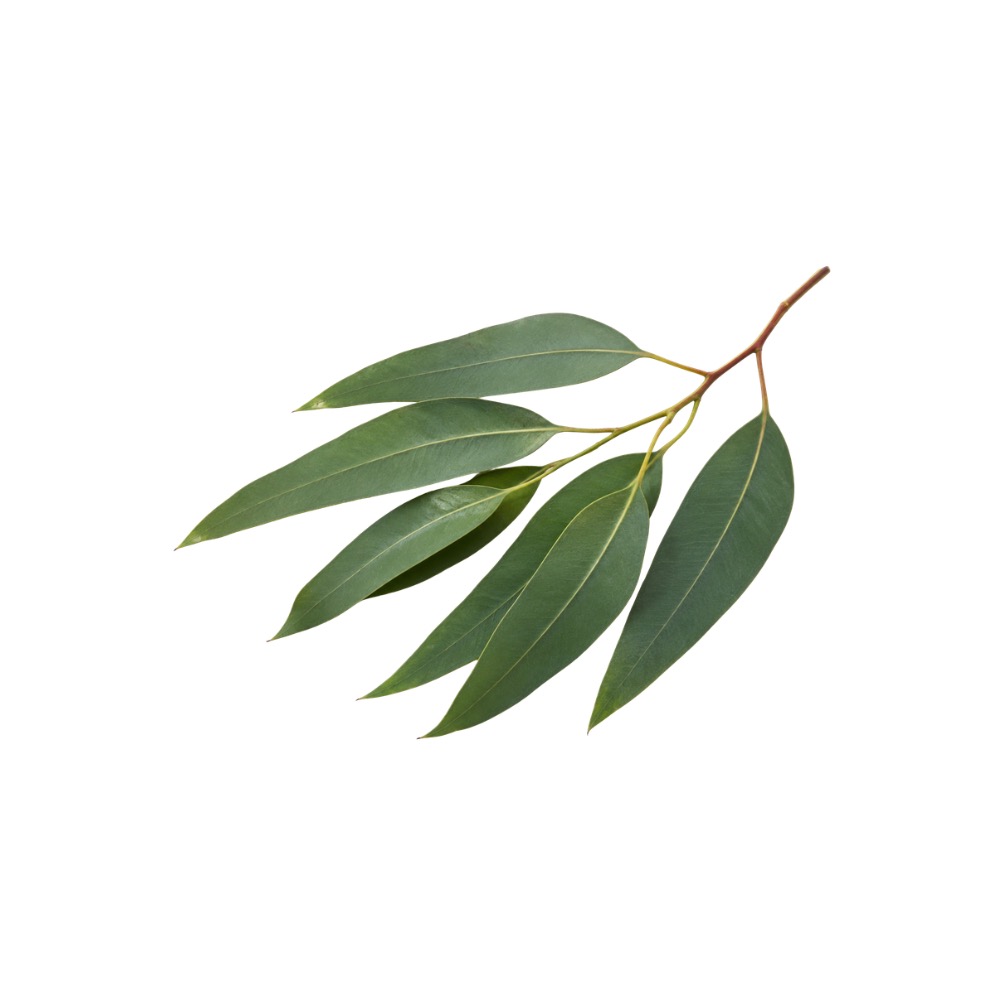 Source Eucalyptus Eucalyptus globulus Herb monograph →
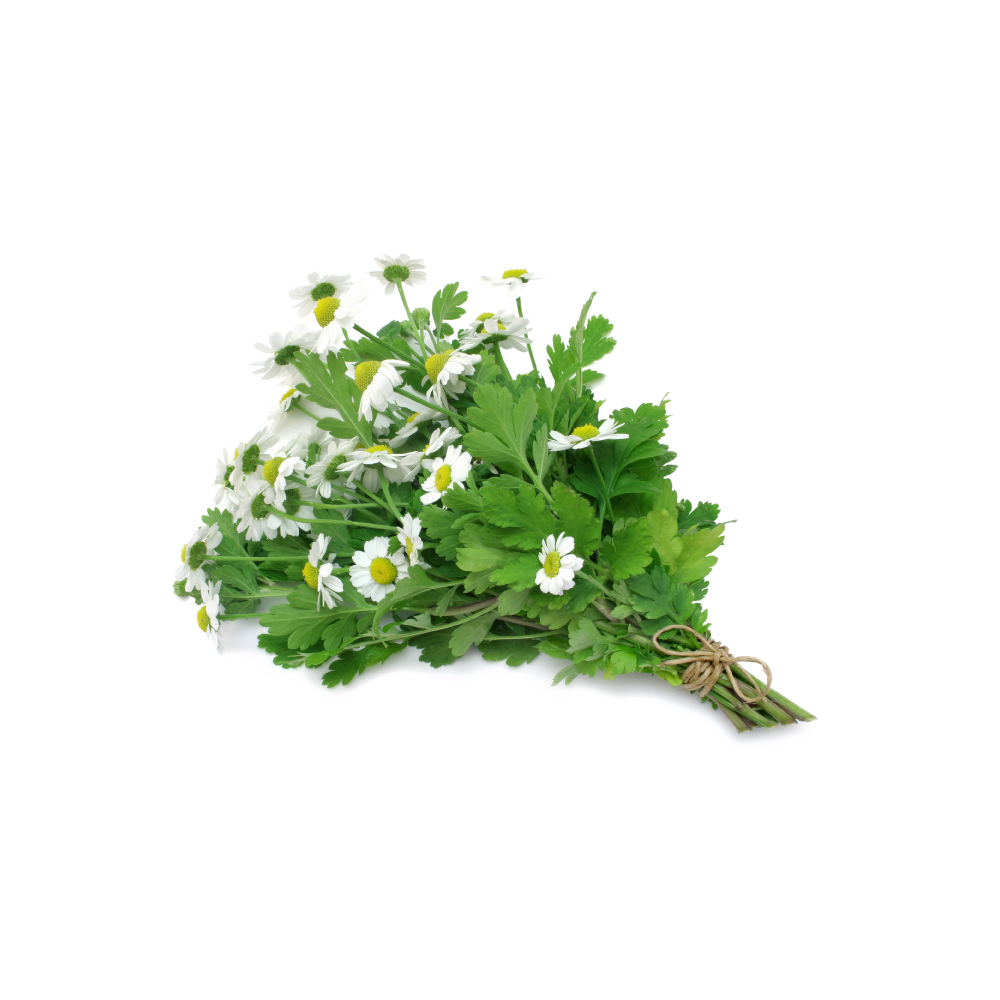 Source Feverfew Tanacetum parthenium Herb monograph →
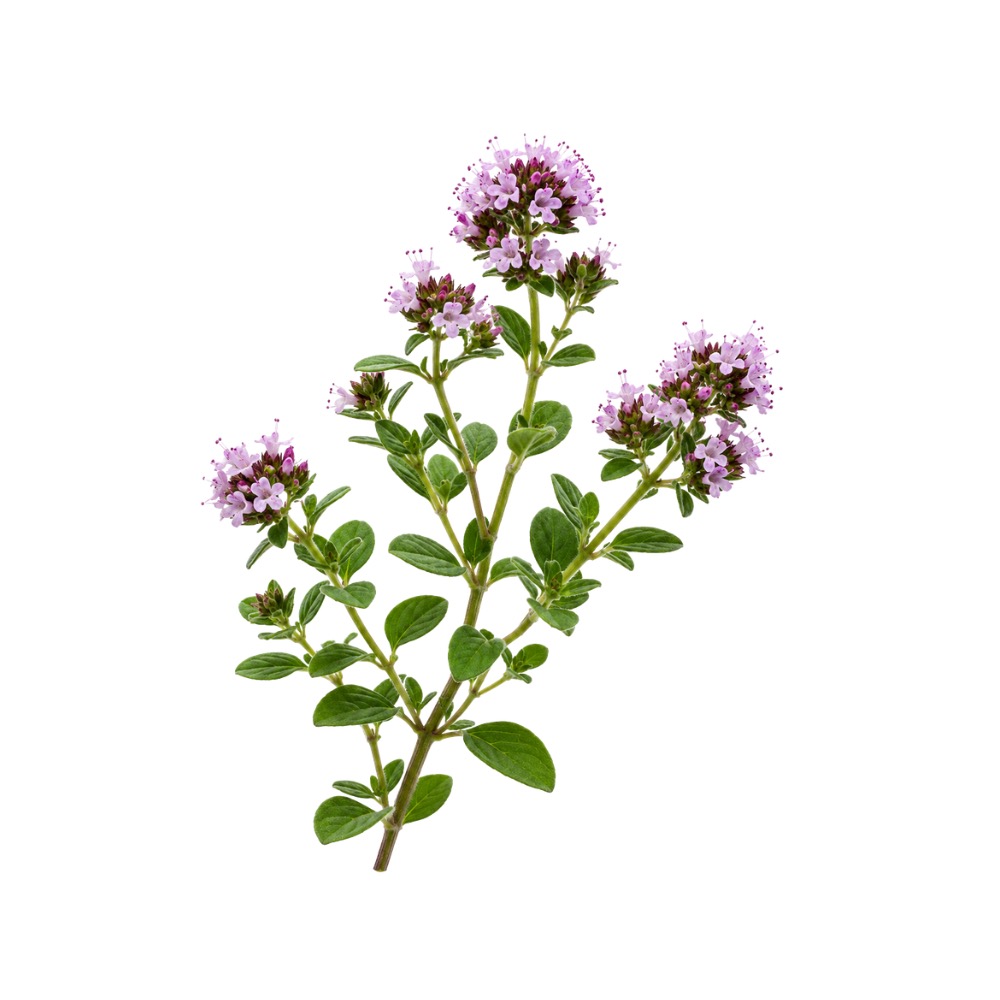 Source Marjoram Origanum majorana Herb monograph →
 Source Nigella Nigella sativa Herb monograph →
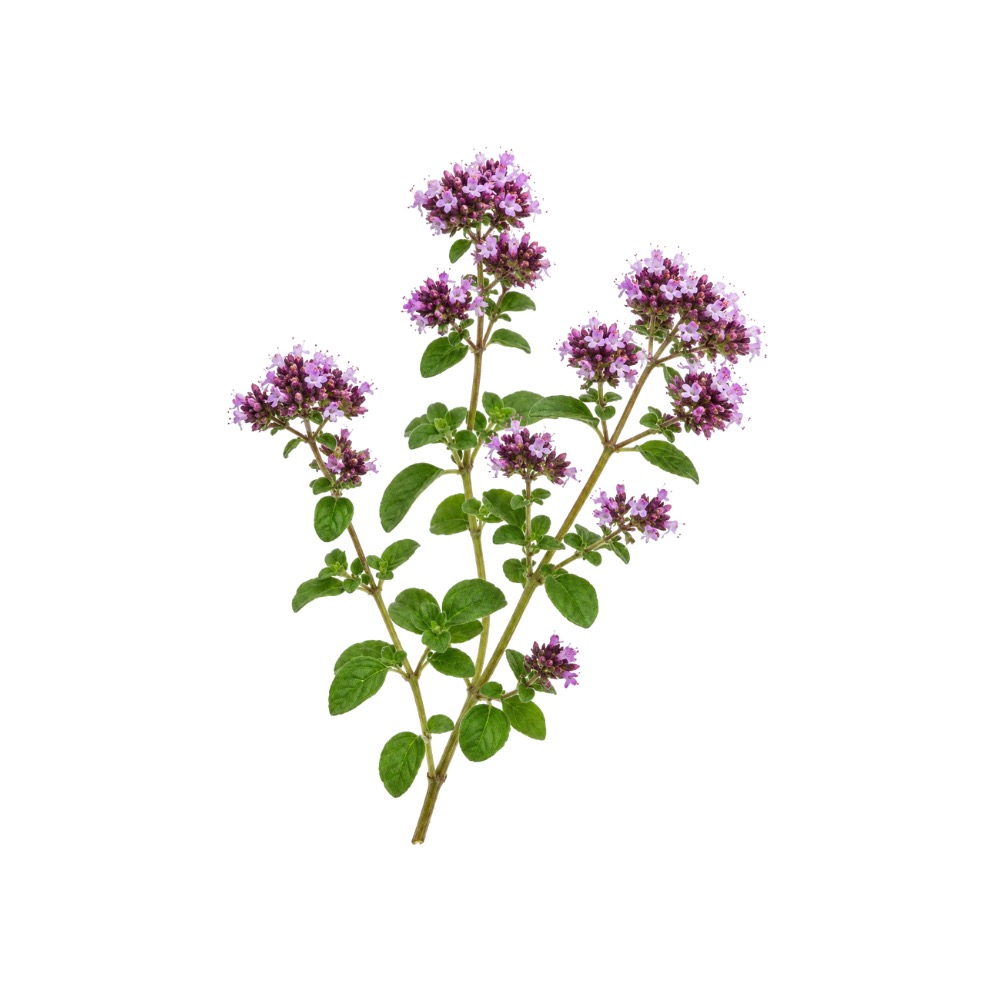 Source Oregano Origanum vulgare Herb monograph →
 Source Pine Pinus sylvestris Herb monograph →
Concentration
Content by Source
Reported concentrations across the plants that contain p-cymene — the bar marks the typical level, the line shows the reported range.
Literature figures for varying plant parts and preparations. Read them as a comparative guide, not exact assays.
p-Cymene at a Glance
p-Cymene is an aromatic monoterpene hydrocarbon of oregano, thyme and cumin oils, and the biosynthetic relative of carvacrol and thymol — long assumed to be the precursor from which both are made, and now known to be a side-product of the same pathway.
That missing hydroxyl is why it is a weak standalone antimicrobial where carvacrol and thymol are potent: the phenolic OH is what disrupts bacterial membranes. Its own data are moderate anti-inflammatory and analgesic effects, and it may enhance the activity of the phenols it accompanies.
The Precursor That Isn’t
For forty years p-cymene was the textbook intermediate between γ-terpinene and the phenols: geranyl diphosphate cyclises to γ-terpinene, γ-terpinene aromatises to p-cymene, and p-cymene is hydroxylated to thymol or carvacrol — the sequence proposed from feeding studies in thyme in 1978 9Reference 9Biosynthesis of aromatic monoterpenes: conversion of gamma-terpinene to p-cymene and thymol in Thymus vulgaris L — plant feeding studyView study →. It fitted the chemistry, and it fitted the observation that p-cymene and the phenols rise and fall together across thyme and oregano chemotypes.
In 2021 the enzymes were found, and the sequence was wrong in the middle. Cytochrome P450s of the CYP71D family hydroxylate γ-terpinene directly to unstable cyclohexadienols; a short-chain dehydrogenase then oxidises those to the ketones, which tautomerise to thymol and carvacrol. When the dehydrogenase is absent, the dienol intermediates rearrange instead — and the product is p-cymene 8Reference 8In vitroThe biosynthesis of thymol, carvacrol, and thymohydroquinone in Lamiaceae proceeds via cytochrome P450s and a short-chain dehydrogenase — enzyme characterisation, in vitro and in plantaView study →. p-Cymene is therefore not the precursor of the phenols but their shunt product: what the pathway makes when the last enzyme is missing or overwhelmed. The correlation the old scheme explained is still real, but the arrow points the other way.
The animal data say the same thing. Rats given p-cymene oxidise its side chains extensively and never hydroxylate the ring; only guinea-pigs make traces of carvacrol from it 10Reference 10Animalp-Cymene metabolism in rats and guinea-pigs — animal modelView study →. Neither plant nor animal turns p-cymene into the phenols in any quantity, which is why its pharmacology is its own and not a diluted version of theirs.
The Aromatic Monoterpene
p-Cymene is the only common monoterpene with a benzene ring, and that makes it the odd one out chemically. Its aromatic stability means it does not autoxidise to sensitisers the way α-terpinene, γ-terpinene and the pinenes do; instead it is what some of them turn into — α-terpinene in air-exposed tea tree oil rearranges to p-cymene among its degradation products, so a rising p-cymene fraction is the analytical signature of an ageing terpene oil 11Reference 11AnimalRudbäck J, Bergström MA, Börje A, et al. (2012). α-Terpinene, an antioxidant in tea tree oil, autoxidises rapidly to skin allergens on air exposure — chemical analysis and mouse local lymph node assay, animal model. Chem Res Toxicol. https://pubmed.ncbi.nlm.nih.gov/22250748/View study →. In a cumin, thyme or tea-tree oil the p-cymene figure therefore has two components: what the plant made, and what storage has made since.
The same stability explains its pharmacology. Without a phenolic hydroxyl it cannot do what carvacrol and thymol do to bacterial membranes — it partitions into the bilayer and swells it, easing the phenols in, but disrupts little on its own 1,
What It's Used For
p-Cymene is an aromatic monoterpene hydrocarbon of oregano, thyme and cumin oils, and the biosynthetic relative of the phenols carvacrol and thymol. The honest through-line: because it lacks the free hydroxyl that drives its phenol cousins’ potency, p-cymene is a weak standalone antimicrobial — its real contribution is as a membrane-permeabilizing potentiator of carvacrol. Its best-populated isolate evidence is rodent anti-inflammatory/analgesic activity. All evidence is animal or in-vitro; there are no isolated-compound human trials.
p-Cymene’s best-populated isolate evidence: it reduces carrageenan/edema and pain responses, lowers TNF-α/IL-1β/IL-6, and its analgesia is at least partly naloxone-reversible (opioid-system involvement) 4Reference 4The anti-hyperalgesic and anti-inflammatory profiles of p-cymene: involvement of the opioid system and cytokinesView study → across paw-edema, LPS acute-lung-injury and orofacial models 3,
Gap: entirely animal/in-vitro; no human trial of isolated p-cymene, often at high mg/kg doses or as enhanced-delivery formulations rather than the neat compound 3,
p-Cymene alone is a weak antimicrobial — a non-phenolic hydrocarbon lacking the free hydroxyl that drives carvacrol/thymol potency. Its real contribution is as a membrane-permeabilizing potentiator: it swells and disorders the phospholipid bilayer, lowering membrane potential and easing carvacrol’s entry, boosting the phenol’s activity in combination 1,
Gap: in-vitro/essential-oil combination data only; poor standalone MICs and no isolate infection study in humans 2Reference 2Update on monoterpenes as antimicrobial agents: a particular focus on p-cymeneView study →.
p-Cymene reduced oxidative-stress markers and engaged Nrf2/HO-1 in a rat liver-protection model (with thymol) 5Reference 5AnimalThymol and p-cymene protect the liver by mitigating oxidative stress, suppressing TNF-α/NF-κB and enhancing Nrf2/HO-1 in immobilised ratsView study →, and is catalogued as a naturally occurring dietary antioxidant 7Reference 7AnimalThe antioxidant monoterpene p-cymene reduced the occurrence of colorectal cancer in a hyperlipidaemia rat modelView study →.
Gap: mostly descriptive/model-specific; as a hydrocarbon it is a weaker direct radical scavenger than its phenolic cousins, with no human antioxidant trial 5,
p-Cymene reduced colorectal-tumor occurrence in a hyperlipidemic-rat model, attributed to lower oxidative stress and inflammatory-cytokine expression 7Reference 7AnimalThe antioxidant monoterpene p-cymene reduced the occurrence of colorectal cancer in a hyperlipidaemia rat modelView study →.
Gap: a single in-vivo model via an indirect (antioxidant/anti-inflammatory) mechanism rather than a defined oncological one, with no human data 7Reference 7AnimalThe antioxidant monoterpene p-cymene reduced the occurrence of colorectal cancer in a hyperlipidaemia rat modelView study →.
:::
Mechanisms
| Target / pathway | Effect | Relevant to |
|---|---|---|
| NF-κB signaling | ↓ TNF-α, IL-1β, IL-6, iNOS/COX-2 | anti-inflammatory (lunggut) |
| Nrf2 / HO-1 | ↑ antioxidant defenses, ↓ lipid peroxidation | antioxidant / organ protection |
| Opioid system (naloxone-reversible component) | ↓ nociception | analgesia |
| Bacterial membrane permeabilization | swells bilayer → potentiates carvacrol uptake | antimicrobial synergy |
Pharmacokinetics
p-Cymene behaves as a typical volatile monoterpene hydrocarbon: rapidly absorbed after oral or inhaled exposure, widely distributed to lipophilic tissue, then oxidized (toward cumic-acid / p-cymen-ol-type metabolites, overlapping carvacrol/thymol chemistry), conjugated and excreted largely in urine 1Reference 1Health-beneficial and pharmacological properties of p-cymeneView study →. High volatility and rapid metabolism give low, non-persistent systemic exposure. The practical implication (as with carvacrol) is that in-vitro potencies are unlikely to be sustained in plasma, so plausible activity is greatest at luminal, mucosal or topical surfaces. No dedicated human pharmacokinetic study of the isolate exists. The one measured dataset is in rodents: after oral or inhaled dosing, rats and guinea-pigs excreted 60–80% of a p-cymene dose in urine within 48 hours as eighteen metabolites — side-chain alcohols, diols, mono- and dicarboxylic acids and hydroxy-acids from oxidation of both the methyl and the isopropyl group, with cumic acid conjugated to glycine — and rats performed no ring hydroxylation at all, so p-cymene is not converted to carvacrol in the body 10Reference 10Animalp-Cymene metabolism in rats and guinea-pigs — animal modelView study →.
Clinical Trials
There are no completed, planned or terminated trials of isolated p-cymene. The registered thyme-oil studies in asthma and COPD are whole-oil trials in which p-cymene is one of several major components alongside thymol, and their results cannot be attributed to it. All human-relevant exposure is dietary or essential-oil; the evidence base is entirely preclinical.
| Completed | Planned | Terminated | Preclinical |
|---|---|---|---|
| None(isolated p-cymene) | None known | None | Moderate |
Last checked: September 2026.
Isolate vs. Plant Studies
The isolate file is better than its reputation. The β-cyclodextrin antinociception work 3Reference 3Improvement of p-cymene antinociceptive and anti-inflammatory effects by inclusion in β-cyclodextrinView study →, the opioid-and-cytokine hyperalgesia study 4Reference 4The anti-hyperalgesic and anti-inflammatory profiles of p-cymene: involvement of the opioid system and cytokinesView study →, the LPS lung-injury model 6Reference 6Animalp-Cymene protects mice against lipopolysaccharide-induced acute lung injury by inhibiting inflammatory cell activationView study → and the colorectal-cancer rat model 7Reference 7AnimalThe antioxidant monoterpene p-cymene reduced the occurrence of colorectal cancer in a hyperlipidaemia rat modelView study → all dosed pure p-cymene; the liver-protection study paired it with thymol 5Reference 5AnimalThymol and p-cymene protect the liver by mitigating oxidative stress, suppressing TNF-α/NF-κB and enhancing Nrf2/HO-1 in immobilised ratsView study →; and the rodent metabolism study is the isolate too 10Reference 10Animalp-Cymene metabolism in rats and guinea-pigs — animal modelView study →. What is missing is a human being — no trial, no pharmacokinetics.
The plant evidence is thyme’s and oregano’s, and it belongs to the phenols. Every antimicrobial claim for a p-cymene-rich oil is a carvacrol or thymol claim with p-cymene as the solvent that helps them in 2Reference 2Update on monoterpenes as antimicrobial agents: a particular focus on p-cymeneView study →; the two registered thyme-oil trials are thymol-led oils; and cumin, Nigella and epazote each have their own active (cuminaldehyde, thymoquinone, ascaridole) beside which p-cymene is the aromatic carrier 12,
Its Role in Plants
p-Cymene arises in the plant as the aromatised by-product of the thymol/carvacrol pathway — formed when the CYP71D-generated dienol intermediates rearrange rather than being dehydrogenated 8Reference 8In vitroThe biosynthesis of thymol, carvacrol, and thymohydroquinone in Lamiaceae proceeds via cytochrome P450s and a short-chain dehydrogenase — enzyme characterisation, in vitro and in plantaView study → — and it accumulates further after harvest as γ-terpinene and α-terpinene oxidise in the stored oil 11Reference 11AnimalRudbäck J, Bergström MA, Börje A, et al. (2012). α-Terpinene, an antioxidant in tea tree oil, autoxidises rapidly to skin allergens on air exposure — chemical analysis and mouse local lymph node assay, animal model. Chem Res Toxicol. https://pubmed.ncbi.nlm.nih.gov/22250748/View study →. It is not, as far as is known, made by a dedicated synthase or for a purpose of its own.
That does not make it inert. As a lipophilic aromatic it contributes to the membrane-active defence of the Lamiaceae oils by carrying the phenols into microbial and insect membranes 2Reference 2Update on monoterpenes as antimicrobial agents: a particular focus on p-cymeneView study →, and in cumin, Nigella and epazote it is part of the volatile deterrent blend. Its ecological life is largely as an enabler of other molecules — which is, in miniature, its whole story.
Prevalence in Nature
p-Cymene is among the most widely distributed aromatic volatiles in the plant kingdom, a regular component of Lamiaceae, Apiaceae and Cupressaceae oils and a marker of the thymol/carvacrol chemotypes 1Reference 1Health-beneficial and pharmacological properties of p-cymeneView study →. Epazote oils carry about 20% beside ascaridole and α-terpinene 12Reference 12In vitroComparative chemical, cytotoxicity and antileishmanial properties of essential oils from Chenopodium ambrosioides — GC-MS composition and in vitro studyView study →; black cumin seed oil 7–15%, beside thymoquinone 13Reference 13ReviewPharmacological and toxicological properties of Nigella sativa — reviewView study →; cumin seed oil 3–8%, beside cuminaldehyde and γ-terpinene 14Reference 14AnimalPhytochemical composition, hypnotic activity, and antinociceptive properties of cumin essential oil collected from various geographical regions — GC-MS composition study and mouse animal modelView study →; thyme and oregano oils run from a few percent to several tens of percent depending on chemotype, always inversely with γ-terpinene and in step with the phenols 1,
Major Natural Sources
| Source | Plant part | Reported p-cymene content |
|---|---|---|
| Epazote (Dysphania ambrosioides) | aerial-parts oil | 20.2–21.1% 12Reference 12In vitroComparative chemical, cytotoxicity and antileishmanial properties of essential oils from Chenopodium ambrosioides — GC-MS composition and in vitro studyView study → |
| Black cumin (Nigella sativa) | seed volatile oil | ~7–15% 13Reference 13ReviewPharmacological and toxicological properties of Nigella sativa — reviewView study → |
| Cumin (Cuminum cyminum) | seed oil | 3.2–7.9% 14Reference 14AnimalPhytochemical composition, hypnotic activity, and antinociceptive properties of cumin essential oil collected from various geographical regions — GC-MS composition study and mouse animal modelView study → |
| Thyme and oregano (Thymus, Origanum spp.) | aerial-parts oil | a few percent to tens of percent, chemotype-dependent 1, |
All figures are shares of the essential oil, and all rise as the oil ages.
Other Reported Sources
- Damiana — a minor volatile
- Eucalyptus, tea tree and other Myrtaceae oils — partly as an ageing product 11Reference 11AnimalRudbäck J, Bergström MA, Börje A, et al. (2012). α-Terpinene, an antioxidant in tea tree oil, autoxidises rapidly to skin allergens on air exposure — chemical analysis and mouse local lymph node assay, animal model. Chem Res Toxicol. https://pubmed.ncbi.nlm.nih.gov/22250748/View study →
- Marjoram, summer savory, Monarda and other Lamiaceae of the thymol/carvacrol type
- Boldo and Thuja leaf oils, in small amounts
Discovery & Synthesis
p-Cymene was among the first aromatic hydrocarbons recognised in an essential oil — identified in cumin oil in the mid-nineteenth century and named for the plant (Cuminum, hence “cymene”) — and its relationship to the terpenes was settled once the p-menthane skeleton was understood: it is the fully aromatised member of the series, the end point that terpinenes and terpinolene reach on dehydrogenation.
Commercial p-cymene is a petrochemical and a turpentine product at once. It is made by Friedel–Crafts alkylation of toluene with propylene, and by catalytic dehydrogenation of {lim} or dipentene from turpentine; the same hydrogenation/dehydrogenation catalysis converts bio-based limonene or {cin} to p-cymene in good yield 16Reference 16Precursor prioritization for p-cymene production through synergistic integration of biology and chemistry — synthetic biology and catalysisView study →, and has even been run on the limonene that comes off pyrolysed waste tyres 17Reference 17Converting waste tires into p-cymene through hydropyrolysis and selective gas-phase hydrogenation/dehydrogenation — chemical engineeringView study →. It is used as a solvent, a fragrance material and — completing the circle the plant does not — as the industrial starting point for synthetic carvacrol and for p-cresol.
Patents: not yet researched.
Toxicity & Safety
As the oregano-and-thyme volatile you eat with dinner, p-cymene raises no concern; the caveats all attach to the concentrated oil, which irritates skin and mucous membranes.
- A long-standing GRAS flavoring. Consumed in trace dietary amounts without notable concern, and documented as a common food constituent in total-diet surveys.
- Low acute oral toxicity in rodents. Therapeutic rodent doses are generally well tolerated.
- Skin and mucous-membrane irritant in concentrated form. Neat essential oils should be diluted.
- Isolated-compound human toxicology is limited. The reassurance is dietary, not clinical.
- No drug-interaction data. Any interaction with co-administered terpene phenols is theoretical, via shared metabolism.
Full Safety & Interactions Detail
p-Cymene has a low-toxicity profile — a long-standing GRAS flavoring agent consumed in trace dietary amounts without notable concern, and documented as a common food constituent in total-diet surveys 7Reference 7AnimalThe antioxidant monoterpene p-cymene reduced the occurrence of colorectal cancer in a hyperlipidaemia rat modelView study →.
Acute oral toxicity in rodents is low and therapeutic rodent doses are generally well tolerated 1Reference 1Health-beneficial and pharmacological properties of p-cymeneView study →.
In concentrated form it is a skin and mucous-membrane irritant, so neat essential oils should be diluted. Isolated-compound human toxicology is limited, and drug-interaction data are absent (theoretical only, via shared oxidative/conjugative metabolism with co-administered terpene phenols). The RIFM fragrance-ingredient safety assessment concluded p-cymene is safe at current fragrance use levels for the endpoints it evaluates 15Reference 15ReviewRIFM fragrance ingredient safety assessment, p-cymene, CAS Registry Number 99-87-6 — safety reviewView study →.
No reproductive-safety data exist for isolated or therapeutic-dose p-cymene. Culinary and flavouring exposure through oregano, thyme and cumin is long-standing; concentrated essential-oil exposure has not been assessed.
Dosage
There is no established or recommended human dose — the only regulatory standing is as a low-level flavoring at trace amounts. Preclinical rodent efficacy typically used ~50–100 mg/kg orally (frequently as a β-cyclodextrin inclusion complex to offset poor water solubility) 3Reference 3Improvement of p-cymene antinociceptive and anti-inflammatory effects by inclusion in β-cyclodextrinView study →; these animal figures do not extrapolate to people and are not a recommendation. These are doses studied in research and are not a personal recommendation.
References
- Balahbib A, et al. (2021). Health-beneficial and pharmacological properties of p-cymene. Food and Chemical Toxicology. https://pubmed.ncbi.nlm.nih.gov/33984423/
- Marchese A, et al. (2017). Update on monoterpenes as antimicrobial agents: a particular focus on p-cymene. Materials (Basel). https://pubmed.ncbi.nlm.nih.gov/28809799/
- Quintans JSS, et al. (2013). Improvement of p-cymene antinociceptive and anti-inflammatory effects by inclusion in β-cyclodextrin. Phytomedicine. https://pubmed.ncbi.nlm.nih.gov/23357360/
- de Santana MF, et al. (2015). The anti-hyperalgesic and anti-inflammatory profiles of p-cymene: involvement of the opioid system and cytokines. Pharmaceutical Biology. https://pubmed.ncbi.nlm.nih.gov/25856703/
- Peirovy Y, et al. (2024). Thymol and p-cymene protect the liver by mitigating oxidative stress, suppressing TNF-α/NF-κB and enhancing Nrf2/HO-1 in immobilised rats. Chemical Biology & Drug Design. https://pubmed.ncbi.nlm.nih.gov/39313485/
- Xie G, et al. (2012). p-Cymene protects mice against lipopolysaccharide-induced acute lung injury by inhibiting inflammatory cell activation. Molecules. https://pubmed.ncbi.nlm.nih.gov/22772811/
- Wang S, et al. (2021). The antioxidant monoterpene p-cymene reduced the occurrence of colorectal cancer in a hyperlipidaemia rat model. Anticancer Research. https://pubmed.ncbi.nlm.nih.gov/33788712/
- Krause ST, Liao P, Crocoll C, et al. (2021). The biosynthesis of thymol, carvacrol, and thymohydroquinone in Lamiaceae proceeds via cytochrome P450s and a short-chain dehydrogenase — enzyme characterisation, in vitro and in planta. Proc Natl Acad Sci U S A. https://pubmed.ncbi.nlm.nih.gov/34930840/
- Poulose AJ, Croteau R (1978). Biosynthesis of aromatic monoterpenes: conversion of gamma-terpinene to p-cymene and thymol in Thymus vulgaris L — plant feeding study. Arch Biochem Biophys. https://pubmed.ncbi.nlm.nih.gov/666313/
- Walde A, Ve B, Scheline RR, et al. (1983). p-Cymene metabolism in rats and guinea-pigs — animal model. Xenobiotica. https://pubmed.ncbi.nlm.nih.gov/6649683/
- Rudbäck J, Bergström MA, Börje A, et al. (2012). α-Terpinene, an antioxidant in tea tree oil, autoxidises rapidly to skin allergens on air exposure — chemical analysis and mouse local lymph node assay, animal model. Chem Res Toxicol. https://pubmed.ncbi.nlm.nih.gov/22250748/
- Monzote L, Nance MR, García M, et al. (2011). Comparative chemical, cytotoxicity and antileishmanial properties of essential oils from Chenopodium ambrosioides — GC-MS composition and in vitro study. Nat Prod Commun. https://pubmed.ncbi.nlm.nih.gov/21425695/
- Ali BH, Blunden G (2003). Pharmacological and toxicological properties of Nigella sativa — review. Phytother Res. https://pubmed.ncbi.nlm.nih.gov/12722128/
- Nouri A, Mofasseri M, Jahani R, et al. (2024). Phytochemical composition, hypnotic activity, and antinociceptive properties of cumin essential oil collected from various geographical regions — GC-MS composition study and mouse animal model. Food Sci Nutr. https://pubmed.ncbi.nlm.nih.gov/39619952/
- Api AM, Belsito D, Biserta S, et al. (2021). RIFM fragrance ingredient safety assessment, p-cymene, CAS Registry Number 99-87-6 — safety review. Food Chem Toxicol. https://pubmed.ncbi.nlm.nih.gov/33571609/
- Lin HH, Mendez-Perez D, Park J, et al. (2022). Precursor prioritization for p-cymene production through synergistic integration of biology and chemistry — synthetic biology and catalysis. Biotechnol Biofuels Bioprod. https://pubmed.ncbi.nlm.nih.gov/36397160/
- Wu J, Zhang Z, Li D, et al. (2024). Converting waste tires into p-cymene through hydropyrolysis and selective gas-phase hydrogenation/dehydrogenation — chemical engineering. Waste Manag. https://pubmed.ncbi.nlm.nih.gov/38071868/



