
Compound Monograph
Punicalagin
Punicalagin is the giant ellagitannin that makes pomegranate pomegranate — the dominant polyphenol of the peel and of commercial whole-fruit juice, and the compound behind most of the fruit's antioxidant reputation. It exists as two interconverting anomers, it is essentially not absorbed, and in humans it reaches the blood only after gut bacteria dismantle it into urolithins. So the large pomegranate trial literature is evidence for a preparation, not for this molecule.

Sources · 9
Where Does It Come From?
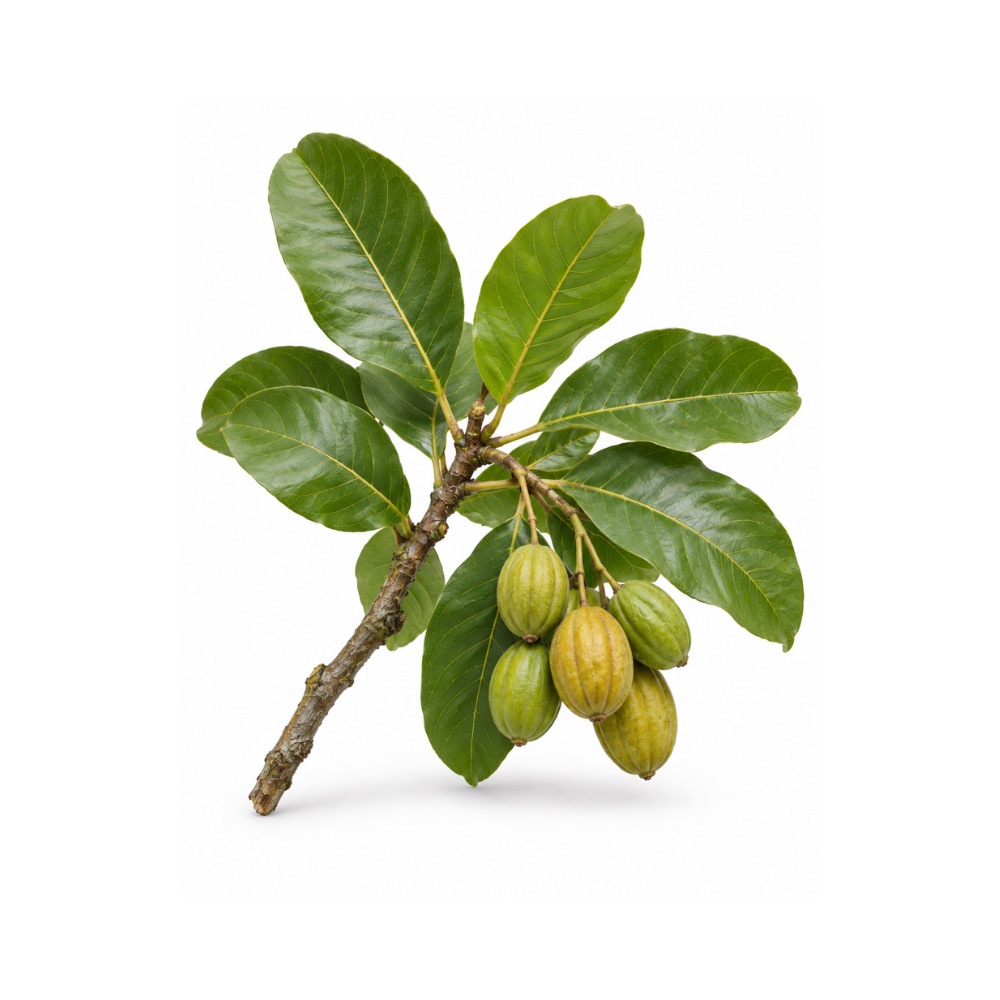
Punicalagin is a naturally occurring gallagyl-type ellagitannin (hydrolysable tannin): 2,3-(s)-hexahydroxydiphenoyl-4,6-(s,s)-gallagyl-d-glucose, found in Pomegranate, Haritaki, Yellow-wood and 6 other sources. It is flagged as moderately toxic.
Concentration
Content by Source
Reported concentrations across the plants that contain punicalagin — the bar marks the typical level, the line shows the reported range.
Literature figures for varying plant parts and preparations. Read them as a comparative guide, not exact assays.
Punicalagin at a Glance
Punicalagin is the largest and most abundant polyphenol in the pomegranate, and one of the largest single secondary metabolites routinely consumed by people. It is a gallagyl-type ellagitannin — a glucose core carrying a hexahydroxydiphenoyl (HHDP) group at positions 2 and 3 and a gallagyl group, an unusual four-ring dimer of gallic acid, bridging positions 4 and 6. The result is C48H28O30, molecular weight 1084.7, with thirty oxygens and seventeen free phenolic hydroxyls. That size and that hydroxyl density explain nearly everything about the molecule: it is a phenomenal radical scavenger and protein binder in a test tube, and it is far too large and too polar to cross a gut wall.
The molecule has an outsized reputation because pomegranate has an outsized evidence base. Pomegranate juice and extract have been through real randomised trials in real numbers — blood pressure, lipids, oxidative-stress markers — and punicalagin is by far the biggest phenolic peak in the preparation those trials used. It is therefore constantly named as the active. That inference is where it has to be careful, because two facts sit in the way of it.
The first is bioavailability. When six healthy volunteers drank a litre of pomegranate juice a day for five days — 4.37 g/L of punicalagin isomers, so more than 4 g of the molecule daily — neither punicalagin nor ellagic acid was detected in plasma or urine at all 5Reference 5In vitroThe potent in vitro antioxidant ellagitannins from pomegranate juice are metabolised into bioavailable but poor antioxidant hydroxy-6H-dibenzopyran-6-one derivatives by the colonic microflora of healthy humansView study →. What appeared instead were dibenzopyranone metabolites (what we now call urolithins) reaching up to 18.6 µM, with urinary recovery varying between individuals from 0.7% to 52.7% of the dose. The same study found those metabolites were poor antioxidants relative to punicalagin itself — so the molecule that does the antioxidant chemistry stays in the gut, and the molecules that reach the blood mostly don’t do it.
The second is provenance. Punicalagin is concentrated in the peel, not the fruit you eat. Juice pressed from arils alone contains only traces of it; commercial juice contains grams per litre because industrial pressing squeezes the rind 3Reference 3Antioxidant activity of pomegranate juice and its relationship with phenolic composition and processingView study →. Most “pomegranate extract” sold as a supplement is a husk extract standardised to punicalagin. The compound’s dietary story is therefore a story about food processing as much as about botany.
The α & β Anomers
Punicalagin is almost never one compound. The glucose core’s anomeric centre is free, so the molecule exists as an interconverting pair of anomers — α-punicalagin and β-punicalagin, universally reported as “punicalagin A and B” or simply “punicalagin isomers”. They separate cleanly on HPLC as two peaks, which is why quantitative papers so often report two numbers for what buyers and reviewers treat as one substance.
The interconversion is fast and spontaneous in solution. When Gosset-Erard and colleagues purified both forms from pomegranate peel and tested them separately, they found the two converted readily into one another and settled at an α/β equilibrium ratio of about 3:7 — and, importantly, that both forms were antibacterially active 14Reference 14Identification of punicalagin as the bioactive compound behind the antimicrobial activity of pomegranate (Punica granatum L.) peelsView study →. Preparative isolation of a single anomer is therefore a temporary achievement: leave it in solution and you get the mixture back.
Three practical consequences follow, and they are under-stated in the literature:
- Quantitation is ambiguous unless the paper says what it summed. A “punicalagin” figure may be the α peak, the β peak, or both. Which anomer dominates also depends on the material: one four-cultivar peel survey gave punicalagin A at 7,206 mg/kg against punicalagin B at 5,813 mg/kg in the same extract 45Reference 45Chemical, antioxidant, and antimicrobial properties of the peel and male flower by-products of four varieties of Punica granatum L. cultivated in the Marche region for their use in cosmetic productsView study →, the reverse of the 3:7 equilibrium ratio measured in pure solution 14Reference 14Identification of punicalagin as the bioactive compound behind the antimicrobial activity of pomegranate (Punica granatum L.) peelsView study →. The numbers here are α + β sums wherever the source allowed it.
- A “pure punicalagin” standard is a mixture. Commercial reference material is sold as “punicalagin A&B”. Bioassay results attributed to punicalagin are therefore anomer-mixture results, essentially always.
- Nobody has separated the pharmacology. No study here distinguishes an activity of α from an activity of β. Given how fast they equilibrate, it is not obvious the distinction is even experimentally accessible in a cell assay.
This is a real contrast with the other C-glycosidic and HHDP ellagitannins here. Castalagin and vescalagin are C-1 epimers whose activities genuinely diverge and do not interconvert, because a carbon–carbon bond locks their configuration. Punicalagin’s anomers are the opposite case: chemically distinguishable, biologically inseparable.
Peel, Juice and What “Pomegranate Extract” Means
The most decision-relevant fact about punicalagin supply is that the fruit’s edible part is the poor source. Fischer’s HPLC-MS survey of pomegranate tissues found punicalagin at 11–20 g per kilogram of dry matter in peel and mesocarp — one to two percent of the dry weight of the rind — against 4 to 565 mg/L across differently produced juices, a more than hundredfold spread that tracked directly with how much peel the pressing method involved 4Reference 4Identification and quantification of phenolic compounds from pomegranate (Punica granatum L.) peel, mesocarp, aril and differently produced juices by HPLC-DAD-ESI/MSⁿView study →.
Gil’s earlier work made the same point more starkly: commercial pomegranate juices contained 1,500–1,900 mg/L of punicalagin, while juice pressed in the laboratory from arils only contained mere traces — and the commercial juices were correspondingly more antioxidant 3Reference 3Antioxidant activity of pomegranate juice and its relationship with phenolic composition and processingView study →. The 2004 human bioavailability study used a juice at 4,370 mg/L, at the top of the commercial range 5Reference 5In vitroThe potent in vitro antioxidant ellagitannins from pomegranate juice are metabolised into bioavailable but poor antioxidant hydroxy-6H-dibenzopyran-6-one derivatives by the colonic microflora of healthy humansView study →.
So:
- Aril juice and fresh seeds deliver anthocyanins, sugars and a little ellagic acid, and almost no punicalagin.
- Commercial whole-fruit juice delivers grams per litre, because the rind is in the press.
- “Pomegranate extract” capsules are usually husk extracts standardised to punicalagin — the ingredient used in the human supplement trials here is a peel-derived extract standardised to 30% punicalagin 33Reference 33RCTOral supplement containing hydroxytyrosol and punicalagin improves dyslipidemia in an adult population without co-adjuvant treatment — a randomized, double-blind, controlled and crossover trialView study →.
That inversion is why the pomegranate industry’s largest waste stream is also its most valuable one, and why “pomegranate” on a supplement label almost always means the part of the fruit you throw away.
And the method decides the number as much as the tissue does. Fischer’s HPLC-DAD survey put peel and mesocarp at 11–20 g/kg dry matter — about 11–20 mg per gram 4Reference 4Identification and quantification of phenolic compounds from pomegranate (Punica granatum L.) peel, mesocarp, aril and differently produced juices by HPLC-DAD-ESI/MSⁿView study →. Optimised ultrasonic-assisted extraction of the same tissue, at 53% ethanol and 757 W for 25 minutes, returned a punicalagin yield of 505.89 ± 1.73 mg/g dry weight 16Reference 16Pomegranate peel-derived punicalagin — ultrasonic-assisted extraction, purification, and its α-glucosidase inhibitory mechanismView study →. Both figures are real, both were measured properly, and they differ by roughly thirtyfold — because one is a survey of what is in the tissue and the other is the output of a process tuned to pull as much of it out as possible.
The practical consequence is that “standardised to punicalagin” means nothing without the method attached. A percentage on a label is a property of an extraction, not of a plant, and two products carrying the same number can be describing different things.
What It's Used For
Punicalagin’s pharmacology divides sharply into two piles that are constantly conflated. The larger pile is pomegranate: juice and extract trials, real randomised human data, punicalagin named as the presumed active. The smaller pile is punicalagin: purified-molecule assays, overwhelmingly in vitro, at micromolar-to-millimolar concentrations that plasma will never see. Almost every claim below belongs to one pile or the other, and the page labels which.
The heaviest human evidence attached to this molecule’s name, and the least attributable to it. Meta-analyses of randomised trials find pomegranate juice lowers both systolic and diastolic blood pressure 30Reference 30Meta-analysisEffects of pomegranate juice on blood pressure — a systematic review and meta-analysis of randomized controlled trialsView study →, with later meta-analyses reaffirming a modest systolic effect and a dose-response across cardiometabolic risk factors 31Reference 31Meta-analysisThe effects of pomegranate consumption on blood pressure in adults — a systematic review and meta-analysisView study →.
Punicalagin is the dominant polyphenol in the juices used, so it is routinely credited; the proposed mechanisms are ACE inhibition, NF-κB suppression and eNOS/NO support.
Gap: every trial in this body of evidence administered whole pomegranate, and none measured punicalagin exposure. The human bioavailability data make direct attribution particularly awkward here: the parent molecule was undetectable in plasma in the one study that looked 5Reference 5In vitroThe potent in vitro antioxidant ellagitannins from pomegranate juice are metabolised into bioavailable but poor antioxidant hydroxy-6H-dibenzopyran-6-one derivatives by the colonic microflora of healthy humansView study →, so any systemic vascular effect has to be carried by urolithins, anthocyanins, or something else in the juice. This same evidence base is scored on ellagic acid at a comparable level, for the same reason — the trials cannot separate the two.
The rarest thing in this literature: human trials that name a punicalagin dose. Two randomised, double-blind, placebo-controlled crossover trials of the same two-ingredient supplement — 195 mg/day punicalagin from a peel extract standardised to 30%, plus 9.9 mg/day hydroxytyrosol — reported improved flow-mediated dilatation, lower systolic and diastolic blood pressure in the (pre)hypertensive subgroup and reduced oxidised LDL in those with higher baseline levels 32Reference 32RCTSupplementation with hydroxytyrosol and punicalagin improves early atherosclerosis markers involved in the asymptomatic phase of atherosclerosis in the adult population — a randomized, placebo-controlled, crossover trialView study →, and in the second trial reduced triglycerides and LDL-C, and raised HDL-C, in the corresponding dyslipidaemic subgroups 33Reference 33RCTOral supplement containing hydroxytyrosol and punicalagin improves dyslipidemia in an adult population without co-adjuvant treatment — a randomized, double-blind, controlled and crossover trialView study →.
Gap: two ingredients, one research group, one sponsor (an author is employed by the extract manufacturer), 67 completers, and benefits that concentrate in already-affected subgroups rather than the whole population. The hydroxytyrosol arm of the same formulation is discussed on that molecule’s page, where the identical caveat applies in mirror image: neither ingredient has been tested alone against the combination. This is real human evidence for a product, and weak evidence for punicalagin.
The most mechanistically satisfying isolate work on this molecule. Punicalagin and chebulagic acid — both purified from Terminalia chebula fruit — inhibit HSV-1 entry and cell-to-cell spread by targeting the interaction between viral glycoproteins and cell-surface glycosaminoglycans; the activity was abolished in mutant cells unable to make heparan sulfate and restored when heparan-sulfate biosynthesis was reconstituted, which is about as clean a mechanism demonstration as this literature offers 18Reference 18Hydrolyzable tannins (chebulagic acid and punicalagin) target viral glycoprotein–glycosaminoglycan interactions to inhibit herpes simplex virus 1 entry and cell-to-cell spreadView study →.
On that basis the pair was tested against a panel of viruses that also use GAGs for attachment and inhibited HCMV, HCV, dengue, measles and RSV at micromolar concentrations without significant cytotoxicity 19Reference 19Broad-spectrum antiviral activity of chebulagic acid and punicalagin against viruses that use glycosaminoglycans for entryView study →.
Independently, when four pomegranate polyphenols (ellagic acid, caffeic acid, luteolin and punicalagin) were compared head to head against influenza A, punicalagin was identified as the effective component — blocking viral RNA replication, inhibiting haemagglutination of chicken red cells and acting virucidally, with the parent extract synergising with oseltamivir 20Reference 20Pomegranate (Punica granatum) purified polyphenol extract inhibits influenza virus and has a synergistic effect with oseltamivirView study →.
Older work found punicalagin among tannins inhibiting HIV replication in H9 lymphocytes with little cytotoxicity, though the mechanism was not reverse-transcriptase inhibition 22Reference 22Anti-AIDS agents, 2: inhibitory effects of tannins on HIV reverse transcriptase and HIV replication in H9 lymphocyte cellsView study →.
Punicalagin also reduced hepatitis B cccDNA formation alongside punicalin and geraniin 21Reference 21Identification of hydrolyzable tannins (punicalagin, punicalin and geraniin) as novel inhibitors of hepatitis B virus covalently closed circular DNAView study →, and inhibits the influenza PA endonuclease at IC50 0.52–1.00 µM 39Reference 39Multi-detector based at-line nanofractionation strategy accelerates discovery of influenza PA endonuclease inhibitors from Terminalia chebula RetzView study →.
Gap: every result is in cell culture. There is no in-vivo antiviral study of isolated punicalagin, no pharmacokinetic route by which an unabsorbed tannin would reach a systemic viral infection, and the GAG-blocking mechanism is inherently a surface mechanism — which points to topical, mucosal or luminal application, not an oral antiviral.
Real activity, but the numbers across laboratories are irreconcilable and the page will not smooth that over. Bioassay-guided fractionation of pomegranate peel identified punicalagin, in both anomeric forms, as the antibacterial principle, with MICs of 0.3–1.2 µg/mL against 10 of 13 Gram-positive and 2 of 3 Gram-negative strains plus a yeast 14Reference 14Identification of punicalagin as the bioactive compound behind the antimicrobial activity of pomegranate (Punica granatum L.) peelsView study →.
Against that, a 2024 study of multidrug-resistant Enterobacteriaceae found punicalagin had no MIC at all up to 10 mg/mL in broth dilution — four orders of magnitude apart — and concluded it works as a sensitiser rather than an antibiotic: at sub-inhibitory 30–500 µg doses it synergised with aminoglycosides, β-lactams and fluoroquinolones against MDR Salmonella Typhi, S. Typhimurium and E. coli 24Reference 24Punicalagin, a pomegranate polyphenol, sensitizes the activity of antibiotics against three MDR pathogens of the EnterobacteriaceaeView study →.
Some of that gap is assay format (agar diffusion versus broth dilution, where a tannin’s protein binding behaves very differently), some is strain panel, and none of it is resolved.
The best-characterised individual result is against MRSA: punicalagin suppresses transcription of the mec operon (mecA, mecI, mecR1), lowering PBP2a and restoring oxacillin activity 23Reference 23Punicalagin suppresses methicillin resistance of Staphylococcus aureus to oxacillinView study →. That is a different route to the same endpoint reached by tellimagrandin I and corilagin, which inactivate PBP2a directly — a genuinely instructive divergence within one chemical class.
Gap: in vitro throughout. The MIC discrepancy above is unexplained and should make anyone cautious about quoting a single potency figure. And the site’s own typhoid page cites this work — correctly as an in-vitro adjuvant concept, which is exactly what it is.
The application best matched to where the molecule actually is. Orally administered isolated punicalagin at 100 mg/kg/day alleviated DSS-induced colitis in mice, shifting the microbiota toward Lachnospiraceae_NK4A136 and Bifidobacterium — and critically, the anti-colitic effect was transferable to antibiotic-treated mice by faecal transplant and by sterile faecal filtrate, identifying the microbiota and its metabolites, rather than punicalagin itself, as the proximate cause 25Reference 25AnimalGut microbiota and D-ribose mediate the anti-colitic effect of punicalagin in DSS-treated miceView study →.
A pomegranate peel extract containing punicalin, punicalagin and ellagic acid likewise reduced colonic damage, weight loss and bacterial translocation to the spleen in Citrobacter rodentium infectious colitis — though it did not reduce colonisation or blunt the Th1/Th17 response, so the benefit was damage-limitation rather than clearance 26Reference 26AnimalPomegranate peel extract reduced colonic damage and bacterial translocation in a mouse model of infectious colitis induced by Citrobacter rodentiumView study →.
Gap: rodent only. No human IBD trial has used punicalagin or a punicalagin-standardised extract. The FMT result is the important one and cuts both ways: it is the strongest evidence that the molecule does something real in a living animal, and the strongest evidence that what it does is change bacteria rather than act on host cells.
Punicalagin is, on paper, an exceptional antioxidant — seventeen phenolic hydroxyls, and it was identified as the most potent in vitro antioxidant polyphenol in pomegranate juice, with commercial juices out-scoring red wine and green tea in ABTS, DPPH, DMPD and FRAP assays in direct proportion to their punicalagin content 3Reference 3Antioxidant activity of pomegranate juice and its relationship with phenolic composition and processingView study →.
Purified from husk it scavenges DPPH and ABTS radicals with IC50s around 110 and 150 µg/mL 15Reference 15Characterisation of pomegranate-husk polyphenols and semi-preparative fractionation of punicalaginView study →, and it chelates Cu²⁺ and Zn²⁺, which is one route by which it suppresses metal-induced amyloid-β and prion-peptide aggregation in vitro 37Reference 37Effect of cycloastragenol and punicalagin on PrP(106–126) and Aβ(25–35) oligomerization and fibrillizationView study →.
In human placental trophoblasts, punicalagin — but not ellagic acid — reduced oxidative stress and stimulus-induced apoptosis, mirroring the effect of whole pomegranate juice 27Reference 27Pomegranate juice and punicalagin attenuate oxidative stress and apoptosis in human placenta and in human placental trophoblastsView study →.
Gap: the human study that looked hardest at this deflated it. Cerdá and colleagues found that the in-vivo generated metabolites, which are the only species reaching the blood, did not show significant antioxidant activity compared with punicalagin from the juice, and no relevant change appeared in any of thirty-four haematological and serobiochemical parameters over five days of high-dose juice 5Reference 5In vitroThe potent in vitro antioxidant ellagitannins from pomegranate juice are metabolised into bioavailable but poor antioxidant hydroxy-6H-dibenzopyran-6-one derivatives by the colonic microflora of healthy humansView study →. So the antioxidant chemistry is genuine, and its plausible venue is the gut lumen and the food itself — not human plasma.
A large in-vitro oncology set, and the selectivity discipline matters here because punicalagin is a protein-binding polyphenol that will look cytotoxic to anything at high enough concentration. Punicalagin inhibited proliferation of PC-3 and LNCaP prostate cancer cells and induced caspase-3/-8-mediated apoptosis, with an anti-angiogenic signal in the chick chorioallantoic membrane assay — and, usefully, viability of normal BPH-1 prostate cells was not significantly affected at the same 10–100 µM concentrations, the one real selectivity comparison in this set 28Reference 28Punicalagin, a polyphenol from pomegranate fruit, induces growth inhibition and apoptosis in human PC-3 and LNCaP cellsView study →.
Among ellagitannins from Terminalia calamansanai, punicalagin induced apoptosis in HL-60 leukaemia cells at IC50 74.8 µM, which was weaker than sanguiin H-4 (38.0 µM) and 2-O-galloylpunicalin (42.2 µM) from the same plant 29Reference 29In vitroEllagitannins from Terminalia calamansanai induced apoptosis in HL-60 cellsView study →.
Punicalagins also inhibit CYP1A1 with 5–10-fold selectivity over CYP1B1, though in that study the microbial metabolite urolithin A was the more potent CYP1B1 inhibitor 42Reference 42Effects of pomegranate chemical constituents/intestinal microbial metabolites on CYP1B1 in 22Rv1 prostate cancer cellsView study →.
Gap: no animal tumour study of isolated punicalagin, no human trial, and — the ceiling on all of it — active concentrations of 10–100 µM against a molecule that is undetectable in human plasma. A tumour cell in a person will not meet punicalagin. Reviews that assemble this material into a case for “pomegranate in cancer” 34Reference 34Pomegranate, its components, and modern deliverable formulations as potential botanicals in the prevention and treatment of various cancersView study → should be read as mechanism catalogues, not efficacy evidence.
Thin, but with one interesting target. Punicalagin isolated from Terminalia bentzoe bark inhibited both human and Plasmodium falciparum N-myristoyltransferase, in vitro and in cellulo — the first report of a plant natural product hitting PfNMT, an established antimalarial target 43Reference 43N-myristoyltransferases inhibitory activity of ellagitannins from Terminalia bentzoë (L.) L. f. subsp. bentzoëView study →.
Separately, pure punicalagin showed strong antioxidant and anti-inflammatory-like activity (against myeloperoxidase and neutrophil ROS) alongside Terminalia mollis root extracts that were active against Trypanosoma brucei brucei at IC50 3.7–6.1 µg/mL 44Reference 44In vitroIn vitro antileishmanial, antitrypanosomal, and anti-inflammatory-like activity of Terminalia mollis root barkView study →.
A third strand works on the host rather than the parasite: a tannin-enriched fraction of pomegranate fruit rind and its constituents punicalagin and ellagic acid inhibited MMP-9 secretion and expression in THP-1 monocytes stimulated with haemozoin or TNF, acting at the transcriptional level by suppressing the MMP-9 promoter and NF-κB-driven transcription — the pathway implicated in the onset of cerebral malaria, and the proposed second mechanism behind the rind’s use as an antimalarial in Orissa 46Reference 46In vitroEllagitannins of the fruit rind of pomegranate (Punica granatum) antagonize in vitro the host inflammatory response mechanisms involved in the onset of malaria — in vitroView study →.
The urolithins did the same 46Reference 46In vitroEllagitannins of the fruit rind of pomegranate (Punica granatum) antagonize in vitro the host inflammatory response mechanisms involved in the onset of malaria — in vitroView study →.
Gap: the antitrypanosomal activity belongs to the extract, not to punicalagin — and the extract that had been stripped of tannins was equally active, which argues against the tannins carrying it 44Reference 44In vitroIn vitro antileishmanial, antitrypanosomal, and anti-inflammatory-like activity of Terminalia mollis root barkView study →. The NMT result is a genuine isolate finding but is enzyme-level only, with no parasite-clearance or animal data. This is a drug-discovery lead, not an antiparasitic use.
The most speculative section, and it is included because the claim circulates. In rodents, punicalagin has been reported to reverse monoamine depletion, lower acetylcholinesterase activity and raise BDNF and Nrf2 signalling in a manganese-induced Parkinsonian model 35Reference 35AnimalNeuroprotective effects of punicalagin and/or micronized zeolite clinoptilolite on manganese-induced Parkinson’s disease in a rat model — involvement of multiple pathwaysView study →; a 2024 review assembles the preclinical case for punicalagin as a nutraceutical for mild cognitive impairment, citing antioxidant, anti-neuroinflammatory, pro-neurogenic and neurotransmitter-modulating mechanisms 36Reference 36Pomegranate polyphenol punicalagin as a nutraceutical for mitigating mild cognitive impairment — an overview of beneficial propertiesView study →.
In vitro it inhibits metal-induced aggregation of amyloid-β(25–35) and PrP(106–126) peptides and reduces their cytotoxicity in hippocampal HT-22 cells 37Reference 37Effect of cycloastragenol and punicalagin on PrP(106–126) and Aβ(25–35) oligomerization and fibrillizationView study →.
Gap: no human cognitive trial has administered punicalagin, and the review that argues for it says so 36Reference 36Pomegranate polyphenol punicalagin as a nutraceutical for mitigating mild cognitive impairment — an overview of beneficial propertiesView study →. More fundamentally, a 1,085-dalton polyphenol with seventeen hydroxyls that is undetectable in plasma is not plausibly reaching the brain. If pomegranate has a cognitive effect, the candidate species are the urolithins, not this molecule.
Mechanisms
| Target / pathway | Acting species | Evidence | Maps to |
|---|---|---|---|
| Viral glycoprotein ↔ heparan sulfate / chondroitin sulfate binding | punicalagin (isolate) | in vitro, mechanism confirmed by GAG-deficient cell rescue | antiviral (HSV-1HCMVHCVDENVMVRSV) |
| Influenza viral RNA replication + haemagglutination; PA endonuclease (IC50 0.52–1.00 µM) | punicalagin (isolate) | in vitro | antiviral (influenza) |
| MRSA mec operon transcription → ↓PBP2a | punicalagin (isolate) | in vitro | antibacterialβ-lactam potentiation |
| Gram-negative efflux/permeability — sub-inhibitory synergy with 3 antibiotic classes | punicalagin (isolate) | in vitro | antibiotic adjuvant |
| Gut microbiota composition (Lachnospiraceae, Bifidobacterium) | punicalagin (isolate) | mouse, FMT-transferable | anti-inflammatory (colonic) |
| Radical scavenging + Cu²⁺/Zn²⁺ chelation | punicalagin (isolate) | in vitro; not reproduced by circulating metabolites | antioxidant (luminal only) |
| α-Glucosidase — mixed-type inhibition, IC50 58–82 µg/mL | punicalagin (isolate) | in vitro | glycaemic (luminal) |
| Caspase-3/-8 apoptosis, anti-angiogenesis | punicalagin, 10–100 µM | cell culture + CAM assay | anticancer (unproven) |
| Plasmodium falciparum N-myristoyltransferase | punicalagin (isolate) | enzyme + cellular | antiparasitic lead |
| CYP1A1 inhibition (5–10× selective over CYP1B1) | punicalagin (isolate) | recombinant enzyme | interaction signal |
| MMP-9 promoter + NF-κB-driven transcription in monocytes | punicalagin (isolate) and urolithins | in vitro, THP-1 cells | anti-inflammatory (cerebral-malaria pathway) |
| ACE / NF-κB / eNOS — the presumed vascular mechanism | pomegranate preparation | human RCT meta-analyses | blood pressure |
Read this table with the exposure column in mind. Only the microbiota, α-glucosidase, luminal-antioxidant and topical/mucosal rows describe something that can happen in a person who swallows punicalagin. The rest describe what the molecule does when it is placed in a tube with a target it will never meet in vivo.
Pharmacokinetics
Punicalagin is not detectably absorbed by humans. In the only dedicated human study, six volunteers drank 1 L/day of pomegranate juice containing 4.37 g/L of punicalagin isomers for five days; neither punicalagin nor ellagic acid appeared in plasma or urine 5Reference 5In vitroThe potent in vitro antioxidant ellagitannins from pomegranate juice are metabolised into bioavailable but poor antioxidant hydroxy-6H-dibenzopyran-6-one derivatives by the colonic microflora of healthy humansView study →. What did appear were three microbial dibenzopyranone metabolites — the compounds now called urolithins — reaching up to 18.6 µM in plasma, detectable in urine from day one, with total urinary excretion ranging from 0.7% to 52.7% of the ingested punicalagin between individuals 5Reference 5In vitroThe potent in vitro antioxidant ellagitannins from pomegranate juice are metabolised into bioavailable but poor antioxidant hydroxy-6H-dibenzopyran-6-one derivatives by the colonic microflora of healthy humansView study →. That seventy-fold spread, recorded in 2004 before anyone had a name for it, is the phenomenon later formalised as the urolithin metabotypes.
The conversion runs: punicalagin → hydrolysis in the gut to gallagic acid and ellagic acid → stepwise microbial dehydroxylation to urolithin C, then urolithin A, and in some people isourolithin A and urolithin B. That this is microbial rather than mammalian chemistry was demonstrated directly, by incubating punicalagin with human faecal samples and recovering urolithin A — with “very different production rates and concentrations” between donors 10Reference 10Identification of urolithin A as a metabolite produced by human colon microflora from ellagic acid and related compoundsView study →. People sort into reproducible metabotypes: A (urolithin A only), B (also isourolithin A and urolithin B) and 0 (essentially no production), consistent across trials regardless of food source, and drifting with age toward metabotype B and non-production 11,
The rat data differ in one respect worth stating, because it is often mis-cited as human data: in rats fed a 6% punicalagin diet (0.6–1.2 g/day) for 37 days, punicalagin was detected in plasma at around 30 µg/mL, and gallagic acid plus urolithin derivatives were found in liver and kidney 6Reference 6AnimalEvaluation of the bioavailability and metabolism in the rat of punicalagin, an antioxidant polyphenol from pomegranate juiceView study →. Only 3–6% of the ingested dose was recovered as identified metabolites in urine and faeces, so the bulk of it is either degraded past recognition or unaccounted for. Extreme dietary loading in a rodent is not a model of human juice-drinking, and the human study remains the governing one.
The practical read: assume plasma punicalagin is zero. Any in-vitro IC50 in the micromolar range is unreachable systemically. The molecule’s real venues are the gut lumen, mucosal surfaces, and — via the urolithins it becomes — a systemic exposure that is not punicalagin at all.
Clinical Trials
There is no completed clinical trial of isolated punicalagin for any indication. The human literature is of two kinds: many trials of pomegranate juice or extract in which punicalagin is the presumed active but is never dosed or measured, and two crossover RCTs of a punicalagin-plus-hydroxytyrosol supplement in which the punicalagin dose is stated (195 mg/day) but is not the only ingredient 32,
| Isolated punicalagin | Punicalagin-containing supplement | Pomegranate juice/extract | Bioavailability |
|---|---|---|---|
| None | 2 crossover RCTs (n = 67 completers), one group, industry-sponsored | Many RCTs + meta-analyses (BP, lipids, oxidative markers) | 1 human study (n = 6): parent molecule undetectable |
Last checked: August 2026.
Isolate vs. Plant Studies
Punicalagin is one of the clearest isolate-versus-plant cases here, because for once the two literatures are both large.
Where the plant carries the evidence. All the meaningful human data — blood pressure, lipids, oxidative-stress markers — comes from pomegranate juice or peel extract 30,
Where the isolate carries the evidence. The antiviral GAG mechanism 18,
Where the attribution goes wrong. Punicalagin’s name is regularly borrowed for whole-extract findings — the anti-adenoviral work is a good corrective, since in that study gallic acid and the n-butanol fraction, not punicalagin, carried the activity 38Reference 38In vitroIn vitro anti-adenoviral activities of ethanol extract, fractions, and main phenolic compounds of pomegranate (Punica granatum L.) peelView study →. It is also borrowed across species: Terminalia mollis root’s antitrypanosomal activity survived tannin removal, so it is not the tannins doing it 44Reference 44In vitroIn vitro antileishmanial, antitrypanosomal, and anti-inflammatory-like activity of Terminalia mollis root barkView study →. And the largest borrowing of all is the reverse direction — urolithin A’s genuinely impressive human muscle and mitochondrial trial data belongs to a metabolite produced by only some people from this molecule, and does not transfer to punicalagin supplementation.
Its Role in Plants
In the pomegranate, punicalagin is a structural defence tannin of the rind. Its distribution is the giveaway: one to two percent of the dry weight of peel and mesocarp, and near-absence from the arils 3,
The astringency is the point. Punicalagin binds and precipitates proteins, including salivary proline-rich proteins and microbial and insect gut enzymes, and its antibacterial and antifungal activity against a broad panel of organisms 14Reference 14Identification of punicalagin as the bioactive compound behind the antimicrobial activity of pomegranate (Punica granatum L.) peelsView study → is a plausible in-planta function rather than a laboratory artefact. Its metal-chelating capacity 37Reference 37Effect of cycloastragenol and punicalagin on PrP(106–126) and Aβ(25–35) oligomerization and fibrillizationView study → may also serve iron sequestration against pathogens — the same trick many plant polyphenols use.
Biosynthetically it is built the ellagitannin way: gallic acid from the shikimate pathway is esterified onto glucose, and oxidative C–C coupling between adjacent galloyl groups creates first the hexahydroxydiphenoyl (HHDP) unit and then, by a further coupling, the four-ring gallagyl unit that is punicalagin’s defining feature and the reason it is so much larger than a typical ellagitannin. The related smaller tannin punicalin is the same gallagyl-glucose without the HHDP group, and is both a biosynthetic relative and a hydrolysis product — which is why the two are almost always reported together 1,
Prevalence in Nature
Punicalagin has a narrow but deep distribution. It is overwhelmingly a Lythraceae compound, concentrated in pomegranate, with a genuine secondary presence in the Combretaceae genus Terminalia.
Pomegranate
The numbers are unusual for a single secondary metabolite. Peel and mesocarp run 11–20 g/kg dry matter — one to two percent of the tissue by dry weight 4Reference 4Identification and quantification of phenolic compounds from pomegranate (Punica granatum L.) peel, mesocarp, aril and differently produced juices by HPLC-DAD-ESI/MSⁿView study →. Juices span 4 to 565 mg/L in Fischer’s laboratory-produced series 4Reference 4Identification and quantification of phenolic compounds from pomegranate (Punica granatum L.) peel, mesocarp, aril and differently produced juices by HPLC-DAD-ESI/MSⁿView study → and 1,500–1,900 mg/L in Gil’s commercial samples 3Reference 3Antioxidant activity of pomegranate juice and its relationship with phenolic composition and processingView study →, with a human-trial juice at 4,370 mg/L 5Reference 5In vitroThe potent in vitro antioxidant ellagitannins from pomegranate juice are metabolised into bioavailable but poor antioxidant hydroxy-6H-dibenzopyran-6-one derivatives by the colonic microflora of healthy humansView study →; the variable is simply how much rind the pressing method extracts. Cultivar matters too — peel punicalagin varies severalfold across varieties, the cultivar richest in punicalagin was also the most antimicrobial 17Reference 17Antimicrobial activity of pomegranate peel extracts as affected by cultivarView study →, and a four-variety survey found the punicalagin anomers and punicalin to be the most abundant polyphenols of both peel and male flower 45Reference 45Chemical, antioxidant, and antimicrobial properties of the peel and male flower by-products of four varieties of Punica granatum L. cultivated in the Marche region for their use in cosmetic productsView study →. Punicalin travels with punicalagin everywhere it occurs. Extraction method adds a second axis of variation on top of tissue and cultivar: an optimised ultrasonic-assisted extraction of peel yielded 505.89 mg/g dry weight 16Reference 16Pomegranate peel-derived punicalagin — ultrasonic-assisted extraction, purification, and its α-glucosidase inhibitory mechanismView study →, against Fischer’s 11–20 mg/g by survey HPLC-DAD 4Reference 4Identification and quantification of phenolic compounds from pomegranate (Punica granatum L.) peel, mesocarp, aril and differently produced juices by HPLC-DAD-ESI/MSⁿView study →.
Terminalia
Punicalagin is genuinely reported in several Terminalia species, and this site’s cross-references are sound. In haritaki (T. chebula), punicalagin is repeatedly identified in LC-MS profiling of the fruit alongside chebulagic acid, chebulinic acid, corilagin and ellagic acid 39,
The distinction the Combretaceae and Lythraceae pages draw is therefore correct as written: it is a Lythraceae signature compound that also occurs across Combretaceae. Where Terminalia differs is quantitatively — no Terminalia source approaches pomegranate peel’s one-to-two-percent loading, and in haritaki punicalagin is one tannin among many rather than the dominant one.
Related Molecules Worth Distinguishing
- Punicalin — the gallagyl-glucose lacking the HHDP unit; a co-occurring tannin and a hydrolysis product of punicalagin. Frequently co-reported and occasionally conflated 1,
2Reference 1Punicalagin und Punicalin, zwei Gerbstoffe aus den Schalen der GranatäpfelView study →Reference 2Tannins and related compoundsView study → . - Gallagic acid — the free gallagyl acid released on hydrolysis; detected in rat liver and kidney after punicalagin feeding 7Reference 7AnimalRepeated oral administration of high doses of the pomegranate ellagitannin punicalagin to rats for 37 days is not toxicView study →.
- 2-O-Galloylpunicalin and 1-α-O-galloylpunicalagin — galloylated relatives from Terminalia calamansanai, more cytotoxic than punicalagin itself in HL-60 cells; do not read their results across 29Reference 29In vitroEllagitannins from Terminalia calamansanai induced apoptosis in HL-60 cellsView study →.
- Castalagin and vescalagin — C-glycosidic ellagitannins of oak and chestnut, structurally distinct (open-chain glucose, non-hydrolysable C–C bond) and much poorer urolithin precursors.
Discovery & Synthesis
Punicalagin was isolated and named in 1977 by Wilhelm Mayer’s group at Heidelberg, reported together with punicalin as “two tannins from the peel of pomegranates” 1Reference 1Punicalagin und Punicalin, zwei Gerbstoffe aus den Schalen der GranatäpfelView study →. It is the same laboratory, and the same run of work on the giant hydrolysable tannins, that had produced castalagin and vescalagin from oak and chestnut two decades earlier — Mayer’s group essentially founded the structural chemistry of this compound class.
The originally proposed structures did not survive. In 1986 Tanaka, Nonaka and Nishioka revised the structures of both punicalin and punicalagin, in the fortieth paper of their long Tannins and Related Compounds series, and simultaneously isolated 2-O-galloylpunicalin from Punica granatum 2Reference 2Tannins and related compoundsView study →. The accepted structure since then is 2,3-(S)-hexahydroxydiphenoyl-4,6-(S,S)-gallagyl-D-glucose — C48H28O30, MW 1084.7, CAS 65995-63-3 — with the free anomeric centre that gives the α/β pair.
There is no synthesis. With thirty oxygens, two atropisomeric biaryl axes in the gallagyl unit and a free anomeric centre, punicalagin has never been made by total synthesis, and there is no economic reason to attempt one: pomegranate husk is an agricultural waste stream containing one to two percent of it by dry weight. Manufacture is entirely extractive — aqueous or hydroethanolic extraction of milled peel, then macroporous-resin cleanup and preparative chromatography. Published routes reach 92% purity by D101 resin plus prep-HPLC 16,
Patents: not yet researched.
Toxicity & Safety
Punicalagin carries a moderate flag, and the reason is specific rather than precautionary: punicalagin is the identified hepatotoxic principle of a plant that kills livestock.
Terminalia oblongata — yellow-wood, of central Queensland — poisons cattle and sheep that browse it, and the losses were historically the region’s main cause of stock loss outside drought. When the toxic fraction was isolated and characterised, it was punicalagin, reproducing in mice the same liver lesion seen in ruminants 8Reference 8Hepatotoxic and nephrotoxic principles in Terminalia oblongataView study →. A second, separate toxin in the same plant, terminalin, was later shown to cause renal rather than hepatic necrosis — the authors specifically noting that punicalagin “produces liver lesions but not kidney lesions” 9Reference 9Isolation and structure determination of terminalin, a toxic condensed tannin from Terminalia oblongataView study →. This is a positive, isolated-molecule toxicology finding with a clear target organ, and it is not something the pomegranate literature usually mentions.
Two things temper it. First, route matters enormously: the oral dose required to produce toxicity was at least twenty times the intraperitoneal dose 8Reference 8Hepatotoxic and nephrotoxic principles in Terminalia oblongataView study → — consistent with a molecule that is barely absorbed. Second, the one deliberate oral toxicology study is reassuring: Sprague-Dawley rats fed a 6% punicalagin diet (0.6–1.2 g/day) for 37 days showed no significant change in any blood parameter except urea and triglycerides, no histopathological liver or kidney damage, and no deaths — though food intake and growth ran lower in the first fortnight, which the authors attributed to palatability 7Reference 7AnimalRepeated oral administration of high doses of the pomegranate ellagitannin punicalagin to rats for 37 days is not toxicView study →. Those authors’ own conclusion is the right one to carry: no toxic effect at that exposure in rats, but safety evaluation in humans at lower doses over longer periods has not been done.
- Long dietary history. Commercial pomegranate juice supplies grams of punicalagin per litre and has been consumed at scale without a signal; a 37-day rat study at 6% of the diet found no toxicity.
- Very poor absorption is itself protective — human plasma punicalagin is undetectable, so systemic exposure to the parent molecule is essentially nil.
- A real hepatotoxicity finding exists on the isolated molecule. Punicalagin is the hepatotoxin of Terminalia oblongata, fatal to grazing ruminants and reproducing liver necrosis in mice. Oral toxicity requires ≥20× the injected dose, but this is a positive finding, not an absence.
- Tannin-class cautions. Astringency, protein binding, and reduced non-haem iron absorption at high intakes — relevant if iron status is marginal, and relevant to concentrated husk extracts rather than food.
- Response is microbiome-dependent, not dose-dependent. Urolithin metabotype (A / B / 0) sets what you actually get from any punicalagin dose, and roughly a tenth of people are non-producers.
- No human safety study of the isolate or of long-term concentrated extract use. Nothing here is a clearance.
Full Safety & Interactions Detail
The livestock hepatotoxicity, in proportion. Terminalia oblongata poisoning is a real veterinary syndrome and punicalagin is the isolated cause 8Reference 8Hepatotoxic and nephrotoxic principles in Terminalia oblongataView study →, but the exposure is not comparable to eating pomegranate: browsing ruminants consume large quantities of tannin-dense leaf over days, and the mouse work that pinned the lesion used doses at which the oral:intraperitoneal potency ratio was ≥20:1. The finding matters for two reasons — it is the only positive toxicology on this molecule, and it establishes the liver as the target organ if a large systemic exposure ever occurred (for example from a concentrated extract in someone with unusually permeable gut).
Tannin-class effects. As a large protein-precipitating polyphenol punicalagin binds dietary protein, chelates metals, and contributes the astringency of pomegranate peel preparations. High habitual tannin intake is a recognised, modest inhibitor of non-haem iron absorption. The tannins class page carries the general picture.
Interactions. No human drug-interaction study exists. The documented signals are: punicalagins inhibit CYP1A1 with 5–10-fold selectivity over CYP1B1 in recombinant enzyme assay 42Reference 42Effects of pomegranate chemical constituents/intestinal microbial metabolites on CYP1B1 in 22Rv1 prostate cancer cellsView study →; pomegranate peel extract showed pharmacodynamic and pharmacokinetic interaction with warfarin in rats, prolonging INR and inhibiting the CYPs that clear it 41Reference 41AnimalCritical pharmacokinetic and pharmacodynamic drug-herb interactions in rats between warfarin and pomegranate peel or guava leaves extractsView study →. Neither is proven in people, but anyone on warfarin or another anticoagulant should treat concentrated pomegranate-peel supplements as a plausible additive bleeding-risk and CYP concern. The antibiotic-potentiation results 23,
Reproductive and developmental. No reproductive-toxicity study exists for isolated punicalagin. The one human-relevant datum runs the other way — a small randomised comparison of pomegranate juice versus apple juice in late pregnancy found reduced placental oxidative stress, and in cultured trophoblasts punicalagin (but not ellagic acid) reproduced the protective effect 27Reference 27Pomegranate juice and punicalagin attenuate oxidative stress and apoptosis in human placenta and in human placental trophoblastsView study →. That is a mechanistic observation on a food, not a safety clearance for a concentrated extract, and decisions about intake in pregnancy belong on the herb or product page where the intake is actually decided.
The honest summary. A food constituent with a very large safety margin by virtue of not being absorbed, one genuine target-organ toxicity finding at exposures no eater will reach, and no human toxicology on the isolate at all.
Dosage
There is no established dose of isolated punicalagin. The figures below are what research has used, for orientation only.
| Context | Form | Amount | Source |
|---|---|---|---|
| Cardiometabolic (human) | Punicalagin + hydroxytyrosol supplement | 195 mg/day punicalagin, 8 weeks | 32, |
| Colitis (mouse) | Isolated punicalagin, oral | 100 mg/kg/day | 25Reference 25AnimalGut microbiota and D-ribose mediate the anti-colitic effect of punicalagin in DSS-treated miceView study → |
| Bioavailability (human) | Commercial pomegranate juice | 1 L/day = ~4.4 g/day punicalagin isomers, 5 days | 5Reference 5In vitroThe potent in vitro antioxidant ellagitannins from pomegranate juice are metabolised into bioavailable but poor antioxidant hydroxy-6H-dibenzopyran-6-one derivatives by the colonic microflora of healthy humansView study → |
| Toxicology ceiling tested (rat) | 6% punicalagin diet | 0.6–1.2 g/day, 37 days, no toxicity | 7Reference 7AnimalRepeated oral administration of high doses of the pomegranate ellagitannin punicalagin to rats for 37 days is not toxicView study → |
| Dietary / incidental | Commercial pomegranate juice | ~1.5–1.9 g/L | 3Reference 3Antioxidant activity of pomegranate juice and its relationship with phenolic composition and processingView study → |
| Dietary / incidental | Aril-pressed juice or fresh seeds | traces | 3Reference 3Antioxidant activity of pomegranate juice and its relationship with phenolic composition and processingView study → |
Two cautions on reading this table. The dietary numbers dwarf the supplement numbers — a glass of commercial pomegranate juice supplies more punicalagin than the daily dose used in the human supplement trials — which tells you that dose is not the limiting variable here. Absorption is, and after absorption, your microbiome is: the same intake produces urolithin exposure varying more than tenfold between people 5,
References
- Mayer W, Görner A, Andrä K (1977). Punicalagin und Punicalin, zwei Gerbstoffe aus den Schalen der Granatäpfel. Justus Liebigs Annalen der Chemie, 1977(11–12), 1976–1986. https://doi.org/10.1002/jlac.197719771119
- Tanaka T, Nonaka G, Nishioka I (1986). Tannins and related compounds. XL. Revision of the structures of punicalin and punicalagin, and isolation and characterization of 2-O-galloylpunicalin from Punica granatum L. Chemical and Pharmaceutical Bulletin, 34(2), 650–655. https://doi.org/10.1248/cpb.34.650
- Gil MI, Tomás-Barberán FA, Hess-Pierce B, Holcroft DM, Kader AA (2000). Antioxidant activity of pomegranate juice and its relationship with phenolic composition and processing. Journal of Agricultural and Food Chemistry, 48(10), 4581–4589. https://pubmed.ncbi.nlm.nih.gov/11052704/
- Fischer UA, Carle R, Kammerer DR (2011). Identification and quantification of phenolic compounds from pomegranate (Punica granatum L.) peel, mesocarp, aril and differently produced juices by HPLC-DAD-ESI/MSⁿ. Food Chemistry, 127(2), 807–821. https://pubmed.ncbi.nlm.nih.gov/23140740/
- Cerdá B, Espín JC, Parra S, Martínez P, Tomás-Barberán FA (2004). The potent in vitro antioxidant ellagitannins from pomegranate juice are metabolised into bioavailable but poor antioxidant hydroxy-6H-dibenzopyran-6-one derivatives by the colonic microflora of healthy humans. European Journal of Nutrition, 43(4), 205–220. https://pubmed.ncbi.nlm.nih.gov/15309440/
- Cerdá B, Llorach R, Cerón JJ, Espín JC, Tomás-Barberán FA (2003). Evaluation of the bioavailability and metabolism in the rat of punicalagin, an antioxidant polyphenol from pomegranate juice. European Journal of Nutrition, 42(1), 18–28. https://pubmed.ncbi.nlm.nih.gov/12594538/
- Cerdá B, Cerón JJ, Tomás-Barberán FA, Espín JC (2003). Repeated oral administration of high doses of the pomegranate ellagitannin punicalagin to rats for 37 days is not toxic. Journal of Agricultural and Food Chemistry, 51(11), 3493–3501. https://pubmed.ncbi.nlm.nih.gov/12744688/
- Filippich LJ, Zhu J, Oelrichs P, Alsalami MT, Doig AJ, Cao GR, English PB (1991). Hepatotoxic and nephrotoxic principles in Terminalia oblongata. Research in Veterinary Science, 50(2), 170–177. https://pubmed.ncbi.nlm.nih.gov/2034896/
- Oelrichs PB, Pearce CM, Zhu J, Filippich LJ (1994). Isolation and structure determination of terminalin, a toxic condensed tannin from Terminalia oblongata. Natural Toxins, 2(3), 144–150. https://pubmed.ncbi.nlm.nih.gov/8087436/
- Cerdá B, Periago P, Espín JC, Tomás-Barberán FA (2005). Identification of urolithin A as a metabolite produced by human colon microflora from ellagic acid and related compounds. Journal of Agricultural and Food Chemistry, 53(14), 5571–5576. https://pubmed.ncbi.nlm.nih.gov/15998116/
- Tomás-Barberán FA, García-Villalba R, González-Sarrías A, Selma MV, Espín JC (2014). Ellagic acid metabolism by human gut microbiota — consistent observation of three urolithin phenotypes in intervention trials, independent of food source, age and health status. Journal of Agricultural and Food Chemistry, 62(28), 6535–6538. https://pubmed.ncbi.nlm.nih.gov/24976365/
- Cortés-Martín A, Selma MV, Espín JC, García-Villalba R (2018). The gut microbiota urolithin metabotypes revisited — the human metabolism of ellagic acid is mainly determined by aging. Food & Function, 9(8), 4100–4106. https://pubmed.ncbi.nlm.nih.gov/30004553/
- García-Villalba R, Giménez-Bastida JA, Cortés-Martín A, et al. (2022). Urolithins: a comprehensive update on their metabolism, bioactivity, and associated gut microbiota. Molecular Nutrition & Food Research, 66(21), 2101019. https://pubmed.ncbi.nlm.nih.gov/35118817/
- Gosset-Erard C, Zhao M, Lordel-Madeleine S, Ennahar S (2021). Identification of punicalagin as the bioactive compound behind the antimicrobial activity of pomegranate (Punica granatum L.) peels. Food Chemistry, 352, 129396. https://pubmed.ncbi.nlm.nih.gov/33652195/
- Aguilar-Zárate P, Wong-Paz JE, Michel M, et al. (2017). Characterisation of pomegranate-husk polyphenols and semi-preparative fractionation of punicalagin. Phytochemical Analysis, 28(5), 433–438. https://pubmed.ncbi.nlm.nih.gov/28543801/
- Liu Y, Kong KW, Wu DT, et al. (2022). Pomegranate peel-derived punicalagin — ultrasonic-assisted extraction, purification, and its α-glucosidase inhibitory mechanism. Food Chemistry, 374, 131635. https://pubmed.ncbi.nlm.nih.gov/34823934/
- Rosas-Burgos EC, Burgos-Hernández A, Noguera-Artiaga L, et al. (2017). Antimicrobial activity of pomegranate peel extracts as affected by cultivar. Journal of the Science of Food and Agriculture, 97(3), 802–810. https://pubmed.ncbi.nlm.nih.gov/27173758/
- Lin LT, Chen TY, Chung CY, et al. (2011). Hydrolyzable tannins (chebulagic acid and punicalagin) target viral glycoprotein–glycosaminoglycan interactions to inhibit herpes simplex virus 1 entry and cell-to-cell spread. Journal of Virology, 85(9), 4386–4398. https://pubmed.ncbi.nlm.nih.gov/21307190/
- Lin LT, Chen TY, Lin SC, et al. (2013). Broad-spectrum antiviral activity of chebulagic acid and punicalagin against viruses that use glycosaminoglycans for entry. BMC Microbiology, 13, 187. https://pubmed.ncbi.nlm.nih.gov/23924316/
- Haidari M, Ali M, Ward Casscells S, Madjid M (2009). Pomegranate (Punica granatum) purified polyphenol extract inhibits influenza virus and has a synergistic effect with oseltamivir. Phytomedicine, 16(12), 1127–1136. https://pubmed.ncbi.nlm.nih.gov/19586764/
- Liu C, Cai D, Zhang L, et al. (2016). Identification of hydrolyzable tannins (punicalagin, punicalin and geraniin) as novel inhibitors of hepatitis B virus covalently closed circular DNA. Antiviral Research, 134, 97–107. https://pubmed.ncbi.nlm.nih.gov/27591143/
- Nonaka G, Nishioka I, Nishizawa M, et al. (1990). Anti-AIDS agents, 2: inhibitory effects of tannins on HIV reverse transcriptase and HIV replication in H9 lymphocyte cells. Journal of Natural Products, 53(3), 587–595. https://pubmed.ncbi.nlm.nih.gov/1698933/
- Mun SH, Kang OH, Kong R, et al. (2018). Punicalagin suppresses methicillin resistance of Staphylococcus aureus to oxacillin. Journal of Pharmacological Sciences, 137(4), 317–323. https://pubmed.ncbi.nlm.nih.gov/30150143/
- Kiran S, Tariq A, Iqbal S, et al. (2024). Punicalagin, a pomegranate polyphenol, sensitizes the activity of antibiotics against three MDR pathogens of the Enterobacteriaceae. BMC Complementary Medicine and Therapies, 24(1), 93. https://pubmed.ncbi.nlm.nih.gov/38365729/
- Liu H, Yan C, Teng Y, et al. (2024). Gut microbiota and D-ribose mediate the anti-colitic effect of punicalagin in DSS-treated mice. Food & Function, 15(13), 7108–7123. https://pubmed.ncbi.nlm.nih.gov/38874578/
- Smith AD, George NS, Cheung L, et al. (2020). Pomegranate peel extract reduced colonic damage and bacterial translocation in a mouse model of infectious colitis induced by Citrobacter rodentium. Nutrition Research, 73, 27–37. https://pubmed.ncbi.nlm.nih.gov/31841745/
- Chen B, Tuuli MG, Longtine MS, et al. (2012). Pomegranate juice and punicalagin attenuate oxidative stress and apoptosis in human placenta and in human placental trophoblasts. American Journal of Physiology — Endocrinology and Metabolism, 302(9), E1142–E1152. https://pubmed.ncbi.nlm.nih.gov/22374759/
- Adaramoye O, Erguen B, Nitzsche B, Höpfner M, Jung K, Rabien A (2017). Punicalagin, a polyphenol from pomegranate fruit, induces growth inhibition and apoptosis in human PC-3 and LNCaP cells. Chemico-Biological Interactions, 274, 100–106. https://pubmed.ncbi.nlm.nih.gov/28709945/
- Chen LG, Huang WT, Lee LT, Wang CC (2009). Ellagitannins from Terminalia calamansanai induced apoptosis in HL-60 cells. Toxicology in Vitro, 23(4), 603–609. https://pubmed.ncbi.nlm.nih.gov/19490839/
- Sahebkar A, Ferri C, Giorgini P, Bo S, Nachtigal P, Grassi D (2017). Effects of pomegranate juice on blood pressure — a systematic review and meta-analysis of randomized controlled trials. Pharmacological Research, 115, 149–161. https://pubmed.ncbi.nlm.nih.gov/27888156/
- Bahari H, Omidian K, Goudarzi K, et al. (2024). The effects of pomegranate consumption on blood pressure in adults — a systematic review and meta-analysis. Phytotherapy Research, 38(5), 2234–2248. https://pubmed.ncbi.nlm.nih.gov/38410857/
- Quirós-Fernández R, López-Plaza B, Bermejo LM, Palma Milla S, Gómez-Candela C (2019). Supplementation with hydroxytyrosol and punicalagin improves early atherosclerosis markers involved in the asymptomatic phase of atherosclerosis in the adult population — a randomized, placebo-controlled, crossover trial. Nutrients, 11(3), 640. https://pubmed.ncbi.nlm.nih.gov/30884808/
- Quirós-Fernández R, López-Plaza B, Bermejo LM, Palma Milla S, Zangara A, Gómez-Candela C (2022). Oral supplement containing hydroxytyrosol and punicalagin improves dyslipidemia in an adult population without co-adjuvant treatment — a randomized, double-blind, controlled and crossover trial. Nutrients, 14(9), 1879. https://pubmed.ncbi.nlm.nih.gov/35565844/
- Hussein L, Gouda M, Buttar HS (2021). Pomegranate, its components, and modern deliverable formulations as potential botanicals in the prevention and treatment of various cancers. Current Drug Delivery, 18(10), 1391–1405. https://pubmed.ncbi.nlm.nih.gov/33538675/
- Abu-Elfotuh K, Abbas AN, Najm MAA, et al. (2024). Neuroprotective effects of punicalagin and/or micronized zeolite clinoptilolite on manganese-induced Parkinson’s disease in a rat model — involvement of multiple pathways. CNS Neuroscience & Therapeutics, 30(10), e70008. https://pubmed.ncbi.nlm.nih.gov/39374157/
- Wang W, Long P, He M, et al. (2024). Pomegranate polyphenol punicalagin as a nutraceutical for mitigating mild cognitive impairment — an overview of beneficial properties. European Journal of Pharmacology, 977, 176750. https://pubmed.ncbi.nlm.nih.gov/38897439/
- Navale GR, Chauhan R, Saini S, Roy P, Ghosh K (2023). Effect of cycloastragenol and punicalagin on PrP(106–126) and Aβ(25–35) oligomerization and fibrillization. Biophysical Chemistry, 302, 107108. https://pubmed.ncbi.nlm.nih.gov/37734278/
- Karimi A, Moradi MT, Rabiei M, Alidadi S (2020). In vitro anti-adenoviral activities of ethanol extract, fractions, and main phenolic compounds of pomegranate (Punica granatum L.) peel. Antiviral Chemistry and Chemotherapy, 28, 2040206620916571. https://pubmed.ncbi.nlm.nih.gov/32306749/
- Yuan J, Chang Y, Gu R, et al. (2025). Multi-detector based at-line nanofractionation strategy accelerates discovery of influenza PA endonuclease inhibitors from Terminalia chebula Retz. Journal of Chromatography A, 1762, 466398. https://pubmed.ncbi.nlm.nih.gov/40992162/
- Wang X, Xu J, Zhang LH, et al. (2023). Global profiling of the antioxidant constituents in Chebulae Fructus based on an integrative strategy of UHPLC/IM-QTOF-MS, MS/MS molecular networking, and spectrum-effect correlation. Antioxidants, 12(12), 2093. https://pubmed.ncbi.nlm.nih.gov/38136213/
- Alnaqeeb M, Mansor KA, Mallah EM, et al. (2019). Critical pharmacokinetic and pharmacodynamic drug-herb interactions in rats between warfarin and pomegranate peel or guava leaves extracts. BMC Complementary and Alternative Medicine, 19(1), 29. https://pubmed.ncbi.nlm.nih.gov/30678660/
- Kasimsetty SG, Bialonska D, Reddy MK, Thornton C, Willett KL, Ferreira D (2009). Effects of pomegranate chemical constituents/intestinal microbial metabolites on CYP1B1 in 22Rv1 prostate cancer cells. Journal of Agricultural and Food Chemistry, 57(22), 10636–10644. https://pubmed.ncbi.nlm.nih.gov/19919114/
- Apel C, Bignon J, Garcia-Alvarez MC, et al. (2018). N-myristoyltransferases inhibitory activity of ellagitannins from Terminalia bentzoë (L.) L. f. subsp. bentzoë. Fitoterapia, 131, 91–95. https://pubmed.ncbi.nlm.nih.gov/30342177/
- Muganga R, Bero J, Quetin-Leclercq J, et al. (2021). In vitro antileishmanial, antitrypanosomal, and anti-inflammatory-like activity of Terminalia mollis root bark. Planta Medica, 87(9), 724–731. https://pubmed.ncbi.nlm.nih.gov/33063302/
- Gigliobianco MR, Cortese M, Nannini S, et al. (2022). Chemical, antioxidant, and antimicrobial properties of the peel and male flower by-products of four varieties of Punica granatum L. cultivated in the Marche region for their use in cosmetic products. Antioxidants, 11(4), 768. https://pubmed.ncbi.nlm.nih.gov/35453453/
- Dell’Agli M, Galli GV, Bulgari M, et al. (2010). Ellagitannins of the fruit rind of pomegranate (Punica granatum) antagonize in vitro the host inflammatory response mechanisms involved in the onset of malaria — in vitro. Malaria Journal. https://pubmed.ncbi.nlm.nih.gov/20642847/



